Does an Anarkali Need a Separate Lining in Summer? Sometimes, but not always. A separate lining becomes useful when the outer fabric is sheer, heavily embroidered, scratchy or too loosely woven; a lightweight, opaque cotton or silk-blend Anarkali may be comfortable without one. The right decision depends on the outer fabric, embroidery density, fit, length and the amount of time you'll spend in heat.
Summer dressing involves more than choosing a pale colour. Sweat, humidity, friction and trapped air can make a beautiful salwar suit uncomfortable within minutes. Understanding what a lining does helps you decide whether to remove it, shorten it, replace it with a lighter layer or keep it for structure and modesty.
Does an Anarkali Need a Separate Lining in Summer for Every Fabric?
An Anarkali needs a separate lining in summer only when the outer layer requires additional coverage, support or protection from irritation. A breathable outer fabric that's already opaque can often be worn with a partial lining or no additional lining at all.
A lining creates a smooth inner surface between your skin and the decorative outer fabric. The layer can prevent zari, sequins and stiff threads from rubbing against the body, stop a translucent weave from revealing the silhouette and help a flared skirt fall evenly. Those benefits matter at weddings, formal dinners and long ceremonies, where changing the outfit isn't practical.
The main drawback is added insulation. Two tightly woven layers hold more warm air than one, especially around the waist, underarms and upper back. A full polyester lining can also slow evaporation, so perspiration remains against the skin for longer. In a hot and humid city, that difference may be more noticeable than the difference between dark and light colours.
A useful rule is to assess the lining and outer fabric together. A cotton lining under lightweight georgette may remain manageable, while a synthetic lining beneath a dense polyester outer layer can feel hot even when the garment looks light. A lining that's loose, breathable and shorter than the outer skirt usually performs better than a tight, full-length inner layer.
Does an Anarkali Need a Separate Lining in Summer for Sheer or Embellished Designs?
A summer Anarkali generally benefits from a lining when the fabric is translucent or the decoration can irritate the skin. The lining doesn't need to be thick; it needs to provide coverage and create a comfortable barrier.
Sheer and translucent fabrics
Chiffon, net, organza and some lightweight georgettes often need coverage because light passes through their weave. A lining allows the Anarkali to remain modest without adding a second visible garment. Choose thin cotton voile, mulmul or a breathable cotton blend rather than a heavy satin-like lining.
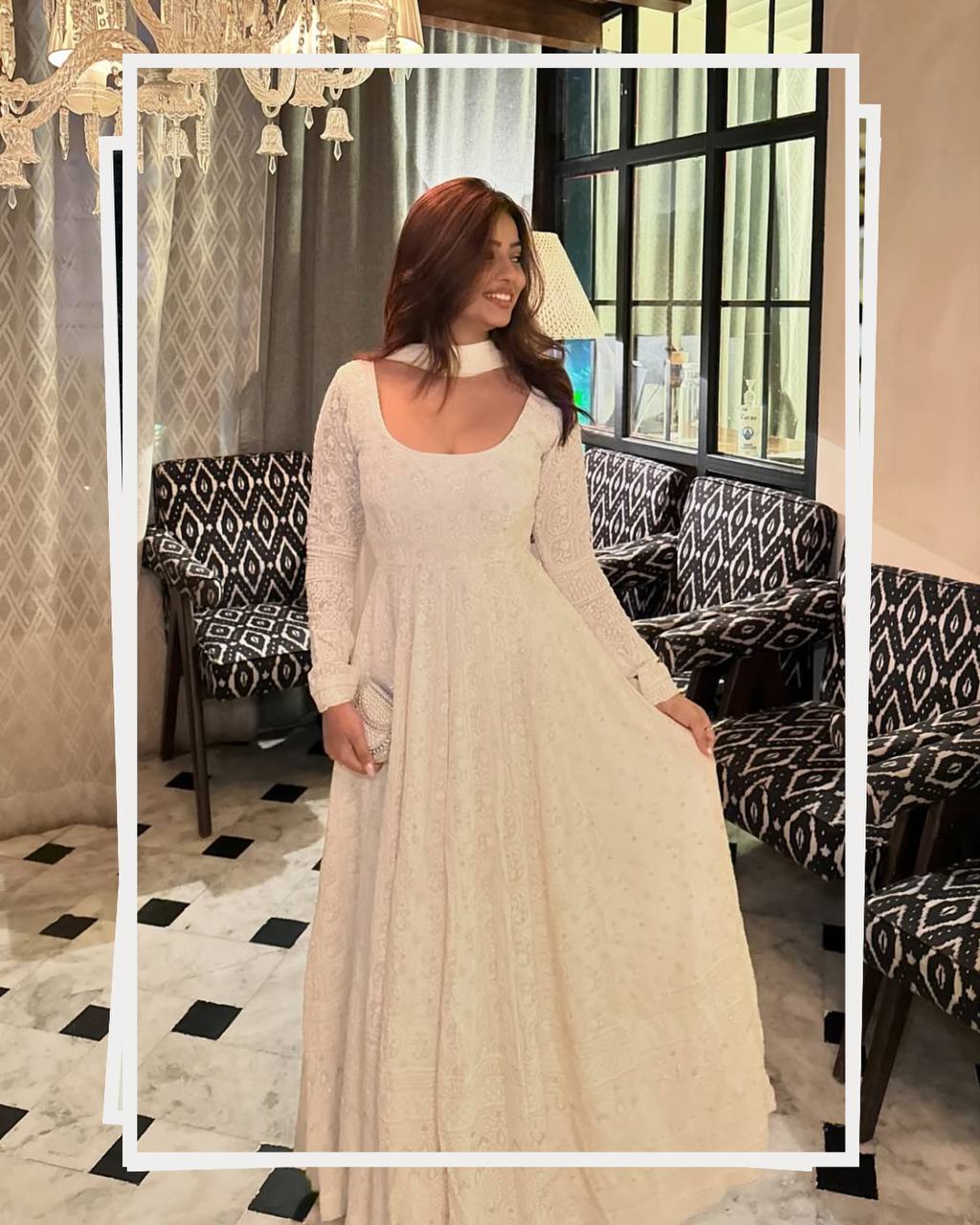
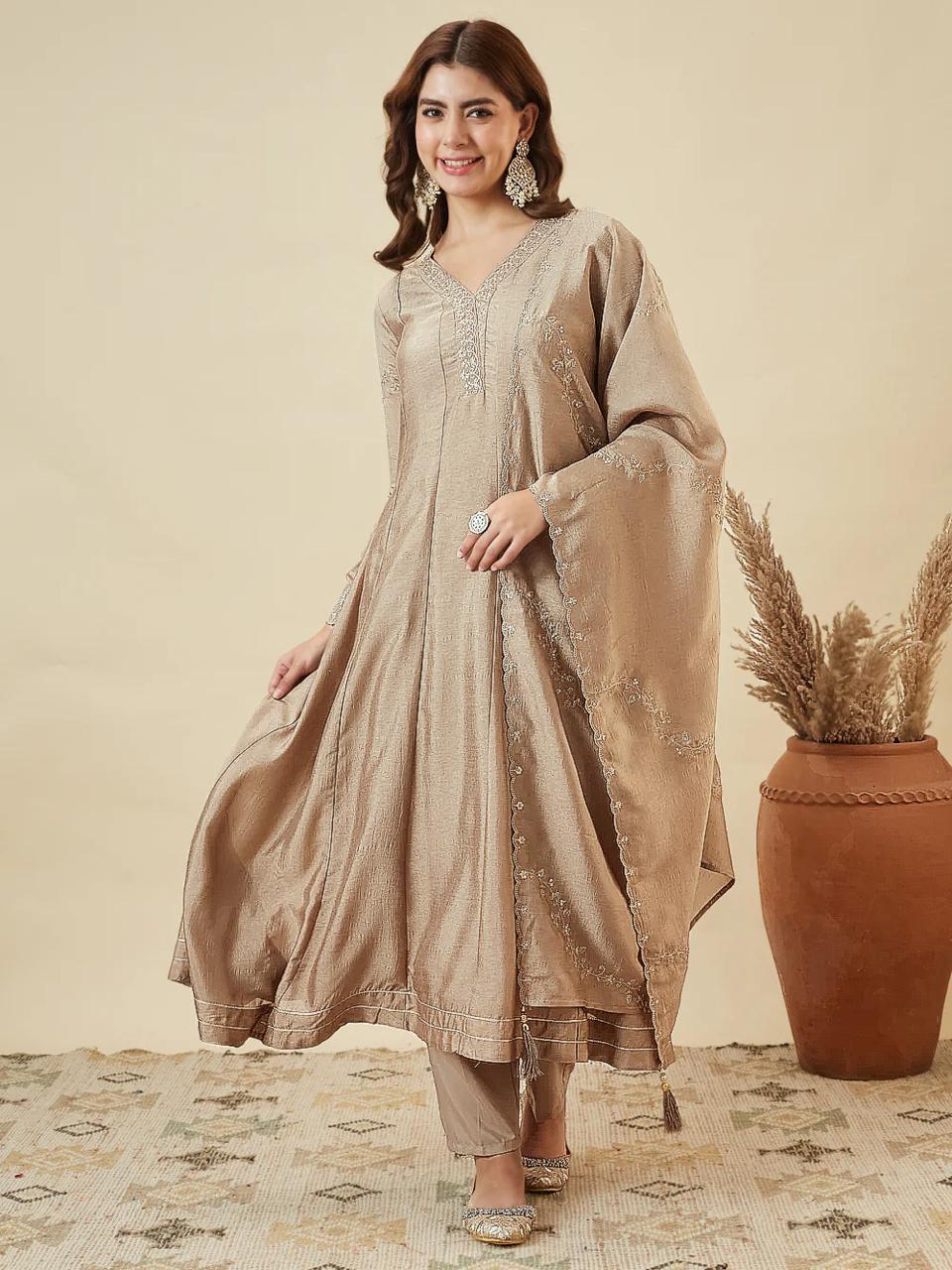
Silk fabrics require more careful judgement. A Vichitra silk outer layer may have enough body and opacity for a full lining to be unnecessary, but the answer changes when the weave is light-coloured or the bodice contains dense cutwork. White Floral Vichitra Silk Anarkali Suit Set | Varnavi illustrates why fabric appearance alone isn't enough: inspect the bodice, skirt and sleeve areas separately before deciding on an inner layer.
Zari, sequins and gota work
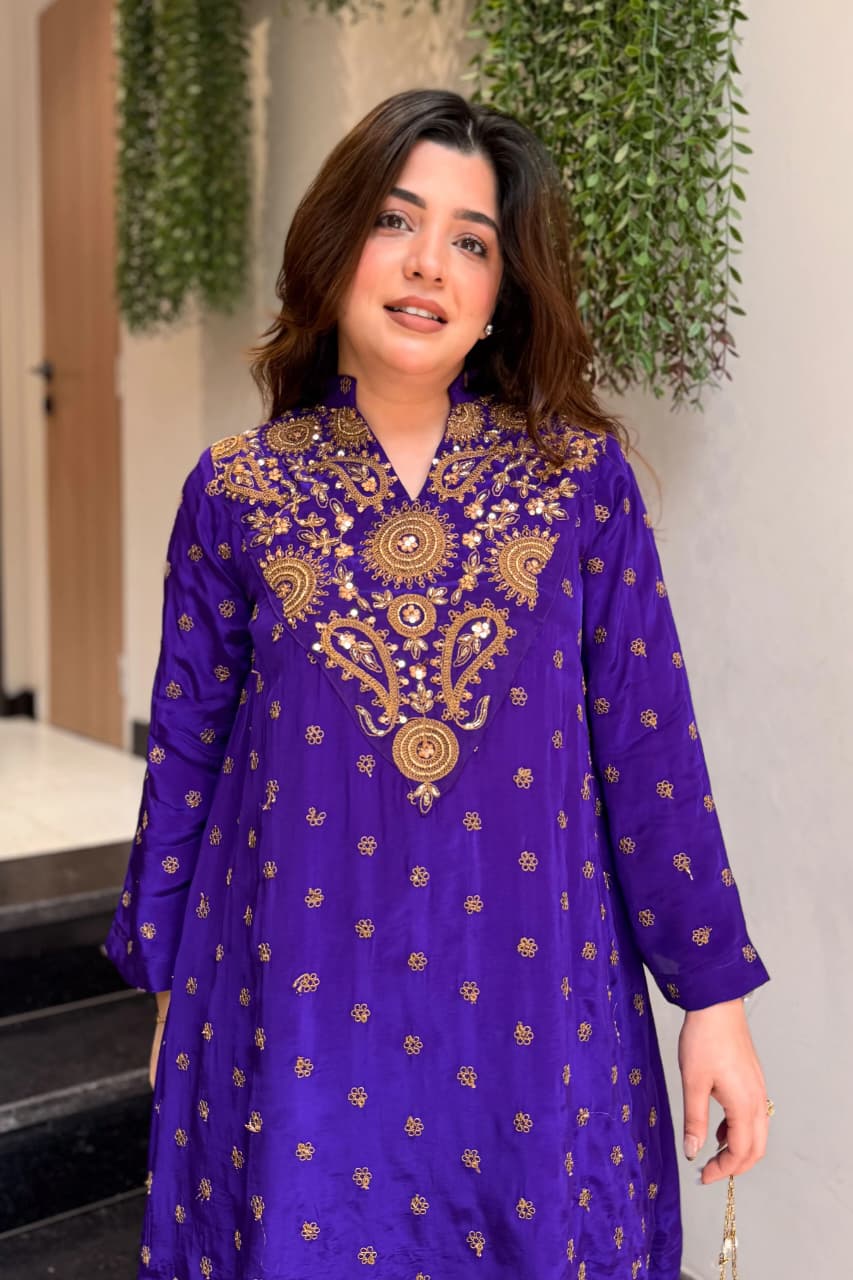
Dense embroidery is a strong reason to retain a lining in summer because metallic threads, sequins and stiff lace can scratch the underarms, waist and neckline. A lining also stops embellishment from catching on skin or innerwear.
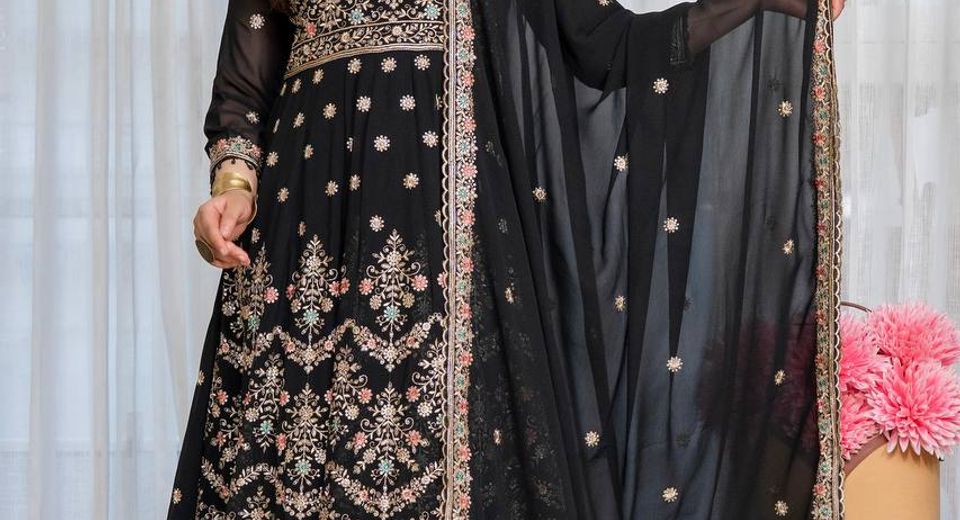
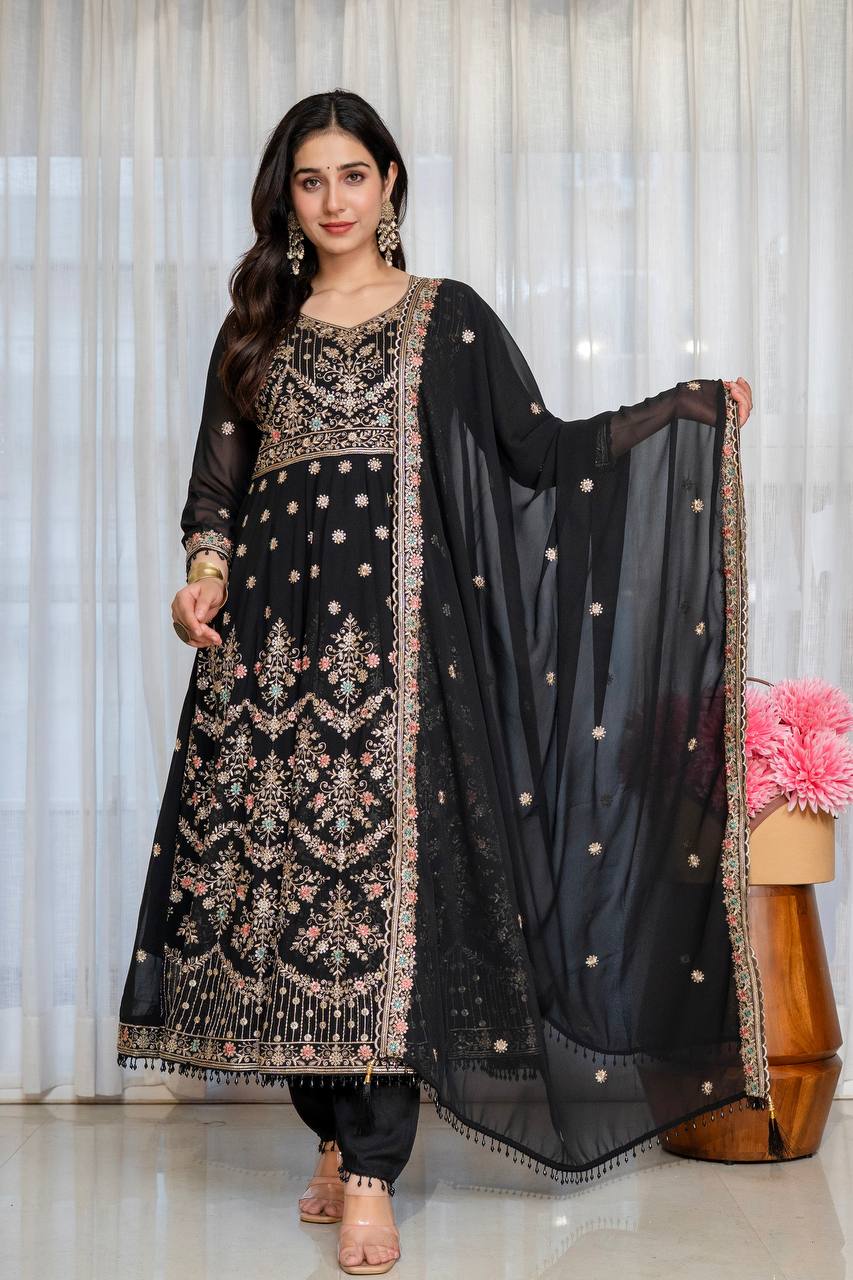
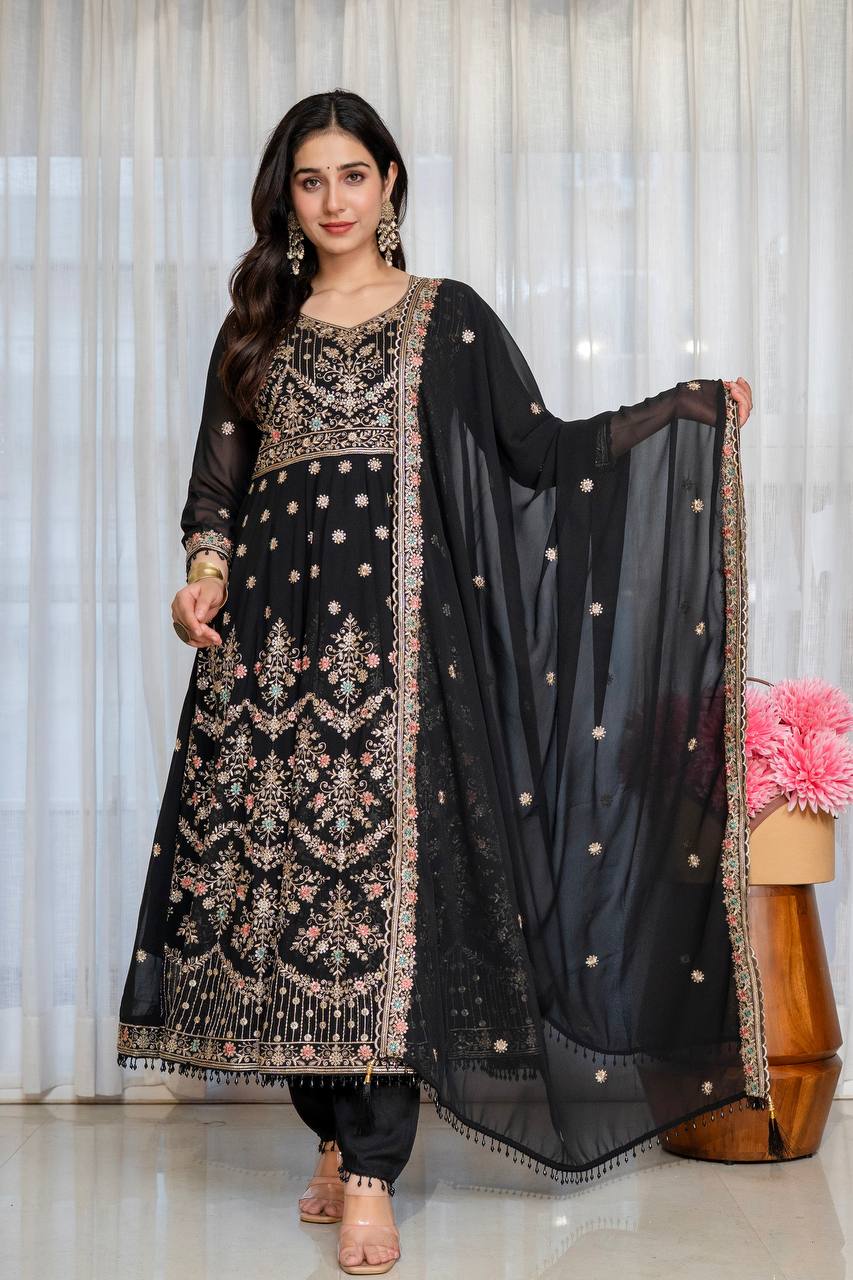
Black Anarkali Suit Set with Sequin Zari and Moti Lace Work and Black Anarkali Suit with Zari, Sequins & Moti Lace Work demonstrate why decorative comfort matters as much as visual appeal. A soft inner layer can make a heavily decorated bodice wearable for several hours without turning the entire garment into a hot, bulky outfit.
For heavily worked Anarkalis, a lining made from smooth cotton or a soft viscose blend can act as a protective barrier. The lining doesn't need to cover every inch of the skirt. A lined bodice with a lighter, partly lined skirt may be more comfortable than a fully lined garment.
Does an Anarkali Need a Separate Lining in Summer for Daytime Events?
A daytime Anarkali usually needs less lining than an evening or wedding Anarkali because ventilation matters more during prolonged exposure to heat.
For a Haldi ceremony, outdoor lunch or daytime family gathering, ventilation generally deserves priority over a perfectly structured flare. A lined bodice, unlined sleeves and a skirt lined only to mid-thigh can provide coverage while allowing heat to escape below the knees.
A lining becomes more useful during long events because it reduces fabric cling and keeps pleats or flare from twisting around the legs. A wedding guest who will sit on the floor, climb stairs or dance may appreciate the stability of a lining more than someone attending a short indoor appointment.
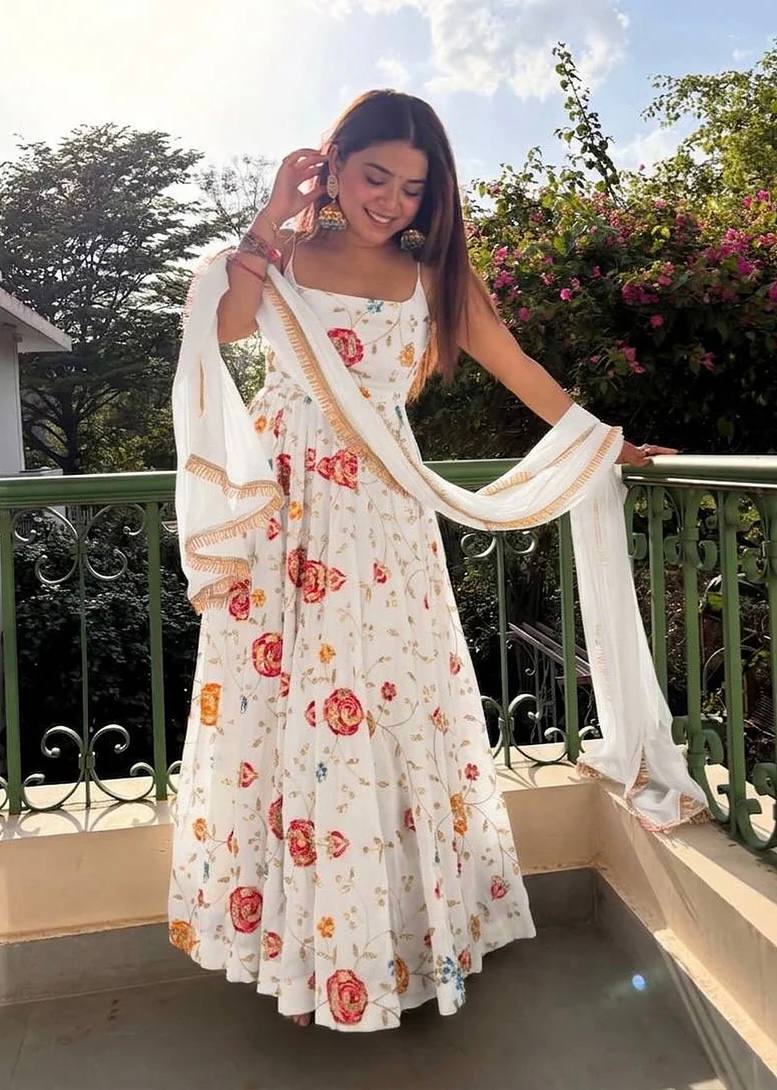
The colour and surface of the outer fabric also affect the decision. Pale fabrics can reveal shadows and perspiration more easily than darker colours. White Embroidered Anarkali Suit Set with Gota Patti Dupatta needs careful inspection because the light base may require more coverage, while gota patti may have firm edges that benefit from a protective inner layer.
For office wear, a cotton Anarkali can often use a bodice lining and an unlined skirt. For an evening reception in an air-conditioned hall, a silk or embellished Anarkali may comfortably support a fuller lining. The length of the event, indoor temperature and amount of travel should all influence the final choice.
Does an Anarkali Need a Separate Lining in Summer for Breathability?
Cotton voile, mulmul and lightweight cotton blends are among the most practical lining choices for breathable summer Anarkalis because they allow more air movement and absorb some moisture.
Lightweight cotton
Mulmul is soft and airy, making it suitable for bodices, sleeves and lightly structured skirts. Cotton voile is slightly more stable and can provide better coverage under pale or sheer fabrics. Both options may crease more readily than synthetic linings, but creasing is usually a smaller comfort issue than trapped heat.
Viscose and rayon blends
Viscose can feel cool and smooth against the skin, and a lightweight viscose blend can work under decorative outer fabrics. Check the garment care instructions because some viscose fabrics shrink or lose shape when washed aggressively. Rayon should not be assumed to be automatically breathable; the weight, weave and blend percentage still matter.
Silk and synthetic linings
Silk lining gives a smooth finish and helps a formal Anarkali glide over innerwear, but silk lining can be costly and may require careful cleaning. Polyester satin is durable and slippery, yet polyester satin is often a poor choice for peak summer because polyester absorbs little moisture and can hold heat close to the body.
Ask four practical questions before buying or tailoring: What is the lining fibre? Is the lining woven or knitted? Does the lining cover the whole skirt? Can the garment be washed without damaging the inner layer? A product description that names the outer fabric but not the lining doesn't provide enough information for a confident summer decision.
Black Zari Sequins Embroidered Anarkali Suit Set | Varnavi! Shows why the outer decoration should be assessed alongside the inner construction. A smooth, lightweight lining may protect the wearer from zari without making the entire flared skirt dense or warm.
Does an Anarkali Need a Separate Lining in Summer for the Whole Garment?
The most comfortable summer construction is often a targeted lining rather than a full-length lining from neckline to hem.
Bodice lining
A bodice lining should normally cover the bust, waist and areas near the armholes because those zones experience the most friction and require opacity. A soft lining can also stabilise the neckline and prevent the outer fabric from stretching. Leave enough ease for breathing and sitting; a lining that pulls across the bust will feel warmer and restrict movement.
Skirt and flare lining
A skirt lining can stop transparency and improve fall, but a skirt lining doesn't always need to reach the hem. A lining that ends 10 to 15 centimetres above the outer hem can allow more air movement while preserving modesty. The correct length depends on how sheer the outer fabric becomes when it moves or catches sunlight.
Sleeve lining
Sleeves need lining only when the fabric is transparent, scratchy or structurally unstable. Unlined sleeves usually ventilate better, particularly when the Anarkali has a close armhole. A lined sleeve should have enough width to prevent the inner layer from sticking to the upper arm.
Tailors can also use small ventilation openings at side seams or underarm areas, provided the construction remains neat and modest. Avoid making the lining tighter than the outer garment. The outer fabric should carry the flare, while the lining should follow the body without creating resistance.
Black Embroidered Anarkali Suit Set with Zari Work is a useful example of a design where a partial lining may protect the upper body while preserving movement through the lower flare. A tailor can line the bodice fully, line the skirt to the knee and leave the lower section lighter when opacity allows.
Does an Anarkali Need a Separate Lining in Summer When Choosing Regional Styles?
An Anarkali needs a separate lining in summer according to its actual fabric and construction, not according to the regional name attached to a print or style.
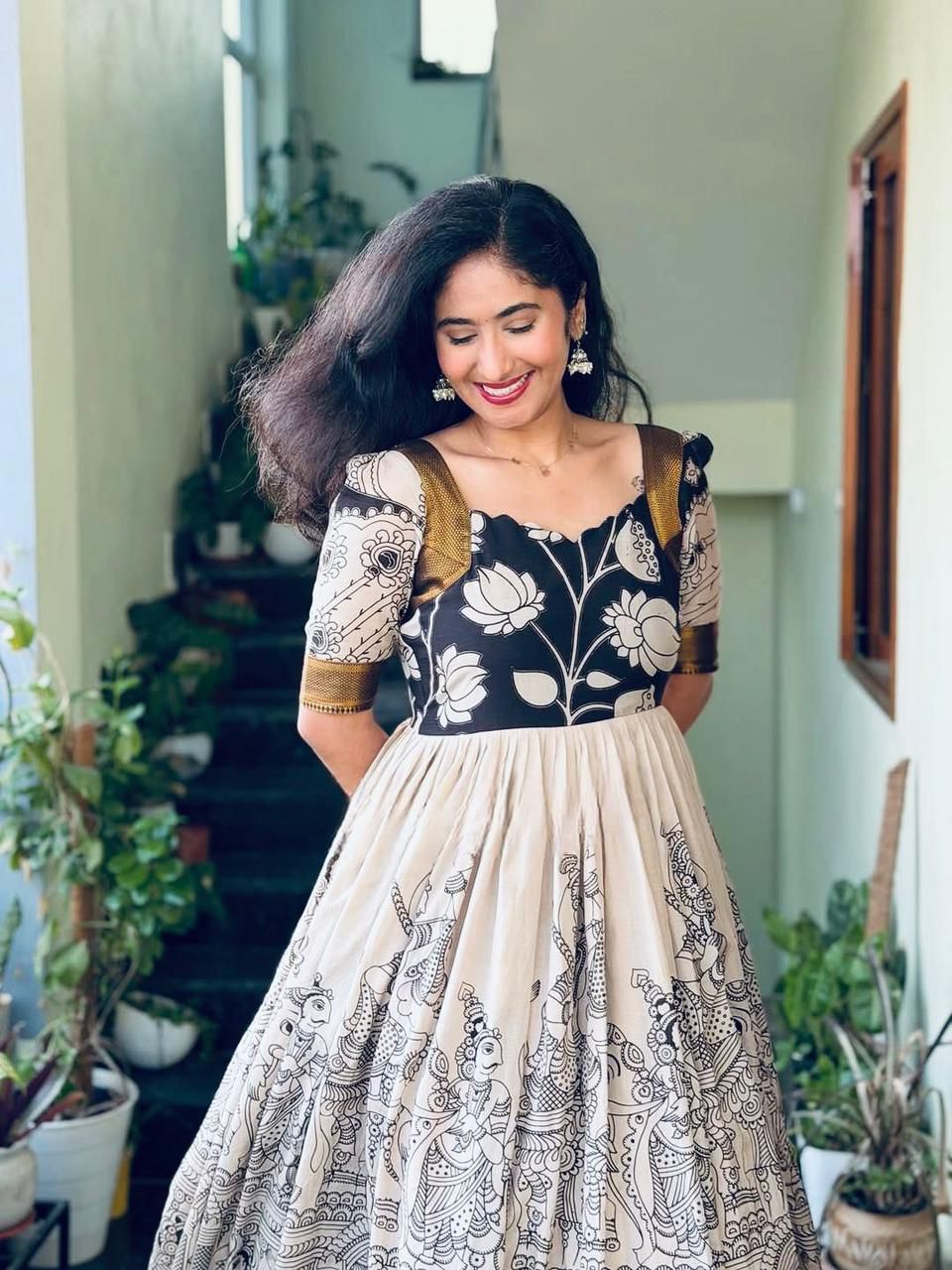
Kalamkari Print Salwar Suits may use printed cotton or a cotton blend, but the lining decision still depends on weave density and garment weight. Maharashtra Paithani Inspired Salwar Suits may include a richer, more structured textile appearance, so a light lining can help the fabric sit smoothly without requiring a heavy full-length inner layer.
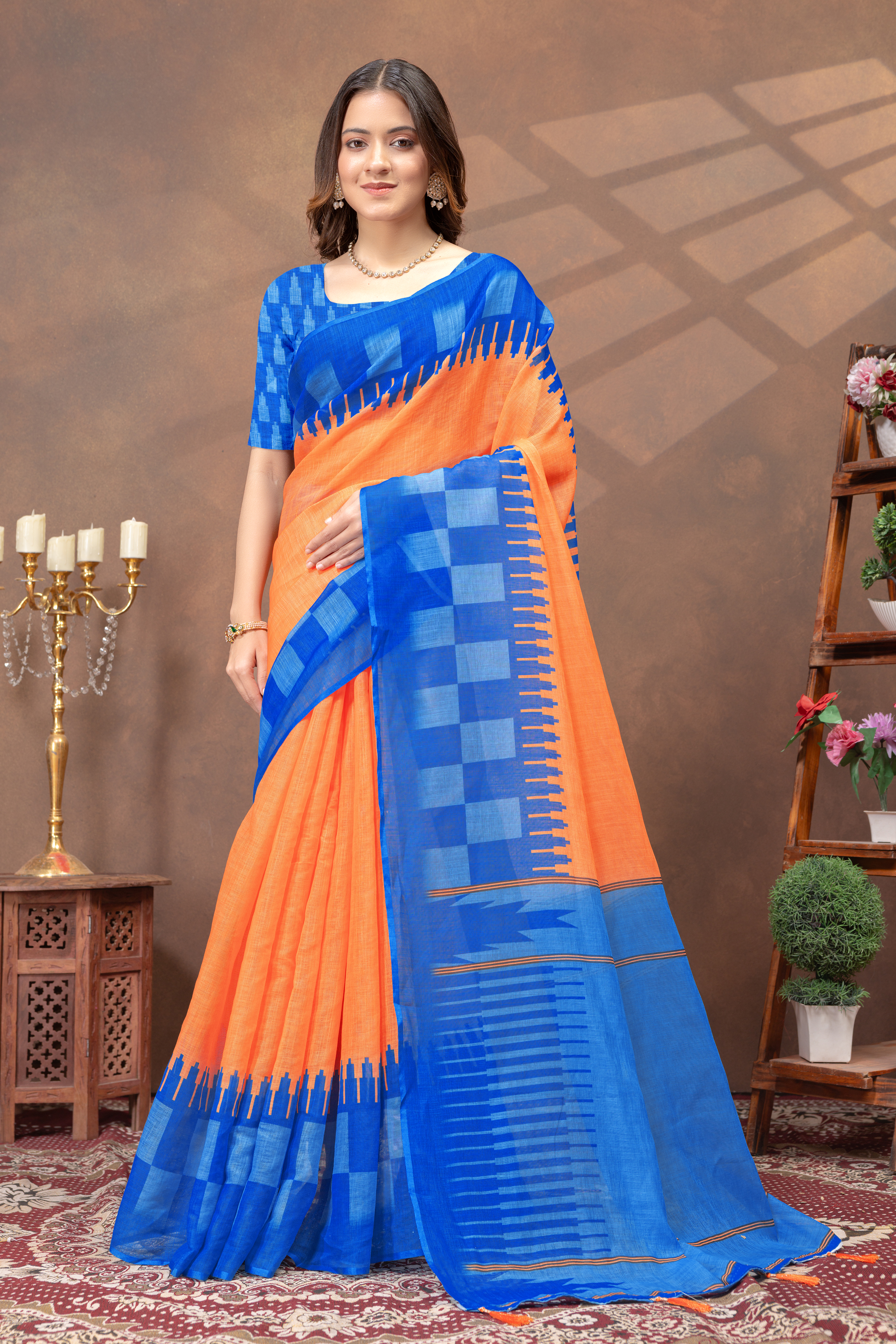
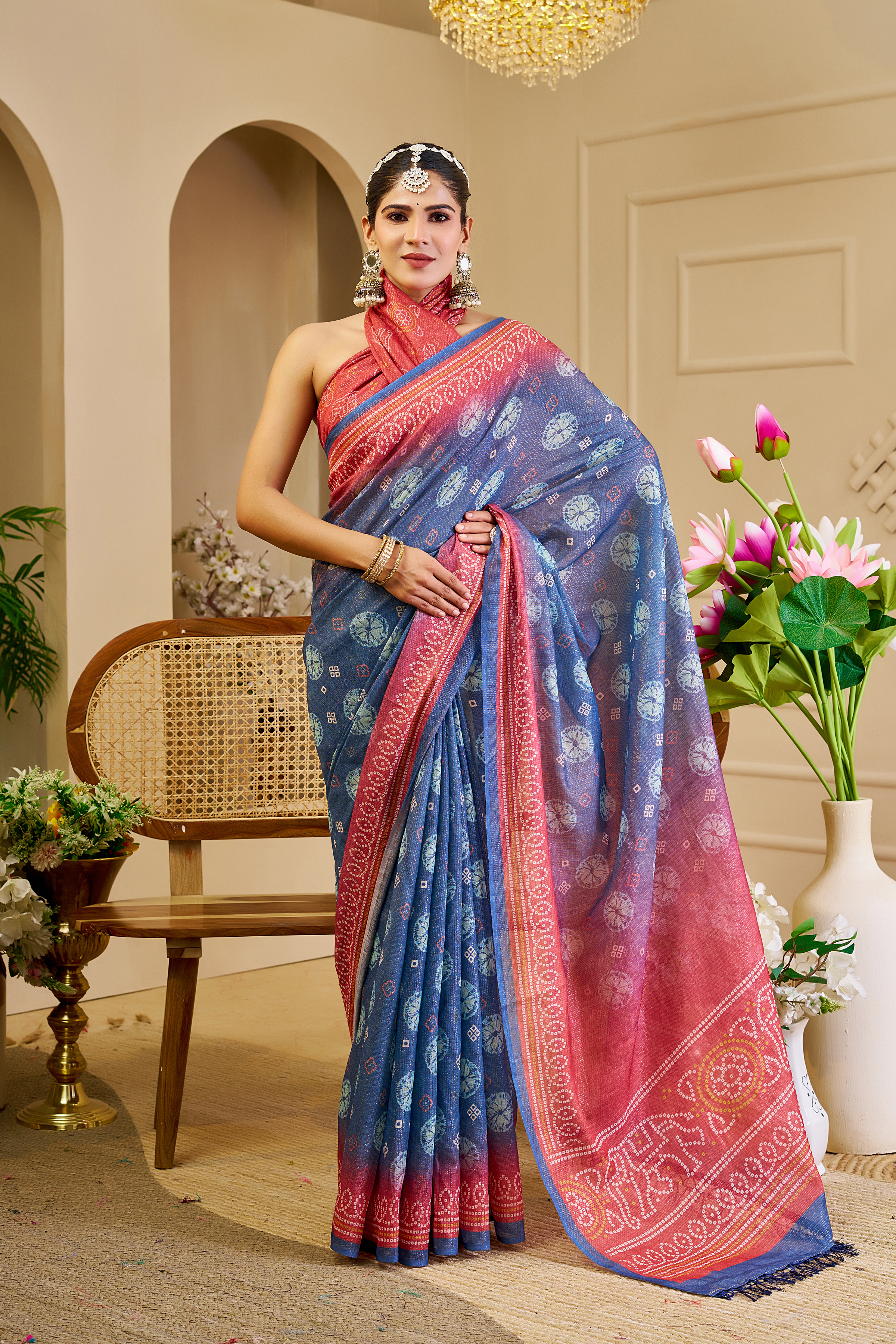
Gujarat Bandhej Salwar Suits often draw attention through colour and tiedye patterning, while Odisha Sambalpuri Salwar Suits may feature a handloom-inspired texture. A textured surface can feel comfortable when the fabric is airy, but a rough reverse side or dense weave may make a soft lining worthwhile.
Punjab Patiala Salwar Suits usually involve generous lower-body volume, which makes air movement and fabric weight especially important. A heavy full lining under a voluminous salwar can trap heat around the legs. A breathable lining limited to the upper body may offer better comfort.
Regional styling also changes how much fabric touches the skin. A dupatta can provide coverage over a sheer bodice, but a dupatta should not be treated as a substitute for a properly finished lining when embroidery scratches or the main garment becomes transparent in sunlight.
Before buying, hold the fabric against daylight, rub the reverse gently against the inside of your wrist and check whether the lining pulls when you sit. These three tests reveal transparency, surface irritation and fit problems more reliably than a product photograph.
Does an Anarkali Need a Separate Lining in Summer After Washing?
A summer Anarkali lining remains comfortable only when the lining and outer fabric receive compatible care.
Wash cotton-lined garments according to the care label and avoid hot water unless the label specifically permits it. Cotton can shrink, and unequal shrinkage between the outer fabric and lining can cause puckering at the seams. A newly tailored lining should ideally be pre-shrunk before stitching when the fabric allows.
Embroidered Anarkalis with zari, sequins or gota work often require gentle hand washing or professional cleaning. Do not wring a decorated garment because twisting can distort the lining, loosen metallic work and stretch the flare. Press the garment from the reverse on a low setting only when the care instructions allow ironing.
Dry the Anarkali in shade rather than harsh direct sunlight, especially when the garment contains dark dye, zari or delicate embellishment. Store the garment only after the lining and outer fabric are completely dry. Damp storage encourages odour and may weaken embroidery threads.
A practical summer wardrobe can include one unlined cotton Anarkali for routine daytime wear, one partially lined printed suit for travel and one fully or generously lined embellished Anarkali for formal occasions. This approach matches construction to use instead of forcing one lining rule onto every salwar suit.
Common Summer Lining Questions for Anarkali Suits
Does an Anarkali need a lining in hot weather?
An Anarkali needs a lining in hot weather when the fabric is sheer, heavily embellished, scratchy or lacking structure. An opaque, lightweight cotton Anarkali may be comfortable without a full lining.
Which lining fabric is best for a summer Anarkali?
Mulmul, cotton voile and lightweight cotton blends are practical summer lining fabrics because they are softer and more breathable than polyester satin. A lightweight viscose blend can also work when the care requirements are suitable.
Should a summer Anarkali be fully lined?
A summer Anarkali does not always need to be fully lined. A lined bodice, unlined sleeves and a skirt lining that ends 10 to 15 centimetres above the hem can provide coverage while improving ventilation.
Is polyester lining comfortable for an Anarkali in summer?
Polyester lining can feel smooth and durable, but polyester absorbs little moisture and may trap heat. Cotton voile, mulmul or a lightweight cotton blend is usually a better choice for peak summer.
How can I tell if an Anarkali needs a lining before buying it?
Check the fabric against daylight, inspect the reverse for rough embroidery and sit down to see whether the outer layer clings or pulls. Product details should also identify the lining fibre and whether the lining covers the bodice, skirt or entire garment.
Can a tailor remove the lining from an Anarkali for summer?
A tailor can remove or shorten a lining when the outer fabric remains opaque and structurally stable. Removing the lining from sheer fabric or dense embroidery may create transparency, scratching or poor drape, so a partial replacement is often safer.