

Does a Lehenga Need a Separate Inner Skirt for Comfort? Sometimes, but not always. A well-made lehenga may already include a soft lining that protects the skin, supports the outer fabric, and makes the skirt easy to move in. A separate inner skirt becomes useful when the lehenga is unlined, scratchy, transparent, heavily embellished, stiff at the waist, or likely to be worn for six or more hours.
The important distinction is between a built-in lining, a separate underskirt, and a traditional petticoat. These layers solve different problems. Knowing which layer a lehenga already has can prevent unnecessary bulk, overheating, awkward bunching, and an alteration that doesn't improve the fit.
Does a Lehenga Need a Separate Inner Skirt for Comfort During Long Events?
A lehenga needs a separate inner skirt when its existing lining doesn't provide enough softness, coverage, structure, or freedom of movement for the wearer. A separate layer is especially helpful for sheer organza, net, tulle, sequinned fabric, coarse embroidery, and skirts with a stiff waistband.
Many lehenga skirts contain an attached lining sewn inside the outer layer. The lining may be made from cotton, polyester, satin, crepe, or another lightweight material. That attached lining is normally sufficient for a fully stitched lehenga that feels smooth against the legs and doesn't ride upward while walking.
A separate underskirt is different because the garment is worn independently underneath the lehenga. An underskirt can add opacity beneath a translucent skirt, reduce contact between embellishment and skin, and create a smoother layer for a flared silhouette. An underskirt can also make a skirt slide more easily when the wearer sits, climbs stairs, or dances.
A petticoat is usually associated with sarees, but a lightweight petticoat-style layer may sometimes be used beneath a lehenga. A stiff saree petticoat isn't automatically suitable for a lehenga because its shape, waistband, and flare may produce unwanted gathers beneath the skirt.
Does a Lehenga Need a Separate Inner Skirt to Prevent Irritation?
A separate inner skirt can prevent irritation when the lehenga has rough embroidery, sequins, metallic thread, beadwork, or unfinished seams that repeatedly rub against the skin. The correct layer creates a soft barrier without compressing the waist or adding excessive heat.
Fabric friction isn't determined by appearance alone. A soft-looking net skirt may have a scratchy embroidered surface, while a plain satin lining may feel slippery but become warm. Testing the lining against the inside of the forearm for several minutes gives a better first impression than judging the outer fabric from a distance.
Seams deserve equal attention. A lining may feel smooth in the middle of the skirt but irritate the thighs where side seams, overlocked edges, or extra embroidery are positioned. Running a hand along the inside of the waistband and seams can reveal rough thread ends before purchase.
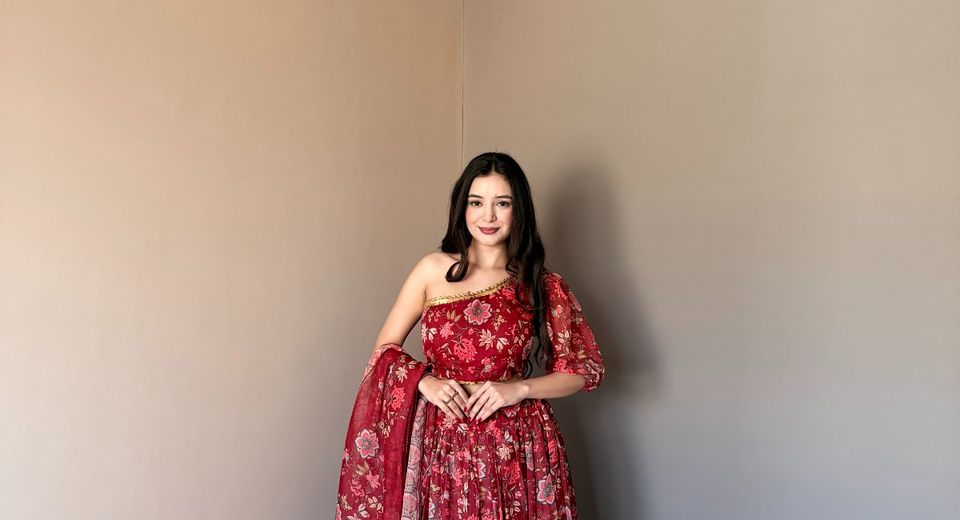
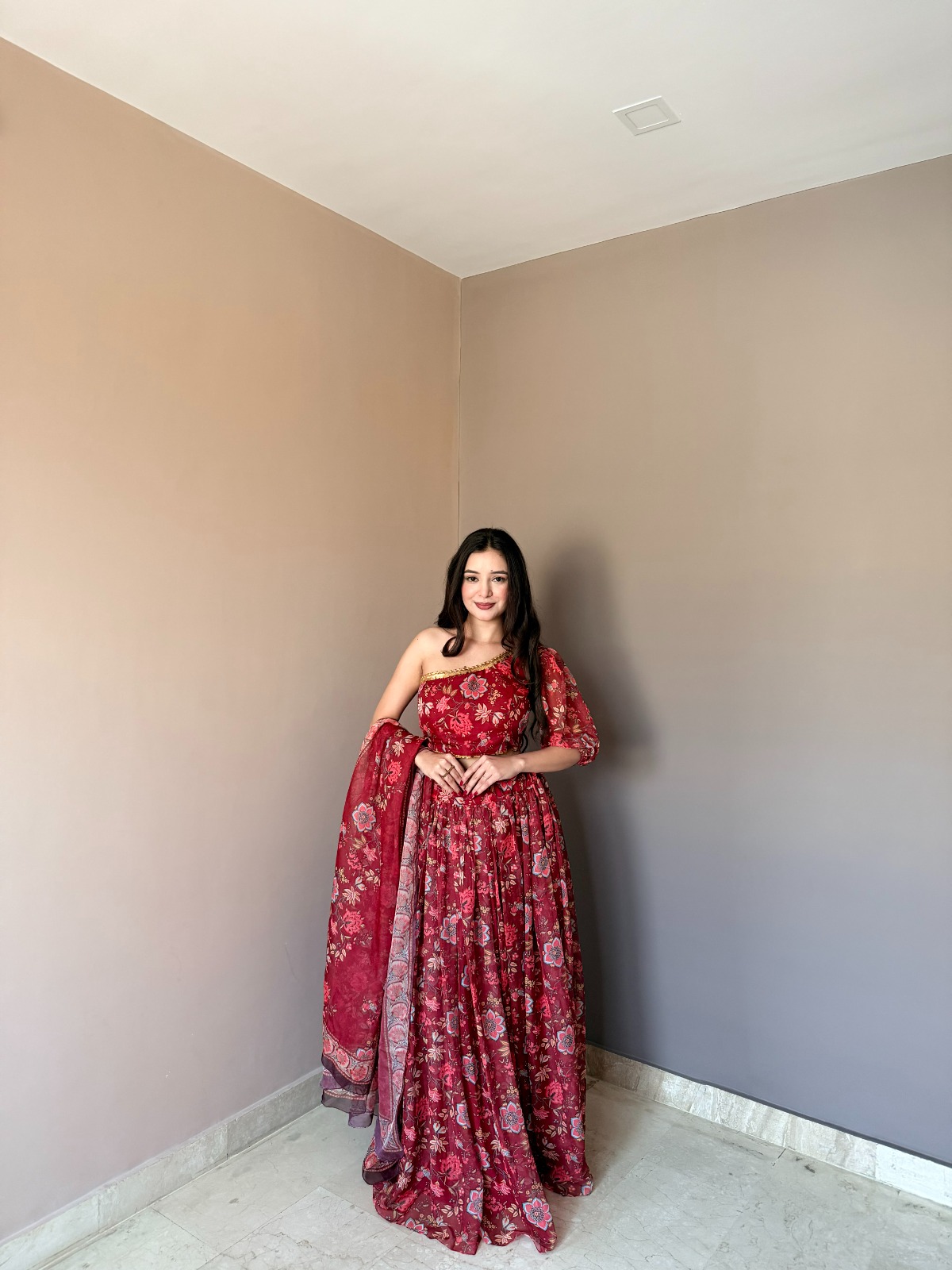
The Red Floral Organza Lehenga Set with One Shoulder Blouse shows why the outer fabric and inner layer should be considered together. Organza can hold a crisp shape and may need a smooth, opaque layer underneath if the attached lining doesn't provide enough coverage. The inner layer should support the skirt without flattening the intended organza volume.
Does a Lehenga Need a Separate Inner Skirt for Coverage and Opacity?
A separate inner skirt improves coverage when light passes through organza, net, chiffon-like overlays, or an open weave. Cream, blush, ivory, and pastel colours can appear more transparent under daylight or camera flash than they do in a dim fitting room.
The lining should reach close to the hem when the outer skirt is transparent near the ankles. A lining that ends several inches above the hem can create a visible colour break. A shorter lining may be intentional for a layered effect, but the finish should look planned rather than accidental.
Colour matching affects the appearance of opacity. A nude lining can disappear beneath some pastel fabrics, while a matching mint or blush lining may preserve the tone of a translucent skirt. A very dark lining beneath a pale lehenga can make the surface look grey or uneven in photographs.
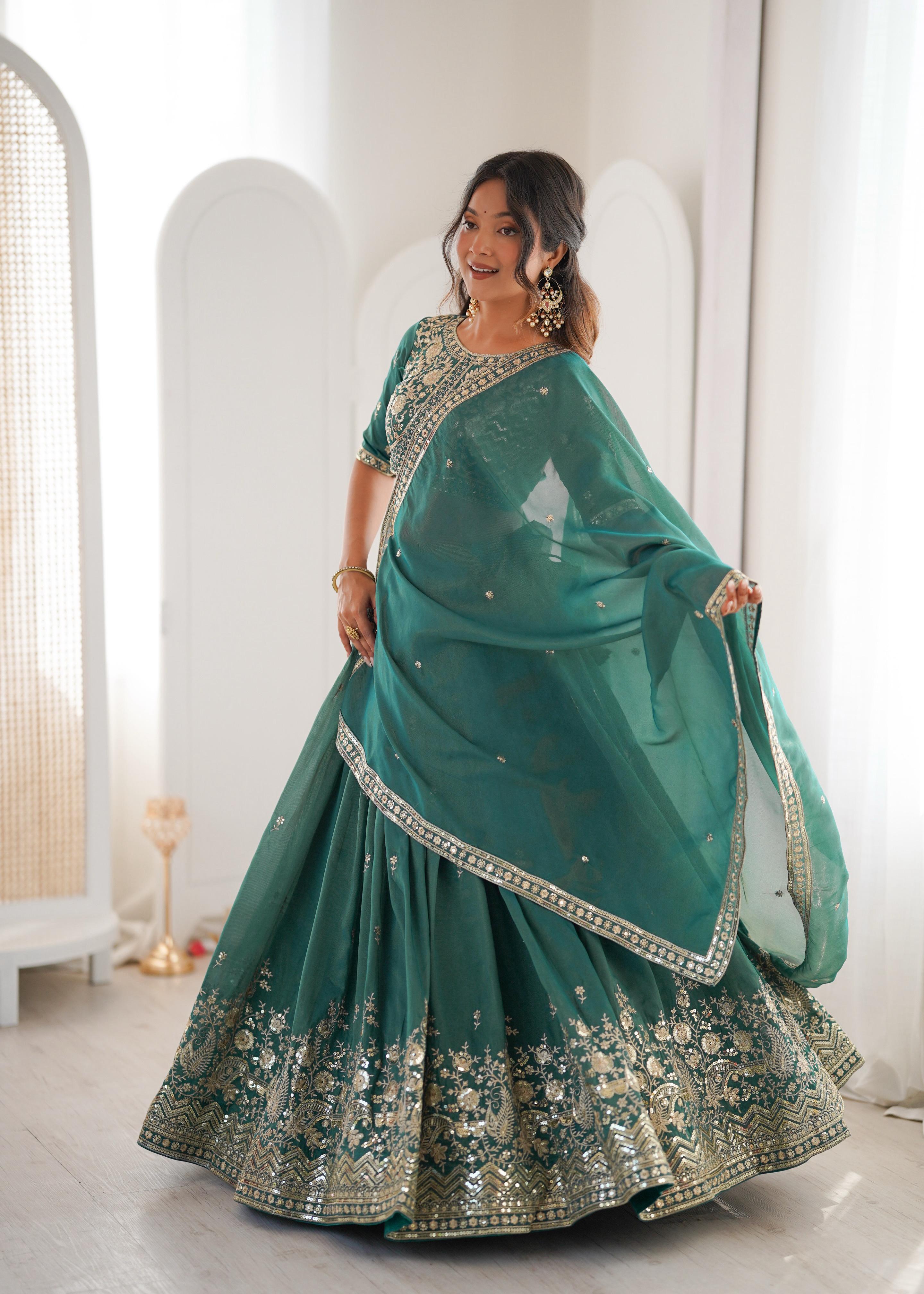
A Mint Embroidered Lehenga Set with Net Dupatta deserves a careful opacity check if the skirt contains net or other open layers. A nude, mint, or matching inner layer can prevent the outer colour from looking patchy, provided that the lining doesn't show through as a separate band.
Coverage also matters when the lehenga is worn at a family celebration where sitting on the floor, climbing steps, or lifting the skirt slightly may expose the lower layers. A separate inner skirt should remain in place during normal movement rather than sliding down with the outer fabric.
Does a Lehenga Need a Separate Inner Skirt in Hot Weather?
A separate inner skirt is comfortable in hot weather only when the fabric is lightweight and breathable enough for the venue and duration of wear. An additional thick polyester layer can trap heat around the waist and thighs, while cotton voile or a light cotton blend may improve airflow.
Cotton voile and cotton cambric suit daytime functions because they absorb some moisture and feel breathable. These fabrics may create slightly more friction than satin beneath a very full skirt, but their thermal comfort can be more valuable during an outdoor event.
Lightweight satin helps an embellished or layered lehenga glide over the legs. Satin can feel warm and may cling to hosiery or sweaty skin, so satin works better in moderate temperatures or a ventilated indoor venue.
Polyester lining is common in ready-made garments because polyester is durable, smooth, and economical. Thin polyester can be comfortable, but thick or poorly finished polyester may retain heat. The word lining alone doesn't indicate whether a garment will feel cool.
For a Haldi ceremony held outdoors, one light layer is usually more comfortable than multiple heavy linings. For an air-conditioned reception, a smooth satin or polyester underskirt may be suitable if the waistband remains soft and the fabric doesn't cling.
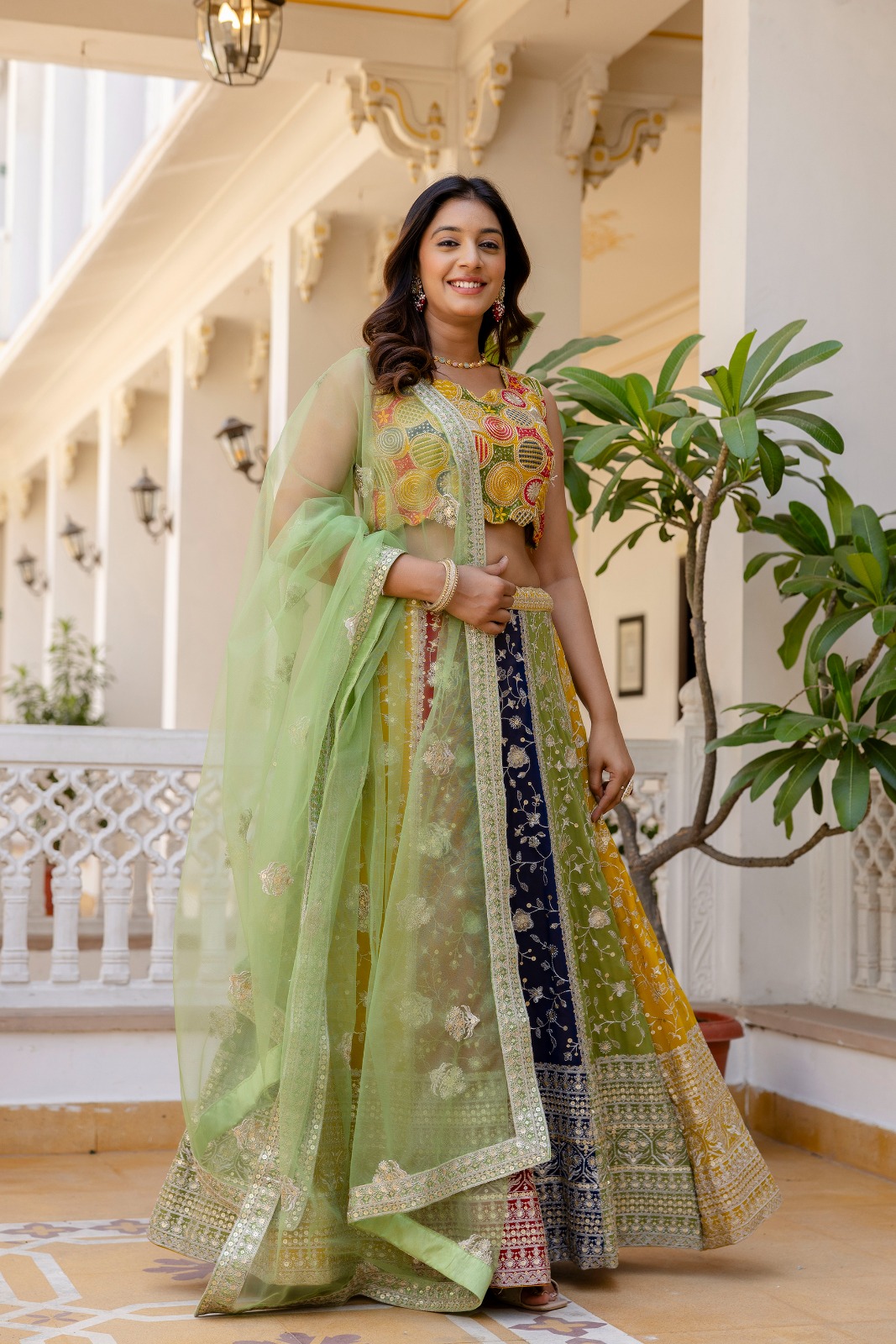
Green Lehengas and Yellow Lehengas are often selected for daytime festive functions, so breathable construction deserves priority over maximum volume. A light skirt with a comfortable lining is usually easier to wear through several hours of conversation, photographs, and movement than a heavily layered skirt.
Does a Lehenga Need a Separate Inner Skirt for the Right Fit?
A separate inner skirt should be added only after checking the original waist, hip, flare, and length measurements because an extra layer can change how the lehenga fits. The waist should remain secure without digging in, and the skirt should still allow normal sitting and walking.
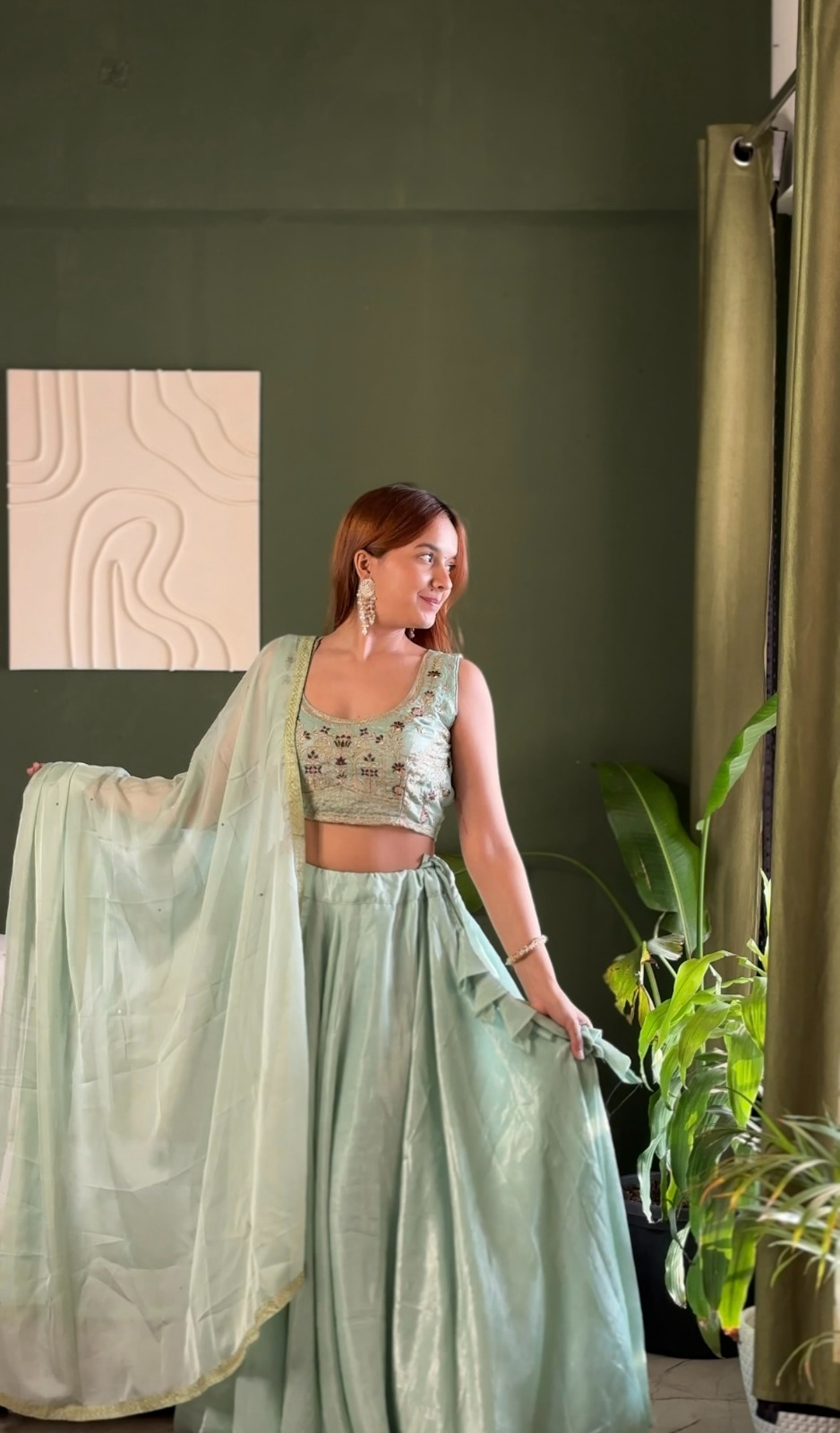
Ready Made Lehenga styles commonly arrive with the skirt assembled and a fixed waistband, so the lining is usually part of the finished construction. A fully stitched choli and skirt set can be easier to wear immediately, but fixed measurements make it more important to inspect the lining before purchase.
Semi Stitched Lehengas Collection styles may allow more adjustment at the waist and side seams. Semi-stitched construction can accommodate a separate underskirt more easily because the final volume and waistband placement have not been completely fixed. Alterations should still preserve enough room for sitting and normal breathing.
A Designer Threadwork Silk Lehenga Choli Set with Dupatta may feel substantial because silk and threadwork add weight to the outer design. A thin smooth inner layer can reduce friction and help the skirt move over the legs, but an additional heavy underskirt may make the complete outfit tiring during a long function.
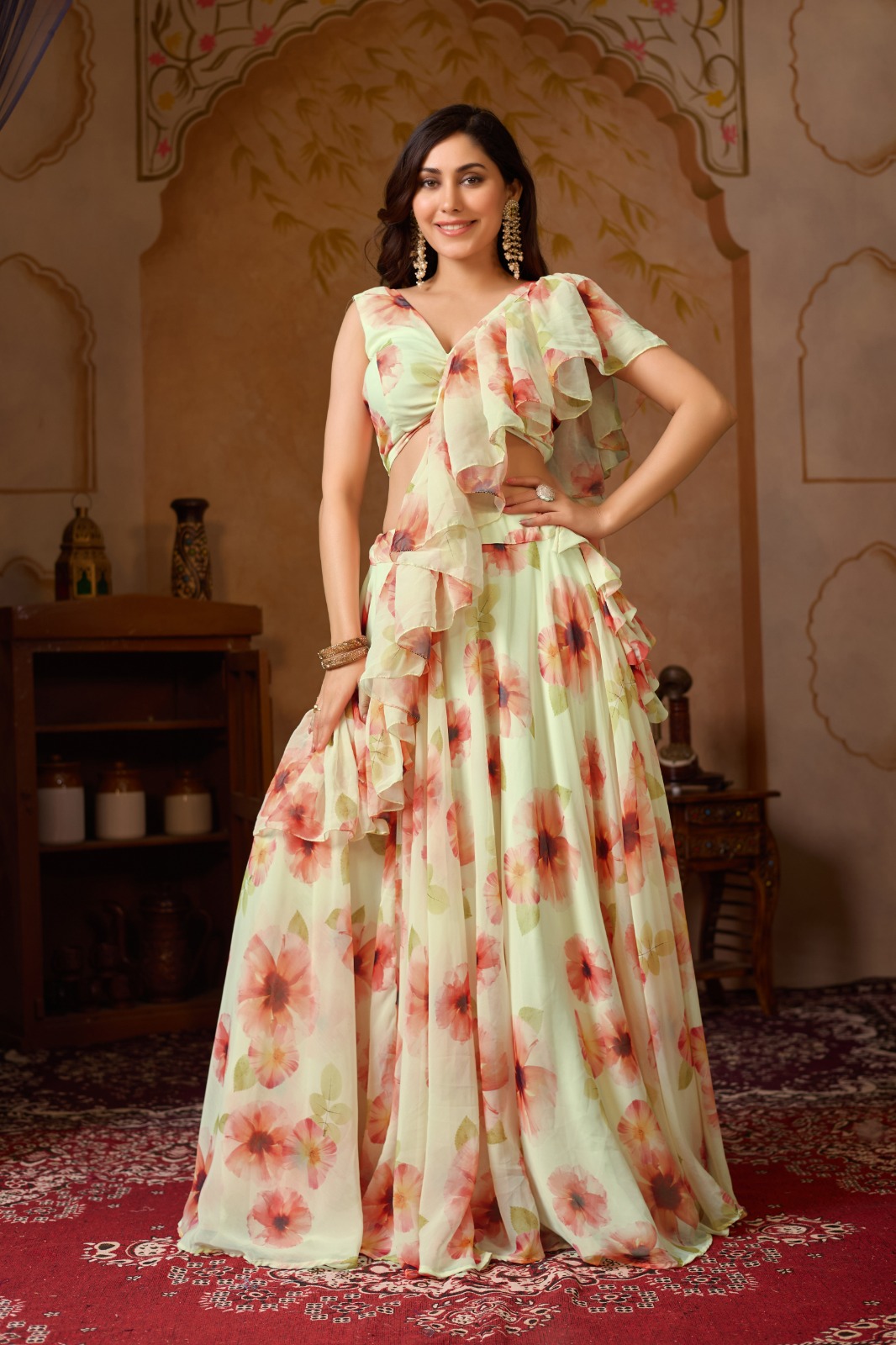
The Pastel Floral Georgette Lehenga Set with Ruffle Blouse may call for a different decision because georgette generally falls more fluidly than organza. A lightweight, non-bulky lining is preferable when the goal is to preserve movement and prevent the skirt from catching on a heavy underskirt.
An inner skirt should not be dramatically stiffer than the lehenga unless extra volume is the intended styling choice. A stiff inner layer can push the outer skirt away from the body, alter the fall of the embroidery, and make sitting difficult.
Does a Lehenga Need a Separate Inner Skirt Before Buying Online?
You can decide whether a lehenga needs a separate inner skirt before buying online by checking the product description, construction details, fabric, lining information, and size chart. A product image can't reliably show whether the skirt is opaque, lined, or comfortable against the skin.
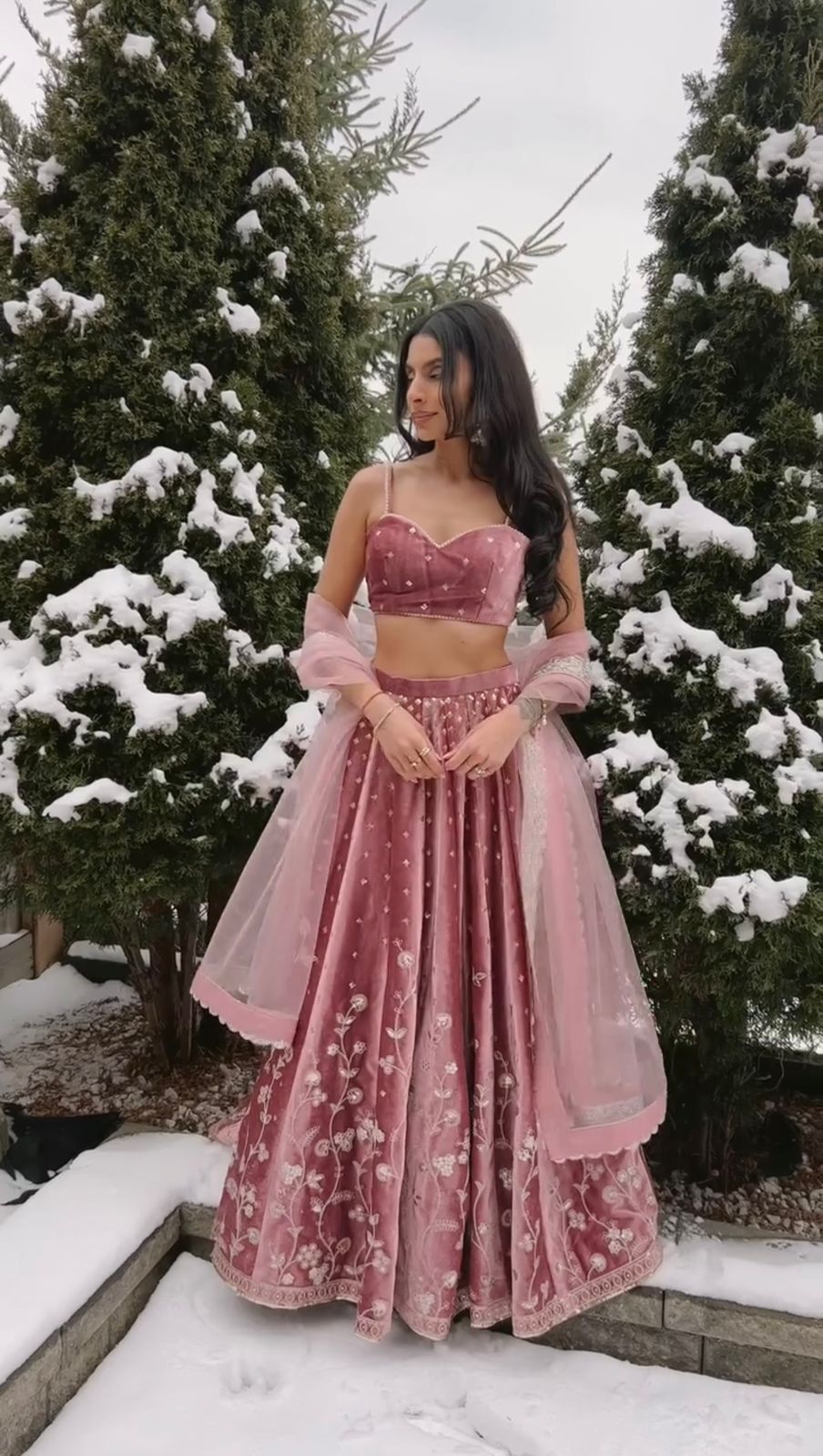
Look for specific wording such as attached lining, inner lining, padded waistband, canvas support, or multiple layers. If the description only names the outer fabric, contact the seller and ask whether the skirt has a full-length lining, what the lining fabric is, and whether the lining is stitched to the waistband.
Size charts are especially important for readymade and fully stitched styles. Measure the natural waist, the point where the lehenga will sit, and the fullest hip area. Compare those measurements with the garment chart rather than choosing a size based only on a usual blouse size.
Ask about alteration allowance when the waist is close to the upper limit of a size. A separate underskirt needs a little space, but sizing up too far can cause the outer skirt to twist or drag. A tailor can often adjust a waistband, but changing a heavily embroidered skirt may be more difficult.
Product construction also influences how a separate layer behaves. A Stylish Multicolor Butter Silk Lehenga Choli Set may need only a slim lining if the butter silk already falls smoothly. A Colorful Patch Print Butter Silk Lehenga Choli Set may similarly benefit from a light layer that preserves the fluid drape instead of adding a rigid petticoat shape.
A Magenta Satin Embroidered Lehenga Set Online can already have a smooth outer surface, but the wearer should still check heat, static, and seam comfort. Satin may slide against an inner layer, so the waistband must hold both layers securely without slipping.
Bridal lehengas deserve a longer trial because bridal embroidery, zari, layered net, and heavier skirts place more demand on the body. A separate inner skirt may help during a long wedding, but the bride should test the full outfit with footwear, dupatta, jewellery, and planned movement before the event.
Does a Lehenga Need a Separate Inner Skirt? A Practical Comfort Test
A five-minute movement test can show whether the existing lining is sufficient or whether a separate inner skirt would improve comfort. Standing in front of a mirror isn't enough because many problems appear only while sitting, walking, or climbing.
- Check the waistband: Place two fingers between the waistband and the body. The waistband should remain secure without cutting into the skin when you sit or inhale deeply.
- Walk ten steps: Walk at a normal pace and turn once. A lining that grabs the legs, twists around the knees, or pulls the waistband downward indicates a movement problem.
- Sit on a chair: Sit, stand, and sit again. The skirt should not force the waistband into the stomach or cause the lining to bunch behind the knees.
- Raise one knee: Lift one foot onto a low step or imitate climbing stairs. This checks whether the hem, lining, and flare restrict movement.
- Inspect under light: Check the skirt in daylight and under bright indoor lighting. Look for visible seams, uneven lining lengths, and transparency at the hips and lower legs.
- Wear the intended footwear: A lehenga hem can feel comfortable in flats but drag on the floor with heels, or appear short when worn without them. Test the height planned for the event.
People shopping for a fully stitched choli should assess the entire outfit rather than the blouse alone. A comfortable choli can't compensate for a skirt that twists, pinches, or becomes heavy after an hour.
The simplest decision rule is practical: keep the existing lining when it's smooth, opaque, breathable enough for the venue, and stable during movement. Add a separate inner skirt when the lehenga is irritating, transparent, clingy, or difficult to move in. Remove the extra layer if it causes heat, bulk, bunching, or waist pressure.
Common Mistakes to Avoid
The most common mistake is assuming that an extra layer automatically creates comfort. Comfort depends on the combined weight, breathability, seam finish, waistband position, and movement of all the garments being worn.
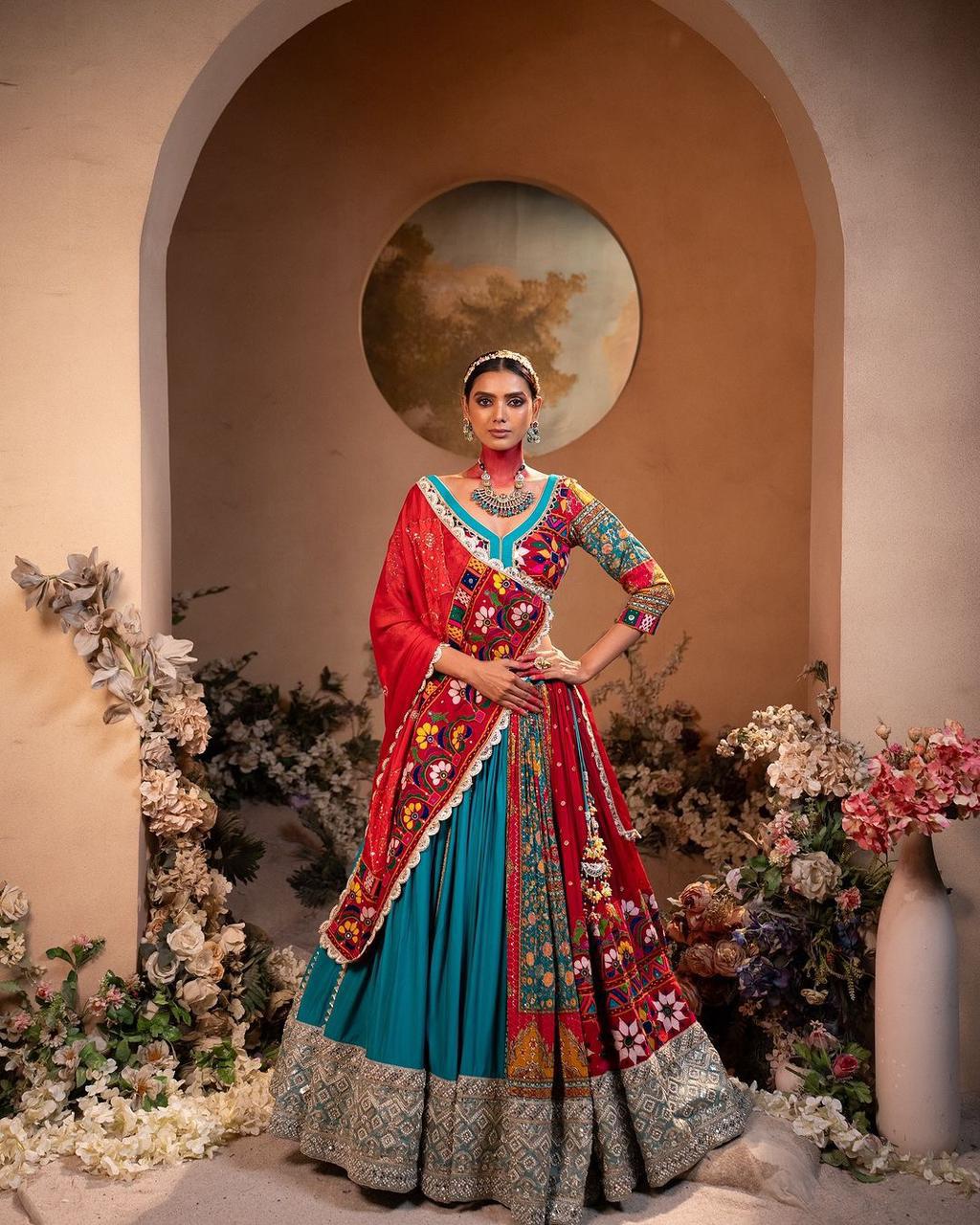
- Using a stiff saree petticoat: A saree petticoat may create an unnatural shape beneath a lehenga and can make the hips look wider than intended.
- Choosing the wrong length: An inner skirt that's too short may reveal a sharp line, while an inner skirt that's too long may peek out beneath the hem.
- Ignoring the waistband: Two waistbands placed at exactly the same point can create pressure. A softer, thinner waistband or a slightly staggered placement may feel better.
- Adding volume without testing the blouse: Extra flare can change the balance of a lehenga choli and make the dupatta or blouse appear proportionally smaller.
- Skipping a colour check: A bright or dark underskirt can alter the colour of a translucent outer layer, especially in photographs taken with flash.
The best inner layer is the lightest layer that solves the specific problem. A separate underskirt is a comfort tool, not a mandatory part of every lehenga.
Common Questions About Lehenga Inner Skirts and Comfort
Does every lehenga come with an inner skirt?
No. Many lehengas have an attached lining, but an independent inner skirt is not included in every design. Product descriptions should be checked for lining length, fabric, and whether the lining is stitched into the waistband.
Can I wear a lehenga without a petticoat or underskirt?
Yes, you can wear a lehenga without a separate petticoat when the attached lining is smooth, opaque, and comfortable during movement. An additional layer is useful only when the skirt needs more coverage, softness, slip, or structure.
Which fabric is most comfortable for a lehenga underskirt?
Lightweight cotton is generally comfortable for hot outdoor functions, while thin satin helps an embellished skirt glide over the legs. The best choice depends on temperature, duration, personal sensitivity, and the fabric of the outer lehenga.
How do I stop a lehenga from itching?
A smooth inner skirt can reduce itching caused by sequins, zari, beadwork, rough embroidery, or unfinished seams. Checking the waistband and seam edges is also important because irritation often comes from construction details rather than the main fabric.
Should a bridal lehenga have a separate inner skirt?
A bridal lehenga does not automatically need a separate inner skirt, but a separate layer can improve comfort during a long wedding when the attached lining is rough, sheer, or insufficiently smooth. Test the complete bridal outfit with footwear and accessories before the wedding day.
Does an underskirt make a lehenga look more flared?
An underskirt can add flare when it is stiff or structured, but a slim lining-style underskirt mainly improves coverage and movement. Choose a structured layer only when extra volume is part of the intended silhouette.




