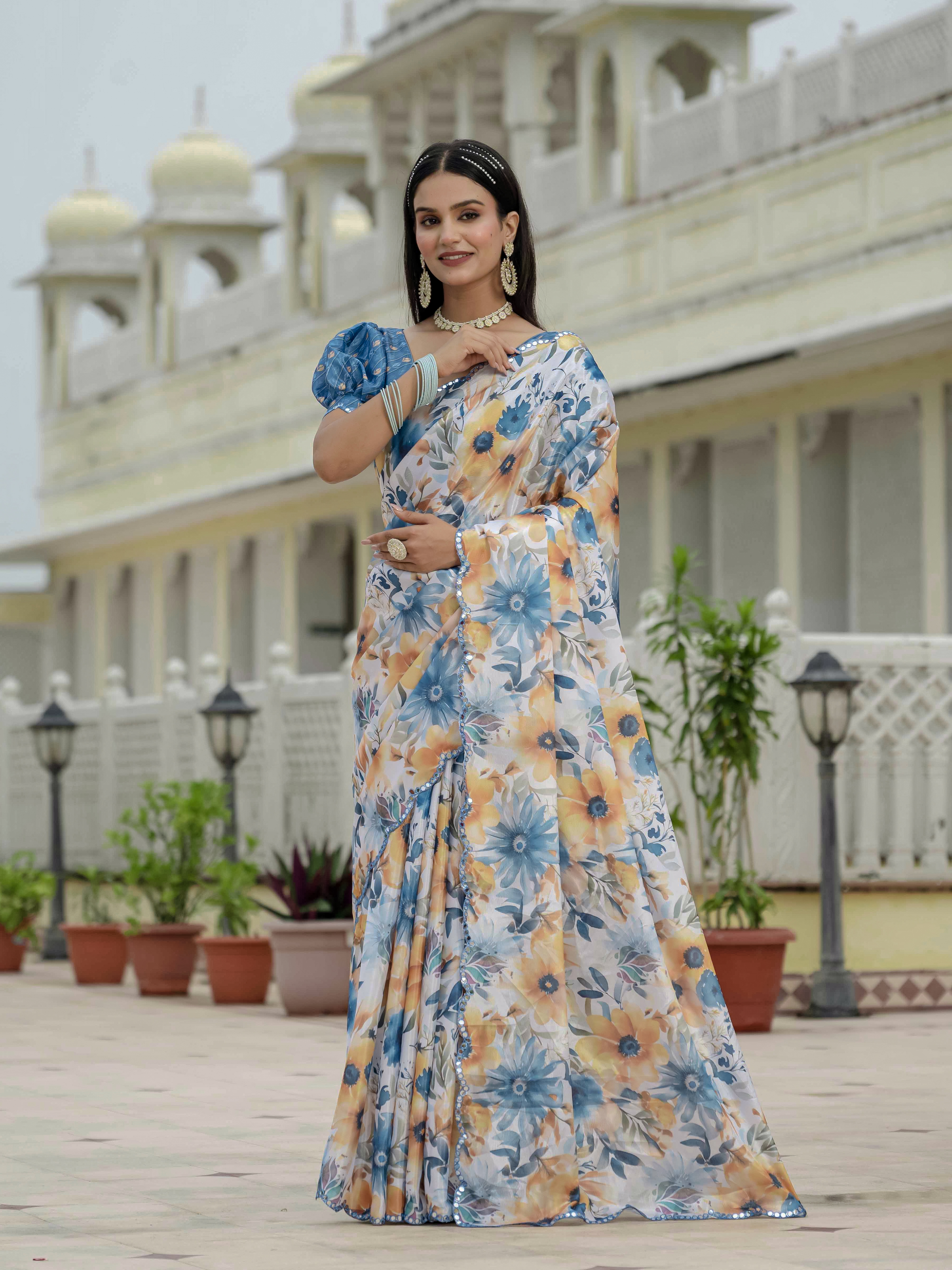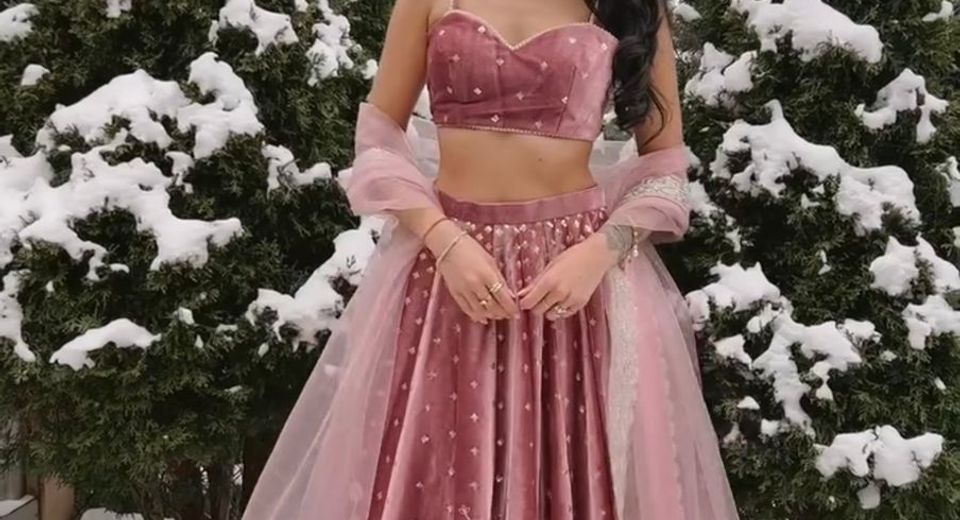
Diwali in Punjab: Punjabi Saree, Suit & Lehenga Outfit Ideas become much easier to choose when you match the outfit to the gathering, weather and amount of movement involved. A family puja may call for a graceful silk saree or salwar suit, while a Diwali party can accommodate a mirror-work lehenga, a printed gown or a brighter Patiala-inspired ensemble. The most successful festive outfit isn't simply the most embellished one; it's the outfit that lets you sit, greet guests, eat comfortably and move through the evening without constant adjustments.
Punjabi Diwali dressing often combines saturated colour, visible craftsmanship and practical layering. Fuchsia, rani pink, emerald, mustard, orange, ivory and red all work well, but the best choice depends on your complexion, the lighting at the venue and the colour of your dupatta or jewellery. Fabric also matters: Banarasi silk and brocade feel ceremonial, georgette creates fluid movement, butter silk gives a glossy festive finish, and cotton-silk blends are more comfortable for a long home celebration.
Diwali in Punjab: Punjabi Saree, Suit & Lehenga Outfit Ideas by Celebration Type
A home puja usually suits a lightweight saree or salwar suit, a large family gathering works well with a structured Punjabi suit or lehenga, and an evening party allows more shimmer, volume and statement detailing. Choosing by setting prevents a beautiful outfit from feeling impractical.
What should you wear for a family puja at home?
A silk-blend saree, straight-cut suit or lightly embellished anarkali is appropriate for a home puja because each style looks polished without creating excessive volume. Choose a border that won't drag on the floor, and keep the pallu or dupatta secure with a small brooch. An elbow-sleeved blouse is generally more practical than a heavily beaded sleeve when you'll be lighting diyas and serving sweets.
A Banarasi silk saree with a narrow zari border gives a traditional result with relatively little styling effort. Chanderi provides a lighter alternative with a crisp, airy finish. For a suit, pair a solid kameez with a Phulkari-inspired dupatta or choose a printed salwar suit with small gota accents rather than dense all-over sequins.
What works for a large family gathering?
A Punjabi suit with a comfortable salwar or a mid-volume lehenga works especially well for a large family gathering because both styles allow easy walking and sitting. A kameez with side slits, a flexible waistband and a dupatta with finished edges will remain manageable through several hours of conversation.
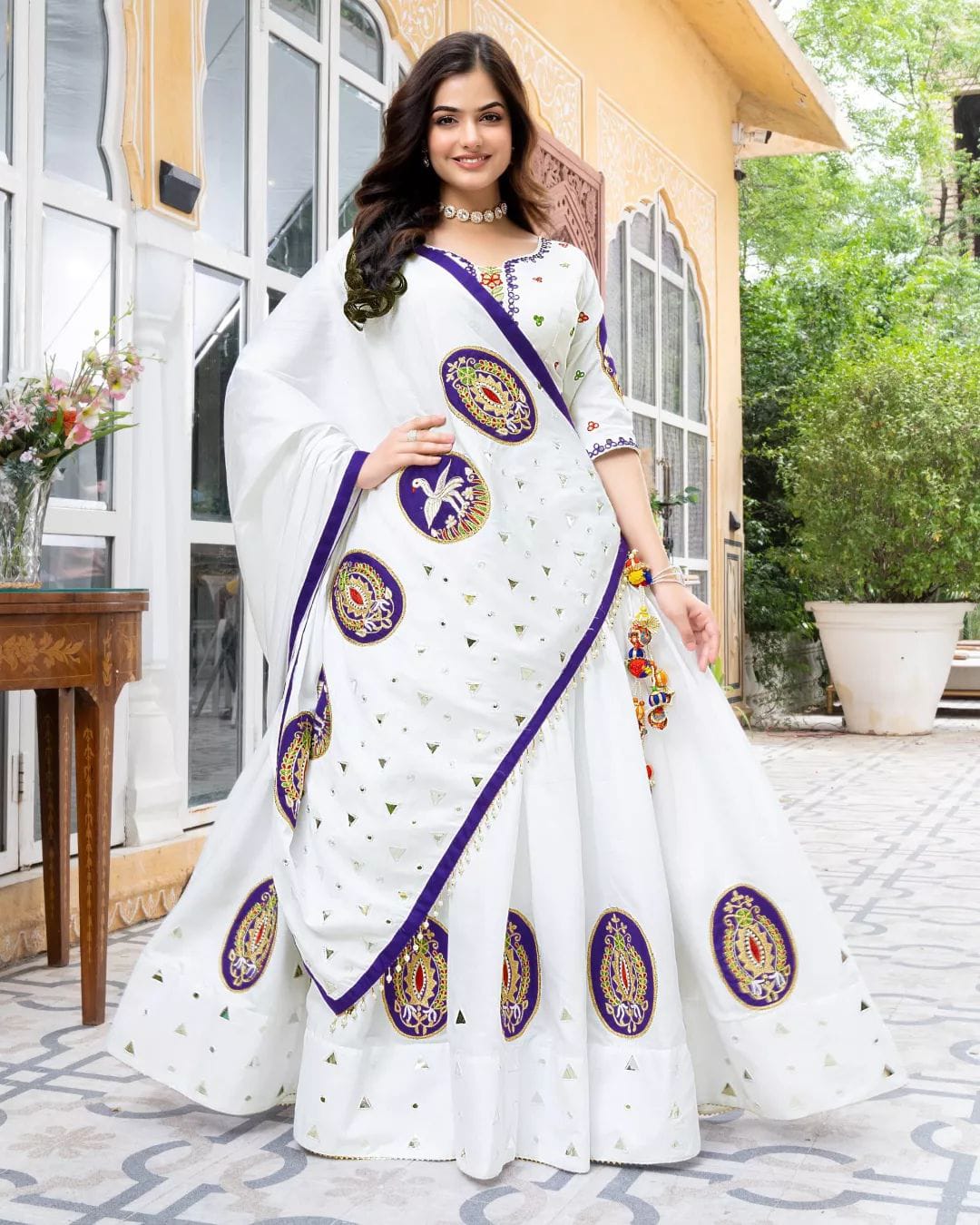
The White Digital Print Festive Lehenga Choli Set can be made more Punjabi for Diwali with a bright Phulkari-style dupatta, jhumkas and a contrasting paranda-inspired hair accessory. White and ivory reflect warm diya light beautifully, but colourful footwear or bangles keep the outfit from appearing too bridal.
What should you wear to a Diwali card party?
An evening card party gives you more freedom to wear metallic accents, mirror work or a fuller skirt. The Stylish White Mirror Work Lehenga for Festive Wear suits a night setting because mirror work catches direct light, while a simpler blouse keeps the total look balanced. Wear block heels rather than narrow stilettos if the event involves standing, walking between rooms or dancing.
A gown can also be a practical choice when you want lehenga-like drama without managing a separate skirt and dupatta. The Royal Patola Printed Designer Gown with Elegant Dupatta offers an one-piece silhouette with a printed surface that can be accessorised with gold, antique-finish or multicoloured jewellery.
How do you choose between a Punjabi saree, suit and lehenga?
The right garment depends on movement, styling time, body comfort and the visual formality you want. Sarees offer the most control over drape, suits provide dependable comfort, and lehengas create the strongest festive silhouette with less need for additional layering.
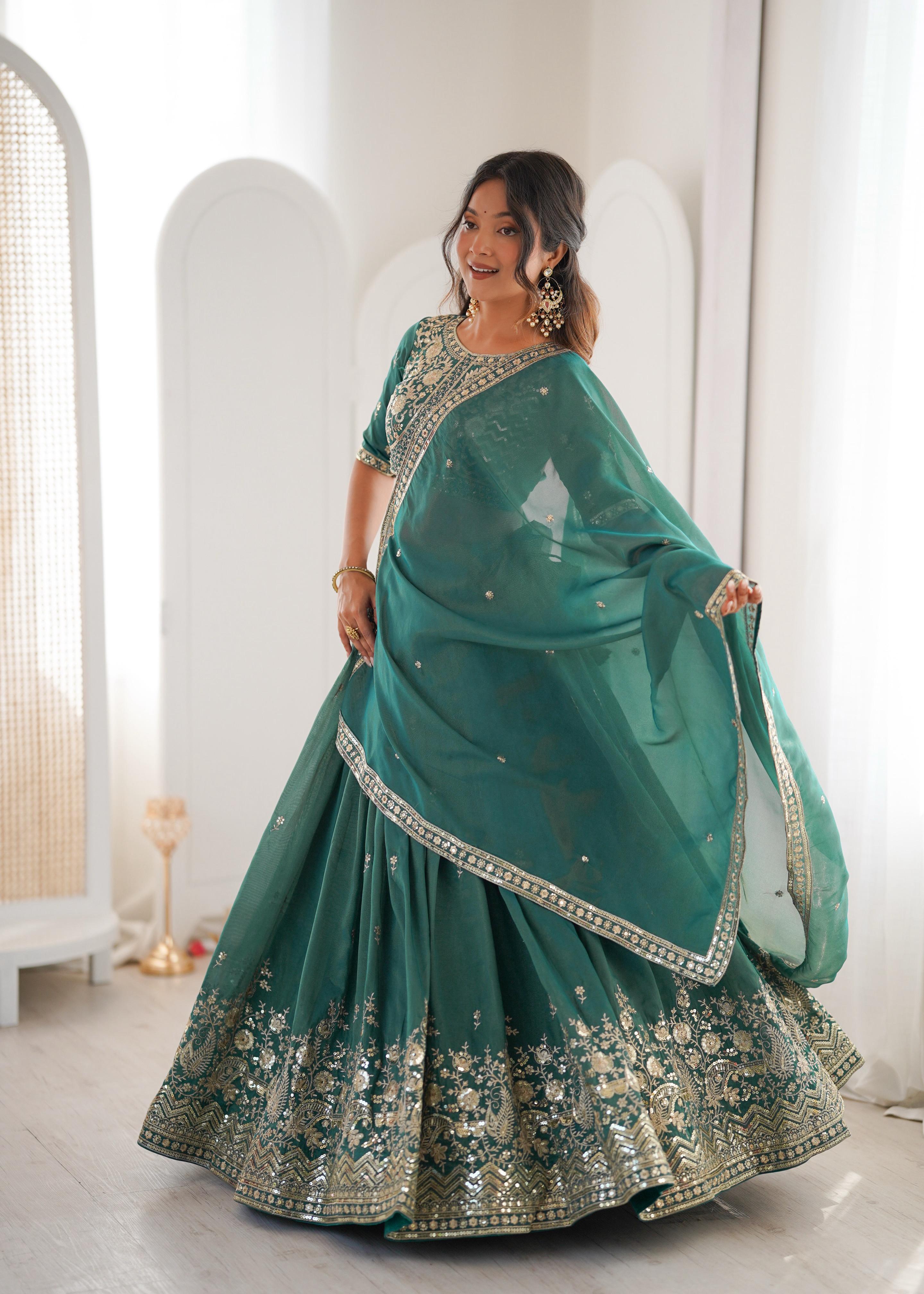
- Choose a saree when you want a classic drape, a defined waist and the option to adjust the pallu during the evening. Banarasi silk, Kanjeevaram-inspired silk and Chanderi are useful choices for different levels of formality.
- Choose a Punjabi suit when you expect frequent sitting, serving food or travelling between homes. A kameez with a salwar, Patiala salwar or narrow trouser gives more freedom of movement than a heavily structured skirt.
- Choose a lehenga when photographs, dancing or a larger venue make a fuller silhouette desirable. Check the waistband, lining and skirt weight before buying because stiff net and dense zari can become uncomfortable after four or five hours.
- Choose a gown when you want a single-piece outfit with a festive drape effect. A gown can be especially useful for guests who prefer not to manage a lehenga waistband and separate choli.
The Pastel Floral Georgette Lehenga Set with Ruffle Blouse demonstrates how a softer palette can still look festive. Pastel pink, lavender, mint and powder blue work best when the outfit has a defined border, textured blouse or reflective accessories to prevent the look from appearing too casual in evening lighting.
Which colours and fabrics work best for Punjabi Diwali dressing?
Jewel tones, warm festive colours and reflective fabrics work best for Punjabi Diwali dressing, while breathable linings and moderate surface work keep the outfit comfortable. Colour should be selected alongside lighting: deep shades look rich outdoors and in photographs, whereas pale shades glow under indoor lamps and diyas.
Which colour combinations look festive without becoming overwhelming?
Rani pink with orange creates a lively Punjabi combination, while emerald with antique gold feels more formal. Mustard with magenta references the warmth of marigolds and festive décor. Red with ivory looks classic without requiring heavy embellishment. Teal with pink, purple with gold and cobalt with silver are useful alternatives when you want a less predictable palette.
The Colorful Patch Print Butter Silk Lehenga Choli Set works for a bright house party because its multicoloured surface reduces the need to coordinate several contrasting accessories. Keep the jewellery in one metal family, such as gold or oxidised silver, so the print remains the visual focus.
Which fabrics suit Punjab's Diwali weather?
Punjab can feel cool after sunset during the Diwali season, so a lined lehenga, silk saree or velvet-accented blouse may be more comfortable than a very thin net outfit. During a warm indoor gathering, georgette, crepe and lighter cotton-silk blends prevent overheating. Silk should have a breathable lining, and synthetic fabrics should not sit too close to an open flame.
Banarasi silk gives a luminous woven pattern and formal weight, while Kanjeevaram silk is known for a stronger silk body and contrasting borders. Chanderi is light and slightly crisp, making it suitable for a graceful saree or dupatta. Zari adds shine through metallic thread, but dense zari can increase garment weight, so inspect the blouse and waistband before committing to a long event.
The Stylish Multicolor Butter Silk Lehenga Choli Set is an useful middle ground for shoppers who want sheen without the full weight of a heavy silk skirt. Butter silk isn't the same as heritage mulberry silk; the term generally describes a smooth, glossy synthetic or blended fabric, so check the care label and lining before purchase.
How can you add Punjabi details to a Diwali outfit?
Punjabi styling comes from the combination of silhouette, dupatta handling, jewellery and finishing details rather than from one compulsory garment. A familiar Punjabi element can make a contemporary lehenga or saree feel connected to the region without turning the outfit into a costume.
How should you drape the dupatta?
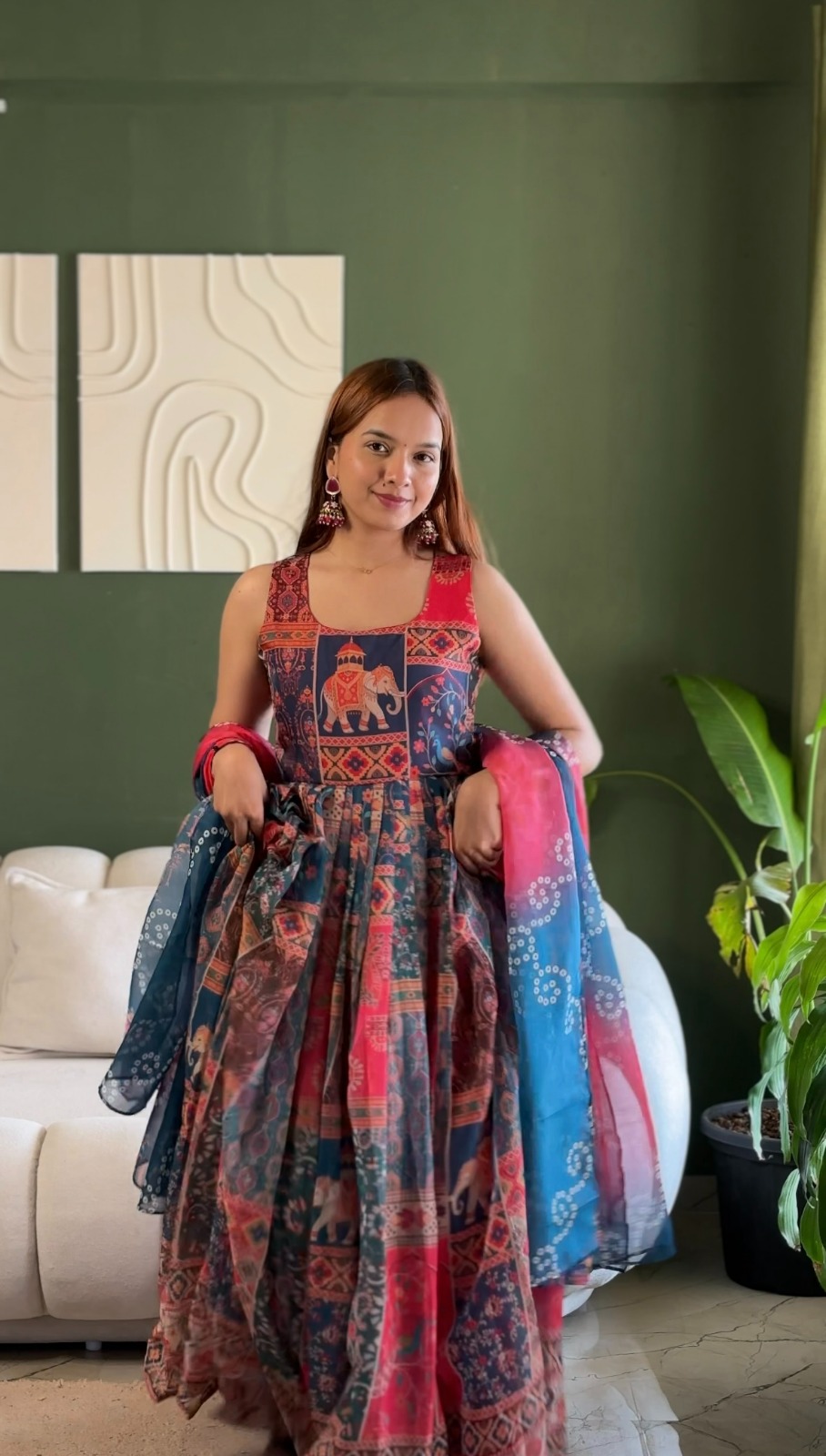
A Phulkari dupatta draped over one shoulder brings colour and regional character to a plain lehenga or suit. For a lehenga, pleat the dupatta neatly over the shoulder and secure it at the waist with a hidden pin. For a salwar suit, drape the dupatta over both shoulders if you need greater coverage while moving around the house.
A contrasting dupatta works best when one colour from the skirt or blouse is repeated in the border. The Vibrant Multicolor Navratri Lehenga Choli Set can therefore be adapted for Diwali with a gold, rani pink or emerald dupatta, rather than adding another heavily printed layer.
Which jewellery and footwear complete the look?
Jhumkas, chandbalis, a small maang tikka and stacked bangles complement Punjabi festive dressing without requiring a full bridal jewellery set. Select one statement area: large earrings with a simple necklace, or a necklace with smaller earrings. A paranda-inspired braid, soft waves or a low bun decorated with gajra can complete the look.
Footwear should have a stable heel between 1.5 and 2.5 inches for most home and family events. Mojaris, embroidered juttis and cushioned block heels coordinate naturally with lehengas, suits and sarees. Break in new footwear for at least two short indoor wears before Diwali, because festive clothing rarely looks relaxed when the wearer is avoiding painful shoes.
How can you plan a Diwali outfit within a realistic budget?
A realistic Diwali clothing budget should include the outfit, tailoring, footwear, accessories and possible lining or alteration costs. A lower-priced lehenga can become expensive if the blouse requires major fitting or the skirt needs hemming after purchase.
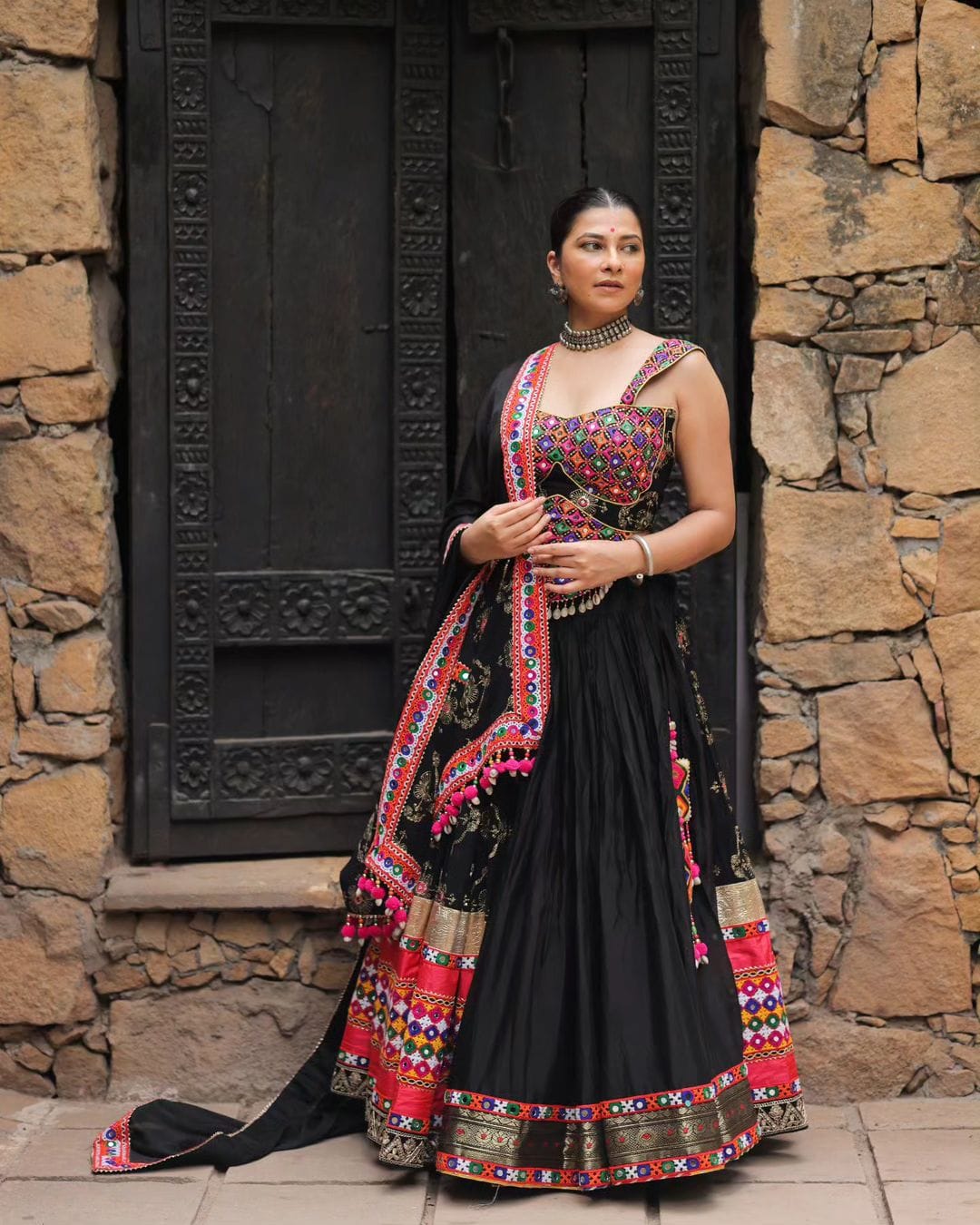
Budget collections can help narrow the search. Silk Lehengas Under 3000 may suit a smaller family celebration, while Pink Lehengas Under 4000 with 50% Discount can provide a bright colour option without requiring a costly jewellery set. Net Lehengas Under 4500 with 51% Discount are worth considering for evening volume, but inspect the lining because rough net can irritate the skin.
Bridesmaid Lehengas Under 5500 can be useful when you want coordinated colours for sisters or cousins attending the same Diwali gathering. Haldi Lehengas Under 5500 may contain cheerful yellow, green or pink palettes that also work for a daytime Diwali lunch, even though the collection is named for another celebration. The Beige Ethnic Printed Lehenga Set for Navratri and Garba brings another example of how a printed, less formal lehenga can be restyled with gold earrings and a Diwali dupatta.
How should you check fit and care before Diwali?
Check the blouse measurement, waistband ease, skirt length, lining and fastening before wearing a Diwali outfit outside the home. Try sitting on the floor, climbing stairs and raising both arms; these simple tests reveal tight armholes, loose hooks and inconvenient hemlines.
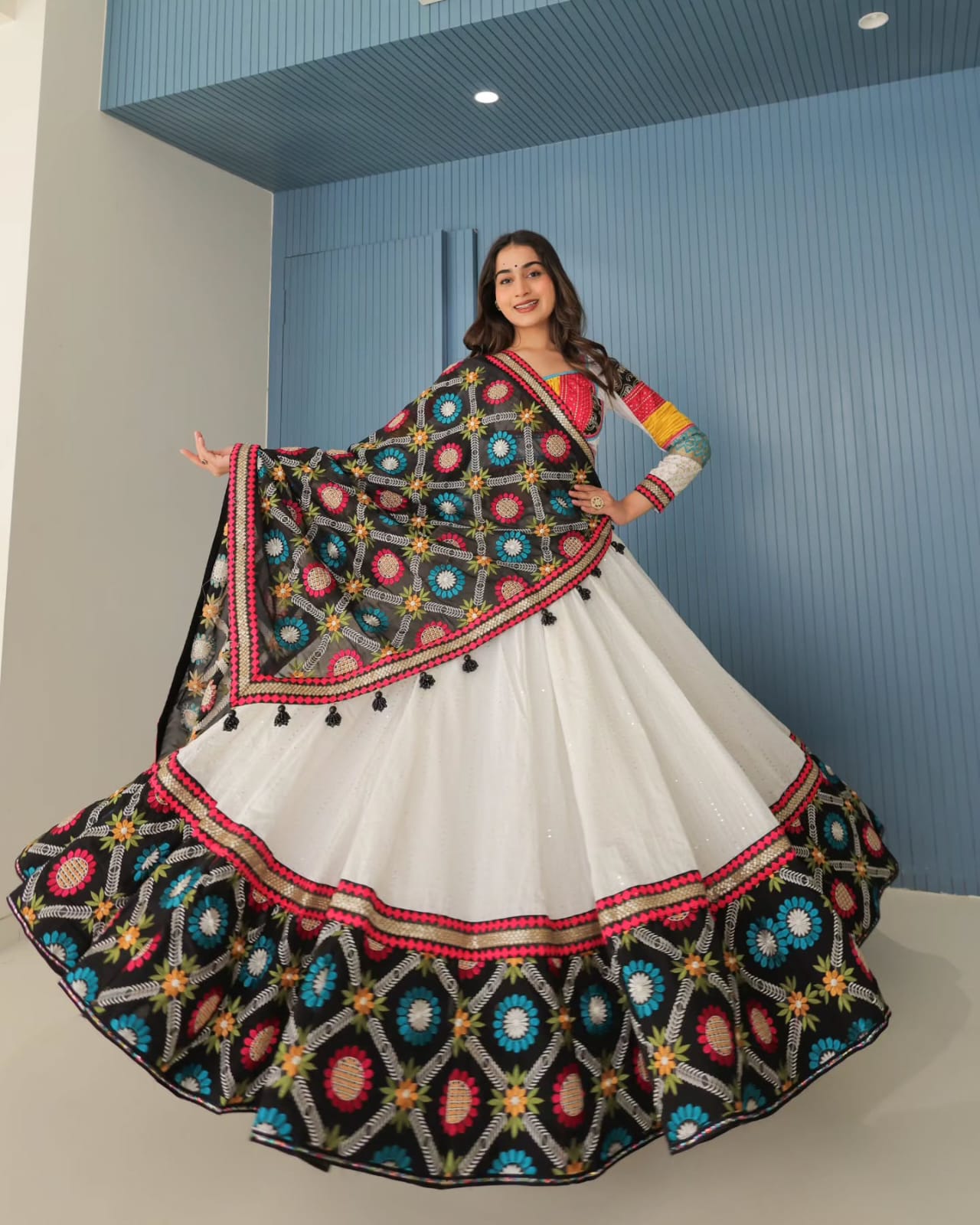
Leave at least 2 to 3 centimetres of practical ease at the waist if the lehenga has a fixed waistband and you expect to eat a full meal. A blouse should allow normal breathing without pulling across the bust, while a saree blouse should have secure hooks rather than relying only on a side zip. Ask for alterations at least 7 to 10 days before Diwali so the garment can be tested again after tailoring.
Store embroidered lehengas flat or folded with soft cotton or acid-free tissue between heavily embellished layers. Keep Banarasi silk, Kanjeevaram silk and zari garments away from direct sunlight and perfume, and use a professional dry cleaner for significant stains. Do not iron mirror work, sequins or metallic zari directly; place a pressing cloth over the garment and use low heat only when the care label permits it.
Diwali in Punjab: Punjabi Saree, Suit & Lehenga Outfit Ideas work best when tradition and real-life comfort receive equal attention. Choose the garment according to the event, balance prints with accessories, test the fit before the celebration and treat fabric-specific care as part of the purchase. A thoughtfully planned outfit will look festive in photographs and remain wearable long after the diyas have been put away.
Common Questions About Punjabi Diwali Sarees, Suits and Lehengas
What should women wear for Diwali in Punjab?
Women can wear a Punjabi suit, silk saree, anarkali, lehenga or festive gown for Diwali in Punjab. Choose breathable fabric and secure styling for a home puja, and select mirror work, zari or a fuller lehenga for an evening gathering.
Which colour is considered best for a Diwali outfit?
Red, rani pink, mustard, orange, emerald, royal blue and ivory are strong Diwali choices. The best colour depends on the venue lighting, personal preference and the contrast created by the dupatta or jewellery.
Is a lehenga comfortable for a long Diwali celebration?
A lehenga can remain comfortable for several hours when the waistband has adequate ease, the skirt is lined and the fabric is not excessively heavy. Test sitting, walking and climbing stairs before the event, and choose block heels or juttis for better stability.
How can I make a modern lehenga look Punjabi?
Add a Phulkari-inspired dupatta, jhumkas, colourful bangles, embroidered juttis or a paranda-inspired hairstyle to give a modern lehenga Punjabi character. Repeat one colour from the lehenga in the dupatta or jewellery to keep the styling coordinated.
Which fabric is best for a Diwali lehenga in Punjab?
Georgette, butter silk, silk blends and lined net are practical options for different settings. Georgette is light and fluid, butter silk has a glossy finish, and silk blends provide warmth and structure without the full weight of a heavily woven silk lehenga.
How early should I buy and alter a Diwali outfit?
Buy a fitted Diwali outfit at least 2 to 3 weeks before the celebration and schedule alterations 7 to 10 days in advance. This timing allows a second fitting, blouse adjustments, hemming and footwear testing before the event.