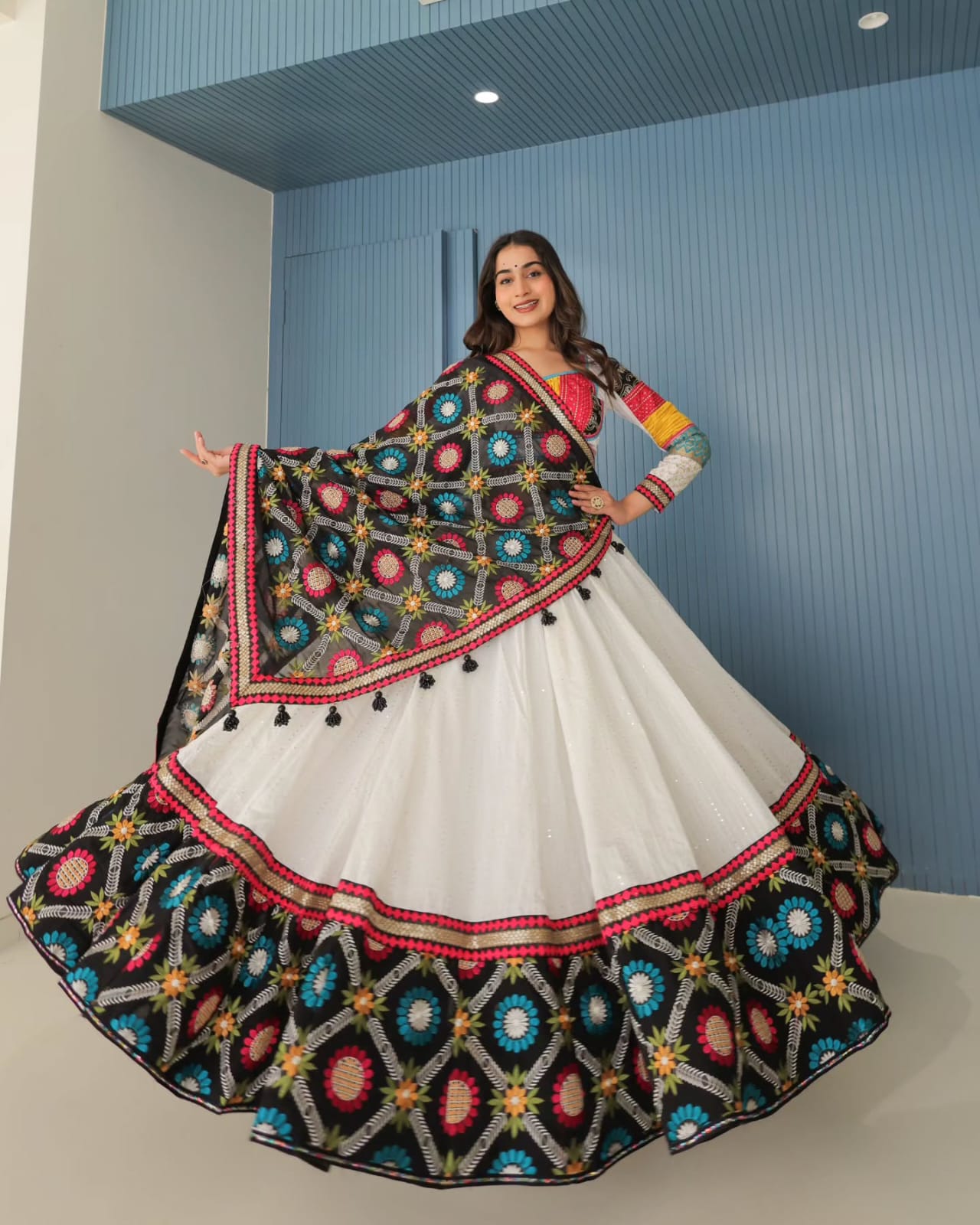
Diwali Fashion in Uttar Pradesh: Banarasi Sarees, Suits & Lehengas has to work through several parts of the festival: Lakshmi puja, lighting diyas, greeting relatives, travelling across town, posing for photographs and eating a late dinner. A beautiful outfit becomes a poor choice if the waistband pinches, the dupatta slips or the fabric catches on every chair. Banarasi silk offers heritage and sheen, while suits and lehengas offer different levels of movement, structure and styling time.
Uttar Pradesh gives festive dressing an unusually rich textile context. Varanasi is famous for Banarasi silk and zari weaving, Lucknow is associated with chikankari and refined tailoring, and cities such as Prayagraj, Kanpur, Agra, Noida and Gorakhpur bring together traditional clothing and contemporary silhouettes. An useful Diwali wardrobe decision begins with the venue, the evening temperature, the amount of walking involved and the jewellery already available at home.
Diwali Fashion in Uttar Pradesh: Which Outfit Fits the Celebration?
The best Diwali outfit depends on the event, the amount of movement required and the degree of formality expected. A home puja, a neighbourhood gathering, a family visit and an evening dinner each place different demands on clothing.
For Lakshmi puja at home
A lightweight saree, straight-cut suit or softly flared lehenga works well for Lakshmi puja at home. A Banarasi silk saree in deep pink, vermilion, green, purple or gold creates a classic silhouette, but a medium-weight weave is easier to manage around lamps and floor seating than a very heavy sari. A three-quarter sleeve blouse provides coverage on a cool evening, while a modest neckline keeps the look suitable for family rituals.
A salwar suit is particularly practical when puja involves repeated sitting, standing and moving between rooms. A kameez below the knee, relaxed trousers and a manageable dupatta provide coverage without restricting movement. Small zari borders, woven butis, pearl earrings or meenakari studs add festivity without introducing loose embellishment near open flames.
For visiting relatives
A festive suit or moderately flared lehenga is a versatile choice for visiting relatives. Both silhouettes allow easy walking than a heavily layered skirt and remain bright in photographs. A silk kurta with a contrasting dupatta can be elevated with jhumkas, a waist belt and embroidered footwear. A lehenga with a light net overlay creates movement while keeping the main skirt comfortable.
For dinner parties and card gatherings
A richer Banarasi saree, structured lehenga or embellished sharara suits a formal evening gathering. Metallic zari, sequins and velvet accents respond well to warm candlelight, but concentrated embellishment is generally more comfortable than decoration spread across every panel. A pre-stitched saree or securely pinned drape is useful when the evening includes standing, serving food or travelling by car.
Diwali Fashion in Uttar Pradesh: Banarasi Saree, Suit or Lehenga?
Banarasi sarees, suits and lehengas differ in mobility, formality, styling time and how visual weight is distributed. Comparing these four factors is more reliable than choosing an outfit only because its colour is attractive.
When a Banarasi saree is the right choice
A Banarasi saree is a strong choice when heritage, repeat wear and an elegant silhouette matter most. Banarasi silk may refer to pure silk, silk blends or lighter varieties, so the fabric composition should be checked before purchase. Time-honoured Banarasi weaving commonly features zari motifs such as butis, floral jaal, paisley forms and geometric patterns.
Weight deserves attention. A dense zari pallu may look spectacular but can pull at the shoulder during a long celebration. A medium-weight Banarasi saree with a defined border is generally easier for a first-time wearer to pleat than a slippery, heavily ornamented design. A cotton petticoat, well-fitted blouse and three to five discreet safety pins can improve stability without making the drape look stiff.
When a festive suit is more practical
A festive suit is the smartest option when comfort, coverage and easy movement are priorities. Silk, Chanderi, brocade, velvet and cotton-silk can all work, depending on the temperature and formality. A straight suit creates a clean line, an anarkali adds drama through flare, and a palazzo suit gives generous legroom.
Dupatta construction changes how manageable a suit feels. An organza dupatta brings structure but can slide, while silk or cotton-silk generally stays in place more easily. Narrow borders are less likely to catch on jewellery or door handles. A suit with a woven body and embellished neckline can be worn again for smaller celebrations by changing the dupatta and accessories.
When a lehenga earns its place
A lehenga is the strongest choice when photographs matter and the celebration has a more formal, social atmosphere. A three-piece lehenga normally includes a skirt, blouse and dupatta, so fit must be assessed in three separate areas. The waistband should sit securely without digging in, the blouse should allow the arms to lift comfortably and the dupatta should have an usable drape rather than merely decorative length.
Silk Lehengas Under 3000 gives an useful reference point for comparing lighter festive silhouettes. Pink Lehengas Under 4000 with 50% Discount shows how a strong colour can carry much of the visual impact. Bridesmaid Lehengas Under 5500 can be considered when coordinated dressing is needed for family photographs or a group celebration. Budget should not replace checking lining, seams, waistband finishing and the actual fabric composition.
Diwali Fashion in Uttar Pradesh: Fabrics That Balance Shine and Comfort
Medium-weight fabrics with controlled embellishment usually offer the best balance for a long Diwali evening. Medium-weight clothing photographs well, resists excessive creasing and remains easier to sit and walk in than heavily layered ceremonial clothing.
Banarasi silk is valued for its woven zari and distinctive surface sheen. Pure silk can feel luxurious but may require professional cleaning and careful storage, while silk blends can be lighter and more forgiving for frequent festive wear. Chanderi is airy and refined, although the delicate structure may need lining or a slip when used for a voluminous lehenga. Velvet adds warmth for colder northern evenings but may feel heavy in crowded indoor spaces.
Net creates a translucent outer layer and works particularly well for dupattas, sleeves and overlays. Net Lehengas Under 4500 with 51% Discount illustrates how a lighter-looking layer can create volume without requiring a very heavy skirt. A net dupatta still needs finished edges because loose borders can snag on bangles, rings and chair backs.
Zari may be made from real metallic thread, imitation zari or a blended decorative thread, and the difference affects both care and price. Dense zari generally increases weight. Sequins create stronger sparkle under electric lights, whereas woven zari often appears richer and more subtle in daylight. Selecting one dominant surface effect, such as a woven Banarasi body or a sequin blouse, usually looks more considered than combining several heavy effects.
Haldi Lehengas Under 5500 is another useful reference for bright yellow, mustard and marigold-led styling, especially when a Diwali calendar includes a Haldi ceremony or a related family function. Yellow and orange connect naturally with marigold decoration, but pale shades should have a proper lining to prevent transparency under strong indoor lighting.
Diwali Fashion in Uttar Pradesh: Colour Choices for Diyas and Photographs
Diwali colours work best when they complement the lighting, complexion and setting rather than following a fixed list of supposedly lucky shades. Jewel tones, warm reds, pinks, marigold yellow, emerald, royal blue, plum and antique gold all suit the festival, but saturation and fabric sheen change how each shade appears.
Pink works well for a youthful lehenga because it photographs clearly and pairs with silver, rose gold, pearl and kundan accessories. A pink skirt with a contrasting green or gold dupatta looks more dimensional than a single pink shade when the fabric already has sheen. Yellow and orange suit daytime gatherings and family rituals, although pale yellow may need a lining.
Red and maroon create a formal impression in Banarasi silk, velvet and brocade. Emerald and teal offer a cooler alternative to red while retaining a festive appearance against warm diya light. Gold works best as an accent when the outfit already contains zari. An entirely gold outfit can lose visual definition in photographs.
Comparing fabric swatches in both daylight and warm indoor light is worthwhile because metallic surfaces can shift dramatically between the two. A bright magenta may appear red under yellow bulbs, while silver zari can look almost champagne-coloured beside warm lamps. Photographing the outfit with and without flash gives a more realistic idea of its appearance at a family gathering.
Diwali Fashion in Uttar Pradesh: Styling for Movement and Comfort
Comfort improves when the complete outfit is fitted and tested before accessories are added. Wear the full look at home for 20 to 30 minutes, sit on the floor, climb a few steps, raise both arms and walk at normal speed before finalising the styling.
Blouse and neckline decisions
A blouse should support the bust and shoulders without restricting breathing or arm movement. A Banarasi saree with a broad border usually balances well with a simpler blouse, while a plain silk saree can support embroidery, cutwork or a textured sleeve. A high back, elbow-length sleeve or jewel neckline can provide warmth and coverage for late-night events in Uttar Pradesh.
Lehenga blouses need special attention at the underarm and waist because greeting guests, dancing and lifting a child can expose strain in those areas. A blouse with an adjustable fastening is more practical than an extremely tight statement design. Test the blouse with the dupatta draped exactly as intended because a neckline that feels comfortable alone may feel crowded under layered jewellery.
Jewellery, footwear and bags
Jewellery should repeat one colour or material already present in the outfit. Kundan works naturally with red, green and gold, pearls soften bright pink and blue, and oxidised silver gives a contemporary finish. A large necklace isn't always necessary when a blouse has a high neckline or heavy embroidery; statement earrings may provide better balance.
Footwear should be tested indoors before Diwali night. A two-inch block heel is generally easier to walk in than a narrow stiletto when the celebration includes stairs, uneven courtyards or extended standing. Embroidered juttis, mojaris and embellished flats can work with a lehenga or suit, provided the toe box doesn't press against the foot. A small structured potli or crossbody bag keeps essentials close without weighing down the dupatta.
Diwali Fashion in Uttar Pradesh: Buying, Fit and Care Decisions
A reliable festive purchase requires checking measurements, lining, closures, fabric composition and care instructions before focusing on discount claims. A lower price is useful only when the garment can be worn comfortably and maintained safely.
Measure the bust, waist and hips while wearing the undergarments intended for the outfit. For a lehenga, confirm whether the waistband has hooks, drawstrings, elastic or a zip, and ask whether seam allowance is available for minor alterations. For a blouse, check shoulder width, armhole depth and back closure. For a saree, check whether the blouse piece is included and whether the pallu has sufficient length for the preferred drape.
Inspect the inside of the garment. A skirt should have a smooth lining that doesn't cling, a blouse should have finished seams and a dupatta should have secure edging. Heavy embellishment should be attached firmly rather than loosely glued. A test with a clean white cloth on an inconspicuous area can sometimes reveal colour transfer, although professional advice is safer for expensive Banarasi silk.
Banarasi silk, zari and embellished net should not be treated identically. Store a Banarasi saree folded with soft, unbleached cotton between folds, refolding it every few months to reduce permanent creases. Keep silk away from direct sunlight, perfume and damp cupboards. Do not machine-wash zari, velvet or heavily sequined garments unless the care label explicitly permits it.
After wearing a lehenga, air the skirt and blouse in shade before storage. Remove jewellery pins carefully so that threads don't pull. For professional cleaning, tell the cleaner whether the garment contains zari, sequins, velvet or glued stones. These details affect the safest cleaning process.
A considered Diwali wardrobe doesn't require a completely new outfit every year. A Banarasi saree can look different with a velvet blouse, a contrasting belt or a new drape. A silk lehenga can be separated into a skirt worn with a plain kurta, while a festive suit can gain a new appearance through a contrasting dupatta. Repeat styling reduces cost and gives treasured textiles a longer life.
Diwali Fashion in Uttar Pradesh: A Practical Final Checklist
Choose the outfit according to the celebration, movement, weather and level of formality. Select Banarasi silk when heritage and a repeatable saree silhouette are priorities, choose a suit when coverage and ease matter most, and choose a lehenga when a more dramatic look suits the gathering.
Before the event, check the blouse fit, waistband security, dupatta length, lining, footwear and bag. Test the outfit while sitting and walking. Keep safety pins, fashion tape, a small sewing kit and a stain-removal tissue in an emergency pouch, but avoid rubbing a fresh mark on silk or zari.
The most successful Diwali look in Uttar Pradesh combines regional textile identity with practical planning. Rich colour and zari create the festive mood, while correct fit, sensible weight and careful styling allow the outfit to remain comfortable from the first diya to the final family photograph.
Common Questions About Diwali Fashion in Uttar Pradesh
Which Banarasi saree colour is best for Diwali?
Deep red, maroon, emerald, royal blue, pink, plum and warm gold are all suitable Banarasi saree colours for Diwali. Choose the shade according to the lighting, jewellery and formality of the gathering, and check the fabric in both daylight and warm indoor light.
Is a Banarasi saree comfortable for a long Diwali celebration?
A medium-weight Banarasi saree is usually more comfortable for several hours than a very heavy zari weave. A well-fitted blouse, secure petticoat, practical footwear and three to five discreet pins can make the drape easier to manage.
Should I wear a lehenga or suit for Diwali puja?
A suit is generally the more practical choice for a Diwali puja involving repeated sitting, standing and movement around lamps. A lightweight, moderately flared lehenga can also work when the puja is followed by a formal family gathering.
Which fabric is best for a Diwali lehenga in Uttar Pradesh?
Silk, Banarasi silk, brocade, velvet and layered net can all work for a Diwali lehenga. Medium-weight silk or a silk blend suits long celebrations, while velvet provides warmth and net creates volume without making the skirt excessively heavy.
How should I care for a Banarasi silk outfit after Diwali?
Air a Banarasi silk outfit in shade after wearing it and store it folded in soft, unbleached cotton. Keep Banarasi silk away from direct sunlight, perfume and damp cupboards, and use professional cleaning for zari or heavily embellished garments.
What footwear works best with a Diwali lehenga?
Embroidered juttis, mojaris, embellished flats and low block heels work well with a Diwali lehenga. Test footwear indoors first, especially when the celebration includes stairs, uneven courtyards or several hours of standing.