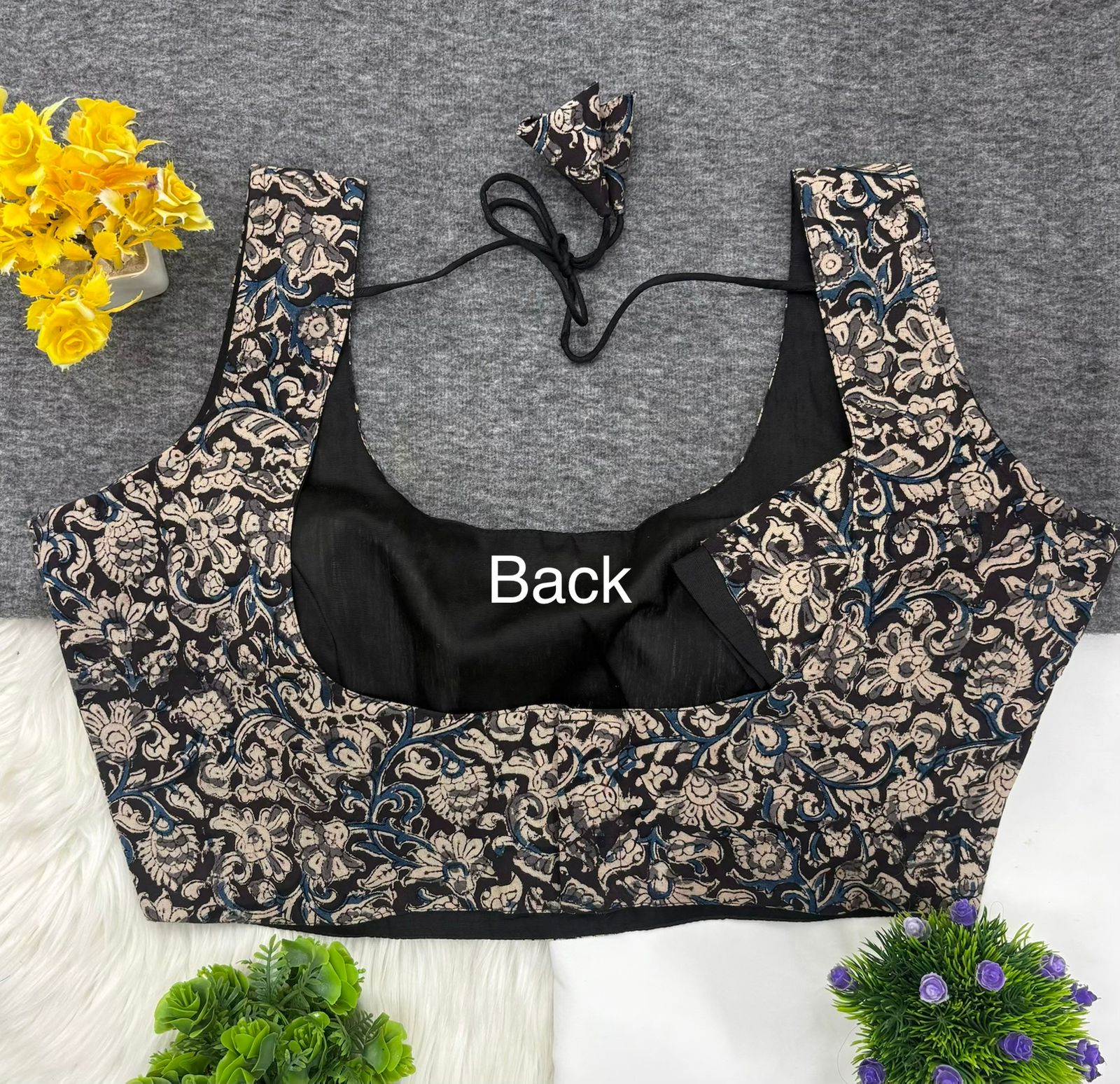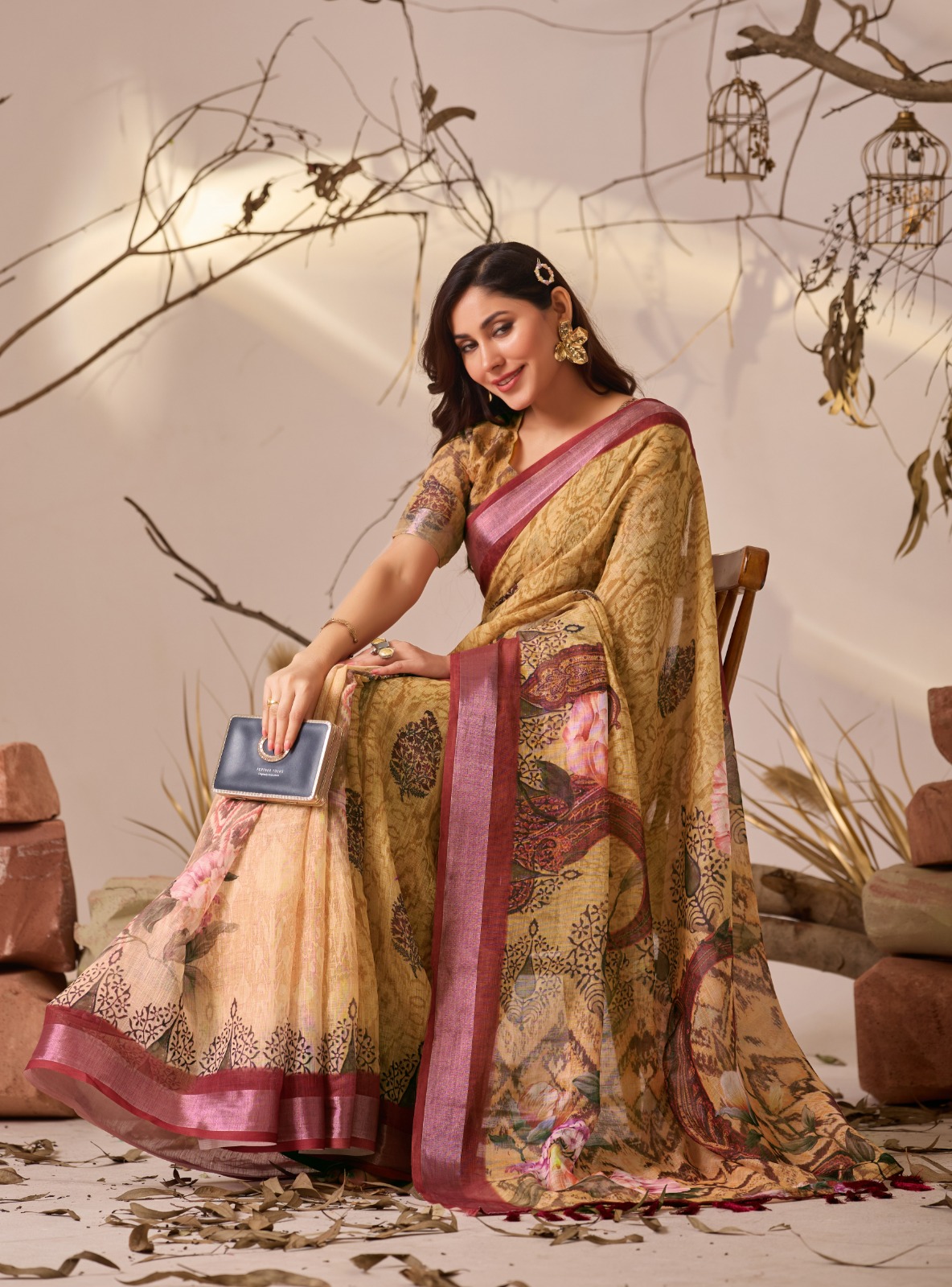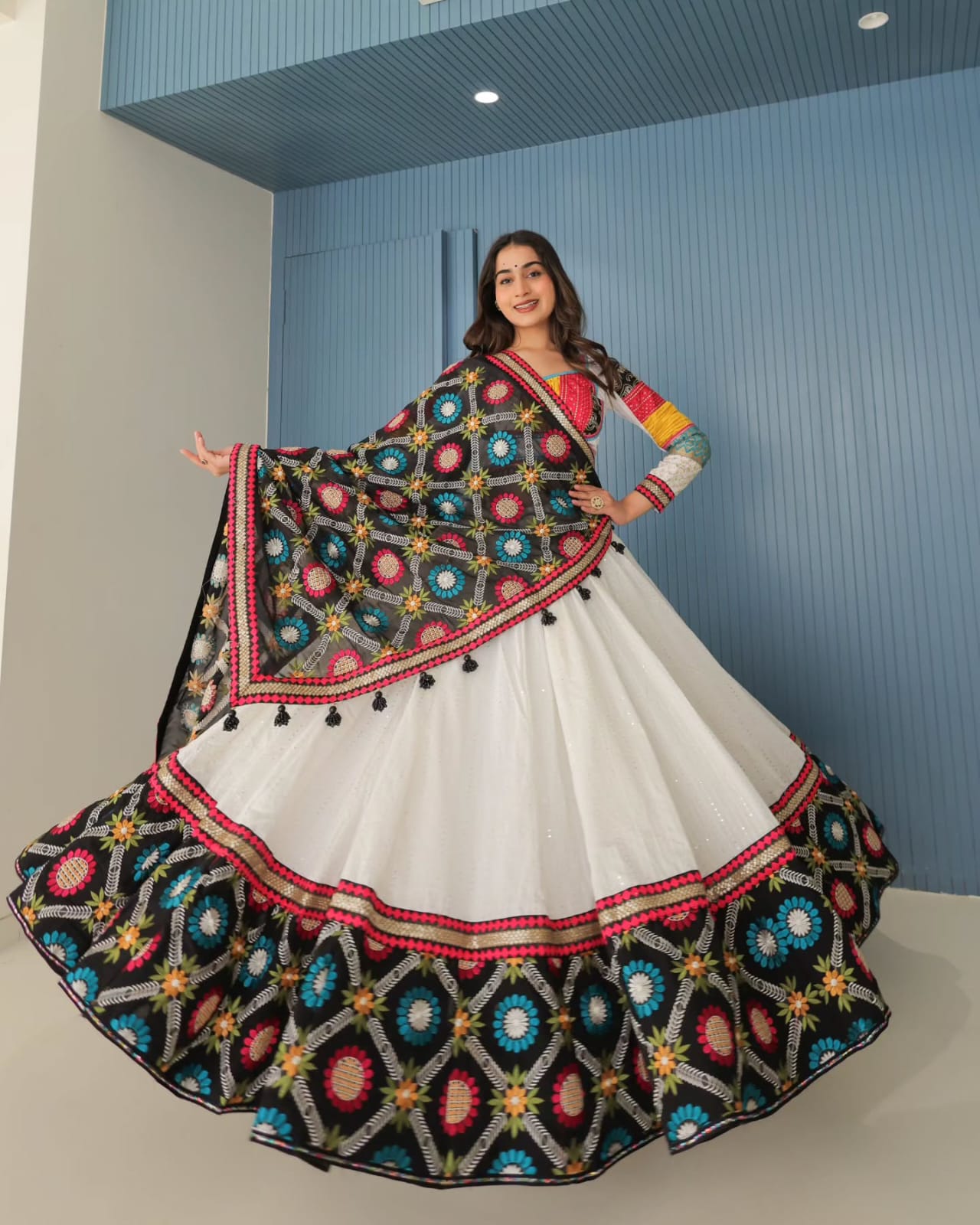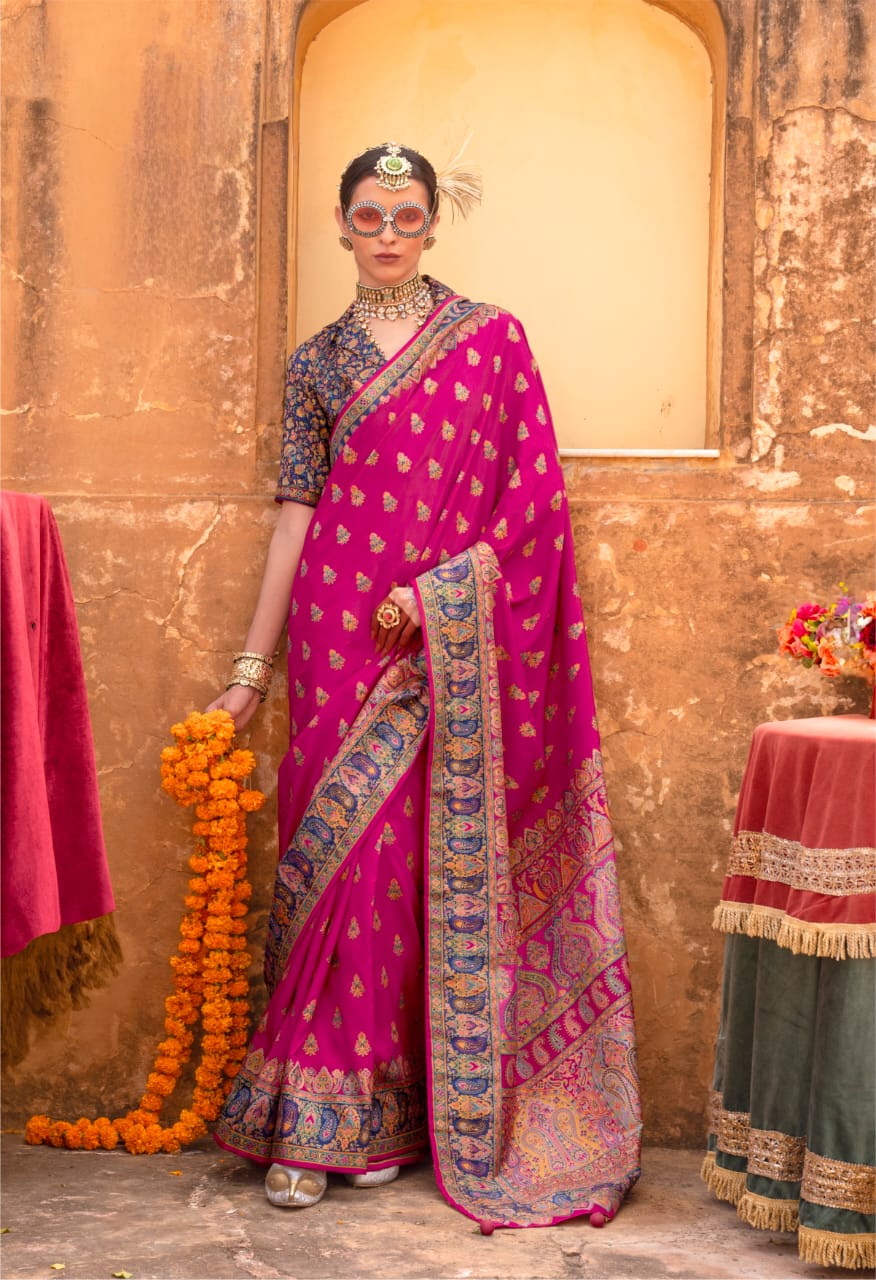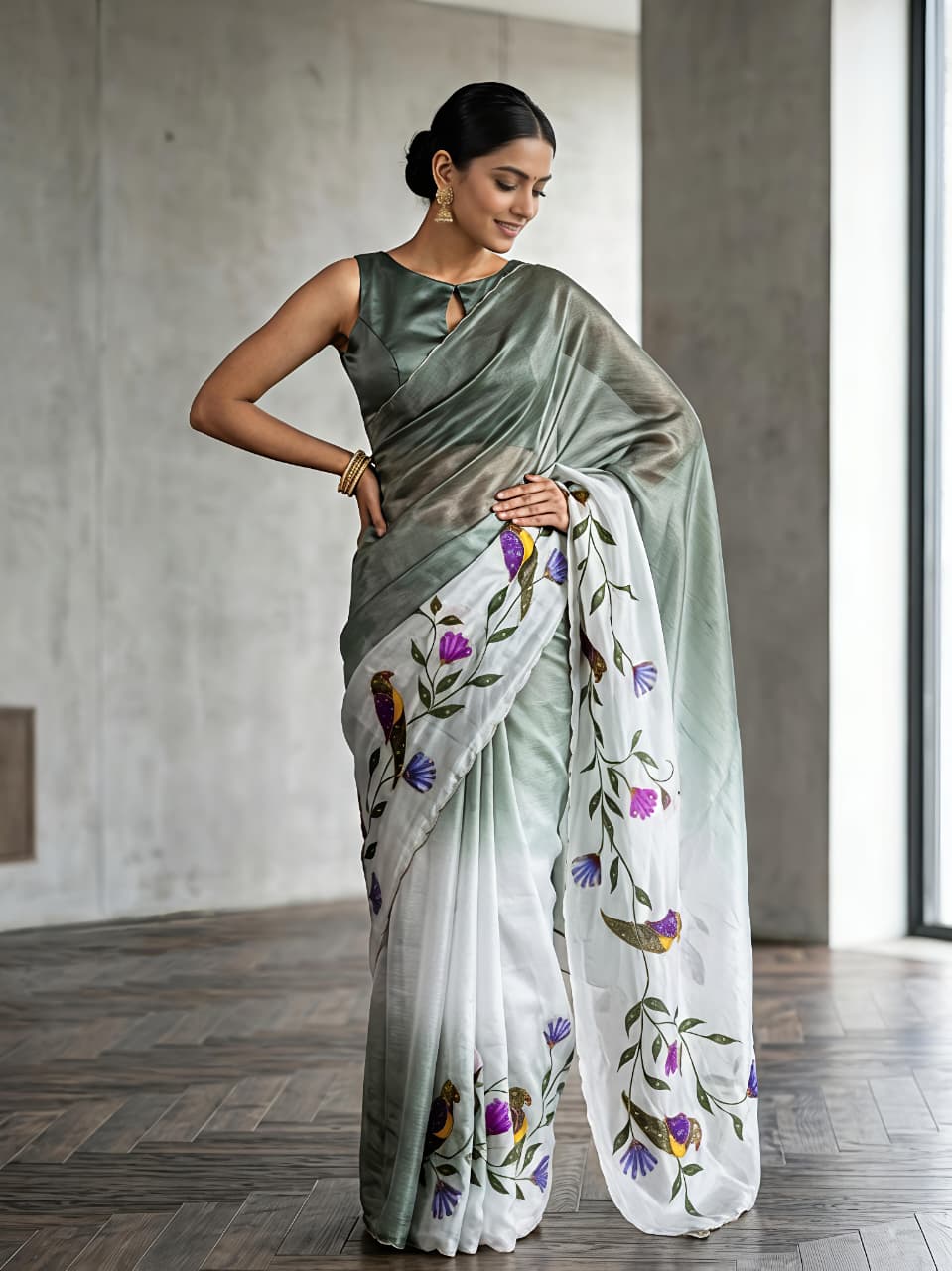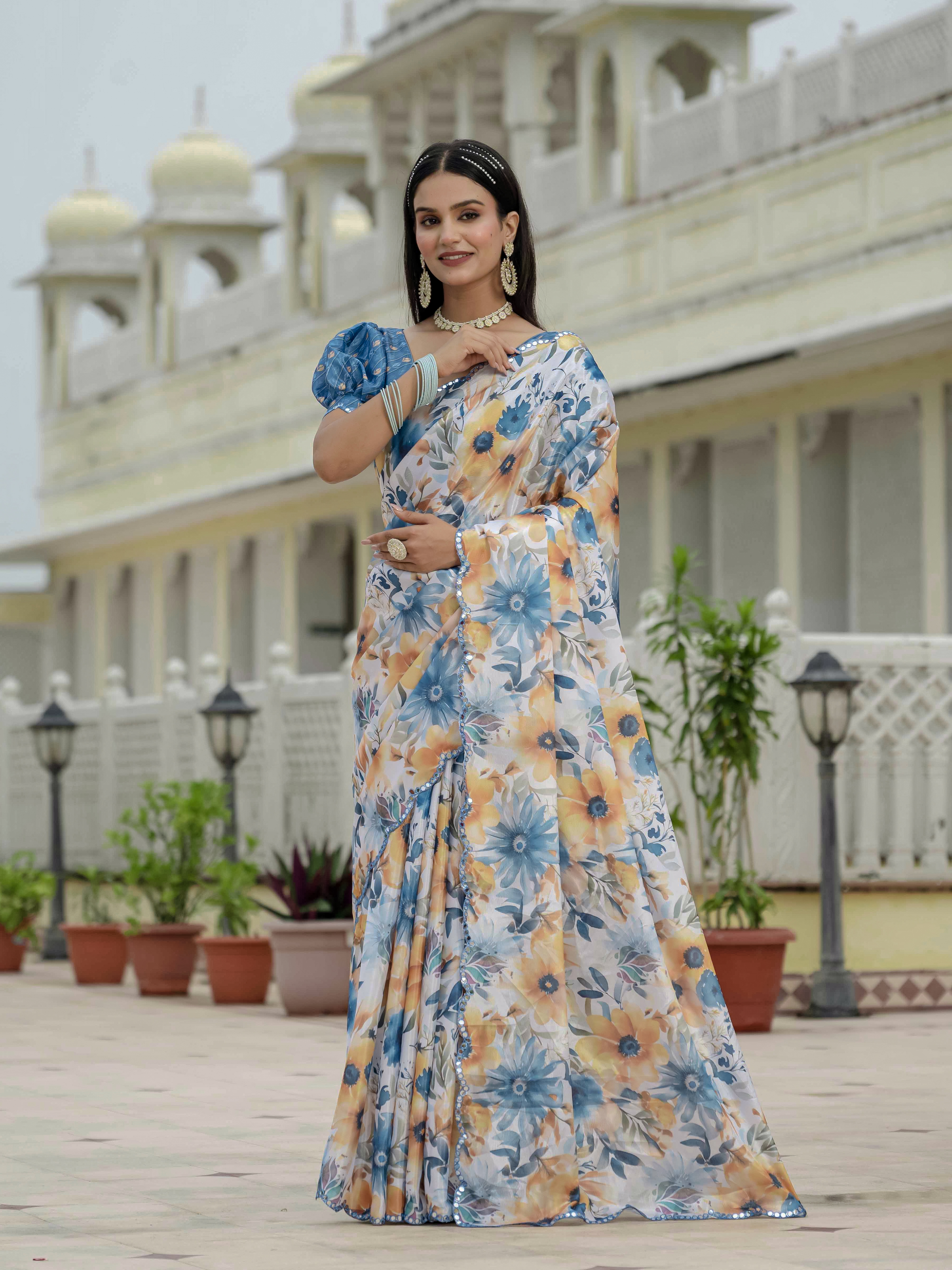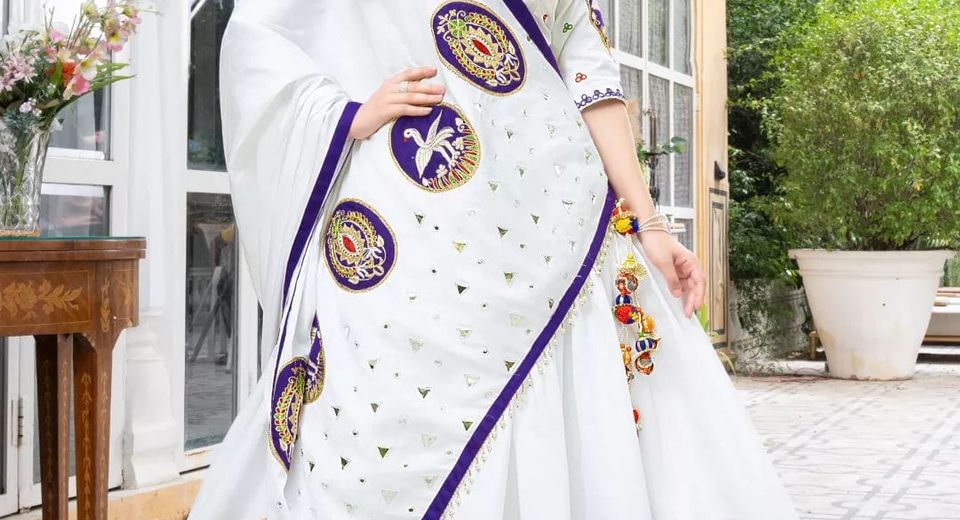
Diwali Fashion in Rajasthan: Sarees, Blouses and Lehengas reflects the state's love of colour, craft and realistic festive dressing. A Jaipur family gathering may call for a bright lehenga with a manageable dupatta, while a Diwali puja in Udaipur may suit a silk saree with a tight pallu. Evening card parties, neighbourhood visits and office celebrations achieve different clothing needs, even when every event falls within the same five-day festival. Good outfit choices balance tradition with movement, sitting comfort, weather and the amount of embellishment appropriate for the setting.
Rajasthan's festive wardrobe draws from Banarasi silk, bandhani, leheriya, gota patti, mirror work, block printing and zari. These details don't need to appear together in one outfit. Selecting one dominant craft element and supporting it with quieter pieces usually creates a more polished result.
Diwali Fashion in Rajasthan: Sarees, Blouses and Lehengas by Celebration
Diwali clothing in Rajasthan should match the activity, duration and formality of the celebration. A garment for Lakshmi puja needs secure draping and comfortable movement, whereas an evening party can accommodate heavier zari, a sculpted blouse or a more dramatic hem.
Diwali Fashion in Rajasthan: Sarees, Blouses and Lehengas for Lakshmi puja
A saree, anarkali or lightly embellished lehenga works well for Lakshmi puja because each silhouette provides coverage and allows easy sitting. Choose cotton silk, Chanderi, georgette or lightweight Banarasi silk when the ceremony may last more than an hour. Gold, maroon, mustard and deep green look festive without relying entirely on sequins.
Diwali Fashion in Rajasthan: Sarees, Blouses and Lehengas for parties
Card parties and dinners allow richer contrast, sculpted blouses and brighter surface work. A pre-stitched saree, flared lehenga or gown reduces the need to adjust clothing while walking between rooms. Subtle shimmer often catches indoor light more gracefully than dense head-to-toe glitter, particularly in photographs taken with flash.
Diwali Fashion in Rajasthan: Sarees, Blouses and Lehengas for visits
Neighbourhood visits require footwear-friendly hems, secure sleeves and fabrics that tolerate repeated movement. Cotton silk, muslin cotton and printed georgette are useful choices for Rajasthan's dry climate. Festive Multicolor Muslin Cotton Lehenga Choli Set demonstrates how a breathable textile can retain a colourful festive presence without feeling as heavy as a fully embellished ensemble.
Diwali Fashion in Rajasthan: Sarees, Blouses and Lehengas by Fabric
Light to medium-weight fabrics generally work best for Rajasthan Diwali outfits because they provide festive structure without excessive heat or bulk. The right textile also depends on whether the garment will be worn indoors, outdoors, during the daytime or late at night.
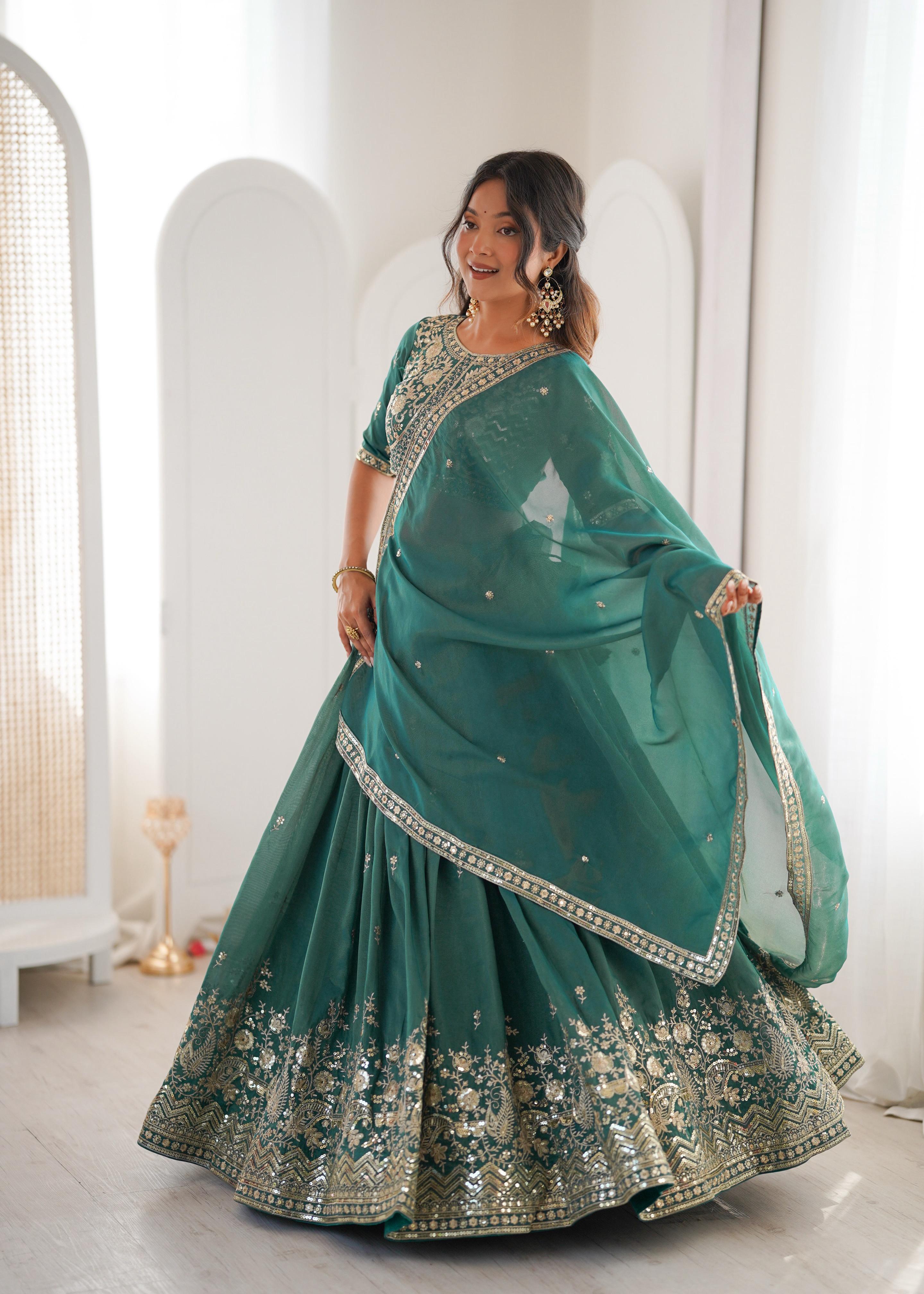
- Banarasi silk: Banarasi silk offers a formal drape, woven motifs and natural sheen suited to sarees and grand lehengas. Banarasi silk is warmer and heavier than cotton, so it's better for evening events or air-conditioned venues.
- Chanderi: Chanderi feels light and has a transparent, elegant surface. A Chanderi saree with a lined blouse suits daytime puja, but the pallu may need discreet pins because the fabric can shift.
- Georgette: Georgette falls close to the body and creates fluid lehenga panels or saree pleats. Pastel Floral Georgette Lehenga Set with Ruffle Blouse demonstrates how a soft fabric and playful blouse detail can create a festive look without dense embroidery.
- Muslin cotton: Muslin cotton is breathable and comfortable for long gatherings. Muslin cotton is especially useful when an outfit must work for cooking, hosting or moving between indoor and outdoor spaces.
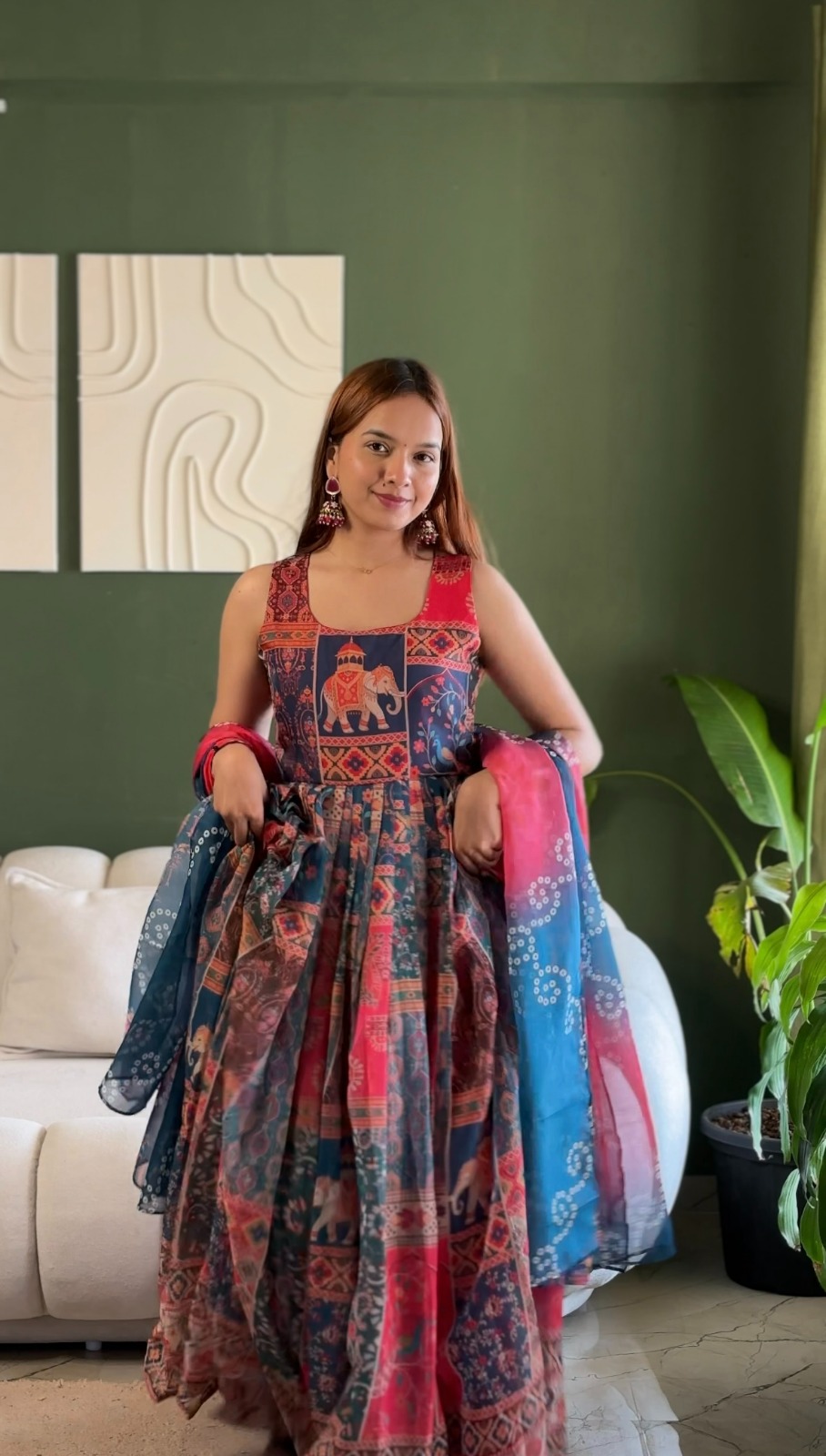
- Patola-inspired prints: Patola-inspired patterns bring geometric colour and visual richness without the weight of woven silk. Royal Patola Printed Designer Gown with Elegant Dupatta uses print placement and an attached silhouette to create a formal appearance with relatively simple dressing.
- Net: Net adds volume and translucency to dupattas and skirt overlays. A net lehenga should have a comfortable lining because unlined net can feel rough and may catch on jewellery.
Fabric choice should also account for maintenance. Silk, zari and heavy embellishment usually need specialist dry cleaning, while many printed cotton or synthetic blends can be gently washed after checking the care label. Never assume that a festive garment is washable merely because the fabric feels lightweight.
Budget-conscious shoppers can compare fabric and construction rather than judging value only by decoration. Pink Lehengas Under 4000 with 50% Discount may suit a bright, colour-led wardrobe, while Silk Lehengas Under 3000 can offer a more formal surface at a lower price point. A lower price doesn't remove the need to inspect lining, seams, fastening quality and stated care instructions.
Diwali Fashion in Rajasthan: Sarees, Blouses and Lehengas for Choosing a Lehenga
A suitable Diwali lehenga has the right length, waistband comfort, flare and dupatta security for the wearer's actual plans. The most attractive colour or embroidery can't compensate for a skirt that drags, a blouse that restricts breathing or a dupatta that repeatedly slips.
Diwali Fashion in Rajasthan: Sarees, Blouses and Lehengas and skirt length
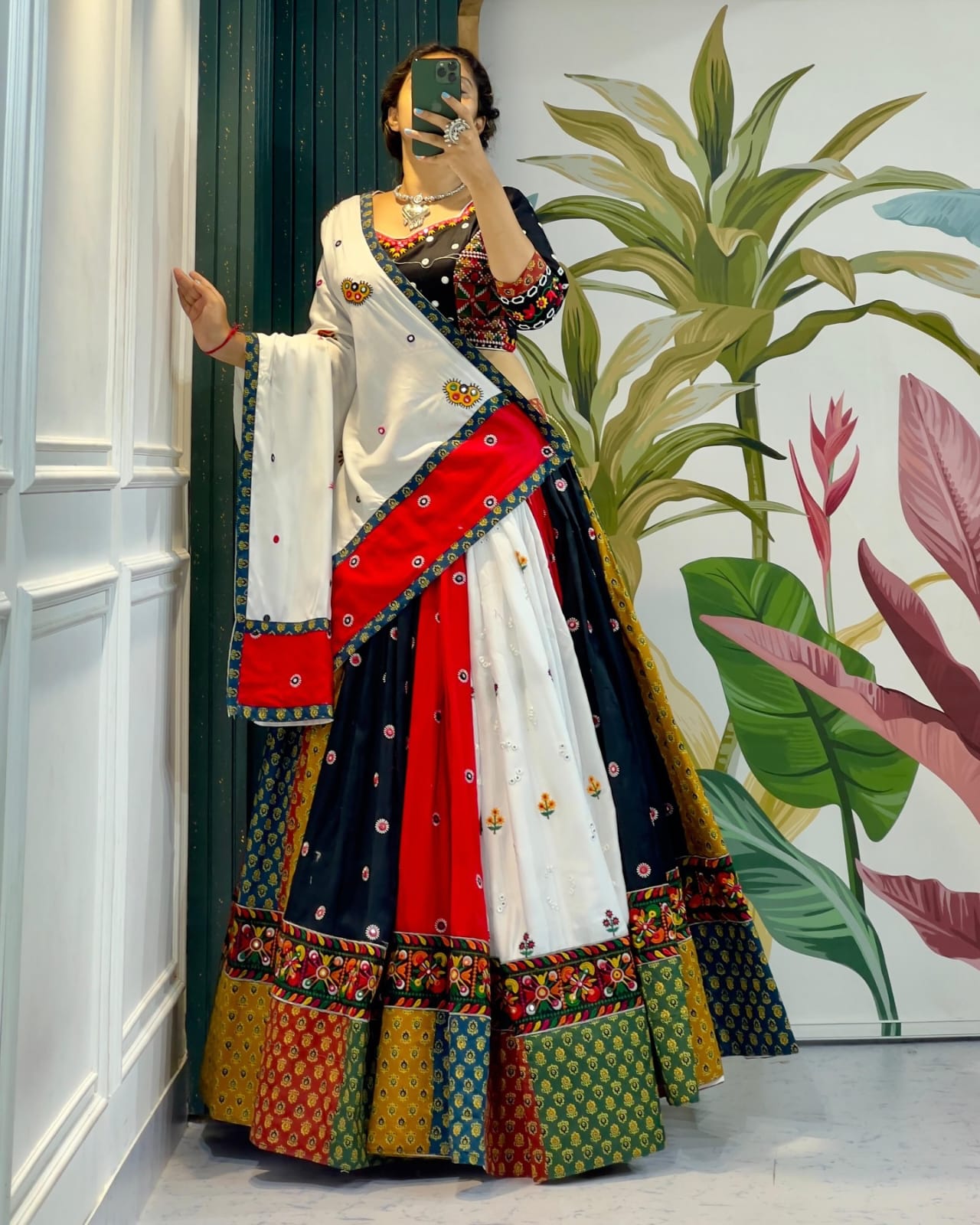
The lehenga hem should sit approximately 1 to 2 centimetres above the floor when worn with the intended footwear. This small allowance prevents the hem from collecting oil, dust or moisture during Diwali visits. A medium flare is easier to manage in crowded homes, while a very wide flare works best for seated photographs and spacious venues.
Measure the natural waist, high hip and full length rather than relying only on a familiar ready-to-wear size. A drawstring or adjustable waistband can be practical when the garment will be worn after a large festive meal. Vibrant Multicolor Navratri Lehenga Choli Set brings an useful reference for shoppers who want a lively colour story, but the same fitting checks apply to every festive lehenga.
Diwali Fashion in Rajasthan: Sarees, Blouses and Lehengas and embellishment
Mirror work, gota patti and zari create distinctly festive surfaces, but each detail changes garment weight and care requirements. Elegant Mirror Work Navratri Lehenga Choli Set can suit an evening celebration where reflective work is welcome. For a daytime puja, smaller motifs or printed panels may feel more comfortable and visually balanced.
A white base can also look striking during Diwali when paired with gold, pink, orange or emerald accessories. White Digital Print Festive Lehenga Choli Set shows how print can provide definition without the weight of extensive metallic embroidery. White garments require extra attention around diyas, oil, sweets and coloured powders, so avoid wearing them when the outfit will be exposed to frequent spills.
Diwali Fashion in Rajasthan: Sarees, Blouses and Lehengas and the Right Blouse
A comfortable Diwali blouse has accurate shoulder, bust, armhole and sleeve measurements, with enough ease for sitting, eating and raising the arms. Blouse design should support the saree or lehenga instead of competing with its most prominent detail.
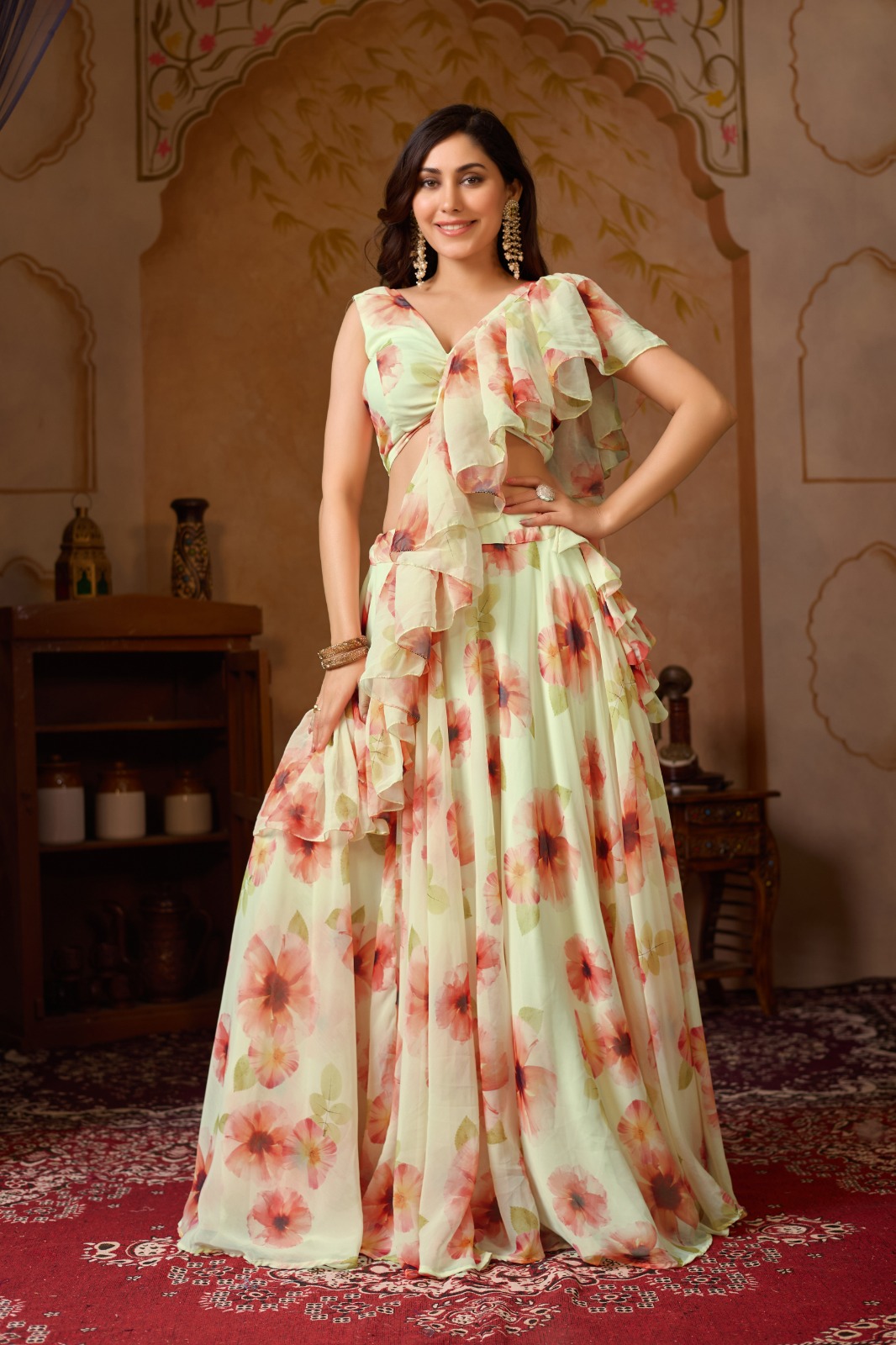
For a heavily patterned lehenga, a solid blouse in one of the skirt's secondary colours often looks more refined than another competing print. For a plain saree, a printed, brocade or mirror-work blouse can provide the focal point. A blouse neckline should also suit the jewellery: a high round neck works with long earrings, while a broader neckline leaves room for a choker.
Ask for a trial fitting at least one week before Diwali if the blouse is being stitched. Test the blouse while seated, lifting both arms and turning the torso. These simple movements reveal whether the armhole cuts in, whether the hooks pull apart or whether the sleeve prevents natural movement. Side margins of approximately 1 to 1.5 inches can make later alterations easier, although the exact allowance depends on the construction.
Three-quarter sleeves can provide comfort on a cool evening and create a graceful proportion with a sleeveless or narrow-strap lehenga. Elbow-length sleeves pair effectively with sarees, especially when the fabric includes zari or a strong border. Designer Black Garba Lehenga Choli for Festive Season demonstrates the visual impact of a dark base; gold, silver, ruby or multicolour accessories can determine whether the final result feels traditional or contemporary.
Diwali Fashion in Rajasthan: Sarees, Blouses and Lehengas in Festive Colours
Rajasthan's festive styling works best when one colour leads and two supporting colours repeat in smaller details. A dominant shade may appear on the saree or skirt, while the blouse, dupatta border, bangles or footwear pick up the secondary tones.
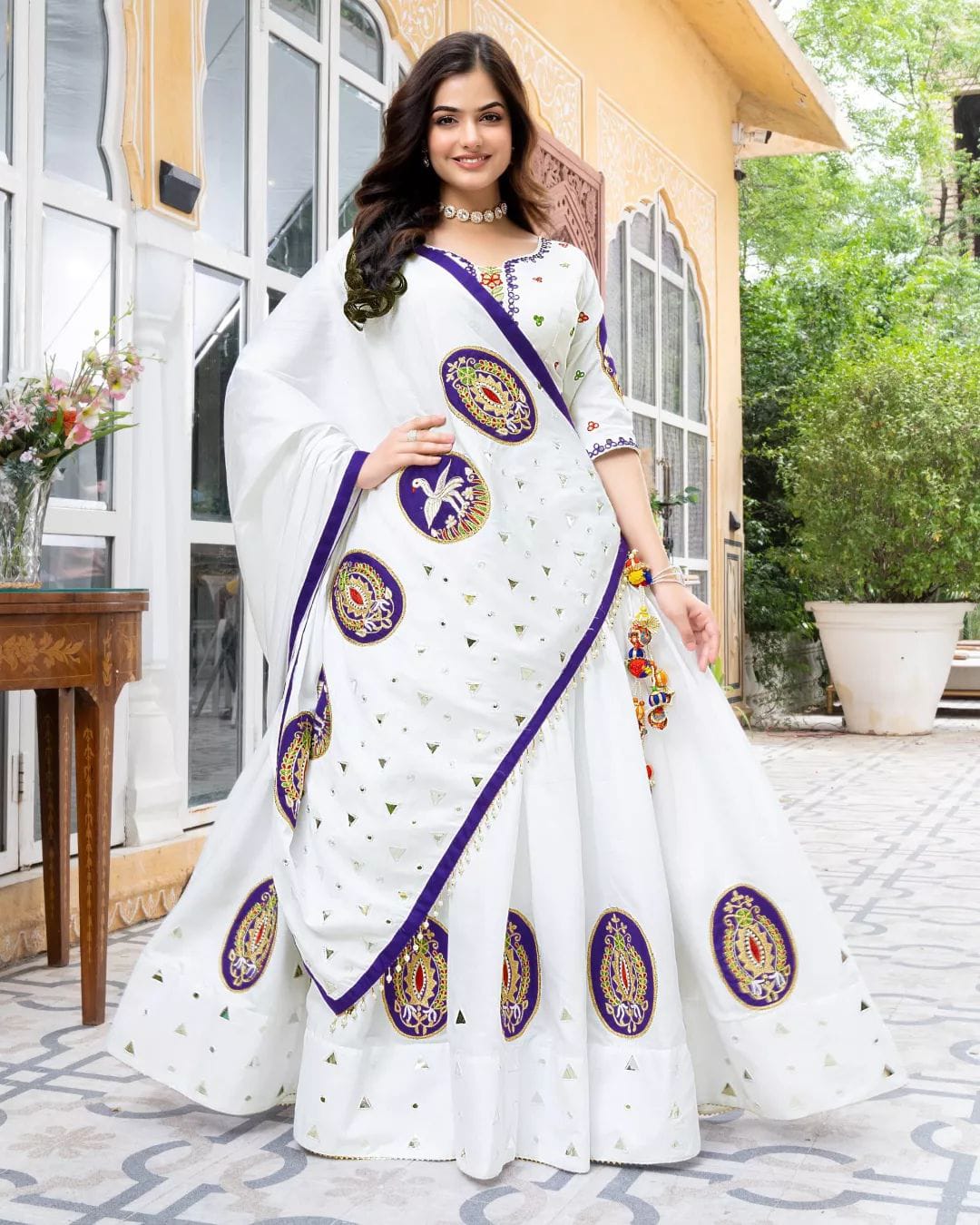
Marigold yellow, kesari orange, rani pink, fuchsia, emerald, peacock blue and deep red all work naturally for Diwali. Mustard with magenta recalls the warmth of marigolds and textiles, while pink with antique gold feels celebratory without appearing too bridal. Black can look sophisticated when balanced with metallic embroidery and bright jewellery, but black may be unsuitable for some family pujas because colour preferences vary between households.
Bandhani or leheriya dupattas can introduce a distinctly Rajasthani visual note over a solid lehenga. Gota patti borders work particularly well with plain silk or georgette because the metallic trim receives space to stand out. A saree with a broad zari border usually needs a simpler blouse and fewer layered necklaces.
Festive Multicolor Muslin Cotton Lehenga Choli Set can be styled with a single-colour potli and neutral sandals, allowing its colour variation to remain central. Beige Ethnic Printed Lehenga Set for Navratri and Garba can move toward Diwali styling with antique-gold earrings, a warm-toned dupatta drape and a structured blouse fit.
Bridesmaid Lehengas Under 5500 may also provide useful colour references for coordinated family dressing without making every outfit identical. Matching one element, such as a blouse colour or dupatta border, usually looks more sophisticated than requiring every person to wear the same complete ensemble.
Diwali Fashion in Rajasthan: Sarees, Blouses and Lehengas with Accessories
Accessories improve a Diwali outfit when they repeat an existing colour or finish rather than introducing several unrelated focal points. Choose one statement category, such as earrings, necklace, bangles or footwear, and keep the remaining accessories proportionate.
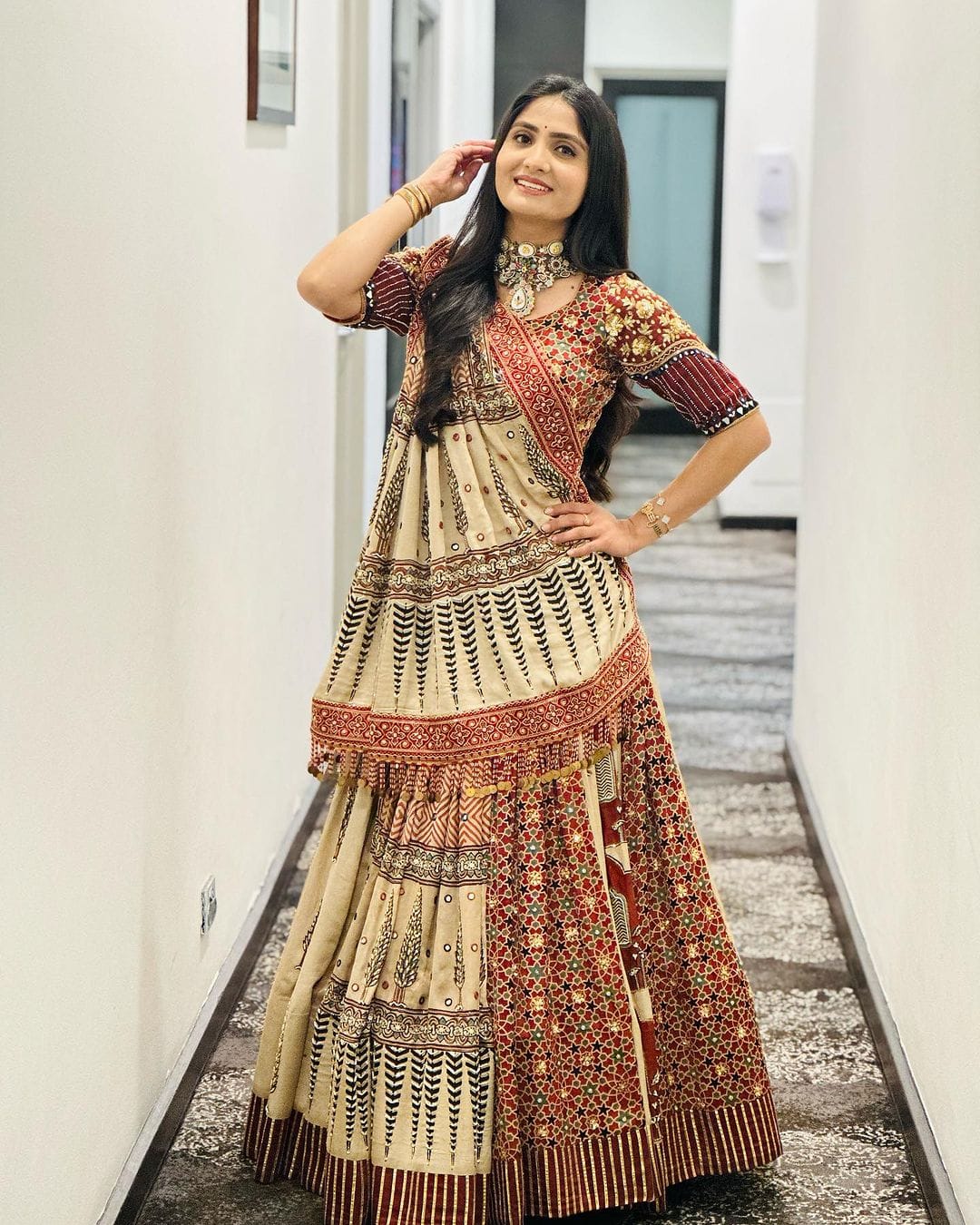
- Jewellery: Kundan, meenakari, polki-inspired pieces and antique-gold earrings work naturally with Rajasthani festive clothing. Heavy mirror work already supplies visual shine, so medium earrings may be enough.
- Footwear: Juttis and low block heels offer more stability than thin stilettos for visiting homes and standing during rituals. Break in new footwear for at least two short walks before Diwali.
- Dupatta: Pin the dupatta at the shoulder and, when needed, at the waist or opposite side. Two small safety pins hidden under the border can prevent repeated adjustments without flattening the drape.
- Bag: A small potli or compact crossbody bag should hold a phone, keys and a few essentials without pulling the shoulder or disturbing the blouse.
Net Lehengas Under 4500 with 51% Discount can be considered when volume and translucency are priorities, but examine the lining and waistband before purchase. A visually light net skirt can still feel uncomfortable if the inner layer is stiff or poorly finished.
Diwali Fashion in Rajasthan: Sarees, Blouses and Lehengas Care After the Festival
Festive clothing lasts longer when stains are treated quickly, embellishments are protected and garments are stored without trapped moisture. Post-Diwali care should begin after the outfit has completely aired, not immediately after a long evening of wear.
Remove detachable jewellery, belts and pins before storage. Empty the lehenga pockets, brush away loose surface dust with a soft garment brush and inspect the hem for oil or food marks. Do not rub zari, mirror work or sequins aggressively because friction can loosen threads and dull metallic surfaces.
Fresh oil or ghee marks should be handled according to the care label and fabric type. Avoid applying home remedies such as lemon juice, bleach or undiluted detergent to silk, zari or dyed fabrics. A professional dry cleaner should assess valuable Banarasi silk, heavily embellished lehengas and garments with colour bleeding risk.
Store sarees and lehengas in clean cotton or muslin covers rather than sealed plastic for long periods. Fold embellished skirts with acid-free tissue between heavy decorated sections, and refold stored garments every few months to reduce permanent crease lines. Keep garments away from direct sunlight, damp walls and strong perfumes.
Haldi Lehengas Under 5500 is a collection name associated with a different celebration, but its bright textiles can still inspire a Diwali palette. The practical care rules remain the same: protect yellow and pastel fabrics from oil stains, air garments fully and follow the manufacturer's instructions before washing.
Diwali Fashion in Rajasthan: Sarees, Blouses and Lehengas for a Practical Final Check
A final outfit check should cover fit, footwear, fastening security, fabric comfort and care requirements before the first celebration begins. Trying on the complete outfit for 15 to 20 minutes can reveal problems that remain invisible when each garment is tested separately.
- Wear the intended blouse, skirt, saree or gown with the actual footwear.
- Sit on the floor and on a chair to test the waistband, pleats and hem.
- Walk up and down stairs if the celebration will involve different floors.
- Raise both arms to check sleeve and armhole comfort.
- Pin the dupatta and test whether the pins hold during movement.
- Check whether jewellery catches on net, zari, embroidery or loose threads.
- Photograph the complete outfit in indoor and outdoor light before making final accessory choices.
These checks make Diwali dressing more enjoyable because they address the practical details before guests arrive. The strongest festive outfit isn't necessarily the heaviest or most decorated one; it's the outfit that respects the event, suits the wearer and remains comfortable long enough to be enjoyed.
Common Questions About Diwali Fashion in Rajasthan
What should women wear for Diwali in Rajasthan?
Women can wear a saree, lehenga, anarkali or festive gown for Diwali in Rajasthan. Banarasi silk, Chanderi, georgette and muslin cotton suit different temperatures and levels of formality, while bandhani, gota patti, mirror work and zari add regional character.
Which colour is best for Diwali outfits in Rajasthan?
Marigold yellow, kesari orange, rani pink, emerald, deep red and peacock blue are strong Diwali choices in Rajasthan. Mustard with magenta or pink with antique gold creates a festive combination, although household customs should guide choices such as wearing black for puja.
How long should a Diwali lehenga be?
A Diwali lehenga should usually finish about 1 to 2 centimetres above the floor when worn with the intended footwear. The small gap reduces contact with oil, dust and moisture while preserving the appearance of a full-length skirt.
How can I make a lehenga comfortable for a long Diwali evening?
Choose a breathable or medium-weight fabric, an adjustable waistband, a properly lined blouse and footwear that has already been worn in. Test the complete outfit by sitting, walking and raising both arms before the event.
What blouse works with a heavily embellished lehenga?
A solid blouse in one of the lehenga's secondary colours usually works best with a heavily embellished skirt. A simpler blouse gives mirror work, zari, gota patti or dense embroidery enough visual space and prevents the outfit from looking crowded.
How should I store a Diwali saree or lehenga after wearing it?
Air the garment fully, remove pins and accessories, treat stains according to the care label and store the garment in a clean cotton or muslin cover. Use professional dry cleaning for valuable silk, zari and heavy embellishment, and avoid sealed plastic for long-term storage.