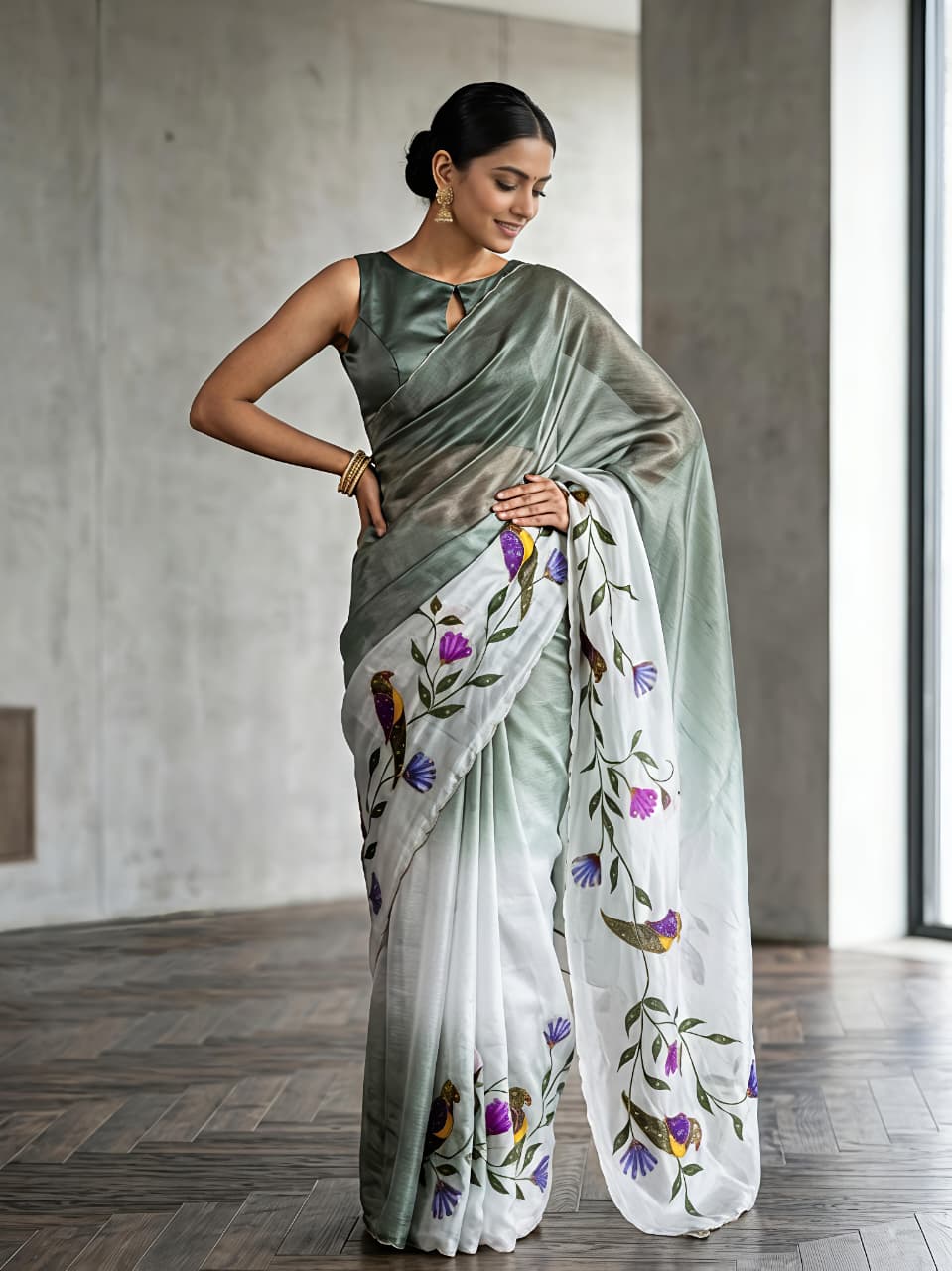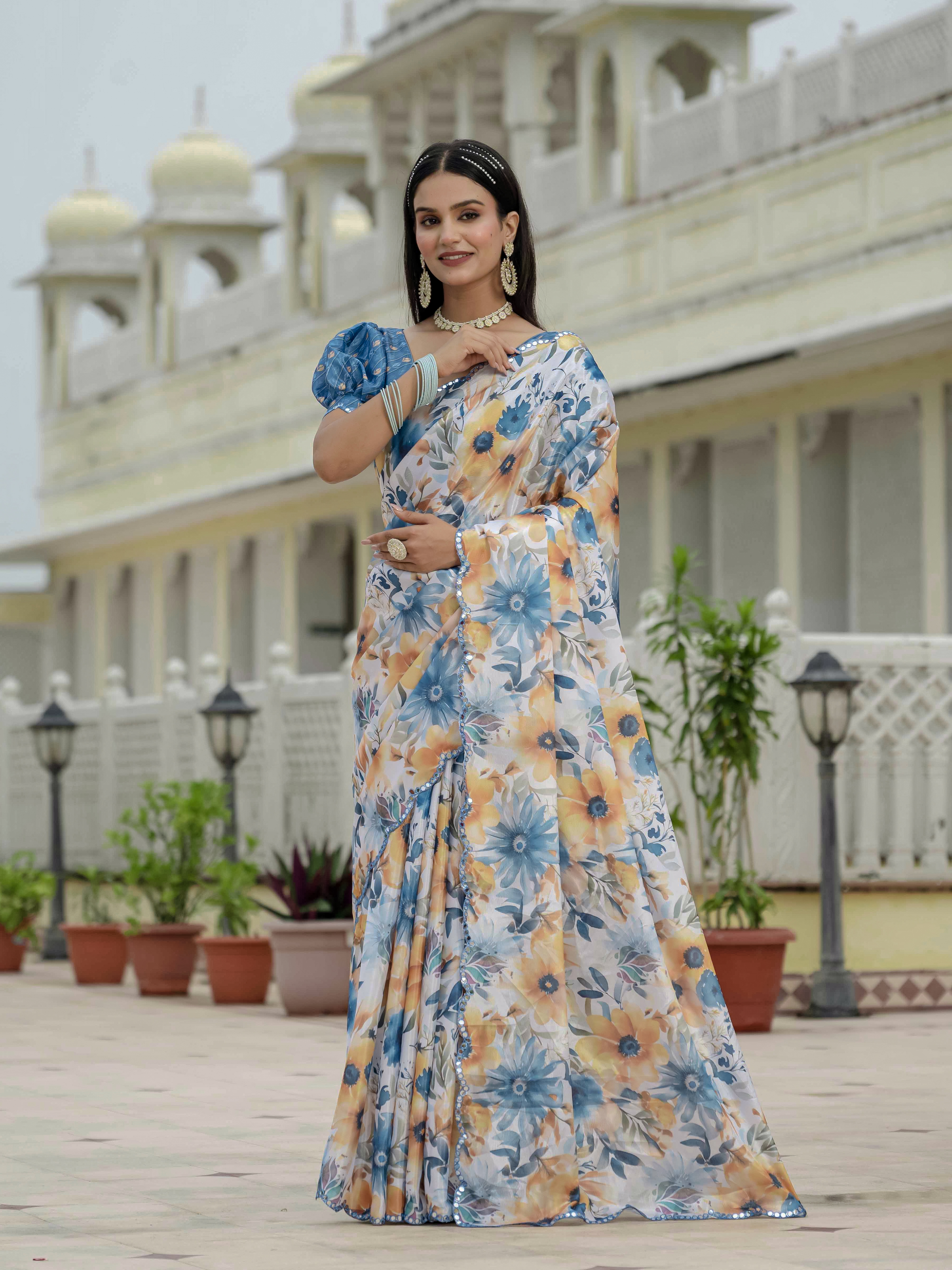
Diwali Fashion in Goa needs to balance celebration with coastal practicality. Warm evenings, humidity, travel between homes and outdoor gatherings can make heavily layered clothing uncomfortable, even when an invitation calls for traditional dress. Sarees, salwar suits, kurta sets and festive separates each offer a different solution. The most reliable outfit combines a breathable base, controlled embellishment, secure styling and colours that look luminous under diya light without making movement difficult.
Goa's Diwali celebrations also bring together regional influences, from Maharashtra's Paithani-inspired colours to Punjabi embroidery and South Indian silk traditions. A thoughtful outfit can acknowledge those influences while remaining comfortable for several hours of walking, greeting guests, sitting for puja and helping at home.
Diwali Fashion in Goa starts with the climate and celebration plan
Goa's warm, humid climate makes lightweight fabrics and easy movement more important than elaborate layering during Diwali. A family celebration may involve cleaning and decorating the home, lighting diyas, visiting relatives, attending a community gathering or standing outdoors near a festive display. Clothing that looks beautiful in a studio photograph can feel restrictive after several hours in coastal weather.
The Narakasur tradition is a visible part of Diwali in many parts of Goa, with large effigies and public displays appearing before the festival. The combination of outdoor movement, evening humidity and bright decorative lighting makes practical clothing especially valuable. A festive suit with a manageable dupatta can be easier to wear than a long, heavy drape that needs constant adjustment.
An useful Diwali outfit has four characteristics: a fabric that allows airflow, a silhouette that doesn't need repeated rearranging, embellishment concentrated around the neckline or hem, and a dupatta or pallu that can be pinned securely. These details matter more than choosing the most ornate garment available.
Plan the outfit around the event duration. A two-hour puja can accommodate a more structured silk look, while an all-day family visit is better suited to a cotton, Chanderi or lightweight blended outfit. Travel between venues also favours trousers, palazzos and shorter dupattas over very long hems.
Diwali Fashion in Goa: should you choose a saree or salwar suit?
A salwar suit is usually easier for a long Diwali day in Goa, while a saree offers greater drape-led formality for a shorter or more ceremonial event. The right choice depends on movement, weather, dressing time, seating arrangements and the amount of styling support available.
When a saree works best for Diwali Fashion in Goa
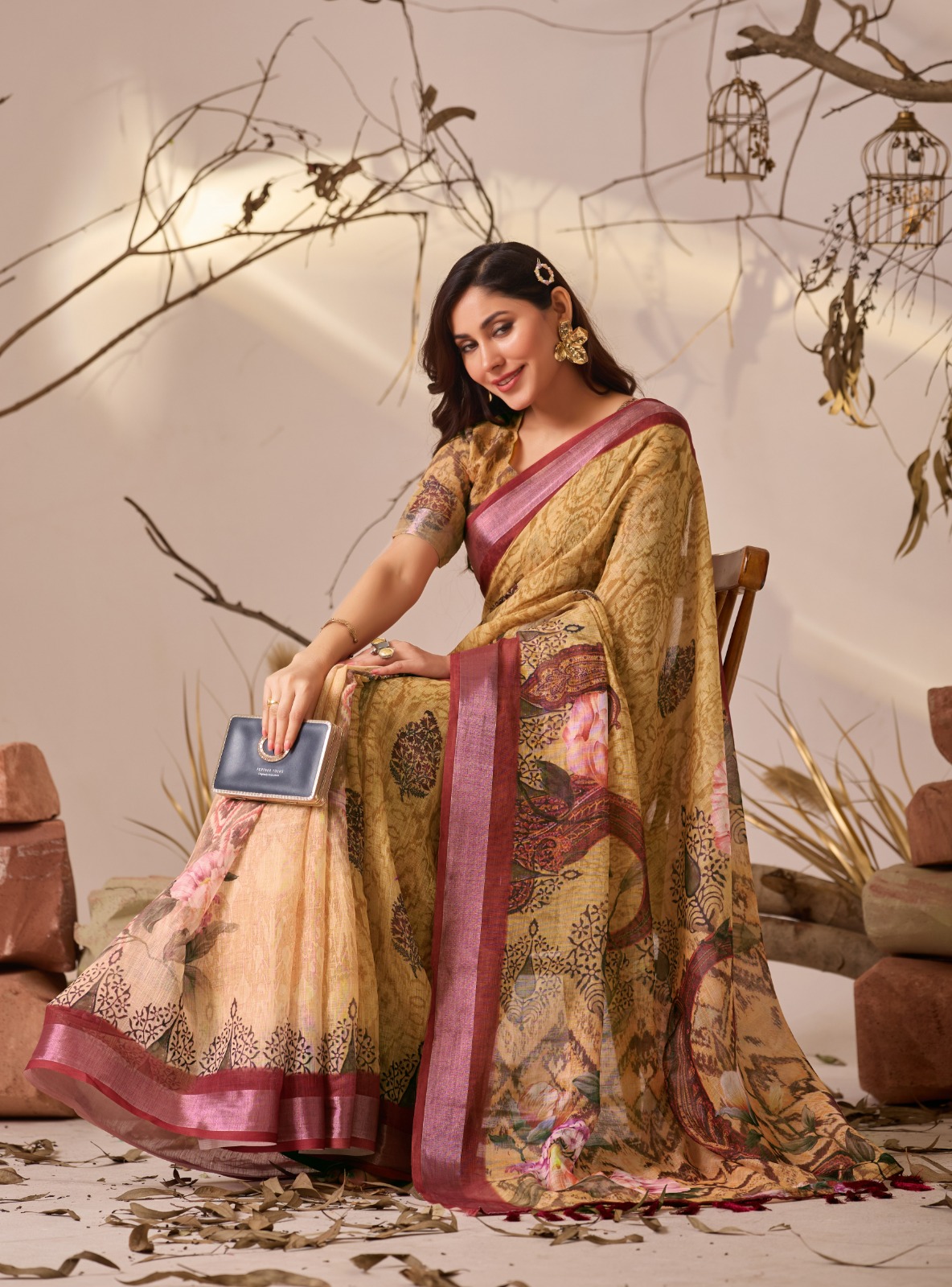
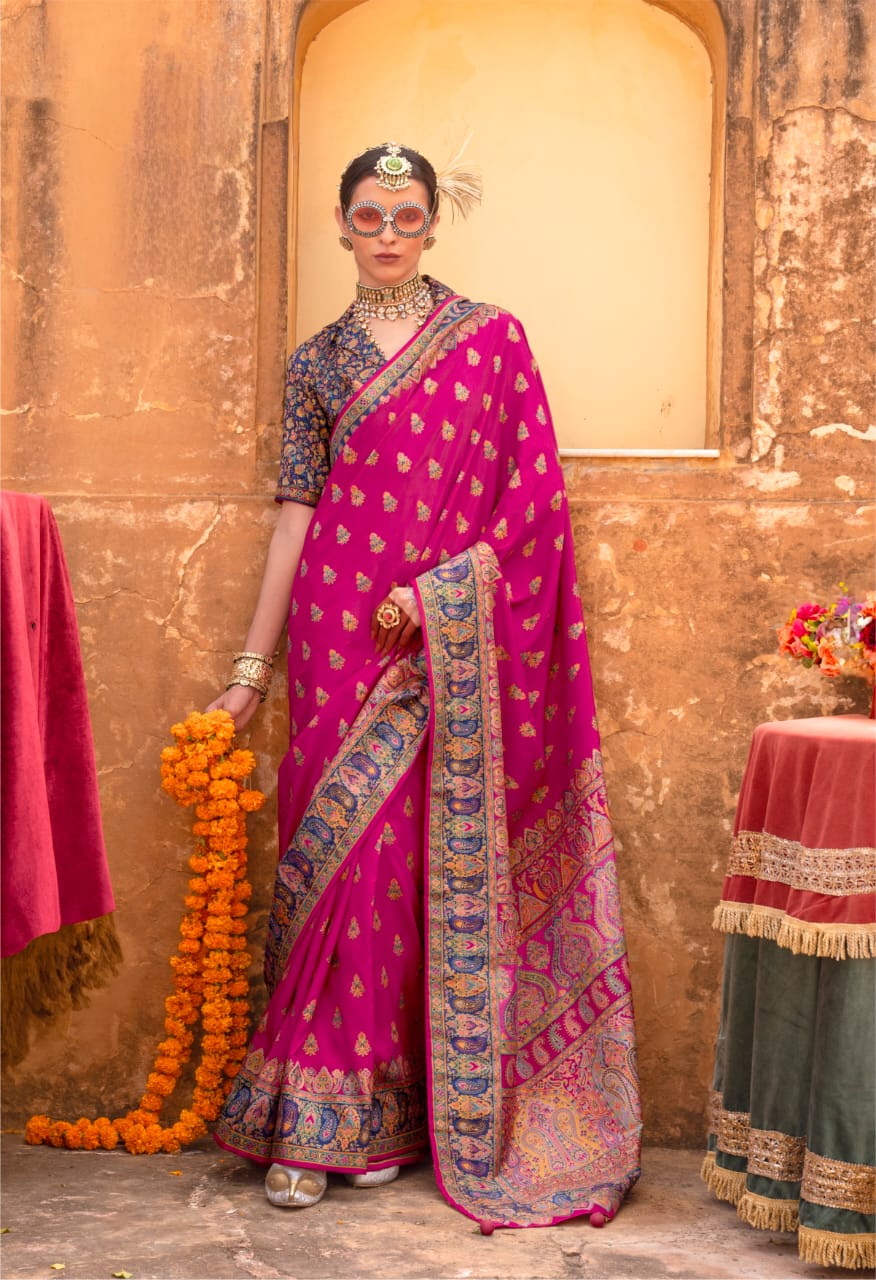
A saree suits a puja, formal family dinner or evening celebration where a time-honoured silhouette is expected. Banarasi silk, Paithani-style zari work and lighter silk blends can create a rich festive effect, but the blouse fit and pleat placement need attention. A pre-pleated or carefully pinned drape is helpful when travelling between venues or sitting on the floor during rituals.
Choose a saree with a manageable border if the celebration includes walking outdoors. A very wide zari border can catch on footwear or become heavy around the waist. Gold or copper-toned zari photographs well under warm lighting, while a contrasting blouse can make a classic saree feel more current without changing the drape.
When a salwar suit works best for Diwali Fashion in Goa
A salwar suit is the practical festive option when the day includes commuting, hosting guests, helping with food or spending time outdoors. Straight-cut suits, anarkali silhouettes, palazzo suits and coordinated kurta sets allow comfortable movement without losing a heritage appearance.
Readymade salwar suits for Diwali reduce preparation time because the kurta, bottom and dupatta are already coordinated. Unstitched suit materials offer more control over sleeve length, neckline and hem volume, which is useful when standard sizing doesn't provide a comfortable fit. A relaxed palazzo or straight pant can also feel cooler than a heavily layered skirt.
Diwali Fashion in Goa works well with breathable festive fabrics
Chanderi, cotton, lightweight silk blends and airy woven fabrics are strong choices for Diwali in Goa because they combine festive texture with better comfort in warm weather. Fabric weight, lining and embroidery density should be considered together rather than judged by surface appearance alone.
Why cotton suits remain useful
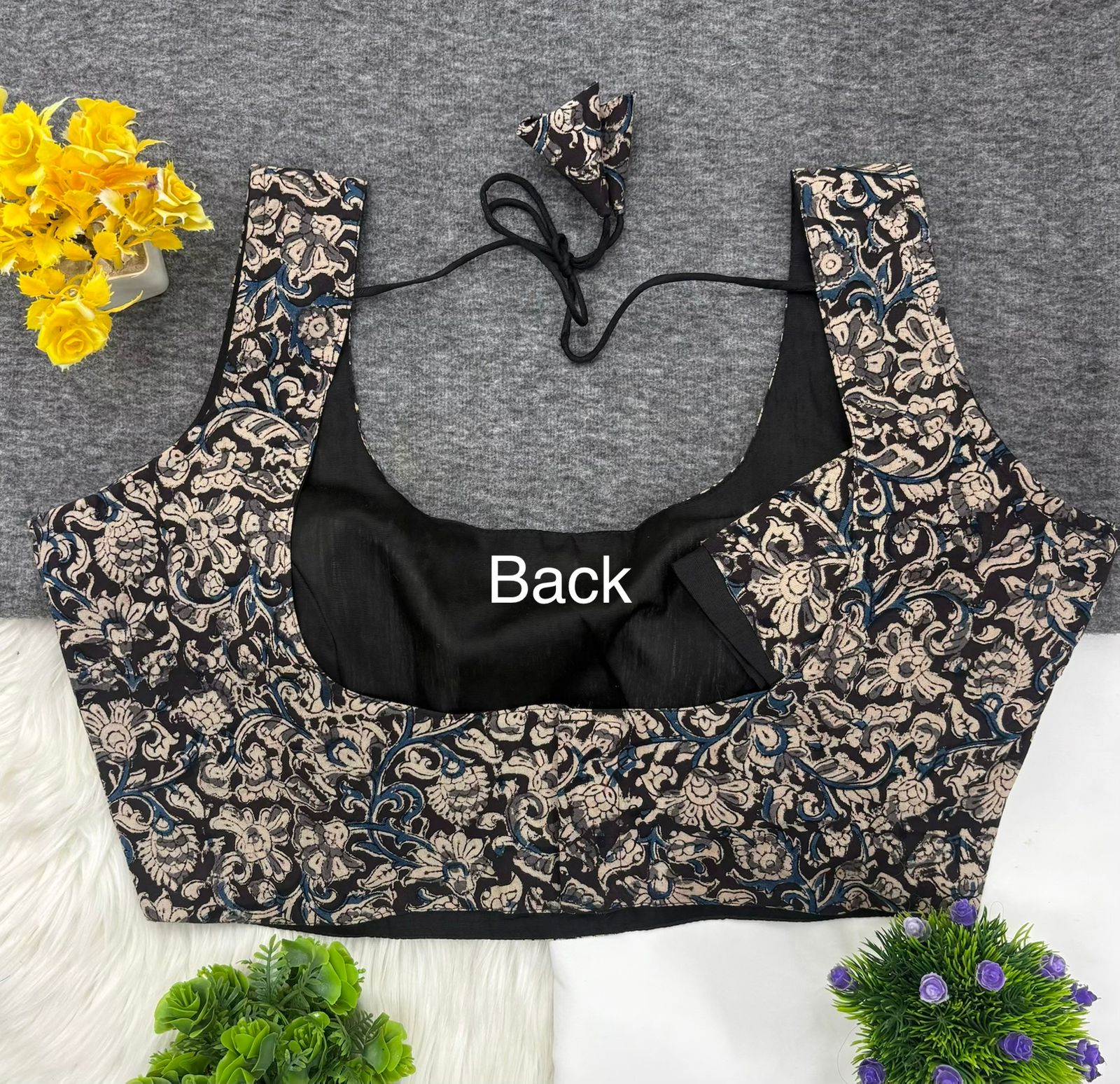
Cotton salwar suits for Diwali work well for daytime puja, home visits and informal family gatherings. Cotton absorbs moisture and usually feels less clingy than synthetic fabric, although a very dense weave may still feel warm. Kalamkari prints add visual interest without requiring heavy embellishment, making printed cotton suits suitable when the outfit needs to be festive but repeat-wear friendly.
Kalamkari Print Salwar Suits provide an useful direction for this kind of styling. A printed cotton or cotton-feel suit can be elevated with metallic jhumkas, a small potli bag and embroidered footwear instead of a fully embellished dupatta. This approach keeps the outfit expressive while avoiding unnecessary weight.
Why Chanderi and silk textures suit evening celebrations
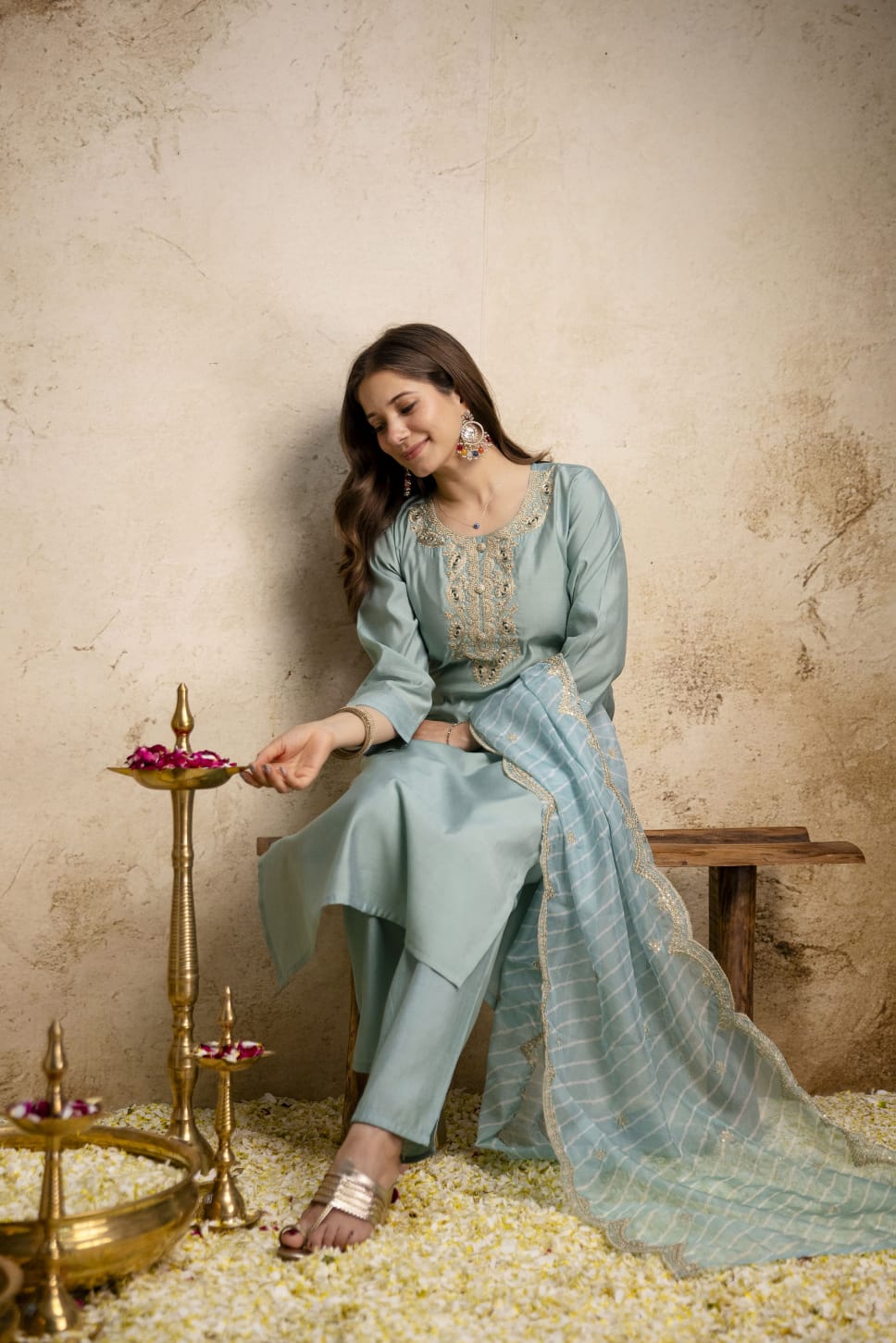
Chanderi brings a lightweight, slightly sheer texture that looks refined in evening light, but the garment should have suitable lining where needed. Pastel Blue Embroidered Chanderi Kurta Set with Dupatta shows how a soft colour and delicate surface work can create a festive look without relying on a dark, heavily decorated base.
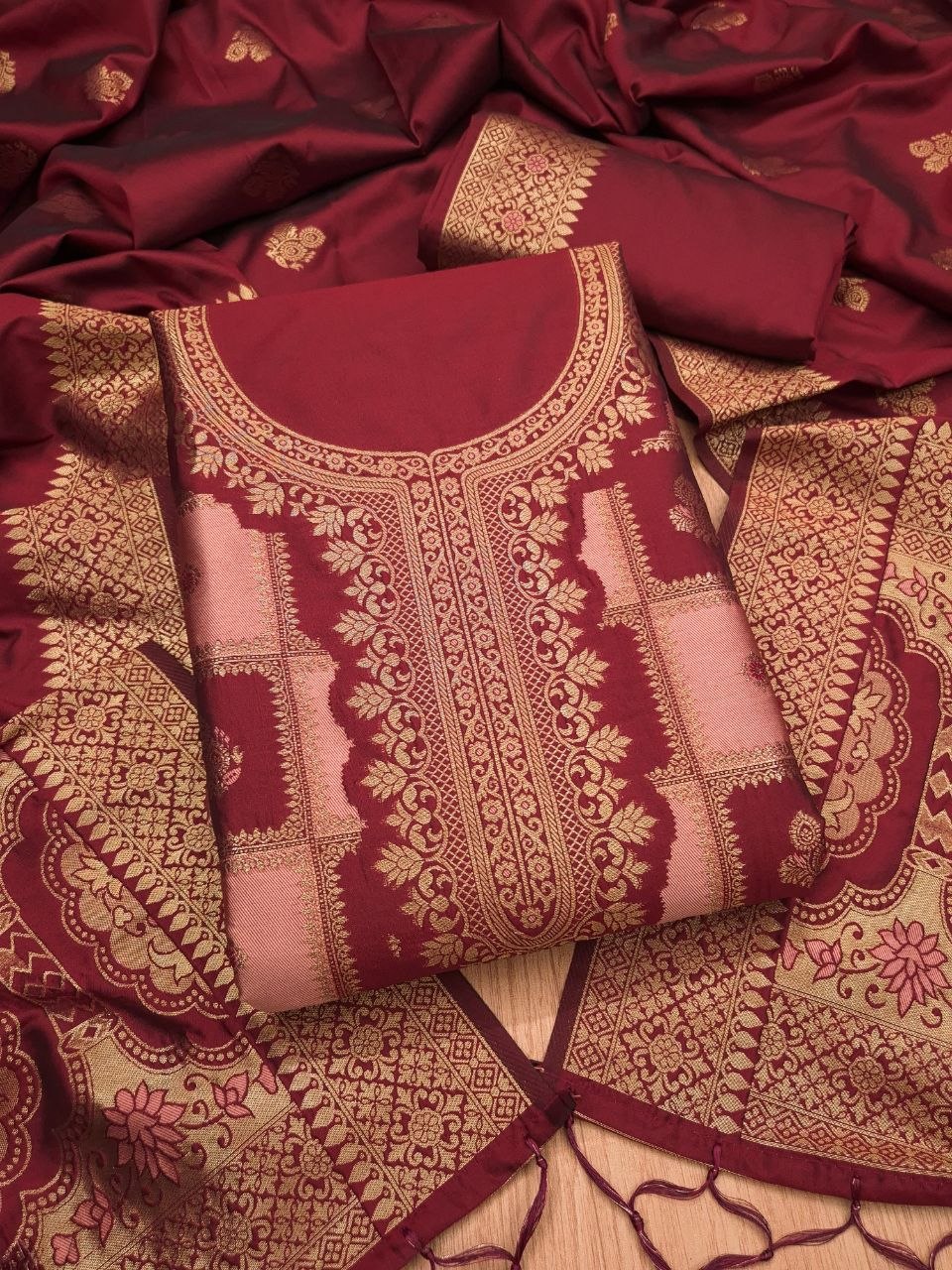
Banarasi silk and Paithani-style zari details provide stronger visual richness for a formal Diwali celebration. Zari can be real metallic thread, metallic-coated yarn or a blended decorative yarn, so care instructions should be checked before washing. Maroon Paithani Style Zari Woven Unstitched Suit Material gives the wearer room to decide the neckline, sleeve shape and trouser width before tailoring.
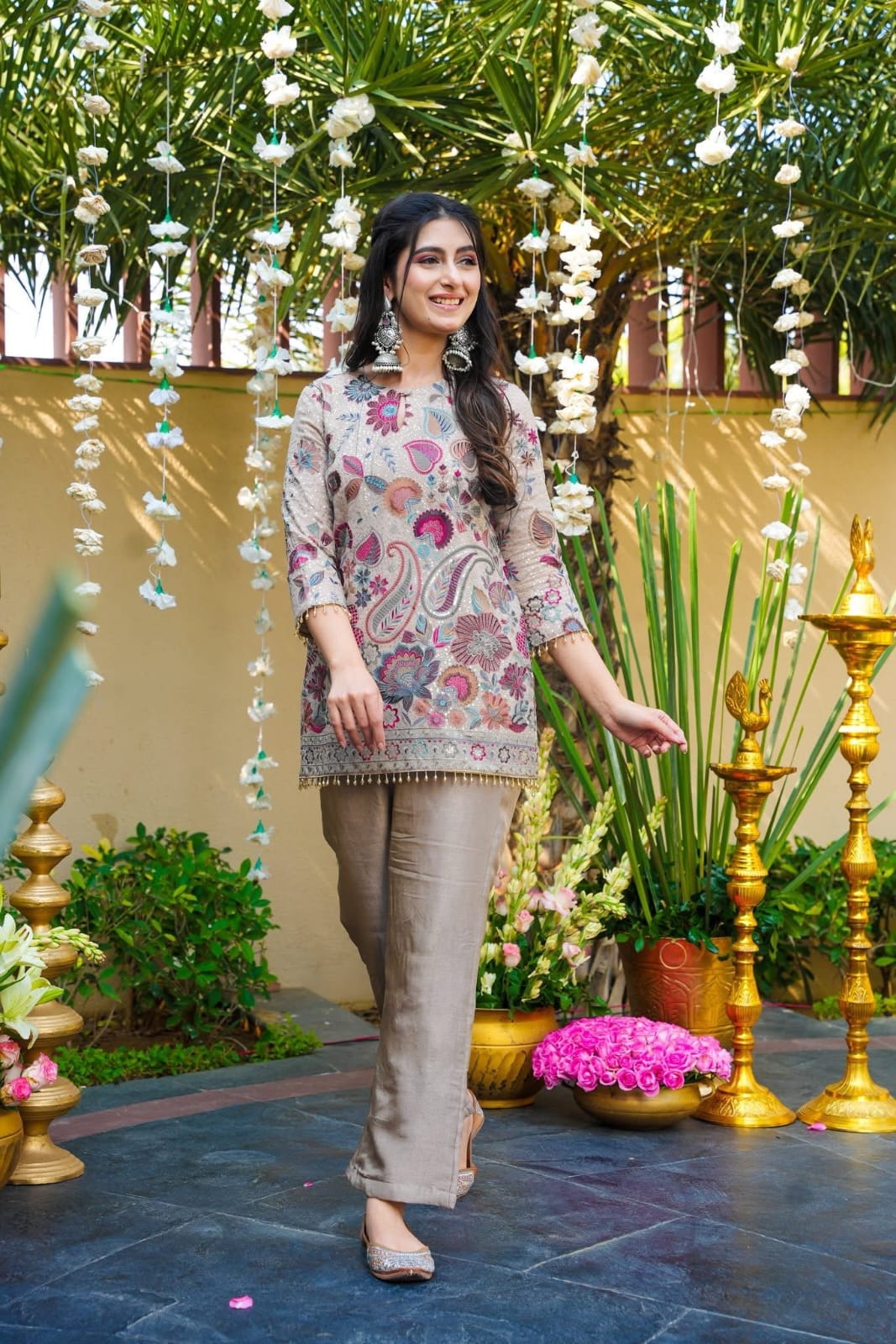
Vichitra silk has a structured, polished appearance that can suit an evening gathering. Modern Taupe Vichitra Silk Embroidered Co-Ord Set for Women shows how a neutral shade can look festive when embroidery and coordinated separates supply the visual emphasis.
Diwali Fashion in Goa looks festive through colour and controlled embellishment
Deep maroon, bottle green, navy, plum, rust and jewel-toned blue look effective under warm diya light, while ivory, taupe, blush and pastel blue create a softer contemporary effect. The best colour depends on the lighting, background and jewellery rather than on a fixed Diwali colour rule.
Maroon and rust repeat the warmth of lamps and match naturally with antique gold accessories. Green provides contrast against golden zari and works well with kundan-inspired jewellery. Pastel blue, lavender and taupe can look polished in photographs when paired with silver, pearl or muted gold details. Ivory is elegant but needs attention to food, oil and smoke during a busy celebration.
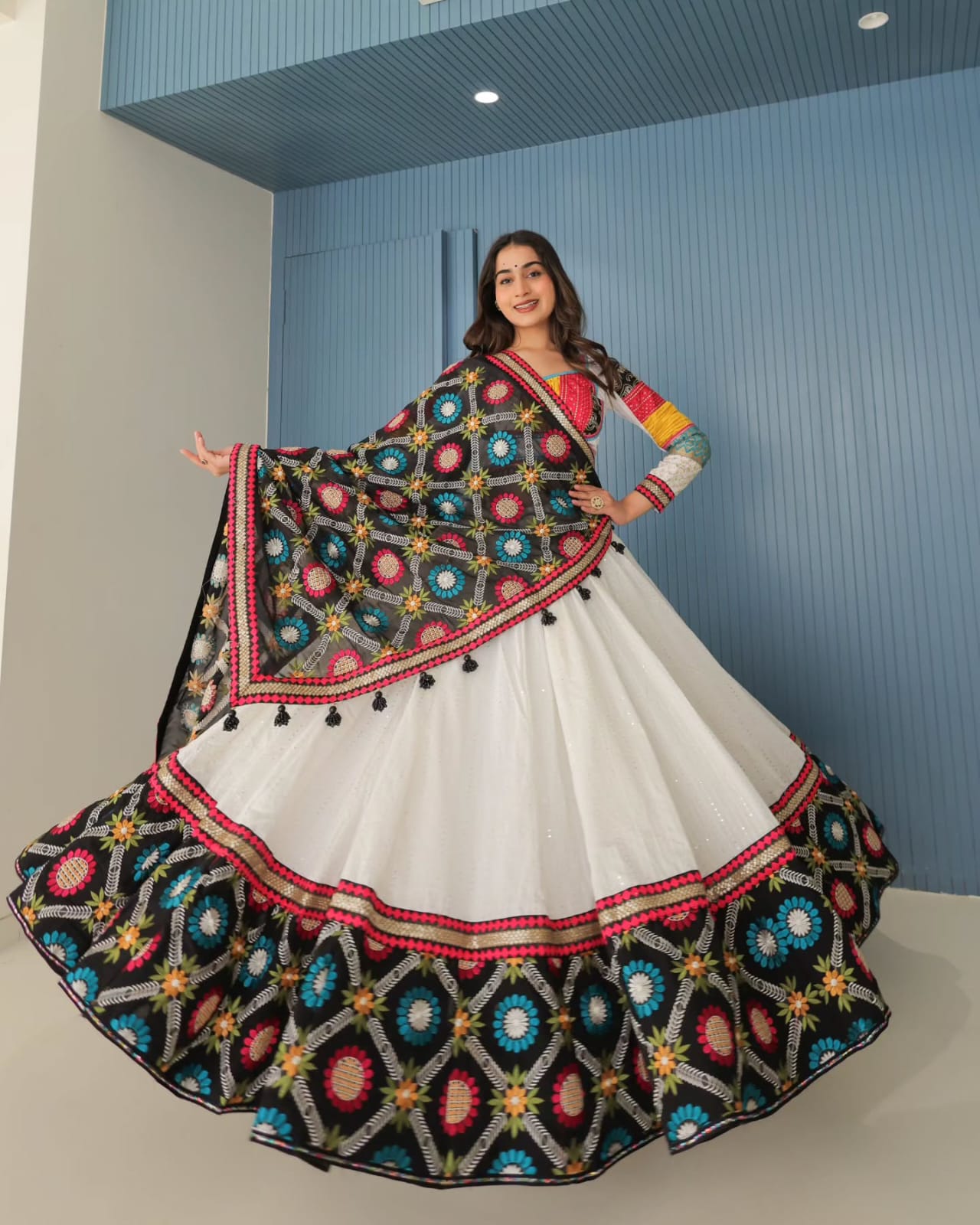
Embellishment is easiest to wear when it's distributed strategically. Embroidered necklines frame the face, sleeve borders add interest without weighing down the torso, and a decorated dupatta can transform a simple kurta. Heavy work across every panel may become uncomfortable in Goa's humidity, especially when the outfit includes lining or multiple layers.
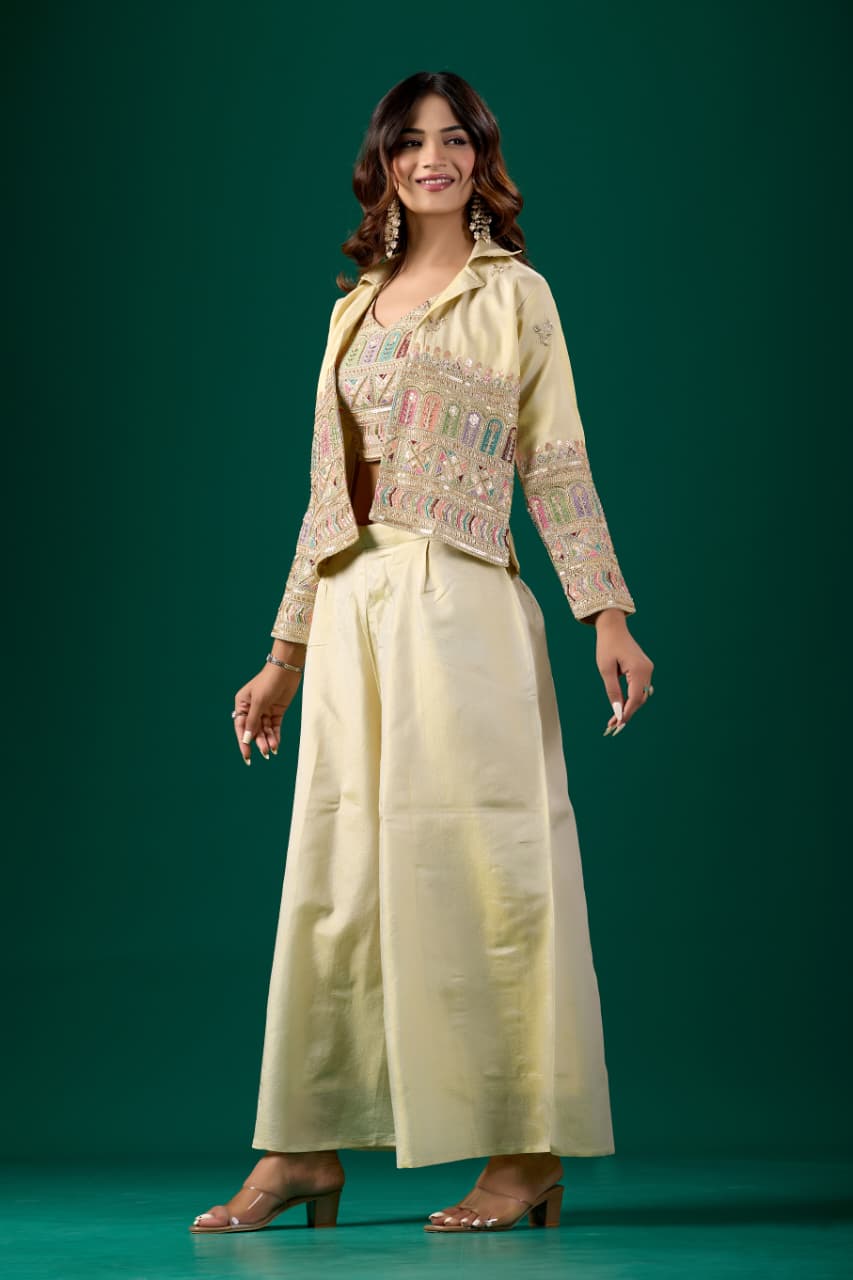
Women's Embroidered Crop Top & Jacket Palazzo Set | Varnavi demonstrates a contemporary formula: a coordinated base with a statement outer layer. A jacket can be removed during travel or indoor heat, then worn again for photographs and the evening portion of the celebration.
Diwali Fashion in Goa can reflect regional textile traditions
Regional textile references allow a festive wardrobe to feel personal without creating a costume-like appearance. The key is to use one clear influence in the weave, print, embroidery or accessory and keep the remaining elements restrained.
Maharashtra Paithani Inspired Salwar Suits bring the visual language of Paithani through jewel colours, woven-looking motifs or zari-inspired borders while retaining the mobility of a salwar silhouette. These suits can be styled with a plain dupatta if the neckline and hem already carry strong detail.
Punjab Phulkari Embroidered Salwar Suits use vivid threadwork and floral geometry to create a lively festive mood. Phulkari-inspired embroidery pairs well with simple gold hoops or colourful glass bangles because the textile surface already supplies strong pattern and colour.
Karnataka Silk Salwar Suits are suitable when the desired effect is a silk-led, heritage finish. Keep the accessories focused: a silk-textured suit, small earrings and a structured clutch can look more intentional than several competing statement pieces.
Kashmir Embroidered Salwar Suits offer a more intricate embroidered direction. Because detailed embroidery can become the focal point, choose low-contrast footwear and a dupatta drape that leaves the main motif visible rather than covering it.
Diwali Fashion in Goa becomes easier with practical styling details
The most effective Diwali styling plan uses one statement element, one functional adjustment and one finishing accessory. A richly embroidered kurta, for example, can be paired with plain trousers, secure pins and a compact potli instead of additional heavy jewellery.
- Check the fit before the event. Sit, raise both arms and walk several steps in the outfit. A sleeve that feels fine while standing may restrict movement during greetings, serving food or lighting diyas.
- Control the dupatta. Use two discreet pins at the shoulder and waist, or choose a shorter drape for outdoor movement. A dupatta should not trail near flames, food or wet ground.
- Select breathable underlayers. Cotton or moisture-managing inner garments can make a silk-look or embroidered suit more comfortable. Avoid adding a thick slip under a fabric that already has lining.
- Match jewellery to the neckline. A high embroidered neckline needs earrings or bangles rather than a large necklace. A plain V-neck can support a pendant or short necklace.
- Choose stable footwear. Block heels, embellished flats or low wedges are safer for uneven lanes, courtyards and outdoor community events than narrow stilettos.
- Carry a compact repair kit. Two safety pins, a small stain-removal wipe and a spare hair tie can solve common problems during a long celebration.
Accessories should support the garment rather than compete with it. A Paithani-inspired suit can take antique gold earrings, while a detailed Phulkari-inspired outfit may need only bangles and small studs. A neutral co-ord set can accommodate a brighter dupatta or embroidered bag.
Diwali Fashion in Goa needs careful buying and garment care
Check measurements, lining, closure details, fabric composition and delivery timing before buying a Diwali outfit online. A product photograph can't show whether a kurta has enough ease at the armhole or whether a dupatta is long enough for the preferred drape.
For a readymade salwar suit, compare bust, waist, hip, shoulder and garment length measurements with a well-fitting outfit at home. For an unstitched suit material, confirm the fabric length available for the kurta, bottom and dupatta before sending it to a tailor. Allow at least 10 to 14 days for tailoring when possible, particularly during the pre-Diwali rush.
Embroidered, zari-woven and silk garments generally benefit from dry cleaning or the care method stated on the label. Do not soak zari-heavy fabric for long periods, rub embroidery aggressively or store a damp garment in plastic. Air the outfit fully after wearing, fold it with soft tissue or a clean cotton cloth between layers, and store it away from direct sunlight.
Stains should be treated quickly but gently. Blot oil or food marks instead of rubbing them deeper into the weave. Test any cleaning product on an inner seam first, especially on Chanderi, dyed silk, zari or embroidered fabric. Proper storage helps a Diwali suit remain useful for weddings, family functions and future festive seasons.
A well-chosen outfit for Diwali in Goa doesn't need maximum decoration. The strongest combination is a breathable fabric, a comfortable silhouette, one visible festive detail and styling that allows the wearer to participate fully in the celebration.
Common Questions About Diwali Fashion in Goa and Festive Suits
Which salwar suit is trending now for Diwali celebrations?
Coordinated kurta sets, palazzo suits, embroidered jackets and regional-inspired salwar suits are currently strong choices for Diwali. Paithani-style zari, Phulkari-inspired embroidery and lightweight Chanderi offer festive detail while keeping the silhouette practical.
Are cotton salwar suits suitable for Diwali in Goa?
Cotton salwar suits are suitable for daytime puja, home visits and informal celebrations in Goa. Choose a festive print, woven border or small amount of embroidery, and select a lining that does not make the garment too warm.
What should women wear for a long Diwali day in Goa?
Women should choose a breathable salwar suit, kurta set or lightweight saree with secure styling for a long Diwali day in Goa. Straight pants, palazzos, manageable hems and pinned dupattas make walking, hosting and sitting more comfortable.
Where can I buy a salwar suit online for Diwali?
A salwar suit can be bought online from an ethnic-wear retailer that provides garment measurements, fabric information, care instructions and delivery estimates. Compare those details with a well-fitting garment at home before selecting a readymade size.
How can I style a Diwali suit for a humid evening?
Style a Diwali suit with breathable inner layers, lightweight jewellery, stable footwear and a dupatta secured with discreet pins. Keep one statement element, such as an embroidered neckline or jacket, instead of adding heavy decoration everywhere.
How should zari or embroidered Diwali suits be washed?
Zari or heavily embroidered Diwali suits should be cleaned according to the garment label, and many require dry cleaning. Avoid long soaking, harsh rubbing and damp storage; air the garment after use and fold it with soft tissue or clean cotton protection.