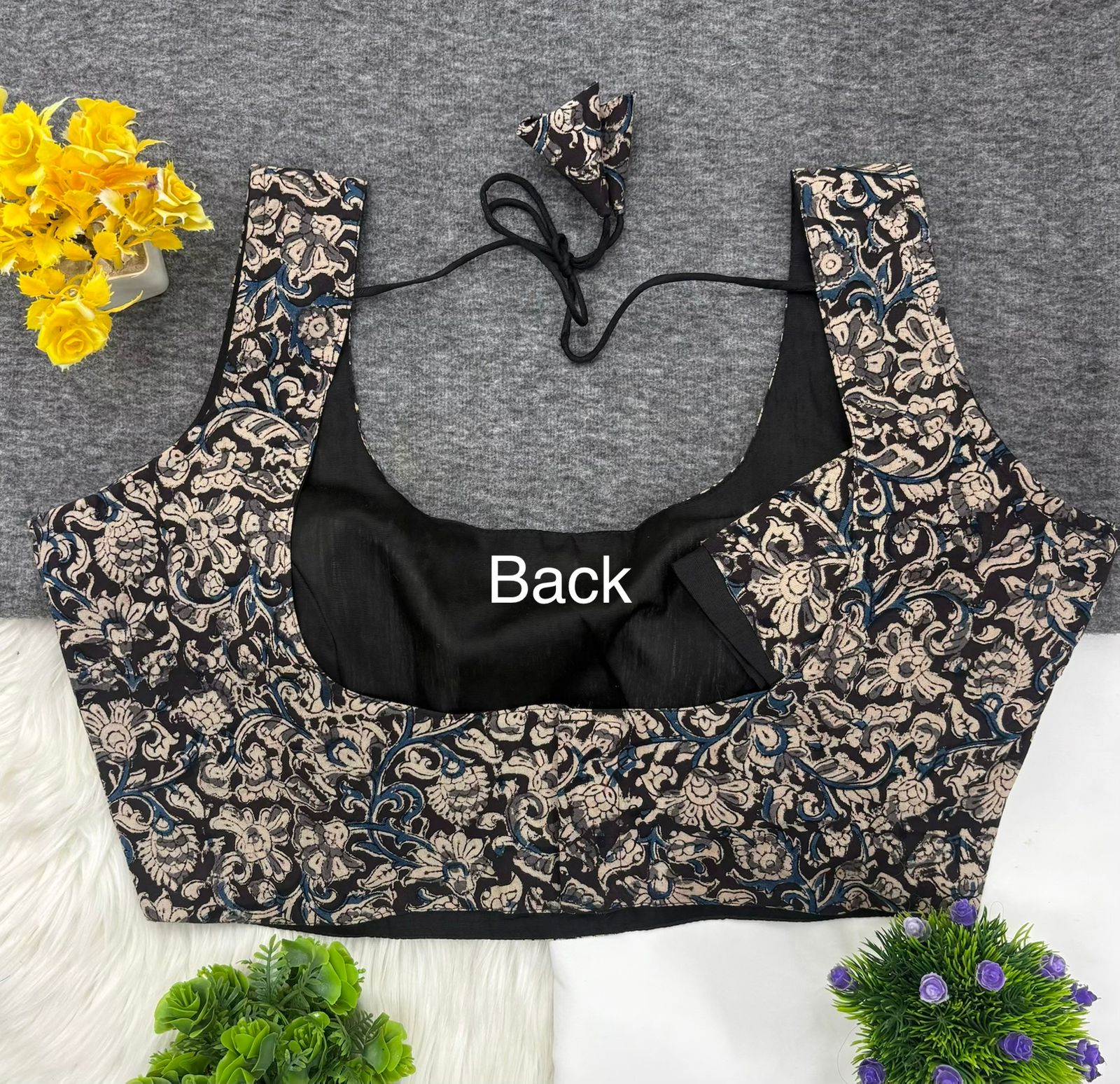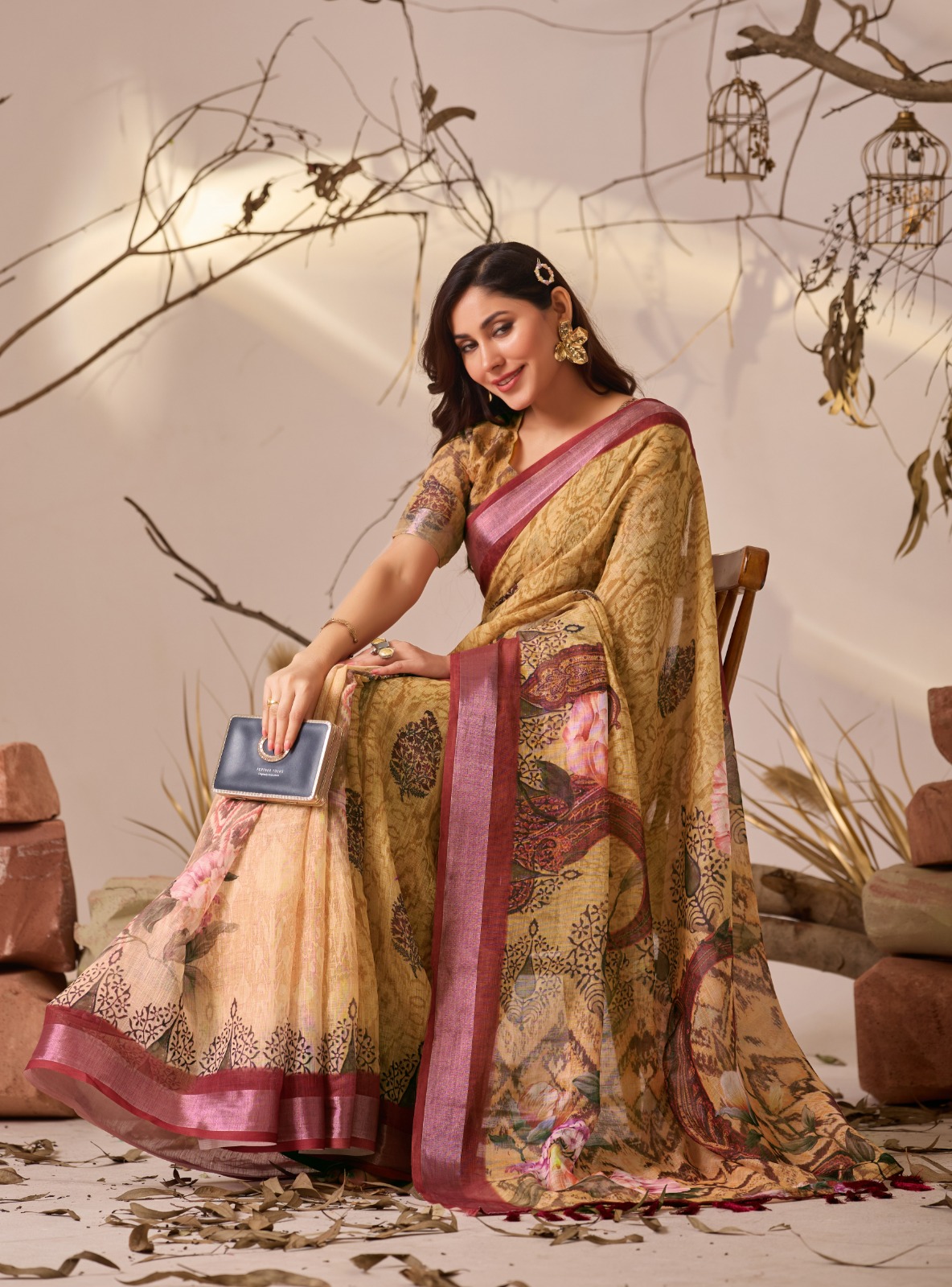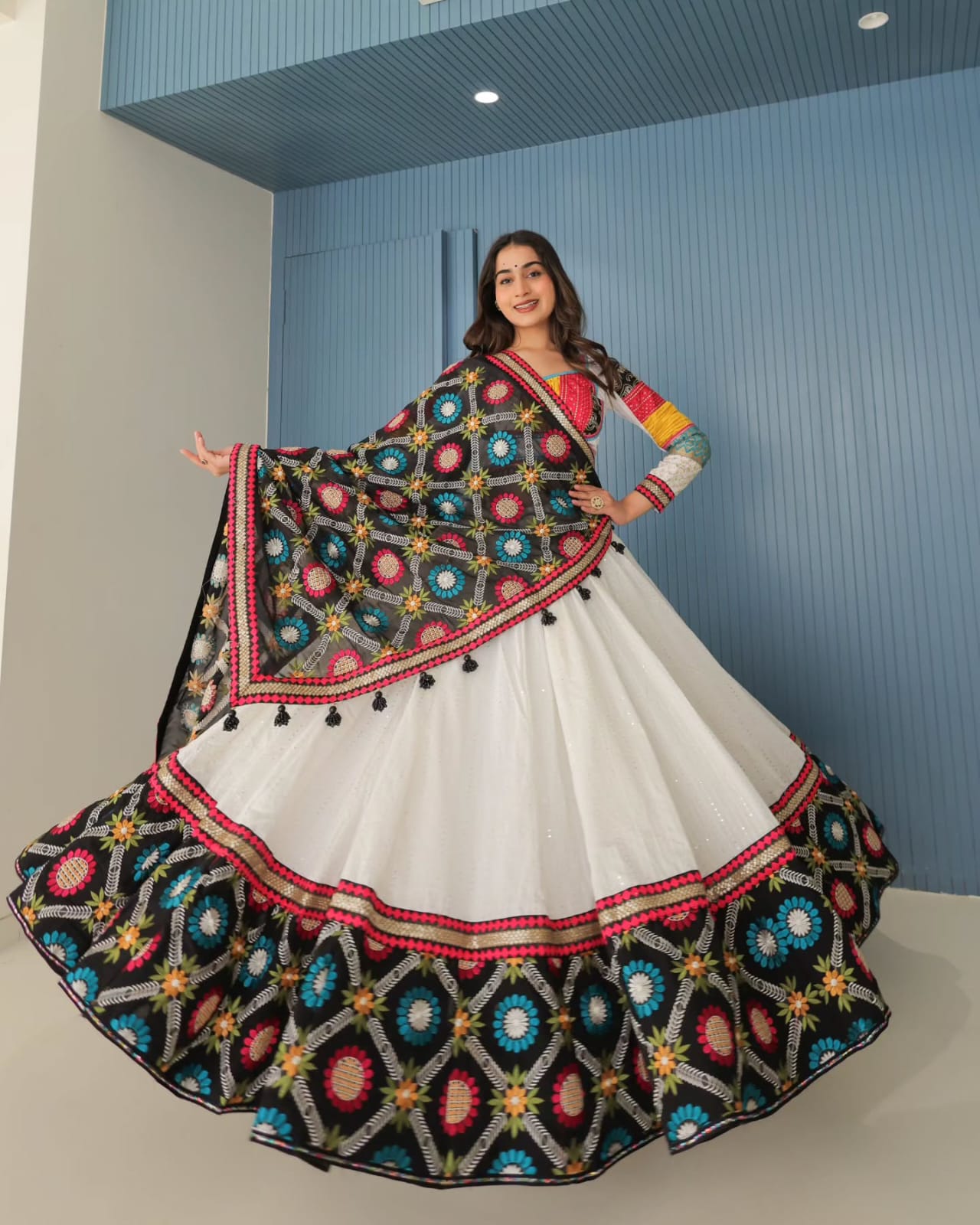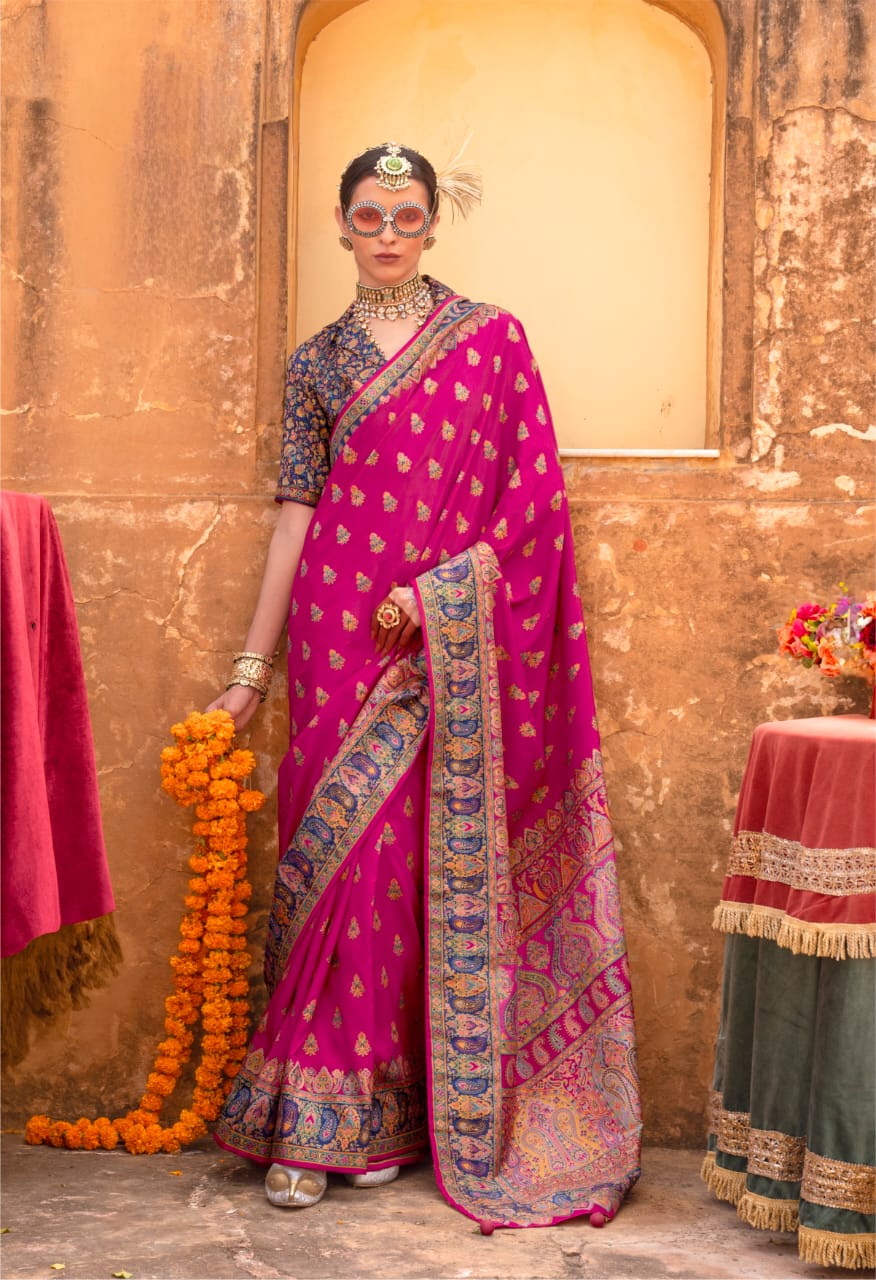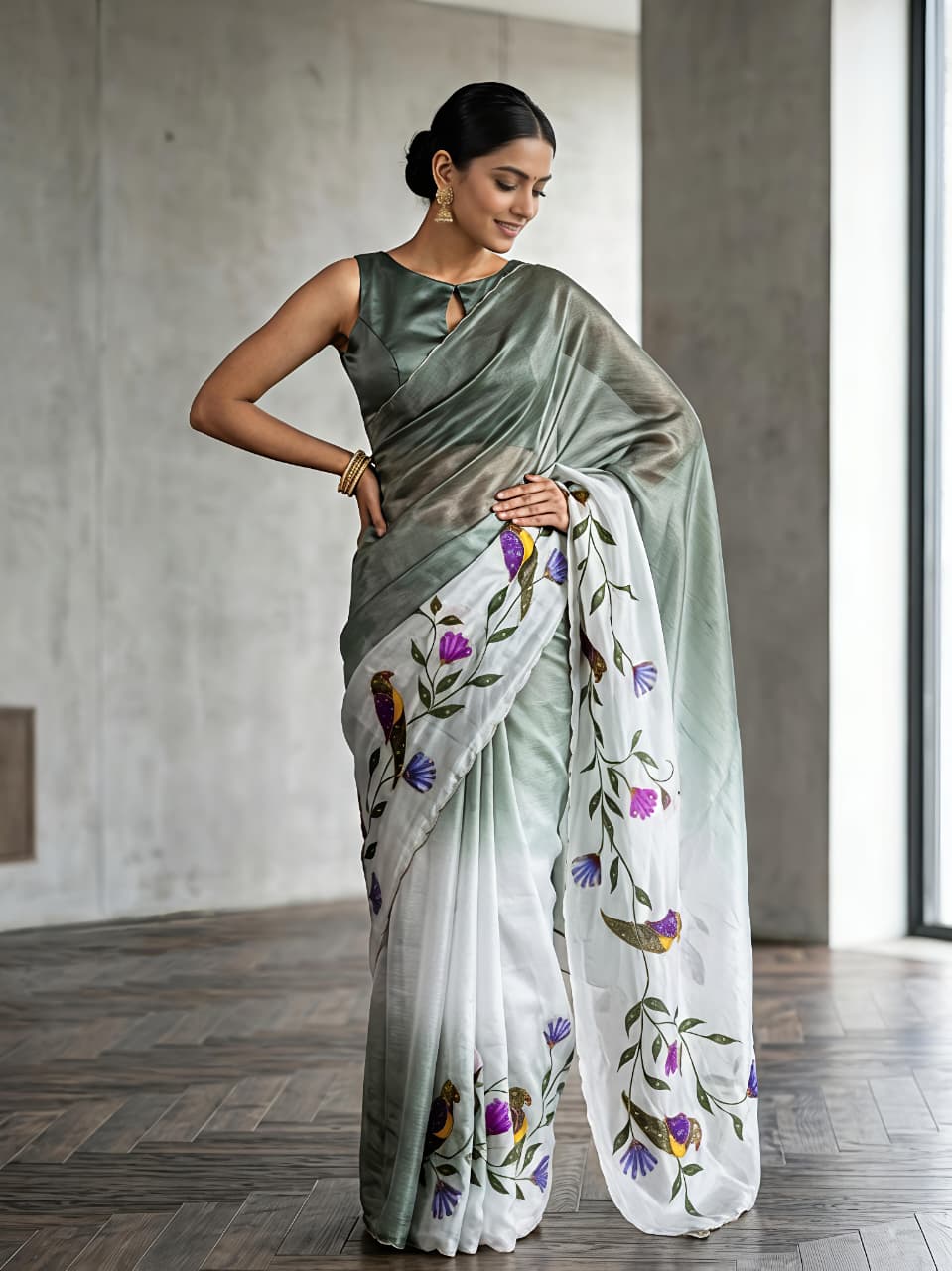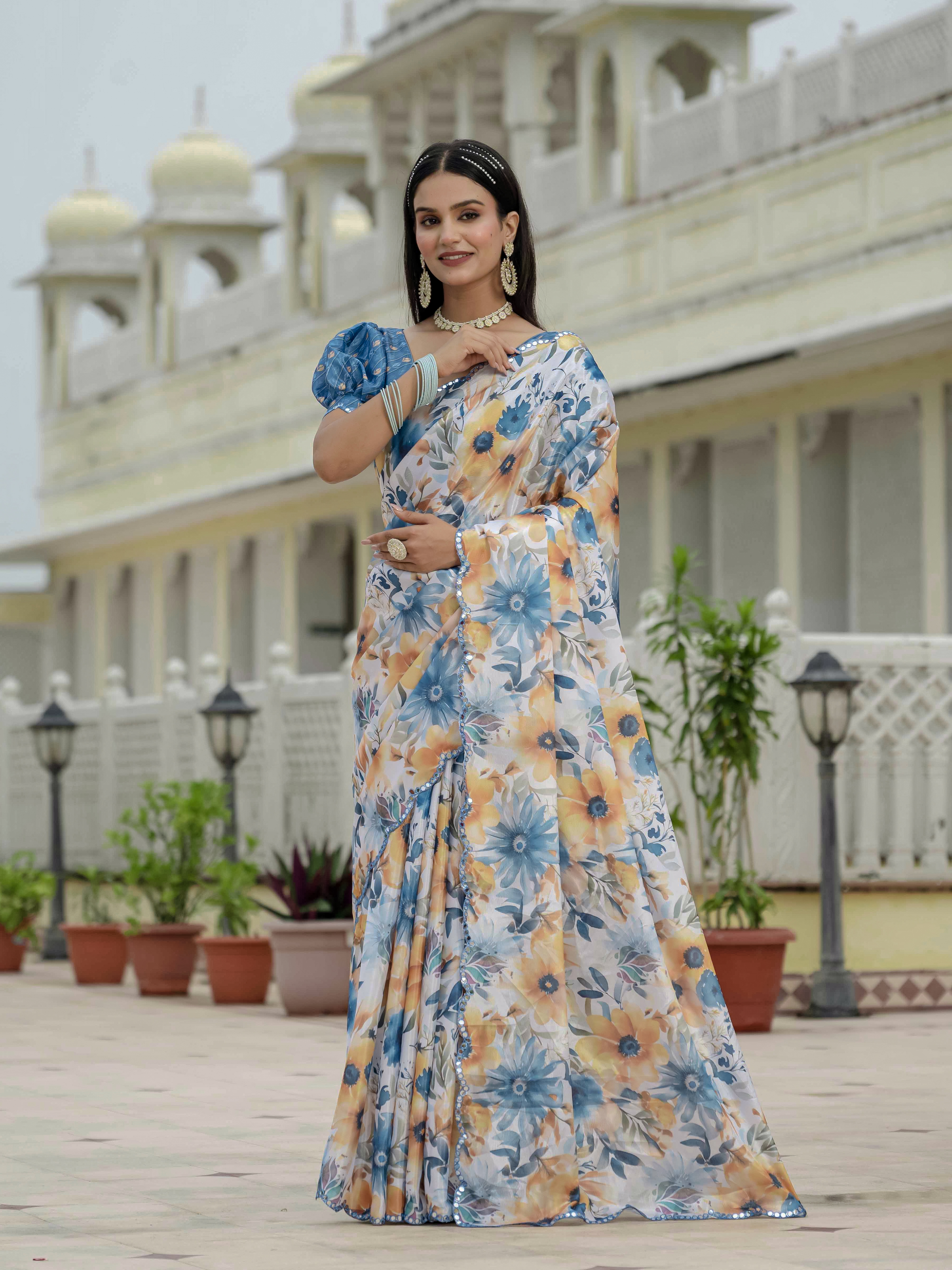
Diwali Fashion in Bihar brings together sarees, suits and lehengas for several kinds of celebration: a morning Lakshmi puja, visits to relatives, an evening of diyas on the verandah and a family gathering that continues into a cool November night. The most useful outfit combines festive colour and craft detail with breathable fabric, secure draping and enough comfort for sitting on the floor. Sarees, salwar suits and lehengas can all work beautifully when their fabric, silhouette and embellishment match the celebration.
Bihar's festive wardrobe also offers more choice than a single red-and-gold formula. Bhagalpur silk, tussar silk, cotton, Madhubani-inspired motifs, Sujuni embroidery and Tikuli-style details can influence a look without making it feel costume-like. The right choice depends on where you're going, how long you'll wear the outfit and how much movement the evening requires.
Diwali Fashion in Bihar: Sarees, Suits & Lehengas and Regional Style
Diwali Fashion in Bihar stands out through its combination of regional textiles, vivid colour and practical festive dressing. Bhagalpur silk is especially useful for Diwali because its natural texture gives a polished drape without making the outfit appear excessively formal.
Tussar silk brings a slightly grainy surface and muted gold or earthy undertones. Cotton-silk blends are more comfortable when a celebration involves cooking, greeting guests and moving between rooms. Chanderi adds a light, luminous finish, while Banarasi silk creates a richer look through zari and a denser weave.
Madhubani art can influence a blouse border, dupatta print or accessory without requiring a head-to-toe themed outfit. Fish, peacocks, lotus flowers, trees and geometric borders are recognisable visual references, but these motifs look more refined when balanced with plain fabric.
Diwali clothing in Patna, Gaya, Muzaffarpur, Bhagalpur and smaller towns may differ in formality, yet the same practical rule applies: choose an outfit that survives movement. A long pallu that drags near diyas, an extremely wide lehenga or loose dangling jewellery can become inconvenient during puja and family hosting.
Diwali Fashion in Bihar: Sarees, Suits & Lehengas by Occasion
A saree suits a formal puja or family dinner, a salwar suit works best for movement and repeated visits, and a lehenga creates the strongest celebratory effect for an evening gathering.
Sarees for puja and formal family visits
Choose a saree for Lakshmi puja, a formal family dinner or a celebration where a classic silhouette feels appropriate. Banarasi silk, Bhagalpur silk, tussar silk, Chanderi and cotton-silk sarees each offer a different balance of sheen, structure and comfort.
Banarasi silk gives a rich festive finish through zari, but a heavy zari saree can feel warm and cumbersome indoors. Chanderi is lighter and catches the light gracefully, although its delicate texture needs careful handling near rough jewellery or open flames. A tussar saree with a narrow zari border provides a quieter Bihar-appropriate look and can be reworn for weddings or family ceremonies.
For a six-yard saree, allow approximately 1 to 1.2 metres of pallu for a comfortable shoulder drape, and make sure the underskirt waistband is firm. Pre-pleating the saree at home saves time during a busy puja morning. Safety pins should secure the pleats from the inside rather than puncturing a visible zari border.
Suits for movement and hosting
Choose a salwar suit, straight kurta set or palazzo suit when you expect to walk between rooms, greet many guests, help serve food or sit on the floor. A silk-blend kurta with cigarette pants looks festive without restricting the ankles, while a cotton-silk Anarkali gives more movement than a heavily layered lehenga.
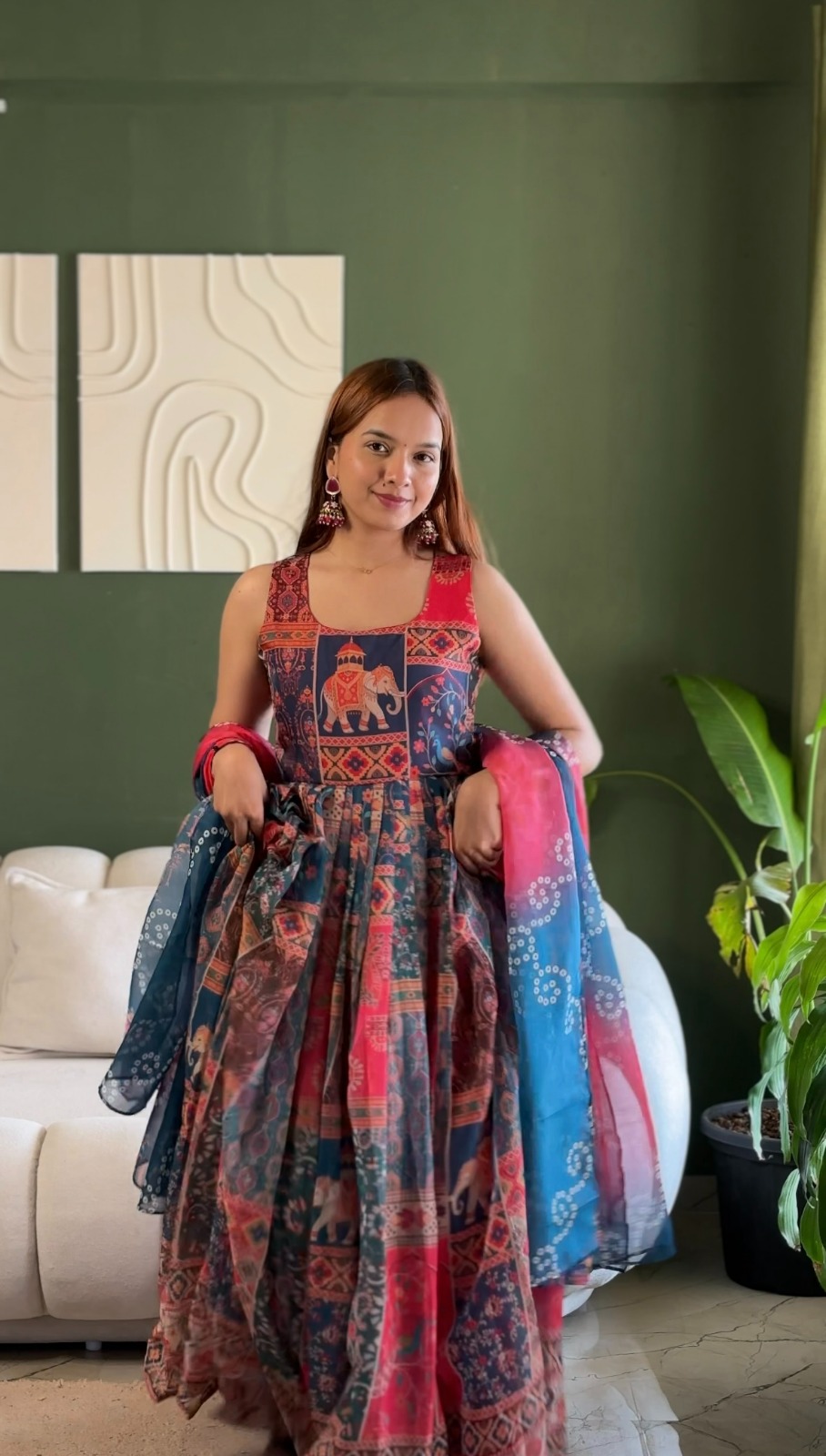
Deep maroon, emerald, mustard, plum and burnt orange work well for Diwali without relying entirely on glitter. A plain kurta with a printed dupatta can look more refined than a heavily decorated three-piece set because the eye has a clear place to rest.
Lehengas for evening celebrations
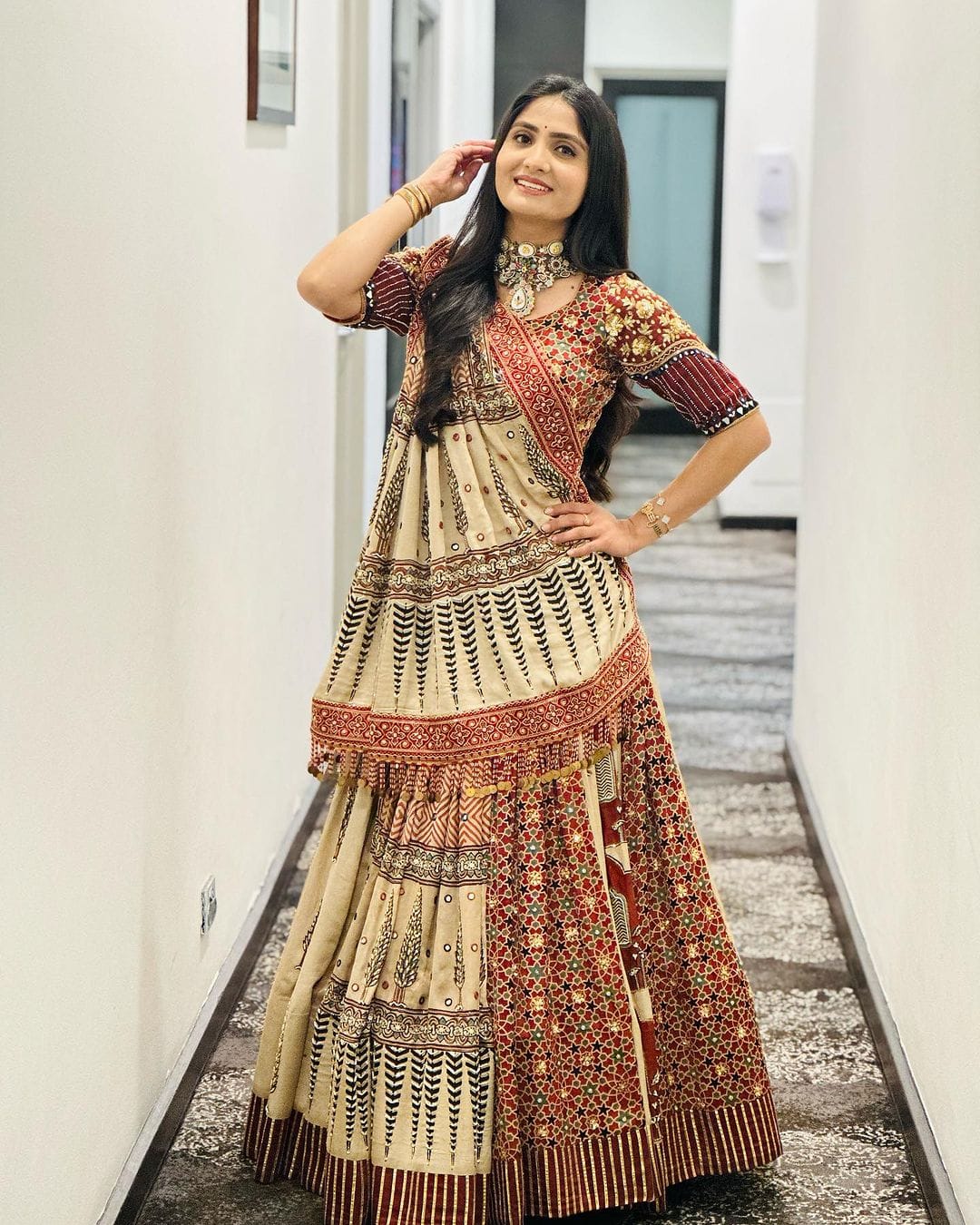
Choose a lehenga for an evening card party, a family photo session or a Diwali gathering with a distinctly festive dress code. A lehenga should have a comfortable waistband, a lining that doesn't cling and a hem that stays at least 2 to 3 centimetres above the floor when worn with the intended footwear.
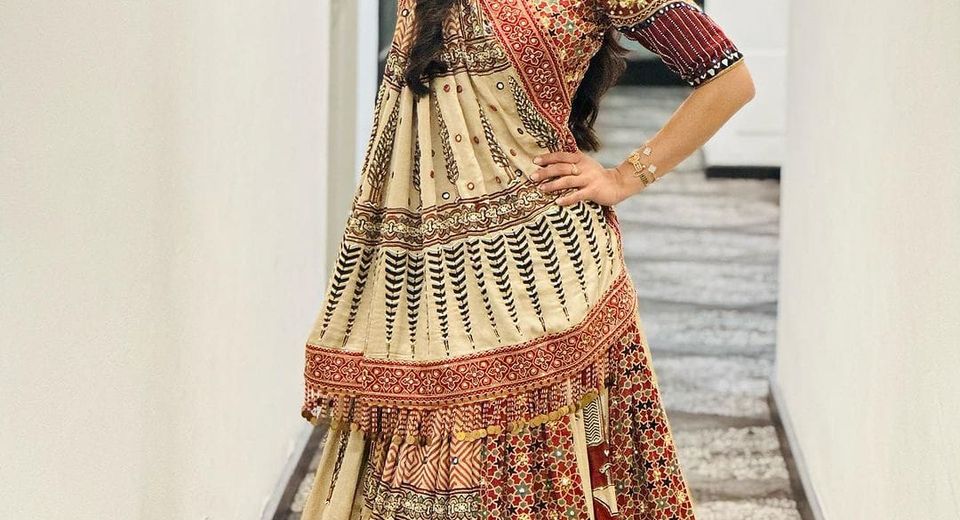
A printed lehenga can be more versatile than a fully sequinned design. Beige Ethnic Printed Lehenga Set for Navratri and Garba demonstrates how a warm neutral base can carry festive motifs without becoming difficult to rewear. Red Ethnic Lehenga Choli with Digital Print Design creates a classic Diwali colour story while keeping the surface detail lighter than dense embroidery.
Diwali Fashion in Bihar: Sarees, Suits & Lehengas for Bihar Weather
Silk, cotton-silk, muslin cotton and lined lightweight blends are the most useful Diwali fabrics for Bihar because they balance evening warmth, breathability and ease of movement.
Late October and November evenings in Bihar can feel noticeably cooler than afternoons, so fabric selection should account for temperature changes. A sleeveless blouse may feel comfortable at 4 p.m. But chilly after a late puja. A cropped brocade jacket, silk shawl or embroidered dupatta adds warmth without hiding the outfit.
Muslin cotton is a strong choice for long family gatherings because it's soft, light and less restrictive than stiff embellished fabric. Festive Multicolor Muslin Cotton Lehenga Choli Set illustrates how a breathable base can still look celebratory through colour and coordinated styling.
Butter silk has more sheen and a smoother fall. Stylish Multicolor Butter Silk Lehenga Choli Set can be styled with restrained jewellery so that the fabric remains the focus. A cotton lining in the blouse is still useful because a smooth outer surface doesn't guarantee comfort against the skin.
Net can create volume, but net layers should be lined with a smooth fabric to prevent itching and static. Silk Lehengas Under 3000 may be attractive for occasional wear, but check whether the garment uses pure silk, art silk or a silk blend before judging its care requirements. Fabric composition affects ironing, storage, drape and durability.
Polyester satin is easy to maintain but can feel warm near crowded indoor gatherings. If choosing a synthetic fabric, look for a cotton lining in the blouse and skirt, particularly when the outfit includes several layers. A lining also prevents embroidery from rubbing directly against the skin.
Diwali Fashion in Bihar: Sarees, Suits & Lehengas in Festive Colours
Marigold yellow, vermilion red, rani pink, emerald green, royal blue, plum and antique gold create a festive Diwali palette, while ivory, beige and black provide useful contrast.
Red and gold remain reliable for puja because they photograph well and connect visually with sindoor, marigolds and diya flames. Green works gracefully with gold zari and is easy to soften with a beige or champagne dupatta. Pink Lehengas Under 4000 with 50% Discount brings a youthful alternative to red, particularly when paired with antique gold rather than bright yellow-gold jewellery.
Black is suitable for an evening gathering when balanced with gold, red or mirror accents, although some families prefer lighter colours for the puja itself. Designer Black Garba Lehenga Choli for Festive Season shows how a dark base can make colourful embroidery or accessories stand out. Wear a black festive outfit after the main puja if family customs discourage dark clothing during worship.
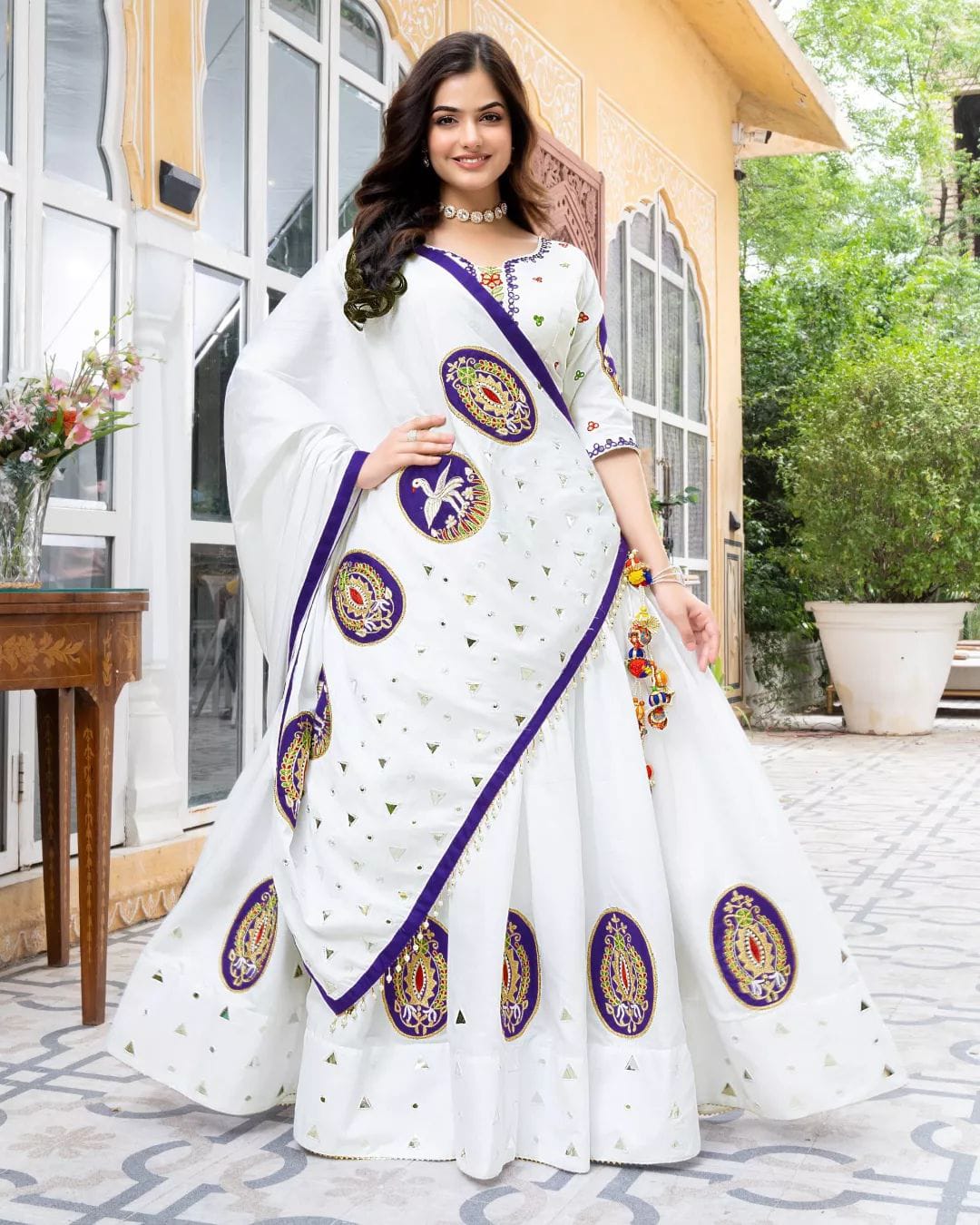
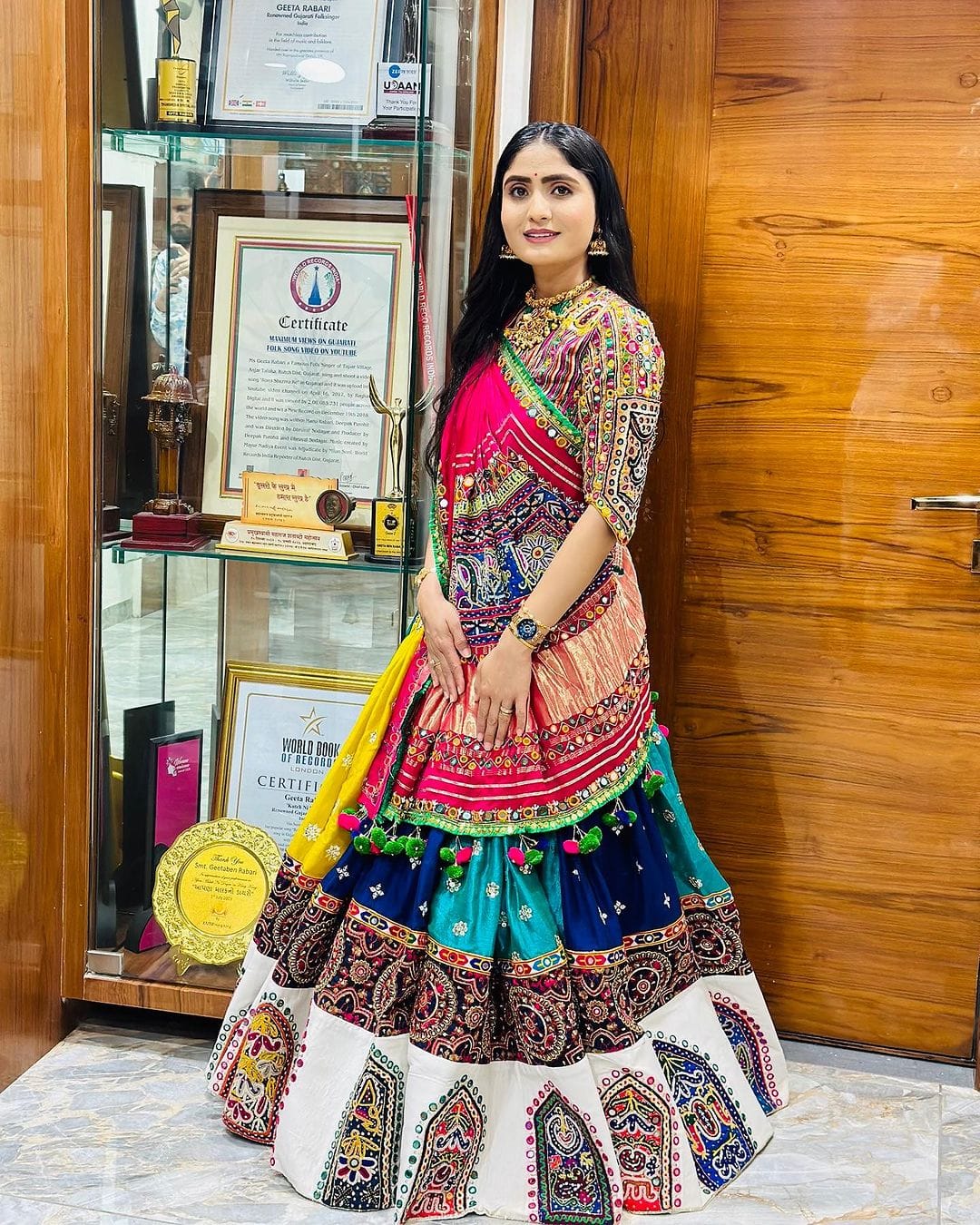
Multicolour outfits work particularly well for a home celebration with mixed lighting. Vibrant Multicolor Navratri Lehenga Choli Set uses saturated colour for energy, while White Digital Print Festive Lehenga Choli Set uses a lighter base that can change character through the choice of dupatta and jewellery.
Gold doesn't have to appear as heavy zari across the entire outfit. A narrow zari border, antique-gold earrings or metallic embroidery on the blouse can provide enough festive light. Pairing one strong metallic detail with matte cotton, tussar or muslin keeps the outfit visually balanced.
Diwali Fashion in Bihar: Sarees, Suits & Lehengas with Comfortable Styling
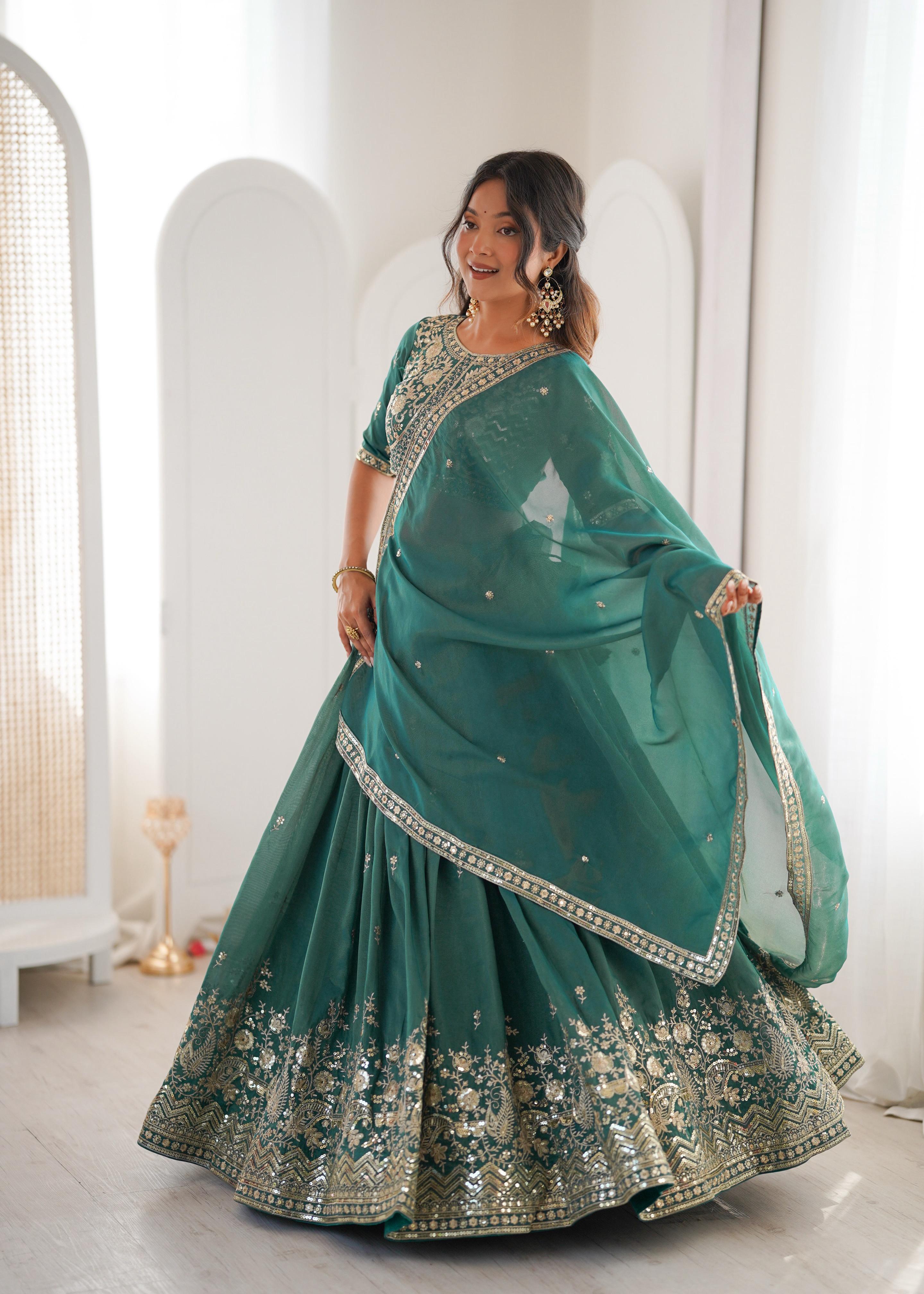
The most comfortable Diwali lehenga styling uses a secure waistband, a breathable blouse, one statement jewellery element and a dupatta arrangement that leaves both hands reasonably free.
Fit and length
Measure the natural waist, fullest hip and shoulder width before ordering, then compare those measurements with the garment's size chart. A lehenga that's too tight at the waist becomes uncomfortable when seated, while excessive flare can catch on chairs, diyas and door handles. A blouse should allow one full arm lift without pulling across the back.
Choose a drawstring or adjustable waistband when measurements may change between ordering and wearing. A built-in can-can creates volume, but a very stiff can-can makes floor seating awkward. For a home Diwali gathering, a moderate flare usually gives a better balance of movement and shape.
Dupatta placement
Pin the dupatta at the shoulder and near the waist when you need both hands for greeting guests or carrying a puja thali. A front-pinned drape creates a clean photograph, while a single-shoulder drape feels more relaxed for an evening party.
Avoid placing a pin directly through delicate net or near heavy embroidery because repeated pinning can enlarge holes. Royal Patola Printed Designer Gown with Elegant Dupatta gives an alternative for readers who want the visual impact of festive separates but prefer an one-piece silhouette. A gown reduces the number of layers to adjust, although the hem still needs checking against the height of the footwear.
Jewellery and footwear
Wear jhumkas, a choker or stacked bangles as the primary statement rather than using all three heavily. A printed outfit usually needs simpler jewellery, while a plain silk saree can support stronger kundan, meenakari or zari accents.
Choose footwear with a broad, stable base if you'll stand on a terrace, walk across courtyards or sit on the floor. Two- to three-centimetre block heels are generally easier to manage than narrow stilettos. Test the footwear with the full outfit before hemming a lehenga or finalising saree pleats.
Diwali Fashion in Bihar: Sarees, Suits & Lehengas on a Thoughtful Budget
An useful Diwali budget should include the outfit, alterations, lining, footwear and accessories rather than treating the garment price as the total cost.
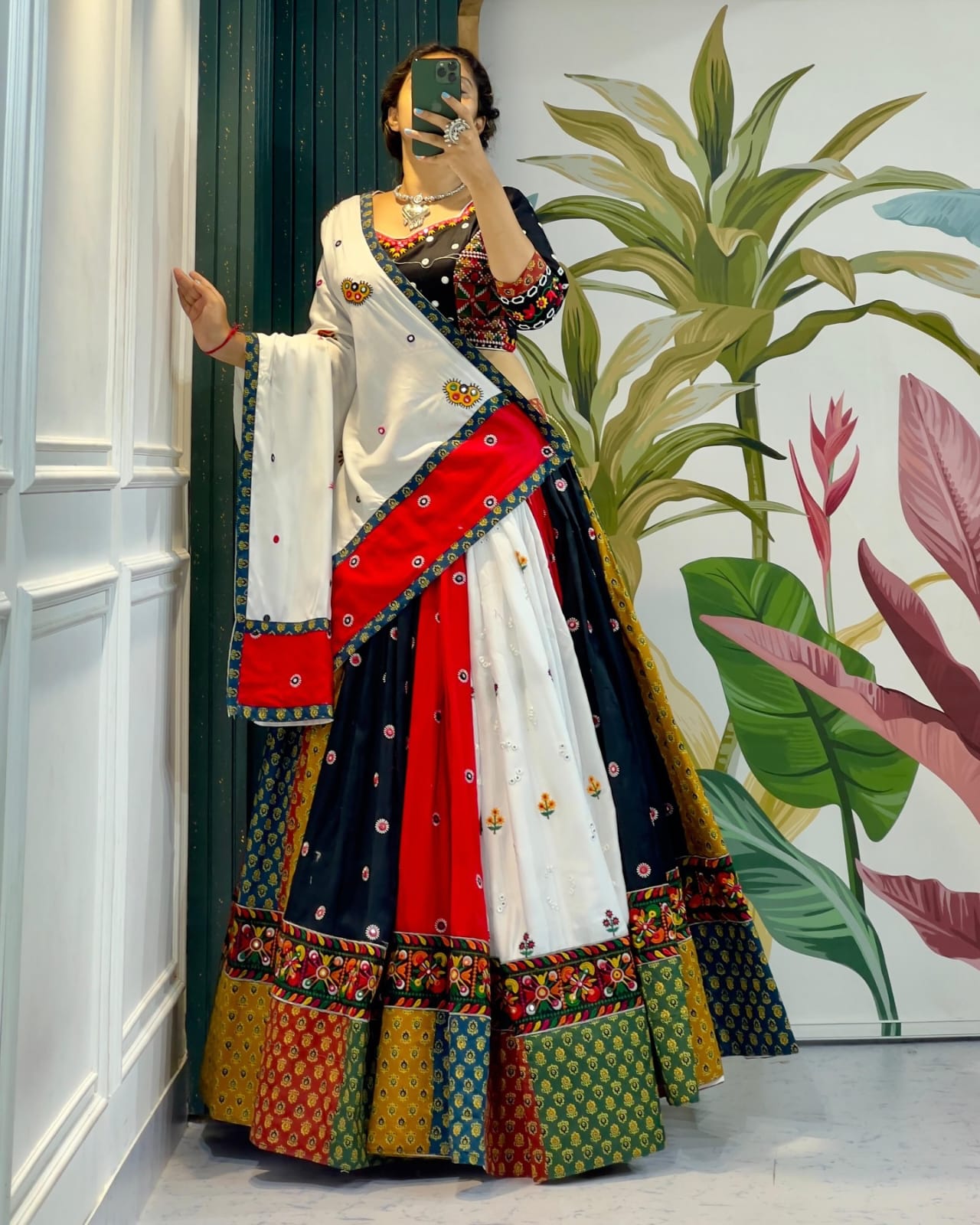
For a first festive purchase, a printed lehenga or silk-blend suit often brings more repeat-wear value than a heavily embellished outfit. Printed separates can be worn with a different blouse or dupatta, while a plain kurta can be reused for weddings, family lunches and religious gatherings.
Bridesmaid Lehengas Under 5500 can be an useful search category for coordinated family dressing, even when the outfit isn't being purchased for a wedding. Net Lehengas Under 4500 with 51% Discount may suit readers who want a fuller silhouette, but the lining, seam quality and amount of can-can deserve more attention than the discount percentage.
Haldi Lehengas Under 5500 can also provide bright yellow, green or pink options for Diwali, especially when the colour is paired with antique gold rather than turmeric-themed accessories. Royal Patola-inspired prints and multicolour designs are often more flexible than a single-use heavily sequinned surface.
Reserve at least seven to ten days for alterations when possible. A tailor may need to adjust the blouse bust, shoulder, sleeve opening, waistband and lehenga length separately. Last-minute shortening can disturb the border placement, while rushed blouse alterations can affect arm movement.
Diwali Fashion in Bihar: Sarees, Suits & Lehengas Care After the Celebration
Store silk, zari, printed and embellished Diwali clothing clean and dry, folded with soft cotton or muslin layers between folds.
Air the outfit in shade after wearing it, especially if it has absorbed perfume, perspiration or cooking smoke. Do not leave silk, zari or damp-lined garments in a sealed plastic cover because trapped moisture can encourage odour and tarnishing.
Dry-clean Banarasi silk, heavy zari, velvet and garments with extensive embroidery according to the care label. Spot-cleaning at home can spread dye or create a water ring. For washable cotton or muslin, use cool water, mild detergent and a separate colour test on an inside seam.
Fold zari garments with the decorative side inward and place acid-free tissue or clean muslin between layers. Refold stored silk every few months to prevent permanent crease lines. Keep naphthalene away from direct contact with fabric because the chemical smell can linger and the pellets can damage some fibres.
A considered wardrobe doesn't require a new outfit for every Diwali event. A Bhagalpur silk saree can be restyled with a new blouse, a printed lehenga can receive a contrasting dupatta and a festive suit can look different with jhumkas, a belt or a structured jacket. Comfort, regional character and repeat wear make Diwali dressing more useful long after the diyas are put away.
Common Questions About Diwali Fashion in Bihar
Which saree fabric is best for Diwali in Bihar?
Bhagalpur silk, tussar silk, Chanderi and cotton-silk are practical choices for Diwali in Bihar. Bhagalpur silk and tussar provide texture and warmth for cooler evenings, while Chanderi and cotton-silk feel lighter for long daytime celebrations.
Should I wear a saree, suit or lehenga for a Bihar Diwali puja?
A saree or salwar suit is usually the most practical choice for a Diwali puja, while a lehenga suits an evening celebration. Choose a saree for traditional formality, a suit for movement and a lehenga for a more visibly festive gathering.
What colours are suitable for Diwali outfits in Bihar?
Red, marigold yellow, emerald green, pink, plum, royal blue and antique gold are suitable Diwali colours in Bihar. Ivory, beige and black can also work, although family customs may favour lighter colours during the main puja.
How can I make a lehenga comfortable for a long Diwali evening?
Choose a breathable lining, an adjustable waistband, moderate flare and a hem that sits 2 to 3 centimetres above the floor with your footwear. Pin the dupatta securely and avoid excessive can-can if you expect to sit on the floor.
Is a printed lehenga suitable for Diwali?
A printed lehenga is suitable for Diwali and often offers more repeat-wear value than dense sequinned clothing. Pair a multicolour print with simple jewellery, or add a metallic dupatta and statement earrings to a beige or white base.
How should I store a silk or zari Diwali outfit?
Air the outfit in shade after wearing it, then store it clean and completely dry between soft muslin layers. Fold zari garments with the decorated surface inward, avoid sealed plastic covers and follow the care label before dry-cleaning or washing.