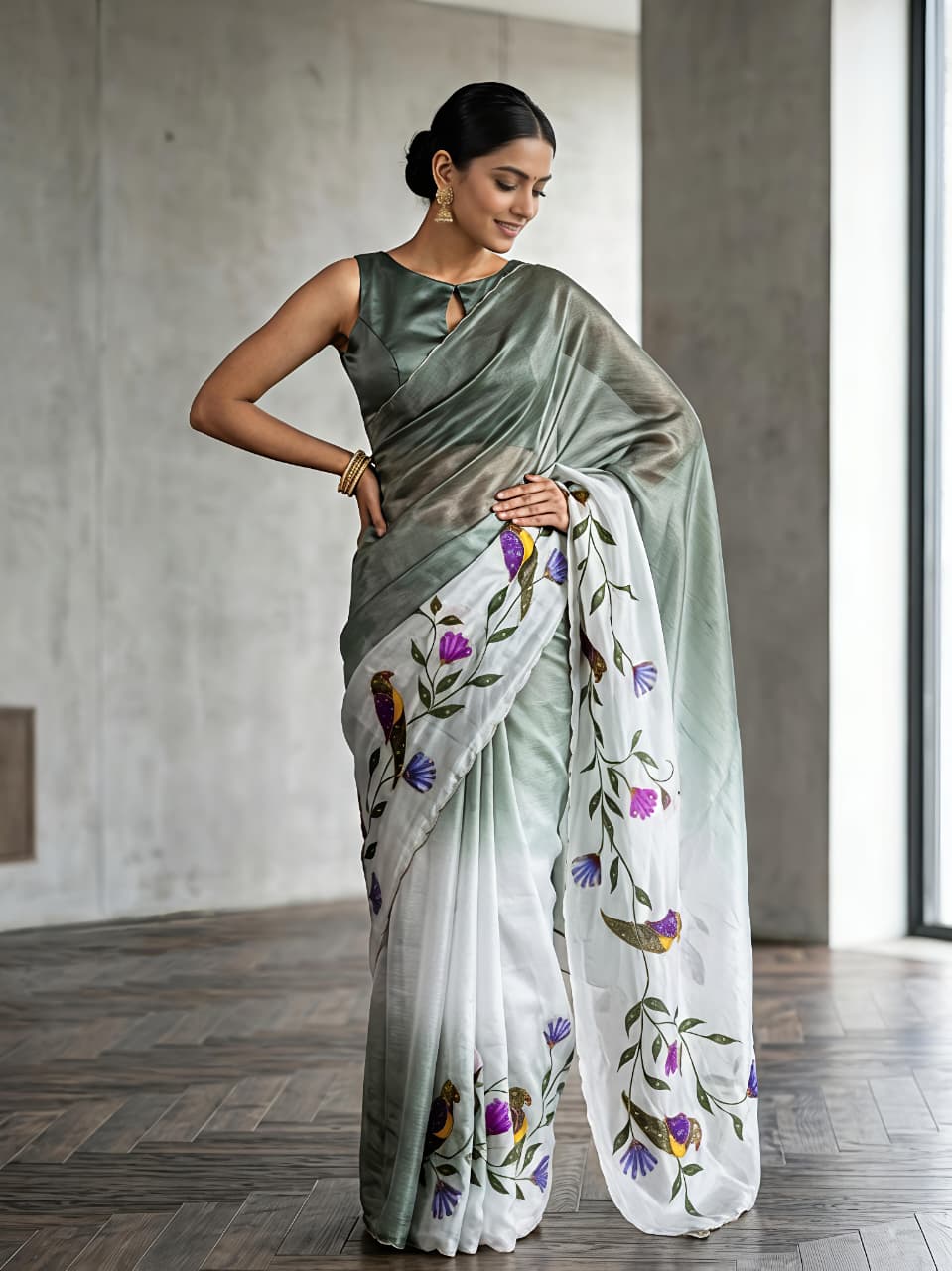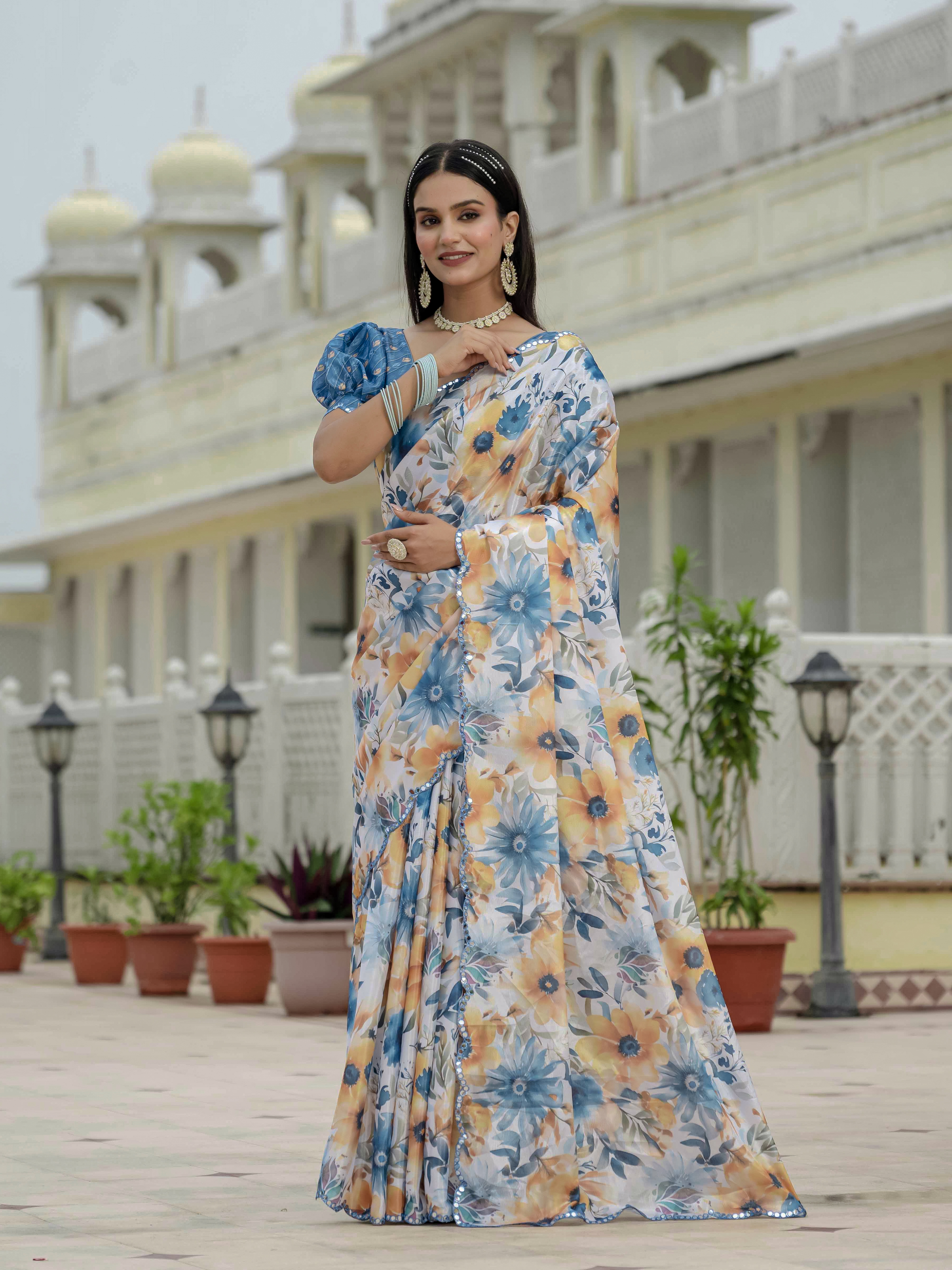
Dev Deepawali Varanasi Fashion brings together Banarasi silk, glowing diyas, riverfront rituals and the visual richness of traditional Indian dress. A Banarasi saree suits the celebration because woven zari reflects warm lamp light while the fabric remains recognisably connected to Varanasi. The most successful outfit, however, isn't simply the most ornate one. It is a look that balances colour, movement, warmth, secure draping and respect for a sacred public setting.
Dev Deepawali takes place in Varanasi on Kartik Purnima, approximately fifteen days after Diwali. The evening is associated with illuminated ghats, Ganga aarti, floating lamps and big gatherings along the river. Clothing should therefore work for photographs and family celebrations while also handling walking, stone steps, crowded lanes, possible boat travel and a cool late-autumn evening.
Dev Deepawali Varanasi Fashion and the Meaning of Banarasi Silk
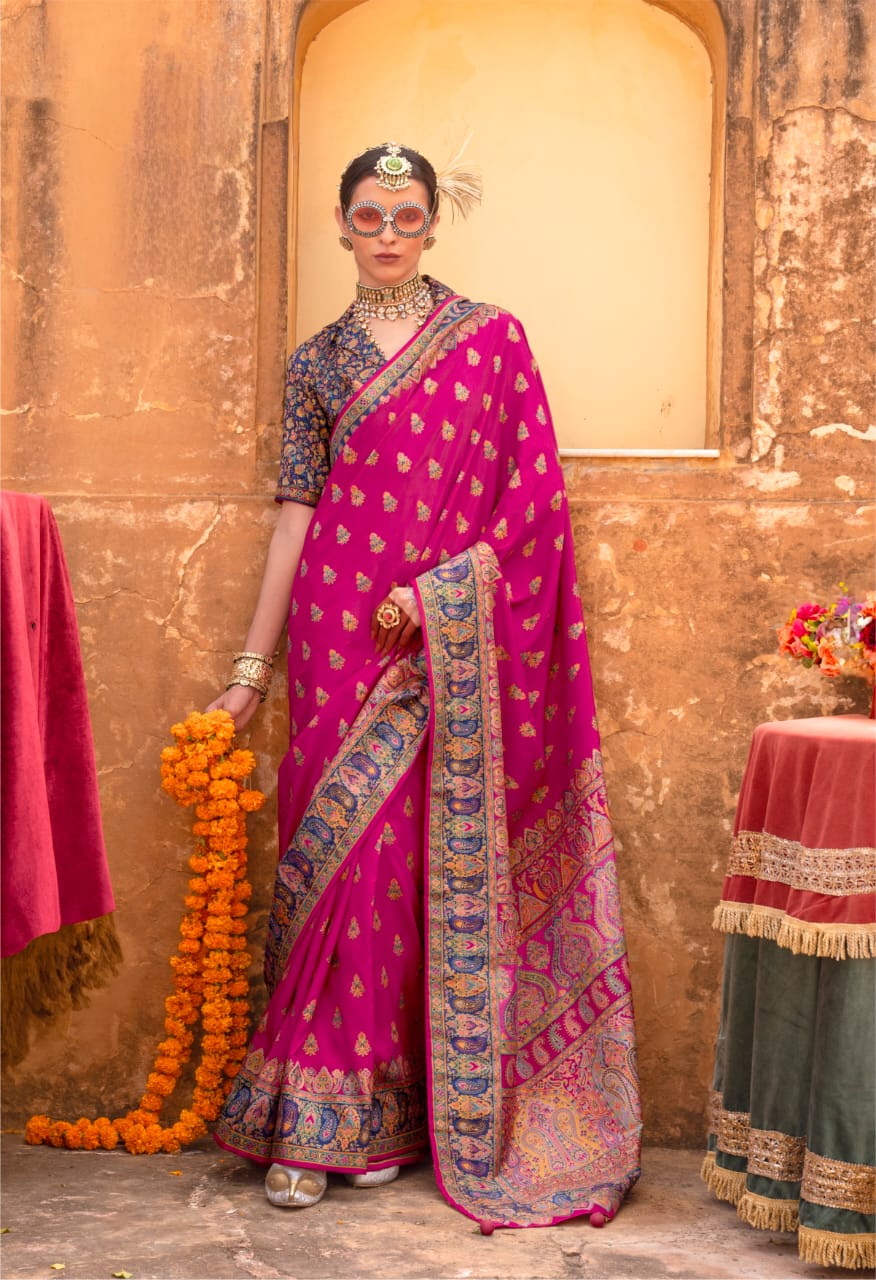
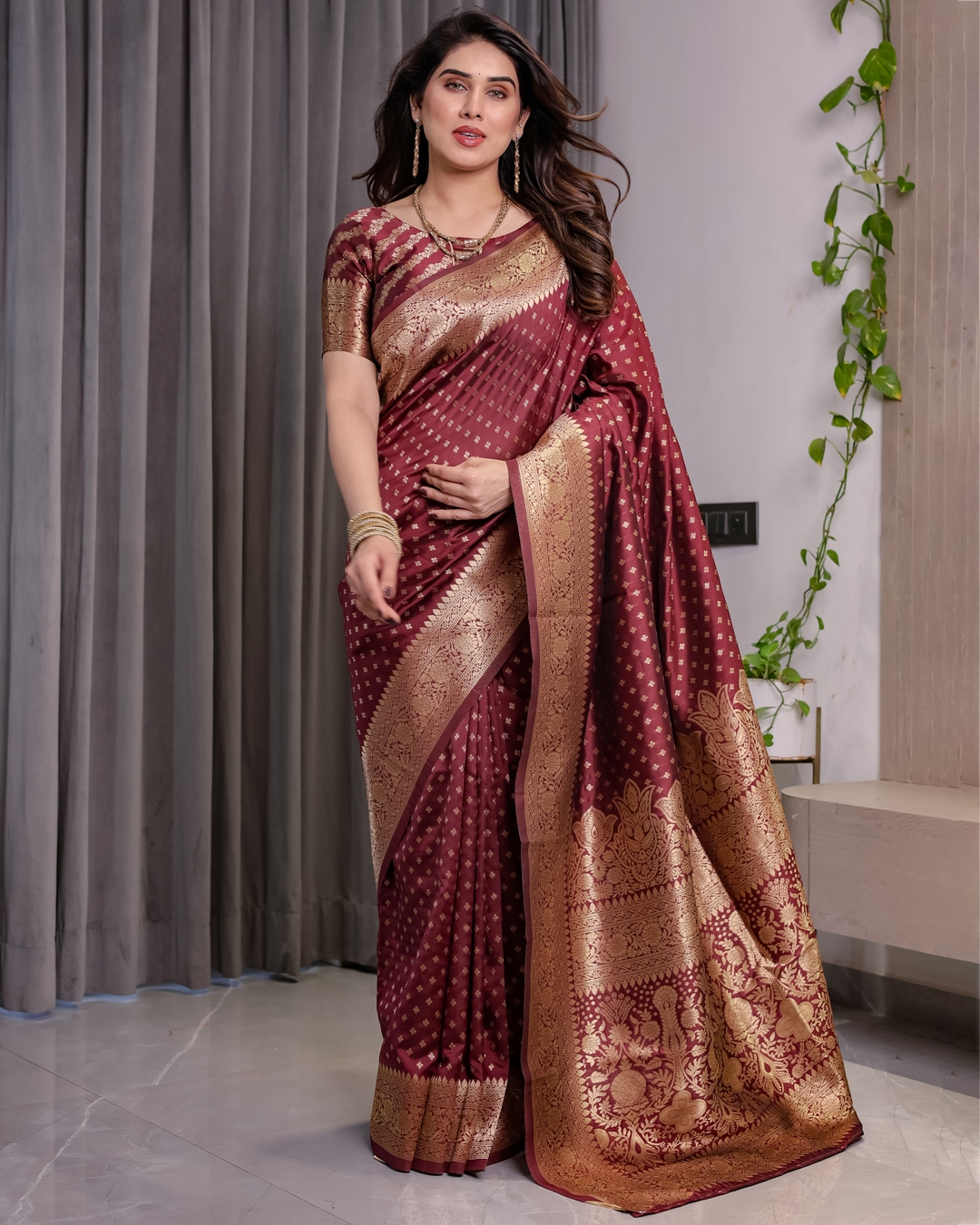
Banarasi silk belongs at Dev Deepawali because its weaving heritage is inseparable from Varanasi and its zari catches the festival's defining light. Banarasi silk is traditionally known for richly patterned weaving, silk yarn and metallic zari motifs influenced by floral, butidar and brocade traditions.
Zari is a metallic thread used to create borders, motifs and woven patterning. Historic zari could involve precious-metal wrapping, while contemporary sarees commonly use metallic fibres or imitation zari. The difference affects price, weight, shine and care requirements. A shopper comparing Banarasi sarees should check the fabric composition and construction instead of assuming that every golden surface represents the same type of weave.
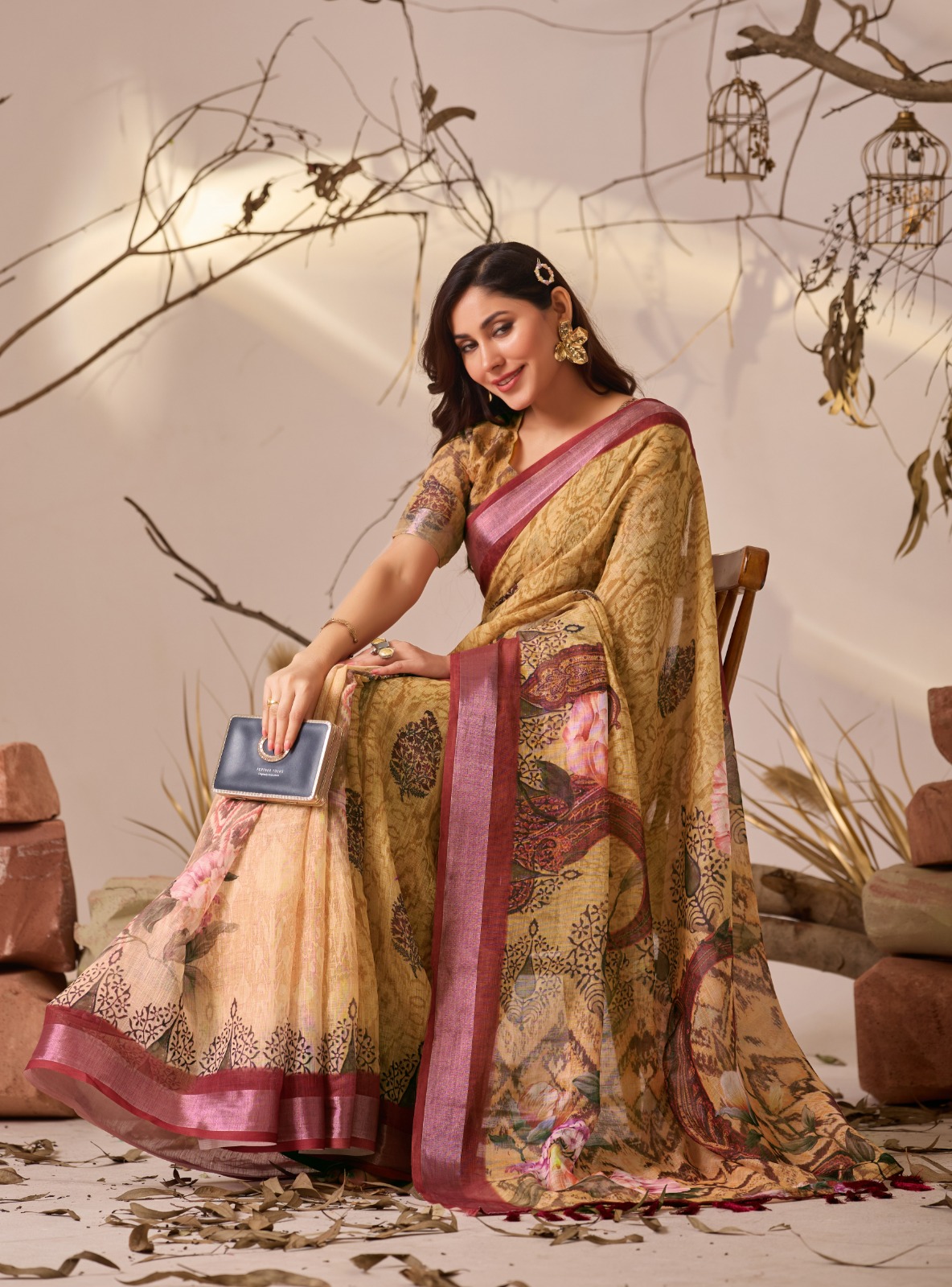
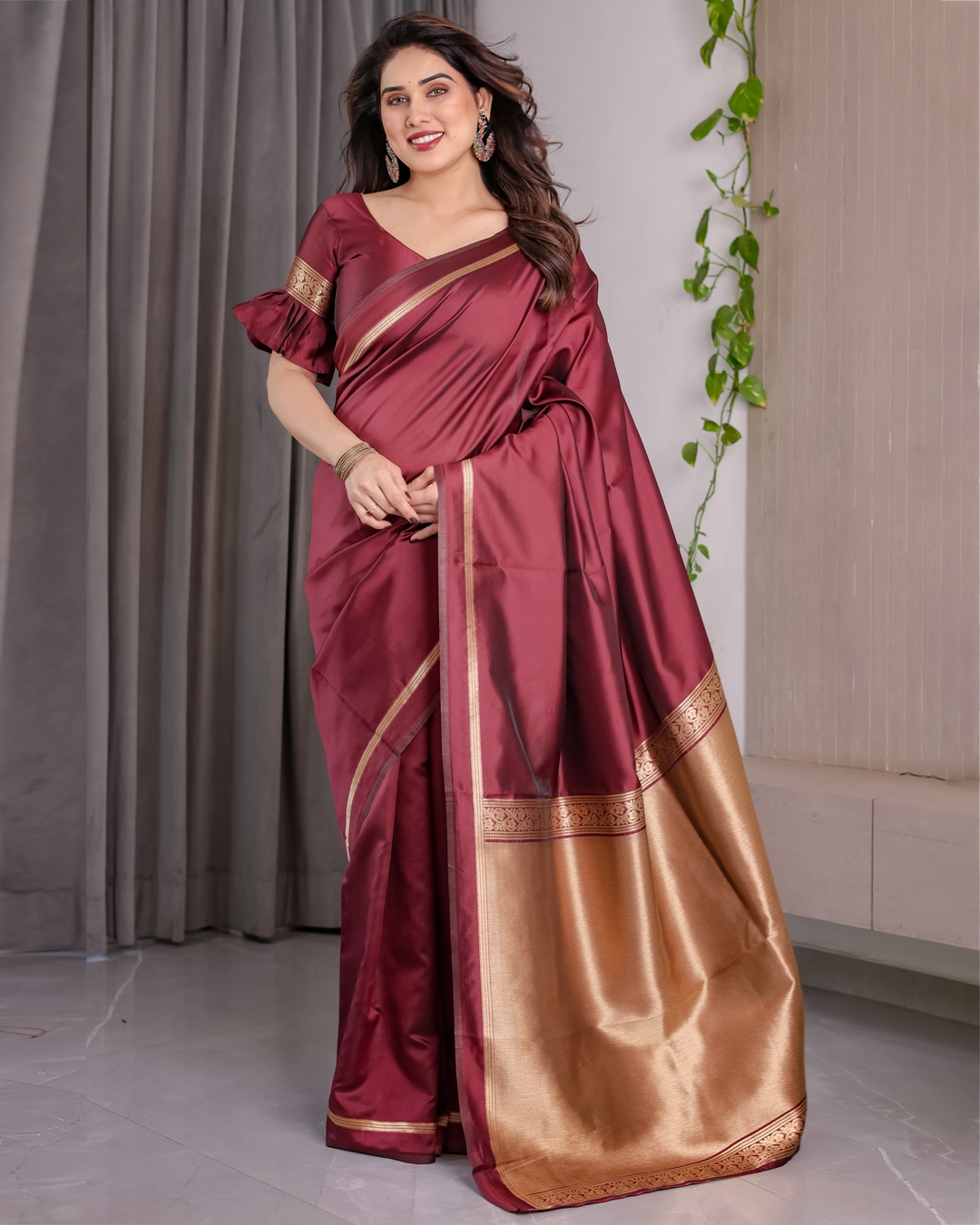
Soft-silk Banarasi sarees are often practical for a long festival evening because they can offer a luminous finish without the stiffness of a very heavy brocade. A medium-weight saree is easier to pleat, pin and carry while walking. A firm border gives the drape definition, but an extremely heavy border can pull at the waist and make the pallu harder to control.
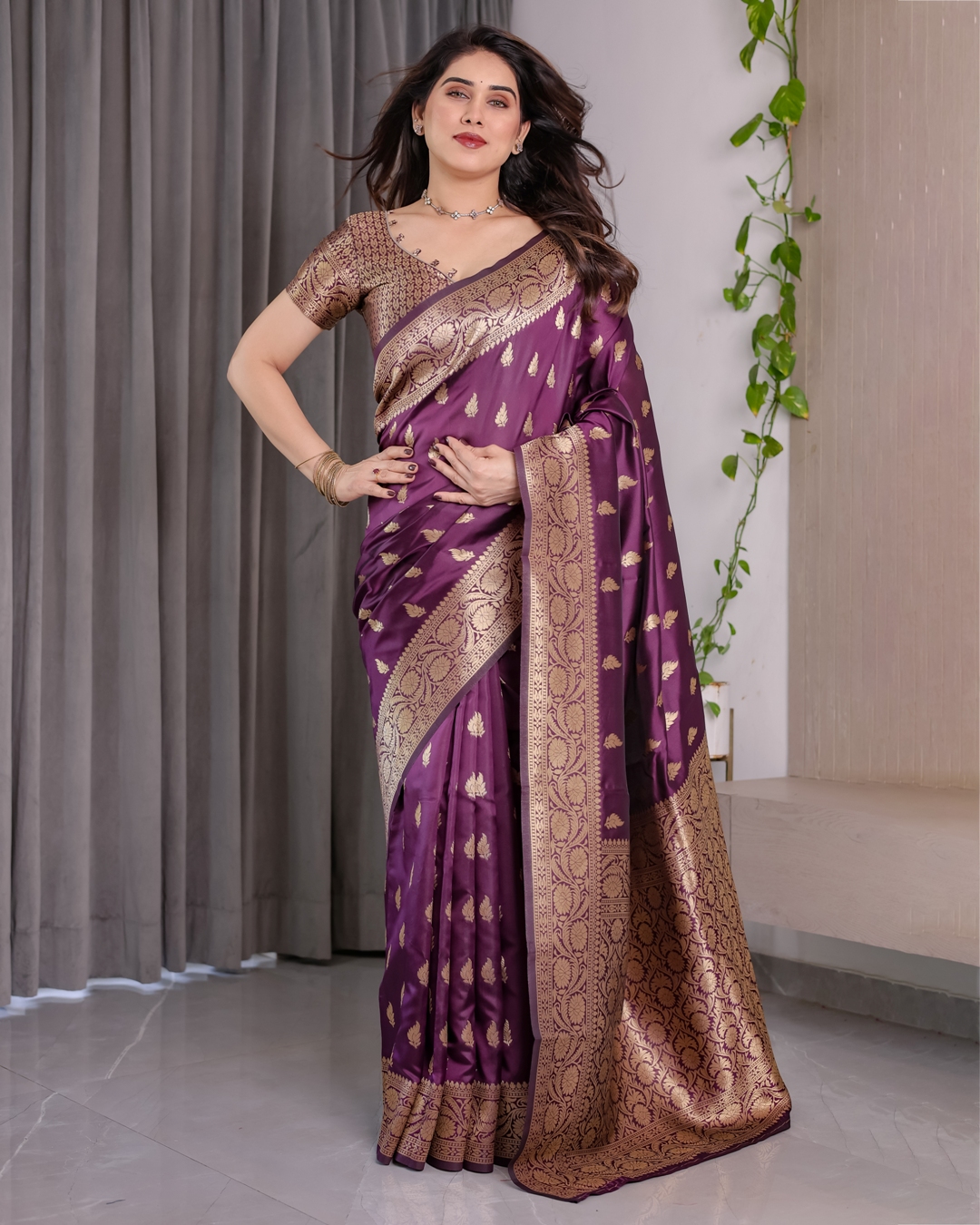
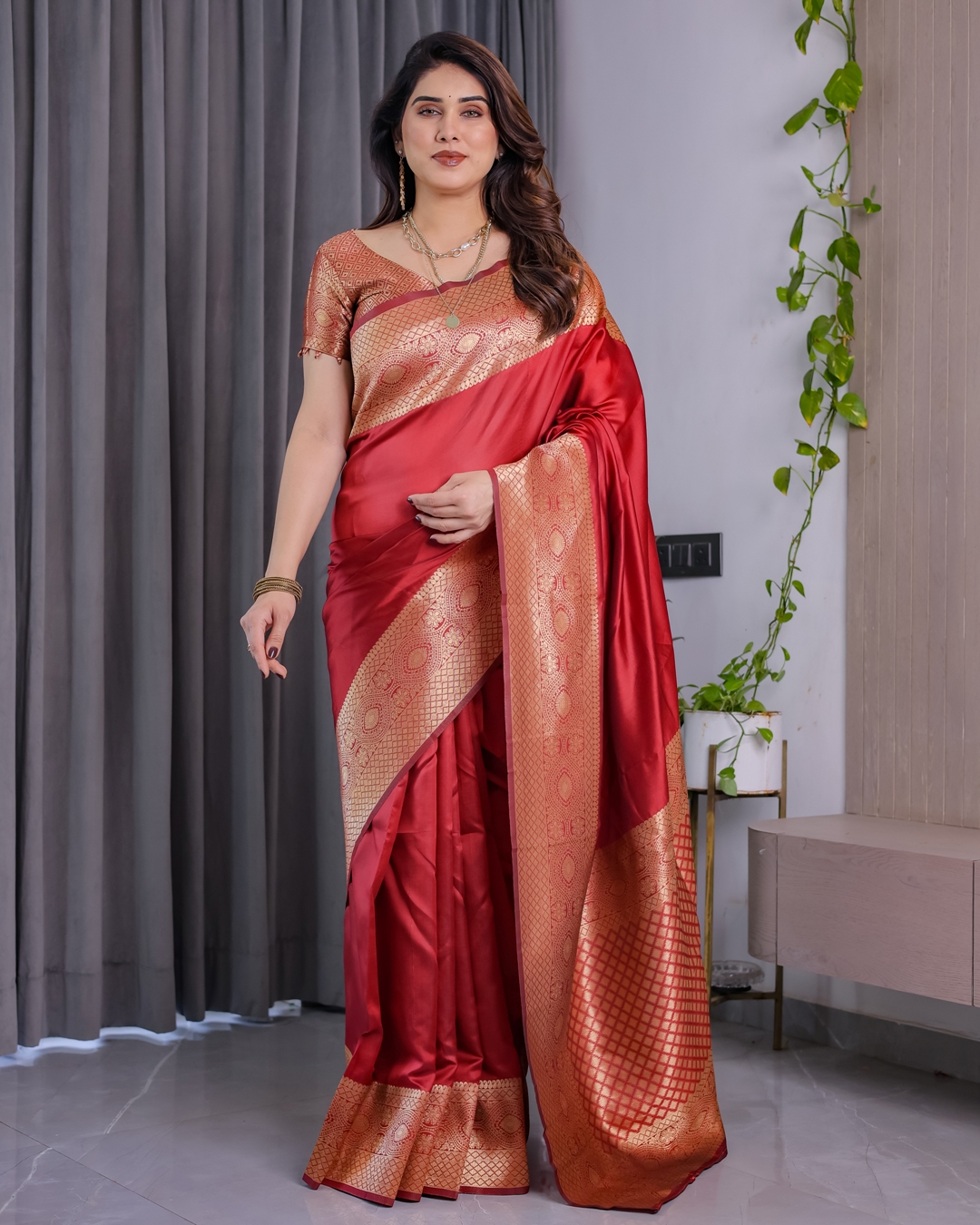
Dev Deepawali Varanasi Fashion also depends on how colour behaves under mixed lighting. Deep green looks composed beside the rosy river and warm lamps. Red appears bright in photographs and conveys a strongly festive mood. Purple creates a jewel-toned contrast, while maroon feels more understated and modern. Golden zari generally appears warm under diya light than silver-toned metallic work.
Dev Deepawali Varanasi Fashion: Choosing a Saree for Ghats and Crowds
The right Dev Deepawali saree should look ceremonial while allowing comfortable walking, sitting and climbing. Begin with the saree's weight, border, finished length and drape rather than choosing colour alone.
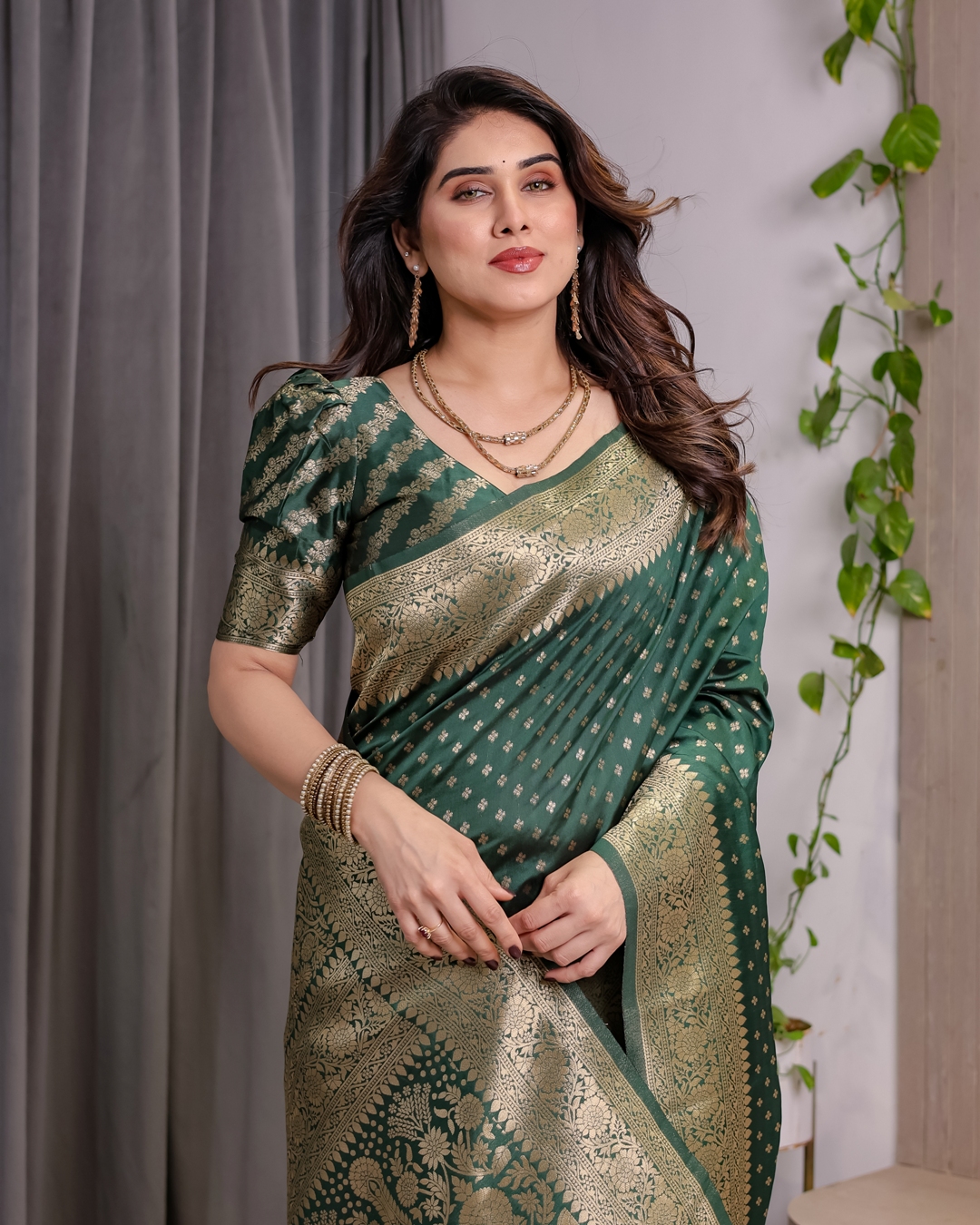
A finished fall helps protect the lower edge and gives pleats a cleaner line. A secure border makes the pallu easier to arrange, but the saree should not feel so rigid that it resists movement. Check whether the fabric has a smooth reverse side, whether zari catches easily and whether the saree can be pinned without leaving visible damage.
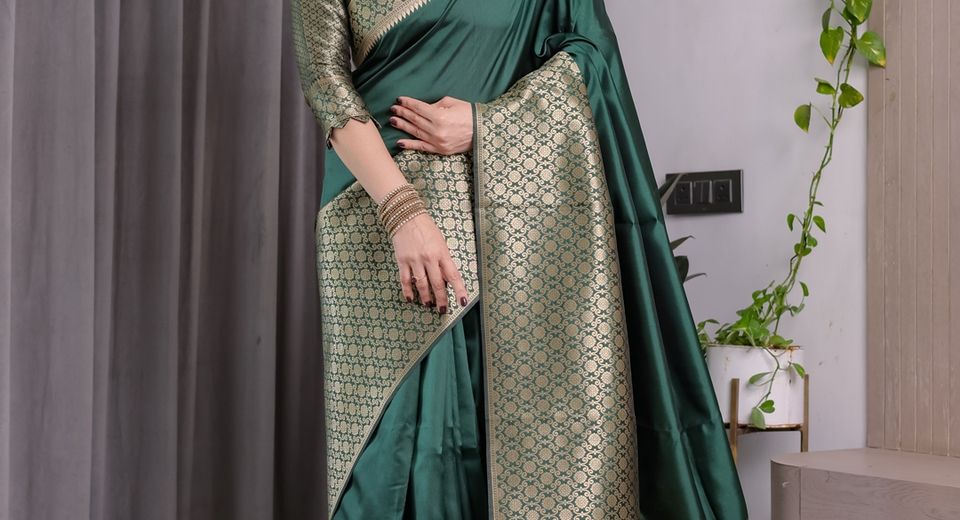
The Deep Green Banarasi Soft Silk Saree with Zari Floral Border demonstrates how a floral border can provide festive detail without overwhelming the entire outfit. Floral zari works especially well when the blouse, earrings or shawl has a simpler finish. The Deep Green Banarasi Soft Silk Saree With Golden Zari Border offers a cleaner visual direction for anyone planning to wear a more detailed blouse or layered jewellery.
Red is a natural choice for a festival, but red works best when the rest of the styling has room to breathe. The Red Banarasi Soft Silk Saree With Golden Zari Floral Border combines a strong red ground with a floral gold edge, creating a traditional evening effect. The Red Banarasi Soft Silk Zari Saree Online | Varnavi provides another red Banarasi option for comparison, particularly when reviewing different approaches to zari density and border width.
A saree selected for the ghats should be tried on before the event. Walk for ten minutes, sit on a chair and climb a few steps while wearing the intended blouse and footwear. This simple test reveals whether the hem is too long, the pallu slips, or the waistband becomes uncomfortable after movement.
Dev Deepawali Varanasi Fashion Through Colour and Blouse Design
Deep jewel tones, warm reds and controlled metallic accents photograph well at Dev Deepawali because they contrast with amber lamps without appearing artificial. A blouse in the same colour family creates a longer line, while a contrasting blouse can make the zari border more prominent.
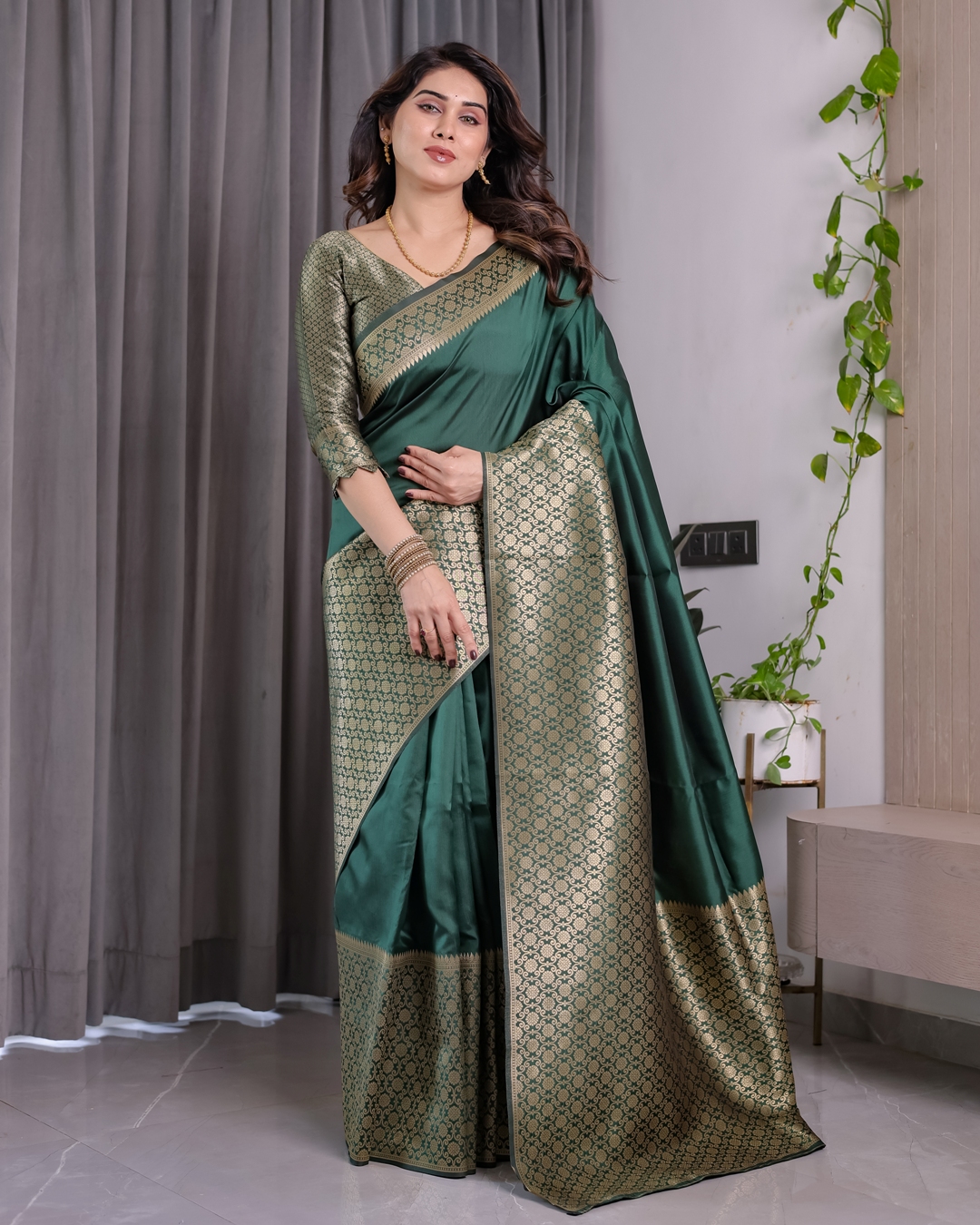
A deep green Banarasi saree pairs naturally with antique gold, muted gold or matching green blouse fabric. A red Banarasi silk saree works with a gold blouse for a classic result, while a maroon or wine blouse gives the outfit greater depth. Purple Banarasi silk can be paired with antique gold, charcoal, deep plum or muted rose depending on whether the desired mood is traditional or contemporary.
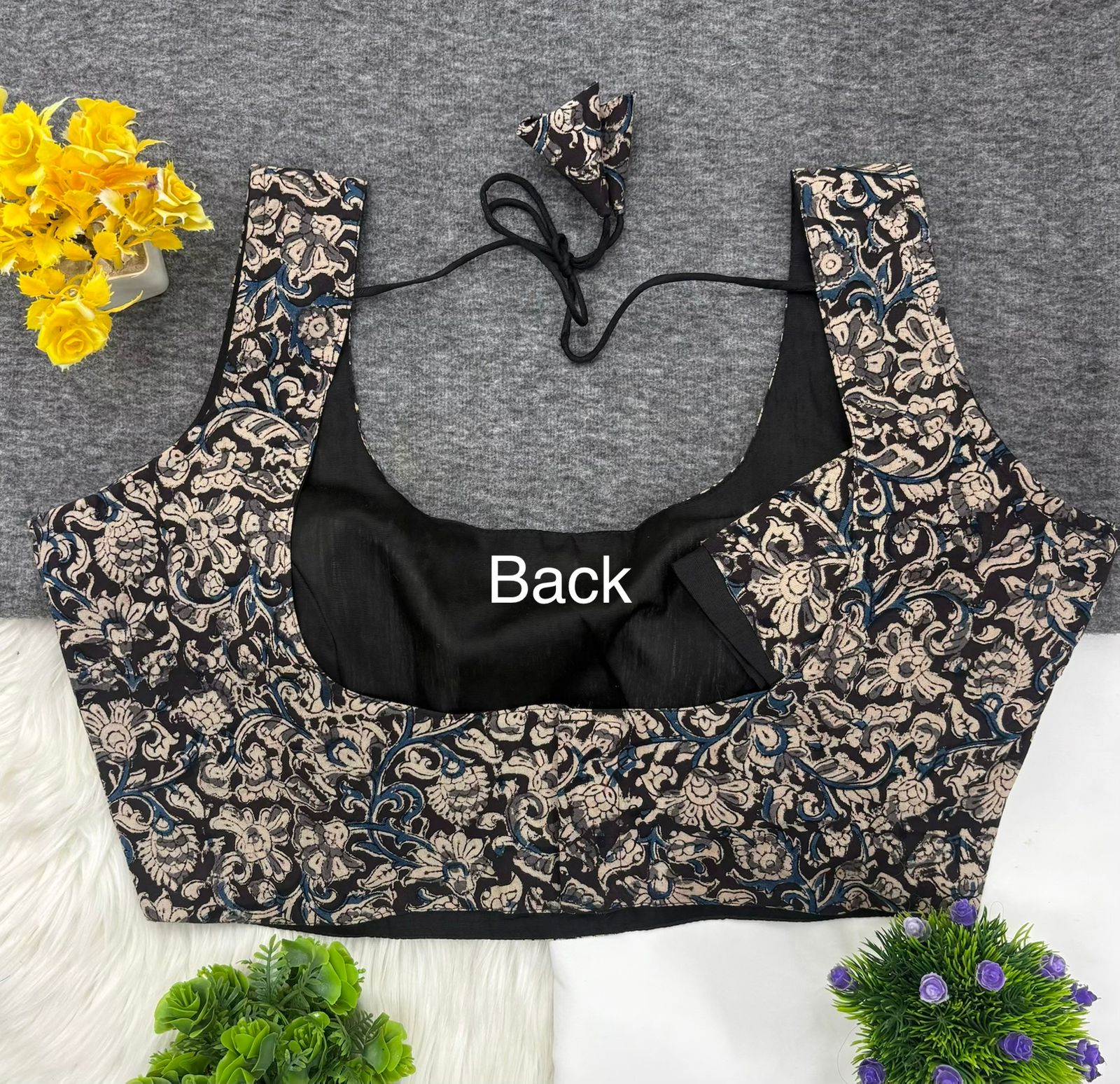
Blouse construction should respond to the length of the evening. A lined short-sleeve blouse gives more warmth than a very minimal design. Elbow-length sleeves offer coverage and work well with a shawl. A modest round neck, shallow square neck or boat neck can look polished for temple visits, family gatherings and riverside celebrations.
Dev Deepawali Varanasi Fashion gains sophistication through contrast in texture rather than an excess of decoration. A matte blouse can make glossy Banarasi zari appear brighter. A heavily sequinned blouse paired with a dense zari border may create visual competition and add unnecessary weight around the upper body. One dominant surface, supported by quieter accessories, usually photographs more clearly.
Late-autumn evenings in Varanasi can feel cooler near the Ganga than in the afternoon. A silk stole, lightweight shawl or cropped festive jacket can add warmth without hiding the saree completely. Select a layer with a smooth lining or stable weave so it doesn't snag on zari or disturb carefully arranged pleats.
Dev Deepawali Varanasi Fashion for Traditional Outfits Beyond Sarees
A Banarasi saree isn't the only suitable outfit for Dev Deepawali; anarkalis, shararas, palazzo suits and silk kurta sets can provide easier movement while retaining a festive Indian character. The strongest alternative includes one clearly traditional element such as Banarasi silk panels, zari edging, brocade, gota or a richly woven dupatta.
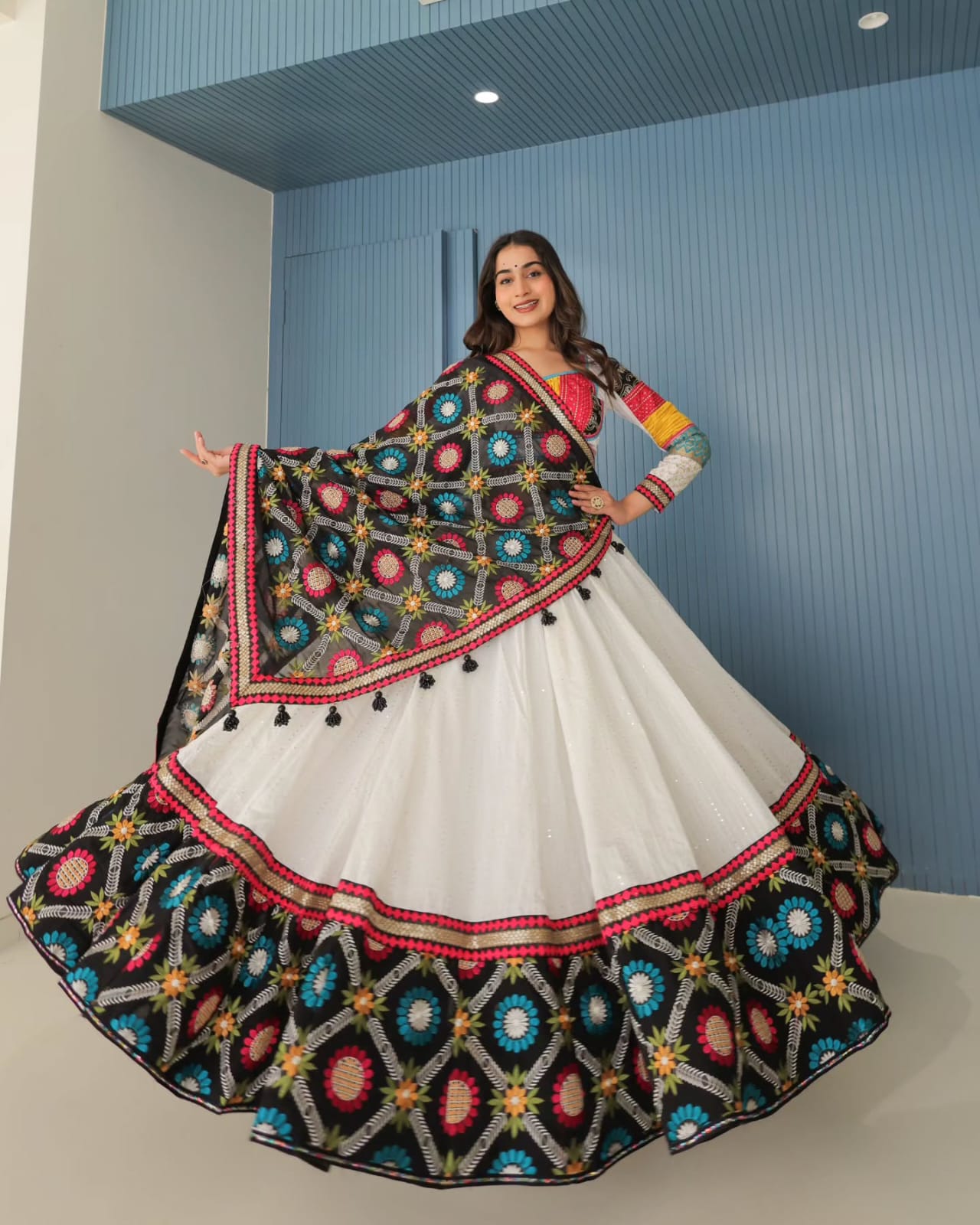
A long anarkali with a structured dupatta suits visitors who expect to walk extensively. The hem should clear the ground by several centimetres, especially when the route includes crowded lanes or boat steps. Excessive can-can make sitting and moving through narrow spaces difficult. A Banarasi dupatta over a simpler silk or crepe suit can provide the same luminous accent as a saree with less fabric to manage.
A sharara or palazzo suit is practical for sitting on low seating and travelling by boat. Pairing a solid kurta with a zari-edged dupatta keeps the outfit festive without combining several ornate pieces. Flat juttis or cushioned sandals are more suitable than slippery heels on uneven paving.
Party Wear Sarees brings an useful comparison point for more decorated silhouettes. Silk Sarees Under 3000 With Discount may help readers who have a defined budget while still seeking a silk-based festive look. Red Banarasi Silk Sarees for Weddings Under 1100 brings another reference for comparing red Banarasi styles, although fabric composition, measurements and zari finish should always be checked separately.
Pink Georgette Sarees can be considered when a lighter, softer drape is more important than the structured character of Banarasi silk. Gray Color Sarees Under 1000 can also inspire a quieter palette for people who prefer to let jewellery or a zari dupatta provide the festive accent. Collection names are useful starting points, but the garment's actual fabric, lining and measurements determine how it will perform.
Dev Deepawali Varanasi Fashion with Jewellery and Footwear
Jewellery should frame the face and saree border without making movement uncomfortable. Medium-sized jhumkas, chandbalis or a short necklace usually provide sufficient occasion presence for a Banarasi saree.
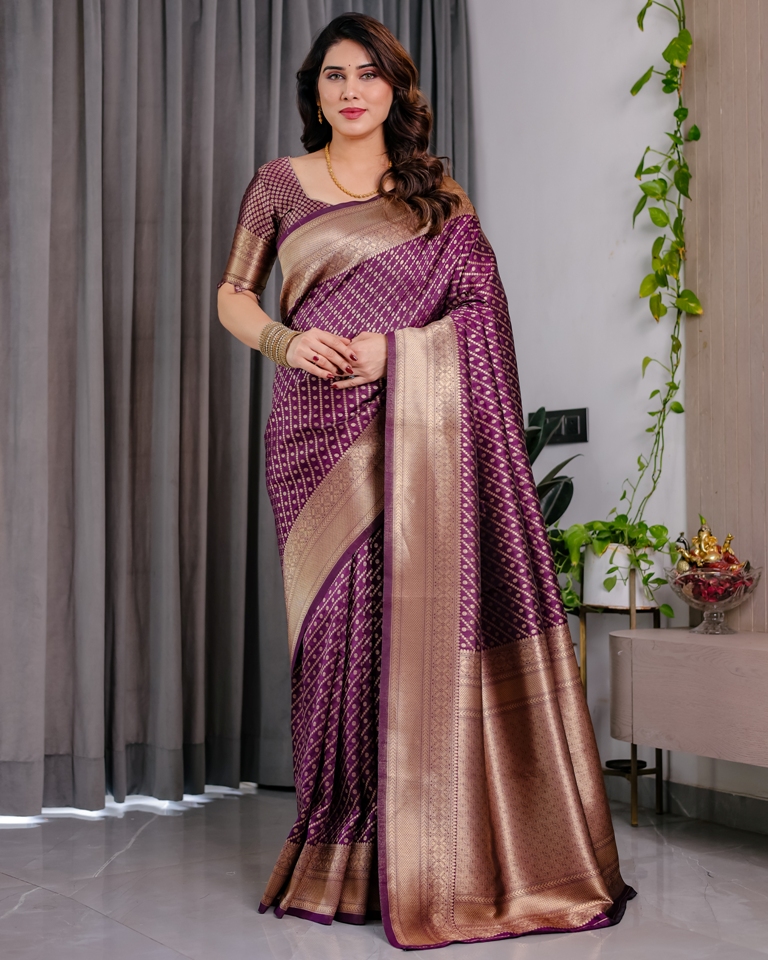
Gold-toned jewellery complements golden zari, while antique finishes pair especially well with maroon, purple and deep green. If the saree has a broad, ornate border, choose one main jewellery focus instead of stacking a necklace, long earrings, layered bangles and a large maang tikka. A small bindi in a shade related to the saree can bring the face into balance without adding visual clutter.
Fresh flowers can soften a formal look, but a gajra should be secured carefully because wind and crowd movement can loosen it. Flowers should also be kept away from open flames, incense and diya arrangements. A neatly pinned hairstyle is more practical than a style that depends on several loose decorative pieces.
Footwear deserves special attention at Dev Deepawali. Cushioned juttis, kolhapuris or flat sandals with a secure strap are better suited to uneven paths than slippery high heels. New footwear should be worn at least three or four times before the festival. A grippy sole matters on stone steps and damp surfaces.
A compact fabric pouch is more useful than a large handbag in crowded areas. Safety pins, blister plasters, tissues, lip balm and a phone battery pack can solve common problems without adding much weight. A crossbody or wristlet that remains attached to the wearer is safer and more convenient while taking photographs.
Dev Deepawali Varanasi Fashion: Securing a Saree for the Evening
A secure saree begins with the correct underskirt, an appropriate hem length and evenly arranged pleats. Proper preparation reduces adjustments after wind, crowd movement or boat travel.
Wear a fitted petticoat or underskirt that supports the saree without restricting breathing. A cotton-silk or shaped underskirt can provide better grip than a highly smooth lining.
Set the waist height before making pleats. The saree should sit securely while leaving the hem high enough to avoid dragging across steps or damp paving.
Create five to seven pleats of similar width, depending on the saree's fabric and the wearer's preferred front silhouette. Pin the pleats discreetly near the waistband.
Place the pallu over the shoulder and check its length while walking. A pallu that reaches near the ankle is more likely to catch on steps or footwear.
Use one shoulder pin and, if needed, one small waist pin. Too many pins can create visible pulls in delicate silk and make the drape uncomfortable.
Walk, sit and turn before leaving home. These movements reveal loose pleats, slipping fabric and excess length better than a standing mirror check.
A narrow belt can secure a pallu, but the belt should sit smoothly over the saree and should not press against the waist during extended sitting. A brooch should be lightweight and attached only where the fabric can support it without distortion.
Dev Deepawali Varanasi Fashion and Banarasi Saree Care
Banarasi silk should be dry-cleaned when necessary, aired after wearing and stored away from direct sunlight. Avoid washing a zari-rich saree at home unless the care label specifically permits it.
After returning from the celebration, remove pins slowly and inspect the border for oil, food or moisture. Do not rub a stain into silk. Blot surface moisture with a clean, dry cloth and send the saree to a reputable cleaner if the mark remains.
Allow the saree to air in a shaded, well-ventilated room before folding. Store Banarasi silk in a clean cotton or muslin cover rather than a sealed plastic bag. Refold the saree every few months along different lines to reduce permanent creasing, and keep heavy jewellery from pressing directly on the zari.
Direct sunlight can fade deep green, red, purple and maroon dyes over time. Keep the saree in a dark cupboard, away from damp walls and strong perfumes. These steps preserve the colour, silk surface and metallic finish for future festivals and family occasions.
Dev Deepawali Varanasi Fashion: A Practical Final Checklist
A successful Dev Deepawali outfit should be festive, respectful, mobile and prepared for a cool evening. Check the full look at least one day before the celebration.
Confirm that the saree has a finished fall and that the hem clears the floor.
Try the blouse with the intended saree, shawl and jewellery rather than testing each item separately.
Break in footwear and choose soles with reliable grip.
Pack safety pins, tissues, blister plasters and a compact phone charger.
Pin the pallu securely while keeping enough length for a graceful drape.
Use a warm layer that doesn't snag on zari or hide the border completely.
Keep jewellery comfortable enough for several hours of walking and sitting.
The most memorable Dev Deepawali Varanasi Fashion look isn't defined by the greatest number of embellishments. A well-chosen Banarasi silk saree, a stable drape, comfortable footwear and thoughtful colour coordination allow the setting, the lamps and the traditions of Varanasi to remain part of the visual story.
Questions About Dev Deepawali Varanasi Fashion and Banarasi Dressing
What colour saree is best for Dev Deepawali in Varanasi?
Deep green, red, purple and maroon Banarasi silk sarees work particularly well because these colours contrast with the warm glow of diyas. Golden zari complements the festival lighting and creates a traditional evening finish.
Is Banarasi silk comfortable for walking around the ghats?
A medium-weight Banarasi soft-silk saree can be comfortable for walking when the hem, pleats and pallu are secured properly. Very heavy brocade sarees may require more effort on steps, so test the complete outfit before the event.
What should I wear with a Banarasi saree for Dev Deepawali?
Choose a fitted lined blouse, secure footwear, moderate jewellery and a lightweight shawl or silk layer for the cooler evening. A short-sleeve or elbow-length blouse usually provides more practical coverage than a very minimal design.
How can I keep my saree secure near the ghats?
Use a supportive underskirt, five to seven evenly sized pleats, one shoulder pin and an optional waist pin. Keep the pallu away from the ground and test the drape by walking, sitting and turning before leaving home.
Can I wear a sharara or palazzo suit for Dev Deepawali?
Yes, a sharara or palazzo suit is a practical alternative when extensive walking or boat travel is expected. Choose a solid kurta with a zari-edged or Banarasi dupatta to retain a festive traditional character without excessive fabric.
How should I care for a Banarasi saree after Dev Deepawali?
Air the saree in shade, remove pins carefully and blot any surface moisture without rubbing. Store the saree in a clean muslin or cotton cover, and use professional dry cleaning for persistent stains or zari-rich fabric.