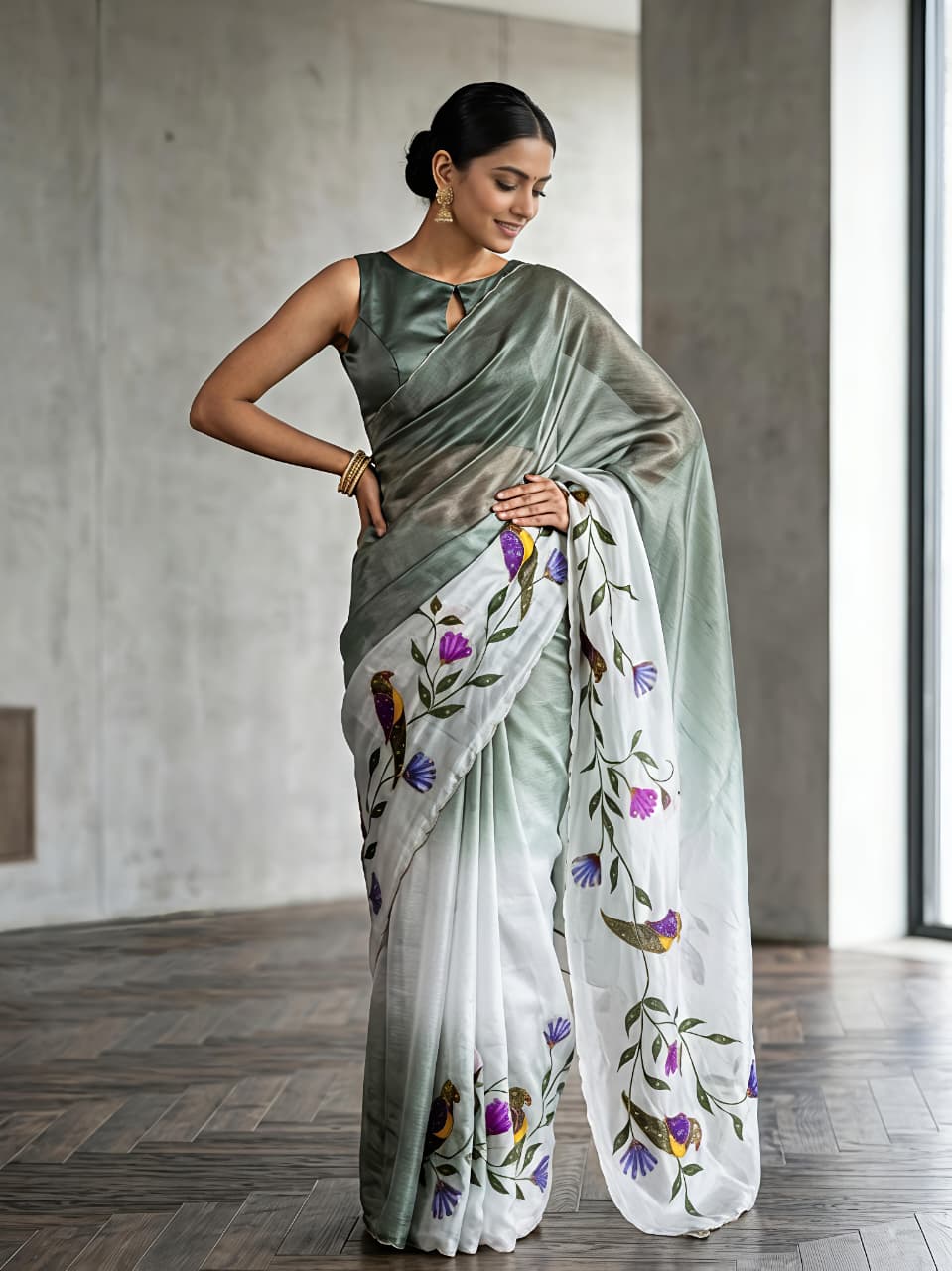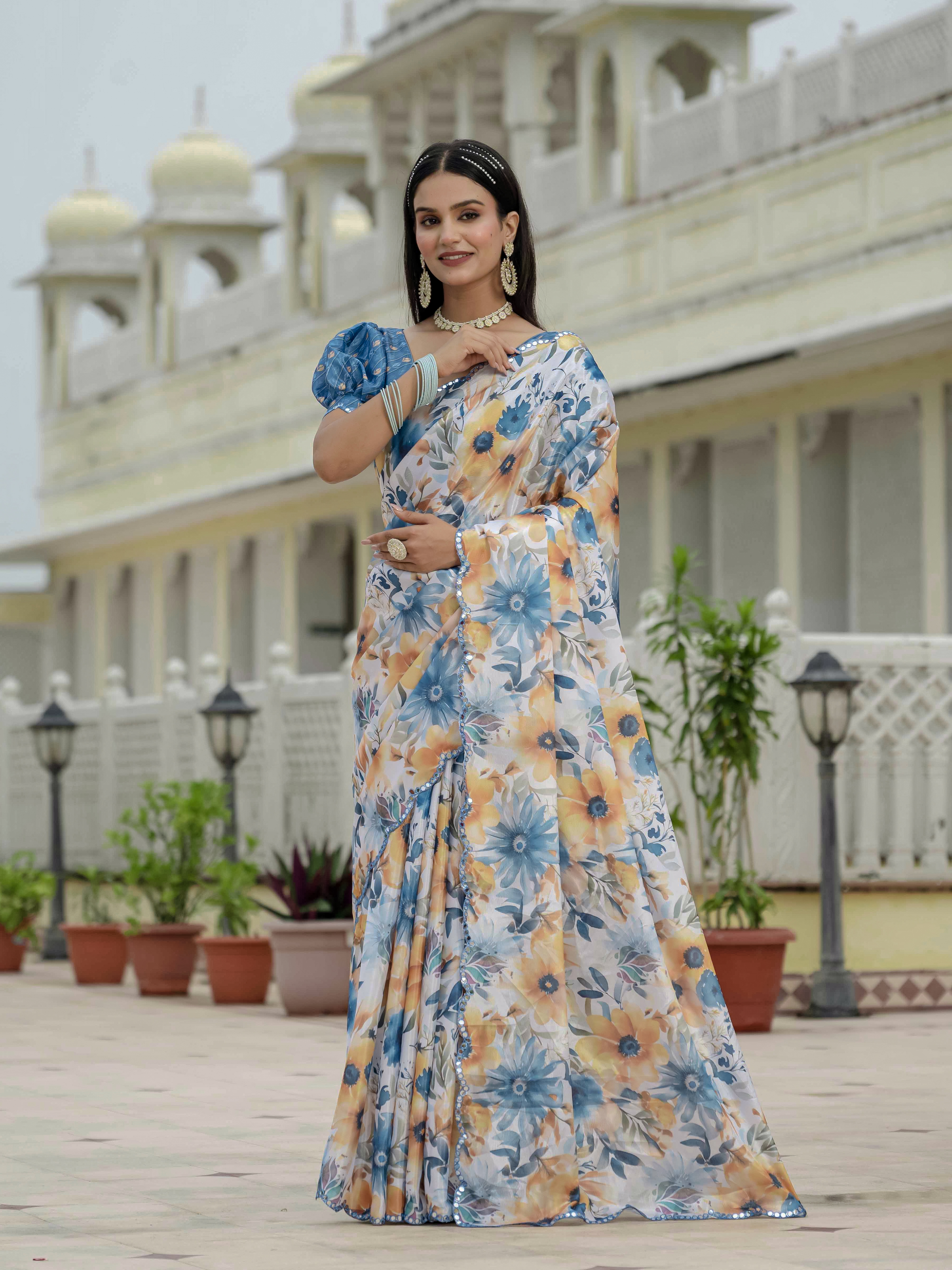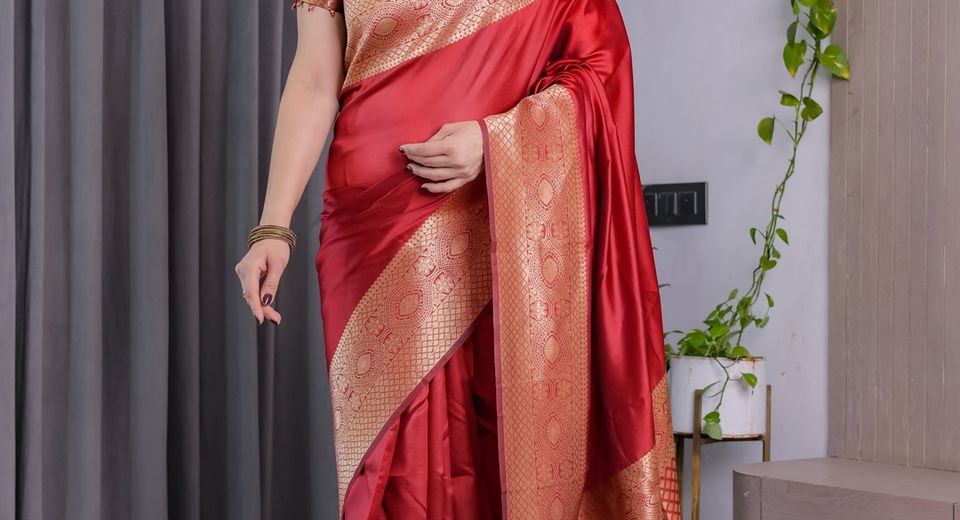
Deepavali in Karnataka: Best Sarees and Ethnic Outfits for Women begins with one practical question: how will the outfit perform through oil-bath rituals, puja, family visits and evening celebrations? A festive saree should look beautiful under lamp light while remaining comfortable during several hours of sitting, walking and greeting guests. Banarasi silk, handloom cotton, linen cotton and tissue sarees each offer a different balance of ceremony, texture and ease.
Women can plan an useful Deepavali wardrobe by matching fabric weight, colour depth and blouse structure to the day's schedule. A lightweight linen cotton saree works well for daytime visits, while a zari-bordered Banarasi soft silk saree has the presence required for Lakshmi puja or a formal evening gathering. Secure pleats, breathable lining and stable footwear often matter more than adding extra embellishment.
Deepavali in Karnataka: Best Sarees and Ethnic Outfits for Women for Different Rituals
A suitable Deepavali outfit combines festive colour, manageable draping and enough comfort for movement between household rituals and social visits. Karnataka celebrations may begin early in the morning and continue until evening, so one outfit may need to accommodate prayer, meals, photographs and travel.
Many families observe an oil bath, wear fresh clothes, visit temples or elders and share sweets during Deepavali. An outfit that's too heavy for the morning can become tiring, while an outfit that's too casual for puja may feel underdressed. The best choice depends on the timing and formality of each plan.
Linen cotton gives a crisp, breathable appearance for daytime wear. Tissue handloom cotton adds a gentle sheen and woven character without the weight of heavy silk. Banarasi soft silk creates a more ceremonial look through its smooth fall and zari details. A saree with a defined border is generally easier to style for a traditional setting than an extremely fluid drape.
Colour also affects how a saree works during Deepavali. Red, magenta and maroon remain visible under warm lamp light, while cream, peach and pastel shades look fresh during daytime celebrations. Zari can provide festive brightness without relying on sequins or dense embroidery.
Deepavali in Karnataka: Best Sarees and Ethnic Outfits for Women in Breathable Fabrics
Linen cotton and tissue handloom cotton are practical choices for daytime rituals because they offer breathability, moderate structure and a lighter feel than many silk sarees.
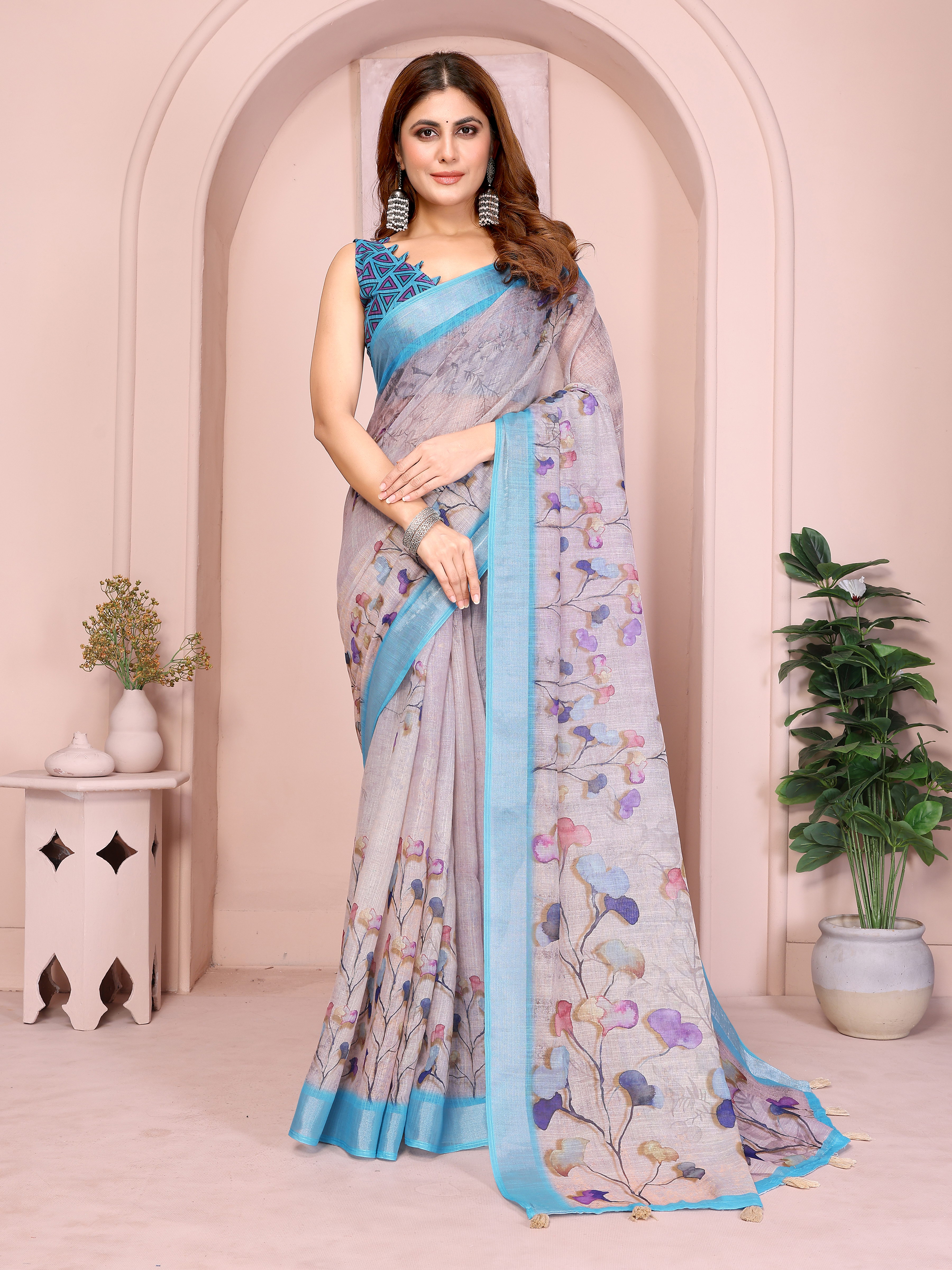
Linen cotton for family visits
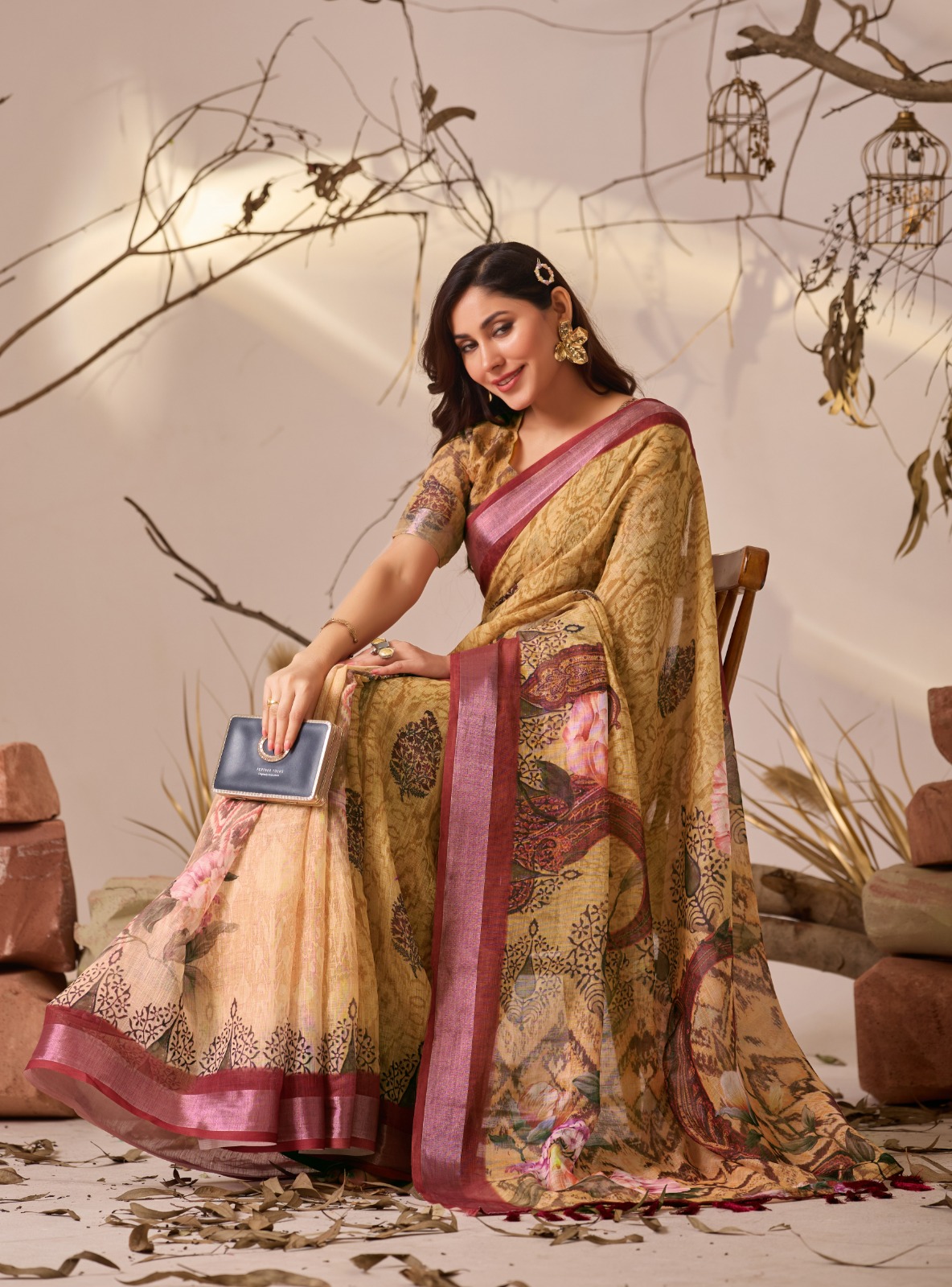
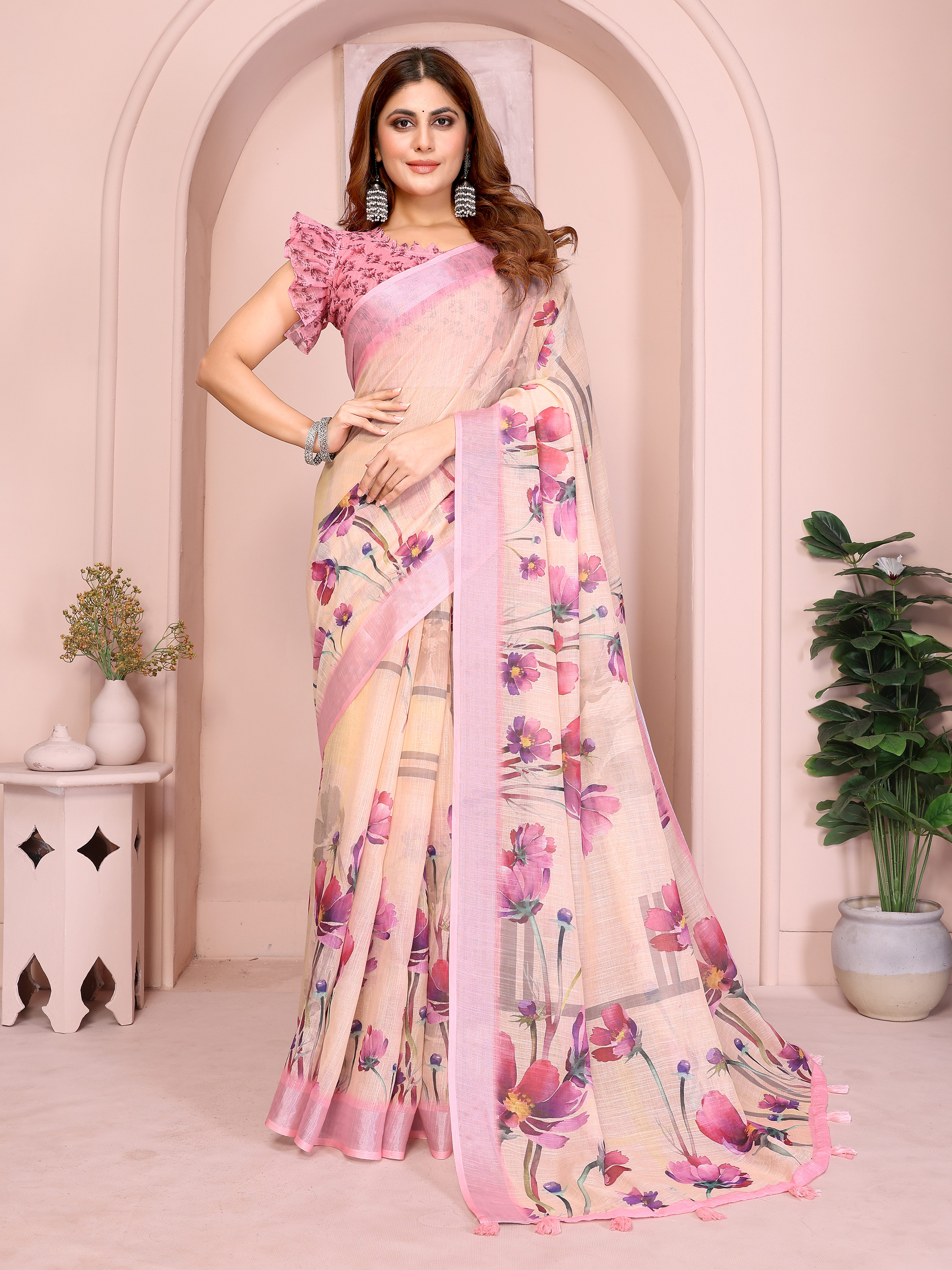
Linen cotton suits a schedule that includes temple visits, family calls and time spent helping with food or decorations. The fabric generally feels less restrictive than heavier silk and creates neat pleats when pressed correctly. Pastel Linen Cotton Floral Print Saree with Designer Blouse brings a soft printed surface and can be paired with compact gold jewellery for a polished morning look.
Peach Linen Cotton Floral Print Saree with Blouse for Women offers a warmer colour direction without becoming visually heavy. Peach works well with antique-gold earrings, a cream blouse or accessories that repeat a small shade from the floral print. Linen cotton can crease during long wear, so sitting with the pleats aligned and carrying a few safety pins is sensible.
Tissue handloom cotton for subtle festive shine
Tissue handloom cotton suits women who want a classic silhouette with a modest sheen rather than a high-gloss finish. Cream Pink Tissue Handloom Cotton Saree with Zari can work for daytime puja with a well-fitted blouse and a carefully pressed pallu.
Cream Floral Tissue Handloom Cotton Saree with Zari Weaving provides another understated option for women who prefer floral detail and a lighter palette. Cream shades reflect lamp light attractively, but they also show oil, kumkum and food stains more readily than darker colours. Wearing a secure pallu and keeping the front pleats away from serving areas can protect the saree during family meals.
A cream or pastel saree can be reused for weddings, housewarming ceremonies and temple visits when the blouse and jewellery are changed. That versatility makes handloom cotton a practical purchase for women who want festive clothing beyond a single Diwali celebration.
Deepavali in Karnataka: Best Sarees and Ethnic Outfits for Women in Silk
Silk or prominent zari is most suitable for Lakshmi puja, an evening celebration, formal family photographs or any Deepavali gathering requiring a more ceremonial appearance.
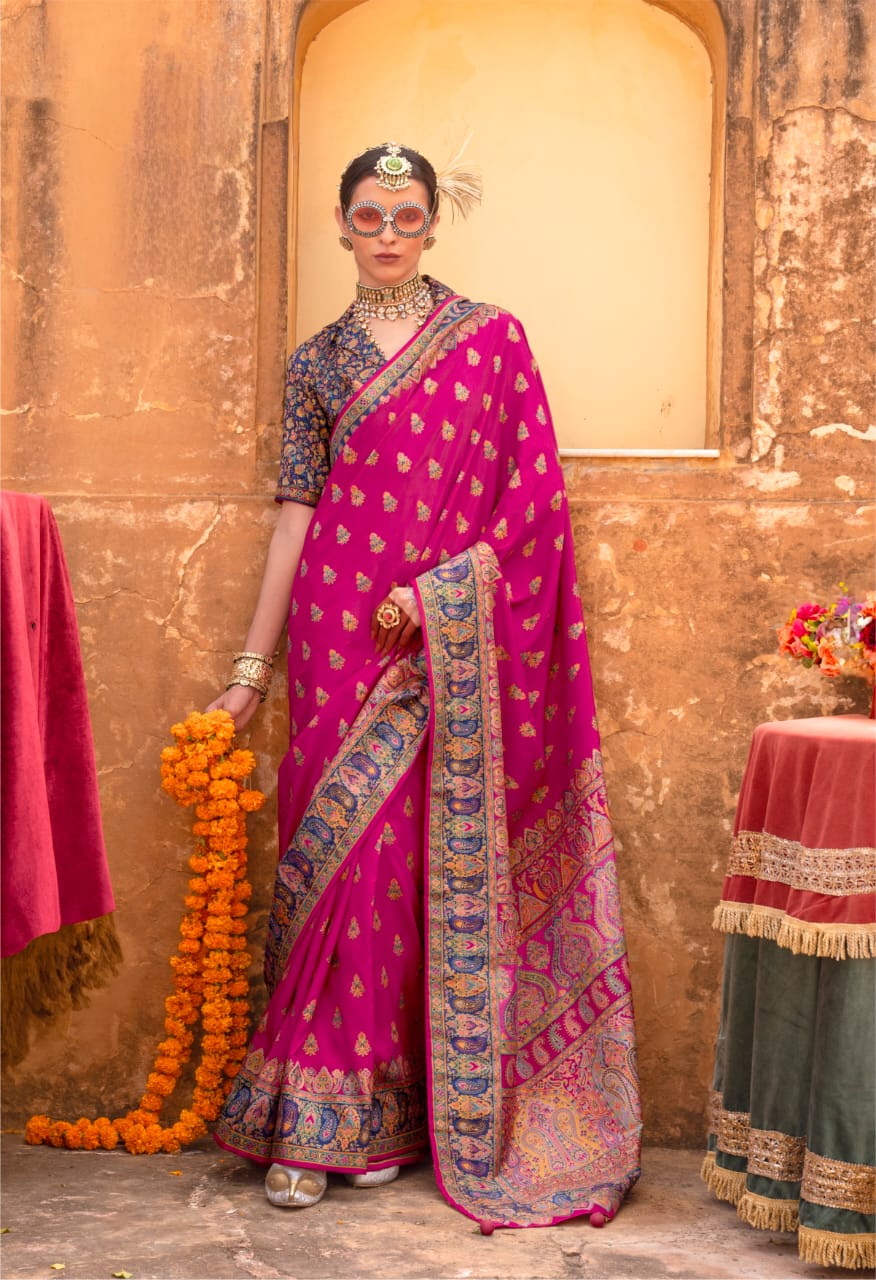
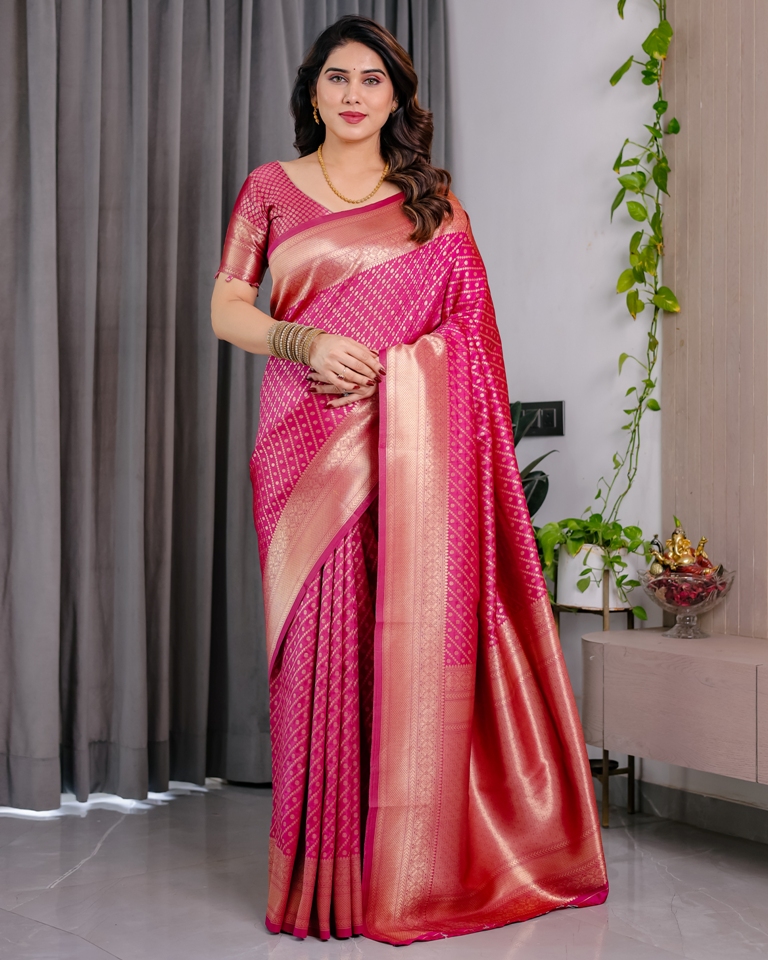
Banarasi silk is known for its lustrous surface and woven zari patterns, which give a saree depth under indoor lighting. Magenta Banarasi Soft Silk Zari Saree | Varnavi Online creates a strong festive look with a compact gold necklace, jhumkas and a neatly pleated pallu. Magenta works with gold accessories without needing heavy additional ornamentation.
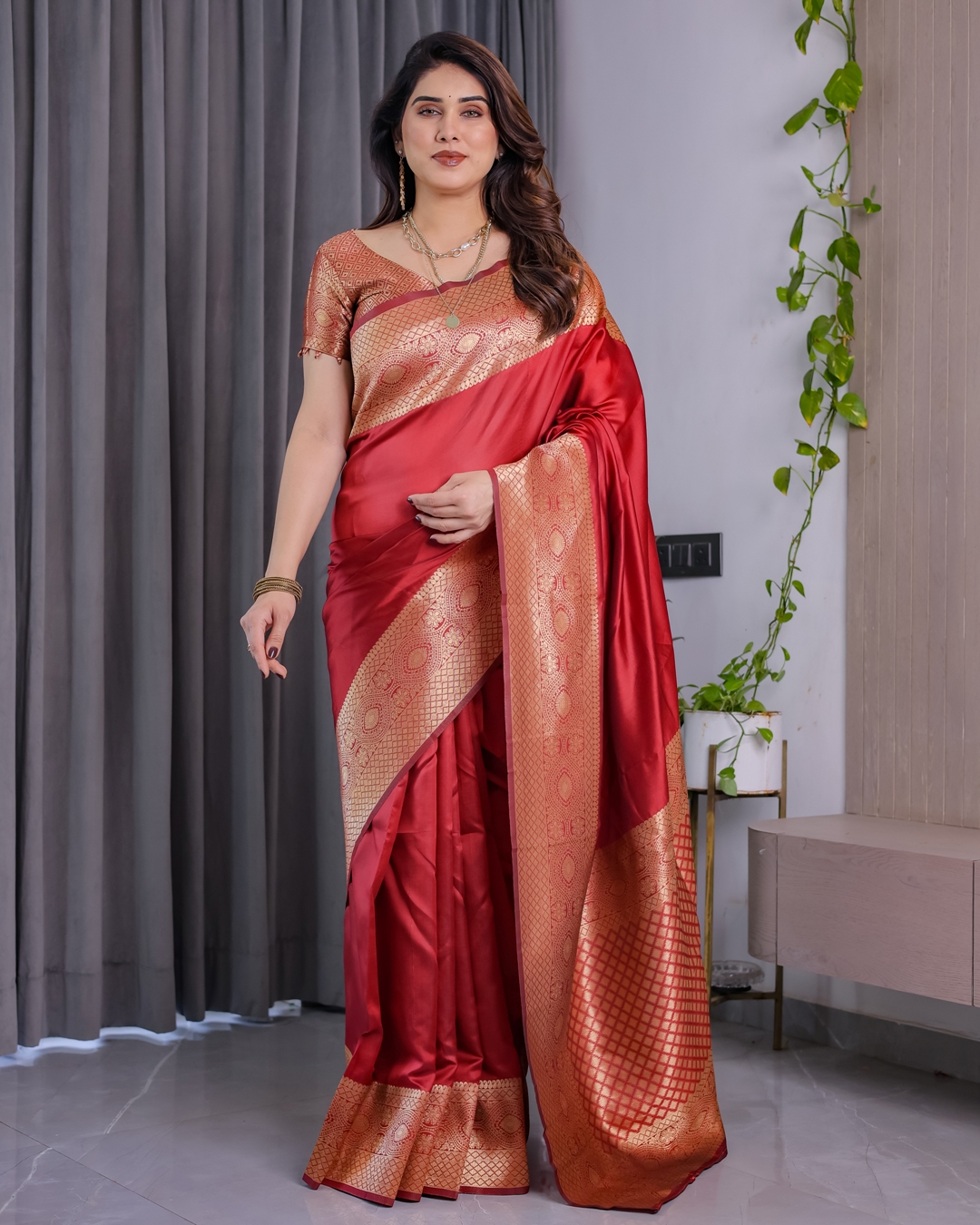
Red Banarasi Soft Silk Saree with Jacquard Zari Border makes a heritage statement through the contrast between a saturated red body and a patterned border. Red works well for evening celebrations because the colour remains visible under yellow lamps and low indoor light. A relatively clean blouse design can prevent the detailed border from looking crowded.
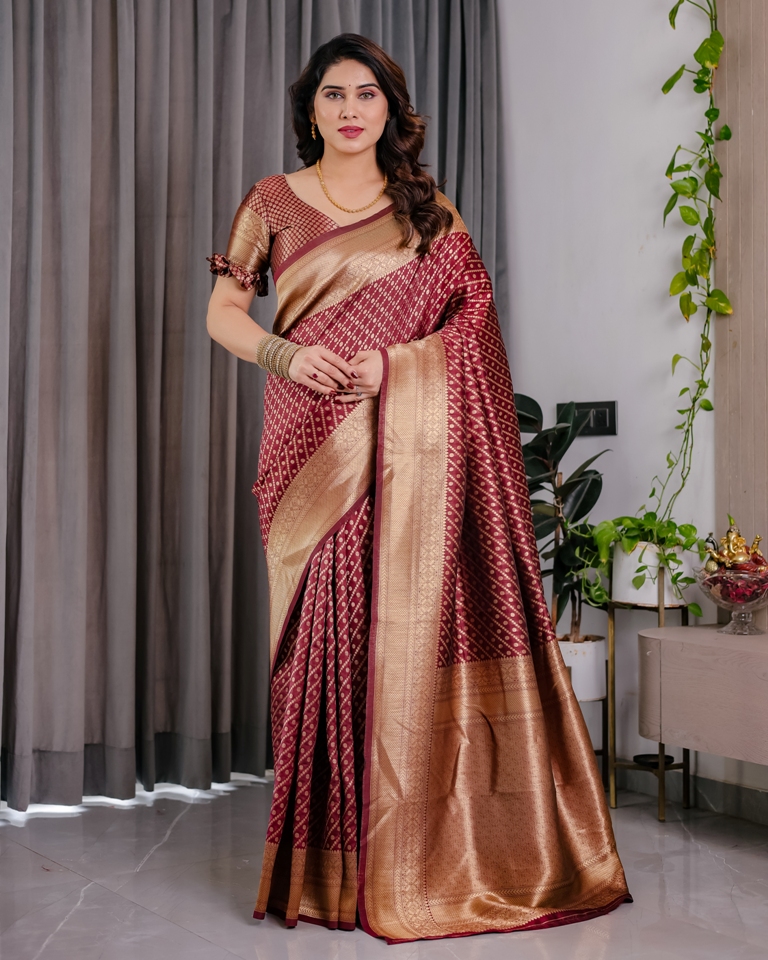
Maroon Banarasi Soft Silk Saree With Golden Zari Border brings a deeper alternative to bright red. Maroon can appear rich in family photographs and pairs naturally with antique gold, kundan-inspired jewellery or a small temple-style pendant. A three-quarter sleeve blouse can make the outfit more comfortable for a long puja while retaining a formal appearance.
Silk requires practical preparation. A slippery petticoat can cause pleats to loosen, so a cotton or correctly fitted shapewear petticoat is preferable. Pinning the pallu at the shoulder and securing the waist pleats from the inside can prevent repeated adjustments. Banarasi silk should be stored folded in soft muslin rather than plastic, and perfume or perspiration should be allowed to dry before storage.
Deepavali in Karnataka: Best Sarees and Ethnic Outfits for Women by Colour and Occasion
The most useful Deepavali colour depends on the event's timing, the lighting and the desired level of formality rather than on one universal festive shade.
Bright red and magenta are strong choices for evening puja or a larger family gathering because they contrast with lamps, marigold decorations and neutral interiors. Maroon gives a more subdued version of the same festive depth. Peach, cream and pastel pink are gentler for daytime rituals and can look fresh in natural light.
Grey can also look festive when it has a metallic border, floral texture or a contrasting blouse. Gray Color Sarees Under 1000 may suit women who prefer a restrained palette and want to add colour through a magenta blouse, ruby earrings or a bright bindi. Grey should not be treated as strictly casual; its formality depends on the weave, border and accessories.
Pink Georgette Sarees can suit an evening party when the wearer wants a lighter, flowing silhouette. Georgette usually needs careful pleating because its soft fall can shift while walking. A fitted petticoat, waist belt or discreet inner pins can improve stability, while lighter accessories preserve the fluid drape.
Women seeking a stronger heritage colour can compare options in Red Banarasi Silk Sarees for Weddings Under 1100, while those looking for a broader evening selection can browse Party Wear Sarees. Silk Sarees Under 3000 With Discount may also help shoppers compare festive texture and price before choosing a formal saree.
Deepavali in Karnataka: Best Sarees and Ethnic Outfits for Women with Better Blouse Styling
A comfortable festive saree needs a supportive blouse, a petticoat that holds the waist securely and accessories that don't interfere with movement or rituals.
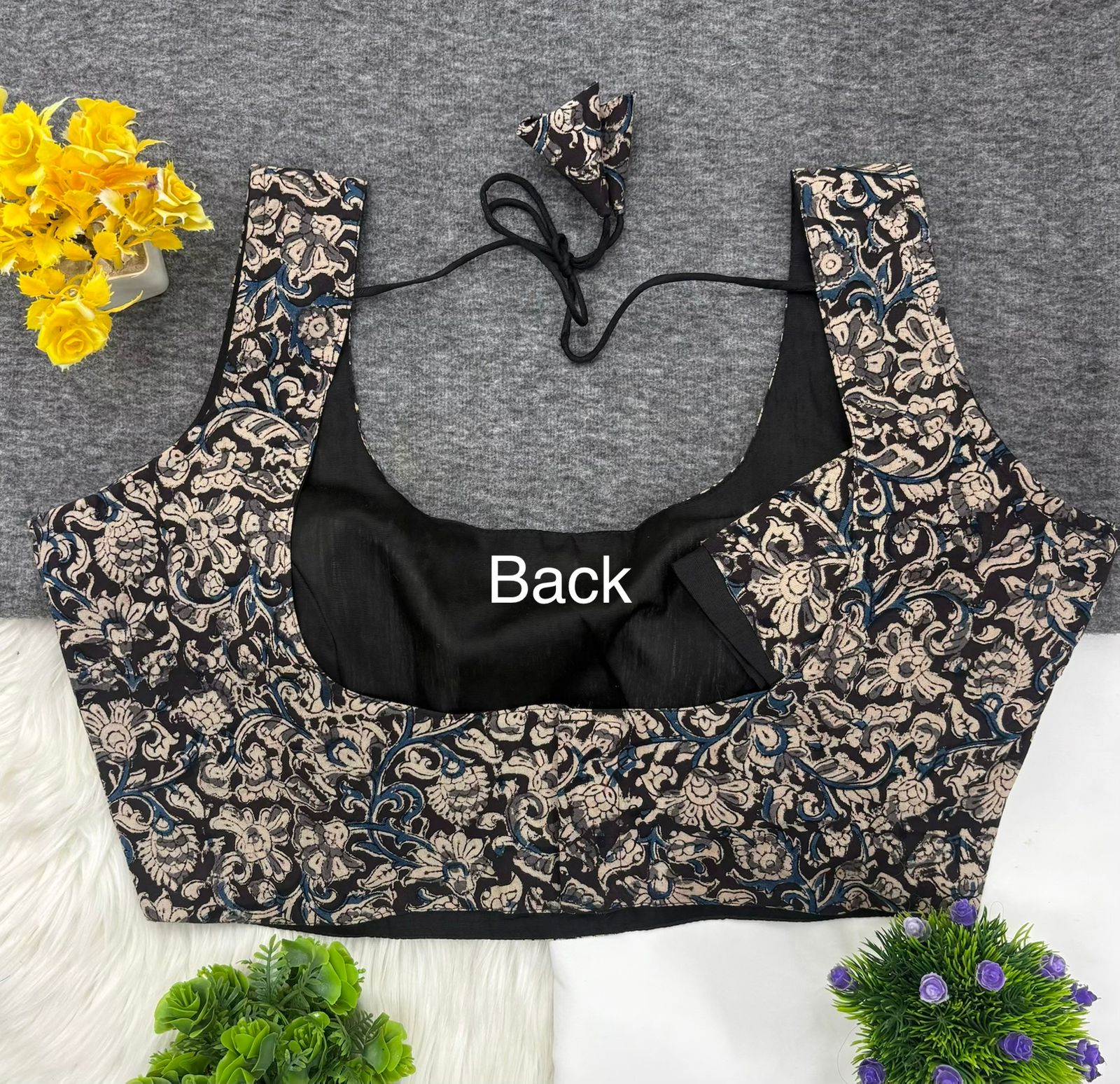
Short sleeves feel easy for daytime, while elbow-length or three-quarter sleeves provide more coverage for formal puja. A blouse neckline should allow the wearer to sit, bend and lift the arms without pulling at the shoulder seams. Testing the blouse with the saree at least one day before Deepavali can reveal tight armholes, uncomfortable hooks or a pallu that doesn't sit correctly.
Jewellery should repeat one visual element from the saree rather than introduce several unrelated colours. Gold-toned jhumkas suit zari borders, pearl details soften pastel linen cotton and a single statement necklace can be enough for a Banarasi silk saree. Metal bangles or a smaller bangle set are often safer than many loose bracelets when the wearer is serving food or handling lamps.
Makeup should also suit the fabric and lighting. A red or maroon silk saree can support a defined bindi and a muted berry lip, while a pastel saree may work better with peach, rose or brown tones. Hair secured in a low bun or braid reduces the need to adjust the pallu repeatedly and keeps loose strands away from lamps.
Footwear should have a stable sole and a heel height the wearer can manage on stairs and polished floors. Low block heels or wedges are usually more practical than narrow stilettos for a household celebration. The saree hem should sit approximately one centimetre above the floor while the intended footwear is being worn.
Deepavali in Karnataka: Best Sarees and Ethnic Outfits for Women for Day-to-Night Dressing
A daytime family visit calls for a lighter saree, a formal puja benefits from controlled zari and an evening party allows more shine or movement in the drape.

For morning rituals and family visits
Choose linen cotton or tissue handloom cotton with a breathable blouse and restrained jewellery. A floral saree in peach or pastel shades can be paired with small gold studs, a thin chain and a low bun decorated with a few jasmine strands. Avoid very long tassels or loose pallus when helping with breakfast or carrying lamps.
For Lakshmi puja and family photographs
Select a red, magenta or maroon Banarasi soft silk saree with a defined zari border. Keep the pleats symmetrical, pin the pallu securely and use a blouse that allows comfortable sitting. A small bindi, gold earrings and one necklace can complete the look without distracting from the saree.
For an evening gathering
Choose a saree with visible texture or sheen, such as Banarasi silk, tissue cotton or georgette. A slightly more dramatic earring, a metallic clutch and a structured blouse can elevate the outfit without requiring a full change. A ready-to-wear saree can save time for women managing children, travel or several household visits, but the waist and shoulder fit should be tested before the event.
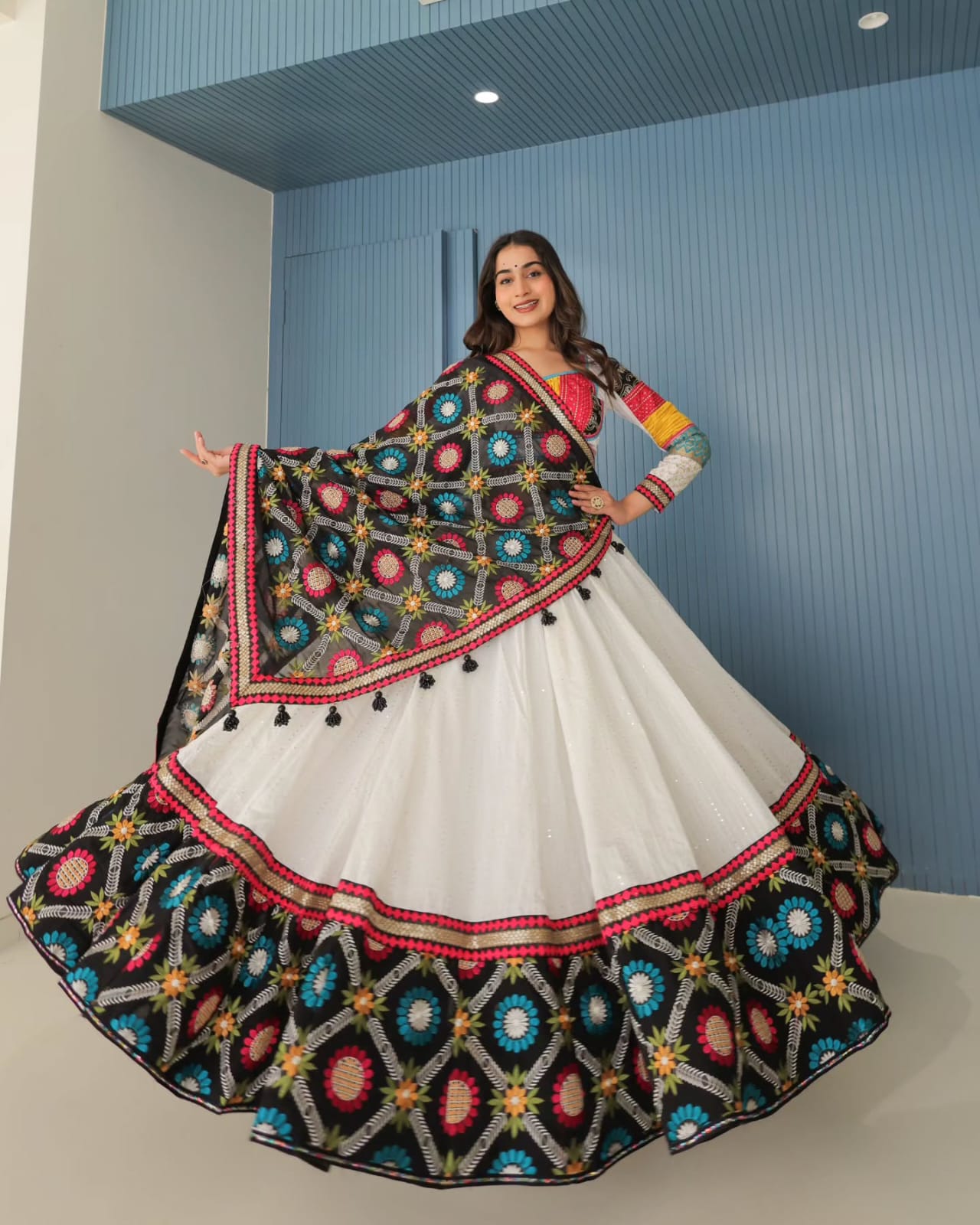
Women who prefer ethnic outfits beyond sarees can adapt the same principles to a salwar suit, sharara or palazzo suit. A jewel-toned kurta with zari accents suits evening puja, while a cotton salwar suit may be more comfortable for daytime errands. The outfit should still allow easy movement, secure sleeves and footwear suitable for walking.
Deepavali in Karnataka: Best Sarees and Ethnic Outfits for Women with Practical Care
Care begins before the celebration: inspect the weave, test the blouse, press the saree according to its fabric and keep emergency pins available.
Linen cotton should be ironed on the reverse side at a moderate temperature, especially when the saree has printed details. Tissue handloom cotton should be folded along existing lines after it's completely dry. Banarasi silk should not be machine washed or scrubbed at home; professional dry cleaning is safer when the care label permits it.
Oil, ghee, kumkum and sweets are common sources of festive stains. Do not rub a fresh stain aggressively because rubbing can spread colour or disturb zari. Blot gently with a clean, dry cloth, keep the saree away from direct heat and consult a professional cleaner for silk or metallic borders.
After Deepavali, air the saree away from direct sunlight before folding it in muslin. Refold silk and zari sarees every few months to reduce permanent fold stress. Avoid storing any festive saree in an airtight plastic bag because trapped moisture can encourage odour and fabric deterioration.
Common Questions About Deepavali Sarees in Karnataka
What kind of saree should I wear for Diwali in Karnataka?
Banarasi soft silk suits formal puja and evening celebrations, while linen cotton or tissue handloom cotton is more comfortable for daytime rituals and family visits. Choose the fabric according to the length of the event, expected movement and level of formality.
Which saree colours work best for Deepavali women’s outfits?
Red, magenta and maroon create strong festive contrast under warm lamp light, while peach, cream and pastel pink work well during the day. Grey can also look festive when paired with zari, texture or a contrasting blouse.
Which saree is in trend now in 2026 for Deepavali?
Textured handloom cotton, lightweight linen cotton, Banarasi soft silk and restrained zari sarees remain practical choices for 2026 celebrations. The strongest trend is a balance between visible fabric character and comfortable, wearable styling rather than excessive embellishment.
Where can I buy ready-to-wear sarees online in India?
Ready-to-wear sarees are available through online ethnic-wear stores and marketplaces, but shoppers should check waist measurements, pallu length, blouse sizing, fabric details and return conditions before ordering. A ready-to-wear design is especially useful when the wearer has limited dressing time or needs a stable pre-stitched drape.
How can I keep a silk saree secure during Lakshmi puja?
Use a correctly fitted petticoat, secure the waist pleats from the inside and pin the pallu at the shoulder. Wearing the intended footwear while adjusting the hem also prevents the saree from dragging or catching on steps.
How should I care for a Banarasi saree after Deepavali?
Air the saree away from direct sunlight, blot stains instead of rubbing them and store the saree folded in soft muslin. Professional cleaning is safer for Banarasi silk and zari than machine washing or prolonged soaking.