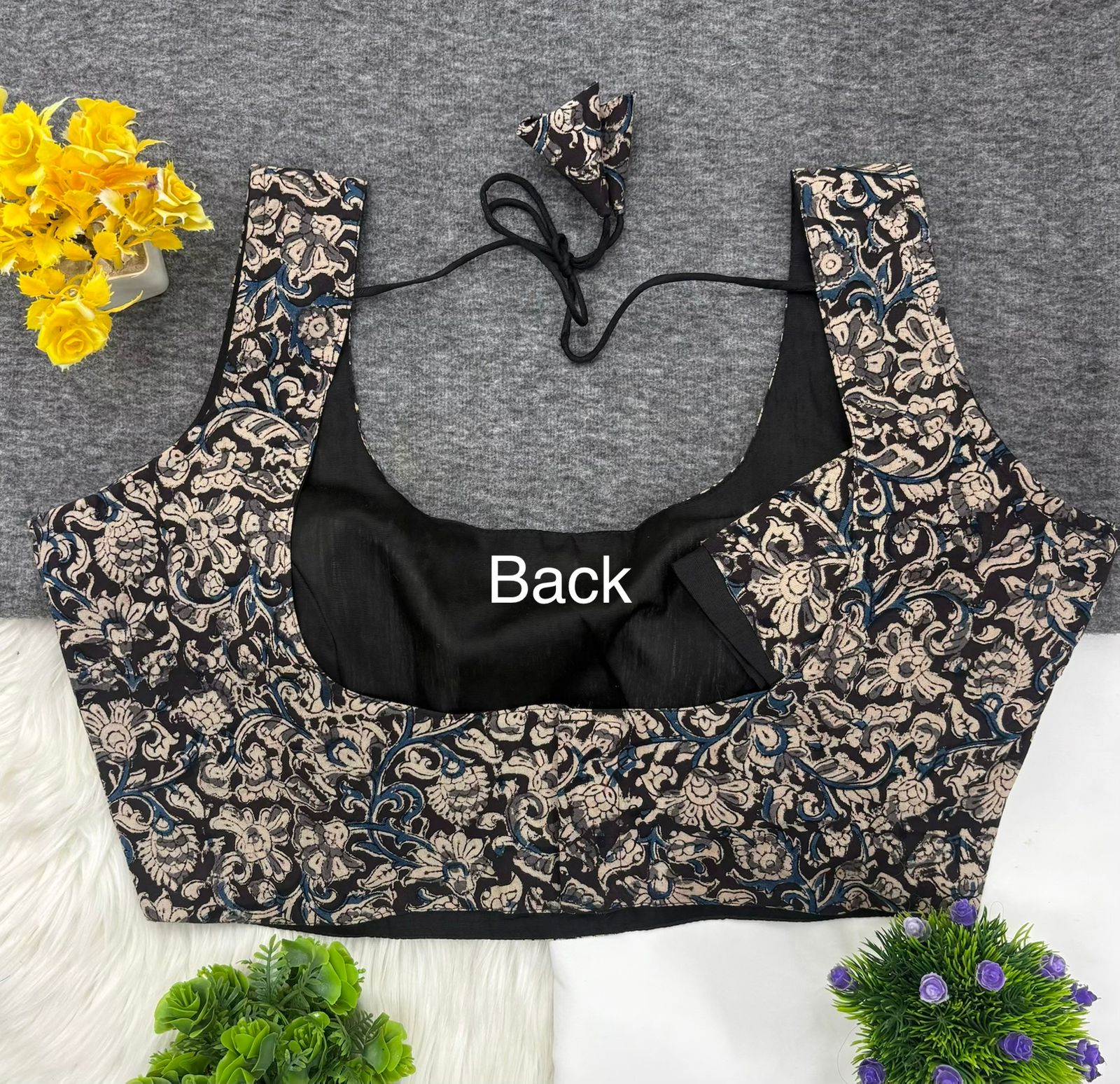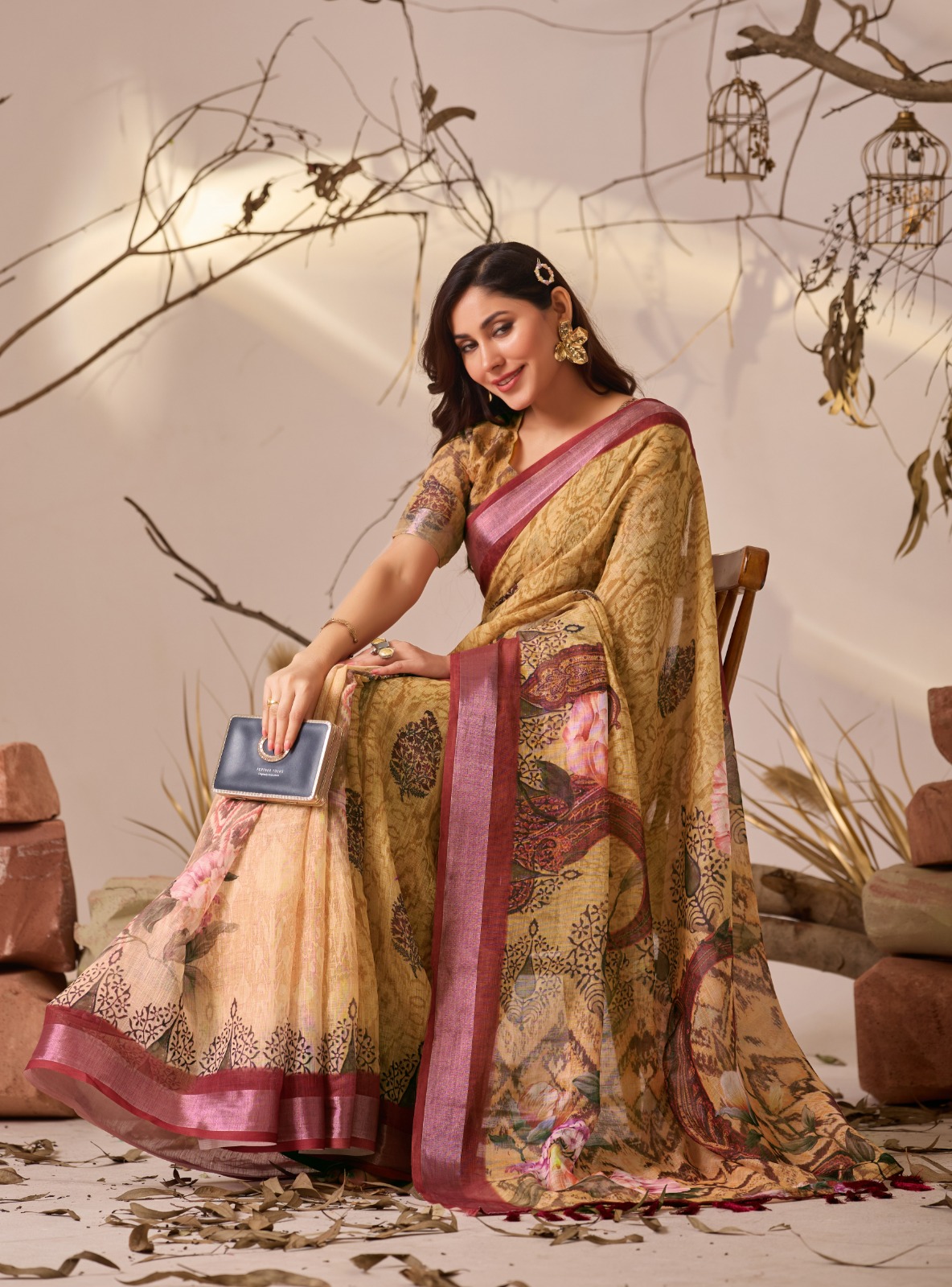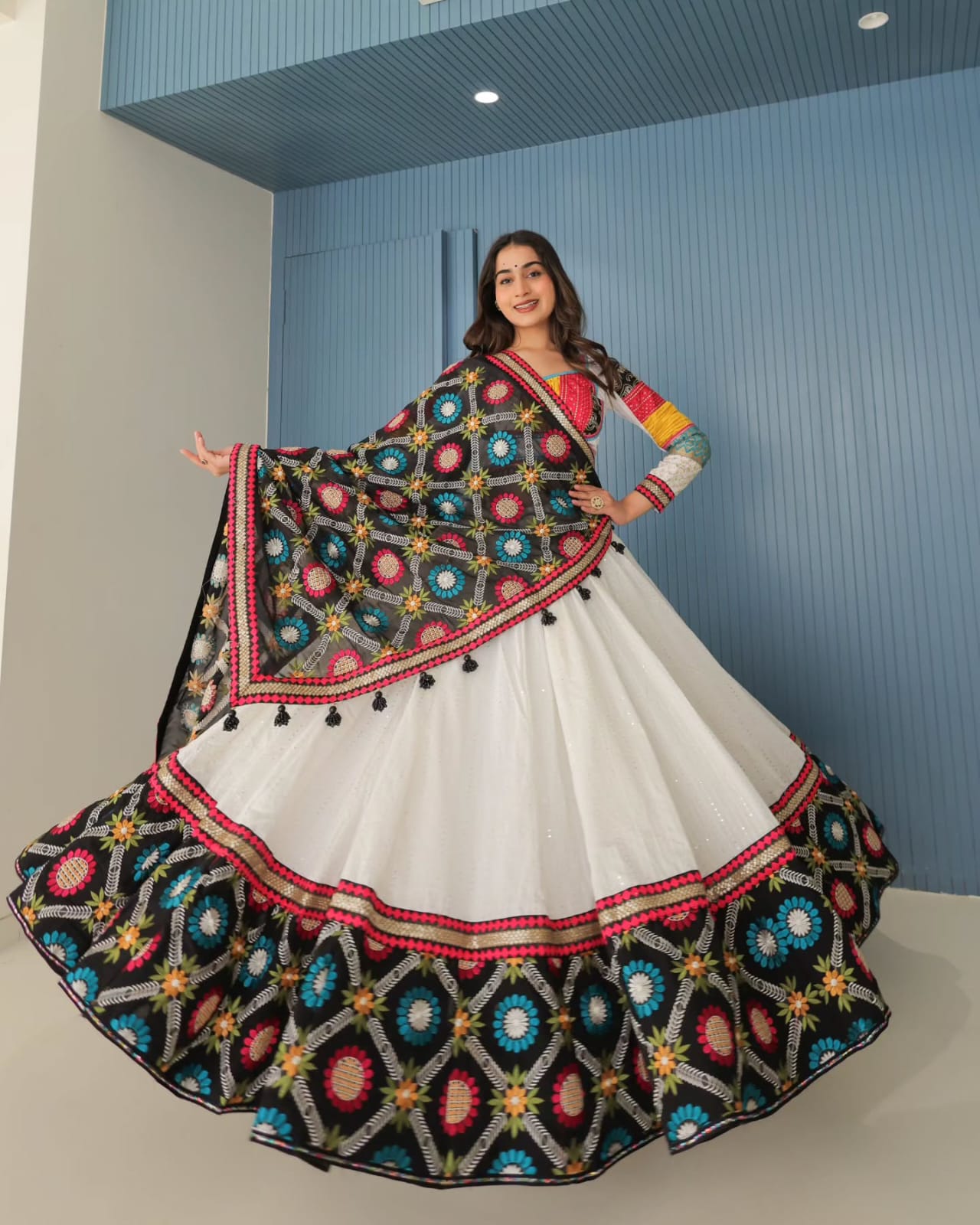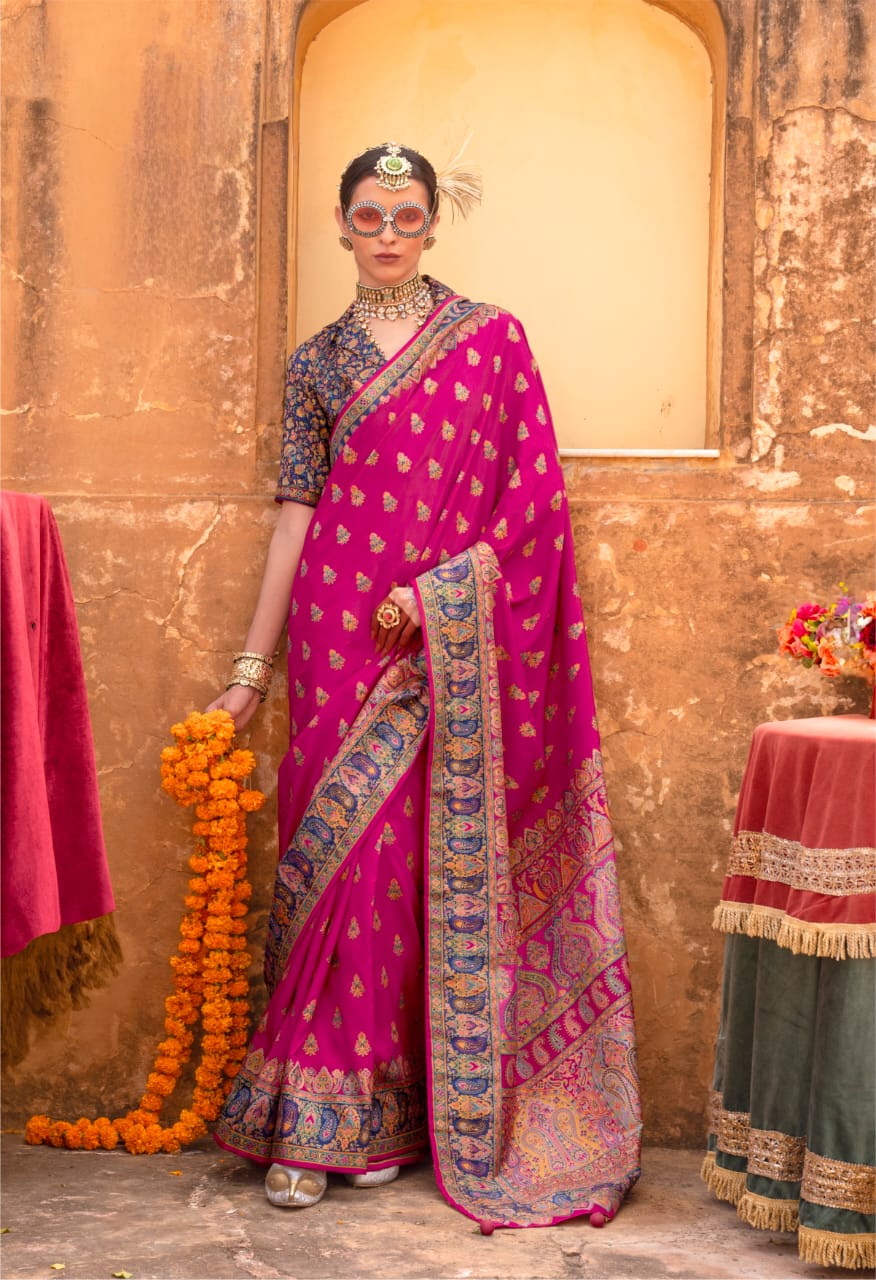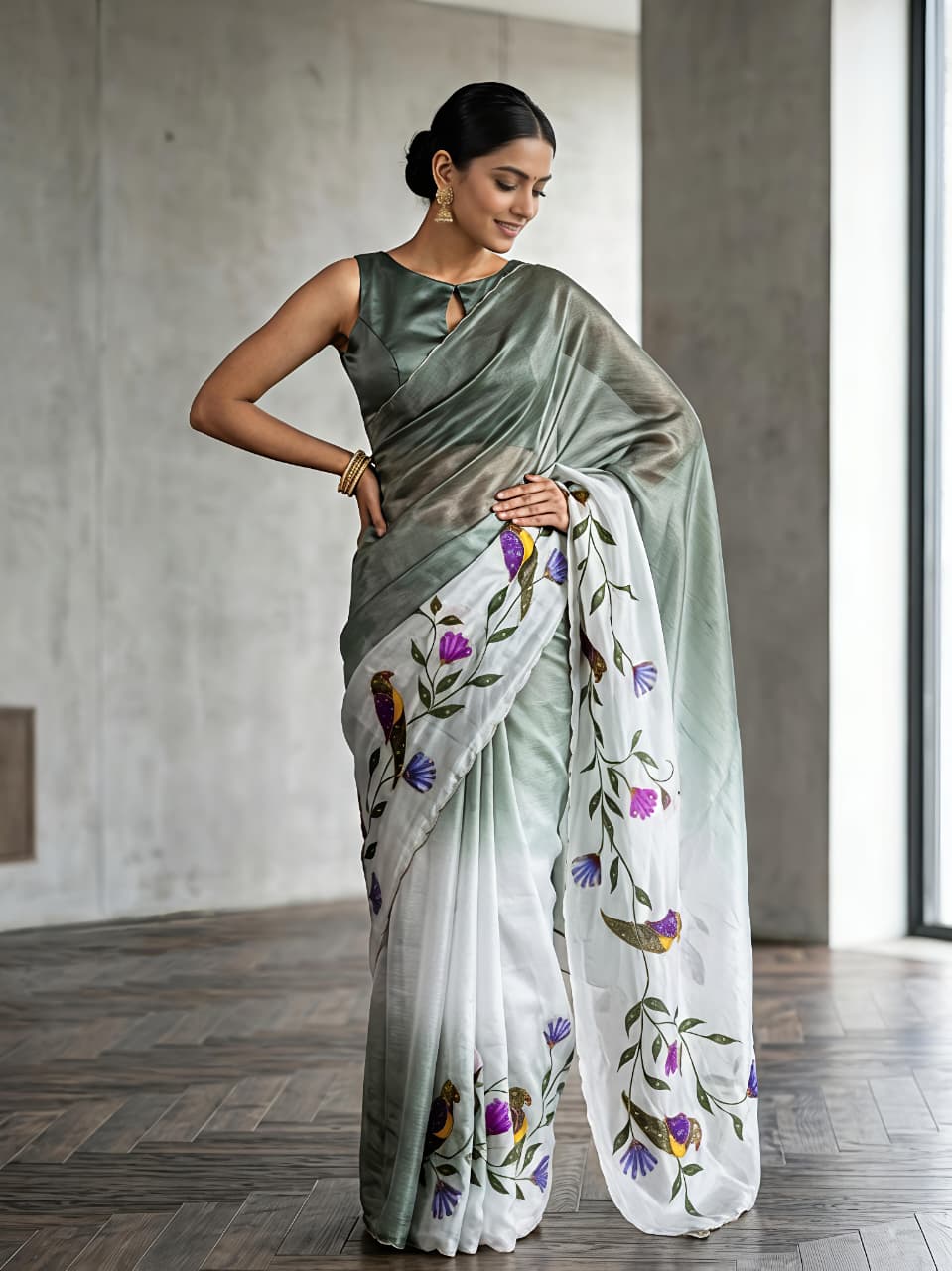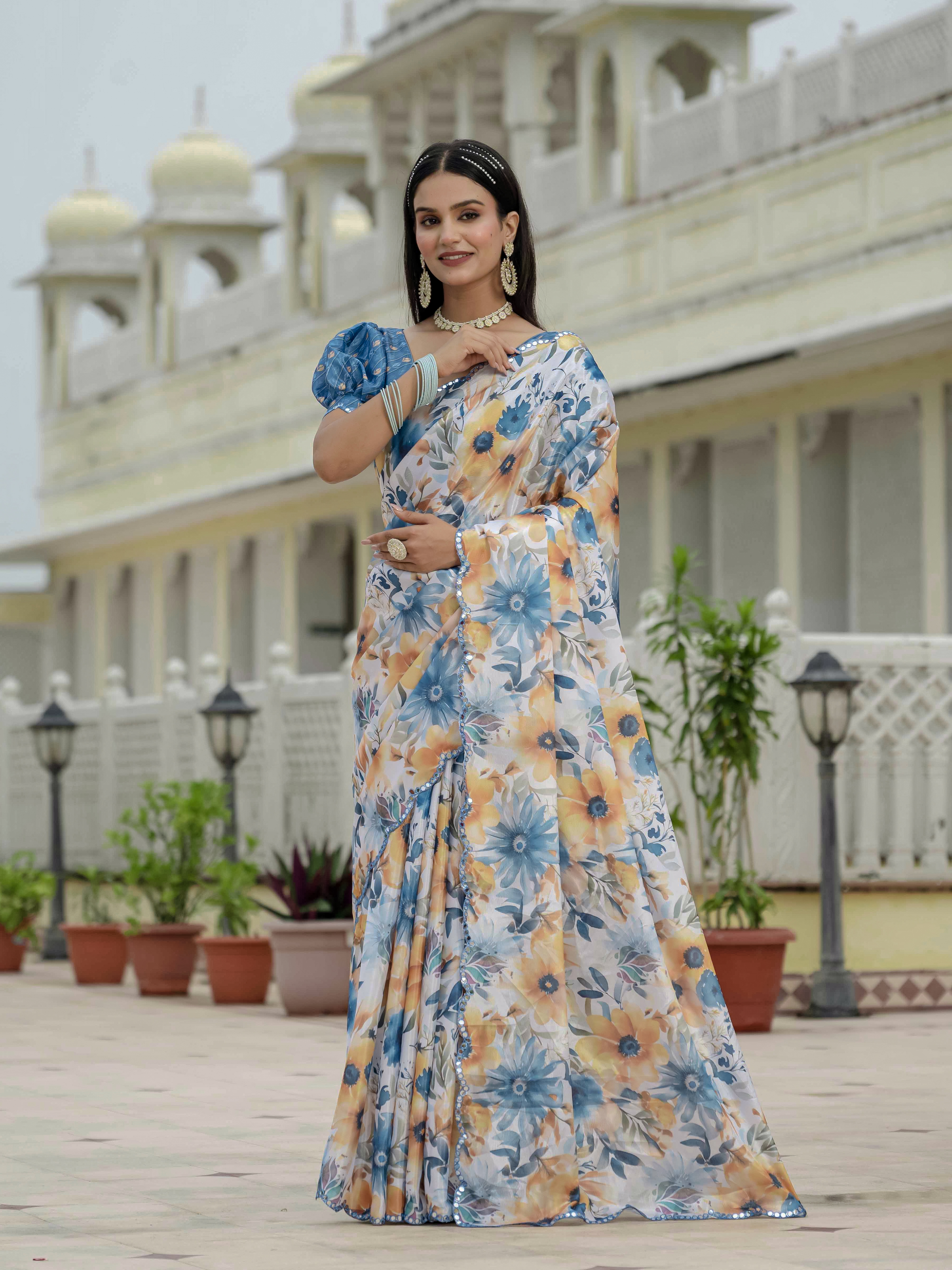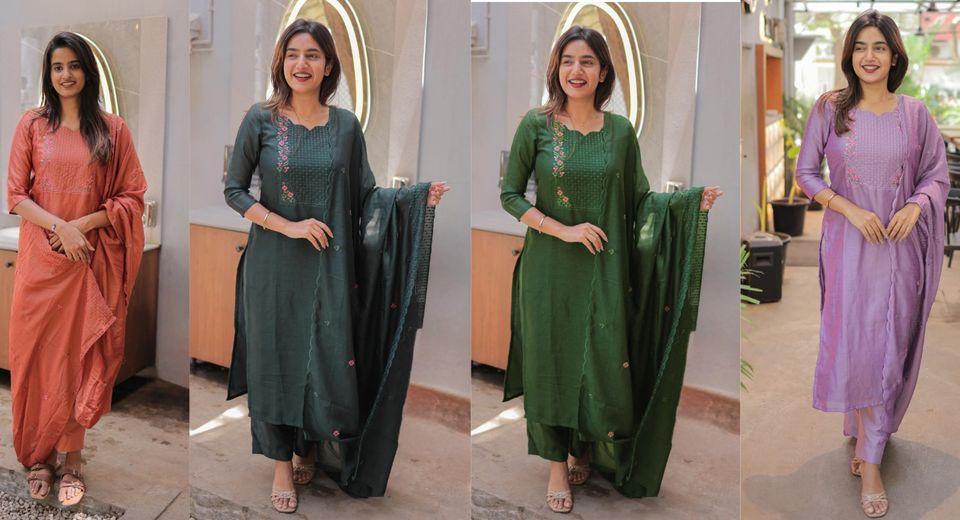
Cotton Salwar Suits for Daytime Navratri Celebrations make sense when the schedule includes morning puja, family visits, community events and several hours of movement. The right outfit needs more than a bright colour: breathable fabric, a manageable dupatta, secure pockets or a practical bag, and a fit that remains comfortable after repeated sitting and standing all matter.
Daytime Navratri dressing also benefits from visual lightness. Dense velvet, heavy lining and extensive metallic work can feel excessive in warm weather, while cotton with embroidery, prints, contrast borders or a carefully chosen dupatta can look festive without becoming cumbersome. This guide explains how to select a suit by fabric, silhouette, colour, activity and care needs.
Why cotton works for daytime Navratri celebrations
Cotton works well for daytime Navratri because the fibre is breathable, absorbent and generally easier to wear for long periods than heat-trapping synthetic layers. Cotton allows air movement around the body and absorbs perspiration, which helps during outdoor travel, crowded temple visits and warm community halls.
Not every cotton garment feels identical. Fine cotton may feel light and soft, while a denser weave may hold its shape better and offer more opacity. Cotton blends can reduce creasing or add structure, but the fibre composition should be checked before purchase if breathability is the main priority. Linen cotton, for example, can have a crisp hand-feel and attractive texture, although it may crease more visibly than a smoother cotton weave.
A daytime suit should also be assessed by lining. A fully lined kurta may look polished but can feel warmer than an unlined or partially lined design. A separate cotton slip or inner layer can provide coverage without adding as much bulk as a thick stitched lining.
Which cotton details make a suit feel more festive?
Embroidery, printed motifs, contrast piping, fabric-covered buttons and a decorative dupatta can make a cotton suit festive without relying on heavy embellishment. Small floral embroidery suits daytime events particularly well because the surface remains visually detailed but not overly reflective under sunlight.
For example, the Cream Floral Cotton Kurta Set with Pant and Dupatta uses the language of a coordinated three-piece outfit: the kurta, pant and dupatta can be styled together for a complete look or separated across other daytime wardrobes. The Cream Printed Cotton Kurta Pant Dupatta Set for Women offers another route when a print is preferred over raised embroidery.
How to choose a Navratri silhouette for movement and comfort
A straight kurta with trousers or pants is usually the most practical silhouette for daytime Navratri because the clean shape supports walking, sitting cross-legged and carrying a dupatta without excess fabric around the ankles. A-line and lightly flared kurtas can also work, provided the flare doesn't catch on chairs or become difficult to manage in a crowd.
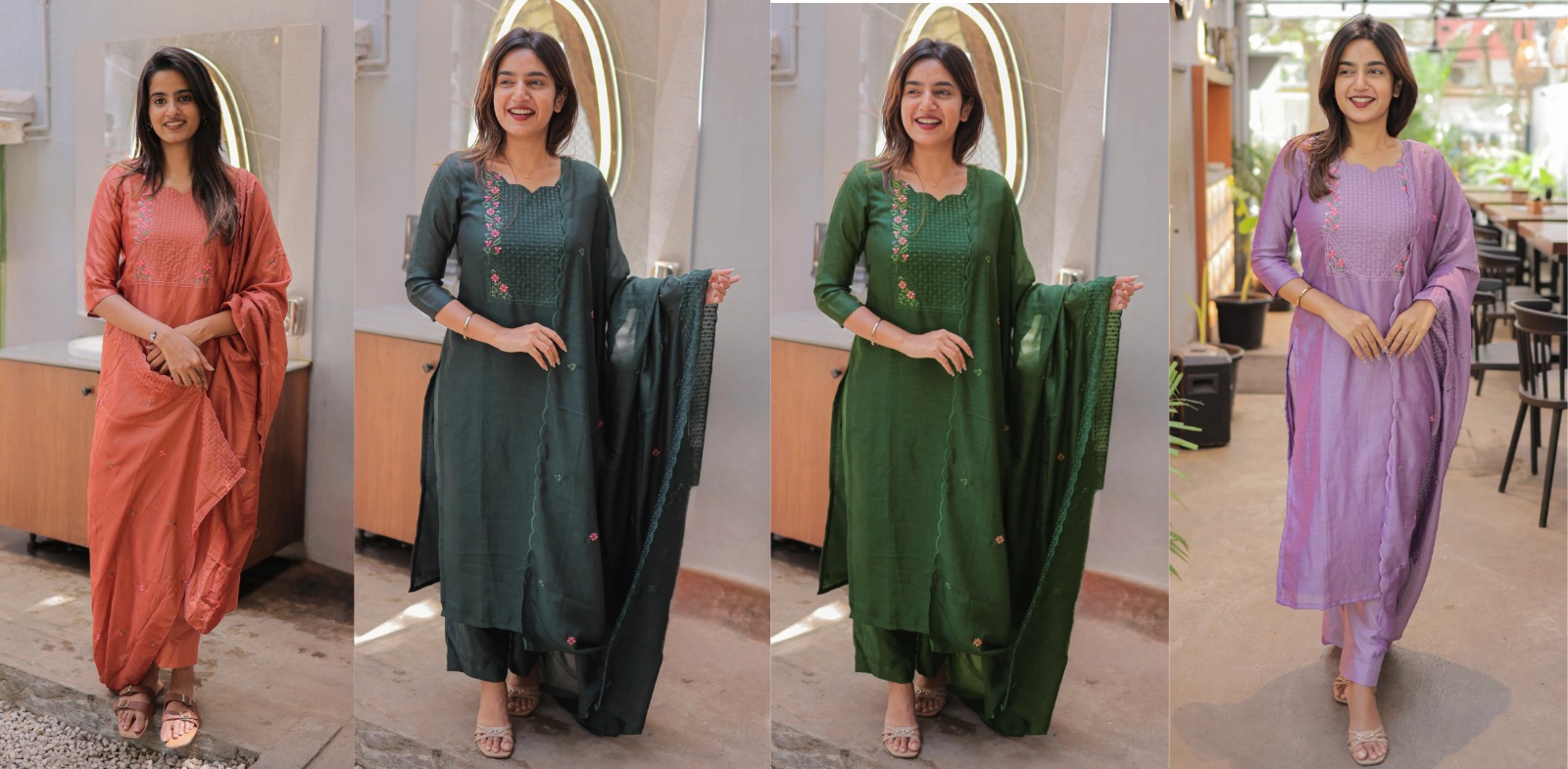
Wide-leg pants and palazzos create airflow, but the hem should not drag on the ground. Ankle-length trousers are easier for temple steps and public transport. A narrow cigarette pant gives a sharper outline, while a relaxed straight pant balances comfort with a neat appearance.
The Vertical Cotton Straight Kurta Set with Dupatta illustrates why a straight silhouette remains useful for busy festive schedules. A vertical design can create a longer visual line, while a matching dupatta completes the outfit without requiring separate colour coordination.
What should you check in the fit?
Check the bust, shoulder, upper-arm and hip measurements rather than relying only on a small, medium or large label. A kurta should allow approximately 5 to 10 centimetres of ease over the body measurement for comfortable daytime wear, although the ideal amount depends on the cut and fabric.
Armholes should permit the arms to lift without pulling the fabric across the chest. Sleeves ending around the elbow or slightly below can feel cooler than full sleeves in hot weather, while three-quarter sleeves offer more coverage for temple visits. The kurta hem should remain clear of the floor when sitting or climbing stairs.
For a readymade salwar suit with dupatta, inspect the dupatta width and length as carefully as the kurta. A very long dupatta can drag or require constant adjustment. A medium-width dupatta is easier to pleat, pin and carry during aarti.
Which colours suit daytime Navratri without looking too heavy?
Warm reds, maroon, saffron, turmeric yellow, green, teal, ivory and cream all work for daytime Navratri when balanced with the brightness of the setting. Lighter bases reflect daylight and feel visually cooler, while one saturated accent prevents the outfit from appearing too pale.
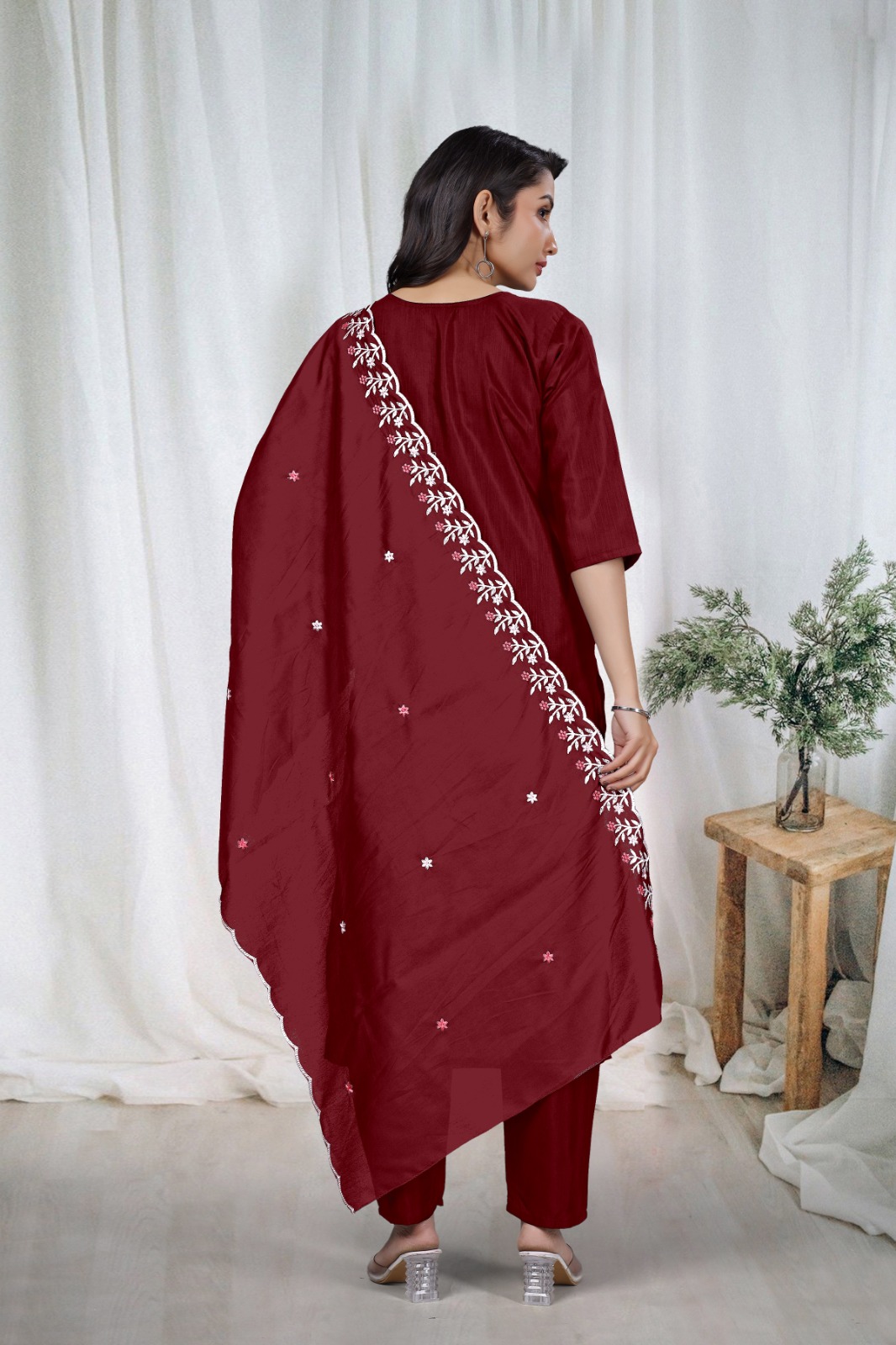
Maroon can look rich without the high shine associated with darker evening fabrics. The Maroon Embroidered Cotton Kurta Pant Set Online demonstrates how a deeper colour can remain suitable for day when the material is matte cotton and the embellishment is controlled.
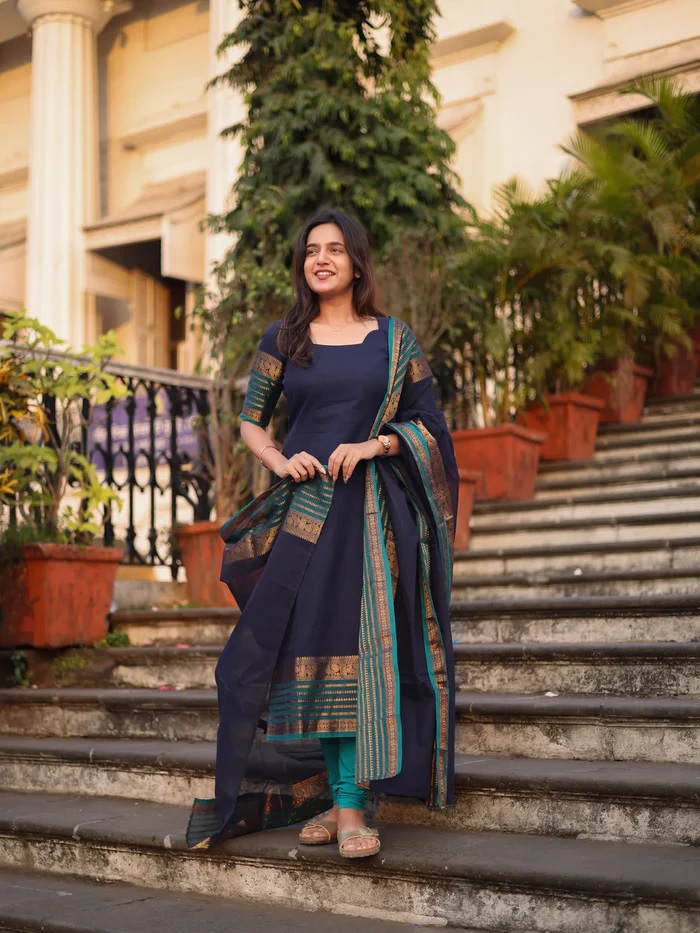
Teal provides a strong alternative to conventional red and yellow. The Teal Embroidered Cotton Kurta Pant Set Online can be approached as a statement outfit with restrained jewellery, or softened with a cream, beige or gold-toned dupatta if the styling needs more warmth.
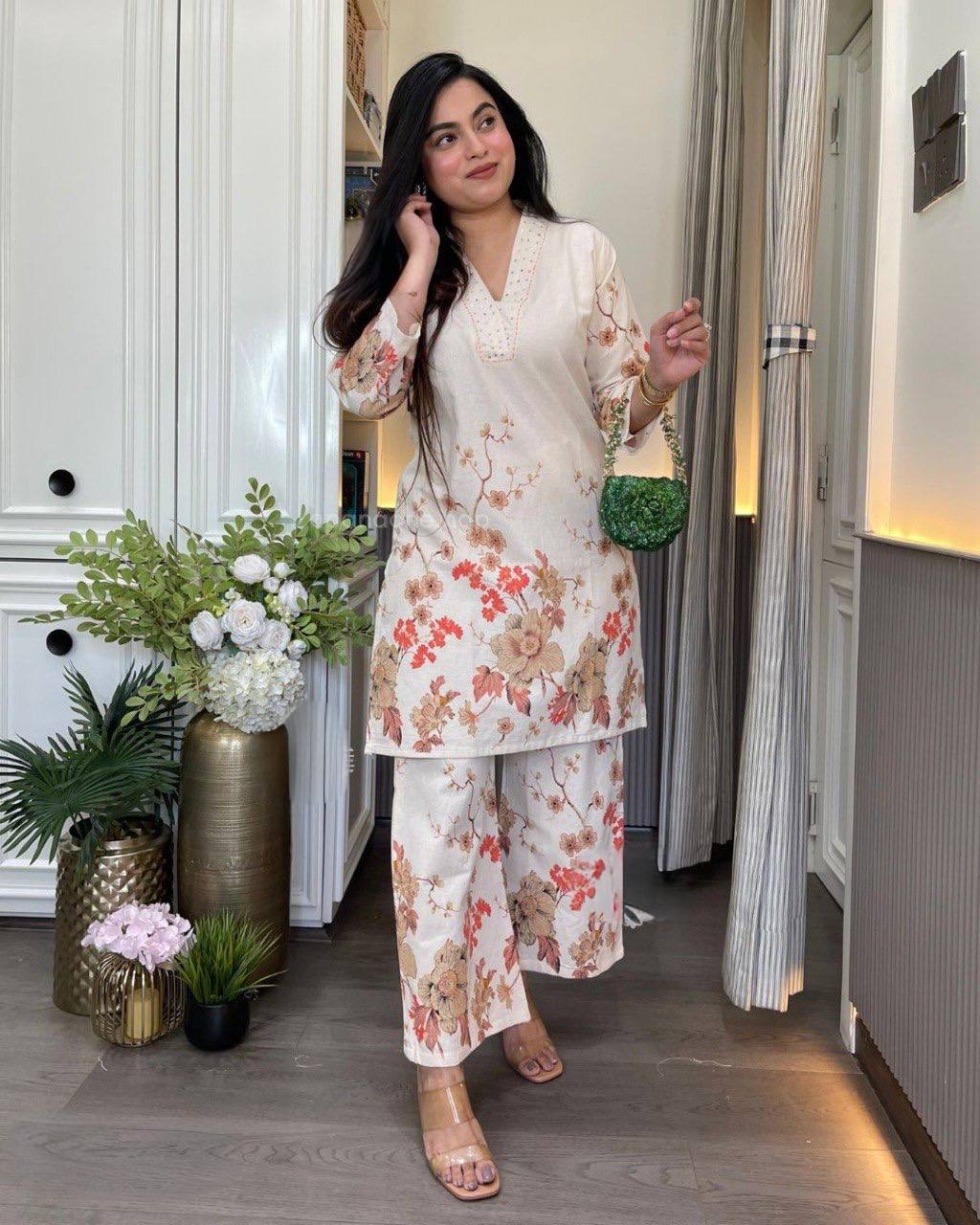
Cream and ivory are especially useful for daytime events because they pair naturally with multicoloured accessories. The Ivory Floral Linen Cotton Co-Ord Set for Women from Varnavi shows how a pale base and floral detail can create a festive appearance without depending on metallic shine. A bright bandhani-inspired scarf, colourful earrings or a red bindi can add Navratri character to a light outfit.
Should you wear black for daytime Navratri?
Black can be worn for daytime Navratri if personal tradition, event guidance and styling preferences allow it, but black absorbs more sunlight and may feel warmer outdoors. A black suit is more practical in a lightweight cotton with a bright dupatta, colourful embroidery or contrasting jewellery than in a layered, heavily embellished construction.
When an event follows a designated colour calendar, the calendar should take priority over general styling advice. Navratri colour traditions vary by region, family and organiser, so confirming the expected colour is more reliable than following a universal chart.
How to style cotton salwar suits for daytime Navratri celebrations
Cotton Salwar Suits for Daytime Navratri Celebrations look polished when accessories add colour without adding unnecessary weight. Choose one main accent, such as oxidised silver earrings, a stack of glass bangles, a printed dupatta or embroidered juttis, and allow the rest of the outfit to support it.

For a morning puja, small jhumkas, a neat low bun and a lightweight dupatta create a respectful, practical combination. For a family lunch, a structured tote, comfortable kolhapuris and a wristwatch can make the same suit feel more contemporary. For a daytime dandiya rehearsal, secure the dupatta at one shoulder and select footwear with a closed or firmly strapped upper.
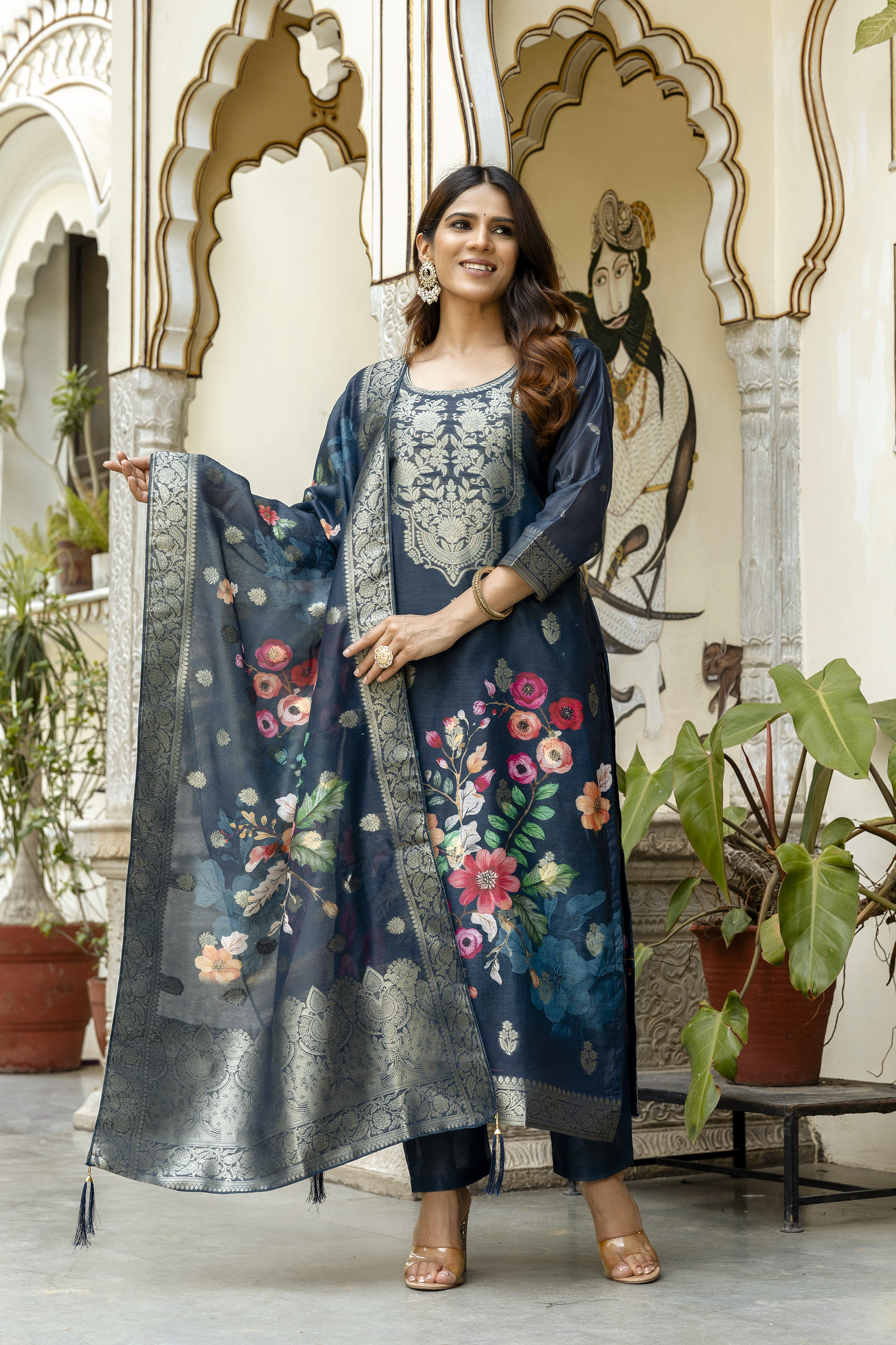
The Premium Brown Cotton Kurta Set with Chanderi Dupatta brings an useful textural contrast. Cotton keeps the kurta grounded and comfortable, while a Chanderi dupatta introduces a dressier surface. Because Chanderi fabric can be lighter and more delicate than cotton, avoid catching the dupatta on rough jewellery or sharp bag hardware.
The Cotton Embroidered Kurti Pant Set with Nylon Dupatta for Women is another example of material contrast. A nylon dupatta may be light and easy to dry, but it can slide more readily than cotton. A small concealed pin or a brooch placed through a reinforced edge can improve stability.
What footwear and jewellery are practical?
Flat juttis, padded sandals and low wedges are generally more practical than narrow heels for Navratri events involving standing, walking or dancing. Footwear should be tested for at least 30 minutes before the event, especially if the outfit will be worn to a temple or open-ground celebration.
Oxidised silver works well with teal, maroon and printed cotton, while antique gold complements cream, brown and saffron. Avoid stacking so many bangles that they interfere with carrying a phone, holding prasad or moving the arms comfortably during garba. A medium-sized pair of earrings can provide enough festive emphasis when the kurta already contains embroidery.
What should you inspect before buying a daytime Navratri suit?
Inspect fabric composition, garment measurements, colour placement, seam finishing, dupatta dimensions and washing instructions before buying a daytime Navratri suit. Product photographs show appearance, but specifications determine whether the garment will perform well during a long event.
- Fabric: Confirm whether the garment is cotton, linen cotton, cotton blend or another material. Fibre content affects airflow, shrinkage, crease behaviour and drying time.
- Measurements: Compare the garment chart with a well-fitting kurta already in your wardrobe. Pay close attention to bust, shoulder, sleeve and pant measurements.
- Opacity: Pale shades such as ivory, cream and white may require a suitable inner layer. Check the fabric in strong light where possible.
- Dupatta: Check length, width and edge finishing. An usable dupatta should be long enough to drape securely but not so long that it trails on the floor.
- Embellishment: Look for embroidery placement around the neckline, sleeve and hem. Raised work can cause discomfort under a bag strap or when seated against a chair.
- Colour accuracy: Screen brightness can change how teal, maroon, brown and cream appear. Read the written colour description and inspect multiple product images.
For shoppers comparing festive wardrobes, Ladies Dress Anarkali Salwar Suits can provide more flare and occasion drama, while Dress Materials allow greater control over neckline, sleeve and trouser construction through custom stitching. Salwar Suits with 30% Off and Salwar Suits Flat 40% Off can be useful collection pages for comparing silhouettes, but a discount should never replace checking fabric and measurements.
How can you care for cotton suits after Navratri?
Cotton suits last longer when they're washed according to the care label, dried away from harsh direct sunlight and stored only after they're completely dry. Excess heat, aggressive detergent and damp storage can weaken colour, distort embroidery and encourage mildew.
Separate dark maroon, teal and brown garments from cream and ivory pieces during the first few washes because loose dye can transfer. Use cold or lukewarm water, a mild detergent and gentle agitation unless the care label specifies another method. Do not wring embroidered panels or twist a delicate Chanderi dupatta.
Dry cotton garments in shade or indirect sunlight to reduce fading, especially when the fabric contains saturated red, maroon or teal dyes. Smooth the seams while the garment is damp and iron on the reverse side using a temperature suited to cotton. Place a pressing cloth between the iron and metallic or delicate embellishment.
Store the suit folded with heavy accessories removed from the fabric. A Chanderi dupatta should not be crushed beneath heavy garments, and a nylon dupatta should be kept away from rough hooks that can snag the surface. Before the next Navratri season, inspect the underarm seams, pant hems and dupatta edges so small repairs don't become urgent before an event.
Building an useful Navratri wardrobe beyond one outfit
A practical Navratri wardrobe can contain one pale printed suit, one deeper embroidered suit and one versatile neutral set. This three-outfit approach creates variety without requiring a different heavily embellished garment for every day.
A cream or ivory set can serve morning events and pair with colourful accessories. A maroon or teal embroidered set can handle family gatherings and festive photographs. A brown, beige or neutral suit with a textured dupatta can be restyled with a contrasting kurta or separate bottoms after Navratri.
Red Dress Materials Under 2000 may suit shoppers who prefer tailoring a festive set to personal measurements, although the final cost should include stitching, lining, alterations and finishing. Custom stitching can be worthwhile when a wearer needs a specific sleeve length, petite hem, maternity ease or a wider trouser.
Women looking for a more elaborate silhouette can take an Anarkali-inspired design for a family celebration, while a straight kurta-pant set remains the better choice for repeated walking and daytime heat. The best salwar suit design for Navratri is therefore determined by the event schedule, local weather, personal movement and care ordinary rather than by decoration alone.
A reliable daytime Navratri outfit should still feel comfortable after the first hour, the third round of greetings and the journey home.
Questions About Choosing Cotton Suits for Daytime Navratri
Are cotton salwar suits suitable for Navratri celebrations?
Yes, cotton salwar suits are suitable for Navratri celebrations, especially during warm daytime events. Cotton offers breathability and absorbency, while embroidery, prints, contrast dupattas and festive accessories add enough occasion detail.
Which colour salwar suit should I wear for Navratri?
Choose the colour requested by the event organiser or the Navratri colour tradition followed by your family. Cream, ivory, maroon, teal, saffron, yellow and green can all work for daytime celebrations when the colour is balanced with suitable jewellery and a practical dupatta.
What is the best salwar suit design for daytime garba?
A straight or lightly flared kurta with ankle-length pants is usually practical for daytime garba because the silhouette permits movement without excessive fabric near the feet. Secure the dupatta at one shoulder and wear padded flats or firmly strapped footwear.
How do I style a cotton salwar suit for a festive event?
Style a cotton salwar suit with one strong accent, such as oxidised jhumkas, colourful bangles, embroidered footwear or a contrasting dupatta. Keeping the remaining accessories lighter prevents the outfit from becoming heavy or uncomfortable in warm weather.
Can I wear a ready-made salwar suit with a dupatta to a temple?
Yes, a ready-made salwar suit with a dupatta can work well for a temple visit when the coverage, sleeve length and neckline suit the setting. Pin the dupatta securely, select comfortable modest footwear and check the organiser's or temple's dress expectations.
How should I wash a cotton Navratri suit?
Wash a cotton Navratri suit according to its care label, preferably with mild detergent and cold or lukewarm water. Wash dark colours separately, avoid harsh wringing around embroidery, dry the garment away from strong direct sunlight and iron delicate embellishment from the reverse side.