

Cotton Kurti Dresses for Humid Commutes and Long Walks need more than a pretty print. The most comfortable set combines an airy weave, a non-clingy silhouette, secure pockets or a practical bag, and a dupatta that won't keep slipping from your shoulder. A cotton salwar suit can work for office travel, college, errands and long days outdoors, but the wrong lining, tight armhole or heavy embellishment can make natural fibre feel uncomfortable within an hour.
This guide explains how to judge cotton clothing for Indian humidity, how to select trousers and dupattas for movement, and how to care for cotton so the garment remains wearable after repeated washing. The same principles help when comparing a daily-wear kurti set with a Jaipuri salwar suit, a printed cotton suit or a more decorative embroidered set.
Why Cotton Helps During Humid Travel
Cotton absorbs perspiration and allows air to move through the garment, which can make it more comfortable than many dense synthetic fabrics during a hot commute. Cotton doesn't actively cool the body, and saturated cotton can take longer to dry, so weave, fit and garment weight matter as much as fibre content.
Humidity reduces the rate at which sweat evaporates from skin. A loose cotton kurta creates a small air gap between the body and fabric, while a tight polyester-blend garment can trap heat and feel clammy. Lightweight cotton voile, mulmul, cambric and some fine handloom weaves generally feel airier than thick, closely packed cotton.
Fabric labels still deserve careful reading. "Cotton" may describe a blend, while "cotton-rich" means cotton is the dominant fibre rather than the only fibre. A lined kurta can also feel warmer than an unlined one even when both have the same fibre label. Hold the fabric against light, check whether the lining extends through the body, and look for a weave that's opaque enough for your setting without requiring several hot layers.
Which cotton is suitable for a salwar suit?
Lightweight, breathable cotton with a soft finish is generally suitable for a salwar suit worn in humid weather. Cambric, mulmul, cotton voile and light printed cotton are useful choices for daily wear, while thicker cotton and jacquard are better when structure or a dressier appearance matters more than maximum airflow.
Print scale also affects practical wear. Small or medium prints can disguise minor water marks from a long day, whereas a solid pale fabric may show perspiration more quickly. A dark garment may absorb more solar heat when you're walking outdoors, so a breathable weave remains important even when the colour looks visually cool.
How to Choose Cotton Kurti Dresses for Humid Commutes and Long Walks
The most reliable choice is a relaxed kurta with room at the bust and upper arm, trousers that allow a full stride, and a light dupatta that can be secured without repeated adjustment. A flattering garment should still permit you to raise your arms, climb stairs and sit comfortably on public transport.
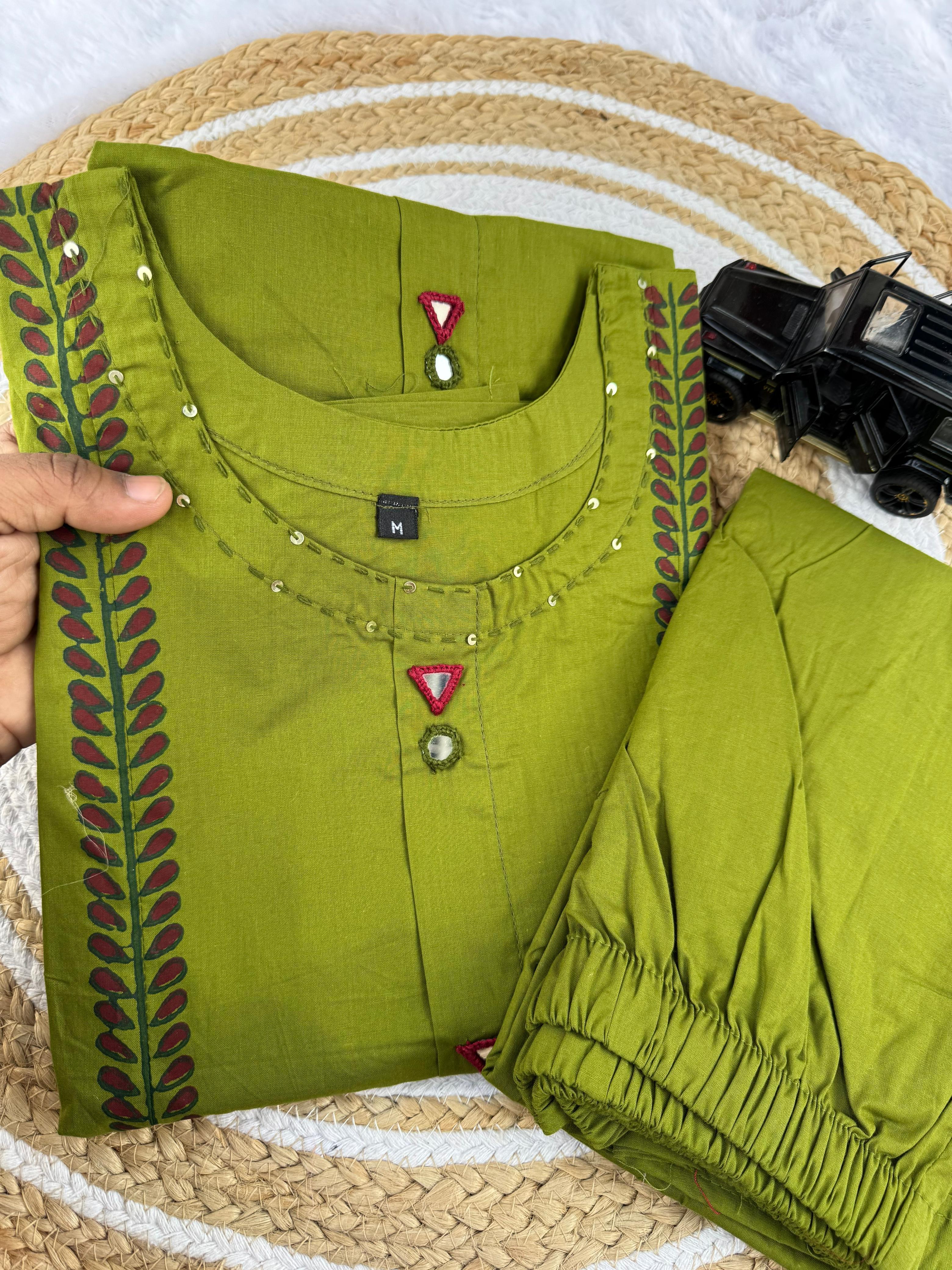
Measure a kurta against a garment you already wear successfully rather than relying on size labels alone. Check bust ease, shoulder width, armhole depth and garment length. A few centimetres of ease around the chest and upper arm can prevent fabric from sticking to damp skin, but excessive volume can catch on handles, railings or crowded seating.
For long walking, ankle-length straight pants or relaxed cigarette pants are usually easier to manage than very wide palazzos. A narrow trouser opening reduces contact with wet pavements and moving escalators. Salwars with deep gathers may provide comfort, but the waistband should remain flat under a handbag or backpack. Side slits on the kurta should allow a stride without opening so high that the garment becomes difficult to manage at work.
The Grey Printed Cotton Kurti Pant Set for Women Daily Wear illustrates the value of a low-maintenance printed set for repeated weekday use. The Peach Printed Cotton Kurti Pant Set for Women Casual offers a softer casual direction for errands or a relaxed workplace, while a set such as the Mustard Yellow Cotton Kurti Pant Set for Women brings colour without requiring elaborate accessories.
What details make a kurti practical for walking?
Practical walking details include secure pockets, smooth seams, a stable waistband, manageable hem length and breathable armholes. A kurta should not have a hem so long that it brushes the ground, and trousers should not drag beneath sandals or shoes.
Inspect pocket placement before buying. A pocket at hip level can hold a travel card or keys, but a heavily loaded pocket may pull the side seam. For a phone, a zipped sling or crossbody bag is often safer than relying on a shallow kurta pocket during a crowded commute.
Weave, Weight and Surface: Reading the Fabric Before Buying
Fabric weight and surface texture reveal how a cotton set is likely to behave in heat. A fine, open-feeling weave usually ventilates better, while a textured or jacquard surface can provide more body but may feel warmer against moist skin.
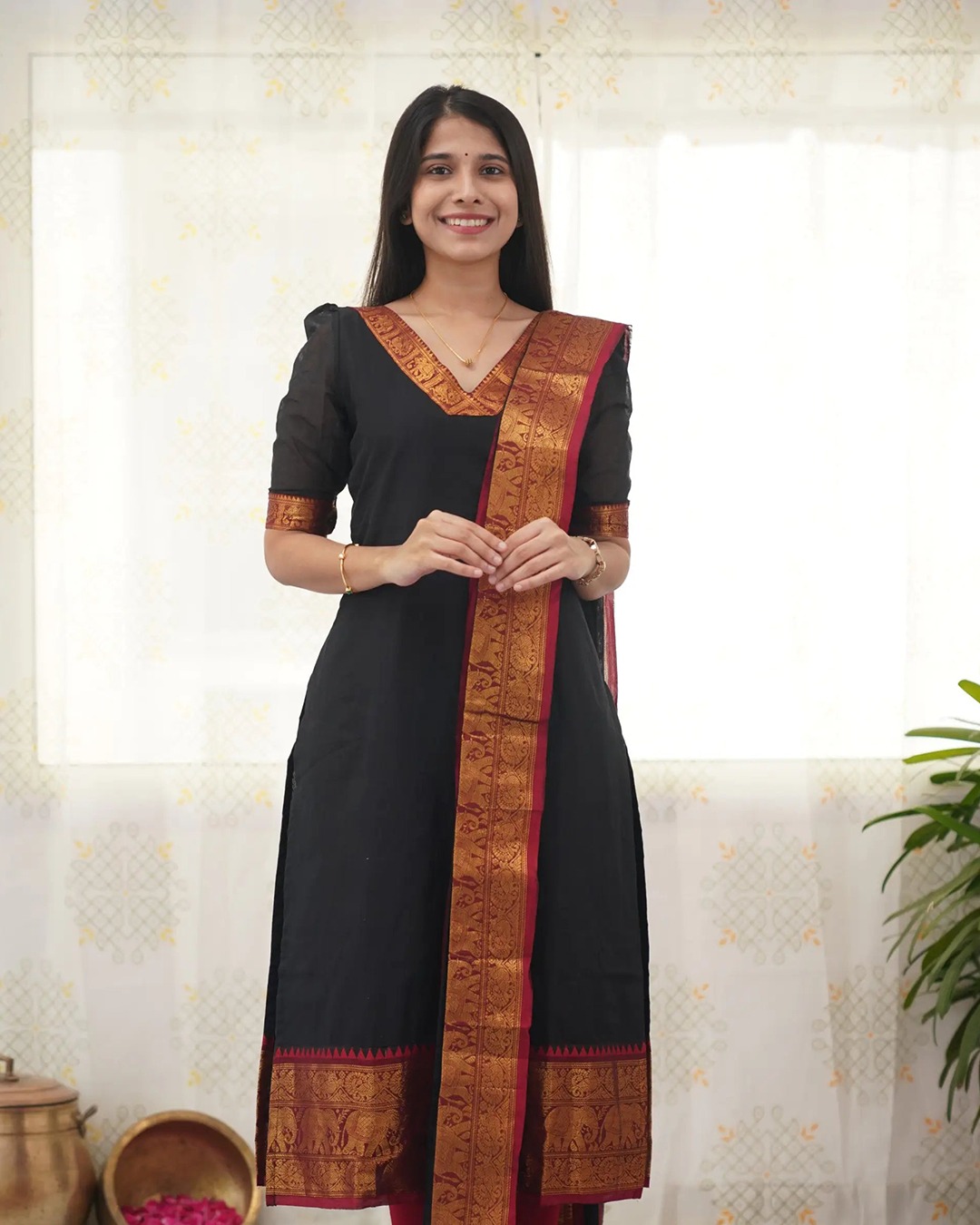
The Black Jacquard Woven Kanchi Cotton Kurti Set is a useful example of a structured, woven surface. Kanchi cotton can give a kurta a more polished appearance, but a woven design may be less airy than a lightweight plain weave. Choose such a set for a shorter outdoor journey, an air-conditioned workplace or a day when you prefer shape over the lightest possible feel.
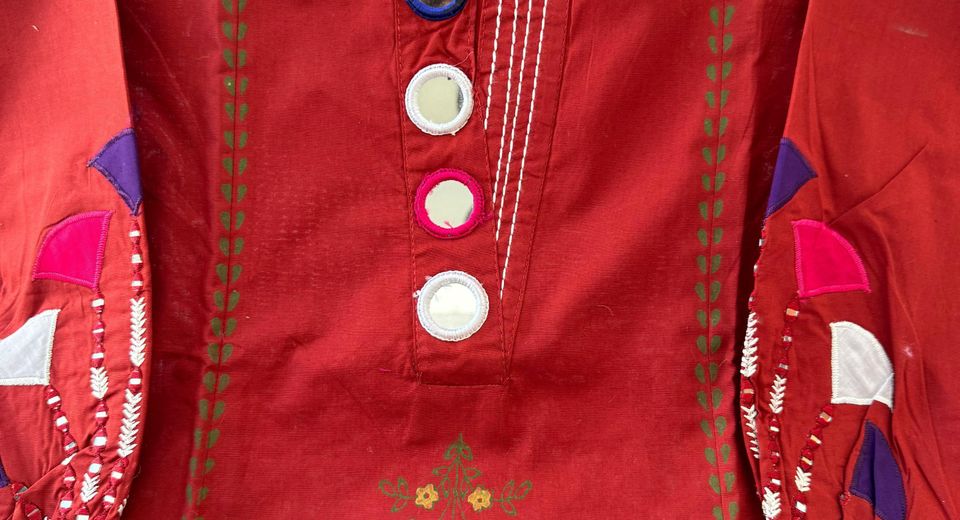
Embroidery and mirror work also add weight at specific points. The Red Cotton A-Line Kurti Set with Mirror Work Design and Designer Cotton A-Line Kurti Pant Set with Mirror Work can suit festive office events or casual celebrations, but inspect the underside of the embellishment. Rough threads, stiff backing or dense mirror clusters can irritate skin and reduce flexibility during a long walk.
When comparing pure salwar suits or "pure suit sets," verify the fibre composition and the presence of lining rather than treating the word "pure" as a guarantee of coolness. A pure cotton garment may still be densely woven, heavily embellished or fully lined. A cotton-blend garment may dry faster, but its comfort depends on the proportion and construction.
Dupatta Choices That don't Become a Commute Problem
A lightweight, moderately wide dupatta with a little grip is the easiest option for humid travel. An extremely slippery fabric needs constant pinning, while a very heavy dupatta adds heat around the neck and shoulders.
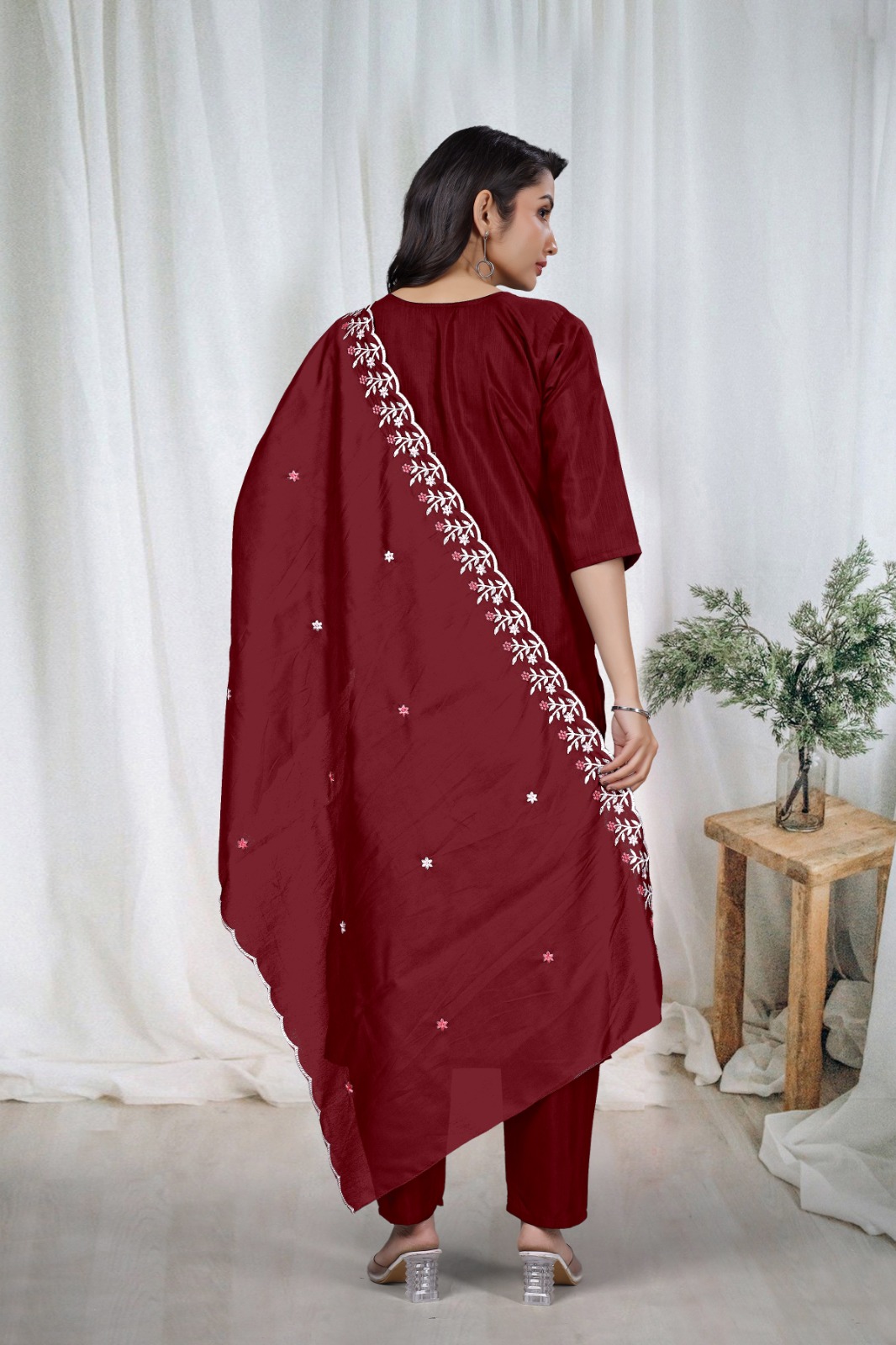
Pure Salwar Suit Dupatta searches often reflect a desire for coordinated, natural-looking sets, but "pure" should be checked on the product description and care label. Cotton dupattas can be comfortable in humidity, although they may crease and absorb sweat. A light printed dupatta is generally easier to wash frequently than a heavily decorated one.
For walking, fold the dupatta once lengthwise and place one end over the opposite shoulder, or use two small safety pins at the shoulder seam and side. Keep pins away from the neckline if they can snag the weave. A Jaipuri suits Dupatta styling approach, with a printed cotton dupatta worn over one shoulder, works well when the print complements rather than competes with the kurta.
The Red Cotton Embroidered Kurta Pant Dupatta Set Women provides a coordinated option when you want the dupatta included, but embroidery requires more careful washing and drying. The Black Kanchi Cotton Kurti Dupatta Set for Women can create a sharper look for office settings; pair it with a breathable inner layer and avoid adding a heavy stole in humid weather.
Styling Cotton Sets for Office, College and Errands
A cotton kurti set becomes commute-friendly when accessories remain light, footwear supports the route and the silhouette suits the destination. A three-kilometre walk requires different choices from a short ride from a car to an office entrance.
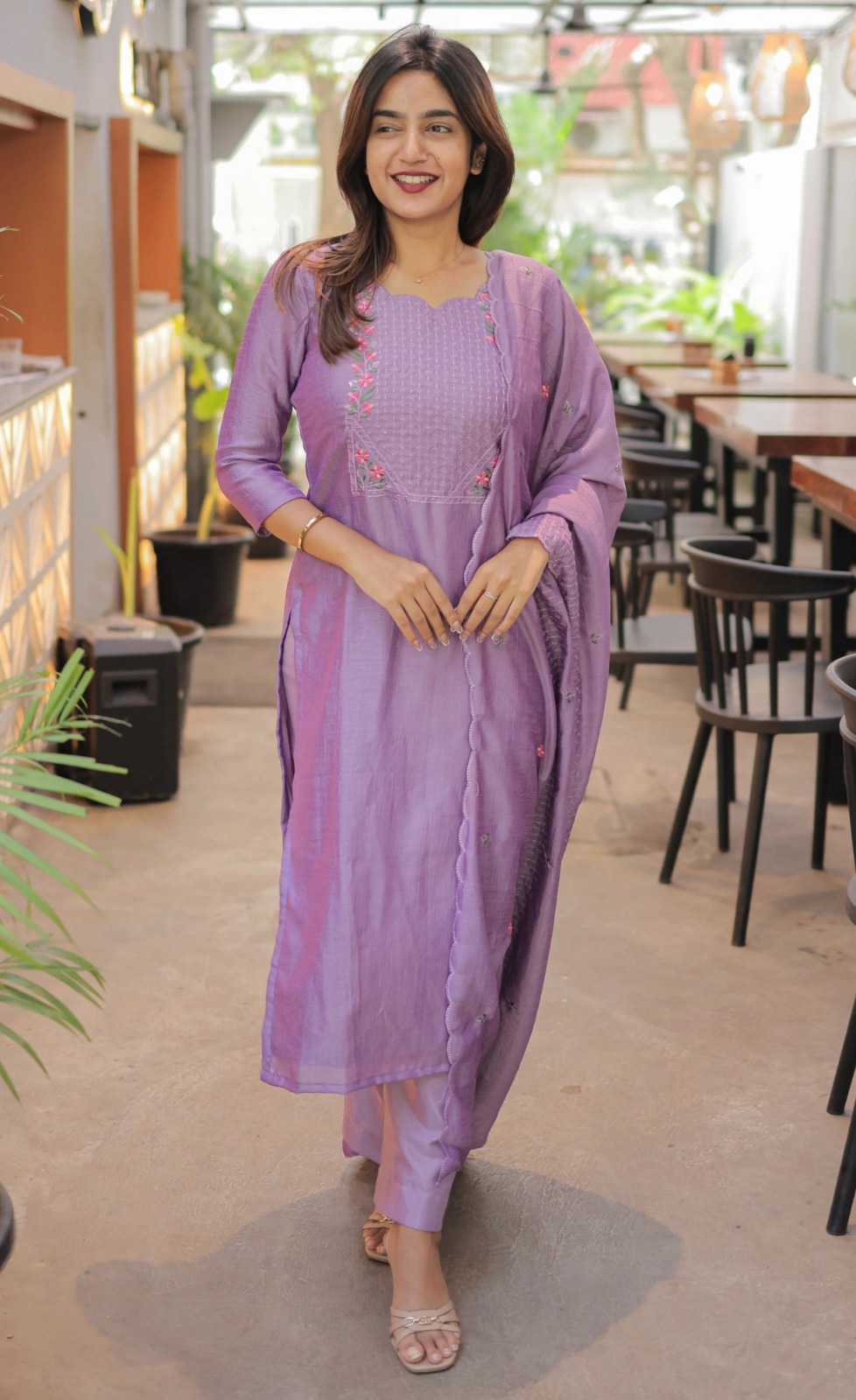
For office wear, choose a restrained print, a straight or gently A-line kurta, small metal jewellery and closed or supportive sandals. A cotton set can look formal when the shoulders fit neatly, the neckline is finished cleanly and the trousers are pressed. Formality comes from the complete presentation rather than from a synthetic or uncomfortable fabric.
For college and errands, a printed cotton kurti with straight pants or a relaxed cotton palazzo gives greater movement. Keep the dupatta short enough to secure safely and choose a backpack or crossbody bag that doesn't pull at the neckline. A Jaipuri Salwar Suit can work for casual travel when the print is colourfast and the fabric is light enough for the weather.
Collections such as Kolkata Cotton Salwar Suits and Bengali Cotton Salwar Suits can be useful starting points when you want regional cotton styling, prints and practical set formats. Cotton Salwar Suits Under 2000 Rupees can also help build a weekday rotation, but compare stitching, lining, measurements and washing instructions instead of choosing only by price.
For festive office lunches or family visits, the Maharashtra Paithani Inspired Salwar Suits collection may provide a more decorative visual direction. Rich borders and woven-looking details can raise the formality of a cotton outfit, but reserve heavier designs for days with less walking or carry a lighter change of clothing.
Care Steps That Keep Cotton Wearable in Humidity
Cotton garments last longer when they're washed gently, dried promptly and stored only after they're completely dry. Humid weather makes damp storage especially risky because it can encourage odour, mildew and colour transfer.

- Read the care label first. Check whether the garment permits machine washing, whether the dupatta needs separate treatment and whether mirror work or embroidery requires a laundry bag.
- Test colour on a hidden seam. Press a damp white cloth against a dark or bright area before the first wash. Red, black and deep mustard dyes deserve particular caution because loose dye can transfer during early washes.
- Use cool or lukewarm water. Very hot water can cause shrinkage, weaken trims and encourage colour loss. A mild detergent is usually adequate for perspiration and everyday dust.
- don't leave cotton soaking for hours. A short soak of about 10 to 15 minutes is generally safer than overnight soaking, especially for printed or embroidered sets.
- Dry in moving air. Turn printed garments inside out, reshape seams and dry them on a broad hanger or line. Strong, prolonged midday sun can fade dyes, so bright shade is preferable for dark or printed pieces.
- Iron while slightly damp. Medium heat and inside-out ironing reduce shine and help restore the kurta's shape. Avoid pressing directly over mirrors, metallic thread or raised embroidery.
Repeated washing is another reason to maintain a small rotation rather than wearing one favourite set every day. Three or four breathable cotton sets allow each garment to dry fully before its next use. A garment that smells fresh after washing but develops odour quickly may need more thorough drying, a cleaner inner layer or less frequent repeat wear.
Making a Practical Cotton Salwar Suit Wardrobe
A useful weekday wardrobe needs variety in weight, colour and formality rather than six versions of the same outfit. Start with two lightweight printed sets, one darker set for travel days, one dressier embroidered or woven set, and separate dupattas that can refresh the rotation.
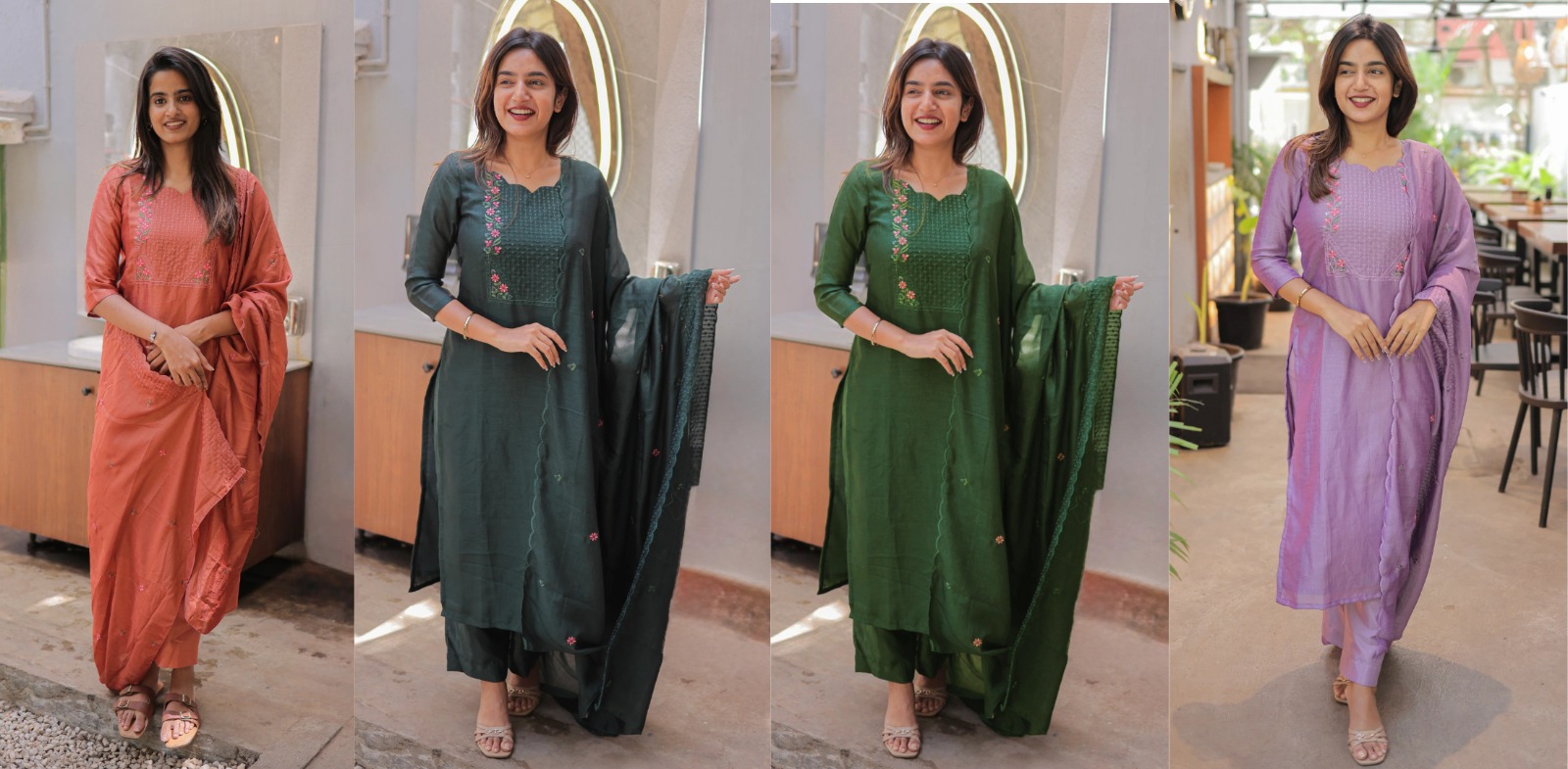
One printed set can handle ordinary commuting, while a darker cotton set can be reserved for days involving public transport or outdoor errands. Keep one pale or bright option for meetings and daytime events, but choose a print or texture that doesn't reveal every crease. A dressier cotton set should not become the only outfit in rotation if it includes delicate mirror work or dense embroidery.
Budget collections can be sensible for building this rotation. The Cotton Salwar Suits Under 2000 Rupees range may suit frequent-wash daily wear, provided the set passes checks for fabric feel, seam strength, colourfastness and usable measurements. A lower price is worthwhile only when the garment survives the number of washes your commute requires.
Before checkout, confirm whether the listing includes the dupatta, whether the pants are lined, whether the waist is elasticated or fixed, and whether the displayed measurements refer to body size or garment size. These four details prevent many uncomfortable purchases. A cotton set that fits the shoulders and allows a full step will usually serve a long day better than a more ornate set with restricted movement.
Common Questions About Cotton Kurti Commute Dressing
Choosing Cotton Kurti Dresses for Humid Commutes and Long Walks becomes easier when comfort is assessed as a combination of fibre, construction and routine. The questions below address the decisions shoppers most often face before buying.
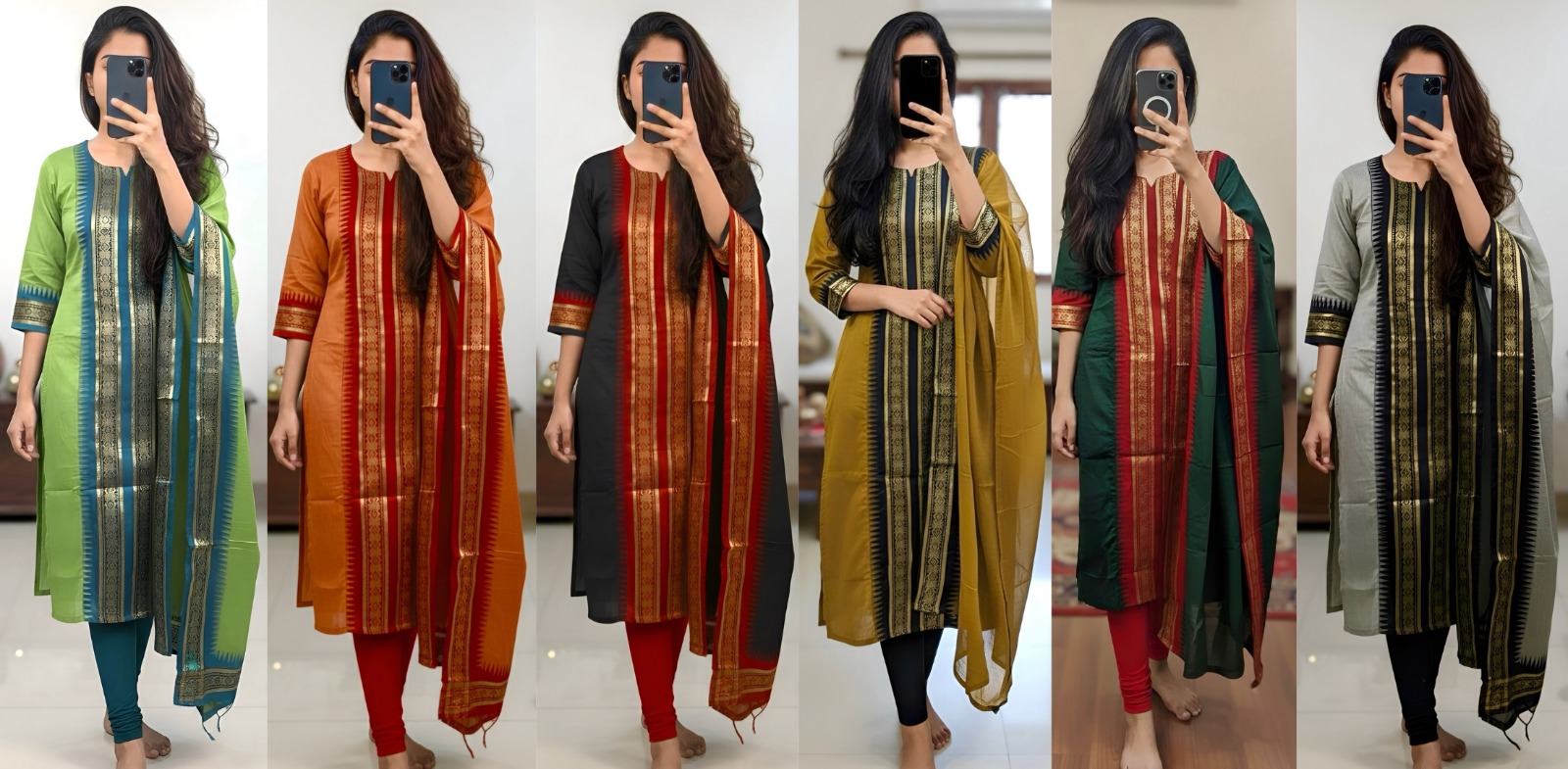
Questions About Cotton Kurti Sets for Hot, Active Days
Which cotton is best for a salwar suit in humid weather?
Lightweight cotton such as cambric, mulmul, cotton voile and fine printed cotton is generally comfortable for humid weather because these constructions allow more air movement. Check the weave, lining and garment weight as well as the fibre label, because dense or heavily lined cotton can still feel warm.
Are cotton salwar suits formal attire?
Cotton salwar suits can be formal attire when the cut is neat and the styling is polished. A well-finished kurta with straight pants, restrained prints, clean footwear and minimal jewellery can suit many offices, while dense mirror work or very casual prints may be better for informal settings.
Which salwar suit style is most practical for long walks?
A relaxed straight or A-line kurta with ankle-length straight pants is usually practical for long walks. The set should have shoulder and armhole ease, a stable waistband, a manageable hem and a dupatta that can be secured without restricting the arms.
How can a cotton kurti set feel less sticky during a humid commute?
Choose a loose but not oversized fit, a breathable lightweight weave and minimal lining to reduce fabric contact with damp skin. Wear a clean breathable inner layer, avoid heavy dupattas and dry the set fully after washing so old perspiration odour does not build up.
Do cotton salwar suits shrink after washing?
Cotton salwar suits can shrink, particularly when washed in hot water or dried under intense heat. Cool or lukewarm washing, limited soaking, gentle handling and shade drying reduce the risk, but shoppers should still check the product's care instructions and measurements before buying.
Is a pure cotton suit always cooler than a cotton-blend suit?
A pure cotton suit is not always cooler because fabric density, lining, embroidery and garment fit strongly affect airflow. A cotton blend may dry faster, while a lightweight pure cotton weave may feel airier; the best choice depends on construction and the wearer's commute.




