

The Complete South Indian Festival Calendar: Festivals, Dates and Traditional Outfits brings the major 2026 celebrations into one practical reference. The guide covers Tamil, Telugu, Kannada, Malayali and pan-Indian festivals widely observed across South India, while explaining why cotton suits a daytime puja, why silk remains important for temple visits, and how to dress comfortably for long family gatherings.
Festival dates can vary by state, city and panchang because many Hindu observances follow lunar or lunisolar calculations. The dates below are useful planning dates for 2026, but families should confirm the local muhurtham, fasting window and temple schedule before making arrangements.
Complete South Indian Festival Calendar: How to use the 2026 dates
The Complete South Indian Festival Calendar uses the principal celebration date rather than listing every regional observance. Several festivals last multiple days, and each day can have its own ritual, meal, colour and clothing tradition.
State identity matters when reading the calendar. Pongal belongs especially to Tamil Nadu, Sankranti is prominent in Andhra Pradesh, Telangana and Karnataka, Ugadi marks the New Year in Andhra Pradesh, Telangana and Karnataka, Vishu marks the New Year in Kerala, and Tamil Puthandu begins the Tamil calendar year. Deepavali is celebrated throughout South India, but customs and preferred meal times differ between communities.
Clothing should follow the setting rather than a rigid rule. A temple visit calls for secure draping and modest coverage, a home puja allows lighter fabrics, and an evening reception gives you room to choose richer silk, zari or embroidered separates. Traditional dressing becomes more useful when comfort, climate and movement receive as much attention as colour.
A simple planning system helps. Check the date with a local calendar, identify whether the event is morning or evening, estimate how much walking or cooking is involved, and select the fabric last. That order prevents a beautiful but impractical outfit from becoming uncomfortable during the ritual.
Complete South Indian Festival Calendar: Pongal, Sankranti and Ugadi
The main South Indian festivals from January to March 2026 are Pongal from 14 to 17 January, Thaipusam on 1 February, Maha Shivaratri on 15 February and Ugadi on 19 March.
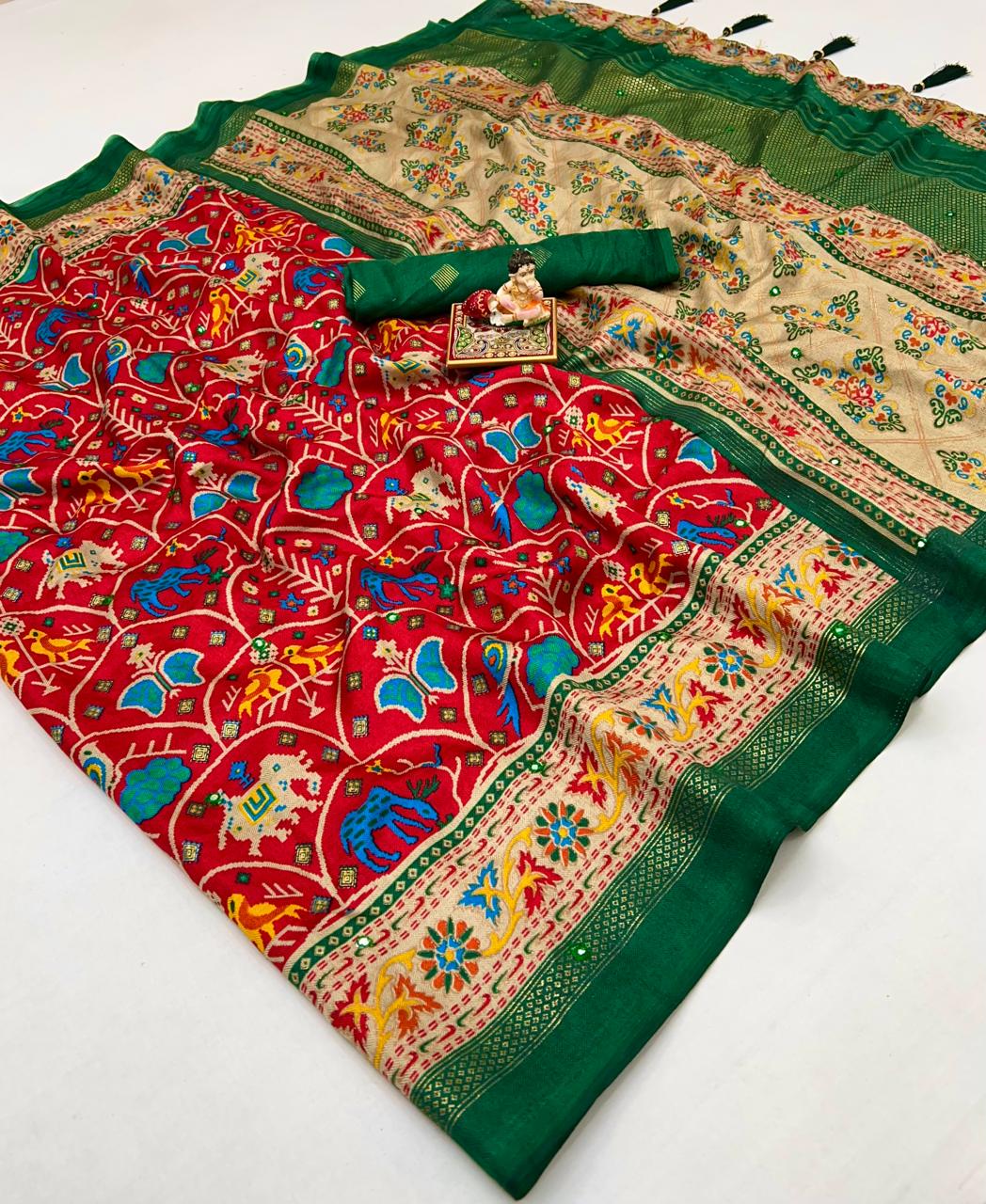
Pongal, Tamil Nadu - 14 to 17 January 2026: Bhogi falls on 14 January, Thai Pongal on 15 January, Mattu Pongal on 16 January and Kaanum Pongal on 17 January. Thai Pongal is the central harvest celebration, with freshly cooked rice and milk offered after the cooking pot boils over. Women often choose cotton sarees, sungudi sarees or simple silk sarees in turmeric yellow, parrot green, red and rust.
Makar Sankranti and Kanuma, Andhra Pradesh, Telangana and Karnataka - 14 to 16 January 2026: Sankranti celebrations commonly include rangoli, kite flying, visits to relatives and seasonal sweets made with sesame and jaggery. A breathable saree with a firm pleat structure works well for rangoli-making and household rituals. Men may wear a white or cream dhoti with a coloured angavastram.
Thaipusam - 1 February 2026: Thaipusam honours Murugan and is marked by temple processions, devotional vows and kavadi observances, particularly in Tamil communities. White, yellow and saffron clothing are common devotional choices, although temple customs vary. A saree with a secure pallu is preferable when walking or standing for several hours.
Maha Shivaratri - 15 February 2026: Maha Shivaratri involves night vigils, fasting and Shiva temple visits. A lightweight cotton saree, a straight-cut salwar suit or a modest kurta set is practical for a long evening. Darker colours such as indigo, charcoal and deep green work well for a night-time gathering, while some devotees prefer white.
Ugadi - 19 March 2026: Ugadi marks the New Year in Andhra Pradesh, Telangana and Karnataka. Ugadi pachadi combines sweet, sour, bitter, salty, spicy and astringent flavours to represent the mixed experiences of life. New clothes are traditional, and a silk-cotton saree or a linen-cotton saree provides a festive appearance without becoming uncomfortable in warm March weather.
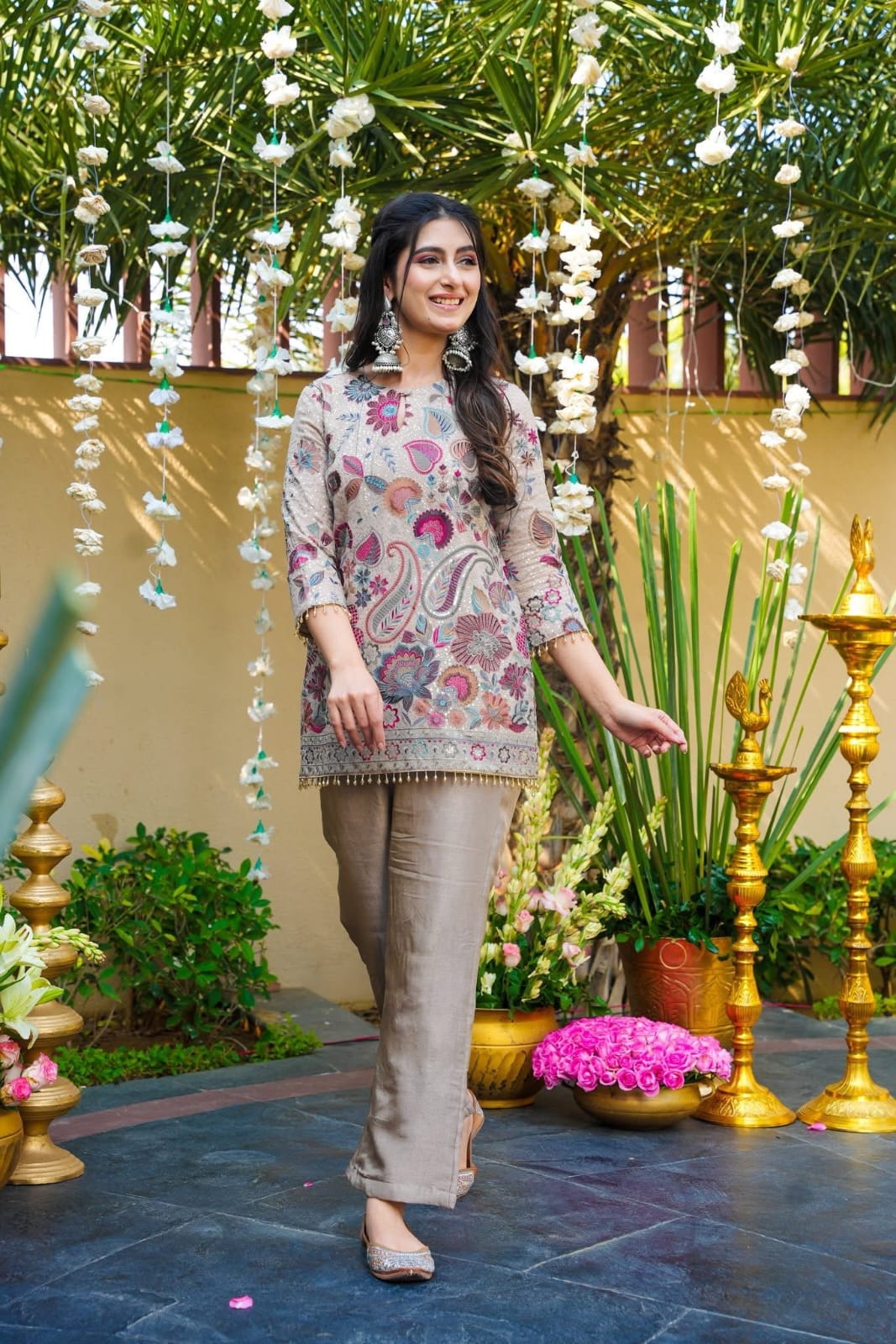
Modern Taupe Vichitra Silk Embroidered Co-Ord Set for Women shows how a coordinated silhouette can work for an Ugadi lunch when a saree feels impractical. The structured top and matching bottom create a polished look, while restrained embroidery keeps the outfit suitable for a family celebration rather than a formal evening gala.
Complete South Indian Festival Calendar: Puthandu, Vishu and summer dressing
Tamil Puthandu and Vishu fall on 14 April 2026, with regional observances and temple timings varying by location.
Tamil Puthandu - 14 April 2026: Tamil Puthandu begins the Tamil year and is associated with mango, neem flowers, jaggery, festive meals and the viewing of auspicious items. A bright cotton saree with a contrasting border suits a daytime celebration. Red, mustard, leaf green and orange photograph well in natural light, but breathable fabric matters more than surface shine in April.
Vishu, Kerala - 14 April 2026: Vishu begins with Vishukkani, an arranged display of rice, fruits, flowers, gold and a mirror viewed early in the morning. The traditional clothing choice is often the Kerala kasavu saree or mundu with a gold border. Contemporary wearers can retain the visual language through an ivory saree, a narrow zari border, jasmine flowers and gold-toned jewellery.
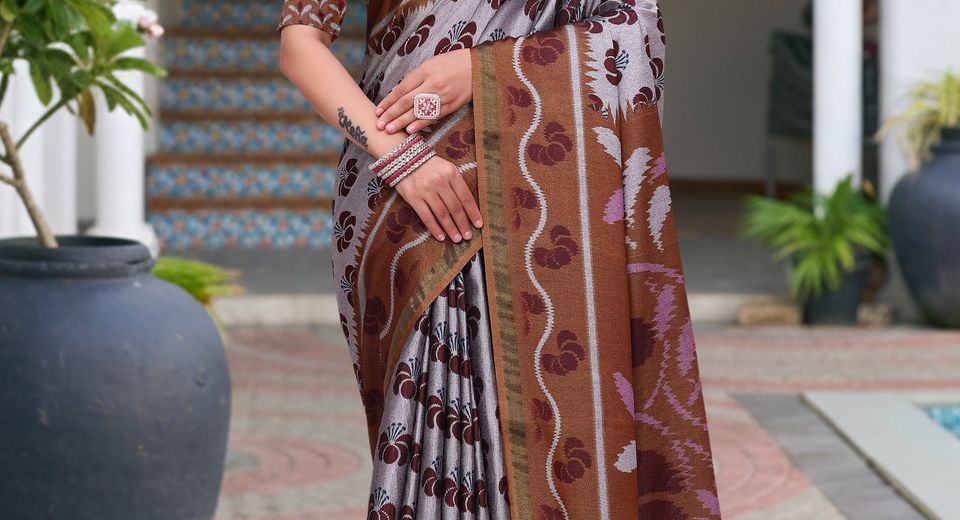
Teal Floral Printed Linen Cotton Saree With Matching Blouse offers a modern option for a Vishu lunch or Puthandu gathering. Teal brings enough colour for photographs, while linen cotton is more manageable than heavy silk in humid weather. A matching blouse also reduces styling decisions when the morning schedule includes cooking, prayer and family visits.
Akshaya Tritiya - 19 April 2026: Akshaya Tritiya is considered auspicious for purchases, weddings and new ventures by many Hindu families. The date isn't limited to South India, but jewellery buying and household ceremonies make it relevant to the regional festive calendar. Pastel silk, gold borders and lightweight embroidered outfits suit daytime events better than very dark, heavily sequinned clothing.
Summer dressing benefits from practical construction details. A cotton or linen-cotton saree should be pre-pleated only if the fabric holds its fold, and a cotton lining in the blouse can reduce discomfort. Sleeves ending above the elbow, a breathable back panel and a non-slip petticoat are small choices that matter during warm temple visits.
Complete South Indian Festival Calendar: Aadi, Varalakshmi Vratam and Onam
A Kerala kasavu-style saree suits Onam, while a bright silk, silk-cotton or formal saree with a secure pallu suits Varalakshmi Vratam.
Aadi month, Tamil Nadu - approximately 17 July to 16 August 2026: Aadi is a significant period for Amman worship, temple visits and family observances in Tamil Nadu. Aadi Perukku, associated with water and prosperity, is observed around the eighteenth day of Aadi; the exact Gregorian date should be checked against the local Tamil calendar. Yellow, red and green cotton sarees are practical for daytime worship.
Varalakshmi Vratam - 28 August 2026: Varalakshmi Vratam honours Lakshmi as the giver of prosperity and is observed on the Friday before Shravan Purnima in many South Indian households. Women often dress in silk or silk-cotton sarees, wear traditional jewellery and decorate the kalash or goddess image with flowers. Choose a pallu that stays in place during a seated puja and avoid very long tassels near lamps.
Onam, Kerala - 26 August 2026 for Thiruvonam: Onam includes Atham, floral pookalam designs, the traditional Onam sadya and cultural performances. Thiruvonam is the principal day in 2026. The off-white and gold kasavu saree remains the clearest traditional choice, while younger wearers may select a cream saree with a coloured blouse, gold jewellery and a low bun decorated with jasmine.
Pastel Linen Cotton Floral Print Saree with Designer Blouse is suited to a daytime Onam lunch when a wearer wants softness instead of a conventional gold-heavy look. Red Floral Linen Cotton Saree with Beautiful Printed Border brings stronger contrast to an Aadi temple visit or a family puja, provided the blouse and jewellery remain balanced.
Festival footwear deserves planning. Flat sandals with a secure back strap are safer than slippery heels on temple floors, during banana-leaf meals and at outdoor processions. A small safety pin, two spare blouse hooks and a stain-removal wipe can prevent minor clothing problems from becoming a reason to leave early.
Complete South Indian Festival Calendar: Bathukamma, Navaratri and Dussehra
Bathukamma, Navaratri and Vijayadashami shape the autumn festive season, with the 2026 celebrations falling mainly from late September through October.
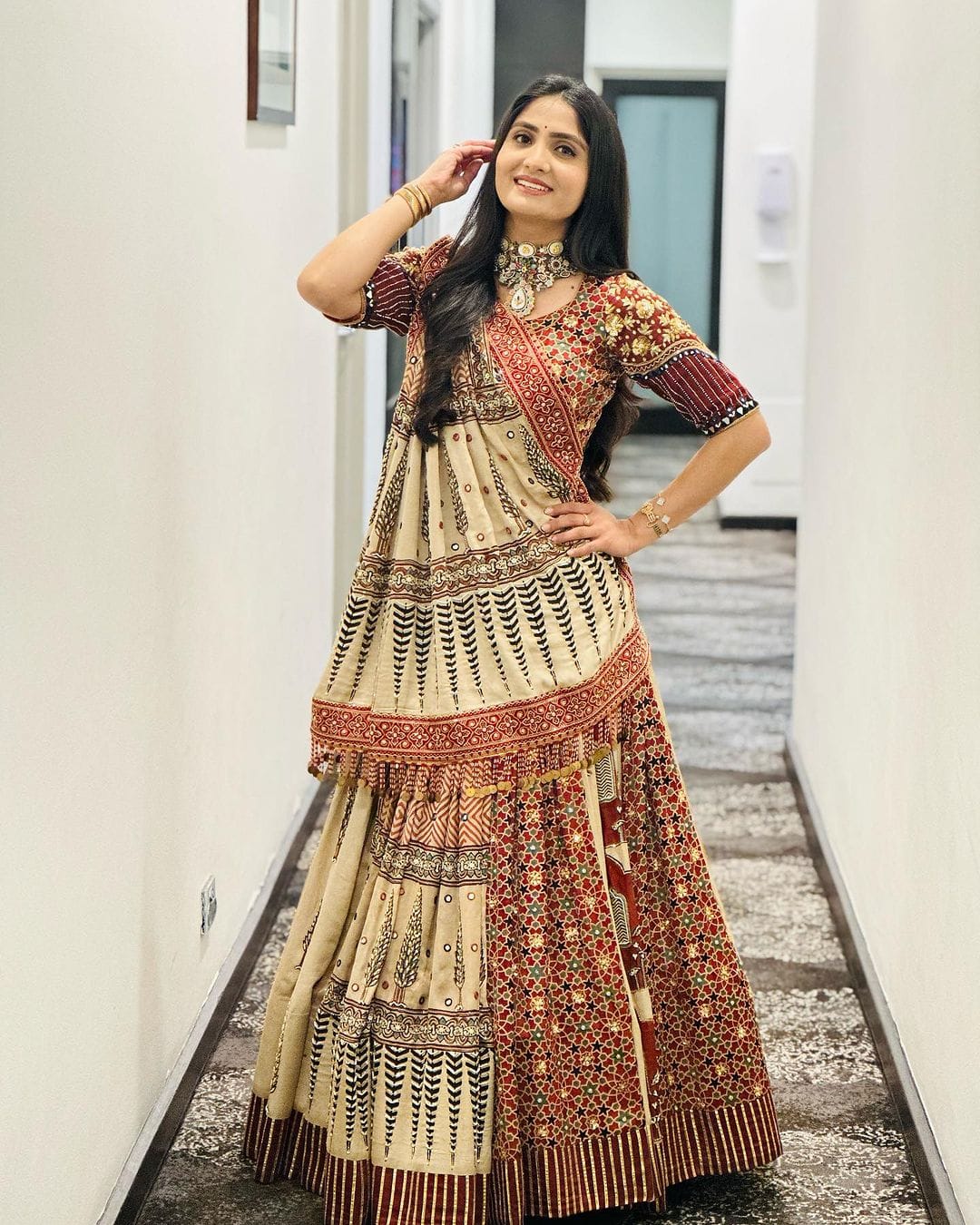
Bathukamma, Telangana - approximately 24 September to 2 October 2026: Bathukamma is a floral festival in which women arrange seasonal flowers into distinctive stacks, sing, dance and gather in community spaces. The concluding Saddula Bathukamma date depends on the lunar calendar and local announcement. Bright sarees, half-sarees and salwar suits are common, with pink, yellow, orange and green reflecting the flower-filled setting.
Navaratri - approximately 11 to 19 October 2026: Navaratri honours the goddess in several forms and is celebrated through golu displays in Tamil Nadu, dandiya and garba gatherings in some South Indian cities, devotional music and household visits. A different colour for each day is a popular contemporary practice, but regional colour lists are not universal. Comfortable festive separates are useful for visiting several homes in one evening.
Vijayadashami - approximately 20 October 2026: Vijayadashami marks the conclusion of Navaratri and is associated with auspicious beginnings, Saraswati puja, educational ceremonies and the return of music or dance lessons. A silk saree, a restrained zari border or a formal salwar suit suits a family puja. Children often wear pavadai sattai, kurta-pyjamas or other new traditional clothing.
Printed Mal Cotton Saree With Designer Pallu by VARNAVI illustrates an useful Navaratri balance: printed cotton keeps the garment light for repeated household visits, while a decorative pallu gives the saree enough presence for photographs. The product name includes the brand name once, as supplied for reference.
Complete South Indian Festival Calendar: Deepavali and year-end celebrations
Deepavali falls on 8 November 2026 in many South Indian calendars, although the exact observance and oil-bath timing should be confirmed locally.
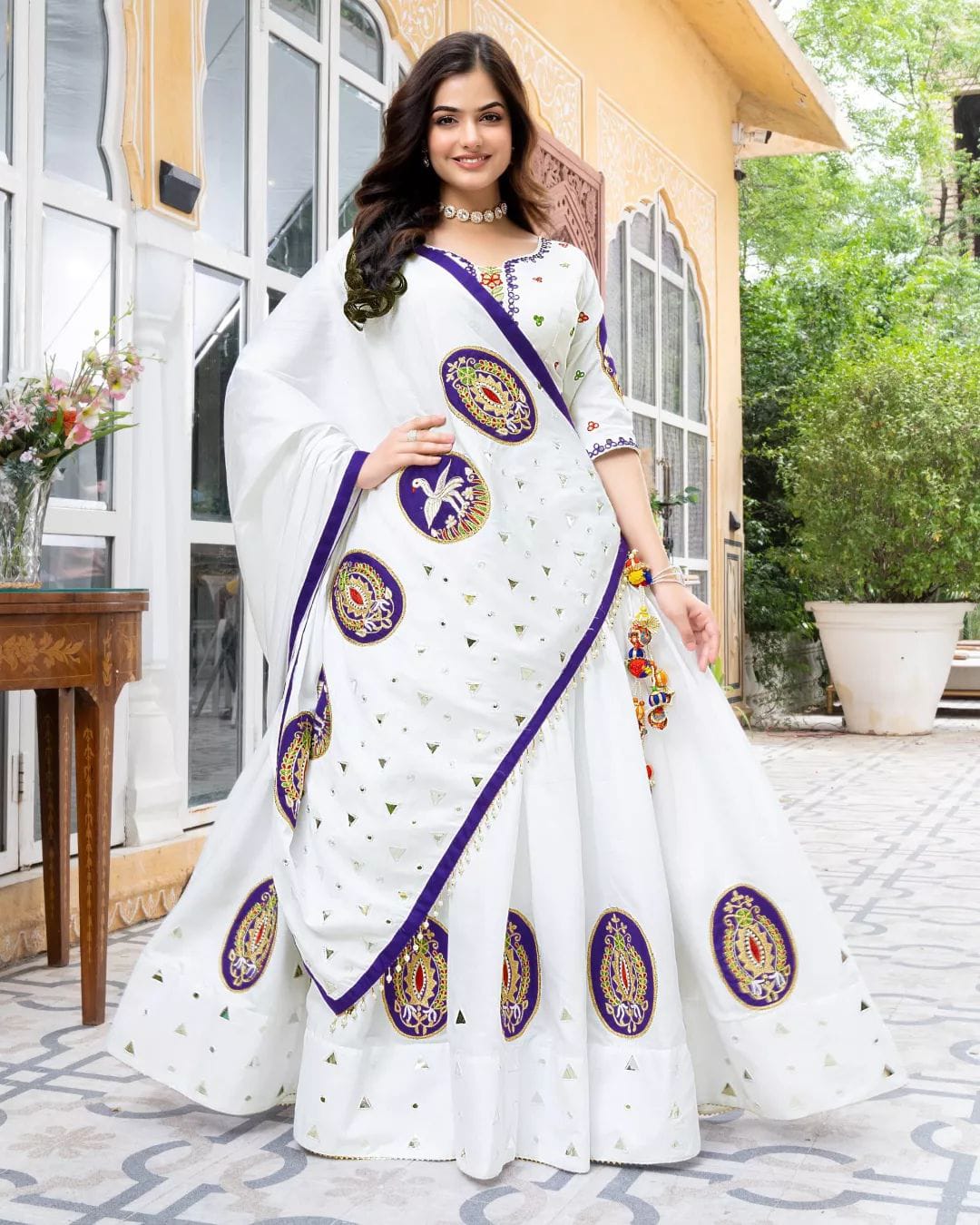
Deepavali - 8 November 2026: South Indian Deepavali commonly begins with an oil bath before sunrise, new clothes, prayers, sweets, savouries and visits to relatives. In Tamil Nadu, Deepavali marundhu and early-morning rituals are important household practices. In Karnataka, Andhra Pradesh, Telangana and Kerala, customs may differ by family and community, so the local panchang remains the best authority.
Deepavali clothing can range from a Kanjeevaram silk saree with zari to a lighter silk-cotton saree, an embroidered blouse or a festive sharara. Choose silk for a formal puja or evening gathering, and cotton or linen cotton when cooking, greeting guests and moving between indoor and outdoor spaces. A blouse with secure hooks is safer near diyas than a loose, heavily trailing sleeve.
Wine Blue Mal Cotton Floral Saree With Blouse - VARNAVI can work for a daytime Deepavali visit because the floral print and practical cotton construction keep the outfit festive without the weight of a full silk saree. A small gold chain, jhumkas and a neatly pinned pallu are enough to complete the look.
Karthigai Deepam, Tamil Nadu - 24 November 2026: Karthigai Deepam is associated with rows of oil lamps, home decoration and the lighting of the hill beacon at Tiruvannamalai. Cotton sarees in deep red, maroon, orange or cream complement the warm lamp light. Keep dupattas, pallus and synthetic hems away from open flames.
Vaikunta Ekadashi - date varies by regional calendar: Vaikunta Ekadashi is observed with fasting and Vishnu temple visits, but the Gregorian date can differ across panchang systems. A modest saree or salwar suit with a secure neckline and comfortable footwear is practical for queues. Temple-specific rules concerning colour, sleeves and draping should always take priority.
Complete South Indian Festival Calendar: choosing fabric, colour and accessories
Cotton, linen cotton, silk cotton and silk each serve different festival conditions. Cotton is suitable for heat and active daytime rituals, linen cotton gives airflow with a slightly structured drape, silk cotton balances comfort and occasion value, and Banarasi silk or Kanjeevaram is better reserved for formal celebrations where weight and care are manageable.
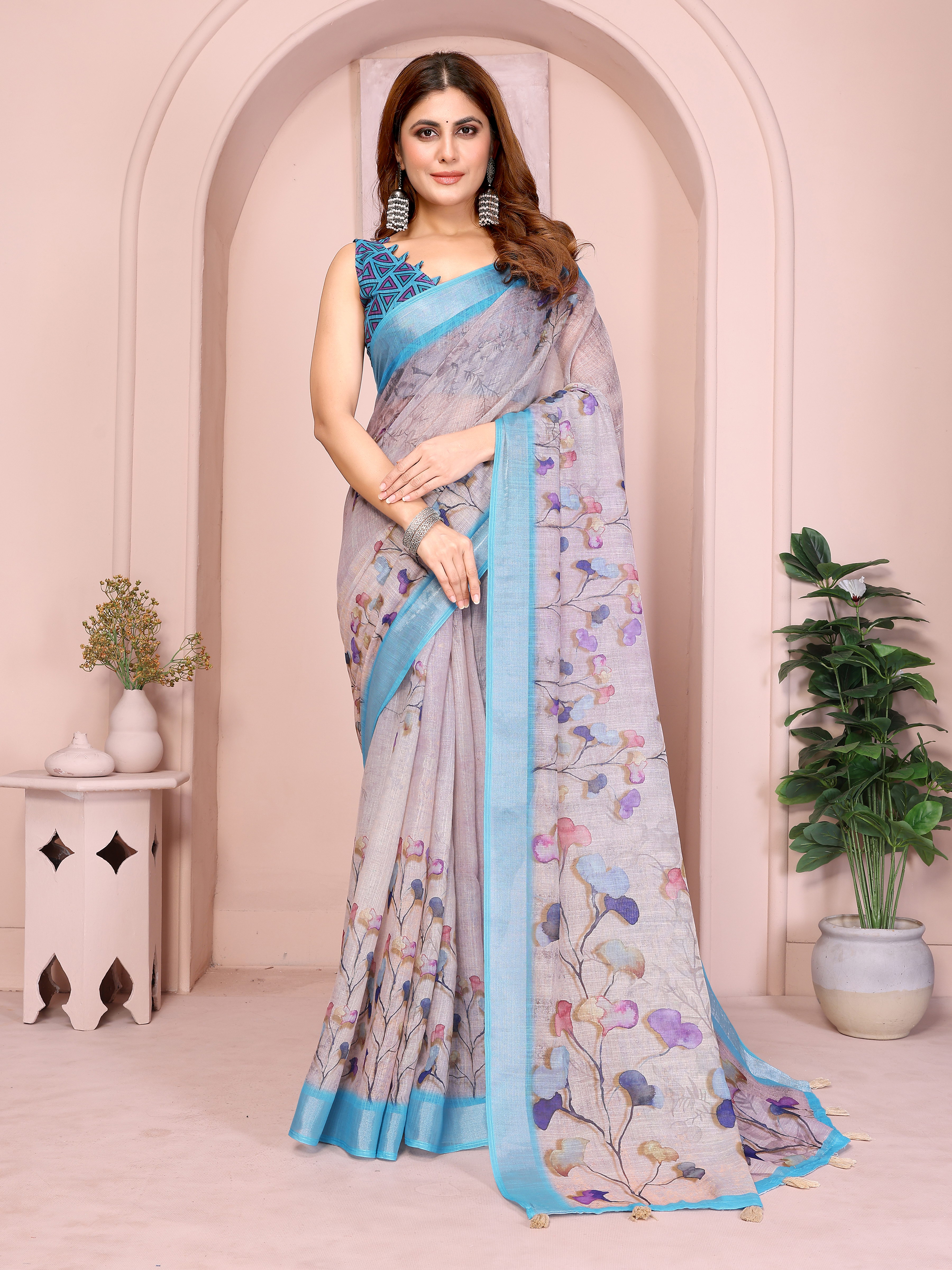
Chanderi can suit a daytime puja when a translucent, light-catching fabric is acceptable, but a lining may be needed for coverage. Zari borders add formality, although zari can snag against rough surfaces and should be folded inward during travel. Printed Mal cotton is easier to wash and repeat than heavily embellished fabric.
Colour has cultural associations but no universal rule. Yellow, red, green, orange and cream are frequently seen during harvest, goddess and New Year celebrations, while white and ivory can carry specific meanings in different communities. Ask the host or family elder when a ritual has a strict dress custom rather than relying on a generic colour chart.
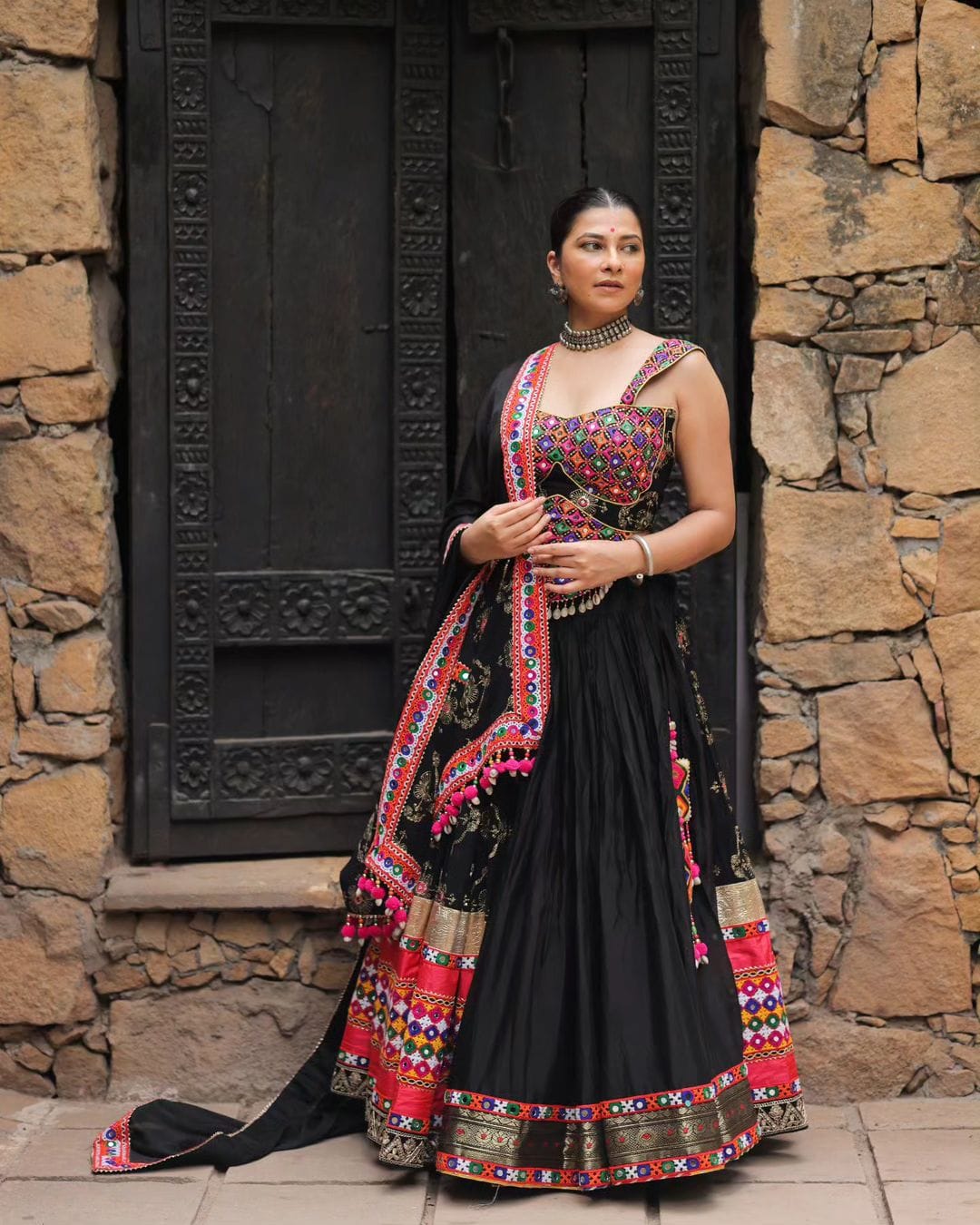
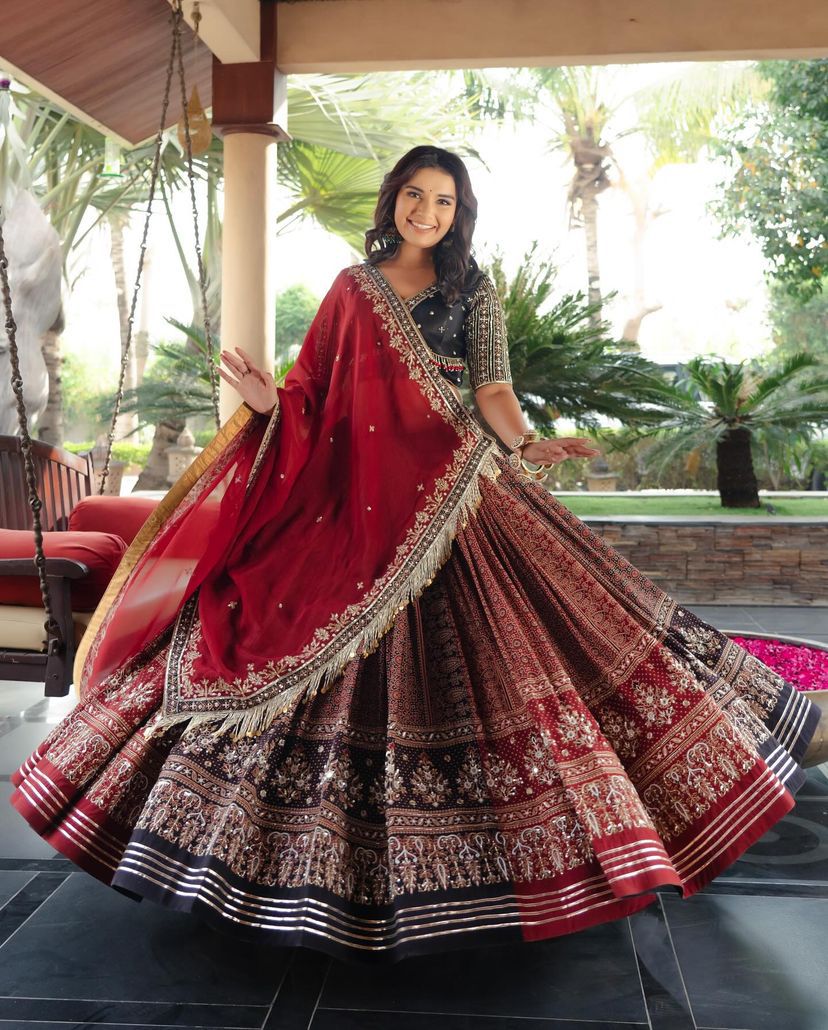
Accessories should support the ritual. Jasmine works naturally with Vishu, Onam and South Indian temple styling, while a simple bindi, gold-toned earrings and a low bun can finish a saree without competing with the border. For a more contemporary evening look, Designer Black Garba Lehenga Choli for Festive Season can suit a Navaratri dance gathering where the host has chosen a fusion or garba-inspired dress code.
Care begins before the event. Air a saree for several hours after wearing it, spot-clean food stains without rubbing zari, dry cotton away from harsh direct sunlight and store silk in breathable muslin rather than plastic. Refolding silk every few months helps prevent permanent crease marks along one fold line.
Complete South Indian Festival Calendar: quick planning checklist
A successful festival outfit plan starts four to six weeks before a major celebration. Confirm the date, check the expected weather, decide whether the event involves sitting on the floor or walking outdoors, and arrange blouse alterations at least seven days before wearing the saree.
- Confirm the local date: Check the family panchang, temple notice or regional calendar for the exact ritual time.
- Match fabric to activity: Select cotton for heat and movement, silk cotton for balanced formality, and silk for formal ceremonies.
- Test the drape: Sit, climb stairs and walk for ten minutes at home before removing the tags.
- Prepare accessories: Keep jewellery, flowers, footwear, pins and a backup blouse hook together.
- Protect the outfit: Keep pallus away from lamps, food splashes and rough temple surfaces.
A calendar becomes genuinely useful when it connects date, ritual and clothing rather than presenting a list of holidays alone. Regional knowledge, breathable fabrics and small preparation details allow traditional outfits to remain beautiful, respectful and wearable throughout the celebration.
Common Questions About South Indian Festival Dates and Traditional Outfits
What are the main South Indian festivals in 2026?
The main celebrations include Pongal from 14 to 17 January, Ugadi on 19 March, Tamil Puthandu and Vishu on 14 April, Onam on 26 August, Bathukamma in late September or early October, Navaratri in October and Deepavali on 8 November. Local panchang calculations can change an observance date or ritual timing.
What should women wear for a South Indian festival?
Women can wear a cotton saree, silk-cotton saree, Kanjeevaram saree, salwar suit, half-saree or lehenga according to the festival and setting. Cotton and linen cotton suit warm daytime events, while silk, zari and embroidery are appropriate for formal pujas, weddings and evening celebrations.
Which saree is traditional for Onam?
An off-white Kerala kasavu saree with a gold border is the traditional choice for Onam. A cream saree with a coloured blouse, gold jewellery and jasmine flowers offers a contemporary alternative while retaining the visual character of Kerala festive dress.
What do people wear for Pongal?
Cotton sarees, sungudi sarees, silk-cotton sarees and simple silk sarees are common choices for Pongal. Yellow, green, red and rust reflect the harvest setting, while a secure pallu and breathable fabric help with cooking, rangoli and outdoor family activities.
Can I wear a salwar suit to a South Indian temple festival?
A salwar suit is suitable for many temple festivals when the design provides comfortable coverage and follows the temple's local dress expectations. Choose a secure dupatta, modest neckline, practical footwear and fabrics that remain comfortable during queues or extended prayer.
How should silk sarees be stored after a festival?
Air a silk saree away from direct sunlight, spot-clean stains without rubbing zari and store the saree folded in breathable muslin. Refold the saree every few months to prevent permanent creases, and avoid keeping silk in airtight plastic for long periods.





