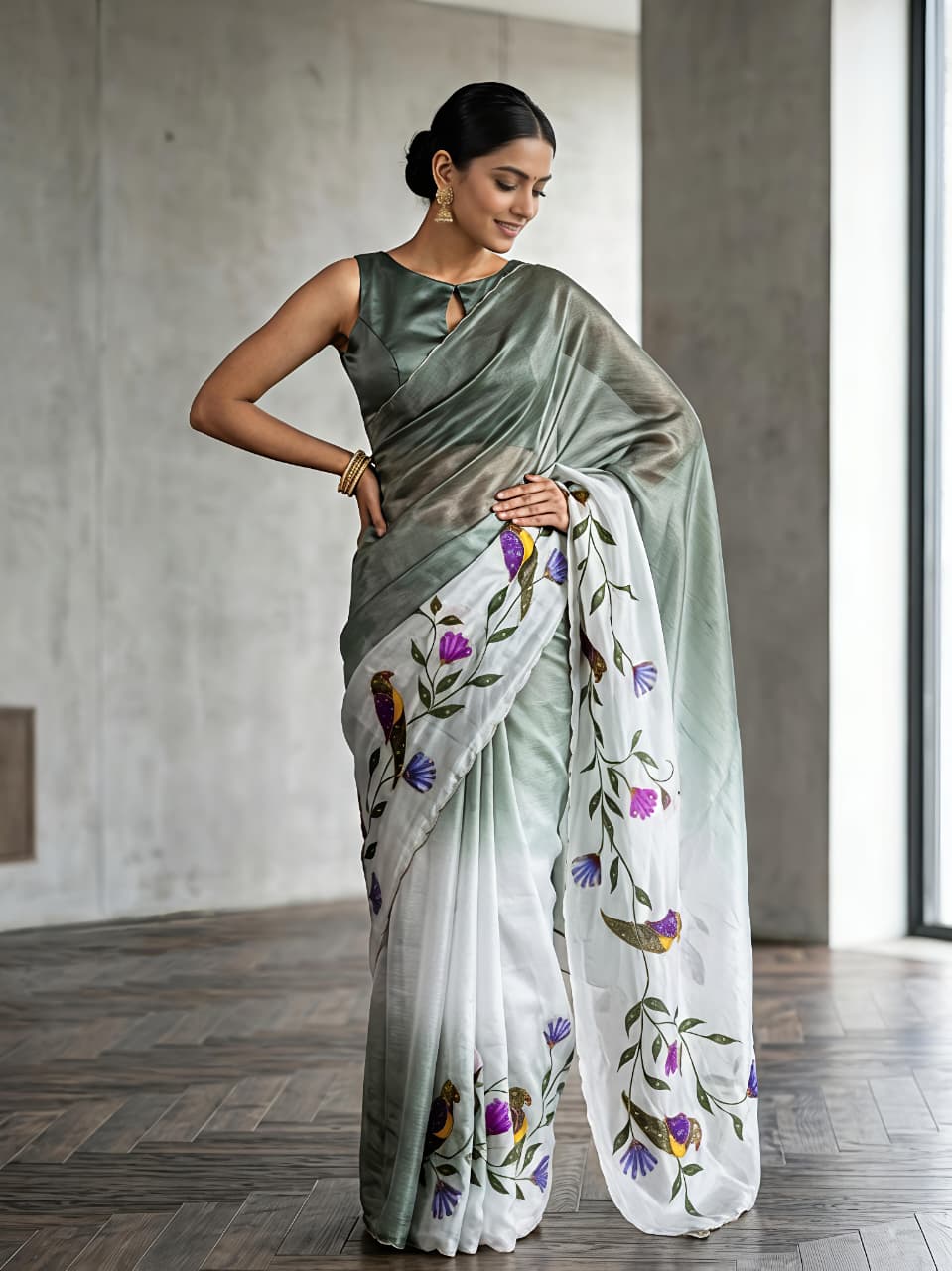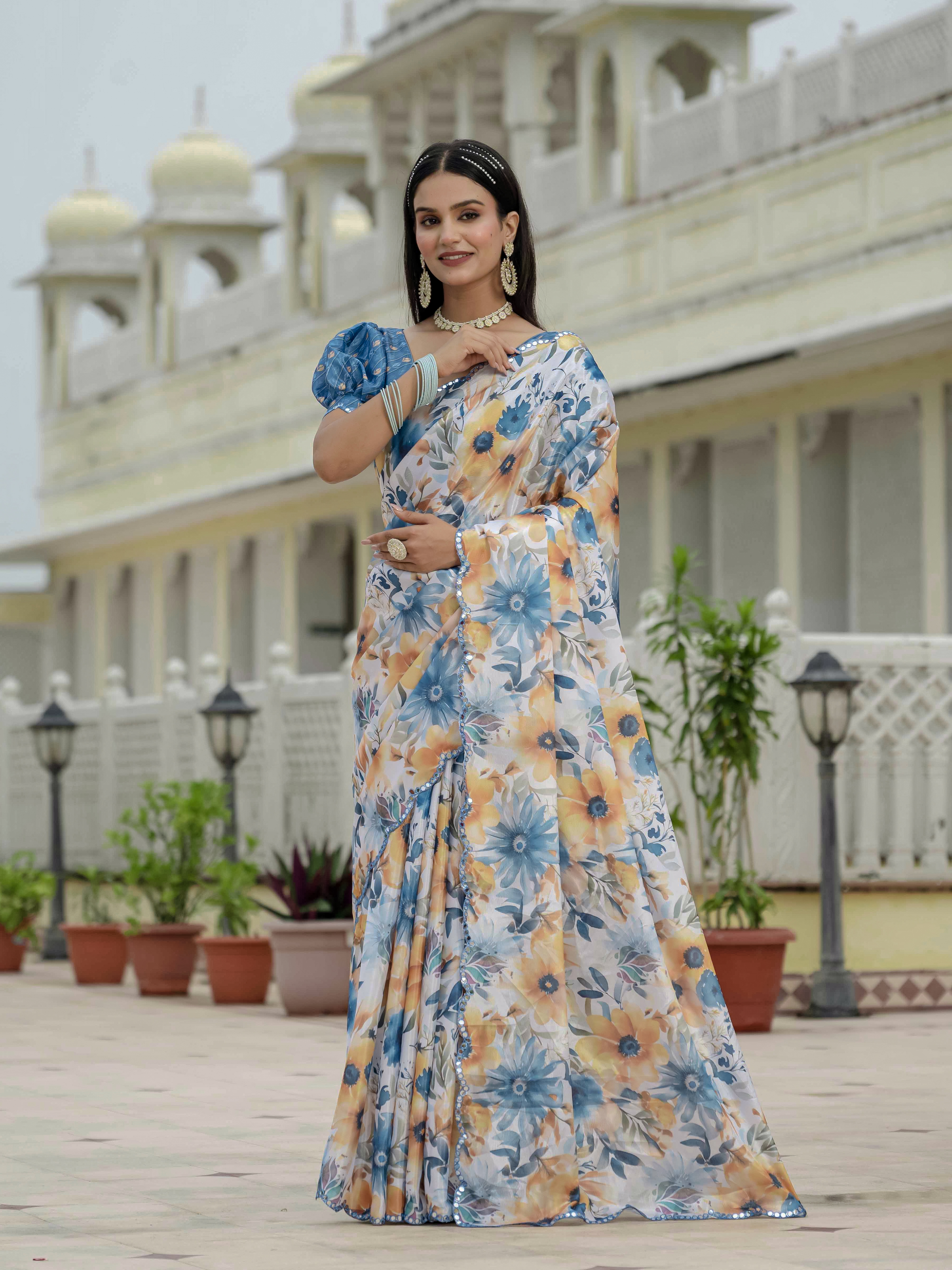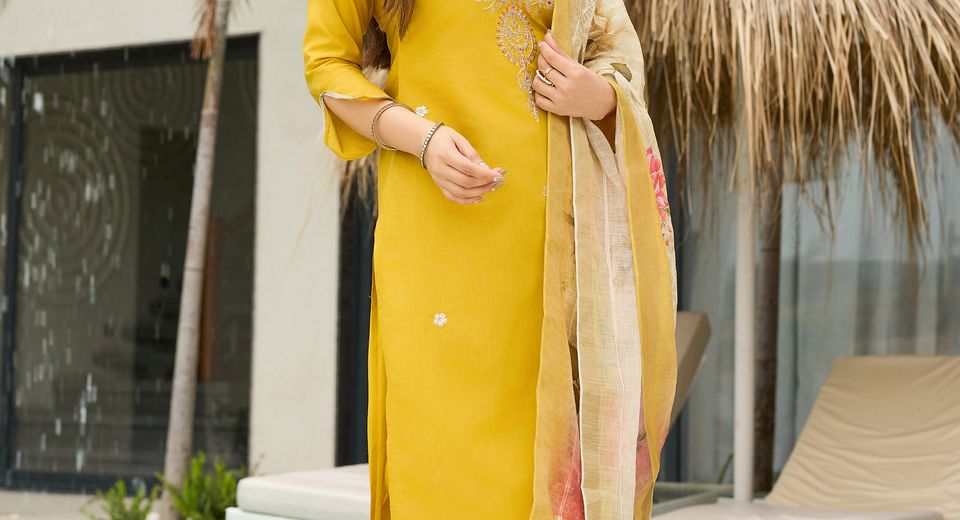
The Complete Guide to Salwar Suit Designs and Styles begins with a practical question: how should a salwar suit feel and function when you wear it? A well-chosen suit balances silhouette, fabric, movement, neckline, sleeve shape and the amount of embellishment required for the setting. Once these elements are understood, comparing an Anarkali, straight suit, Punjabi suit or palazzo set becomes much easier.
Salwar suits usually contain a kameez or kurta, a lower garment and a dupatta, although many ready-to-wear sets adapt the traditional three-piece format. The same colour can look formal in Banarasi silk, relaxed in cotton and festive in a zari or threadwork finish. The sections below explain how those differences affect comfort, proportion and styling.
Complete Guide to Salwar Suit Designs and Styles: Which silhouettes deserve a place in your wardrobe?
Anarkali, straight, A-line, Punjabi, palazzo and short-kurta salwar suits are the main silhouettes to compare. Each shape creates a different visual line and works best with particular fabrics, occasions and body proportions.
What defines an Anarkali salwar suit?
An Anarkali salwar suit has a fitted or semi-fitted upper body that opens into gathered or panelled volume below the waist. Anarkali suits are effective for weddings, festive dinners and formal celebrations because the flare creates movement without needing a heavily decorated dupatta. A floor-length Anarkali gives a gown-like impression, while a calf-length Anarkali is easier to walk in and more versatile for family events.
Panel count matters. Six to eight panels create controlled flare, while twelve or more panels can produce a fuller sweep. A heavily flared Anarkali needs a fabric with enough fall, such as georgette, crepe or a soft blend; stiff fabric may make the hem stand away from the body. Ladies Dress Anarkali Salwar Suits provides an useful reference when comparing different lengths and levels of volume.
How do straight and A-line suits differ?
A straight salwar suit falls nearly vertically from the shoulder or bust to the hem, while an A-line suit widens gradually toward the bottom. Straight suits are practical for office wear, travel and daytime gatherings because they don't require as much fabric around the legs. A-line cuts offer a little more movement and can skim over the hip without looking oversized.
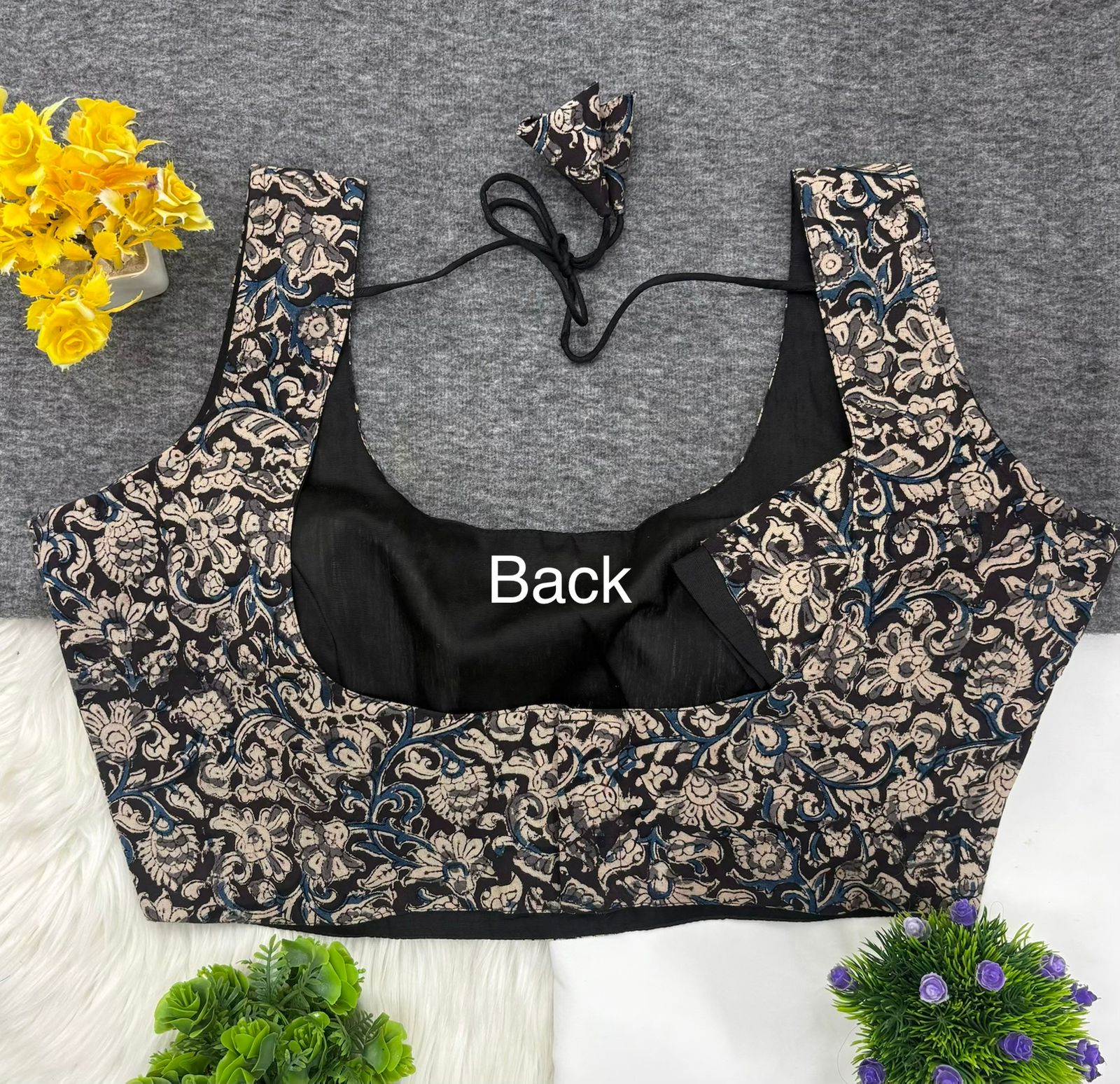
A straight suit set works especially well with cigarette pants, churidar trousers or narrow salwars. A longer straight kurta can visually lengthen the body, while a shorter kurta paired with palazzos creates a lighter, contemporary proportion. Black White Floral Embroidered Readymade Salwar Suit demonstrates how a simple vertical shape can gain interest from print and embroidery rather than excessive volume.
When should you choose Punjabi, Patiala or palazzo styles?
A Punjabi suit traditionally combines a shorter or medium-length kameez with a salwar that has gathered volume at the waist and ankle. A Patiala salwar has particularly deep pleats and generous fabric, so the kameez is often kept shorter to preserve proportion. These silhouettes suit casual celebrations, cultural events and occasions where comfortable movement matters.
Palazzo suits replace a gathered salwar with wide-leg trousers. Palazzo trousers create a fluid line and pair well with straight, short or slightly flared kurtas. Sharara-inspired trousers have a more dramatic flare, often beginning below the knee, and are better suited to festive styling than crowded commutes.
Complete Guide to Salwar Suit Designs and Styles: How do you choose the right fabric?
The right salwar suit fabric depends on climate, movement, occasion and the amount of structure required. Cotton and Chanderi suit warm daytime wear, while silk blends, velvet accents and embellished georgette are more suitable for evening or celebratory dressing.
Which fabrics work for everyday and warm-weather wear?
Cotton absorbs moisture and allows airflow, which makes cotton salwar suits dependable for regular wear and humid weather. Cotton may crease more quickly than synthetic blends, so a cotton suit with a moderate print or textured weave often looks more polished between ironing sessions. Mulmul and lightweight cotton feel soft but may need lining if the colour is pale or the weave is open.
Chanderi has a light hand, a subtle sheen and a slightly crisp fall. Elegant White Chanderi Threadwork Suit with Dupatta illustrates why Chanderi is popular for daytime festive dressing: threadwork adds detail while the fabric remains lighter than many heavily embellished textiles. Chanderi should be folded rather than hung for long periods if the garment has delicate surface work, and harsh wringing should be avoided.
Which fabrics create a dressier finish?
Silk and silk-blend fabrics provide body, sheen and a more formal appearance. Banarasi silk is recognised for woven motifs and metallic zari effects, while Fendy silk has a smoother, polished look that can support embroidery and strong colour. Black Red Fendy Silk 3 Piece Readymade Salwar Suit Set shows how a deeper colour combination and lustrous surface can make a three-piece set feel evening-ready.
Georgette and chiffon are lightweight, fluid fabrics commonly used for dupattas and flared kurtas. Their drape photographs well, but the fabrics can cling to the body and may require a slip or lining. Velvet is warm and visually rich, so velvet panels, borders or yokes are often more wearable than a fully velvet suit in India's warmer regions.
How does fabric change the fit?
Fabric weight changes the measurements you need. A stiff Chanderi or cotton-silk kurta may require extra ease at the bust and upper arm, whereas a fluid georgette kurta can follow the body with less added width. Embroidery also adds weight, especially around the neckline and hem, so shoulder seams and lining deserve close attention when buying online.
Complete Guide to Salwar Suit Designs and Styles: Which details make a design distinctive?
Necklines, sleeves, panels, embroidery, borders and dupatta finishes create most of the visible difference between salwar suit designs. Small construction choices often influence versatility more than a large amount of decoration.
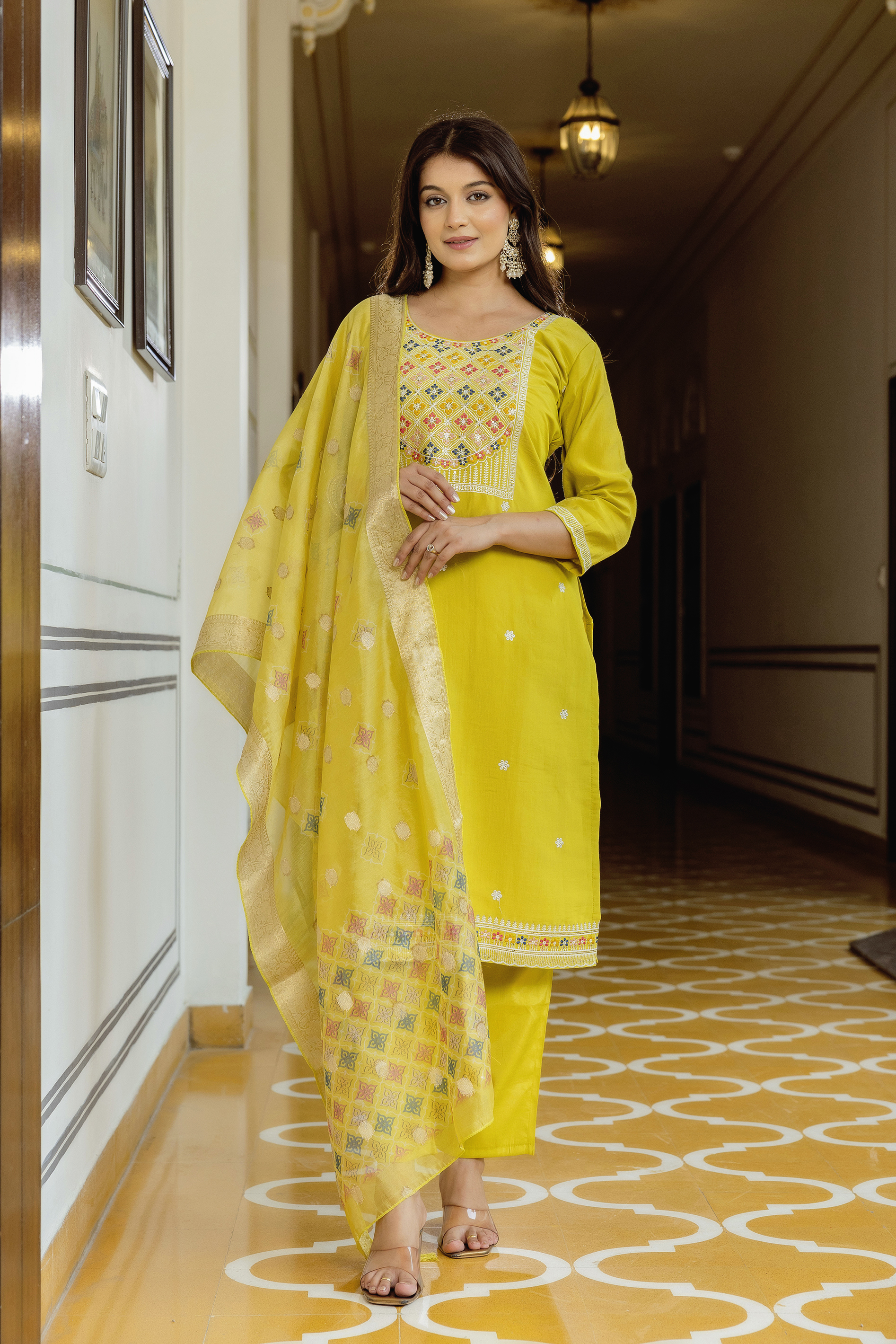
Round and boat necklines appear balanced on many body shapes and work well with earrings or a short necklace. A V-neck can create a longer visual line, while a square neckline gives a more structured, contemporary impression. High necks suit cooler weather and formal styling but can feel restrictive if the neckline is too close or the fabric lacks stretch.
Sleeve length changes both comfort and formality. Three-quarter sleeves are practical for work and everyday wear, short sleeves keep summer suits comfortable, and full sleeves add coverage for evening events. A sleeve with embroidery at the cuff can provide festive detail without covering the entire kurta in embellishment.
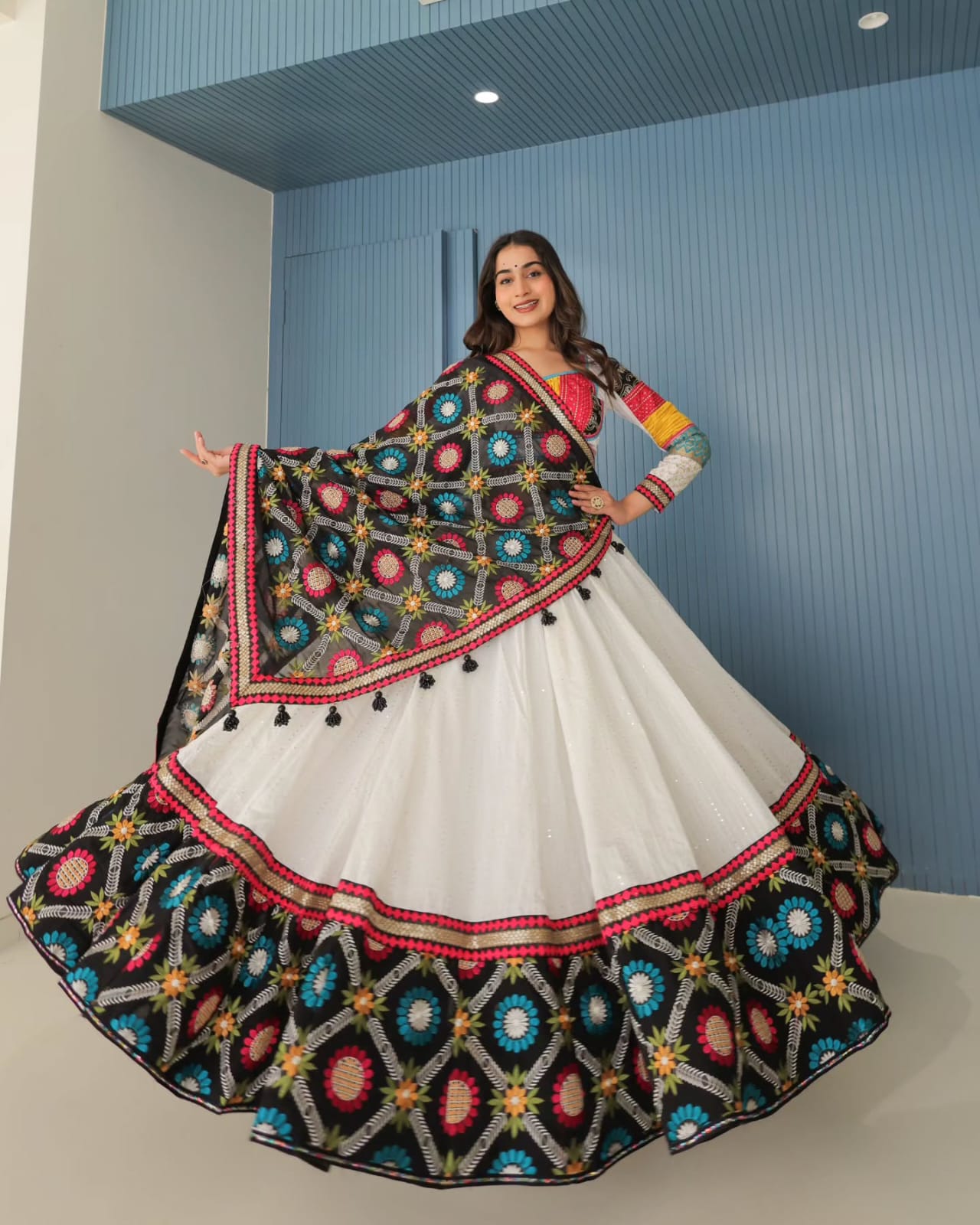
Threadwork, mirror work, sequins, appliqué and zari each behave differently. Threadwork is generally lighter and more suitable for repeated wear. Sequins catch light strongly but can stretch on jewellery or delicate upholstery. Zari give a metallic finish and should be protected from moisture, perfume and abrasive storage. Embroidered Salwar Suit Set for Women show how concentrated embroidery can make a restrained silhouette feel occasion-ready.
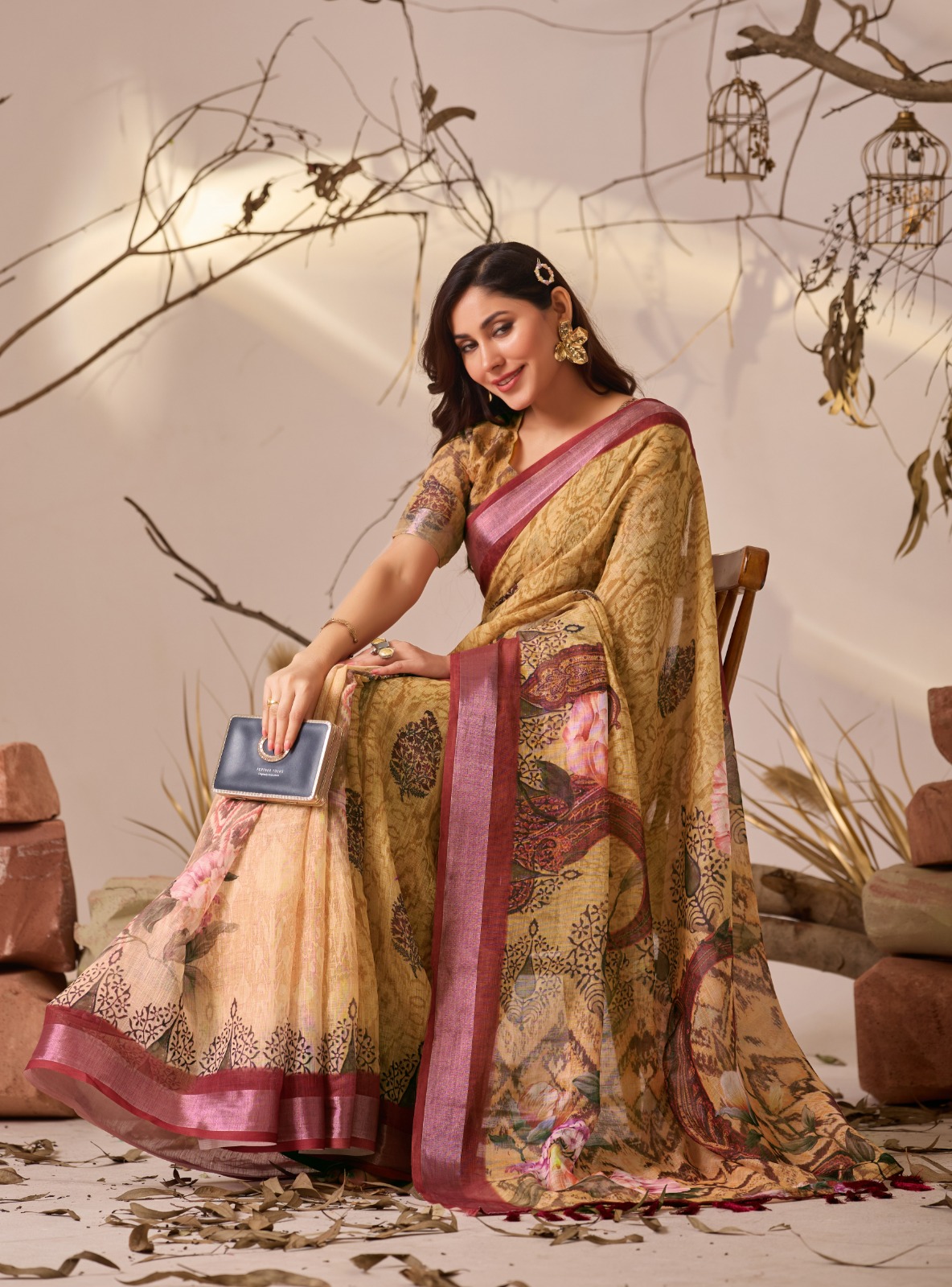
Print scale also affects proportion. Small floral prints create a quieter effect, while large motifs draw attention to the areas where they're placed. A printed kurta with a solid bottom is easier to style than a full set of competing prints, especially when the dupatta has a border or contrasting colour.
Complete Guide to Salwar Suit Designs and Styles: How should a salwar suit fit?
A salwar suit should allow comfortable movement at the bust, upper arm, waist, seat and crotch without creating excess fabric at the shoulders or side seams. Correct shoulder placement and sleeve comfort matter more than choosing a smaller size for a sharper-looking photograph.
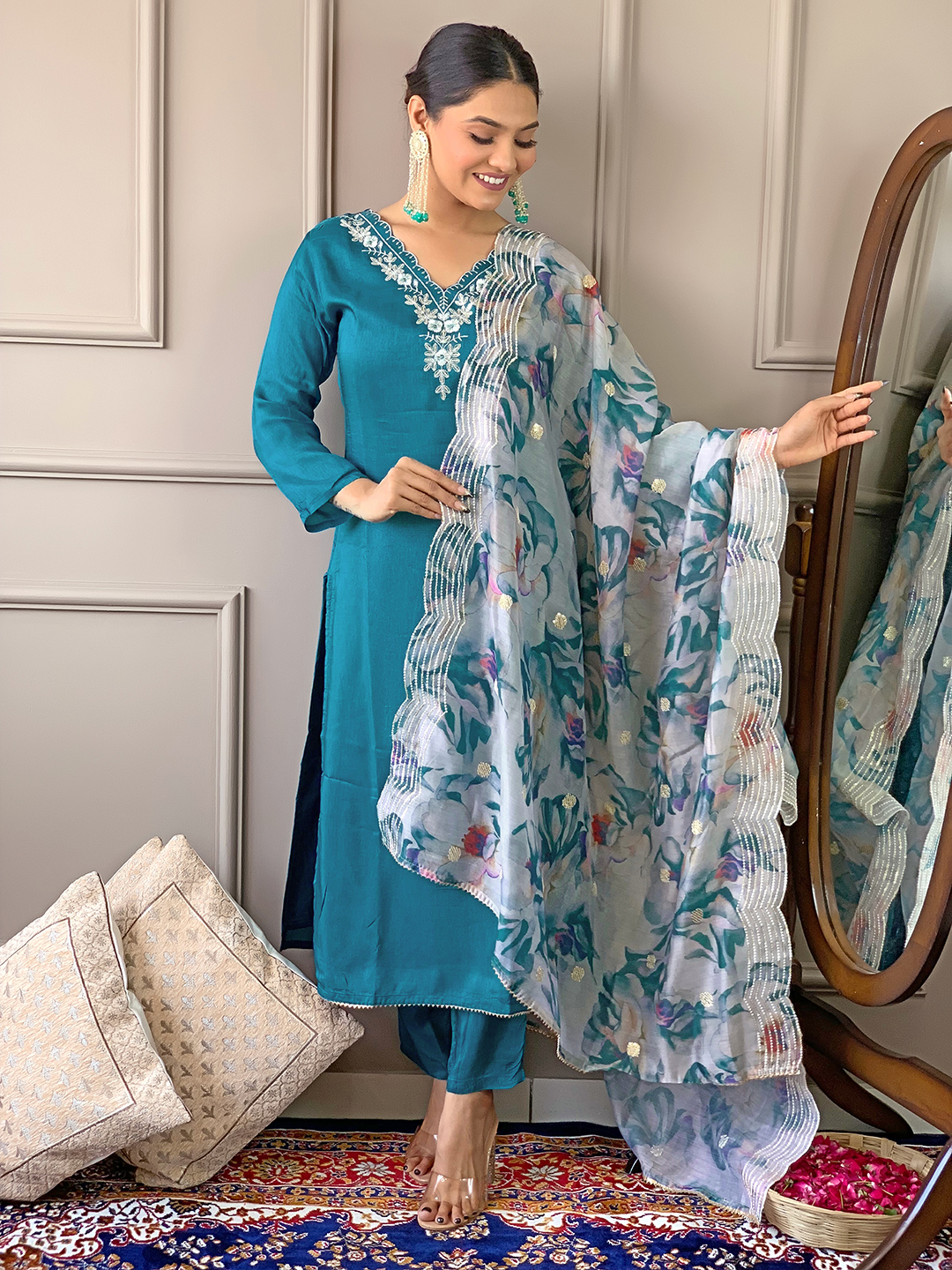
Measure the bust around the fullest point while wearing the undergarment normally used with the suit. Measure the waist and hip without pulling the tape tight, then compare those numbers with the garment's size chart rather than relying only on a familiar small, medium or large label. For a straight kurta, the hip measurement can be decisive because the hem must pass over the widest area without pulling.
Check kurta length against footwear and the intended lower garment. A long Anarkali can brush the floor when worn with flat sandals, while a shorter straight kurta may look unexpectedly cropped with a high-waisted palazzo. Trouser length should leave enough clearance above the ground; dragging hems collect dust and wear faster.
Readymade suits save tailoring time, but alterations are still possible in many designs. Side seams can sometimes be adjusted by one or two inches, while shoulder changes, sleeve narrowing and neckline alterations may be more complicated when embroidery crosses the seam. A suit with generous seam allowance is easier to personalise than a tightly finished garment.
Complete Guide to Salwar Suit Designs and Styles: Which style fits each occasion?
The occasion should determine the suit's fabric, coverage, embellishment and ease of movement. A practical wardrobe usually needs different levels of formality rather than several versions of the same heavily decorated silhouette.
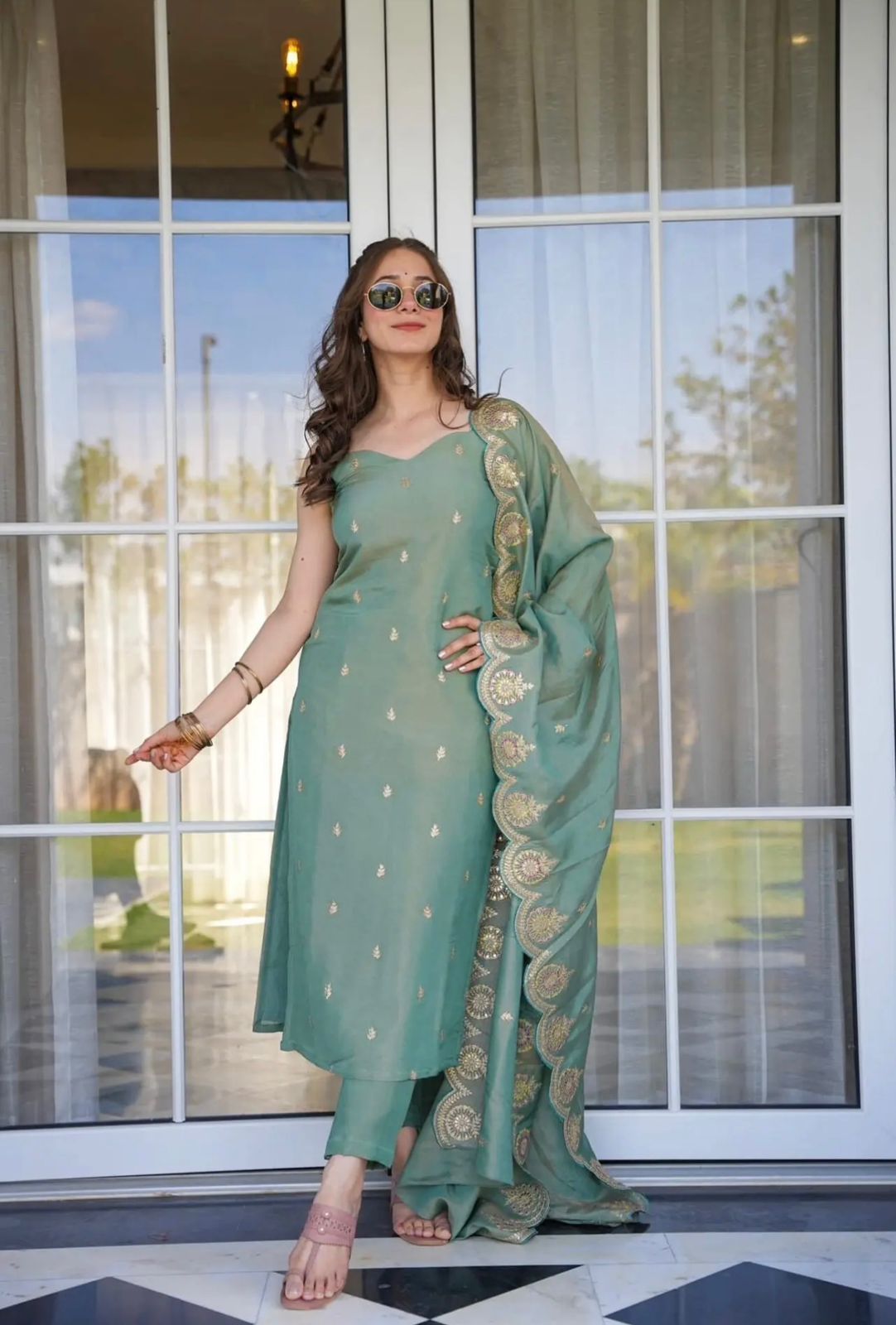
- Work and daytime meetings: Choose a straight or A-line suit in cotton, Chanderi or a restrained blend, with three-quarter sleeves and a dupatta that stays in place. Solid colours, small prints and fine threadwork look polished without feeling ceremonial.
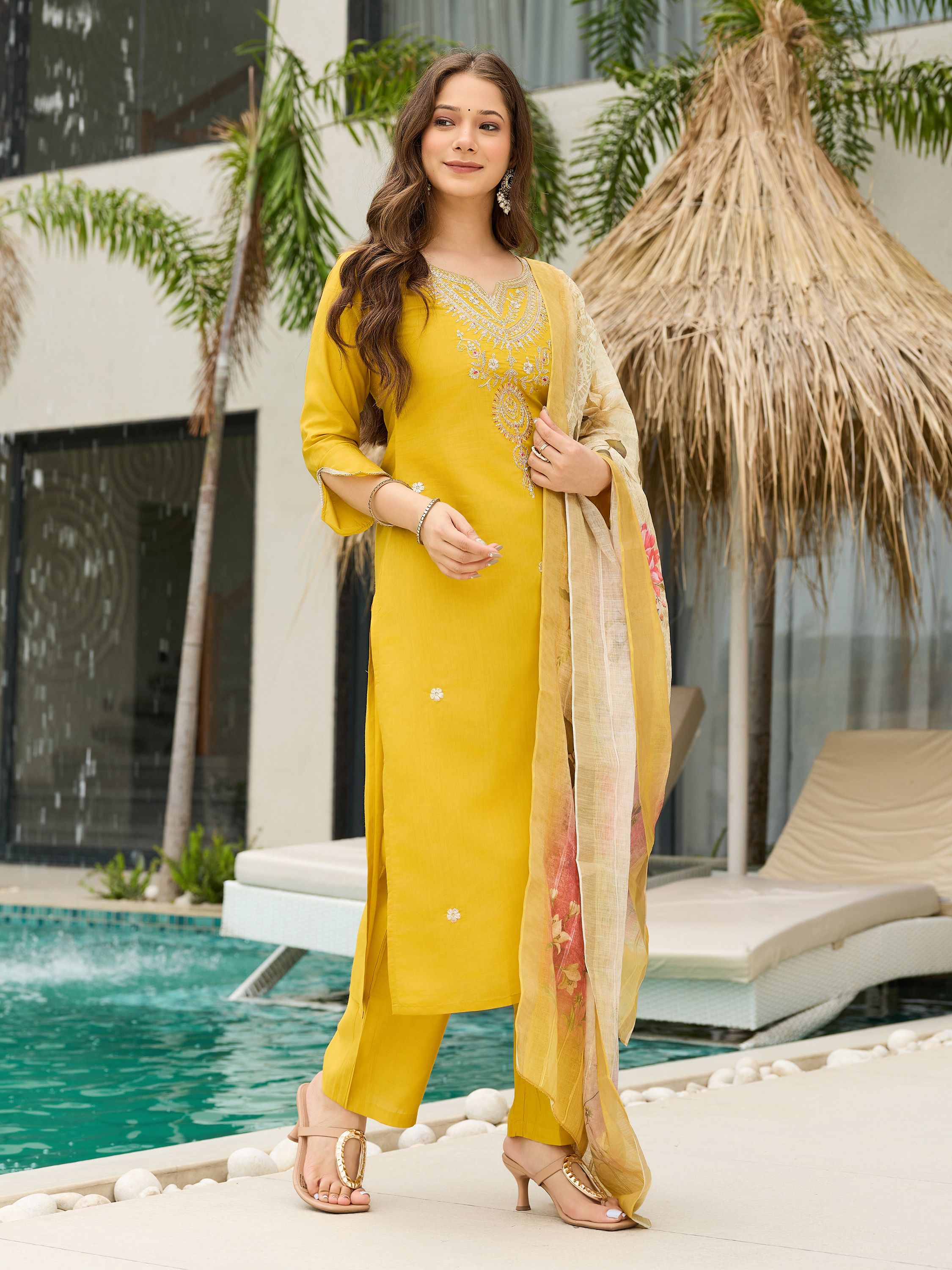
- Festive lunches and puja gatherings: Choose an Anarkali, A-line or straight suit with a woven border, light zari or embroidery. Yellow Threadwork Readymade Salwar Suit has the kind of colour-and-detail direction that can work for a Haldi ceremony when the fabric remains comfortable enough for movement.
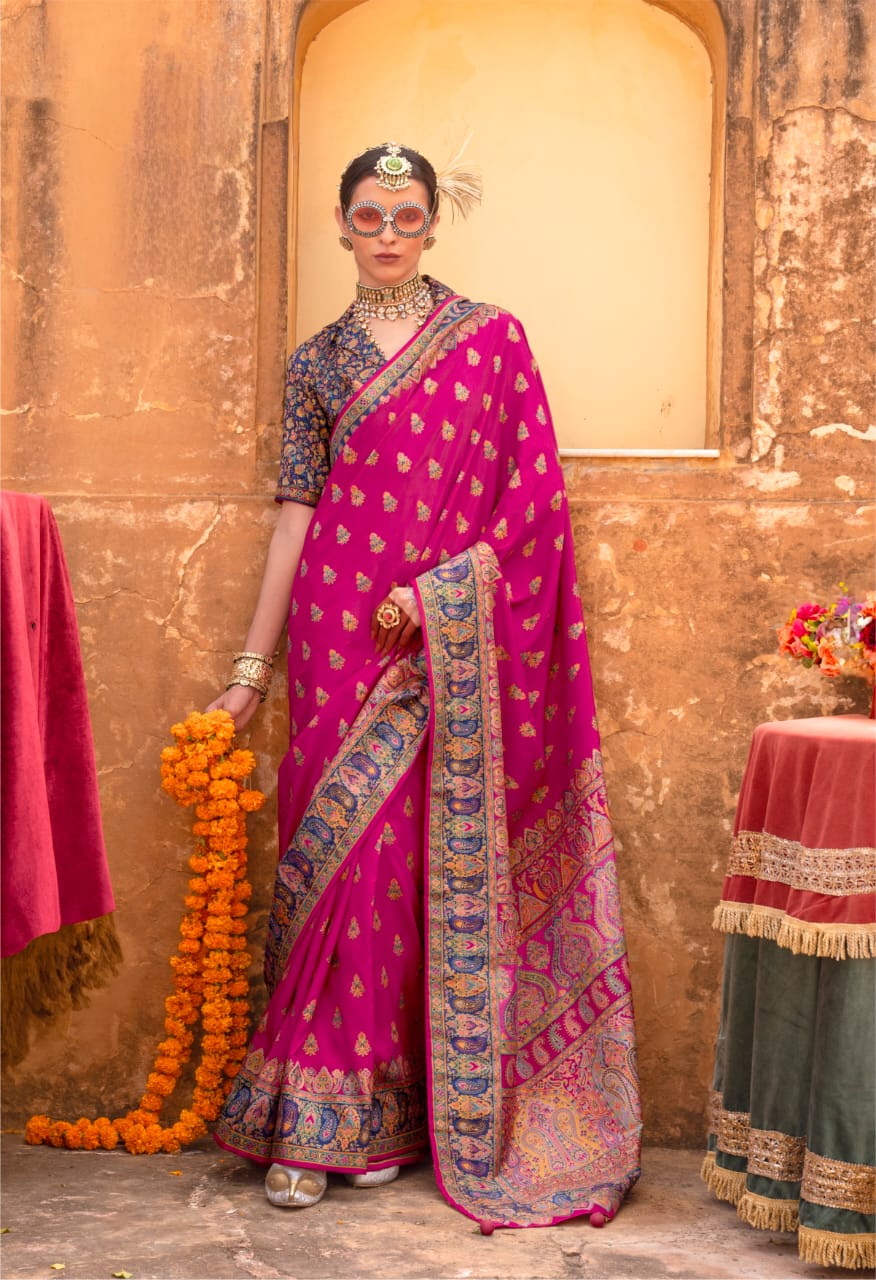
- Weddings and receptions: Choose silk blends, Fendy silk, embellished georgette or a generously flared Anarkali. A heavier dupatta can be draped over one shoulder for photographs, but secure the edge with a discreet pin if dancing or walking frequently.
- Travel and regular errands: Choose a straight suit, palazzo set or cotton Punjabi suit with a machine-friendly or low-maintenance fabric. Avoid very long hems, loose embellishment and dupattas that require constant adjustment.
- Evening dinners: Choose a darker colour, a clean neckline and one strong detail such as threadwork, zari, a border or statement sleeves. Midnight Black Blossom Salwar Suit demonstrates how a deep base colour can carry floral detail without requiring excessive jewellery.
Colour can also signal the setting. Yellow suits work naturally for a Haldi ceremony, white Chanderi feels fresh for daytime festivities, and black with red creates a stronger evening contrast. Pista Royale Salwar Suit offers a softer festive direction for daytime celebrations where pastel colour and graceful detail are more appropriate than high contrast.
Complete Guide to Salwar Suit Designs and Styles: How should you style the dupatta?
The most useful dupatta drape is the one that preserves comfort, shows the suit's detailing and stays secure throughout the event. A front-pinned drape is practical for work, while a single-shoulder or open drape creates more movement for festive dressing.
For a straight suit, place the dupatta over both shoulders or let one end fall vertically from a single shoulder to emphasise the kurta's lines. For an Anarkali, a narrower front drape prevents the flare from becoming visually crowded. For a Punjabi or Patiala suit, a pleated shoulder drape preserves the heritage proportion and keeps the gathered lower garment visible.
Match the dupatta's visual weight to the suit. A heavily embroidered kurta usually benefits from a lighter chiffon or georgette dupatta, while a plain cotton kurta can support a printed or bordered dupatta. Pinning at the shoulder and near the waist can prevent slipping without flattening the fabric.
Dupatta care depends on its surface. Chiffon and georgette should be handled gently to avoid snagging, while zari borders should be kept away from moisture and rough jewellery. Fold embellished dupattas with tissue paper between heavy embroidered areas, and store them in a breathable cotton bag rather than sealed plastic for long periods.
Complete Guide to Salwar Suit Designs and Styles: How can you buy more thoughtfully?
A thoughtful purchase begins by checking the complete garment specification rather than judging only the kurta image. Confirm whether the set includes the bottom and dupatta, note the lining, read the fabric composition and compare the garment measurements with a suit that already fits well.
Dress Materials can make sense when you want a custom length, a specific sleeve shape or a tailored neckline. Ready-to-wear sets are more convenient when the standard measurements are close to your own and the outfit is needed quickly. Embroidered or embellished sets deserve additional attention to lining, seam strength and washing instructions.
Sale labels don't replace fit and fabric checks. Salwar Suits with 30% Off, Salwar Suits Flat 40% Off and Salwar Suits On Sale can be useful starting points for budget comparisons, but calculate the total value by considering alteration cost, likely wear frequency and care requirements. A slightly simpler suit worn regularly can be better value than an ornate design that remains in the wardrobe.
Before ordering, check four practical details: the return or exchange window, the dispatch timeframe, the actual garment measurements and the washing method. Dry cleaning may be necessary for zari, silk blends or dense embroidery, while cotton and some blended suits may be easier to maintain. Keeping these details in view makes it easier to choose a salwar suit that will remain useful beyond one event.
Common Questions About Salwar Suit Designs and Styles
Which salwar suit style is best for everyday wear?
A straight or A-line salwar suit in cotton, lightweight Chanderi or an easy-care blend is usually best for everyday wear. Three-quarter sleeves, moderate kurta length and a simple dupatta make the outfit comfortable for commuting, work and regular errands.
What is the difference between an Anarkali and a straight salwar suit?
An Anarkali suit is fitted or semi-fitted through the upper body and flares below the waist, while a straight suit falls almost vertically from shoulder to hem. Anarkalis create more movement and formality, whereas straight suits are generally easier for work, travel and daily wear.
Which fabric is suitable for a salwar suit in hot weather?
Cotton is the most practical choice for hot weather because it allows airflow and absorbs moisture. Lightweight Chanderi and breathable cotton blends can also work well, although pale or loosely woven fabrics may need a lining.
How do I choose the correct size for a readymade salwar suit?
Compare your bust, waist, hip, shoulder and sleeve measurements with the garment's size chart rather than choosing only by small, medium or large labels. The hip measurement is especially important for straight kurtas, while upper-arm and shoulder measurements help prevent restricted movement.
Which salwar suit should I wear to a wedding?
A silk-blend, Fendy silk, embellished georgette or generously flared Anarkali suit is suitable for many weddings. Choose the level of embroidery and the dupatta weight according to the event, reserving heavier zari and sequins for evening receptions when appropriate.
How should embroidered salwar suits be stored?
Store embroidered salwar suits clean and completely dry, folded with soft tissue between dense embellishment. Keep zari and sequins away from moisture, perfume and rough surfaces, and follow the garment's care label instead of machine-washing delicate threadwork or silk blends.