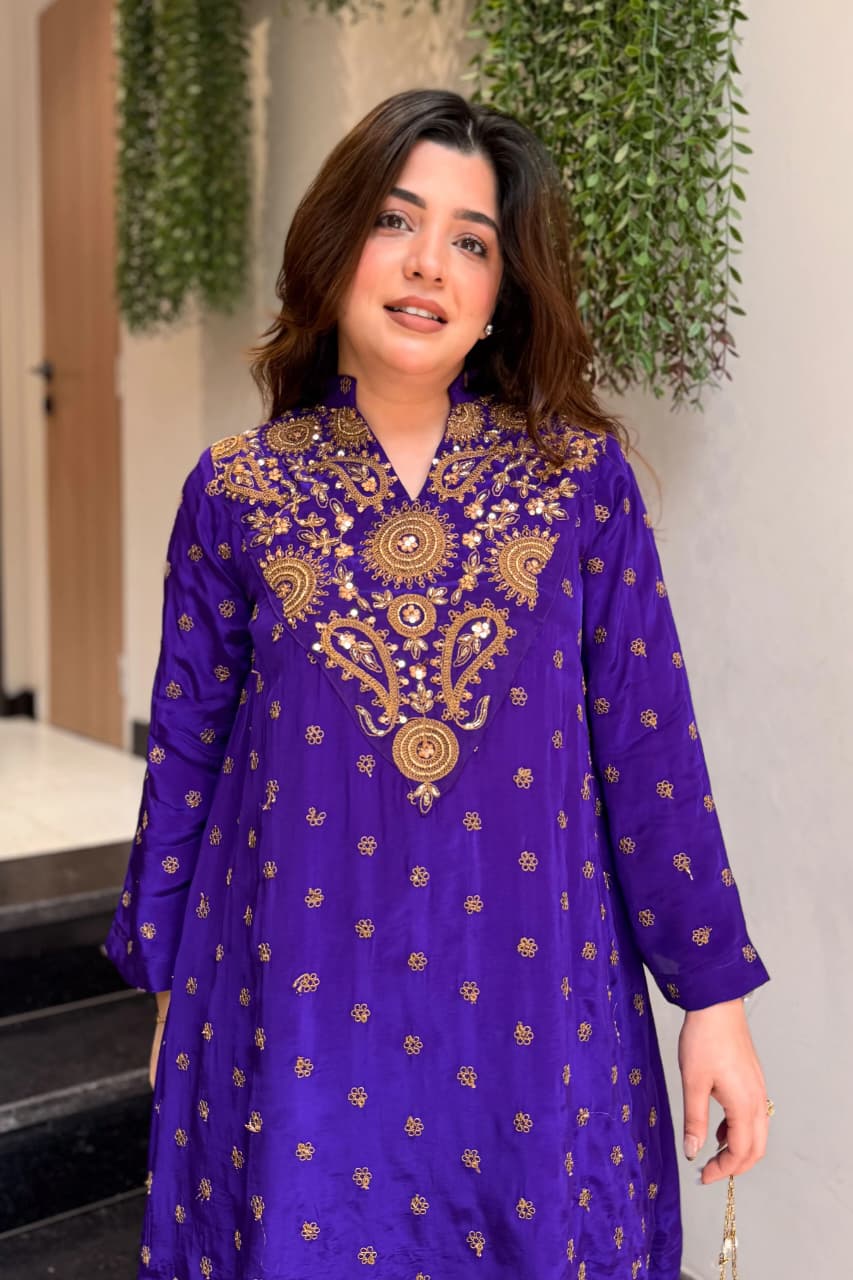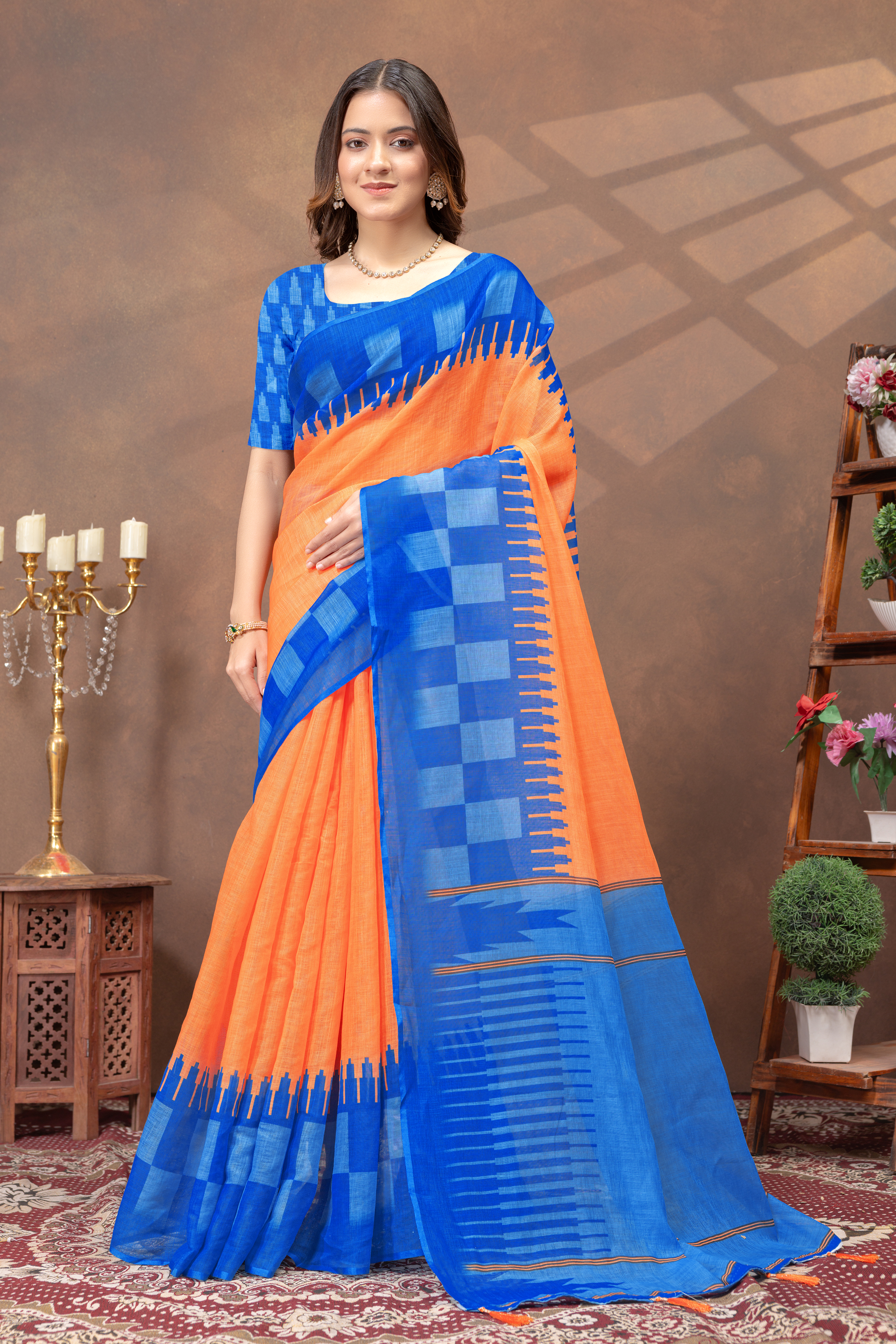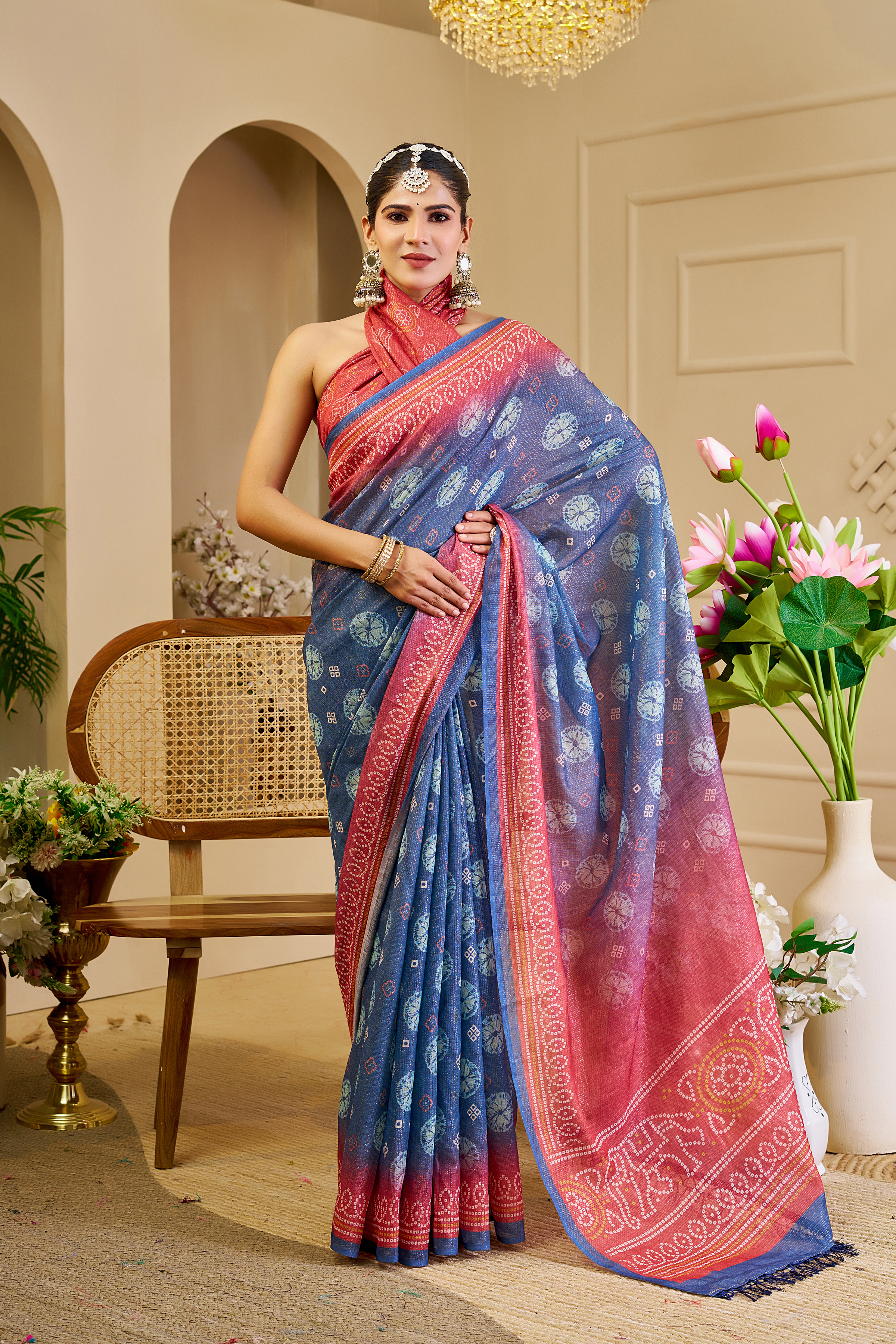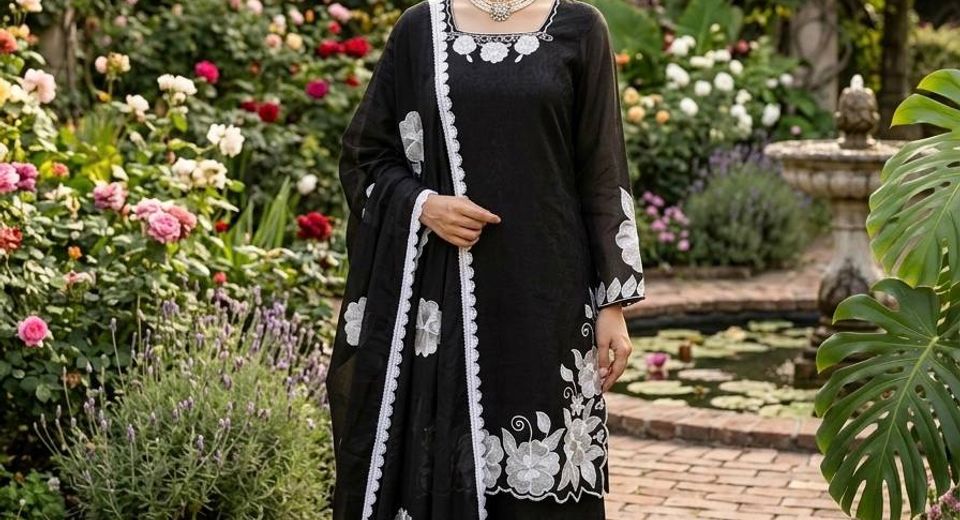
A Gurpurab visit to Amritsar may involve prayer, long walks, langar service and time in a busy congregation, so clothing needs to be graceful as well as practical. Choosing a Suit for an Amritsar Gurpurab Celebration begins with three decisions: a breathable fabric, a secure dupatta and a silhouette that allows comfortable movement. The right salwar suit should also respect the setting without making you feel overdressed or restricted.
What should you prioritise when choosing a suit for an Amritsar Gurpurab celebration?
Prioritise comfort, modest coverage, easy movement and a dupatta that stays securely over your head and shoulders. A Gurpurab outfit may need to work through morning prayers, standing in a queue, walking across the Golden Temple complex, sitting on the floor and eating langar.
Amritsar weather changes considerably by season. Summer temperatures can rise above 35°C, while winter mornings may feel close to 5°C. Cotton, Chanderi and lightweight silk blends are useful in warm weather; jacquard, richer silk and layered fabrics provide more comfort during winter celebrations. A three-piece salwar suit is especially adaptable because the dupatta provides additional coverage without requiring a heavy jacket.
Modesty doesn't mean choosing a shapeless outfit. A kurta with a comfortable neckline, sleeves reaching at least the elbow and a hem falling around the knee or below creates a balanced festive look. Opaque fabric is important because bright daylight can make thin cotton or unlined synthetic material appear more transparent than expected.
Fit deserves as much attention as colour. Check that the armholes don't pull when you raise your arms, the trouser waistband stays comfortable while sitting and the kurta doesn't ride up during walking. A suit that fits well at the shoulders and allows approximately 5 to 8 centimetres of ease through the body will usually feel more wearable than a tightly fitted festive set.
Which salwar suit silhouette works best for a Gurpurab visit?
A straight kurta with salwar, cigarette pants or a moderately wide palazzo offers the best combination of polish and mobility for most Gurpurab visits. A classic salwar gives a recognisably Punjabi character, while a palazzo or straight pant creates a cleaner line for walking and sitting.
Traditional salwar and kameez
A heritage kameez with a gathered salwar suits a Punjabi celebration because the silhouette allows generous movement at the knees and ankles. The volume also makes sitting cross-legged more comfortable than a very narrow trouser. Choose a salwar with a soft waistband and avoid excessive gathers if you expect to walk several kilometres.
Palazzo and straight-pant suits
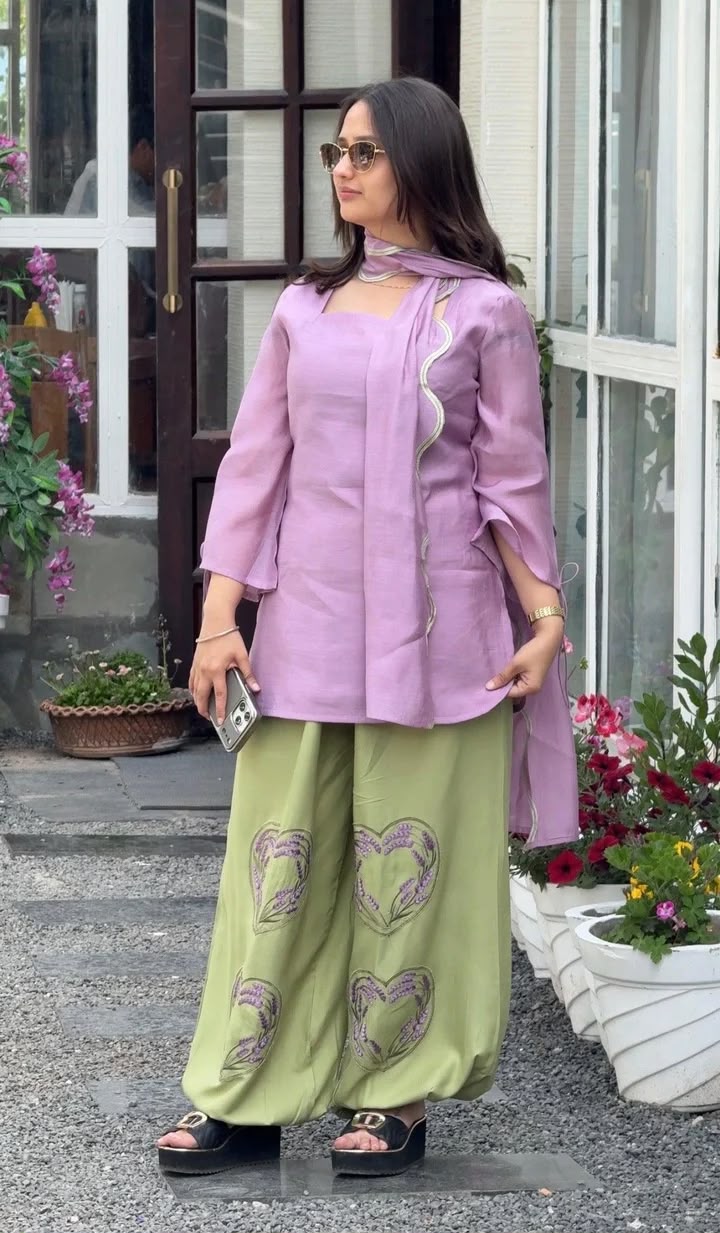
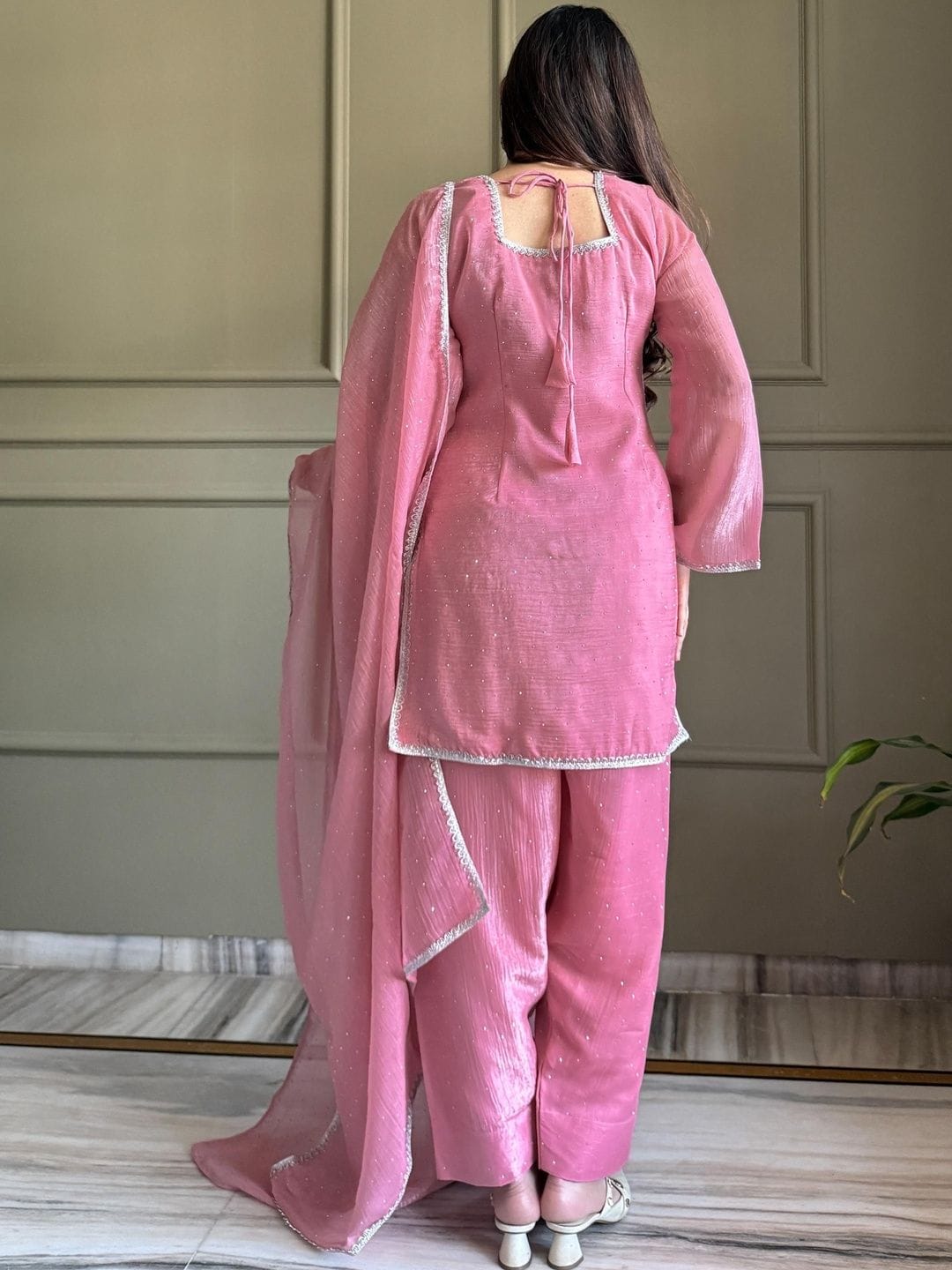
A palazzo suit works well when the palazzo is wide enough to move freely but not so long that the hem touches the ground. The Lavender Chanderi Kurta with Olive Embroidered Palazzo Suit illustrates how a softly structured kurta and wide trouser can look festive without relying on heavy embellishment. For a cleaner, more contemporary appearance, the Pink Crunchy Silk Kurta Pant Set with Diamond Work, Dupatta gives a coordinated option, although the silk texture is more suitable for cooler weather or shorter visits.
Anarkali suits
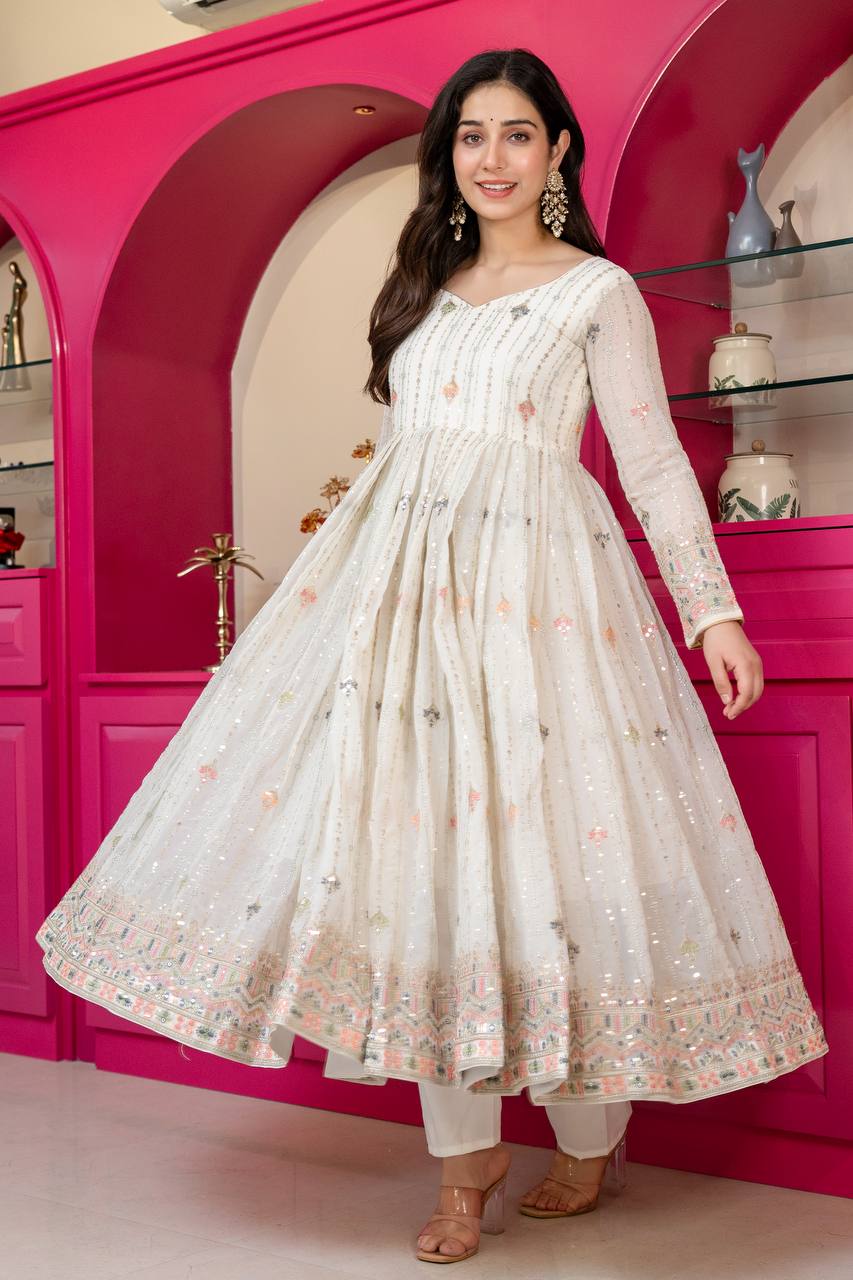
Anarkali suits create graceful movement through a flared hem, but the flare should not be so broad that it catches on chairs, steps or other people in a crowded prayer space. The Ivory Zari Sequins Embroidered Anarkali Suit Set | Varnavi demonstrates a formal ivory-and-zari direction for a family gathering or evening programme. Pair a heavily embellished Anarkali with simple jewellery so the outfit remains comfortable rather than visually crowded.
Which fabrics are comfortable for an Amritsar Gurpurab celebration?
Chanderi, cotton, cotton-silk and lightweight silk blends are among the most practical fabrics for an Amritsar Gurpurab celebration because they balance airflow, structure and festive texture. Fabric choice should follow the season, duration of the visit and amount of walking involved.
- Chanderi: Chanderi has a light hand and a subtle sheen, making it suitable for daytime prayers and warm weather. Because some Chanderi weaves are slightly sheer, choose a lined kurta or wear an opaque inner layer.
- Cotton and cotton blends: Cotton absorbs moisture and remains comfortable in summer, but heavily starched cotton can feel rigid. A lightly printed or embroidered cotton suit is practical for a full day outdoors.
- Banarasi silk: Banarasi silk adds a rich woven finish for winter Gurpurab gatherings, but a heavily brocaded suit can feel warm and weighty. Use Banarasi detailing on the dupatta or yoke when you want festive depth without a full heavy garment.
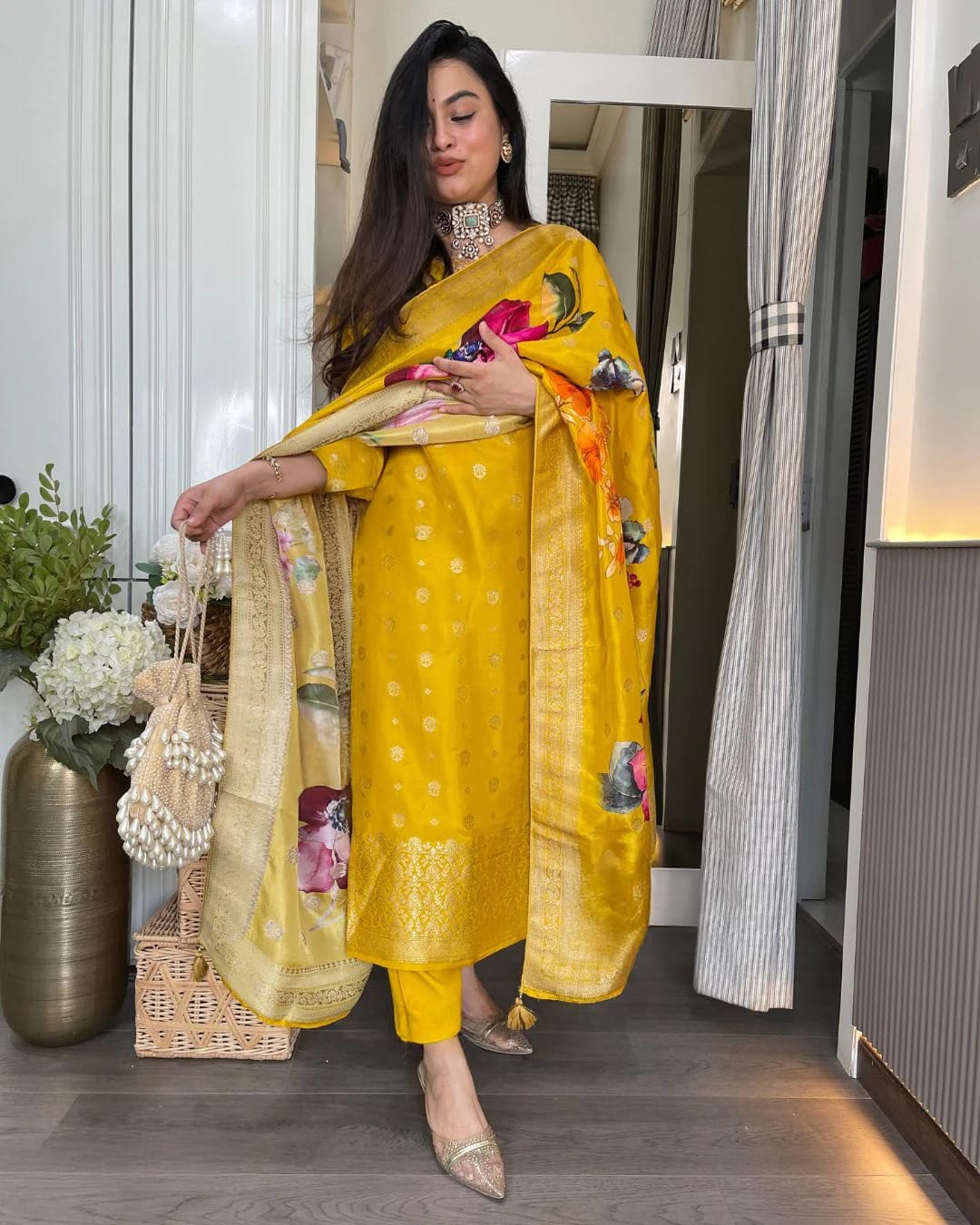
- Jacquard: Jacquard creates pattern through a woven surface rather than only through printed colour. The Mustard Yellow Jacquard Kurta Set with Embroidery & Dupatta can suit a winter celebration, particularly when paired with a warm inner layer and comfortable footwear.
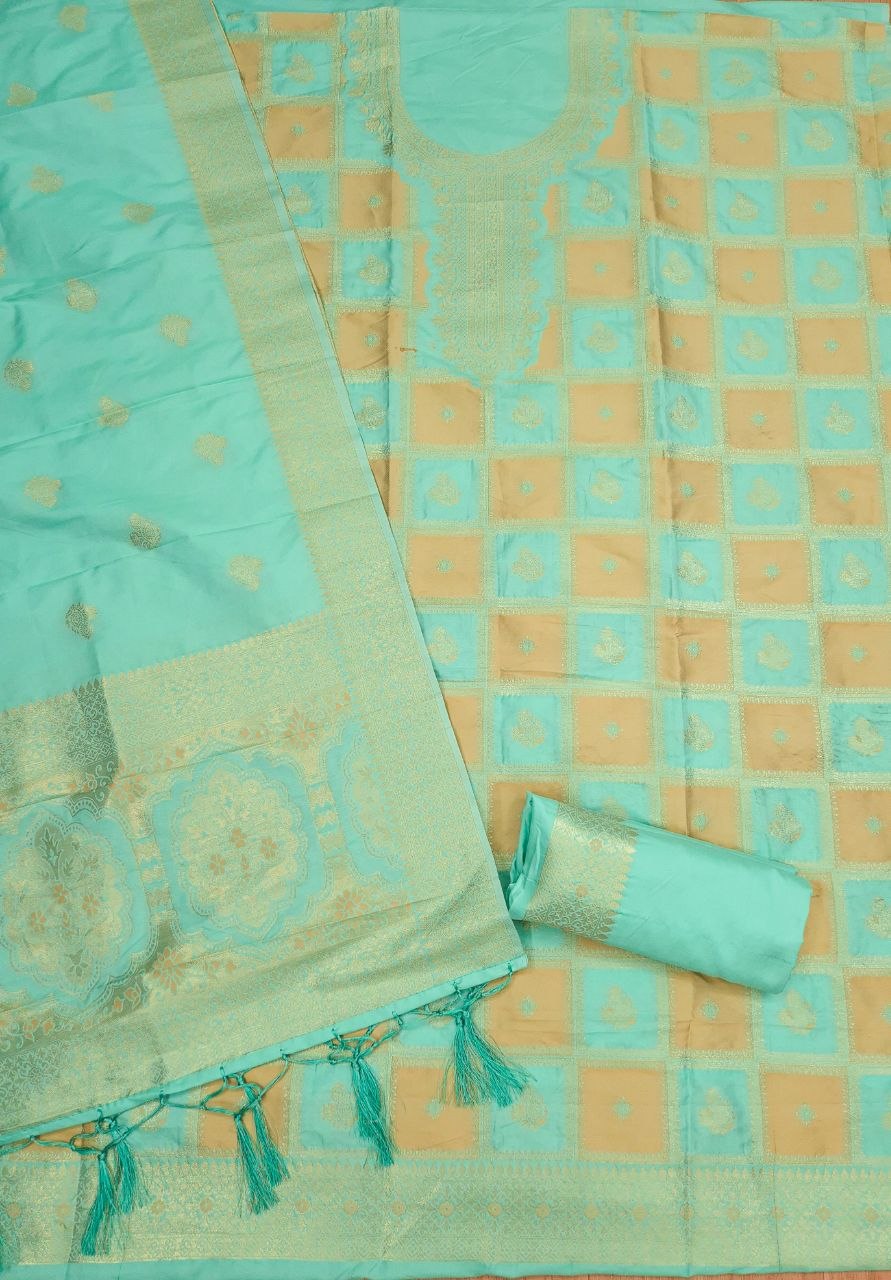
- Paithani-style weave: Paithani-inspired zari motifs bring a decorative, regional influence to a salwar suit. The Mint Green Paithani Style Zari Woven Unstitched Suit Material is more appropriate for someone who wants tailoring control over sleeve length, hemline and trouser shape.
Heavily sequined polyester, thick velvet and stiff brocade can become uncomfortable during a long temple visit, especially in warm weather. Such fabrics are better reserved for a shorter indoor reception. Examine the reverse of embroidered fabric as well: rough threads, exposed sequins and coarse finishing can irritate the skin when worn for several hours.
How should colour and embroidery be chosen for Gurpurab?
Choose a colour that feels festive to you while keeping embroidery balanced and the garment comfortable for worship and community activities. There is no single mandatory colour for every Gurpurab gathering, although saffron, mustard, cream, white, pink, green and blue are commonly seen in celebratory Indian clothing.
Mustard and saffron shades can echo the warm tones often associated with Punjabi festive dressing, while ivory and cream create a calm, refined appearance. Pink, lavender and mint green provide softer alternatives for daytime. Black isn't automatically inappropriate, but some families may prefer brighter colours for a celebratory gathering; when wearing black, floral embroidery or a contrasting dupatta can make the styling feel more festive.
Embroidery should support the garment rather than make every surface reflective. Phulkari embroidery is strongly connected with Punjab and works especially well on a dupatta, neckline or sleeve border. The Punjab Phulkari Embroidered Salwar Suits collection brings an useful reference for choosing colourful threadwork with a regional connection. Kalamkari Print Salwar Suits (Copy) brings another direction when you prefer printed narrative motifs over metallic embellishment.
Zari is attractive for festive dressing, but a zari border can catch on rough surfaces and add weight to a dupatta. A narrow zari edge, restrained sequin placement or embroidered neckline usually gives enough occasion character for a daytime Gurpurab visit. Save very dense all-over sparkle for an evening celebration where you'll spend less time walking and sitting on the floor.
What makes the dupatta appropriate and secure?
A lightweight, opaque dupatta with enough length to cover the head and shoulders is the most practical choice for a Gurpurab visit. The dupatta should remain secure without constant adjustment, particularly in crowds or when you're helping with langar.
Before leaving home, place the centre of the dupatta over the head and check that both sides reach at least the upper thigh. A length of approximately 2.25 to 2.5 metres generally gives enough coverage for a standard salwar suit. Pin one side near the shoulder and use a discreet safety pin or magnetic clasp at the crown if the fabric slides easily. Test the arrangement by walking, bending and lifting both arms.
Choose cotton, Chanderi, georgette with lining or a light silk blend when you need the dupatta to drape easily. Very slippery satin can move out of place, while a heavily embellished border can pull the fabric backwards. A narrow border is easier to control than a broad, dense zari edge.
Head covering is required when entering gurdwaras, so carry a clean scarf or confirm that your chosen dupatta gives adequate coverage. A dupatta should cover the head respectfully without dragging on the floor. Keep a spare hair tie and two small pins in your bag for practical adjustments.
How do footwear and accessories affect the outfit?
Flat, secure footwear and restrained accessories make a Gurpurab outfit more practical than high heels or delicate statement pieces. Shoes may need to be removed before entering certain areas, and the route can include marble, steps, wet surfaces or long periods of standing.
Choose cushioned juttis, flat sandals with a secure strap or clean slip-on shoes that are easy to remove and put back on. Avoid heels higher than 2 to 3 centimetres if you expect extensive walking around Amritsar. Carry a small cloth bag for footwear when appropriate, and wear socks in winter if bare feet on cool flooring will be uncomfortable.
Small jhumkas, slim bangles and a simple ring are usually enough with an embroidered suit. Large hoops, long chains and loose bracelets can catch on the dupatta or become inconvenient during community service. A small crossbody bag or fabric potli should hold essentials without requiring constant hand support.
Keep makeup and hair manageable in the local climate. A low bun, braid or pinned half-up style keeps hair away from the face and helps the dupatta stay in place. In summer, a light base, waterproof kajal and a compact handkerchief are more useful than a heavy makeup routine.
How can you adapt a suit to the season and length of the visit?
Adapt the suit by changing the fabric, layering and footwear rather than buying a completely different style for every Gurpurab event. A simple base suit can work for prayer, a family meal and an evening programme when the layers are planned carefully.
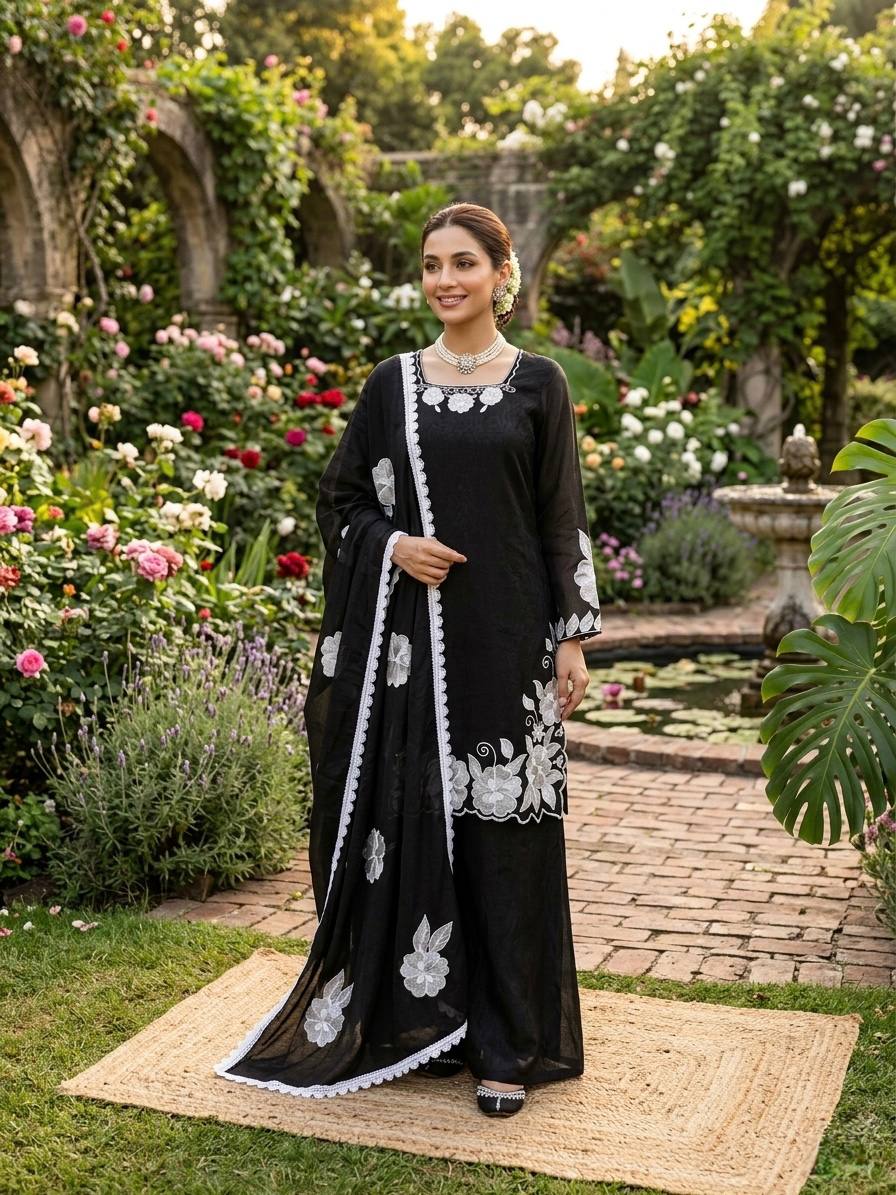
For a summer visit, select a Chanderi, cotton or light cotton-silk kurta with a breathable lining. Keep the embroidery concentrated at the neckline and cuffs, and choose a dupatta that doesn't trap heat around the head. The Black White Floral Embroidered Readymade Salwar Suit gives a high-contrast floral approach that can be dressed down with minimal jewellery and flat footwear.
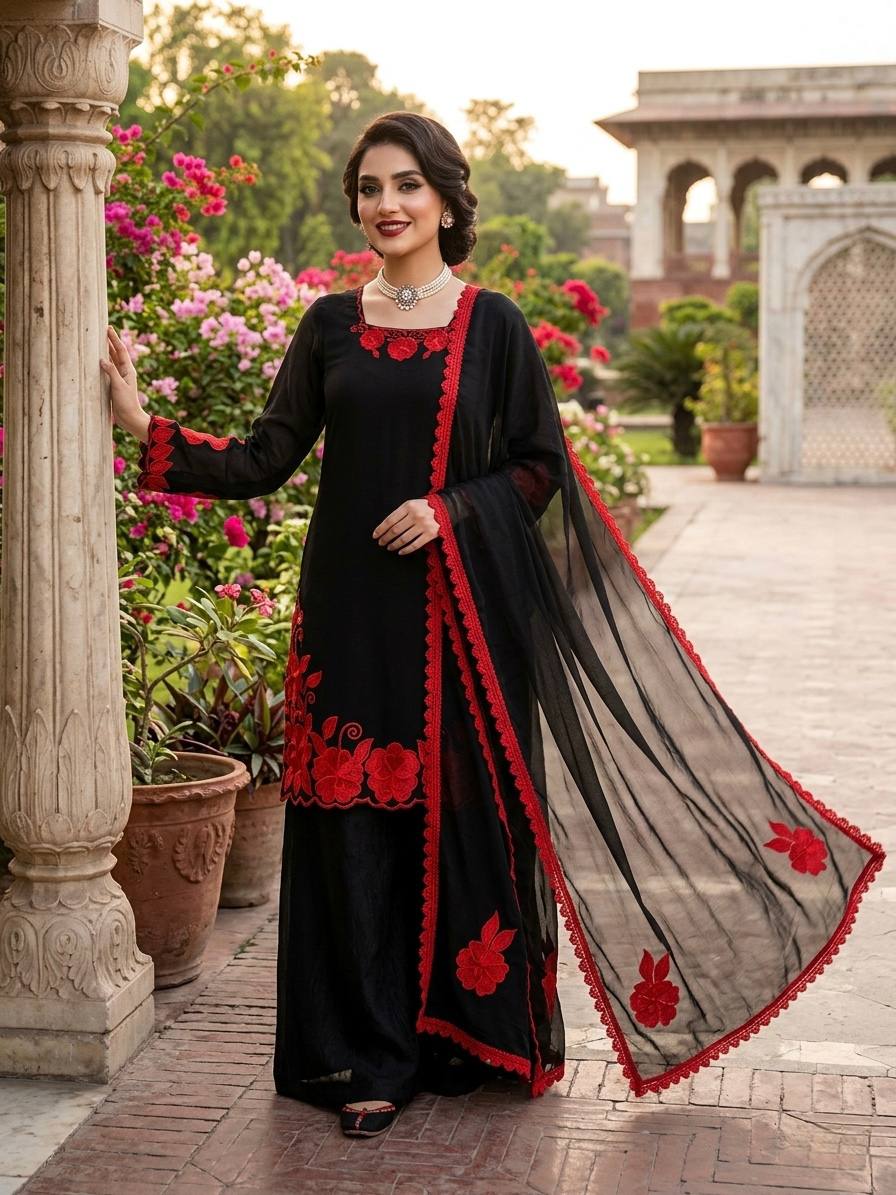
For winter, a jacquard or silk-blend suit can be worn with a thin thermal camisole, opaque leggings or a coordinated shawl. The Black Red Fendy Silk 3 Piece Readymade Salwar Suit Set creates a stronger evening colour combination, while a plain woollen shawl can add warmth without competing with the embroidery.
For a family gathering that includes photographs, choose a richer regional influence. Maharashtra Paithani Inspired Salwar Suits and Karnataka Silk Salwar Suits show how woven motifs from different Indian traditions can inform festive styling without requiring a heavy lehenga. Kashmir Embroidered Salwar Suits offer another reference for detailed threadwork and may suit a cooler-weather indoor celebration.
For a full-day itinerary, pack a spare dupatta or lightweight stole, blister plasters, a small water bottle and a fabric pouch for valuables. These details may seem separate from styling, but they determine whether an outfit remains presentable and comfortable after several hours away from home.
What should you check before buying the suit?
Check the fabric opacity, garment measurements, lining, trouser rise, sleeve length, dupatta dimensions and care instructions before buying a suit for Gurpurab. A festive photograph can't show whether the fabric scratches, shrinks or becomes difficult to manage after an hour of wear.
- Measure the bust, waist, hip and shoulder: Compare body measurements with the seller's size chart instead of relying only on small, medium or large labels.
- Inspect the length: Confirm the kurta hem and trouser length with your height and footwear. A hem that touches the floor becomes inconvenient in crowded or high-traffic areas.
- Check lining and transparency: Hold the fabric near daylight and inspect whether the embroidery backing feels rough against the skin.
- Confirm the dupatta size: A short fashion dupatta may not provide sufficient head and shoulder coverage for a gurdwara visit.
- Read care instructions: Zari, sequins and silk blends may require dry cleaning or gentle hand washing. Do not assume that a decorated suit is machine washable.
- Try the full outfit: Wear the kurta, bottoms, dupatta and footwear together at least one day before the celebration. Sit on the floor, walk for ten minutes and practise covering your head.
Choosing a Suit for an Amritsar Gurpurab Celebration becomes easier when the outfit is judged by the whole day rather than a single photograph. A breathable fabric, comfortable fit, secure dupatta and sensible footwear will allow the clothing to support the spiritual and communal experience instead of distracting from it.
Practical Questions About Dressing for Gurpurab in Amritsar
What should a woman wear to the Golden Temple in Amritsar?
A modest salwar suit with covered shoulders, comfortable trousers or salwar and a dupatta that can cover the head is a suitable choice. Wear secure flat footwear because shoes must be removed in designated areas and the visit may involve considerable walking.
Is a palazzo suit appropriate for a Gurpurab celebration?
A palazzo suit is appropriate when the trousers are not excessively long or wide and the kurta provides comfortable coverage. Choose a breathable fabric and test the outfit while sitting and walking before the celebration.
Which colour is best for a Gurpurab outfit?
There is no single required colour for every Gurpurab gathering. Mustard, saffron, ivory, cream, pink, green and blue are festive options, while the most suitable choice depends on personal preference, family customs and the season.
How should a dupatta be worn at a gurdwara?
Place the dupatta securely over the head and shoulders, using a discreet pin if the fabric slips. Choose an opaque dupatta of approximately 2.25 to 2.5 metres so it provides coverage without dragging on the floor.
Is heavy embroidery suitable for a daytime Amritsar Gurpurab visit?
Light or moderate embroidery is usually more comfortable for a daytime visit because it adds festivity without excessive weight or heat. Dense sequins, thick zari and stiff brocade are better reserved for shorter indoor gatherings or cooler weather.
What fabric is best for a summer Gurpurab celebration in Amritsar?
Cotton, lightweight Chanderi and breathable cotton-silk blends are practical summer choices because they allow airflow and remain comfortable during walking. Select lined Chanderi when the weave is sheer, and avoid heavy velvet or dense synthetic embellishment in hot weather.