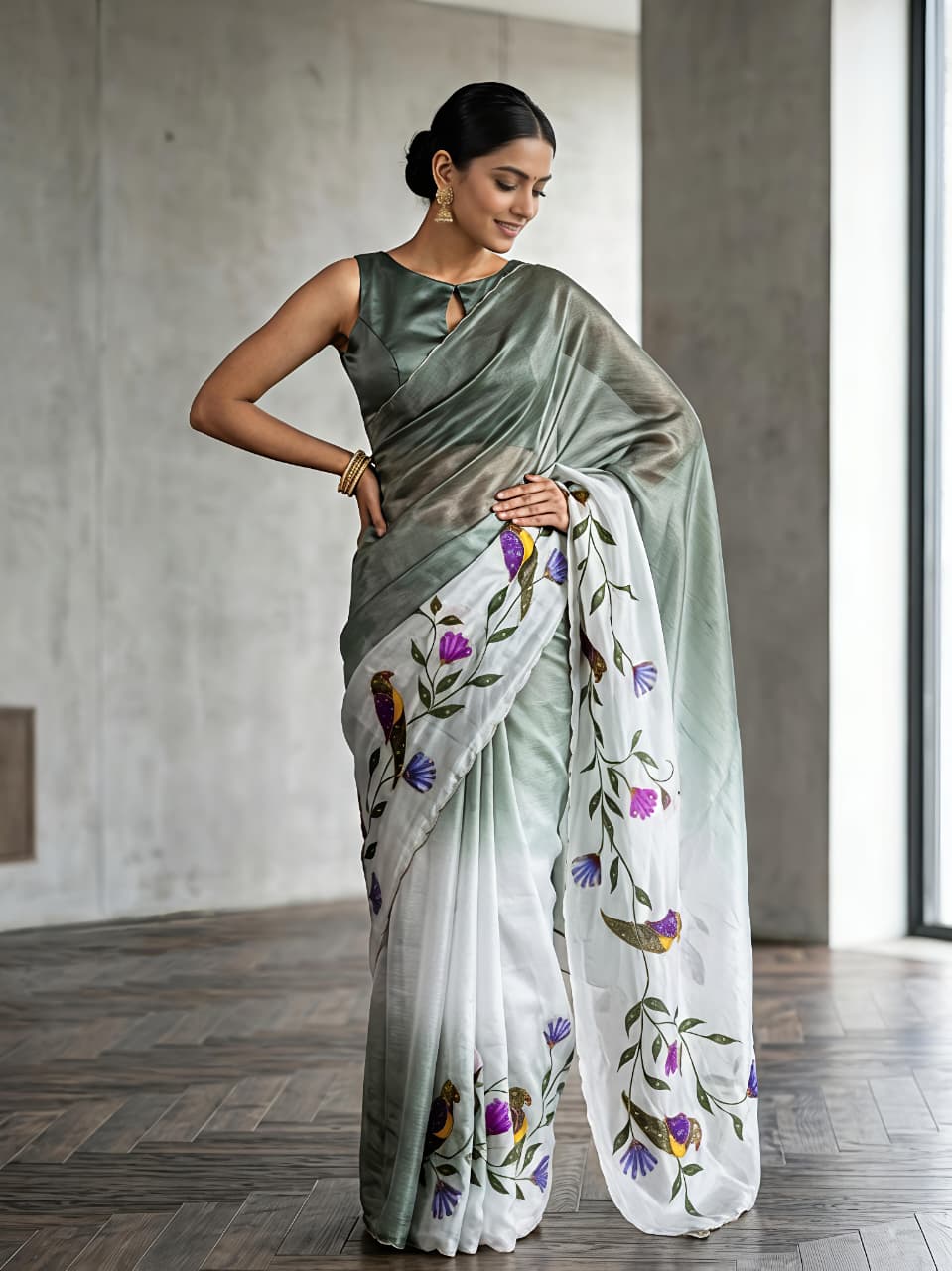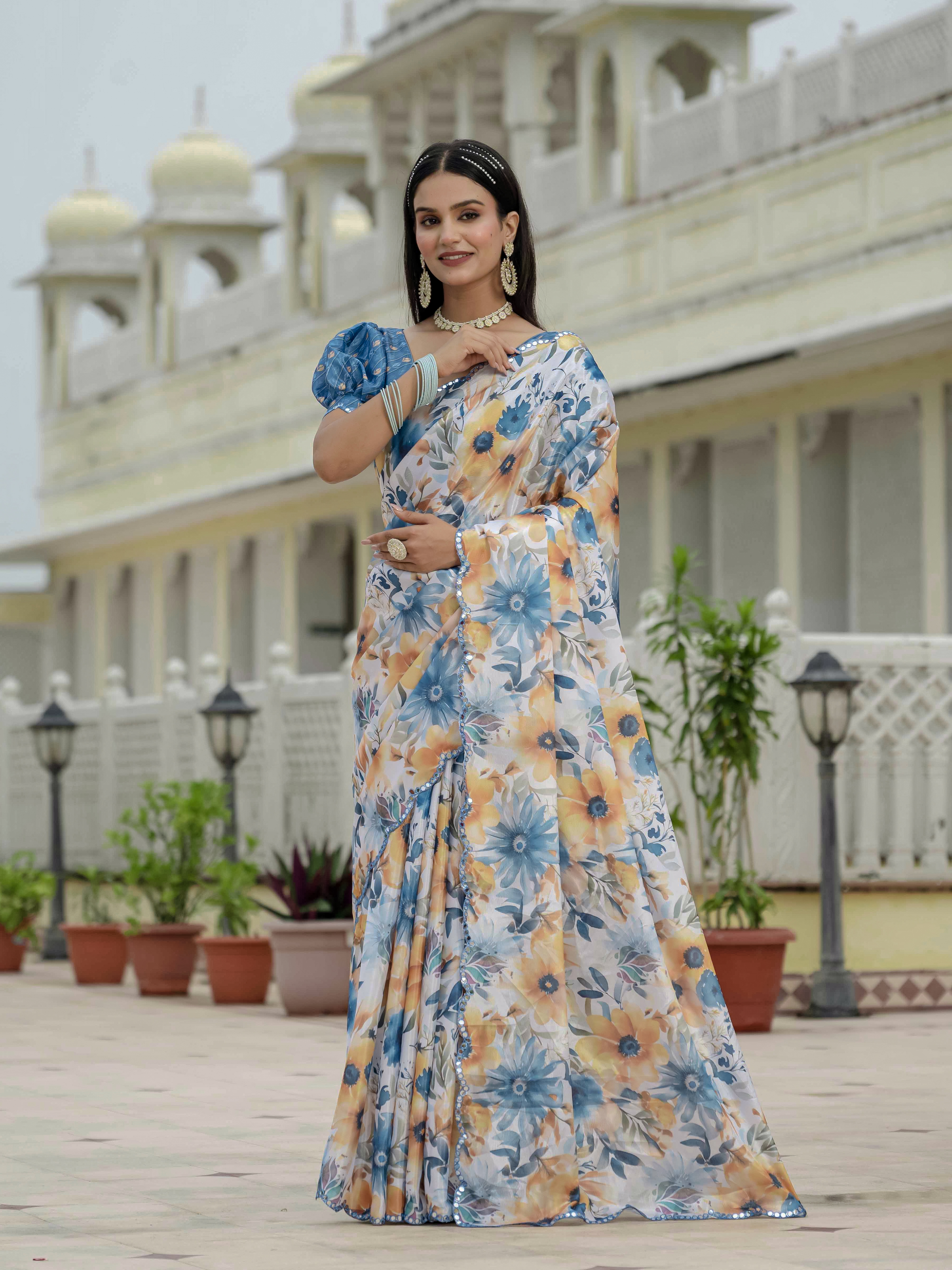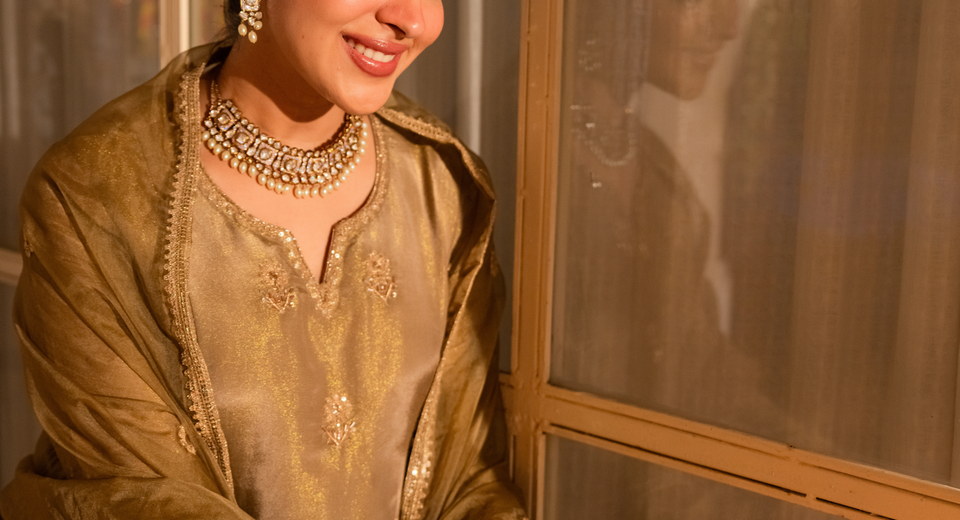
Chikankari Suit Styling: Lucknowi Kurta Looks for Festivals & Weddings becomes easier when you treat the kurta, bottom, dupatta and accessories as one proportioned outfit. A pale embroidered set can look serene for a puja, while the same Lucknowi kurta can look suitably celebratory with a jewel-toned dupatta, metallic earrings and a structured potli. The most useful choices depend on the event's time, dress code, weather and how much movement your outfit needs.
Chikankari embroidery is traditionally associated with Lucknow and is recognised for delicate threadwork, floral motifs and a soft, handcrafted appearance. Contemporary readymade salwar suits pair that visual language with straight pants, palazzos and lightweight dupattas, making them practical for modern wedding schedules. The guide below explains how to make those choices rather than simply collecting outfit ideas.
Start with the event, not the embroidery
The best Chikankari suit for a celebration is the one whose fabric, colour and silhouette match the event's formality and duration. A morning ceremony usually benefits from breathable, light-coloured Chanderi or cotton-blend dressing, whereas an evening reception can carry deeper colours, denser embroidery and more reflective accessories.
For a Haldi ceremony, choose a washable or easy-to-air fabric in cream, yellow, peach or soft green, and avoid a floor-skimming dupatta that may pick up turmeric. For a mehendi function, a kurta with a comfortable pant or palazzo leaves room for sitting, walking and photographs. For a wedding ceremony, zari details, silk texture or a richer dupatta can raise the outfit without requiring a heavily embellished lehenga.
A formal salwar suit for ladies doesn't need to be stiff. A clean straight kurta with matching pants, neat embroidery and a pressed dupatta often looks more refined than a heavily decorated outfit with competing colours. A reception allows more contrast: try a dark purple or wine accent, crystal earrings and a low bun with flowers.
Chikankari Suit Styling through colour and fabric
Colour creates the first impression, while fabric determines how the outfit falls, photographs and feels after several hours. Chanderi gives Chikankari suits a light, slightly crisp drape with a festive sheen; cotton offers greater breathability; and Chanderi silk gives the set a more formal finish suitable for evening gatherings.
Light shades for daytime functions
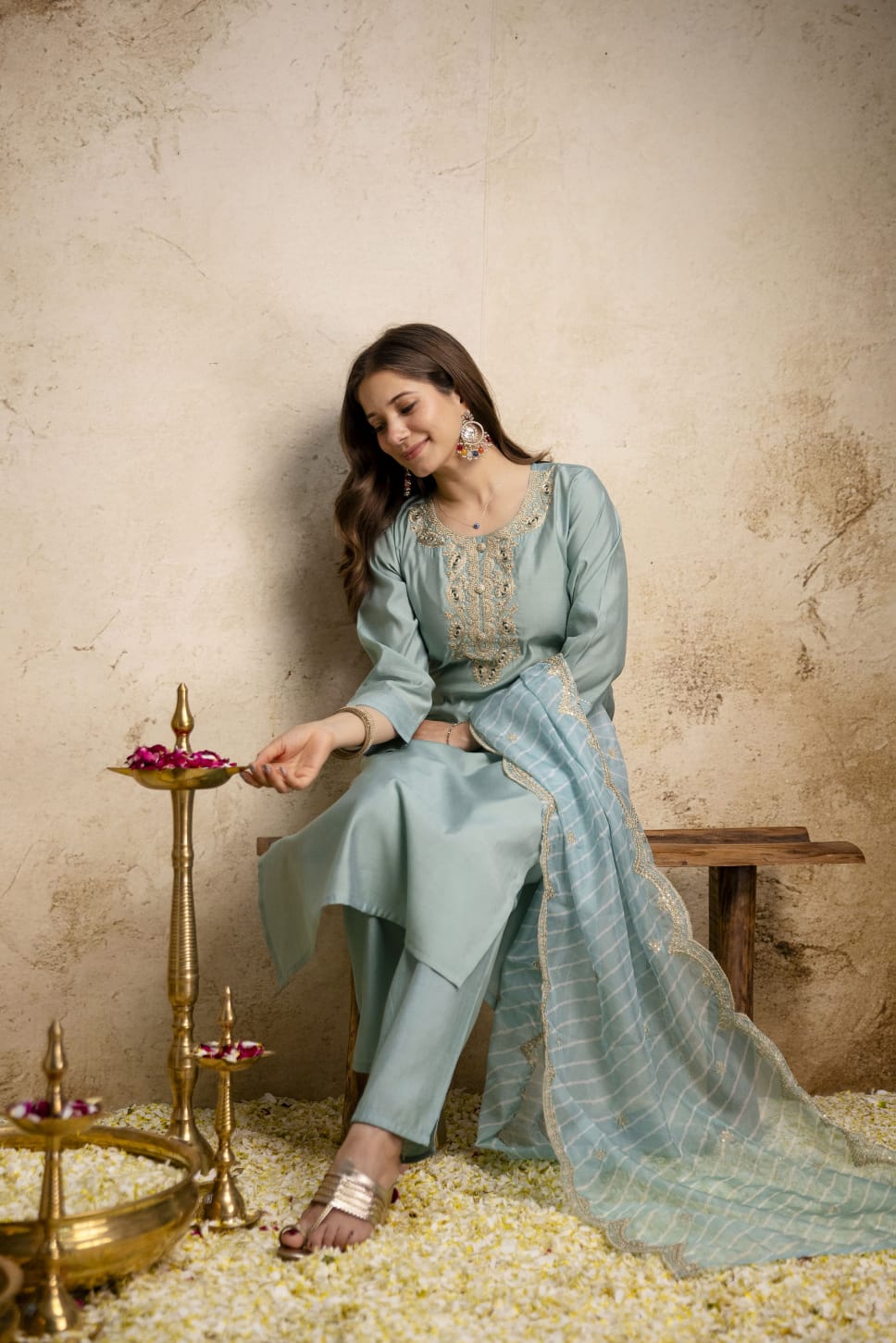
Cream, ivory, lavender, blush and pale yellow work especially well for daytime festivals and intimate wedding events. The Festive Wear Cream Embroidered Kurta Set can be styled with pearl studs, tan juttis and a blush or sage-green dupatta for a quiet morning look. A cream outfit also gives colourful jewellery space to stand out, particularly meenakari, green glass bangles or coral-toned earrings.
The Lavender Chanderi Embroidered Kurta Set with Dupatta suits a soft, polished palette. Pair lavender with silver-toned jewellery for a cooler finish, or introduce antique gold through jhumkas and a narrow metallic potli when the function moves into the evening. Keep the footwear neutral so the pastel colour remains the visual focus.
Warm and deep shades for festive evenings
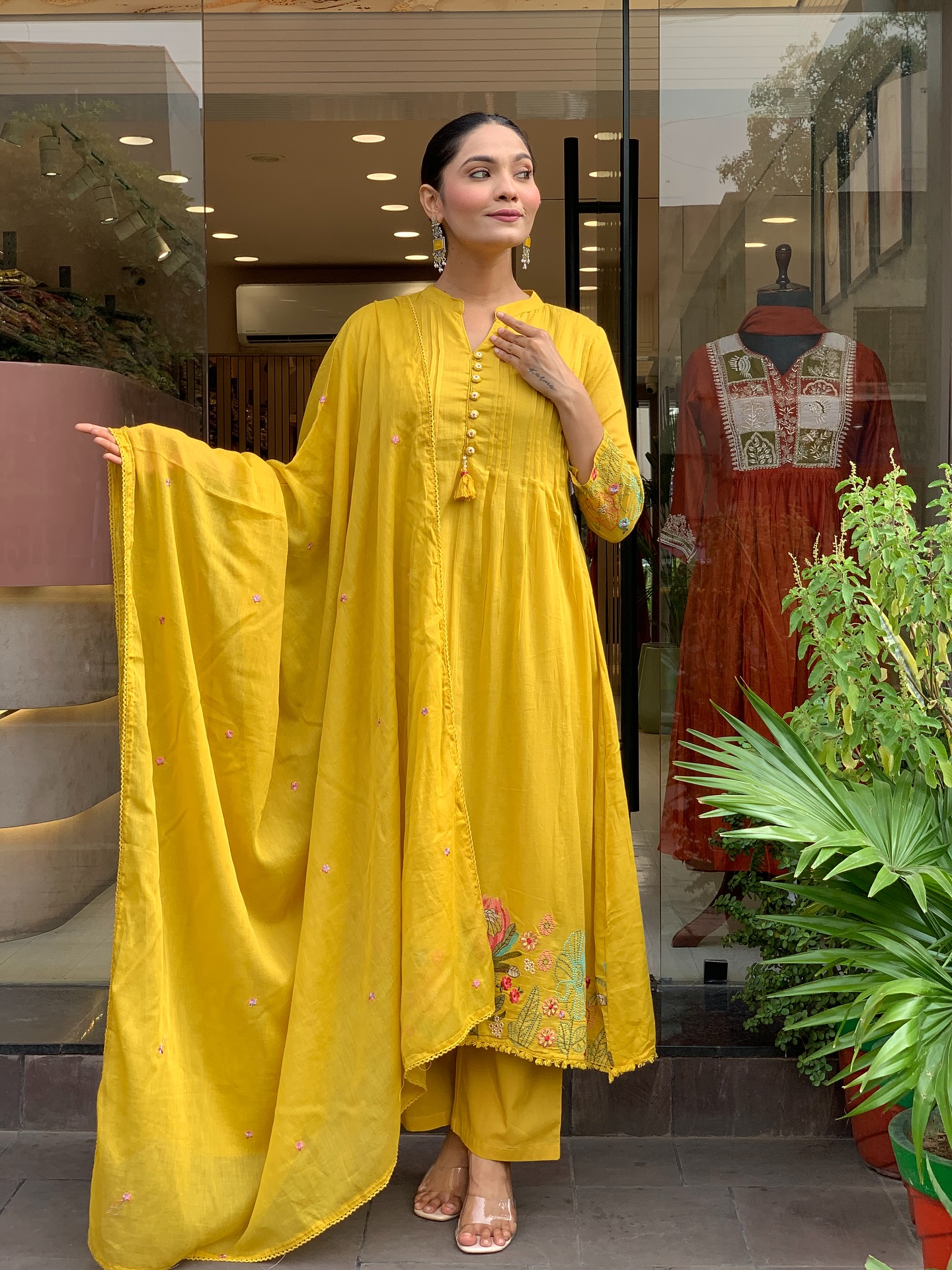
Mustard, purple, emerald and rust bring more visual weight to evening dressing and festive family gatherings. The Mustard Yellow Embroidered Chanderi Silk Kurta Set works with antique gold earrings, brown or bronze sandals and a warm-toned lip colour. Purple can look especially elegant when paired with old gold rather than bright silver.
The Purple Chanderi Silk Embroidered Kurta Set with Dupatta gives a stronger evening direction, while the Purple Embroidered Chanderi Kurta Palazzo Dupatta Set creates a wider, more relaxed line through the legs. A palazzo suit works well when you want movement and comfort, but the hem should finish above the floor to prevent dragging during crowded functions.
Choose the silhouette that suits the function
A straight kurta with pants is the most versatile salwar suit silhouette because it balances polish, mobility and easy accessorising. A palazzo set creates a softer, more fluid shape, while a longer kurta with a narrow bottom gives a column-like effect that can look particularly refined in photographs.
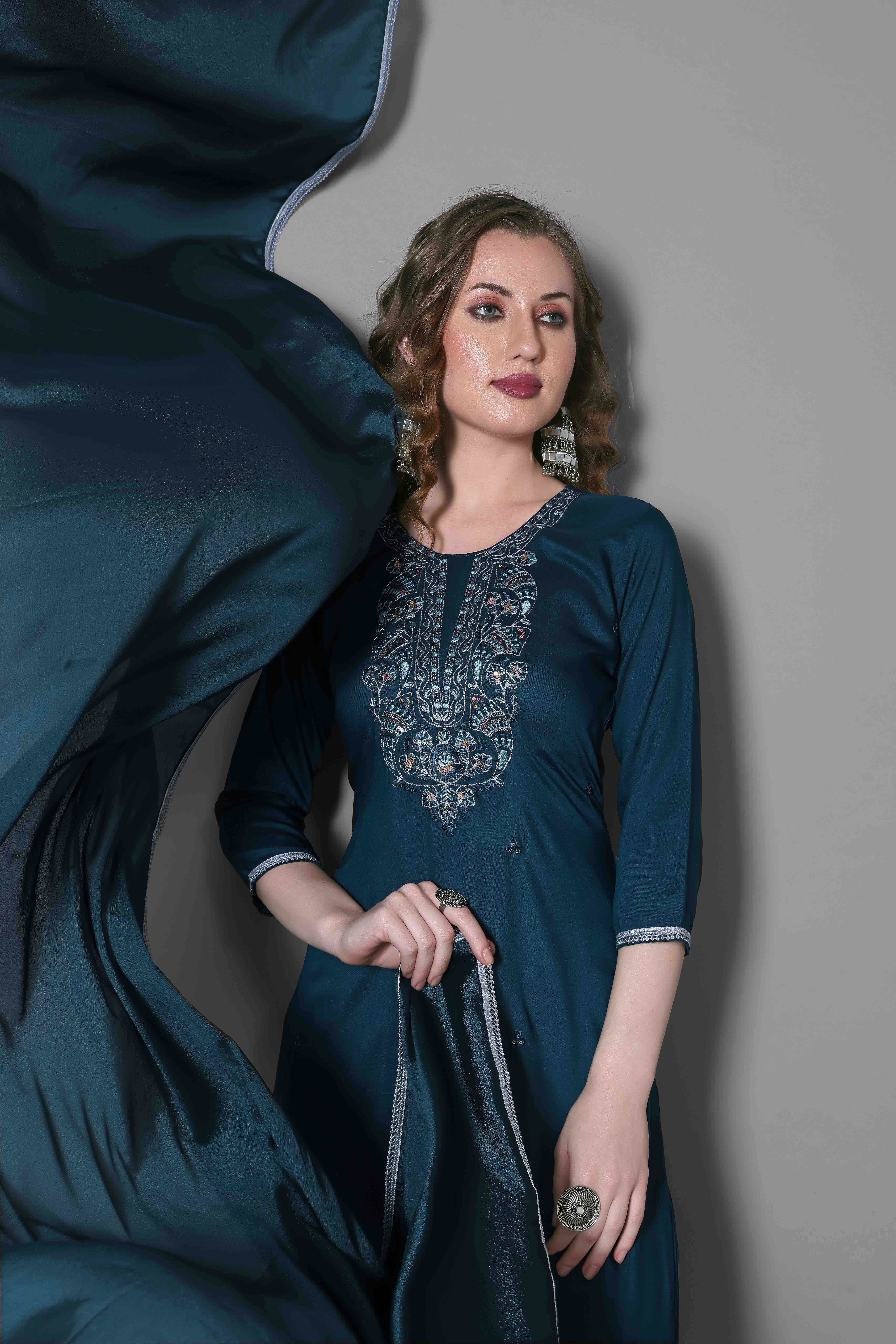
The Olive Embroidered Chanderi Kurta Pant Dupatta Set demonstrates why an understated colour can feel occasion-ready when the embroidery and fabric have enough texture. Style olive with antique gold, muted beige or deep maroon accents. The Mustard Chanderi Embroidered Kurta Pant Dupatta Set gives a similar three-piece structure in a brighter colour, making it suitable for a daytime wedding or a festive lunch.
Consider the kurta length in relation to your footwear. A cropped or ankle-length pant reveals juttis, embroidered flats or block heels; a longer kurta may need a slightly raised heel to preserve a clean hemline. Petite wearers can avoid overwhelming the frame by choosing a narrow dupatta border and keeping the jewellery concentrated near the face.
For a more contemporary Salwar Suit Design Girl wardrobe, a straight embroidered kurta with cigarette pants can be worn with minimal earrings and a sleek handbag. For a traditional family celebration, the same kurta can take on a more classic character through a phulkari or silk-textured dupatta, layered bangles and a centre-parted hairstyle.
Make the dupatta do the styling work
The most effective dupatta styling method is to choose one drape that supports movement and one focal point that frames the embroidery. A neatly pleated shoulder drape keeps both hands free, while a single-side fall creates a longer vertical line and shows the kurta front clearly.
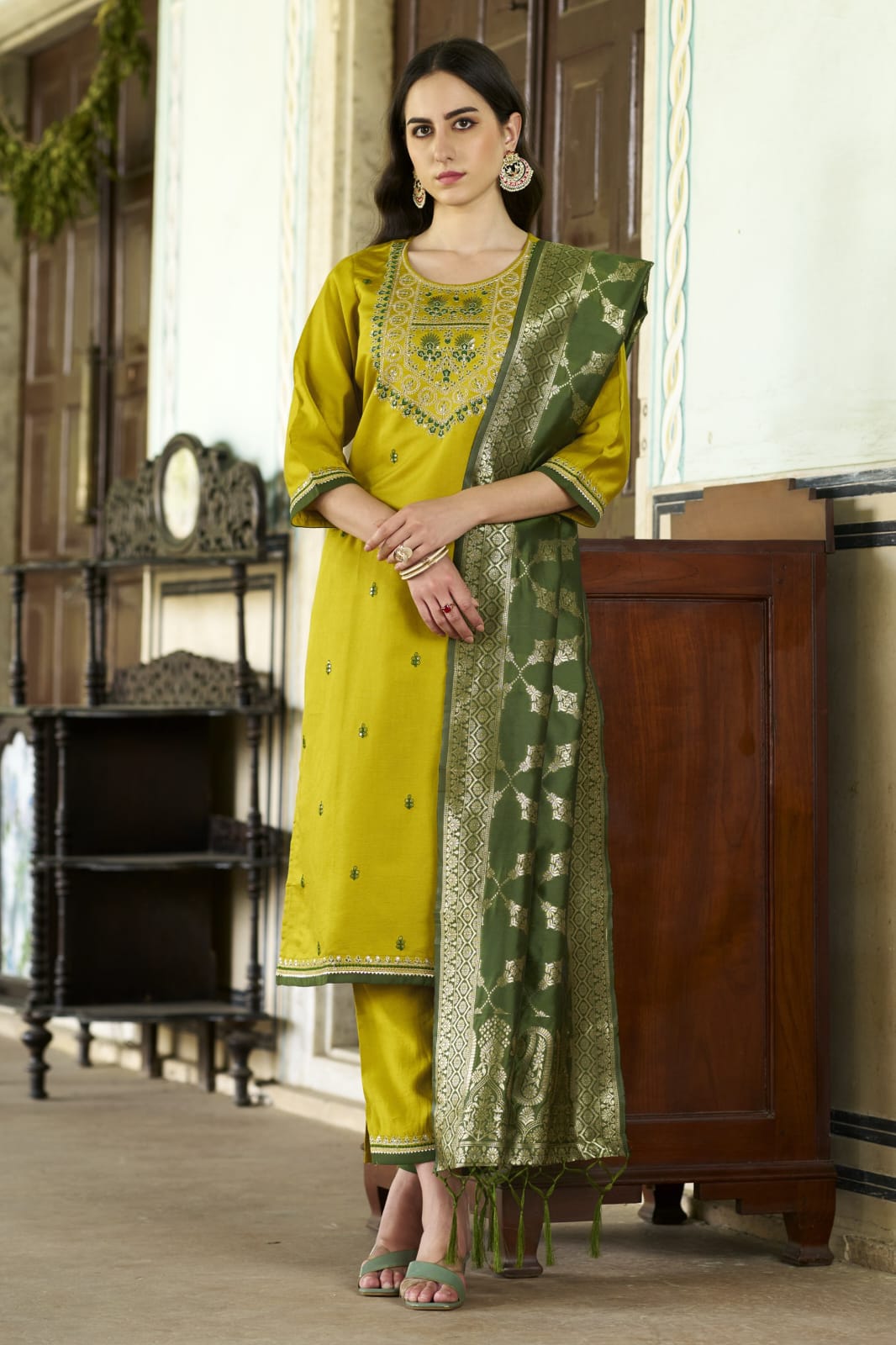
For a readymade salwar suit dupatta, check three practical details before leaving home: the fabric's transparency, the border's weight and the finished length. A slippery dupatta needs discreet shoulder pins; a broad embellished border may sit better over one shoulder than around the neck; and a very long dupatta should be secured before dancing, greeting guests or sitting on the floor.
When the kurta has dense embroidery, keep the dupatta plain or lightly edged. When the kurta is minimal, a contrasting dupatta can supply colour and occasion value. A cream Chanderi set with a rose, mustard or green dupatta can therefore be restyled several times without appearing like the same outfit.
The Cream Chanderi Embroidered Kurta Set with Dupatta is an useful example of a neutral base. For a puja, wear the dupatta over both shoulders with small gold earrings. For a wedding lunch, let one end fall over the arm, add a colourful bindi and choose embroidered juttis. For an evening gathering, pin the dupatta at the shoulder and add a compact metallic bag.
Coordinate jewellery, hair and makeup
Jewellery should echo either the embroidery thread or the outfit's strongest colour; matching every accessory to every detail usually makes Chikankari look crowded. Gold and antique gold complement ivory, mustard, olive and warm purple, while silver, pearls and oxidised metal suit lavender, white and cooler pastels.

Small jhumkas and a watch are enough for a daytime festival. A wedding ceremony can support a longer earring, a stack of bangles and one ring, but adding a necklace depends on the neckline. A high or embroidered neckline usually looks cleaner without a necklace. A simple round or V-neck can carry a short pendant or a delicate layered chain.
Hair changes the perceived formality of a Lucknowi kurta. A low bun, braided updo or smooth ponytail exposes the neckline and works well with statement earrings. Loose waves make the outfit feel less formal and suit daytime celebrations. Fresh jasmine or gajra adds a heritage note, but it should be secured firmly if the event includes travel or dancing.
Makeup can remain fresh rather than heavy. Use a long-wearing base for outdoor ceremonies, waterproof eye makeup during humid weather and a lip colour that survives conversation and meals. A bindi in a shade drawn from the dupatta is a small detail that connects the face to the outfit.
Use regional craft references thoughtfully
Regional embroidery references can help you build a coordinated wardrobe, but Chikankari should remain the centre of a Lucknowi look. Delhi Chikankari Embroidered Salwar Suits and Lucknow Chikankari Embroidered Salwar Suits are the most direct starting points when you want floral threadwork and a refined, light-handed appearance.
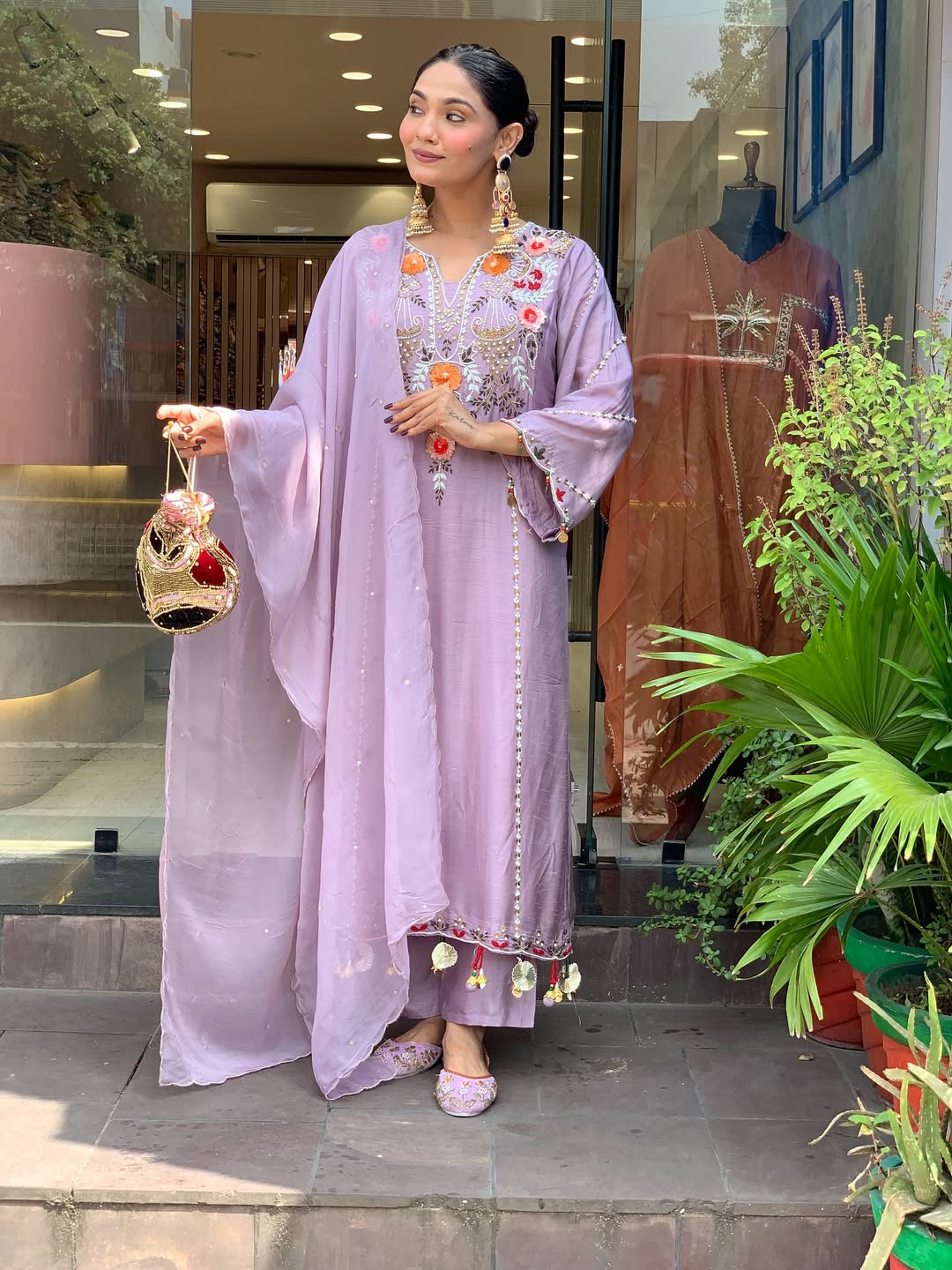
Punjab Phulkari Embroidered Salwar Suits bring a brighter, more graphic vocabulary through colourful floral embroidery. A Phulkari-inspired dupatta can add energy to a plain Chikankari kurta, provided the base remains simple. Kashmir Embroidered Salwar Suits typically suggest a more intricate, heritage-led mood, so they can guide winter styling through deeper colours and fuller shawls without being confused with Lucknowi threadwork.
Hyderabad Embroidered Salwar Suits offer another way to think about occasion dressing: richer contrast, dressier surface detail and stronger evening presence. Combining regional cues works best when one craft leads and the other appears only in an accessory or dupatta. A Lucknowi kurta with a highly ornate competing set of motifs can lose the quiet clarity that makes Chikankari appealing.
Build looks for real wedding schedules
A practical wedding wardrobe needs at least one outfit for heat, one for movement and one for evening photographs. The Mustard Yellow Embroidered Chanderi Silk Kurta Set can cover a festive lunch with flats and a woven clutch, then become more formal with block heels and antique gold jewellery. The Purple Chanderi Silk Embroidered Kurta Set with Dupatta is better suited to a cooler evening or an indoor reception.
For travel between venues, choose a set that folds without excessive bulk and keep the dupatta separately rolled around tissue paper to reduce hard creases. Carry safety pins, fashion tape, a small stain-removal wipe and one pair of comfortable backup flats. These items solve more outfit problems than a second heavy accessory.
Women looking for salwar suit women party wear often focus on sparkle, but polish comes from fit and finishing. Steam the kurta from the reverse side when the embroidery is raised, check that the trouser hem doesn't catch under the heel and remove visible loose threads before wearing the outfit. A well-fitted, carefully pressed Chikankari suit photographs better than a more expensive-looking set worn with a collapsing shoulder drape.
Readymade salwar suits are especially useful when the event is close because the proportions have already been assembled. Still, check the shoulder seam, armhole comfort, trouser rise and dupatta length within the return or alteration window. A two-centimetre adjustment at the trouser hem can change how balanced the entire outfit looks.
Care for embroidered Chanderi and Chikankari suits
Embroidered Chanderi and Chanderi silk suits should be stored clean, dry and away from direct sunlight. Follow the garment's care label first; when the label recommends dry cleaning, use a reputable cleaner and point out the embroidery, metallic details or colour contrast before treatment.
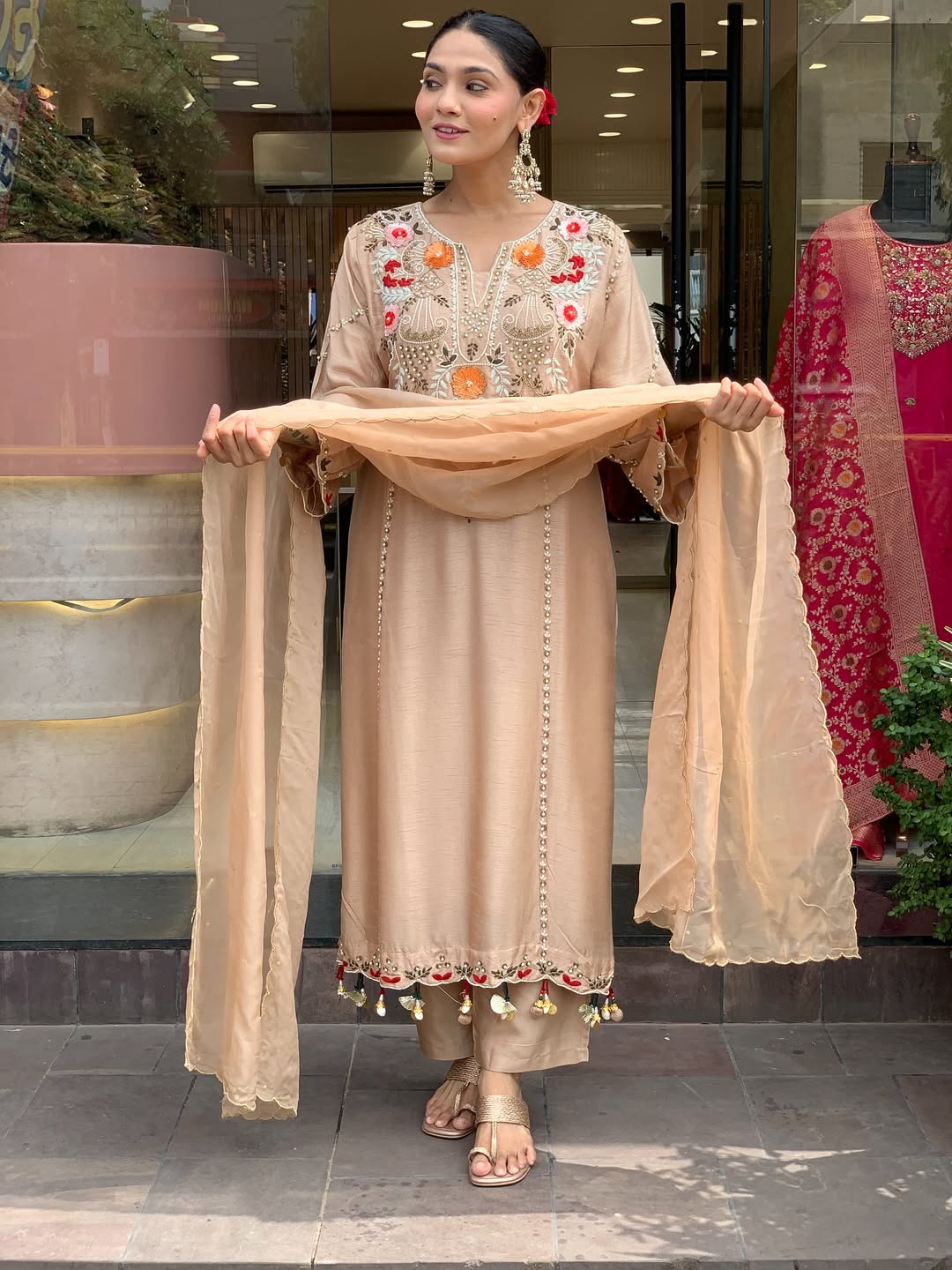
After wearing a suit, air the kurta and dupatta in shade for several hours before folding. Do not spray perfume directly onto Chikankari threadwork, and don't leave damp clothing in a closed suitcase. Fold the dupatta with soft tissue between heavily worked sections if the embroidery catches against itself.
Small marks should be blotted rather than rubbed because rubbing can distort delicate stitches and spread pigment. Iron Chanderi from the reverse on a low-to-medium setting with a pressing cloth, avoiding direct pressure on raised embroidery. A breathable cotton cover is safer for storage than a sealed plastic bag, especially during humid monsoon months.
A simple formula for polished Chikankari Suit Styling
Reliable Chikankari Suit Styling follows a three-part formula: keep the base comfortable, add one clear festive element and repeat one colour in the accessories. A cream set with gold earrings and mustard juttis, a lavender set with silver jewellery and lilac footwear, or a purple set with antique gold and a bronze potli each follows that logic.
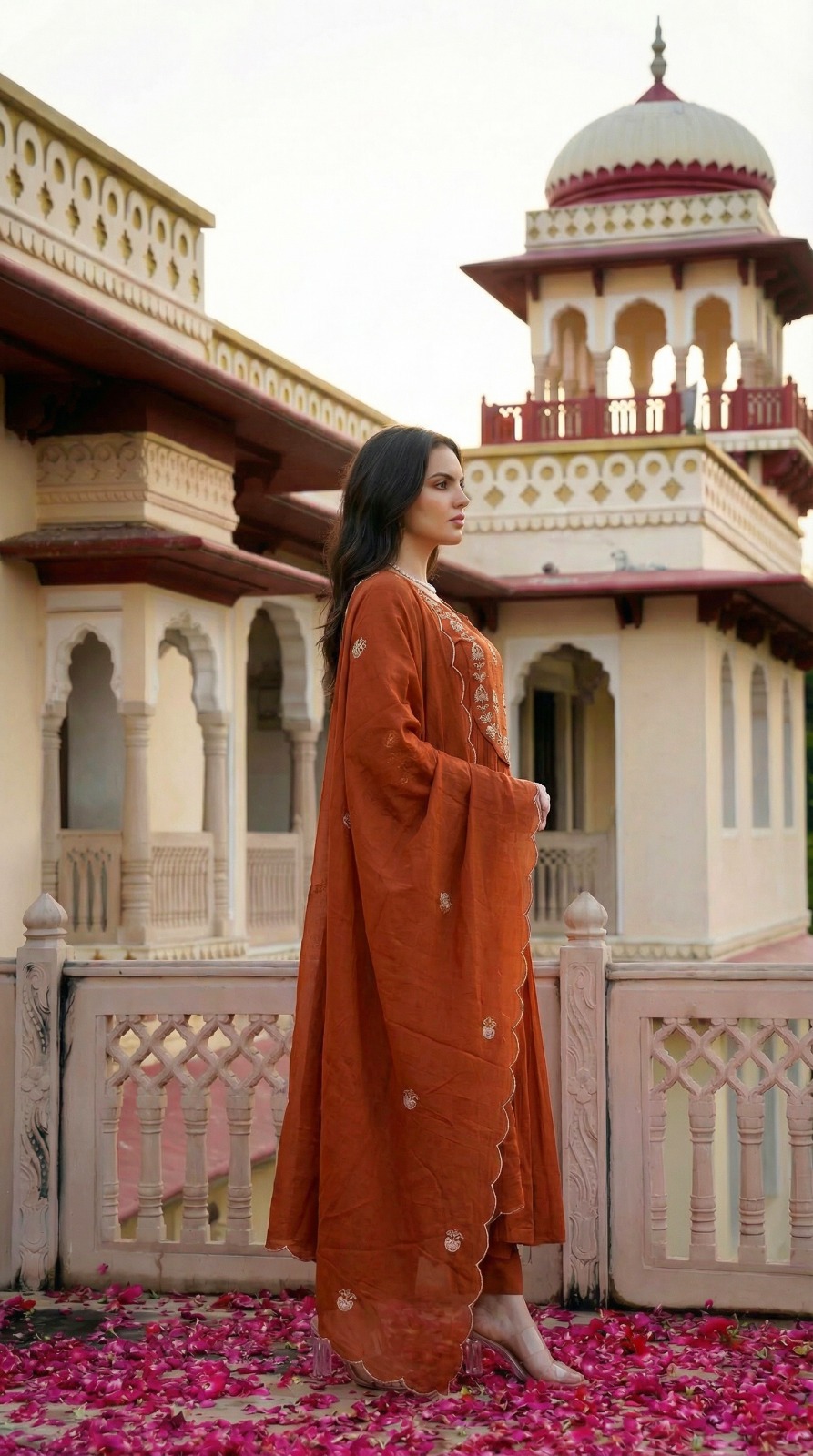
Before dressing, ask four questions: Is the fabric comfortable for the expected temperature? Can the hem survive the venue? Does the dupatta stay secure while moving? Is one accessory carrying the celebratory emphasis? Clear answers produce a more useful outfit than chasing every trending suits ladies colour or copying a generic Biba salwar suit silhouette.
A Lucknowi kurta can be modest, festive, comfortable and distinctive at the same time. The strongest result comes from respecting the embroidery's delicacy while using proportion, colour and accessories to make the outfit appropriate for the exact celebration.
Common Questions About Styling Lucknowi Chikankari Suits
Which salwar suit is trending now for weddings and festivals?
Straight Chikankari kurta sets with cigarette pants, palazzos or coordinated dupattas remain versatile choices for weddings and festivals. Chanderi, Chanderi silk, mustard, purple and soft pastel colour palettes work particularly well because they combine occasion texture with comfortable movement.
How can I style a Chikankari suit for a Haldi ceremony?
Choose a light, breathable set in cream, yellow, peach, lavender or soft green and secure the dupatta with discreet pins. Wear washable or easy-care footwear, minimal jewellery and a hairstyle that keeps the embroidery and face visible without allowing turmeric to collect on a long trailing dupatta.
What jewellery goes with a Lucknowi Chikankari kurta?
Gold or antique-gold jewellery complements cream, mustard and olive Chikankari, while silver, pearls and oxidised metal suit lavender and cooler pastels. Choose either statement earrings or a necklace as the main focal point, especially when the neckline already carries embroidery.
Are Chanderi Chikankari suits suitable for evening wedding receptions?
Chanderi silk Chikankari suits are suitable for evening receptions because the fabric has a dressier texture and gentle sheen. Dark purple, mustard and other deeper colours become more formal when paired with antique gold jewellery, block heels and a structured clutch.
How should I choose a dupatta for a readymade salwar suit?
Choose a dupatta whose weight, length and border suit the kurta's embroidery and the amount of movement expected. Keep a heavily embroidered kurta with a lighter dupatta, and use a contrasting or more ornate dupatta to add occasion detail to a simpler kurta.
Where can I buy women’s suit sets online in India?
Women's suit sets are available through established ethnic-wear websites and online fashion marketplaces, including readymade Chikankari and Chanderi options. Check the garment measurements, fabric description, dupatta length, care instructions and exchange window before purchasing, because those details determine whether the set will work for a wedding.