

A wedding wardrobe has to survive turmeric, travel, long ceremonies and hours of dancing. Chhattisgarhi Wedding Fashion brings together the familiarity of sarees, the comfort of salwar suits and the festive impact of lehengas, while leaving room for personal style. The best outfit depends on the ceremony, fabric, weather, amount of walking and whether you're the bride, a close relative or a guest.
there's no several outfit that represents every Chhattisgarhi family. A traditional celebration may centre on Kosa silk, regional jewellery and a carefully draped saree, while an urban wedding may include a sangeet, a designer lehenga and a reception gown. An functional wardrobe therefore balances cultural identity with comfort, colour, fit and the practical demands of the schedule.
What defines Chhattisgarhi Wedding Fashion?
Chhattisgarhi Wedding Fashion is defined by regional textile traditions, bright festive colour, practical draping and a blend of classic and contemporary Indian silhouettes.
Kosa silk, the silk strongly associated with Chhattisgarh, is an important reference point for formal regional dressing. Kosa silk sarees generally have a textured handfeel and a restrained natural sheen rather than the mirror-like surface of heavily metallic fabric. A Kosa silk saree with a contrasting blouse can look ceremonial without relying on dense embroidery.
Chanderi, Banarasi silk, cotton silk and lightweight georgette also suit wedding dressing, although each fabric creates a different result. Chanderi feels airy and refined for daytime functions. Banarasi silk gives a more substantial drape and visible zari for a formal ceremony. Georgette falls close to the body and works well when easy movement matters more than a structured silhouette.
Regional dressing can also include inherited jewellery, glass bangles, silver ornaments and textile choices connected to a particular family. A modern lehenga can still feel appropriate for a Chhattisgarhi wedding when the colours, jewellery and styling respect the setting rather than treating tradition as a costume.
How does Chhattisgarhi Wedding Fashion change by ceremony?
Chhattisgarhi Wedding Fashion changes with the ceremony: lighter and brighter outfits suit Haldi and Mehendi, while richer fabrics and deeper colours work better for the wedding and reception.
Haldi ceremony
Yellow, marigold, mustard, mango and warm green are reliable choices for a Haldi ceremony. These colours photograph well in natural light and disguise small turmeric marks better than ivory, pale blue or blush pink. A short or securely pinned dupatta is more practical than a floor-length drape when guests are moving between outdoor and indoor spaces.
Mehendi and sangeet
Green is classic for Mehendi, but emerald, teal, parrot green, fuchsia and orange can all create a lively palette. Mirror work, threadwork and colourful embroidery suit the festive atmosphere. For a sangeet, a lehenga with a flexible waistband and a blouse that allows arm movement is more useful than a heavily structured outfit that restricts dancing.
Wedding ceremony and reception
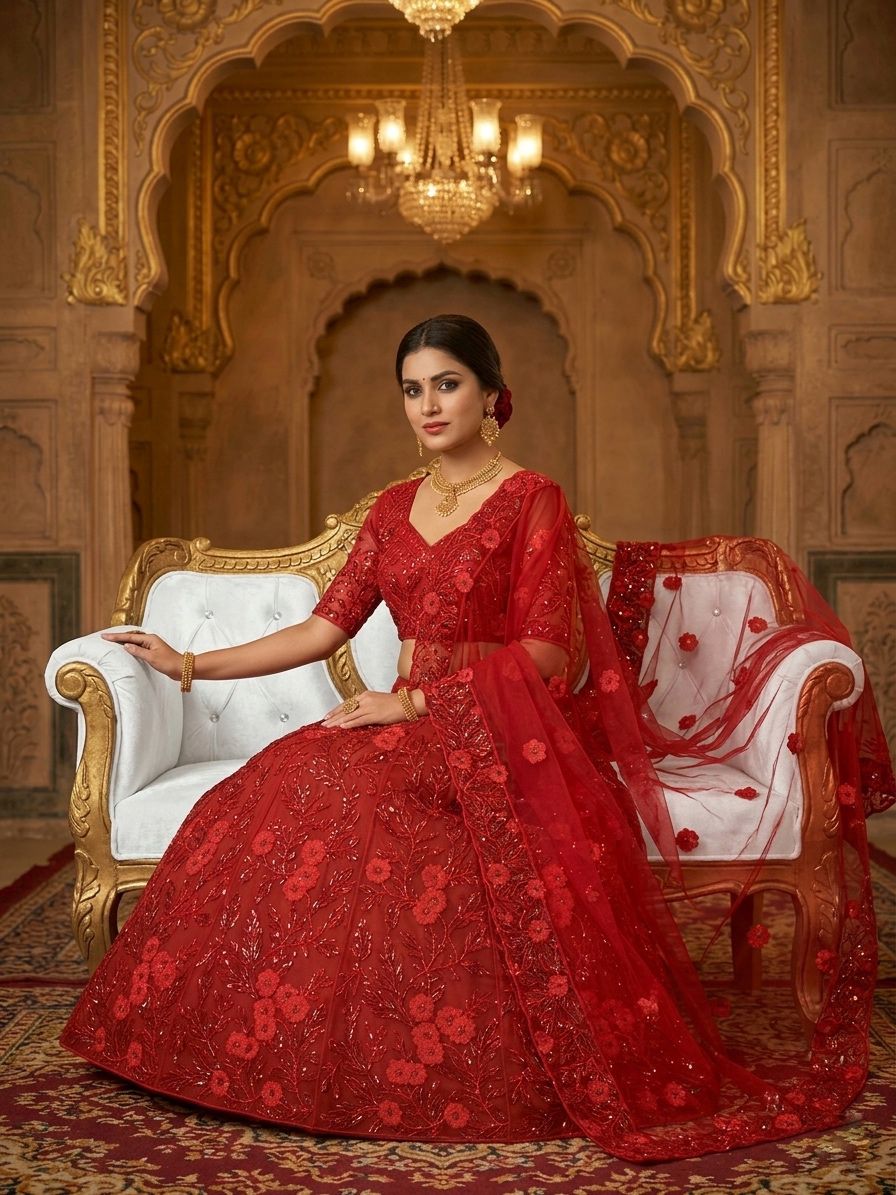
A wedding ceremony calls for a more formal saree, silk suit or embellished lehenga, while a reception allows greater freedom with black, wine, navy, plum and metallic accents. Red remains significant for bridal dressing, but guests can choose coral, rust, rose or magenta to respect the bridal colour story without copying the bride's complete look.
Should you choose a saree, suit or lehenga for Chhattisgarhi Wedding Fashion?
Choose a saree for cultural formality, a salwar suit for comfort and repeat wear, and a lehenga for a coordinated festive look with strong visual impact.
When a saree is the right choice
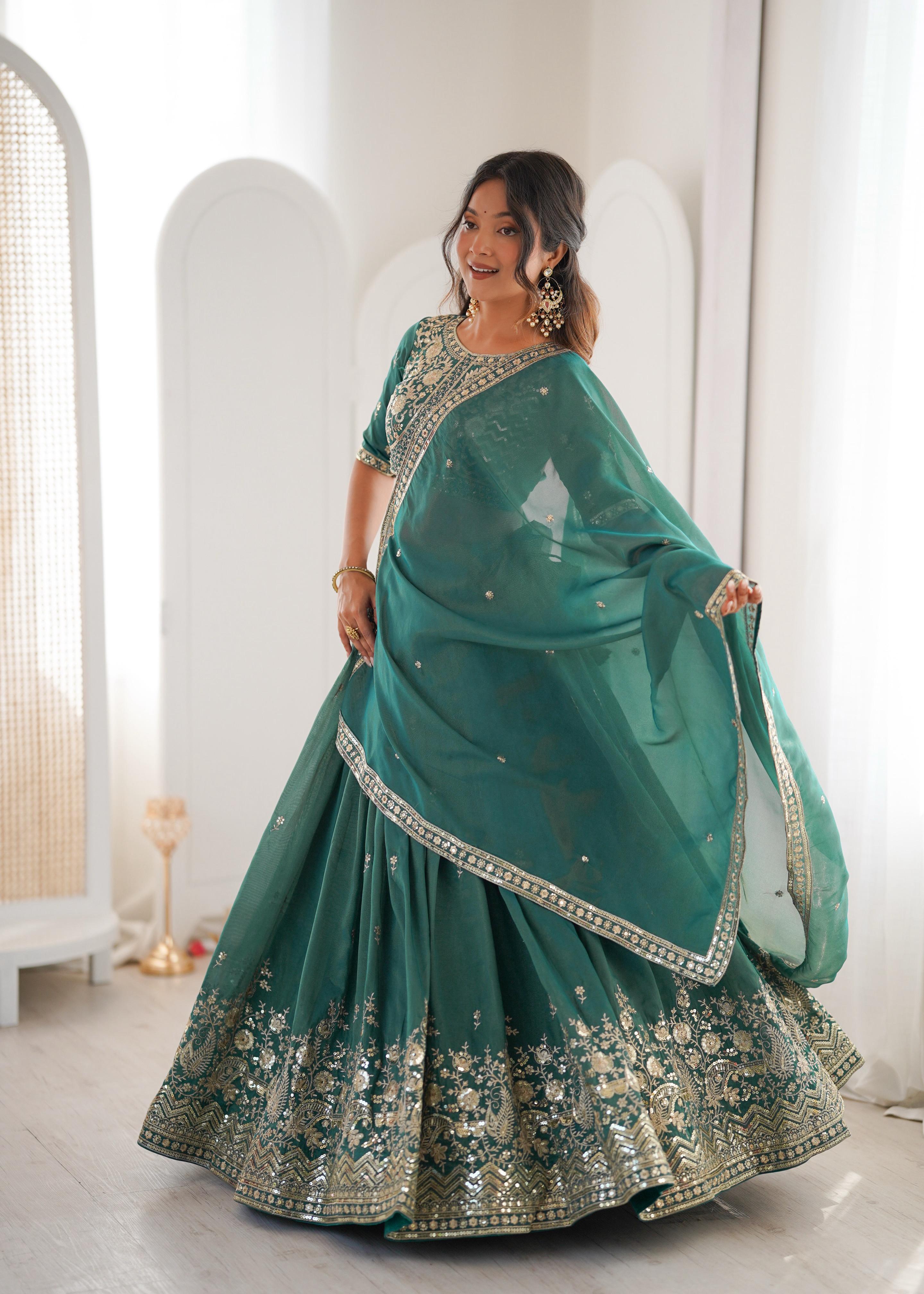
A saree suits a wedding ceremony, family blessing, formal puja or reception where a graceful time-honoured appearance is expected. Kosa silk, Banarasi silk, Chanderi and silk-cotton sarees can all work, but the blouse and pallu should match the level of formality. A woven border often looks timeless for a daytime ritual, while zari or a restrained embellished border adds evening polish.
People who don't regularly wear sarees should practise the drape at least once before the wedding. Pinning the pleats at the waist, securing the shoulder pallu with a discreet brooch and wearing a properly fitted petticoat can prevent constant adjustments. A slightly shorter fall is safer than a long edge that catches under a heel.
When a salwar suit is more practical
A salwar suit is the better choice for guests expecting long travel, repeated sitting, outdoor rituals or several hours of movement. Straight-cut kameez sets in silk blends, anarkali suits in georgette and palazzo suits in breathable fabrics provide coverage without the waist and hem management required by a lehenga.
A suit doesn't need heavy embroidery to look festive. A brocade dupatta, zari neckline, embroidered sleeve or richly coloured trouser can provide enough occasion detail. For a morning function, a lined cotton-silk suit in yellow, coral, leaf green or rose is often more comfortable than a fully sequinned outfit.
When a lehenga works best
A lehenga works well for a sangeet, reception, engagement or bridesmaid role because the skirt, choli and dupatta create a complete outfit with comparatively little styling effort. The three pieces can share a colour family while jewellery and footwear provide contrast.
Lehenga weight should follow the event rather than the word wedding. A net skirt covered in sequins may suit a short evening reception but become uncomfortable during a humid outdoor Haldi ceremony. Butter silk, muslin cotton and light silk lehengas are easier to wear for several hours, especially when the skirt has a manageable flare and the blouse permits arm movement.
Which fabrics and colours suit Chhattisgarhi Wedding Fashion?
Bright yellow, marigold, green and pink suit daytime rituals, while red, wine, emerald, navy and metallic accents work more effectively after sunset.
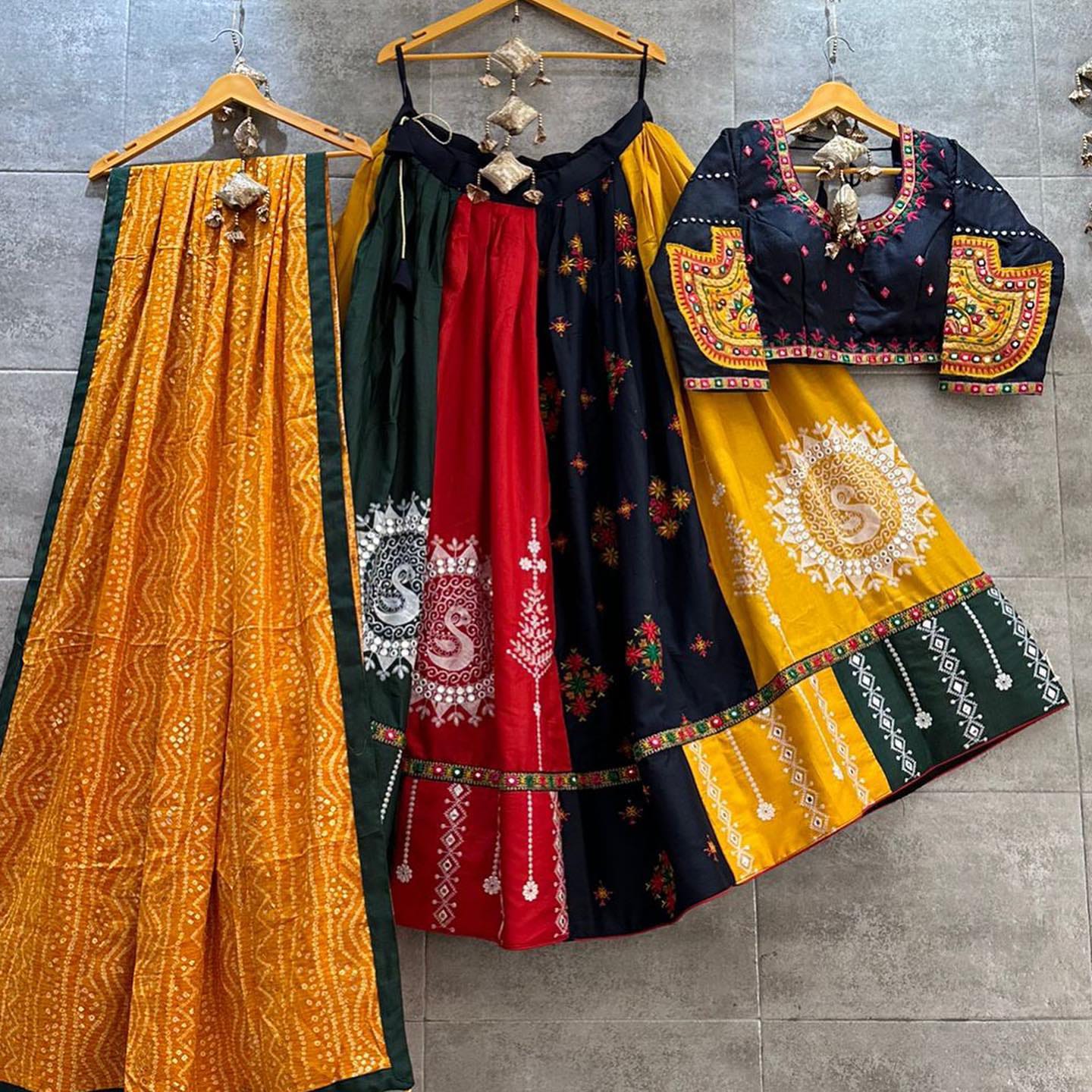
Fabric changes how colour behaves. Butter silk reflects light softly and holds a clean skirt shape. Net creates volume but needs a lining and careful handling. Muslin cotton feels lighter and is useful in warm weather. Silk blends provide sheen at a lower weight than many pure silk garments. Sequins and mirror work increase visual brightness, but they also add weight and can catch on jewellery or handbags.
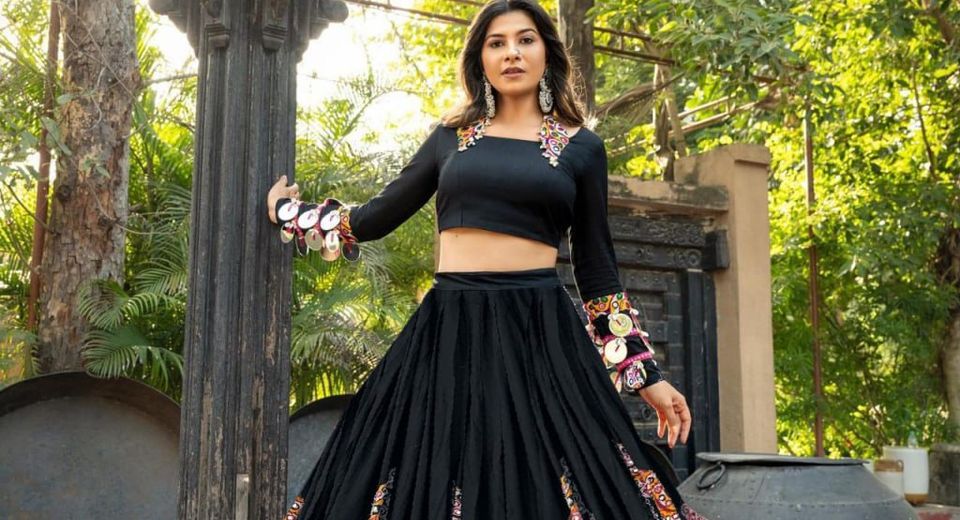
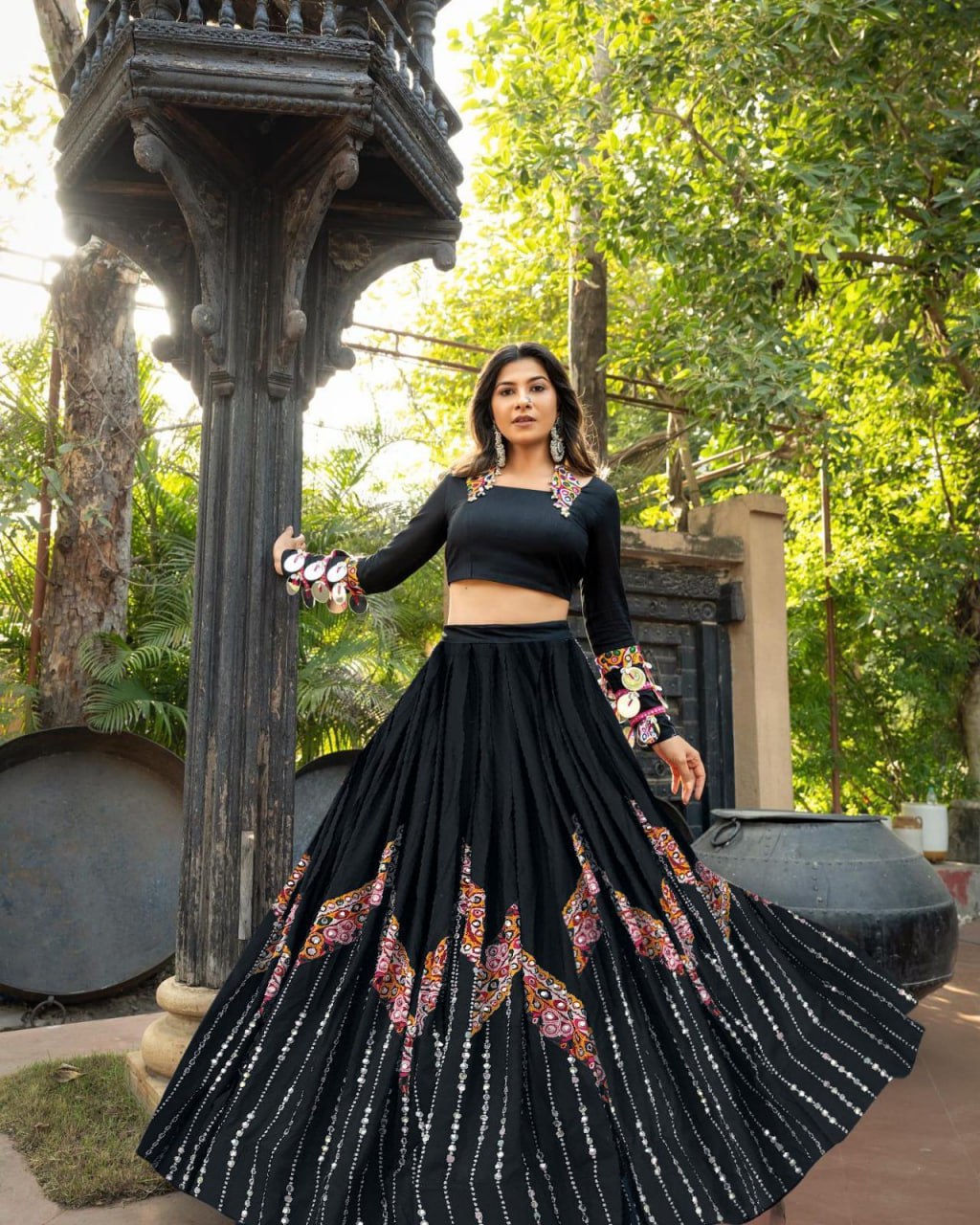
The Black Wedding & Festive Wear Designer Lehenga demonstrates how a dark base can look festive when paired with antique-gold jewellery, a coloured dupatta or warm metallic footwear. The Designer Threadwork Silk Lehenga Choli Set with Dupatta offers a more classic surface through threadwork. The Stylish Multicolor Butter Silk Lehenga Choli Set is particularly useful for a lively daytime palette because multiple colours reduce the need for elaborate accessories.
The Mint Embroidered Lehenga Set with Net Dupatta for Women creates a softer look for a daytime engagement or reception. The Multicolor Mirror Work Muslin Cotton Lehenga Choli Set suits guests who want reflective surface detail with a comparatively lighter textile base. These examples show why construction and fabric matter as much as colour when selecting wedding clothing.
How can you style Chhattisgarhi Wedding Fashion comfortably?
Comfortable Chhattisgarhi Wedding Fashion requires a secure blouse, a flexible waistband, a lined skirt, a manageable dupatta and footwear tested before the event.
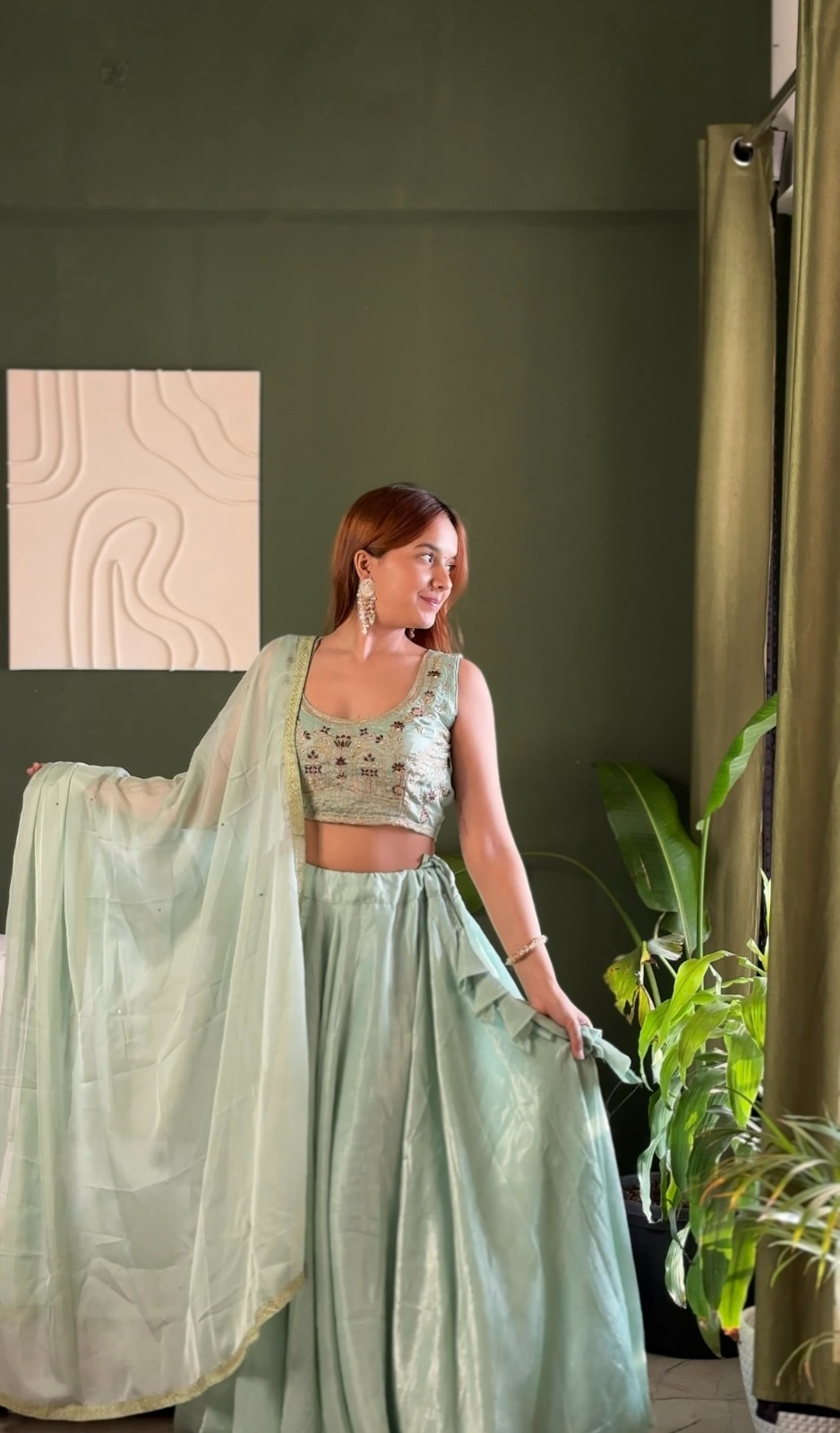
Start with the waistband. A skirt that digs into the waist becomes difficult during a long ceremony, while an overly loose skirt shifts while walking. Side hooks with a small adjustment margin are more forgiving than a fixed, tight closure. The skirt should also allow enough room for sitting, climbing stairs and getting into a car without pulling at the seams.
The blouse deserves equal attention. Sleeves should allow the arms to lift for dancing and greeting relatives. A sweetheart or deep neckline isn't necessary for impact; a square, round or modest V-neck can look equally contemporary when the embroidery and fit are precise. Raise both arms while trying on the blouse, and check whether the neckline, shoulder straps and underarm area remain secure.
The Red Butterfly Net Sequins Lehenga Set Wedding Wear creates a high-shine evening effect, but the sequins should be checked for rough edges before wearing delicate jewellery. The Elegant Mirror Work Navratri Lehenga Choli Set can be adapted for a wedding guest wardrobe with quieter jewellery and a plain clutch. The Colorful Patch Print Butter Silk Lehenga Choli Set brings a lighter, more playful direction for a daytime celebration.
Accessories should repeat one or two colours from the outfit and leave enough visual space for the garment's embroidery or border. Gold-toned jewellery works naturally with zari, warm reds and Banarasi silk. Silver or oxidised pieces pair well with mirror work, cool pastels and some cotton textiles. A choker can balance a broad neckline, while long earrings are often more comfortable than a heavy necklace with a high-neck blouse.
Footwear should be selected before finalising the hem. Wear the actual sandals or juttis during alterations because even a two-centimetre difference changes the fall of a lehenga skirt or saree. Block heels between 5 and 7 centimetres offer more stability than narrow stilettos on grass, uneven courtyards or crowded venues.
How should you budget for Chhattisgarhi Wedding Fashion?
A realistic Chhattisgarhi Wedding Fashion budget includes the outfit, alterations, lining, footwear, jewellery, blouse support and possible cleaning costs rather than the garment price alone.
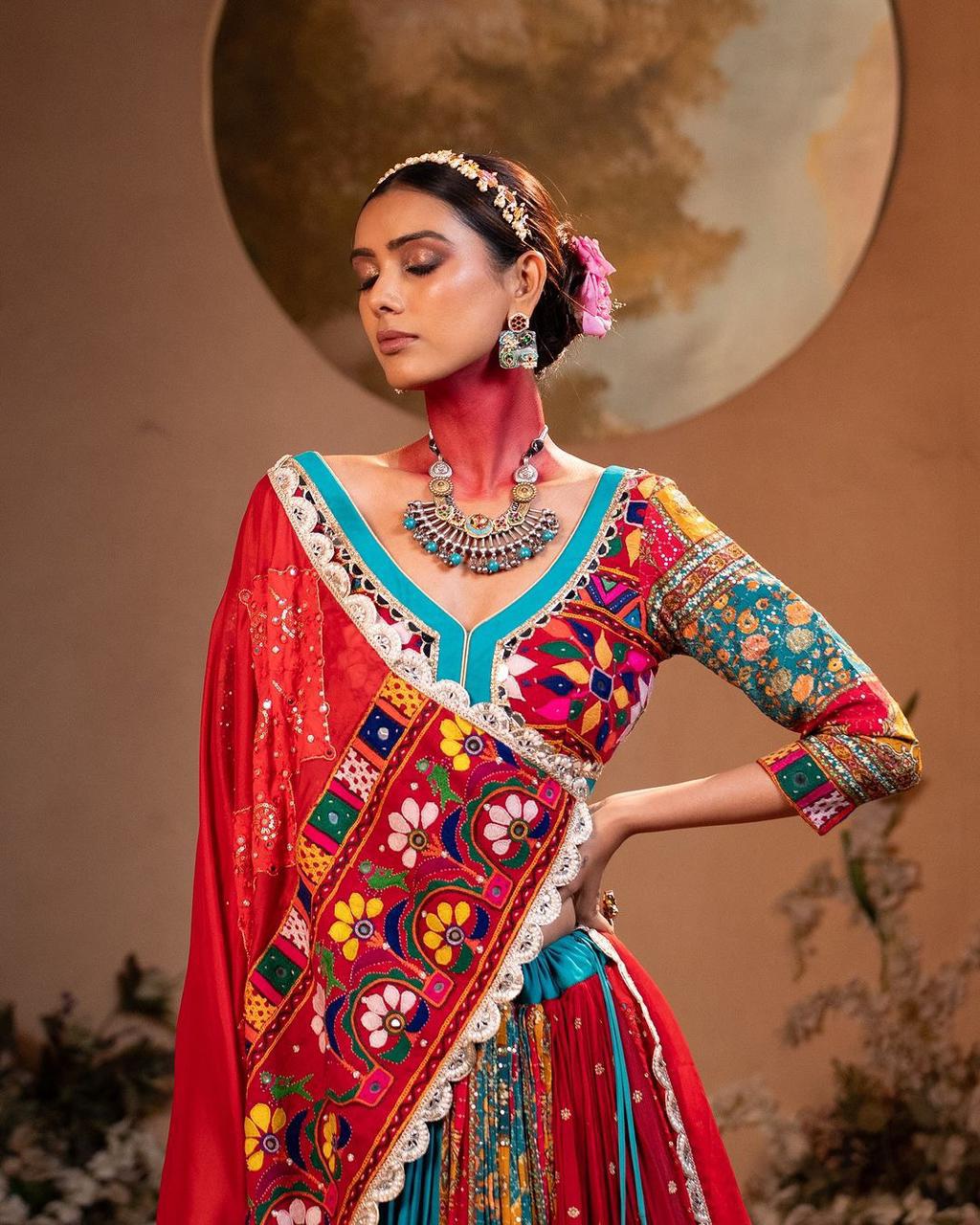
For value-led shopping, the Pink Lehengas Under 4000 with 50% Discount collection can help guests compare bright outfits within a defined price range. The Silk Lehengas Under 3000 collection is useful when a silk-like sheen matters more than elaborate embellishment. Budgeting around ₹500 to ₹1,500 for basic alterations is sensible, although complex blouse work or extensive skirt adjustments may cost more.
Bridesmaids can compare coordinated options through Bridesmaid Lehengas Under 5500. The Net Lehengas Under 4500 with 51% Discount collection may suit evening outfits where volume and sparkle are priorities. Guests attending a daytime Haldi ceremony can look for practical colours and breathable construction in Haldi Lehengas Under 5500 rather than paying for embellishment that will be difficult to maintain.
Price should not be the only measure of value. Check whether the lehenga is lined, whether the blouse has usable seam allowance, whether the dupatta edge is finished and whether the care instructions match your schedule. An inexpensive outfit that needs urgent alterations, a new petticoat and specialist cleaning may cost more overall than a better-finished garment.
How should Chhattisgarhi Wedding Fashion be stored and cared for?
Store Chhattisgarhi Wedding Fashion garments clean, dry, folded or supported correctly, and protected from direct sunlight and moisture.
don't leave sweat, perfume or food marks untreated after the wedding. Air the garment away from direct sunlight, then follow the care label before storing it. Sequinned net, mirror work and zari should generally be handled gently because rough machine washing can loosen surface decoration and damage the base fabric.
Fold heavy lehengas along clean cotton muslin rather than hanging them for months on a thin hanger. A padded hanger is safer for structured blouses. Keep zari sarees folded with soft tissue or clean muslin between folds, and refold them every few months to reduce permanent crease lines.
Store wedding clothing in a breathable garment bag instead of airtight plastic. Add moisture protection to the storage area, but don't place scented products directly against silk, zari or embroidery. Professional dry cleaning is usually safer for heavily embellished garments, while lightweight washable fabrics should still be tested according to their care label.
How do you build a versatile Chhattisgarhi Wedding Fashion wardrobe?
A flexible Chhattisgarhi Wedding Fashion wardrobe needs one formal saree, one comfortable suit, one statement lehenga and accessories that can be recombined.
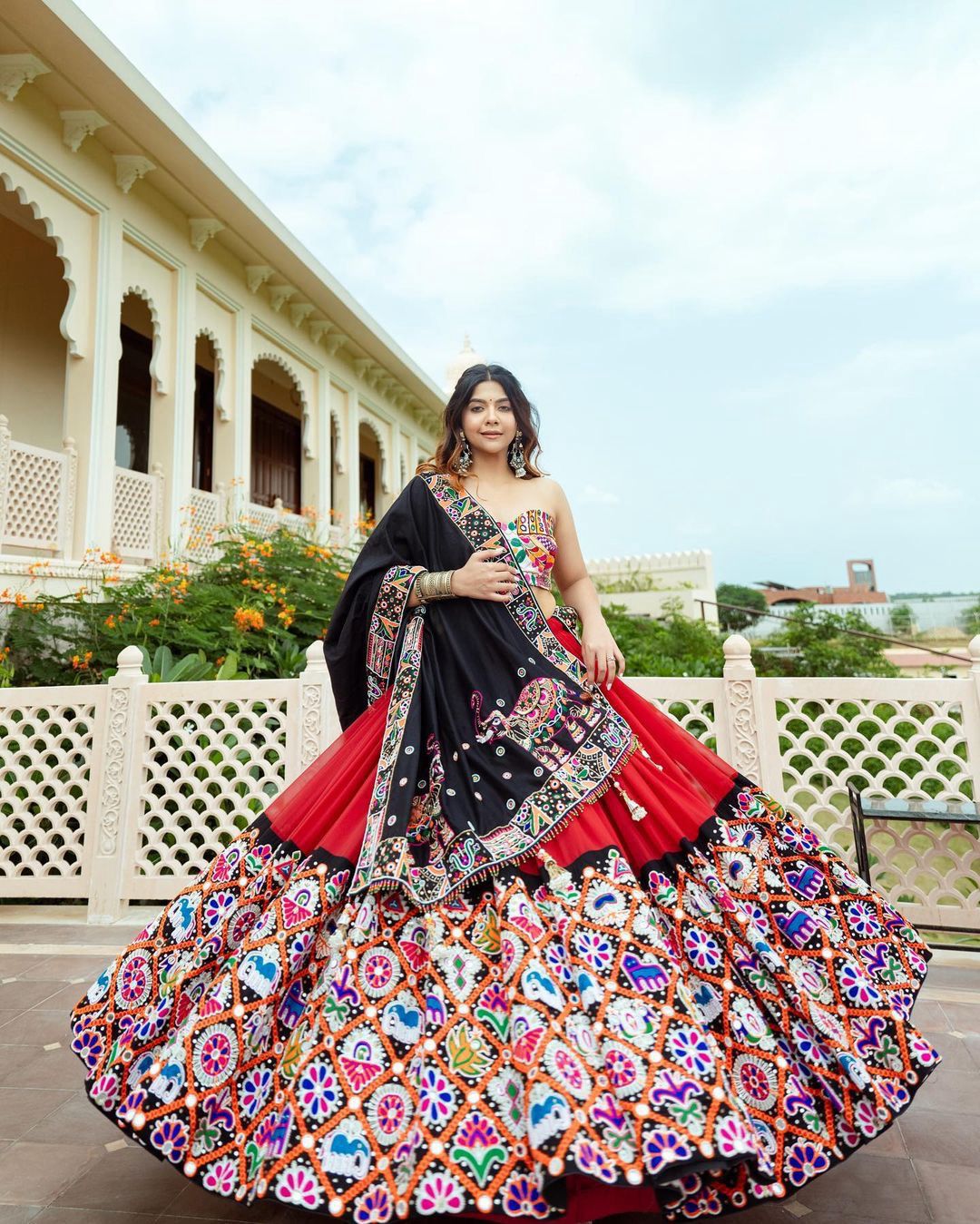
A Kosa silk or silk-blend saree can serve ceremonies and formal family events for years when the colour isn't tied to one trend. A bright salwar suit can cover Haldi, Mehendi and daytime guest dressing with changes to the dupatta and jewellery. A statement lehenga should be selected for a cut and fabric that can be restyled with a different blouse, plain dupatta or contrasting accessories.
Repeat wear becomes easier when the three pieces of a lehenga are treated separately. Pair a heavily embroidered skirt with a plain silk blouse at another celebration. Wear the lehenga blouse with a saree or palazzo trousers if the cut allows. Use the dupatta with a salwar suit to create a new colour arrangement without buying a complete outfit.
The most successful wedding wardrobe isn't the one with the greatest amount of decoration. It is the wardrobe that respects ceremony, climate, movement, personal comfort and the textile traditions that make Chhattisgarhi celebrations distinctive.
Common Questions About Chhattisgarhi Wedding Fashion
What should a guest wear to a Chhattisgarhi wedding?
A guest can wear a Kosa silk, Chanderi or Banarasi silk saree, a festive salwar suit or a moderately embellished lehenga. Choose the outfit according to the ceremony, weather and amount of movement, and avoid copying the bride's complete colour and jewellery combination.
Which lehenga is suitable for a Haldi ceremony?
A lightweight lehenga in yellow, marigold, mustard, green or coral is suitable for a Haldi ceremony. Butter silk, muslin cotton and lightly embellished fabrics are generally more practical than heavy net and dense sequins, while a short or securely pinned dupatta helps prevent stains.
Is a saree or lehenga better for a Chhattisgarhi wedding?
A saree is better when cultural formality and traditional draping are priorities, while a lehenga is better for coordinated festive styling and easier movement. A salwar suit is the most practical option for travel, outdoor rituals or guests who do not regularly wear sarees.
Which fabrics are comfortable for an Indian wedding in warm weather?
Muslin cotton, cotton silk, Chanderi and lightweight georgette are comfortable choices for warm-weather weddings. Net and dense sequins can feel heavier, so lined construction, breathable inner layers and limited surface embellishment are important for daytime ceremonies.
How can I make a wedding lehenga more comfortable?
Choose a skirt with a flexible waistband, a lined inner layer and a manageable flare, then check that the blouse allows arm movement. Test the complete outfit with the actual footwear, secure the dupatta before leaving and carry safety pins, fashion tape and blister patches.
How should a heavily embroidered lehenga be stored?
A heavily embroidered lehenga should be cleaned according to its care label, aired away from direct sunlight and stored in a breathable garment bag. Fold the skirt with clean cotton muslin or use a padded hanger for the blouse, and avoid airtight plastic that can trap moisture.





