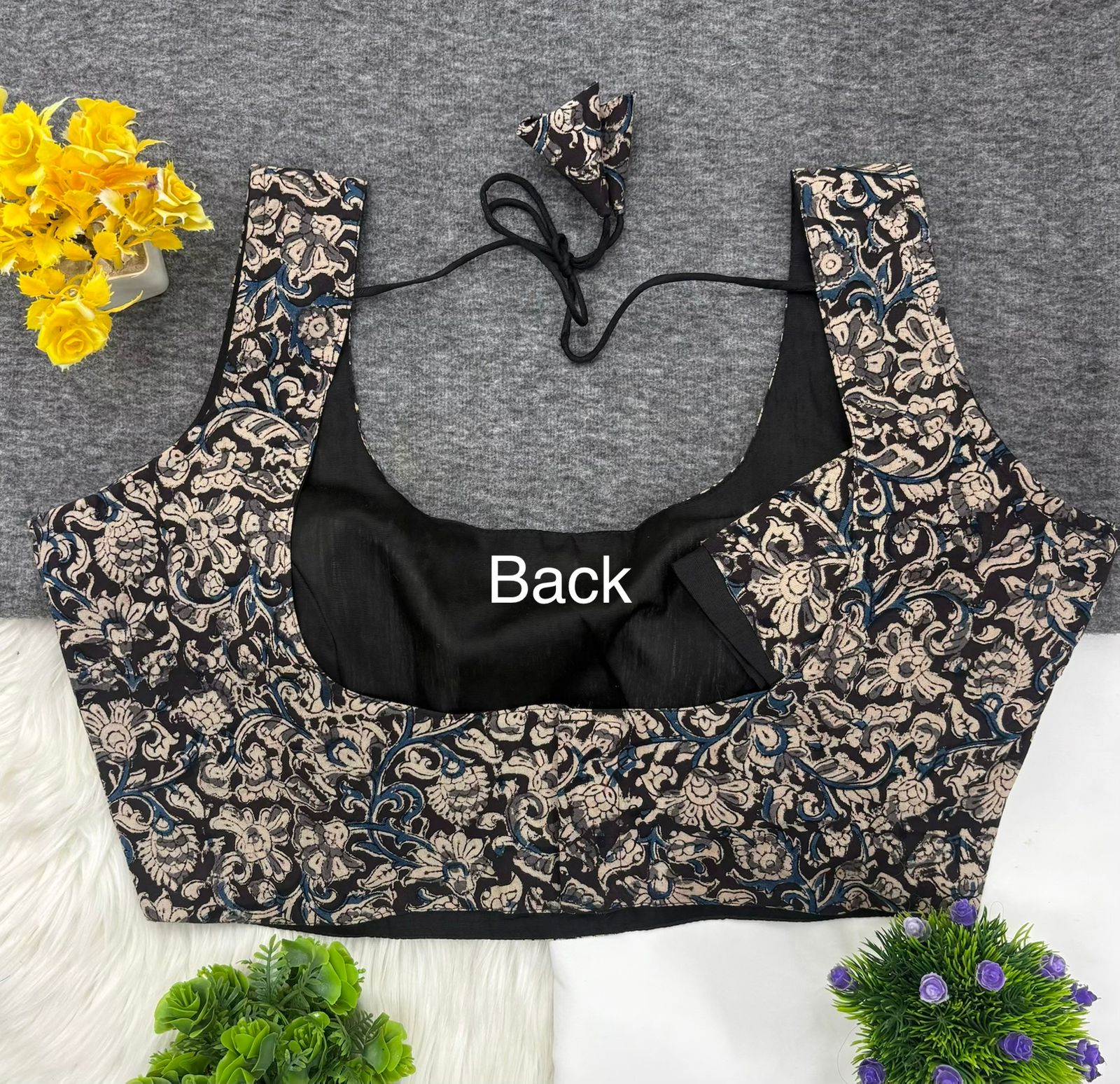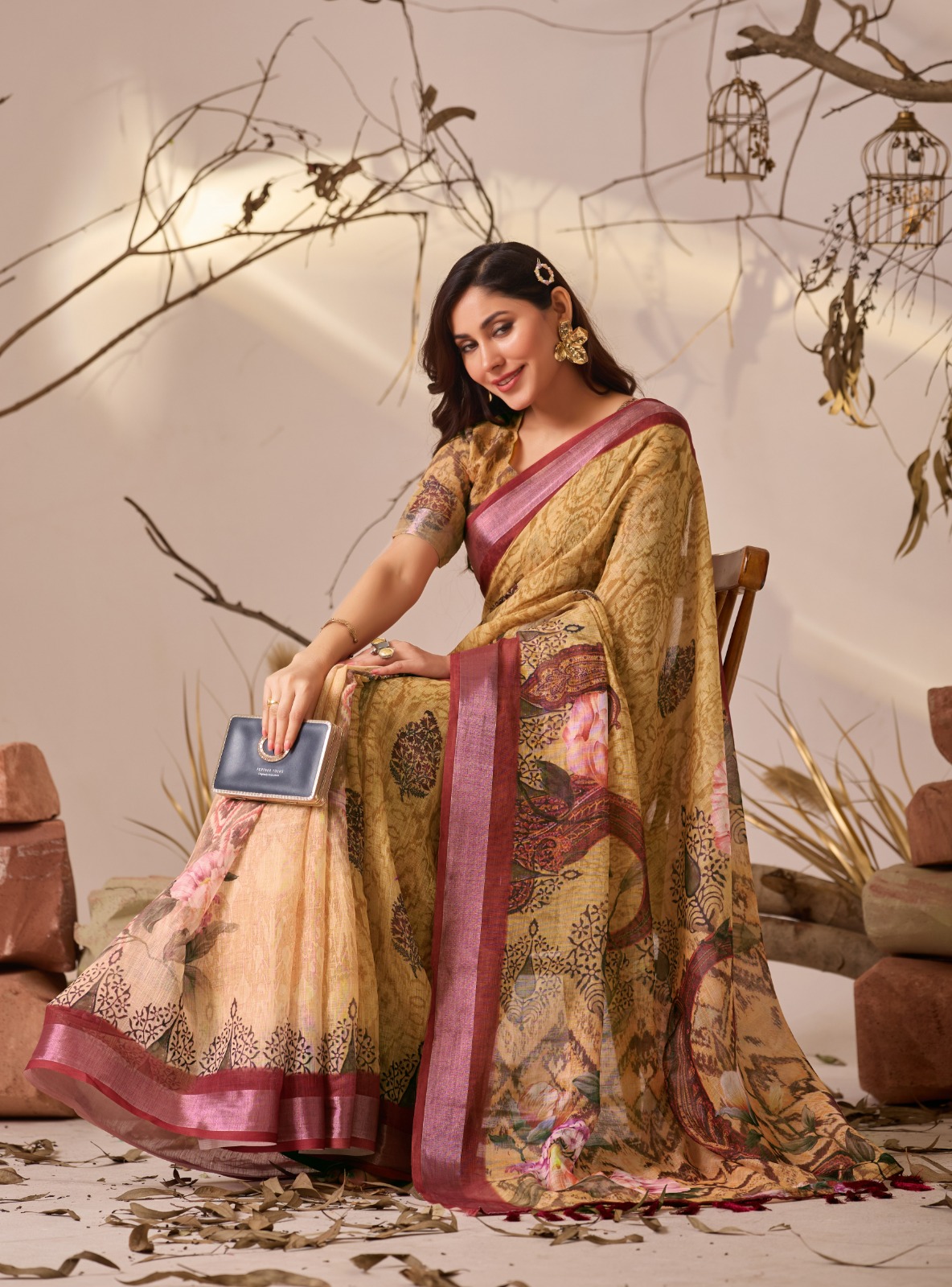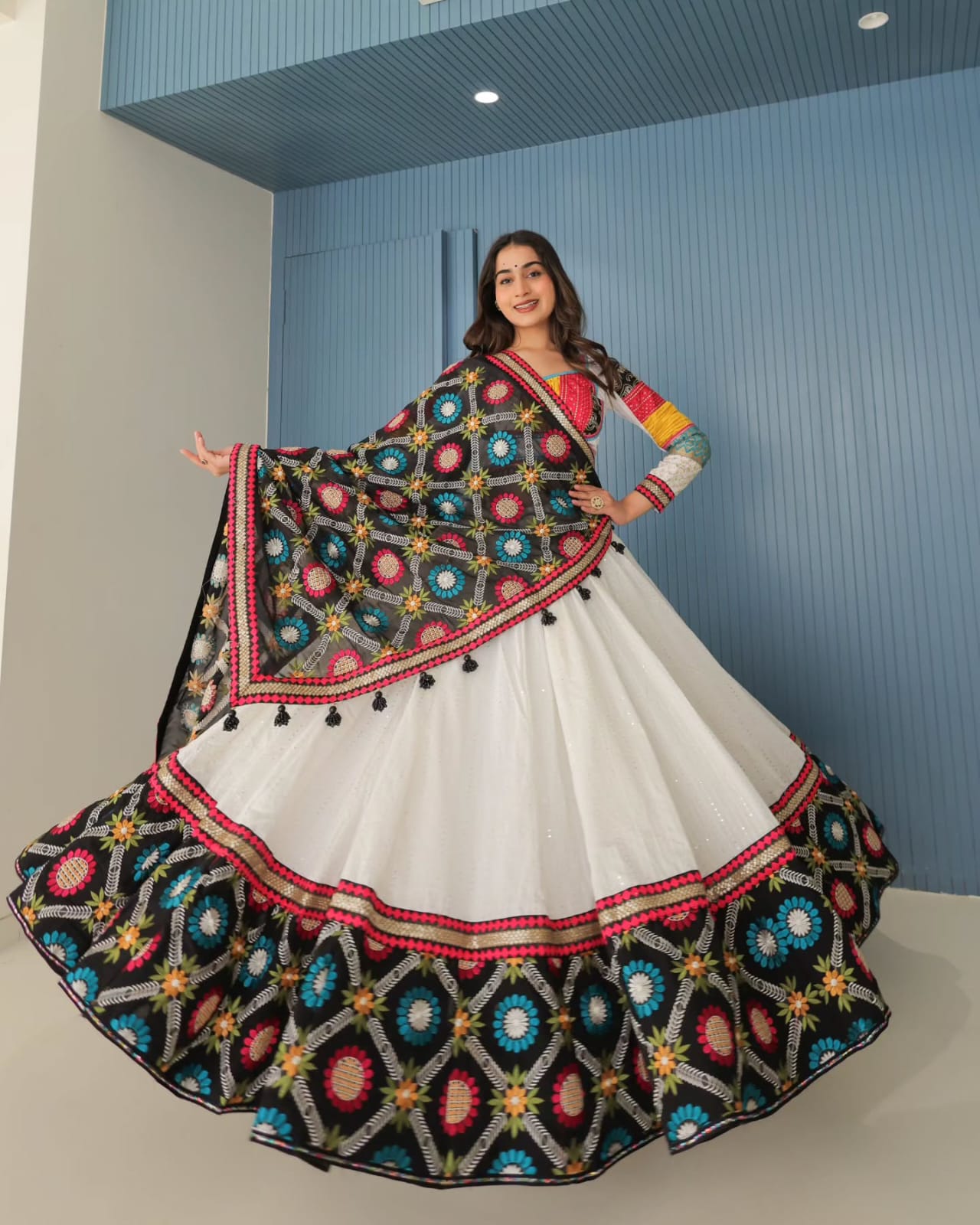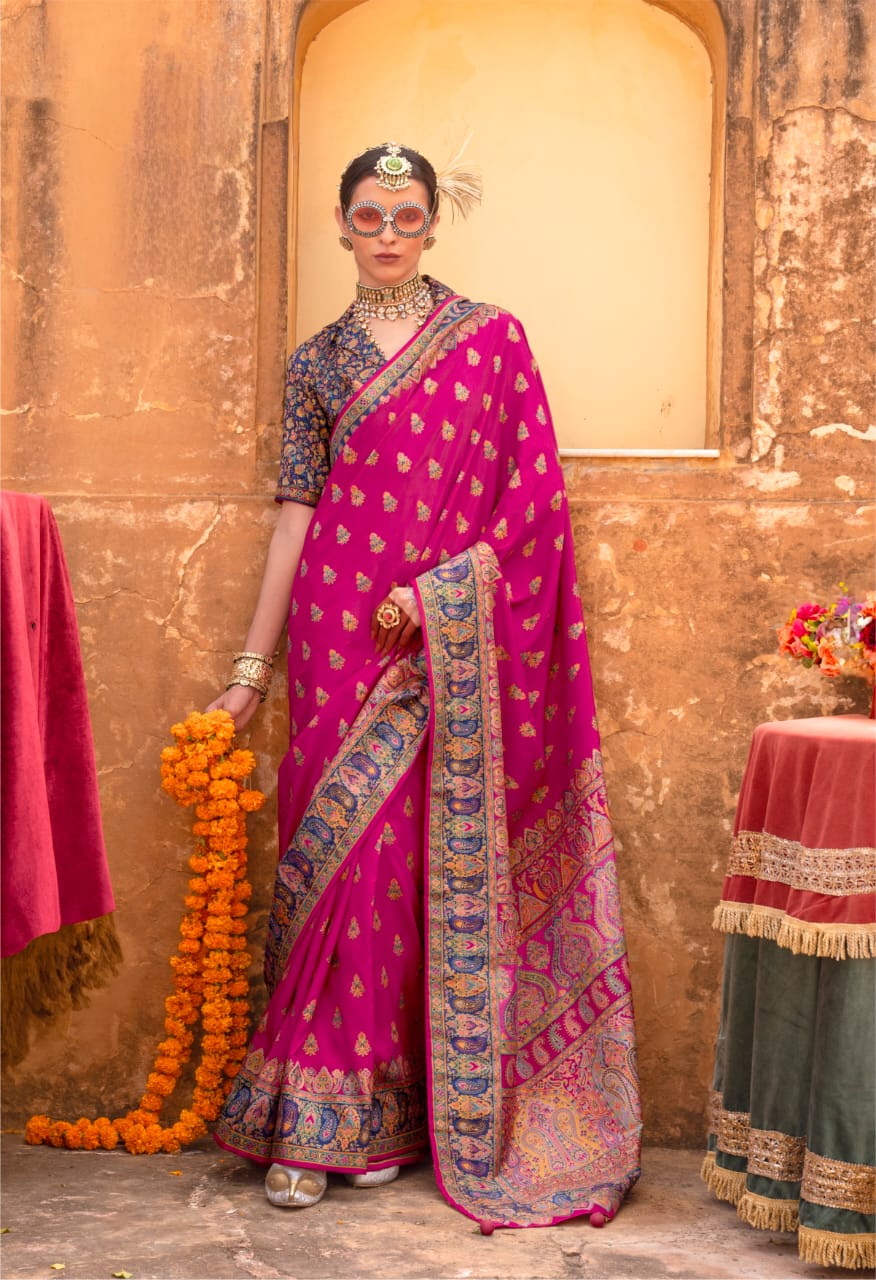
Chhattisgarhi Traditional Dress for Women: Complete Ethnic Wear Guide begins with an useful distinction: clothing in Chhattisgarh is shaped by community, region, climate, work and ceremony. The lugda and polkha remain important cultural references, while kosa silk, handwoven cotton, zari borders and contemporary kurta sets offer practical choices for weddings and festivals. Understanding the purpose of each garment makes it easier to dress respectfully without reducing Chhattisgarhi style to a costume.
Traditional clothing in Chhattisgarh includes several regional and community-based expressions rather than one fixed uniform. Women from Raipur, Bastar, Bilaspur, Surguja and rural tribal communities may wear different drapes, ornaments, textiles and colours. A daily cotton saree, a wedding ensemble, a dance costume and a festival outfit should not be treated as interchangeable.
Chhattisgarhi Traditional Dress for Women: What Defines the Style?
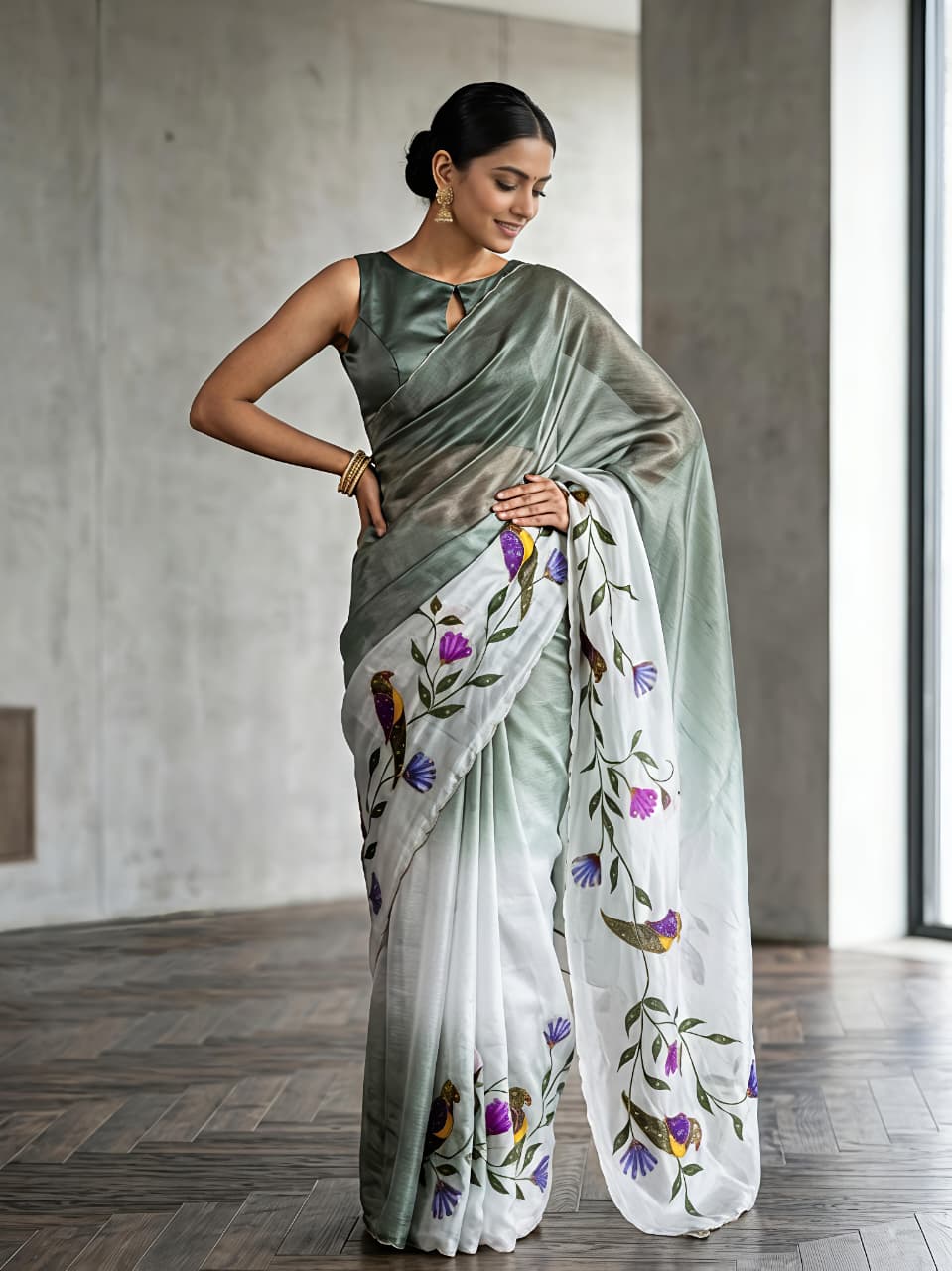
Chhattisgarhi Traditional Dress for Women is commonly identified by the lugda saree, the polkha blouse, regional draping practices, handloom fabrics and traditional jewellery. The lugda is a saree-like lower garment, while the polkha is a blouse worn with it. Depending on the community and occasion, women may also wear cotton sarees, kosa silk sarees, odhnis and richly ornamented festive clothing.
The word "traditional" covers several clothing systems in Chhattisgarh. Tribal communities may have distinctive drapes, metal ornaments, beadwork and locally woven textiles. Urban Chhattisgarhi women may combine a handloom saree with a tailored blouse, or select a salwar suit influenced by local colours and materials. Both expressions can be culturally connected when the garment is worn with knowledge of its context.
What are the lugda and polkha?
The lugda is a traditional saree form associated with women's clothing in Chhattisgarh, and the polkha is the blouse worn with the drape. The exact cut, length, border and method of wearing vary across communities and generations. Older versions are often practical and durable, while contemporary versions may use lighter silk blends, decorative borders or stitched finishing.
A lugda isn't merely a decorative saree. The garment has historically needed to support walking, agricultural work, household tasks and participation in local celebrations. That practical history explains why a secure tuck, manageable pleats and a comfortable blouse fit matter as much as embroidery.
Chhattisgarhi Traditional Dress for Women: Which Fabrics and Colours Matter?
Kosa silk, cotton, Chanderi and lightweight silk blends are suitable fabric choices for Chhattisgarhi-inspired ethnic wear because they balance textile references with comfort. Kosa silk is especially significant in Chhattisgarh and is known for its textured appearance, natural sheen and association with handloom weaving. Cotton is useful for warm weather and daytime ceremonies, while Chanderi provides a lighter, dressier finish.
Fabric choice should follow the temperature, duration and formality of the event. A cotton saree or cotton kurta set is more comfortable for a summer Haldi ceremony held outdoors. Kosa silk can work for an evening wedding, while Banarasi silk offers a different regional weaving tradition and should not be described as specifically Chhattisgarhi. Chanderi silk gives a graceful middle ground for puja ceremonies, family gatherings and daytime receptions.
Which colours suit Chhattisgarhi-inspired clothing?
Deep red, maroon, mustard, green, indigo, rust, cream and turmeric yellow are useful colour references for Chhattisgarhi-inspired dressing. These shades connect naturally with festive rituals, forest landscapes, soil, flowers and handloom dye traditions. Colour symbolism isn't identical across every community, so no single shade should be presented as a universal rule.
Mustard and marigold yellow suit a Haldi ceremony, while green and red can provide a traditional wedding palette. Cream, beige and muted gold create a restrained look for a daytime puja. A contrasting dupatta or zari border can add visual depth without requiring heavy embroidery across the whole outfit.
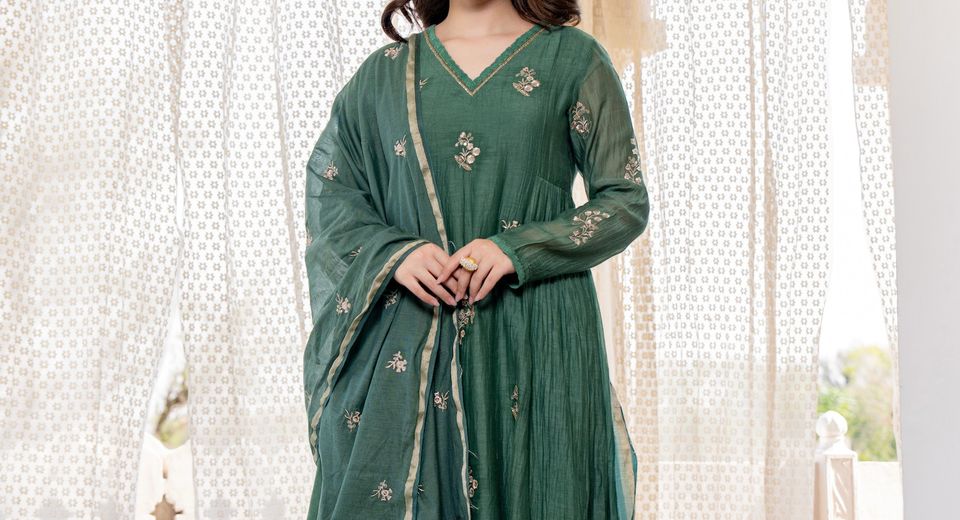
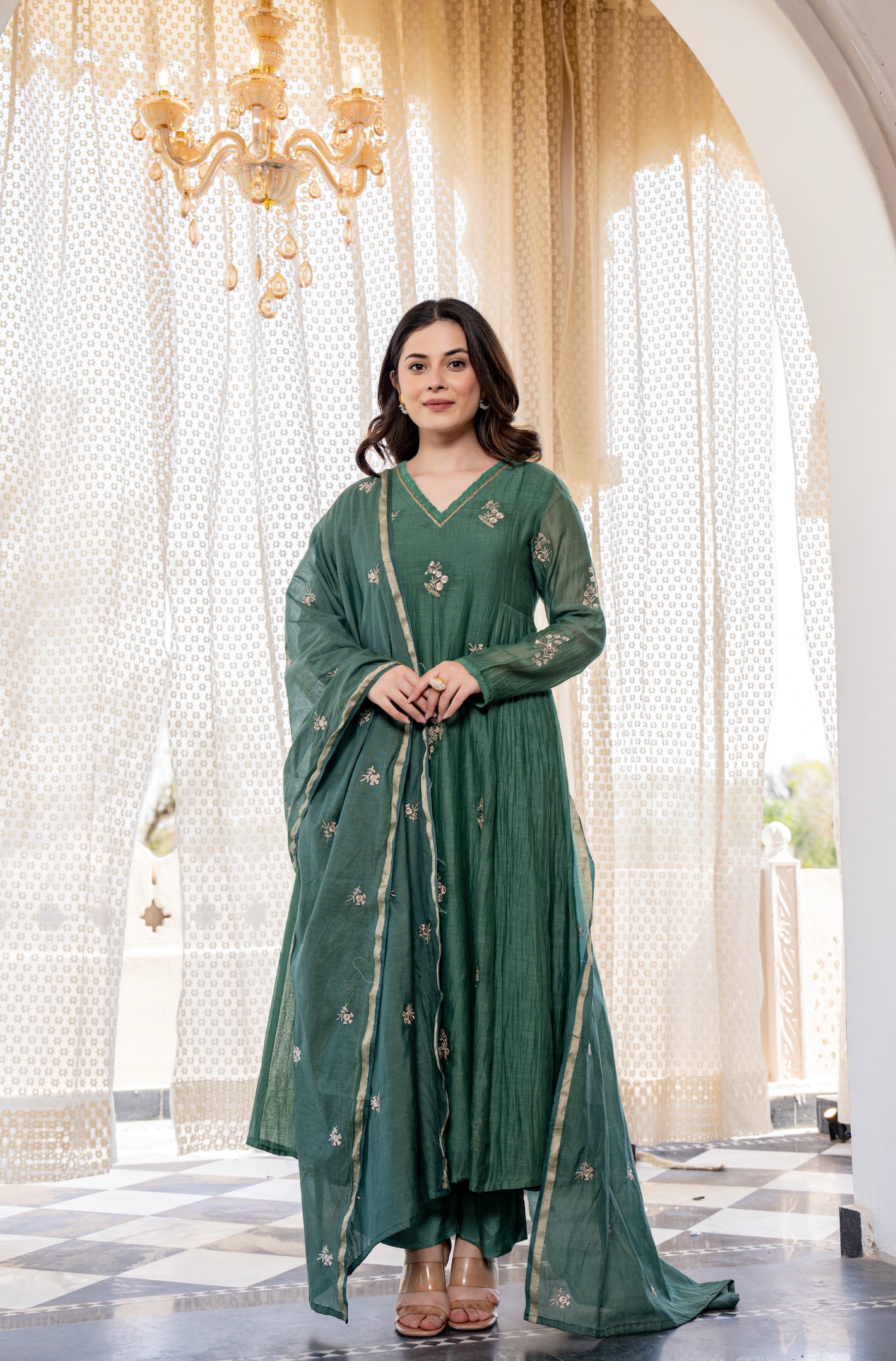
Mustard Viscose Chanderi Kurta Set with Sequence Embroidery demonstrates how a mustard Chanderi-inspired outfit can retain a festive colour story without the weight of a full silk ensemble. Green Chanderi Silk Kurta Pant Dupatta Set for Women gives another practical direction for guests who want a coordinated three-piece outfit instead of a saree.
Chhattisgarhi Traditional Dress for Women: How Should a Saree Be Styled?
A Chhattisgarhi saree or lugda should be styled with a secure waist tuck, comfortable pleats, an appropriately fitted blouse and jewellery suited to the community and occasion. The drape should permit walking and sitting easily, especially during ceremonies involving floor seating, dancing or extended rituals.
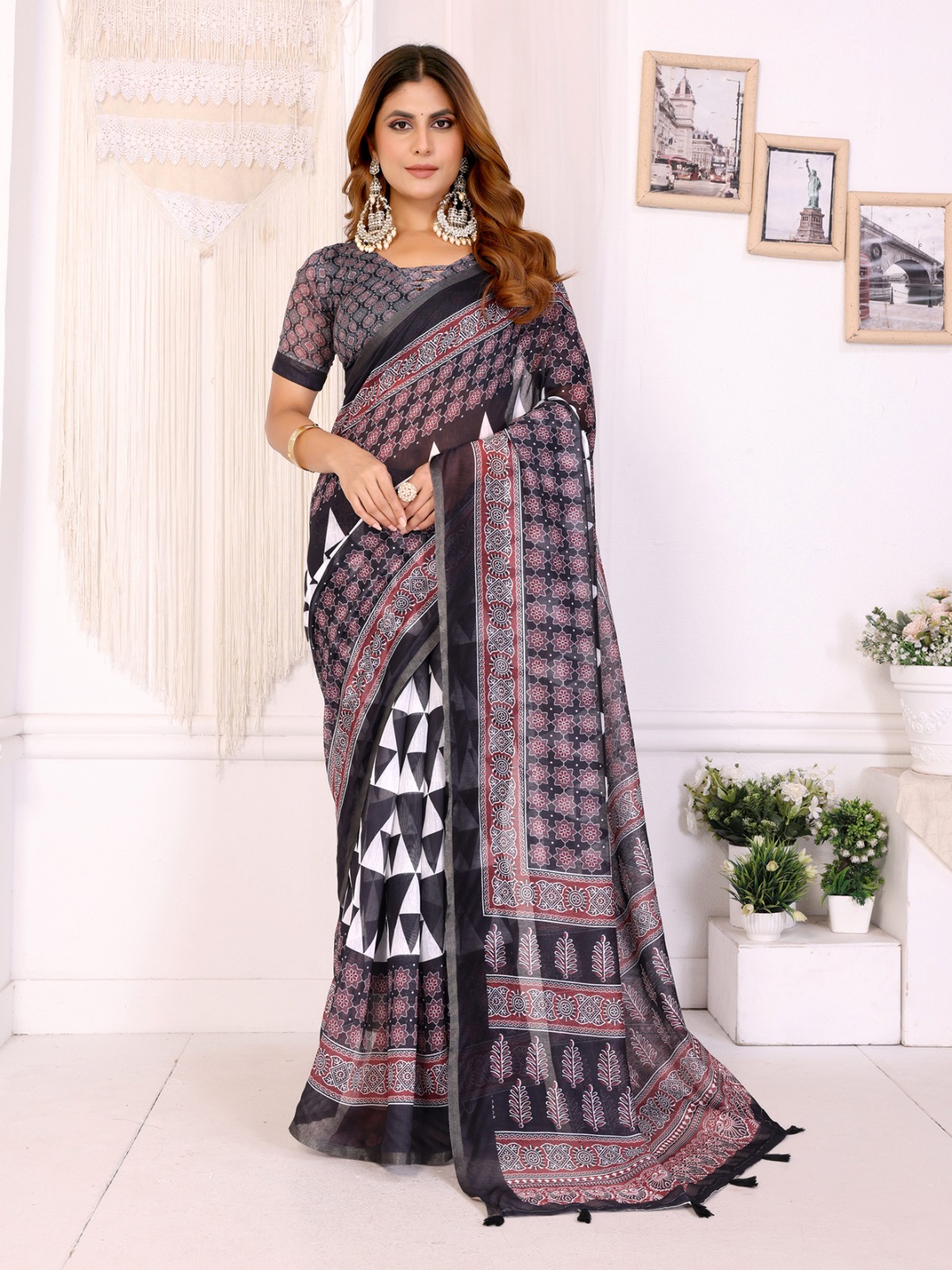
Begin with a well-fitted petticoat or saree underskirt that has a firm but comfortable waistband. Make evenly sized front pleats, secure them with discreet pins if needed, and place the pallu so that it doesn't obstruct hand movements. A shorter, lighter pallu is practical for daytime events, while a longer decorated pallu creates a formal evening silhouette.
The blouse should support the visual weight of the saree. A plain blouse works well with a zari border or patterned weave, whereas an embroidered blouse can balance a solid-colour saree. Avoid combining a heavily sequinned blouse, a dense border, elaborate jewellery and a highly decorated pallu unless the event specifically calls for maximal dressing.
Can a ready-to-wear saree suit a cultural event?
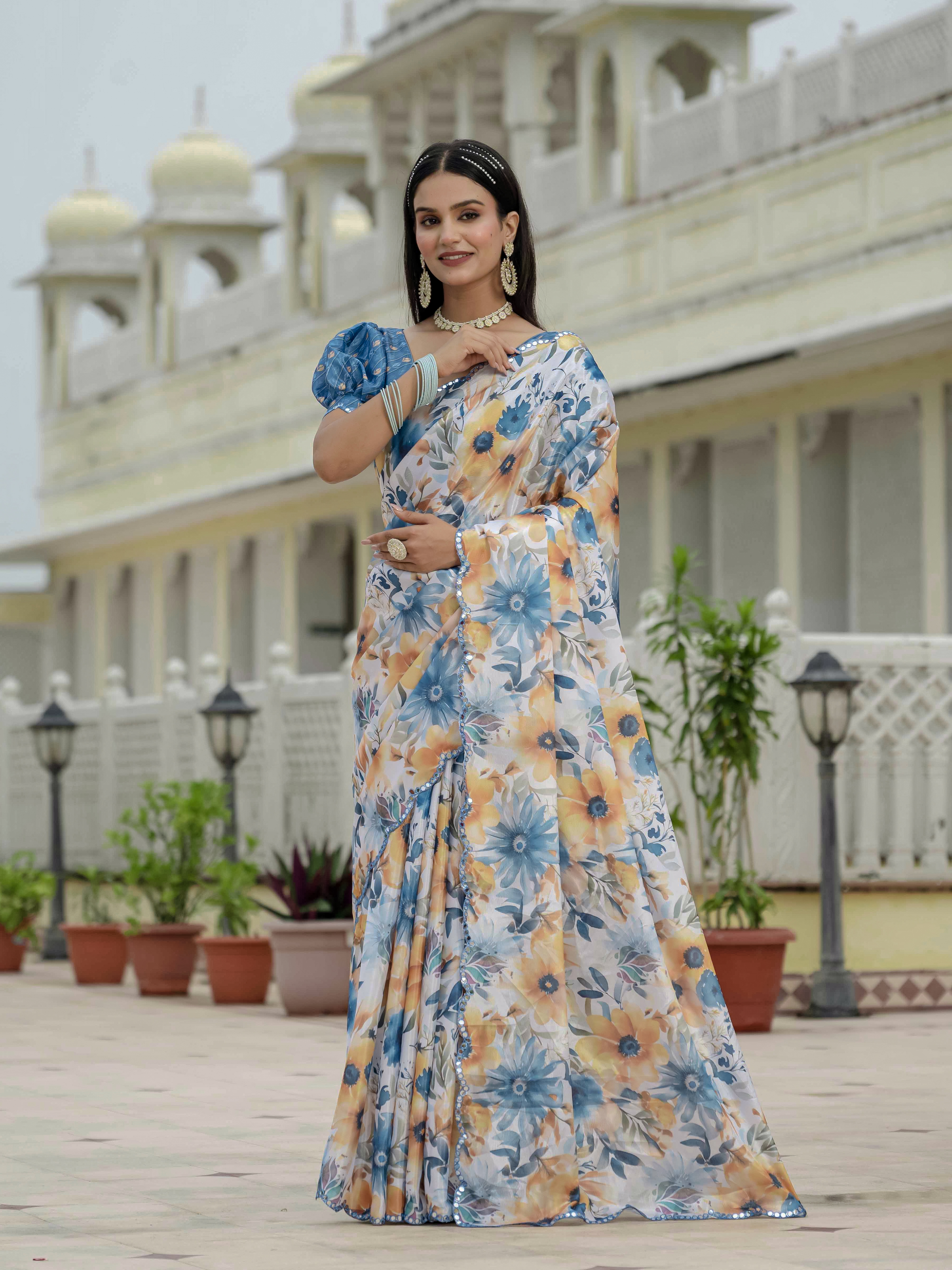
A ready-to-wear saree can suit a cultural event when its fabric, styling and level of formality match the gathering. A pre-stitched format helps first-time saree wearers, travellers and guests attending ceremonies that require quick dressing.
Turquoise Floral Heavy Chinnon Ready to Wear Saree shows how a contemporary silhouette can retain the visual impact of a saree while reducing draping time. For a more regionally grounded look, pair a ready-to-wear saree with a simple blouse, a handloom-style shawl or restrained metal earrings instead of unrelated costume accessories.
Chhattisgarhi Traditional Dress for Women: Which Jewellery Completes It?
Traditional Chhattisgarhi jewellery commonly includes metal necklaces, earrings, bangles, anklets, nose ornaments, waist chains and hair accessories, with designs varying by community and occasion. Silver-toned ornaments are particularly important in many central Indian and tribal jewellery traditions, although gold, brass, beads and oxidised finishes also appear in contemporary styling.
Jewellery can communicate age, marital status, community identity and formal importance. Borrowing a highly specific ornament without understanding its context may therefore be inappropriate. For an urban festive outfit, choose one statement necklace or a pair of large earrings, then keep the remaining pieces quieter. A stack of bangles and minor studs may be more comfortable for a daytime puja than a full layered set.
Hair styling should remain secure for long ceremonies. A low bun decorated with flowers, a centre-parted style with a modest maang tikka or a braid with a simple accessory can complement a saree without competing with the pallu. Footwear should have a stable sole and a heel height that doesn't disturb the drape.
Chhattisgarhi Traditional Dress for Women: How Can Modern Outfits Be Styled?
Modern women can wear Chhattisgarhi-inspired outfits by combining regional textile references with contemporary cuts, practical lengths and occasion-appropriate accessories. Kurta sets, palazzo suits, sharara sets and coordinated separates are useful alternatives when a full saree drape is inconvenient.
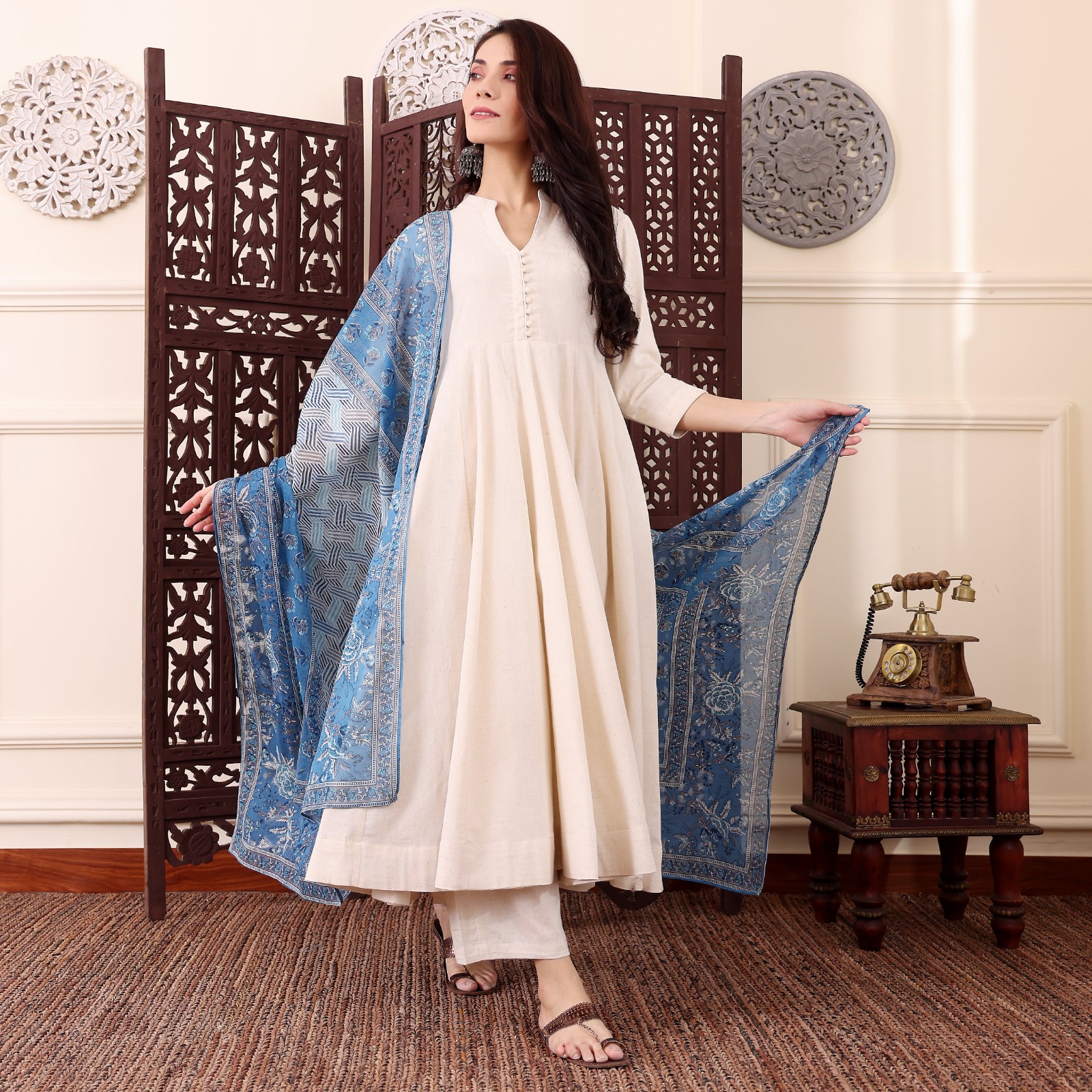
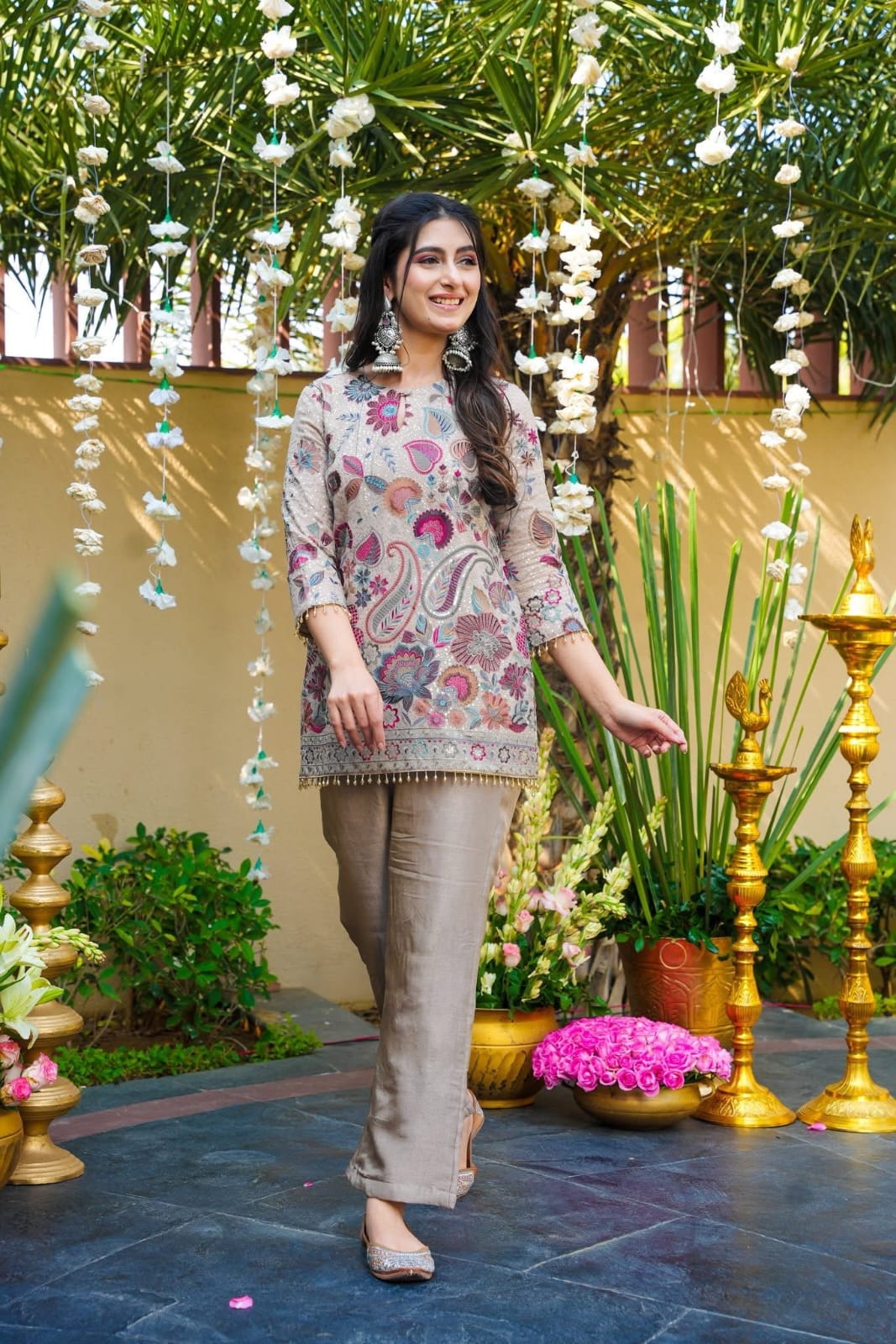
Elegant Beige Vichitra Silk Embroidered Kurta Set for Women suits a polished daytime gathering because beige allows jewellery, a colourful dupatta or a woven bag to become the focal point. Cream Chanderi Silk Kurti Pant Dupatta Set for Women gives a lighter option for a puja, cultural programme or family lunch.
A coordinated set can carry regional character when the details are selected carefully. Look for breathable fabric, a dupatta with a defined border, small-scale embroidery, earthy colours and jewellery inspired by handcraft traditions. A bright printed accessory or woven potli can introduce colour without turning the outfit into a theatrical interpretation.
How should a sharara or co-ord set be adapted?
A sharara or co-ord set should be adapted through colour, textile texture and jewellery rather than being presented as a historical Chhattisgarhi dress form. Sharara silhouettes have a broader North Indian and Mughal-era fashion history, while co-ord sets are distinctly modern. Both can draw from Chhattisgarhi palettes and handloom influences without being labelled as traditional lugda attire.
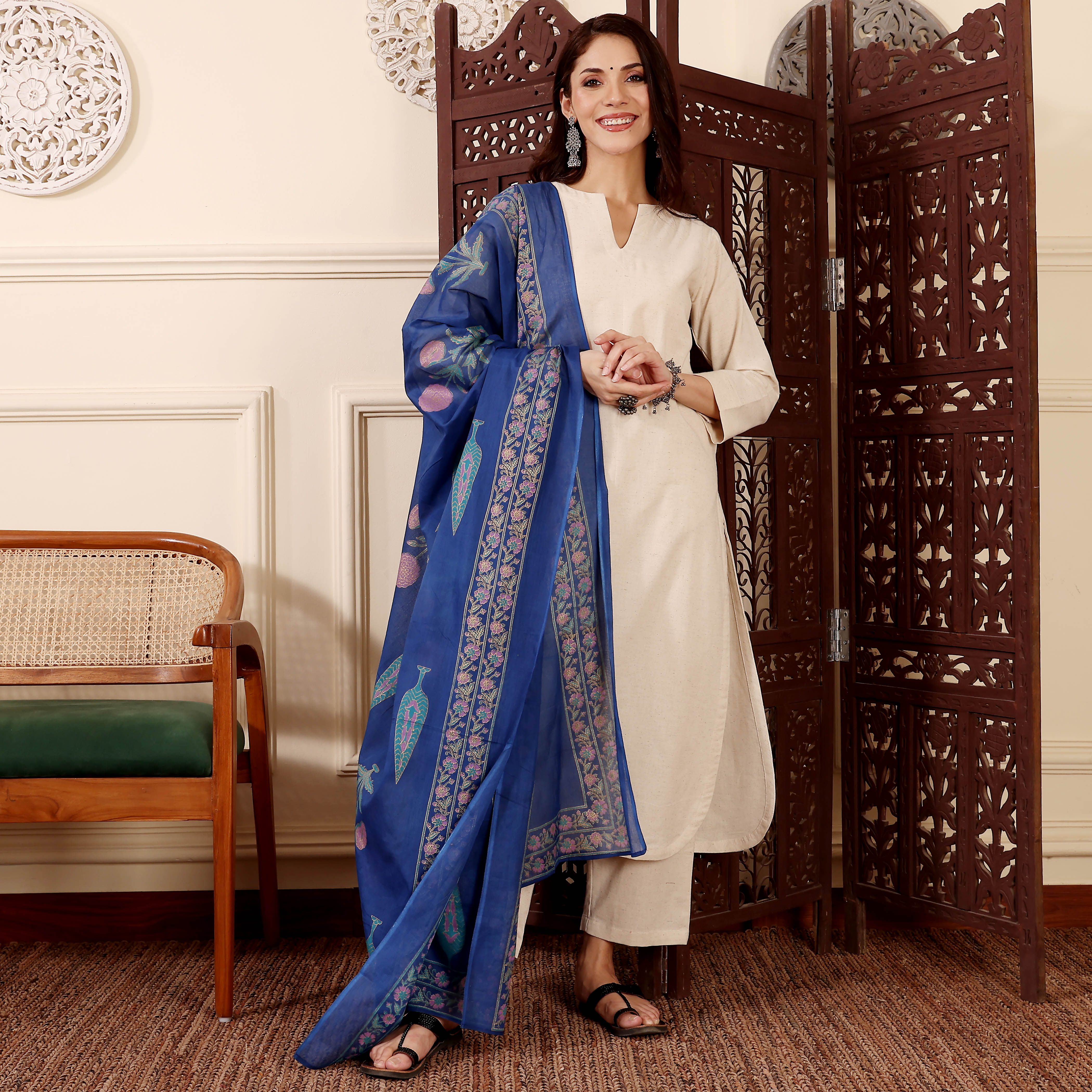
Pink Mirror Work Zari Sharara Suit Set Online - Varnavi suits a lively sangeet or reception where mirror work and zari are appropriate. Modern Taupe Vichitra Silk Embroidered Co-Ord Set for Women brings a quieter contemporary option for an evening cultural programme. Beige Kurta Set with Blue Chanderi Dupatta for Women creates contrast through a blue Chanderi layer while keeping the base neutral.
Accessories can establish a regional mood without overclaiming historical accuracy. Oxidised earrings, a woven clutch, a handloom stole, a small bindi and a simple metal bangle are adaptable choices. A heavily embellished outfit benefits from minimal jewellery, while a plain kurta can support a larger necklace or a more colourful dupatta.
Chhattisgarhi Traditional Dress for Women: How Should Each Outfit Be Chosen?
The right Chhattisgarhi-inspired outfit depends on the event, weather, movement required, fabric weight and cultural context. A practical decision begins by identifying whether the gathering is a wedding ceremony, Haldi ceremony, puja, cultural performance, family lunch or evening reception.
For a daytime puja, choose cotton, Chanderi or light silk in cream, green, mustard or muted pink, with modest embroidery and comfortable footwear. For a wedding reception, kosa silk, a formal saree, zari details or a structured kurta set can provide the necessary richness. For outdoor events in warm weather, prioritise breathable fabric, a manageable pallu and jewellery that won't catch on the garment.
Fit deserves the same attention as appearance. Measure the bust, waist, hip and garment length before buying a stitched set. Check whether the kurta has enough ease for sitting, whether the trouser hem clears the ground and whether the dupatta is long enough to drape securely. For sarees, inspect the border weight and blouse measurements because a heavy border can pull against a poorly fitted blouse.
Care requirements also influence the best choice. Kosa silk, Chanderi silk and zari should generally be aired after use and stored in breathable cotton rather than sealed plastic. Fold silk garments along different lines every few months to reduce permanent creasing. Spot-clean only when the care label permits it, and use professional dry cleaning for heavily embroidered or zari-work pieces.
Respectful styling doesn't require reproducing every traditional detail. It requires naming garments accurately, recognising that communities differ, avoiding invented claims and choosing materials that suit the event. The lugda and polkha remain essential references, while kosa silk, cotton, Chanderi and contemporary ethnic separates allow Chhattisgarh's textile vocabulary to remain relevant in present-day wardrobes.
Common Questions About Chhattisgarhi Traditional Dress for Women
What is the traditional dress of women in Chhattisgarh?
The lugda and polkha are widely recognised traditional garments for women in Chhattisgarh. Cotton sarees, kosa silk, regional drapes and community-specific jewellery are also important, so the exact outfit varies by region, community and occasion.
What are lugda and polkha?
A lugda is a traditional saree form associated with women's clothing in Chhattisgarh, and a polkha is the blouse worn with it. Their fabric, cut, border and draping method can differ across communities and generations.
Which fabric is traditionally associated with Chhattisgarh?
Kosa silk is strongly associated with Chhattisgarh and is valued for its textured surface and natural sheen. Cotton is also important for comfortable everyday and summer clothing, while Chanderi can provide a lighter festive alternative.
What jewellery is worn with Chhattisgarhi traditional dress?
Chhattisgarhi jewellery may include metal necklaces, earrings, bangles, anklets, nose ornaments, waist chains and hair accessories. Silver-toned, brass, bead and oxidised ornaments are common references, but designs and meanings vary by community.
Can women wear a kurta set instead of a lugda for a Chhattisgarhi-themed event?
Women can wear a kurta set when a contemporary ethnic outfit is more practical than a lugda. Chanderi, kosa-inspired textures, earthy colours, zari borders and regionally informed jewellery can create a respectful connection without incorrectly calling the kurta set a traditional lugda.
How should Chhattisgarhi silk and Chanderi outfits be cared for?
Silk and Chanderi garments should be aired after use, stored in breathable cotton and protected from prolonged direct sunlight. Follow the care label, avoid unnecessary washing and use professional dry cleaning for heavily embroidered or zari-work pieces.