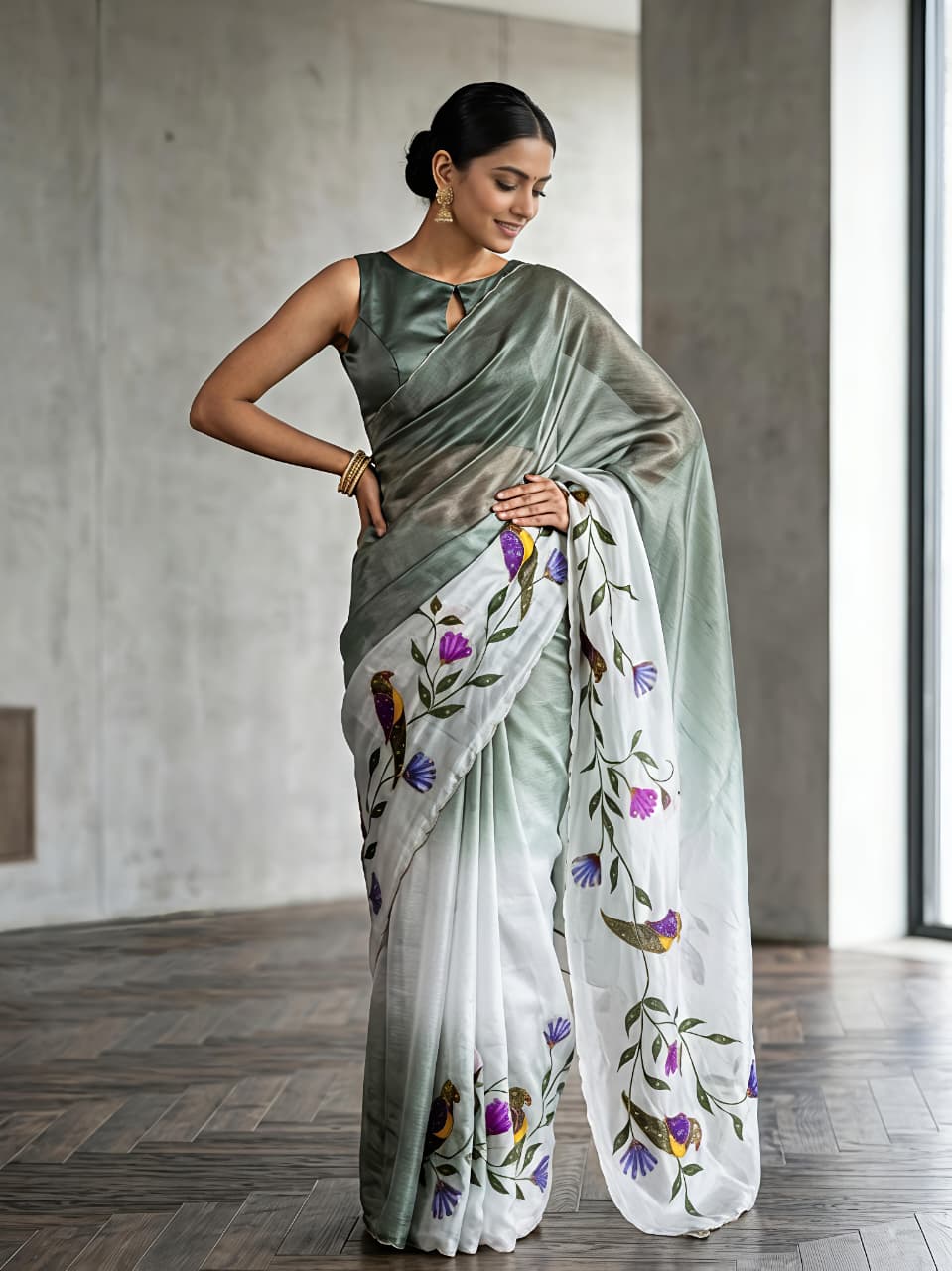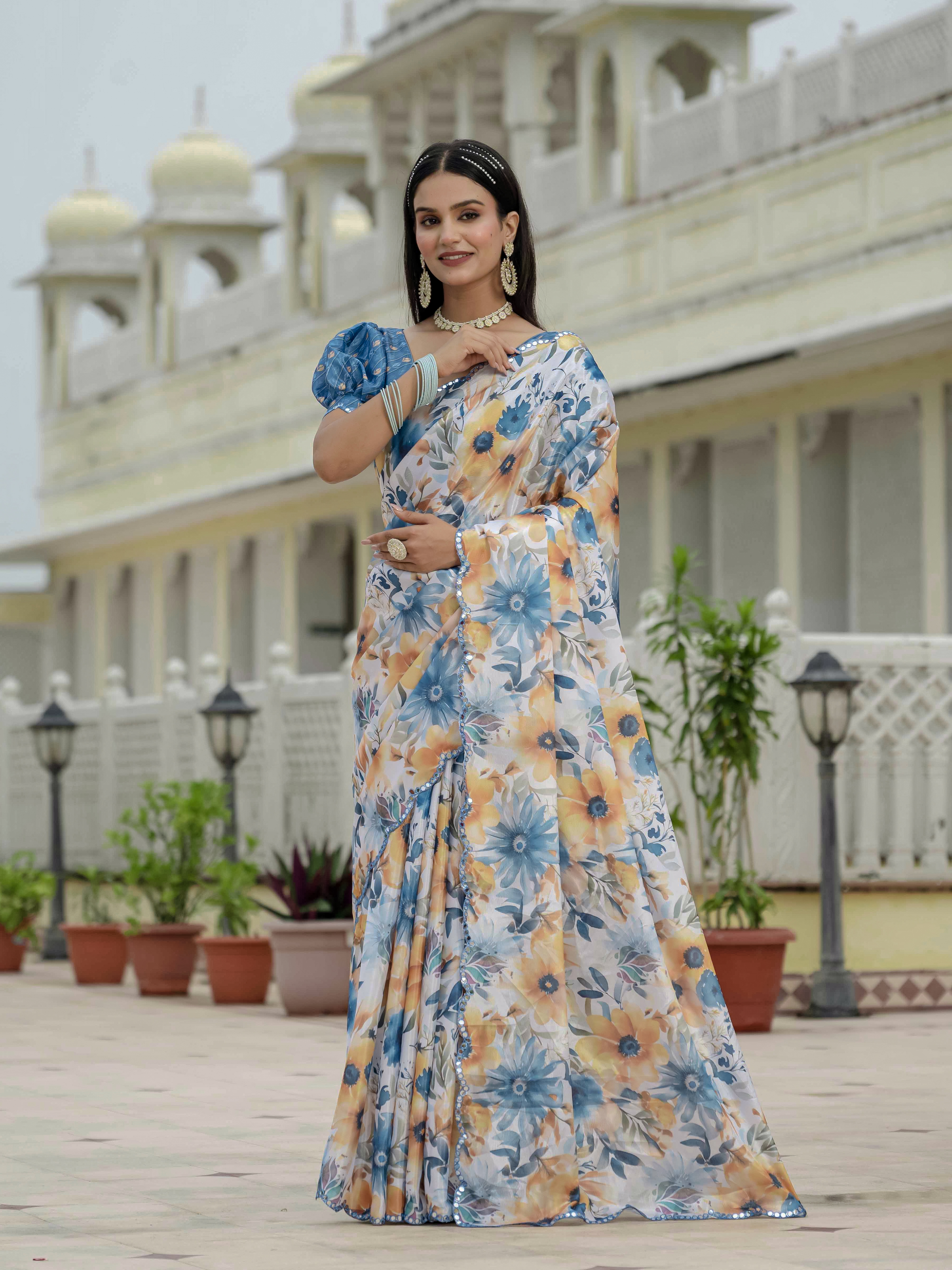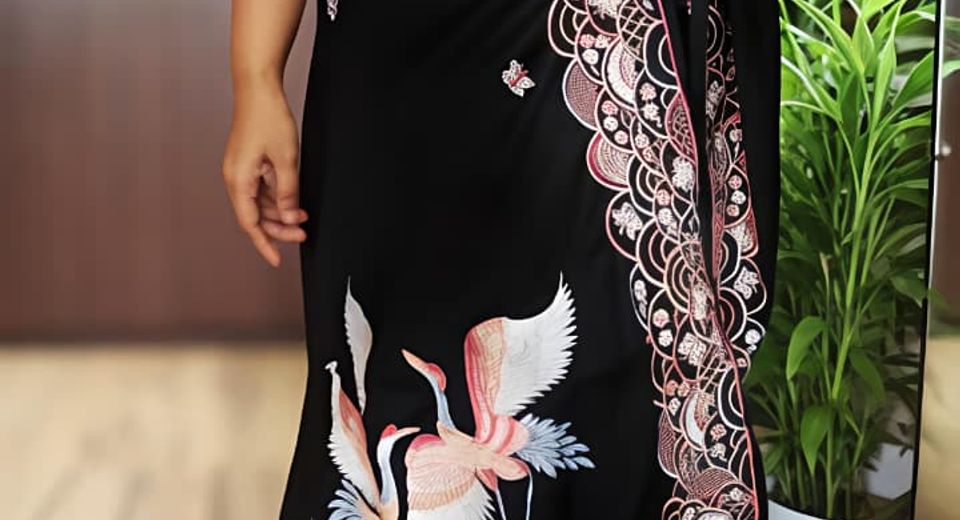
Chhattisgarh Handloom Sarees: Kosa Silk, Fabrics & Styling Ideas begin with a fibre closely associated with important India's textile culture. Kosa silk, the regional name commonly used for Tussar silk, has a naturally grainy surface, warm sheen and breathable fall. The right saree can therefore look festive without feeling excessively glossy or heavy. Understanding the fibre, weave, colour behaviour and drape makes it easy to choose a saree that suits both an occasion and a working wardrobe.
Chhattisgarh's Kosa tradition is strongly associated with Champa and nearby weaving communities, where Tussar yarn has been made into sarees, dupattas and ceremonial textiles for generations. A Kosa saree may be plain, zari-bordered, naturally dyed, block printed or decorated with regional motifs. The word handloom describes the method of weaving, not one fixed appearance, so two handloom sarees can differ substantially in weight, texture and finish.
Chhattisgarh Handloom Sarees: Kosa Silk, Fabrics & Styling Ideas and their regional identity
Chhattisgarh Handloom Sarees are distinctive because they combine locally significant Kosa silk with a matte, irregular texture and a relatively relaxed drape. Small variations in Tussar yarn are natural fibre characteristics rather than manufacturing defects. Those variations give the surface depth and help the saree hold colour in a softer, less mirror-like way than highly polished silk.
Kosa silk comes from the cocoons of the silkworm Antheraea mylitta, a species associated with India's Tussar silk tradition. The fibre is stronger and more textured than many varieties of cultivated mulberry silk. Natural Kosa shades often range from beige and honey to muted gold, although dyeing can produce magenta, black, ivory, rust, green and jewel-toned versions.
Champa Kosa is valued for its association with Chhattisgarh's weaving identity. Depending on yarn preparation and loom settings, a saree may feel crisp at first and soften with use, or arrive with a fluid, lightly nubby fall. Borders can feature zari, contrasting silk, temple-inspired geometry, stripes or restrained floral details. Small differences in selvedge alignment and motif spacing are normal in manually woven textiles.
Handloom production doesn't automatically mean that every thread was spun, dyed and woven by one person. It means the fabric was made on a loom operated by hand rather than a fully mechanised power loom. Asking about the fibre, weaving location, dyeing method and artisan certification gives a clearer picture of what you're buying.
Chhattisgarh Handloom Sarees: Kosa Silk, Fabrics & Styling Ideas compared with other silks
Kosa silk is a regional form of Tussar silk, while cotton, linen and silk blends offer different levels of shine, weight, breathability and maintenance. The fibre description should be read carefully because terms such as Kosa-style or Tussar look may describe an appearance rather than pure Kosa silk.
How does Kosa silk feel when worn?
Kosa silk generally feels textured, breathable and moderately structured, with less liquid shine than satin-like silk. The fabric usually has enough body to create defined pleats without becoming stiff. Raw or lightly finished Tussar may feel more nubby, whereas soft-finished Tussar can feel smoother against the skin.
Tussar silk is useful in climates where a wearer wants the richness of silk without the dense weight of some brocade sarees. Tussar absorbs dye in a way that often produces slightly softened colours. Black may appear smoky, ivory may show warm undertones and pink may look dusty rather than neon. These variations are part of the visual character of Tussar silk.
How is Kosa different from Banarasi silk, Kanjeevaram and Chanderi?
Kosa silk usually has a more textured, matte surface, while Banarasi silk is known for brocade weaving and prominent zari work, and Kanjeevaram is recognised for its dense silk body and contrasting borders. A Banarasi silk wedding saree may feel heavier and more reflective because of metallic yarn and brocade density. A Kanjeevaram saree often has a firm, substantial drape, whereas Kosa silk generally looks more organic and softly irregular.
Chanderi fabric is lighter, more translucent and often crisp, with a delicate sheen. Kosa silk is generally more opaque and tactile. Choosing between Banarasi silk, Kanjeevaram, Chanderi and Kosa depends on desired structure, climate, level of embellishment and expected length of wear.
Chhattisgarh Handloom Sarees: Kosa Silk, Fabrics & Styling Ideas for quality checks
You can check Kosa saree quality by examining yarn texture, selvedge, weave consistency, colour, border attachment and finishing details rather than judging shine alone. High sheen doesn't automatically indicate better silk, and a textured surface doesn't automatically prove handloom origin.
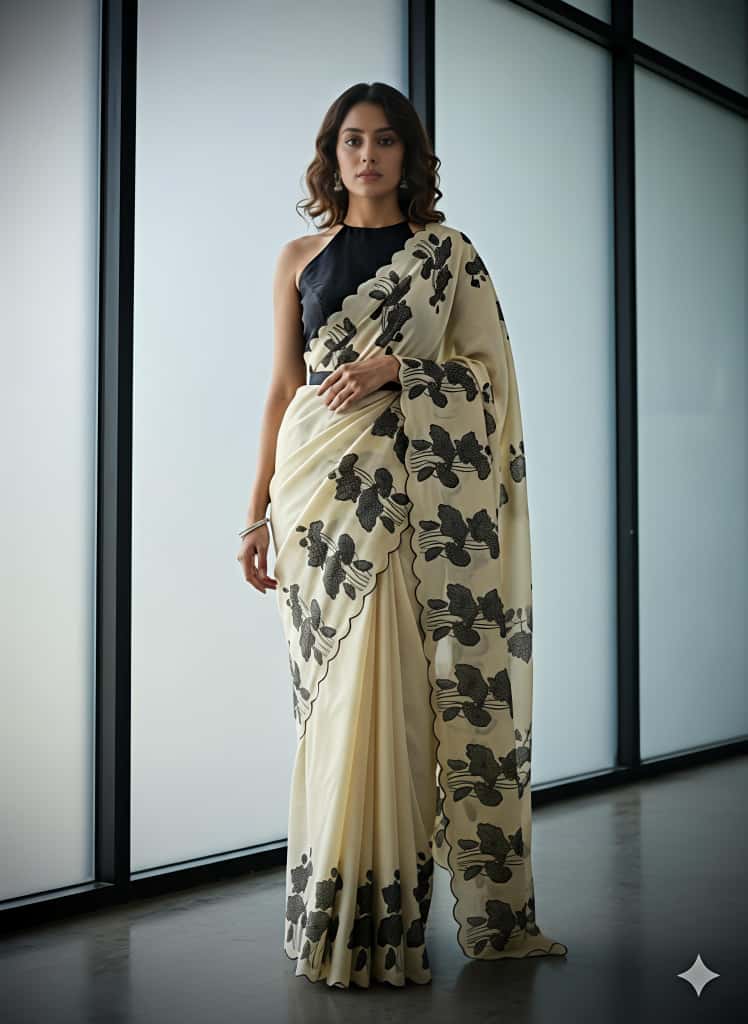
- Read the fibre description: Look for clear wording such as Kosa silk, Tussar silk, silk blend or synthetic blend. The word silk without a fibre percentage is insufficient when composition matters.
- Inspect the slubs: Natural Tussar yarn usually has small, irregular variations. Repeated printed lines can't replicate the depth of a woven slub, although machine-made fabrics can imitate the overall look.
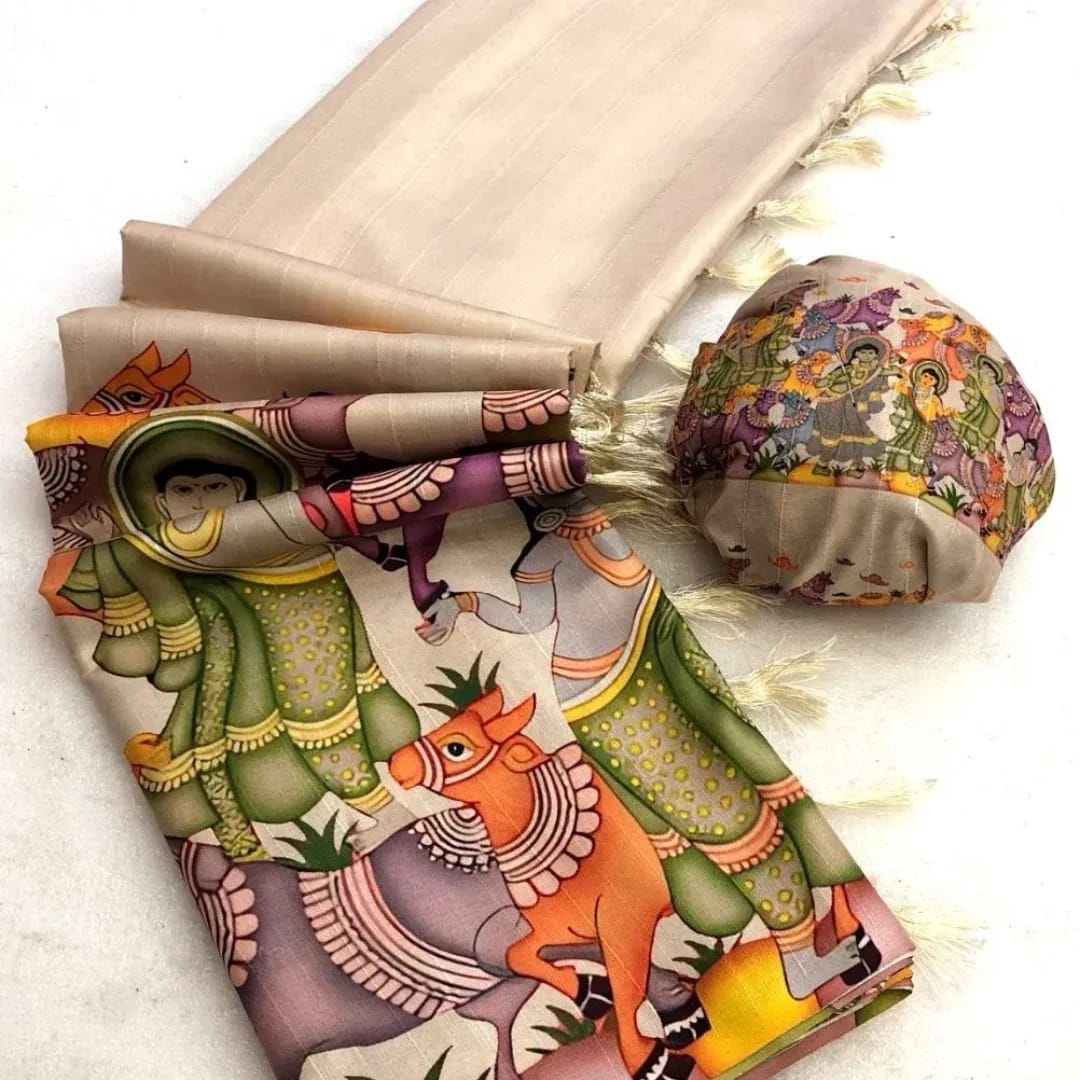
- Check the reverse side: Woven borders and motifs show construction on the reverse, while a surface print may look flatter or reveal loose pigment near the edges. Printed Kalamkari designs are not inferior; they represent a different textile process.
- Examine the selvedge: A clean, firm selvedge helps prevent fraying. Small alignment variations are acceptable in handloom sarees, but major pulls, open gaps and broken yarns require caution.
- Assess the fall: Hold the saree from one end and observe whether the body hangs evenly. Excessively stiff fabric may indicate a heavy finish, while a very limp body may signal a lightweight blend.
- Ask about zari: Zari may be metallic, tested zari or imitation zari. Ask about the material and care instructions before buying a saree with substantial metallic work.
A burn test should not be performed on a saree because it damages the textile and can't reliably distinguish every blend without controlled testing. Fibre composition, handloom information and written care instructions are more useful evidence for a finished garment.
Price can provide context but can't authenticate a saree by itself. A plain Kosa saree with minimal zari may cost less than a heavily worked fashion saree, while hand finishing, natural dyeing, blouse fabric and artisan certification can increase the price. Compare composition and construction before comparing discounts.
Chhattisgarh Handloom Sarees: Kosa Silk, Fabrics & Styling Ideas with prints and borders
Prints and borders determine whether a Kosa saree feels understated, regional, contemporary or ceremonial. A Tussar base can support printed art such as Kalamkari, florals and figurative designs while retaining the fibre's characteristic texture.
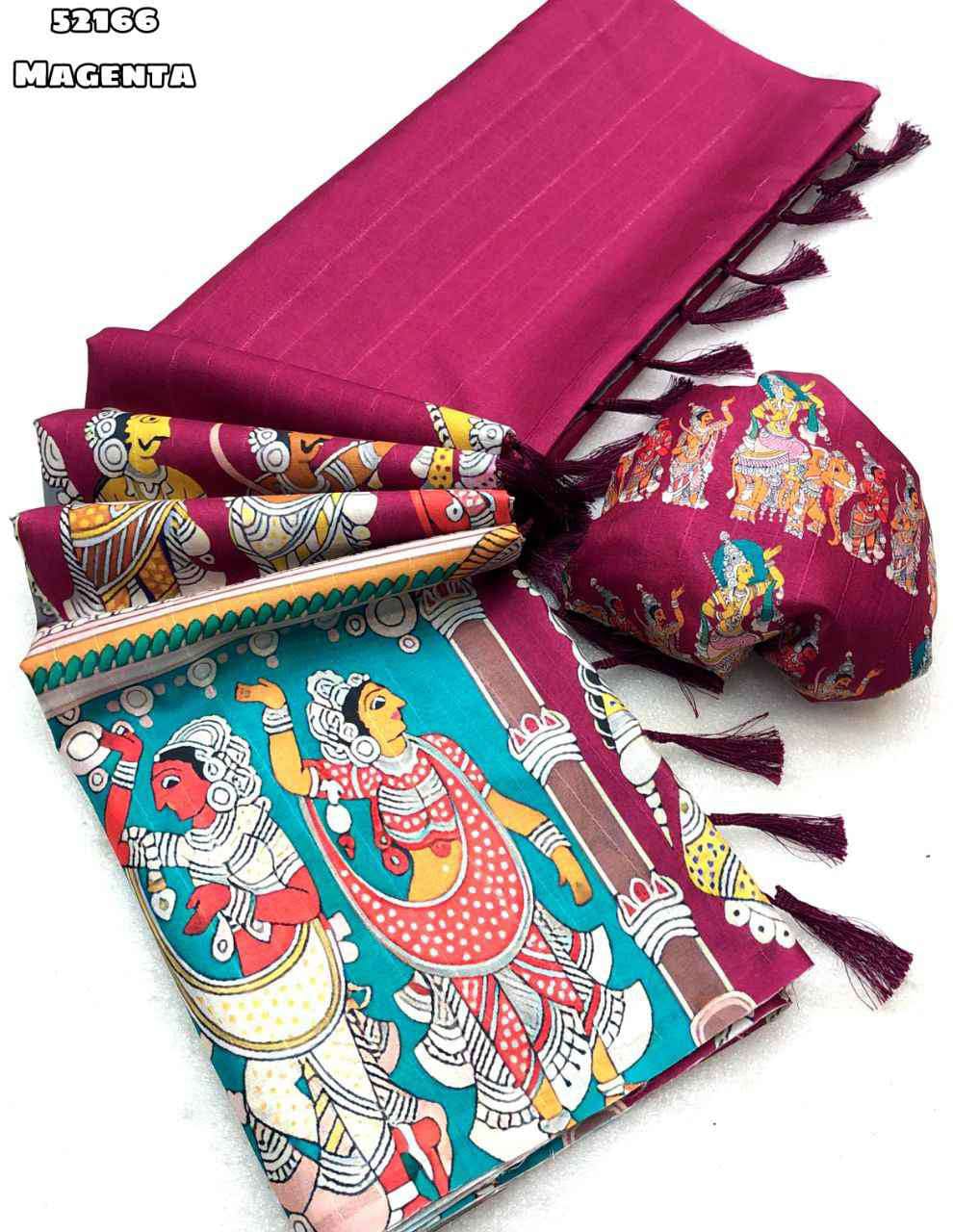
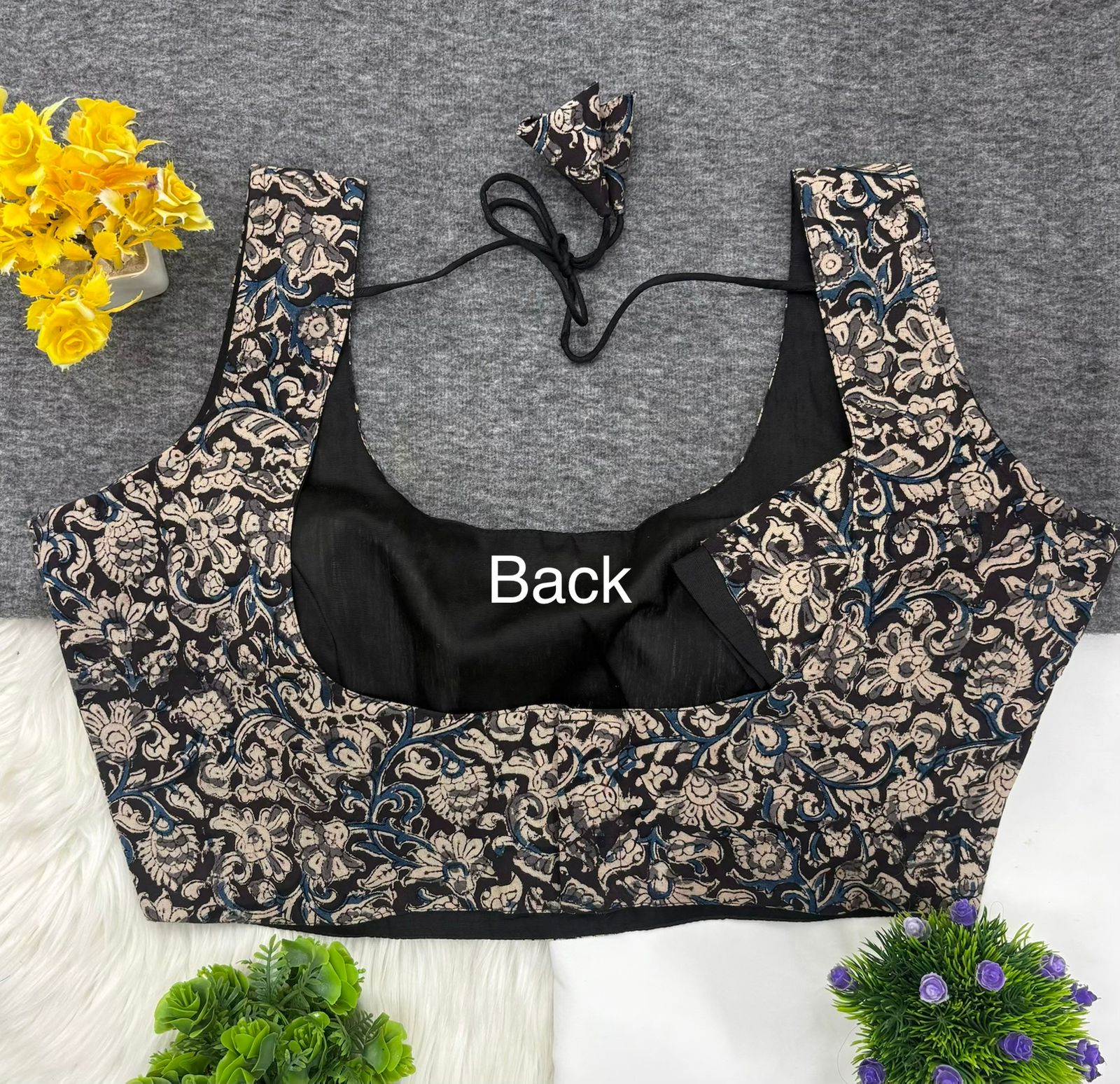
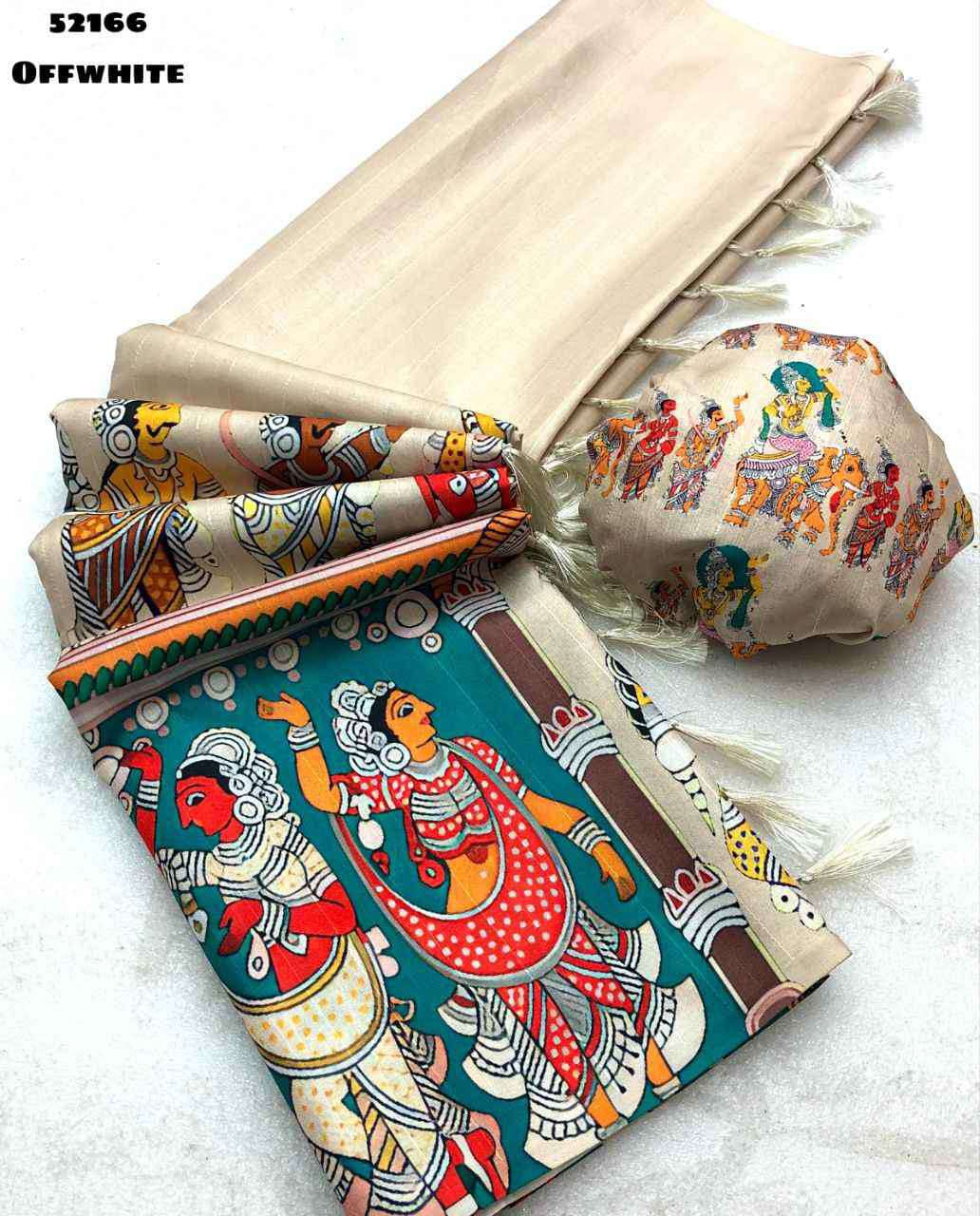
Kalamkari is a textile art tradition associated especially with hand drawing, block printing and prepared dyes on cotton and silk. A Tussar silk Kalamkari saree combines the fibre's irregular texture with a visual surface that may be dense, narrative or botanical. The distinction between a woven motif and a printed motif matters when comparing price, care and visual effect.
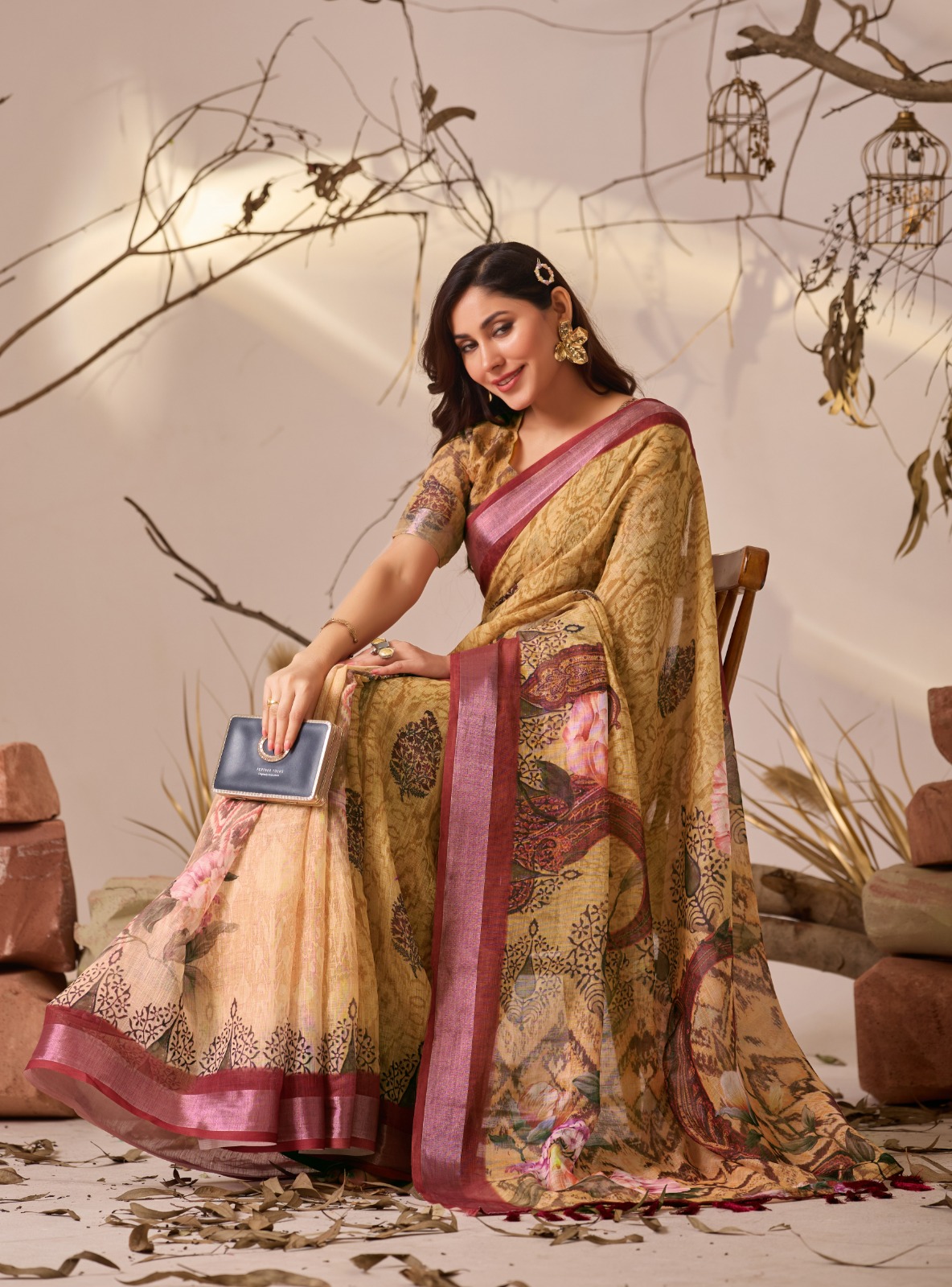
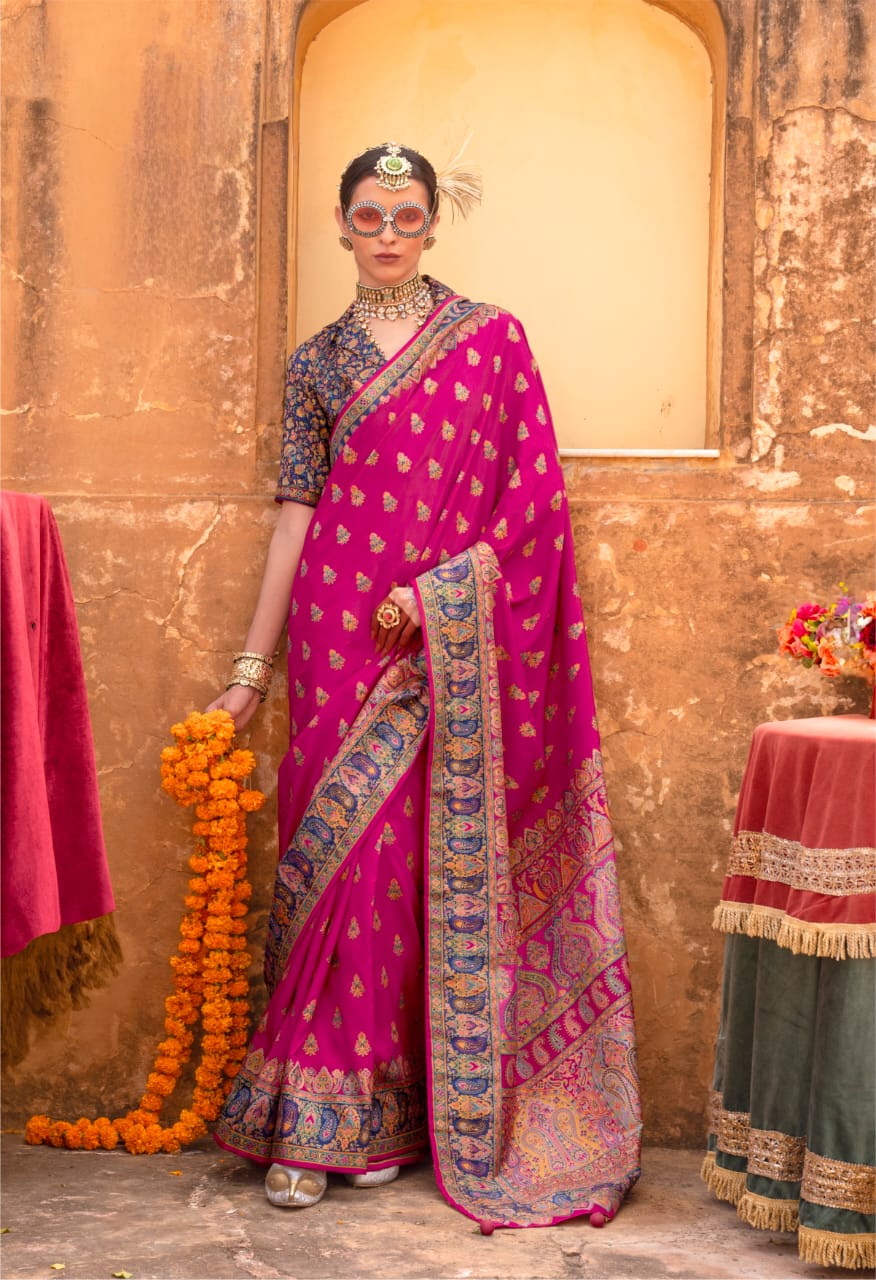
Handloom Magenta Tussar Silk Saree with Rich Pallu shows how a strong colour and an elaborate pallu can provide enough drama without all-over ornament. Premium Chikoo Floral Tussar Silk Ethnic Wear Saree takes a quieter route, using a warm neutral base and floral interest for daytime celebrations. Tussar Silk Kalamkari Printed Saree with Blouse demonstrates how a coordinated blouse can make a printed saree easier to wear when time for custom tailoring is limited.
A border changes the apparent proportion of the body. A broad contrast border can make a saree look more formal and visually shorter, while a narrow border tends to preserve a continuous vertical line. A rich pallu draws attention to the shoulder and back, so a blouse with a clean neckline often creates better balance than a heavily embellished blouse.
For shoppers comparing different budgets, Silk Sarees Under 3000 With Discount can provide a useful reference point for entry-level silk and silk-blend styling, but composition should still be checked. Red Banarasi Silk Sarees for Weddings Under 1100 belongs to a different textile category from Kosa, so a low price should not be used as a direct quality comparison between the two.
Chhattisgarh Handloom Sarees: Kosa Silk, Fabrics & Styling Ideas for occasions
Style Chhattisgarh Handloom Sarees by balancing Kosa's texture with the occasion, blouse structure, jewellery scale and drape width. A textured saree doesn't require matching texture everywhere; smooth metal, polished leather or a plain blouse can create useful contrast.
What works for daytime pujas and family gatherings?
A daytime Kosa saree works well with a three-quarter-sleeve blouse, a small bindi and light gold or oxidised silver jewellery. Choose a neat Nivi drape with five to seven front pleats and keep the pallu broad enough to show its border. Warm beige, chikoo, muted pink and soft off-white sarees pair easily with tan sandals and a compact potli.
Designer Off White Tussar Silk Saree with Kalamkari Print suits this approach because an off-white ground leaves room for coloured earrings, a maroon blouse or a printed accent without creating visual competition. A low bun decorated with jasmine works for a puja, while a half-up hairstyle keeps the look less formal for a lunch gathering.
What works for weddings and evening receptions?
An evening Kosa silk look benefits from a deeper colour, a structured blouse and one clearly chosen jewellery focal point. A sleeveless or elbow-sleeve blouse in velvet, raw silk or matching Tussar can provide definition, while gold zari, jhumkas or a broad cuff reinforce the festive mood.
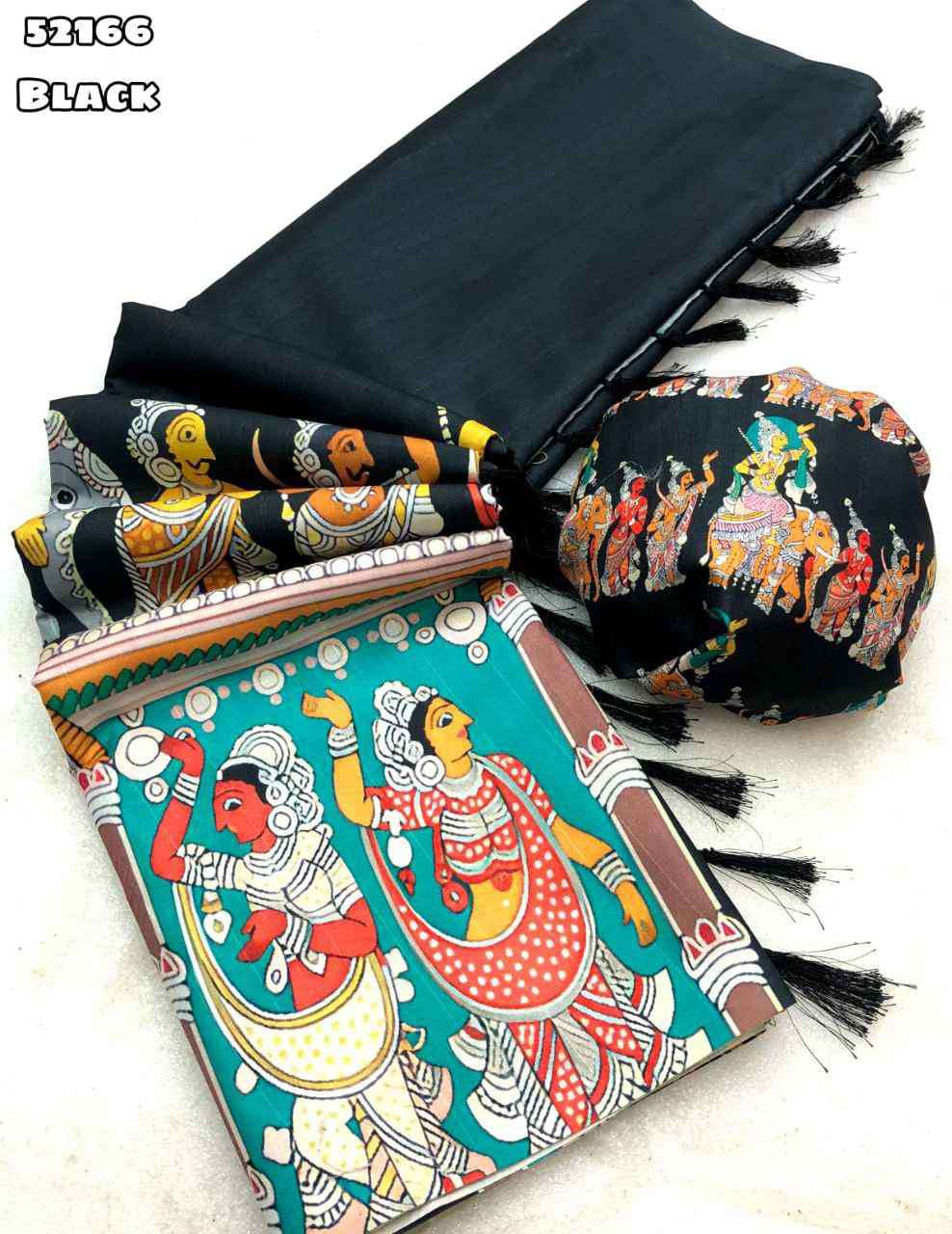
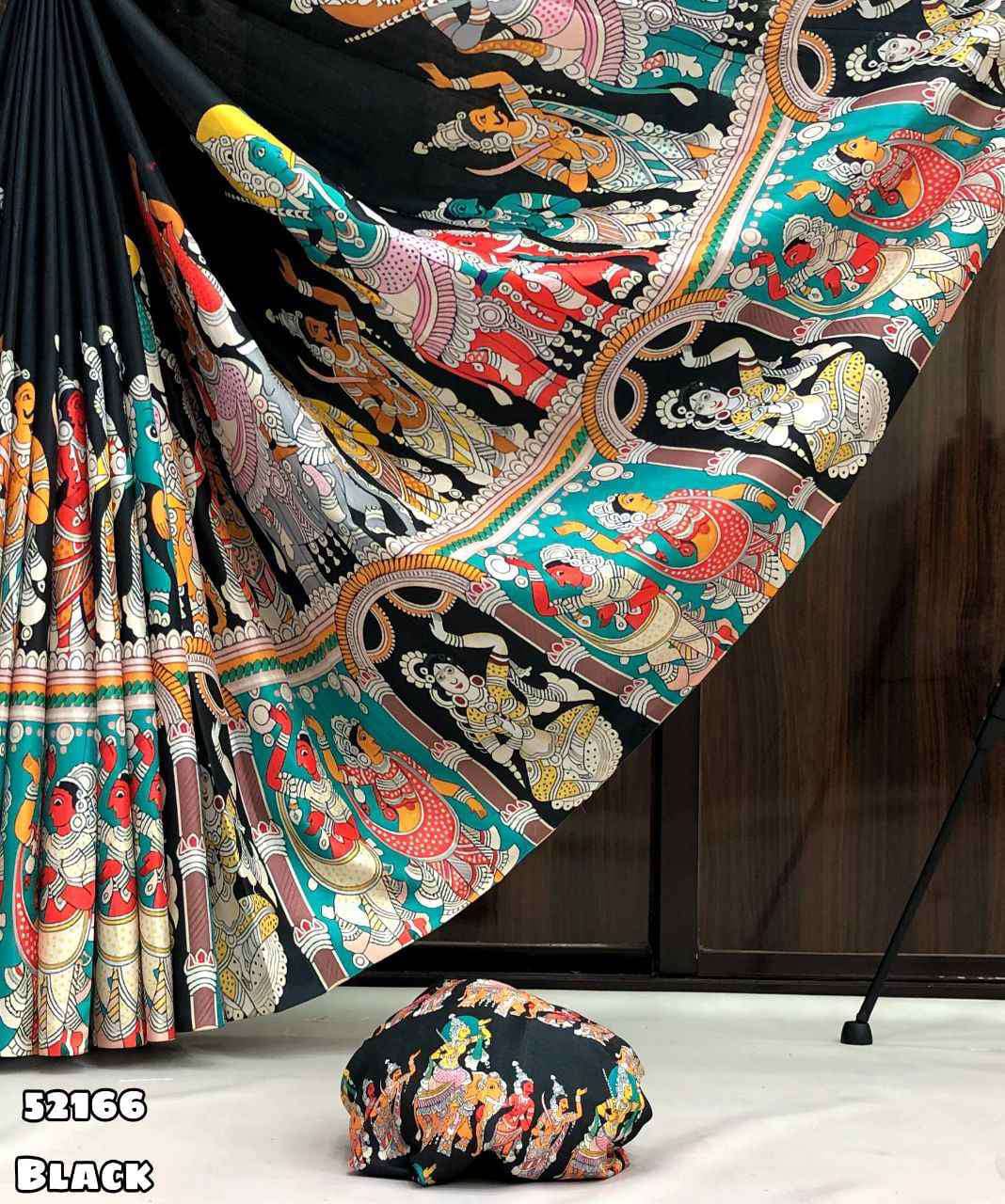
Elegant Black Kalamkari Silk Saree with Blouse and Black Traditional Kalamkari Print Silk Saree offer two ways to use black without making the outfit severe. Ruby-toned, emerald or antique-gold accessories add warmth, while clean pleats keep the print visible. Black Hans Chitrakala Printed Tussar Silk Saree can be treated as the statement piece; the blouse and jewellery should remain comparatively simple if the artwork is visually dense.
Party Wear Sarees can be a useful styling reference when deciding how much shimmer, contrast and embellishment suits an evening event. Pink Georgette Sarees provide a lighter, more fluid comparison, but georgette drapes differently from Kosa and usually needs more careful pleat control. Black Kalamkari Tussar Silk Saree with Blouse works well when the print carries the visual focus and the blouse provides a coordinated finish.
What works for work, cultural events and travel?
A lighter Kosa or Tussar saree is practical for work and travel when the blouse fits securely and the pleats are pinned at the waist. Choose a medium-width border, breathable cotton lining in the blouse and low block heels or flat sandals. A firm fabric belt can hold the saree in place, but a belt should not be tightened enough to compress delicate zari or create permanent creases.
Gray Color Sarees Under 1000 can help illustrate how neutral shades work in a restrained wardrobe, although price and fabric composition vary widely. Pairing a grey, ivory or muted brown Kosa saree with a solid blouse creates repeatable outfits for office events, craft exhibitions and daytime cultural programmes.
Chhattisgarh Handloom Sarees: Kosa Silk, Fabrics & Styling Ideas for care
Kosa silk should be dry-cleaned when the care label recommends it, stored away from direct sunlight and refolded every few months to prevent permanent fold lines. Proper care protects both the silk fibre and the dyes, zari and printed surface.
Air a worn saree in shade before storage, but don't leave it in strong sun for several hours. Store the saree in a clean cotton or muslin cover rather than sealed plastic, which can trap moisture. Keep perfume, deodorant, hair spray and make-up away from the fabric because alcohol, oils and pigments can leave difficult stains.
Fold Kosa silk along different lines every two to three months, especially when the saree has zari or a dense printed pallu. Place acid-free tissue or soft muslin between heavy zari folds if the metallic work catches on itself. Avoid hanging a silk saree on a narrow wire hanger for long periods because concentrated pressure can strain the shoulder fold.
Small spills should be blotted gently with a clean, dry cloth rather than rubbed. Do not apply lemon, baking soda, detergent or household stain remover to silk. Professional dry cleaning is safer for oil, food, perspiration and colour-transfer stains, and the cleaner should be told whether the saree contains zari, hand-painted Kalamkari or natural dyes.
Iron Kosa silk on the reverse at low temperature with a pressing cloth, or use professional steaming at a safe distance. Excessive heat can flatten the texture, create shine or damage printed colour. A test on an inner edge is sensible before pressing a saree with a delicate finish.
Chhattisgarh Handloom Sarees: Kosa Silk, Fabrics & Styling Ideas in a practical buying plan
A practical Kosa buying plan begins by matching fabric weight and surface detail to the event, then checking composition, blouse requirements, care needs and total cost. This sequence prevents a beautiful saree from becoming an uncomfortable or impractical purchase.
- Define the use: Choose a lighter body for daytime, travel and warm weather, and consider a richer pallu or zari border for weddings and evening events.
- Choose the visual language: Select plain Kosa for adaptable styling, Kalamkari for artistic impact, floral prints for softer daytime wear or a rich border for ceremonial dressing.
- Check the blouse: Confirm whether blouse fabric is included, whether the fabric is enough for your preferred sleeve length and whether the print placement will work on the blouse.
- Confirm the care routine: Ask whether the saree can be washed, must be dry-cleaned or needs special handling because of zari, natural dyes or hand-painted details.
- Plan the accessories: Kosa's texture usually pairs well with one strong jewellery element, such as jhumkas, a choker, a cuff or a statement ring, rather than several competing pieces.
Chhattisgarh Handloom Sarees become especially versatile when their material qualities guide the styling decision. Kosa silk can carry a festive pallu, a restrained blouse, a narrative Kalamkari print or simple metal jewellery without losing its regional character. Looking beyond shine and price helps you recognise the difference between fibre, weave, surface decoration and finish, which ultimately leads to a more informed and longer-lasting wardrobe choice.
Common Questions About Chhattisgarh Kosa Silk Sarees
Is Kosa silk the same as Tussar silk?
Kosa silk is a regional term commonly used for Tussar silk, particularly in the Chhattisgarh weaving context. The exact texture, weight and finish can vary according to yarn preparation, weaving and finishing, so the fibre description should still be checked.
How can I tell whether a Chhattisgarh saree is handloom?
Check the product description, handloom certification or seller documentation first, then inspect the selvedge, weave construction and natural variation in the yarn. Texture alone cannot prove handloom origin because power-loom fabrics can imitate a handloom appearance.
Is Kosa silk suitable for summer weddings?
Kosa silk can suit summer weddings because Tussar is generally breathable and less dense than heavily brocaded silk. A lightweight body, moderate zari and a lined blouse will usually feel more comfortable than a heavily embellished, thickly woven saree.
How should Kosa silk sarees be washed?
Kosa silk should usually be dry-cleaned when the care label requires it, especially when the saree has zari, dark dyes or Kalamkari printing. Avoid soaking, rubbing, bleach and household stain removers unless the maker specifically provides a safe washing method.
Which blouse designs work with a Kosa silk saree?
Three-quarter sleeves, elbow-length sleeves, high necklines and simple round or square necklines work well with Kosa silk because they balance the fabric's texture. A plain raw-silk or Tussar blouse is useful for a printed saree, while a lightly embellished blouse can support a plain saree with a rich pallu.
Can Kosa silk be worn for office events?
Kosa silk can work for office events when the saree has a moderate border, controlled print and comfortable drape. Pairing the saree with a structured blouse, minimal jewellery and flat or low block heels keeps the outfit polished without making it excessively ceremonial.