

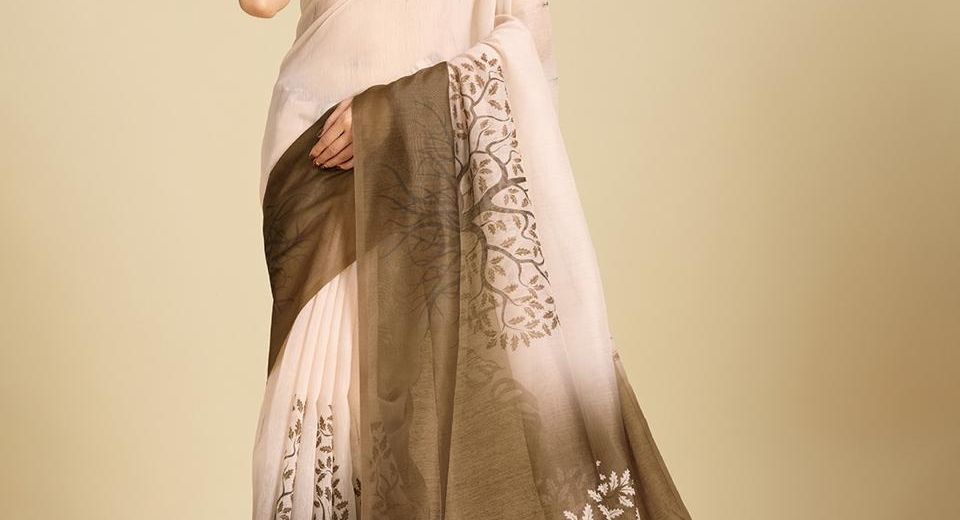
A Chhattisgarh Ethnic Wear Guide: Traditional Sarees & Modern Fashion becomes especially useful when a saree needs to carry regional character without looking costume-like. Chhattisgarh's textile story includes Kosa silk, handloom cotton, earthy colours, nature-inspired motifs and the practical elegance of sarees worn for festivals, family ceremonies and everyday life. Modern styling can retain those visual cues while using lighter fabrics, sharper blouses and easier drapes.
The most useful way to choose a Chhattisgarh-inspired saree is to begin with three decisions: the fabric suitable for the weather, the amount of surface detail required for the occasion and the kind of movement expected during the day. A handloom cotton saree may serve a daytime Haldi ceremony better than a heavy silk, while Kosa silk or zari can make a wedding reception outfit feel more formal.
Chhattisgarh Ethnic Wear Guide: What makes regional saree traditions distinctive?
Chhattisgarh saree traditions are distinctive because they combine Kosa silk, regional handloom knowledge, restrained ornamentation and motifs drawn from forests, flowers, geometry and local culture. The result is clothing that can feel ceremonial without depending entirely on heavy embellishment.
Kosa silk is a type of tussar silk associated strongly with Chhattisgarh and is valued for its slightly textured surface, natural sheen and breathable feel compared with many densely finished silks. Kosa silk sarees often work well for festive dressing because the fabric has enough body to hold a pleat while retaining a soft, organic appearance.
Handloom cotton is equally important for practical ethnic dressing. Cotton sarees can be worn for summer gatherings, temple visits, office celebrations and daytime family events. Small irregularities in weave, a slightly uneven texture or a muted colour variation are often signs of handmade character rather than defects.
Regional visual language frequently appears through earthy rust, maroon, mustard, green, charcoal, off-white and indigo tones. Floral forms, borders and understated zari can connect a contemporary saree to Indian textile traditions without requiring a literal reproduction of ceremonial clothing.
Chhattisgarh's tribal and rural textile traditions also show why texture and motif can matter as much as shine. Woven borders, plant-inspired forms and strong colour contrasts create identity through repetition and craft rather than through large quantities of embellishment. That principle is easy to carry into a modern wardrobe.
Chhattisgarh Ethnic Wear Guide: Which fabrics suit different occasions?
Choose cotton or linen cotton for heat and long wear, Chanderi for a light festive appearance, organza cotton silk for structure and Kosa or other silk blends for a more traditional formal mood.
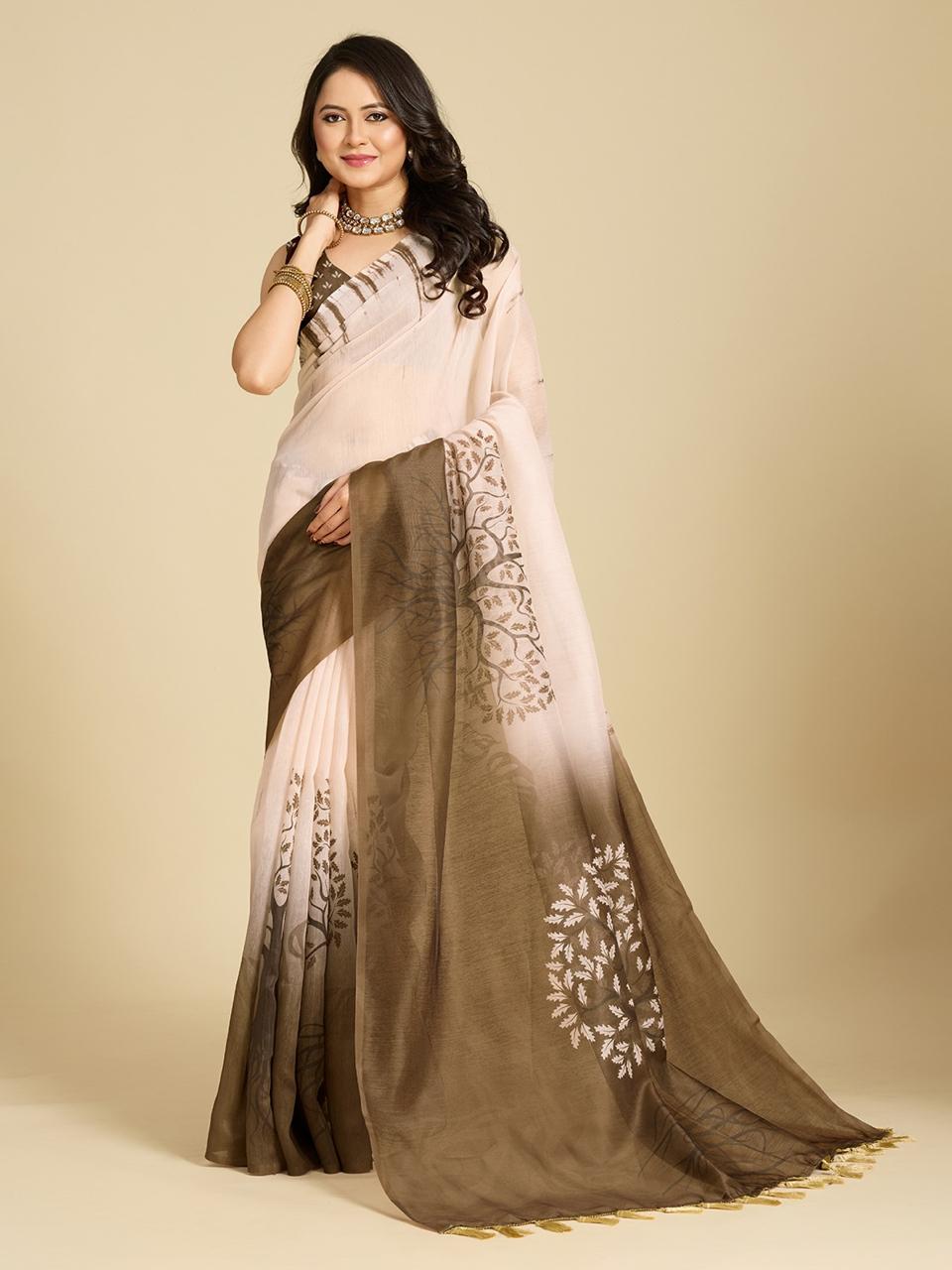
Cotton and linen cotton for daytime comfort
Mal cotton is a practical choice when softness, low weight and easy movement matter. Maroon Mal Cotton Ethnic Saree With Blouse from VARNAVI demonstrates how a deep regional colour can create an ethnic effect without a heavy fabric. Maroon also pairs easily with antique gold, beige, black and muted green accessories.
Linen cotton has a dry, breathable hand and usually looks more relaxed than polished silk. Pastel Linen Cotton Floral Print Saree with Designer Blouse suits a daytime lunch, a small puja or a summer engagement when the outfit needs to look composed but not overly grand. Linen cotton may crease during wear, so broad pleats and a neatly pressed pallu usually look better than an extremely sharp, formal drape.
Chanderi and organza for light festive dressing
Chanderi provides a lightweight, slightly sheer appearance with a refined surface that works well for festive events. Green Maroon Chanderi Printed Saree Online India uses a two-colour palette that can be repeated through the blouse, bangles or embroidered footwear. Black Maroon Chanderi Printed Saree for Women offers a stronger evening contrast and can be styled with a plain blouse to keep the print from becoming visually crowded.
Organza cotton silk has more crispness and can hold a defined pallu, making it helpful for structured contemporary drapes. Elegant Charcoal Garden Organza Cotton Silk Saree suits a cocktail-style family event, an evening cultural programme or a reception where silver jewellery and a clean blouse silhouette are more appropriate than traditional gold layering.
Chinon and printed fabrics for easy movement
Chinon is fluid, light and relatively easy to pleat, which makes it suitable for first-time saree wearers and long functions. Colorful Ethnic Chinon Saree for Women brings several shades into the outfit, so accessories should repeat one colour instead of competing with every shade in the print.
A ready-to-wear format can reduce the time required for tucking and pleating. Coral Pink Floral Print Ready To Wear Chinnon Saree can work for a festive house gathering or a reception when the wearer wants saree styling with less adjustment during the event. Ready-to-wear sarees still need a secure waist fit and a pallu length that doesn't drag on the floor.
Chhattisgarh Ethnic Wear Guide: How can traditional sarees look modern?
Traditional Chhattisgarh sarees look up-to-date when the outfit keeps one strong heritage element and simplifies the remaining components. A printed saree can be paired with a solid blouse, a textured handloom saree can take contemporary jewellery and a traditional colour can be balanced with a current cut.
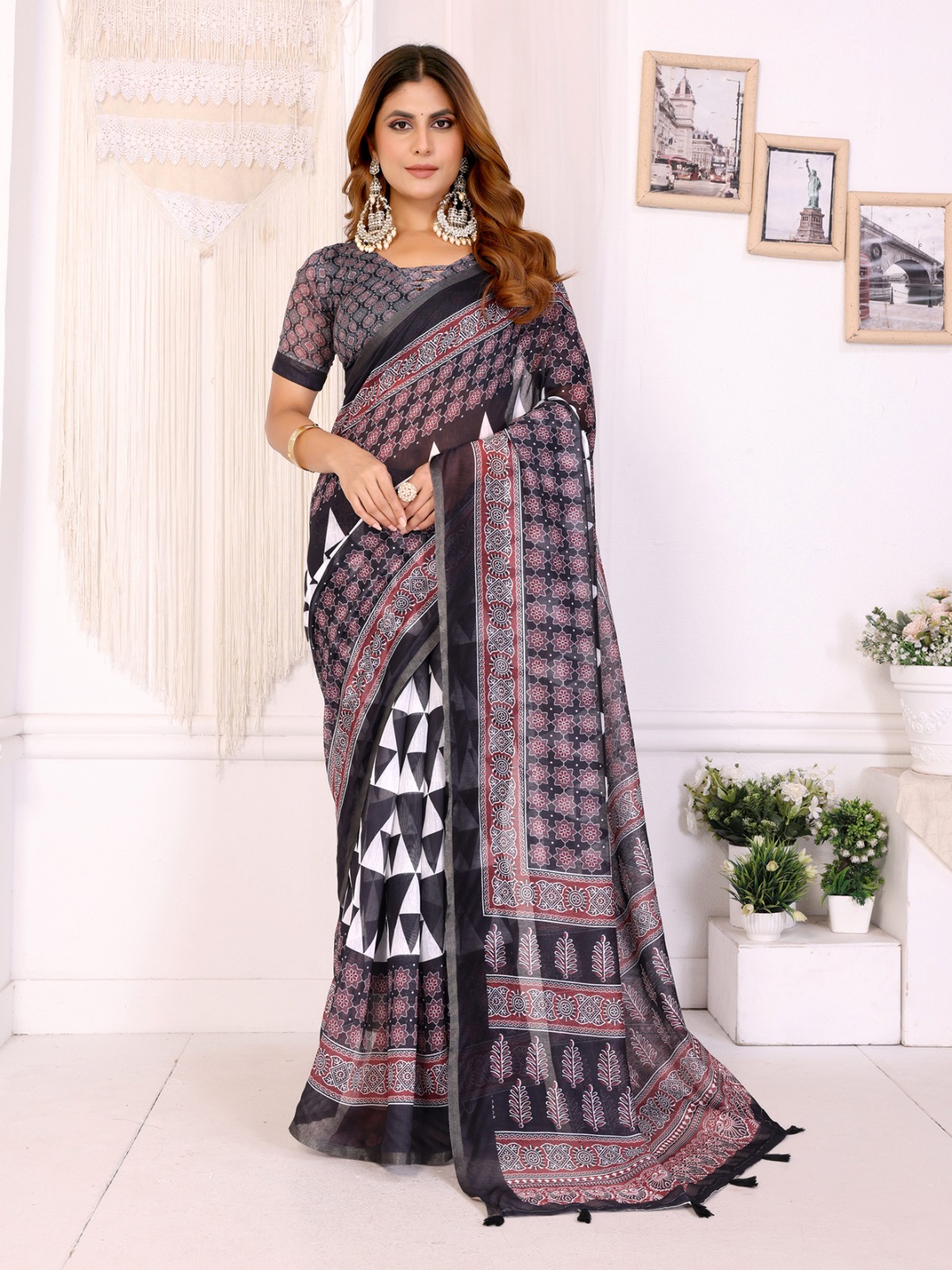
Blouse design changes the perceived formality of a saree more than many accessories do. A high-neck blouse with elbow-length sleeves gives a cotton saree a composed, architectural look. A square-neck blouse adds a contemporary line to Chanderi. A sleeveless or short-sleeve blouse can work for an evening gathering, provided the fabric and event dress code allow it.
Colour blocking is an effective way to modernise regional saree dressing. Pair a green saree with a maroon blouse, a charcoal saree with a black blouse or a pastel saree with ivory. Repeating the blouse colour in earrings, footwear or a small potli creates visual balance without making the outfit look overly coordinated.
The pallu can also change the outfit's character. A traditional shoulder drape gives a formal and familiar appearance. A narrow front pleat with the pallu pinned at the shoulder suits active events. A belt over the waist can define the silhouette for photographs, but the belt should be lightweight and positioned over a stable section of the saree rather than over a loose, slippery pallu.
Contemporary ethnic fashion doesn't require abandoning regional references. A handloom cotton saree with oxidised silver jewellery, a Kosa-inspired silk saree with a contemporary clutch or a Chanderi saree with a clean bun can communicate heritage through fabric and proportion rather than excessive decoration.
Chhattisgarh Ethnic Wear Guide: Which saree works for each occasion?
The right saree depends on the event's time, level of movement, expected formality and weather. Daytime events generally favour breathable fabrics and lighter colours, while evening celebrations allow deeper shades, zari and more structured silhouettes.
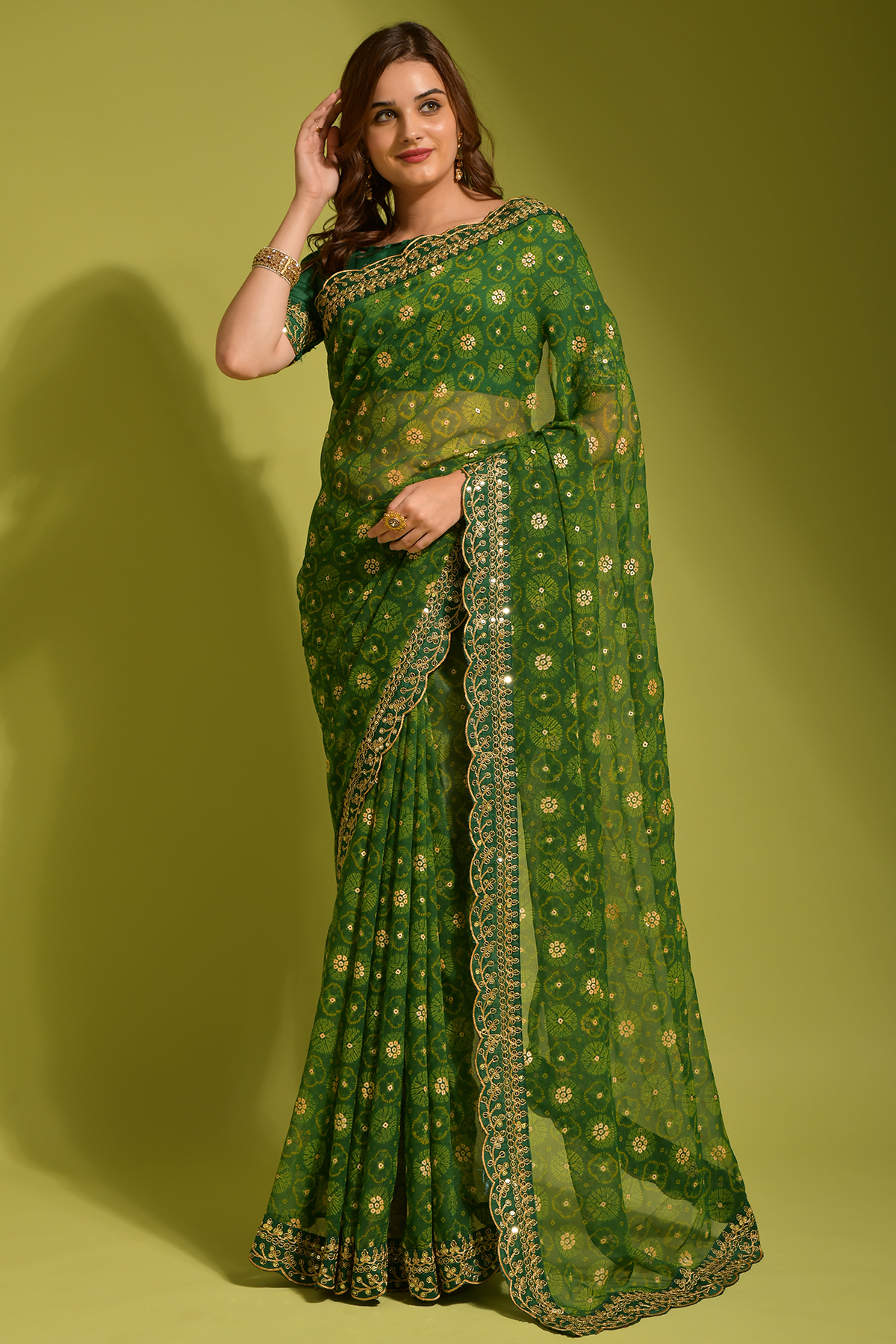
For Haldi ceremonies and daytime functions
Choose cotton, linen cotton or a light Chanderi saree for a Haldi ceremony because these fabrics are comfortable in warm weather and easier to move in. Floral prints, pastel yellow, coral, green and soft pink create a celebratory mood without relying on heavy metallic work.
Keep the blouse practical for ceremonies involving movement. Sleeves that cover the upper arm, a secure neckline and a pallu pinned at two points reduce repeated adjustments. Flat juttis, small hoops and a fabric potli are more functional than delicate high heels and long necklaces.
For weddings and festive evenings
Choose Kosa silk, silk blends, Chanderi with zari or an organza cotton silk saree for a wedding or festive evening. Maroon, charcoal, emerald, black, rust and deep pink photograph well under warm indoor lighting, especially when the saree has a contrasting border or metallic detail.
Jewellery should match the visual weight of the fabric. A textured silk can support a statement necklace, while a colourful printed Chinon saree often looks better with earrings and bangles only. Gold-toned jewellery complements zari, whereas oxidised silver brings out charcoal, indigo, black and earthy handloom colours.
For office celebrations and cultural programmes
Choose a medium-weight cotton, linen cotton or restrained Chanderi saree for an office celebration or cultural programme. Avoid a pallu that requires constant handling, excessive sequins or a blouse with a very low back when the event includes walking, presenting or sitting for long periods.
A crisp front pleat, a three-quarter-sleeve blouse and low block heels create a polished appearance. A small bindi, a neat bun and minimal jewellery can make a printed saree feel professional while preserving its ethnic identity.
Chhattisgarh Ethnic Wear Guide: How should you buy a saree online?
Compare online sarees by fabric composition, blouse information, measurements, opacity, care instructions and return terms rather than judging colour alone from a product photograph.
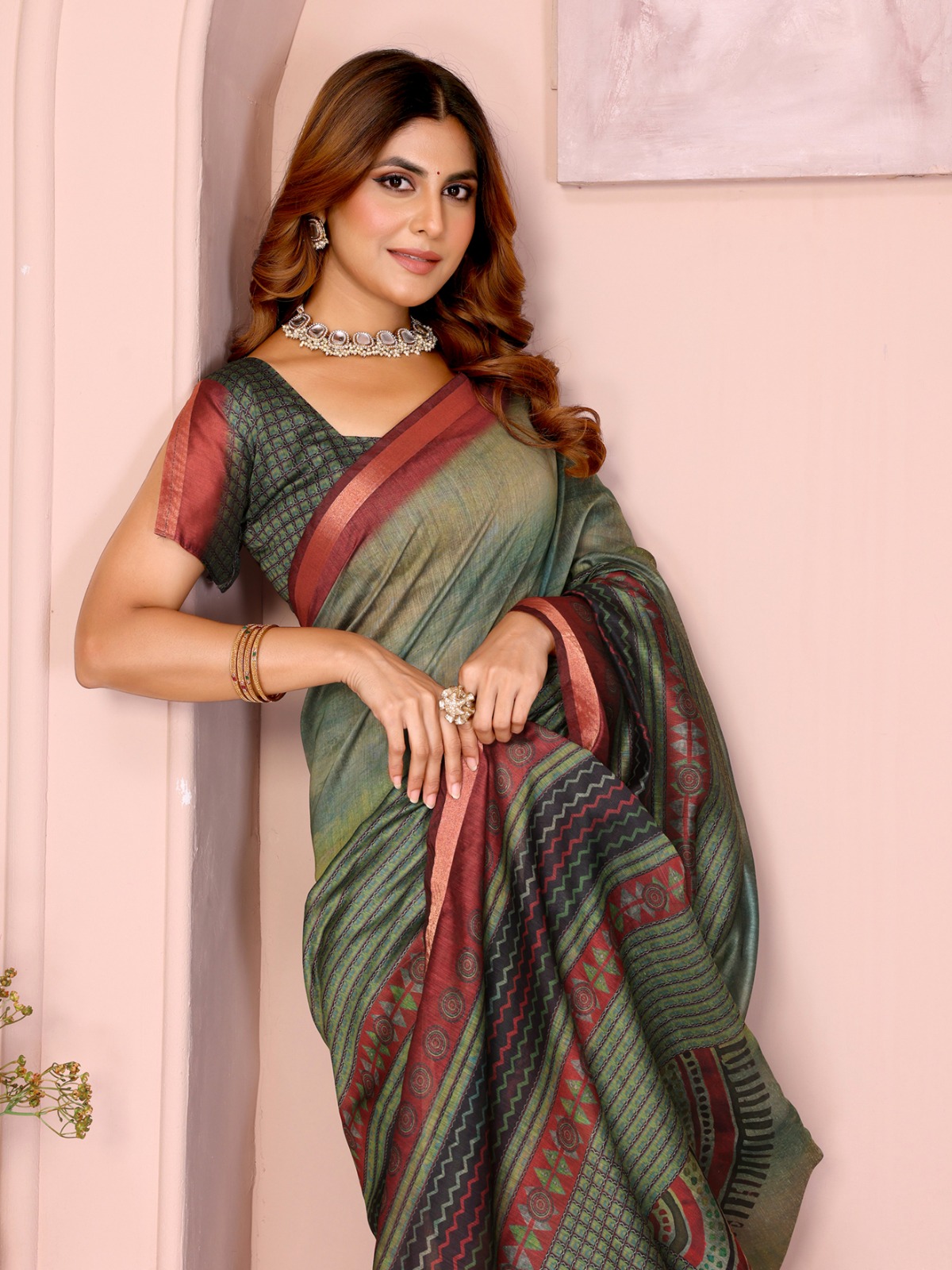
Fabric descriptions need careful reading. "Cotton silk" can indicate a blend rather than pure silk, and "Chanderi" may describe the weave or the style language depending on the seller. Look for the stated fibre composition, whether the blouse is included, whether the blouse is attached or separate and whether the saree is ready to wear.
Length and width affect draping. A standard saree is often around 5.3 to 5.5 metres, with an additional blouse piece in many designs, but measurements vary. A taller wearer or someone who prefers a longer pallu should check the listed length before ordering. Ready-to-wear sarees require waist measurements, not only a general clothing size.
Budget can be organised by intended use. Sarees from Rs 1000 to Rs 1500 may suit a first purchase, a work wardrobe or a low-risk trial of a new fabric. Sarees Under 20% Off and Sarees Under 10% Off can be useful when comparing moderate discounts, but the original price, fabric composition and included blouse piece still deserve attention.
Large discounts should not replace quality checks. Sarees Flat 60% Off and Sarees Flat 50% Off may contain worthwhile options, but inspect product photographs for border alignment, print placement and visible weave details. Discount percentage alone can't confirm whether a saree will drape comfortably or remain colourfast.
Read customer reviews for practical information such as transparency, fall, blouse-piece length and delivery condition. Reviews that mention indoor and outdoor colour differences are particularly useful because screens can make pastel pink, green, charcoal and maroon appear brighter or cooler than they look in person.
Chhattisgarh Ethnic Wear Guide: What care keeps sarees wearable longer?
Correct washing, drying and storage preserve saree colour, texture, zari and shape for longer. The safest routine is to follow the garment label and avoid treating every fabric as washable cotton.

Air cotton and linen cotton sarees in shade after wear instead of leaving them folded while damp with perspiration. Wash dark cotton colours separately the first few times, use mild detergent and avoid aggressive scrubbing along printed areas. Direct, strong sunlight can gradually fade maroon, coral, green and indigo dyes.
Chanderi, organza cotton silk, Chinon and silk sarees generally benefit from professional dry cleaning or a carefully specified gentle-cleaning method. Do not wring delicate sarees because twisting can distort the weave and create permanent creases. Zari borders should not be rubbed with abrasive brushes or exposed repeatedly to moisture.
Fold sarees along different lines every few months to reduce permanent fold marks. Place tissue or soft muslin between heavily embellished sections, and store silk away from direct light in a breathable cotton cover. Avoid plastic for long-term storage because trapped humidity can encourage odour and fabric damage.
Hang a saree for a few hours after wearing it, but don't leave heavy sarees on narrow wire hangers for weeks. A broad hanger supports the fabric more evenly. Remove jewellery before changing out of the saree so hooks and sharp edges don't catch the pallu or border.
Chhattisgarh Ethnic Wear Guide: How can one saree create several outfits?
One saree can create several distinct outfits by changing the blouse, drape, jewellery, footwear and hair rather than purchasing a completely new ensemble for every event.

Wear a floral linen cotton saree with a plain ivory blouse, flats and small earrings for a daytime gathering. The same saree can take on a more festive mood with a maroon blouse, metallic sandals, a low bun and a structured clutch. A change from a loose shoulder pallu to a pinned pleated pallu also makes the silhouette look more formal.
A charcoal or black Chanderi saree can move from a cultural programme to an evening dinner with a change from oxidised silver studs to statement earrings and from flat juttis to block heels. Keep the blouse simple if the saree has a strong print, because one clear focal point usually photographs better than several competing details.
For a modern regional wardrobe, build around three useful categories: one breathable daytime saree, one light festive saree and one darker evening saree. A cotton or linen cotton option covers heat and regular wear, Chanderi or Kosa silk adds cultural depth, and organza cotton silk or Chinon gives a different texture for celebrations.
The strongest Chhattisgarh-inspired outfits are not defined by a single formula. They come from choosing fabric honestly for the weather, respecting the visual character of Kosa silk, cotton, Chanderi and zari, and using modern styling to make traditional clothing comfortable in present-day life.
Common Questions About Chhattisgarh Sarees and Modern Ethnic Styling
What is the traditional silk associated with Chhattisgarh?
Kosa silk, a form of tussar silk, is strongly associated with Chhattisgarh. Kosa silk has a slightly textured surface, natural sheen and enough body for structured saree pleats, making it suitable for festive and formal dressing.
Which saree fabric is best for a Haldi ceremony in Chhattisgarh?
Cotton, linen cotton and lightweight Chanderi are practical choices for a Haldi ceremony. These fabrics allow movement and are generally more comfortable in warm weather than heavy silk or densely embellished sarees.
How can a Chhattisgarh-inspired saree look modern?
Pair a traditional-colour or handloom saree with a clean-cut blouse, restrained jewellery and a contemporary drape. A solid blouse, a lightweight belt, block heels or a neat bun can update the outfit without removing its regional character.
Is Chanderi suitable for a wedding guest outfit?
Chanderi is suitable for a wedding guest outfit when the saree has an appropriate colour, border or zari detail for the event. Add a well-fitted blouse and jewellery proportionate to the print so the lightweight fabric looks festive rather than casual.
How should Kosa silk and delicate sarees be stored?
Store Kosa silk and delicate sarees folded in a breathable cotton cover away from direct sunlight and moisture. Refold them along different lines periodically, avoid plastic for long-term storage and use professional cleaning when the care label recommends it.
What should I check before buying a saree online?
Check fabric composition, saree length and width, blouse-piece details, opacity, ready-to-wear sizing, care instructions and return terms before ordering. Product photographs and reviews can also reveal colour variation, transparency, border finish and how the saree falls when worn.





