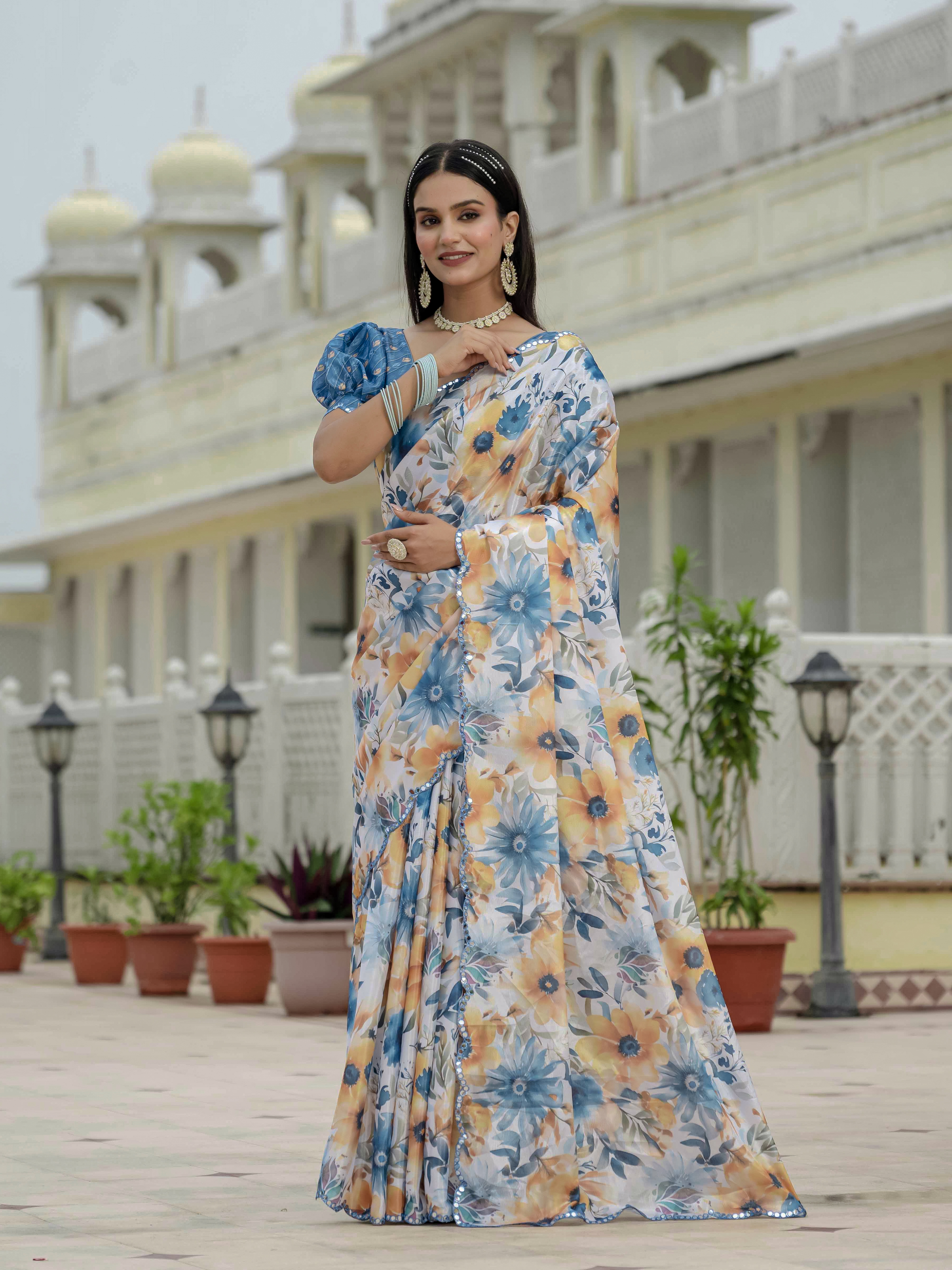
A Chhath Puja Saree Guide: Bihari Colours, Fabrics & Traditional Styling should begin with the ritual, not the trend cycle. Chhath Puja involves offerings to Surya Dev and Chhathi Maiya, periods of standing or walking, and often several hours at a riverbank, pond, or home worship area. The most suitable saree combines cultural respect, an easy-to-manage drape, breathable fabric, and colours rooted in Bihari festive dressing.
Chhath Puja is observed over four days, with rituals commonly including Nahay Khay, Kharna, Sandhya Arghya and Usha Arghya. Customs differ between families and regions, so the saree worn for a household pooja at home may be lighter and simpler than the saree selected for a community ghat. The following guidance helps with both choices without treating one colour or fabric as compulsory for every family.
Chhath Puja Saree Guide: Planning Clothing for the Ritual
A Chhath Puja saree needs to remain comfortable, secure and presentable through standing, walking, bending and offering arghya. Ritual schedules can begin before sunrise or continue after sunset, while wet ground, crowded ghats and the weight of a soop or offering basket can make an unstable drape inconvenient.
A saree with a manageable fall is usually easier than an extremely stiff, heavily embellished style. A firmly tucked lower pleat, a pallu pinned at the shoulder, and a blouse with comfortable sleeve openings reduce repeated adjustments. A cotton, linen-cotton or soft silk saree can work well when the wearer expects movement, although the right choice also depends on weather and personal comfort.
Footwear deserves equal attention. Flat sandals with a secure strap are safer on steps and damp surfaces than narrow heels. A small crossbody pouch or waist pouch can hold a phone, keys and safety pins without interfering with the offering basket. Jewellery should be light enough to avoid catching on the pallu during arghya.
Chhath Puja Saree Guide: Bihari Colours and Festive Meaning
Red, yellow, saffron, orange, green and maroon are widely used festive colours for Chhath Puja, while individual families may follow their own preferred combinations. Colour choice can express auspiciousness, sunlight, fertility, devotion and seasonal celebration, but no single shade universally defines a correct Chhath saree.
Red, maroon and vermilion tones
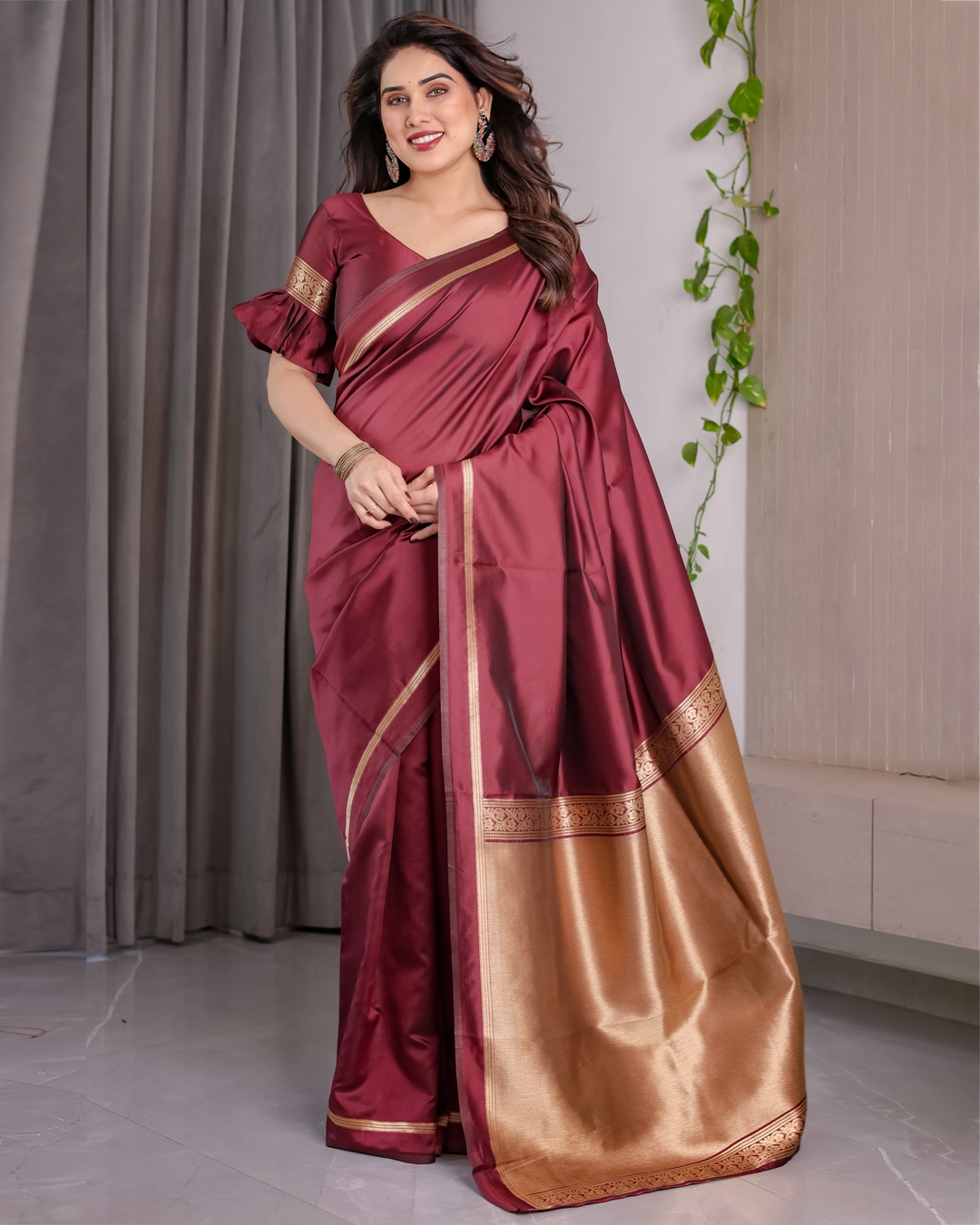
Red and maroon create a traditional, ceremonial appearance and pair naturally with gold zari, warm metal jewellery and red or orange sindoor. Maroon Banarasi Soft Silk Saree with Golden Zari Border is an example of a deeper colour choice that looks dignified during evening Sandhya Arghya or a family gathering.
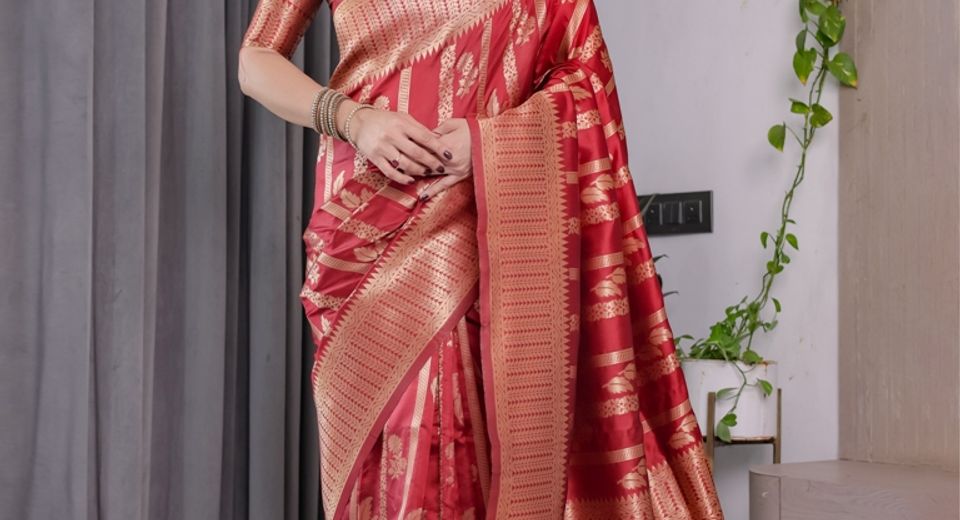
Brighter red can feel especially festive in daylight. Red Banarasi Soft Silk Saree With Golden Zari Floral Border provides a formal silk-and-zari direction, while Red Floral Linen Cotton Saree with Beautiful Printed Border offers a more breathable option for walking and extended outdoor wear.
Yellow, orange, pink and green accents
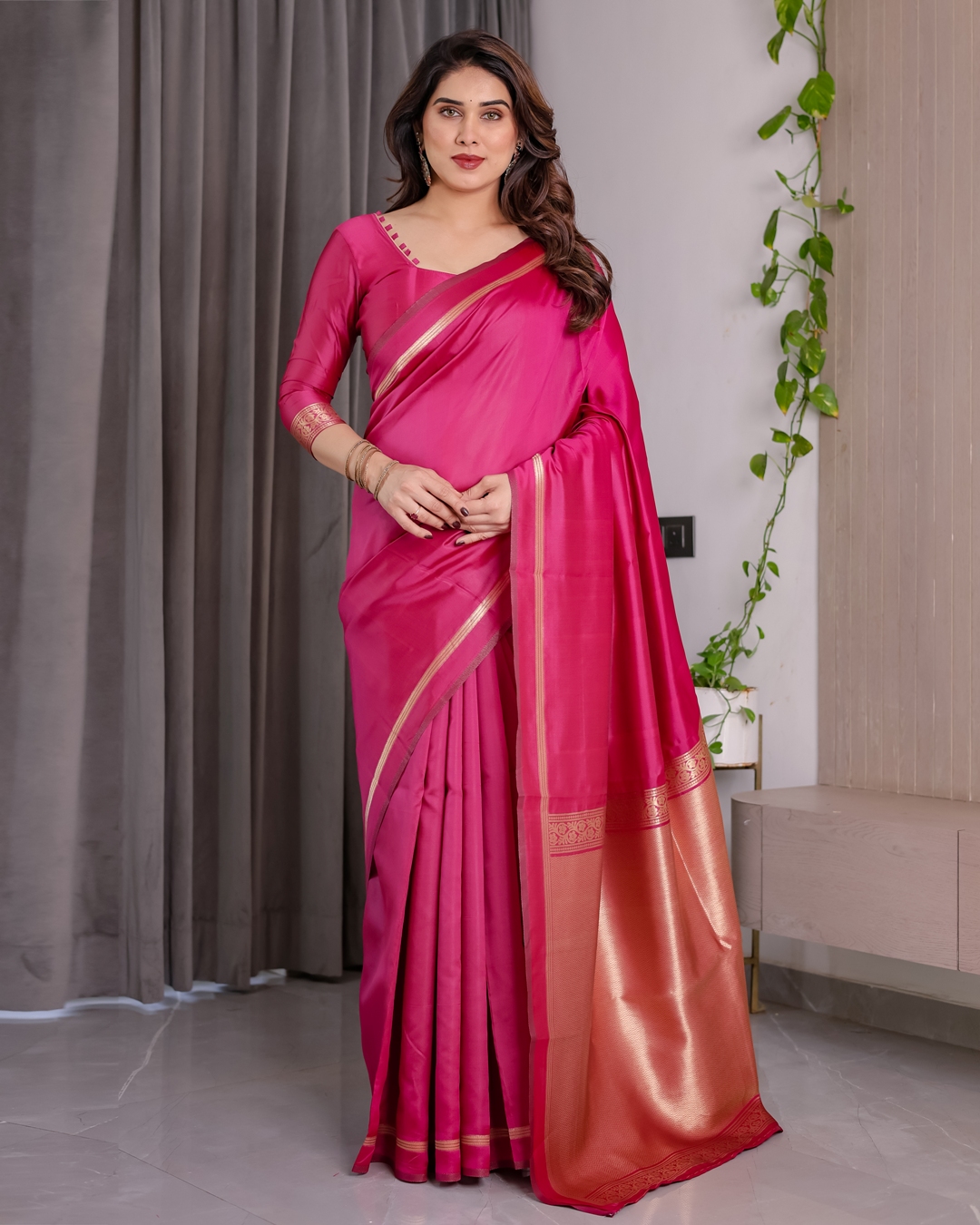
Yellow and orange echo the warmth of the sun and suit the devotional atmosphere of Surya worship. Pink, rani pink and green can soften a bright festive palette without losing its celebratory character. Pink Banarasi Soft Silk Saree with Golden Zari Border works for a polished family pooja, while Rani Pink Banarasi Soft Silk Saree With Golden Zari Borders creates a stronger jewel-toned look.
Green is useful as a blouse, border or accessory colour when a full green saree feels too bold. A peach-and-green combination can look graceful in morning light; Peach Green Tissue Cotton Saree With Print Blouse Piece demonstrates how a lighter palette can remain festive through colour contrast and a coordinated blouse piece.
Black, grey and very muted shades are not automatically inappropriate, because regional customs and personal wardrobes differ. However, many families prefer brighter or warmer colours for Chhath Puja. When in doubt, ask a household elder or follow the family's established dress practice rather than relying on a social-media trend.
Chhath Puja Saree Guide: Fabrics for Outdoor and Home Worship
Cotton, linen-cotton and soft silk are practical saree fabrics for Chhath Puja because they balance comfort, structure and festive appearance. Fabric weight, weave, weather and the length of the ritual should guide the final decision.
Cotton and linen-cotton for long rituals
Linen-cotton and cotton sarees are strong choices for outdoor Chhath Puja because they usually allow more air circulation than dense synthetic fabric. They are particularly suitable for Nahay Khay preparation, daytime household work, or a wearer who will stand near a ghat for a long period.
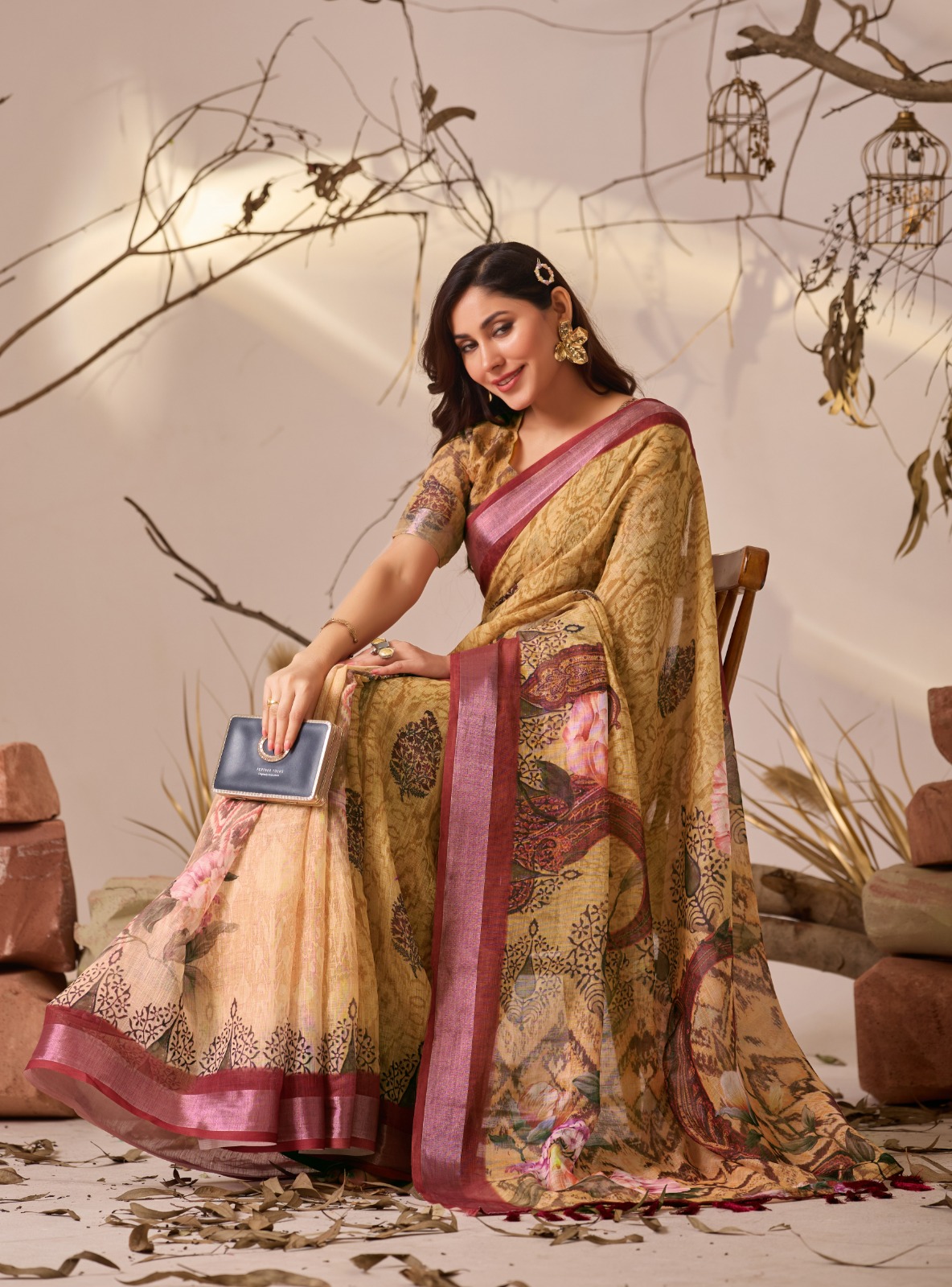
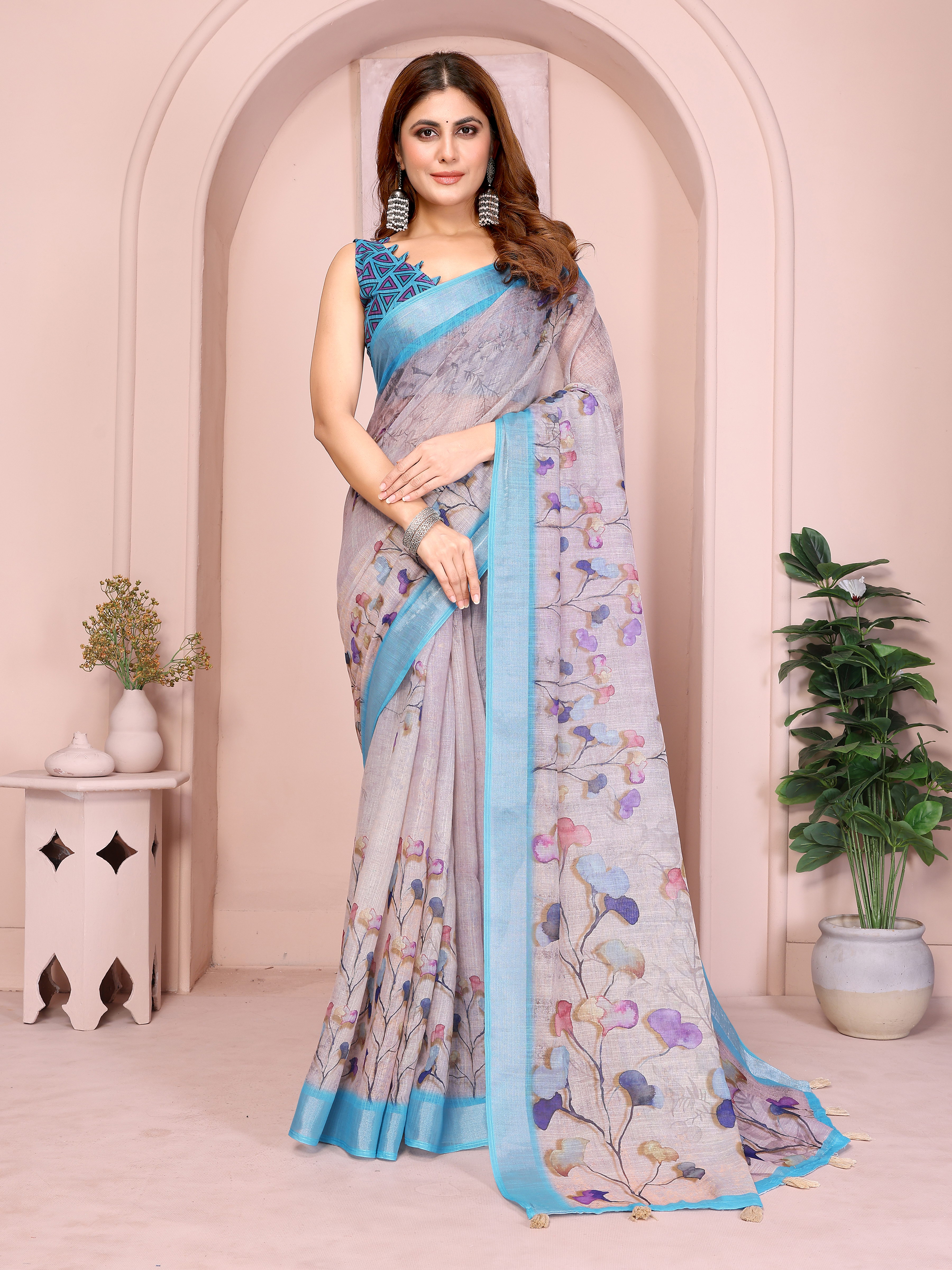
Red Floral Linen Cotton Saree with Beautiful Printed Border combines a traditional red base with a lighter everyday-to-festive construction. Pastel Linen Cotton Floral Print Saree with Designer Blouse is another option when a softer visual treatment and a coordinated blouse are preferred. Cotton can crease, but neat pleating and a well-ironed pallu make natural creasing look intentional rather than untidy.
Banarasi soft silk for ceremonial dressing
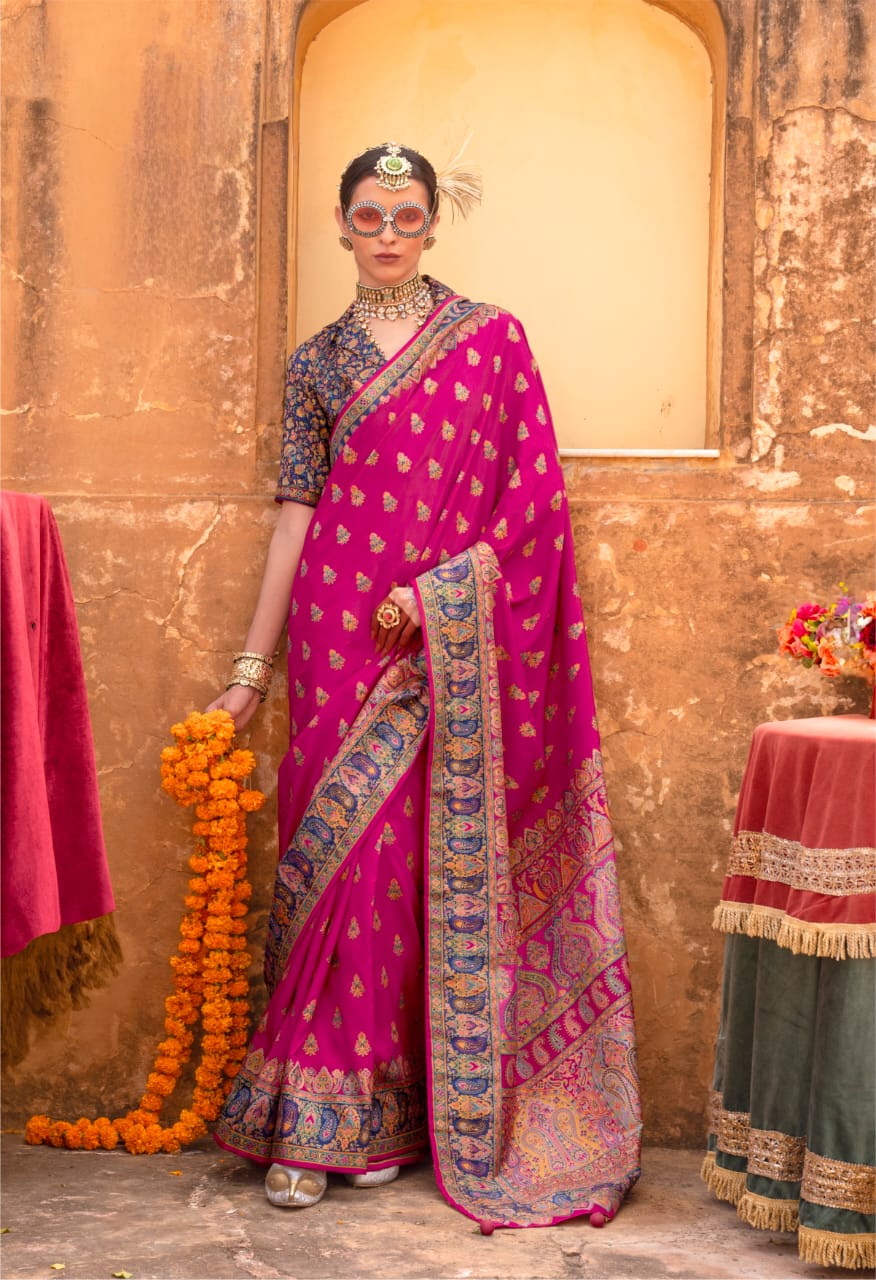
Banarasi soft silk is suitable for a more formal Chhath Puja appearance when the wearer wants zari without the weight of heavily ornamented bridal silk. Golden zari borders catch the light during Sandhya Arghya and Usha Arghya, making a simple saree appear ceremonial without requiring elaborate accessories.
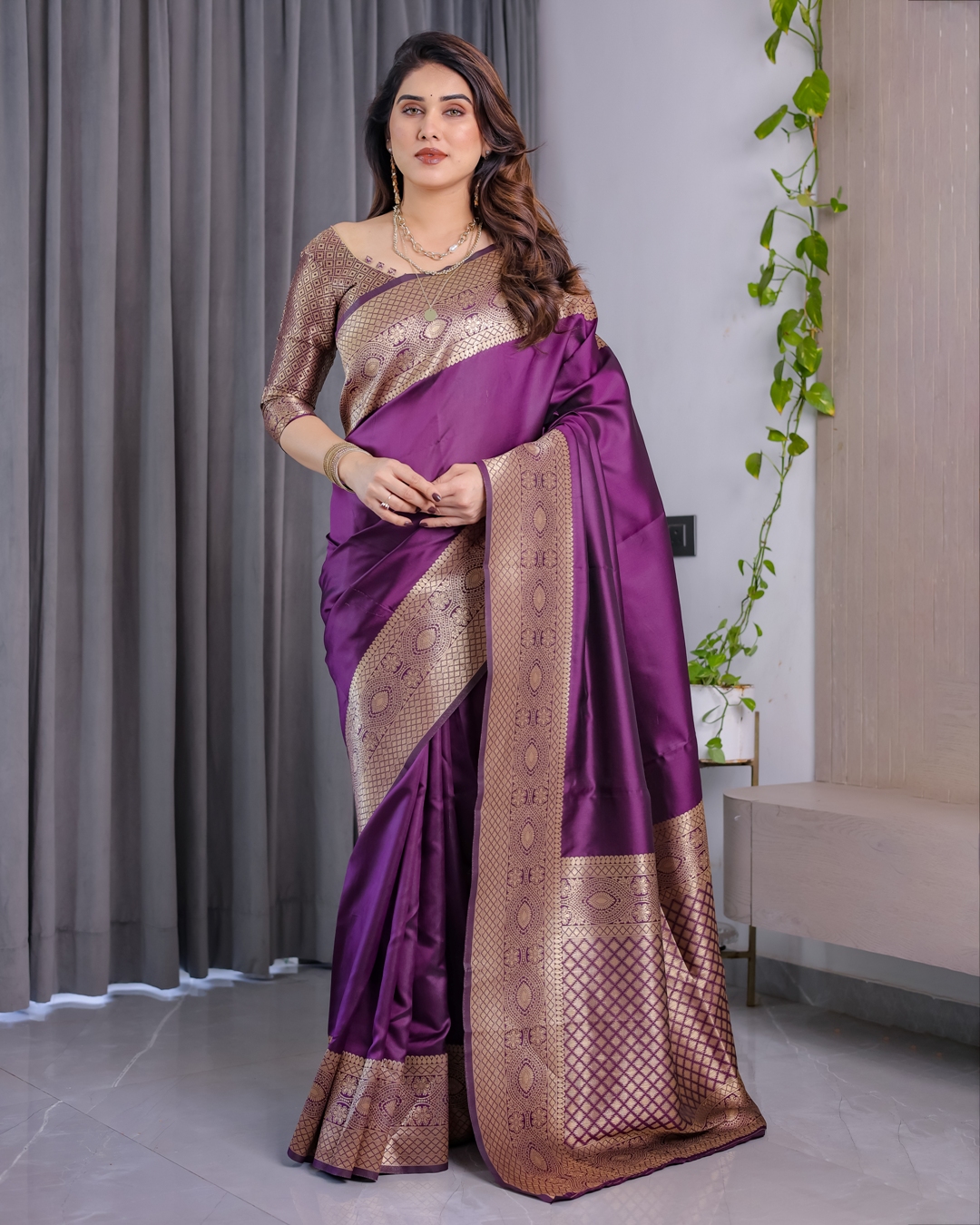
Purple Banarasi Soft Silk Saree with Elegant Zari & Jacquard brings a richer evening palette, while Maroon Banarasi Soft Silk Saree with Golden Zari Border and Pink Banarasi Soft Silk Saree with Golden Zari Border suit different levels of colour intensity. Banarasi silk may feel warmer than cotton, so it's more comfortable when the weather is cool or when the ritual involves shorter periods of outdoor waiting.
Banarasi soft silk should not be treated as a washable everyday saree unless the care label specifically permits it. Keep the saree away from water, oil, incense smoke and food stains during the ritual, and use professional dry cleaning when cleaning is necessary.
For budget-conscious pooja shopping, a buyer can compare the options in Silk Sarees Under 3000 With Discount without assuming that every discounted silk saree has the same weave or care requirements. Product composition and care instructions matter more than the word silk in a listing title.
Chhath Puja Saree Guide: Traditional Draping and Blouse Choices
The standard Nivi drape is a dependable Chhath Puja option because it gives a familiar front pleat arrangement and allows the pallu to be secured over the shoulder. A pallu placed over the left shoulder and pinned discreetly near the blouse keeps the fabric in position while the wearer carries prasad or gives arghya.

Front pleats should be narrow enough to stay aligned but not so tight that walking becomes difficult. Tuck the pleats at the natural waist, check that the lower edge clears the feet, and test the complete drape by taking ten to fifteen steps before leaving home. A hidden safety pin at the waist can help, but excessive pins may damage delicate silk or zari.
A blouse with a moderate neckline and secure shoulder seams is more practical than a backless or very low-cut design for a public ghat. Elbow-length or short sleeves can provide coverage while remaining comfortable. A matching blouse creates a quiet traditional effect; a contrasting red, green, yellow or gold blouse gives a festive result without requiring a heavily embroidered saree.
Some families prefer a pallu covering the head during specific prayers or in the presence of elders. A saree with a sufficiently long pallu makes that adjustment easier. A lightweight cotton stole can provide extra head coverage, but it should not replace the saree pallu when a family custom specifically calls for it.
A wearer who prefers a more colourful wardrobe can also browse Pink Georgette Sarees or Party Wear Sarees for styling ideas, but a georgette or embellished party saree should be checked for grip and transparency before being selected for a long ghat ritual.
Chhath Puja Saree Guide: Jewellery, Hair and Makeup
Traditional styling for Chhath Puja works best when accessories support the saree rather than compete with the ritual. Gold-toned earrings, a modest necklace, glass bangles and a small bindi can complete a ceremonial look. Heavy layered necklaces and very long earrings may become uncomfortable while bending or carrying offerings.
Hair should be secured in a low bun, braid or firm half-up style so that wind doesn't disturb the face or pallu. Fresh flowers may be added if the family custom allows them, but loose petals and fragrance-heavy products are less practical near food offerings. A small amount of hair oil or a discreet pin can control flyaways without making the pallu slippery.
Makeup should withstand early-morning humidity and movement. A light base, waterproof kajal, a small bindi and a muted red or rose lip colour are sufficient for most Chhath Puja settings. Sunscreen becomes important for daytime preparation and outdoor rituals, especially when the saree colour and gold border reflect strong sunlight.
Vermilion, bindi style, bangles and marital symbols carry personal and regional meanings. Styling advice should never assume that every woman follows the same marital or family customs. Personal tradition remains more important than recreating a look seen in a Kolkata Durga Puja photograph or a Pooja Ambala Instagram post.
Chhath Puja Saree Guide: Choosing a Saree for Each Setting
The best saree for Chhath Puja depends on the ritual setting, expected movement and time spent outdoors. Match fabric weight and embellishment to the actual schedule rather than choosing only by colour.
- For Nahay Khay preparation: choose cotton or linen-cotton with a simple border, such as Red Floral Linen Cotton Saree with Beautiful Printed Border, because cooking and household preparation call for easy movement.
- For Kharna: select a comfortable saree with enough structure for serving prasad. Peach Green Tissue Cotton Saree With Print Blouse Piece gives a lighter festive direction, while a soft silk saree suits a more formal family setting.
- For Sandhya Arghya: choose red, maroon, pink, orange or another family-approved festive shade. Maroon Banarasi Soft Silk Saree with Golden Zari Border and Red Banarasi Soft Silk Saree With Golden Zari Floral Border provide ceremonial colour and a visible border for evening photographs.
- For Usha Arghya: select a saree that remains comfortable during early-morning cold, waiting and walking. Banarasi soft silk can work in cooler weather, while linen-cotton is more useful when movement and breathability matter most.
- For a pooja at home: prioritise ease of movement, a secure blouse and a fabric that suits cooking or serving. A modest border and a lightweight saree are often more practical than dense embellishment.
- For a larger family gathering: a coordinated blouse, neat zari border and restrained jewellery can create a formal appearance without making the drape difficult to manage.
Online saree shopping becomes safer when the buyer checks the fabric description, blouse-piece details, border construction, care instructions and return measurements before ordering. Collections such as Red Banarasi Silk Sarees for Weddings Under 1100 may contain festive colour references, but wedding-oriented styling doesn't automatically suit Chhath Puja. Gray Color Sarees Under 1000 can be useful for everyday wardrobes, though a family may prefer a brighter colour for this devotional festival.
A final fitting check should happen at least one day before the ritual. Wear the blouse, pin the pallu, walk on stairs, sit briefly, bend safely and confirm that the saree doesn't drag. Keep two safety pins, a small cloth for damp surfaces and a spare blouse hook in a pouch. These small preparations protect comfort while allowing the clothing to remain respectful and traditional.
Questions About Choosing and Styling a Chhath Puja Saree
Which type of saree is best for Chhath Puja?
Cotton, linen-cotton and soft silk are practical choices for Chhath Puja. Linen-cotton suits long outdoor rituals and movement, while Banarasi soft silk works well for a more formal appearance in cooler weather or shorter periods outside.
Which colours are considered suitable for a Chhath Puja saree?
Red, maroon, yellow, saffron, orange, pink and green are commonly chosen festive colours for Chhath Puja. Family customs differ, so the most suitable colour is the shade that respects household tradition while remaining comfortable for the ritual.
How should a saree be draped for Chhath Puja at a ghat?
A secure Nivi drape with firmly tucked pleats and a pinned pallu is suitable for most ghat settings. Test the drape by walking ten to fifteen steps, keep the lower edge clear of the feet, and avoid excessive pins on delicate silk or zari.
Is Banarasi silk suitable for Chhath Puja?
Banarasi soft silk is suitable for formal Chhath Puja dressing, particularly during cooler weather or evening worship. Cotton or linen-cotton may be more comfortable when the wearer expects extended walking, heat or several hours near water.
What should I wear for Chhath Puja at home?
A lightweight cotton, linen-cotton or soft silk saree with a secure blouse is suitable for a pooja at home. Choose a colour and border that follow family custom, and prioritise easy movement if cooking, serving prasad or preparing offerings.
Where can I shop for a Chhath Puja saree online in India?
Online buyers can compare saree collections by fabric, colour, border, blouse-piece details and care instructions before ordering. Collections such as Silk Sarees Under 3000 With Discount, Pink Georgette Sarees and Party Wear Sarees can help with comparison, but the final choice should match the ritual, family custom and expected comfort.