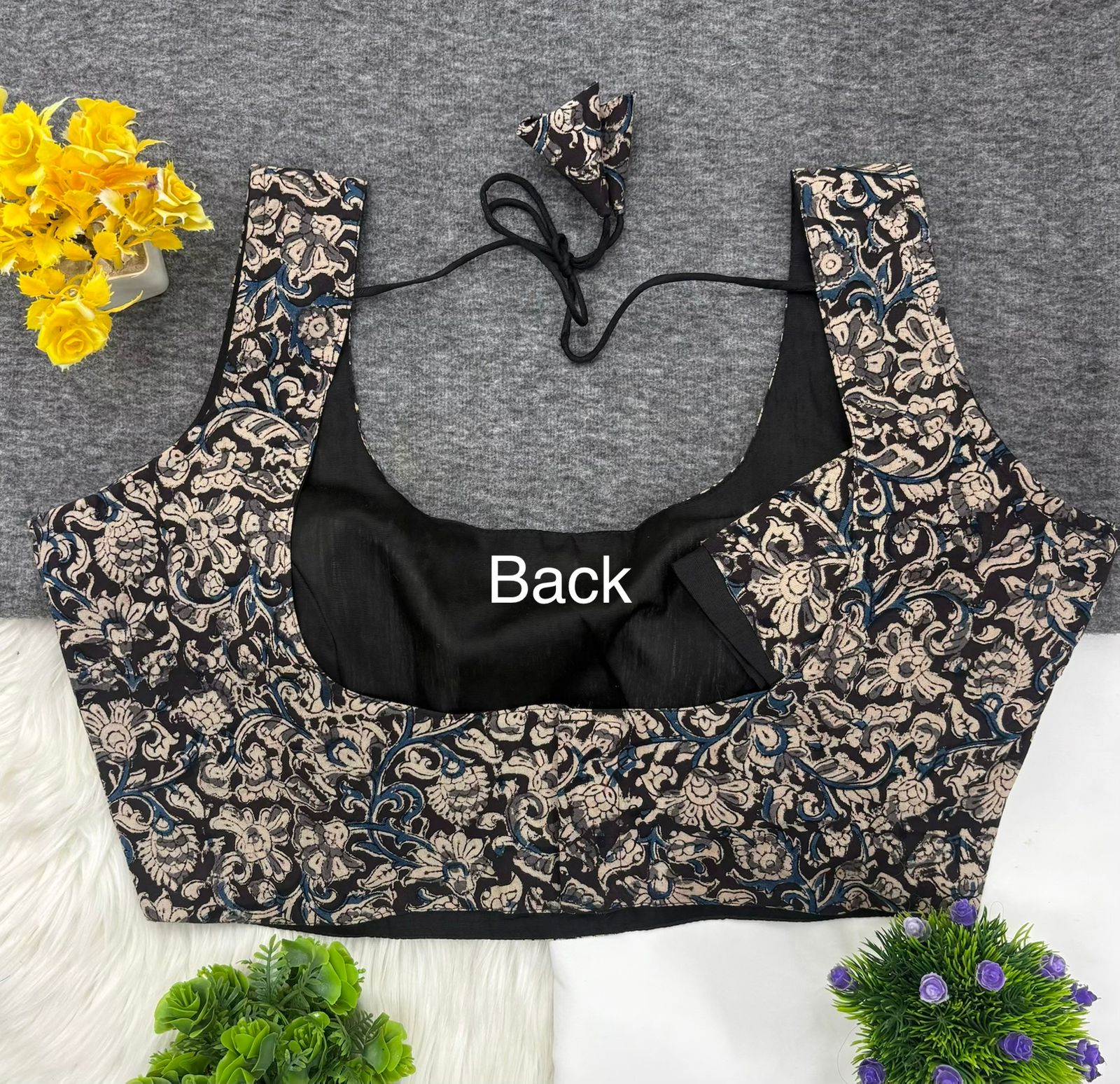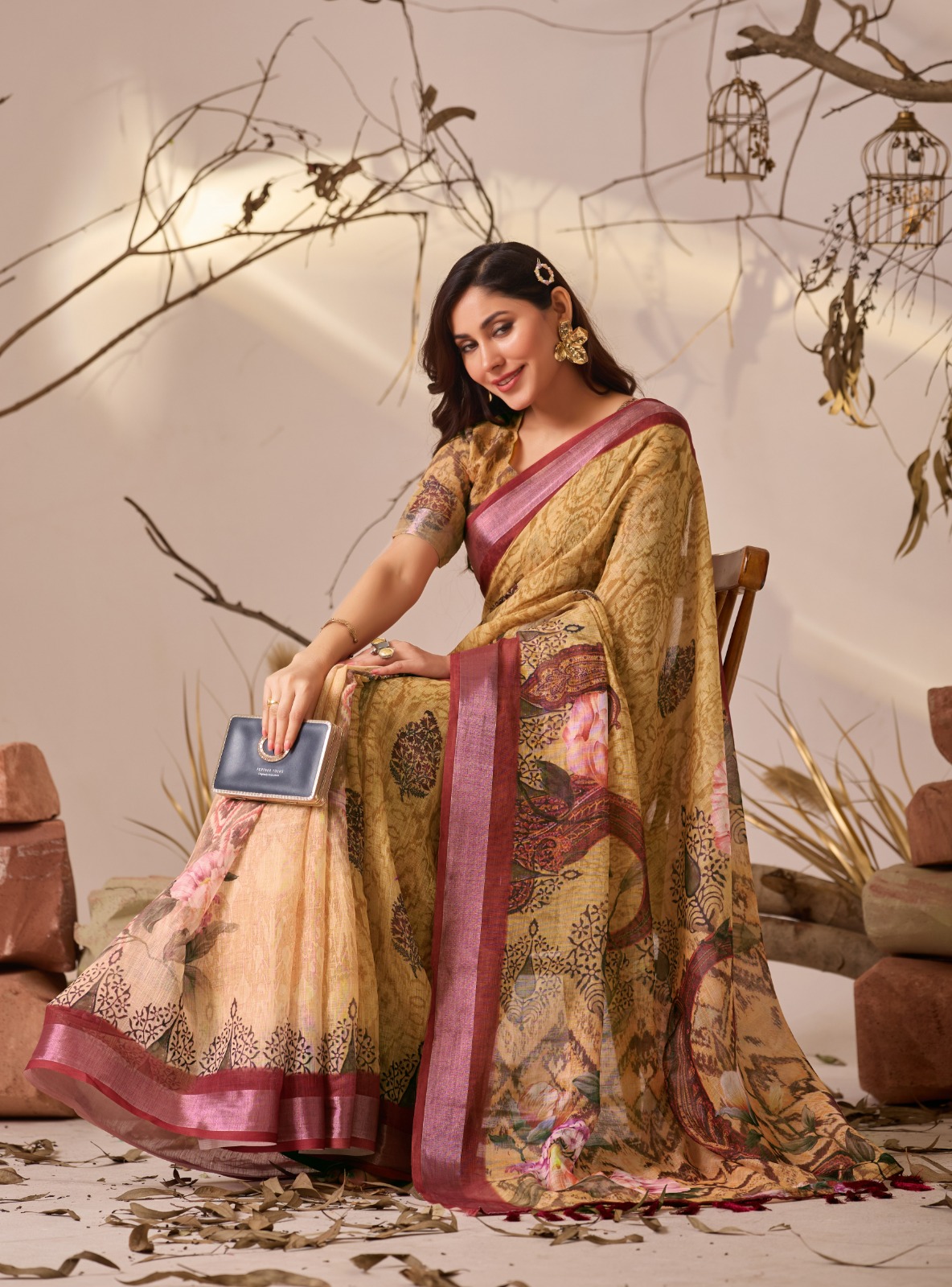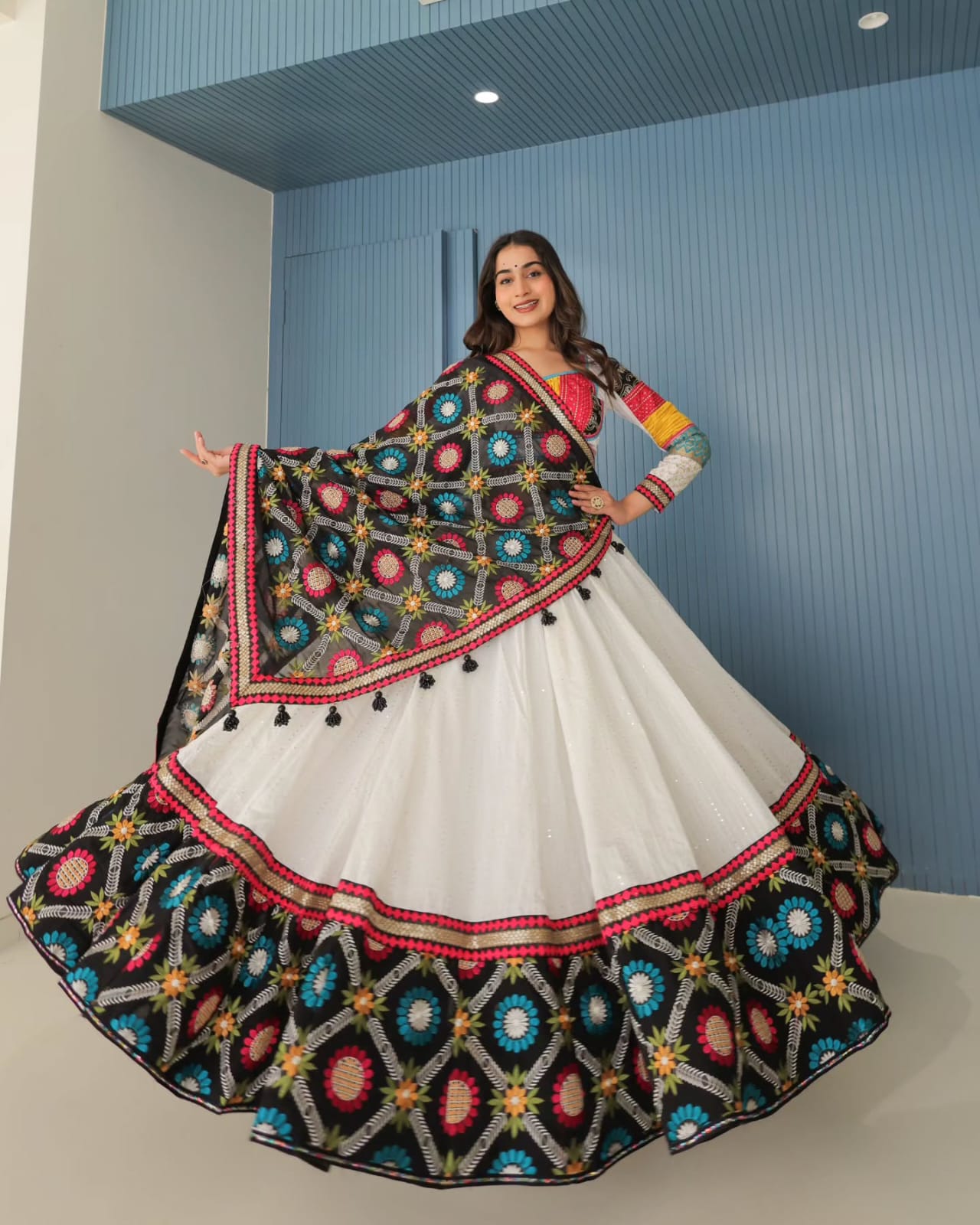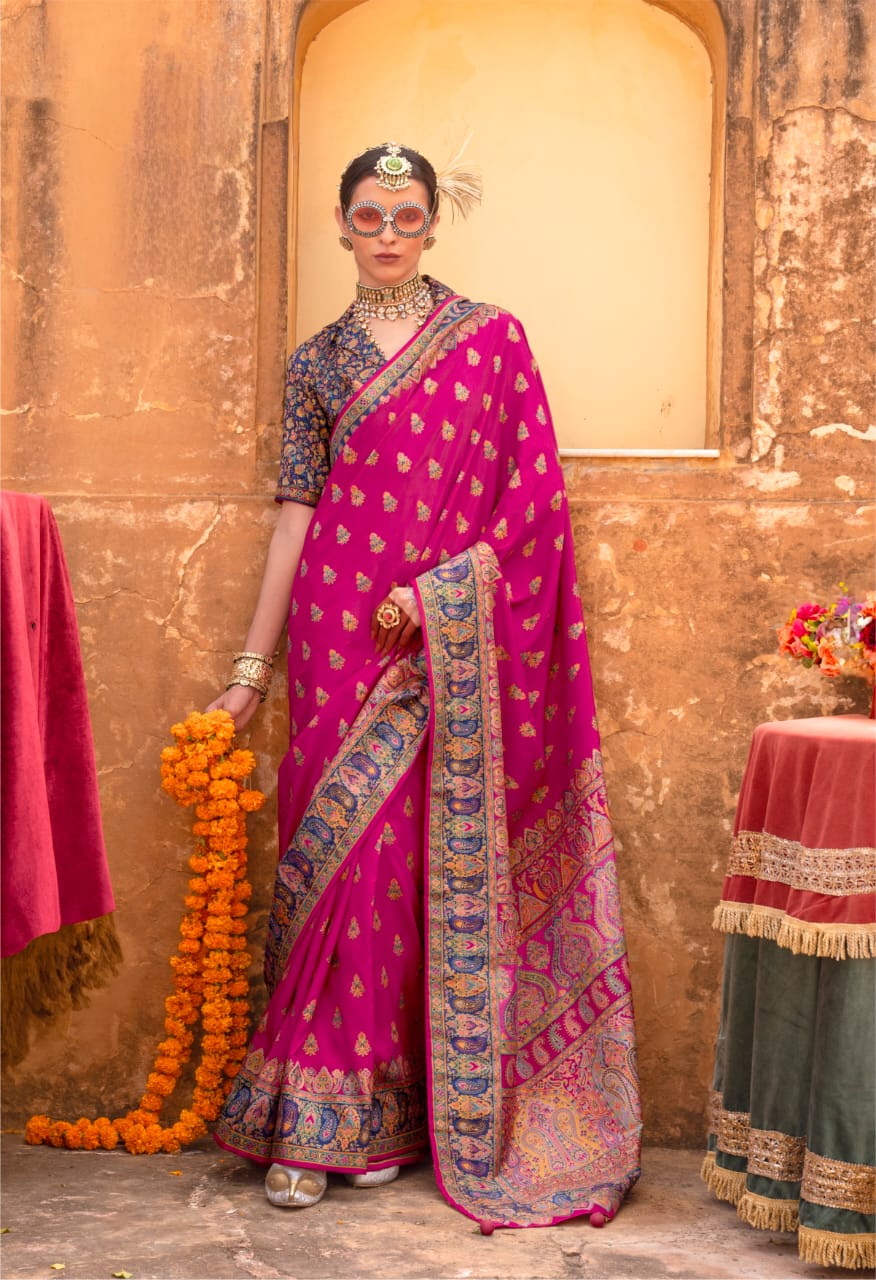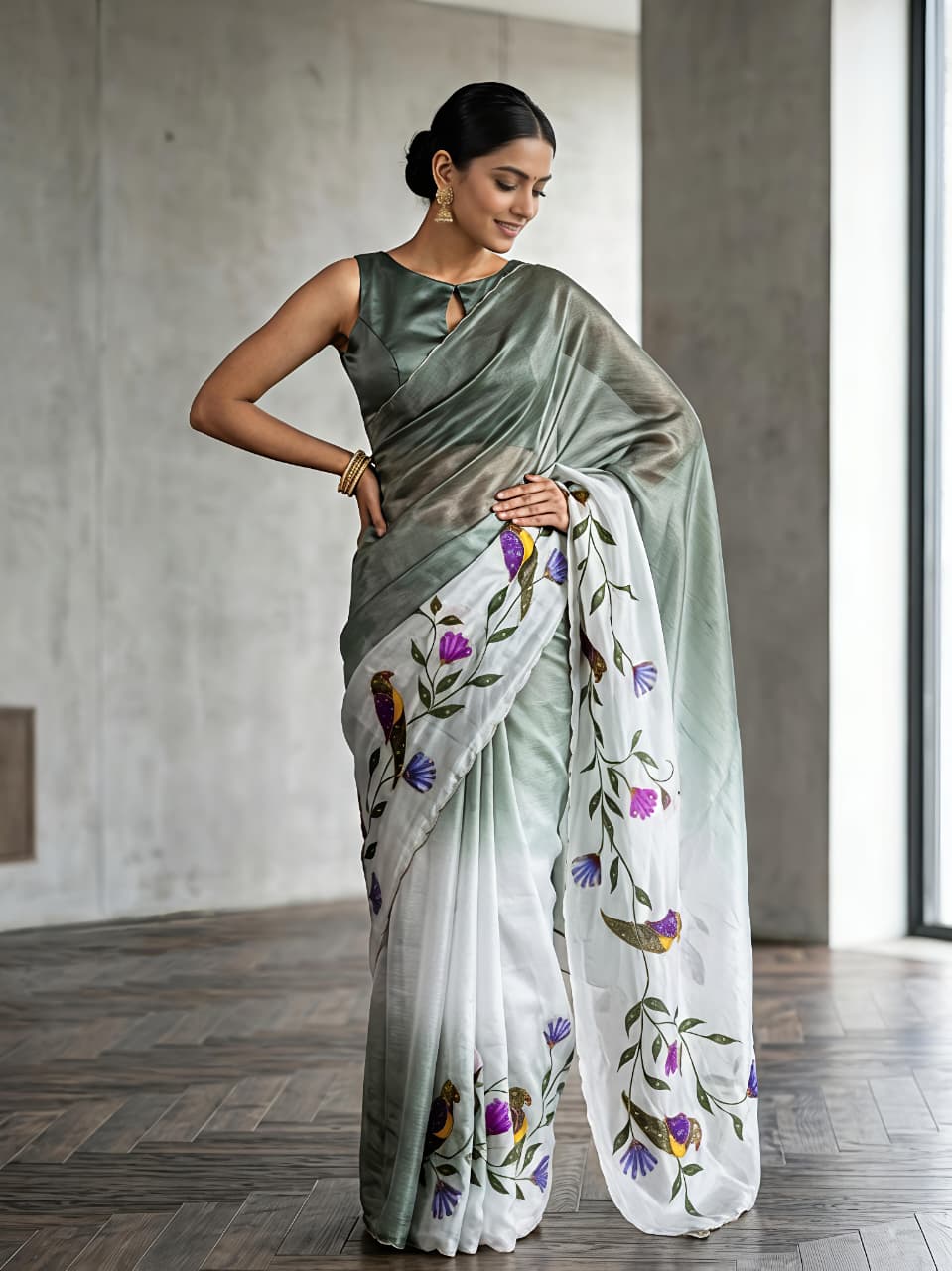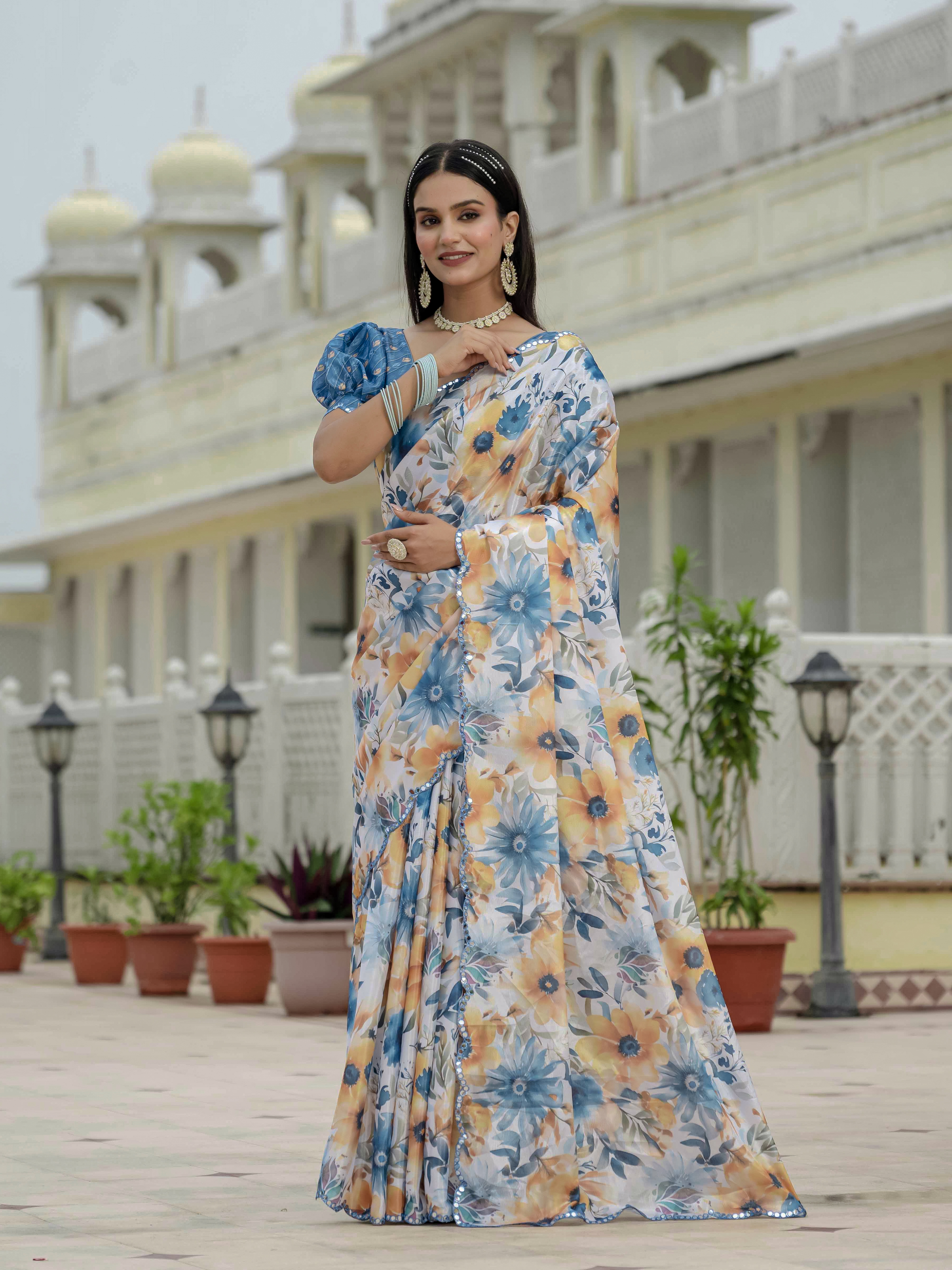
Cheiraoba Festival Fashion: Traditional Manipuri Outfit Ideas should start with the meaning of Cheiraoba rather than a shopping list. Cheiraoba, also called Sajibu Nongma Panba, marks the Meitei New Year in Manipur and normally falls in March or April. Families clean their homes, prepare festive food, try blessings and may climb Cheiraoching hill. Clothing for the day can therefore be colourful and celebratory, but it should also support family rituals, walking and respectful visits.
Traditional Manipuri dress provides a thoughtful starting point. Women commonly wear a phanek with an inaphi or wrapped shawl, while men may choose a dhoti or pheijom with a kurta or traditional upper garment. A contemporary saree, salwar suit or palazzo outfit can borrow the proportions, textures and restraint of these garments without being incorrectly described as an authentic phanek.
What does traditional Manipuri clothing include for Cheiraoba?
Traditional Manipuri clothing for women generally includes a phanek, a wrapped lower garment, paired with an inaphi, a draped upper cloth or shawl. A phanek may be woven in cotton or silk and may feature stripes, checks, borders or regional motifs. The inaphi adds coverage across the upper body and creates the calm, layered lines associated with Manipuri dressing.
Traditional Manipuri clothing varies according to community, family, region and formality. Some women wear a blouse with the phanek and inaphi, while others choose a more formal ensemble for meeting elders or attending a cultural programme. Men may wear a white or coloured kurta with a dhoti, pheijom or trousers, adding a shawl for a more formal gathering.
A phanek isn't just a skirt selected for its appearance. The garment is wrapped and secured for comfort, and the length, border placement and accompanying cloth find the overall silhouette. An inaphi is useful as well as decorative. A neat, comfortable wrap and a light drape can therefore feel more appropriate than formal layers, excessive volume or a heavily embellished party outfit.
How is Cheiraoba dress different from generic festive wear?
Cheiraoba dress has a specific Meitei cultural context, so a generic bright ethnic outfit doesn't automatically represent traditional Manipuri style. A Banarasi silk saree, an anarkali or a lehenga can work for a contemporary family celebration, but those garments should be described as modern festive interpretations rather than traditional Manipuri dress.
Respectful styling begins with learning the names of the garments and avoiding unsupported claims about motifs. If a family has requested a phanek and inaphi, those garments should take priority over a fashionable substitute. If an invitation simply says festive wear, a cotton saree or understated suit can be styled with a Manipuri-inspired sense of proportion.
Cheiraoba Festival Fashion: Traditional Manipuri Outfit Ideas for women
The most traditional women's choice is a phanek with an inaphi, while a woven saree or light suit offers a practical contemporary alternative when traditional garments are unavailable. Select a breathable fabric, a controlled colour palette and a secure drape so the outfit works for home rituals, meals and outdoor movement.
1. A phanek and inaphi ensemble
A phanek-and-inaphi ensemble is the clearest traditional choice for a woman attending Cheiraoba celebrations. Choose a solid or subtly patterned phanek in maroon, indigo, bottle green, rust or deep pink, then add an inaphi in ivory, cream, pale pink or soft green. A fitted blouse or simple top can sit beneath the inaphi, depending on the family's customary way of dressing.
Keep jewellery measured with small gold earrings, silver studs, a slim bangle or one traditional necklace. A low bun, braid or neatly secured shoulder-length hairstyle is practical for cooking, greeting relatives and climbing steps. Flat sandals with a firm sole are safer than narrow heels if Cheiraoba includes a hill visit.
2. A cotton saree with a Manipuri-inspired reference
A cotton saree is an useful contemporary alternative when a phanek is unavailable, especially for a family gathering that welcomes Indian festive wear. Choose a narrow or medium border, make the pleats secure and keep the pallu close to the body rather than using a dramatic trailing drape. A lightweight shawl placed over one shoulder can provide coverage without pretending to be an inaphi.
The Maroon Mal Cotton Ethnic Saree With Blouse from VARNAVI shows why cotton can suit a daytime festival. Maroon feels celebratory, while a cotton construction is easier to manage than heavy silk in warm weather. A plain blouse, modest neckline and small earrings keep the look grounded. The saree remains a saree, not a phanek, but its wrapped construction and practical drape make it a sensible current choice.
The Teal Mal Cotton Woven Saree With Blouse Piece - VARNAVI gives another direction for a home celebration. Teal works with antique-gold, silver or wooden accessories, and a woven surface adds interest without dense embroidery. A compact fabric potli or crossbody pouch keeps both hands available for carrying offerings and greeting guests.
3. A light festive suit for movement
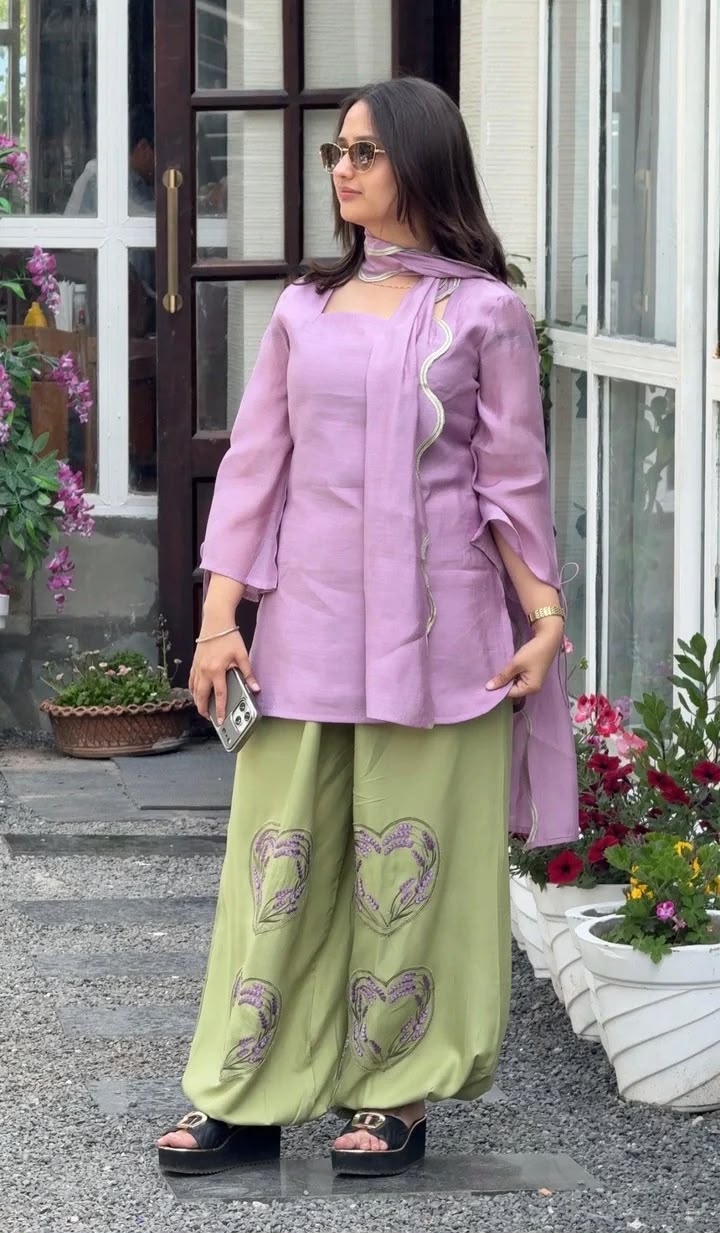
A straight kurta with palazzo trousers or a comfortable salwar is appropriate when the day involves walking, serving food or visiting several homes. Choose a kurta that falls below the knee, a breathable lining and trousers with enough room for sitting comfortably on the floor. A dupatta can be folded into a broad, secure drape that recalls the coverage of an inaphi without imitating its construction.
The Lavender Chanderi Kurta with Olive Embroidered Palazzo Suit combines a soft lavender base with olive embroidery for someone who prefers a tailored outfit to a wrap. Keep the accessories simple and avoid adding a heavily sequinned dupatta. Chanderi has a light, crisp hand, so steam the garment carefully and use a slip if the weave appears sheer in strong daylight.
How should you choose colours and fabrics for Cheiraoba?
Choose colours that feel festive but wearable in daylight, such as maroon, teal, indigo, saffron, coral, ivory, lavender and green. Cheiraoba doesn't require one universal colour code, and families may have their own preferences. A balanced palette is usually more versatile than combining several highly saturated shades with large metallic embellishments.

Cotton and cotton blends are practical for March and April, when daytime celebrations can feel warm. Mal cotton, handloom cotton and linen-cotton allow air circulation and recover well after sitting or walking. Chanderi gives a dressier, lighter option, although its delicate surface needs careful handling. Banarasi silk gives a formal sheen for an evening gathering, but its weight and zari can feel excessive for outdoor rituals or a long afternoon.
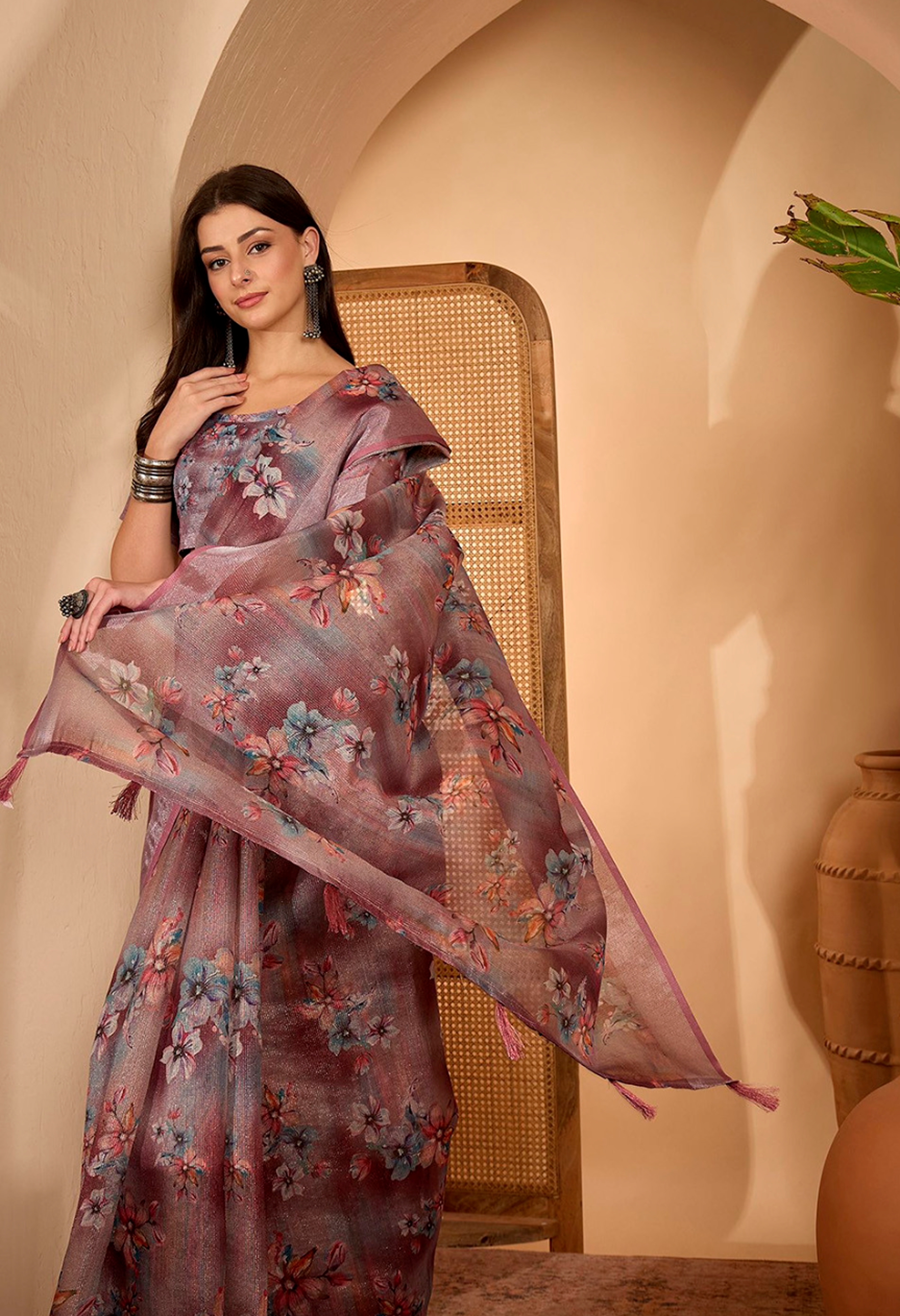
The Floral Mauve Linen Cotton Printed Saree with Unstitched Blouse illustrates a softer interpretation of festival dressing. Linen-cotton suits a daytime celebration, while a mauve floral print keeps the outfit festive without relying on glitter. Pair the saree with a plain blouse in mauve, plum or muted green instead of introducing a fourth competing print.
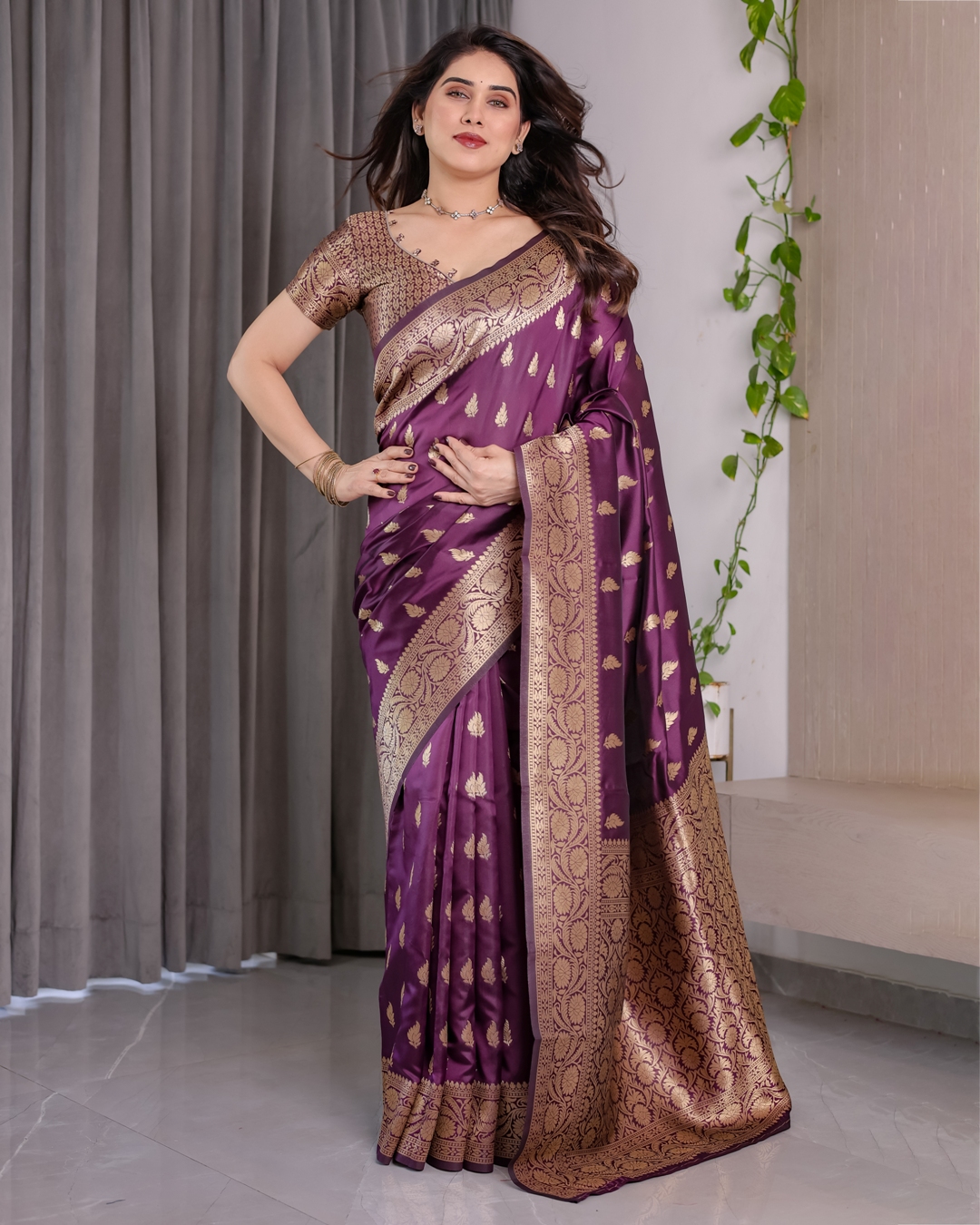
For a formal family dinner after the rituals, the Maroon Banarasi Soft Silk Saree with Golden Zari Border brings a richer finish. Golden zari is especially effective when the rest of the styling is quiet. Use a plain blouse, one pair of earrings and a low bun. Banarasi soft silk should be folded with acid-free tissue paper and stored away from direct sunlight after the event.
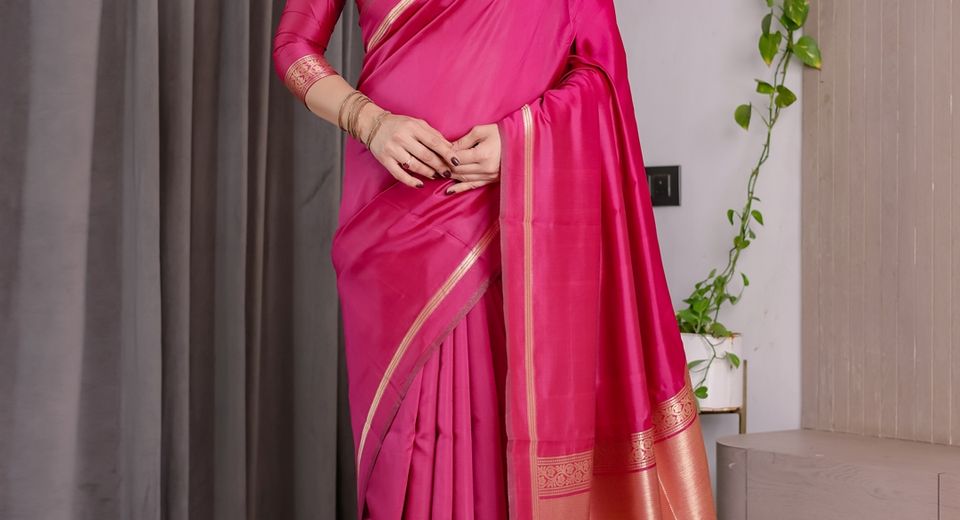
The Pink Banarasi Soft Silk Saree with Golden Zari Border creates a brighter option for guests who enjoy colour. Pink can be balanced with an ivory blouse or antique-gold jewellery so the ensemble remains understated rather than overly ornate. A Banarasi silk saree is a formal Indian choice, not traditional Manipuri attire, so the look should be described accurately in photographs and social posts.
How can a saree or suit respectfully reflect Manipuri style?
A contemporary saree or suit can reflect Manipuri style through modest layering, woven texture, controlled ornamentation and a practical silhouette. The aim is to take inspiration from the visual logic of phanek and inaphi while keeping the original garment names and cultural context clear.

- Use a broad, secure drape: Pin the saree pallu at the shoulder and tuck the pleats firmly so the outfit remains comfortable during household rituals.
- Choose a light over-layer: A plain shawl or dupatta can provide coverage and echo the calm, enveloping quality of an inaphi.
- Prefer woven detail to excess sparkle: Stripes, checks, small borders and handloom textures often look more considered than head-to-toe sequins.
- Keep the blouse comfortable: A moderate neckline, sleeves that allow arm movement and a breathable lining are useful for a full day of celebration.
- Use jewellery as an accent: One statement necklace or a pair of traditional earrings is usually enough with a patterned or zari-bordered garment.
Avoid using a fabricated "Manipuri" label for any red, green or striped textile without knowing its origin. Avoid copying ceremonial garments as costume pieces for a themed event. Cultural appreciation becomes stronger when a wearer identifies a contemporary saree as a saree and a traditional phanek as a phanek.
What should you wear for Cheiraoba rituals, visits and hill celebrations?
The best Cheiraoba outfit depends on the day's activities, with breathable fabric and secure footwear becoming more important than heavy ornamentation. A home-based ritual can accommodate a delicate saree, while a hill visit or day of social calls requires stable pleats, easy movement and a manageable bag.

For home prayers and family meals
A phanek with an inaphi, cotton saree or light salwar suit works well for home rituals and family meals. Choose sleeves and a neckline that allow comfortable movement during greetings, food preparation and sitting on the floor. Keep the pallu or dupatta pinned at two points so it doesn't fall into serving dishes or catch on furniture.
For visiting elders
A modest, well-pressed outfit with restrained jewellery is suitable for visiting elders during Cheiraoba. Maroon, ivory, teal, lavender and muted gold create a festive appearance without requiring heavy embroidery. Carry a lightweight shawl if the visit extends into the evening, and choose footwear that can be removed and worn easily at different homes.
For climbing Cheiraoching hill
Flat footwear, breathable fabric and a short, secure drape are essential when climbing Cheiraoching hill. Avoid long trailing pallus, slippery sandals, elaborate hair ornaments and heavy layered skirts. Safety should take priority over recreating a formal studio pose, especially when the route includes uneven ground or steps.
How should you prepare and care for the outfit?
Prepare the outfit at least one day before Cheiraoba by checking the blouse fit, testing the drape and confirming that fastenings hold securely. A trial wear also reveals whether the fabric is transparent in daylight or whether the petticoat, slip or lining needs adjustment.
- Press according to the fibre: Use low to medium heat for cotton blends and Chanderi, and place a thin cotton cloth between the iron and delicate zari.
- Secure the drape: Keep three or four safety pins, but place them horizontally and hide them inside the waistband or shoulder fold.
- Pack a small repair kit: Include spare hooks, pins, a needle, matching thread, tissues and a stain-removal cloth.
- Protect silk after wearing: Air Banarasi silk away from direct sunlight, fold it with tissue paper and refold it every few months to prevent permanent creases.
- Wash according to the care label: Do not assume that every cotton-looking textile can be machine washed, especially when embroidery, zari or colour contrast is present.
Oil, turmeric, kumkum and food stains should be handled promptly without aggressive rubbing. Blot liquid with a clean cloth, keep the garment away from heat and use professional dry cleaning for silk, zari or uncertain stains. Cotton garments can often be washed more simply, but colour bleeding should be tested on an inside seam first.
Final checklist for a thoughtful Cheiraoba outfit
A thoughtful Cheiraoba outfit respects both cultural context and practical comfort. Before leaving home, confirm whether the host family expects a phanek and inaphi or welcomes broader festive wear. Then check the weather, walking plans, footwear, drape security and fabric care requirements.
- Traditional choice: Phanek, blouse and inaphi, styled according to family or community custom.
- Contemporary choice: Cotton saree, linen-cotton saree or light kurta-and-palazzo suit with modest layering.
- Colour direction: One main festive colour supported by ivory, muted gold, green or another calm neutral.
- Accessories: Comfortable earrings, a restrained bangle or one necklace rather than several competing pieces.
- Footwear: Flat sandals or secure low heels for walking, household visits and hill routes.
- Respectful language: Name traditional garments accurately and avoid presenting a generic outfit as authentic Manipuri dress.
The strongest Cheiraoba styling doesn't depend on the most expensive fabric or the heaviest decoration. It comes from understanding the phanek and inaphi, choosing a garment suited to the day's activities and dressing with consideration for the family and culture being celebrated.
Questions About Dressing for Cheiraoba Celebrations
What do women traditionally wear for Cheiraoba?
Women traditionally wear a phanek, a wrapped lower garment, with an inaphi or draped upper cloth. The exact fabric, pattern and blouse style can vary by family, community and level of formality.
Can I wear a saree for Cheiraoba?
Yes, a saree can be appropriate when the family invitation welcomes contemporary festive wear. A breathable cotton or linen-cotton saree with a secure, modest drape is more practical for daytime rituals than a very heavy or trailing style.
What is the difference between a phanek and a saree?
A phanek is a traditional wrapped lower garment associated with Manipuri women's clothing, while a saree is a long unstitched garment draped around the body in a different construction. A saree can take inspiration from the neat layering of a phanek and inaphi, but it should not be labelled as a phanek.
Which fabrics are comfortable for Cheiraoba in March or April?
Cotton, Mal cotton, handloom cotton and linen-cotton are generally comfortable for warm daytime celebrations because they allow airflow. Chanderi can provide a light dressier option, while Banarasi silk is better suited to formal or cooler evening settings.
What colours are suitable for Cheiraoba Festival Fashion?
Maroon, teal, indigo, green, saffron, coral, ivory and lavender are all suitable festive choices when styled thoughtfully. Cheiraoba does not have one universal colour requirement, so family customs should take priority over general colour suggestions.
What should I wear if Cheiraoba includes a hill visit?
Wear breathable clothing, secure pleats or a short drape and flat footwear with a firm sole. Avoid trailing pallus, slippery sandals, heavy jewellery and outfits that restrict your stride on uneven paths or steps.