Planning a Chapchar Kut Outfit Guide: Traditional & Modern Mizo Styles look requires more than selecting bright ethnic wear. Chapchar Kut is a spring festival in Mizoram, generally celebrated in March after bamboo-clearing work, and clothing forms part of the event's living cultural expression. Traditional woven garments, colourful dance costumes and contemporary Indian outfits may appear together, but they don't carry the same meaning.
A corporate outfit should therefore be comfortable for a day of music, dancing and community gatherings while showing respect for Mizo heritage. This guide explains traditional references such as the puanchei, puan and risa, then translates their ideas about colour, layering and texture into modern dressing. Visitors don't need to reproduce a formal ensemble to participate appropriately.
Chapchar Kut Outfit Guide: Traditional & Modern Mizo Styles and Festival Context
Chapchar Kut celebrates the seasonal pause after bamboo is cut and dried, connecting the festival with renewal, community and the arrival of spring. Public celebrations commonly include music, group dancing and cultural performances, including Cheraw, the bamboo dance. The festival is associated with the Mizo people and with the cultural life of Mizoram.
Clothing matters at Chapchar Kut because dress communicates regional identity, community belonging and respect for a cultural occasion. A colourful outfit doesn't automatically qualify as Mizo clothing, and a generic "tribal" print should not be presented as an authentic heritage textile. Traditional garments may have community-specific patterns, construction methods and uses that a photograph can't fully explain.
Visitors can dress in polished ethnic wear without copying a performance costume. A well-fitted kurta set, a restrained woven accent or a carefully chosen colour palette can acknowledge the festive setting while remaining honest about the garment's origin. Anyone attending a formal cultural programme should ask the organiser or a Mizo host whether a particular dress code applies.
Chapchar Kut Outfit Guide: Traditional & Modern Mizo Clothing References
What do women traditionally wear for Mizo cultural celebrations?
Women's traditional Mizo dress commonly includes a puanchei, a distinctive wraparound skirt worn with a blouse and, depending on the community and occasion, an additional woven cloth or shawl. The puanchei is often recognised for horizontal bands, geometric motifs and contrasting colours, although patterns and styling differ among Mizo groups and performance contexts.
The risa is another important woven textile associated with Mizo dress. A risa may be used as a shoulder cloth, an upper-body covering or a decorative textile, so its exact arrangement should not be assumed from one photograph. A structured blouse, wrapped lower garment and contrasting textile create a balanced silhouette that relies more on weaving and proportion than on heavy surface decoration.
How is traditional Mizo men's clothing styled?
Traditional Mizo men's clothing for festive settings may combine a puan or another woven cloth with a shirt, shawl, waistcoat or accessories appropriate to the event. Performance groups may add coordinated textiles, headgear or ornaments, while ordinary festive dress is often more restrained.
Garment names should be used accurately. Calling every regional woven outfit "Naga dress" or "tribal costume" erases distinctions between communities and traditions. Mizoram includes several Mizo communities with their own textile practices, and a respectful description should identify the garment only when its origin and use are known.
Chapchar Kut Outfit Guide: Traditional & Modern Mizo-Inspired Styling
A modern festival outfit should borrow broad styling principles such as colour contrast, woven texture, clean layering and ease of movement instead of imitating a classic garment without understanding it. This distinction is especially useful for visitors who don't own a puanchei or an authentic Mizo textile.
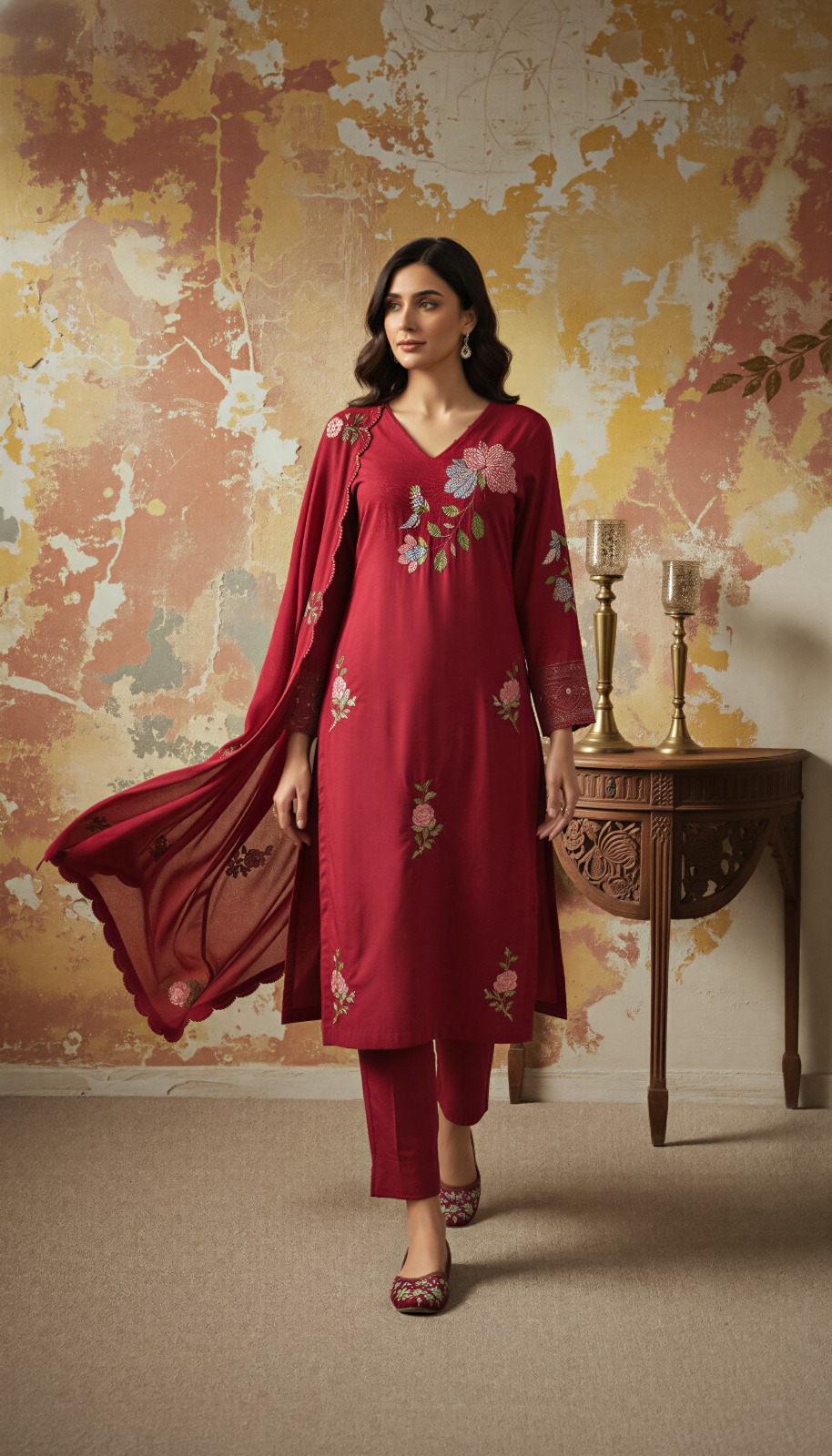
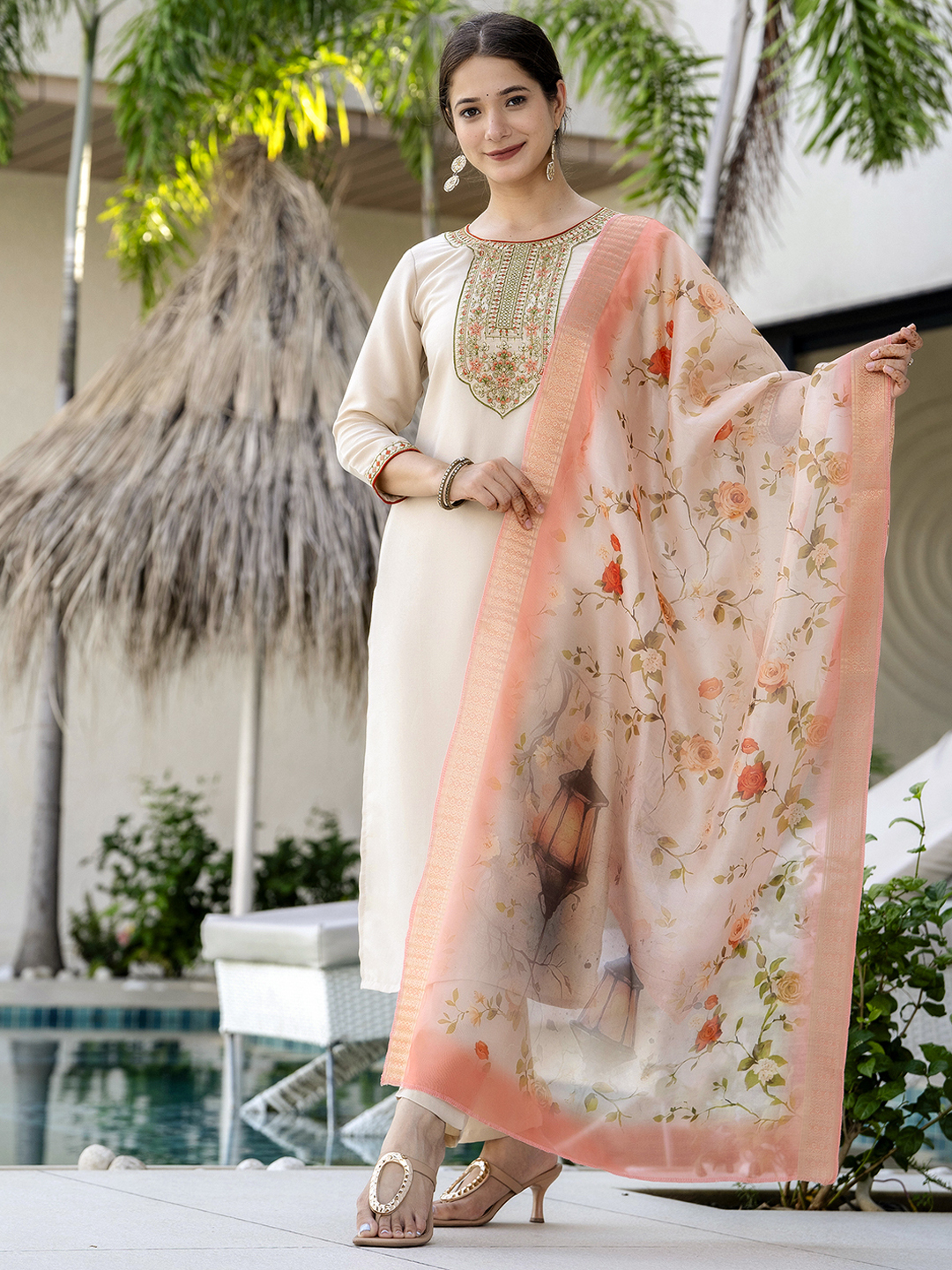
A straight kurta with trousers and a dupatta works well for standing, walking and sitting on outdoor grounds. One dominant colour, one supporting neutral and one textile accent usually look more intentional than several unrelated prints. A dupatta with a narrow woven border can suggest the rhythm of handloom stripes without claiming to be a classic Mizo textile.
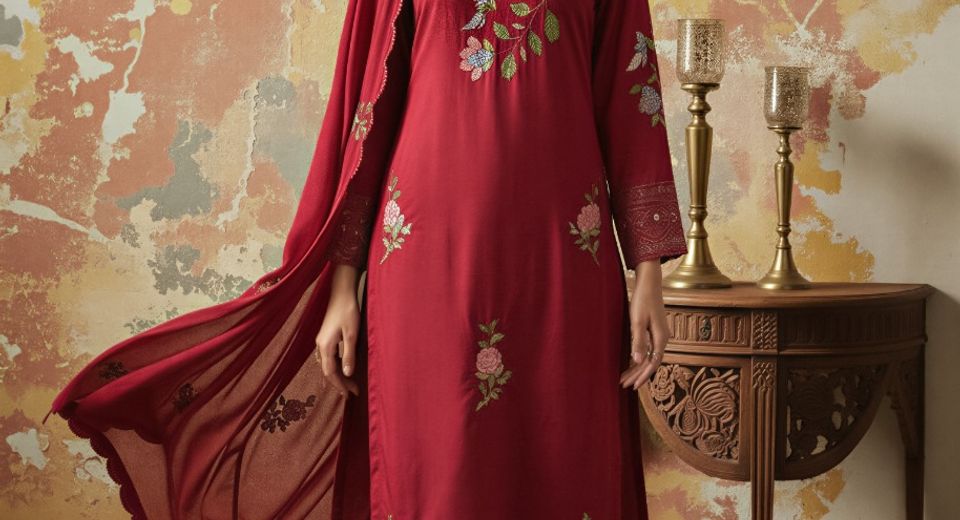
Maroon Embroidered Chanderi Kurta Set with Dupatta illustrates this balanced approach. Maroon has enough depth for an evening programme, while Chanderi remains lighter than a heavily woven silk ensemble. Simple earrings and flat footwear keep the look comfortable and prevent the outfit from appearing like a copied ceremonial costume.
Pastel colours suit daytime celebrations, especially in warm March weather. Pastel Blue Embroidered Chanderi Kurta Set with Dupatta creates a softer festive look, while silver-toned earrings or a narrow contrasting stole can add definition. Pastel clothing should still have enough structure to photograph clearly in group portraits and cultural programmes.
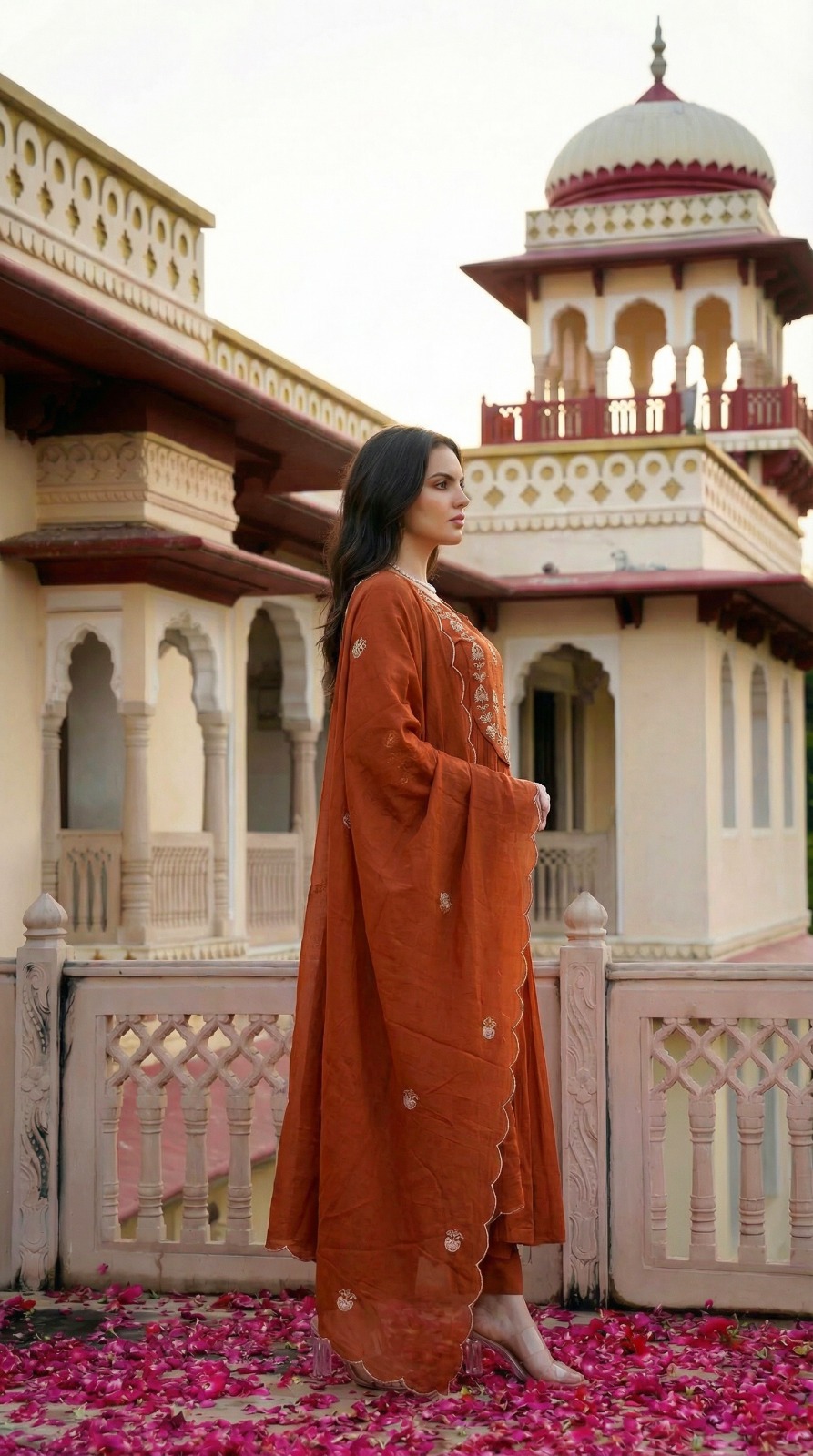
Rust Chanderi Silk Embroidered Kurta Set with Dupatta offers an earthier palette that works naturally with outdoor surroundings, bamboo and wood. Rust can be balanced with cream, muted gold or dark brown accessories. Limited metallic jewellery is more practical than a large layered set when the day includes walking or dancing.
Chapchar Kut Outfit Guide: Traditional & Modern Fabrics, Colours and Silhouettes
Breathable fabrics and easy movement should guide a festival outfit because March celebrations can involve heat, crowds and extended standing. Chanderi, cotton blends, lightweight silk blends and soft viscose are generally more practical for daytime wear than thick brocade or heavily layered velvet.
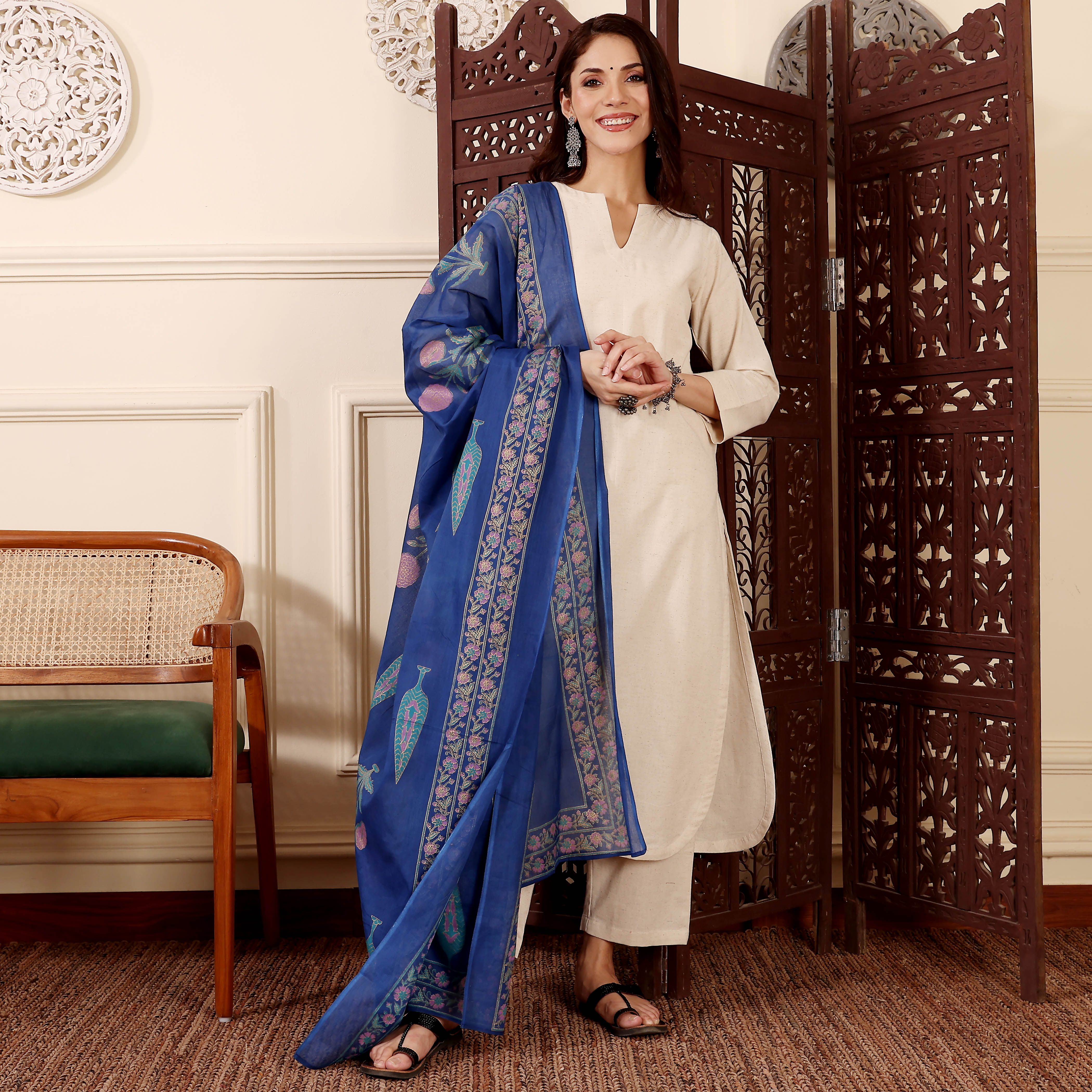
Chanderi has a light, slightly crisp character that allows embroidery and borders to remain visible without making a kurta find bulky. Banarasi silk can look festive but may find warmer and more formal, so it's often better suited to an evening reception than a full day outdoors. Kanjeevaram is an important South Indian silk tradition, but it should not be described as a substitute for Mizo woven textiles. Accurate fabric names assist prevent separate regional traditions from being treated as one generic category of ethnic fashion.
Colour can create a festive impression without pretending to carry a universal Mizo meaning. Maroon, rust, emerald, parrot green, wine, indigo, black, white and warm yellow can all work in an Indian festival wardrobe, but colour symbolism may differ across Mizo communities and ceremonial settings. Visitors should avoid claiming that one palette represents every Mizo group.
Chiku Embroidered Kurti Pant Dupatta Set Online provides an useful neutral base for someone who prefers subtle dressing. Chiku, beige and muted tan shades pair with a brighter dupatta, woven bag or small textile accent. The kurti-and-pant silhouette also reduces the risk of a trailing hem becoming inconvenient in a crowded venue.
Green brings another route into spring dressing. Graceful Parrot Green Straight Kurti Dupatta Set has enough saturation for photographs and can be styled with antique-finish earrings, although accessories should remain limited when the dupatta includes embroidery. Trendy Green Ethnic Kurti Dupatta Set for Festive Wear can be personalised with a contrasting border, braided hair or a small fabric potli instead of an oversized jewellery set.
Chapchar Kut Outfit Guide: Traditional & Modern Accessories and Comfort
Accessories should support the outfit's silhouette and comfort rather than pretend to recreate Mizo ceremonial adornment. One focal accessory, such as a woven clutch, silver-toned earrings or a narrow textile stole, is usually enough for a contemporary ethnic look.
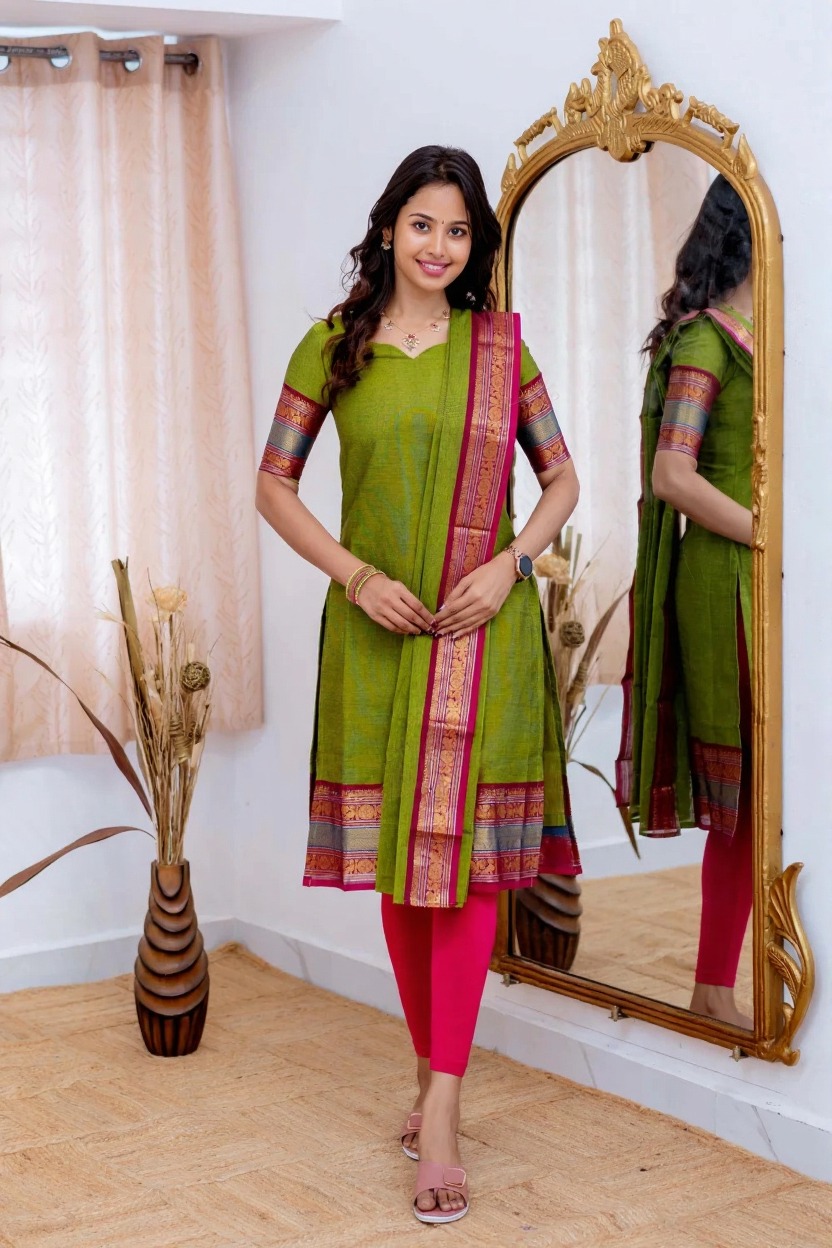
Silver, oxidised metal and wood can complement handloom-inspired textures, but mass-produced "tribal" jewellery should not be called authentic Mizo ornament unless its origin is documented. A plain bindi, low bun, braid or natural makeup can complete a modern outfit without introducing unrelated cultural references.
Dupatta placement affects both appearance and mobility. A shoulder drape secured with a small brooch is safer for dancing than a loose front drape. Pin the dupatta near the shoulder and waist, carry a compact crossbody bag and select sandals with a secure strap. Avoid delicate trailing tassels if the venue includes bamboo-dance demonstrations or dense crowds.
Elegant Grey Zari Weave Kurti with Dupatta Set shows how a quiet neutral can make accessories more visible. Zari catches evening light, while grey prevents the outfit from becoming excessively bright. Polished Wine Ethnic Kurti Set with Dupatta gives a deeper option for night events; one gold-toned accent is usually more refined than matching every accessory to the embroidery.
Comfort also depends on fit. Leave enough room at the upper arm and hip for sitting and walking, check that trouser hems don't drag, and wear new footwear indoors before the festival. A lightweight cotton lining can improve comfort under embroidery, while a breathable inner layer helps when a synthetic dupatta is worn in warm weather.
Chapchar Kut Outfit Guide: Traditional & Modern Respectful Dressing
Respectful dressing means distinguishing authentic Mizo garments from contemporary ethnic outfits and avoiding unverified claims about cultural symbolism. Do not borrow a ceremonial garment as a novelty piece, copy a performance group's complete costume for photographs or attach random "tribal" jewellery to an outfit and call it Mizo.
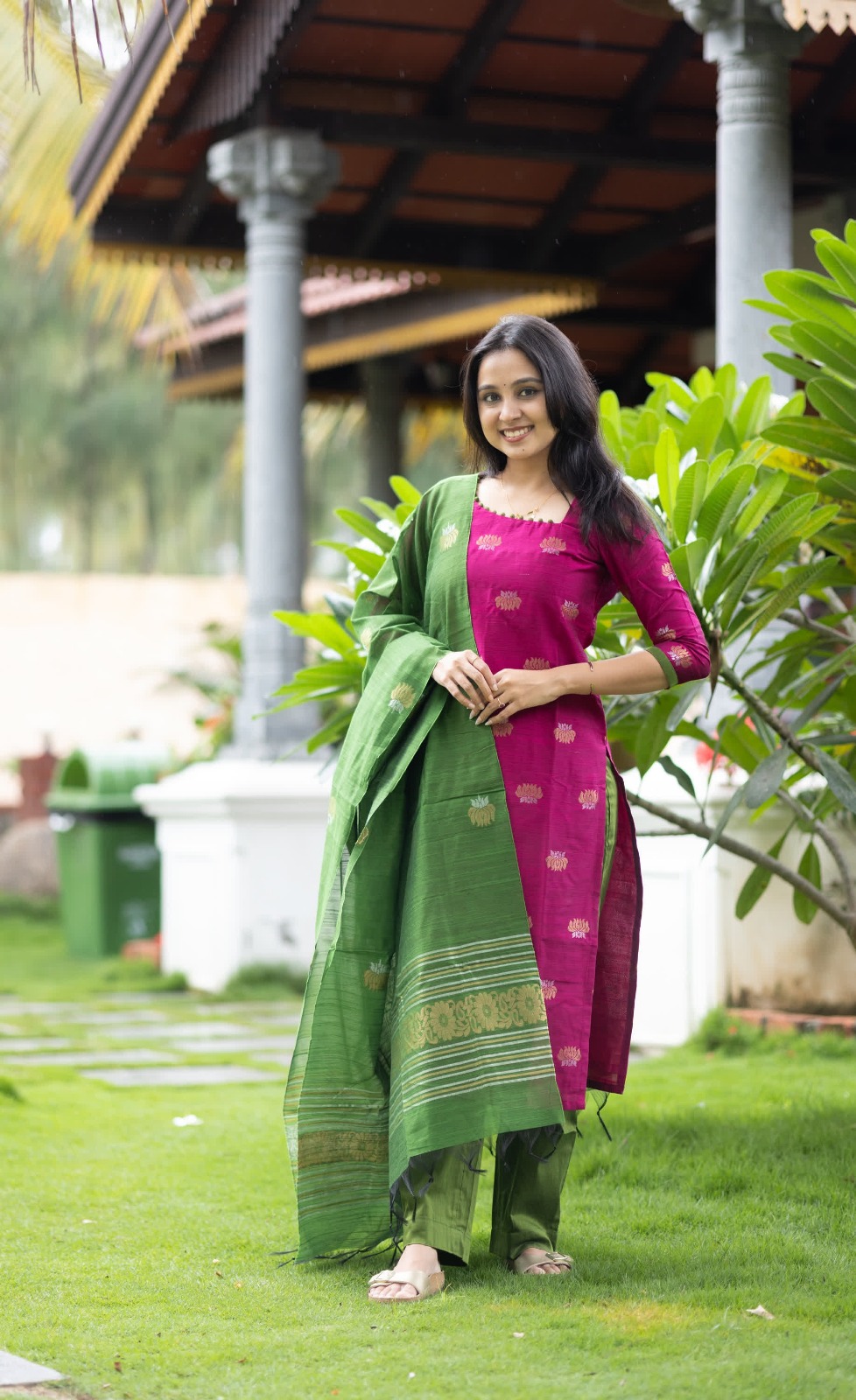
Unverified motifs also deserve caution. A commercial geometric print may resemble a traditional textile while having no connection to Mizoram. If a seller describes a textile as a risa, puanchei or Mizo weave, ask about its source, community connection and intended use rather than relying only on the product title.
Respect extends to photography. Ask before photographing performers, children or people in ceremonial dress, and never interrupt a dance formation to obtain a closer picture. A festival is a community event first and a fashion backdrop second.
For a visitor, the safest formula is a well-made modern ethnic outfit, practical footwear, modest accessories and an honest description of what is being worn. Someone with a genuine Mizo garment should follow the owner's or community member's guidance on how to drape and combine it. A visitor without that guidance can celebrate the festival through colour, comfort and appreciation rather than imitation.
Chapchar Kut Outfit Guide: Traditional & Modern Care and Packing Tips
Pack festival clothing in breathable garment bags and keep embellished dupattas folded between sheets of plain muslin or cotton. Separate zari, sequins and embroidery from rough accessories to prevent snagging. Carry safety pins, a small stain-removal cloth, blister plasters and a compact sewing kit for practical repairs.
Check the care label before washing any kurta set. Chanderi and silk-blend garments commonly benefit from gentle dry cleaning or careful hand washing, but fibre composition determines the correct method. Do not soak zari work for long periods, wring embroidered fabric or place delicate dyed garments in direct midday sunlight.
After the festival, air the garment away from direct sun before storage. Fold heavy embroidery with tissue paper between layers, store silk and Chanderi in a cotton cover rather than sealed plastic and refold stored garments every few months to reduce permanent creasing.
The most successful festival look combines cultural awareness with practical decisions. A visitor can choose a breathable kurta, secure the dupatta, keep accessories measured and learn the difference between a modern ethnic outfit and a traditional Mizo garment. That combination makes dressing for Chapchar Kut both comfortable and considerate.
Common Questions About Choosing a Chapchar Kut Outfit
What should a visitor wear to Chapchar Kut?
A visitor can wear a comfortable modern ethnic outfit such as a breathable kurta set with trousers and a dupatta. Choose secure footwear, modest accessories and colours suitable for a spring festival, while avoiding imitation of a ceremonial performance costume.
What is a puanchei in Mizo clothing?
A puanchei is a traditional Mizo wraparound skirt commonly worn with a blouse and additional woven textiles depending on the community and occasion. Patterns, colours and styling can vary, so a puanchei should not be treated as a generic "tribal" garment.
Can I wear a kurta set to Chapchar Kut?
Yes, a kurta set is suitable for a visitor attending Chapchar Kut when the event does not specify traditional dress. Chanderi, cotton blends and lightweight silk blends offer practical choices for March, and a securely pinned dupatta makes walking and dancing easier.
What colours work well for a Chapchar Kut outfit?
Maroon, rust, green, wine, indigo, cream and pastel blue can create a polished festive palette. Colour meanings vary across communities, so visitors should avoid claiming that one combination represents all Mizo traditions.
How can I dress respectfully without copying Mizo ceremonial clothing?
Wear contemporary ethnic clothing and borrow general ideas such as colour contrast, woven texture and clean layering rather than reproducing a ceremonial ensemble. Do not use unverified motifs, performance costumes or mass-produced "tribal" accessories as props.
What fabric is comfortable for a Chapchar Kut celebration?
Chanderi, cotton blends, lightweight silk blends and soft viscose are generally comfortable for a warm daytime celebration. Thick brocade, velvet and heavy layered silk may be better reserved for shorter evening events because they can feel warm and restrict movement.