

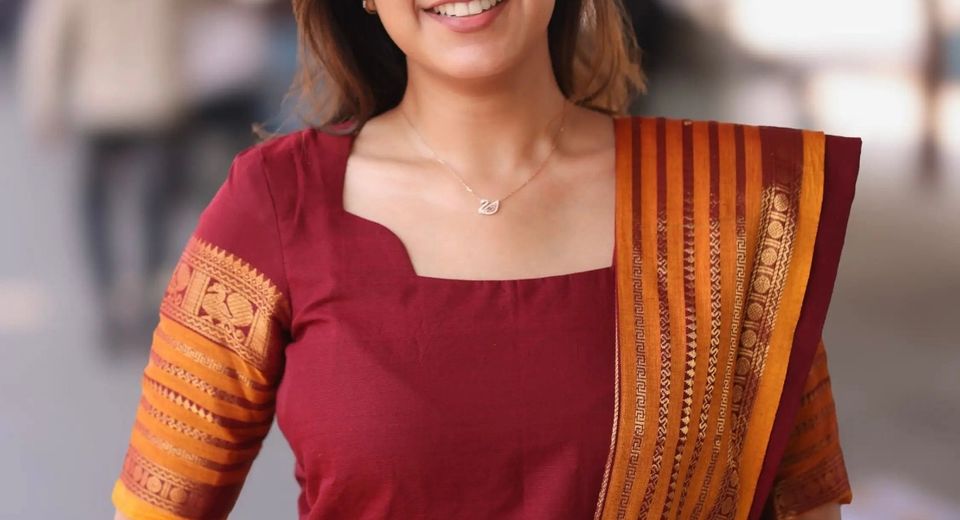
Chapchar Kut Festival Fashion: Traditional Mizo Outfits for Women reflects the colours, weaving traditions and lively movement associated with Mizoram's spring festival. Chapchar Kut is celebrated after the jhum fields have been cleared and before the next agricultural cycle begins, making music, dancing and community gathering central to the occasion. Women's dressing may include a traditional puan or puanchei, a blouse, a risa or shawl, and carefully chosen contemporary ethnic pieces that allow comfortable movement.
A respectful outfit doesn't need to imitate every detail of Mizo ceremonial clothing. A visitor can learn what the garments mean, select handloom-inspired textiles, avoid careless costume styling and dress for hours of walking, dancing and outdoor activity. The most successful festival outfits combine cultural awareness with practical choices about fabric, footwear, weather and fit.
Chapchar Kut Festival Fashion and the traditional Mizo wardrobe
Traditional Chapchar Kut Festival Fashion commonly centres on a woven puan, a decorative puanchei, a fitted blouse and an additional shoulder cloth such as a risa, although dress varies by community, age, location and the specific event.
A puan is a rectangular woven cloth traditionally worn as a lower garment, usually wrapped around the body and secured at the waist. A puanchei is a particularly festive and decorative form of Mizo wraparound cloth, often associated with dance, celebration and formal cultural presentation. The exact construction, motifs and styling can differ, so photographs of one group should not be treated as a complete definition of every Mizo woman's attire.
The upper half of the outfit is generally completed with a blouse or top, while a risa may be worn around the shoulders or used as a versatile drape. Traditional Mizo dress works because the garments are visually balanced: a patterned lower wrap may be paired with a relatively simple top, allowing the woven design to remain the focal point.
Why do colour and pattern matter in Chapchar Kut Festival Fashion?
Colour and pattern identify the visual character of Mizo weaving, but individual motifs should not be assigned invented meanings without a reliable cultural source. Red, black, white, green and yellow commonly appear in Northeast Indian handwoven textiles, while stripes and geometric bands create rhythm during group dances such as Cheraw.
Cheraw, often called the bamboo dance, involves dancers moving in coordination around bamboo poles placed on the ground. An outfit for Cheraw viewing or participation should therefore stay secure at the waist, avoid excessively long trailing hems and allow unrestricted movement at the knees and ankles.
Chapchar Kut Festival Fashion: choosing a traditional Mizo outfit
Women choosing a traditional Mizo outfit for Chapchar Kut should begin with a genuine puan or puanchei from a dependable weaver, cooperative or cultural retailer, then add a simple blouse and a practical drape.
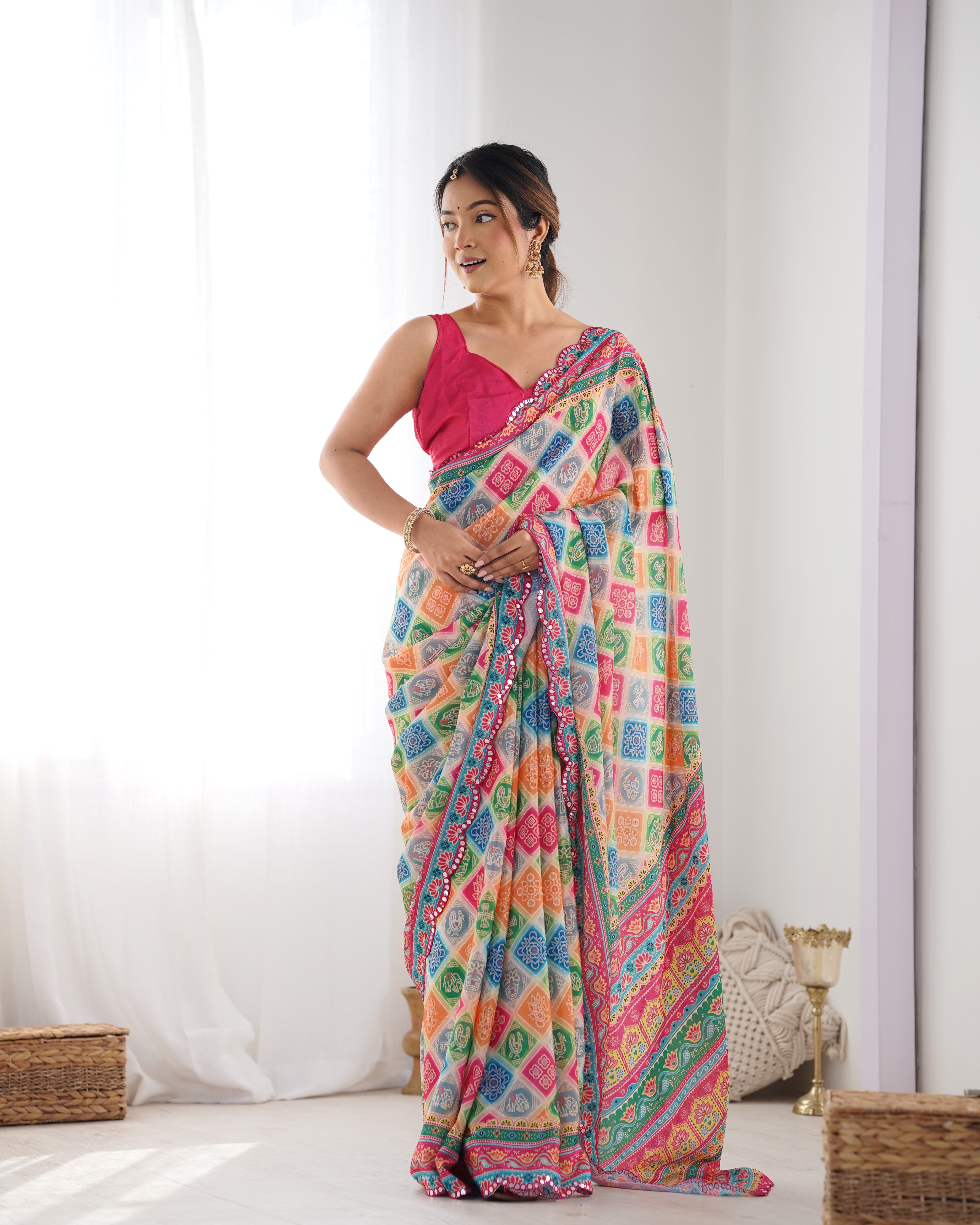
The fit should be secure enough for walking and dancing without compressing the waist or restricting the shoulders. A traditional wrap isn't styled like a pre-stitched lehenga. The cloth should sit evenly at the waist, with sufficient overlap to prevent accidental opening during movement.
A discreet inner layer, carefully placed safety pins and a comfortable blouse can make the garment easier to wear for a full afternoon. Pinning should preserve the cloth's fall rather than flattening or distorting the woven border.
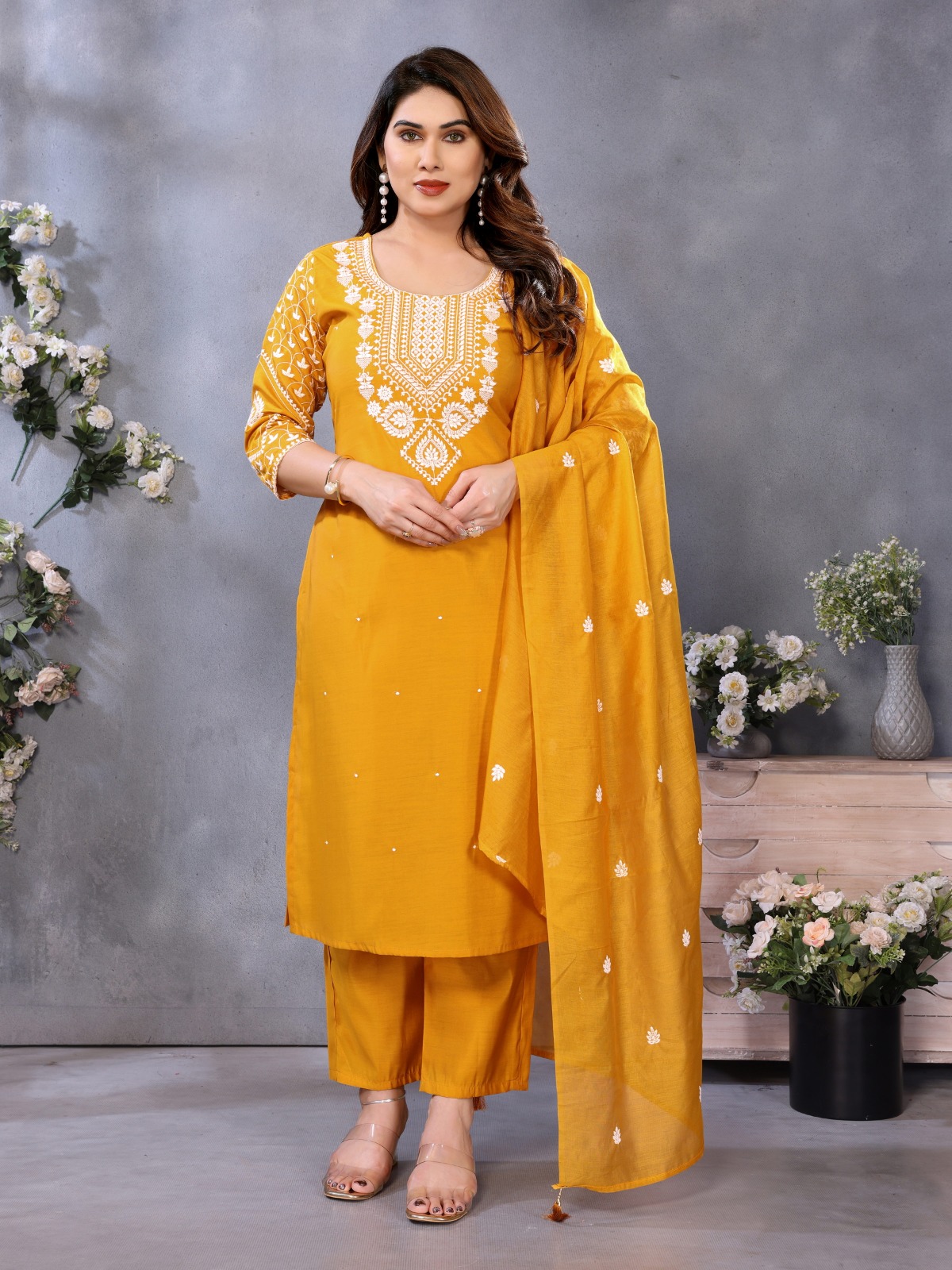
Visitors who don't have access to a puan can choose an ethnic outfit that reflects the festival's springtime energy without claiming to be authentic Mizo dress. A kurta set in Chanderi, cotton, silk or a breathable blend can work well when its colours and embellishment are balanced rather than overloaded.
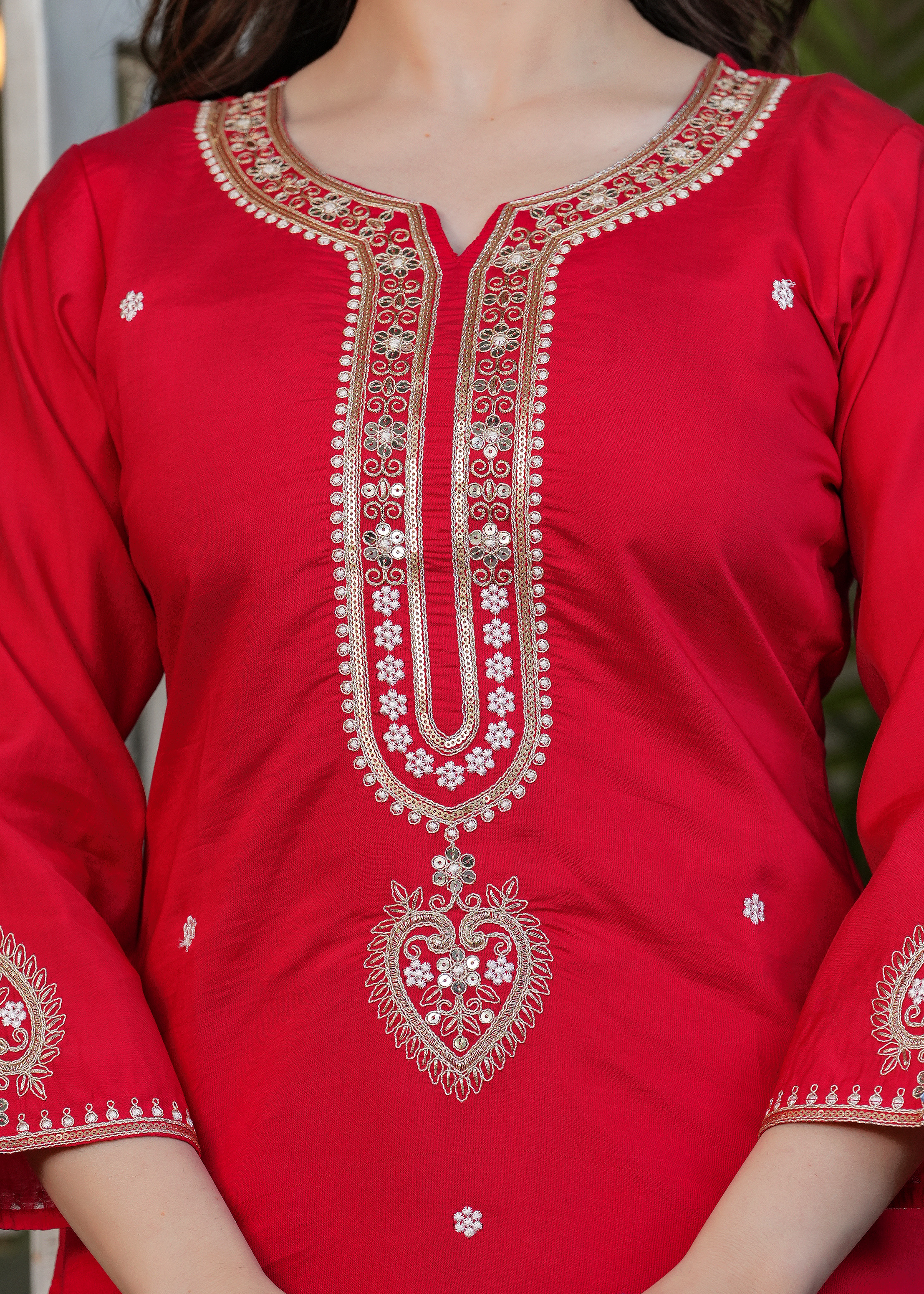
Pastel Blue Embroidered Chanderi Kurta Set with Dupatta offers a light, refined direction for a daytime cultural programme. Festive Red Chanderi Kurta Pant Dupatta Set Women creates a brighter festive impression, while Kanchi Cotton Zari Woven Kurti Set with Traditional Dupatta is more suitable when breathable cotton and a modest silhouette matter.
What should respectful Chapchar Kut Festival Fashion avoid?
Respectful festival dressing should avoid calling a generic striped skirt "traditional Mizo dress" when the garment has not been made or sourced as Mizo clothing. It should also avoid combining random tribal motifs from unrelated communities, exaggerating Indigenous features through accessories or presenting an Indigenous outfit as a costume for photographs.
The difference between inspiration and imitation often comes down to language and sourcing. A retailer or wearer can describe a garment as "Northeast-inspired festive wear" if the garment isn't a Mizo textile, while a puanchei should be identified accurately and treated as a culturally specific woven garment.
Chapchar Kut Festival Fashion: fabrics that suit Mizoram's celebrations
Cotton and cotton-rich handlooms are usually the most practical fabrics for Chapchar Kut because they remain breathable during outdoor celebrations and are easier to move in than heavily layered synthetics. Lightweight silk, Chanderi and soft viscose can also work when the programme is formal and the weather is mild.
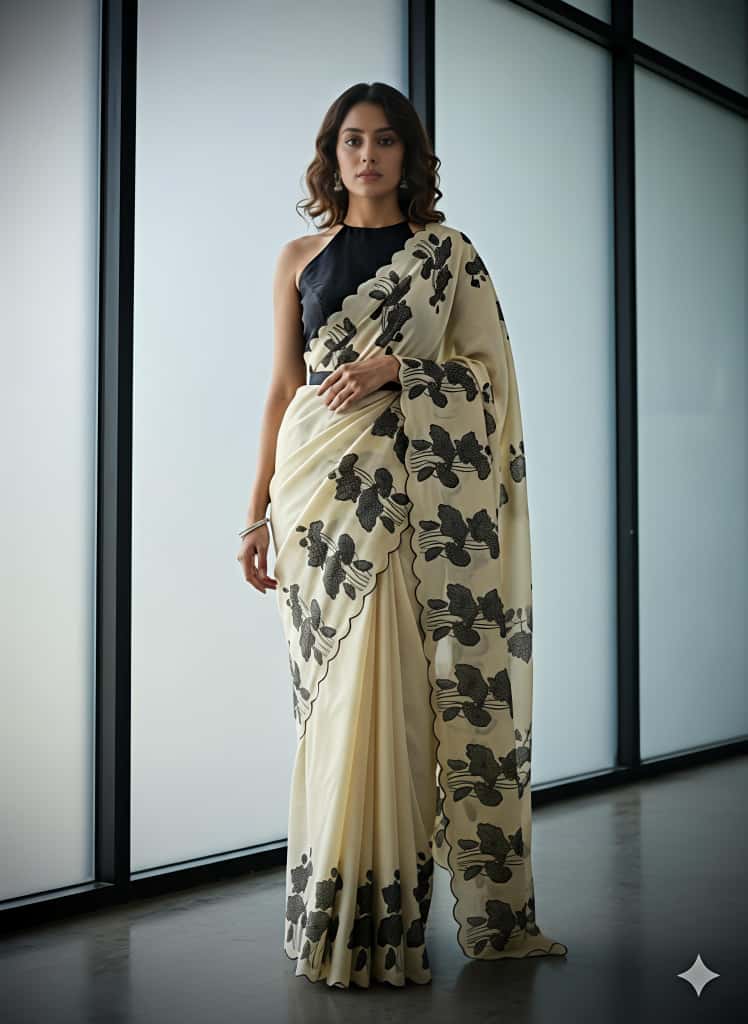
Mizoram's terrain and festival activities make fabric weight a practical consideration. A dense velvet blouse, heavily padded sleeve or multi-layered skirt can become uncomfortable during warm daytime events. A cotton lining, breathable blouse and medium-weight drape provide better comfort than a very ornate outfit with poor ventilation.
Chanderi has a sheer, airy quality and may need a suitable lining or slip, particularly when used for a kurta or dupatta. Banarasi silk and zari-rich fabrics create a formal finish but can feel heavy for active daytime wear. A silk Anarkali may be better reserved for an evening cultural programme than for walking across an open festival ground.
Festive Wear Maroon Silk Anarkali Suit Set for Women demonstrates how a richer silk look can suit an evening gathering, while Classic Maroon Woven Kurti Set for Women brings a more controlled silhouette for a daytime meal or cultural visit. Modern Taupe Vichitra Silk Embroidered Co-Ord Set for Women can suit a polished indoor event, provided the fit permits easy movement.
How should women care for woven festival garments?
Woven festival garments should be aired after wearing, folded along their natural borders and stored away from direct sunlight. Cotton can often be hand-washed in cool water with a mild detergent, but zari, silk, hand embroidery and uncertain dye should be handled according to the maker's instructions or sent for dry cleaning.
Never scrub metallic zari or wring a silk or Chanderi dupatta. Place delicate garments between clean cotton cloths before storage, and avoid hanging heavy textiles for long periods because the weight can stretch the shoulder or waist area.
Chapchar Kut Festival Fashion with modern ethnic silhouettes
Modern ethnic wear should be styled with one clear reference to the festival rather than several competing cultural signals. A breathable kurta set, a woven stole, restrained jewellery and comfortable flat footwear can create a thoughtful festive look without copying a ceremonial Mizo ensemble.
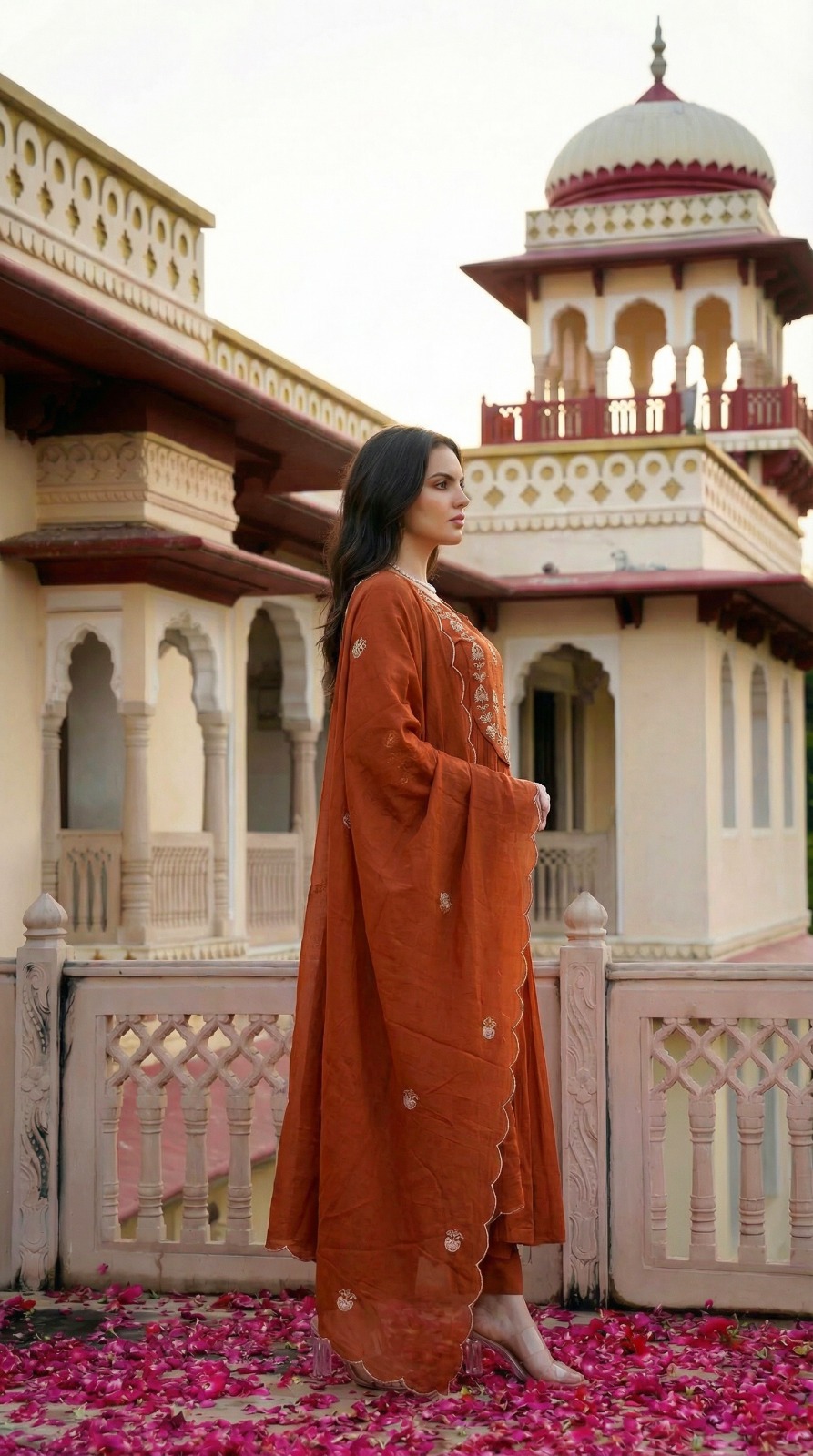
Colour is an easy starting point. Deep red with black or white echoes the contrast found in many Northeast Indian textiles, while green, yellow and cobalt can bring a lively spring character. A monochrome kurta with a contrasting dupatta often looks more composed than a fully embellished outfit in several unrelated colours.
Trendy Green Ethnic Kurti Dupatta Set for Festive Wear can be styled with minimal jewellery and a neat low bun for a daytime programme. Colorful Ethnic Chinon Saree for Women may work for a formal evening event, although a saree should be draped securely and kept at a manageable length if the venue involves extensive walking.
Accessories should support movement. Small silver-toned earrings, a compact crossbody or fabric potli, a narrow bangle stack and low block heels or embellished flats are more practical than long tassels, oversized necklaces and unstable footwear. A light cotton shawl can be useful if the programme continues after sunset.
Can a saree be part of Chapchar Kut Festival Fashion?
A saree can be worn to Chapchar Kut when the event invitation calls for contemporary festive dress, but a saree isn't a substitute for a traditional Mizo puan or puanchei. A secure waist tuck, short or medium pallu and comfortable blouse make a saree more suitable for an active celebration.
A saree also allows a wearer to acknowledge the difference between personal ethnic clothing and Mizo traditional dress. The distinction matters because India's regional textiles are not interchangeable, even when they share bright colours, woven borders or celebratory use.
Chapchar Kut Festival Fashion for daytime, performance and evening events
Women should match the outfit to the setting: a breathable handloom or simple kurta set for daytime community events, a traditional puanchei or carefully sourced Mizo ensemble for cultural participation, and a more polished silk or saree look for an evening reception.
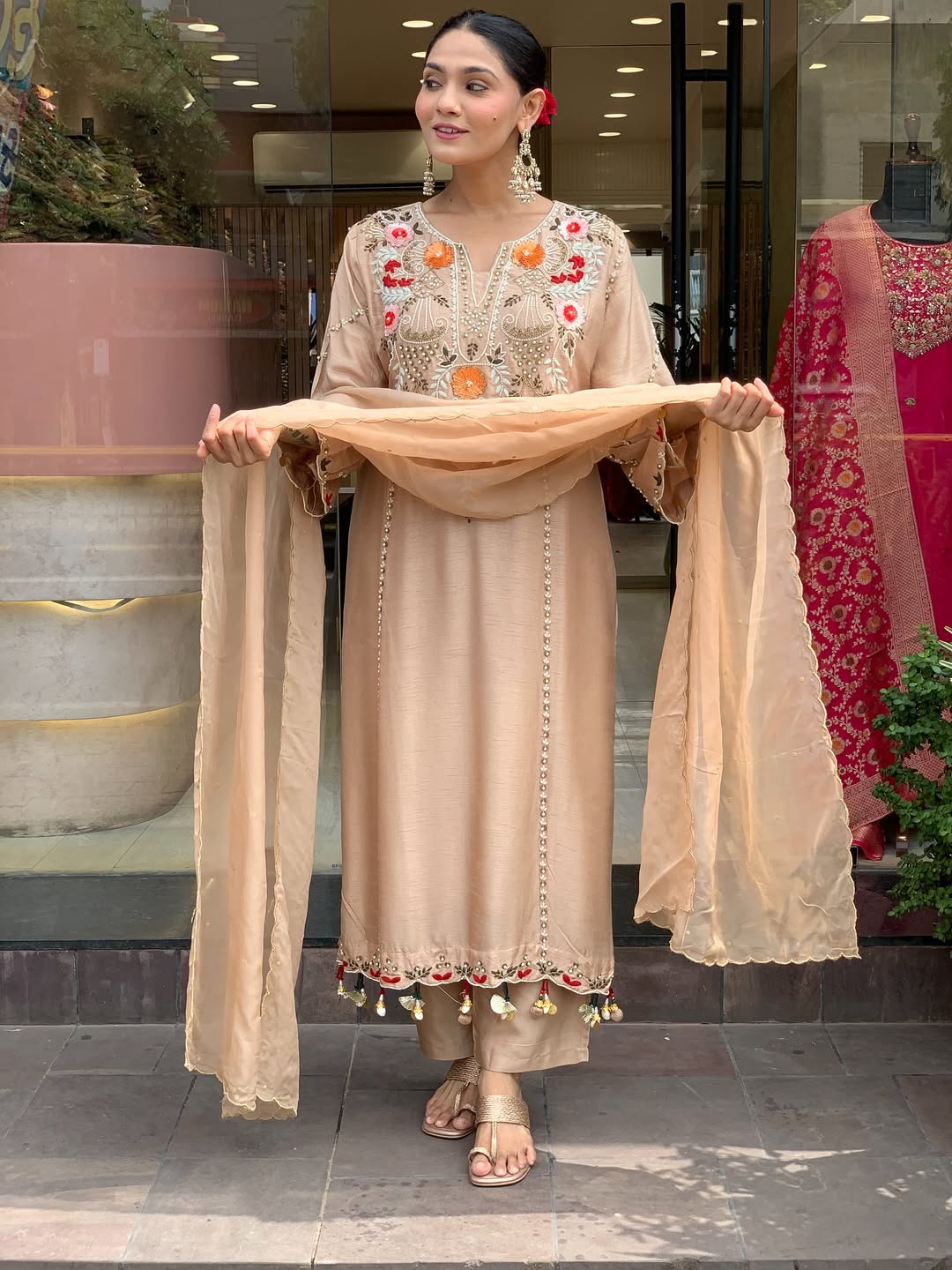
For a daytime cultural programme, cotton trousers, a straight kurta and a dupatta secured over one shoulder provide reliable comfort. Kanchi Cotton Zari Woven Kurti Set with Traditional Dupatta is an example of a practical festive direction because cotton supports ventilation while zari introduces occasion-appropriate detail.
For a stage performance or formal cultural presentation, a correctly worn puanchei with a suitable blouse is more appropriate than a heavily embellished Bollywood-style outfit. Performers should follow the organiser's or cultural group's instructions because performance clothing may differ from everyday festival dress.
For an evening gathering, silk or a deeper colour can add formality without requiring excessive ornamentation. Festive Wear Maroon Silk Anarkali Suit Set for Women provides a richer evening reference, while a simple shawl and closed-toe flats can make the outfit more practical in cooler conditions.
Visitors looking at wider regional references may encounter the Sikkim Traditional Women's Dress Collection and the Traditional Northeast Indian Dress Occasion Collection. Those collections can provide useful context for comparing regional silhouettes, but Sikkimese clothing should not be labelled Mizo clothing.
Chapchar Kut Festival Fashion and regional cultural context
Chapchar Kut Festival Fashion belongs to Mizoram's cultural context, so neighbouring regional garments should be appreciated without being treated as interchangeable. Northeast India includes many communities, weaving systems and ceremonial wardrobes, each with its own terminology and history.
The Traditional Goa Dress for Women collection, Traditional Uttarakhand Dress for Women collection and Traditional Himachal Dress for Women collection represent different regional traditions from outside Mizoram. A red woven border, shawl or striped textile may look visually familiar across regions, but similar colours don't make the garments culturally identical.
Checking the textile's origin is a useful first step. Ask whether the cloth was woven in Mizoram, whether the seller can identify the garment as a puan or puanchei, and whether the product description distinguishes an authentic regional textile from a contemporary design inspired by Northeast India.
Cultural participation also involves behaviour. Ask permission before photographing performers, don't touch ceremonial garments without consent and follow venue instructions about where visitors may stand or walk. Clothing becomes more respectful when accompanied by attention to the people and practices surrounding it.
Chapchar Kut Festival Fashion: a practical checklist before leaving home
A practical Chapchar Kut outfit should be tested at home for at least 20 minutes before the event. Walk up stairs, sit on a chair, raise both arms and practise securing the dupatta or wrap to identify problems before reaching the venue.
- Choose breathable cotton, Chanderi, silk or a suitable blend according to the time of day and activity.
- Check that the waist, blouse and shoulder drape remain secure while walking and sitting.
- Keep hemlines clear of shoes, bamboo poles, steps and uneven outdoor ground.
- Carry a small pack of safety pins, spare hair ties and a lightweight shawl if the celebration extends into the evening.
- Select flat sandals, juttis or low block heels that have already been worn comfortably.
- Use modest jewellery that won't catch on a dupatta, woven border or another person during a group dance.
- Describe contemporary ethnic clothing accurately instead of presenting it as authentic Mizo ceremonial dress.
The strongest outfit is one that lets the wearer participate rather than constantly adjust clothing. A genuine puan or puanchei is the most culturally specific choice, while a well-fitted kurta set or saree can be appropriate when described honestly as contemporary festive wear.
Questions Women Ask About Chapchar Kut Festival Fashion
What is the traditional dress worn by Mizo women during Chapchar Kut?
Mizo women may wear a puan or festive puanchei with a blouse and a risa or other shoulder drape during Chapchar Kut. Styles, motifs and construction vary by community and event, so there is no single outfit that represents every Mizo woman.
Can I wear a saree to a Chapchar Kut celebration?
Yes, a saree can be suitable for a contemporary festive programme or evening reception, but it should not be described as traditional Mizo dress. Secure the pleats and pallu carefully, and choose comfortable footwear if the event involves walking or dancing.
What fabric is comfortable for Chapchar Kut?
Cotton and cotton-rich handlooms are generally the most comfortable for daytime outdoor celebrations because they breathe well. Lightweight Chanderi, viscose and silk can work for formal events, while heavy velvet and dense layers may become uncomfortable in warm weather.
How can I dress respectfully if I do not own a puan or puanchei?
Choose a contemporary kurta set, saree or modest ethnic co-ord and describe it honestly as festive or Northeast-inspired wear rather than authentic Mizo clothing. Avoid mixing unrelated tribal motifs or using Indigenous garments as costume props.
What accessories work with a traditional Mizo-inspired outfit?
Small earrings, restrained bangles, a compact bag and flat or low-heeled footwear work well because they support movement. Avoid oversized jewellery, unstable heels and long accessories that can catch during dancing or outdoor activities.
How should a puan or puanchei be cared for after Chapchar Kut?
Air the garment after use, fold it along its woven borders and store it away from sunlight. Hand-wash cotton only when the maker permits it, and use professional cleaning for silk, zari, embroidery or garments with uncertain colourfastness.





