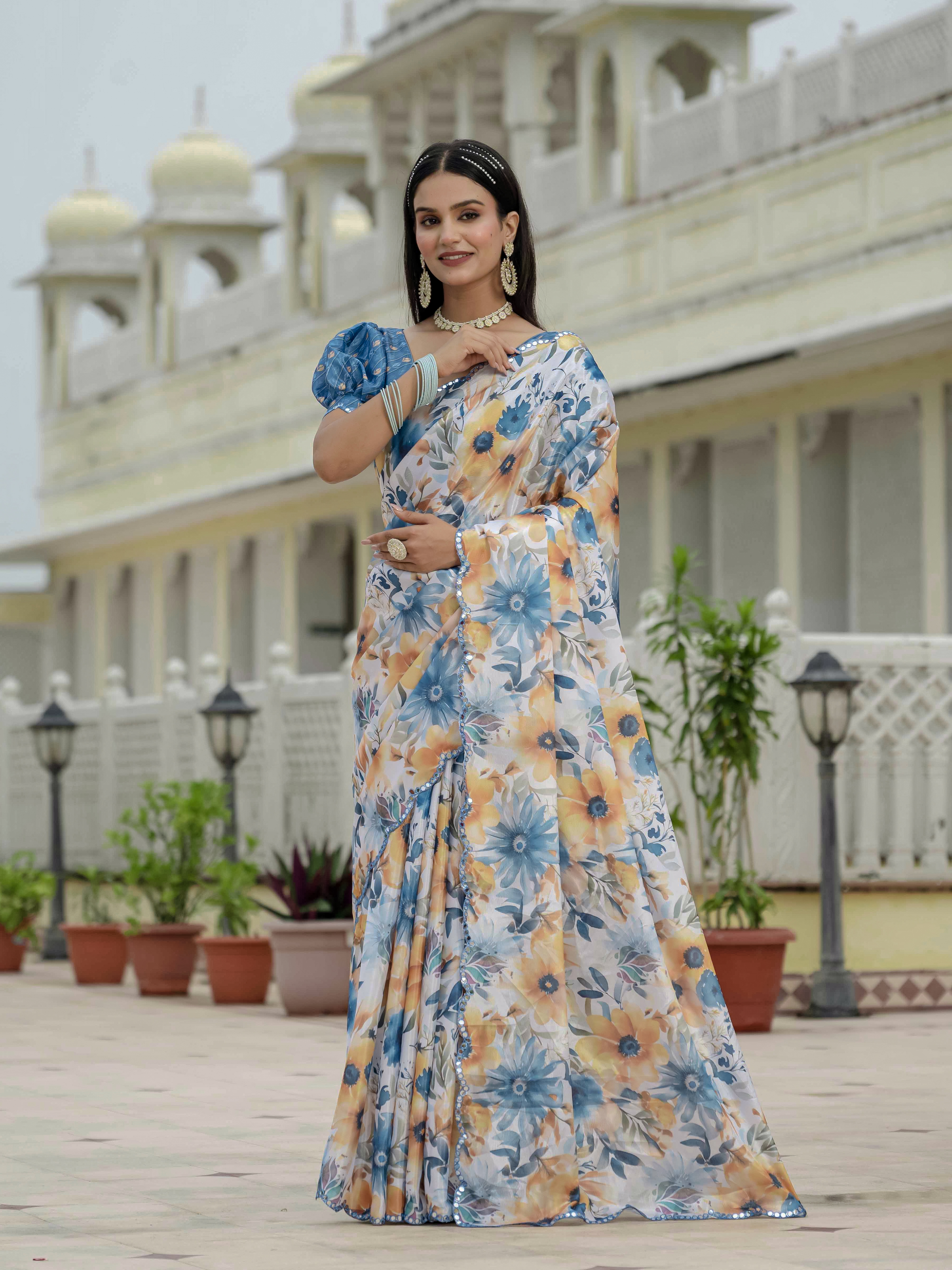
This Chanderi Saree Guide: MP Handloom, Fabrics & Modern Styling follows the textile from its Madhya Pradesh weaving tradition to contemporary wardrobes. Chanderi sarees are valued for their light weight, subtle sheen, crisp fall and distinctive transparency. The right choice depends on whether you want pure silk, silk-cotton, cotton, zari detail or a practical saree for frequent wear.
Chanderi isn't simply a colour or surface finish. Chanderi refers to a textile tradition associated with the town of Chanderi in Madhya Pradesh, where weavers produce fine sarees with a delicate texture and graceful, airy drape. Understanding the fibre, weave, border and finishing helps you buy more intelligently and style the saree without losing its character.
Chanderi Saree Guide: What makes the fabric distinctive?
A Chanderi saree is distinctive because its lightweight woven structure combines a slightly crisp hand feel with a luminous, often sheer appearance. Traditional Chanderi textiles may use silk, cotton or a silk-cotton combination, and the final character changes significantly with the fibre blend.
Chanderi silk generally has a smoother surface, more visible sheen and a dressier fall. Chanderi cotton feels lighter and more breathable, making it useful for daytime dressing, warm weather and regular cultural gatherings. Chanderi silk-cotton sits between the two: it offers some silk-like lustre while retaining the easier handling of cotton.
The fabric's transparency is an important visual clue, but transparency alone doesn't prove that a saree is handloom Chanderi. Yarn quality, density, finishing, border construction and the seller's fibre description must be considered together. A thin synthetic saree can also look sheer under bright light.
Classic Chanderi motifs include ashrafi-style coin forms, geometric patterns, floral butis and small woven dots. Zari may appear along the border, pallu or scattered motifs. Gold-toned zari creates a festive impression, while restrained silver zari or self-coloured motifs make Chanderi easier to wear for work and daytime events.
Chanderi Saree Guide: How does Madhya Pradesh handloom weaving work?
Madhya Pradesh handloom Chanderi weaving works by interlacing prepared warp and weft yarns on a loom, with the yarn choice and motif technique determining the saree's weight, sheen and surface. Handloom production involves skilled setting of threads, tension control and pattern placement rather than simply printing a design onto finished cloth.
Chanderi's reputation grew through fine yarns and a delicate woven appearance that suited courtly and ceremonial clothing. Contemporary weavers use time-honoured knowledge alongside updated colour palettes, but the essential attraction remains the balance between lightness and visual richness.
Warp yarns run lengthwise through the saree, while weft yarns pass across the width. Small variations in tension or density can occur in handloom cloth. Such variations are not automatically defects; they can indicate the human process behind the textile. Loose threads, unstable selvedges or badly finished edges are quality concerns rather than desirable irregularities.
Motifs can be woven into the structure or added through other surface techniques, so buyers should read the product description carefully. A printed Chanderi saree and a woven-motif Chanderi saree can look similar in a photograph but differ in texture, durability and price. Terms such as handloom, handwoven, printed, jacquard and zari should not be treated as interchangeable.
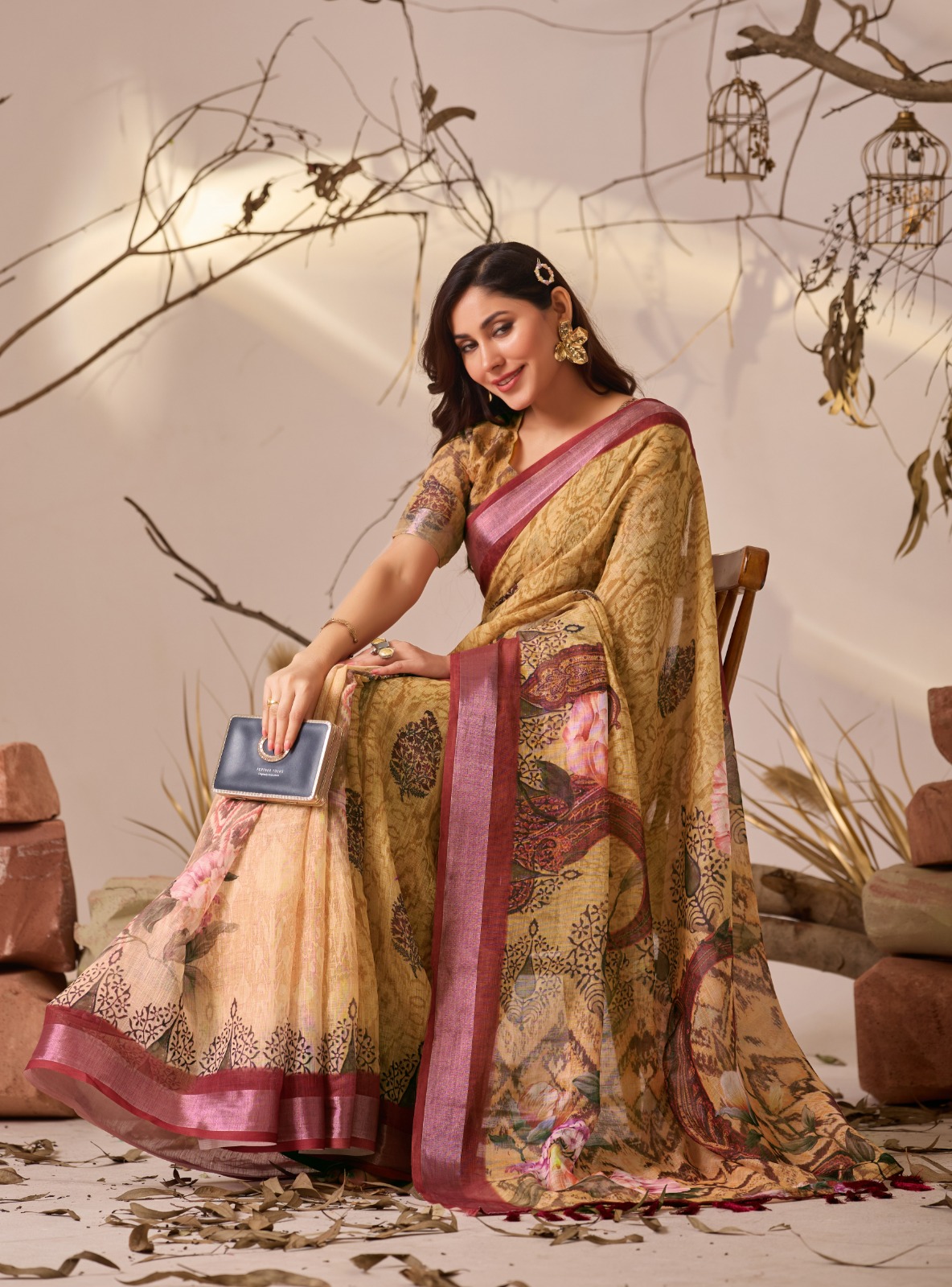
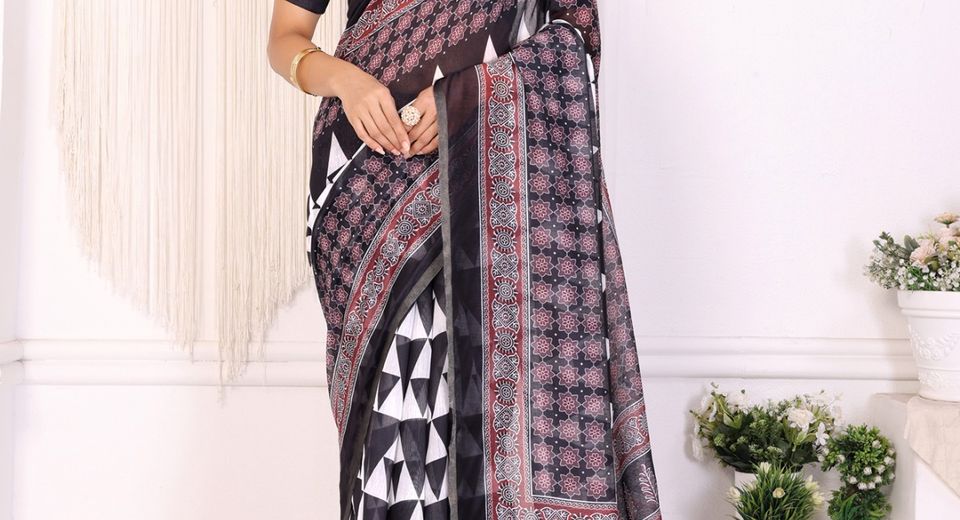
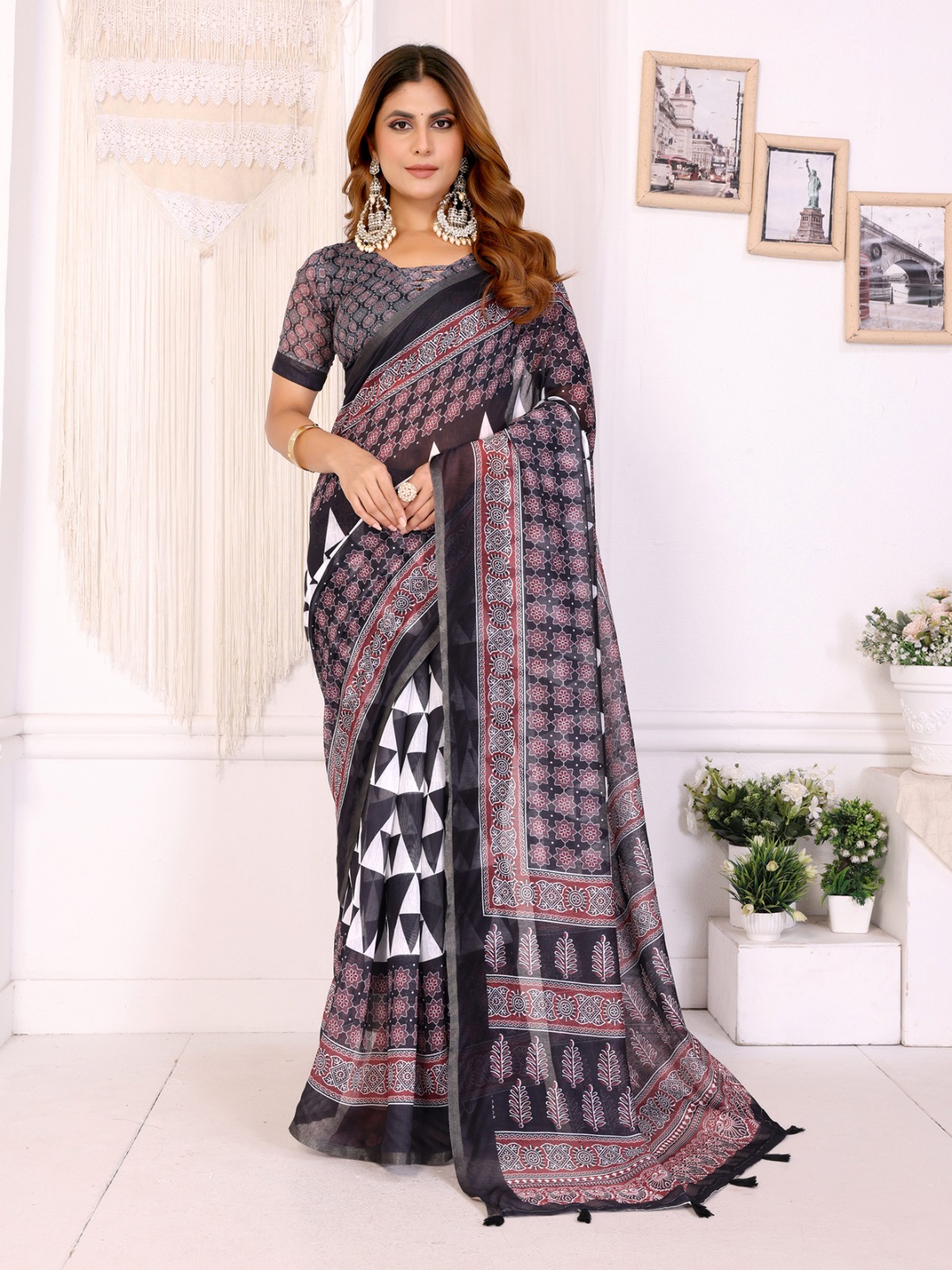
Black Maroon Chanderi Printed Saree for Women illustrates why the word printed matters. The saree may use a Chanderi-type fabric or Chanderi base, but its design method is different from an entirely woven motif. Green Maroon Chanderi Printed Saree Online India brings another reminder to check the material and technique details instead of judging authenticity from the product name alone.
Chanderi Saree Guide: Which fabric blend should you choose?
Choose Chanderi silk for formal dressing, Chanderi cotton for breathable daily use and Chanderi silk-cotton for a balanced combination of sheen, comfort and easier maintenance. Fibre composition is the most useful starting point when comparing two sarees with similar designs.
Chanderi silk
Chanderi silk has a polished look and usually catches light more strongly than cotton. The fabric works well for receptions, festive pujas and evening gatherings, especially when paired with zari or a structured blouse. Silk Chanderi can be delicate, so folding, storage and cleaning require more care than routine cotton washing.
Chanderi cotton
Chanderi cotton is generally a comfortable choice for daytime wear, summer ceremonies and work-friendly wardrobes. The fabric may crease more visibly than silk, but light pressing restores its shape. A cotton saree with a modest border can look refined without appearing overly formal.
Chanderi silk-cotton
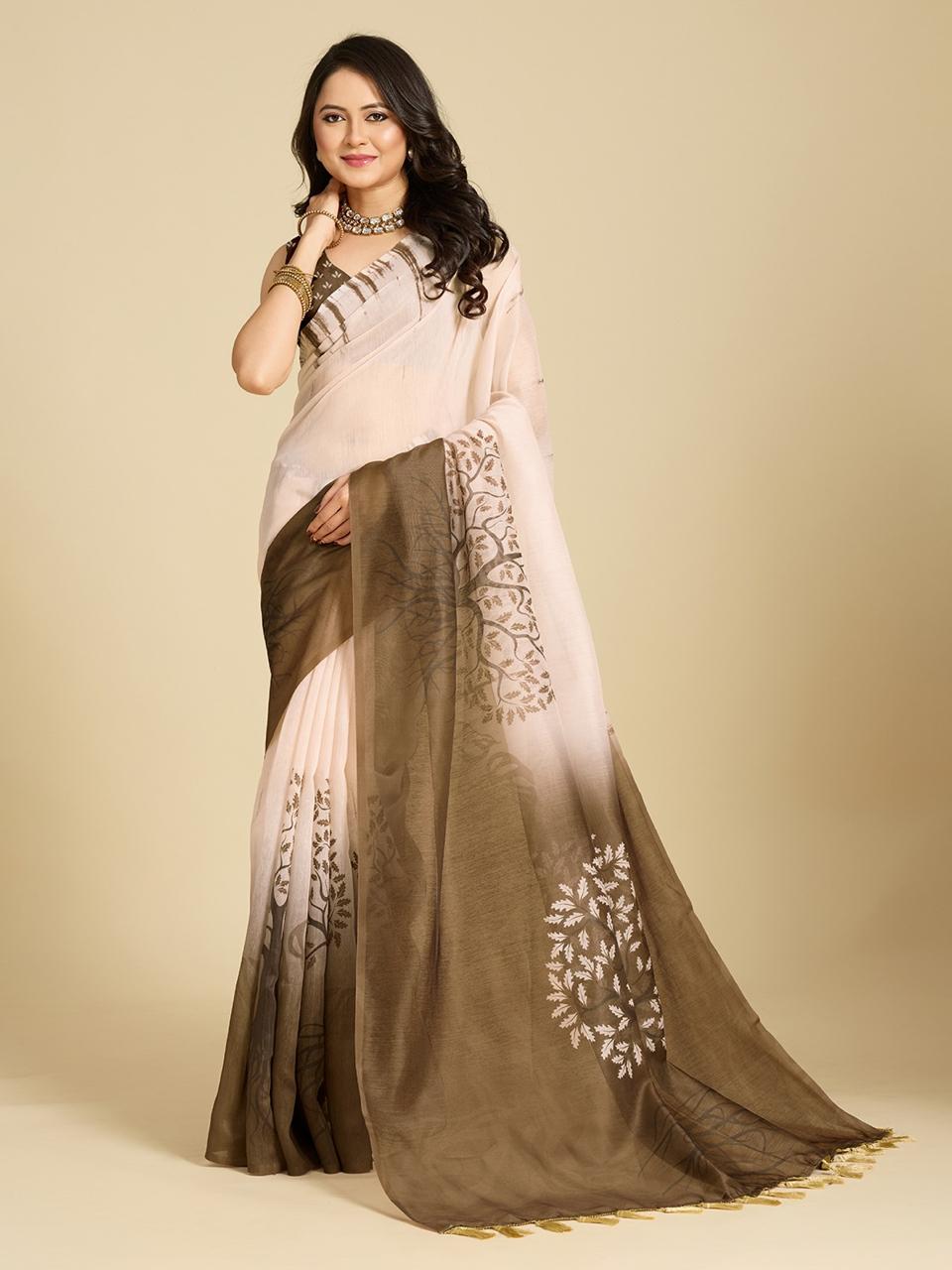
Chanderi silk-cotton provides a middle ground between crisp cotton and lustrous silk. The blend can vary by product, so the exact percentage matters when comparing price and care instructions. Beige Grace Cotton Silk Saree for Daily Wear is an useful reference point for shoppers seeking a softer, practical silhouette rather than a heavily ornate festive saree.
A higher price doesn't always mean a pure silk weave. Price can reflect zari quantity, motif complexity, dyeing, finishing, handloom provenance and seller positioning. A fibre label, detailed product description and clear care guidance are more dependable than the word premium alone.
Chanderi Saree Guide: How can you check one before buying?
You can check a Chanderi saree by confirming the fibre blend, inspecting the selvedge and reverse side, assessing transparency and reading whether the pattern is woven or printed. These checks reduce the risk of buying a fabric that only resembles Chanderi.
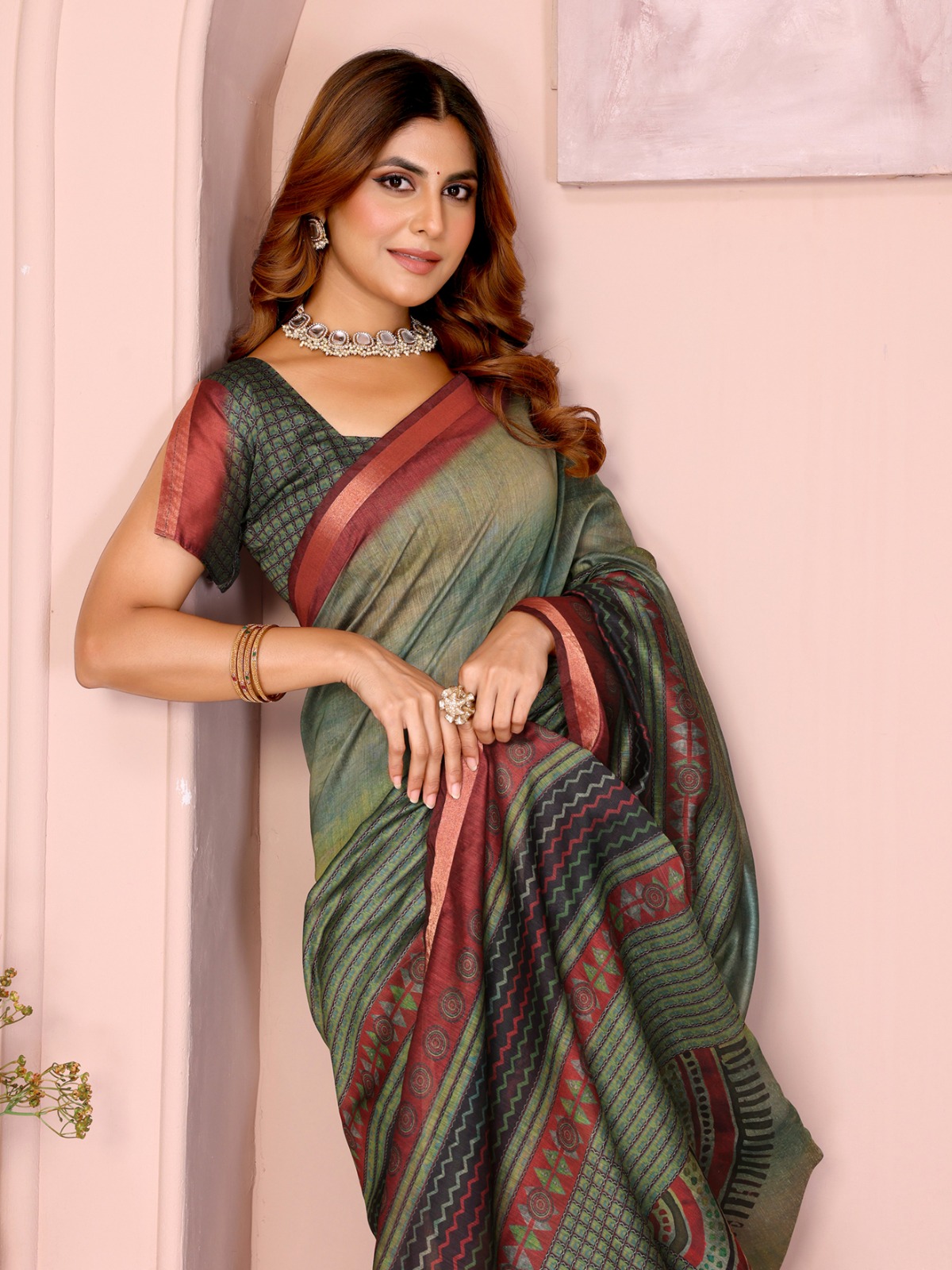
- Read the fibre composition: Look for specific wording such as silk, cotton, silk-cotton or polyester. Chanderi style doesn't establish the fibre content.
- Inspect the reverse: Woven motifs often show construction details on the reverse, while printed patterns may appear flatter or show colour penetration differently.
- Examine the border: A straight, secure selvedge and even border alignment indicate better finishing. Small handloom variations can be acceptable, but repeated puckering isn't.
- Check the fall: Chanderi should feel light and move easily. Excessive stiffness, plastic-like shine or a very slippery hand may suggest synthetic fibres.
- Ask about zari: Confirm whether the zari is metallic, imitation or a blended yarn. Zari care affects how the saree should be folded and cleaned.
- Review measurements: A saree is commonly around 5.5 metres, with a separate blouse piece often near 0.8 metres, but actual dimensions vary. Check the listing before ordering.
Colour names also need careful interpretation. Screens can shift deep maroon toward burgundy, beige toward cream and green toward olive. A reliable description, multiple photographs and a stated return or exchange process are valuable when the shade is important for a wedding or coordinated family outfit.
Chanderi Saree Guide: How can you style it for today?
You can modernise a Chanderi saree through blouse proportion, controlled accessories and a drape that suits the fabric's light structure. The goal is to support the saree's airy fall rather than bury it under excessive layers.
Chanderi Saree Guide for office and daytime dressing
Pair a cotton or silk-cotton Chanderi saree with a high-neck, elbow-sleeve or neatly tailored blouse in a solid colour. Keep jewellery to small studs, a watch or one understated bangle. A narrow belt over the saree can define the waist for a contemporary look, provided the belt doesn't crush zari or delicate pleats.
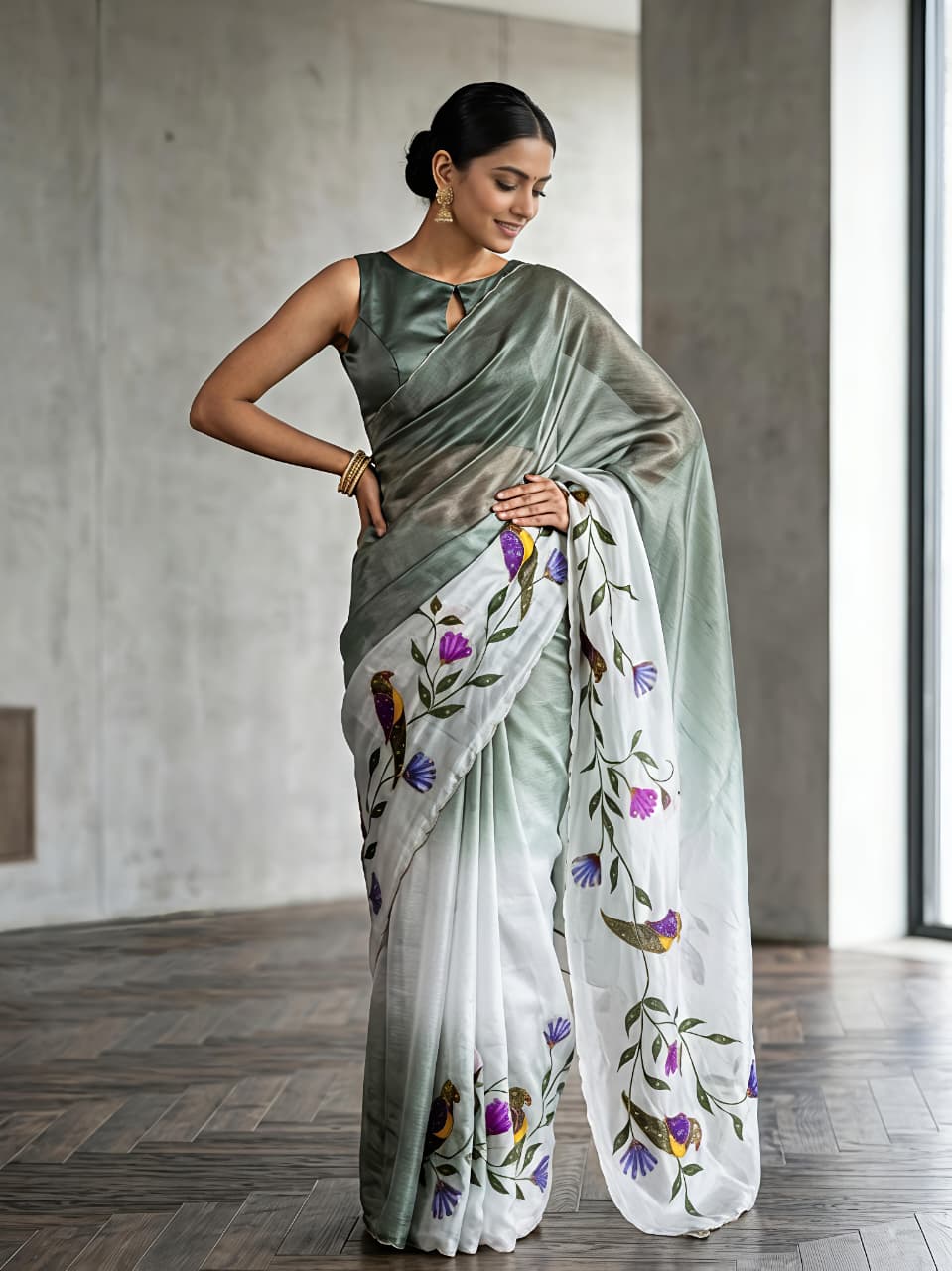
Neutral shades work especially well for professional settings. A beige saree with a chocolate, rust or deep green blouse creates contrast without becoming loud. Grey and muted blue also complement the fabric's natural sheen. Gray Color Sarees Under 1000 can provide useful colour references for comparing understated directions, even when the final choice is a Chanderi weave.
Chanderi Saree Guide for festive gatherings
Choose a blouse with a strong neckline, dramatic sleeves or a contrasting textile when the saree has a restrained border. A sleeveless brocade blouse, raw silk blouse or velvet blouse can add structure during cooler evening events. Gold jhumkas and a small potli provide more impact than stacking many competing accessories.
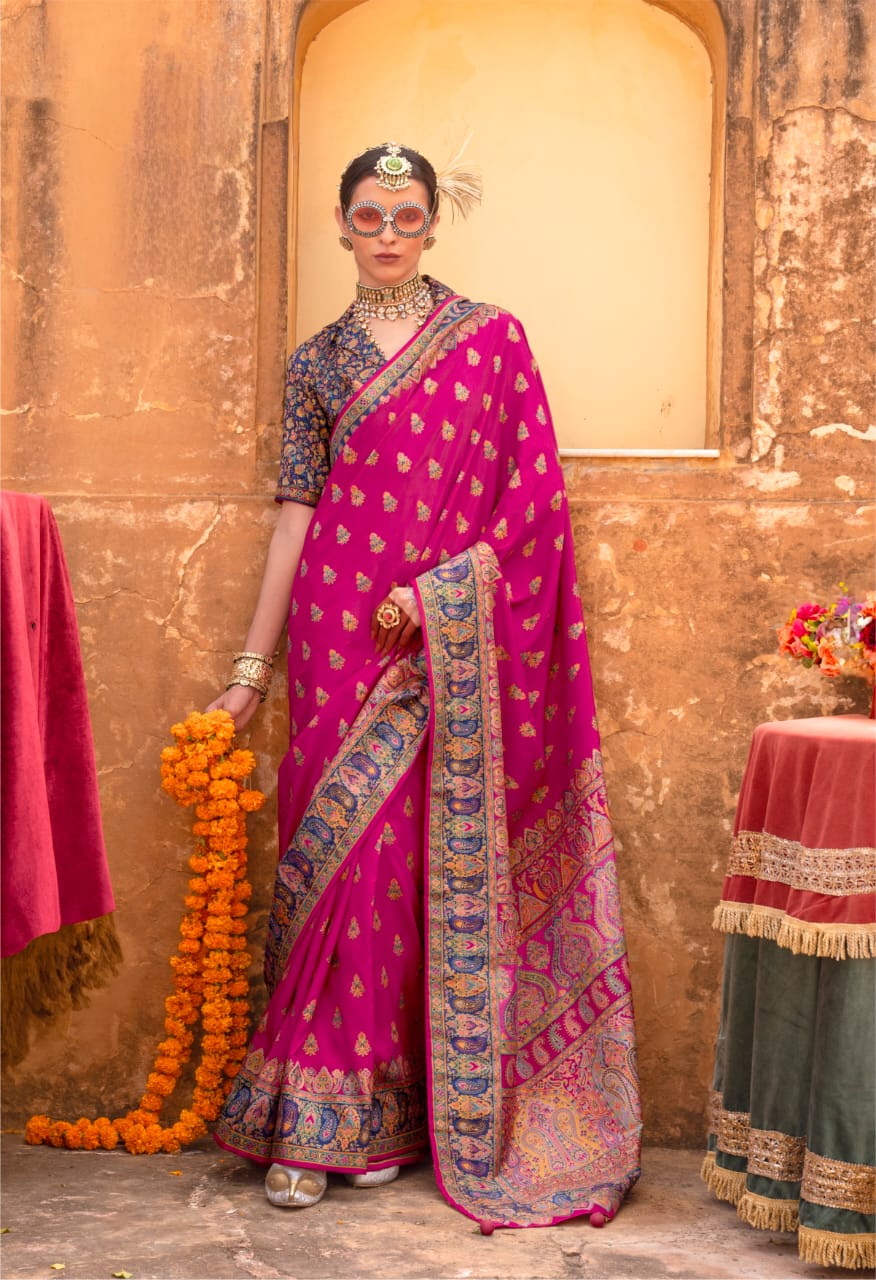
Red Banarasi Silk Sarees for Weddings Under 1100 and Silk Sarees Under 3000 With Discount show how shoppers often compare Chanderi with other silk-led categories before a celebration. Banarasi silk usually gives a denser, more opulent visual effect, while Chanderi creates a lighter silhouette. Neither is universally better; the choice depends on venue, season and desired formality.
Chanderi Saree Guide for parties and destination events
A printed Chanderi saree can suit a daytime party when styled with a contemporary blouse and clean accessories. Try a sleeveless blouse, a cropped jacket or a longline blouse in a solid colour. Party Wear Sarees can serve as a comparison point for understanding how embellishment, shine and drape change the overall mood of an outfit.
For a destination event, carry the saree in a breathable cotton bag and pack the blouse separately to prevent sharp creases. A low bun, braided hair or restrained open hair keeps the outfit polished without making the look feel overly ceremonial.
Chanderi Saree Guide: How should you drape and maintain it?
Chanderi should be draped with moderate pleat tension and maintained through gentle cleaning, dry storage and protection from direct sunlight. The fabric's light structure can be damaged by rough washing, sharp hanger clips and prolonged exposure to moisture.
Make pleats with a light hand and avoid pulling the pallu tightly across jewellery or textured blouses. A thin cotton or silk lining under a translucent saree can improve coverage without adding visible bulk. Use a few well-placed safety pins rather than pinning every pleat, because excessive pinning can leave holes in fine yarns.
- After wearing: Air the saree in shade for several hours before folding it. Do not store perspiration or perfume residue against the fabric.
- For cleaning: Follow the care label. Dry cleaning is the safer option for silk Chanderi, zari-heavy borders and uncertain fibre blends.
- For cotton versions: Gentle hand washing may be suitable only when the care instructions permit it. Use cool water, mild detergent and minimal rubbing.
- For pressing: Iron on the reverse at a low or medium temperature. Place a thin cotton cloth between the iron and zari or printed areas.
- For storage: Fold along different lines every few months to reduce permanent creasing. Wrap the saree in clean, breathable muslin rather than airtight plastic.
- For long-term protection: Keep the saree away from direct sunlight, damp cupboards, rough wood and metal hooks. Refold valuable sarees every few months.
Zari requires particular caution because heat, moisture and chemical products can dull metallic surfaces. Avoid spraying perfume, hairspray or deodorant directly on the saree. Apply such products before dressing and wait until the skin and hair are dry.
Chanderi Saree Guide: Which occasions suit the fabric best?
Chanderi suits office wear, daytime pujas, intimate weddings, festive lunches and semi-formal evening gatherings because the textile can appear either understated or celebratory depending on its blend, border and styling. Heavy zari and rich blouses increase formality, while cotton and small motifs keep the outfit relaxed.
A lightweight Chanderi cotton saree is practical for a Haldi ceremony, especially when the event takes place outdoors or during warm weather. Choose a washable or clearly care-labelled option if turmeric, flower petals and frequent movement are likely. Yellow, green, coral and pink work naturally with the lively atmosphere of a Haldi ceremony.
Chanderi silk with zari is suitable for a puja or wedding-related event when you want classic polish without the weight of a heavily brocaded saree. A red Banarasi silk saree may be more appropriate for a grand wedding reception, while Chanderi can offer greater comfort for daytime rituals and smaller venues.
Pink Georgette Sarees can be a helpful comparison when choosing between an airy, fluid drape and the crisper structure of Chanderi. Georgette generally clings and moves differently, while Chanderi holds pleats more clearly and reveals more of its woven texture. Comparing drape behaviour is more useful than comparing colour alone.
Chanderi earns a lasting place in a modern wardrobe because one saree can shift from quiet daytime dressing to a more festive look through a blouse, border and jewellery change. The most reliable purchase begins with fibre information and weaving details, then considers comfort, maintenance and the setting where the saree will be worn.
Common Questions About Choosing and Styling a Chanderi Saree
How can you identify an authentic Chanderi saree?
Check the fibre composition, weave description, selvedge, transparency, motif construction and care label together. A sheer appearance alone cannot prove that a saree is handloom Chanderi, because synthetic fabrics can also look translucent.
Is Chanderi silk or cotton better for daily wear?
Chanderi cotton or silk-cotton is generally better for frequent daily wear because the fabric is lighter, more breathable and easier to maintain. Chanderi silk offers greater sheen but usually needs gentler cleaning and storage.
Can a Chanderi saree be worn to a Haldi ceremony?
A lightweight Chanderi cotton saree can work well for a Haldi ceremony, particularly for a daytime or outdoor event. Select a care-labelled saree in a practical colour and avoid delicate zari if turmeric stains are a major concern.
What blouse styles suit a Chanderi saree?
High-neck, elbow-sleeve, sleeveless, raw silk and tailored blouses all suit Chanderi sarees. Choose a structured blouse for contrast when the saree is soft, or use a simple solid blouse when the saree already has a detailed border or zari.
How should a Chanderi saree be washed?
Follow the care label and use dry cleaning for silk Chanderi, zari-heavy sarees and uncertain blends. Gentle hand washing in cool water may suit some cotton Chanderi sarees, but rubbing, harsh detergent, wringing and direct sunlight should be avoided.
Does a Chanderi saree need a petticoat?
A Chanderi saree needs a suitable petticoat or underskirt to support the drape and provide coverage, especially when the fabric is translucent. A lightweight cotton or satin petticoat in a close colour can prevent the underskirt from distracting from the saree.