

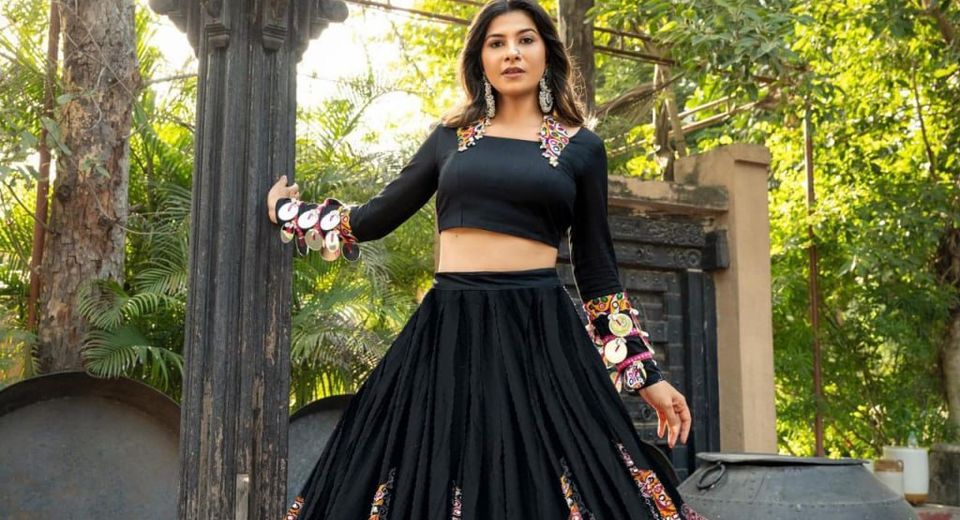
Can You Wear a Handloom Lehenga to a Formal Wedding? Yes, provided the lehenga has enough structure, refinement and occasion-appropriate detail for the venue and dress code. Banarasi silk, Kanjeevaram-inspired silk, Chanderi, tissue and cotton-silk blends can all work beautifully when the blouse, dupatta, jewellery and footwear are selected as one complete look.
A handloom textile doesn't need dense sequins to look formal. A rich weave, a broad zari border, a sharply tailored blouse or a controlled silhouette can create the visual weight expected at a wedding. The key is distinguishing a handloom lehenga designed for a formal event from a casual craft skirt paired with everyday separates.
Can You Wear a Handloom Lehenga to a Formal Wedding If the Invitation Says Formal?
Yes, a handloom lehenga is suitable for a formal wedding when its fabric, construction and styling match the event's level of dressiness.
Read the invitation carefully before choosing the outfit. A formal daytime ceremony, an evening reception in a hotel ballroom and a black-tie-inspired wedding may all call for different levels of embellishment. A lightweight Chanderi lehenga with a zari border can suit a morning wedding, while a silk lehenga with deeper colour and metallic detail is more convincing at an evening reception.
Your role also matters. A close family member or bridesmaid may need a more coordinated, festive look than a guest attending only the reception. Guests should avoid copying the bride's known colours, signature embroidery or veil styling, particularly when the bride is wearing red, maroon or heavily embellished gold.
Use a three-metre test before finalising the outfit. Stand several steps away from a mirror or photograph the complete look from a distance. A formal lehenga should still appear intentional when the individual embroidery details are no longer visible. If the outfit looks unfinished without a very large necklace, the base design may be too casual for the dress code.
Can You Wear a Handloom Lehenga to a Formal Wedding in Banarasi Silk or Kanjeevaram?
Banarasi silk and Kanjeevaram-inspired silk are among the strongest handloom choices for a formal wedding because their dense weaves and natural sheen provide built-in richness.
Why does Banarasi silk work for evening weddings?
Banarasi silk works especially well for evening weddings because woven zari and a firm drape create depth under indoor lighting.
A Banarasi silk lehenga doesn't require all-over sequins to look grand. A wide zari border, brocade blouse or coordinated dupatta can supply enough visual interest. Gold zari pairs naturally with kundan, polki and temple jewellery, while silver or antique zari works with cooler stones and silver-toned accessories.
When is Kanjeevaram-inspired silk an useful choice?
Kanjeevaram-inspired silk is useful when you want saturated colour, a substantial skirt and clear contrast between the body and border.
Traditional Kanjeevaram silk can feel heavy during a long celebration, so a silk blend may provide greater comfort while retaining a formal appearance. Strong colour combinations such as magenta with pink, emerald with antique gold or navy with copper can make the outfit look ceremonial without relying on excessive surface decoration.
Can Chanderi and organza look formal?
Chanderi and organza can look formal when they have a crisp lining, a defined border and a structured blouse.
Chanderi is lighter than silk and suits a daytime wedding, but its delicate transparency makes a good inner layer essential. Organza creates a sculptural shape and photographs well, although organza can crease and catch on jewellery. Choose organza when the event involves controlled indoor movement rather than several hours outdoors.
Cotton-silk blends can also work when the weave is dense and the styling is deliberately festive. A plain cotton skirt with a loose top may look semi-formal, whereas a cotton-silk lehenga with zari edging, a silk blouse and a neatly pinned dupatta can look appropriate for a formal ceremony.
Can You Wear a Handloom Lehenga to a Formal Wedding Without Heavy Embellishment?
Yes, a handloom lehenga can look formal without heavy embellishment when the weave, border, proportions and accessories provide enough visual definition.
Formal dressing isn't measured only by the number of sequins on a garment. A dense Banarasi motif, a textured silk surface or a broad zari edge can be more sophisticated than scattered glitter. Embroidery should support the textile instead of hiding its character.
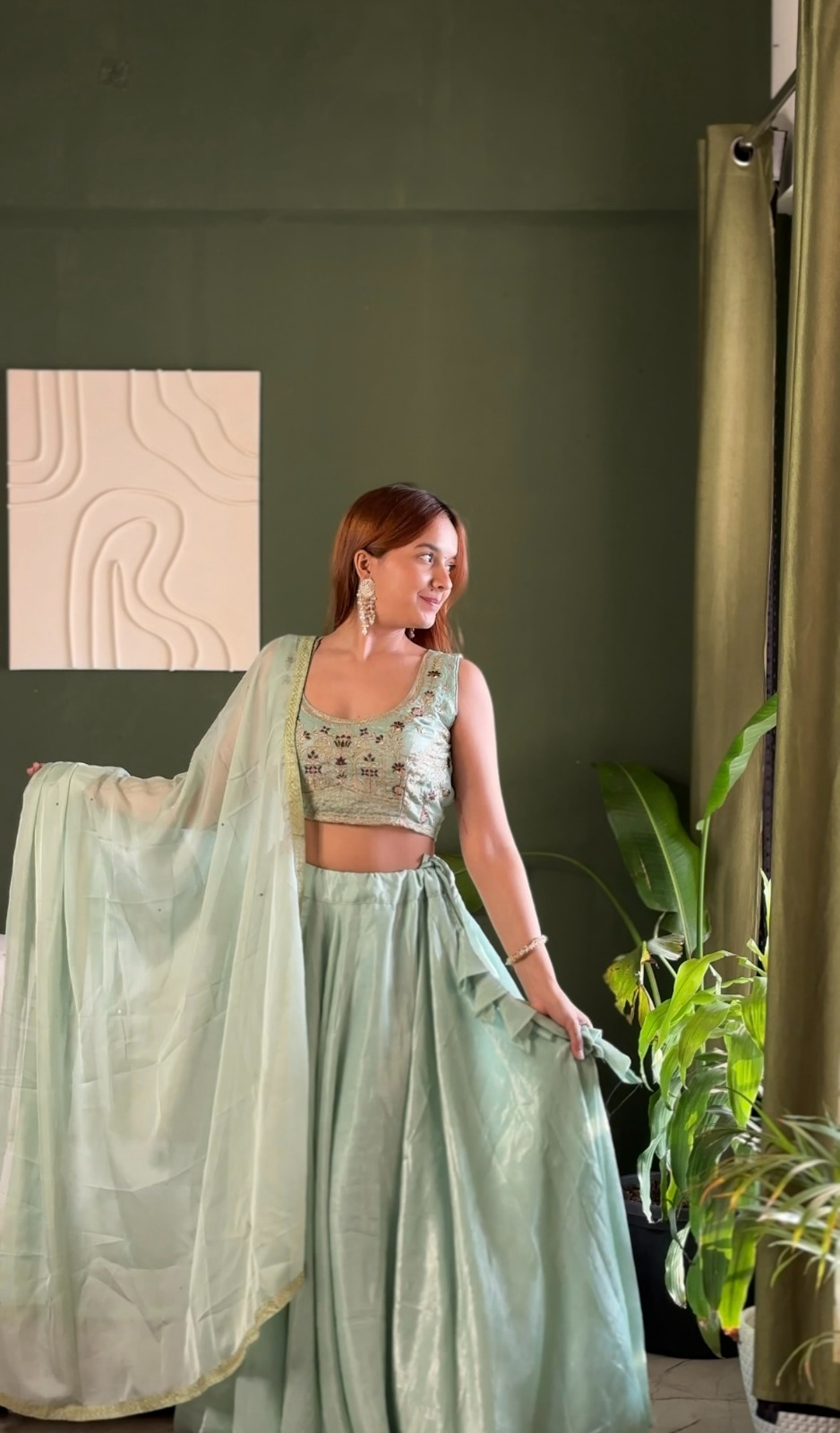
Fine resham threadwork, tonal embroidery, small sequin clusters and restrained zari are reliable options. Large plastic stones, several metallic finishes and dense mirror work can compete with the handloom texture. The Designer Threadwork Silk Lehenga Choli Set with Dupatta illustrates how threadwork can add wedding-appropriate detail while leaving the silk surface visible.
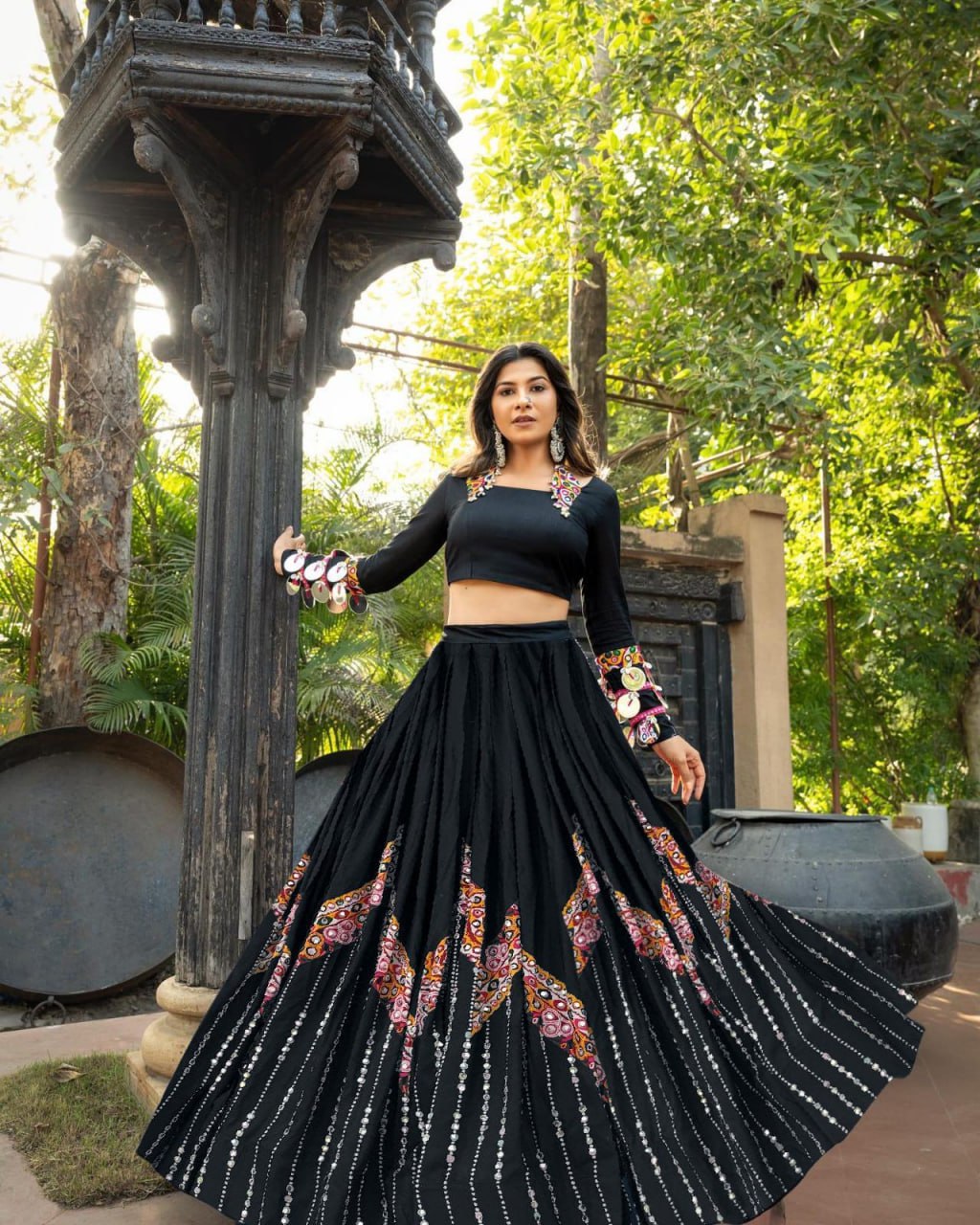
The Black Wedding & Festive Wear Designer Lehenga offers another useful styling direction. A dark base can carry antique gold earrings, a metallic clutch and a richly draped dupatta without requiring several bright colours in the same outfit.
Surface decoration should also suit the time of day. Daylight reveals the texture of Chanderi, silk and zari, so a lighter palette with controlled embroidery often looks more polished than intense sparkle. Evening lighting can support deeper colours, metallic borders and a little more shine.
Can You Wear a Handloom Lehenga to a Formal Wedding in Red, Pink or Pastel Colours?
Red, pink and pastel handloom lehengas can all suit a formal wedding, but the depth of colour and degree of bridal styling should be controlled.
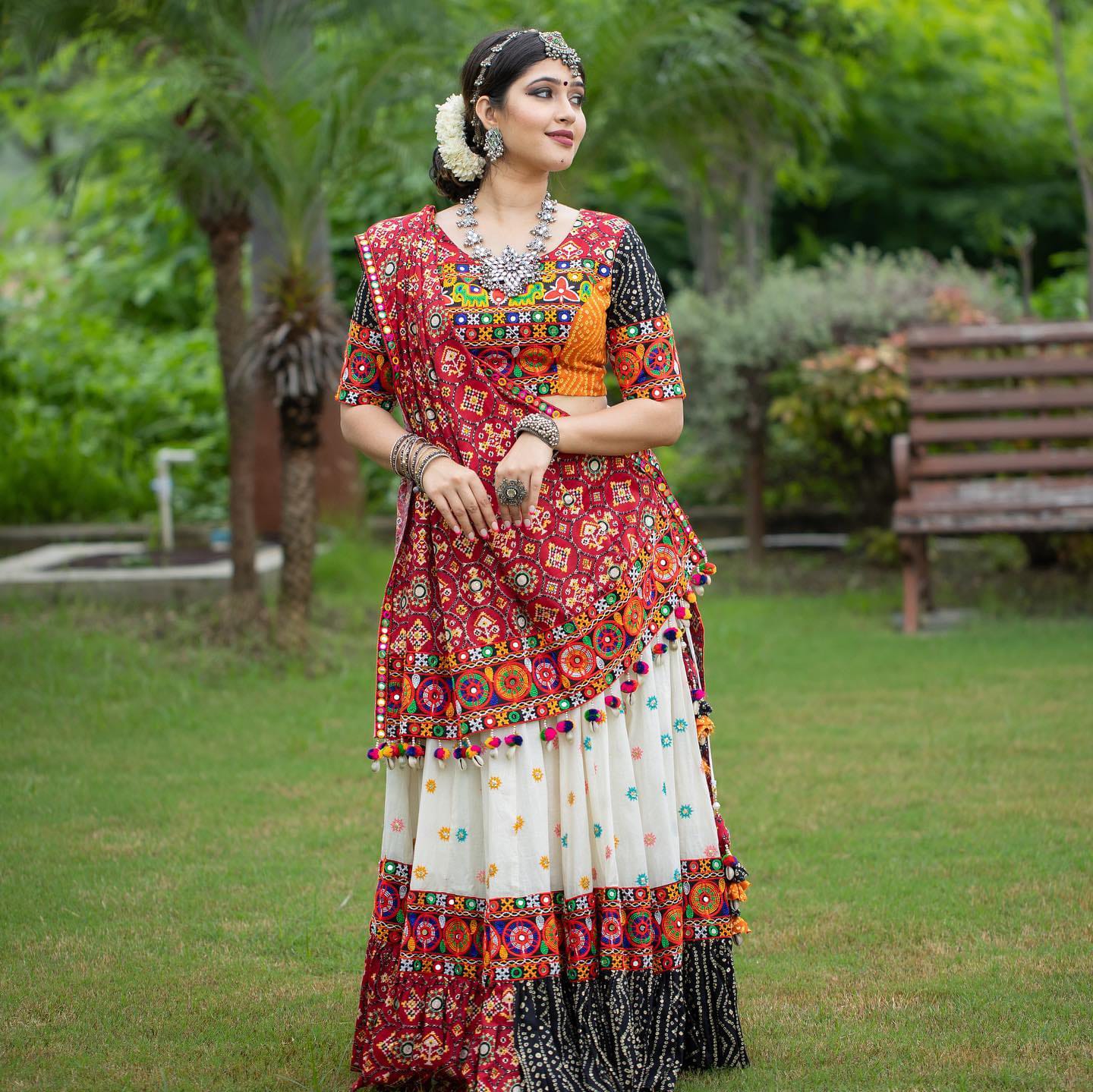
Wine, deep red, magenta, plum, emerald, navy and charcoal usually work well for evening celebrations. Dusty rose, powder blue, pistachio, muted peach and ivory with gold are effective for daytime functions. Colour becomes more formal when it's supported by a clear border, an elegant blouse and coordinated accessories.
Red requires particular care because it may overlap with bridalwear. A red lehenga isn't automatically inappropriate for a guest, but a red skirt with dense gold zari, bridal jewellery, a veil and a long train can look too close to the bride's outfit. Ask the family about colour preferences when attending a classic ceremony with a clearly defined bridal palette.
Pink can be softened or elevated depending on the textile. The Pink Embroidered Roman Silk Lehenga Set Online has a more formal direction when paired with pearl or kundan earrings and a clean, neutral dupatta. A pastel look can also gain definition from a darker blouse, a metallic belt or a broad embroidered border.
The Magenta Satin Embroidered Lehenga Set Online and Dusty Pink Satin Embroidered Lehenga Set Online demonstrate how saturated and muted pink families can serve different wedding settings. Magenta generally suits an evening reception, while dusty pink is easier to wear during the day or at a garden venue. Satin isn't handloom by definition, so use these examples as styling comparisons rather than substitutes for handwoven fabric.
Can You Wear a Handloom Lehenga to a Formal Wedding With a Modern Blouse?
Yes, a modern blouse can make a handloom lehenga look formal when the blouse preserves the outfit's proportions and uses one deliberate design feature.
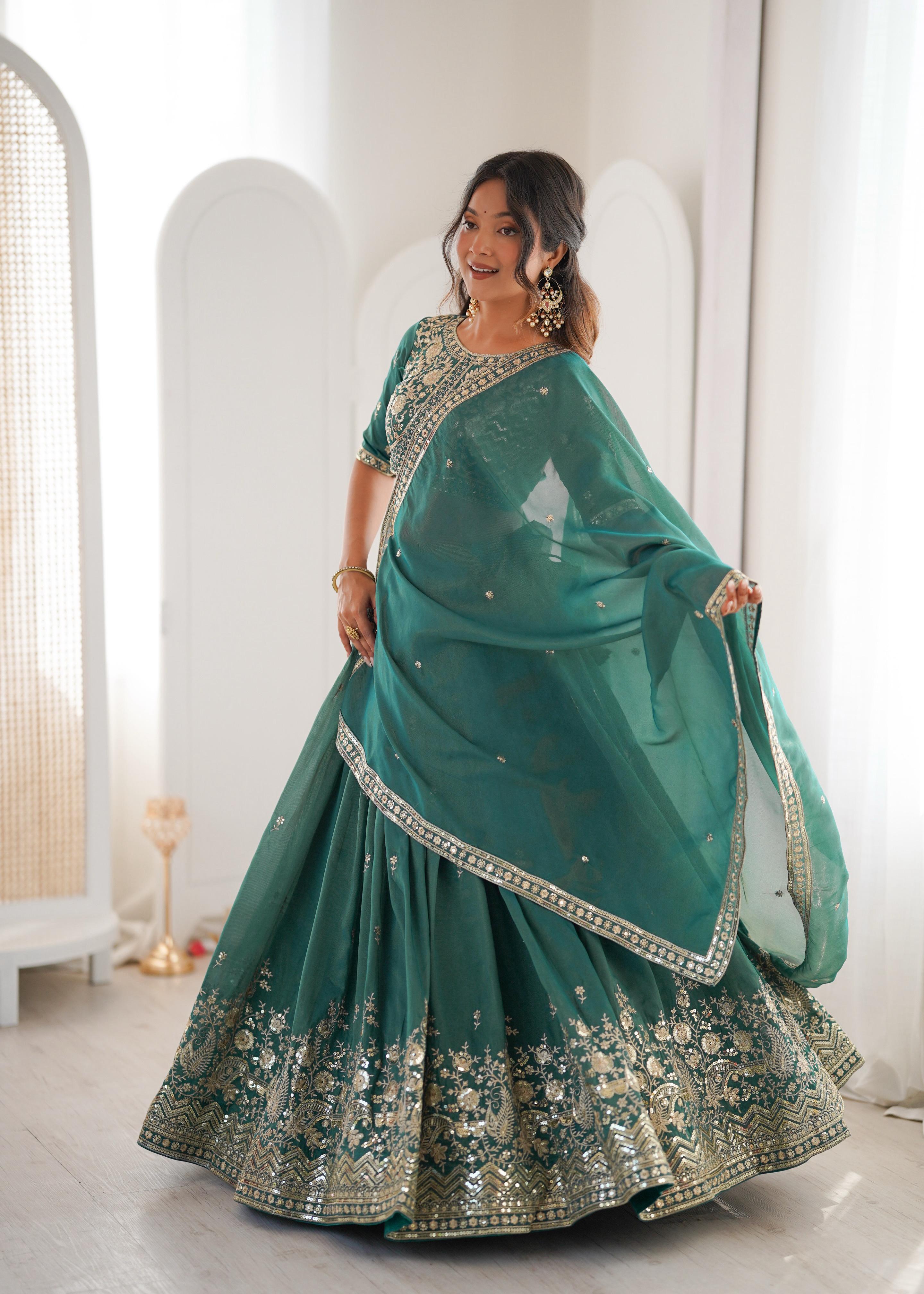
A high boat neck, square neck, jewel neck or structured sweetheart neckline can all work. Elbow-length sleeves, sculpted shoulders and a clean back panel add polish without making the outfit look overworked. A blouse that ends near the natural waist usually creates a sharper proportion than a very long, loose top.
Keep the one-feature rule in mind. If the skirt has a broad zari border, choose a blouse with a quiet neckline. If the blouse has detailed embroidery, let the skirt remain comparatively simple. Combining a heavy border, dramatic sleeves, a deep neckline, a sequinned dupatta and elaborate jewellery can make even expensive fabric look visually disorganised.
Fit is more important than trend. The armhole should allow movement without gaping, the shoulder seam should sit at the shoulder edge and the neckline should remain flat when you sit down. Test the blouse by raising both arms, sitting in a chair and walking up steps. A blouse that pulls across the bust or restricts the arms will reduce comfort during a long wedding day.
Ready-to-wear alternatives can help when time is limited. The Red Floral Organza Lehenga Set with One Shoulder Blouse uses a more contemporary neckline, while the Pastel Floral Georgette Lehenga Set with Ruffle Blouse shows how softer volume can be styled for a lighter formal event. These examples are useful for comparing silhouette and proportion, even when your preferred outfit is handwoven.
Can You Wear a Handloom Lehenga to a Formal Wedding With the Right Dupatta and Accessories?
Yes, the dupatta and accessories can elevate a handloom lehenga when they repeat the outfit's colour or metallic details without competing with the weave.
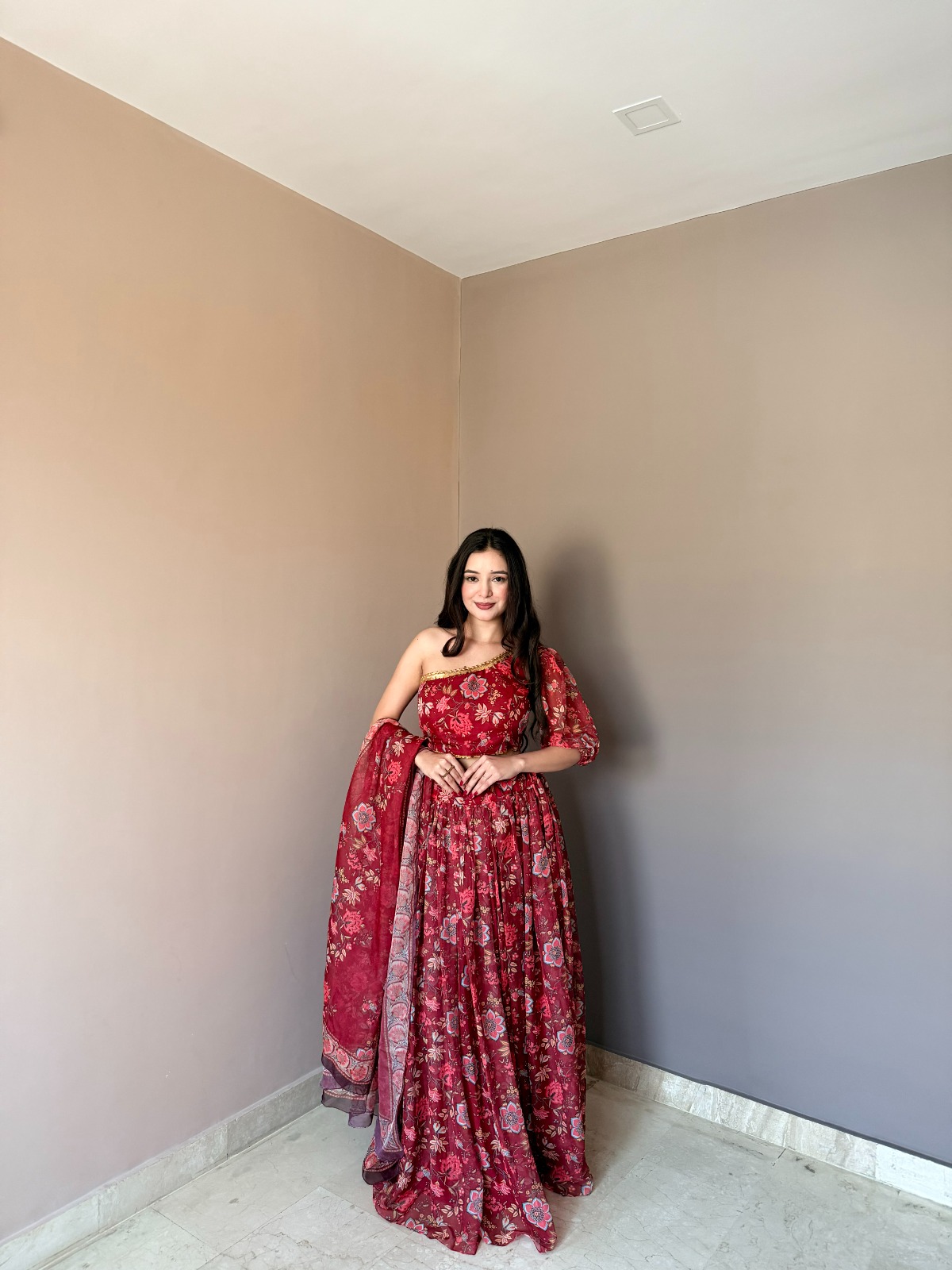
Drape the dupatta securely because neat lines are essential for formal styling. A shoulder drape pinned at the shoulder and waist keeps both hands free for greetings and photographs. A front-pleat drape looks structured, while a single-side drape creates a lighter appearance. Place small safety pins beneath the visible folds and test the drape while walking before leaving home.
Match jewellery to the metal already present in the textile. Gold zari pairs naturally with kundan, polki, temple jewellery and warm gold finishes. Silver zari works with pearls, diamonds and silver-toned pieces. Wearing gold earrings, a silver choker and rose-gold bangles together can make an otherwise polished outfit seem accidental.
Choose footwear with a stable 2 to 3 inch heel when the venue includes grass, uneven paving or extended standing. Block heels, embellished juttis and pointed-toe mules are practical alternatives to narrow stilettos. The skirt hem should sit about 1 to 2 centimetres above the floor with the intended footwear to reduce tripping and dirt.
Hair and makeup should reinforce the textile. A sleek bun or controlled waves suit a structured silk lehenga, while a low braid with flowers works well for a daytime ceremony. One strong facial feature usually photographs better than maximum intensity everywhere: choose a defined eye with a softer lip or a strong lip with restrained eye makeup.
Several occasion-focused collections can help frame the budget and styling decision. Bridesmaid Lehengas Under 5500 is relevant when you need a coordinated but not bridal-level outfit. Silk Lehengas Under 3000 is useful for comparing the price and drape of silk-look options, while Net Lehengas Under 4500 with 51% Discount gives a lighter, more embellished direction. Haldi Lehengas Under 5500 is better suited to a daytime pre-wedding function than a formal evening reception.
Can You Wear a Handloom Lehenga to a Formal Wedding After Checking Its Construction?
Yes, but inspect the fabric composition, lining, seams, closures, embellishment and care instructions before buying or wearing the lehenga.
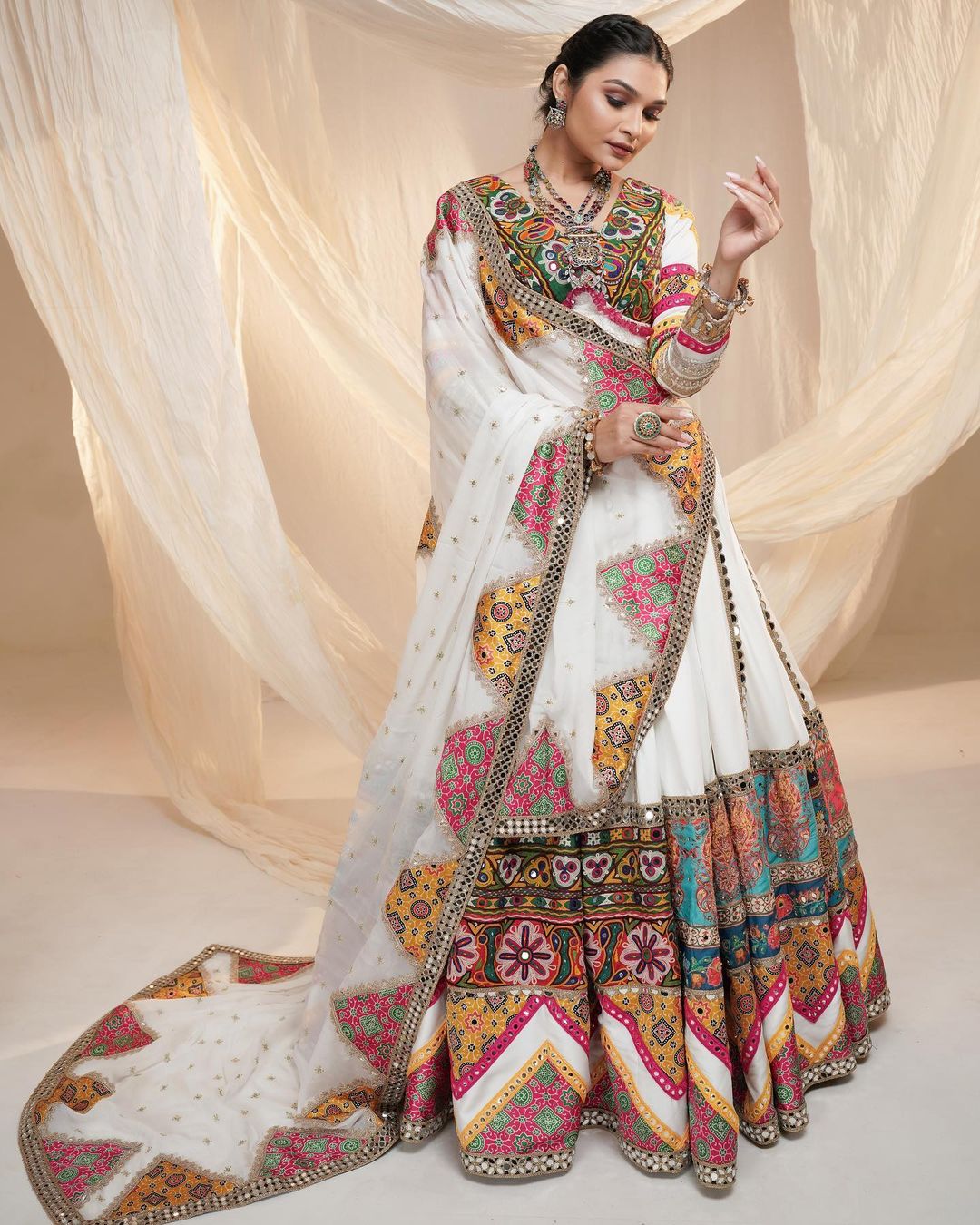
Product descriptions sometimes use words such as silk, satin, organza or net without stating the complete composition. Ask whether silk means pure silk, a silk blend or a silk-look synthetic. The answer affects breathability, drape, crease resistance and cleaning requirements. Satin can provide a smooth formal sheen but may show pressure marks, while silk usually develops a richer texture as it moves.
Inspect the reverse side of embroidery and zari. Loose threads, scratchy knots and unsecured sequins can catch on bangles, handbags and chair upholstery. The lining should cover the inside of the skirt and blouse, particularly when the outer fabric is organza, net or a loosely woven textile.
Check the waistband before the event. A firm waistband prevents the skirt from twisting during photographs and dancing, while hooks, a side zip and a small adjustment allowance make long wear more comfortable. Try sitting, walking, turning and climbing stairs in the full outfit before packing it.
Care instructions matter because many handloom textiles should not be machine washed. Dry-clean silk, zari-rich fabric and heavily embroidered garments through a reputable cleaner, and keep the garment away from direct sunlight during storage. Fold zari with soft tissue paper between layers, avoid hanging heavy lehengas for months and store the set in a breathable cotton cover rather than sealed plastic.
A formal wedding outfit should also be planned around the event schedule. Pack a small repair kit containing safety pins, fashion tape, spare hooks, blister plasters and a needle with matching thread. Practical preparation protects the fabric and allows the handloom lehenga to remain understated through ceremonies, photographs and the journey home.
Common Questions About Wearing a Handloom Lehenga to a Formal Wedding
Can a handloom lehenga look formal enough for an evening wedding?
Yes, a handloom lehenga can look formal enough for an evening wedding when it uses silk, a dense weave, zari, a strong border or a structured blouse. Deep colours such as wine, navy, emerald and magenta also give the outfit suitable visual weight.
Which handloom fabric is best for a formal wedding lehenga?
Banarasi silk and silk-rich fabrics are among the most reliable choices for formal weddings because they drape well and often include woven zari or brocade detail. Chanderi and organza can work for daytime events when they have a good lining and defined border.
Can I wear a red handloom lehenga as a wedding guest?
Yes, but confirm the bride's colour palette before wearing red. Avoid combining red with dense bridal gold, a veil, a train and traditional bridal jewellery if those elements are associated with the bride's outfit.
How can I make a simple handloom lehenga look more festive?
Add a structured blouse, a neatly pinned dupatta, coordinated metal jewellery and formal footwear. A broad zari border, embroidered blouse or rich silk dupatta can create occasion detail without covering the handloom texture in heavy sequins.
What footwear works best with a formal handloom lehenga?
Block heels between 2 and 3 inches, embellished juttis and supportive pointed-toe mules work well for most wedding venues. Adjust the skirt hem while wearing the chosen shoes so the lehenga sits about 1 to 2 centimetres above the floor.
How should I store a handloom lehenga after the wedding?
Store a handloom lehenga in a breathable cotton cover away from direct sunlight and moisture. Fold zari-rich fabric with soft tissue paper between layers, avoid sealed plastic and follow professional dry-cleaning instructions for silk or embroidered garments.




