Buying a Lehenga for Someone Who Prefers High Waist Skirts requires more than choosing a beautiful colour or embroidered motif. The key decision is where the waistband sits on the natural waist, how firmly the skirt holds that position, and whether the choli leaves the right amount of midriff visible. A well-proportioned lehenga can deliver the secure, lengthening feel of a high-waisted skirt without restricting movement during a wedding, sangeet or festive gathering.
Lehenga photographs often hide practical details such as the real rise, lining, seam allowance and closure. A careful buyer should therefore read measurements, identify the construction and think about the wearer's usual skirt fit before selecting a bridal, designer, ready-made or party-wear set. The guide below explains what to see before shopping and how to make sensible alterations when a standard lehenga doesn't sit high enough.
Buying a Lehenga for Someone Who Prefers High Waist Skirts starts with the right rise
A high-waisted lehenga feels similar to a high-waisted skirt when the waistband rests at or slightly above the natural waist, the skirt stays anchored while walking and the blouse ends close enough to the waistband to create a continuous silhouette. The waistband should sit on the narrowest comfortable part of the torso rather than slide towards the hips.
The natural waist is usually the area between the lowest rib and the top of the hip bone, although its exact position varies from person to person. A low-rise lehenga begins closer to the upper hip and can create a longer visible midriff. A high-rise lehenga covers more of the abdomen and generally creates a higher, more defined waistline.
Waistband width also affects comfort. A structured band measuring roughly 4 to 6 centimetres can distribute pressure more comfortably than a narrow cord, while a broad elasticated section can provide flexibility for sitting and eating. A tie-up dori may add adjustment, but a dori alone doesn't guarantee a high waist because the skirt can still settle lower during movement.
Ask for three measurements before buying: the waist circumference at the intended waistband position, the skirt length from that position to the floor, and the distance from the waist to the fullest part of the hip. Comparing all three measurements is more reliable than ordering by a general small, medium or large label.
Buying a Lehenga for Someone Who Prefers High Waist Skirts needs accurate measurements
Measure the wearer over the undergarment and footwear planned for the lehenga, keeping the tape level and comfortably close rather than tight. Record the natural waist, high waist, fullest hip, shoulder-to-waist length and waist-to-floor length in centimetres.
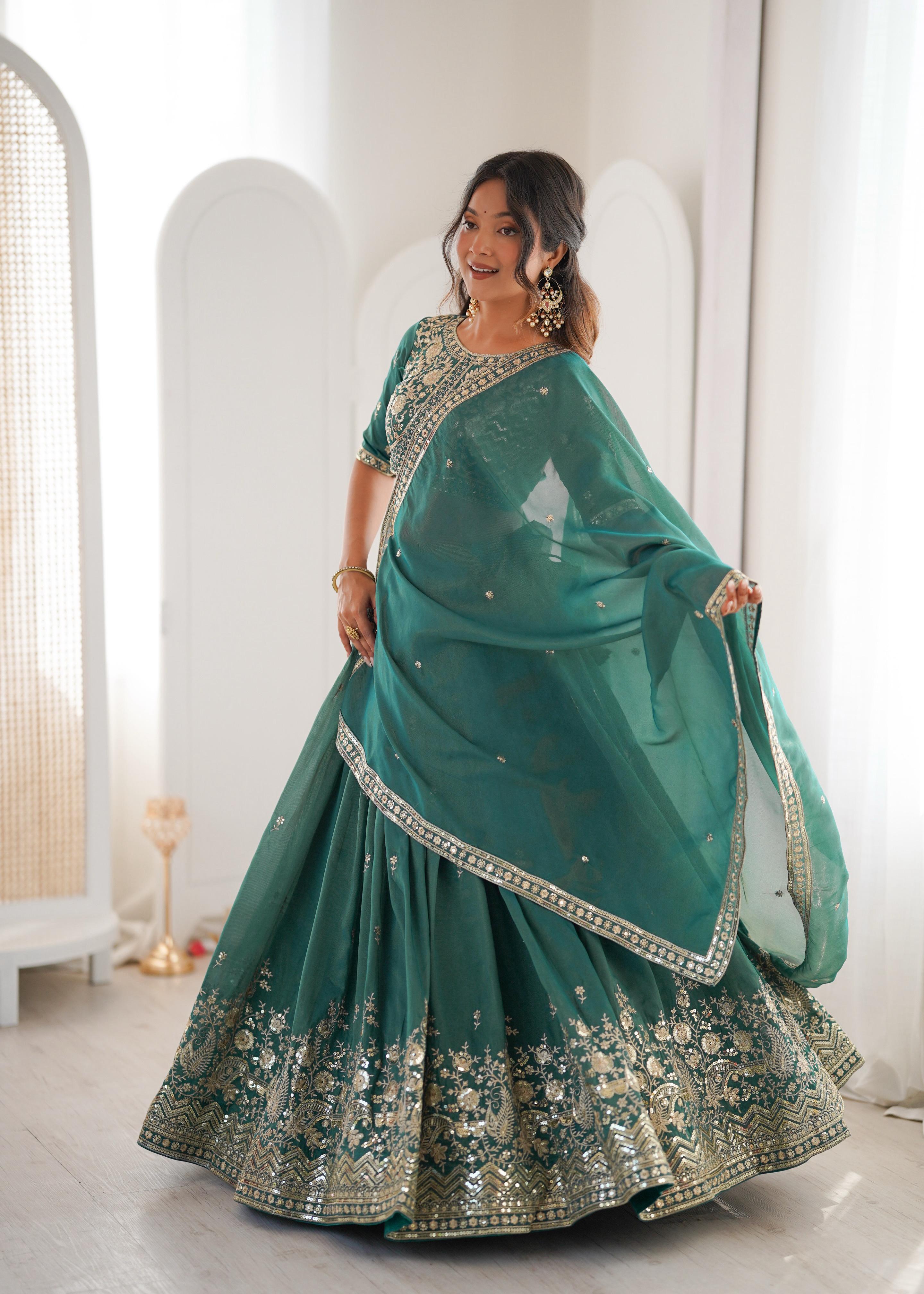
The high-waist measurement should be taken at the exact place where the wearer wants the lehenga to sit. Someone who normally wears skirts above the navel may need a separate high-waist measurement instead of relying on a standard waist measurement. Note whether the wearer prefers a snug fit or approximately 2 to 4 centimetres of ease for sitting, eating and dancing.
Skirt length needs special attention. A lehenga cut for the natural waist may become too long when raised several centimetres. The hem can drag, especially when the wearer chooses heels for photographs and changes into flats later. A tailor can shorten the hem, but heavy borders and graduated embroidery make shortening more involved.
For the blouse, measure the bust, under-bust, shoulder width, armhole, sleeve length and shoulder-to-waist distance. A blouse that finishes at the natural waist may look too long when paired with a raised skirt. Conversely, a short choli with a skirt that sits low can reveal more midriff than intended. Accurate blouse measurements prevent the two pieces from fighting each other visually.
What should you ask during online lehenga shopping?
Ask for the finished garment measurements, not only the body-size chart. Confirm whether the skirt waist is measured relaxed or stretched, whether the lehenga has hooks or a side zip, how much seam allowance remains and whether the choli is fully lined.
Product descriptions may use "free size," "semi stitched" or "ready made" differently. A fully stitched choli usually has a fixed neckline, shoulder and armhole, while a semi-stitched choli leaves more scope for a tailor to adjust the body. A ready-made skirt may offer a dori or extra hooks, but the adjustment range still needs confirmation.
Someone shopping for a daughter or younger relative should also check the finished length and waist adjustment. Growing girls may need a semi-stitched design or extra hooks rather than a tightly fitted adult-style waistband. A small amount of alteration allowance can make a festive outfit usable beyond one event.
Buying a Lehenga for Someone Who Prefers High Waist Skirts depends on construction
A fixed waistband with hooks, a concealed side zip and enough seam allowance usually gives the most dependable high-waist fit. A firm waistband prevents the skirt from slipping, while multiple hook positions allow small changes after meals or minor body fluctuations.
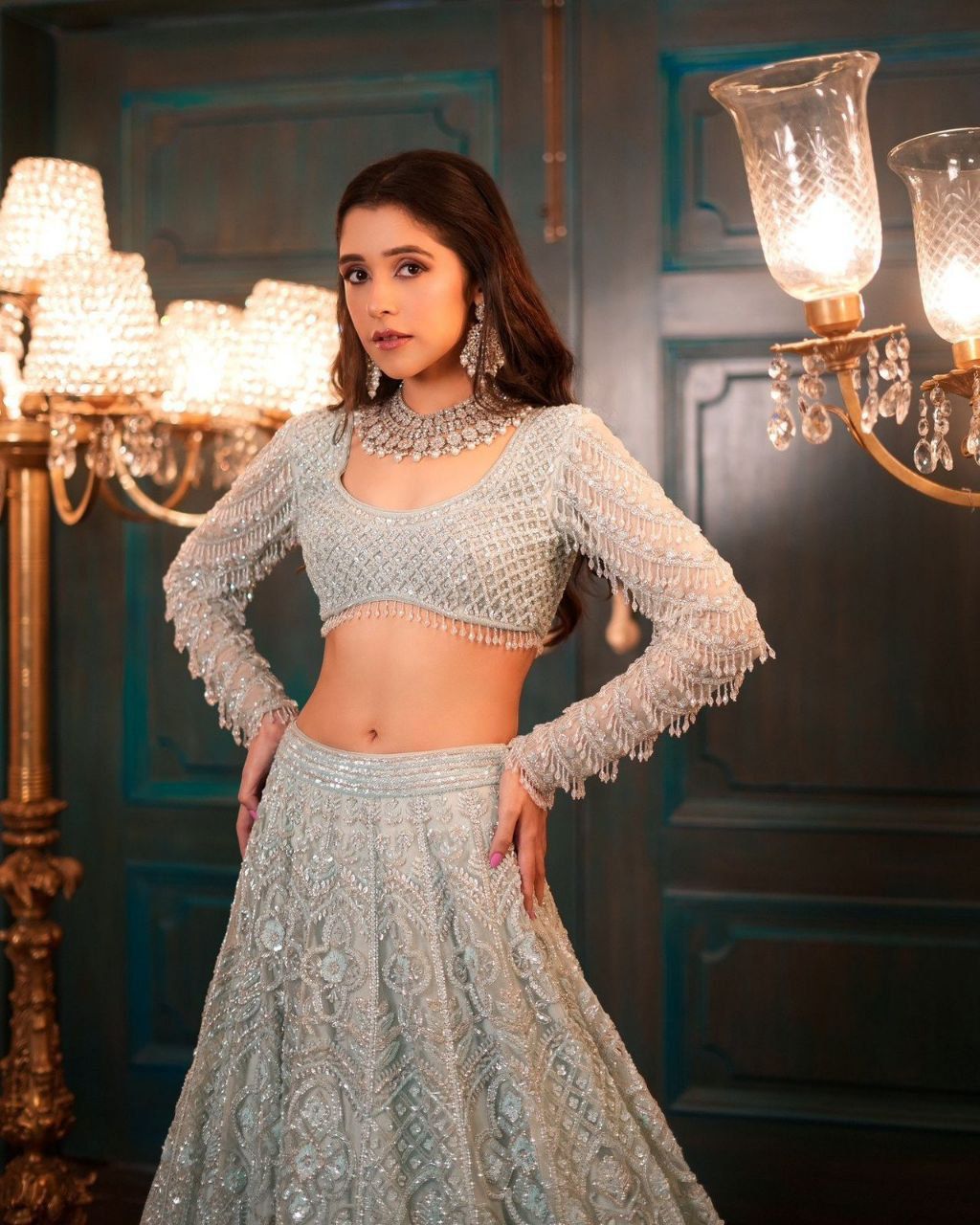
An elasticated back can be comfortable for long events, particularly when sitting for ceremonies, but elastic should support the waist rather than replace accurate sizing. Excessively loose elastic can make the skirt fall towards the hip. A broad, soft elastic panel is generally more comfortable than a narrow elastic strip pressing into the body.
Side zips create a clean finish and reduce bulk at the front. Back zips can work well, although they may become uncomfortable against a blouse closure or a dupatta pin. Dori closures offer the greatest flexibility and can be useful for a growing teenager or for gifting, but the finished look depends on tying the dori evenly.
Buyers considering fully stitched choli shopping should check whether the blouse has alteration margins at the side seams. A fully stitched choli is convenient when the measurements are close, but a tailor may have limited room to raise the waistline or reshape a low armhole. A semi-stitched blouse is more forgiving when the wearer's proportions differ from the standard chart.
Ready Made Lehenga can suit a wearer who needs a quick, coordinated outfit, provided the waist and length measurements are correct. Semi Stitched Lehengas Collection is often a better choice when a tailor needs to customise the choli, neckline, sleeves or waistband position. Semi-stitched construction is particularly helpful when the wearer prefers a high waist but has a longer or shorter torso than the standard size chart.
Buying a Lehenga for Someone Who Prefers High Waist Skirts should account for fabric and flare
Fabric weight, skirt flare and lining determine whether a raised waistband remains comfortable through several hours of wear. Lightweight organza, georgette and net create movement with less downward pull, while heavier silk, dense embroidery and multiple layers need stronger waist support.
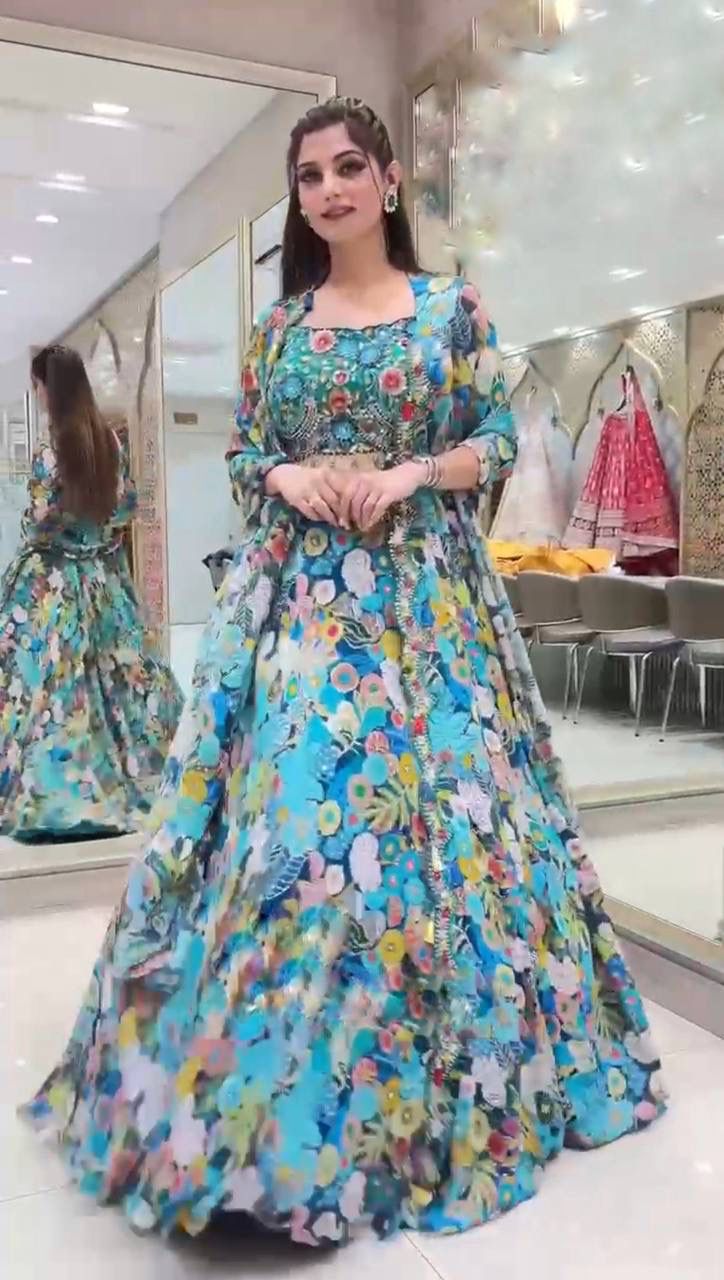
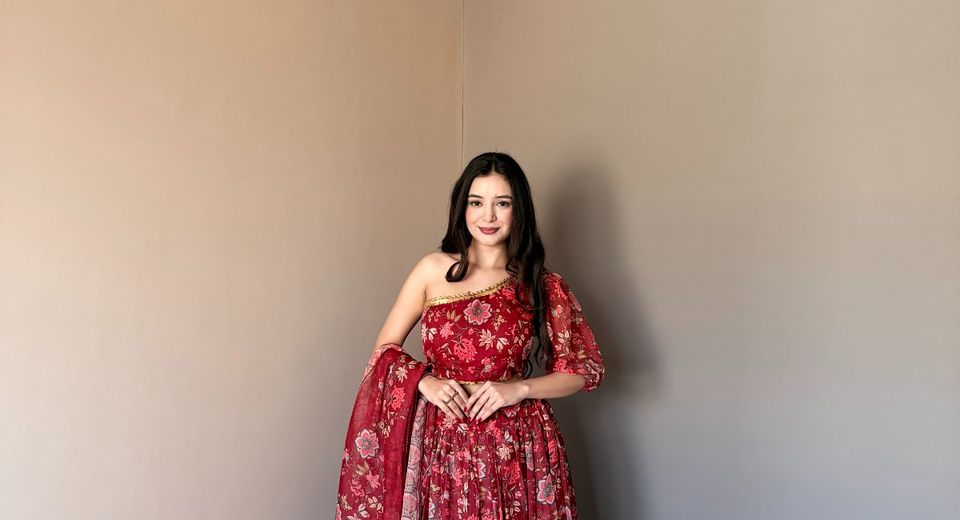
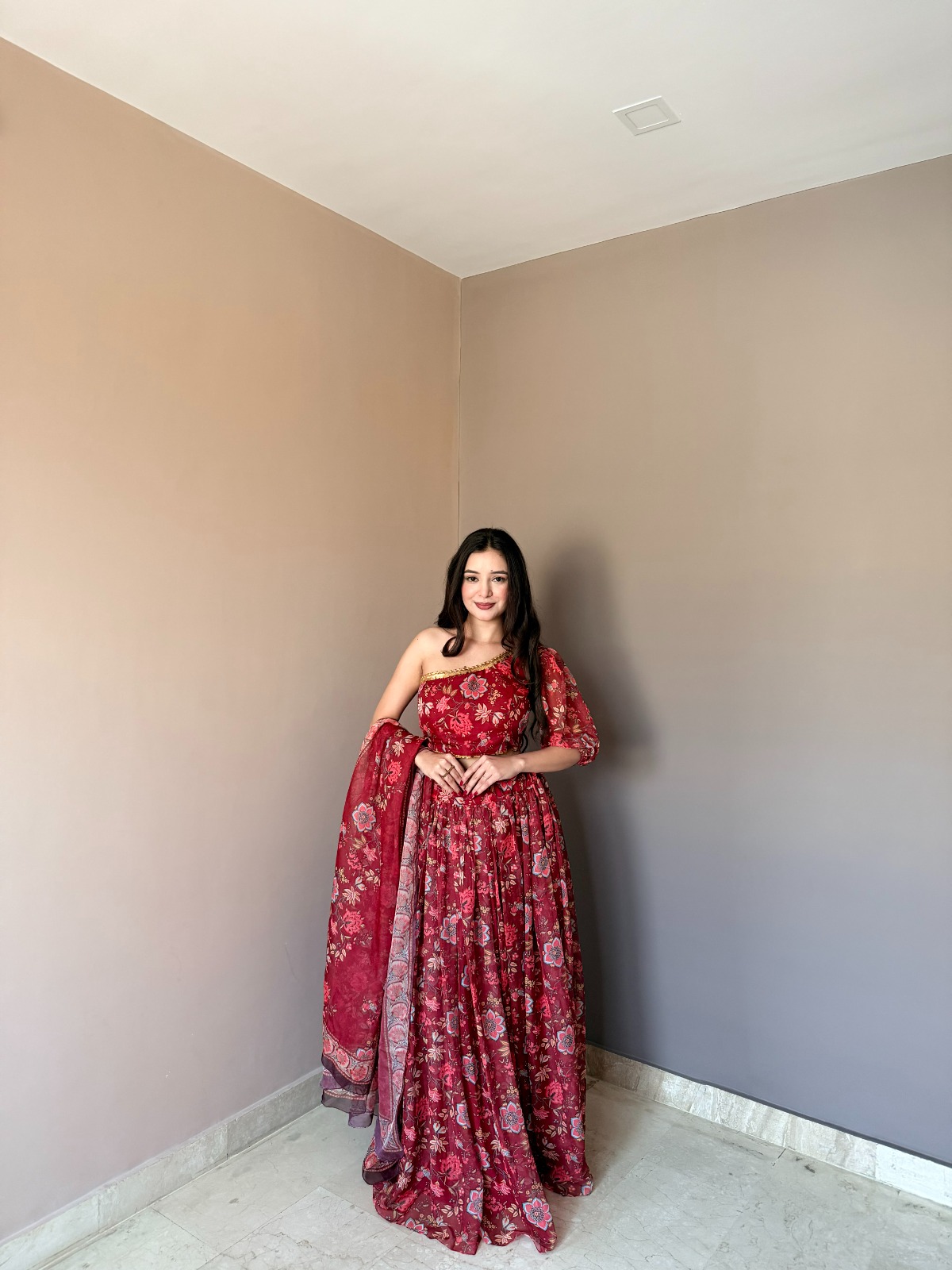
Organza can hold a crisp silhouette but may feel slightly structured at the waistband. Red Floral Organza Lehenga Set with One Shoulder Blouse illustrates why a light, firm skirt can look voluminous without relying on excessive weight. A soft lining or smooth underskirt is important because raw embroidery and stiff net can rub against the waist and hips.
Georgette falls closer to the body and can be comfortable when the wearer wants a less rigid high-waisted shape. Pastel Floral Georgette Lehenga Set with Ruffle Blouse shows how a softer fall and a blouse detail can create movement without making the skirt excessively heavy.
Butter silk and satin reflect light and generally create a smooth surface, but both fabrics can reveal pulling around the waistband if the fit is too tight. Stylish Multicolor Butter Silk Lehenga Choli Set and Dusty Pink Satin Embroidered Lehenga Set Online should be assessed by checking whether the embroidery remains flat when the wearer sits and bends.
Net and butterfly net can add volume with relatively little fabric weight, although the supporting layers determine the final comfort. Mint Embroidered Lehenga Set with Net Dupatta for Women, Lime Floral Embroidered Butterfly Net Lehenga Set and Pastel Grey Embroidered Butterfly Net Lehenga Set are examples where the buyer should inspect the lining, underskirt and waistband rather than judging softness from the outer layer alone.
Silk blends and densely worked surfaces may need a slightly wider waistband because concentrated embroidery adds weight. Designer Threadwork Silk Lehenga Choli Set with Dupatta can work for a high-waist preference when the waistband is properly secured and the blouse length is proportionate. High-waisted styling should never depend on pulling a heavy skirt tightly against the abdomen.
How much flare is practical for a high-waisted lehenga?
Moderate flare is usually the most practical choice for a high-waisted lehenga because moderate flare balances shape, walking comfort and waist stability. Very wide flare creates drama but can pull downwards, catch on chairs and require more petticoat or lining support.
For dancing or frequent movement, check the walking opening and the hem circumference. A skirt that looks full while standing may feel restrictive if the lining is narrow at the ankles. A tailor can add a small slit or adjust the lining, but the outer embroidery should not be cut without planning.
Buying a Lehenga for Someone Who Prefers High Waist Skirts requires blouse proportion
A raised skirt usually looks most balanced with a choli that ends close to the waistband and has a neckline or shoulder line suited to the wearer's proportions. The blouse doesn't need to expose the entire midriff; a longer choli, modest neckline or tucked dupatta can provide coverage while preserving a high-waist silhouette.
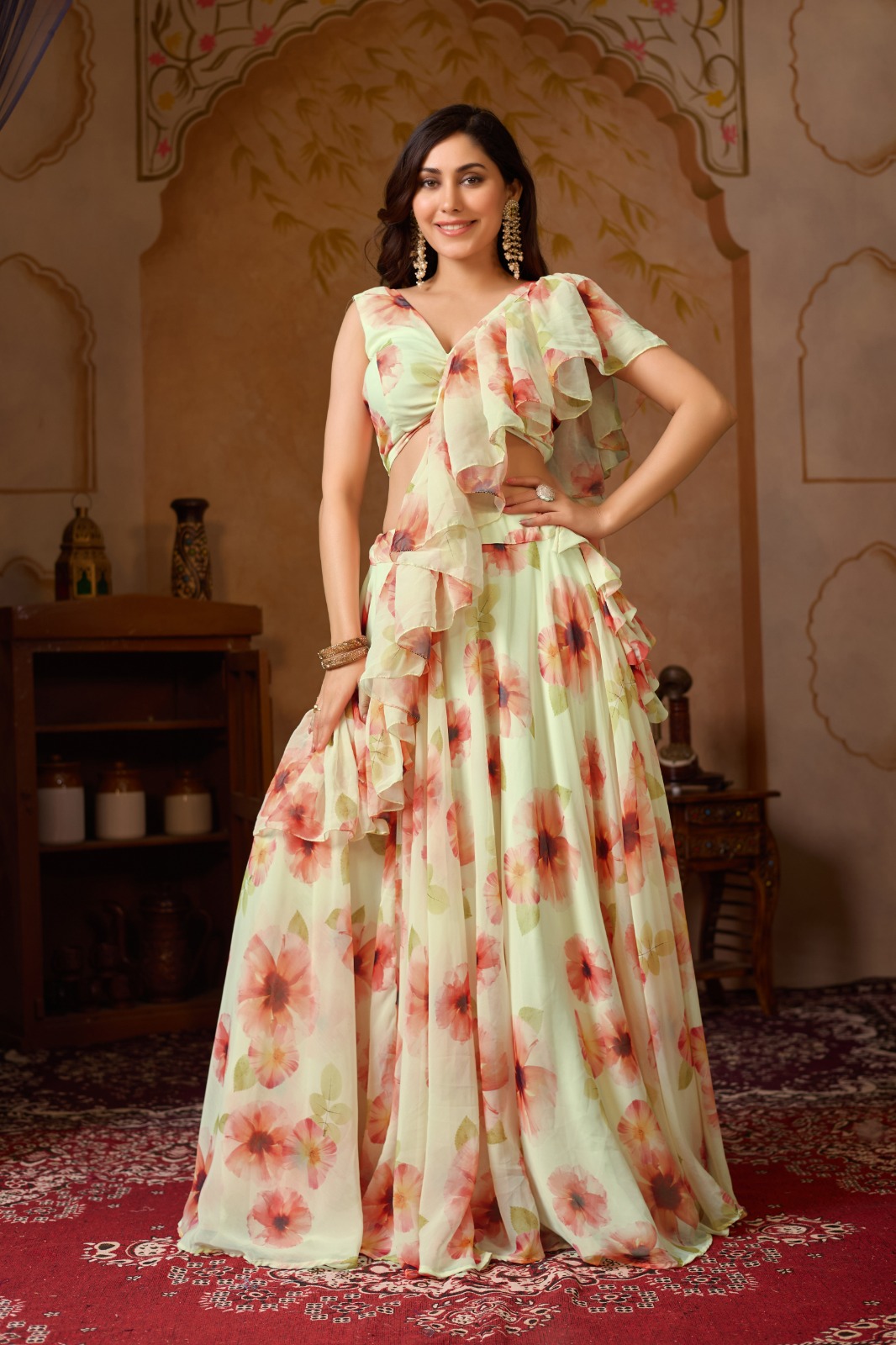
One-shoulder and ruffle details draw attention upwards, which can be useful when a high waistband already emphasises the centre of the body. A one-shoulder blouse also needs secure internal support, especially if the wearer will dance or carry a child. Check for shoulder grip, lining and the position of the closure before treating an asymmetrical design as suitable for a long event.
A short blouse isn't automatically the right choice for a high-waisted wearer. The correct length depends on the torso and the waistband position. If the choli ends 2 to 4 centimetres above the skirt, a small strip of midriff may remain visible while the outfit still feels coordinated. If the choli overlaps the waistband, the overlap should not bunch when the wearer sits.
The dupatta can provide practical coverage without hiding the waistline completely. Draping the dupatta over one shoulder and across the front can soften a cropped blouse, while a pleated front drape can keep the waistband visible for a more defined silhouette. Secure the dupatta with concealed pins at the shoulder and waist before a crowded ceremony.
Colour placement also affects proportion. Yellow Lehengas and Green Lehengas can create a clear visual break between the blouse and skirt, while Mehendi Lehengas often suit daytime pre-wedding events where lighter layers are more comfortable. For a formal bridal look, a deeper blouse with a related skirt shade can create a long vertical line without requiring an excessively short choli.
Buying a Lehenga for Someone Who Prefers High Waist Skirts is easier with a fitting plan
A fitting plan should include a trial with the intended blouse, footwear, undergarment and dupatta at least several days before the event. A single standing mirror check isn't enough because a high-waisted lehenga must also remain comfortable while sitting, climbing stairs, eating and walking.
During the trial, sit on a firm chair for 10 minutes and check whether the waistband rolls, digs into the abdomen or shifts towards the hip. Walk up and down several steps, raise both arms and turn slowly. These movements reveal whether the zip strains, the blouse lifts or the lining restricts the legs.
Alterations should be completed before final steaming or packing. A tailor can usually adjust the side seams, add hooks, shorten the hem or reshape a blouse when sufficient seam allowance exists. Raising the entire waistband may be difficult if the skirt has a fixed border, concentrated embroidery or a carefully matched lining.
Ask the tailor to preserve the original waistband structure rather than simply taking in the skirt at one point. Uneven alterations can cause the side seams to rotate towards the front and make the flare hang irregularly. Any new hook should be reinforced with matching thread and a small fabric backing.
After the event, air the lehenga away from direct sunlight before storing it. Fold heavily embroidered skirts with acid-free tissue or a clean muslin layer between folds, and avoid hanging very heavy lehengas for months because the waistband and shoulder seams can stretch. Professional dry cleaning is safer for zari, satin, silk and dense embroidery than repeated home washing.
Choosing between bridal, designer, wedding and festive styles should follow the expected wear time and movement level. A bridal lehenga may justify heavier embroidery for a shorter ceremony, while a Mehendi or sangeet outfit benefits from lighter construction. The best purchase is the one whose waistband remains secure without forcing the wearer to adjust the skirt throughout the event.
Common Questions About Choosing a High-Waist Lehenga
How do I choose a lehenga for someone who prefers high-waisted skirts?
Choose a lehenga with a waistband that sits at the preferred high-waist position, a secure hook or zip closure and a skirt length measured from that exact point. Match the blouse length to the raised waistband and confirm the finished garment measurements before ordering.
Can a regular lehenga be altered to sit higher on the waist?
A regular lehenga can sometimes be raised if the skirt has enough seam allowance and the border, lining and embroidery allow alteration. Raising the waistband may also require shortening the skirt and adjusting the blouse, so a tailor should inspect the garment before purchase.
Is a ready-made or semi-stitched lehenga better for a high-waist fit?
A semi-stitched lehenga generally offers more flexibility because a tailor can customise the waist, blouse length and neckline. A ready-made lehenga is convenient when the finished waist, hip and length measurements already match the wearer closely.
Which fabrics are comfortable for a high-waisted lehenga at a wedding?
Georgette, lightweight organza and well-lined net can be comfortable for long events because they create movement without excessive weight. Heavy silk, dense embroidery and multiple layers can also work, but they require a firm, well-supported waistband and adequate ease.
How much midriff should show with a high-waisted lehenga?
The amount of visible midriff depends on the wearer's comfort and the distance between the blouse hem and skirt waistband. A blouse that finishes close to the waistband can provide a high-waist appearance with minimal exposure, while a dupatta can add coverage for a wedding or family ceremony.
What should I check when buying a fully stitched choli online?
Check the bust, under-bust, shoulder, armhole and blouse-length measurements, along with the available side-seam allowance. Confirm whether the neckline, sleeves and closure can be altered because a fully stitched choli usually offers less customisation than a semi-stitched blouse.