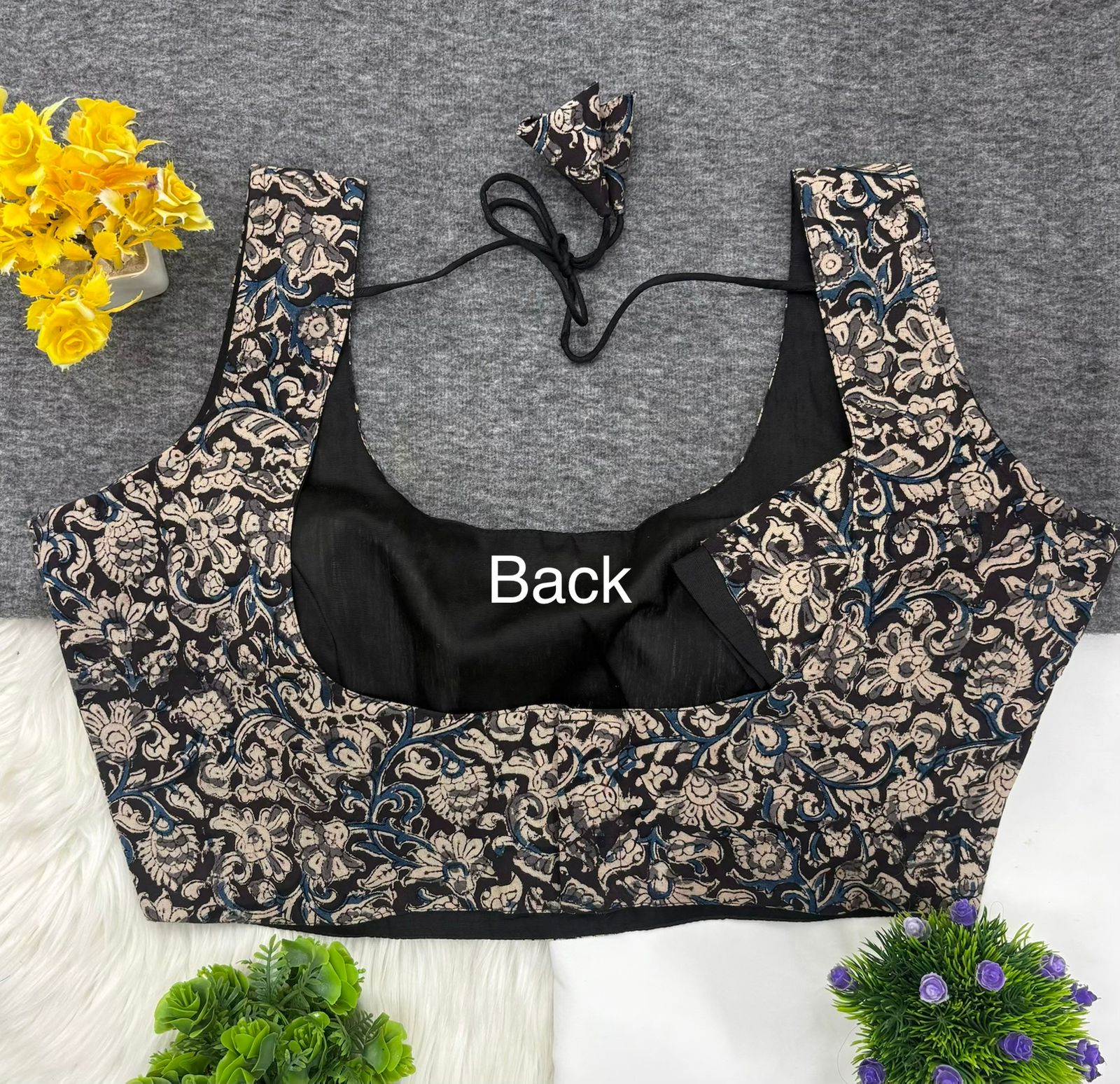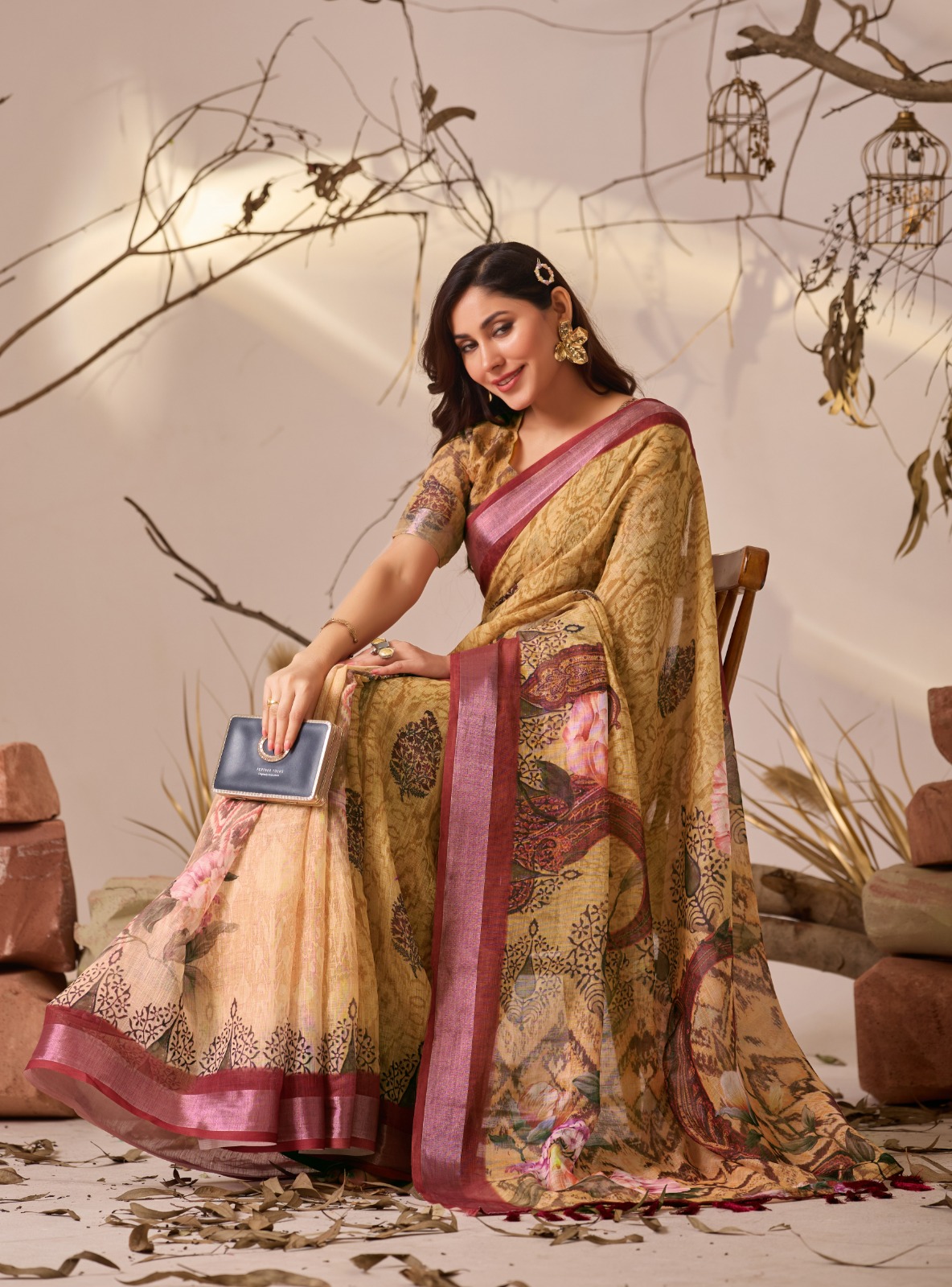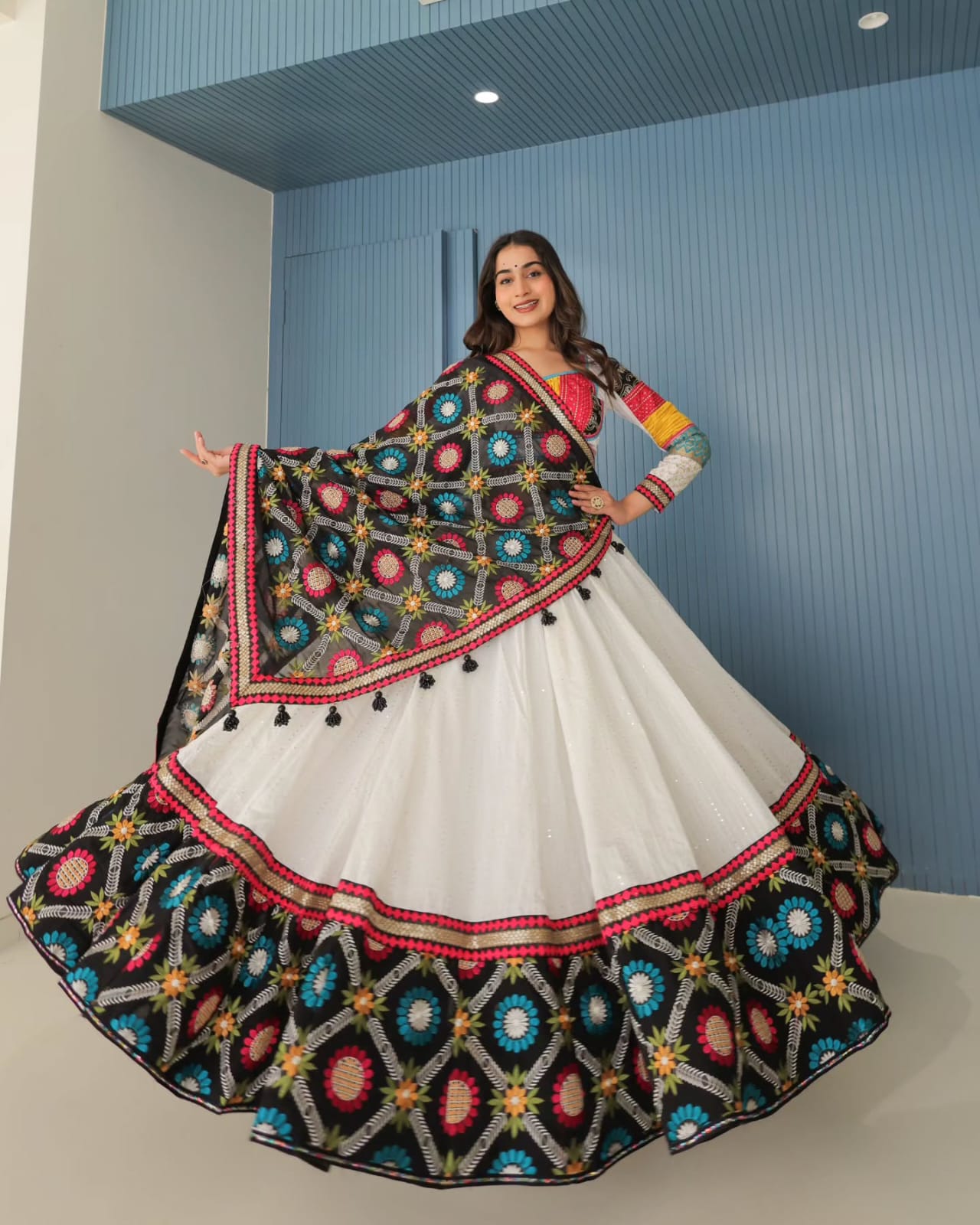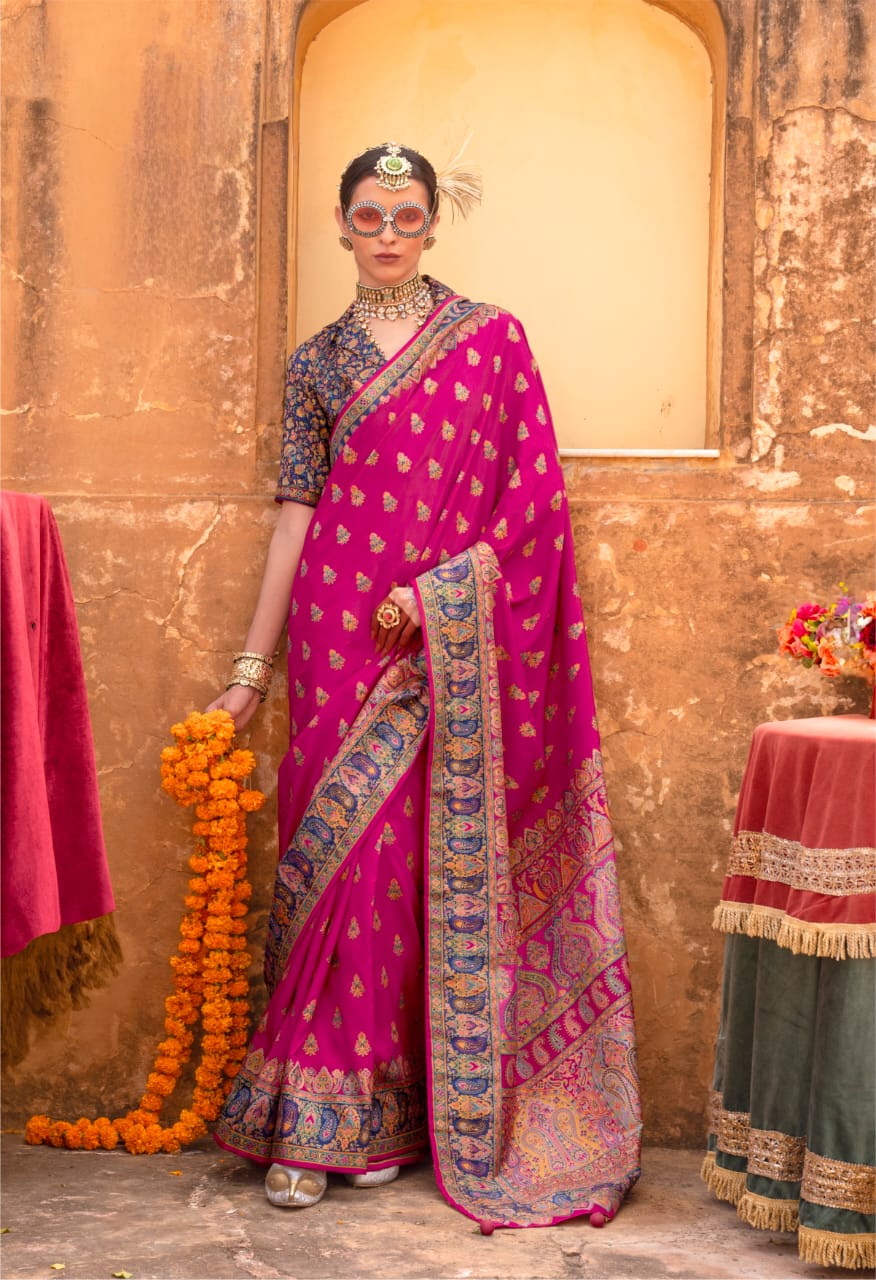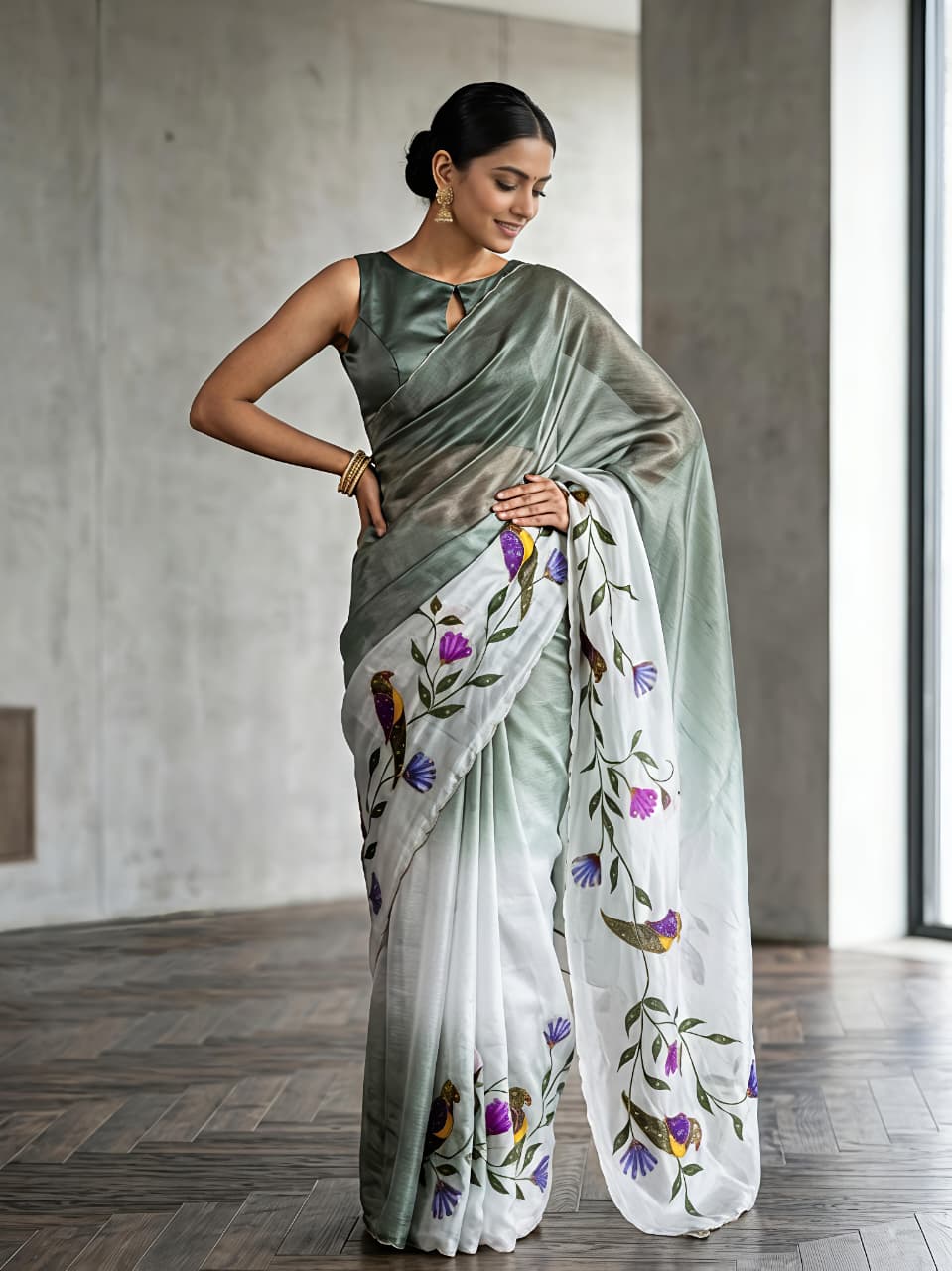
Bihu 2026 Outfit Ideas: Assamese Mekhela Chador & Traditional Sarees begin with the rhythm of Bohag Bihu, not with a trend forecast. Rongali Bihu, also called Bohag Bihu, marks the Assamese New Year and celebrates spring, agriculture, music and community. A thoughtful festival outfit should balance regional identity, breathable fabric and freedom of movement for visits, cultural programmes, dancing and festive meals.
For 2026, the central Bohag Bihu observances are expected around 14 to 20 April, although household and community calendars can vary. Assamese women may choose a traditional mekhela chador in pat, muga, eri or cotton, while a saree offers a familiar alternative with similar colour and textile cues. The best choice depends on how formally you're dressing, how long you'll be outdoors and whether you'll be moving actively throughout the day.
Bihu 2026 Outfit Ideas: Assamese Mekhela Chador & Traditional Sarees rooted in tradition
A mekhela chador is the most recognisable Assamese festive outfit for women because it combines a lower garment called the mekhela with a long upper cloth called the chador. The mekhela is wrapped around the waist and pleated at the front, while the chador crosses the torso and is usually tucked over the shoulder. A fitted blouse completes the ensemble.
Traditional Assamese weaving gives the outfit its character. Muga silk has a naturally warm golden sheen and is associated with ceremonial dressing. Pat silk has a smoother, brighter surface that takes woven motifs well. Eri silk has a softer, slightly textured hand, while handloom cotton is a practical choice for warm April afternoons. Gamusa-inspired borders, floral jaapi motifs, geometric patterns and kopou phool references connect the clothing to Assamese visual culture without requiring heavy embellishment.
Many contemporary mekhela chador sets use a contrast border. An ivory or cream body with red, pink or gold detailing is particularly recognisable during Bohag Bihu. A red blouse can create a traditional visual anchor, but coral, magenta, green and muted gold also work when the border already carries strong colour.
How does a mekhela chador differ from a saree?
A mekhela chador differs from a saree because it's made from two principal draped pieces rather than one continuous length of fabric. The separate lower and upper sections make Assamese motifs and borders easier to place, while the front pleats of the mekhela create a distinct silhouette.
A saree remains a respectful and practical alternative when you already own one, need a quicker drape or want to reuse a festive wardrobe piece. A saree should not be described as an Assamese mekhela chador, however, because the construction and regional identity are different. You can bring Assamese character to a saree look through a gamusa-style stole, red-and-white palette, traditional jewellery and handloom textures.
Bihu 2026 Outfit Ideas: Assamese Mekhela Chador & Traditional Sarees for April weather
Handloom cotton, eri silk, pat silk and muga silk are strong fabric choices for Bohag Bihu because they suit Assam's warm spring weather and support the visual language of traditional dress. Fabric weight matters as much as colour when a celebration includes travel, standing, dancing or outdoor rituals.

Handloom cotton is usually the easiest option for a daytime festival celebration. Cotton allows airflow, feels less restrictive and can be washed more simply than many embellished textiles. A handloom cotton saree with a restrained zari border gives a festive finish without the weight of a full silk drape. Cream Pink Tissue Handloom Cotton Saree with Zari brings a soft base with a celebratory sheen, while Pastel Floral Tissue Handloom Cotton Saree with Zari Weaves gives floral detail without overwhelming the wearer.
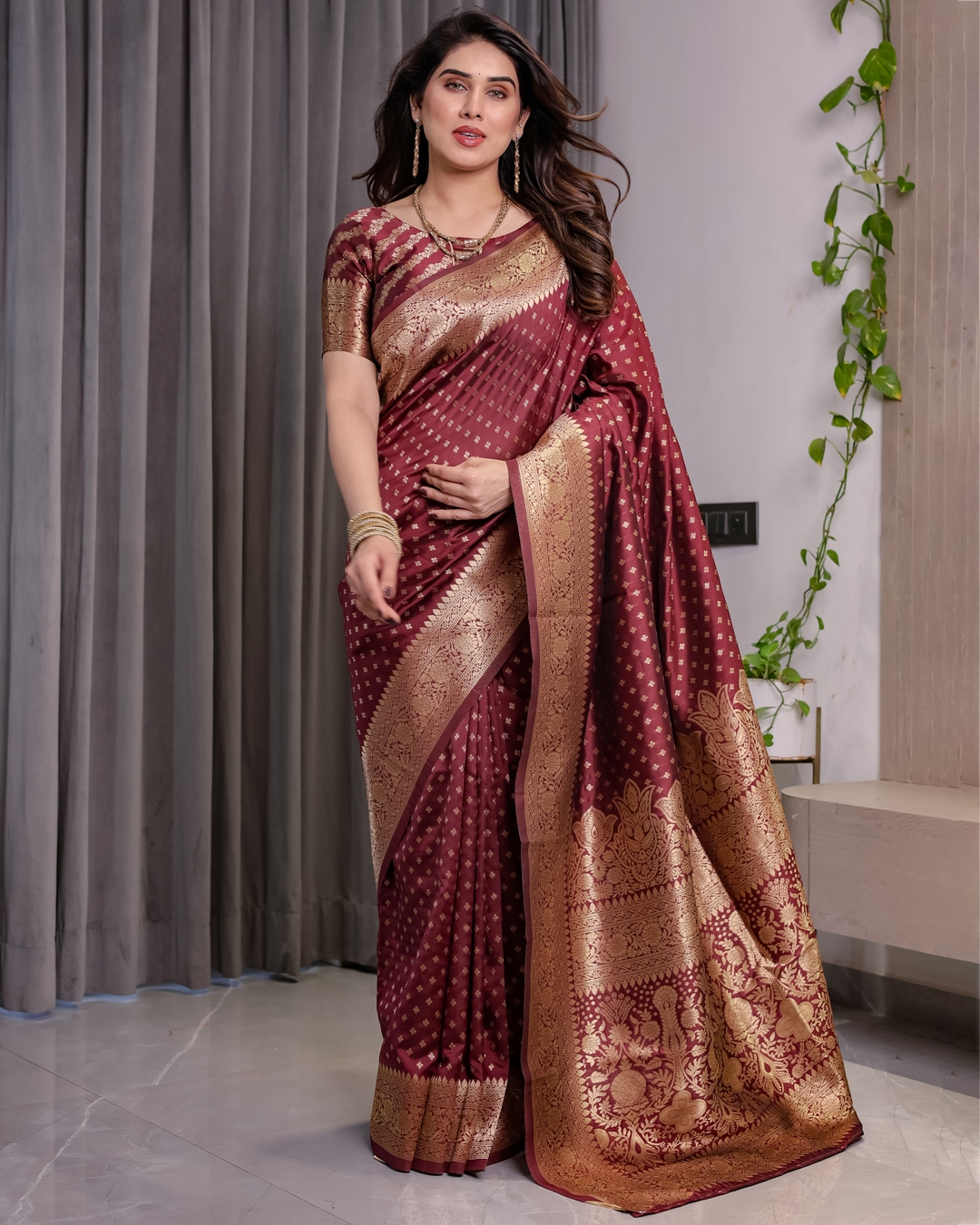
Silk creates a richer look for an evening function, formal family gathering or stage performance. Banarasi silk isn't Assamese silk, but its zari vocabulary can complement traditional jewellery when styled thoughtfully. Maroon Banarasi Soft Silk Saree with Golden Zari Border suits a more formal Bihu evening because maroon and gold read as festive without depending on sequins.
Mal cotton sits between casual cotton and dressier silk. Maroon Mal Cotton Ethnic Saree With Blouse is useful for a gathering where you want an ethnic appearance with a lighter, more relaxed hand than heavy silk. Chinnon and shimmer fabrics can also work for indoor celebrations, but they may feel less regionally grounded than cotton or silk handlooms.
Which fabric is most comfortable for daytime Bihu?
Lightweight cotton is generally the most comfortable fabric for daytime Bihu in April because it gives airflow and doesn't add unnecessary weight. Handloom cotton also holds a stable drape when you sit, walk and participate in several activities.
A cotton saree doesn't have to look plain. Zari borders, woven floral motifs, a contrasting blouse and Assamese jewellery can make a breathable outfit feel ceremonial. Avoid adding several stiff layers underneath, because excessive lining can reduce ventilation and make pleats uncomfortable.
Bihu 2026 Outfit Ideas: Assamese Mekhela Chador & Traditional Sarees in festive colours
Red and white remain the strongest colour pairing for Assamese festive dressing because the combination recalls the visual identity of the gamusa and works beautifully against gold jewellery. Red can appear as a blouse, border, woven motif or shoulder cloth rather than covering the entire outfit.

White, cream and ivory make an useful foundation for warm-weather dressing. Cream Pink Tissue Handloom Cotton Saree with Zari demonstrates how a pale body can gain festive depth from pink and metallic detailing. Pastel shades are also suitable when a family event calls for a softer appearance, especially when paired with a red bindi, gold earrings or a traditional Assamese necklace.
Yellow, orange and green connect naturally with spring and agricultural celebration. A mustard blouse with an ivory mekhela, a leaf-green chador with a red border or an orange saree with antique-gold jewellery can look lively without becoming costume-like. Maroon works well for evening events because it photographs richly and pairs with both gold zari and oxidised silver.
Pink Georgette Sarees offer a fluid, contemporary colour direction for guests who prefer a softer saree silhouette. Party Wear Sarees can help with evening styling, but the final look will feel more connected to Bihu when the accessories include Assamese forms and the outfit remains comfortable enough for conversation and movement.
Bihu 2026 Outfit Ideas: Assamese Mekhela Chador & Traditional Sarees with practical styling
A polished Bihu outfit needs secure draping, a practical blouse and a small number of culturally relevant accessories. Comfort should guide every styling decision because Bohag Bihu often involves greeting several households, sitting on the floor, walking outdoors and joining dance or music.

What blouse and drape choices work best?
A blouse with a moderate neckline, supportive fit and sleeves that allow arm movement works best for a full day of celebration. Elbow-length sleeves create a classic appearance, while short sleeves suit a lighter contemporary look. For a mekhela chador, keep the blouse relatively simple if the chador has a dense woven border.
Pin a saree or chador at the shoulder and waist before leaving home, but avoid using so many pins that the fabric can't move naturally. A cotton saree usually benefits from a narrow, neat pleat rather than a very broad fan. A mekhela should sit securely at the waist without being tied so tightly that sitting becomes difficult.
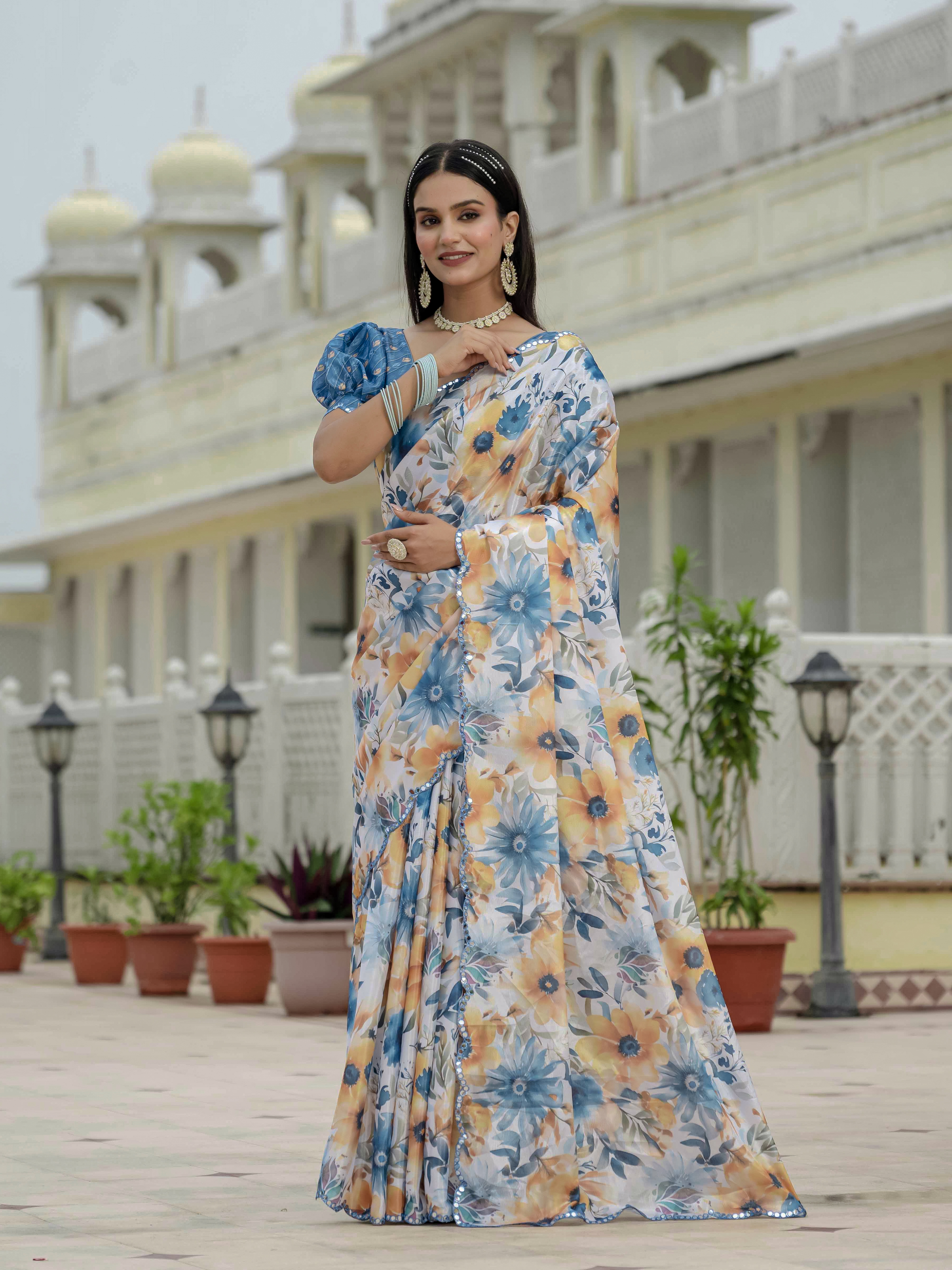
Peach Blue Floral Chinnon Ready To Wear Saree | Varnavi shows how a pre-stitched format can help someone who wants a quick festive change. Ready-to-wear construction is practical for a short visit or a busy schedule, although a traditional handloom drape will communicate regional textile character more clearly.
Which jewellery, hairstyle and footwear suit Bihu?
Gold or gold-tone Assamese jewellery can immediately strengthen a Bihu look. Consider a gam-kharu-style bangle, a japi-inspired pendant, a thuria-style earring or a simple gold necklace. One statement piece is often enough when the saree already has zari or a strong border.
A low bun, braid or half-up hairstyle keeps the shoulder cloth controlled and leaves earrings visible. Fresh kopou phool is culturally associated with Bohag Bihu, but a fabric flower or small floral accessory is a practical substitute when fresh flowers are unavailable. Flat sandals or low block heels are safer than narrow stilettos for uneven outdoor surfaces.
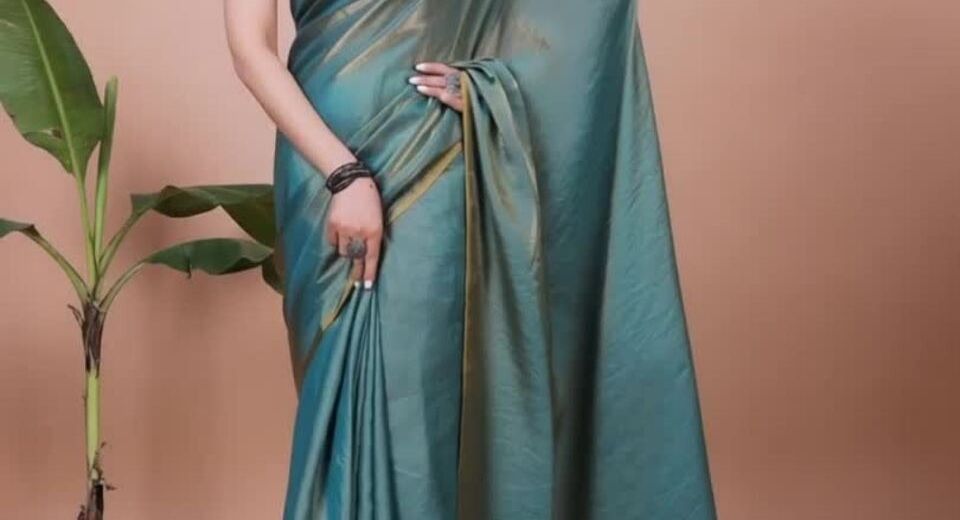
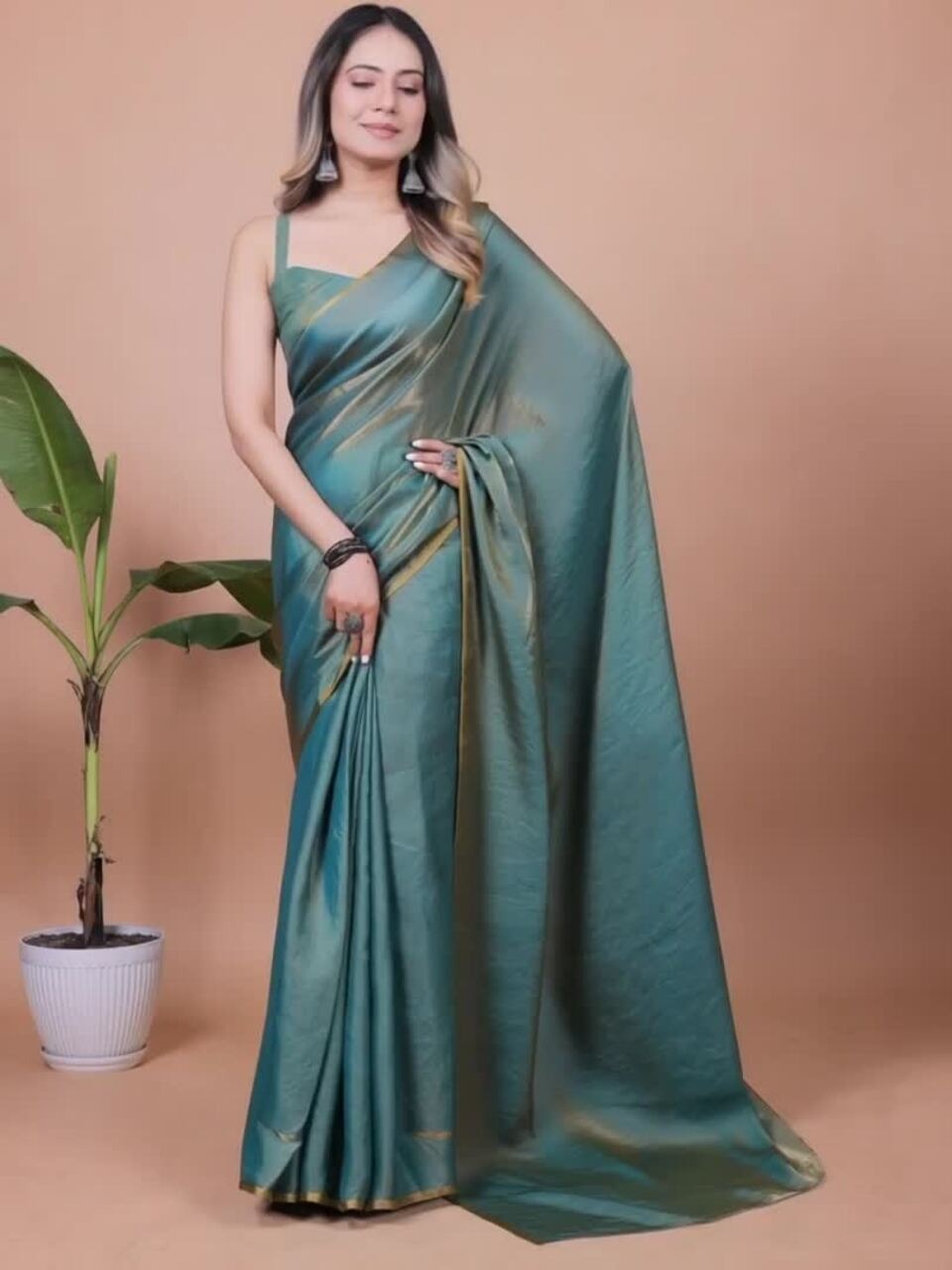
Teal Fandy Solid Saree With Blouse for Women by VARNAVI brings a contemporary solid-colour direction for someone who prefers less pattern. Teal can be balanced with antique gold jewellery, a red bindi and a warm-toned blouse accent so that the look remains festive rather than purely eveningwear.
Bihu 2026 Outfit Ideas: Assamese Mekhela Chador & Traditional Sarees for different events
The right Bihu outfit changes with the time, venue and level of formality of the celebration. A single wardrobe can cover several events by changing the blouse, jewellery and drape finish instead of buying an entirely new ensemble.

- Morning family visits: Choose cotton, eri or a lightweight saree in cream, white, yellow or soft pink. Use small gold earrings, a compact bindi and flat footwear. The look should remain easy to air after a long day.
- Naam or cultural programme: Select a mekhela chador or a saree with a clearly defined border. Red-and-white combinations, handloom textures and a neat shoulder drape photograph well under indoor lighting. Carry a few extra safety pins in a small pouch.
- Community Bihu dance: Wear a secure waist fit, breathable fabric and a blouse with unrestricted arm movement. Avoid long, loose tassels that can catch on chairs or jewellery. A low heel or flat sandal is more practical than a high heel.
- Evening reception: Choose silk, soft silk or a refined saree with zari. Maroon Banarasi Soft Silk Saree with Golden Zari Border brings a formal direction, while antique gold accessories keep the look connected to traditional dressing.
- Contemporary house party: A solid saree with a well-fitted blouse can look polished without appearing overworked. Teal Fandy Solid Saree With Blouse for Women by VARNAVI or Magenta Fandy Solid Shimmer Saree With Blouse - VARNAVI can be balanced with restrained jewellery and a clean hairstyle.
Budget can also guide the choice. Silk Sarees Under 3000 With Discount may suit shoppers seeking a formal appearance at a controlled spend, while Gray Color Sarees Under 1000 can provide a neutral base for a more personal styling approach. Red Banarasi Silk Sarees for Weddings Under 1100 are designed around a different occasion, but their colour and zari ideas can inspire a richer evening Bihu palette.
Bihu 2026 Outfit Ideas: Assamese Mekhela Chador & Traditional Sarees with respectful details
Respectful styling means recognising the difference between Assamese cultural dress and a general festive saree while allowing room for personal expression. A mekhela chador should be named accurately, and Assamese motifs should not be treated as interchangeable decoration from any region.
Gamusa-inspired red-and-white elements, kopou phool references, jaapi imagery and Assamese jewellery can be included thoughtfully. You don't need to combine every symbol in one outfit. One woven border, one traditional accessory and a comfortable natural textile often create a more convincing result than excessive themed styling.
Photographs and social media trends can encourage people to pin the chador in unfamiliar ways or mix it with accessories from unrelated traditions. There is nothing wrong with a modern interpretation, but learning the basic two-piece structure and choosing quality fabric makes the outfit more appreciative and easier to wear.
Bihu 2026 Outfit Ideas: Assamese Mekhela Chador & Traditional Sarees care after the festival
Festival clothing lasts longer when it's aired, cleaned according to fibre and stored without compression. Care requirements differ sharply between cotton, Banarasi silk, muga silk, eri silk, zari and synthetic fabrics.
Air a cotton saree or mekhela chador in shade after wearing it, then follow the garment label for washing. Do not leave sweat, food or perfume residue on zari for several days. Fold silk with clean, unbleached cotton cloth and refold it every few months to reduce permanent fold lines. Store zari away from direct sunlight and moisture.
Dry cleaning is usually safer for heavily embellished silk, delicate zari or garments with unstable dyes. A small colour test on an inner edge can reveal whether a fabric may bleed, but professional cleaning remains the safer option for an expensive ceremonial piece. Never iron zari directly; place a thin cotton cloth between the iron and garment and use a low temperature.
Before the next Bihu, check the blouse hooks, waist ties, fall stitching and pallu edges. Repairing a loose hook or reinforcing a waist seam before the celebration prevents avoidable wardrobe problems. Proper storage also makes a traditional saree or mekhela chador easier to wear when the next festival arrives.
Common Questions About Bihu 2026 Mekhela Chador and Saree Dressing
What should women wear for Bohag Bihu in 2026?
Women can wear a traditional Assamese mekhela chador in muga silk, pat silk, eri silk or cotton for Bohag Bihu. A saree with red-and-white details, handloom texture, Assamese jewellery and comfortable footwear is a practical alternative.
Which colour is traditionally associated with Assamese Bihu outfits?
Red and white are strongly associated with Assamese festive dressing because they recall the gamusa. Cream, ivory, yellow, green, pink and maroon can also work, especially when used with a woven border or traditional jewellery.
Is a saree acceptable instead of a mekhela chador for Bihu?
A saree is acceptable when a wearer prefers a familiar drape or does not own a mekhela chador. A saree should be described as a saree rather than as a mekhela chador, because the two outfits have different constructions and regional identities.
Which fabric is best for a daytime Bihu celebration?
Lightweight handloom cotton is generally the most comfortable fabric for a daytime Bihu celebration in April. Eri silk can also work when a softer, slightly richer texture is preferred, while heavy silk is better suited to evening events.
How can a saree look more Assamese for Bihu?
A saree can look more connected to Assamese style through a red-and-white palette, a gamusa-inspired stole or border, Assamese jewellery, a braid or low bun and a kopou phool-inspired hair accessory. These details should complement the saree rather than imitate a mekhela chador inaccurately.
How should a silk mekhela chador or saree be stored after Bihu?
A silk mekhela chador or saree should be aired in the shade, folded in clean cotton cloth and stored away from sunlight and moisture. Zari should not be ironed directly, and heavily embellished garments are usually safer with professional dry cleaning.