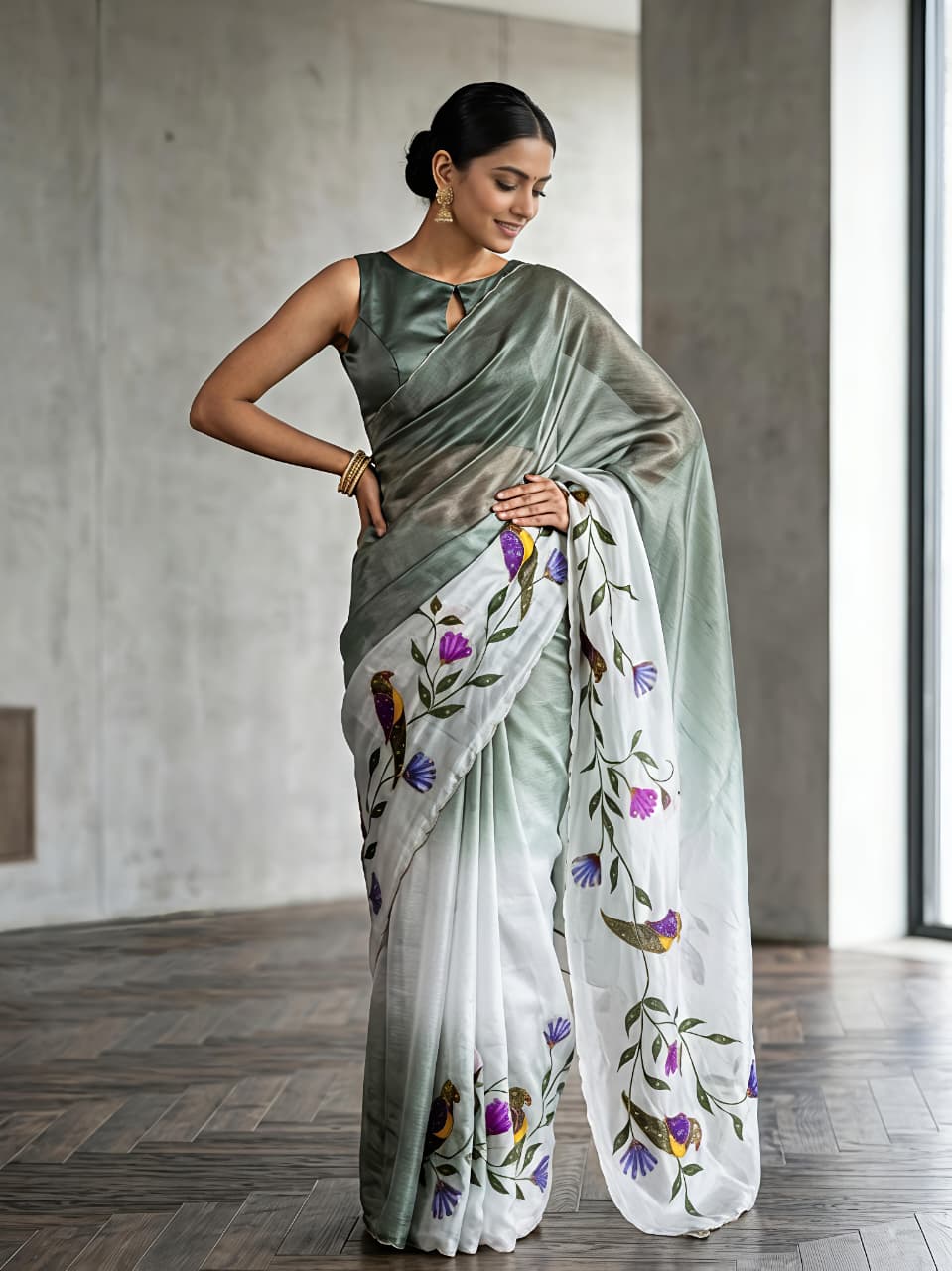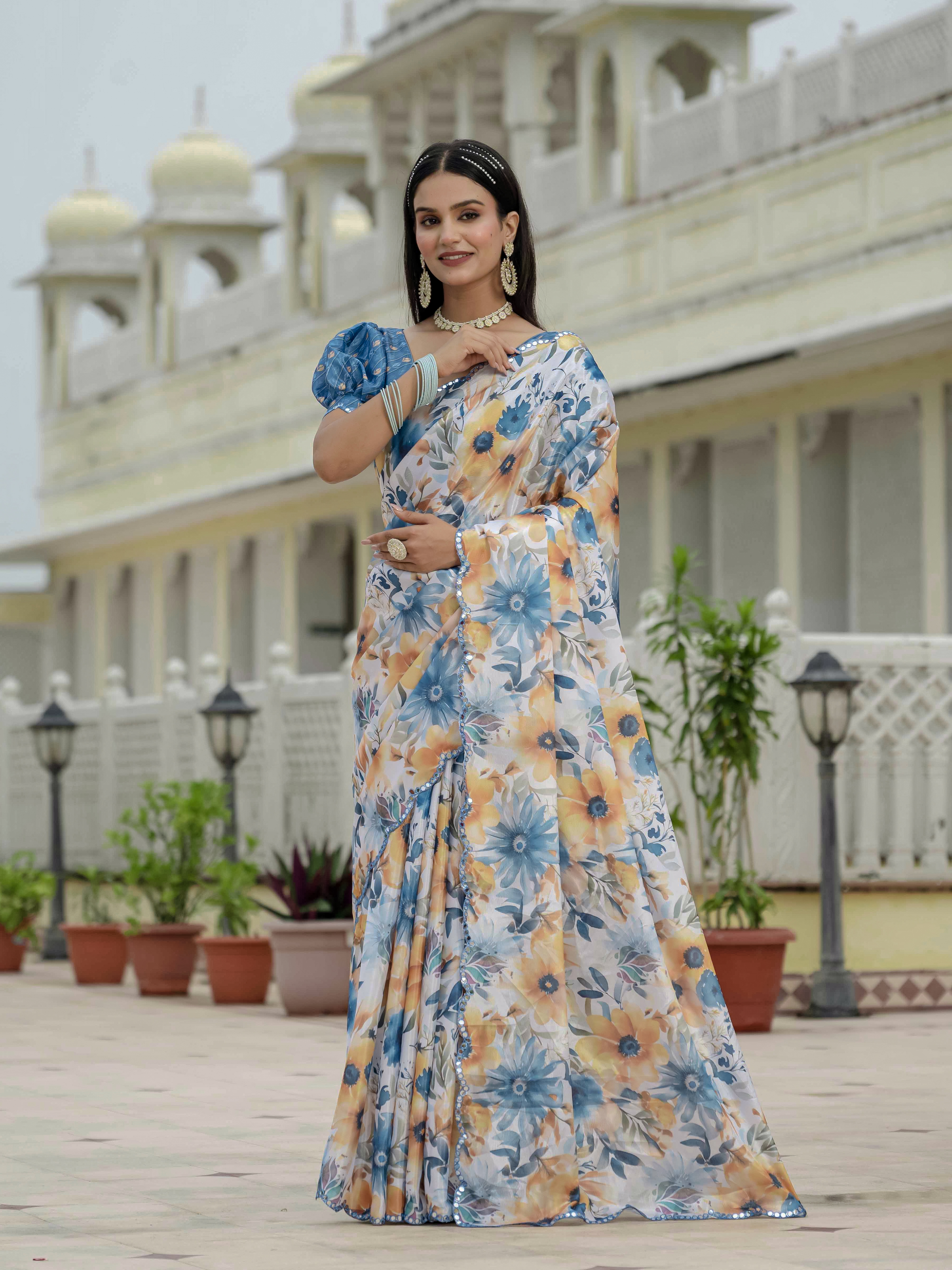
Bihari Salwar Suit Styles: Traditional & Modern Festive Looks bring together practical comfort, saturated colour and thoughtful textile details. A festive suit inspired by Bihar doesn't need to look costume-like; it can use a familiar kameez, salwar or palazzo shape while adding regional character through colour, handwork, dupatta choice and jewellery. The most useful way to choose one is to match the silhouette and fabric to the event, the weather and the amount of movement your day requires.
Bihar has a strong visual vocabulary of earthy reds, turmeric yellow, indigo, ivory, green and magenta, along with textile traditions such as Bhagalpur silk and the wider cultural presence of Madhubani art. A salwar suit can acknowledge that vocabulary without claiming that every printed or embroidered design is a historic Bihari garment. The result is clothing that feels festive, comfortable and personally styled.
Bihari Salwar Suit Styles: Traditional & Modern Festive Looks and Their Defining Details
Bihari Salwar Suit Styles gain festive character from lively colour, breathable construction, visible craft details and a dupatta that completes the outfit. A straight kurta in a rich shade can feel celebratory when paired with zari edging, threadwork, a patterned dupatta or polished jewellery.
Regional styling becomes clearer when each element has a job. A jewel-toned kurta supplies visual depth, an ivory or contrasting dupatta prevents the outfit from appearing heavy, and gold-toned earrings connect the look to a puja or family celebration. Small details such as fabric-covered buttons, a bordered sleeve, a printed yoke or a coordinated potli can make a simple suit look occasion-ready.
Contemporary festive dressing also benefits from restraint. If the kameez has dense embroidery, a plain salwar and lighter dupatta usually create a more balanced outfit. If the suit is made from an understated fabric such as cotton or Chanderi, a bolder earring, embroidered jutti or decorated dupatta can supply the needed emphasis.
How Bihari Salwar Suit Styles: Traditional & Modern Festive Looks Use Fabric
Chanderi, silk blends, crepe, cotton and lightweight woven fabrics each suit a different festive requirement. Fabric affects drape, breathability, wrinkle behaviour, opacity, embroidery weight and the formality of a salwar suit more than colour alone.
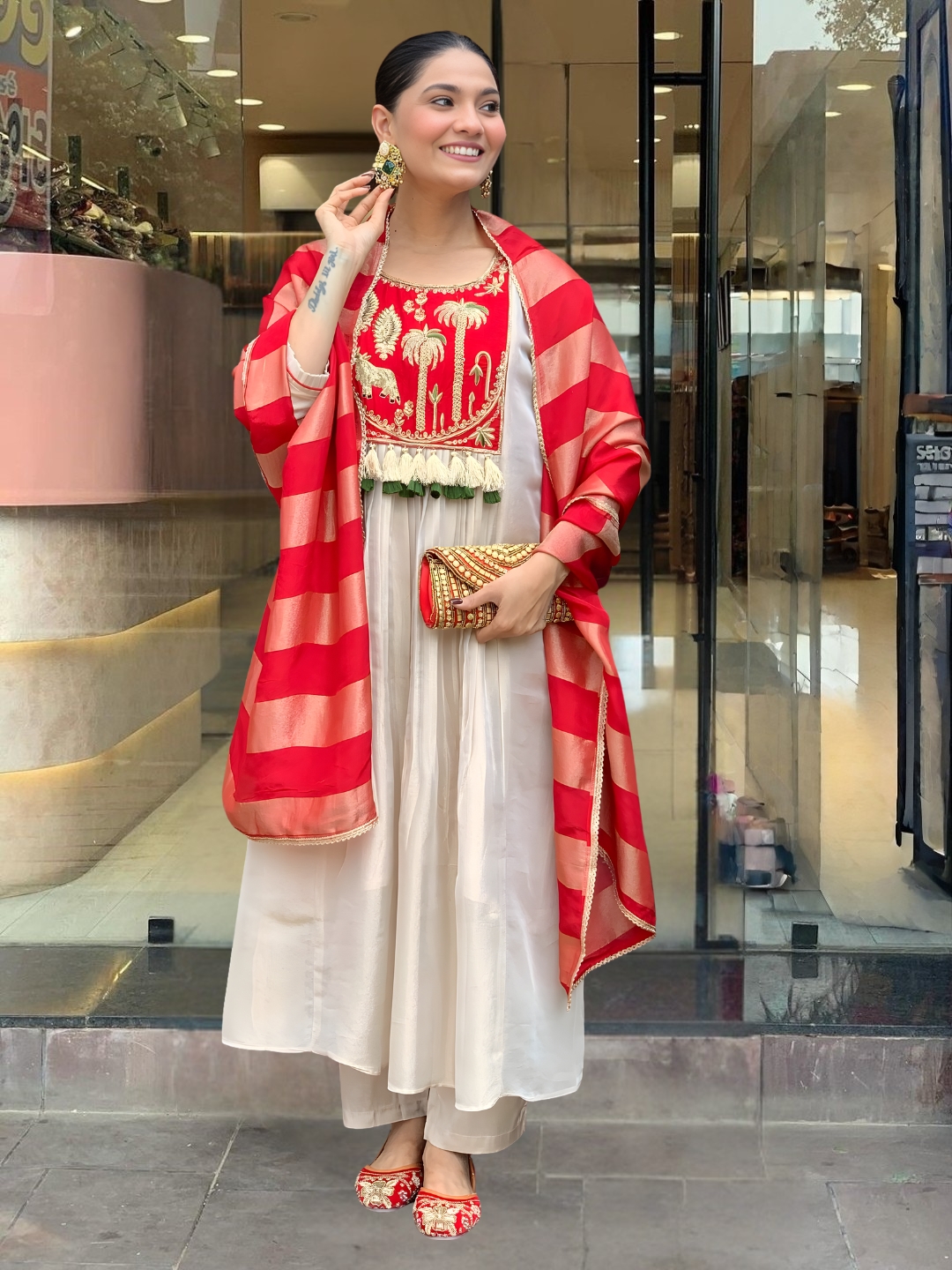
Cotton for daytime rituals
Cotton salwar suits work well for daytime puja, community gatherings and warm-weather celebrations because cotton absorbs moisture and allows air circulation. A cotton suit with a neat border, small embroidery or a printed dupatta can look festive without becoming uncomfortable after several hours.
Choose cotton when you expect to sit on the floor, travel between homes or manage practical tasks during a celebration. Medium-weight cotton is generally easier to wear than very thin fabric, which may require a separate lining. Check whether the dupatta is long enough to cover the neckline comfortably and whether the trousers have a secure waistband.
Chanderi and silk for dressier gatherings
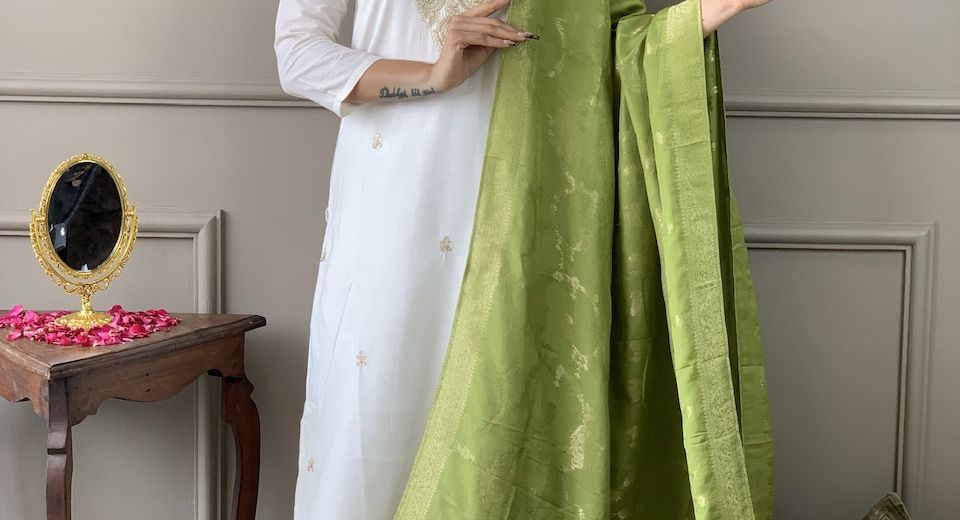
Chanderi gives a festive suit a light, slightly luminous appearance, while silk adds body and a richer fall. Elegant White Chanderi Threadwork Suit with Dupatta demonstrates why white and ivory can look ceremonial when threadwork and a coordinated dupatta provide texture.
Bhagalpur silk references can also guide a more polished look, particularly when a suit uses a lustrous fabric or a silk-like dupatta. Banarasi silk and Kanjeevaram are important Indian textile names, but they should not be substituted casually for every shiny festive fabric. A product description should identify the actual fibre and weave so that care expectations remain accurate.
Crepe for movement and evening wear
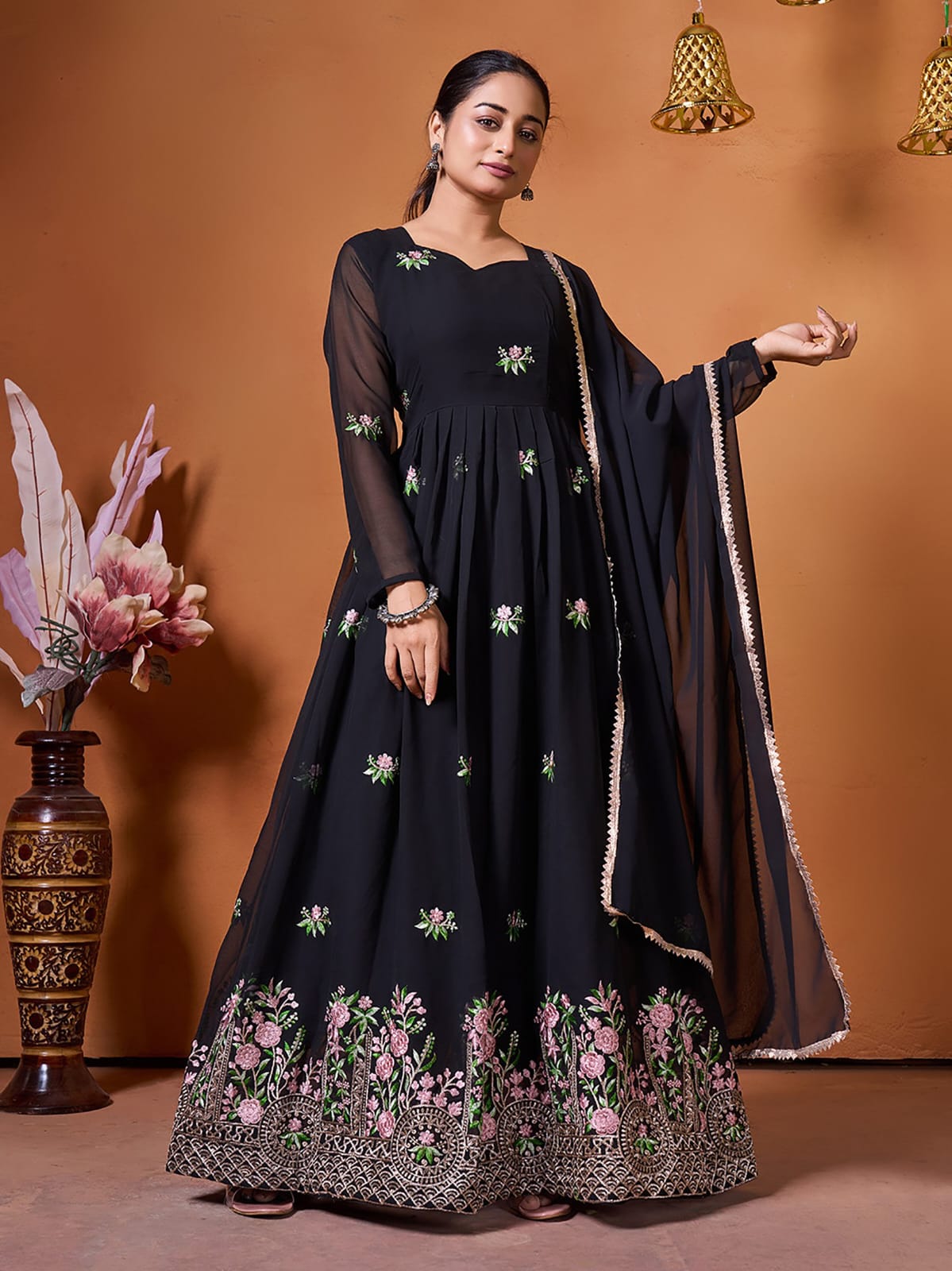
Crepe falls smoothly and is useful for evening celebrations where a fluid silhouette photographs well. Multicolor Embroidered Crepe Maxi Suit Set for Festive Wear illustrates how a longer, more dramatic shape can replace a conventional straight suit for a reception or festive dinner.
Crepe can cling more than cotton, so a lining and the cut of the trousers matter. Test the outfit by sitting, walking and raising your arms before an event. A smooth inner layer can reduce friction, but excessive layering may make a warm venue uncomfortable.
Choosing Bihari Salwar Suit Styles: Traditional & Modern Festive Looks by Silhouette
The right festive silhouette depends on movement, body comfort, venue formality and the visual weight of the fabric. Straight suits, Anarkali suits, palazzo sets, sharara-inspired shapes and maxi suits each create a different proportion.
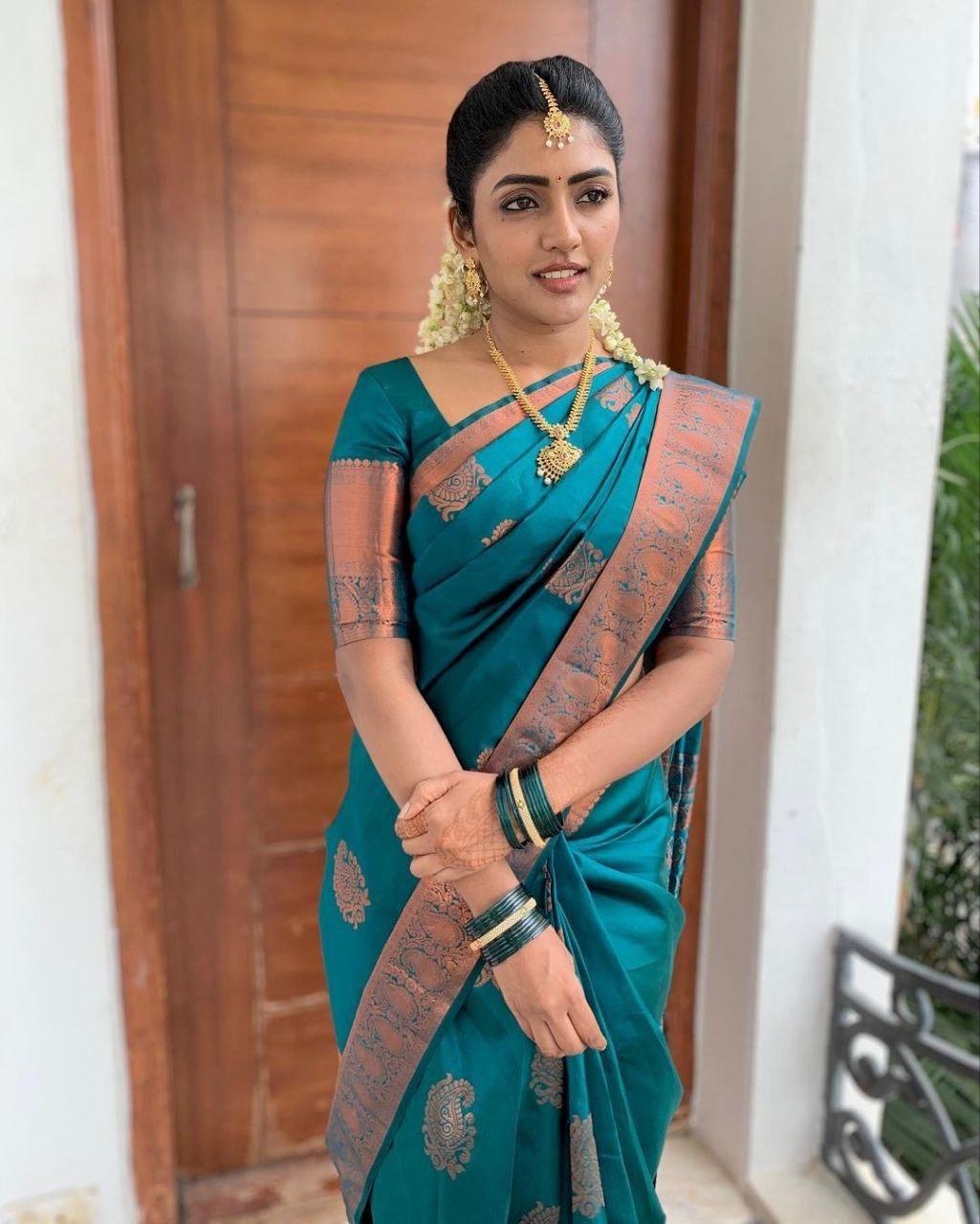
A straight kurta with cigarette trousers creates a clean, formal line and works well for office puja or a daytime family lunch. A longer straight kurta with side slits gives more ease while retaining a composed appearance. A readymade suit with a fixed neckline and stitched trousers can save time, but measurements at the bust, hip, shoulder and sleeve length still need checking.
Anarkali suits add flare below the waist and suit celebrations where graceful movement matters. An Anarkali with a narrow dupatta border can look traditional, while a simple neckline and minimal jewellery make the same shape feel modern. A palazzo suit adds width at the lower leg and balances a shorter or fitted kurta; the trouser hem should remain clear of the floor.
Sharara-style bottoms create a festive statement through flare and movement. They are especially useful when the kurta is relatively simple. A maxi suit gives maximum visual length, but it should not drag at the ankle. For women who will climb stairs, sit cross-legged or move through a crowded venue, a slightly shorter hem and manageable dupatta are safer choices.
Salwar Suit Design Girl searches often point toward youthful colours, playful sleeves and contemporary necklines. A young wearer can achieve that freshness through a cropped jacket, contrast piping, a layered dupatta or embroidered trainers without losing the cultural familiarity of the salwar suit.
Colour Ideas in Bihari Salwar Suit Styles: Traditional & Modern Festive Looks
Mustard, sindoor red, deep green, royal blue, ivory, black and magenta create a strong festive palette, with the best choice depending on the time of day and the level of embellishment. Yellow and red feel particularly lively for family celebrations, while navy, black and white offer a sharper evening contrast.
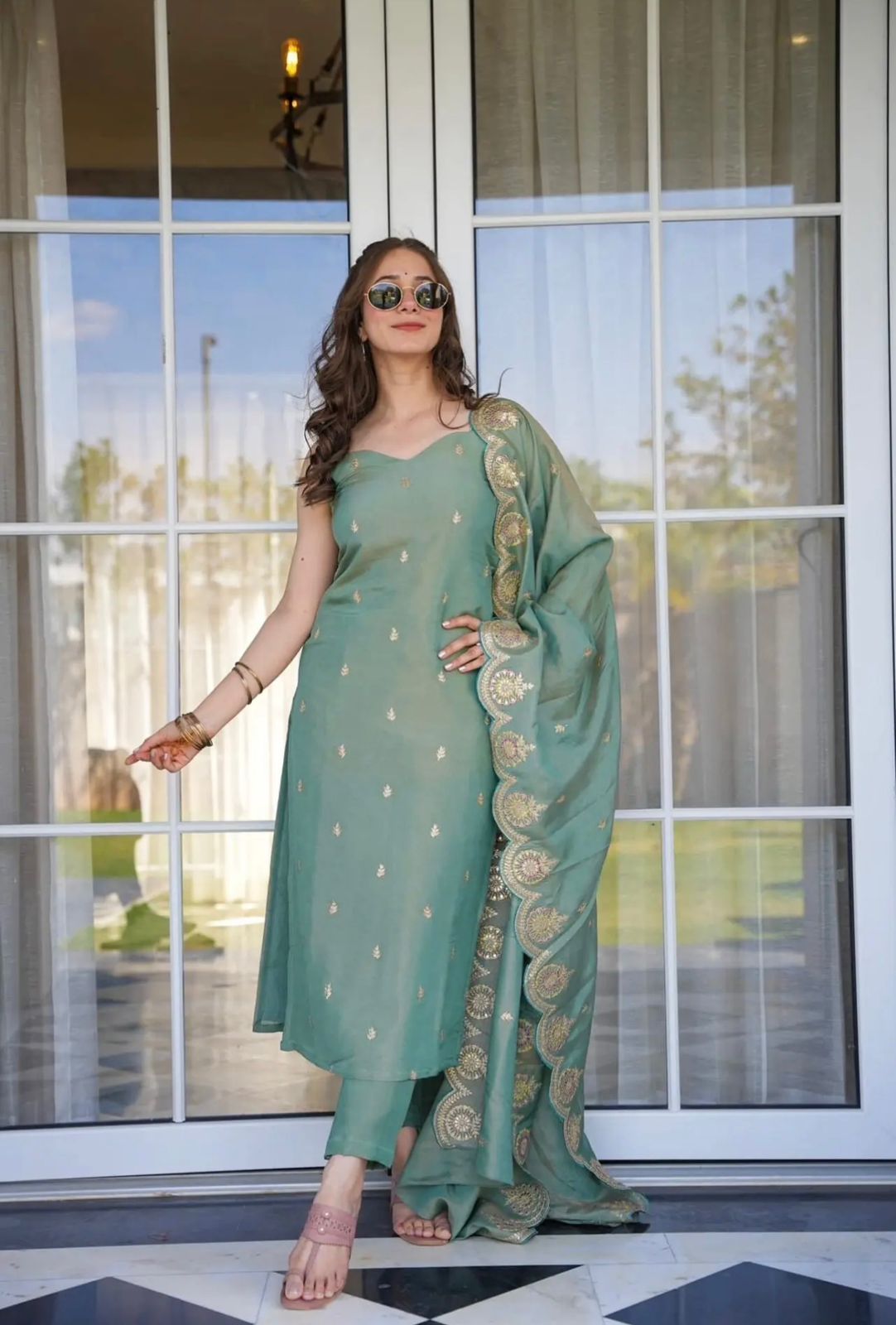
Designer Yellow Salwar Suit with Dupatta is an useful example of how one bright colour can carry an entire outfit. Keep the jewellery warm and uncomplicated when the fabric or dupatta is already vivid. Gold jhumkas, a small bindi and tan or metallic footwear can finish the look without competing with yellow.
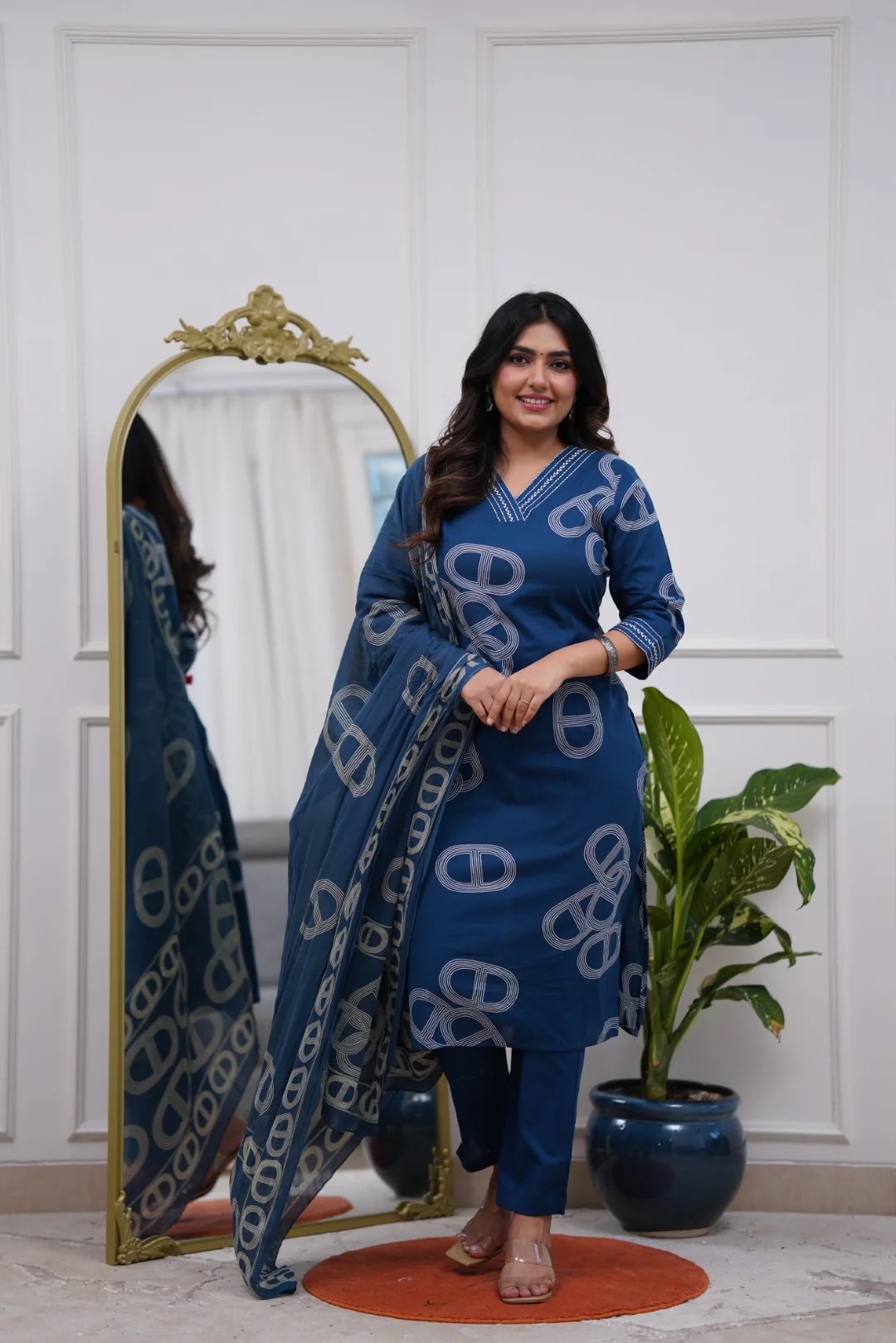
A dark base creates a different effect. Black Red Fendy Silk 3 Piece Readymade Salwar Suit Set uses a high-contrast direction that can work for a night event, cocktail-style festive gathering or dinner after a ceremony. Red bangles or a red lip can echo the accent colour, while neutral footwear prevents the outfit from becoming visually crowded.
Navy Blue Embroidered Salwar Suit offers a calmer alternative for women who want colour without neon brightness. Silver-toned earrings suit navy particularly well, although antique gold works when the embroidery is warm-toned. A navy suit can also transition into formal salwar suit ladies dressing for a work celebration when the dupatta and jewellery remain restrained.
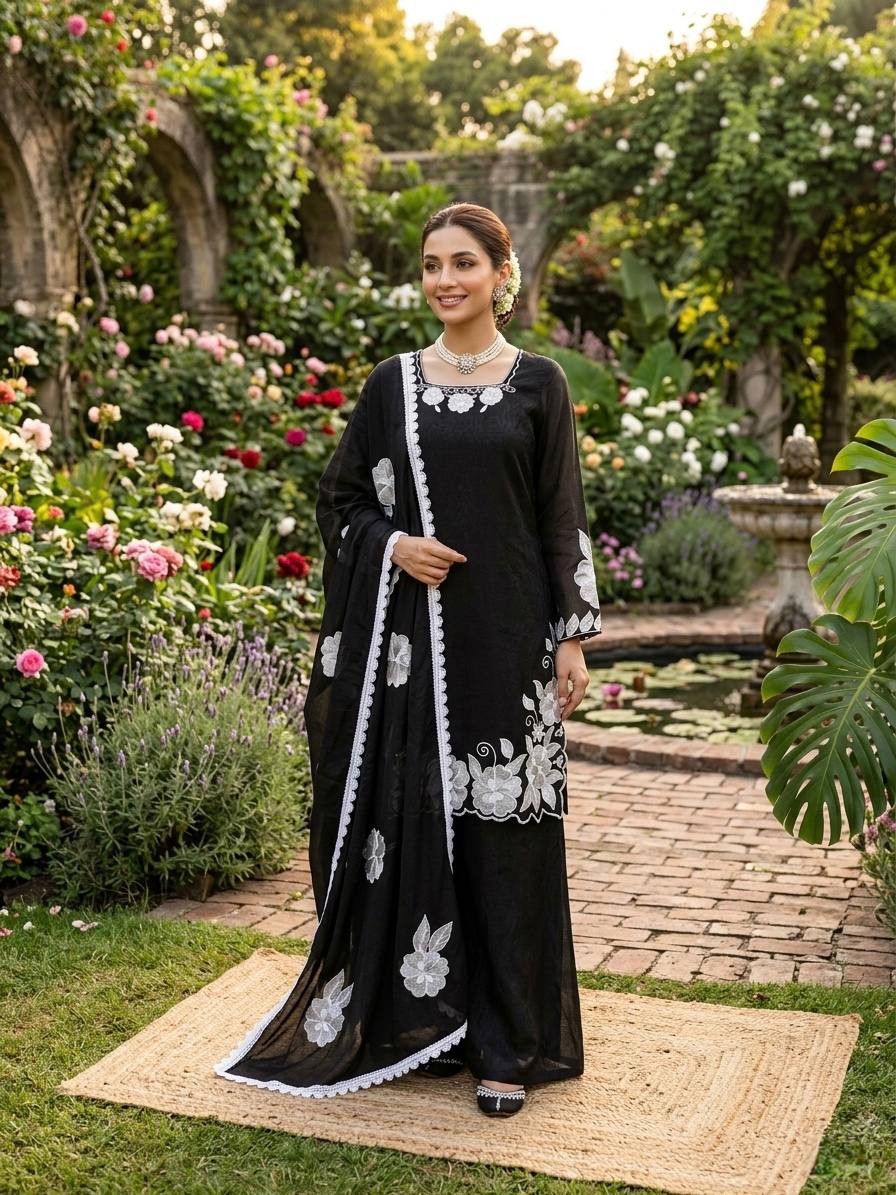
Black White Floral Embroidered Readymade Salwar Suit shows how a monochrome base can make floral embroidery feel contemporary. White embroidery or floral contrast stands out against black, making the suit appropriate for an evening gathering when paired with simple heels or embellished flats.
Embroidery should be assessed by placement rather than by density alone. Motifs near the neckline draw attention upward, vertical embroidery can lengthen the appearance of the torso, and a decorated hem adds movement without enlarging the upper body. Mirror work, zari and sequins are festive choices, but a garment intended for repeated wear benefits from secure stitching and controlled embellishment.
Dupatta Pairing for Bihari Salwar Suit Styles: Traditional & Modern Festive Looks
A dupatta changes the formality, colour balance and practicality of a salwar suit in minutes. Readymade salwar suit dupatta styling works best when the fabric, width and border are considered alongside the kameez rather than treated as an afterthought.
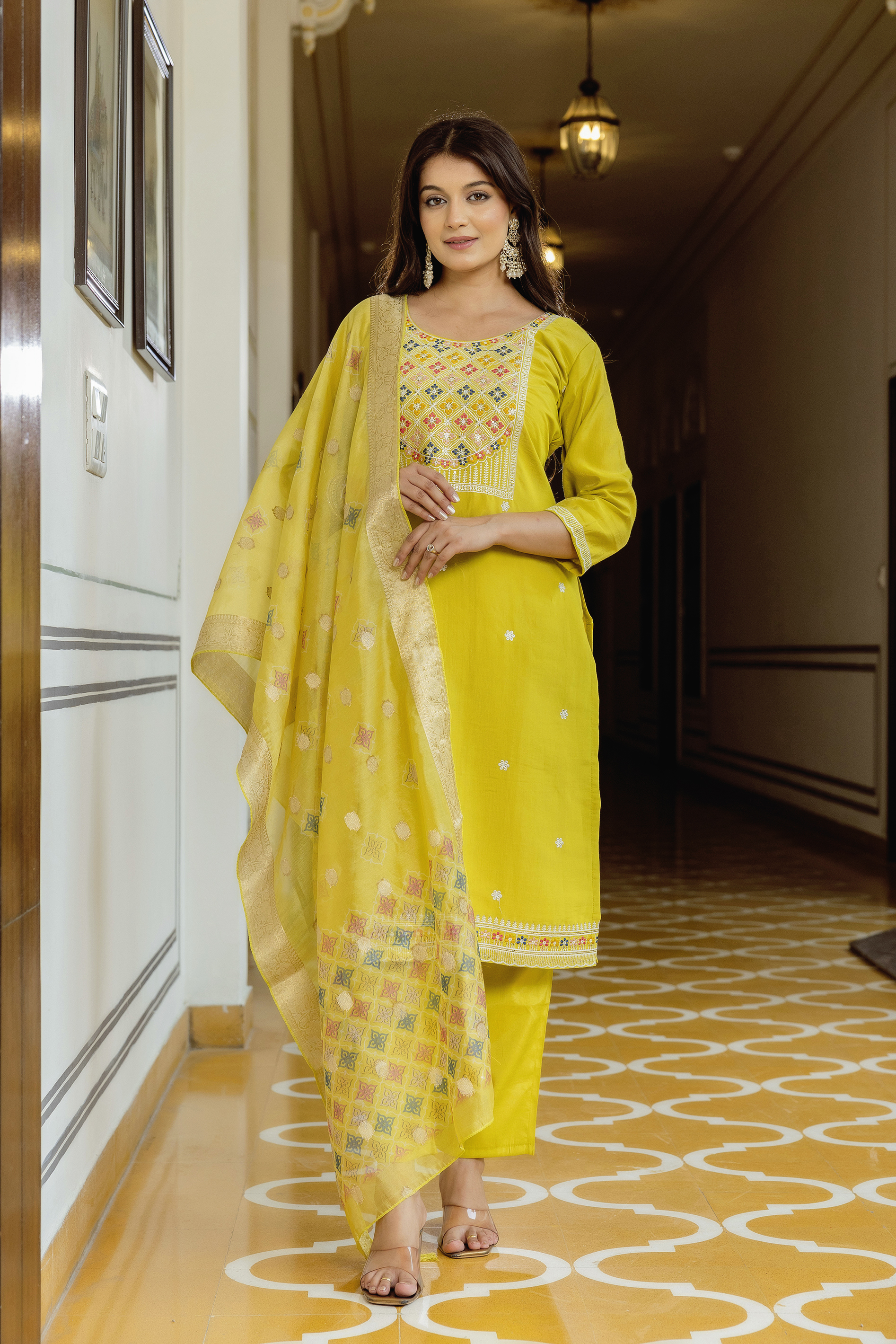
A single-shoulder drape creates a long vertical line and keeps both hands relatively free. A front-open drape displays embroidery on the dupatta and suits a family photograph, while a neatly pleated shoulder drape is practical for puja when you need to bend or move frequently. Pin the dupatta at the shoulder and, if necessary, near the waist to prevent repeated adjustments.
Heavy suits usually need a lighter dupatta, especially in warm weather. A plain lightweight woven dupatta can soften dense embroidery. A simple cotton suit can support a more expressive Phulkari-inspired, printed or bordered dupatta, provided the colours share at least one visual link.
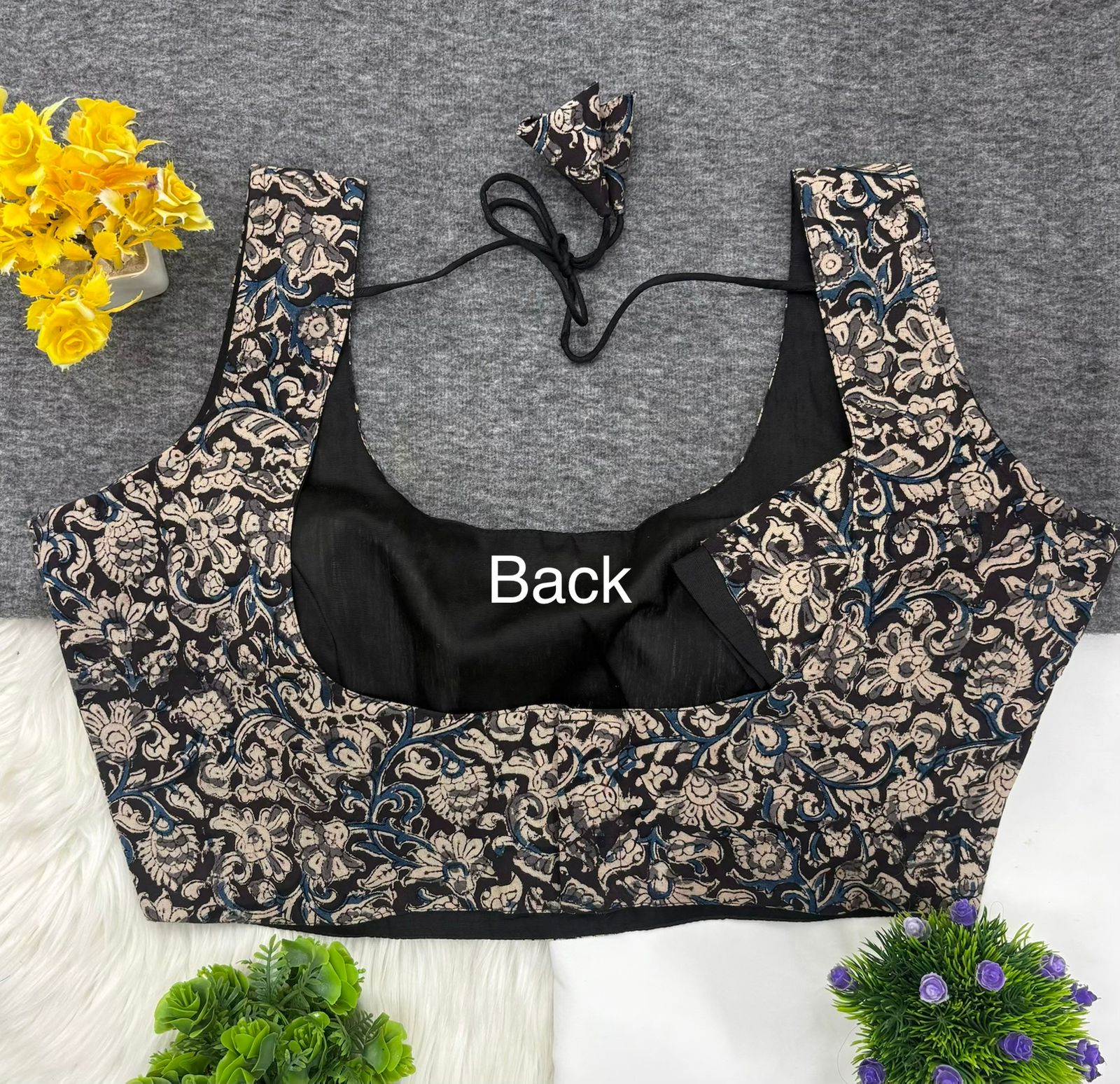
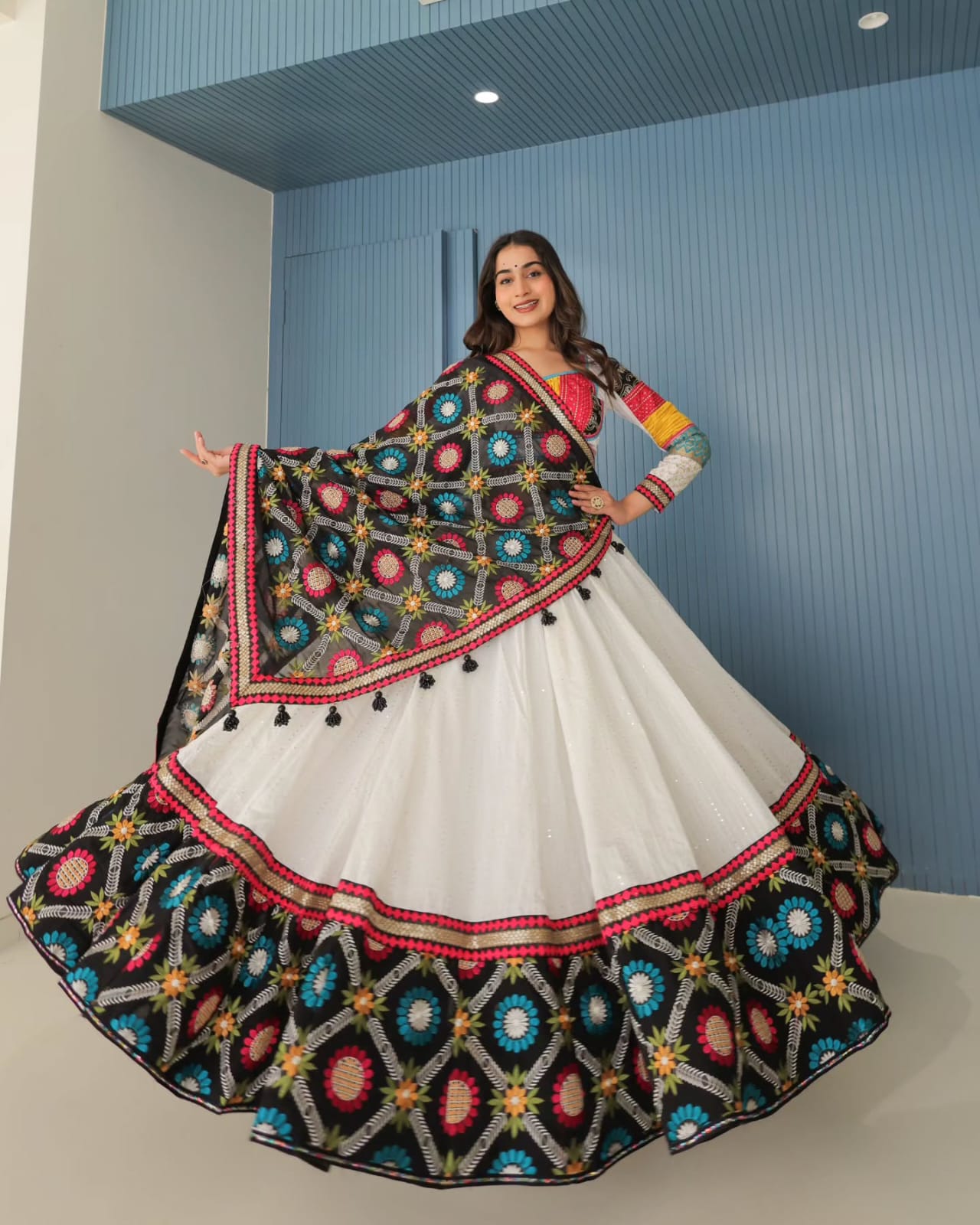
Collections such as Gujarati Festive Salwar Suits and Marwari Style Festive Salwar Suits can offer useful styling references for contrasting borders, saturated colour and coordinated accessories. Kalamkari Print Salwar Suits (Copy) provides another direction when a printed textile should become the main focus; keep the rest of the styling quiet so the print remains legible.
Occasion Planning with Bihari Salwar Suit Styles: Traditional & Modern Festive Looks
Daytime puja, a family lunch, a wedding-related event and an evening party require different levels of shine, structure and movement. Matching the suit to the setting prevents both underdressing and unnecessary discomfort.
- For a morning puja: choose cotton, Chanderi or another breathable fabric in yellow, ivory, green or pink. Keep the dupatta secure, wear low embellished footwear and select lightweight jewellery.
- For a family lunch: choose a straight suit, comfortable palazzo or lightly flared Anarkali. Threadwork, a printed border and medium-sized earrings provide festive polish without excessive shine.
- For a wedding-related function: choose silk, Chanderi, crepe or a structured embroidered set. Add zari, a formal dupatta drape and one statement accessory, but check that the fabric remains comfortable for several hours.
- For an evening party: choose navy, black, wine, emerald or red with controlled sequins, metallic thread or a lustrous surface. A small clutch and dressier footwear can make a readymade party wear suit feel intentional.
Women salwar suits festive dressing also need practical planning. Carry safety pins, a small stain-removal cloth and fashion tape if the neckline or dupatta requires support. Wear the intended undergarments and footwear during the trial, because both can change the fall of the kurta and the final trouser length.
Embroidered Salwar Suit Set for Women can suit a family celebration when the embroidery gives enough detail without requiring elaborate styling. Pista Royale Salwar Suit brings a softer green direction for daytime events, especially when paired with pearl, gold or kundan-inspired accessories.
Regional References within Bihari Salwar Suit Styles: Traditional & Modern Festive Looks
Regional references should be used accurately and respectfully, with the garment's actual fabric, technique and design clearly identified. A Bihari-inspired festive outfit may draw from colour, occasion dressing or craft sensibility without being labelled as a traditional historic costume.
Maharashtra Paithani Inspired Salwar Suits can be considered when you want a rich border, jewel tones or a woven-look festive impression, while Punjab Phulkari Embroidered Salwar Suits offer a more visibly embroidered, colourful direction. These references belong to different regional traditions, so they work best as distinct styling influences rather than being blended into one vague idea of Indian ethnic wear.
Pairing a regional reference with a familiar silhouette makes the outfit easier to wear. A straight kurta, palazzo or Anarkali can carry a distinctive dupatta or border while remaining practical for travel, sitting and repeated festive use. Clear product information matters because a print inspired by a craft isn't automatically a handwoven or hand-embroidered textile.
Care and Fit Checks for Bihari Salwar Suit Styles: Traditional & Modern Festive Looks
Care instructions should follow the actual fibre, embellishment and lining rather than the festive appearance of the suit. Read the garment label before washing, and use dry cleaning for delicate silk, dense zari, unstable dyes or heavy embroidery when the care label recommends it.
Wash cotton separately the first few times if the colour is deep red, navy, black or magenta, because excess dye can transfer. Use cold or lukewarm water, mild detergent and shade drying for washable garments. Avoid wringing embroidered areas, and store a completely dry suit in a breathable cotton cover instead of sealed plastic.
Chanderi, silk and embellished crepe usually benefit from professional cleaning or careful spot treatment. Do not iron zari, sequins or raised threadwork directly; place a thin cotton cloth between the iron and the garment, use low heat and test an inconspicuous area first.
Fit should be checked at five points: shoulder seam, bust ease, waist or hip ease, sleeve length and trouser length. A festive suit that looks attractive while standing can become restrictive when the wearer sits or raises both arms. Leave enough ease for the intended underlayer, particularly with fitted readymade suits.
A well-chosen suit should survive more than one celebration. Select a strong base colour, a comfortable silhouette and a dupatta that can be styled in at least two ways. That approach turns festive dressing from an one-day purchase into an useful part of the wardrobe.
Questions Readers Ask About Bihari Salwar Suit Styles for Festive Wear
What colours work best for Bihari-inspired festive salwar suits?
Mustard, sindoor red, deep green, royal blue, ivory, magenta and navy work well for Bihari-inspired festive dressing. Choose brighter yellow or red for daytime family celebrations and darker navy, black or wine for evening events.
Which fabric is most comfortable for a daytime festive salwar suit?
Cotton is usually the most comfortable choice for a warm daytime celebration because it allows air circulation and absorbs moisture. Lightweight Chanderi can also work well when the event is dressier, provided the lining and weather are suitable.
How should I style a dupatta with a readymade salwar suit?
Use a single-shoulder or neatly pleated drape for practical movement, and secure the dupatta with a discreet pin at the shoulder. Pair a heavily embroidered suit with a lighter dupatta, while a simple cotton suit can carry a bolder printed or bordered dupatta.
Are Anarkali suits suitable for festive family functions?
Anarkali suits are suitable for festive family functions when the flare allows comfortable walking and sitting. Choose a breathable fabric for daytime events and keep the jewellery or dupatta simpler if the Anarkali has dense embroidery.
How can I make a simple salwar suit look more festive?
Add a contrasting or embroidered dupatta, statement jhumkas, embellished juttis and one coordinated bangle stack. A neat hairstyle, a small bindi and careful steaming can make a simple suit appear more polished without adding heavy decoration.
How should embroidered festive salwar suits be stored?
Store embroidered suits clean and completely dry in a breathable cotton garment bag, with heavy embellishment facing inward or supported by soft tissue. Avoid tight folding over zari or sequins, and follow the care label before washing or dry cleaning.