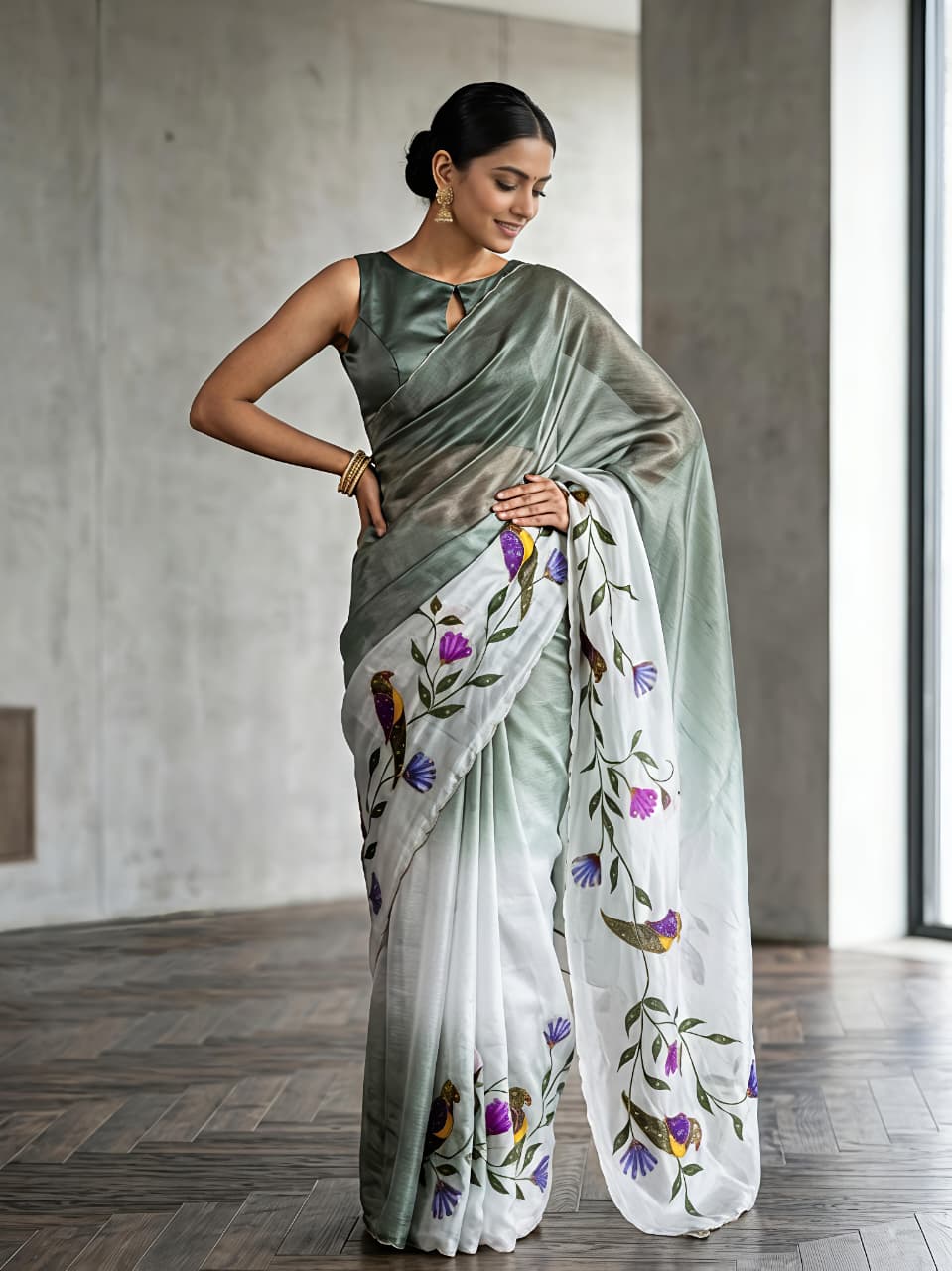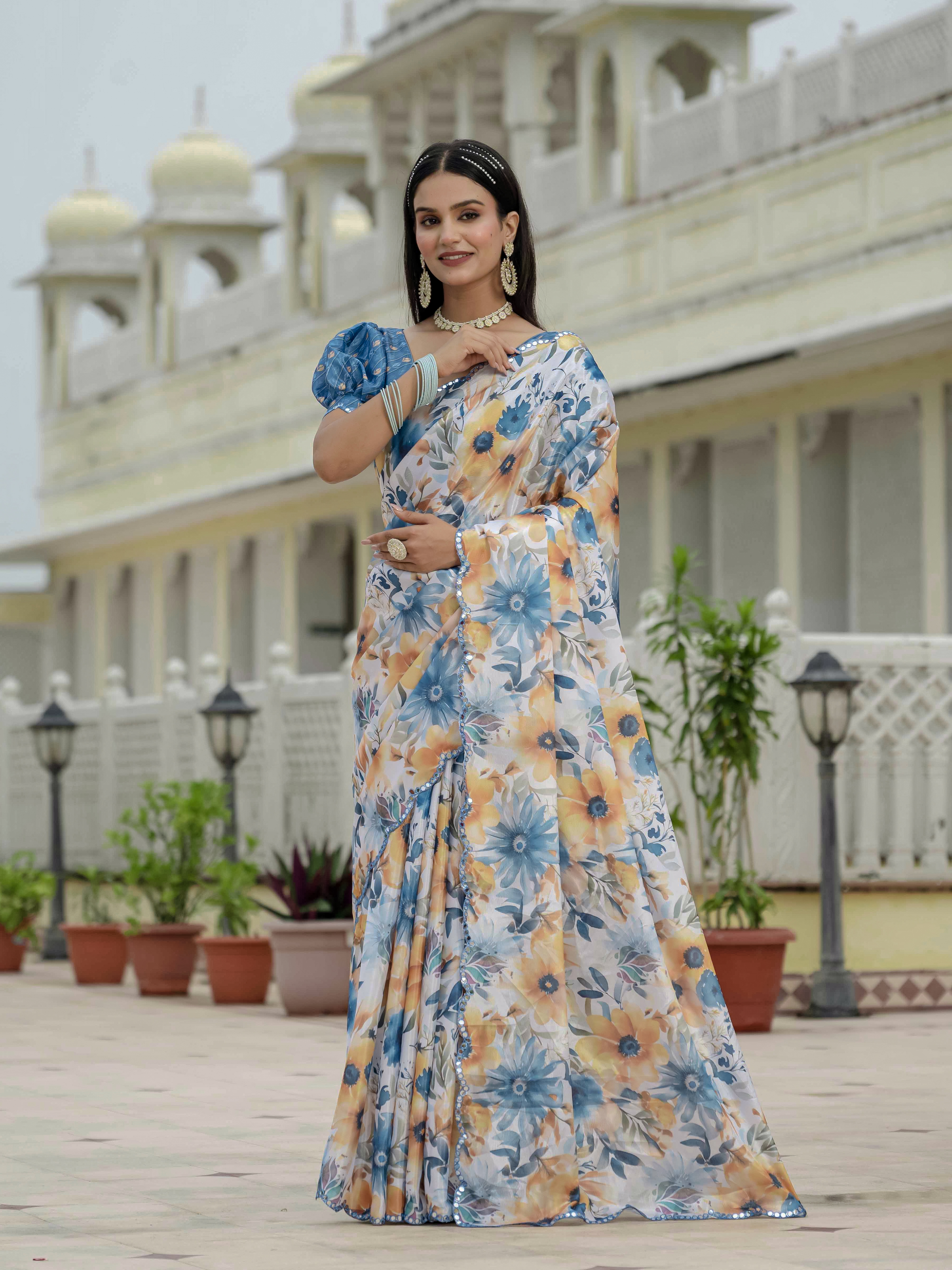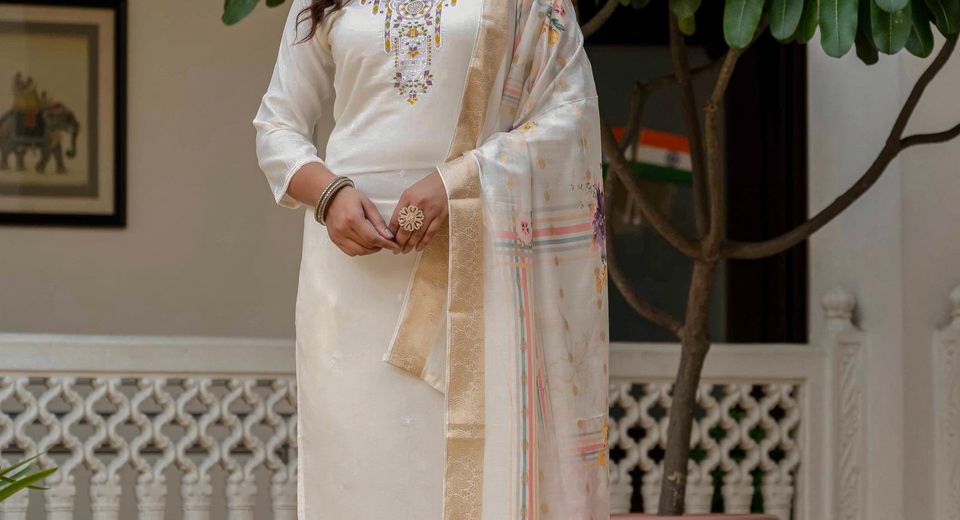
Bihar Wedding Guest Outfits need to handle several realities at once: multiple ceremonies, warm afternoons, cooler winter evenings, crowded venues and photographs that may last long after the formal ritual ends. Sarees, lehengas and traditional suits can all work beautifully, but the right choice depends on the ceremony, fabric weight, movement and level of embellishment. A comfortable guest outfit usually looks more polished than a heavily decorated outfit that needs constant adjustment.
For a daytime Haldi ceremony, a breathable salwar suit or light saree is usually more practical than a floor-length lehenga. For a winter reception, Banarasi silk, velvet accents or a structured embroidered Anarkali can provide warmth and presence. The following guide explains how to make those choices without confusing bridal grandeur with appropriate guest dressing.
Bihar Wedding Guest Outfits Should Begin with the Ceremony and Venue
The ceremony schedule should determine the base outfit before colour or jewellery enters the decision. Haldi ceremony dressing calls for washable or easily protected fabrics, while a formal evening reception can support richer silk, zari and layered styling.
A Bihar wedding may include engagement gatherings, tilak, Mehndi, Haldi ceremony, wedding rituals and a reception. These events can take place in a family courtyard, banquet hall, hotel, temple-adjacent venue or open-air tent. A guest attending two events on the same day needs an outfit that can transition without requiring a complete change.
- Daytime rituals: Choose cotton silk, Chanderi, lightweight crepe, georgette or a soft silk saree with limited lining. These fabrics allow easier movement and are less tiring in sunlight.
- Evening wedding ceremonies: Choose Banarasi silk, satin-backed crepe, heavier georgette or an embroidered Anarkali when the venue and dress code feel formal.
- Outdoor winter functions: Select a full-sleeved blouse, lined salwar suit or lehenga with a dupatta that can be draped over the shoulders. A shawl in a compatible colour is more useful than very delicate sleeve decoration.
- Crowded family rituals: Favour secure pleats, a pinned dupatta and a hem that clears the floor. Long trailing panels are difficult to manage around seating, food and repeated greetings.
Venue formality also matters. A heavily zari-covered saree can look appropriate at a reception but excessive at a small daytime family lunch. Conversely, a very plain cotton suit may feel underdressed in a hotel ballroom where guests are wearing silk and embroidery.
How Bihar Wedding Guest Outfits Compare: Sarees, Lehengas and Suits
The most versatile Bihar Wedding Guest Outfits are traditional suits because they combine ceremony-appropriate detail with easier movement and a lower adjustment burden than many sarees or lehengas.
When does a saree make sense?
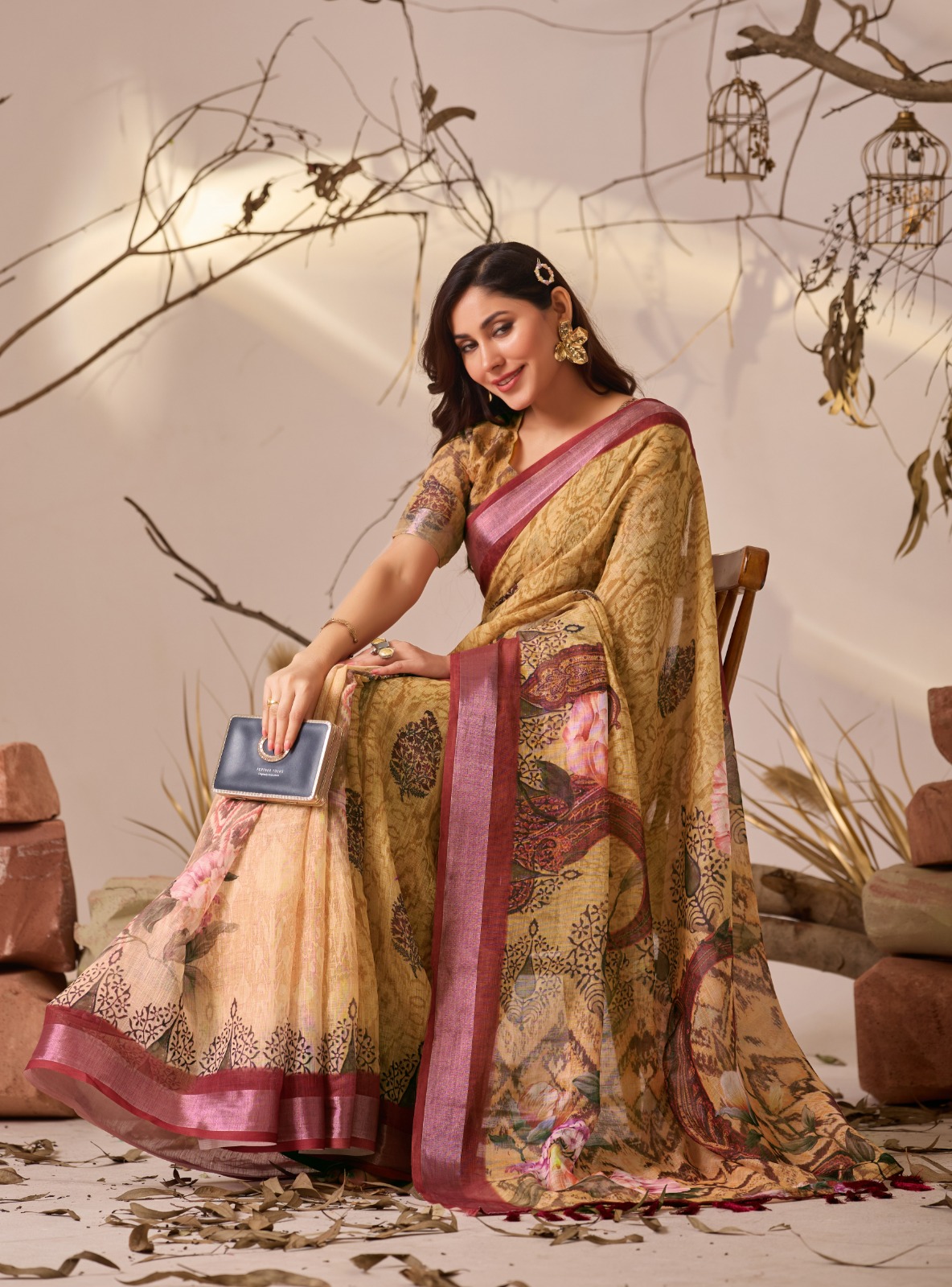
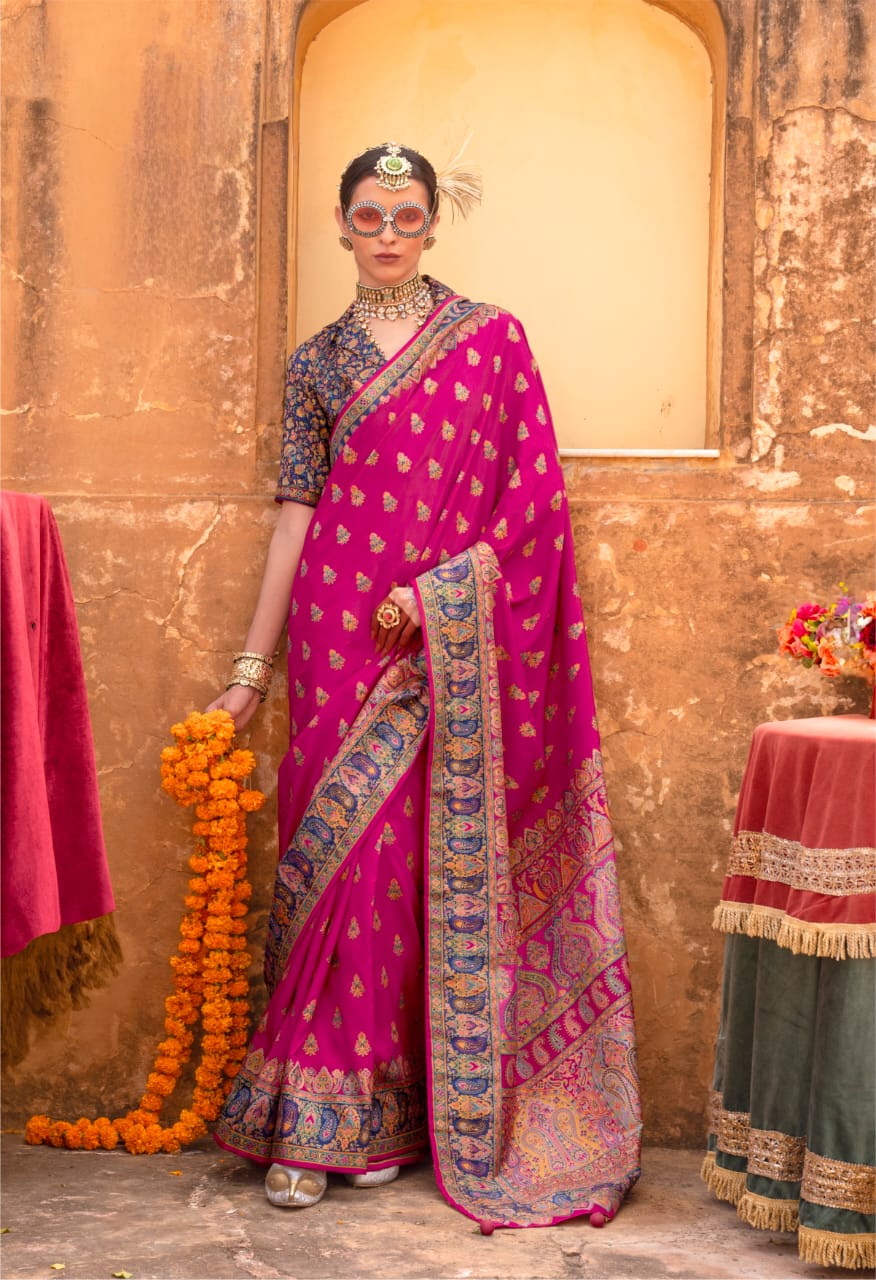
A saree works especially well for a formal wedding ceremony, reception or family gathering where elegant draping is part of the expected dress language. Banarasi silk, Kanjeevaram-inspired silk, Chanderi and soft silk offer distinct levels of structure and shine.
Banarasi silk creates a rich surface through woven zari and patterned motifs, so minimal jewellery is often enough. Chanderi is lighter and more translucent, making it useful for daytime functions when paired with a lined blouse or an appropriate inner layer. Kanjeevaram is generally more substantial and structured, which suits cooler weather and formal evening wear but may feel heavy during a hot afternoon.
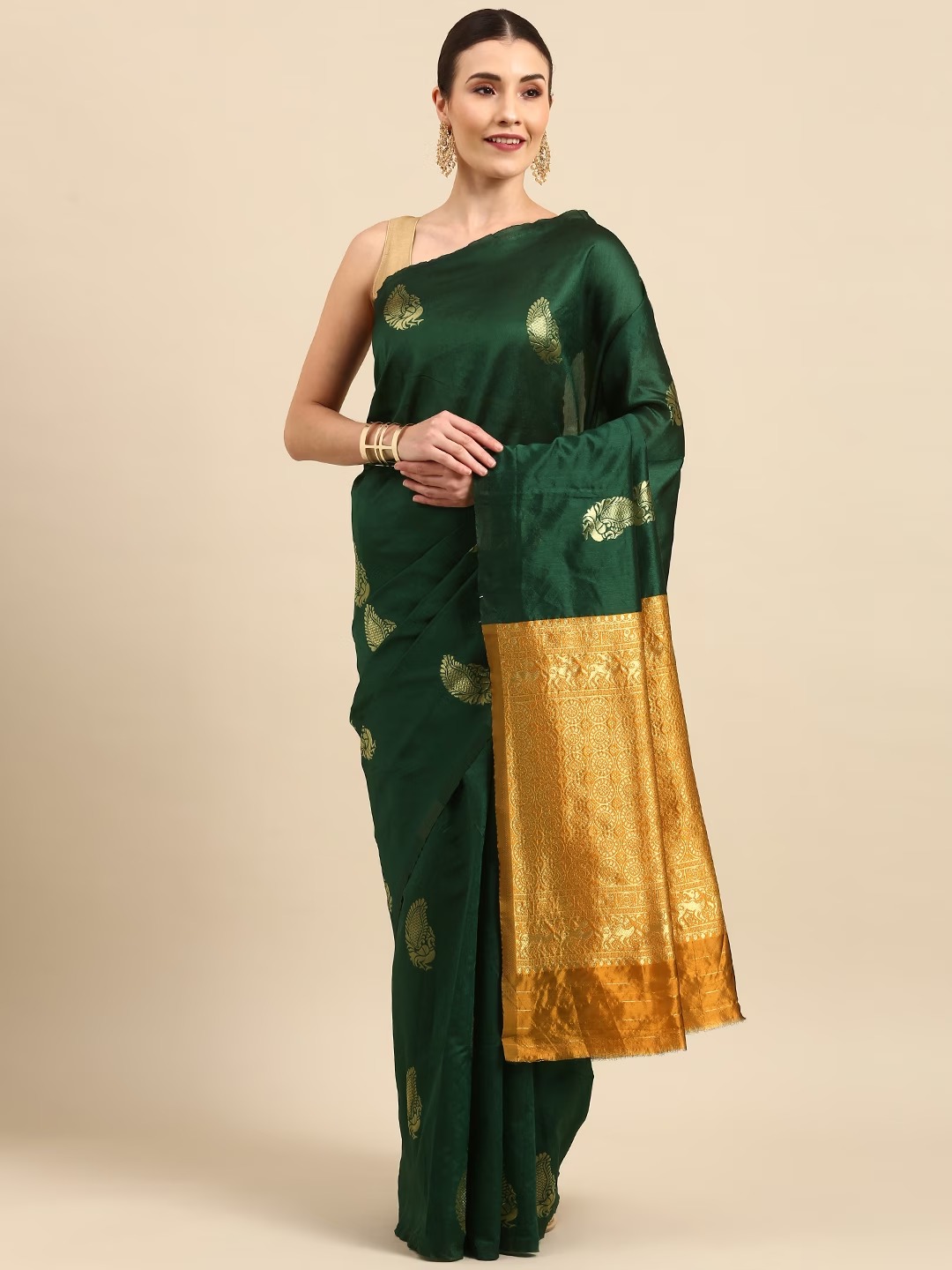
For a dependable festive look, the Bottle Green Banarasi Soft Silk Saree for Wedding Wear offers a deep colour and a fabric direction suited to evening or winter styling. The Festive Teal Banarasi Saree with Traditional Motifs can be styled more lightly for a daytime-to-evening schedule because teal adds colour without requiring a highly ornate blouse.
When does a lehenga make sense?
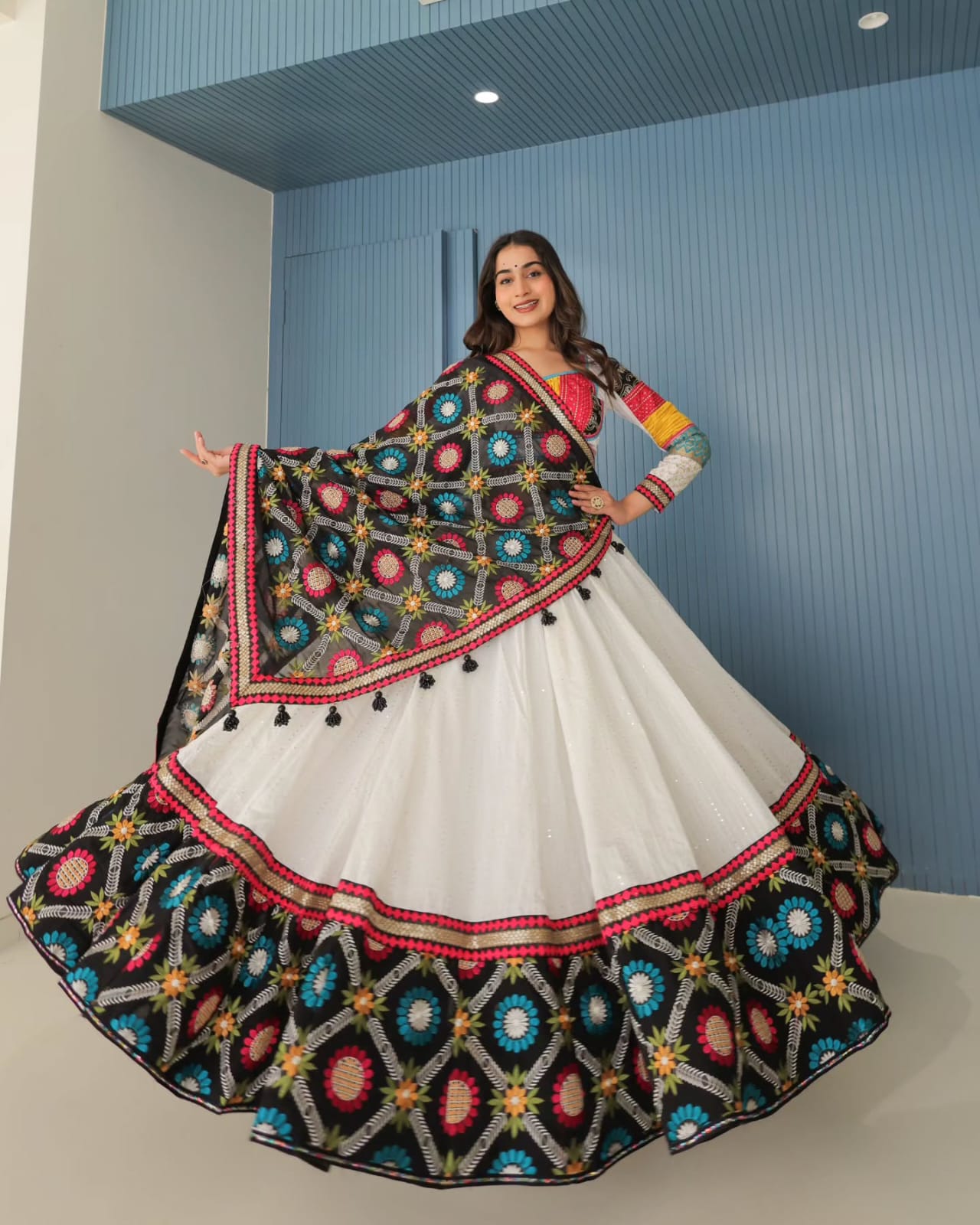
A lehenga is suitable for a sangeet, reception or contemporary evening celebration when the venue allows comfortable walking and the skirt doesn't obstruct movement. Guests should select moderate embroidery rather than bridal-level stones, a manageable flare and a blouse that supports sitting comfortably.
A practical guest lehenga usually has a skirt with a firm waistband, a dupatta of medium weight and embroidery concentrated around the hem or blouse instead of covering every surface. A 3- to 4-metre dupatta is easier to pleat and pin than a very long, heavily embellished one. A can-can layer can add volume, but excessive stiffness makes stairs, dining and floor seating uncomfortable.
When does a traditional suit make sense?
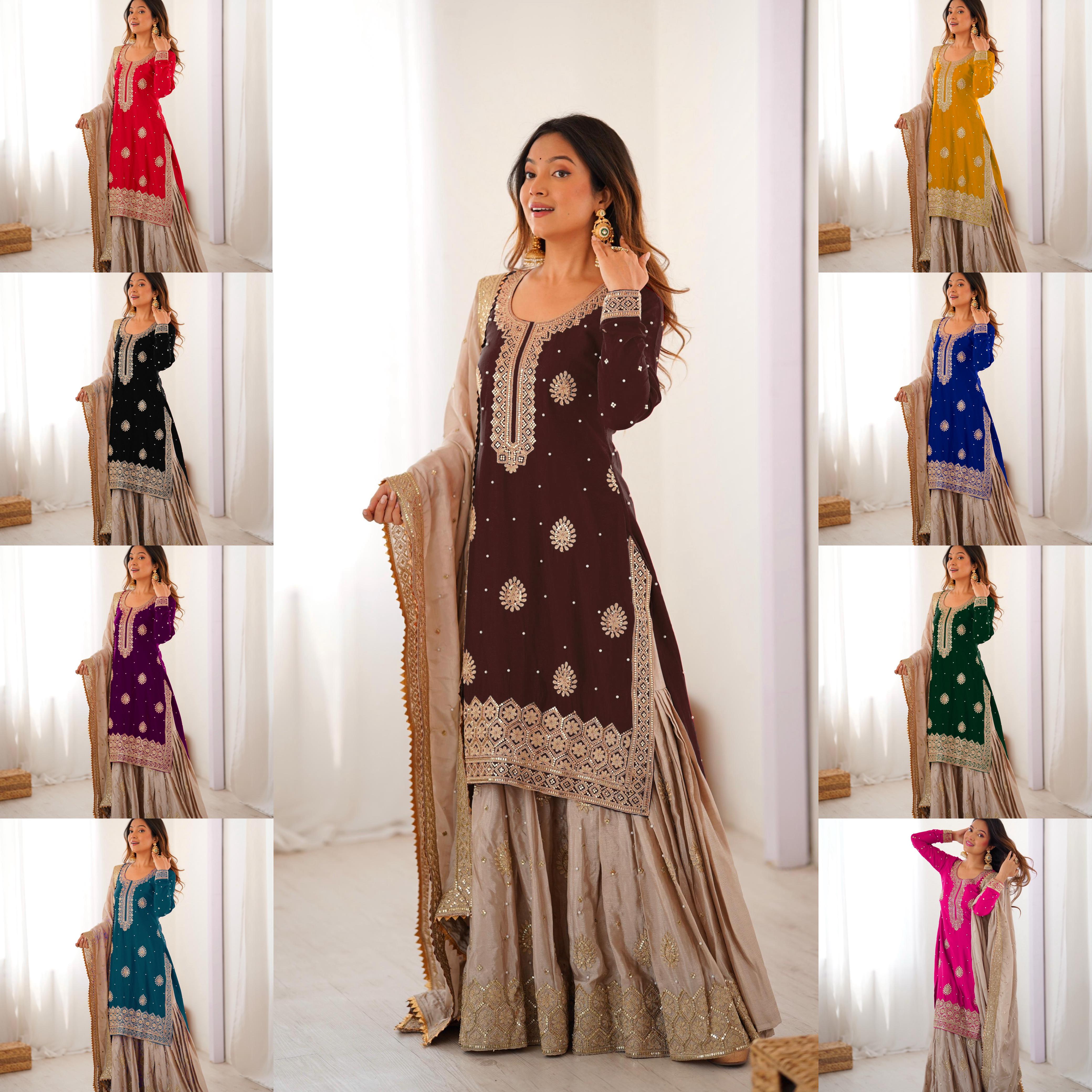
A salwar suit is the safest choice for guests who expect to walk, sit on varied seating, help family members or attend more than one ceremony. Anarkali suits create a formal silhouette, palazzo suits offer contemporary ease, and sharara suits add festive volume without the full management of a lehenga.
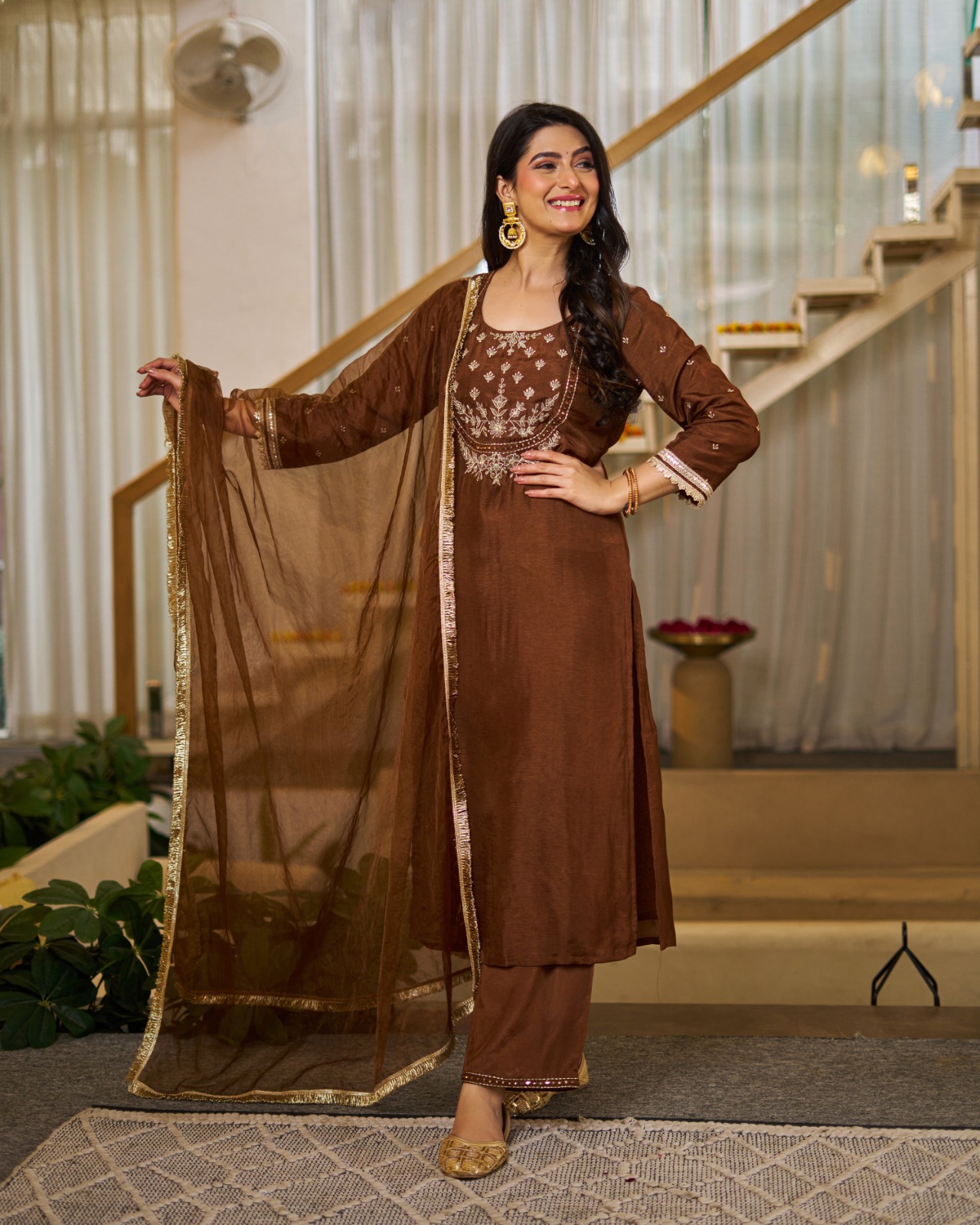
The Brown Chinon Silk Sharara Suit Set for Women illustrates why a sharara can bridge traditional and modern dressing. The Maroon Wedding Wear Embroidered Palazzo Suit Set gives a practical alternative when wide-leg trousers are preferable to a skirt. An embroidered palazzo or sharara also works well for guests who want statement clothing without wearing a saree.
Which Fabrics Make Bihar Wedding Guest Outfits Comfortable?
Fabric choice should follow temperature, event duration and the amount of movement required. A beautiful colour can't compensate for a fabric that traps heat, catches on jewellery or becomes uncomfortable after several hours.
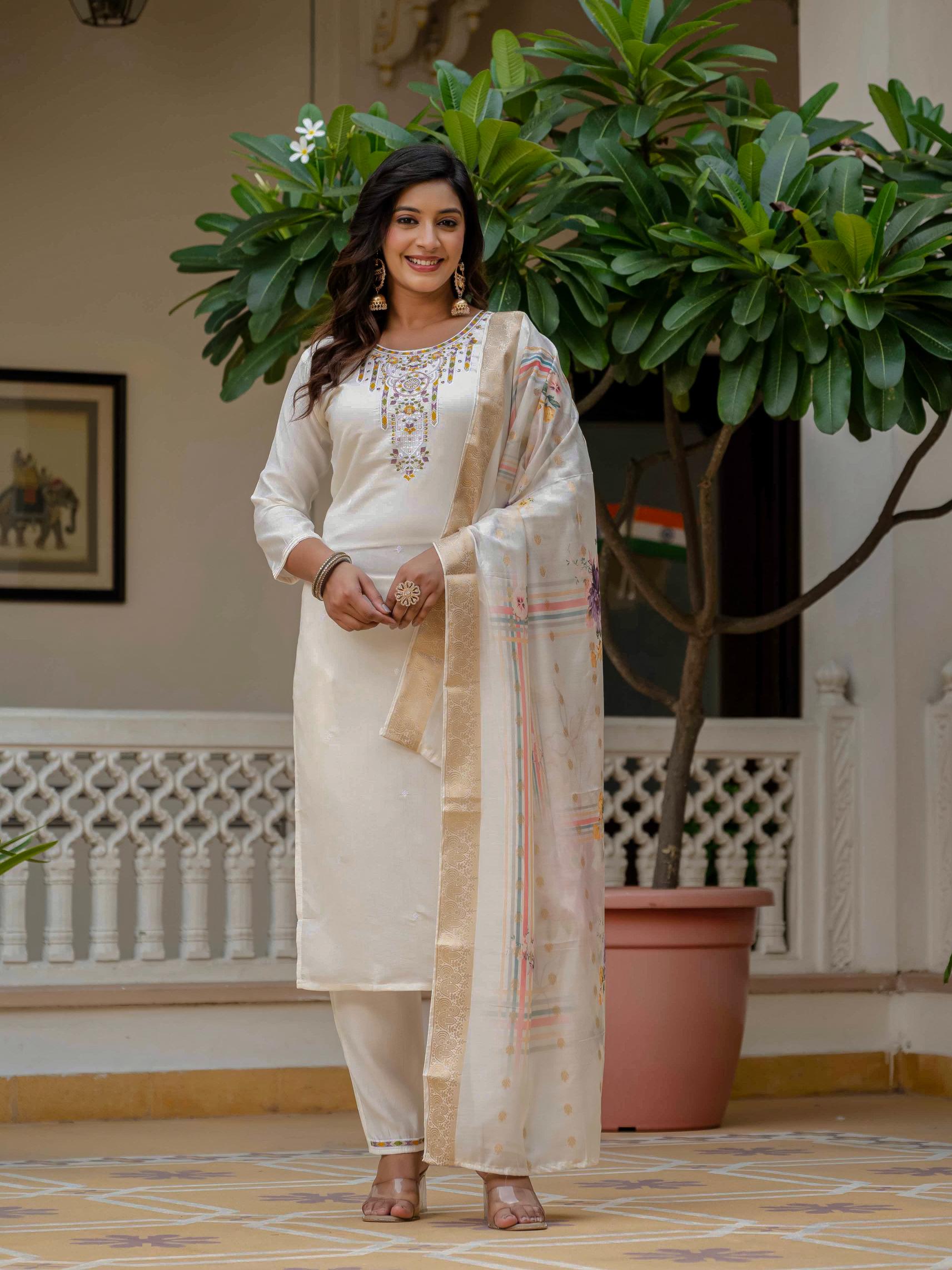
For summer and early autumn weddings, cotton silk, Chanderi, crepe, georgette and lightweight organza blends are useful choices. Cotton silk has more body than plain cotton but remains easy to wear for long daytime events. Crepe drapes smoothly and resists some wrinkling, although synthetic crepe can find warm in poorly ventilated venues. Georgette provides fluid movement and works well for dupattas and sarees with embroidery.
For winter weddings, Banarasi silk, soft silk, velvet borders and lined brocade suits provide more warmth and visual depth. Zari catches evening light effectively, but dense zari can add weight. A saree with a 5.5- to 6-metre length is standard, while a pre-stitched or belt-supported drape can reduce dressing time for guests unfamiliar with pleating.
Chinon silk has a smooth, festive fall and is often used for sharara sets, but lining and sleeve construction determine comfort more than the fabric name alone. Check whether the waistband sits securely, whether the lining scratches, and whether the outfit permits a full seated position before committing to it for a long celebration.
The Multicolor Embroidered Crepe Maxi Suit Set for Festive Wear demonstrates how a crepe-based silhouette can supply colour and occasion detail without the weight of a full silk ensemble. A maxi suit is especially useful when the guest wants a long-line appearance but needs easier walking than a voluminous lehenga allows.
How Should Bihar Wedding Guest Outfits Use Colour and Embroidery?
Wedding guests can wear vivid colour and embellishment, but the safest approach is to reserve the most bridal-looking combination of heavy red, dense gold and extensive surface work for the bride unless the family has specified otherwise.
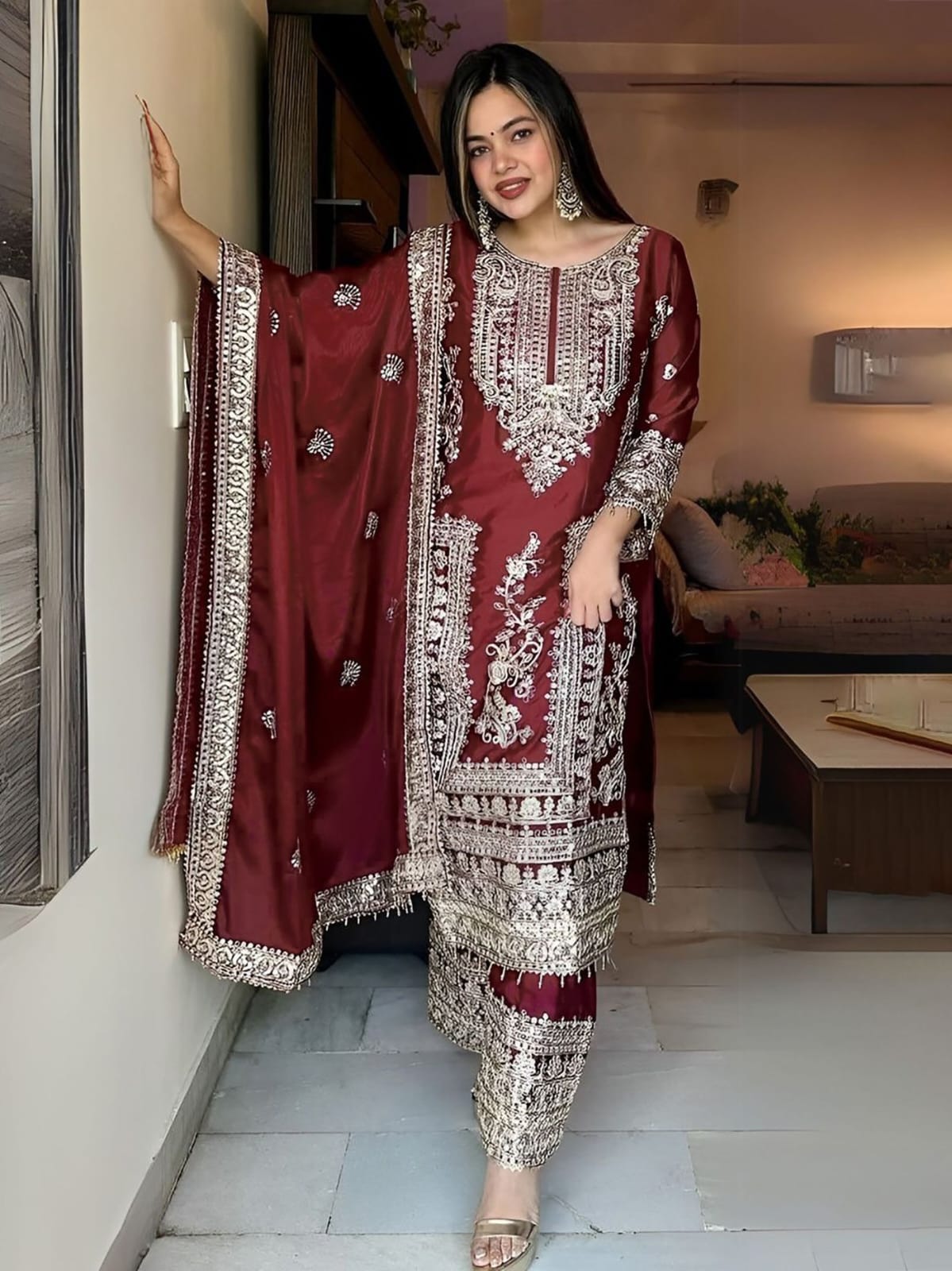
Maroon, bottle green, teal, plum, rust, mustard, cobalt, pink and jewel-toned purple are flexible wedding colours. Yellow and orange are natural choices for a Haldi ceremony, while deeper shades often photograph well at night. Pastel shades can work for daytime events when the fabric has enough texture or embroidery to avoid looking like office wear.
Embroidery placement changes how formal an outfit appears. Zari borders create a traditional effect without covering the whole garment. Thread embroidery looks lighter and is often more comfortable for daytime use. Sequins and crystals reflect flash photography, so restrained placement near the neckline, sleeves or dupatta border usually looks more refined than uniform coverage.
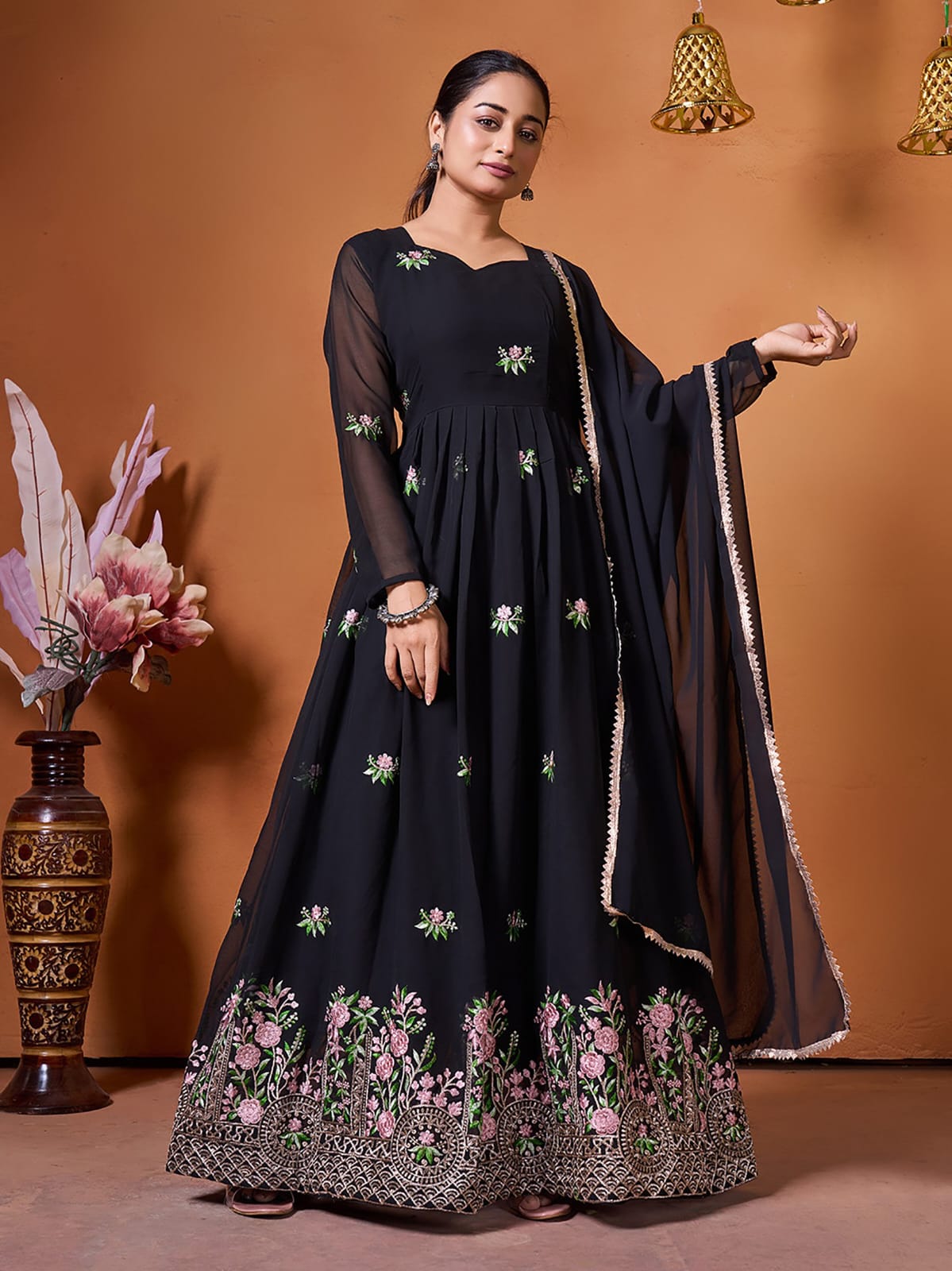
The Elegant Black Ethnic Gown with Floral Embroidery can suit a contemporary reception where the dress code permits an Indo-western silhouette. Black isn't universally avoided at Indian weddings, but local family customs vary, so a black gown is best balanced with festive embroidery, colourful earrings or a bright dupatta when the setting calls for a more traditional mood.
Guests should also avoid wearing symbols, colours or styling associated with a specific ritual if the family has communicated a preference. Cultural etiquette differs between households, and asking a close family contact about dress expectations is more respectful than relying on a universal rule.
How Can Bihar Wedding Guest Outfits Stay Comfortable for Long Functions?
Secure construction and balanced accessories make a wedding guest outfit easier to wear than extra ornamentation does.
- Blouse fit: Test arm movement, seated comfort and bra or innerwear coverage before the event. A blouse that pulls at the shoulders will make a saree difficult to manage.
- Dupatta control: Use two concealed safety pins at the shoulder and waist, or choose a dupatta with enough structure to remain in place. Avoid pinning directly through fragile zari threads.
- Footwear: A 1.5- to 2.5-inch block heel or embellished jutti is more practical than a narrow stiletto for lawns, courtyards and extended standing.
- Jewellery: Pair one dominant piece with quieter accessories. A zari saree can take chandelier earrings, while a heavily embroidered neckline may need only studs and bangles.
- Bag: A small structured potli or crossbody with a secure clasp should hold a phone, compact, tissues and safety pins without becoming heavy.
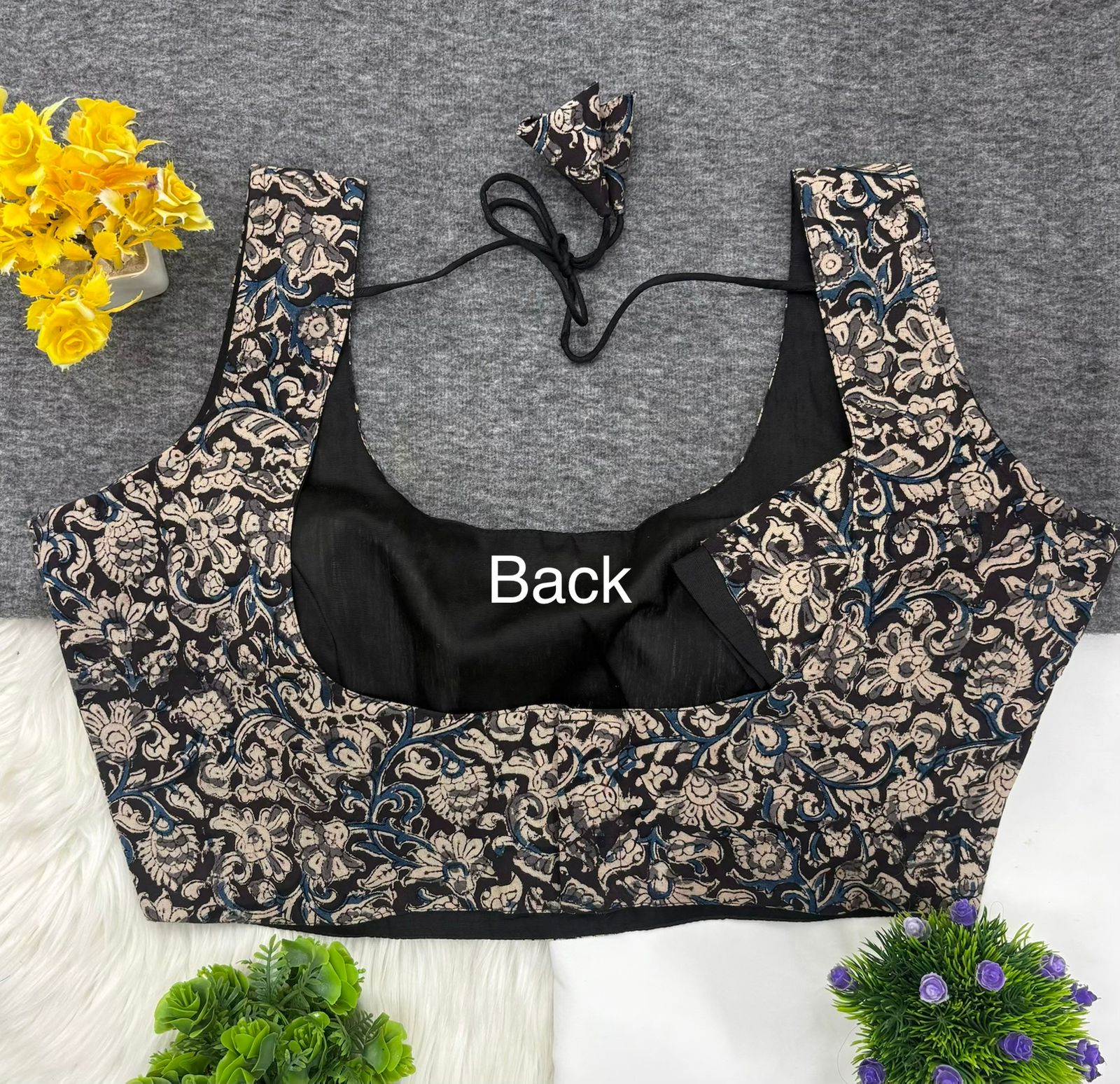
Guests who prefer regional craft references can also look at Kalamkari Print Salwar Suits, Maharashtra Paithani Inspired Salwar Suits, Punjab Phulkari Embroidered Salwar Suits, Karnataka Silk Salwar Suits and Kashmir Embroidered Salwar Suits for ideas about motif, border and colour coordination. These references should guide styling rather than be mixed indiscriminately into one outfit.
For a two-function day, change accessories rather than the complete garment. A daytime suit can take a lightweight dupatta and small earrings at lunch, then a silk stole, larger earrings and a defined eye look at the reception. This approach reduces luggage, dressing time and the risk of carrying delicate clothing through a crowded venue.
How Should Bihar Wedding Guest Outfits Be Prepared and Cared For?
Preparation should begin at least three days before the wedding so that fit, pressing, footwear and minor repairs are resolved without last-minute stress.
- Check the complete outfit: Try the garment with the intended innerwear, blouse, dupatta, footwear and jewellery. Sit, walk, climb a few steps and raise both arms.
- Inspect closures: Examine hooks, zippers, drawstrings and waistband seams. A loose hook is easier to repair before the function than inside a venue washroom.
- Press safely: Follow the care label. Banarasi silk, zari and embellished crepe should generally be pressed from the reverse side with a cloth barrier and moderate heat.
- Pack intelligently: Fold embroidered sections inward, place tissue paper between embellished layers and avoid compressing zari under heavy luggage.
- Protect during meals: Keep a clean scarf or dupatta edge away from oily dishes and use a discreet stain-removal tissue for fresh marks. Do not rub wet stains aggressively into silk.
- Air after wearing: Hang sarees, lehengas and suits in shade for several hours before storage. Avoid sealing perspiration into plastic garment covers.
Silk, zari and sequins should not be machine-washed unless the care label explicitly permits it. Professional dry cleaning is safer for heavily embellished wedding clothing, while light cotton or washable blends may follow their labelled home-care instructions. Store valuable garments folded with acid-free tissue or clean muslin, and refold them every few months to reduce permanent crease lines.
The best outfit is the one that matches the event's formality, remains comfortable for its full duration and lets the wearer participate naturally in family photographs and rituals. A carefully chosen saree, lehenga or traditional suit can feel festive without becoming difficult to manage.
Common Questions About Bihar Wedding Guest Outfits
What should a guest wear to a Bihar wedding?
A guest can wear a saree, lehenga, Anarkali, sharara or embroidered salwar suit to a Bihar wedding. Choose lightweight fabrics for daytime rituals and richer Banarasi silk, soft silk or embellished suits for formal evening events.
Which colour is best for a Bihar wedding guest outfit?
Maroon, bottle green, teal, plum, mustard, rust, pink and jewel-toned purple are dependable wedding guest colours. Ask the family about ritual-specific preferences, and avoid an entirely bridal-looking combination of dense red and heavy gold unless guests have been invited to wear it.
Is a salwar suit suitable for a wedding reception?
A salwar suit is suitable for a wedding reception when it has formal fabric, refined embroidery or zari and well-finished tailoring. An embroidered Anarkali, palazzo suit or sharara can look as occasion-appropriate as a saree while offering easier movement.
What fabric is comfortable for a summer Bihar wedding?
Chanderi, cotton silk, lightweight crepe, georgette and breathable blends are useful for summer weddings. Avoid very heavy brocade, dense velvet and thick lining for long daytime functions unless the venue is strongly air-conditioned.
Can wedding guests wear black to a Bihar wedding?
Wedding guests can wear black in many contemporary settings, but acceptance depends on family and regional customs. Floral embroidery, zari, colourful jewellery or a bright dupatta can make a black outfit feel more festive and less severe.
How can a saree or dupatta stay secure during a long wedding?
Use concealed safety pins at the shoulder and waist, wear supportive inner layers and test the full drape while sitting and walking. A medium-weight dupatta and properly pressed saree pleats usually remain more stable than very slippery or heavily embellished fabric.
Common Questions About Bihar Wedding Guest Outfits
What should a guest wear to a Bihar wedding?
A guest can wear a saree, lehenga, Anarkali, sharara or embroidered salwar suit to a Bihar wedding. Choose lightweight fabrics for daytime rituals and richer Banarasi silk, soft silk or embellished suits for formal evening events.
Which colour is best for a Bihar wedding guest outfit?
Maroon, bottle green, teal, plum, mustard, rust, pink and jewel-toned purple are dependable wedding guest colours. Ask the family about ritual-specific preferences, and avoid an entirely bridal-looking combination of dense red and heavy gold unless guests have been invited to wear it.
Is a salwar suit suitable for a wedding reception?
A salwar suit is suitable for a wedding reception when it has formal fabric, refined embroidery or zari and well-finished tailoring. An embroidered Anarkali, palazzo suit or sharara can look as occasion-appropriate as a saree while offering easier movement.
What fabric is comfortable for a summer Bihar wedding?
Chanderi, cotton silk, lightweight crepe, georgette and breathable blends are useful for summer weddings. Avoid very heavy brocade, dense velvet and thick lining for long daytime functions unless the venue is strongly air-conditioned.
Can wedding guests wear black to a Bihar wedding?
Wedding guests can wear black in many contemporary settings, but acceptance depends on family and regional customs. Floral embroidery, zari, colourful jewellery or a bright dupatta can make a black outfit feel more festive and less severe.
How can a saree or dupatta stay secure during a long wedding?
Use concealed safety pins at the shoulder and waist, wear supportive inner layers and test the full drape while sitting and walking. A medium-weight dupatta and properly pressed saree pleats usually remain more stable than very slippery or heavily embellished fabric.