Bihar Festival Fashion Calendar: What Women Can Wear becomes especially useful when one wardrobe must work for temple visits, riverbank rituals, family gatherings and lively community celebrations. Bihar's festivals follow both solar and Hindu lunar calendars, so dates shift each year, while clothing choices depend on weather, movement, modesty and ritual customs. The most suitable festive outfit isn't always the most decorated one; it's the garment that remains comfortable, respectful and practical throughout the day.
This guide maps major Bihar festivals to suitable silhouettes, fabrics, colours and accessories. Banarasi silk, cotton, linen cotton, silk blends and breathable kurti sets each have a place, depending on the month and activity. A few considered adjustments can make one saree or salwar suit work for a morning puja, an outdoor procession or an evening family celebration.
Bihar Festival Fashion Calendar: How to Plan Around Weather and Rituals
The Bihar Festival Fashion Calendar helps women match clothing to a festival's season, setting and level of physical activity. A winter Makar Sankranti gathering calls for warmer layers, while a long Chhath Puja ritual in late autumn calls for a stable drape and comfortable footwear.
Festival dates can change because many Bihar celebrations are scheduled according to tithi, or the lunar day. Chhath Puja usually falls in October or November, Holi generally arrives in March, Teej takes place during July or August, and Jivitputrika Vrat commonly falls in September or October. Checking the annual local calendar before shopping prevents a mismatch between fabric and weather.
Three questions make festive dressing easier:
- Will the outfit be worn indoors, outdoors or near water?
- Will the wearer sit, walk, offer prayers or carry ritual items for several hours?
- Does the fabric suit the temperature and allow quick movement?
A heavily embellished saree may look appropriate for an evening reception but become inconvenient during a long outdoor puja. A cotton saree, linen cotton saree or lightweight silk-cotton can be more suitable for daytime rituals, especially when the outfit must remain neat after several hours of walking and sitting.
Women who attend several festivals can build a flexible wardrobe around three pieces: one breathable printed saree, one dressier silk or silk-blend outfit, and one kurti-pant-dupatta set. A full-sleeved blouse or short ethnic jacket adds warmth in January, while a cotton lining and half sleeves improve comfort during humid monsoon celebrations.
Bihar Festival Fashion Calendar: What Should Women Wear for Chhath Puja?
Women attending Chhath Puja should choose a clean, comfortable saree or modest traditional ensemble in a breathable fabric, with a secure drape and minimal loose embellishment.
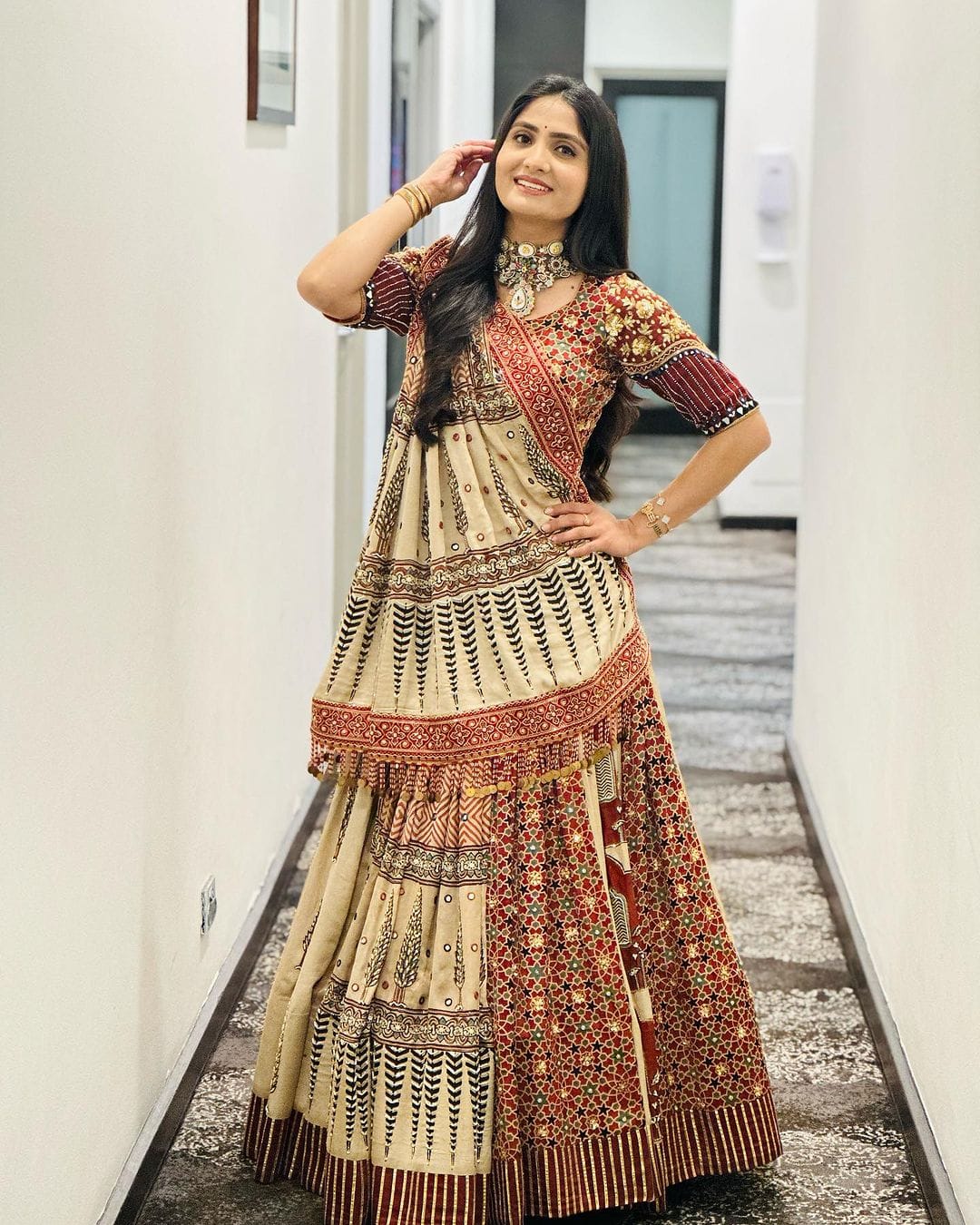
Chhath Puja is one of Bihar's most important festivals and includes prayers to Surya Dev and Chhathi Maiya, often at a riverbank, pond or other water body. Women may spend substantial time standing, walking over uneven ground, sitting on the floor and handling offerings. A saree with firmly tucked pleats and a pallu secured at the shoulder is therefore more practical than an unstable drape.
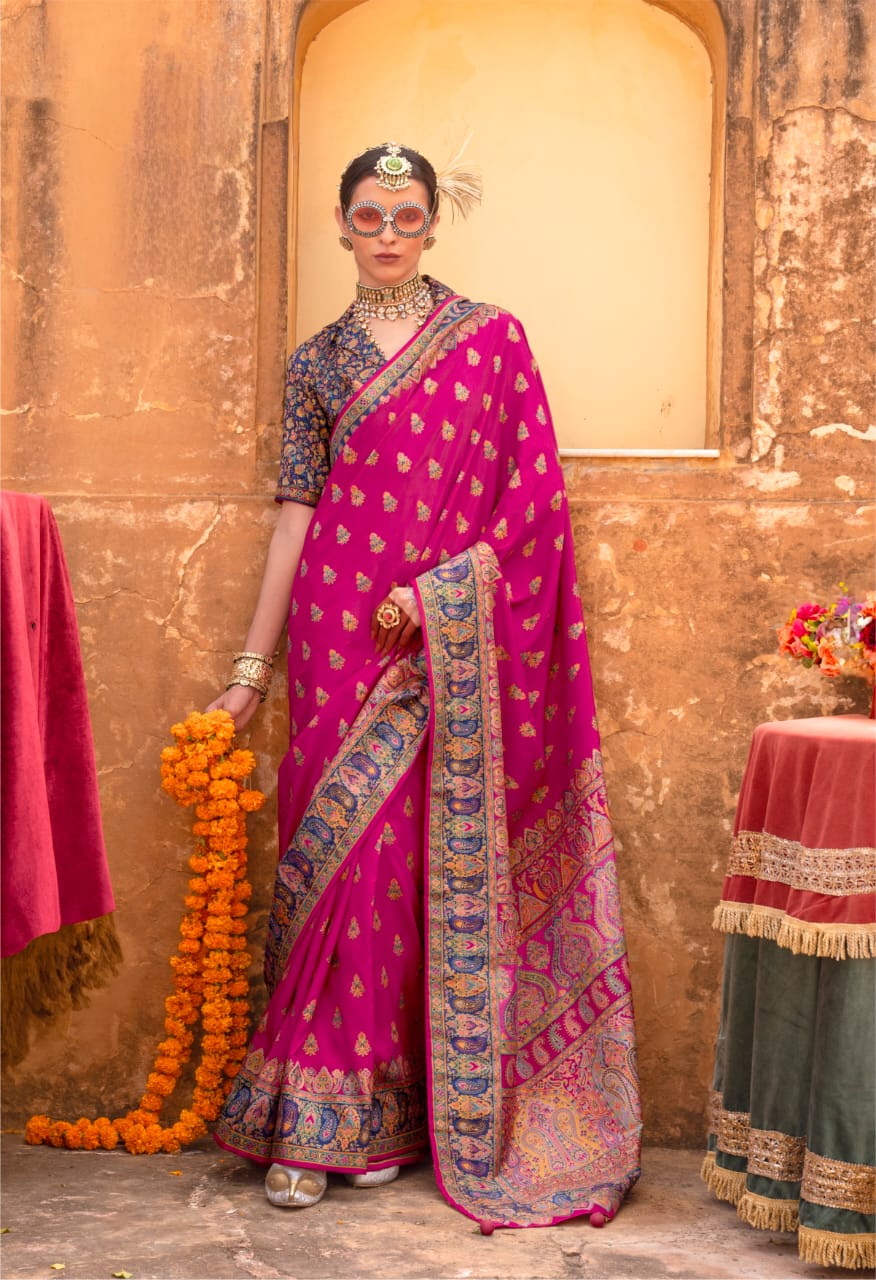
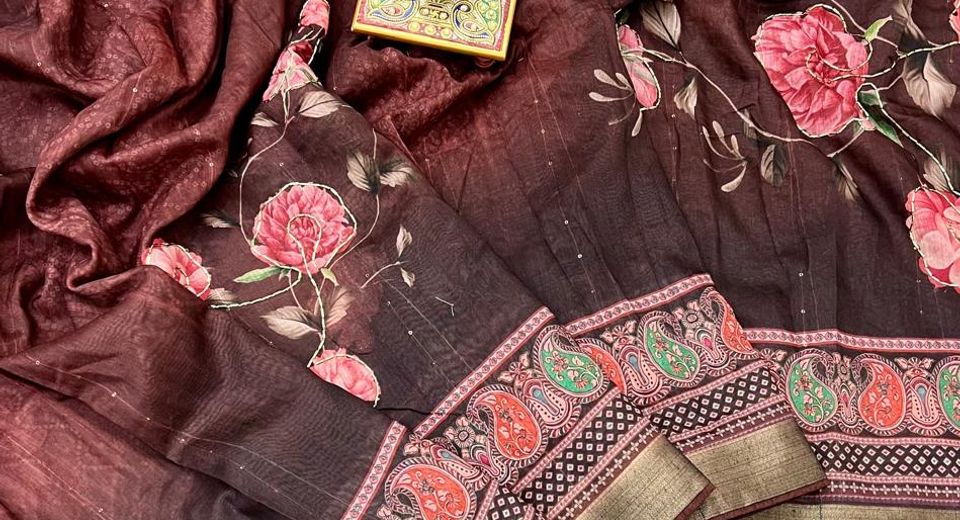
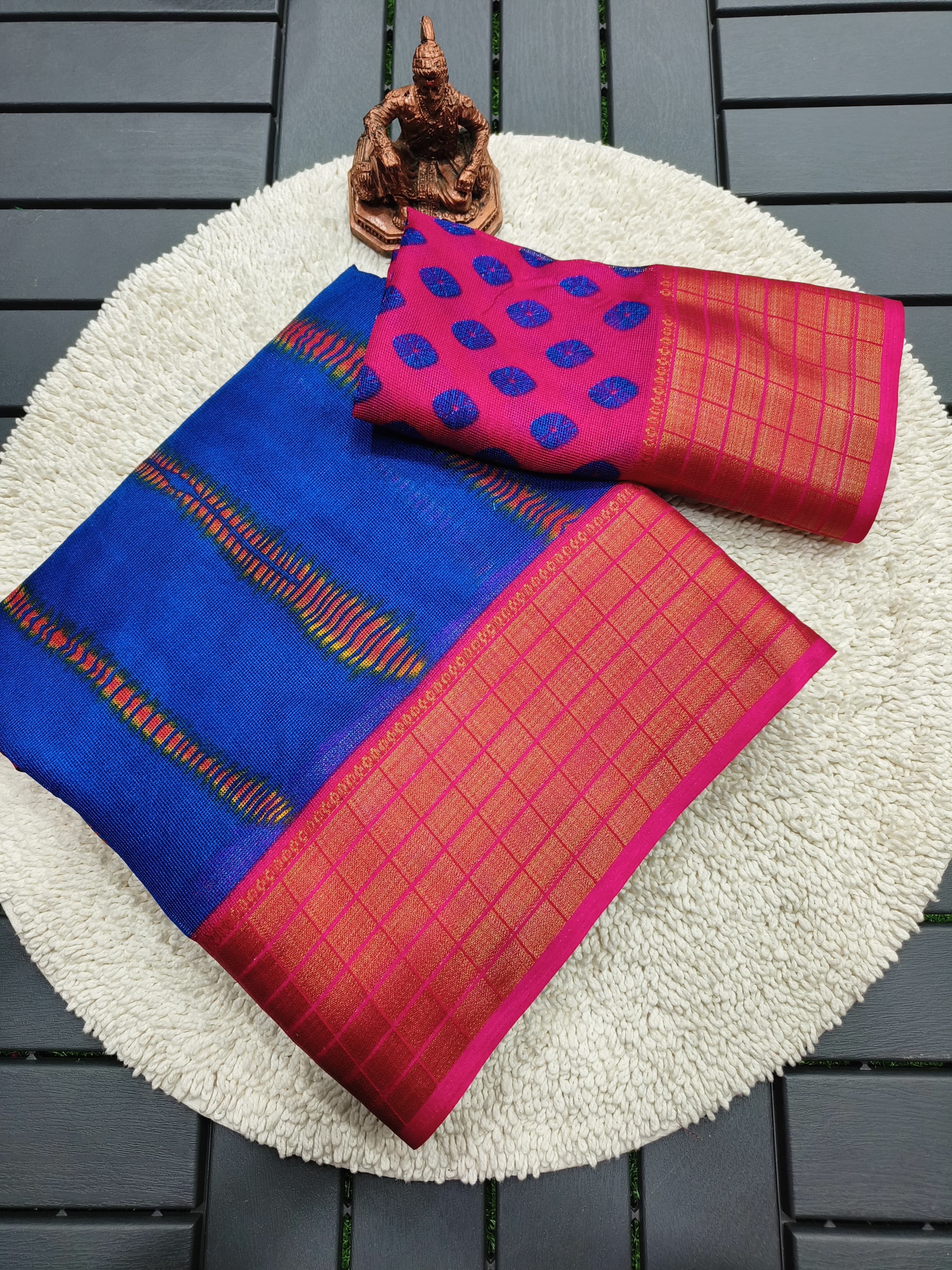
For a daytime Chhath gathering, cotton, linen cotton or light silk-cotton generally offers better airflow than thick synthetic fabric. Festive Wear Blue Silk Saree for Women can suit an evening prayer or family gathering when its silk finish is balanced with a comfortable blouse and low-heeled footwear. A cotton saree is usually preferable for women who will remain outdoors near water for several hours.
Classic colour choices often include yellow, red, orange, pink and green, although family customs vary. A bright saree doesn't need heavy embroidery to look ceremonial. A contrasting blouse, small gold earrings, glass bangles and a neatly tied bun can create a festive appearance without adding weight.
Chhath Puja dressing also benefits from practical preparation. Carry safety pins, a spare hair tie and a small cloth bag for personal items. Choose sandals with a firm sole rather than slippery heels, and avoid floor-length hems that can drag near wet ground. If a silk saree is selected, test the pleats and pallu at home before the festival so the drape remains secure during movement.
Bihar Festival Fashion Calendar: What Works for Makar Sankranti and Holi?
Women can wear warm layered ethnic outfits for Makar Sankranti and lightweight washable garments for Holi, because the two festivals require very different clothing strategies.
Bihar Festival Fashion Calendar: Dressing for Makar Sankranti
Makar Sankranti usually arrives in January, when mornings and evenings in Bihar can be cool. A saree worn with a full-sleeved blouse, a shawl or a short ethnic jacket provides warmth without hiding the festive look. Silk, wool-blend shawls and medium-weight cotton are useful layers, while very delicate chiffon can feel cold and difficult to manage outdoors.
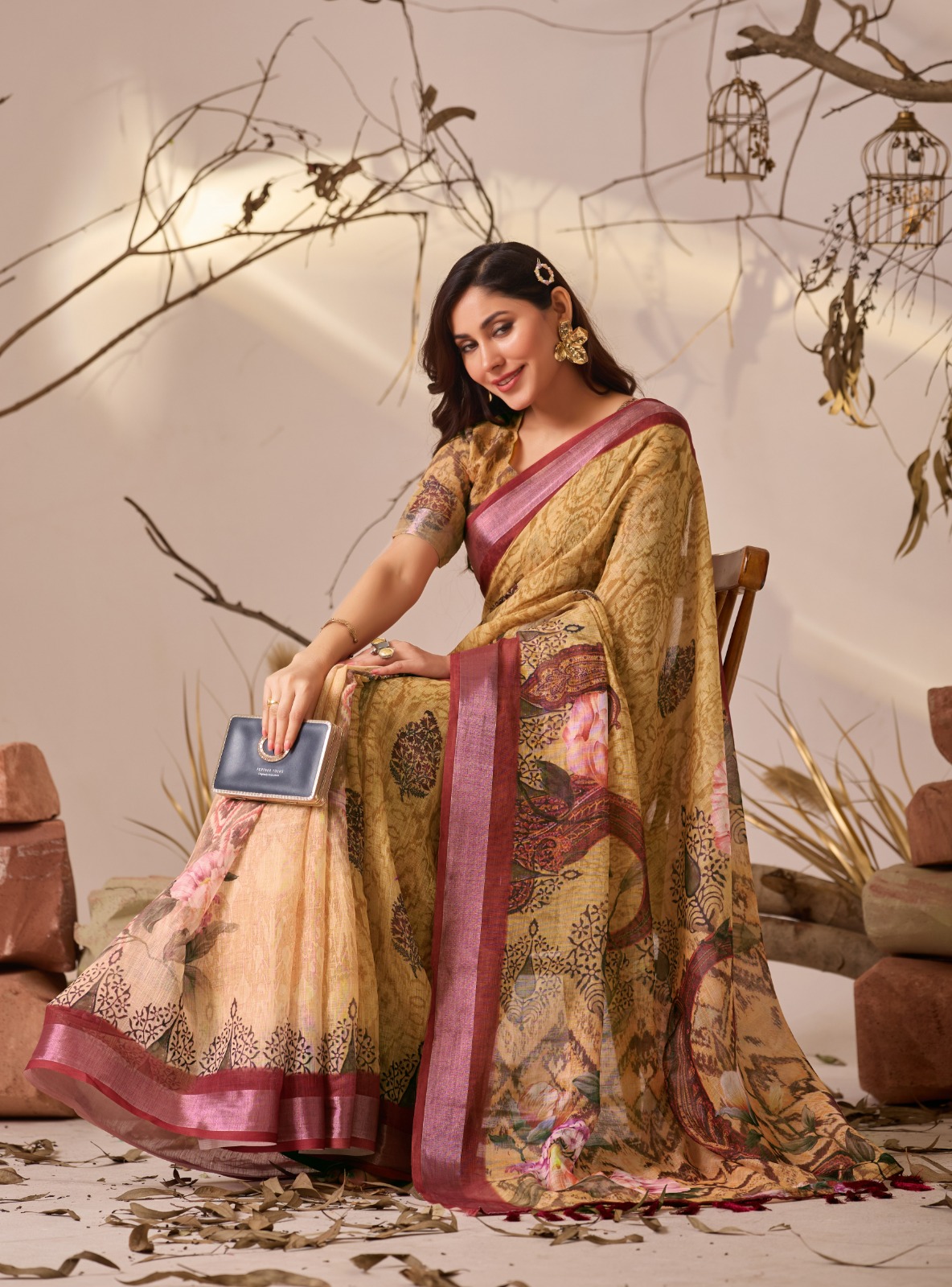
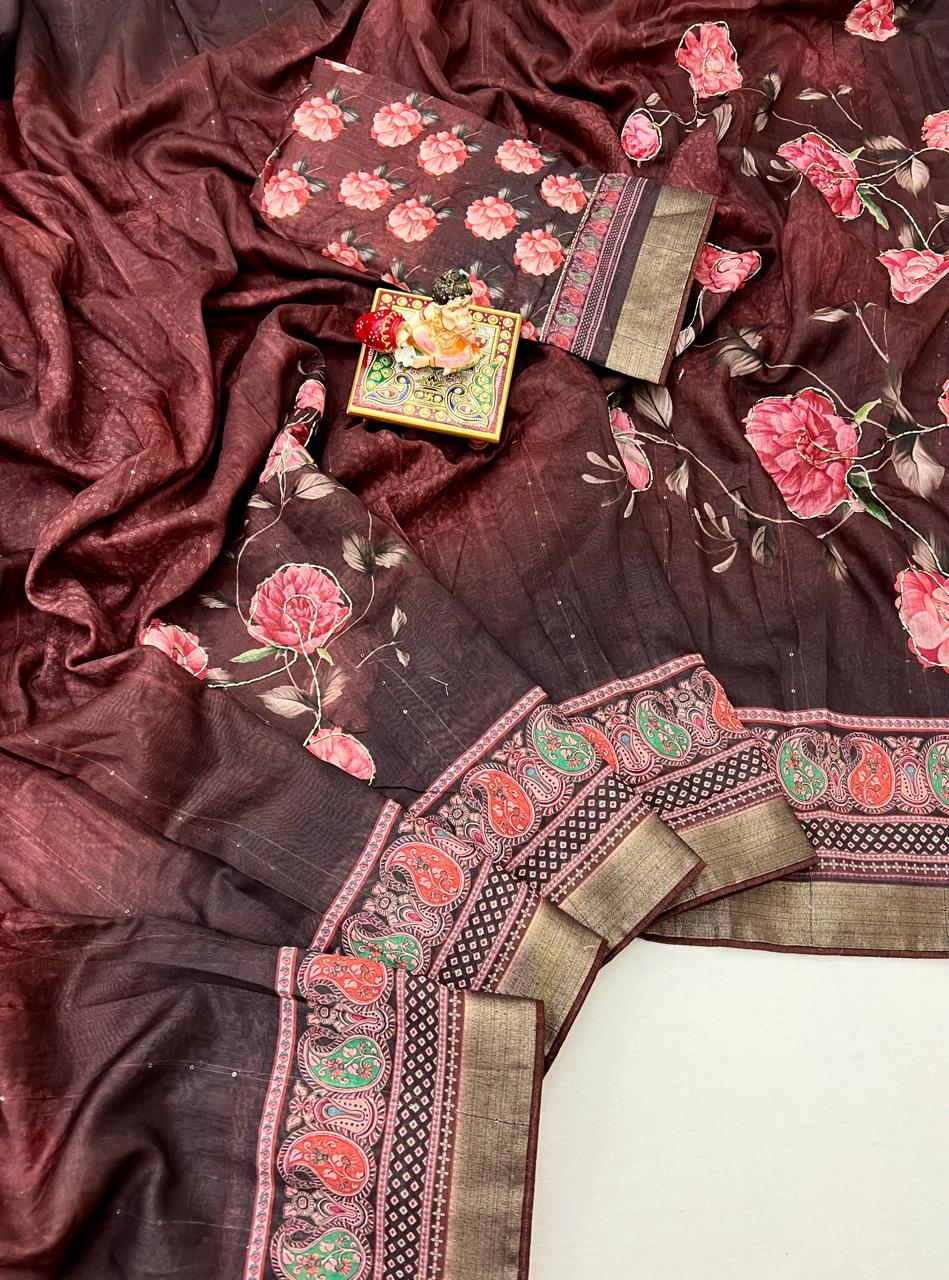
Women attending a family lunch or puja can choose a bright saree with a simple border, a kurta with palazzo trousers or a salwar suit with a woven dupatta. Pastel Linen Cotton Floral Print Saree with Designer Blouse gives a softer daytime direction for a home gathering; its floral surface can be paired with understated jewellery so the outfit remains suitable for a winter afternoon rather than looking like eveningwear.
Bihar Festival Fashion Calendar: Dressing for Holi
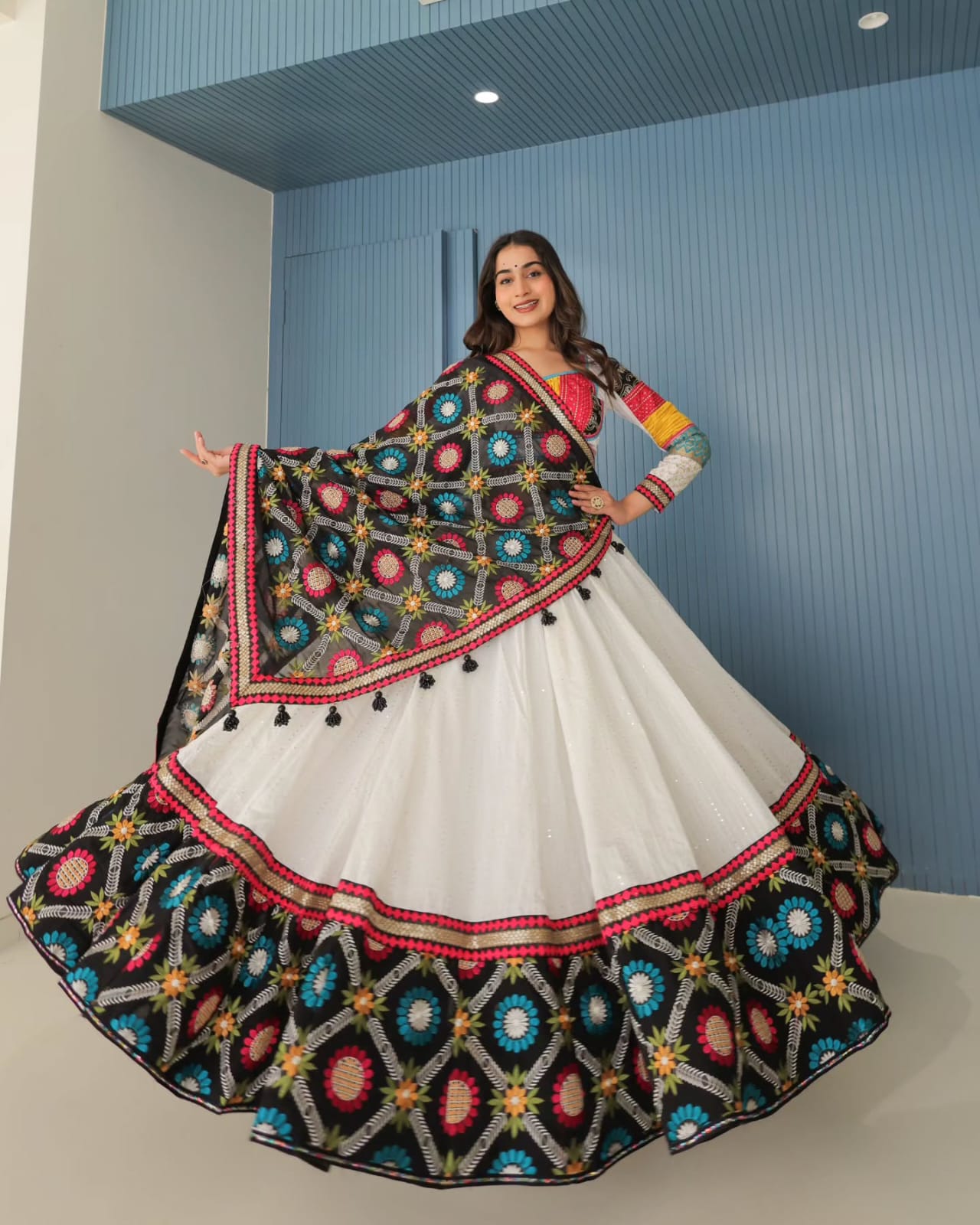
Holi clothing should be washable, movement-friendly and made from a fabric that doesn't become uncomfortably heavy when wet. Cotton sarees, cotton kurta sets and older festive garments are safer choices than raw silk, velvet, suede accessories or heavily embroidered pieces.
A shorter or pre-pleated drape can reduce the risk of tripping during outdoor celebrations. Women who prefer trousers can wear a straight kurta with cotton palazzos and a dupatta pinned at both shoulders. Choose inexpensive imitation jewellery, secure hair in a braid or bun, and protect footwear with a washable pair that has good grip.
White clothing is a popular Holi choice because coloured powders show clearly against it, but a white outfit may become permanently stained. Anyone choosing white should accept that risk and avoid wearing an irreplaceable heirloom. A pale cotton kurta set or a simple floral saree gives a similar fresh visual effect with less financial risk.
Bihar Festival Fashion Calendar: What Can Women Wear for Teej and Jivitputrika Vrat?
Teej and Jivitputrika Vrat call for graceful, breathable outfits that respect devotional settings while allowing women to sit, walk and participate in group rituals.
Bihar Festival Fashion Calendar: Teej Outfits for Monsoon Weather
Teej usually falls in July or August, so breathable cotton, linen cotton and light georgette are more practical than thick brocade in humid weather. Green, red, pink and yellow are commonly associated with monsoon and marital festivity, although colour customs differ between families and regions.
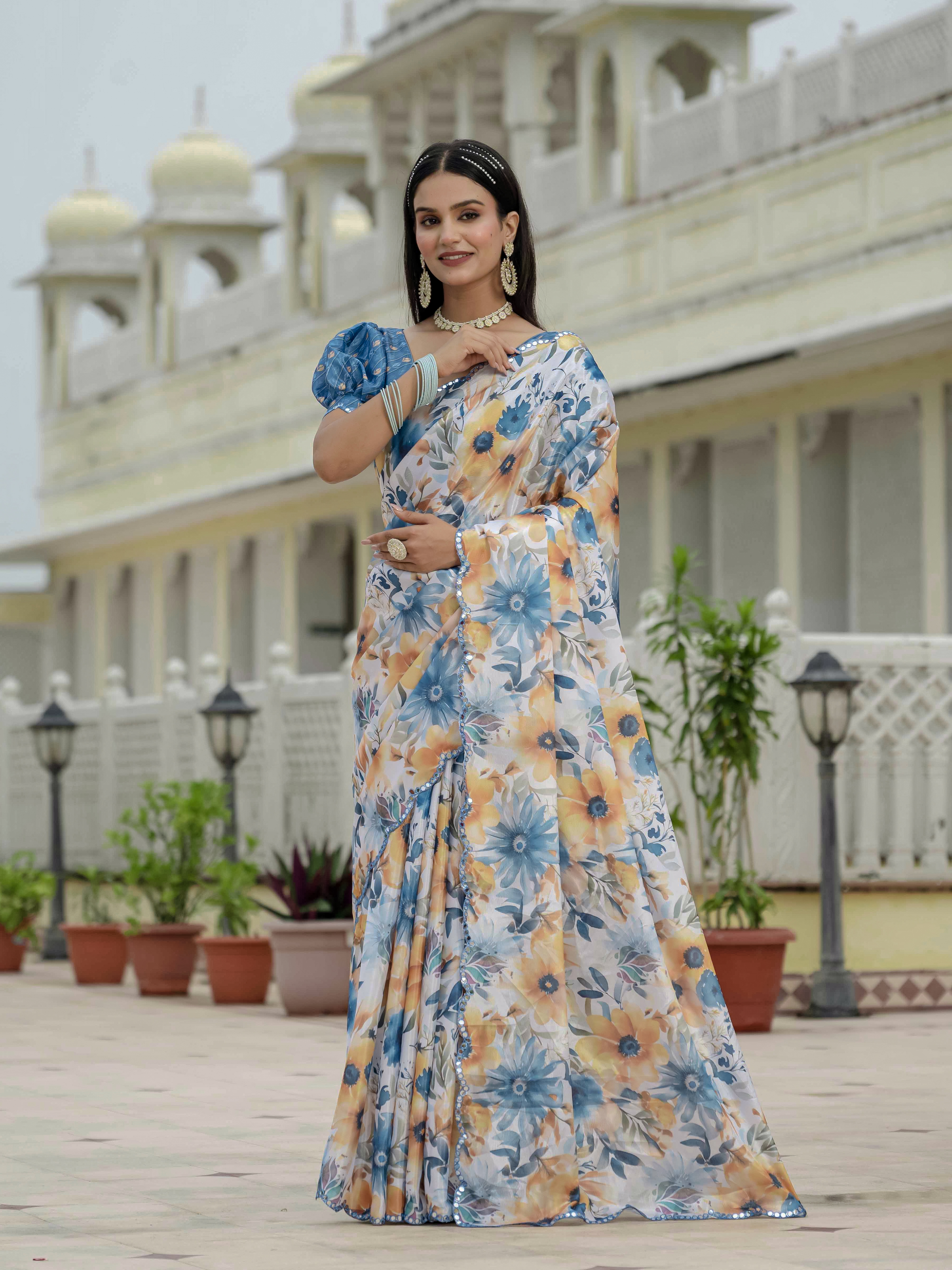
A saree with a medium-width border creates a heritage appearance without adding excessive weight. Multicolour Floral Linen Cotton Saree with Blue Border Look can work for a daytime Teej gathering because its floral pattern supplies visual interest while the linen-cotton construction remains more manageable than a heavily layered outfit. Pair the saree with a solid blouse in blue, green or one of the accent shades.
Monsoon dressing requires attention to drying time. Do not store a damp saree after a humid event, even when the fabric feels only slightly moist. Air the garment completely before folding, and use a breathable cotton cover rather than sealing it immediately in plastic.
Bihar Festival Fashion Calendar: Jivitputrika Vrat Clothing
Jivitputrika Vrat, also called Jitiya, is associated with mothers praying for the wellbeing of their children and is observed in September or October. Women may prefer a classic saree in red, maroon, yellow or another family-approved colour, with jewellery that's meaningful rather than cumbersome.
Because fasting can make long celebrations tiring, soft waistbands, breathable blouses and low-heeled footwear matter. A saree with a manageable border and a blouse that allows arm movement is more comfortable than a rigid, heavily embellished ensemble. Keep the pallu secure with a discreet pin placed from the inside so the outward appearance remains neat.
Bihar Festival Fashion Calendar: How to Dress for Sama-Chakeva and Community Events
Women can choose lightweight sarees, printed cottons or salwar suits for Sama-Chakeva because the festival involves singing, storytelling, walking and community participation.
Sama-Chakeva is a folk festival associated particularly with Mithila and is traditionally celebrated around the period after Diwali. Women and girls may participate in songs, storytelling and group activities, making a lightweight saree, kurta set or salwar suit appropriate.
Printed cotton and linen cotton reflect the informal, community-centred character of the celebration. Multicolor Linen Cotton Floral Printed Saree at VARNAVI shows how a bright print creates a festive appearance without requiring heavy zari or dense embroidery. A small bindi, oxidised earrings and flat sandals can complete the outfit without competing with the print.
Community celebrations often involve repeated sitting and standing, so avoid sleeves that restrict the upper arm or dupattas that slide constantly. Pin a dupatta at one shoulder and the opposite side of the bust, or select a saree blouse with a secure neckline and comfortable armholes. A medium-sized crossbody or cloth pouch is more practical than a large handbag during group activities.
Bihar Festival Fashion Calendar: What Can Women Wear for Diwali and Dussehra?
Women can choose richer colours, silk, zari details and dressier silhouettes for Dussehra and Diwali, while keeping the outfit's weight appropriate for the event and climate.
Dussehra and Diwali typically fall in September, October or November, depending on the year. These festivals include home pujas, visits to relatives, cultural programmes and evening gatherings. A silk saree, embroidered kurta set, sharara or lehenga can suit these settings, but the right level of formality depends on whether the event is a prayer, a daytime visit or a party.
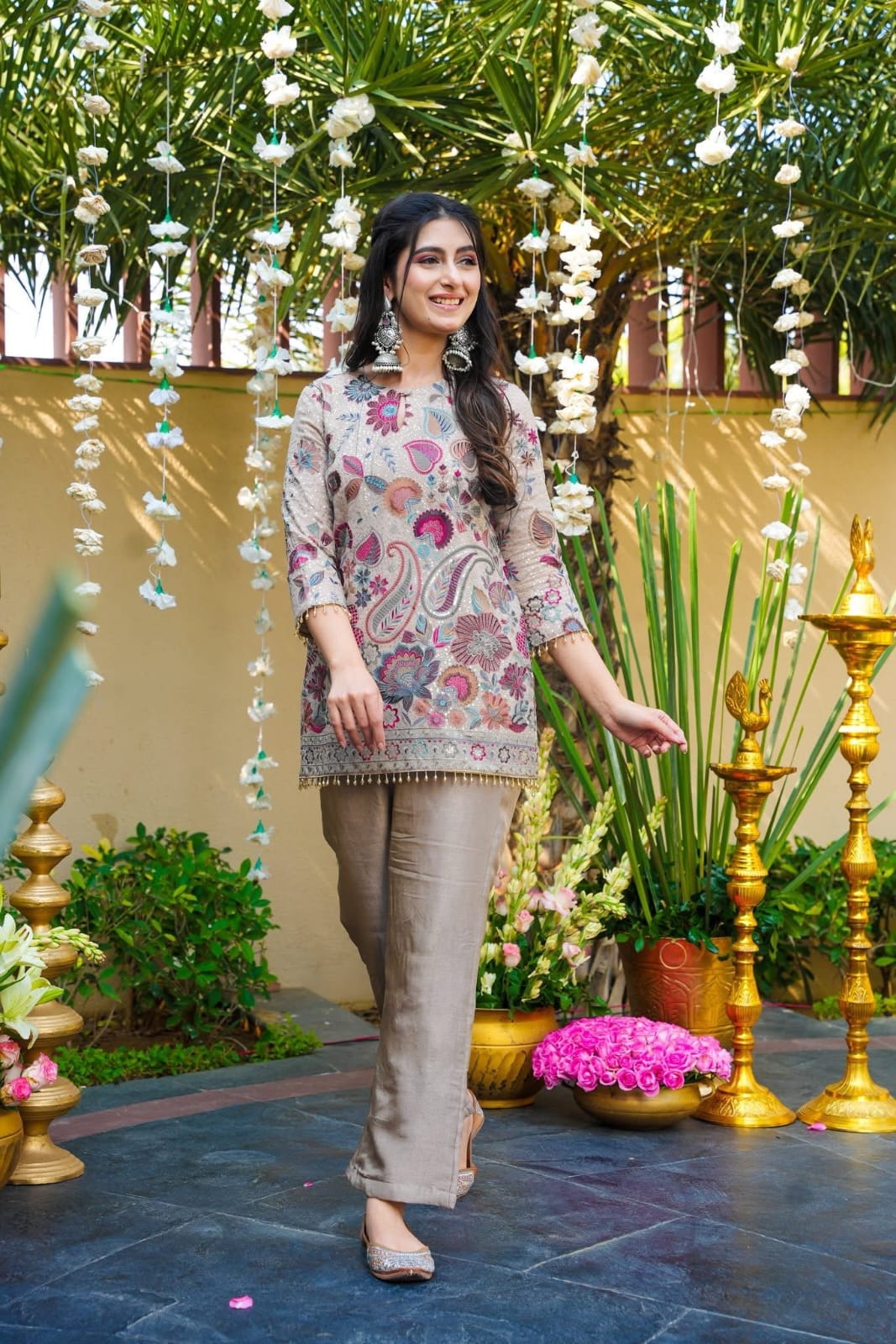
Beige Embroidered Silk Kurti Pant Dupatta Set Women is useful for women who want the polish of silk without managing a full saree. The straight pant gives easier movement for visiting several homes, while the dupatta preserves a classic finish. Choose jhumkas or a short necklace rather than wearing every accessory at once, particularly when the kurti already includes embroidery.
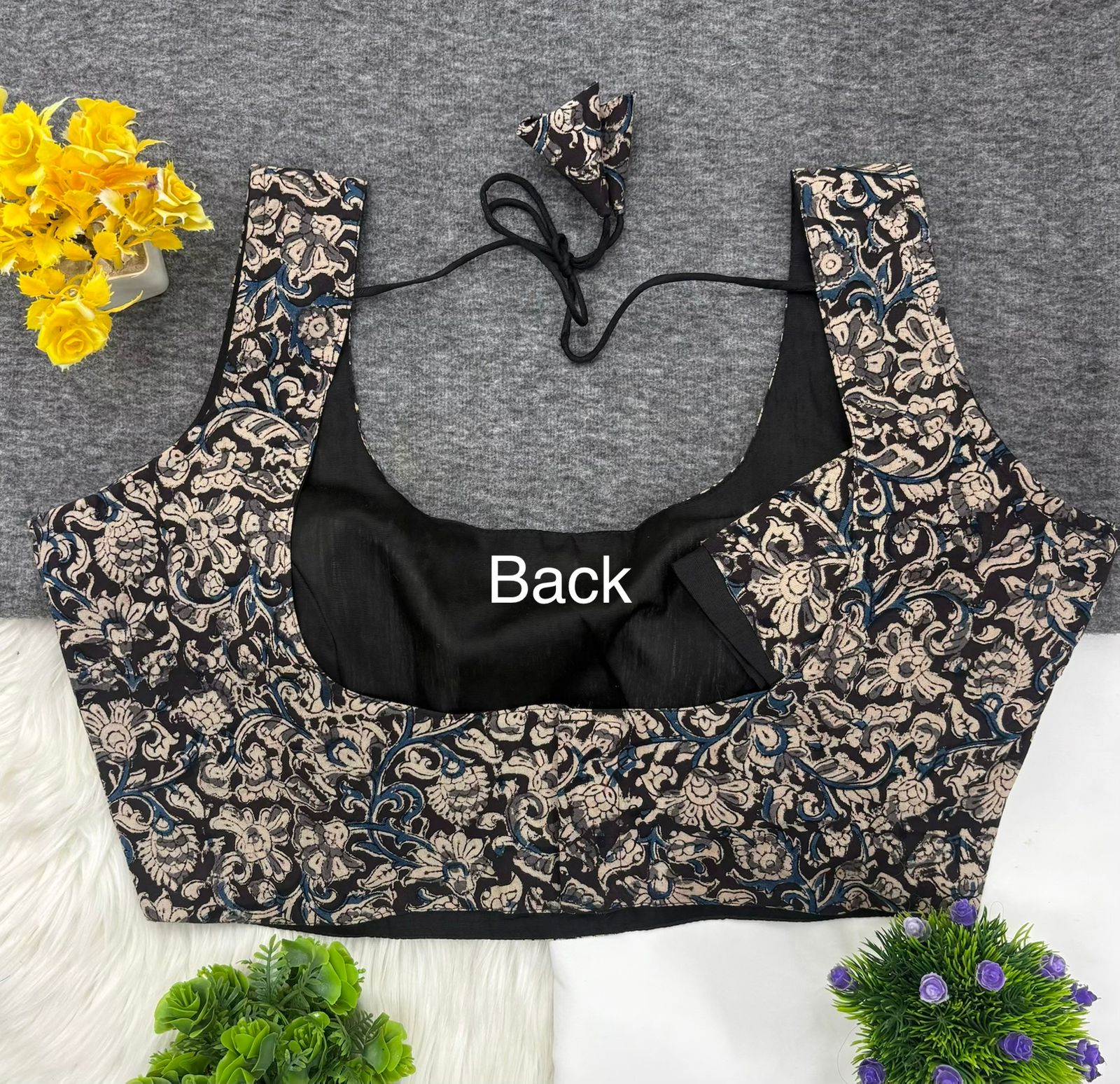
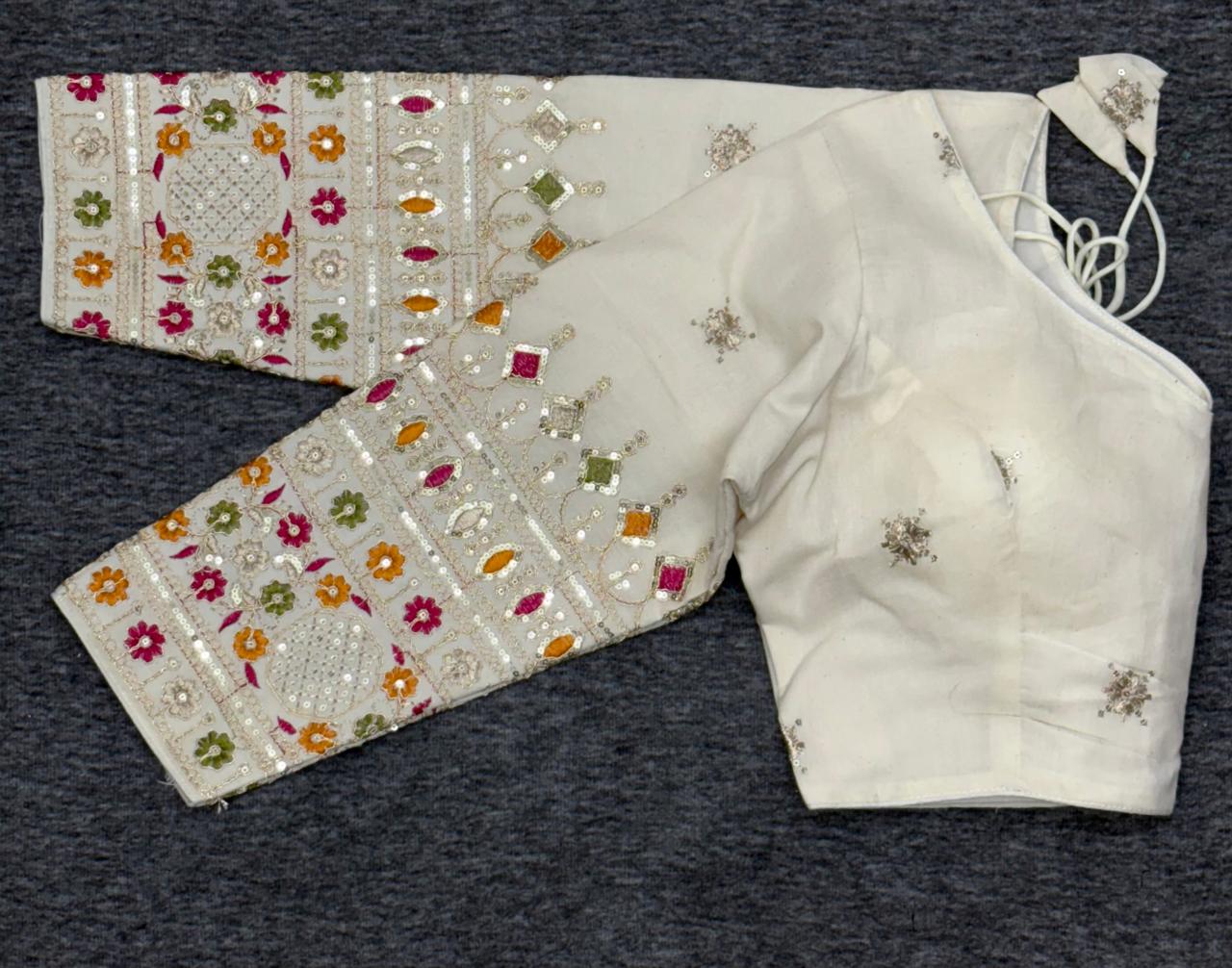
A saree can shift from simple to celebratory through the blouse and accessories. Classic Festive Wear Blouse for Stylish Saree Look can refresh a plain or lightly printed saree for Diwali without requiring a new drape. Check the blouse fit at the armhole and bust before the event; a festive blouse should allow the wearer to raise her arms comfortably for puja and greeting relatives.
Silk, zari and embroidered garments should not be treated like everyday cotton. After wearing a silk saree, air it in shade for several hours before folding. Never iron zari directly; place a thin cotton cloth between the iron and the fabric, use low heat and test an inner section first.
Bihar Festival Fashion Calendar: How to Choose Fabrics, Accessories and Care
The most reliable festive wardrobe combines breathable fabrics for daytime rituals with silk, zari and embroidery for shorter evening events.
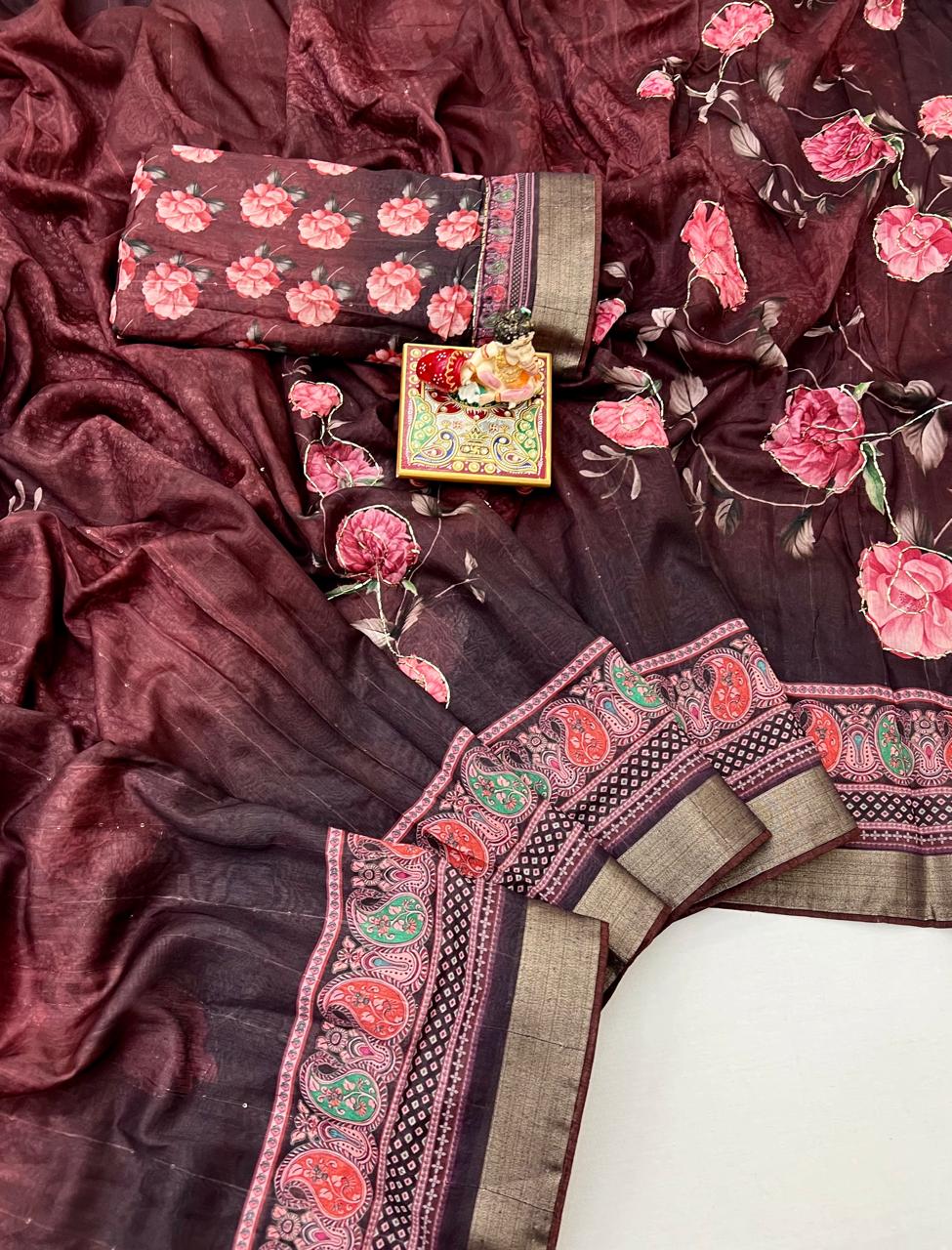
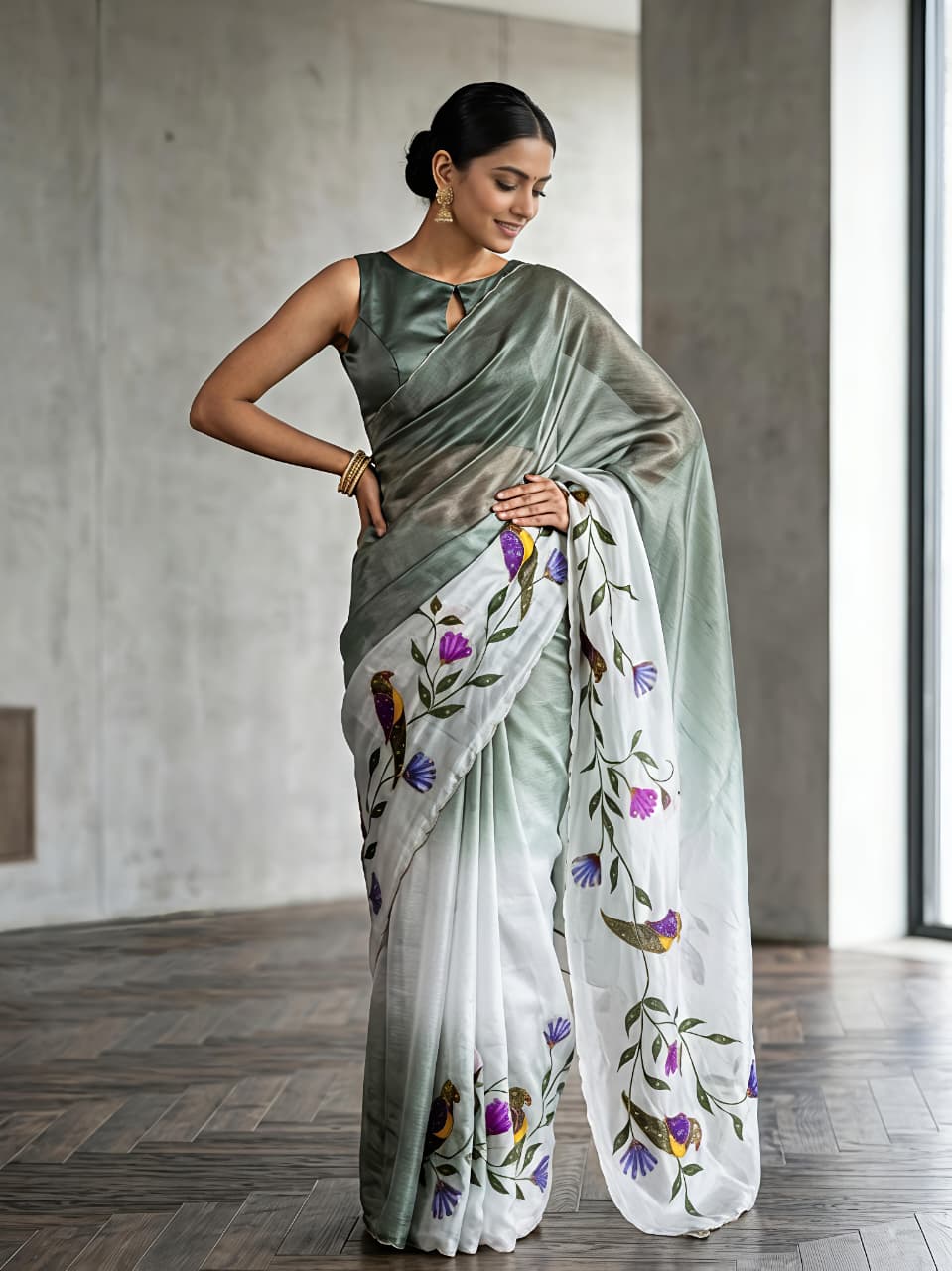
Party Wear Brown Cotton Saree With Designer Blouse demonstrates how cotton can look polished when the blouse brings structure. Cotton is useful for hot afternoons, long family visits and gatherings involving floor seating. Linen cotton is similarly breathable, though it creases more visibly; a handheld steamer or low-heat iron can restore the fall before wearing.
Ivory Floral Linen Cotton Co-Ord Set for Women from Varnavi brings a coordinated alternative to a saree for women who want easier movement. A co-ord set can work for a daytime cultural programme or informal festive visit, but a dupatta may be preferable for a temple setting or a family custom that calls for greater coverage.
Accessories should answer the event rather than compete with the garment. Gold-toned jewellery pairs naturally with silk and zari, oxidised silver works well with printed cotton, and glass bangles add colour without the weight of a broad cuff. For outdoor rituals, choose earrings with secure backs and leave long necklaces at home if the outfit requires frequent bending.
Fit deserves as much attention as colour. A saree blouse should close without pulling across the bust, salwar trousers should allow a full seated position, and a dupatta should remain secure when both hands are occupied. Try the complete outfit at least two days before the festival, including footwear, jewellery and any layers.
Care instructions vary by fibre. Hand-wash colourfast cotton separately in cool water, avoid chlorine bleach, and dry printed garments inside out in indirect sunlight. Dry-clean embellished silk and store it folded in unbleached muslin. Refold silk every few months to prevent permanent creases along the same line. These small steps help festive clothing remain wearable across several years and celebrations.
Common Questions About Bihar Festival Dressing
What should women wear for Chhath Puja in Bihar?
Women should choose a clean, breathable saree or modest traditional outfit with a secure drape and comfortable footwear. Cotton, linen cotton and light silk-cotton are practical for long outdoor rituals near water, while firmly tucked pleats and a pinned pallu improve safety.
Which saree fabric is best for Bihar festivals in summer or humid weather?
Cotton and linen cotton are usually the most comfortable choices for hot or humid weather because they allow airflow and are easier to wash. Light silk-cotton can work for a dressier event, while heavy brocade and thick synthetic fabrics may feel uncomfortable during long daytime celebrations.
What can women wear for Teej during the monsoon?
Women can wear a lightweight cotton, linen cotton or georgette saree in colours such as green, red, pink or yellow. A secure drape, quick-drying fabric and flat footwear are useful because Teej celebrations often involve humid weather and outdoor movement.
Are silk sarees suitable for Chhath Puja?
Silk sarees are suitable for an evening prayer or family gathering, but lightweight cotton or silk-cotton is generally more practical for several hours near water. Women choosing silk should secure the pleats and pallu carefully and wear footwear with a firm sole.
What should women wear for Holi in Bihar?
Women should select washable cotton clothing, comfortable footwear and accessories that can tolerate coloured powder and water. An older cotton saree, kurta set or simple palazzo outfit is safer than raw silk, velvet or an irreplaceable embroidered garment.
How can one festive outfit work for several Bihar festivals?
A breathable printed saree, a versatile blouse and a lightweight dupatta can be restyled for several celebrations. Change the accessories, add a shawl or jacket in winter, and reserve heavier silk or zari pieces for shorter evening events rather than long outdoor rituals.