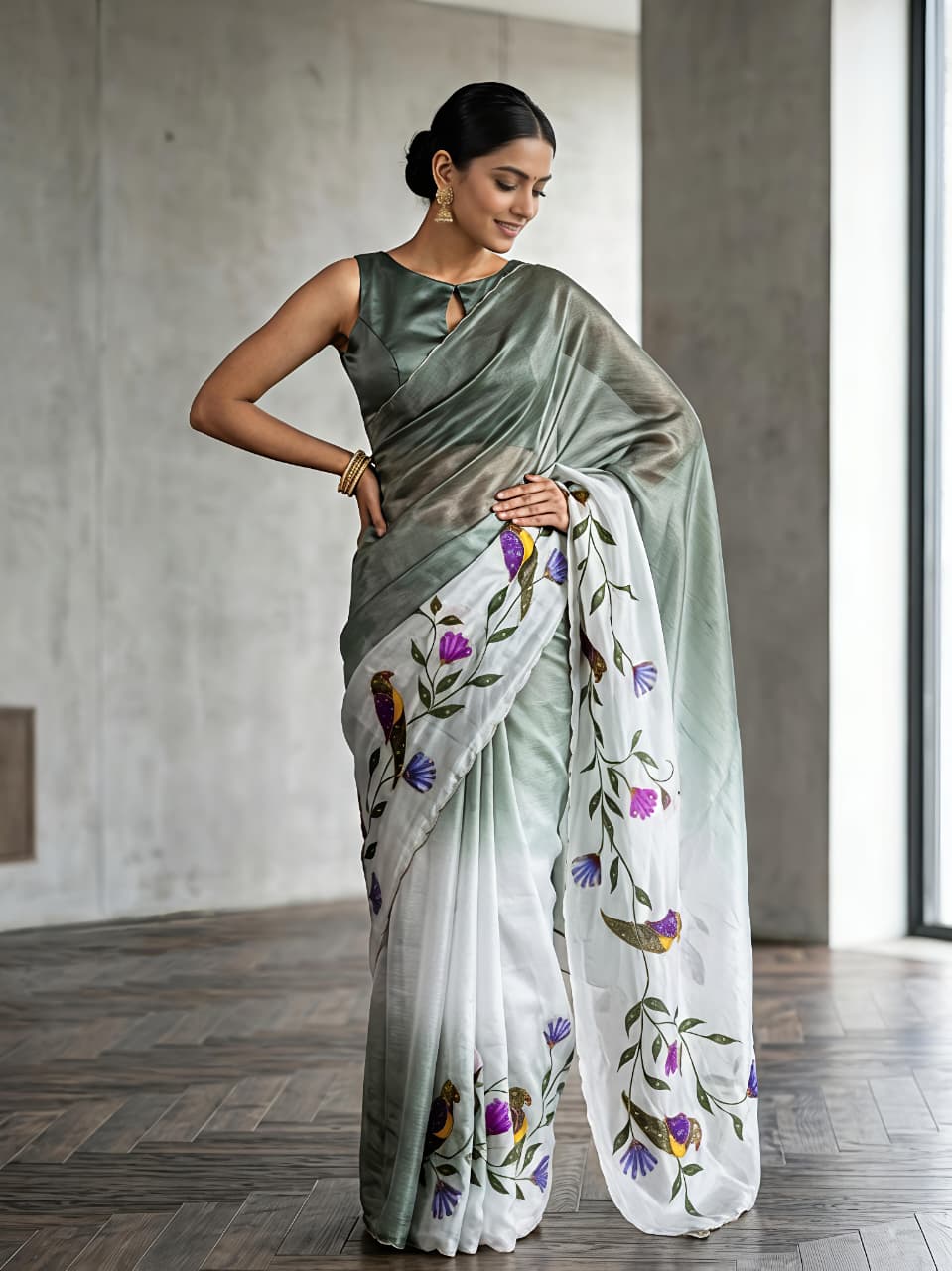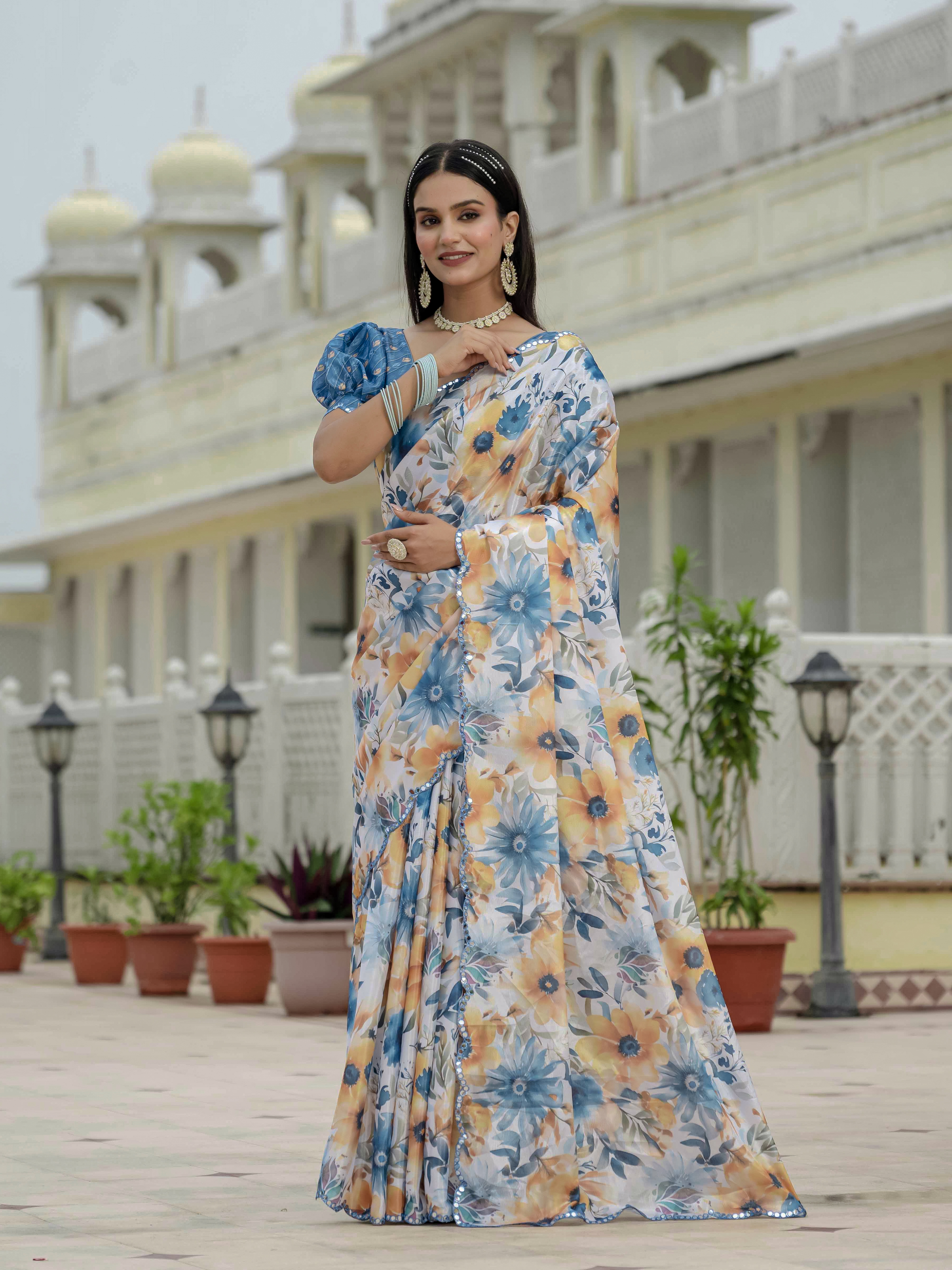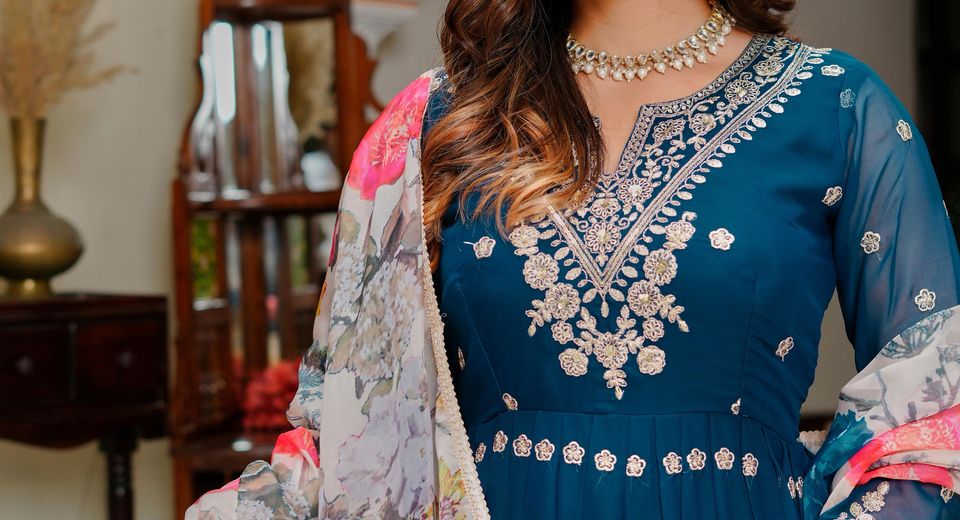
Bhogali Bihu Fashion: Assamese Traditional Outfits for Women brings together festive colour, handwoven identity and the practical ease needed for long family gatherings. Bhogali Bihu, also called Magh Bihu, marks the end of the harvest season in Assam. Women normally wear a mekhela chador, riha, Assamese silk saree or a thoughtfully adapted ethnic outfit for Uruka, morning rituals and visits with relatives. The right choice depends on the setting, fabric, weather and how much movement the day requires.
Bhogali Bihu Fashion: What does traditional Assamese clothing include?
Traditional Bhogali Bihu clothing for women usually includes a mekhela chador or Assamese saree made from muga silk, pat silk, eri silk or cotton, often paired with a riha and traditional jewellery. The mekhela is the lower draped piece, while the chador is wrapped over the upper body in a style that differs from a standard saree drape.
A mekhela chador generally has two main visible components: the cylindrical lower garment and the long upper cloth. A riha may be worn beneath or alongside the chador, particularly in more traditional dressing. Assamese weaves often feature geometric borders, floral butis, diamond patterns and stylised motifs inspired by plants, animals and household craft traditions.
Muga silk has a naturally warm golden sheen and is strongly associated with Assam. Pat silk is smoother and brighter, making it suitable for formal festive clothing. Eri silk has a softer, more matte texture and is often appreciated for its comfortable hand feel. Handloom cotton remains an useful choice for daytime celebrations, especially when the weather is mild but the wearer expects to move between indoor and outdoor spaces.
The distinctive Assamese gamusa also has cultural importance. A gamusa is traditionally a white woven cloth with red borders or red woven motifs, although contemporary versions use varied patterns. Wearing a gamusa-inspired stole, using red-and-white accents or choosing a blouse with a similar border can acknowledge Assamese visual language without treating the gamusa as a decorative prop.
Bhogali Bihu Fashion: How should you choose a mekhela chador?
Choose a mekhela chador by matching the fabric weight, border scale and drape comfort to the part of Bhogali Bihu you'll attend. A lighter cotton or eri silk outfit works well for daytime visits, while muga silk or pat silk gives a more formal finish for Uruka dinners and family portraits.
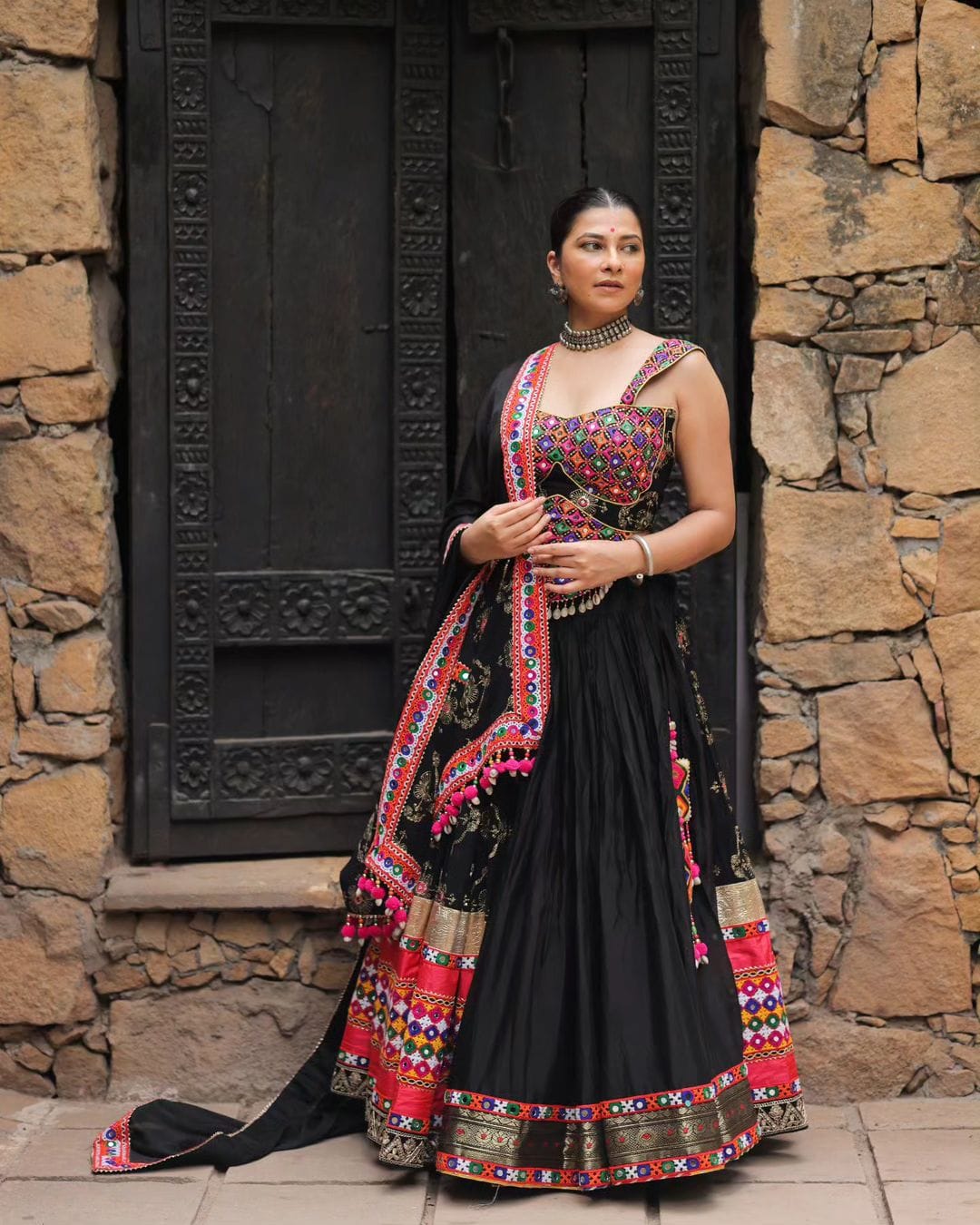
Bhogali Bihu Fashion and fabric choice
January weather in Assam can feel cool in the morning and warmer by afternoon, so fabric layering matters. A medium-weight silk offers warmth without the bulk of heavy velvet or densely embellished synthetic fabric. Cotton can be more comfortable for cooking, serving food and sitting near a meji, while silk creates a polished silhouette for ceremonial photographs.
Check the fabric label before buying. A silk-blend outfit may be easier to maintain than pure handloom silk, but the shine, fall and texture will differ. Pure muga silk can be an heirloom purchase, whereas eri silk and cotton often provide more frequent-wear value. A neatly finished border is especially important because the lower mekhela edge remains visible throughout the drape.
Bhogali Bihu Fashion and woven borders
A broad woven border creates a formal appearance, while a narrow border looks lighter and more contemporary. Red, ivory, gold, black, deep green and rust are useful colour directions because they complement Assamese textile traditions without requiring excessive ornament.
Motifs should support the proportion of the wearer and the scale of the outfit. A small geometric motif can suit a petite frame or a minimal jewellery look. A larger floral or jaapi-inspired motif can hold its own against a plain blouse and a wide border. Avoid selecting a design only because it resembles a generic ethnic print; the quality of the weave and the clarity of the border usually matter more than surface decoration.
Bhogali Bihu Fashion: Which colours work best for women?
Red, ivory, cream, gold, mustard, green, rust and deep blue work particularly well for Bhogali Bihu Fashion because they echo Assamese festive textiles, winter light and harvest celebrations. Colour should also reflect the time of day and the amount of visual detail in the outfit.
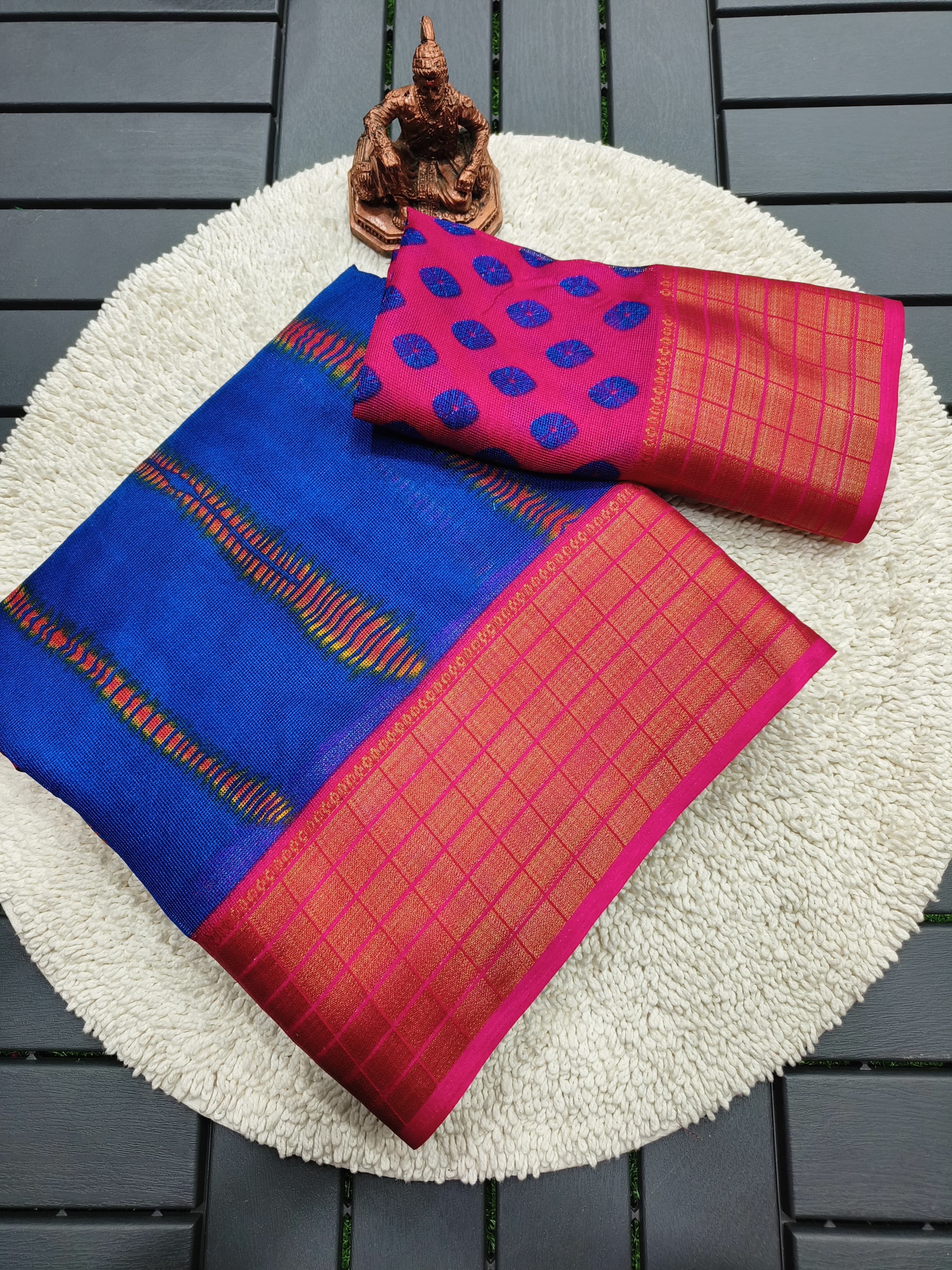
Red-and-white combinations offer a recognisable Assamese reference, but they're not the only appropriate choice. Cream with red borders looks graceful and keeps the focus on the weave. Mustard and rust create a warm harvest palette. Deep green works beautifully with antique-gold jewellery, while indigo or royal blue gives a cooler, more contemporary direction.
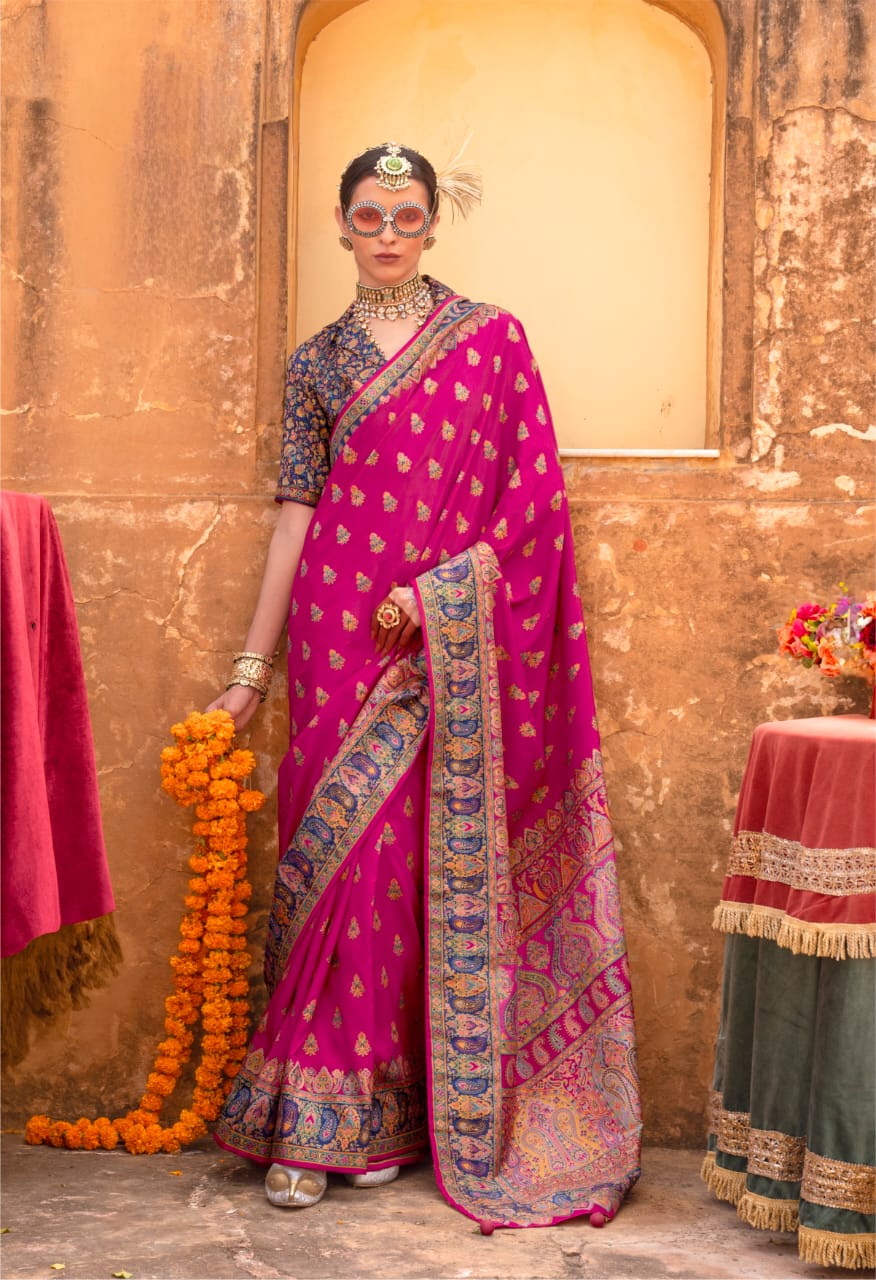
Festive Wear Blue Silk Saree for Women demonstrates how a strong jewel tone works when the border and accessories remain controlled. The saree isn't a mekhela chador, but the styling principle transfers well: pair saturated colour with a simpler blouse, restrained jewellery and a clearly defined drape. Cream Assam Silk Salwar Suit With Bead Embroidery brings another useful reference for combining a pale base with small areas of texture rather than overwhelming the outfit with embellishment.
Colour placement affects photographs as much as colour choice. A bright blouse near the face can lift a darker lower garment. A red border at the hem draws attention to the drape and footwear. A cream or ivory dupatta can soften a heavily coloured kurta set. These small decisions help traditional dressing feel balanced rather than costume-like.
Bhogali Bihu Fashion: What can you wear instead of a mekhela chador?
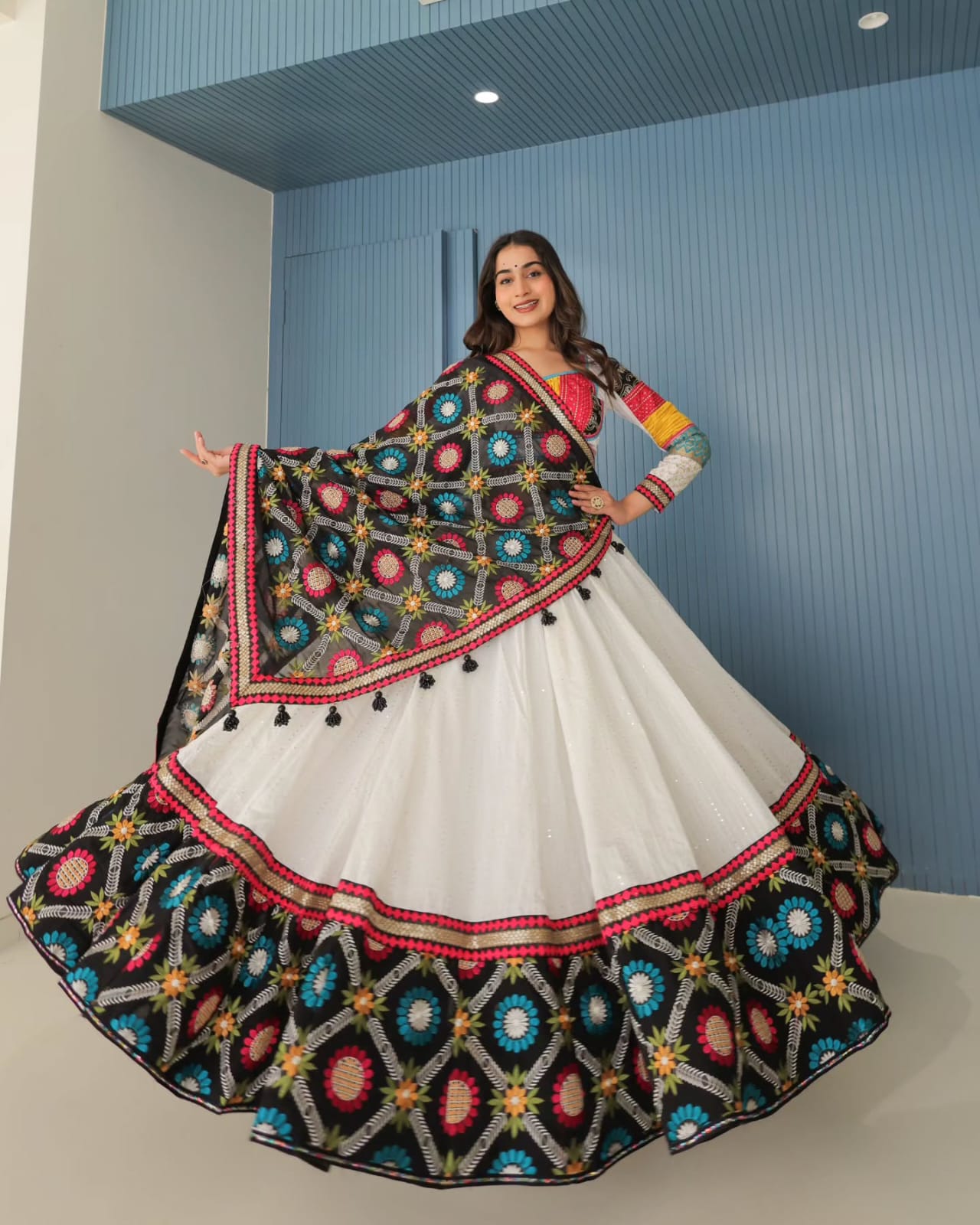
A salwar suit, Anarkali set or saree can be a practical alternative when a mekhela chador is unavailable, unfamiliar or unsuitable for the day's activities. The outfit should retain a festive fabric, a considered colour palette and one or two Assamese-inspired details instead of imitating the silhouette inaccurately.
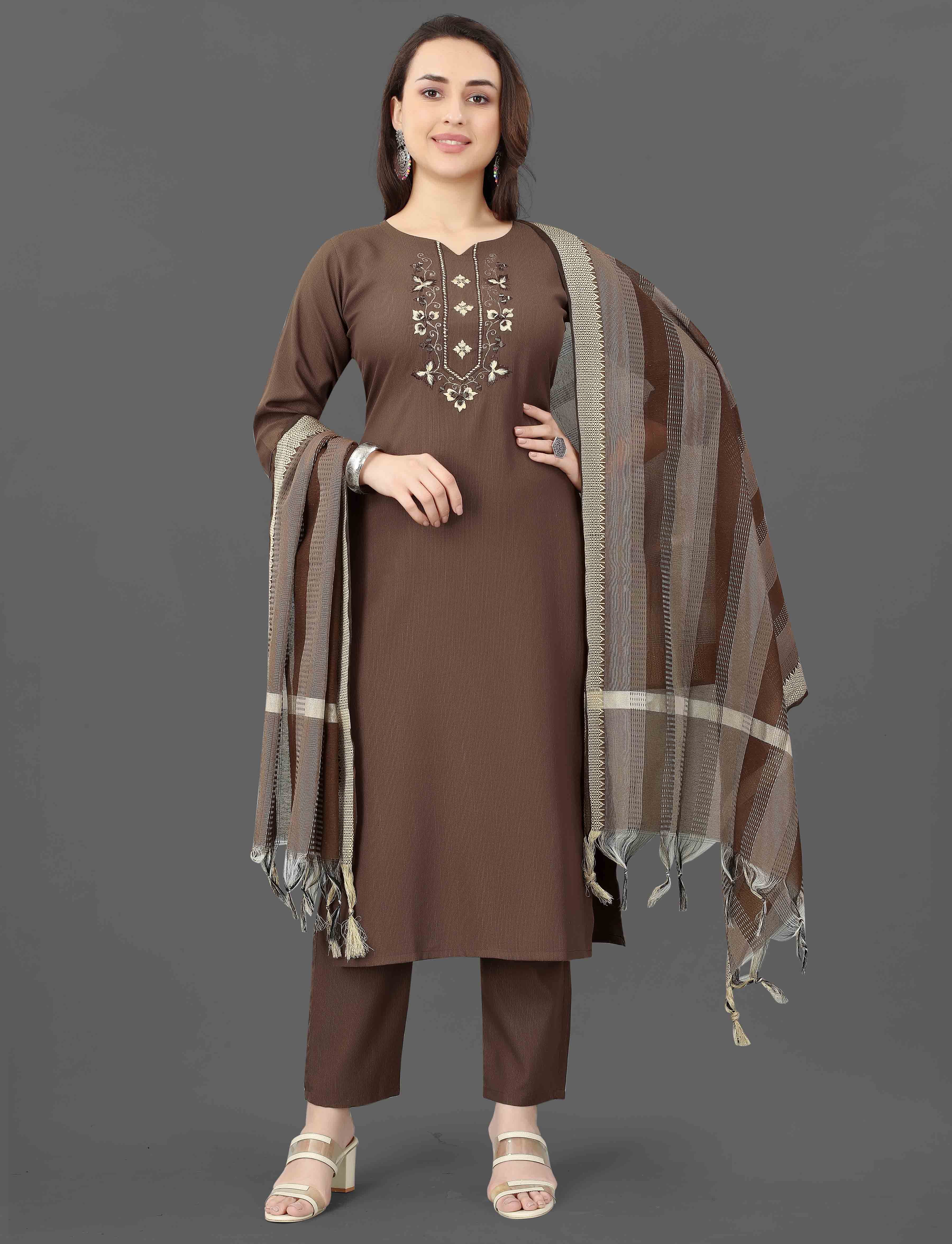
An Anarkali with a matching dupatta is useful for guests who will stand, walk or help with food preparation. Festive Wear Maroon Silk Anarkali Suit Set for Women creates a rich winter palette, while Green Embroidered Anarkali Suit Set for Women suits a daytime gathering when paired with lighter accessories. Beige Embroidered Silk Kurti Pant Dupatta Set Women provides a neutral base that can be adapted with a red-bordered dupatta, jhumkas or a woven stole.
Choose a kurta set with a straight or gently flared cut when you want a cleaner contemporary outline. Choose an Anarkali when you prefer movement and a more visibly festive shape. Avoid very long, trailing dupattas if you expect to cook, sit on the floor or move around a bonfire area. A dupatta pinned at one shoulder and secured lightly at the waist is safer and easier to manage.
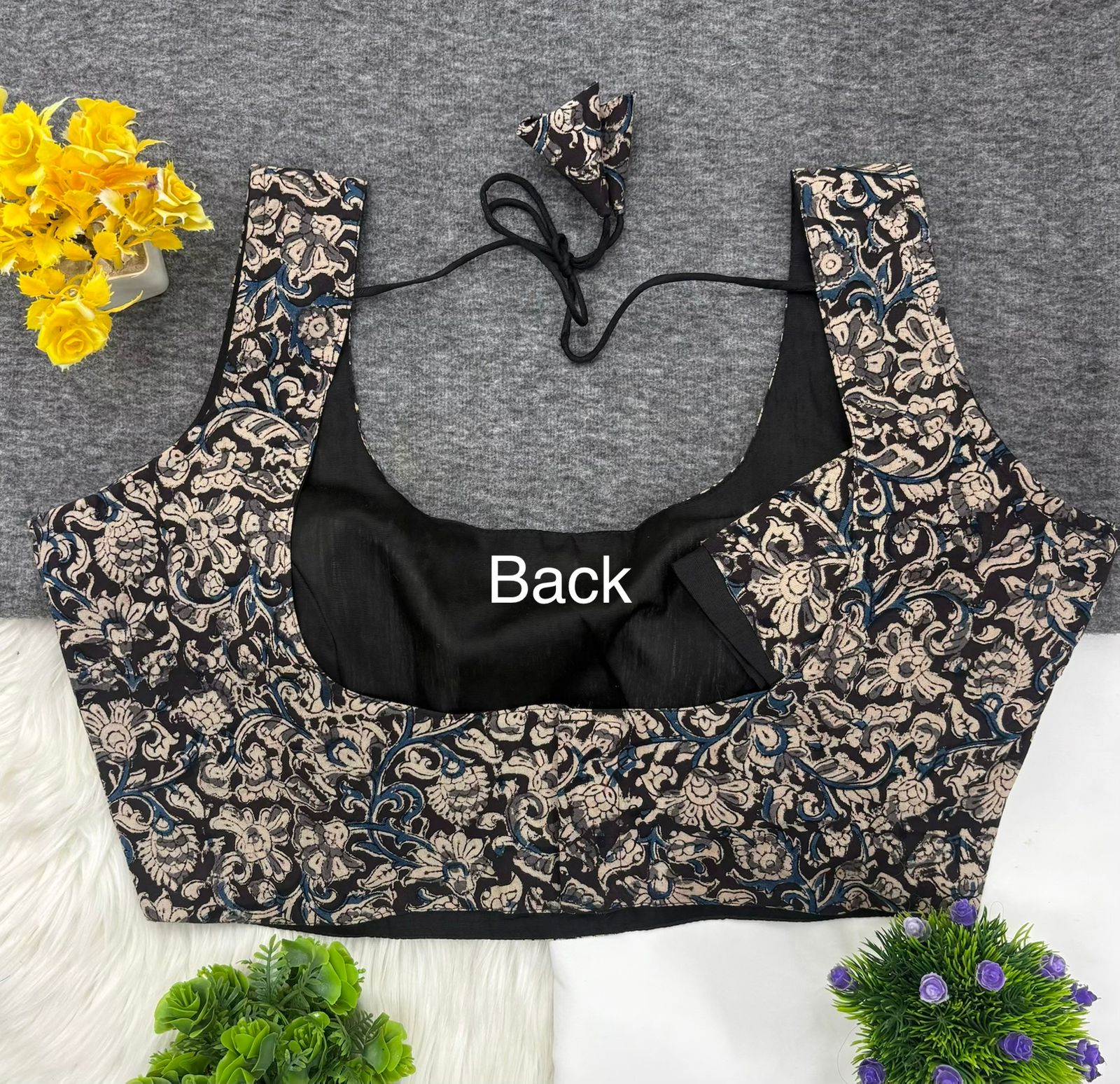
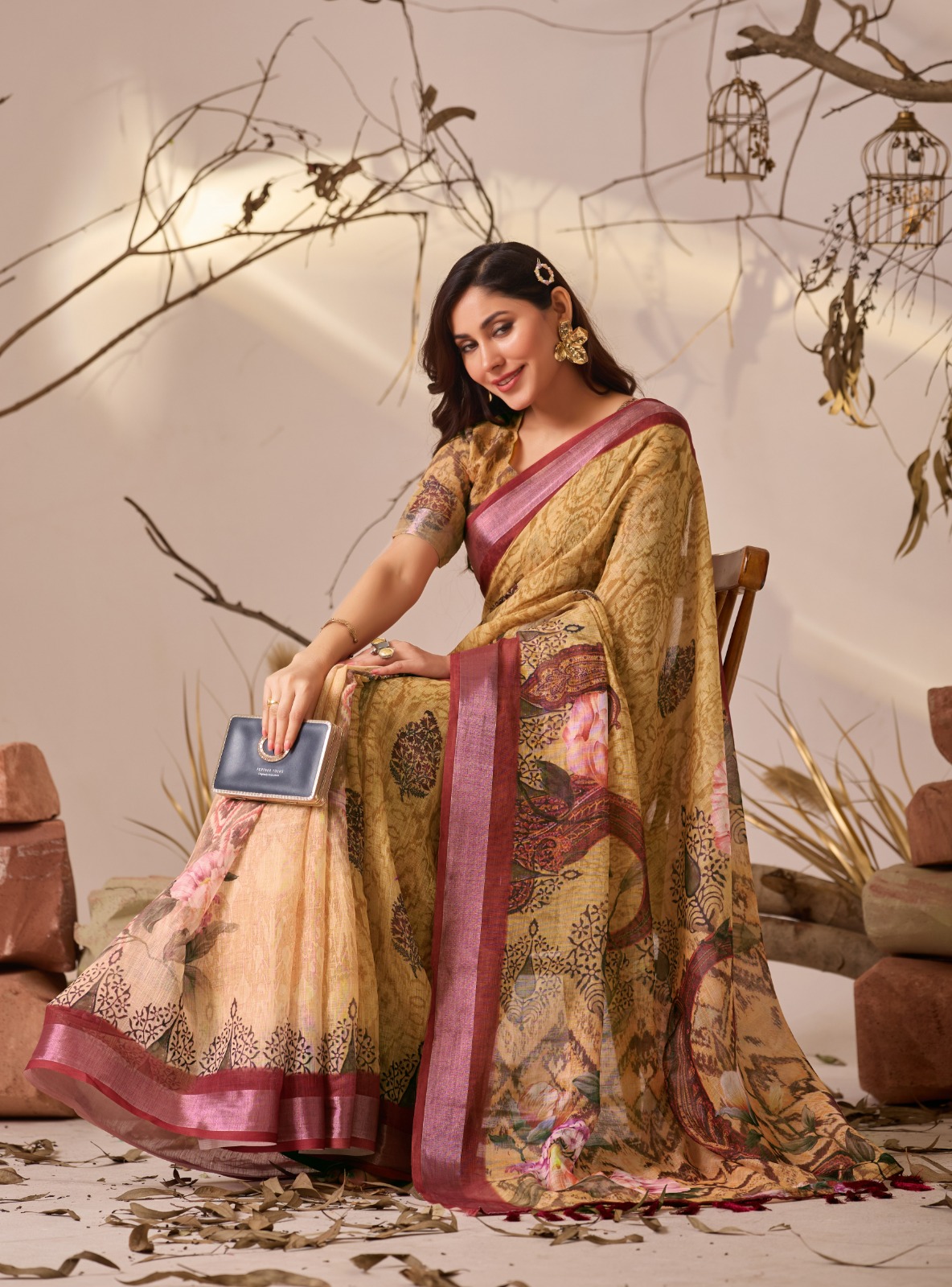
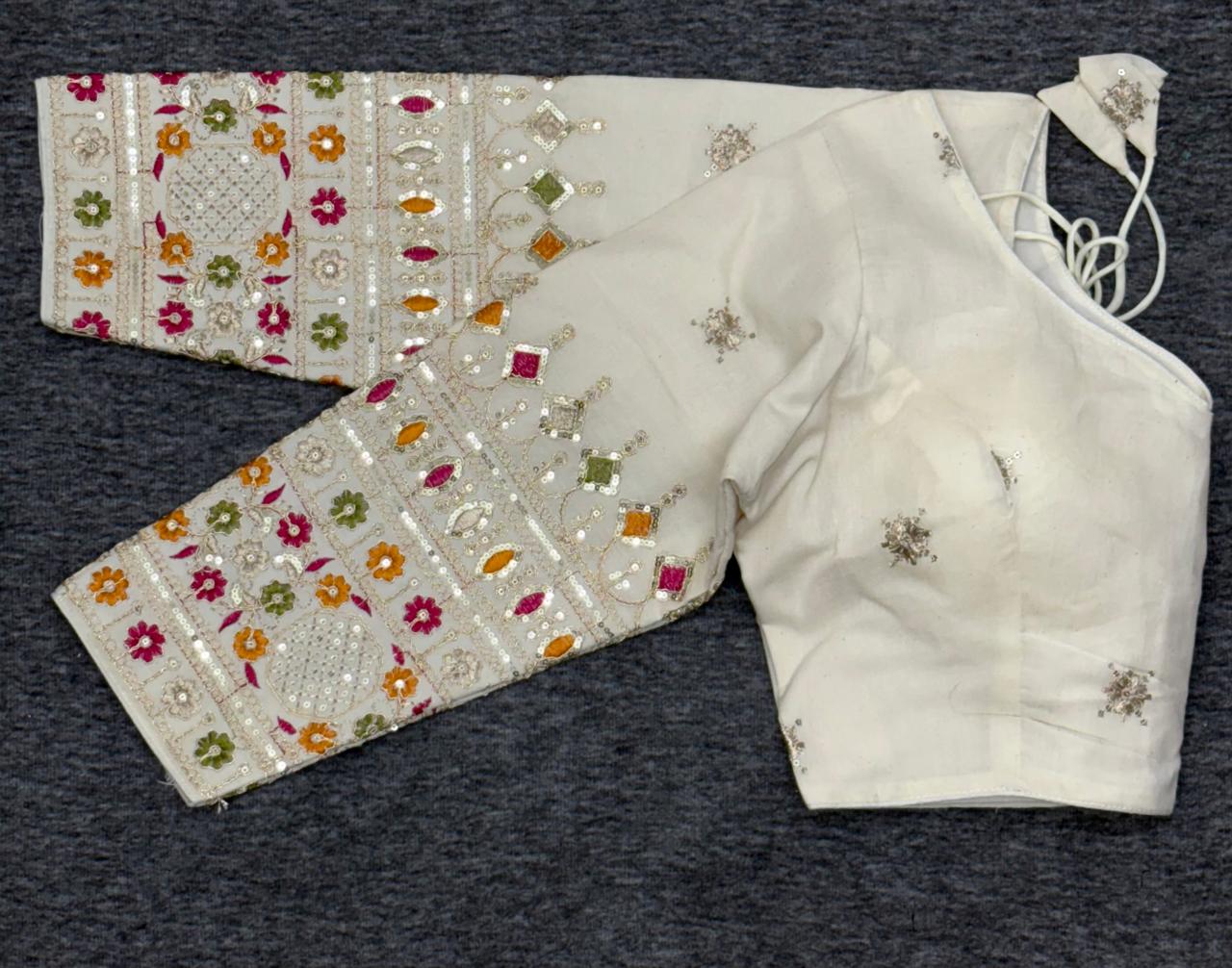
A saree can also be appropriate for Bhogali Bihu, particularly when the event is a formal family gathering rather than a ritual activity. Classic Festive Wear Blouse for Stylish Saree Look can work as a simple foundation if the saree already has a prominent border. When the blouse is ornate, choose a saree with a quieter weave so that the final look doesn't lose the textile story.
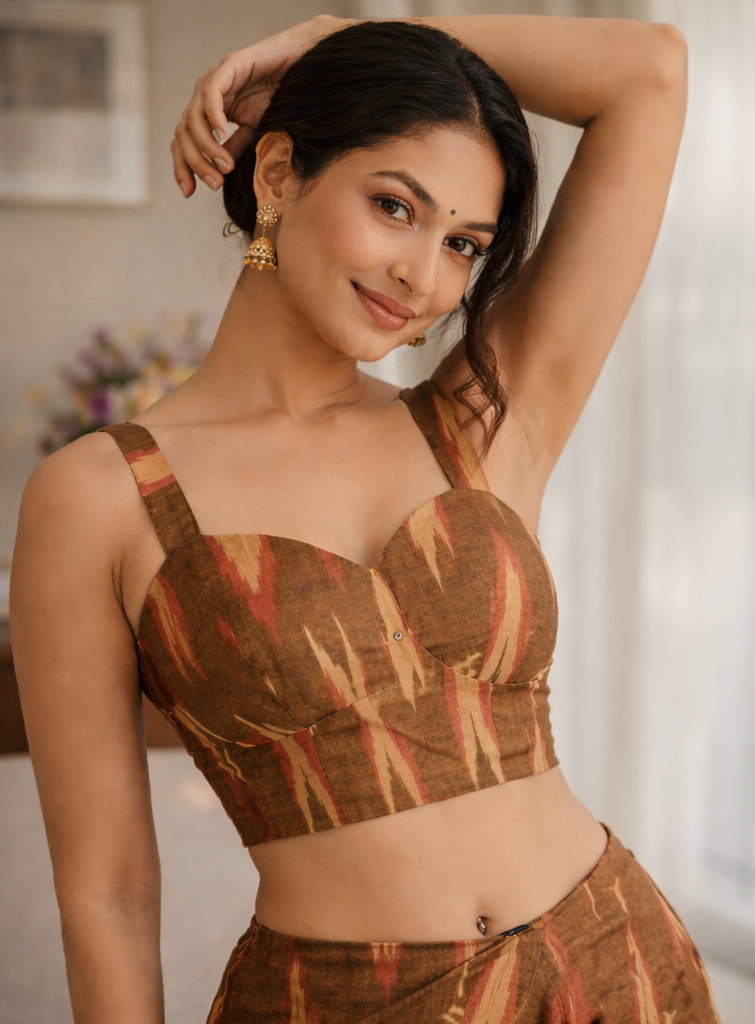
A blouse can also introduce an ikat reference without requiring a complete traditional ensemble. Cream Ikat Cotton Padded Blouse Sleeveless Trendy works with a plain silk saree or a solid mekhela-inspired lower drape. Brown Ikat Cotton Padded Blouse Sleeveless Stylish creates a warmer, earthier direction and can be balanced with cream, rust or mustard accessories.
Bhogali Bihu Fashion: How can you style an outfit respectfully?
Style a Bhogali Bihu outfit respectfully by understanding the cultural purpose of each textile, avoiding careless use of ceremonial symbols and prioritising authentic handloom details over decorative imitation. Respectful styling doesn't require wearing a historically exact outfit at every event.
Begin with the silhouette you can wear securely. A mekhela chador that repeatedly loosens will be less successful than a well-pinned contemporary drape. Use concealed safety pins at the shoulder and waist, but test the arrangement while sitting before leaving home. A narrow belt can help hold a modern interpretation together, although a belt should not cover an important woven border.
Keep jewellery connected to the overall scale. Gold-toned earrings, a short necklace, bangles and a small bindi can complete silk without competing with a detailed border. Traditional Assamese jewellery may include motifs associated with local craft, but imitation pieces should not be described as heirloom or antique. Brass, silver, gold-plated metal and glass beads can all work when their finish is consistent.
Hair styling can remain simple. A low bun decorated with white flowers, a braid or loose hair with a clean centre parting is practical for a long celebration. Heavy hair accessories are unnecessary if the outfit already includes a wide border, zari or bead embroidery. Comfortable footwear with a stable sole is a better choice than delicate heels when the itinerary includes courtyards, grass or uneven ground.
Be careful with gamusa-inspired styling. A scarf that borrows the red-and-white appearance can be worn as a thoughtful accent, but a traditional gamusa carries meaning beyond its colour scheme. Treating the cloth with care and learning its role in Assamese life is more respectful than using it merely as a novelty accessory.
Bhogali Bihu Fashion: How should outfits change from Uruka to Magh Bihu morning?
Uruka dressing can be richer and more polished, while Magh Bihu morning dressing benefits from lighter layers, secure draping and fabrics that tolerate outdoor movement. Uruka is the communal feast held on the eve of Magh Bihu, and Magh Bihu morning often includes the meji and bhelaghar traditions.
For Uruka, silk, zari, beadwork and deeper colours are suitable for an evening gathering. Festive Wear Maroon Silk Anarkali Suit Set for Women can be styled with antique-gold earrings and a compact clutch. A silk saree or formal mekhela chador can take a more elaborate blouse, but keep the pallu or chador end pinned if dinner involves sitting on the floor.
For morning activities, choose breathable layers and avoid loose synthetic dupattas near fire. Cotton, eri silk and lighter silk blends are more comfortable when the sun rises after a cool start. A padded blouse gives additional support under a saree or draped upper cloth, while a shorter dupatta is easier to secure around cooking areas and crowded courtyards.
Footwear should match the ground rather than only the outfit. Flat juttis, low wedges or sandals with a firm sole are safer around grass, packed earth and temporary bamboo structures. Carrying a compact shawl is sensible because early morning temperatures can remain low even when afternoon celebrations feel warm.
Bhogali Bihu Fashion works best when beauty and function receive equal attention. A carefully chosen border, breathable fabric, secure drape and culturally aware accessory can create a memorable festive outfit without excess decoration. Whether the final choice is a handwoven mekhela chador, an Assamese silk saree, an Anarkali or a salwar suit, the clothing should allow the wearer to participate fully in the food, rituals, conversations and shared harvest celebration.
Questions Women Ask About Bhogali Bihu Outfits
What do women traditionally wear for Bhogali Bihu?
Women traditionally wear a mekhela chador, often made from muga silk, pat silk, eri silk or cotton, with a riha and Assamese jewellery. An Assamese silk saree is also suitable for formal family gatherings.
Can I wear a saree instead of a mekhela chador for Magh Bihu?
Yes, a saree is an appropriate choice for many Bhogali Bihu gatherings, especially formal visits and celebrations. Choose silk, cotton or a silk blend with a defined border, and style the saree with practical pins and comfortable footwear.
Which colours are suitable for Bhogali Bihu Fashion?
Red, cream, ivory, gold, mustard, rust, green and deep blue are all suitable choices. Red-and-white styling reflects a recognisable Assamese visual tradition, but a single jewel tone or a warm harvest palette can also look culturally considered.
What is the difference between a mekhela chador and a saree?
A mekhela chador consists of a lower cylindrical garment called a mekhela and an upper cloth called a chador. A saree is one long fabric that is pleated and draped around the lower body and over the shoulder.
What should I wear to an Uruka celebration?
Wear a silk mekhela chador, Assamese silk saree, Anarkali or festive salwar suit for Uruka. Richer colours, zari or restrained embroidery suit the evening, but secure the drape and avoid long loose fabric if you will sit on the floor or help serve food.
How can I style a Bhogali Bihu outfit without looking overdressed?
Use one prominent feature, such as a woven border, silk fabric or statement earrings, and keep the remaining elements simple. A plain blouse, compact jewellery set and secure dupatta often create a more balanced result than combining heavy embroidery, ornate accessories and a dramatic hairstyle.