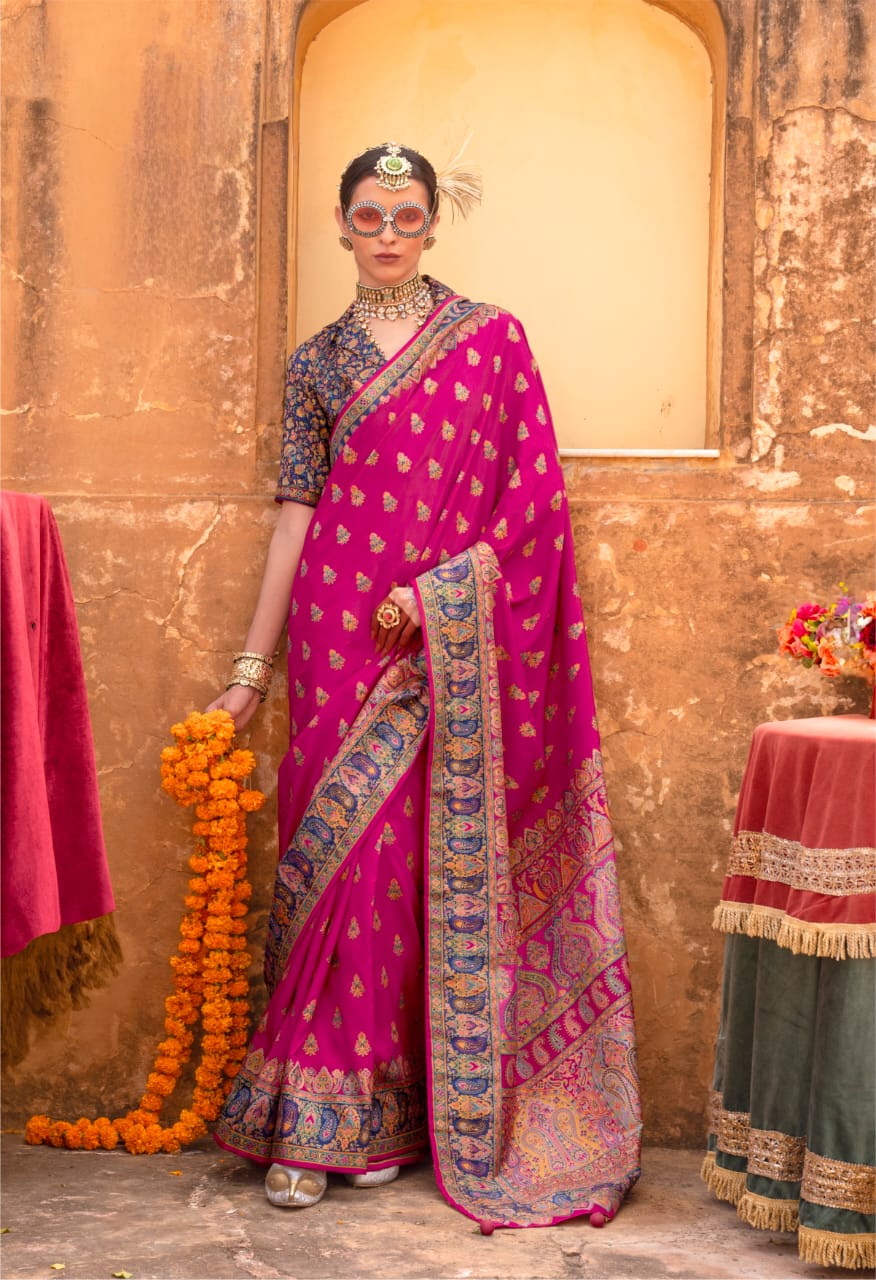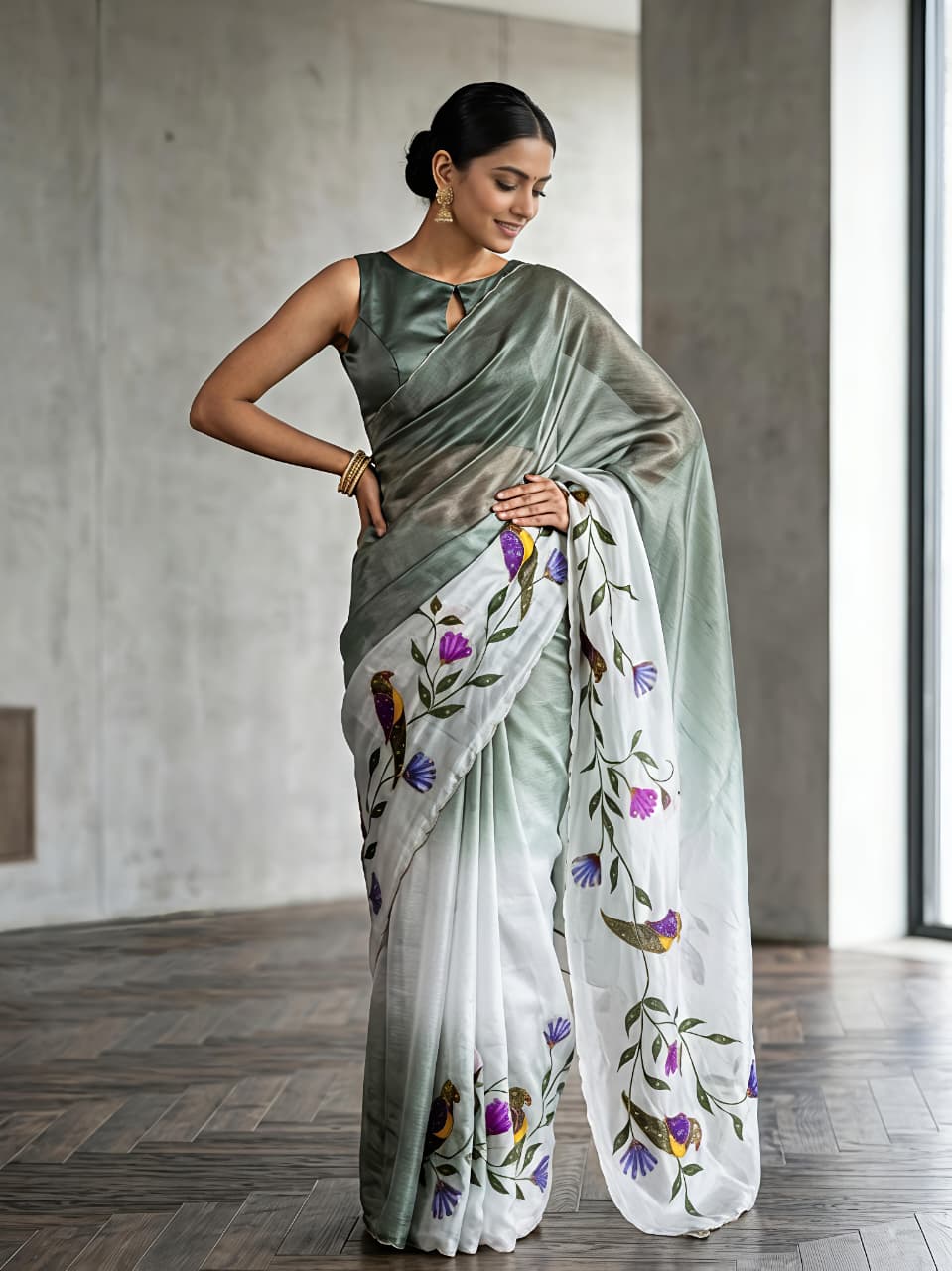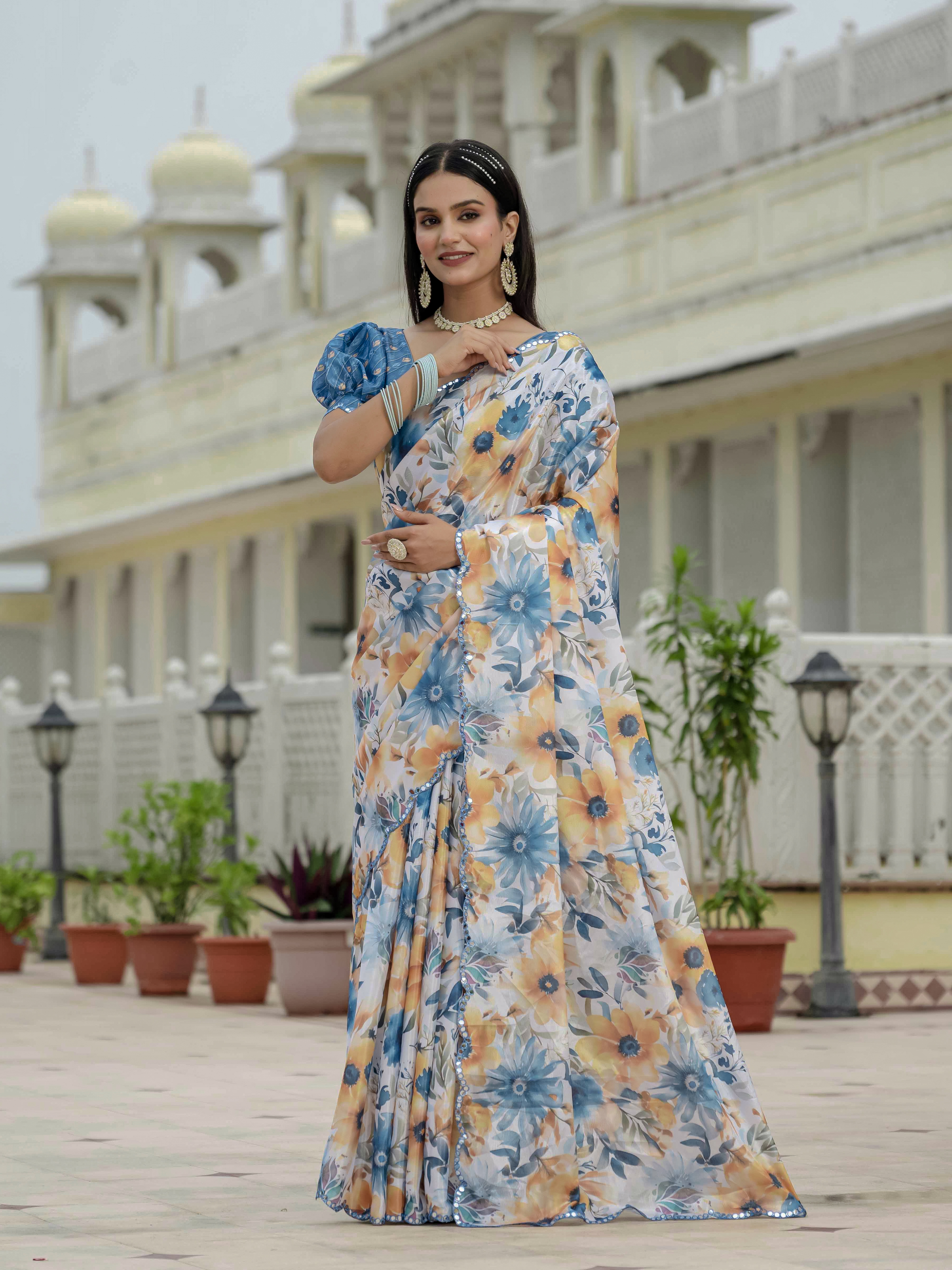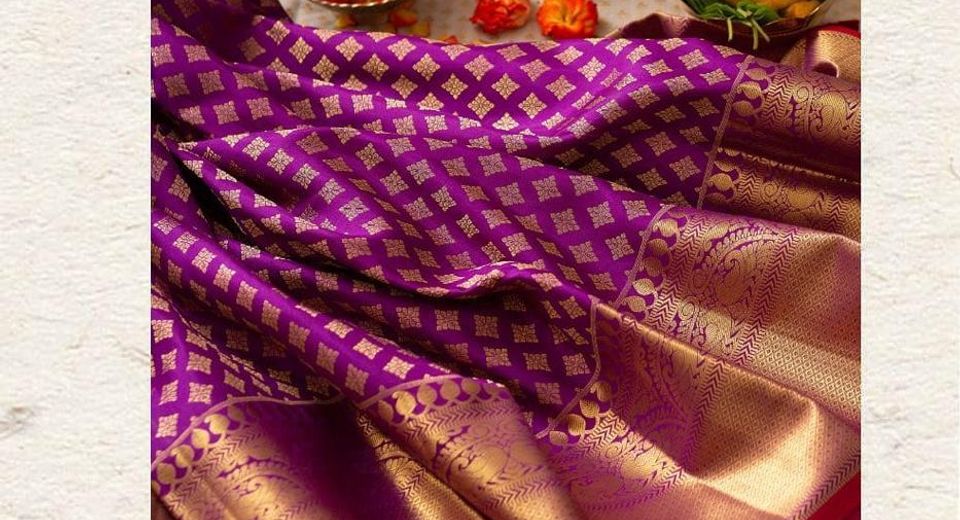
Choosing the Best UP Sarees for Festivals, Weddings & Family Functions involves more than selecting a bright colour. A well-chosen Uttar Pradesh saree should suit the event's level of formality, the season, the time of day, your comfort during several hours of wear, and the amount of shine you want in photographs. Banarasi silk, zari weave, jacquard motifs and tissue finishes each create a different effect, even when the sarees share a similar colour.
Uttar Pradesh's Banarasi weaving tradition is especially useful for occasion dressing because it offers both visual richness and flexibility. A red Banarasi saree can work for a wedding ceremony, while a softer pink version may feel more appropriate for a daytime family puja. The right blouse, pallu arrangement, jewellery weight and footwear can then shift the same saree from traditional to contemporary without losing its cultural character.
What makes a saree distinctly associated with Uttar Pradesh?
A saree is strongly associated with Uttar Pradesh when its weave, motifs or finishing reflect the Banaras textile tradition, especially the use of silk, zari and patterned jacquard surfaces. Banarasi silk sarees are traditionally recognised for ornate motifs such as butis, floral jaal, kalga, bel and Mughal-inspired foliage, although modern designs may use more restrained geometry.
Banarasi weaving developed in and around Varanasi, where skilled artisans worked with silk and metallic threads to create richly patterned textiles. Zari refers to metallic thread used to form motifs, borders or pallus; current zari may use tested metallic yarn rather than solid precious-metal thread. Jacquard weaving allows motifs to be built into the structure of the textile, which gives a patterned saree more depth than a simple printed surface.
Banarasi silk isn't one single visual style. Soft silk may offer a more fluid fall and easier movement, while tissue constructions can look lighter and more luminous because of their open, subtly reflective texture. A zari weave may create repeated motifs across the body, whereas a jacquard saree can produce a more defined raised pattern. Checking the product description for these terms helps you understand what you're buying instead of relying only on colour names.
How should you choose the Best UP Sarees for Festivals, Weddings & Family Functions?
The best UP saree for a celebration should match the event's dress code, the time of day, the expected amount of movement and your preferred level of ornamentation. A heavily zari-rich Banarasi saree suits a formal wedding or reception, while a lighter soft silk saree with a controlled border is often easier for a daytime festival or family lunch.
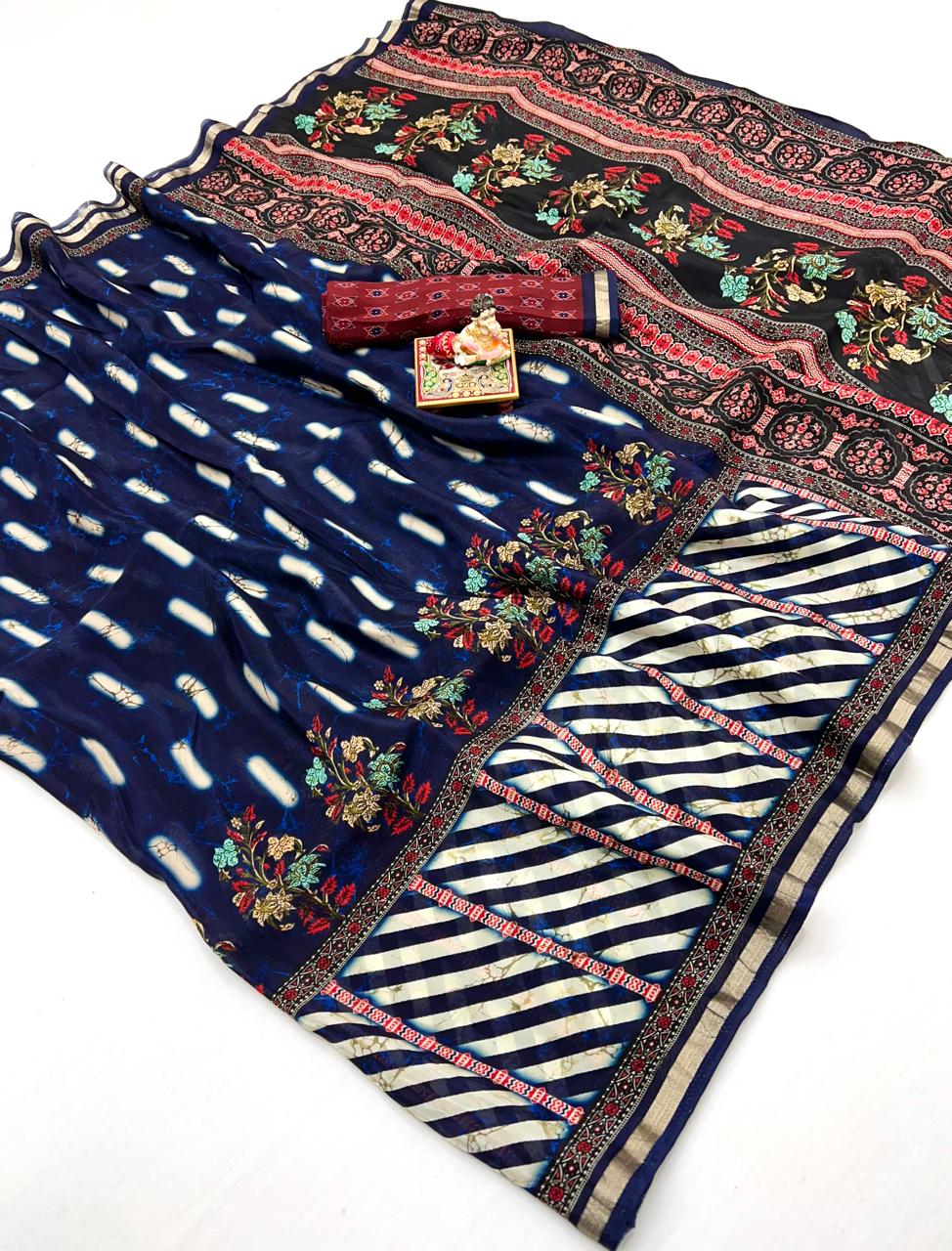
For festivals and religious ceremonies
Festival dressing benefits from colour, polish and comfort rather than excessive weight. Pink, purple, maroon and classic red Banarasi sarees all photograph well in indoor temple lighting and remain classic without requiring heavy embellishment.
A saree such as Pink Banarasi Soft Silk Jacquard Saree with Zari can work especially well for a daytime puja, Raksha Bandhan gathering or festive lunch. The pink base keeps the look fresh, while the jacquard and zari details add enough formality for family photographs. Pair the saree with a blouse in deep wine, antique gold or a related rose tone rather than introducing a third unrelated bright colour.
Purple Banarasi Soft Silk Jacquard Zari Saree brings a more dramatic festival look. Purple works well with gold jewellery, kundan accents and warm-toned makeup, while a contrasting mustard or rani-pink blouse can make the outfit more youthful. For a quieter ceremony, use a matching purple blouse and let the zari provide the visual interest.
For weddings and wedding receptions
Wedding sarees can carry stronger contrast, denser zari and deeper colours because evening lighting and formal venues reward reflective surfaces. Red, royal blue, wine, maroon and jewel purple are dependable choices for a baraat, wedding ceremony or reception.
Red Banarasi Soft Silk Zari Weave Sareee is suited to heritage wedding dressing because red has long been connected with auspiciousness and celebration across many Indian communities. Gold jhumkas, a defined bun, red or neutral lipstick and a structured pleat arrangement reinforce the ceremonial quality. If the saree has a strong gold presence, choose a blouse with a clean neckline so the overall outfit doesn't become visually crowded.
Royal Banarasi Soft Silk Zari Weave Saree creates a formal effect without depending on bridal red. Royal blue or similarly rich jewel tones suit evening receptions, sangeet events and wedding anniversaries. Gold accessories create a classic contrast, while silver or diamond-look jewellery gives the same saree a cooler, more contemporary finish.
Maroon Banarasi Soft Silk Zari Weave Saree is a practical choice when you want the depth of red with a slightly more mature appearance. Maroon pairs naturally with antique gold, copper, beige and black. The colour also transitions well from a wedding ceremony to a dinner reception because it remains rich under both daylight and warm artificial light.
For family functions and milestone gatherings
Family functions call for a saree that looks special but allows you to sit, walk, greet guests and participate in rituals comfortably. Soft silk is often an useful middle ground because it can appear festive while remaining less demanding than very stiff or heavily layered ceremonial fabrics.
Wine Purple Banarasi Soft Silk Zari Weave Saree suits anniversaries, engagement dinners, naming ceremonies and formal family get-togethers. Wine purple looks elegant with antique gold jewellery and can be softened with a blouse in blush, mauve or champagne. A compact pallu pleat keeps the saree manageable when you're moving between indoor and outdoor spaces.
Purple Banarasi Soft Silk Zari Weave Saree gives you a vibrant alternative to red and maroon. The saree can be styled with a high-neck blouse for a polished evening look or a short-sleeved blouse for a lighter family celebration. Avoid matching every accessory to the purple base; gold, pearl and neutral accents create better separation.
Which Banarasi colour works best for each time of day?
Daytime events generally suit brighter or softer colours with moderate zari, while evening events can support deeper shades and stronger metallic contrast. The venue's lighting, wall colour and photography style also affect how a saree appears in pictures.
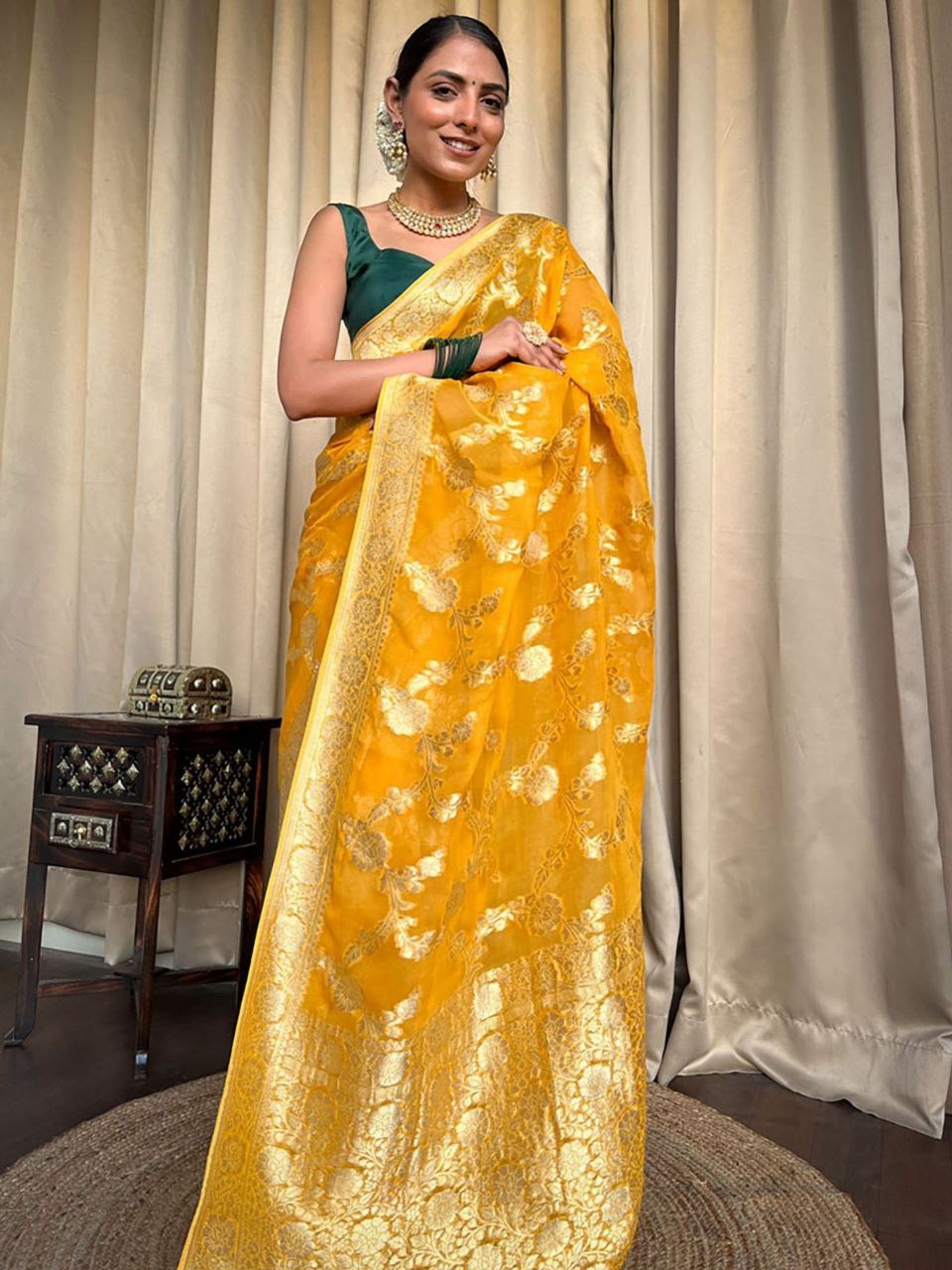
- Morning puja: Choose pink, soft purple, light red or a balanced jewel tone with controlled zari. Lightweight jewellery and a neat pleat structure keep the outfit graceful.
- Afternoon festival: Select a colour with enough saturation to remain visible in natural light, such as royal blue, purple or maroon. Avoid overly reflective styling if the event takes place outdoors.
- Evening wedding: Red, maroon, wine purple and royal shades work well with gold zari and statement jewellery. A slightly darker blouse can make the saree look more defined.
- Indoor family dinner: Wine, purple, deep pink and maroon create a sophisticated appearance under warm lights. Keep the accessories balanced so the zari remains the focal point.
Colour should also be judged against your blouse and jewellery rather than viewed in isolation. A gold zari border usually harmonises with warm gold, antique gold, emerald and ruby accents. A saree with a subtler metallic effect can take pearls, silver-toned accessories or minimal contemporary jewellery.
How do zari, jacquard and tissue finishes change the look?
Zari adds reflective ornamentation, jacquard creates woven motifs with texture, and tissue construction gives a saree a lighter, luminous appearance. These characteristics affect how formal, heavy or easy to style the saree feels.

Zari weave sarees often provide repeated visual rhythm across the body or along the border. Repetition makes a saree look coordinated with simple jewellery, because the textile already supplies pattern. A dense zari design may be ideal for a wedding but excessive for a small daytime gathering if you prefer understated dressing.
Jacquard sarees create motifs through the weave rather than applying all decoration on top of the fabric. Pink Banarasi Soft Silk Jacquard Saree with Zari and Purple Banarasi Soft Silk Jacquard Zari Saree illustrate how a patterned surface can look dimensional while retaining the fluidity associated with soft silk. A plain blouse helps the woven design remain visible.
Tissue finishes are valued for their subtle sheen and lighter visual presence. Banarasi Tissue Maharani Paithani Silk Saree with Pallu combines a tissue-like luminous effect with a decorative pallu, making it a strong option for receptions, festive evenings and formal family portraits. Style a statement pallu with a restrained blouse and avoid adding too many competing metallic accessories.
What blouse, jewellery and drape should you pair with an UP saree?
The most reliable styling formula is one structured blouse, one dominant jewellery finish and a pallu arrangement that suits the amount of movement required. An occasion saree looks polished when the accessories support the weave instead of hiding it.
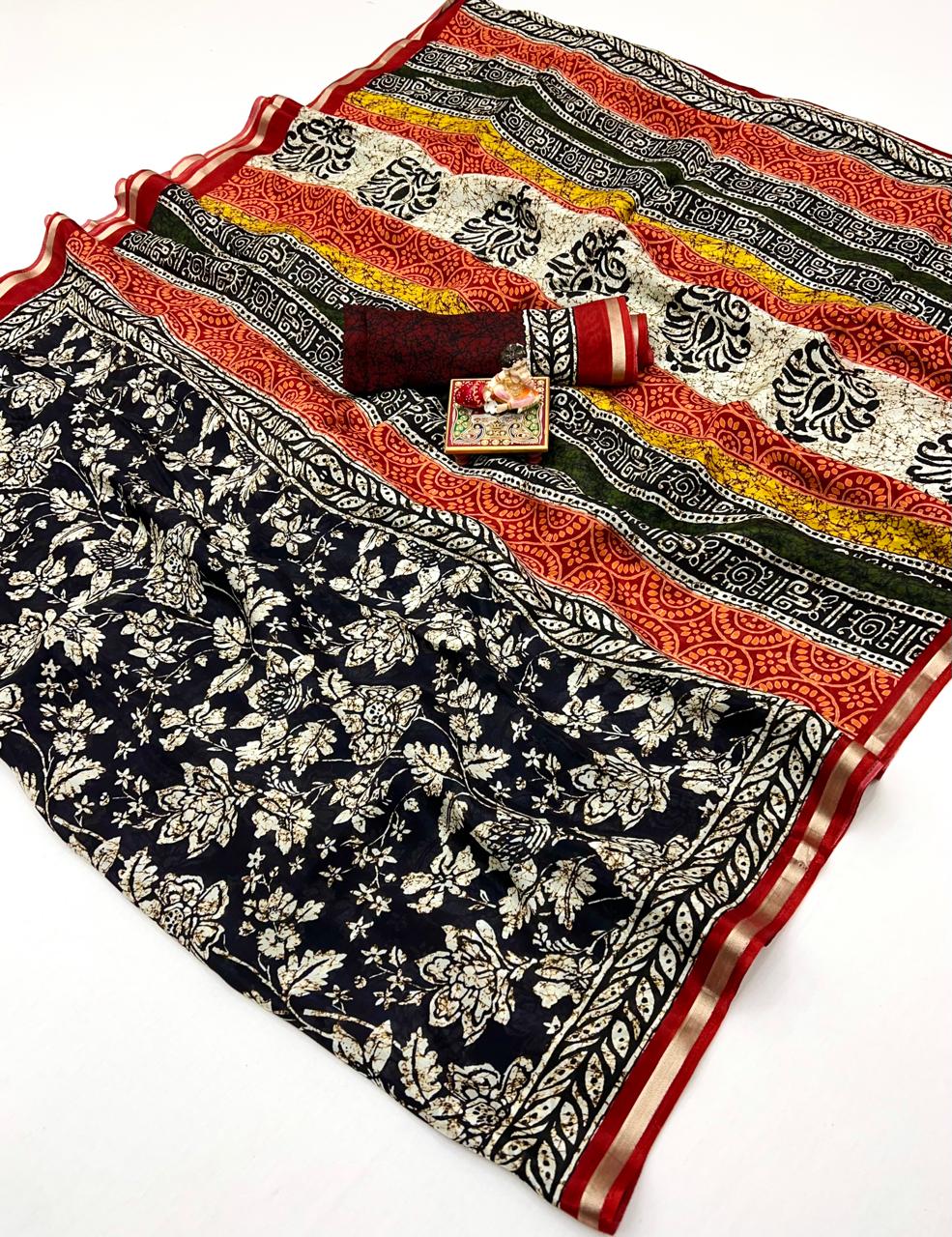
Blouse choices that improve proportion
A high-neck or elbow-sleeve blouse adds formality to a heavily zari-rich saree, while a short-sleeved or square-neck blouse can make soft silk feel more contemporary. For a broad zari border, keep the blouse relatively clean; for a quieter body, a textured sleeve, contrast piping or a modest back detail can add interest.
Use a related shade when the saree already has multiple motifs. For example, a maroon blouse with Maroon Banarasi Soft Silk Zari Weave Saree creates a continuous silhouette, while a gold blouse introduces a stronger festive contrast. A deep purple blouse can anchor a pink saree without making the outfit look overly sweet.
Jewellery and draping decisions
Gold jewellery is the safest partner for time-honoured Banarasi silk and zari, but pearls, kundan, polki-inspired pieces and uncut-style stones can create different moods. Choose one statement element, such as a choker, long necklace or large earrings, and keep the remaining pieces proportionate.
The Nivi drape with evenly arranged front pleats remains practical for most festivals and family functions. Pinning the pallu at the shoulder helps during meals, greetings and rituals. For a formal wedding, a wider visible pallu can display the border more effectively, while a narrower pleat arrangement reduces bulk when you need to move through a crowded venue.
Footwear should provide a stable heel or cushioned flat base because Banarasi sarees are often worn for several hours. Test the footwear with the saree before the event and keep the front hem approximately 1 to 2 centimetres above floor level to reduce dragging and accidental stepping.
How can you buy the right saree online without misjudging it?
Online saree shopping becomes more reliable when you check fabric terminology, measurements, colour photographs, blouse details and care guidance before placing an order. A product name alone can't tell you how heavy the saree will feel or how much structure the pallu has.

- Read the fabric line carefully: Identify whether the listing specifies Banarasi soft silk, tissue, jacquard or zari weave. These words indicate different textures and visual effects.
- Check the saree length and width: A standard saree is commonly around 5.3 to 5.6 metres, but the exact measurement matters if you prefer a longer pallu or need extra fabric for a particular drape.
- Inspect the blouse piece: Confirm whether a blouse piece is included and whether its colour, length and border match the saree.
- Compare photographs in different lighting: A royal or wine shade can appear darker on a mobile screen. Product images should be treated as a guide, not an absolute colour guarantee.
- Plan the total outfit cost: Include tailoring, fall and pico, blouse lining, jewellery and footwear. A saree listed in the Sarees from Rs 1000 to Rs 1500 collection may still require additional spending before it's ready to wear.
Sale filters can help narrow the search, but discount percentage should not replace fabric and construction checks. Collections such as Sarees Under 20% Off and Sarees Under 10% Off may suit shoppers comparing moderate reductions, while Sarees Flat 60% Off and Sarees Flat 50% Off may be useful when budget is the primary consideration. Always verify the final price, available sizes or variants, delivery timeline and exchange terms on the product page.
Before a wedding, order early enough to allow for delivery, blouse tailoring and a complete trial. A practical buffer is 10 to 14 days when possible. Try the saree with the intended blouse and footwear, sit down for five minutes, walk up a few steps and check whether the pallu stays secure.
How should you care for a Banarasi silk saree after the event?
Banarasi silk and zari sarees should be aired briefly after wearing, folded with soft cotton or muslin layers and stored away from direct sunlight and moisture. Proper storage reduces creasing, tarnishing and pressure marks on woven motifs.
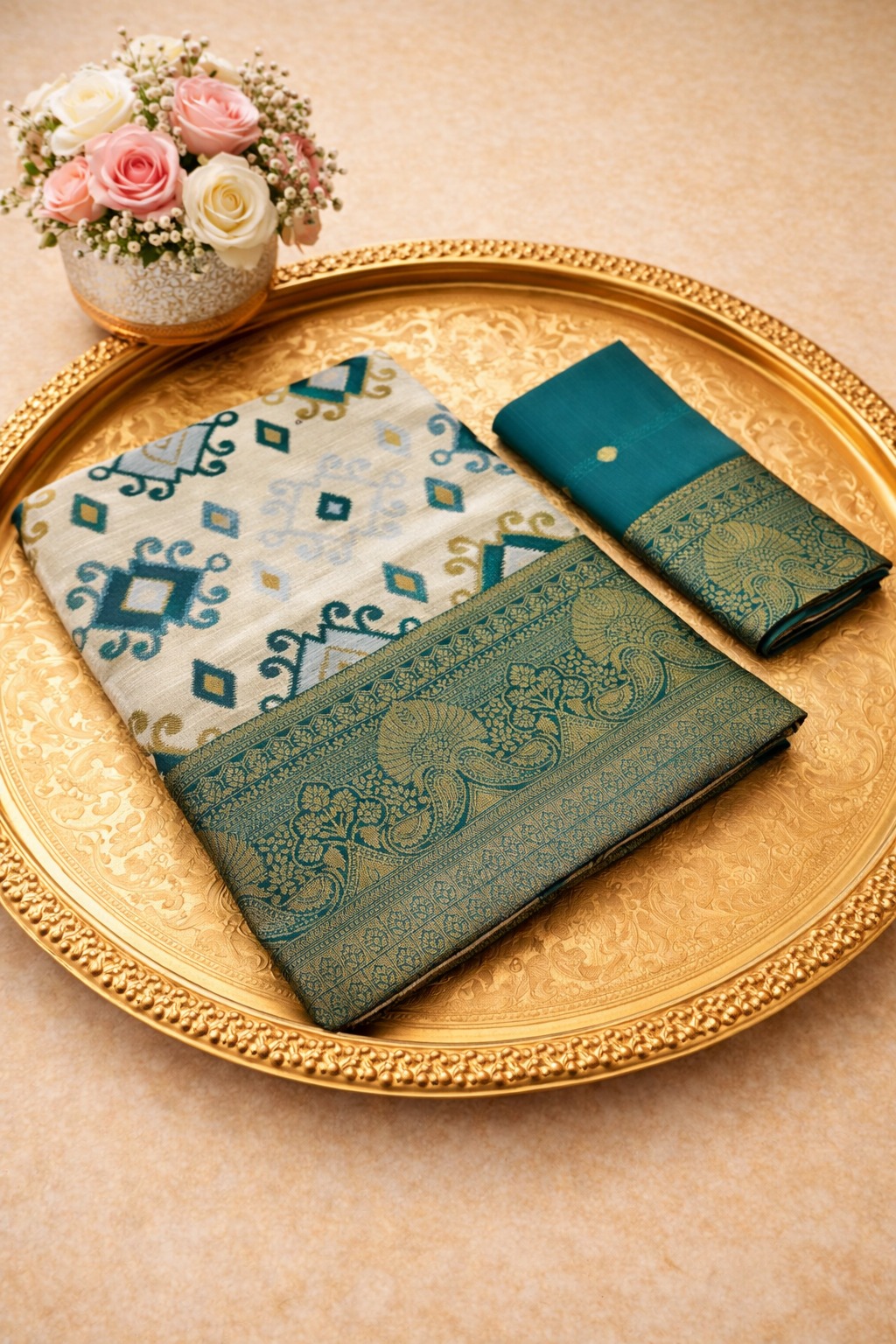
don't leave a worn saree tightly compressed in a plastic cover. Air the saree in shade for several hours, remove pins carefully and check the fabric for makeup, food or moisture marks. Professional dry cleaning is generally safer for silk and metallic detailing than repeated home washing, especially when the saree includes zari or a tissue construction.
Refold a stored saree every few months so permanent fold lines don't develop in the same place. Place acid-free tissue or clean muslin between folds, avoid heavy garments on top and keep the saree in a dry cupboard. Never iron zari directly at high heat; use a protective cloth and low temperature only when the care label permits it.
The right UP saree can serve more than one celebration when styling changes thoughtfully. A bold blouse and statement jewellery can make a soft silk saree wedding-ready, while a simple blouse, small earrings and a secure Nivi drape can make the same textile appropriate for a daytime family gathering. Choosing by weave, colour, comfort and care will give you a saree that looks beautiful in photographs and remains wearable long after one event.
Questions to Ask Before Choosing a UP Saree for a Celebration
Which Banarasi saree colour is best for a wedding?
Red, maroon, royal blue and wine purple are strong wedding choices because they remain rich under evening lighting and pair well with zari jewellery. Red is the most traditional option, while maroon or royal blue offers a formal alternative for guests who do not want bridal red.
Are Banarasi soft silk sarees comfortable for long family functions?
Banarasi soft silk sarees are often practical for long functions because they generally offer a fluid fall and easier movement than very stiff fabrics. Comfort still depends on the weave, lining, pleat arrangement and blouse fit, so try the complete outfit before the event.
Can I wear a purple Banarasi saree to a wedding?
Yes, purple Banarasi sarees work well for wedding ceremonies, receptions and engagement events. Gold jewellery creates a traditional look, while pearls or cooler-toned accessories make purple feel more contemporary.
What blouse colour goes with a red Banarasi saree?
Gold, red, maroon, deep green and beige can all work with a red Banarasi saree. Choose gold or beige for contrast, red or maroon for a continuous silhouette, and deep green when you want a richer complementary colour.
How should I store a Banarasi saree with zari?
Store a Banarasi saree with zari in a dry, dark cupboard, wrapped in clean muslin or folded with soft tissue between layers. Air the saree after wearing, avoid direct sunlight and never store it compressed in plastic for long periods.
How early should I buy a saree for a wedding?
Buying 10 to 14 days before the wedding gives useful time for delivery, blouse tailoring, fall and pico work, and a complete drape trial. Allow additional time if the saree is needed for an important ceremony or if tailoring services are difficult to arrange locally.