The Best Sarees to Wear for Thrissur Pooram Celebrations want to handle more than photographs. Thrissur Pooram involves warm weather, long periods on your feet, dense crowds, temple surroundings, processions, percussion performances and an evening that may stretch well other dinner. The right saree therefore balances breathability, secure draping, movement and festive detail. Cotton, linen cotton and lighter silk blends are usually more practical than heavily embellished fabrics, while rich Tussar silk works well when the celebration includes a shorter visit or a formal family gathering.
Thrissur Pooram takes place around the Vadakkunnathan Temple and Thekkinkadu Maidan in Thrissur, Kerala, generally during April or May. The festival is known for decorated elephants, the Kudamattom, chenda melam and spectacular fireworks. Your clothing should respect the visual richness of the festival without making it difficult to walk, sit, manage a handbag or remain comfortable in the heat.
What Makes a Saree Practical for Thrissur Pooram?
A practical Thrissur Pooram saree is lightweight, breathable, easy to secure and comfortable for several hours of standing and walking. Fabric weight matters more than surface shine because a saree that feels manageable indoors can become tiring in a crowded outdoor setting.
Linen cotton and handloom cotton allow air to circulate and usually feel less clingy in humid weather. These fabrics are especially useful for daytime visits, when direct sun and the heat from a large gathering can make synthetic or heavily layered clothing uncomfortable. A soft cotton saree also folds into a smaller emergency bag if you need to change after travelling.
Silk can still be an excellent choice, but the weave and styling should match your schedule. Tussar silk has a textured, slightly crisp character that looks festive without requiring dense embroidery. A saree with a defined pallu can remain visually striking while avoiding the weight of extensive sequins, velvet borders or multiple underskirts.
- For a full-day visit: choose linen cotton, cotton handloom or a light cotton-silk construction.
- For an evening programme: choose Tussar silk or a lighter festive silk with a manageable border.
- For humid weather: prefer natural fibres and a blouse with breathable lining rather than thick padding.
- For crowded areas: avoid very long loose pallus, trailing tassels and elaborate three-dimensional embellishment.
Best Sarees to Wear for Thrissur Pooram Celebrations by Time of Day
The best saree changes according to whether you'll attend the daytime rituals, the evening procession or a brief formal visit. A breathable cotton-based saree suits prolonged outdoor exposure, while Tussar silk creates a more elevated look for shorter evening attendance.
Daytime viewing and family visits
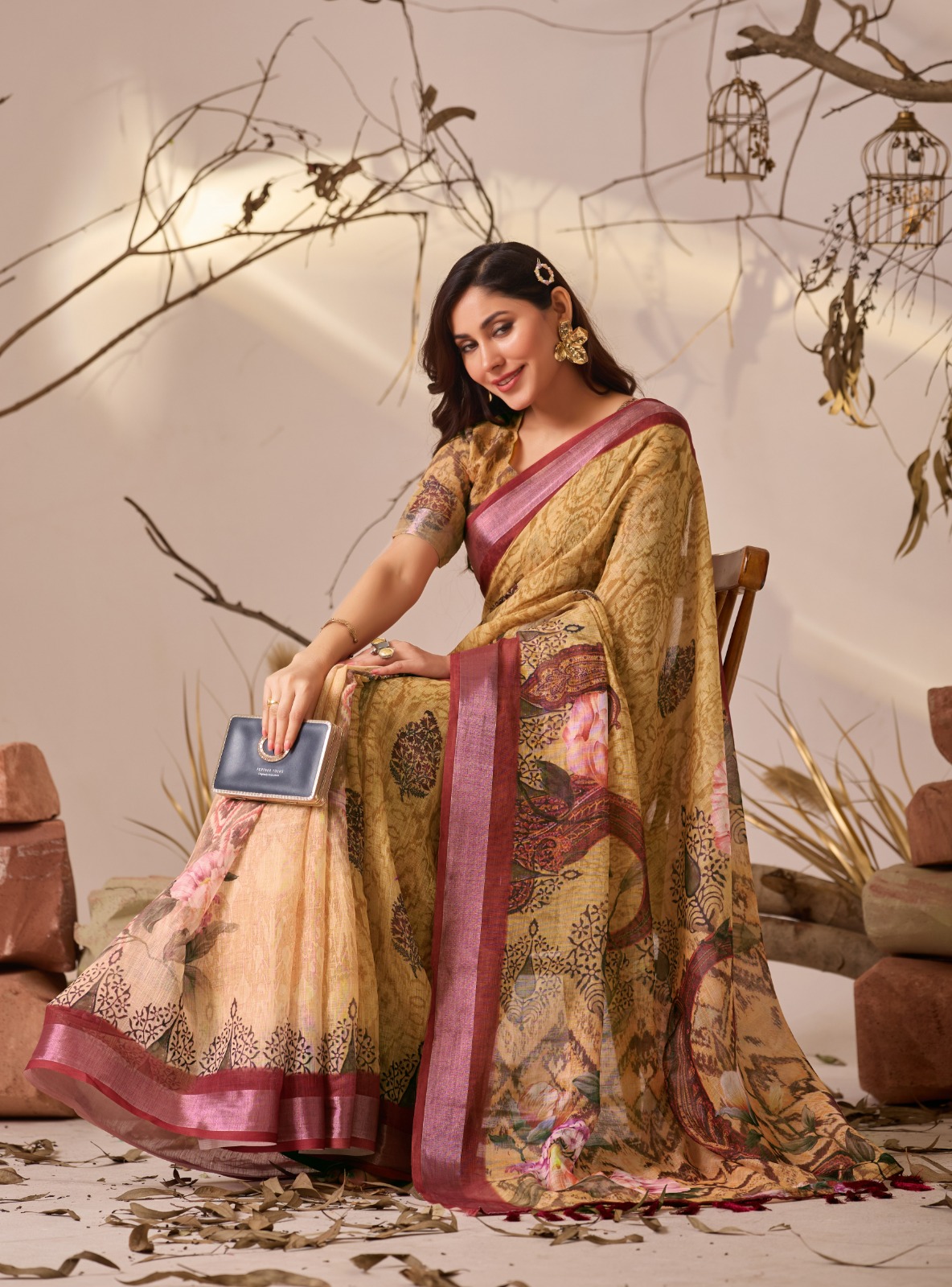
Linen cotton and cotton sarees are the safest daytime choices because they combine airflow with easy movement. Pastel Linen Cotton Floral Print Saree with Designer Blouse offers a soft colour direction and a coordinated blouse, making it useful when you want a complete look without adding a heavily embellished top. Peach Linen Cotton Floral Print Saree with Blouse for Women gives a warmer alternative that works well with antique-gold or matte-gold jewellery.
Pastel Floral Tissue Handloom Cotton Saree with Zari Weaves adds festive texture while retaining the everyday practicality of cotton. The zari detail can catch the light during photographs, but the handloom cotton base remains more suitable for walking around Thekkinkadu Maidan than a densely decorated occasion saree.
Evening celebrations and formal gatherings
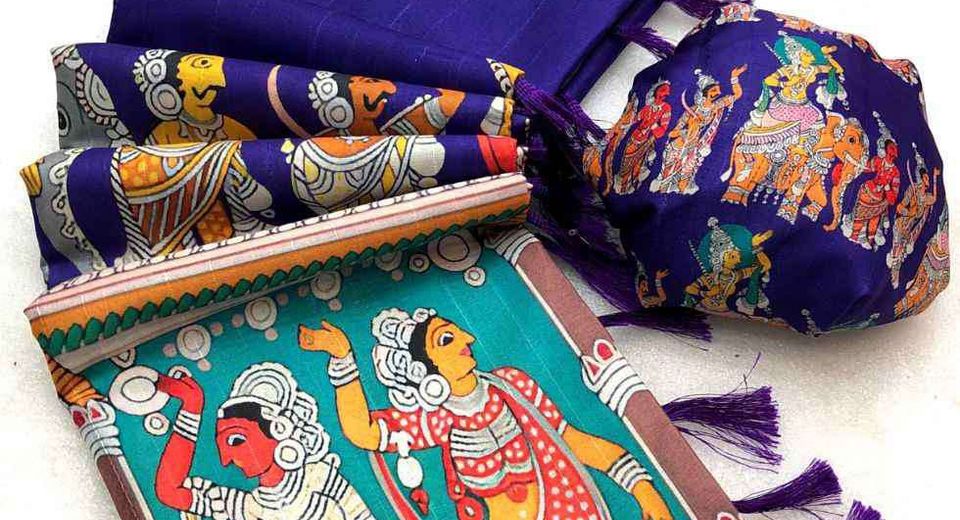
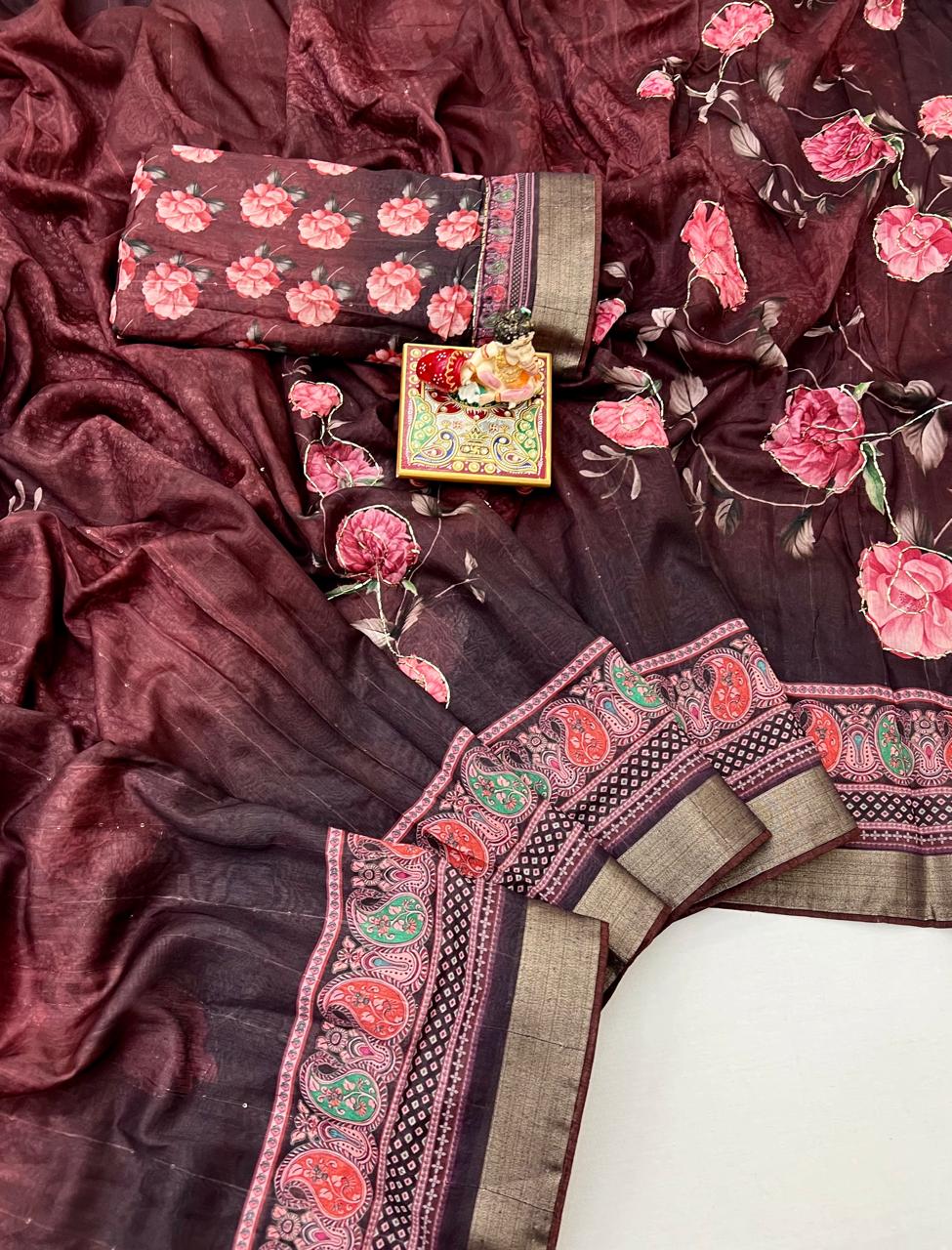
Tussar silk is a strong evening option because its natural texture gives depth to jewel tones without needing excessive surface work. Purple Kalamkari Tussar Silk Saree with Printed Blouse combines a printed blouse with a patterned silk body, creating visual interest through print rather than heavy ornamentation. Festive Purple Tussar Silk Saree with Printed Blouse is another suitable direction when you want a deeper colour that reads clearly under evening lighting.
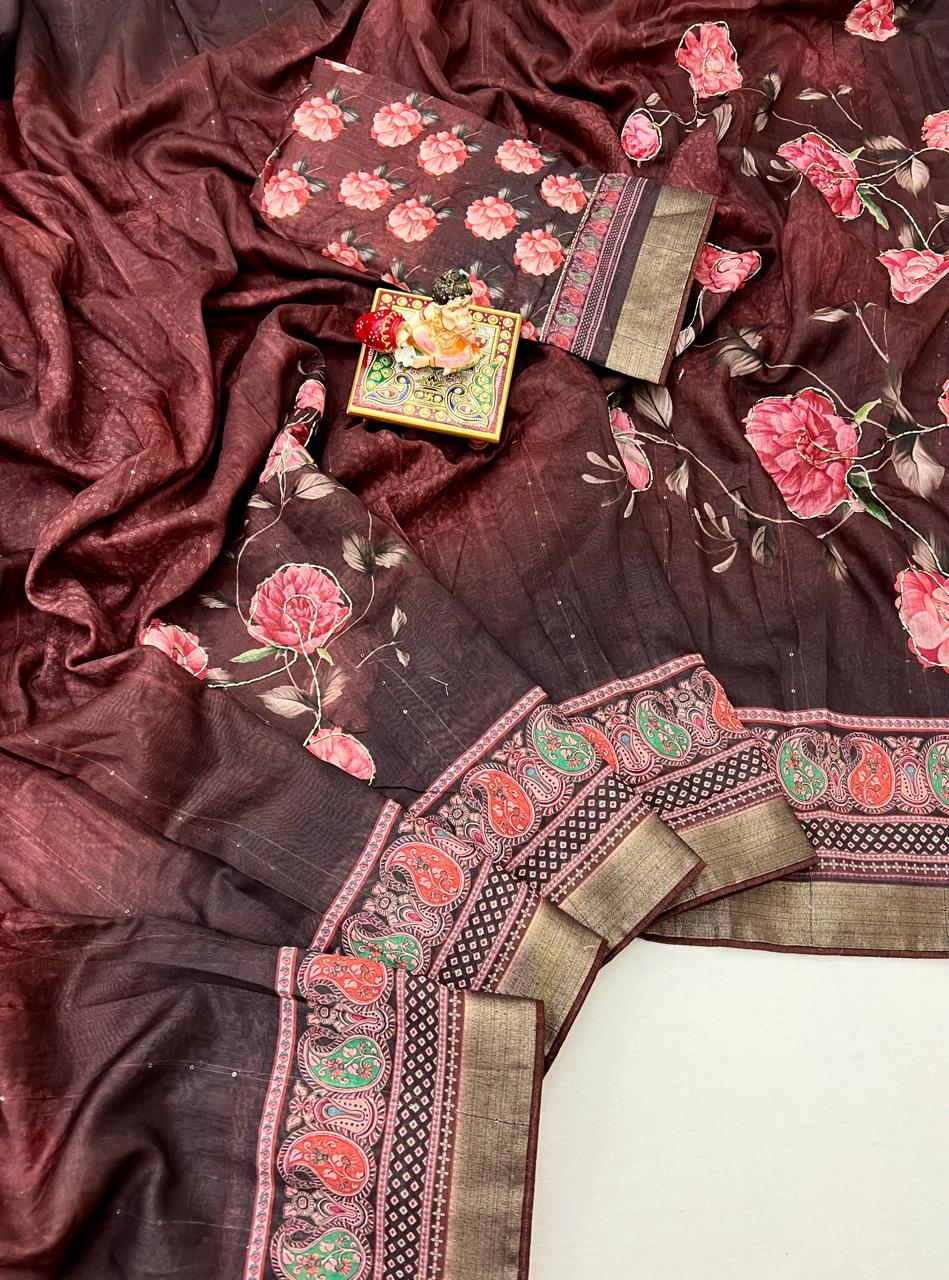
Premium Purple Saree for Festive Celebrations can suit a shorter, more formal Pooram visit where visual richness matters more than all-day heat management. Pair a festive silk saree with compact jewellery and secure pleats rather than adding multiple layers that can become uncomfortable in a crowd.
Colours and Motifs That Suit a Kerala Festival
Ivory, cream, gold, maroon, purple, green, mustard, peach and magenta all work well for a Kerala festival setting, provided the final combination feels comfortable and personal. Colour should support the saree's fabric and border instead of competing with the visual energy of elephants, umbrellas and temple architecture.
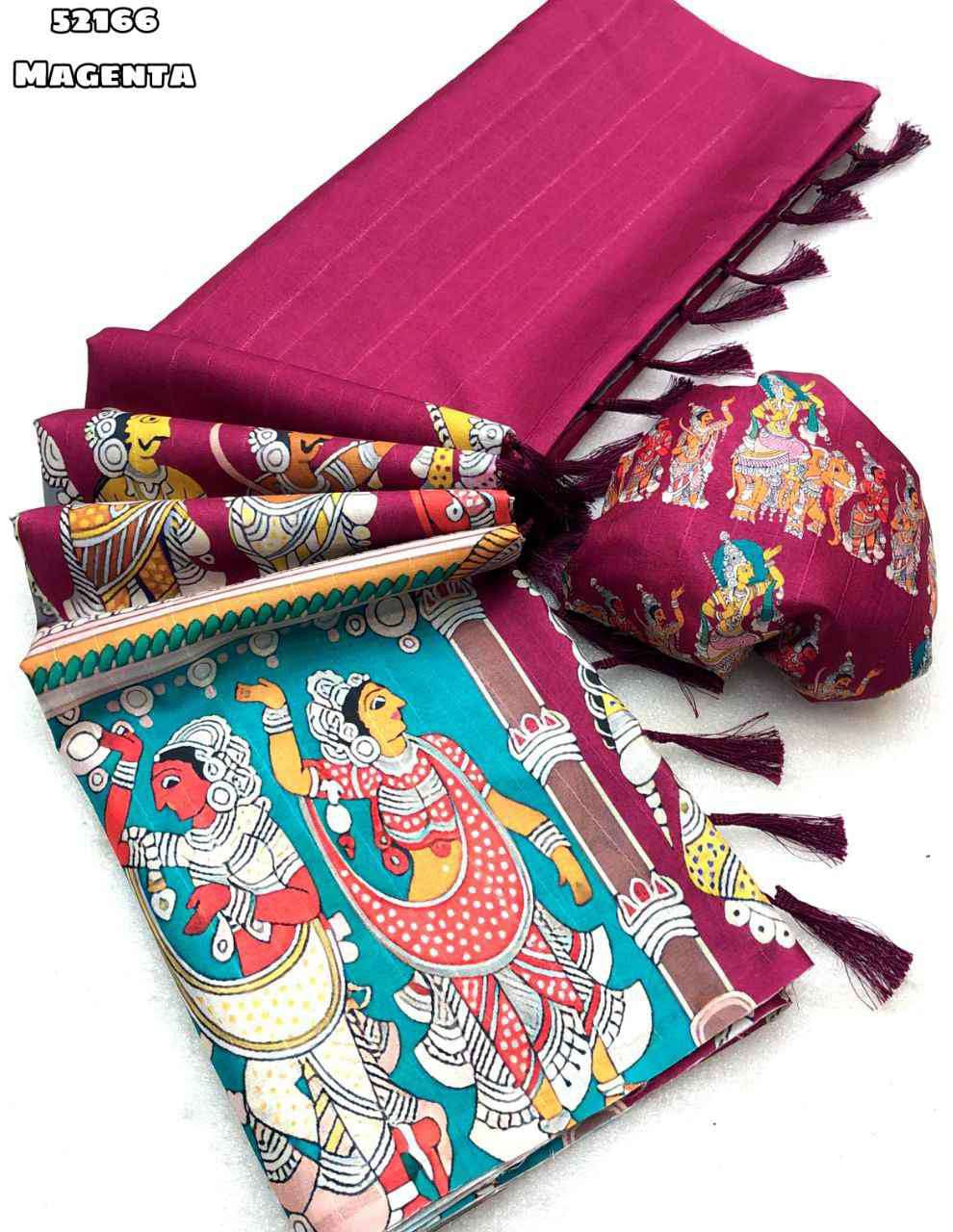
Kerala-inspired styling often brings to mind the cream-and-gold kasavu saree, but a strict kasavu palette isn't the only appropriate choice. A peach linen cotton saree can look graceful in daylight, while a purple Tussar silk saree creates a richer evening silhouette. Magenta adds intensity without requiring a heavily embellished border, particularly when balanced with a muted blouse.
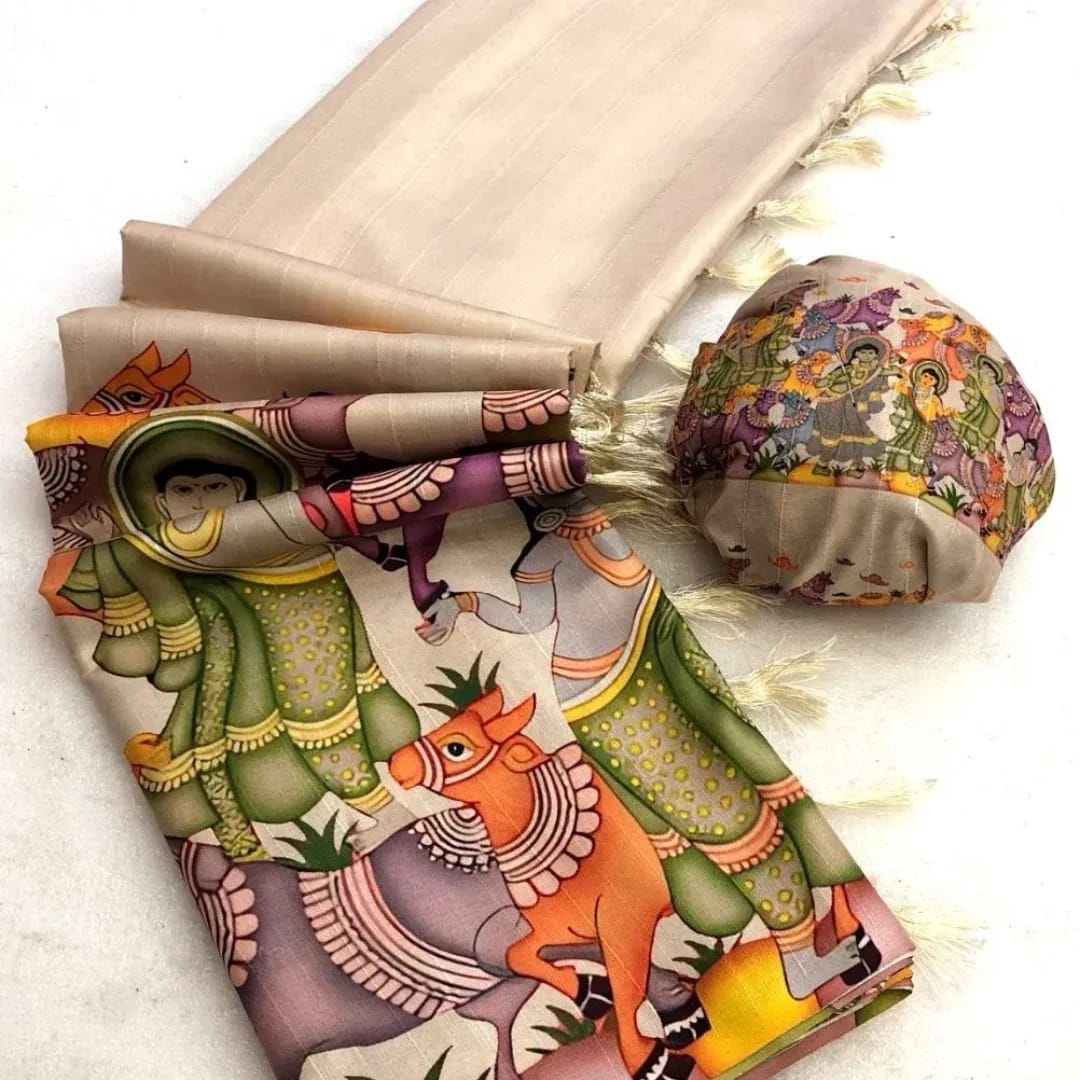
Floral and Kalamkari-inspired prints are useful when you want pattern without sequins. A printed saree also photographs with more detail than a plain surface, while a zari-woven border provides the traditional festive glint associated with temple celebrations. Kalamkari motifs can be paired with wooden, oxidised or antique-gold accessories depending on whether the saree's palette is earthy or jewel-toned.
Handloom Magenta Tussar Silk Saree with Rich Pallu is a good example of how a strong colour can carry the outfit. A rich pallu becomes a focal point, so keep the blouse and jewellery controlled if you want the saree to remain the main element.
How to Drape a Saree for Crowds, Heat and Movement
A secure Nivi drape with firmly set pleats is the most practical draping choice for Thrissur Pooram because it keeps the saree close to the body while allowing normal walking. The pallu should finish around the knee or lower calf rather than brushing the ground.
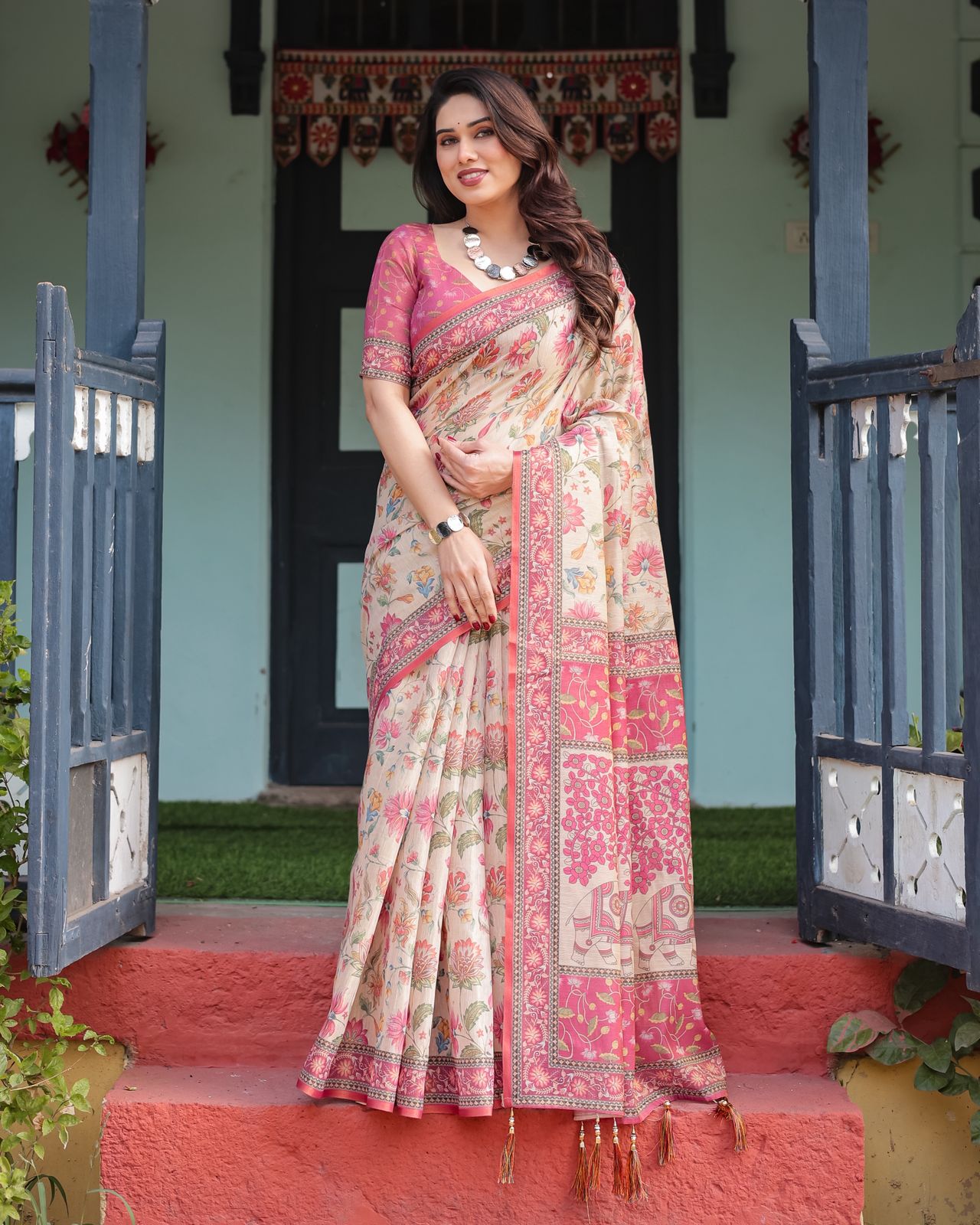
- Wear a well-fitted petticoat or underskirt. A drawstring that sits securely at the waist prevents the saree from slipping when you walk or climb steps.
- Pin the front pleats vertically. Two small safety pins placed from the inside can hold the pleats without making the pin visible.
- Secure the pallu at the shoulder. Use one concealed pin near the shoulder seam and another near the blouse side if you expect wind or crowd movement.
- Set the length before leaving home. The front edge should stay above the footwear's sole, especially if you'll move through uneven ground.
- Keep the pallu close in dense areas. Carry it over the forearm or pin it neatly rather than allowing it to trail behind you.
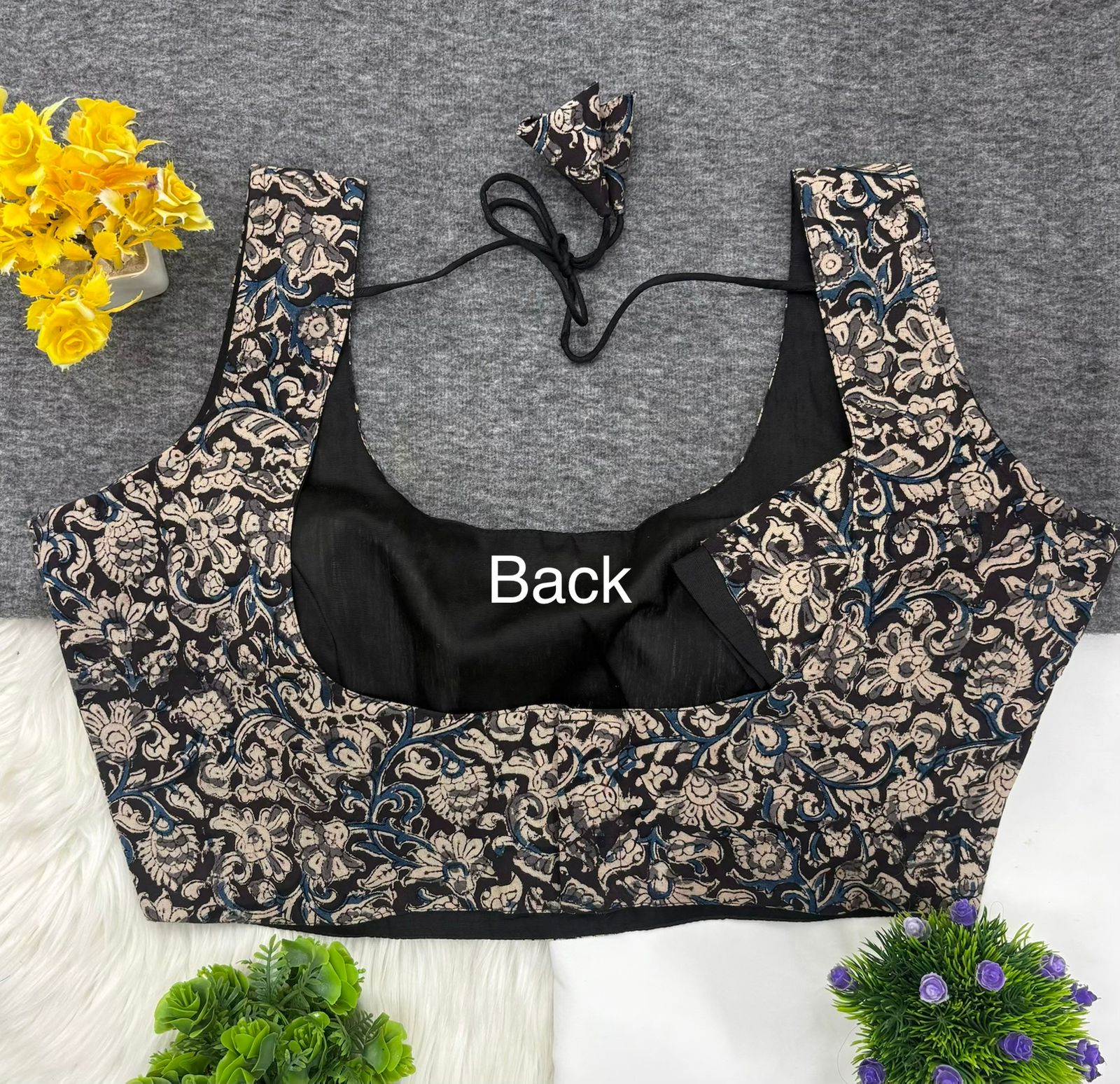
A blouse with sleeves or broader shoulder coverage can reduce friction from a bag strap and offer additional comfort in direct sun. Avoid very tight sleeves, because swelling and perspiration can make fitted armholes uncomfortable after several hours. A breathable cotton lining is often more useful than thick padding.
Blouse, Jewellery and Footwear Choices That Work
Comfortable accessories make a larger difference than extra ornamentation during a long festival visit. Choose one visual focus, such as a zari pallu, statement earrings or a distinctive blouse, and keep the remaining pieces light.
Jhumkas, small gold-toned hoops, a short necklace and two or three slim bangles can complement a festive saree without catching on other people or your bag. Long necklaces and large dangling earrings may become inconvenient in a crowd. If you wear flowers, secure them firmly so they don't loosen while walking; jasmine is time-honoured, but a small arrangement is easier to manage than a heavy gajra.
Footwear should have a cushioned sole, a secure back strap and a low, stable heel. Flat sandals with a thin sole can become painful on hard ground, while narrow high heels are difficult to manage in crowded festival routes. Break in new footwear at least a week before the event, and carry blister plasters in a small pouch.
A compact crossbody bag or a small fabric potli with a secure closure is more practical than a large shoulder bag. Keep your phone, identification, cash, tissues, safety pins and a small amount of water accessible. A lightweight cotton stole can provide extra sun protection without adding much bulk.
Choosing Between Tussar Silk, Cotton and Printed Sarees
Choose cotton or linen cotton for maximum comfort, Tussar silk for a richer evening appearance, and printed sarees when you want pattern without heavy embellishment. The correct choice depends on duration, weather, travel and how much walking your itinerary includes.
A linen cotton saree generally suits a day that includes travel, temple surroundings and several hours outdoors. Floral prints soften the look and hide minor creasing better than a perfectly plain surface. The Pastel Linen Cotton Floral Print Saree with Designer Blouse and Peach Linen Cotton Floral Print Saree with Blouse for Women both illustrate why coordinated, breathable sets are useful when dressing quickly for a festival.
Handloom cotton with zari is a middle path. Pastel Floral Tissue Handloom Cotton Saree with Zari Weaves can give you a festive finish without the full weight of a formal silk saree. Cotton may crease, but natural creasing is usually easier to manage than perspiration trapped under a heavy synthetic layer.
Tussar silk works best when you want stronger colour, texture and evening polish. Purple Kalamkari Tussar Silk Saree with Printed Blouse and Tussar Silk Kalamkari Printed Saree with Blouse demonstrate how print can add detail while keeping the styling coherent. Richer options such as Festive Purple Tussar Silk Saree with Printed Blouse and Handloom Magenta Tussar Silk Saree with Rich Pallu are better reserved for shorter outings or occasions where you can prioritise appearance over extended outdoor comfort.
Budget Planning and Saree Preparation
A sensible budget for a Thrissur Pooram saree should include the blouse, tailoring, footwear, pins and travel-friendly accessories rather than focusing only on the saree price. Ready-to-wear options and coordinated blouse sets can reduce alteration time, while a handloom or silk saree may require more careful blouse planning.
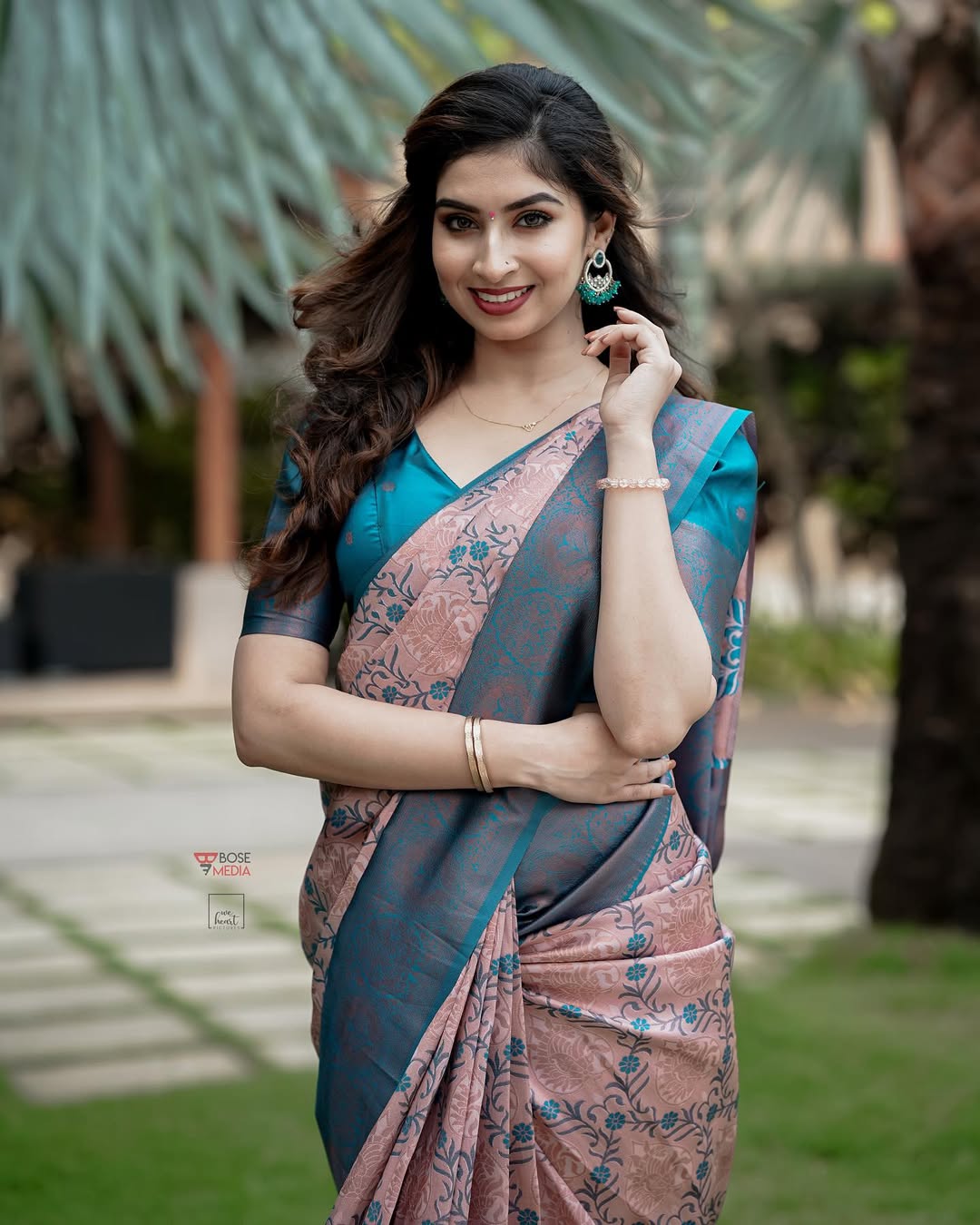
Price-led browsing can begin with Sarees from Rs 1000 to Rs 1500 when you want a practical festival outfit for daytime use. Sale collections such as Sarees Under 20% Off and Sarees Under 10% Off can also help you compare styles without treating discount percentage as a substitute for fabric information. Larger sale labels such as Sarees Flat 60% Off and Sarees Flat 50% Off require especially careful checking of blouse availability, measurements, weave description and return conditions before purchase.
Buy or prepare the saree at least seven to ten days before Thrissur Pooram. This allows time for blouse alterations, pre-draping, checking for loose zari or uneven hems, and testing the outfit with your chosen footwear. Photograph the completed drape from the front and side; the images can reveal a slipping pallu or an overly long hem before the festival day.
Care After a Hot Festival Day
Air-dry a saree in shade after wearing it, and don't store a damp or perspiration-marked saree immediately. Cotton and linen cotton can usually be aired promptly, while Tussar silk should be handled according to its care label and kept away from direct, harsh sunlight.

don't spray perfume directly onto silk, zari or printed Kalamkari surfaces. Apply fragrance to the skin before dressing, and allow it to dry fully. Fold silk sarees with the decorated surface inside when possible, refold them every few months, and store them in breathable cotton rather than sealed plastic for long periods.
Small stains should be addressed without aggressive rubbing. Blot the area with a clean, dry cloth and use professional dry cleaning when the care label recommends it, especially for Tussar silk, zari and colour-sensitive prints. Cotton sarees should also be checked for colour bleeding before any home wash.
Practical Questions About Dressing for Thrissur Pooram
Which fabric is most comfortable for Thrissur Pooram?
Linen cotton, handloom cotton and lightweight cotton sarees are usually the most comfortable for a long Thrissur Pooram visit in warm weather. Tussar silk is suitable for shorter evening programmes, but it may feel warmer than cotton during extended outdoor wear.
Can I wear a silk saree to Thrissur Pooram?
Yes, a Tussar silk saree can work well for an evening celebration or a brief formal visit. Choose a manageable border, secure the pleats and avoid excessive layers if you expect to walk or stand for several hours.
What colour saree is suitable for a Kerala temple festival?
Cream, ivory, gold, maroon, purple, green, peach and magenta are all suitable choices. A cream-and-gold kasavu-inspired palette is traditional, but printed cotton and jewel-toned Tussar silk can also create a respectful festive look.
How should I drape a saree for a crowded festival?
Use a secure Nivi drape, pin the pleats, and fasten the pallu at the shoulder and blouse side. Keep the hem above the footwear's sole and avoid a loose, floor-length pallu that can snag or be stepped on.
What footwear should I wear with a saree at Thrissur Pooram?
Wear broken-in footwear with a cushioned sole, secure straps and a low or flat heel. Avoid new sandals and narrow high heels because festival routes involve prolonged standing, walking and uneven outdoor surfaces.
How early should I prepare my saree for Thrissur Pooram?
Prepare the saree seven to ten days before the festival. That timeframe gives you room for blouse alterations, drape testing, footwear checks and minor repairs such as replacing a loose hook or adding concealed safety pins.