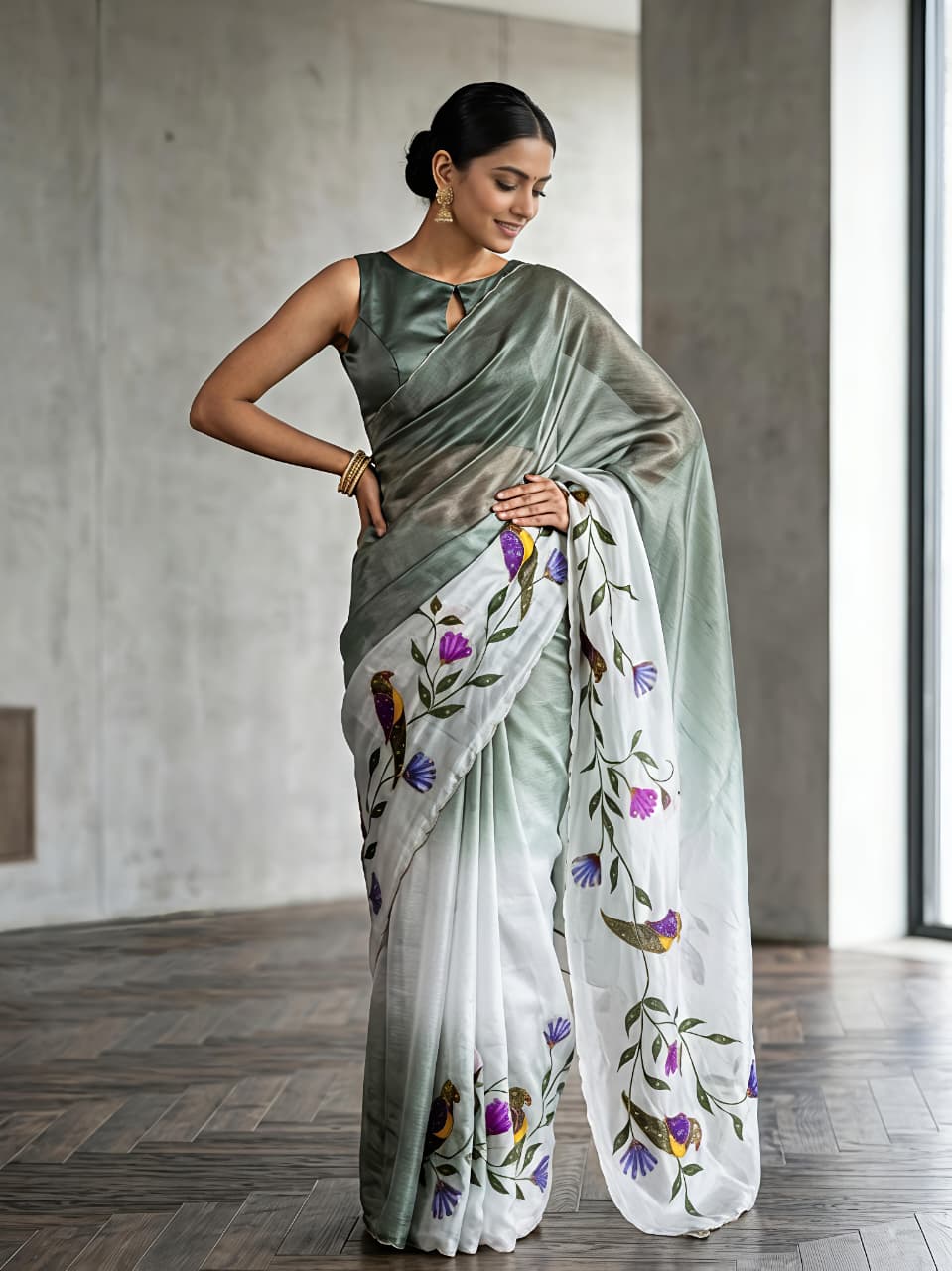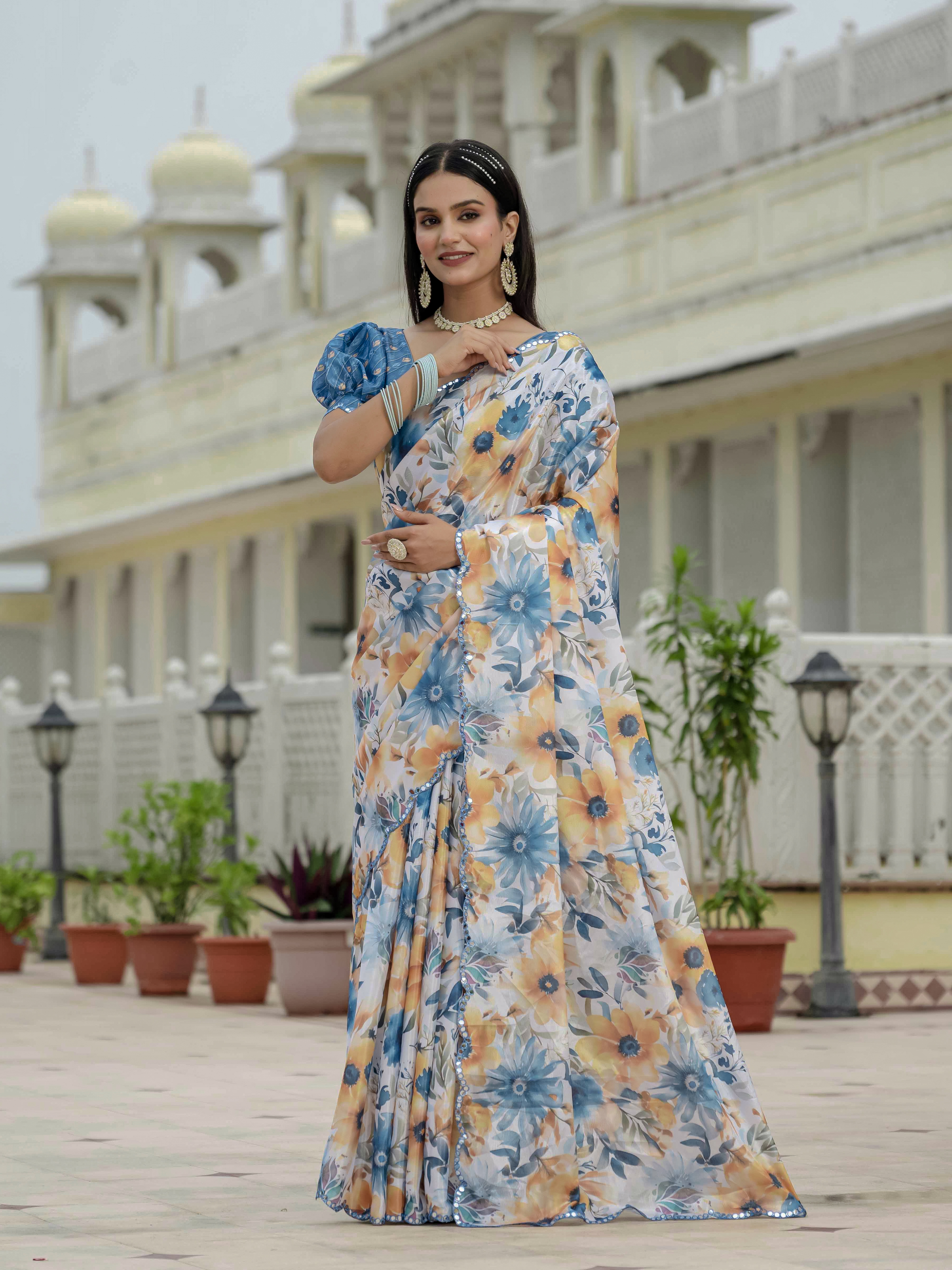
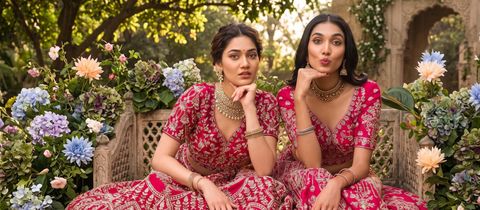
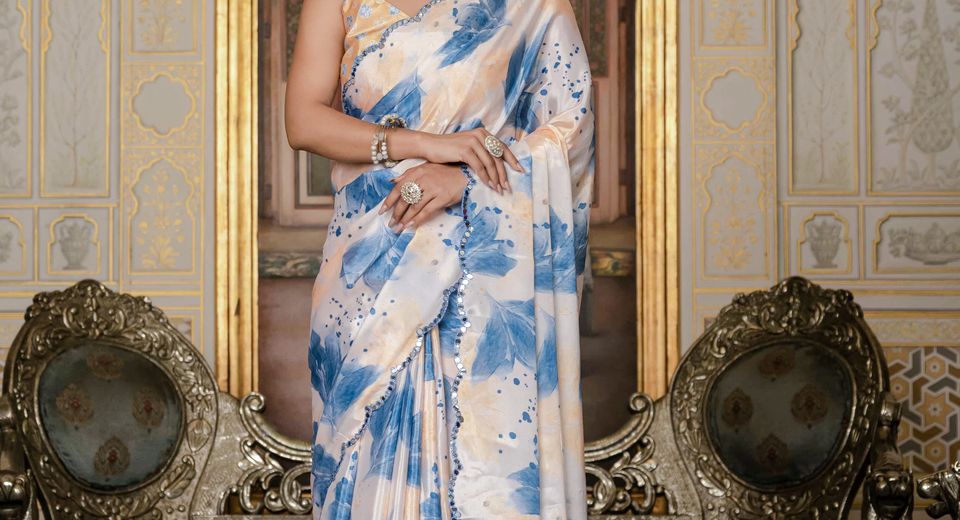
Best Sarees to Wear for Sankranti Celebrations in Andhra Pradesh need to balance tradition, movement and January comfort. A saree for Bhogi may need to withstand early-morning activity, while a saree for the main Sankranti puja can carry more zari, silk and jewellery. The right choice depends on the festival day, the venue, the weather and how much walking or household work is involved.
Andhra Pradesh Sankranti celebrations commonly unfold across Bhogi, Sankranti and Kanuma, with some families also observing Mukkanuma. Muggu at the entrance, Haridasu songs, gangireddu performances, kite flying and family visits create different dressing requirements. An useful festive wardrobe therefore includes more than one kind of saree: breathable handloom cotton for daytime rituals, polished silk for a formal puja and a lighter drape for visiting relatives.
What makes a saree suitable for Sankranti in Andhra Pradesh?
A suitable Sankranti saree combines a breathable or manageable fabric, a secure drape, a festive colour and enough visual detail for family photographs. The best choice should also allow comfortable sitting on the floor, walking between homes and participating in puja without repeated adjustments.
Fabric weight matters because Sankranti celebrations often begin early and continue for several hours. Handloom cotton can feel comfortable during daytime gatherings, while Banarasi silk or soft silk creates a richer look for a formal family celebration. Tissue handloom cotton with zari offers an useful middle ground: the cotton base remains practical, and the zari adds a festive finish without making the saree feel as elaborate as a heavily embellished wedding drape.
Border width is another practical detail. A medium or broad zari border gives structure to the pallu and photographs clearly beside a colourful muggu. A narrow border is easier for everyday movement and works well when the blouse or jewellery provides the main festive accent. A very heavy border can pull the pallu backwards, so pinning near the shoulder and securing the pleats at the waist is helpful.
How should the saree change across the main festival days?
Bhogi calls for a comfortable saree that can handle an active morning, Sankranti suits a more ceremonial look, and Kanuma benefits from a relaxed festive drape. This three-day approach prevents a heavily decorated saree from becoming uncomfortable during practical activities.
- Bhogi: Choose cotton, tissue handloom cotton or another light-to-medium fabric with a secure pallu. Keep jewellery modest if the morning includes outdoor rituals or cooking.
- Sankranti: Choose Banarasi silk, soft silk or zari-accented cotton for the main puja and family meal. A defined border and coordinated blouse create a complete festival look.
- Kanuma: Select a saree that's easy to walk in and comfortable for visiting relatives. Floral prints, bright pinks, reds and jewel tones work well without requiring a bridal-level styling approach.
Best Sarees to Wear for Sankranti Celebrations in Andhra Pradesh by fabric
Handloom cotton, tissue cotton, Banarasi silk and soft silk are strong choices for Andhra Sankranti because they cover different levels of comfort, shine and ceremony. Fabric should be selected according to the time of day and the amount of activity rather than by appearance alone.

Handloom cotton for Bhogi mornings and daytime celebrations
Handloom cotton is the most practical option when comfort, air circulation and easy movement are priorities. A cotton saree works particularly well for Bhogi morning, household puja, preparing festive food and sitting with family for long periods.
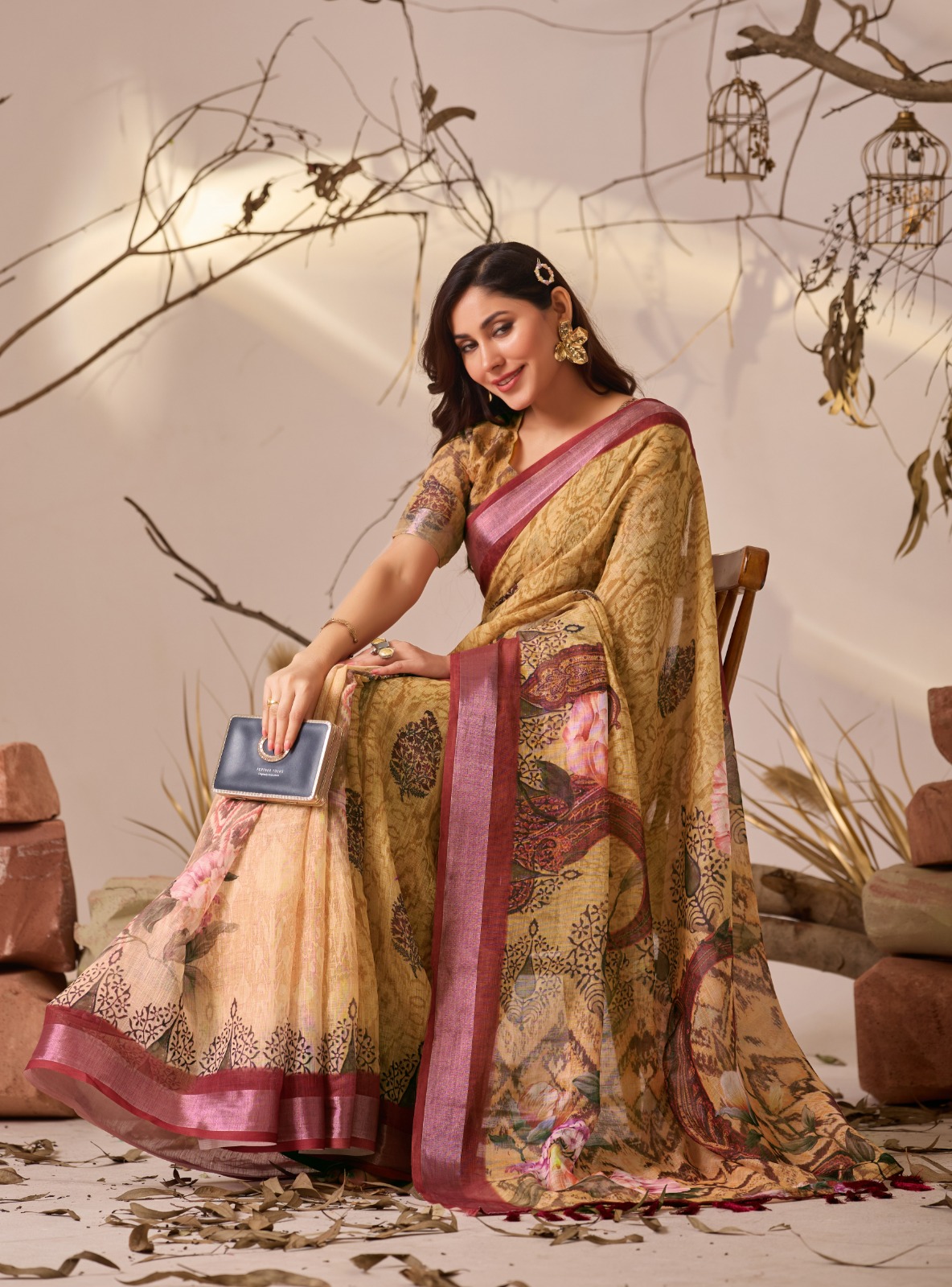
Pastel Floral Tissue Handloom Cotton Saree with Zari Weaves demonstrates how a soft colour palette can remain festive when the weave includes zari. Cream Pink Tissue Handloom Cotton Saree with Zari brings a similarly gentle combination for daytime ceremonies, especially when paired with a pink, cream or gold blouse. These sarees can be styled with small gold earrings, a short necklace and flowers in the hair without appearing underdressed.
A cotton Sankranti saree doesn't have to look plain. Zari weaves, floral motifs and a defined pallu add texture while keeping the outfit less formal than a full silk saree. Cotton is also a sensible choice when the celebration includes repeated movement between the kitchen, prayer area and courtyard.
Banarasi silk and soft silk for the main Sankranti puja
Banarasi silk or soft silk is suitable for the principal Sankranti celebration when a more traditional and luminous appearance is wanted. Zari borders catch indoor light, while woven motifs give the saree enough detail for a family portrait without requiring extensive embellishment.
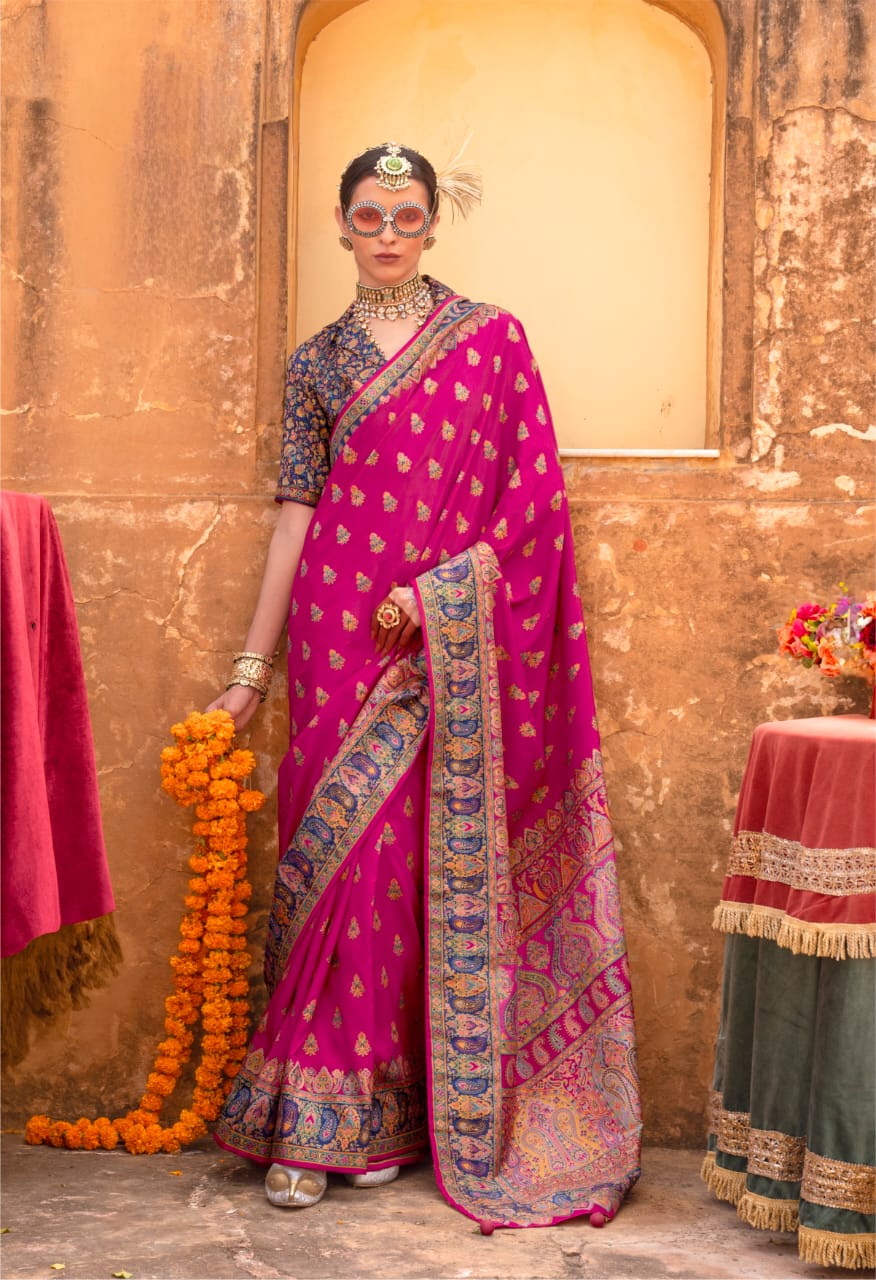
Magenta Banarasi Soft Silk Zari Saree has the visual richness associated with a major festival look, while Maroon Banarasi Soft Silk Saree with Golden Zari Border creates a deeper, more classic colour combination. Red Banarasi Soft Silk Saree with Jacquard Zari Border is appropriate for someone who wants a strong festive colour with a structured woven border.
Banarasi silk can feel warmer and heavier than cotton, so it's best for the puja, lunch or a shorter family gathering rather than a full day of outdoor activity. Wear a well-fitted blouse, use two or three discreet safety pins and keep the pleats even. These small adjustments prevent a rich saree from becoming difficult to manage.
Which colours work best for an Andhra Sankranti saree?
Rani pink, magenta, red, maroon, cream, peach and gold are reliable Sankranti colours because they photograph well and complement the festival's bright decorations. The most suitable shade depends on the time of day, the jewellery and whether the saree will be worn for a ritual or a social visit.
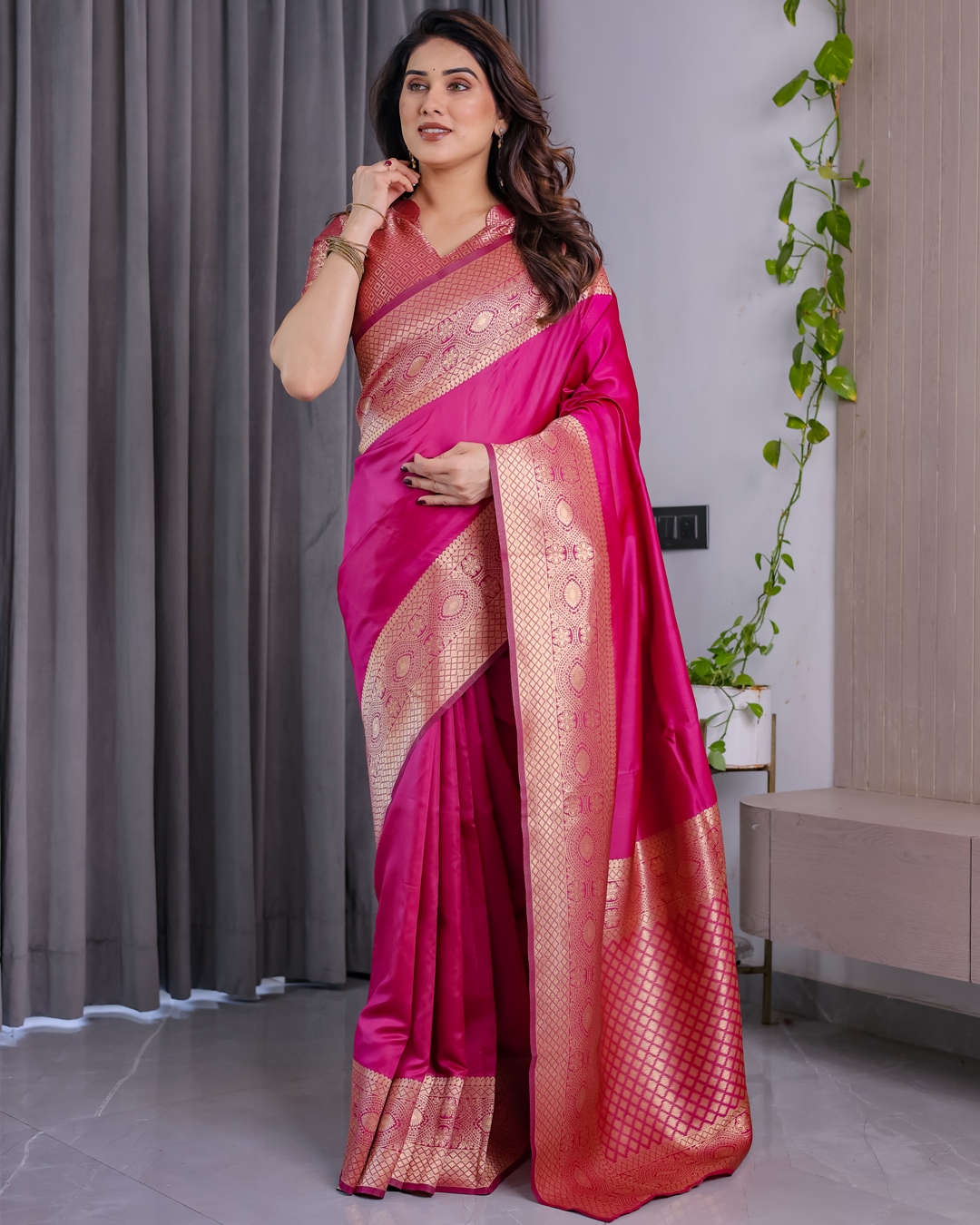
Red and maroon create a heritage appearance with gold zari and temple-style jewellery. Magenta and rani pink feel more celebratory while remaining easy to coordinate with green, gold or contrasting blue blouses. Cream and pastel shades provide a softer daytime look, particularly when the saree includes floral prints or a metallic border.
Buy Rani Pink Banarasi Silk Saree with Jacquard Zari Border shows why a saturated pink with woven zari can serve as a formal festival choice. A gold blouse makes the look classic, while a green blouse introduces a distinctly festive contrast. Wine Tissue Handloom Cotton Saree with Zari & Floral Prints gives a darker wine tone with a lighter, more practical base, making it suitable for someone who wants colour without the weight of full silk.
Colour can also be coordinated with the blouse rather than matched exactly. A cream saree with a magenta blouse, a red saree with a muted gold blouse or a pink saree with a green blouse gives the outfit depth. Matching every element in one shade can make zari and floral details less visible.
How should you style a Sankranti saree for comfort and tradition?
A comfortable Sankranti saree needs a secure waist, evenly spread pleats, a pinned pallu and a blouse that allows the arms to move freely. Classic styling becomes more practical when the saree is adjusted for walking, sitting and household activity before accessories are added.

Blouse, drape and footwear
A well-fitted cotton or silk blouse with a firm shoulder seam prevents the pallu from slipping. Elbow-length sleeves suit a classic family celebration and provide useful coverage when the morning is cool. A blouse with a modest neckline also supports layered jewellery without making the outfit feel crowded.
The Nivi drape is a dependable choice for Sankranti because the front pleats remain defined and the pallu can be pinned over the shoulder. Keep six to eight pleats of similar width, place the lowest edge slightly above the floor and secure the pleats inside the waistband. A low block heel, jutti or flat sandal is safer than a narrow high heel when the celebration includes walking on uneven outdoor surfaces.
Jewellery, flowers and finishing details
Gold-toned jhumkas, a short necklace, glass bangles and jasmine flowers create a time-honoured Sankranti finish without competing with the saree. Choose one prominent jewellery element, such as a long haram or a broad choker, and keep the remaining pieces lighter when the saree already has dense zari.
Jasmine gajra works with pink, red, maroon and cream sarees, while orange or yellow flowers can complement a cooler pastel palette. A small bindi, neatly arranged hair and a compact potli or shoulder bag complete the look. Heavy handbags are inconvenient during puja, greetings and meal service.
How do you choose a saree for the venue and budget?
Choose the saree by matching fabric formality to the venue, then compare the total outfit cost rather than the saree price alone. A practical budget includes the blouse, tailoring, fall and edging, jewellery, footwear and any finishing work needed before Sankranti.

For a home celebration with cooking or extended family work, tissue handloom cotton usually brings better cost-per-wear than a heavy silk. For a temple visit or formal lunch, a Banarasi silk or soft silk saree can justify the higher visual impact because it may also suit weddings and other festive gatherings.
Online browsing becomes easier when collections are grouped by intended use. Silk Sarees Under 3000 With Discount can help shoppers compare formal-looking options within a defined budget. Pink Georgette Sarees are useful for someone seeking a lighter, fluid drape for a family visit. Red Banarasi Silk Sarees for Weddings Under 1100 may suit shoppers who want a heritage red-and-gold appearance at a controlled price, although fabric composition and care instructions should always be checked before purchase.
Party Wear Sarees can provide additional inspiration for an evening Sankranti gathering, while Gray Color Sarees Under 1000 may work for someone who prefers a quieter neutral saree with a bright blouse and colourful jewellery. A lower price doesn't automatically make a saree suitable for every ritual, so check the weave, transparency, blouse piece, border finish and return measurements before ordering.
What should you check before buying a Sankranti saree online?
Check the fabric, saree length, blouse-piece details, care instructions, transparency and delivery timeline before buying a Sankranti saree online. These details affect comfort and whether the garment will be ready for the festival date.
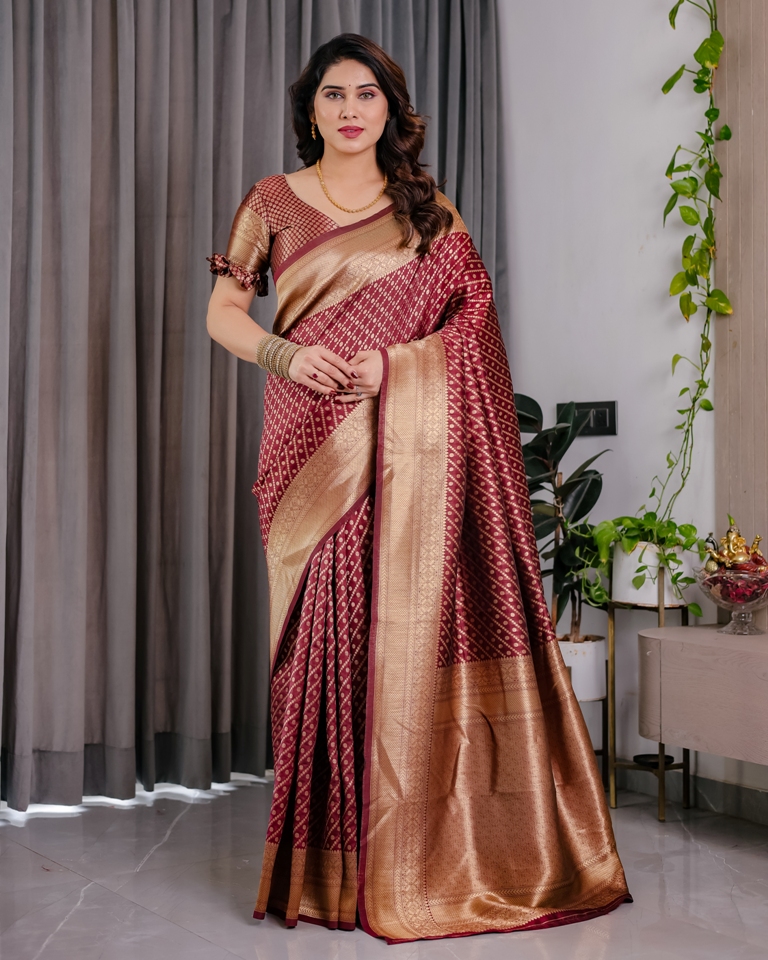
- Fabric description: Confirm whether the saree is cotton, tissue handloom cotton, georgette, Banarasi silk or soft silk. Terms such as silk-look or tissue-effect don't always mean the same thing as a silk or tissue fabric.
- Measurements: Check the saree length and blouse-piece length. A standard saree is often around 5.5 metres, but the actual measurement can vary by design and finishing.
- Border and pallu: Look for close photographs of the zari, jacquard work, floral print and edge stitching. The pallu usually determines how the saree appears from the front and in photographs.
- Blouse planning: Allow time for tailoring, including sleeve style, neckline, lining and hooks. A ready-to-wear option such as Peach Blue Floral Chinnon Ready To Wear Saree | Varnavi may reduce stitching time, but the fit should still be checked before the event.
- Care: Follow the stated washing and storage instructions. Fold zari sarees with the metallic side inside, refold them every few months and keep them away from direct sunlight and damp cupboards.
Buying at least one week before the celebration leaves time for blouse alterations, fall and edging, steaming and a full trial drape. A trial also reveals whether the pallu length, pleat depth and footwear work comfortably together.
How can you care for a cotton or silk Sankranti saree after the festival?
Air the saree in shade after wearing it, remove visible moisture and store it clean and dry before folding. Cotton and silk need different care, but both fabrics last longer when they're protected from humidity, perfume residue and constant pressure from heavy jewellery.

Handloom cotton can usually be aired and folded after the garment is completely dry, while zari-rich silk should be dry-cleaned or cared for according to the specific wash label. Do not iron zari directly at high heat. Place a thin cotton cloth over the saree and use a low or medium setting, or have the saree professionally pressed.
Wrap Banarasi silk and soft silk in unbleached muslin rather than plastic for long-term storage. Keep sarees horizontally or in a spacious drawer, separate dark colours from pale tissue fabrics and avoid storing a blouse with metal hooks pressed against the saree body. These habits preserve the zari, colour and drape for future festival celebrations.
Common Questions About Sankranti Sarees in Andhra Pradesh
Which saree is best for Sankranti in Andhra Pradesh?
Handloom cotton, tissue handloom cotton, Banarasi silk and soft silk are all suitable, depending on the day and activity. Choose cotton for Bhogi mornings and active daytime celebrations, and choose Banarasi silk or soft silk for the main puja or a formal family lunch.
Which colours are considered suitable for Sankranti sarees?
Red, maroon, rani pink, magenta, cream, peach and gold are popular choices for Sankranti celebrations. Select a shade that complements the zari, blouse and jewellery rather than matching every element in one colour.
Is a cotton saree suitable for a Sankranti festival celebration?
A cotton saree is highly suitable for a Sankranti festival celebration because it is breathable, comfortable and easy to move in. Zari borders, tissue finishes and floral prints make cotton look festive enough for puja, family meals and daytime visits.
What should I wear for Bhogi, Sankranti and Kanuma?
Wear a light cotton or tissue handloom cotton saree for Bhogi, a silk or zari-accented saree for the main Sankranti celebration and a comfortable floral, cotton or lighter festive saree for Kanuma. The three choices reflect the different levels of activity across the festival days.
How do I keep a silk saree comfortable during Sankranti?
Use a well-fitted blouse, secure the pleats and pallu with discreet pins, and wear comfortable flat footwear or a low block heel. Choose silk for the puja, meal or shorter gathering rather than for several hours of outdoor work.
How early should I buy a saree for Sankranti?
Buy the saree at least one week before Sankranti so there is time for delivery, blouse tailoring, fall and edging, steaming and a trial drape. Buying earlier is advisable for custom blouse work or when a specific colour and fabric are essential.