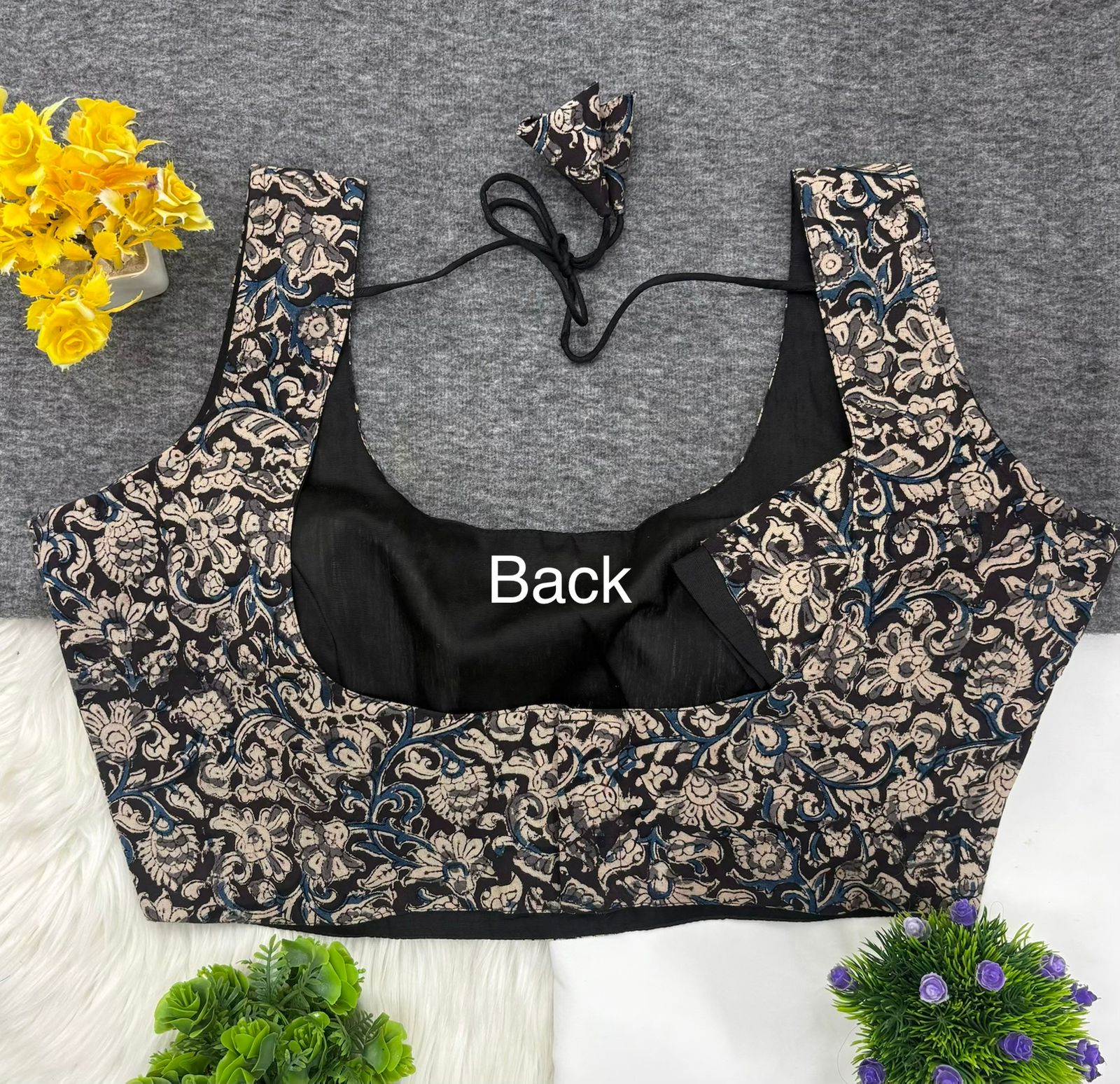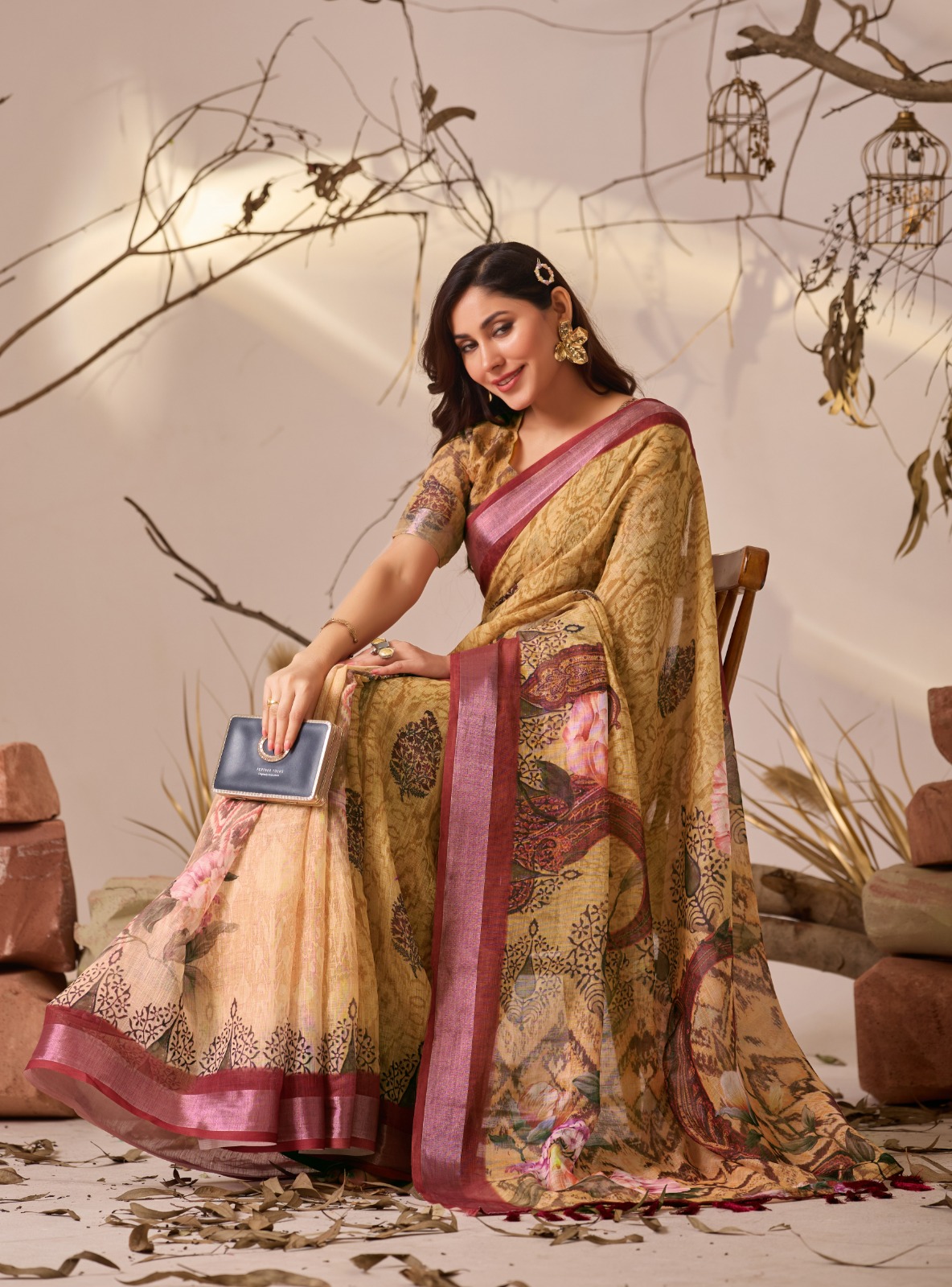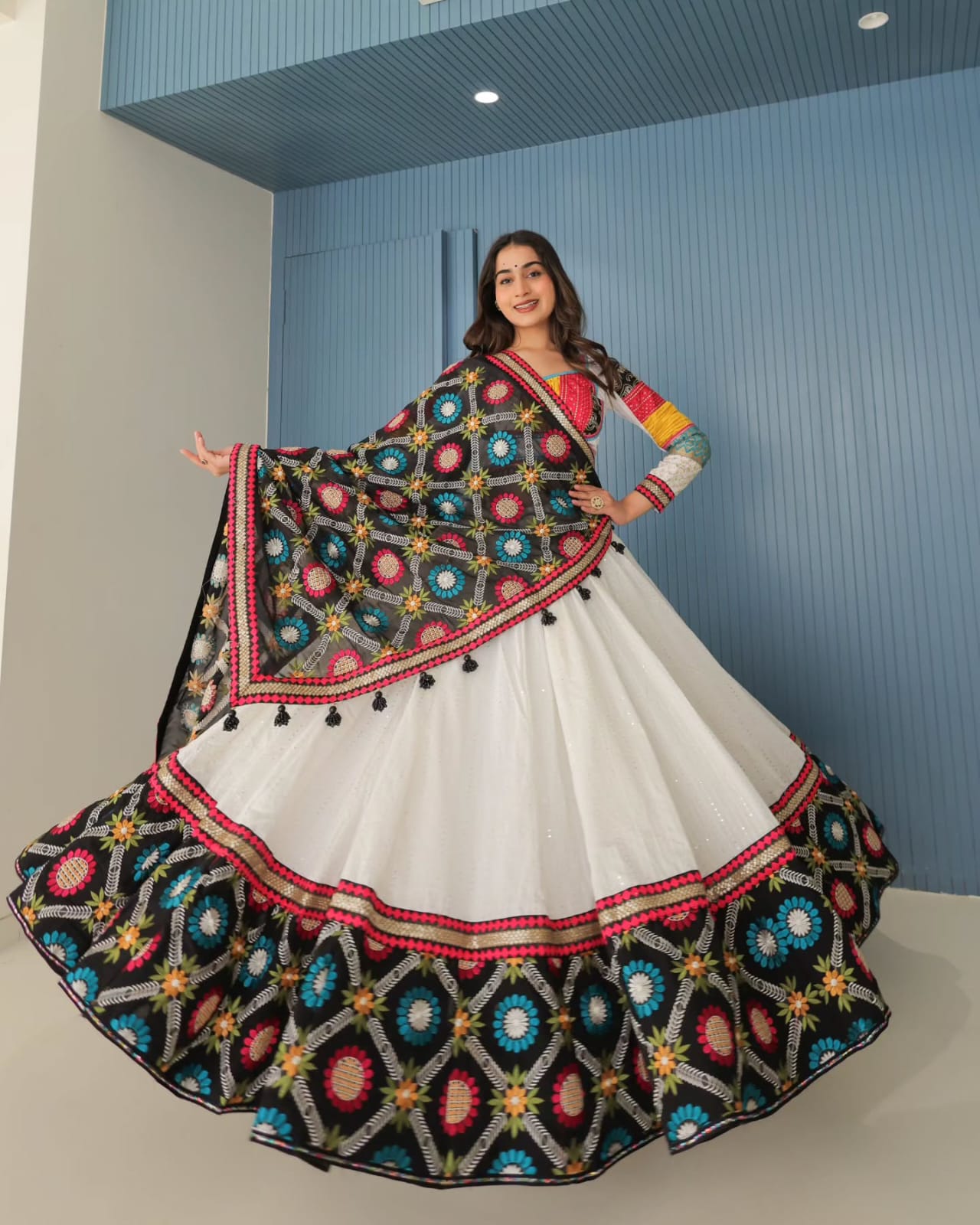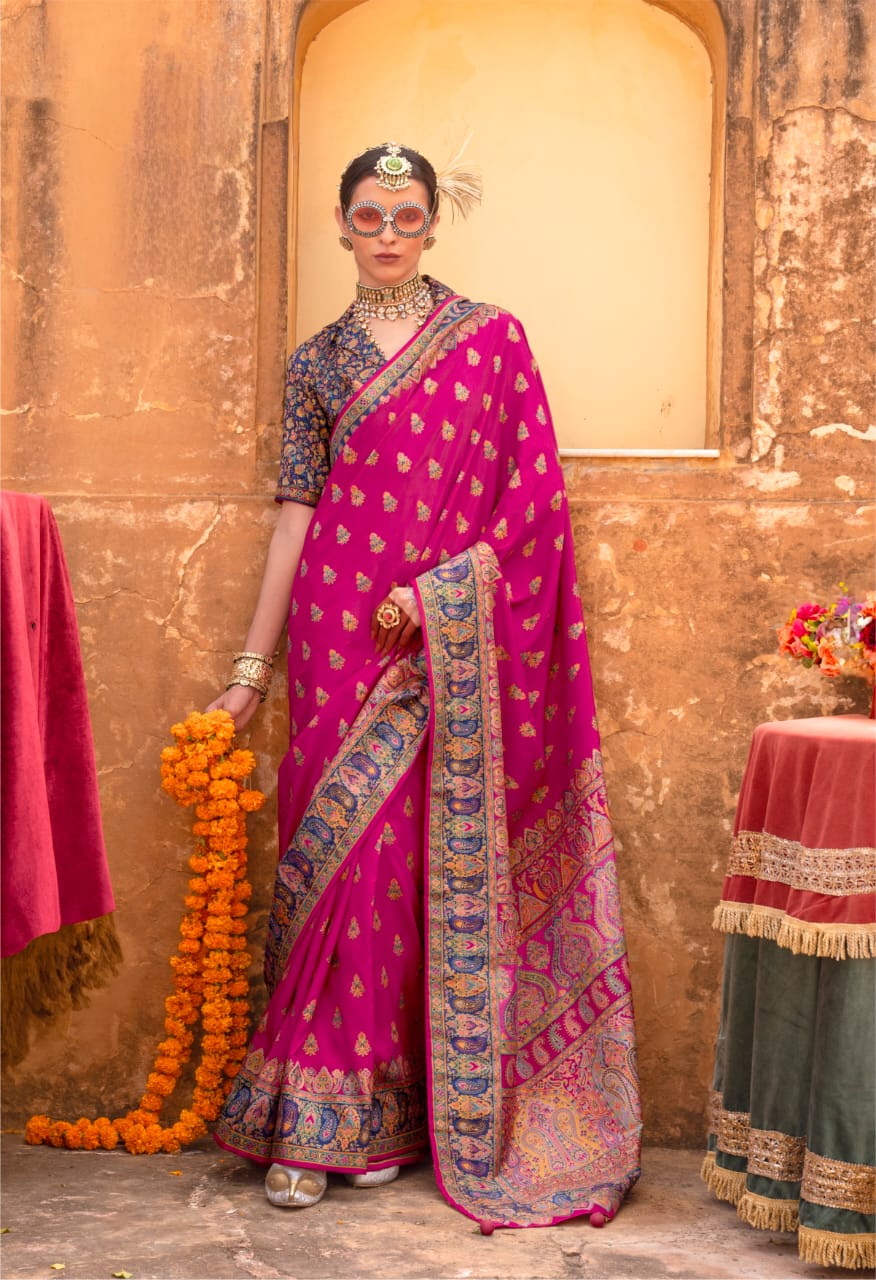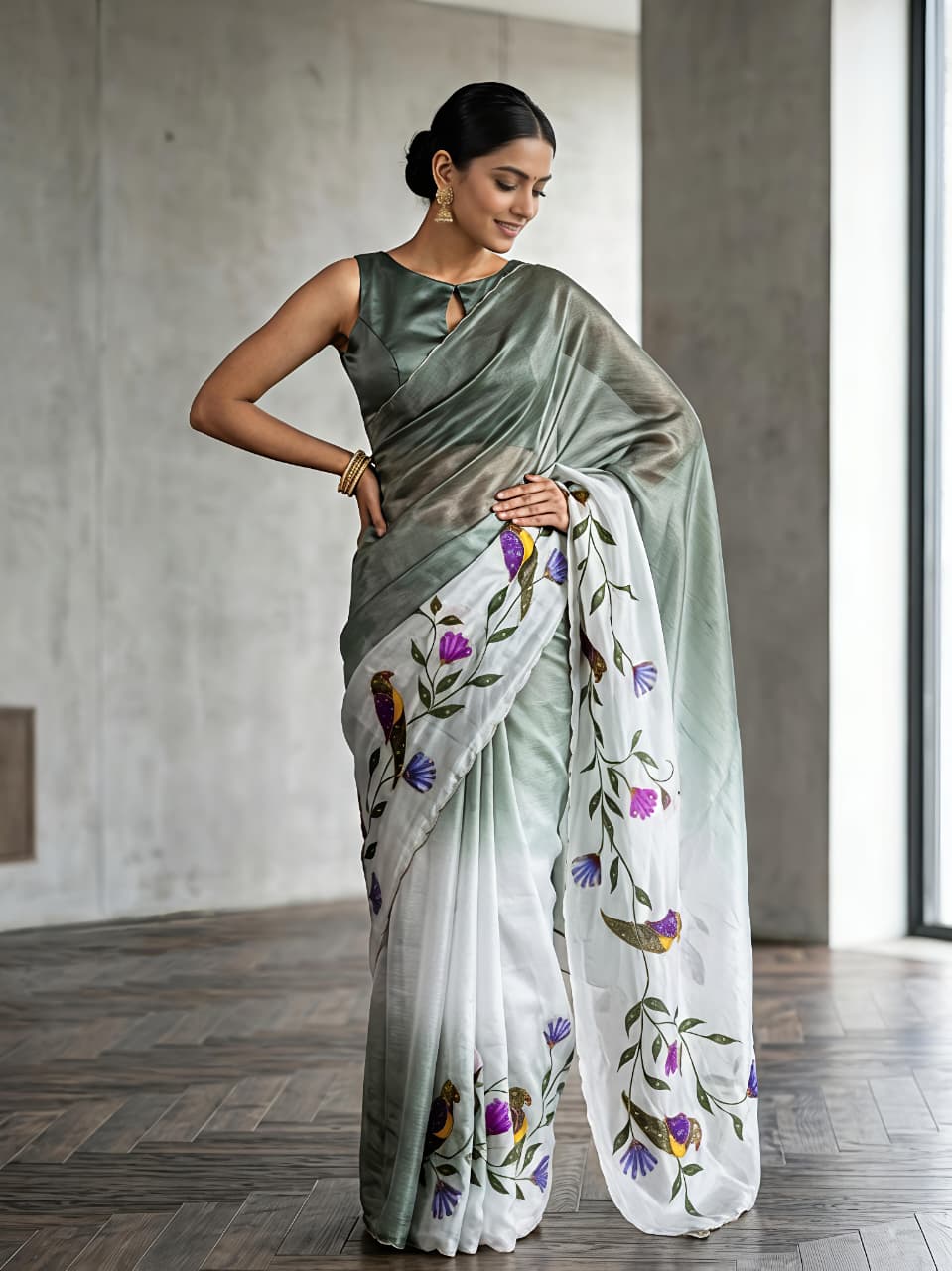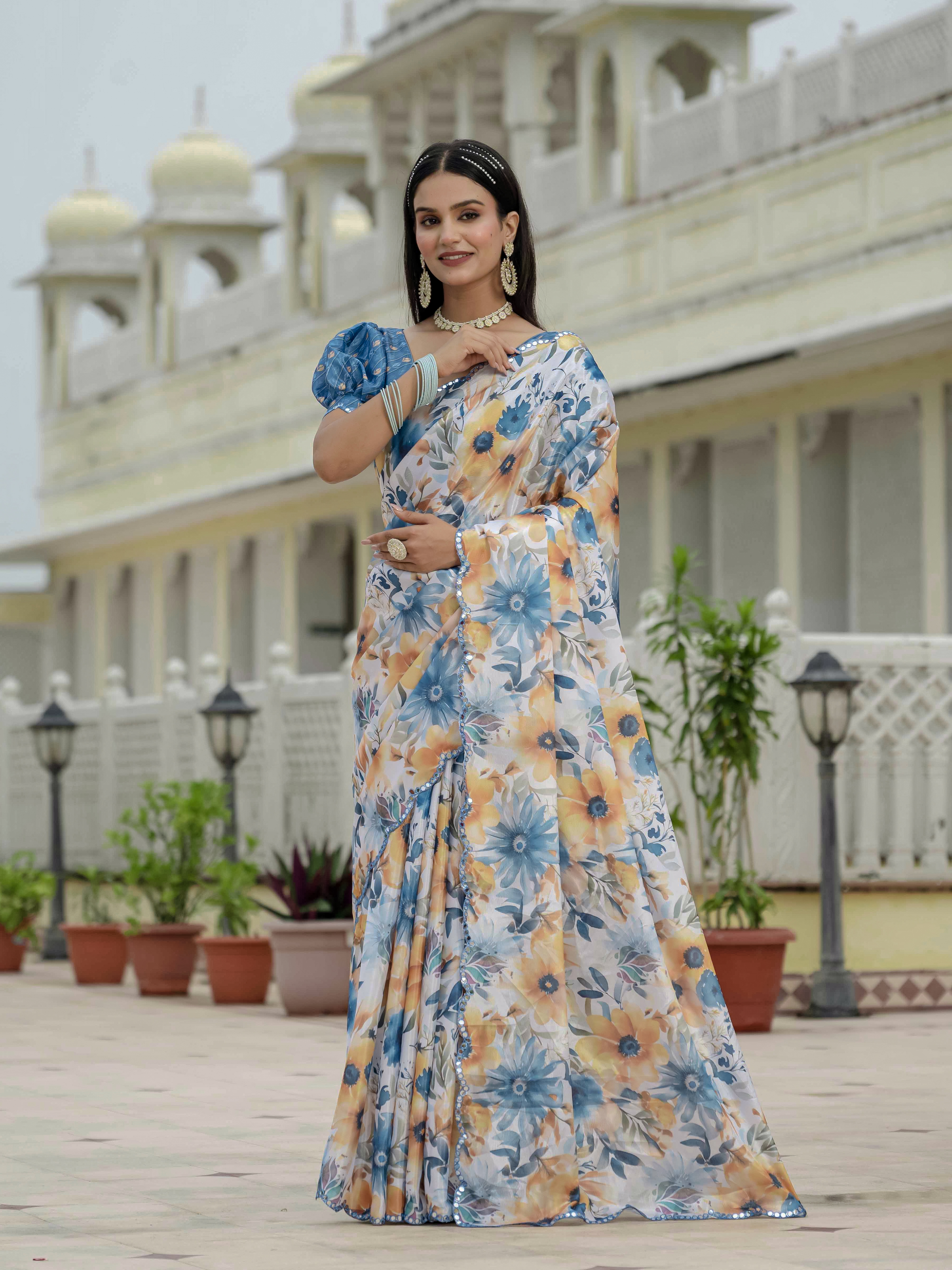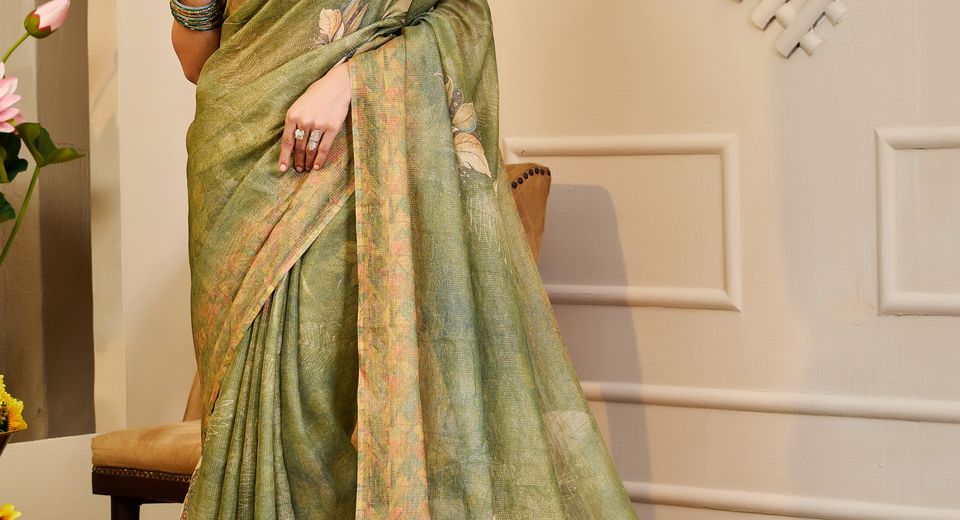
The Best Sarees to Wear for Navaratri Golu Celebrations need to do more than photograph well. A Golu visit usually involves climbing steps, sitting on the floor, greeting several households, receiving thamboolam and moving between warm indoor spaces, so the right saree must combine festive colour with secure pleats, breathable fabric and practical comfort.
Navaratri Golu, also called Bommai Golu or Kolu, is a South Indian doll-display tradition especially associated with Tamil Nadu, Karnataka and Andhra Pradesh. Families arrange dolls on stepped platforms, invite guests for darshan and exchange turmeric, kumkum, betel leaves, flowers or small gifts. The clothing choice can therefore be graceful without needing the high shine or elaborate weight associated with a wedding reception.
What makes a saree suitable for Navaratri Golu?
A suitable Golu saree is lightweight, easy to secure and festive enough for prayer, visiting and photographs. Fabrics such as cotton, linen cotton, tissue cotton and light silk blends generally offer a better balance than very heavy silk or stiff embellished drapes.
Golu gatherings are more intimate than a large stage event. Guests may sit cross-legged, bend to admire dolls, carry prasadam and walk through several rooms. A saree with a manageable pallu and a non-slippery texture reduces repeated adjustments during those activities.
- Weight: Choose a saree that doesn't pull heavily on the shoulder after several hours.
- Drape stability: A defined border or lightly textured weave helps pleats hold their shape.
- Breathability: Cotton and linen cotton are useful for warm September or October afternoons.
- Festive detail: Floral prints, a woven border, a printed pallu or a restrained shimmer can create occasion value without excessive ornament.
- Care practicality: A saree that tolerates careful hand washing or straightforward dry cleaning is valuable during a nine-day festival.
Footwear also changes the calculation. Low block heels, padded sandals or embellished flats are safer than narrow stilettos when a home has stairs, rugs or polished flooring. A shorter, securely pinned pallu is usually more functional than a very long trailing end.
How do Navaratri colours days work with a Golu wardrobe?
Navaratri colours days are commonly followed as a nine-colour sequence, but the exact colour assigned to each day changes by region, calendar system and year. Families should treat the colour chart as a festive styling prompt rather than a strict religious rule.
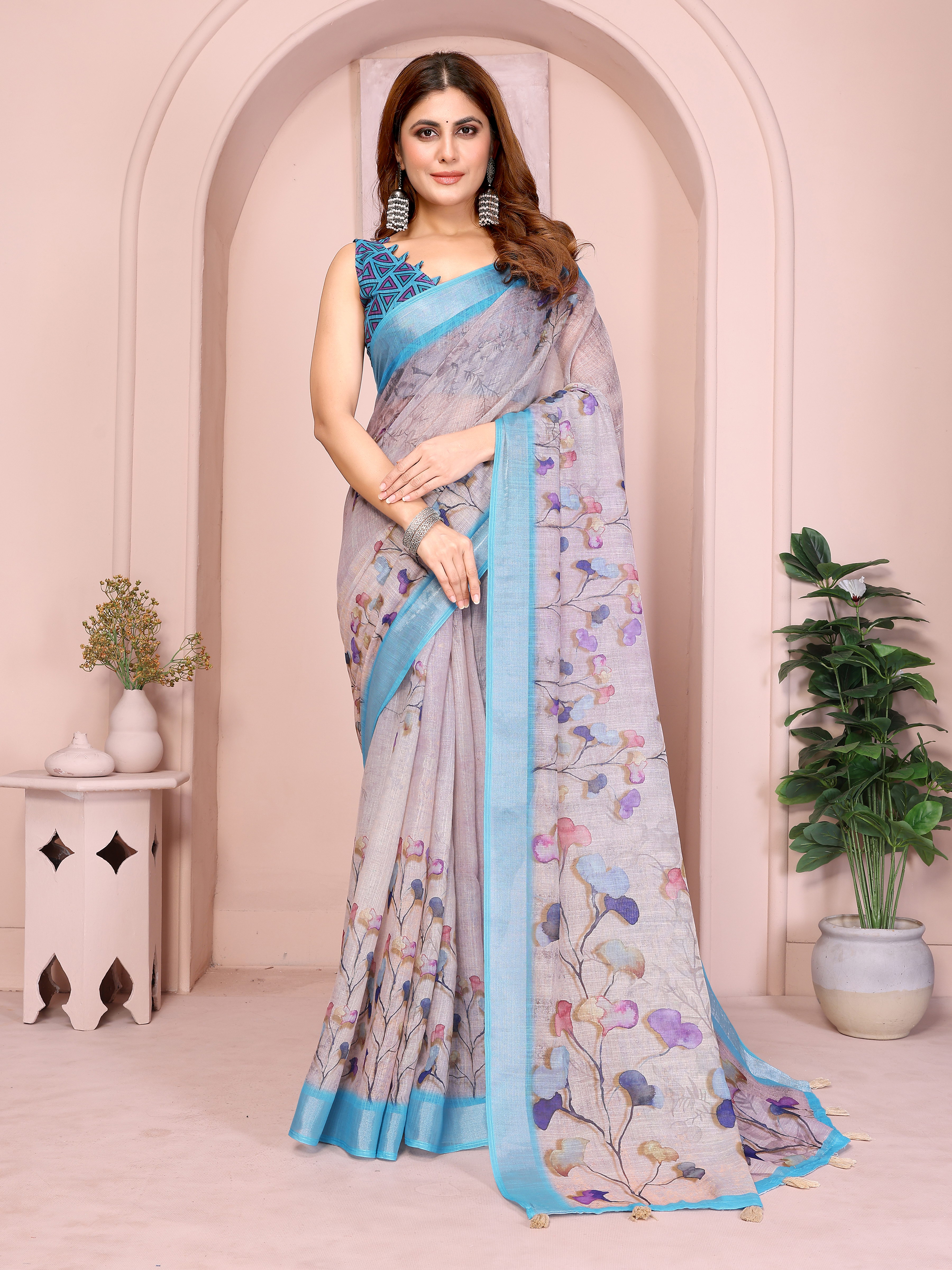
Many published charts include shades such as yellow, green, grey, orange, white, red, royal blue, pink and purple across the nine days. Local temple calendars may publish a different order, and Tamil Golu households may prioritise family custom over a social-media colour list. Checking the organiser's preference is more reliable than assuming one universal schedule.
A flexible wardrobe can cover several Navratri colours without requiring nine new sarees. A peach saree can serve a soft orange or pink brief, an olive green saree can suit a green day, and a purple saree can provide a strong final-day accent. White, cream and pale blue sarees can be refreshed with a coloured blouse, bangles or flowers.
The colour of a saree doesn't have to match the blouse exactly. A teal saree with a maroon blouse, a pink saree with a green blouse or a purple saree with a silver-grey blouse can look intentional while extending the number of combinations in a small festive wardrobe.
Which fabrics work best for a comfortable Navaratri look?
Cotton, linen cotton and tissue cotton are the most practical choices for a comfortable Navaratri look, while lightweight silk and silk-blend sarees add a more ceremonial finish for evening puja or the final days.

Why cotton and linen cotton suit daytime Golu visits
Cotton absorbs moisture and usually feels less clingy during warm daytime visits. Linen cotton brings a slightly crisp texture and holds a clean pleat, although the fabric can crease more visibly than a synthetic blend. That natural crease is appropriate for a daytime Golu invitation when the styling remains neat.
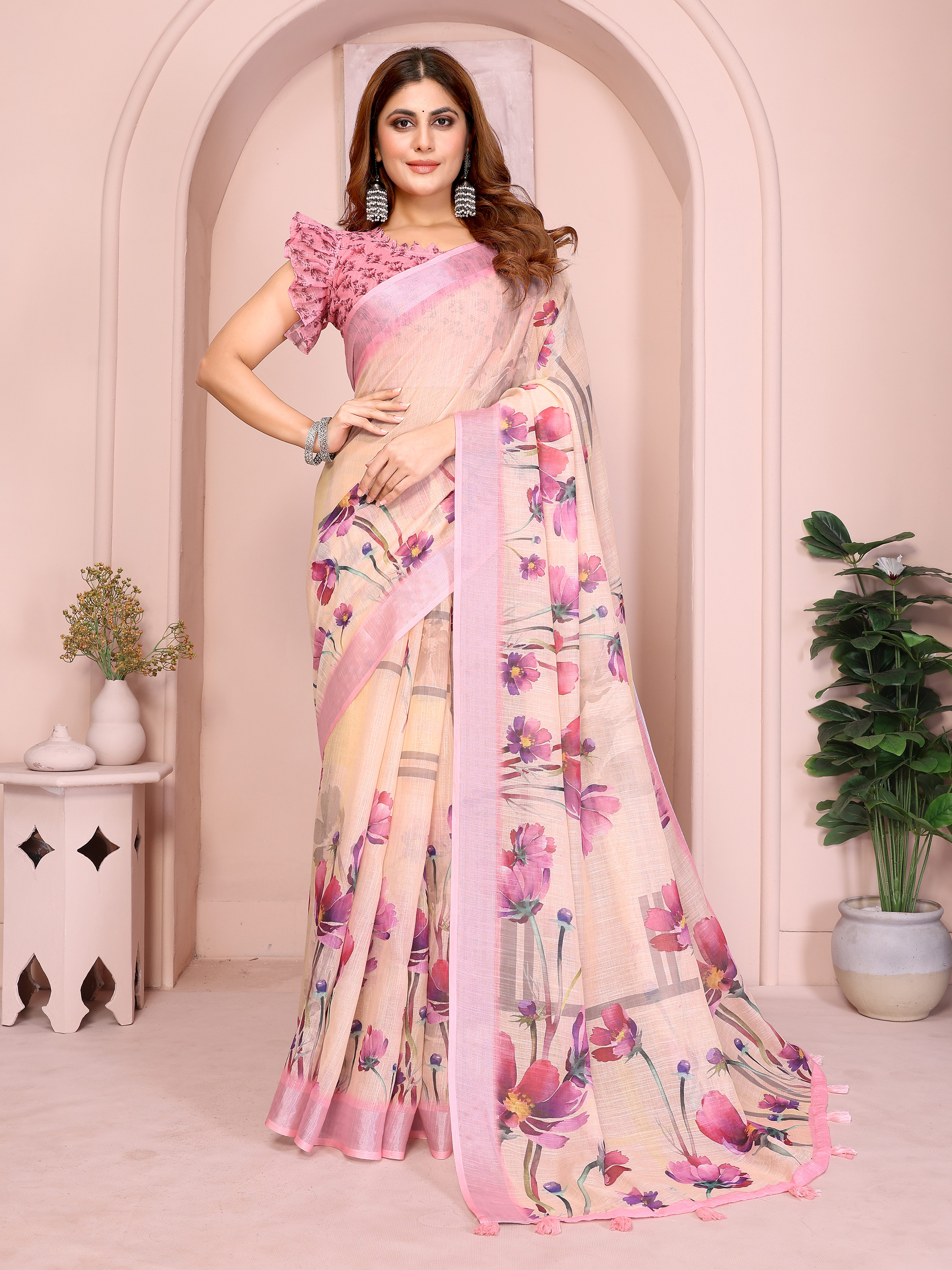
Pastel Linen Cotton Floral Print Saree with Designer Blouse demonstrates how a pale base and floral pattern can look festive without becoming visually loud. Peach Linen Cotton Floral Print Saree with Blouse for Women offers a warmer interpretation that can work for a pink, peach or orange-inspired Navratri look.
Olive Green Tissue Handloom Cotton Saree With Floral Prints and Teal Green Tissue Handloom Cotton Saree With Printed Pallu show two useful approaches to green styling. Olive green feels earthy and traditional beside wooden dolls and brass lamps, while teal green creates stronger contrast in photographs without depending on heavy embroidery.
When silk or shimmer makes sense
Lightweight silk or controlled shimmer works best for evening Golu visits, music programmes and days when the family hosts a larger gathering. Banarasi silk, Kanjeevaram and Chanderi each create different visual effects: Banarasi silk is known for decorative zari weaving, Kanjeevaram is associated with a structured silk body and contrast borders, and Chanderi is valued for a light, translucent elegance.
A silk Navratri choice should be judged by weight and drape rather than by the word "silk" alone. A very heavy Kanjeevaram with dense zari may be beautiful for a wedding but unnecessarily warm for moving between homes. A lighter silk, silk blend or Chanderi-style sheer layer can preserve the festive mood with less fatigue.
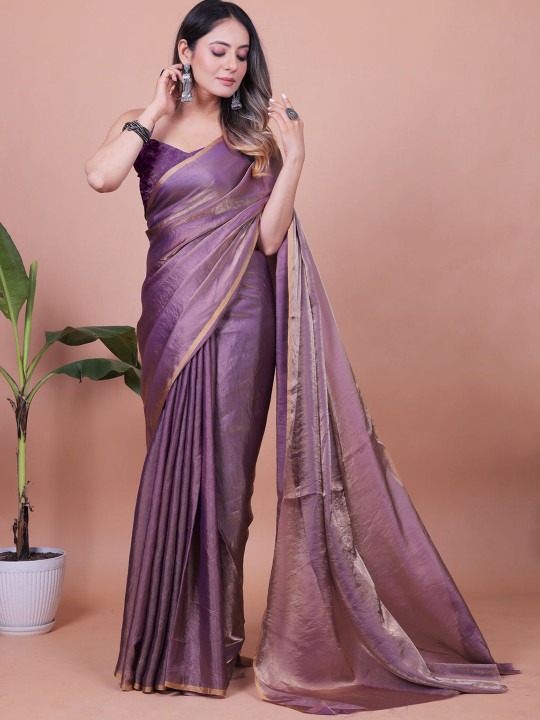
Purple Fandy Shimmer Solid Saree With Blouse by VARNAVI uses surface sheen instead of a complicated print, making the blouse and jewellery important parts of the final look. A solid shimmer saree is particularly useful when the Golu display already contains many colours and patterns.
Best Sarees to Wear for Navaratri Golu Celebrations by time of day
The best saree for a morning Golu invitation is usually a breathable cotton or linen cotton saree, while an evening puja can support tissue cotton, light silk or subtle shimmer. Matching fabric weight to the schedule makes the outfit feel more considered and comfortable.
Morning visits and family drop-ins
Morning visits often include household chores, arranging flowers or helping serve sundal, so cotton is the safest option. Sea Green Tissue Handloom Cotton Saree With Floral Patterns brings colour through the weave and floral surface while remaining more relaxed than a densely embellished saree.
Pair a daytime saree with a cotton or silk-cotton blouse, small jhumkas, a thin chain and a low bun or braid. Jasmine flowers suit a heritage Tamil Golu setting, but a simple string of kanakambaram or fresh roses can create a different colour accent. Avoid jewellery that catches on the pallu while serving food.
Evening puja and extended hosting
Evening hosting allows a richer palette and slightly more reflective fabric because artificial light highlights texture. Blue Tissue Cotton Saree With Floral Print | Varnavi can be styled with silver-toned jewellery for a cool, devotional palette or with antique-gold accents for a warmer temple-inspired finish.
A black saree can also work for a contemporary evening Navaratri look when the blouse, flowers and jewellery introduce brightness. Black Fandy Solid Saree With Blouse for Women - VARNAVI needs a deliberate contrast, such as a ruby-toned bindi, gold jhumkas, bright glass bangles or a vivid floral gajra. Some households may prefer avoiding black for puja, so personal and family custom should guide the choice.
How should you style a saree for Golu without looking overdone?
A polished Golu outfit usually needs one focal element, such as a printed pallu, statement blouse, temple jewellery or flowers, rather than several competing embellishments.

Time-honoured styling can begin with a blouse sleeve between the elbow and upper arm, a modest neckline and a pallu pinned at the shoulder. This silhouette works well for sitting and greeting guests. A more contemporary look can use a high-neck blouse, a sleeveless blouse with a coordinating shawl or a contrast blouse, provided the pallu remains secure.
- For floral sarees: Choose a plain blouse in one colour taken from the print, and keep the jewellery in one metal family.
- For solid sarees: Use a contrast blouse, a woven belt or a stronger earring to create definition.
- For tissue sarees: Select a well-fitted lining and use a petticoat with enough grip to prevent slipping.
- For shimmer sarees: Keep the bindi, bangles and earrings coordinated rather than adding a heavily embroidered clutch.
- For bright Navratri colours: Use neutral sandals and a restrained makeup palette so the saree remains the visual centre.
A secure drape begins with the right petticoat. A cotton petticoat gives grip for many everyday sarees, while a fitted satin or shapewear petticoat can create a smoother line under lightweight tissue. The petticoat should sit firmly at the waist without restricting breathing or making floor sitting uncomfortable.
Pin the first pleat near the waistband, place a small safety pin inside the pallu fold and test the drape by sitting down before leaving home. A five-minute movement test can reveal whether the pleats spread, the pallu slips or the hem catches on footwear.
How can one Navaratri saree create several different looks?
One saree can create three or more Golu looks when the blouse, drape, jewellery and flower colour change. Repeating a saree during a nine-day festival is practical when each styling combination has a distinct balance.
Wear a floral linen cotton saree with a matching blouse and oxidised silver jewellery for a morning visit. Reuse the saree with a solid contrast blouse, gold studs and a temple-style pendant for an evening invitation. A third version can use a sleeveless jacket or a neatly draped contrasting dupatta-like stole, if the household setting and personal style allow it.
Collections such as Pink Georgette Sarees can provide ideas for layering colour and choosing a pink accent, even when the final selection is cotton. Party Wear Sarees can suggest evening combinations, but Golu dressing benefits from reducing heavy embellishment and retaining easy movement. Silk Sarees Under 3000 With Discount may be useful for shoppers comparing festive silk options while keeping a defined budget.
Red Banarasi Silk Sarees for Weddings Under 1100 and Gray Color Sarees Under 1000 also demonstrate how price-led browsing can encourage colour experimentation. A red Banarasi silk may be better suited to a major evening celebration, whereas a grey saree can become a versatile Golu piece with a pink, yellow or green blouse.
What should you check before buying a Golu saree?
Check the fabric feel, saree length, blouse-piece details, transparency, border stiffness and return measurements before buying a Golu saree. These details affect comfort more than a product photograph does.

- Confirm the length: A standard saree is often around 5.5 metres, but the ideal length depends on height, pleat width and whether a person prefers a longer pallu.
- Inspect the blouse piece: Check whether the blouse fabric is included and whether its colour actually matches the saree body.
- Test transparency: Tissue cotton and sheer Chanderi-style fabrics may need a coordinated petticoat or lining.
- Study the border: A stiff, wide border can make floor sitting harder and may require extra pinning.
- Consider the weather: Cotton is generally more forgiving for humid afternoons, while shimmer and synthetic fibres may feel warmer.
- Plan care: Wash printed cotton separately the first time, avoid harsh bleach and dry strong colours in shade.
Handloom cotton may have small variations in weave, slub or print placement, and those variations are not automatically defects. Printed sarees should be folded with the pallu inside and stored away from direct sunlight to reduce uneven fading. Zari borders should not be ironed directly; place a cotton cloth between the iron and the saree or use a professional press.
The most convincing Navaratri look is the one that respects the rhythm of Golu: welcoming guests, admiring each family's display, sharing food and taking part in prayer. A breathable fabric, a colour connected to the nine-day mood and a stable drape will serve that experience better than decoration alone.
Practical Questions About Sarees for Navaratri Golu Visits
Which saree is best for a Navaratri Golu visit during the day?
A cotton, linen cotton or tissue cotton saree is usually best for daytime Golu visits because these fabrics are breathable and easier to wear for several hours. Floral prints, a neat border or a printed pallu add festive character without heavy weight.
Can I wear a silk saree for Navaratri Golu?
Yes, a lightweight silk, silk blend or Chanderi saree can work well for an evening Golu invitation. Very heavy Kanjeevaram or dense zari sarees may feel warm and restrictive if the visit involves extensive walking or floor seating.
Do Navaratri saree colours have to follow the nine-day colour chart?
No, Navaratri colour charts vary by region, calendar and family tradition. Use the published colours as styling guidance, but follow the host household's custom when one has been specified.
What should I wear for a Navratri look that is comfortable for sitting on the floor?
Choose a lightweight saree with secure pleats, a pallu pinned at the shoulder and a petticoat that offers gentle grip. Low block heels or embellished flats are more practical than narrow heels for floor seating and home visits.
How can I style a cotton saree for a festive Golu celebration?
Pair a cotton saree with a well-fitted blouse, jhumkas, a bindi, glass bangles and fresh flowers. A contrast blouse or a gold-toned border can make a simple cotton Navratri saree feel more ceremonial without adding uncomfortable weight.
Is black suitable for Navaratri Golu celebrations?
Black can suit a contemporary evening outfit when it is balanced with bright flowers, gold jewellery or a colourful blouse. Some families avoid black for puja, so household and personal tradition should determine whether the colour is appropriate.