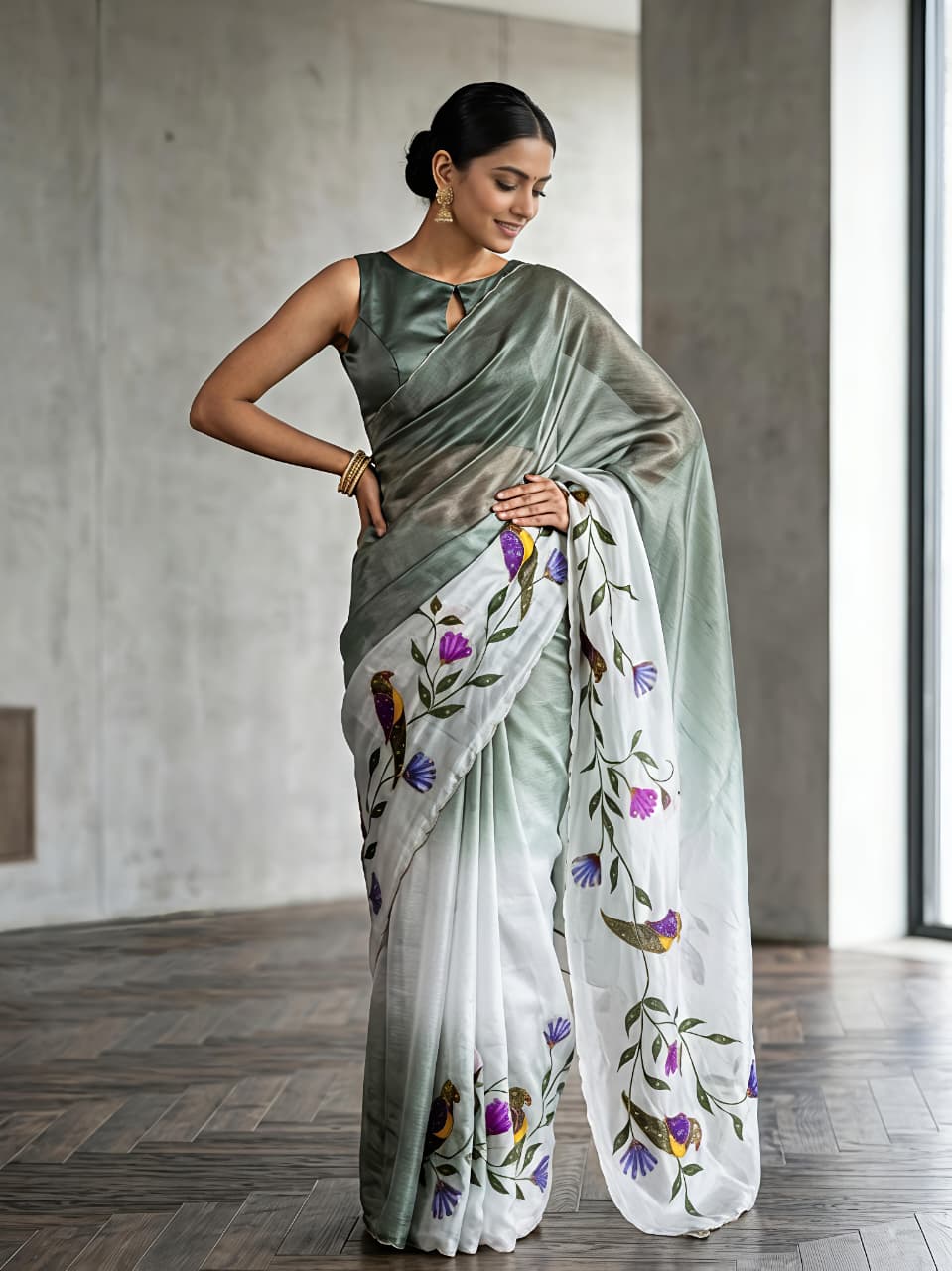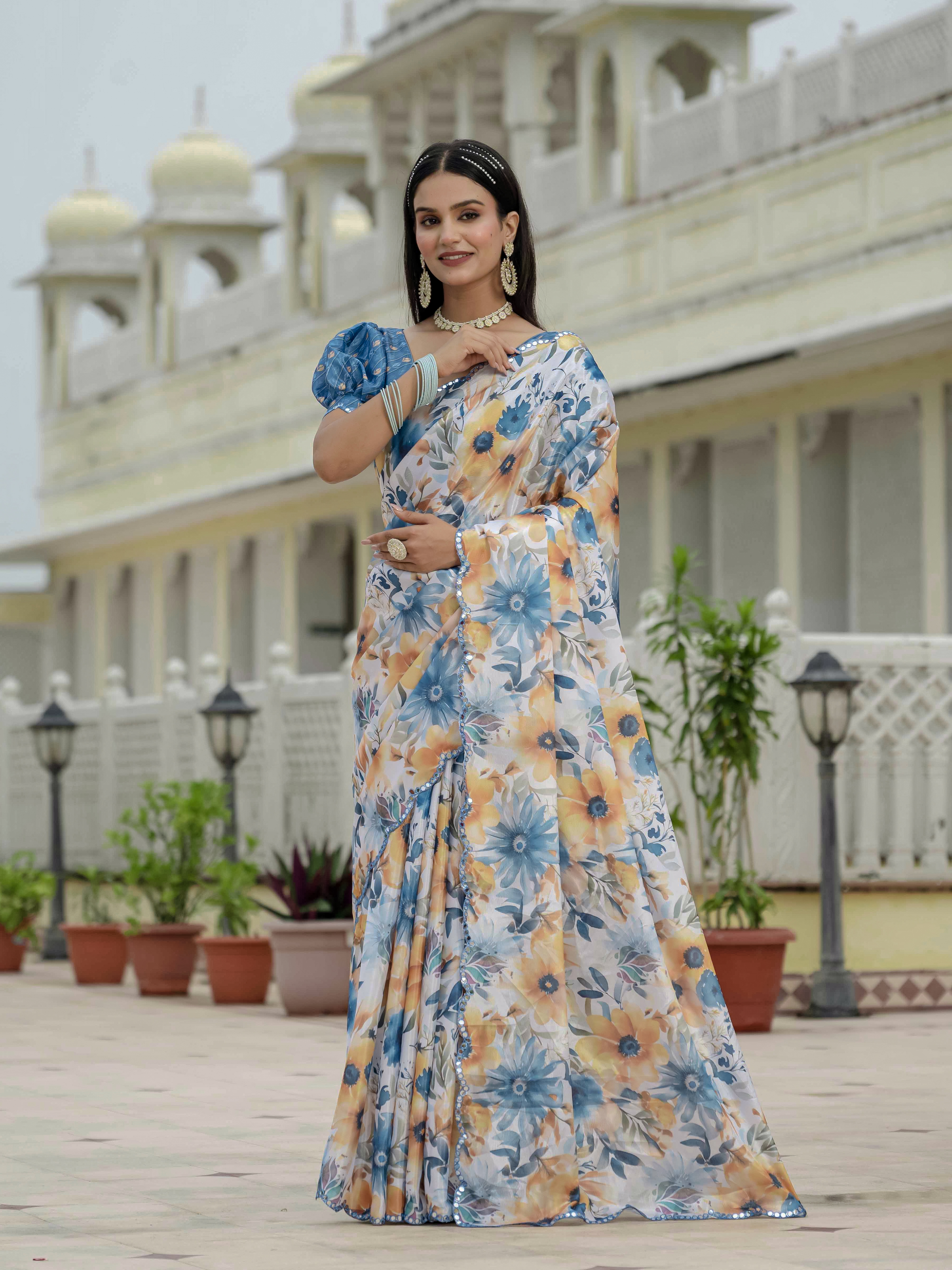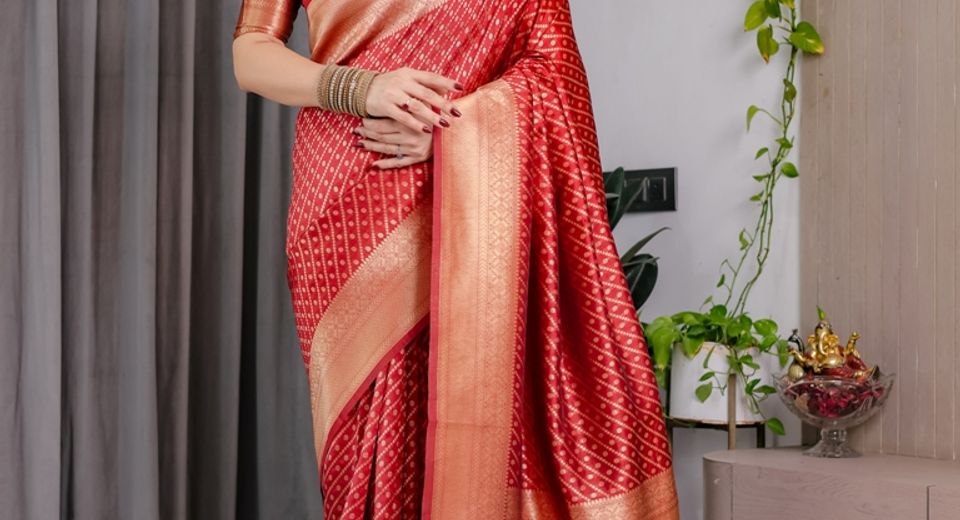
Mysuru Dasara brings together palace illumination, the grand procession, temple visits, cultural programmes and long family gatherings, so the right saree must look ceremonial without becoming difficult to wear. The Best Sarees to Wear for Mysuru Dasara Celebrations usually combine a recognisable festive weave, a colour that photographs well in evening light and a drape that stays secure while you walk. Banarasi silk, handloom cotton with zari and lightweight tissue sarees each solve a different dressing need.
An effective choice begins with your schedule rather than with a colour trend. A woman attending the Jambu Savari procession may need a breathable saree and firmly pinned pleats, while someone visiting Mysore Palace for photographs may prefer a more lustrous silk silhouette. This guide explains how to match fabric, zari, blouse, accessories and practical details to the way you'll celebrate.
Best Sarees to Wear for Mysuru Dasara Celebrations by Fabric
Banarasi soft silk is the most versatile choice for a dressy Mysuru Dasara look, while handloom cotton and tissue sarees are better suited to heat, daytime events and extended wear.
Banarasi soft silk for evening grandeur
Banarasi soft silk gives the visual depth associated with festival dressing without the stiffness of a very heavy traditional silk. Zari motifs catch palace lighting and flash photography, and the fabric generally forms crisp pleats. A red or maroon Banarasi saree is especially effective for a formal family portrait or an evening cultural programme.
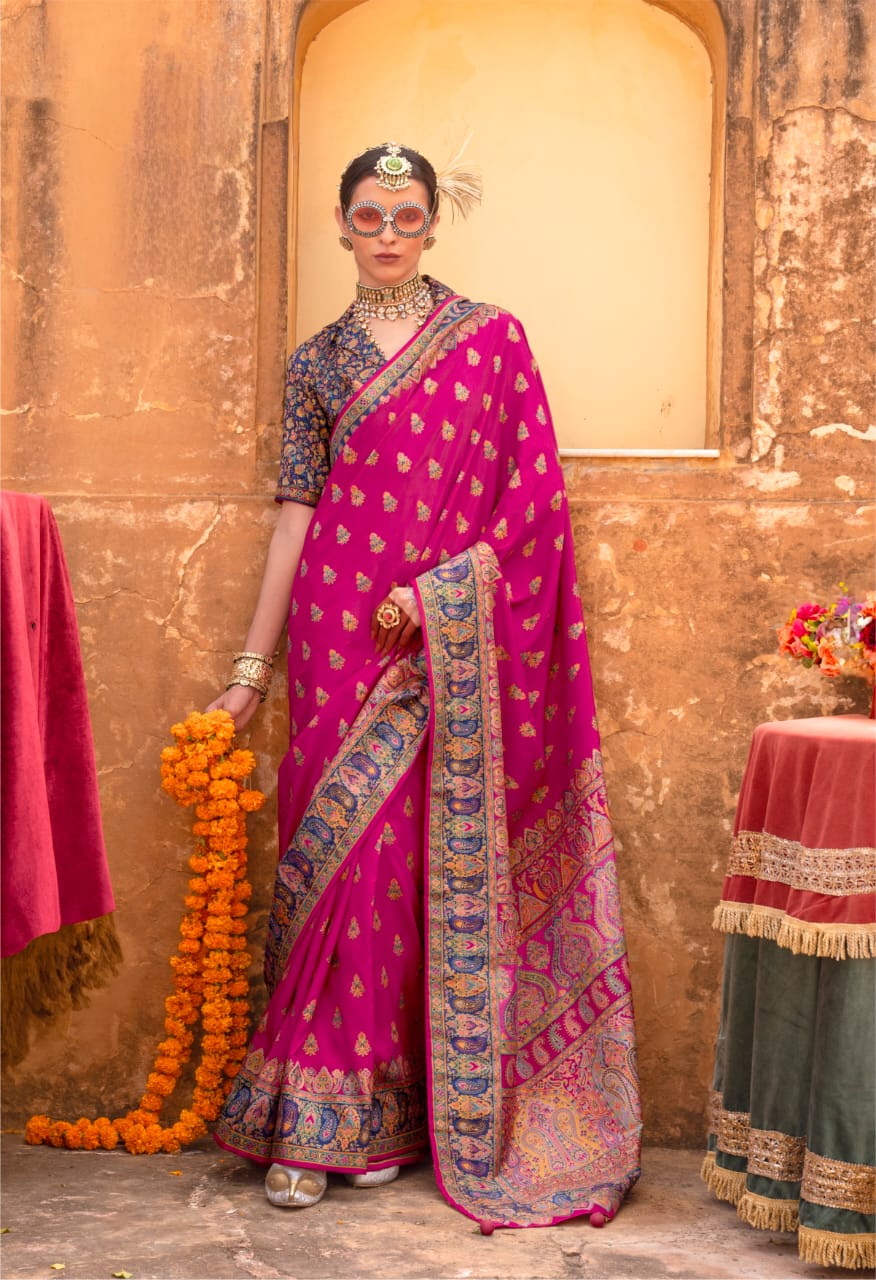
Magenta Banarasi Soft Silk Zari Saree | Varnavi Online demonstrates how a jewel-toned base can carry a celebratory look without needing excessive embellishment. Red Banarasi Soft Silk Zari Saree Online | Varnavi suits people who want a classic festival colour with strong photographic presence. A Banarasi silk saree with moderate zari is also easier to repeat for weddings, Navratri gatherings and other festive occasions.
Handloom cotton for daytime comfort
Handloom cotton is the practical choice for a daytime festival celebration because it allows more airflow and usually weighs less than richly woven silk. Cotton can look ceremonial when paired with zari details, a neat blouse and classic accessories. The fabric also works well for visitors attending several public events rather than one short photo session.
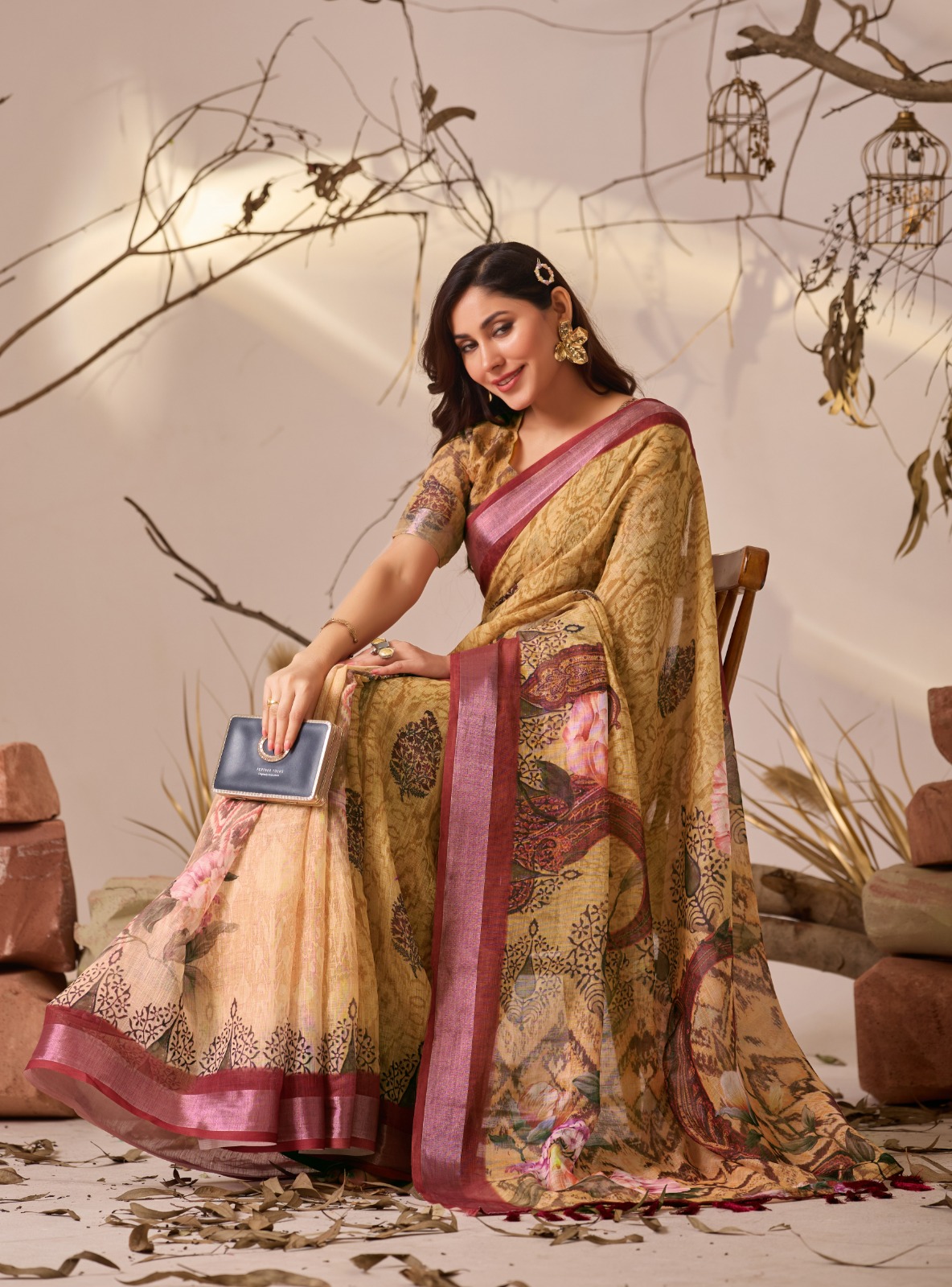
Pastel Floral Tissue Handloom Cotton Saree with Zari Weaves brings together a lighter base, floral interest and a festive metallic accent. Wine Tissue Handloom Cotton Saree with Zari & Floral Prints brings a deeper colour story while retaining the approachable character of a cotton-led outfit. These choices suit a cotton festival celebration when comfort matters as much as visual richness.
Tissue sarees for a light, polished silhouette
Tissue sarees create a dressy appearance with comparatively little bulk, making them useful for women who dislike the weight of heavy silk. Tissue can hold a graceful fall and reflect light attractively, although the slippery surface requires careful pinning. Wear a well-fitted petticoat and secure the shoulder drape at two points if you expect to walk or climb steps.
Best Sarees to Wear for Mysuru Dasara Celebrations in Festive Colours
Red, magenta, maroon, wine, mustard, emerald and royal blue are strong Mysuru Dasara colours because they stand out against palace lighting and complement gold-toned jewellery.
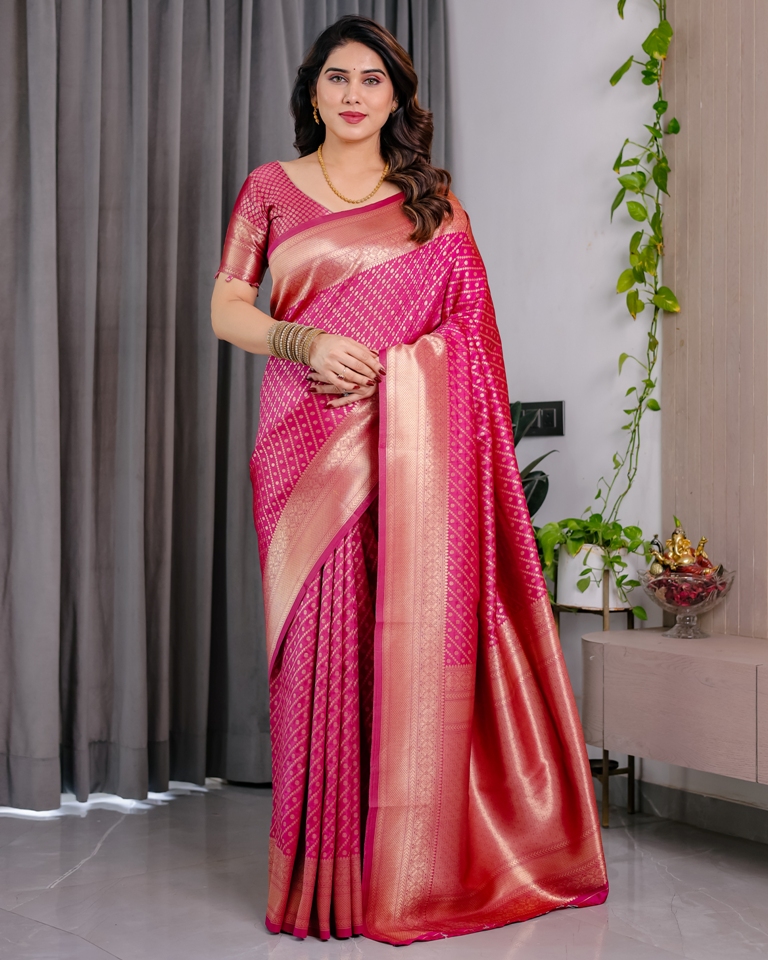
Red has a direct festive association and remains one of the easiest colours to style with antique gold, kundan or temple jewellery. Maroon and wine create a more restrained royal effect, particularly for evening gatherings. Magenta adds brightness to photographs, while mustard and emerald offer a richer contrast against historic architectural backgrounds.
Colour should also respond to the time of day. Pastel pink, powder blue, soft lavender and muted green are comfortable-looking choices for a morning puja or daytime cultural event. Deeper colours work better after sunset because they retain definition in artificial light. The Pink Georgette Sarees collection can be useful when you want a lighter, more fluid colour direction rather than a conventional red-and-gold palette.
Metallic balance matters. A saree with strong golden zari usually needs fewer gold accessories, while a plain or lightly bordered saree can support a layered necklace, waist belt or statement earrings. Avoid choosing the blouse and jewellery in exactly the same shade as the saree; a controlled contrast gives the outfit more depth.
Best Sarees to Wear for Mysuru Dasara Celebrations at Different Venues
Choose the saree according to the amount of walking, the time of day and the formality of the venue rather than selecting one outfit for every Dasara activity.
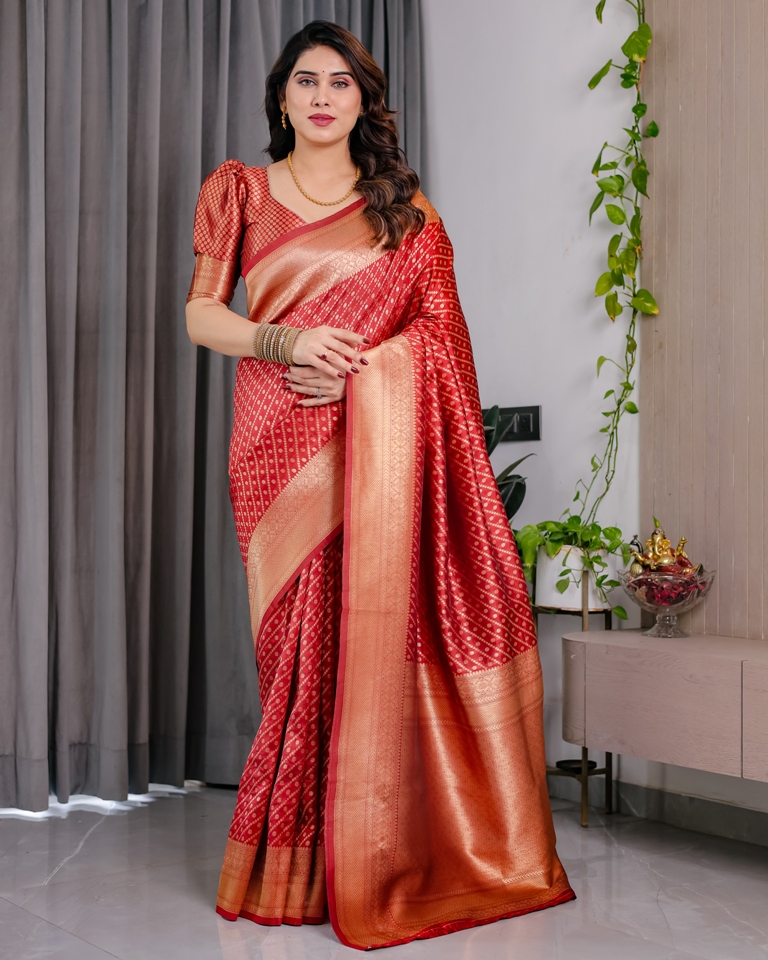
For Mysore Palace visits and photographs
A Banarasi soft silk saree with a visible zari border suits palace photographs because the weave shows texture under architectural lighting. Red, maroon and magenta create clear separation from pale stone and illuminated façades. Keep the pallu broad and the pleats sharply pressed so the outfit retains structure in full-length images.
Maroon Banarasi Soft Silk Saree with Golden Zari Border is an example of a formal silhouette built around colour contrast rather than heavy surface decoration. Pair a saree of this type with a three-quarter-sleeve blouse, a low bun and one substantial jewellery element instead of several competing pieces.
For the Jambu Savari procession
A breathable cotton or lightweight tissue saree is safer for a crowded procession because it reduces heat and makes walking easier. Pin the pleats from the inside, use a safety pin at the waist and secure the pallu near the shoulder and upper arm. Closed-back footwear with a low block heel is more practical than delicate sandals on uneven or crowded ground.
A dark wine, red or printed cotton saree can still appear festive when paired with a zari-edged blouse and compact accessories. Avoid very long loose pallus, trailing tassels and jewellery that can catch on bags or other people in a dense crowd.
For a family puja or cultural programme
A medium-weight silk or cotton saree with a neat border works well for a family puja because it looks time-honoured without appearing overdressed. Red Banarasi Soft Silk Saree with Jacquard Zari Border suits a more formal indoor gathering, particularly when the blouse is kept simple and the saree provides the main pattern.
For a programme that includes sitting, choose a saree with a flexible fall and avoid a heavily embellished blouse that presses into the back. A cotton lining, moderate sleeve length and a secure front tuck can make a substantial difference over several hours.
Best Sarees to Wear for Mysuru Dasara Celebrations with Comfortable Styling
Comfort improves when the blouse, inner layers, pins, footwear and jewellery are planned as one outfit rather than added separately.
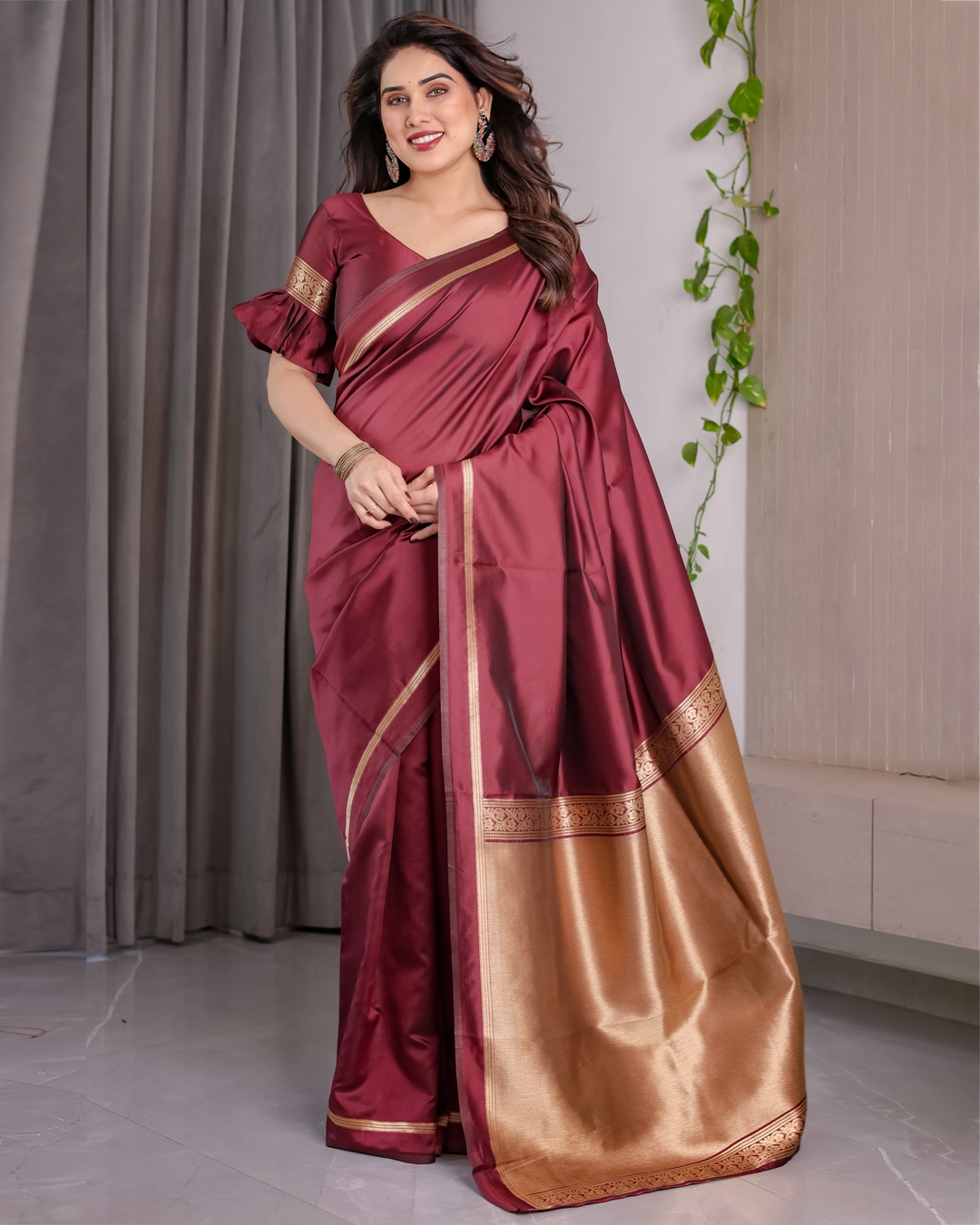
Start with the petticoat or shapewear. A cotton or satin petticoat should sit securely at the natural waist and should not show through a lighter saree. For tissue or georgette, a well-fitted petticoat helps control cling and prevents the fabric from twisting while walking. The blouse should allow you to raise your arms comfortably; test the movement before finalising sleeve tightness.
Use three strategic pins instead of pinning every fold. One pin can secure the inner pleats, another can hold the pallu at the shoulder and a third can connect the pallu to the blouse near the upper arm. Conceal the pins from the front and choose rust-resistant safety pins, especially if the celebration may involve humidity or perspiration.
A low bun, braid or pinned half-up hairstyle is more dependable than loose hair in a busy outdoor celebration. Jasmine flowers, a small gajra or a gold hair accessory can provide a heritage reference without competing with zari. Temple jewellery, jhumkas, a short necklace and bangles create a coherent festive set; wearing every available ornament can make a Banarasi saree appear visually crowded.
Footwear deserves advance testing. Wear the selected sandals or block heels indoors for at least 30 minutes before Dasara, checking whether the straps rub or the sole slips. A low block heel of approximately 2 to 3 inches gives height while remaining more stable than a narrow stiletto. Carrying adhesive bandages and a few spare pins is sensible for a long festival day.
Best Sarees to Wear for Mysuru Dasara Celebrations on Different Budgets
A convincing Dasara outfit doesn't require the most expensive saree; fabric stability, a defined border and thoughtful styling create much of the festive effect.

Budget-conscious shoppers can compare the Silk Sarees Under 3000 With Discount collection when they want a silk-inspired appearance without committing to a high price. Red Banarasi Silk Sarees for Weddings Under 1100 can also be relevant for shoppers looking for a strong festival colour at a modest price, although the final selection should be checked for weave, lining, transparency and border finish.
Price should never be judged by colour alone. Check whether the saree includes a blouse piece, whether the zari is woven or surface-applied, and whether the fabric needs a lining. A lightweight saree that can be worn for several occasions may offer better value than a heavily decorated piece reserved for one festival.
People seeking a more social-event-oriented wardrobe can browse Party Wear Sarees, while a muted palette may be easier to find through Gray Color Sarees Under 1000. Gray can look elegant for a daytime cultural programme when paired with ruby, magenta or antique-gold accessories, although a brighter blouse may be needed to keep the outfit festive in photographs.
Three practical checks reduce disappointment when buying online: read the fabric description carefully, compare the stated saree length with your height and inspect close-up images for the border and zari. A saree measuring about 5.3 to 5.5 metres is common, but taller wearers or people who prefer generous pleats may want more length. Allow at least five to seven days for blouse stitching and a trial drape before a major Dasara event.
Best Sarees to Wear for Mysuru Dasara Celebrations and Aftercare
Proper aftercare keeps Banarasi silk, cotton and tissue sarees wearable for future festival celebrations.
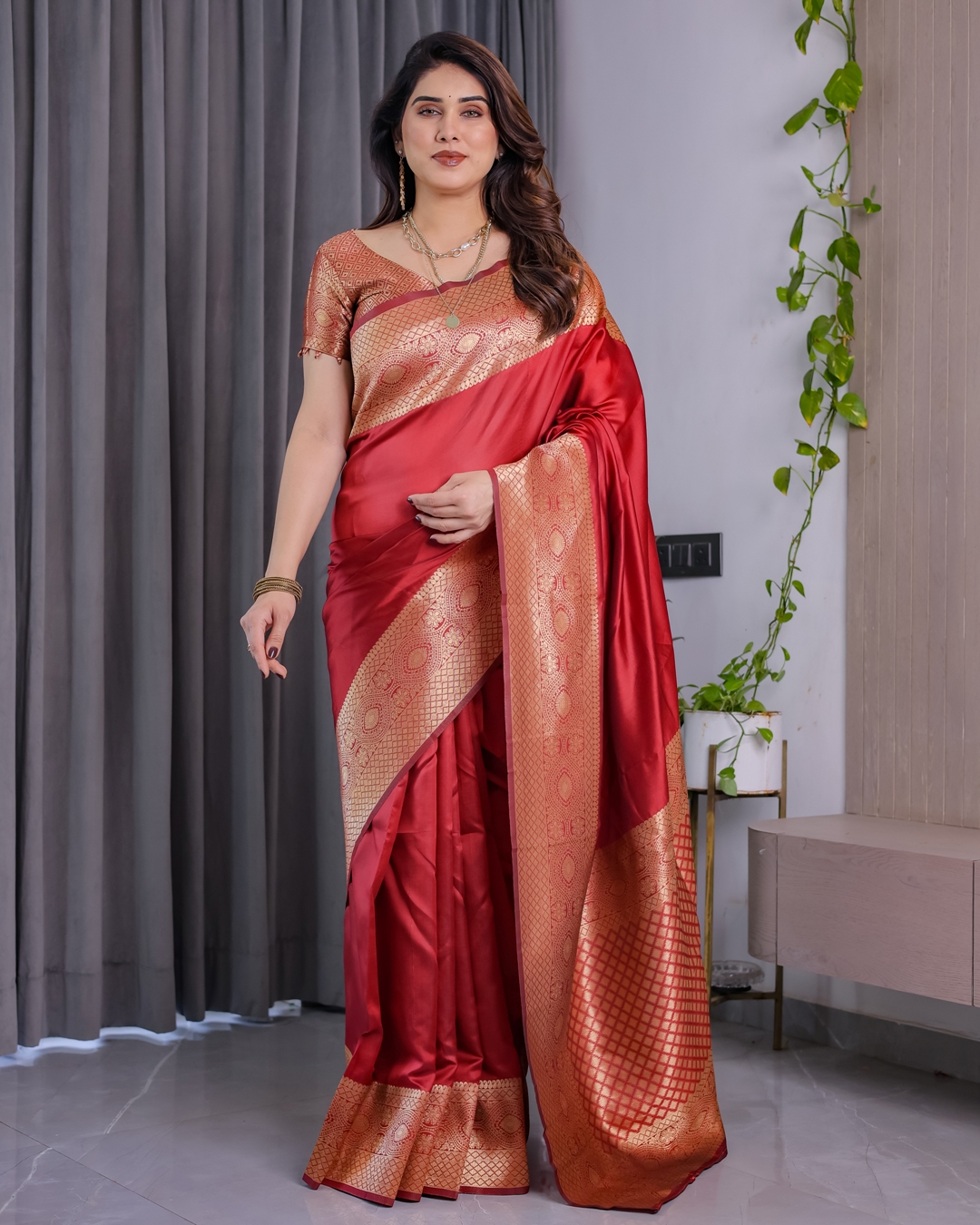
Air the saree in shade after wearing it, especially if the event involved perspiration, perfume or outdoor heat. Do not leave silk or zari folded tightly in a damp bathroom or sealed plastic bag. Refold the saree along different lines every few months to reduce permanent creasing, and place soft, unprinted tissue paper between zari-heavy folds.
Banarasi silk should generally be dry-cleaned when the care label recommends it, while handloom cotton may be gently washed only when the garment instructions permit. Use cold water, a mild detergent and minimal wringing for washable cotton, then dry the saree inside out in shade. Direct sunlight can fade red, magenta and wine dyes over time.
Remove brooches, pins and waist belts before storage so metal edges don't snag the weave. Store the saree in a breathable cotton cover rather than ordinary newspaper, whose ink can transfer during long storage. These simple steps allow a well-chosen Dasara saree to return for Deepavali, weddings, family pujas and future Mysuru celebrations.
Questions Readers Ask Before Choosing a Mysuru Dasara Saree
Which saree is best for Mysuru Dasara?
Banarasi soft silk is a strong all-purpose choice for Mysuru Dasara because zari adds festive formality and the fabric holds structured pleats. Handloom cotton or tissue is more comfortable for daytime events, long walks and crowded processions.
What colour saree should I wear for Mysuru Dasara?
Red, maroon, magenta, wine, emerald, mustard and royal blue are dependable festive colours for Mysuru Dasara. Pastel pink, lavender and muted green are better suited to morning events, while deeper shades photograph strongly after sunset.
Is cotton saree suitable for a Mysuru Dasara celebration?
A cotton saree is suitable for Mysuru Dasara, particularly for daytime programmes and the Jambu Savari procession. Choose handloom cotton with a zari border, floral print or dressy blouse so the outfit retains a ceremonial appearance.
How can I keep a silk saree secure during a Dasara procession?
Secure the inner pleats at the waist, pin the pallu at the shoulder and add a second discreet pin near the upper arm. A well-fitted petticoat, comfortable low block heels and a shorter, controlled pallu make walking safer.
What jewellery goes with a Banarasi saree for Dasara?
Temple jewellery, antique-gold jhumkas, a short necklace and restrained bangles complement a Banarasi saree for Dasara. When the saree has dense zari, choose one prominent jewellery piece instead of layering several heavy ornaments.
How should I store a saree after Mysuru Dasara?
Air the saree in shade, remove all pins and store it in a breathable cotton cover after it is fully dry. Use tissue paper between zari-heavy folds, refold the saree periodically and follow the care label before washing or dry-cleaning.