

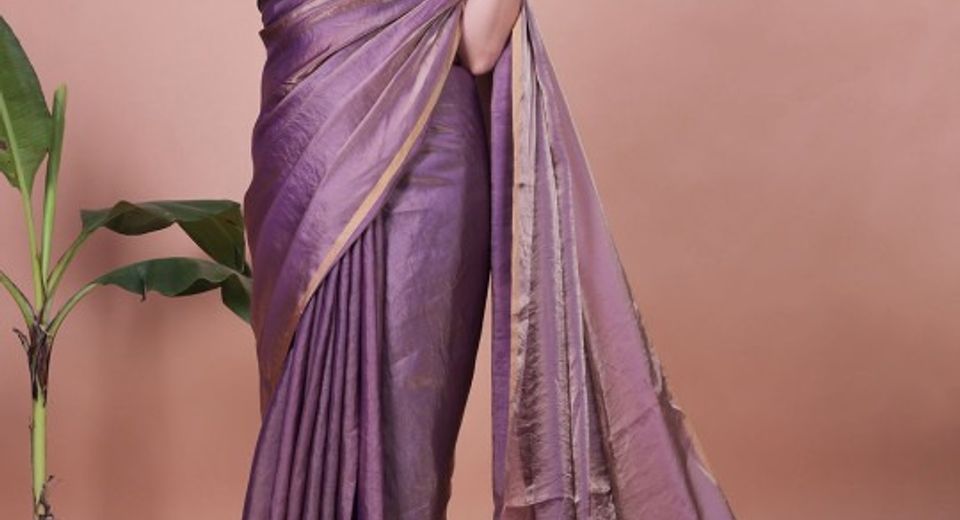
The Best Sarees to Wear for Gangaur Festival Celebrations should honour the festival's colour, devotion and public rituals while remaining comfortable enough for several hours of puja, walking and family visits. Gangaur, especially associated with Rajasthan, honours Gauri or Gana Gaur, a form of Goddess Parvati, and celebrates marital devotion, womanhood and seasonal renewal. A thoughtful saree combines a festive surface with practical movement, secure pleats and jewellery that doesn't interfere with worship.
there's no single compulsory fabric for Gangaur. Banarasi silk, handloom cotton, linen cotton, tissue and modest shimmer sarees can all work when the colour, border and styling suit the wearer and the setting. The most useful choice depends on whether the day includes a temple visit, a community procession, an outdoor gathering or an evening family celebration.
Best Sarees to Wear for Gangaur Festival Celebrations by Occasion
The best saree for Gangaur depends on the length, location and activity of the celebration. A breathable saree is more practical for daytime rituals and outdoor processions, while a richer silk or shimmer saree suits a short evening function.
Gangaur celebrations may include dressing up, carrying or accompanying images of Gauri and Isar, visiting neighbours, singing, observing puja and joining public festivities. These activities favour sarees that hold their pleats, have a well-finished border and allow comfortable steps. A 5.5-metre saree is standard for most wearers, while a 6-metre saree offers extra fabric for an elaborate pallu or fuller traditional drape.
Look for a blouse with a comfortable armhole, a petticoat with a firm but non-restrictive drawstring and footwear that supports walking. Cotton and linen cotton are particularly useful for daytime Gangaur in warm weather. Silk and tissue sarees suit formal evening celebrations, provided the wearer secures the pallu with discreet pins.
- Morning puja: Choose lightweight cotton, linen cotton or soft silk in pink, yellow, green, red or a floral colour combination.
- Outdoor procession: Select a stable weave with a border that won't drag, and avoid an excessively long loose pallu.
- Family lunch: A floral handloom saree, pastel tissue cotton or lightweight georgette gives festive detail without excessive weight.
- Evening puja: Banarasi silk, zari tissue or controlled shimmer brings ceremony and photographs well under indoor lighting.
- Long day with several visits: Prioritise a saree that needs little adjustment and pair it with supportive sandals.
Best Sarees to Wear for Gangaur Festival Celebrations in Traditional Colours
Pink, red, yellow, orange, green and magenta are strong Gangaur colour choices because they create a joyful and auspicious festive palette. Colour traditions vary between families and regions, so personal custom should take priority over a fixed trend.
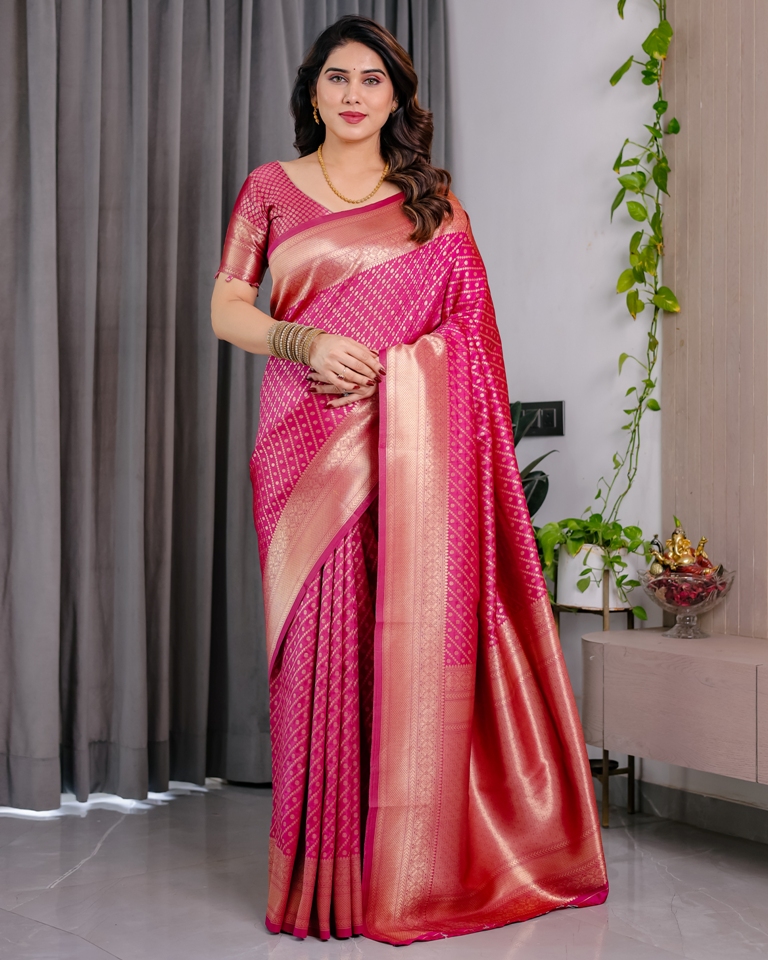
Pink creates a soft, feminine appearance and pairs well with silver, pearl or antique-gold jewellery. Red and maroon look ceremonial with gold zari, while yellow and orange bring brightness to a daytime festival celebration. Green suggests freshness and coordinates naturally with gold borders, floral prints or a contrasting pink blouse.
Magenta brings the richness of red with a more contemporary intensity. Magenta Banarasi Soft Silk Zari Saree | Varnavi Online can be styled with a plain gold blouse, a low bun and heritage earrings so that the zari remains the main feature. A pastel palette can also work when the saree has a visible border or woven detail; muted colour doesn't have to look underdressed.
Pink Floral Linen Cotton Saree with Green Border for Ladies combines a cheerful base with a clear festive contrast. The green border gives the saree definition in photographs and makes green glass bangles or a green blouse easy additions. Teal Floral Linen Cotton Saree with Elegant Contrast Border gives a cooler alternative for someone who prefers jewel tones over conventional pink and red.
Avoid choosing colour based only on online photographs. Indoor lighting can make wine, maroon and purple appear darker, while direct sunlight can make pastel shades look paler. Check the border and blouse colour in natural light before finalising jewellery and makeup.
Best Sarees to Wear for Gangaur Festival Celebrations by Fabric
Handloom cotton and linen cotton are usually the most comfortable fabrics for daytime Gangaur, while Banarasi silk and tissue are better suited to formal or evening celebrations. Fabric choice should follow the weather, duration and amount of movement expected during the festival.

Banarasi silk for a ceremonial look
Banarasi silk gives a saree a formal appearance through its smooth body, woven motifs and zari accents. Banarasi silk works particularly well for an evening puja, a family gathering or a formal Gangaur portrait because the fabric catches light without requiring heavy surface embroidery.
Maroon Banarasi Soft Silk Saree with Golden Zari Border demonstrates the impact of a strong heritage colour with a defined metallic edge. A golden border allows the saree to work with jhumkas, a gold waist chain or a small bindi without needing a heavily decorated blouse. Red Banarasi Silk Sarees for Weddings Under 1100 is an useful collection to compare when looking for a red Banarasi option at a lower price point, although fabric composition, blouse length and border finish should always be checked before purchase.
Cotton and linen cotton for daytime rituals
Cotton and linen cotton allow better airflow than many dense silk or synthetic fabrics, making them practical for a warm daytime festival celebration. These fabrics may crease more quickly, but careful ironing, a well-tucked waist and a pinned pallu keep the appearance polished.
Pastel Floral Tissue Handloom Cotton Saree with Zari Weaves combines a breathable handloom base with festive zari detail. The combination suits someone who wants a cotton festival celebration look without losing the shine associated with traditional wear. Wine Tissue Handloom Cotton Saree with Zari & Floral Prints provides a deeper colour option and can transition from afternoon rituals to an evening meal.
Cotton isn't automatically easy to drape. A very crisp handloom weave can resist soft pleats, while a loosely woven saree may shift at the waist. Test five or six front pleats before the festival and use a cotton petticoat or a fitted underskirt that gives the saree enough grip.
Tissue and shimmer sarees for evening events
Tissue and shimmer sarees are effective for evening Gangaur events because reflective surfaces become more visible under warm indoor lighting. These sarees need restrained accessories because oversized necklaces and highly decorated blouses can make a delicate fabric look visually crowded.
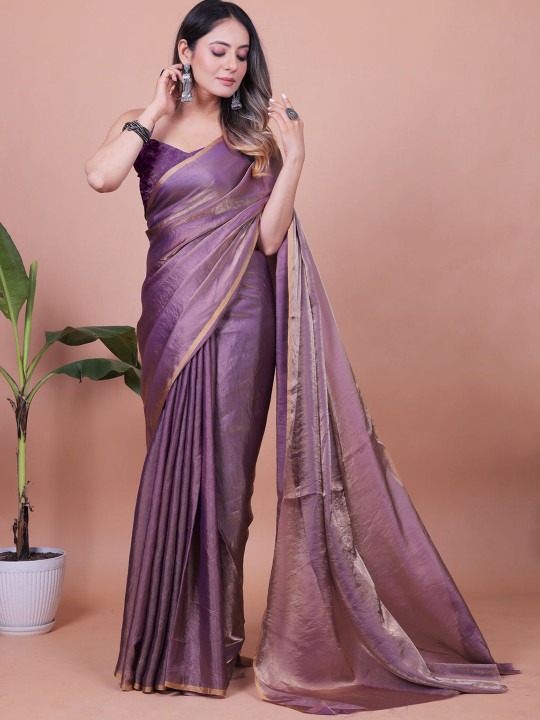
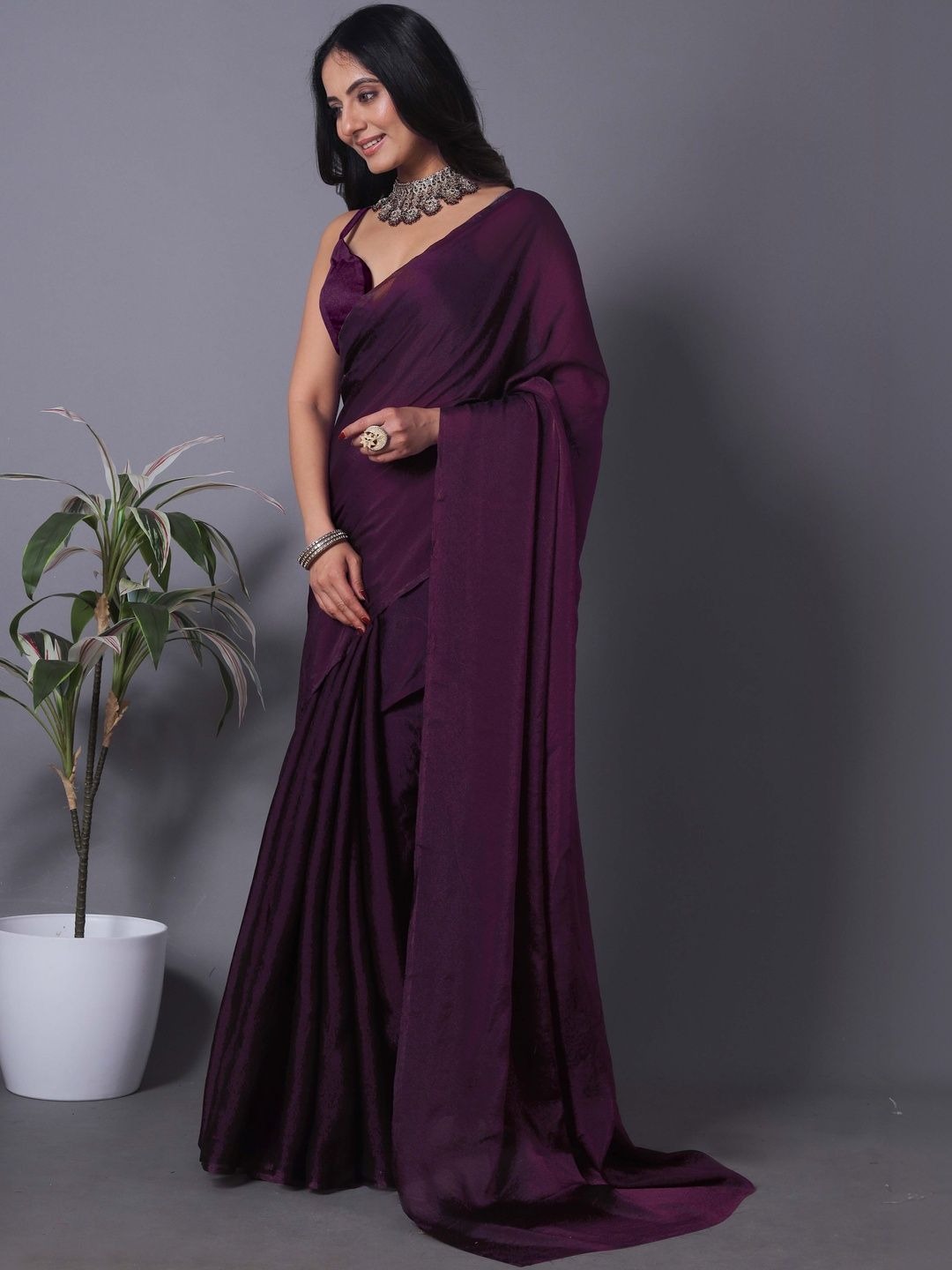
Purple Fandy Shimmer Solid Saree With Blouse by VARNAVI creates a modern evening silhouette through its solid colour and sheen. Wine Fandy Solid Saree With Blouse For Women by VARNAVI gives a darker alternative that works with antique-gold earrings and warm-toned makeup. These looks are better for seated celebrations, dinners and photographs than for extensive walking on uneven ground.
Best Sarees to Wear for Gangaur Festival Celebrations with Comfortable Draping
A secure Nivi drape with controlled pleats and a pinned shoulder pallu is the most practical option for most Gangaur celebrations. The drape keeps the saree recognisably traditional while allowing movement during puja, visits and processions.
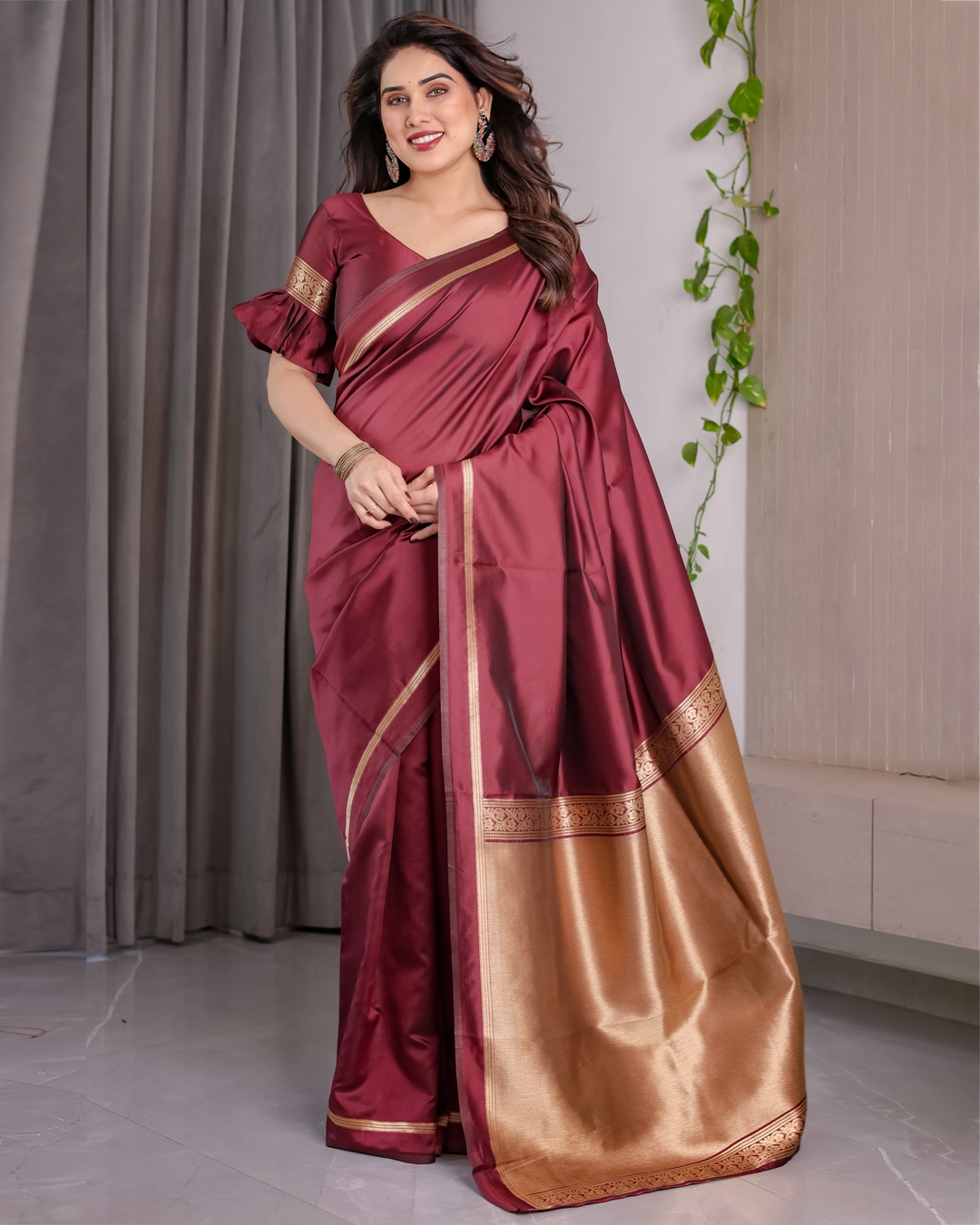
Start by wearing a well-fitted petticoat or underskirt at the natural waist. The drawstring should hold the garment securely without digging into the body. Tuck the saree evenly around the waist, create five to seven front pleats of similar width and pin the pleats from the inside. Uneven pleats often pull the saree sideways when the wearer walks.
Bring the pallu over the left shoulder and adjust its length before adding a concealed pin. A shoulder pallu that ends around the hip is usually manageable for movement. A longer pallu can look graceful in photographs, but it should be secured at the waist if the wearer expects to climb steps or walk through a crowded area.
Two small safety pins are generally enough for a stable drape: one inside the front pleats and one beneath the shoulder fold. A third pin can secure the pallu to the blouse if the fabric is slippery. Avoid placing visible pins directly through zari or delicate tissue because repeated pinholes can damage the weave.
Wear the saree once before Gangaur and sit, walk, climb a few steps and raise both arms gently. These simple tests reveal whether the petticoat is too tight, the blouse armhole restricts movement or the pleats need shortening.
Best Sarees to Wear for Gangaur Festival Celebrations with Jewellery and Blouse Styling
A classic Gangaur styling approach uses a defined pleat front, regional jewellery accents and a blouse that supports rather than competes with the saree. Contemporary blouse fits can still retain a traditional appearance when the colours and neckline are balanced.
Choosing the blouse
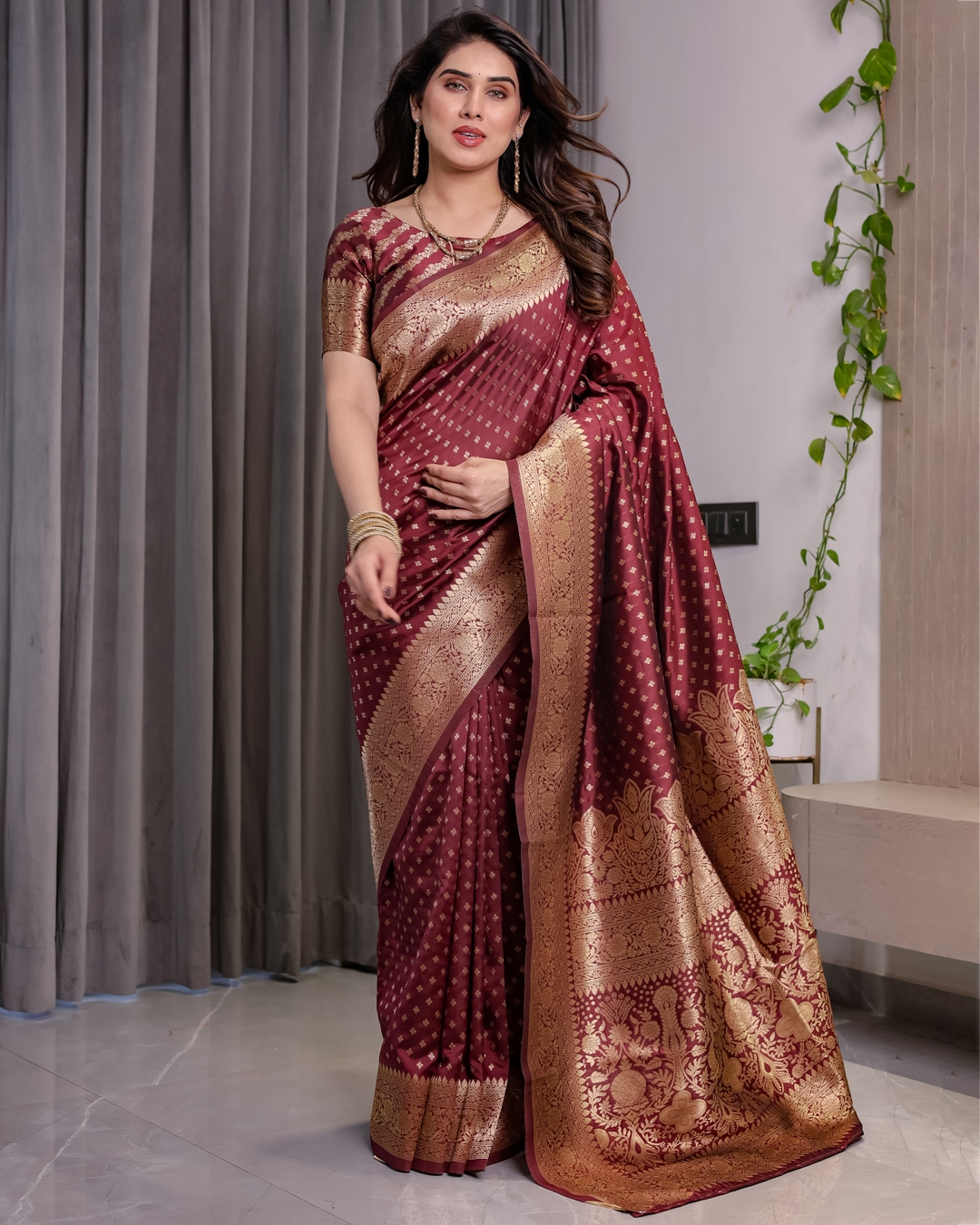
A plain blouse is usually the safest pairing for a zari-heavy saree, while a printed or floral saree can take a solid blouse in a border colour. Gold, green, maroon, pink and ivory are versatile blouse shades for Gangaur, but the strongest saree accent should guide the match.
A three-quarter sleeve blouse gives useful sun coverage for daytime events. Short sleeves or elbow-length sleeves can suit evening celebrations, while a lined blouse is more comfortable under tissue and shimmer sarees. Check the blouse armhole by moving the arms forward and upward before the festival; a beautiful neckline can't compensate for restricted movement.
Selecting jewellery
Gold jhumkas, a small maang tikka, green or red glass bangles and a delicate nath can build a traditional look without overwhelming the saree. Kundan or antique-gold pieces suit Banarasi silk, while pearls and light gold jewellery complement pastel cotton and floral sarees.
Match jewellery scale to the saree border. A broad zari border can support a substantial earring, but a narrow contrast border usually looks better with a smaller necklace or earrings. A waist chain can define the drape for photographs, but it should not be worn so tightly that it interferes with sitting or walking.
Finishing the appearance
A low bun, braid or neatly secured half-up style keeps hair away from the face during outdoor rituals. A small bindi, lightly defined eyes and a long-wearing lip colour are sufficient for a daytime celebration. Strong fragrance should be avoided in crowded temple settings, where it may be uncomfortable for others.
Best Sarees to Wear for Gangaur Festival Celebrations on Different Budgets
A sensible Gangaur saree budget should include the blouse, petticoat, tailoring, jewellery and footwear rather than focusing only on the saree price. A lower-priced saree can look complete when the drape and accessories are carefully planned.
Readers comparing festive options can browse Silk Sarees Under 3000 With Discount for a price-conscious silk look. Party Wear Sarees can help when the main event is an evening gathering and the desired finish is shimmer rather than traditional weaving. Gray Color Sarees Under 1000 offers neutral choices for someone who wants to spend more on jewellery or tailoring, although a bright blouse or colourful accessories may be needed to give grey a Gangaur character.
Pink Georgette Sarees can suit a soft, flowing appearance, especially when the wearer prefers lighter draping. The fabric should be checked for opacity, pallu stability and blouse lining before an outdoor event. A saree that needs repeated adjustment may be less valuable than a simpler saree that remains secure throughout the day.
Before ordering, confirm the saree length, blouse piece or stitched-blouse details, care instructions and delivery timeframe. Allow at least three to five days for blouse alterations if the outfit is needed for a fixed festival date. Keep the saree folded in breathable cotton rather than sealed plastic for long-term storage, and air it after wearing before refolding.
Best Sarees to Wear for Gangaur Festival Celebrations: Final Checklist
The best final choice has the right colour for the family setting, a fabric suited to the weather, a secure drape and enough comfort for the full schedule. A practical checklist prevents last-minute problems more effectively than adding extra accessories.
- Check whether the celebration is mainly indoors, outdoors or a mixture of both.
- Choose cotton or linen cotton for heat and movement, and silk or shimmer for shorter formal events.
- Confirm that the saree is long enough for comfortable pleats without creating excessive fabric at the waist.
- Test the blouse armhole, petticoat fit and pallu pins before the festival day.
- Coordinate jewellery with the border rather than matching every accessory to the saree colour.
- Carry spare pins, a small comb, tissues and a stain-removal wipe in a compact pouch.
Gangaur clothing becomes more meaningful when it supports participation rather than limiting it. A pink floral linen saree can be just as appropriate for a daytime ritual as a richly woven Banarasi silk saree is for an evening gathering. The most successful festival look is the one that allows the wearer to pray, walk, greet family and enjoy the celebration with confidence.
Common Questions About Choosing Sarees for Gangaur Festival Celebrations
Which saree colour is best for Gangaur Festival celebrations?
Pink, red, maroon, yellow, orange, green and magenta are suitable choices for Gangaur because they create a joyful festive palette. Family and regional customs differ, so personal tradition should guide the final colour selection.
Is cotton saree suitable for Gangaur Festival celebrations?
Cotton is highly suitable for daytime Gangaur, outdoor rituals and warm weather because it is breathable and relatively easy to wear for long periods. Handloom cotton or linen cotton with a zari border, floral print or contrast edge can look festive without becoming heavy.
Can I wear a Banarasi silk saree for Gangaur puja?
Yes, Banarasi silk works well for a formal puja, evening gathering or family celebration. Secure the pleats and pallu carefully, and keep the blouse and jewellery balanced so the zari remains the visual focus.
How do I keep my Gangaur saree in place during a procession?
Use a fitted petticoat, pin the front pleats from inside and secure the shoulder pallu with one or two concealed pins. Choose a manageable pallu length and test walking, sitting and climbing steps before the festival.
What jewellery goes well with a Gangaur saree?
Gold jhumkas, glass bangles, a small maang tikka, pearls, kundan and antique-gold jewellery all work well with Gangaur sarees. Match the jewellery scale to the saree border and choose lighter pieces when the saree already has zari or shimmer.
How early should I prepare a saree for Gangaur?
Prepare the saree at least three to five days before Gangaur if blouse alterations are required. Wear-test the complete outfit, including footwear and jewellery, so fit or draping problems can be corrected before the celebration.





