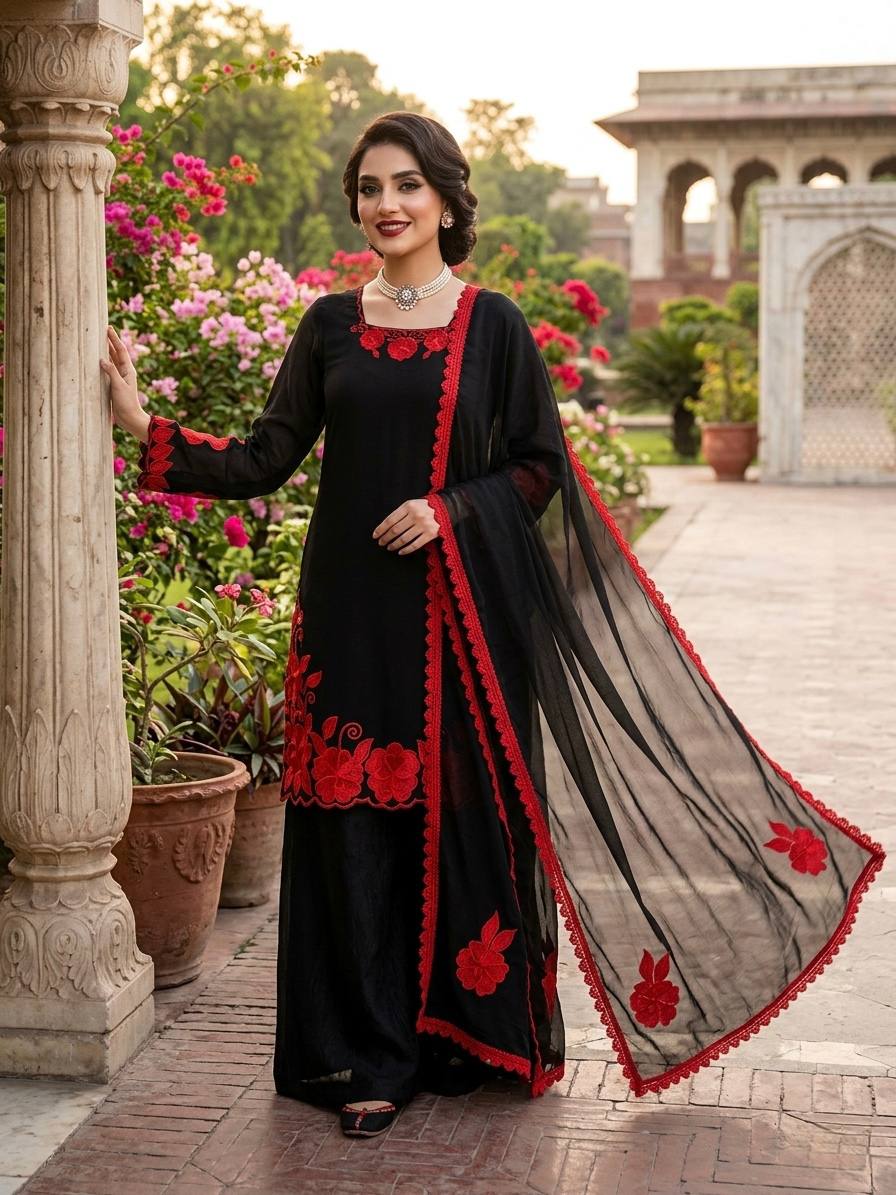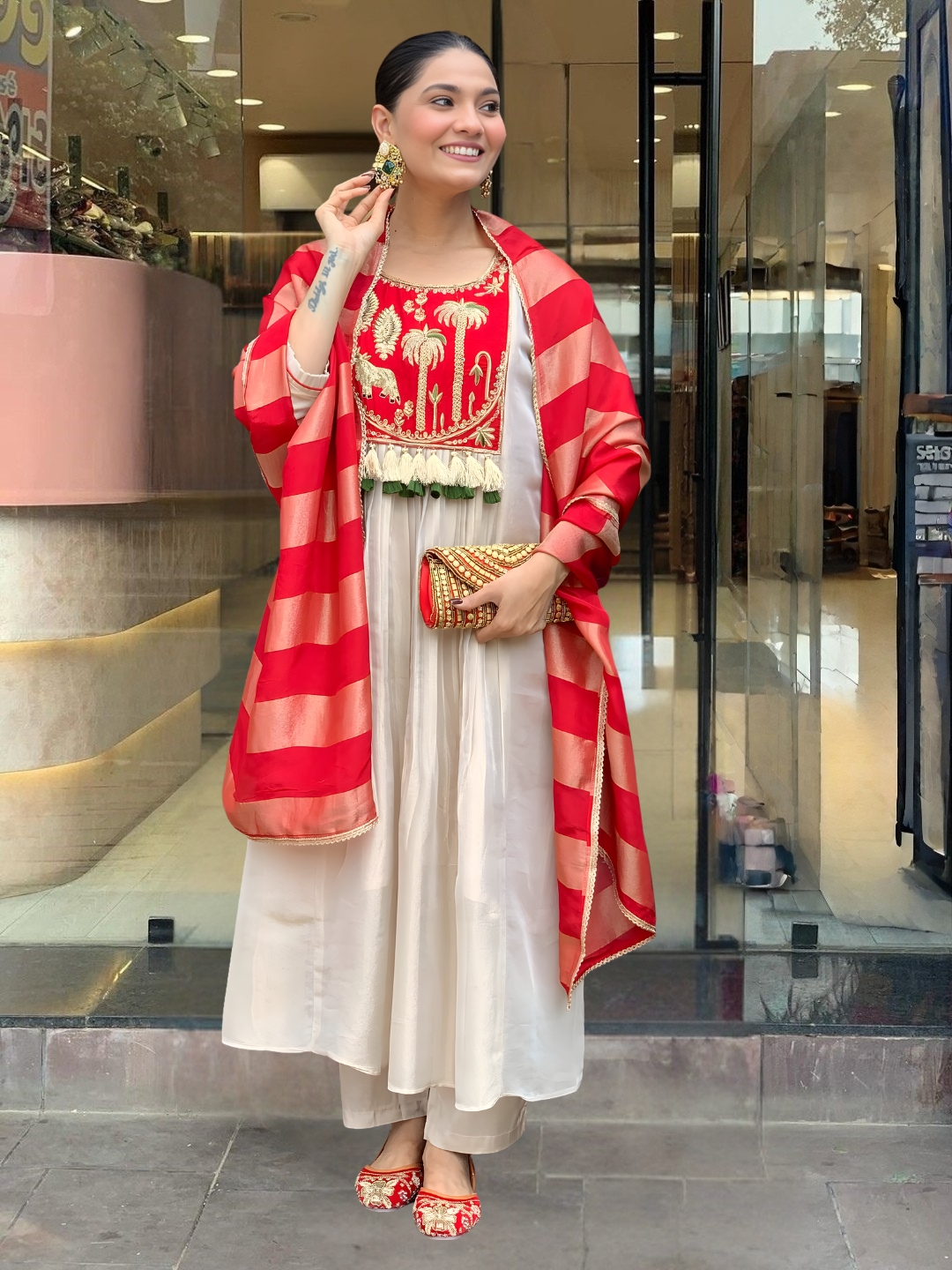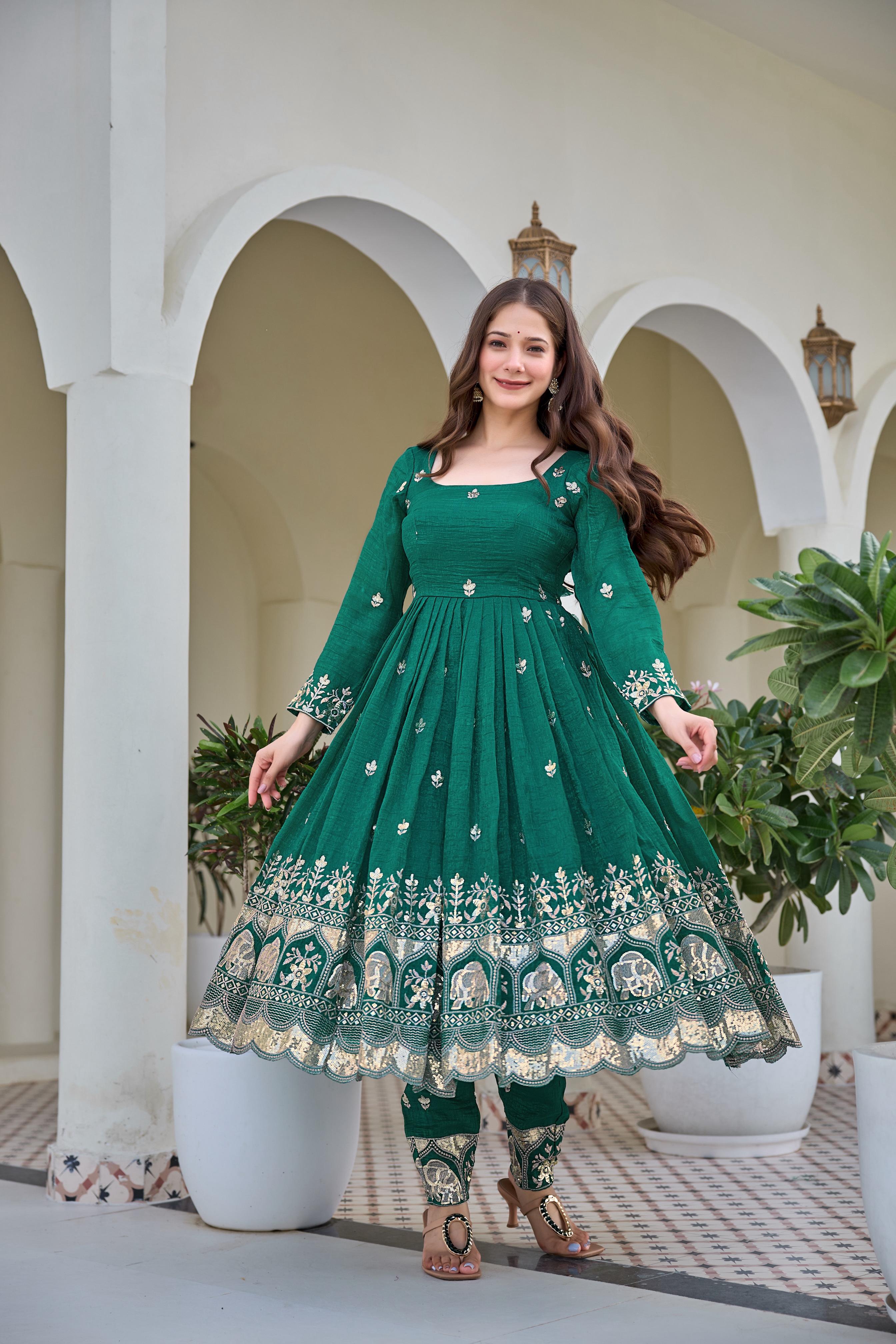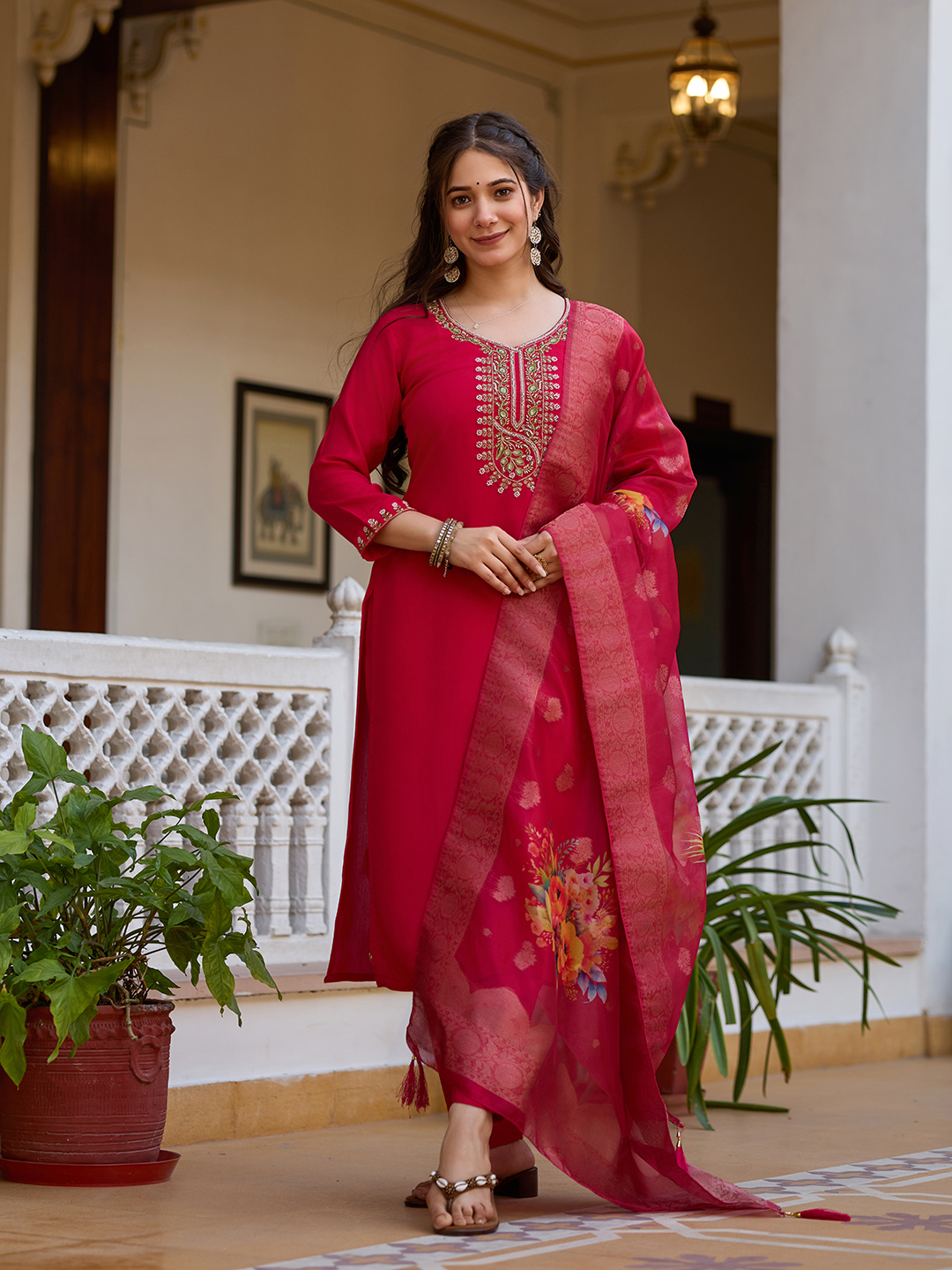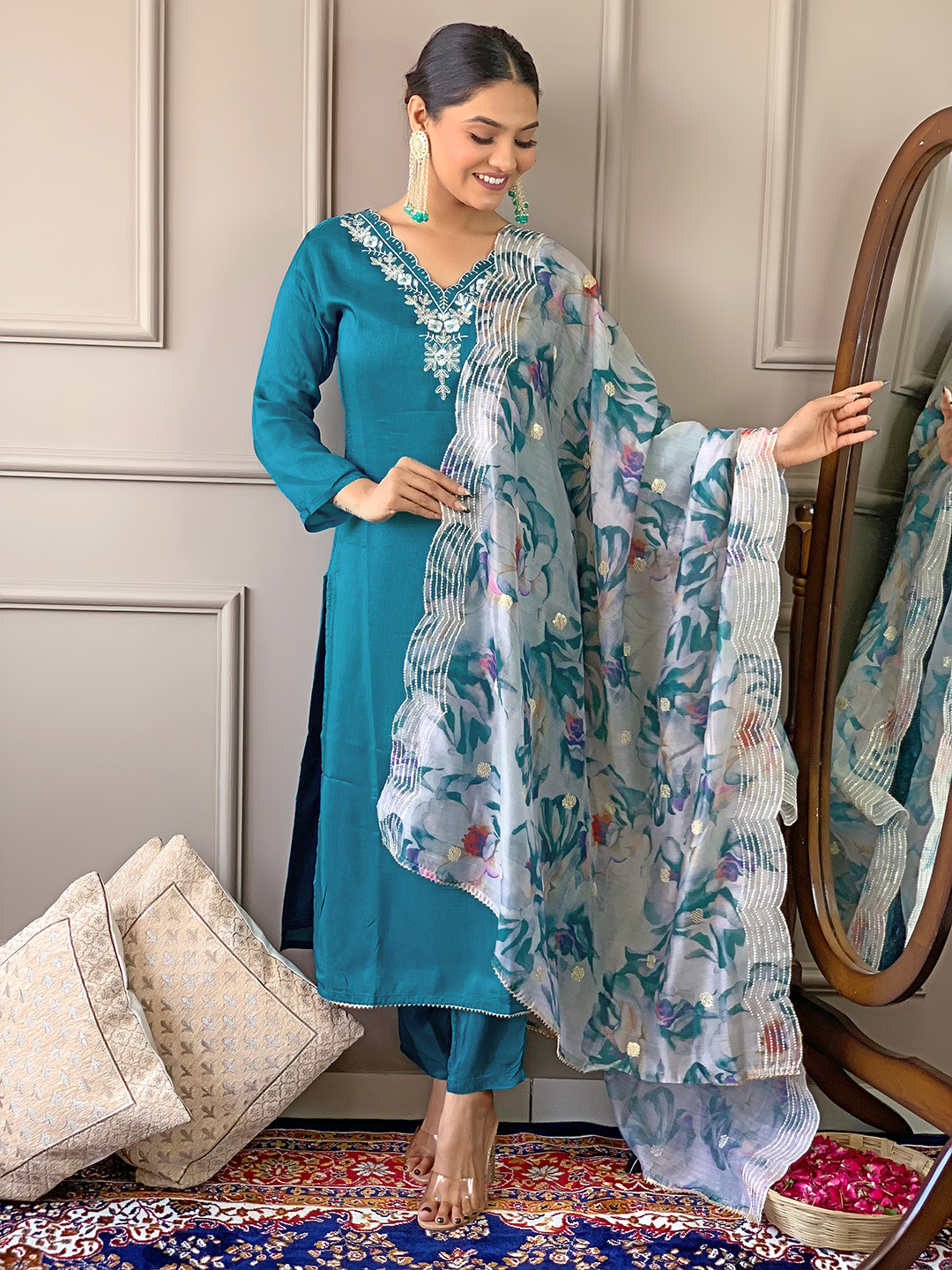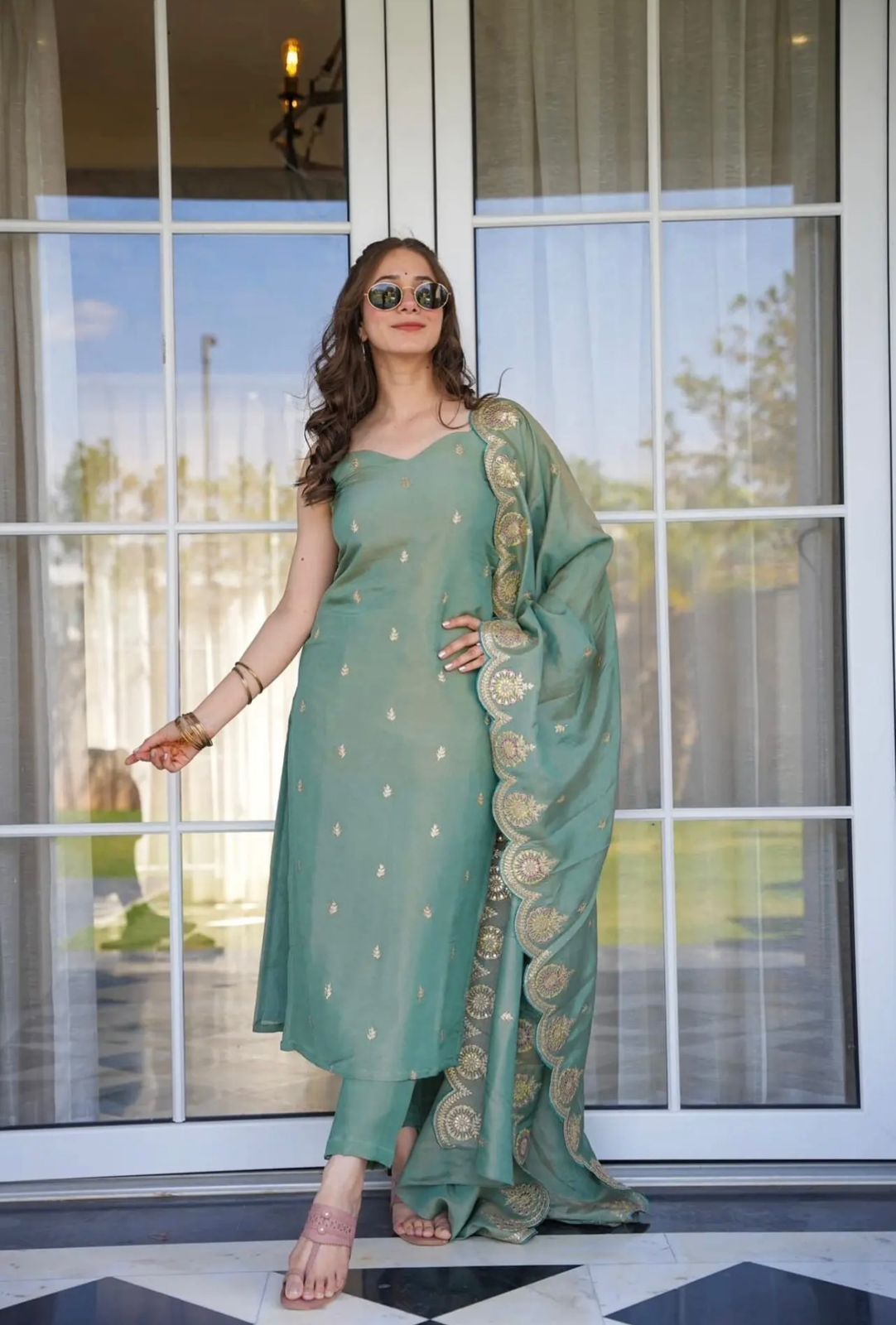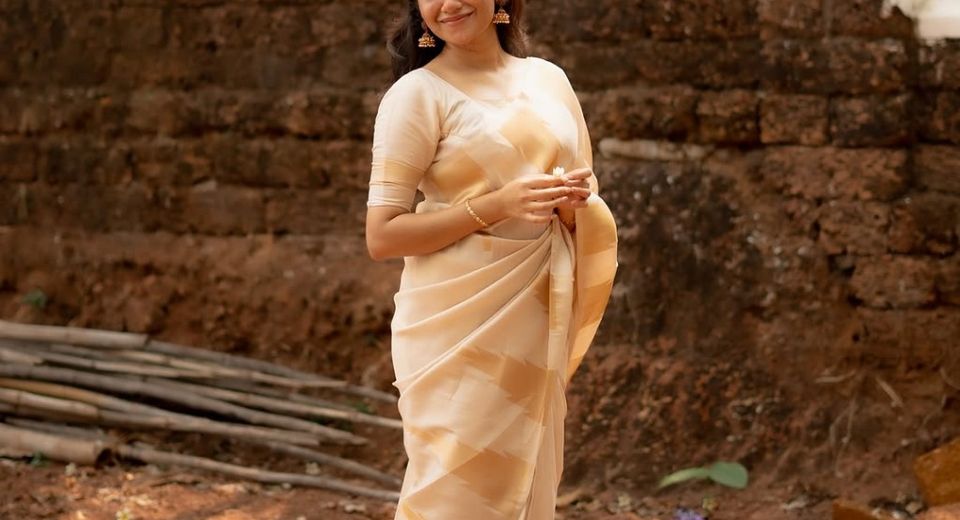
The best sarees for weddings are not chosen by colour alone. An useful choice balances the ceremony, fabric weight, zari finish, drape, blouse design, weather, movement and the amount you want to spend. Banarasi soft silk sarees are especially versatile because they offer a festive sheen and structured fall without the weight of many heavily embellished bridal fabrics.
Whether you're dressing for a Haldi ceremony, a wedding pheras, a reception or a relative's engagement, the right saree should look appropriate in photographs and remain comfortable for several hours. This guide explains how to make that decision with specific checks rather than relying on vague labels such as "designer" or "traditional".
How should you choose the best sarees for weddings?
The best sarees for weddings should be selected by matching the saree's visual formality and comfort to the ceremony first. A morning ritual generally suits lighter colours and manageable fabrics, while an evening wedding or reception can support deeper shades, more visible zari and a more elaborate blouse.
Start with four questions: When will the event take place? How long will you wear the saree? Will you be walking, sitting on the floor or dancing? What level of formality is expected? These questions narrow the choice more effectively than browsing hundreds of unrelated designs.
- For a Haldi ceremony: yellow, mustard, lime, coral and soft green create a lively appearance. Choose a saree that's easy to pin and not precious enough to make minor turmeric marks stressful.
- For a Mehendi ceremony: green, pink, orange and jewel-toned combinations work well. A medium-weight saree with a secure pallu is practical when guests are moving between seating, food and photographs.
- For the wedding ceremony: red, maroon, gold, green and deep pink are time-honoured choices. Banarasi silk with zari is suitable when you want visible heritage detail without adding separate layers of embellishment.
- For a reception: royal blue, purple, wine, charcoal and metallic neutrals can look polished under artificial lighting. A clean drape and a well-fitted blouse often appear more refined than excessive surface decoration.
Personal role also matters. A bride may want a ceremonial colour and a statement border, while the bride's sister can choose a more contemporary palette. A wedding guest should consider the invitation's dress code and avoid competing with a clearly specified bridal colour if the family has requested one.
Which fabrics work best for Indian wedding sarees?
Banarasi silk, Kanjeevaram silk, Chanderi, tissue silk and lightweight blends each create a different wedding look; the best fabric depends on the ceremony, season and desired structure. Fabric names should be read carefully because "silk" can describe a range of constructions, weights and finishes.
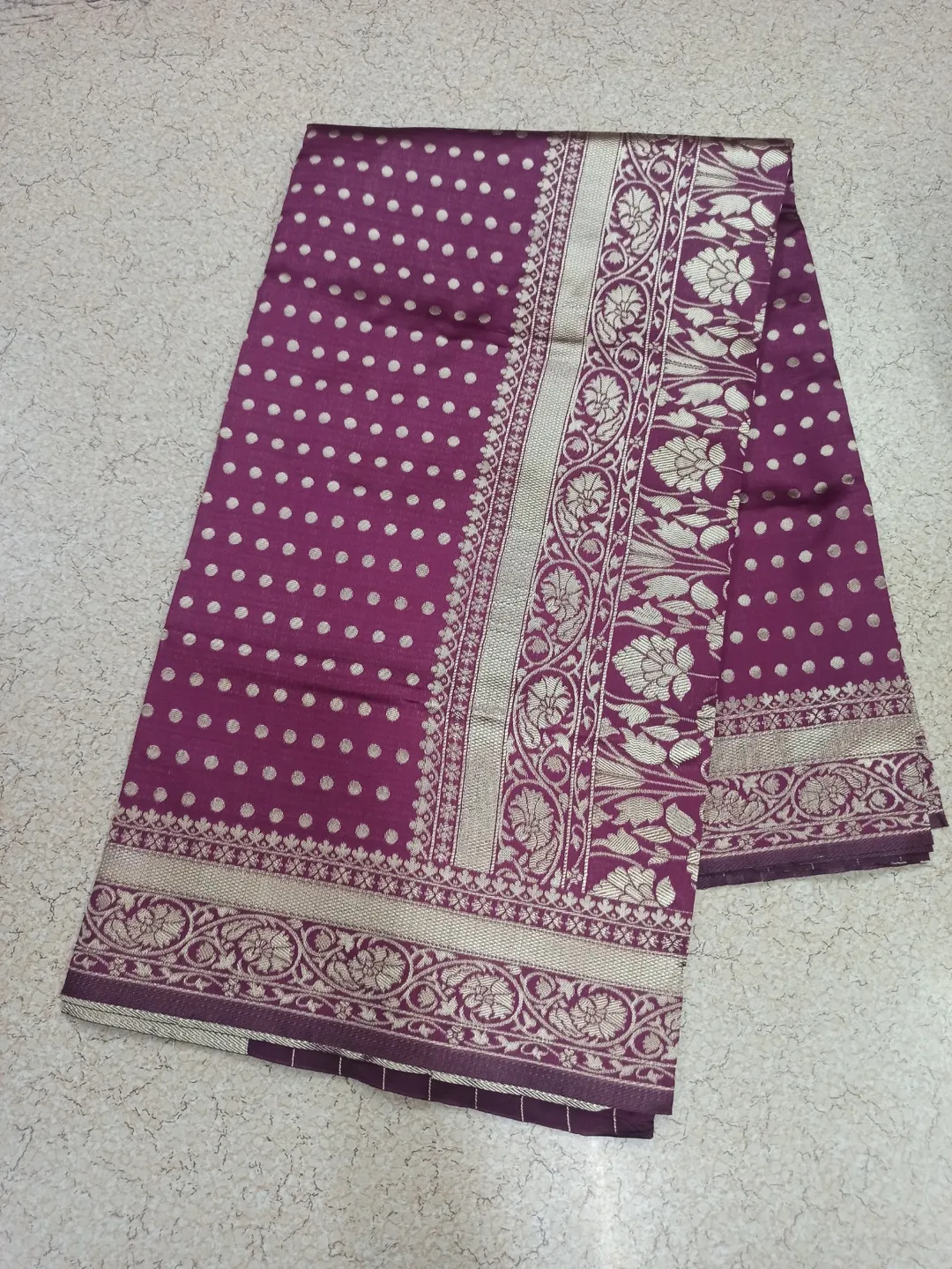
Banarasi soft silk for adaptable festive dressing
Banarasi soft silk is a practical choice for many wedding wardrobes because its smooth surface, gentle body and zari detailing create a dressed-up look without the stiffness of some very heavy silks. The Cream Banarasi Soft Silk Zari Work Saree demonstrates how a pale base can look ceremonial when zari supplies the contrast.
A soft silk saree usually folds more easily than a rigid, heavily starched weave. That advantage helps when you need to sit comfortably or carry the saree in luggage. Check the product measurements and fabric description before buying, because soft silk doesn't mean identical weight across every saree.
How other classic fabrics differ
Kanjeevaram is known for a substantial silk body, distinctive borders and a strong temple-wedding association. Kanjeevaram silk can be excellent for a formal bridal trousseau, but its weight may feel demanding during a long reception or in hot weather.
Chanderi is valued for its lightness and subtle translucency, making it useful for daytime ceremonies and guests who prefer an airy silhouette. Tissue silk catches light more dramatically and can suit evening events, although its crisp surface may require more careful pleating. Banarasi silk generally offers a middle ground between visible opulence and wearable structure.
Zari is the metallic thread detail that often creates the wedding finish, but zari coverage matters. A narrow zari border gives controlled elegance, a woven zari pallu makes the back view more prominent, and dense zari throughout the body creates stronger visual impact. Compare the border, pallu and body separately rather than judging the saree from its front image alone.
Which wedding saree colours are easiest to style?
Red, maroon, green, mustard, cream, pink, purple and royal blue are among the easiest wedding saree colours to style because each has established jewellery and blouse pairings. The most useful colour is the one that works with your complexion, ceremony lighting and existing accessories.
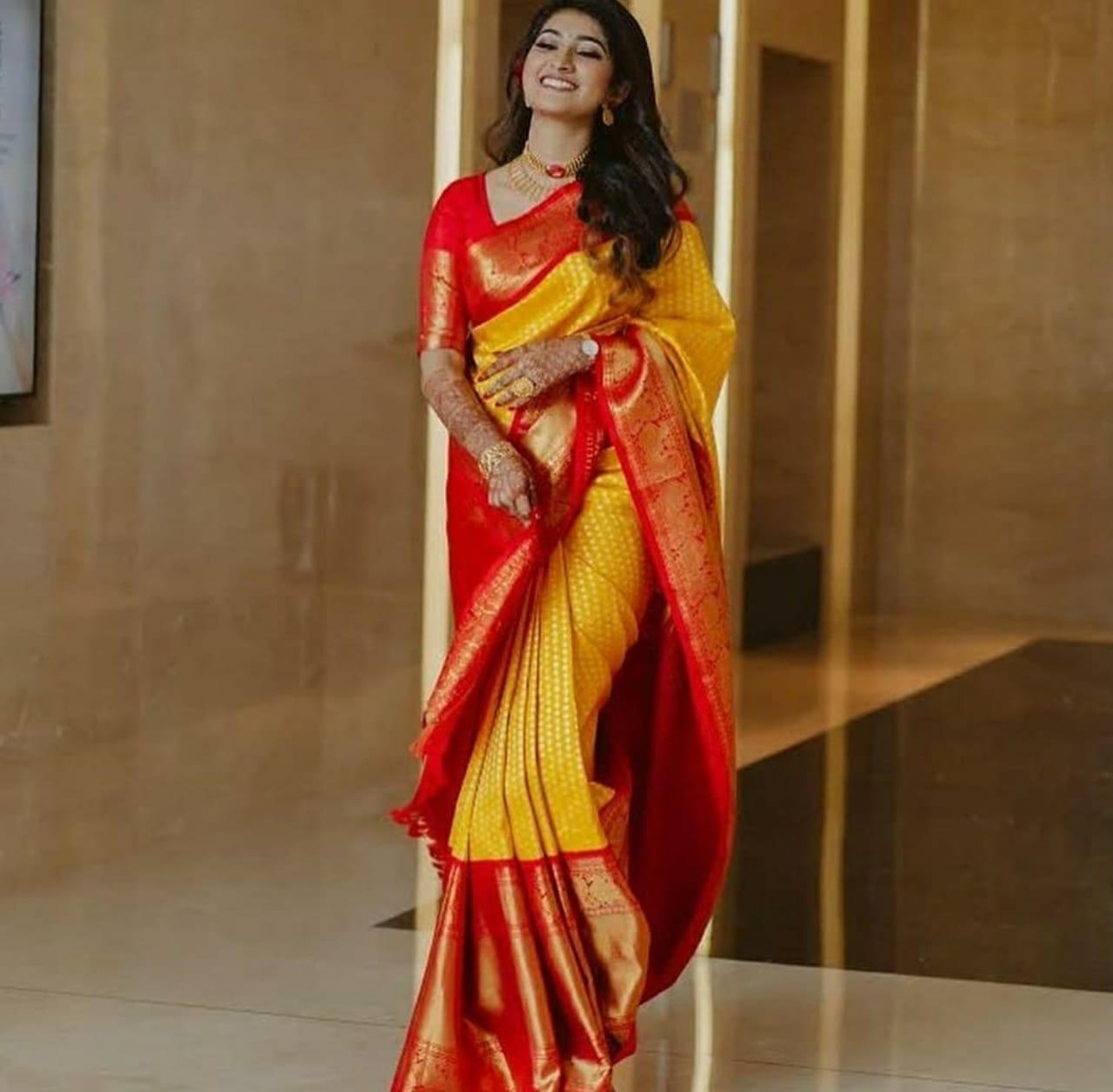
Heritage colours with a clear styling direction
Red remains strongly associated with bridal rituals and celebratory dressing. The Red Banarasi Soft Silk Zari Weave Sareee can be paired with antique gold jewellery, a red or gold blouse and warm-toned makeup. Bridesmaids can soften the intensity with a contrasting pink, peach or muted gold blouse.
Maroon brings a deeper alternative to bright red and tends to photograph well in evening light. The Maroon Banarasi Soft Silk Zari Weave Saree works with antique gold, kundan or muted champagne accessories. Avoid adding too many competing dark shades; a lighter blouse or illuminated jewellery keeps the face visible.
Green carries a festive, traditional association and pairs naturally with gold, rose gold, magenta and rust. The Green Banarasi Soft Silk Zari Weave Saree can support a contrasting pink blouse for a lively family function or a matching deep green blouse for a more composed wedding look.
Mustard yellow is especially effective for daytime functions and Haldi-related celebrations. The Mustard Yellow Banarasi Soft Silk Zari Weave Saree can be styled with a green, fuchsia or maroon blouse, but the jewellery should remain simple if the colour is already visually strong.
Neutrals and jewel tones
Cream and pink create a softer palette for engagement ceremonies, daytime weddings and guests who don't want a conventional red saree. The Cream Pink Banarasi Soft Silk Zari Weave Saree benefits from rose-gold jewellery, pearl accents or a blouse that repeats the deeper pink in the border.
Purple and royal blue bring evening drama without relying on bridal red. The Purple Banarasi Soft Silk Zari Work Saree can take silver, diamond-look or antique gold accessories depending on the zari tone. The Royal Banarasi Soft Silk Zari Weave Saree is particularly suitable for receptions because a deep blue base creates contrast under warm venue lighting.
How do zari, border and pallu affect the final look?
Zari density, border width and pallu visibility determine how formal and visually heavy a saree appears. These three details often matter more than the base colour when you're choosing between similar wedding sarees.
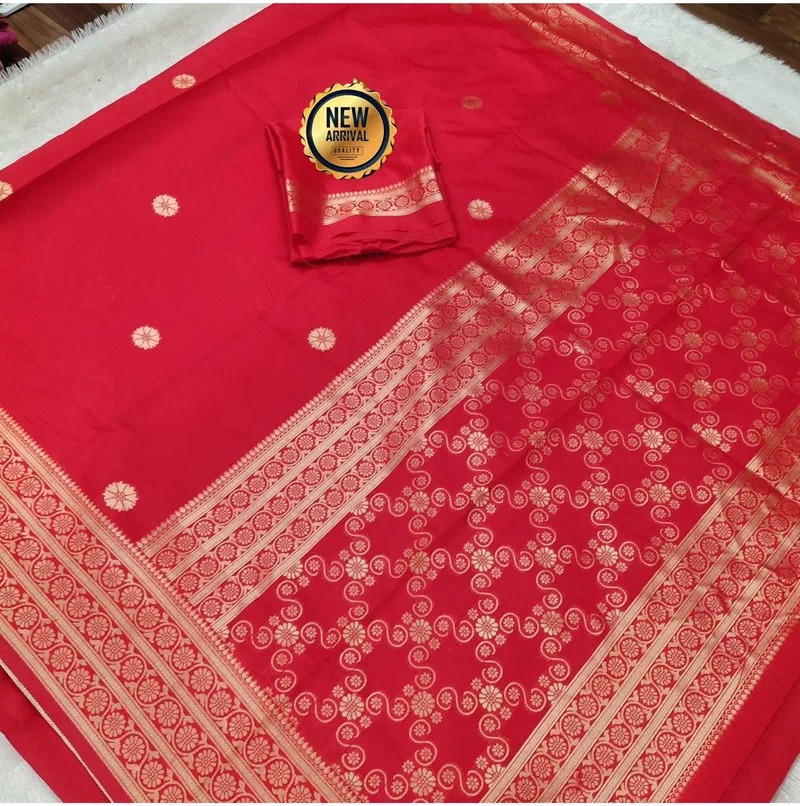
A broad border visually shortens the distance between the waist and floor, while a narrow border can create a longer, quieter line. Petite wearers may prefer a moderate border with vertical pleats, whereas taller wearers can carry a wider border more easily. These are styling tendencies, not fixed rules.
The pallu is important because it's visible in photographs, seated conversations and greeting rituals. A heavily worked pallu creates a focal point over the shoulder, while a simpler pallu places more attention on the blouse and jewellery. Arrange the pallu before leaving home and take a test photograph from the front, side and back.
Woven zari and surface-applied embellishment also behave differently. Woven zari is integrated into the fabric structure and often creates a more continuous pattern. Surface work can add sparkle but may catch on jewellery or rough seating. Run a clean hand lightly over the saree to notice raised threads, loose ends or areas likely to snag.
What blouse and drape choices make a wedding saree look polished?
A well-fitted blouse and a secure drape make a wedding saree look polished more reliably than adding more jewellery. The blouse should support the saree's colour story, neckline, sleeve length and level of ornamentation.
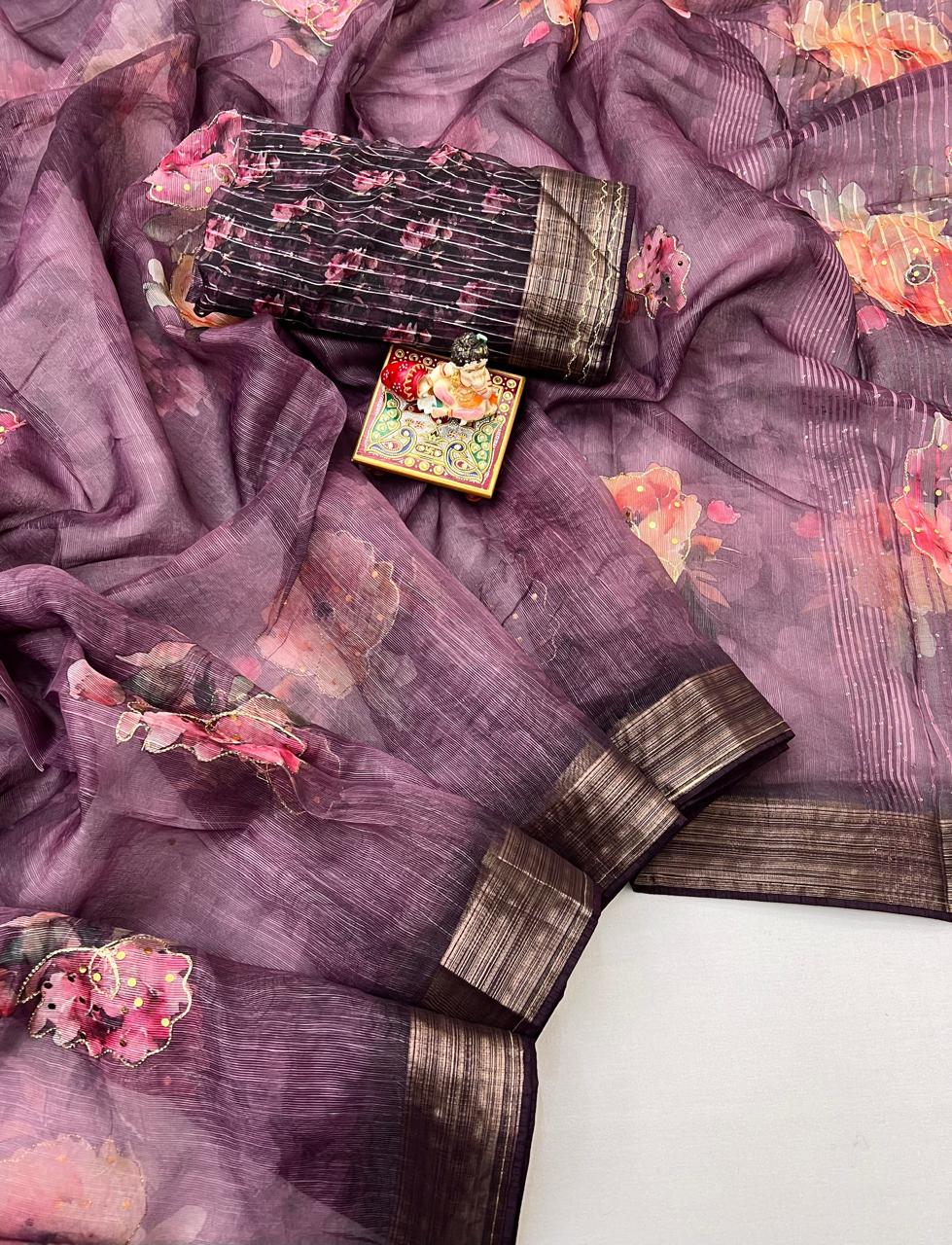
For a zari-rich Banarasi saree, a blouse in a solid colour from the border is usually easier to style than a competing print. A high-neck or elbow-sleeve blouse gives a more formal appearance, while a sleeveless, square-neck or short-sleeve design can suit a reception if the dress code permits it.
Match blouse fabric carefully. A structured raw silk or brocade blouse can complement a soft silk saree, but an excessively thick blouse may make the waist and shoulder area look bulky. A lightweight silk, satin-lined cotton silk or coordinated Banarasi blouse can provide shape without overwhelming the drape.
The Nivi drape is the most adaptable option for wedding guests because it keeps pleats centred and places the pallu over the shoulder. A seedha pallu creates a more regional and ceremonial appearance, while a pleated front pallu can highlight zari during photographs. Whichever drape you choose, use a comfortable petticoat with a firm waist tie and secure the pleats with discreet pins.
Wear the footwear you plan to use before setting the final saree length. A heel height difference of even 2 to 3 centimetres can change where the hem falls. The saree should skim the floor without dragging, and the petticoat should not show when you walk.
How can you plan a wedding saree budget?
A wedding saree budget should include the blouse, tailoring, fall and edging, accessories, delivery time and care costs rather than only the listed saree price. A lower-priced saree can become expensive if urgent alterations, difficult matching or replacement accessories are added later.
Begin by separating the wardrobe into three levels: one statement saree for the main function, one flexible saree for a second ceremony and one practical option for daytime events. A saree such as the Cream Banarasi Soft Silk Zari Work Saree can serve more than one role when styled with different blouses, while a stronger colour such as the Royal Banarasi Soft Silk Zari Weave Saree can be reserved for an evening event.
For a controlled search, browse the Latest Wedding Sarees Collection for formal choices, then compare the Wedding Sarees Collection Under 4000 when you need a defined spending ceiling. Party Wear Sarees can help with reception dressing, while Red and Yellow Sarees from Rs 799 with Up to 75 Percent Off may be useful for colour-led searches when the exact occasion is less formal.
Read the product description for saree length, blouse-piece details, fabric, wash instructions and dispatch timeframe. Most adult sarees are commonly supplied around 5.3 to 5.5 metres with a separate blouse piece, but measurements vary. Never assume that a blouse piece is included, pre-stitched or large enough for your preferred design.
How should you prepare and care for a wedding saree?
A wedding saree should be prepared at least three to seven days before the event so alterations, fall stitching and a trial drape can be completed without rushing. Early preparation also reveals colour differences between the saree, blouse and accessories under the venue's likely lighting.
- Open the saree on a clean, dry surface and check the border, pallu, zari and loose threads.
- Arrange fall and edging if the saree needs extra support at the hem.
- Try the complete outfit with blouse, petticoat, footwear, jewellery and handbag.
- Make the pleats once and photograph the front, side and back views.
- Pack pins, a small sewing kit, safety pins, blotting paper and a spare blouse hook for the event.
Store Banarasi soft silk in a clean cotton or muslin cover away from direct sunlight and damp wardrobes. Refold the saree every few months along different lines to reduce permanent creasing. Avoid spraying perfume directly on zari, and allow perspiration to dry before folding the saree after wear.
Professional dry cleaning is the safer choice for zari-rich wedding sarees, particularly when the care label doesn't permit water washing. Do not iron metallic zari directly; place a thin cotton cloth over the saree and use low heat only if the care instructions allow ironing. A small stain should be blotted, not rubbed, because rubbing can spread colour or disturb metallic threads.
What is the final checklist before buying?
The final buying decision should confirm occasion, fabric, colour, measurements, delivery and care instructions in one review. A beautiful saree isn't a practical wedding choice if it arrives after the event, lacks an usable blouse piece or can't be worn comfortably for the required hours.
- Confirm whether the saree is for the bride, family member or guest.
- Choose a colour that suits the ceremony timing and venue lighting.
- Check the exact fabric description instead of assuming every silk is the same.
- Inspect zari placement on the border, body and pallu.
- Verify saree length, blouse-piece size and tailoring requirements.
- Allow at least one week for alterations when possible.
- Plan jewellery and footwear before finalising the blouse.
- Keep the care label and order details after delivery.
The strongest wedding wardrobe is rarely built from one fashionable colour or one expensive weave. It comes from choosing a saree whose fabric, zari, shade and drape suit the ceremony and whose construction you can care for after the celebration. That approach makes every saree more wearable beyond a single wedding.
Common Questions About Choosing Sarees for Wedding Ceremonies
Which saree is best for a wedding guest?
A Banarasi soft silk saree is a dependable wedding-guest choice because it looks festive, drapes neatly and works with both traditional and contemporary blouses. Choose medium zari and a colour suited to the ceremony rather than an extremely heavy bridal design.
Which colour saree is best for an Indian wedding?
Red, maroon, green, mustard, cream, pink, purple and royal blue are all suitable, depending on the ceremony and your role. Red and maroon feel more bridal, while cream-pink, mustard and jewel tones offer flexible choices for guests and family members.
Is Banarasi silk suitable for a wedding?
Yes, Banarasi silk is suitable for weddings because zari motifs and a structured fall create a formal appearance. Banarasi soft silk can also be easier to wear for several hours than a very heavy, rigid silk, although the exact weight should be checked before purchase.
What blouse goes with a Banarasi wedding saree?
A solid blouse that repeats a border, zari or accent colour is usually the easiest pairing for a Banarasi wedding saree. Brocade, raw silk, lightweight silk and coordinated Banarasi blouses can work, provided the blouse is not so heavily embellished that it competes with the saree.
How early should I buy a saree for a wedding?
Buy a wedding saree at least two to three weeks before the event when possible. That timeframe allows delivery, fabric inspection, fall stitching, blouse tailoring, a trial drape and corrections for fit or accessories.
How do I care for a zari saree after a wedding?
Air a zari saree away from direct sunlight, fold it in a clean muslin or cotton cover and refold it periodically along different lines. Follow the care label and choose professional dry cleaning when the saree is heavily zari-worked or does not permit water washing.