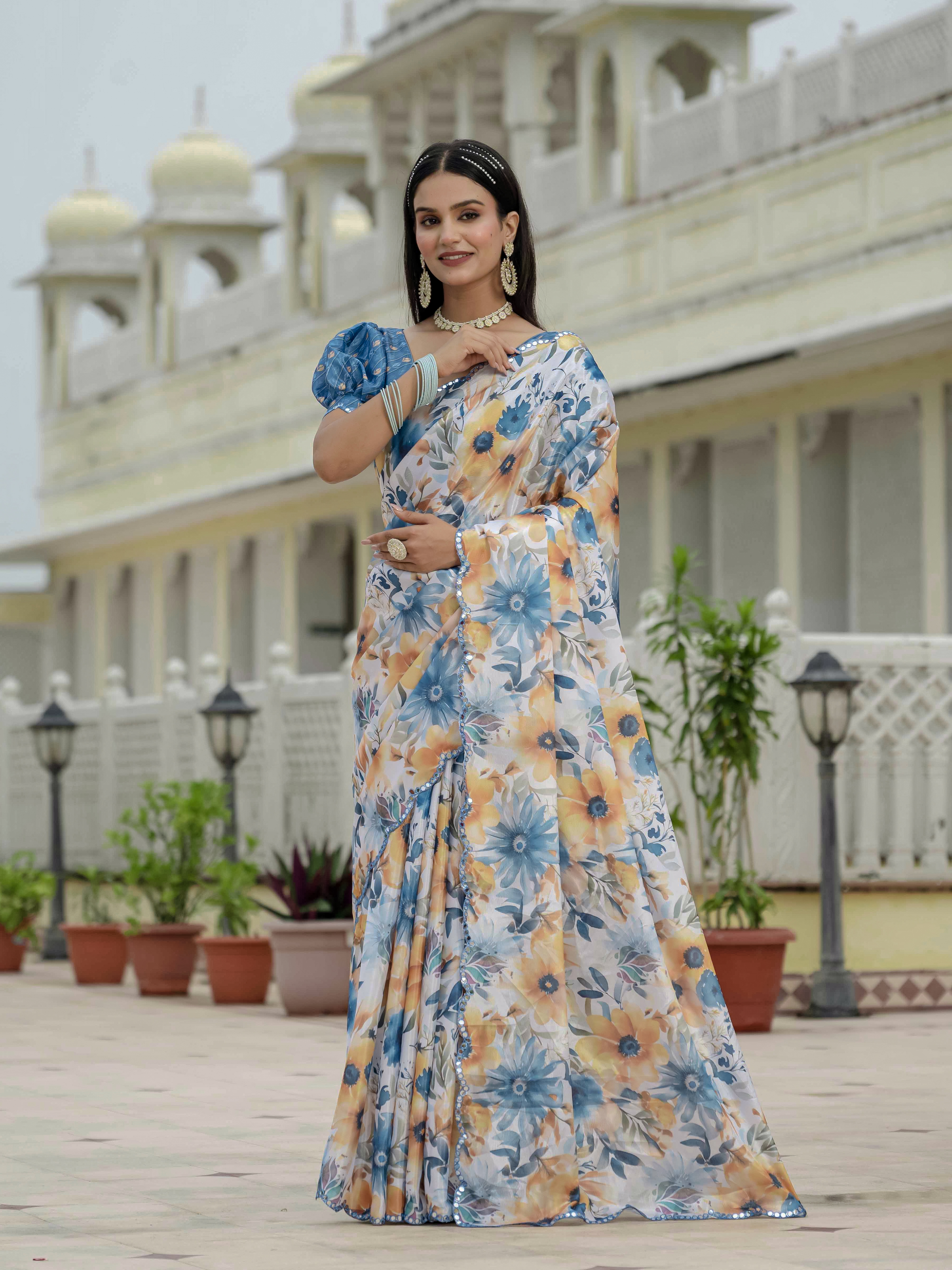
Best Sarees for Uttarakhand Temple Visits should handle more than photographs and festive tradition. A temple journey may include steep stone steps, cool wind, uneven paths, long queues and a sudden change from sunny afternoons to chilly evenings. The most successful outfit combines a breathable weave, a secure drape, a modest blouse and layers that don't disturb the pleats.
Uttarakhand's temple landscape also invites a gentle interpretation of Pahadi styling. Natural textures, softened colours, restrained jewellery, warm layers and a pallu that stays in place create an outfit that feels ceremonial without becoming difficult to wear. Whether the itinerary includes Kedarnath, Badrinath, Jageshwar, Mukteshwar or a smaller hill shrine, practical dressing matters as much as visual elegance.
Best Sarees for Uttarakhand Temple Visits: What makes a saree suitable?
A suitable temple saree is lightweight, breathable, easy to secure and sufficiently modest for prayer. Cotton, linen cotton, Chanderi and soft silk generally work well because they offer structure without the bulk of heavily layered festive clothing.
Fabric choice should follow the season and altitude. In warmer months, linen cotton or handloom cotton allows air circulation during uphill walks. In cooler months, soft silk or a cotton saree paired with a thermal camisole, full-sleeved inner layer or woollen shawl provides more warmth. A very slippery georgette saree can look elegant, but it may require more pinning on windy paths and crowded temple premises.
Border width matters as much as fabric. A narrow or medium zari border gives a traditional finish while keeping the lower half of the saree manageable on stairs. Oversized borders, dense embellishment and heavy pallu work can catch on railings or become tiring after several hours.
For pooja shopping, prioritise sarees that can be folded compactly, aired easily and worn with a blouse that permits comfortable arm movement. A saree that needs constant readjustment is a poor travel choice even when its colour and embroidery are beautiful.
Best Sarees for Uttarakhand Temple Visits: Which fabrics work best?
Linen cotton and handloom cotton are among the most practical fabrics for daytime temple visits because they breathe well, feel comparatively light and remain less clingy during walking. Banarasi silk and soft silk are better suited to colder weather, evening aarti or a more formal family pooja when warmth and festive sheen are useful.

Linen cotton for movement and daytime comfort
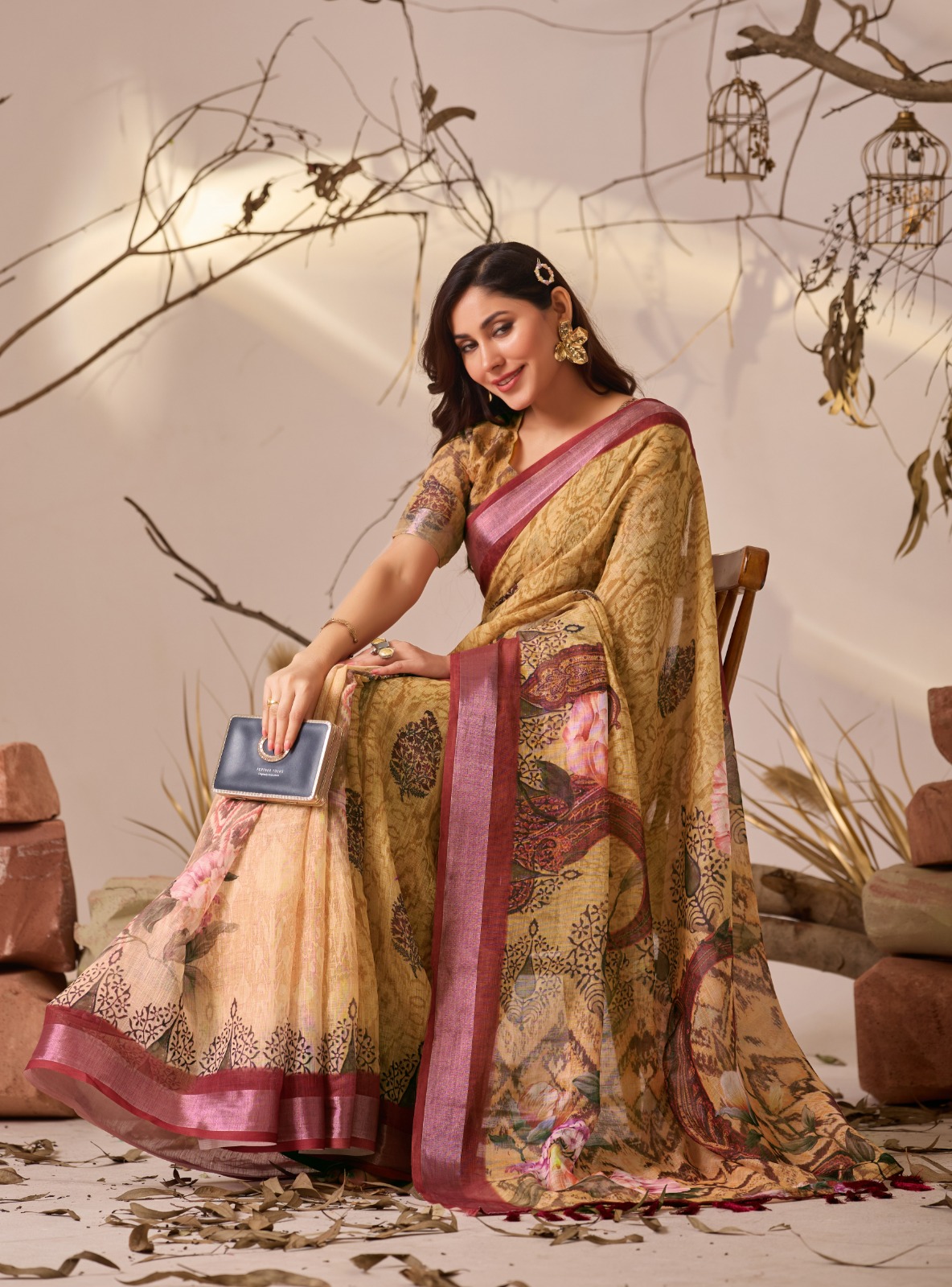
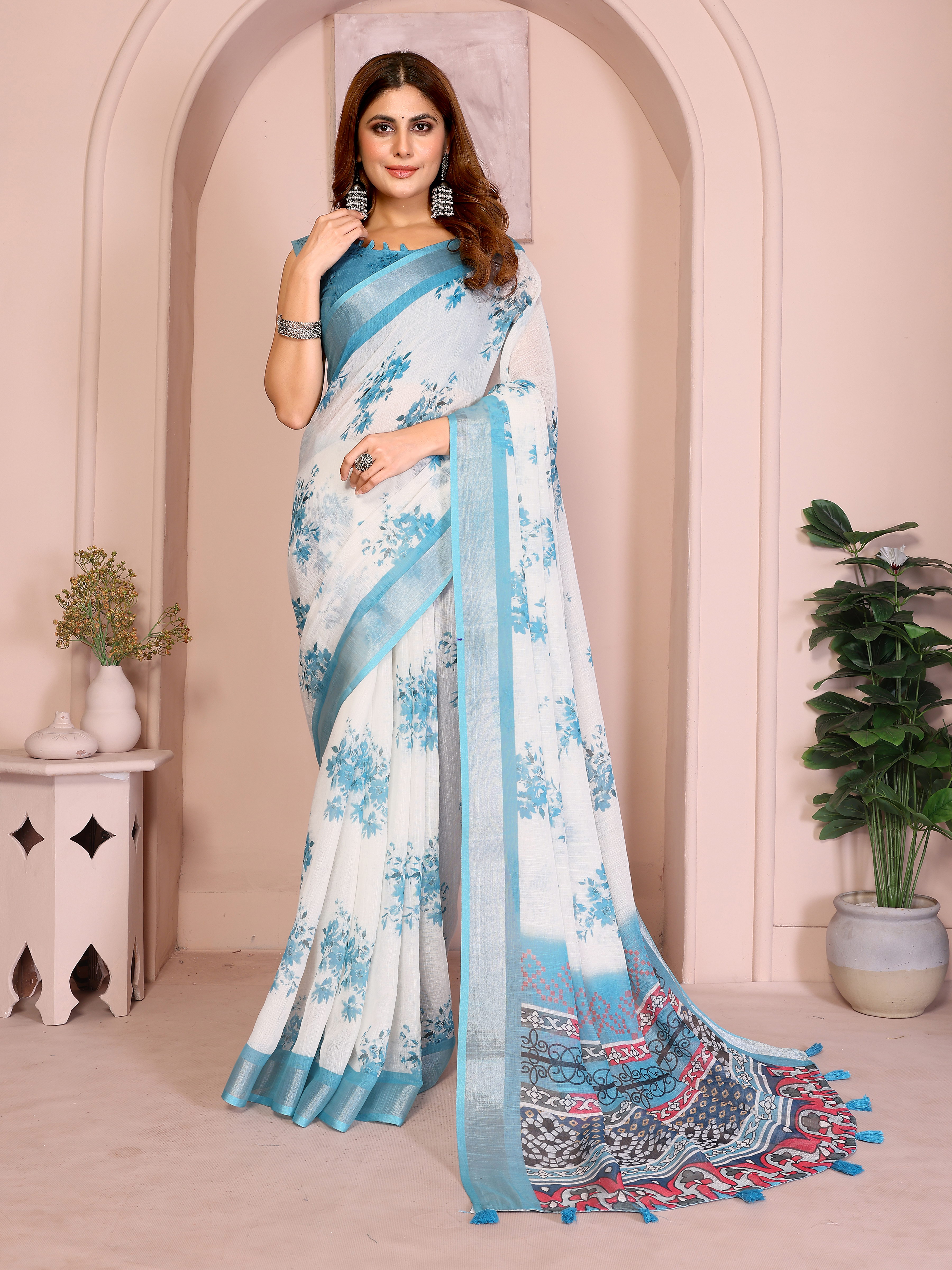
Linen cotton has a naturally relaxed texture that suits a mountain setting and doesn't look overdone in daylight. Pastel Linen Cotton Floral Print Saree with Designer Blouse is an useful example of a coordinated look because a matching blouse reduces packing decisions and keeps the outfit visually calm.
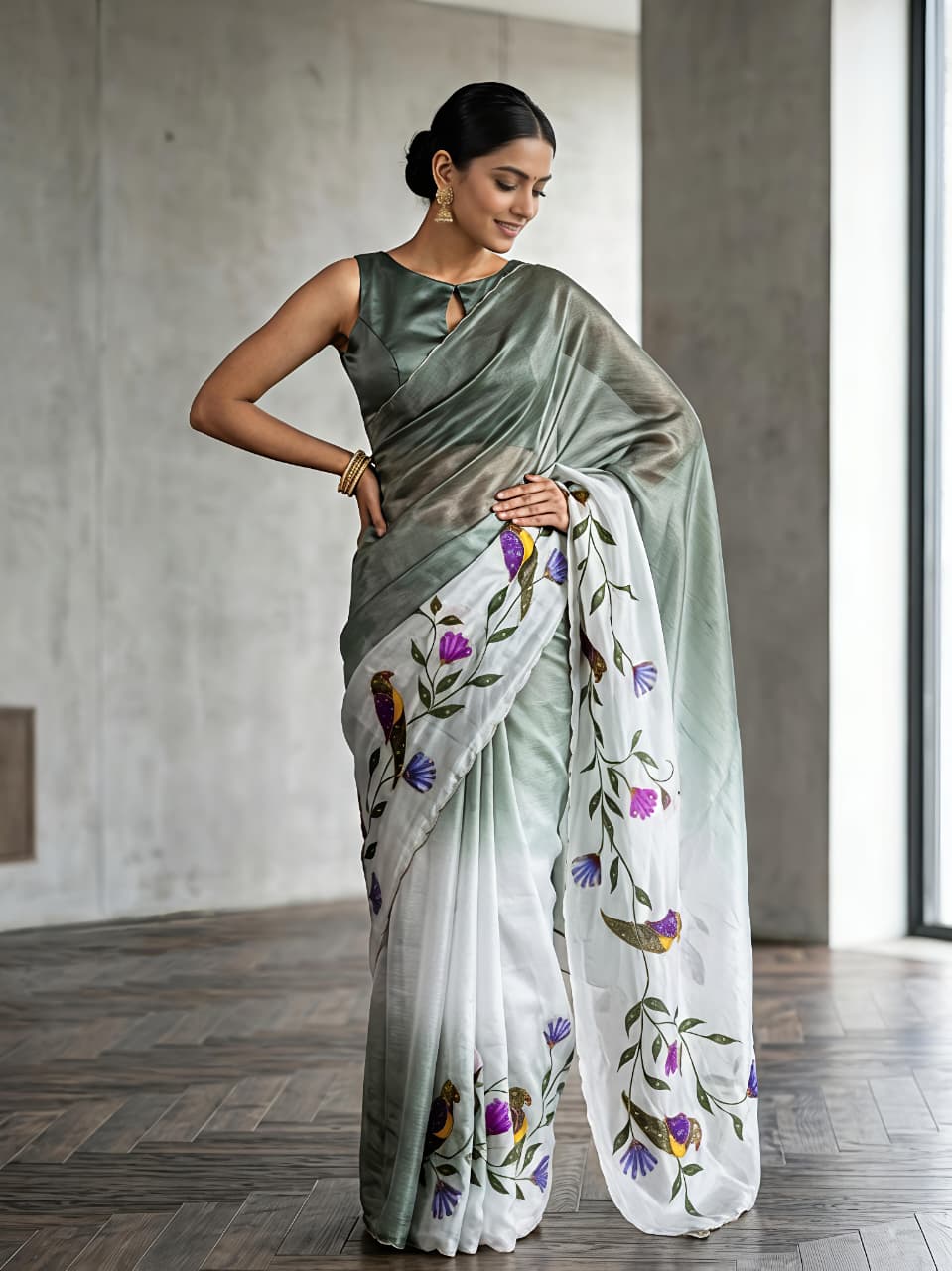
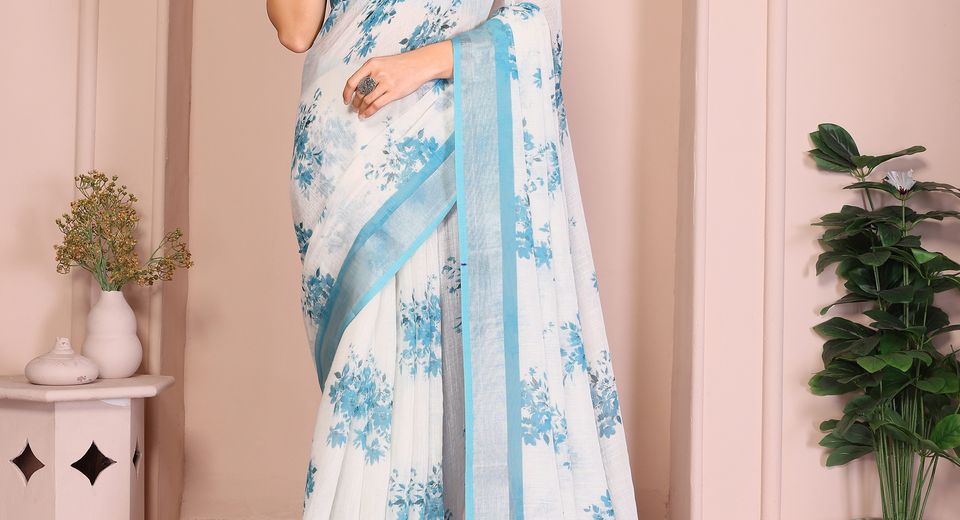
Cream & Blue Floral Linen Cotton Saree with Contrast Border gives a similar daytime direction with a clearer border that helps define the pleats. Mint Green Floral Linen Cotton Saree with Pink Border Style adds colour without relying on sequins or dense surface work. These combinations are especially practical for a morning temple visit followed by local sightseeing.
Handloom cotton and zari for a ceremonial finish
Handloom cotton with zari suits devotees who want a time-honoured pooja appearance without the weight of a full silk saree. Pastel Floral Tissue Handloom Cotton Saree with Zari Weaves and Cream Pink Tissue Handloom Cotton Saree with Zari offer festive glimmer while retaining a lighter visual and physical feel than heavily woven silk.
Zari can be delicate, so avoid placing a zari pallu directly against rough stone walls, metal railings or backpack straps. Fold the saree with the embellished section inside when travelling, and use a breathable cotton cover rather than sealing it in plastic for several days.
Silk for cold mornings and formal prayer
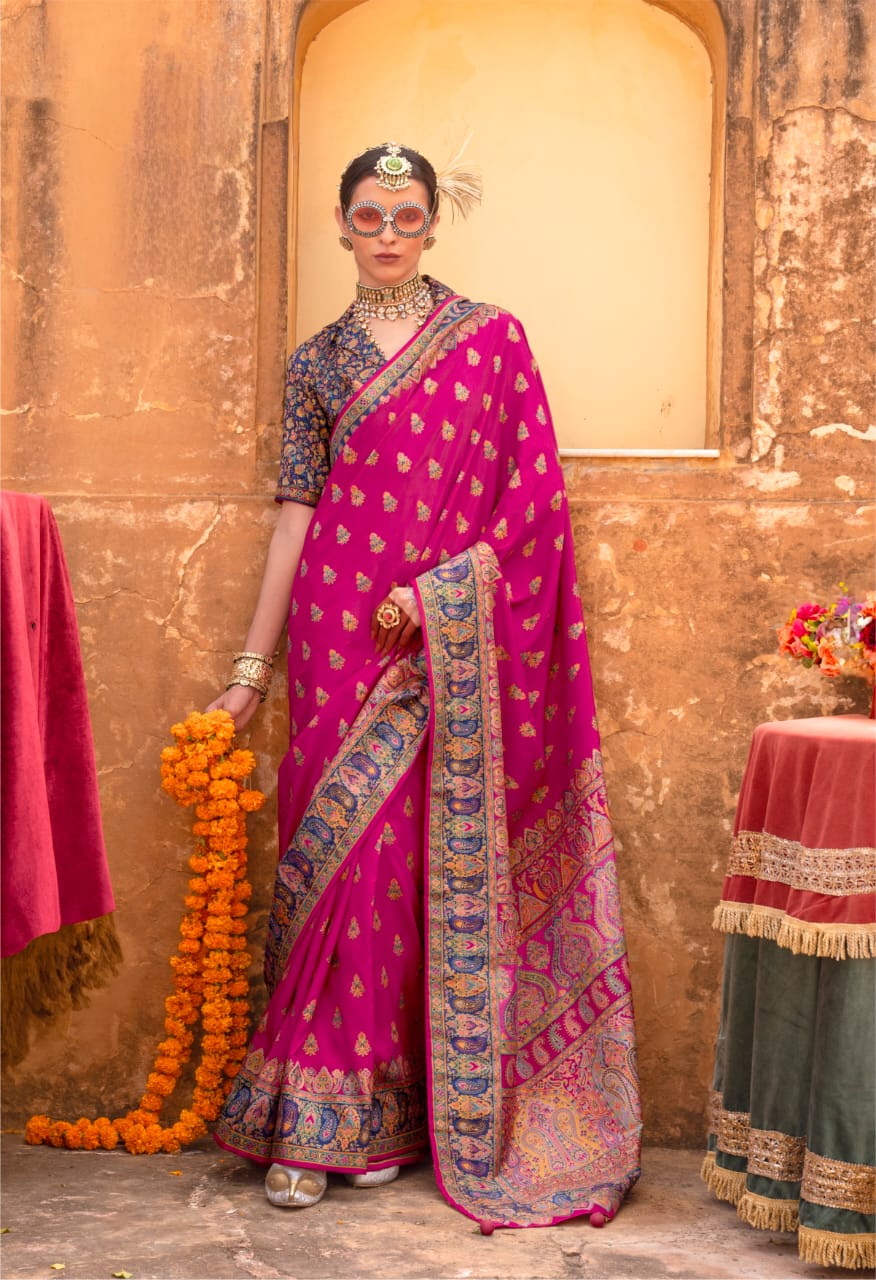
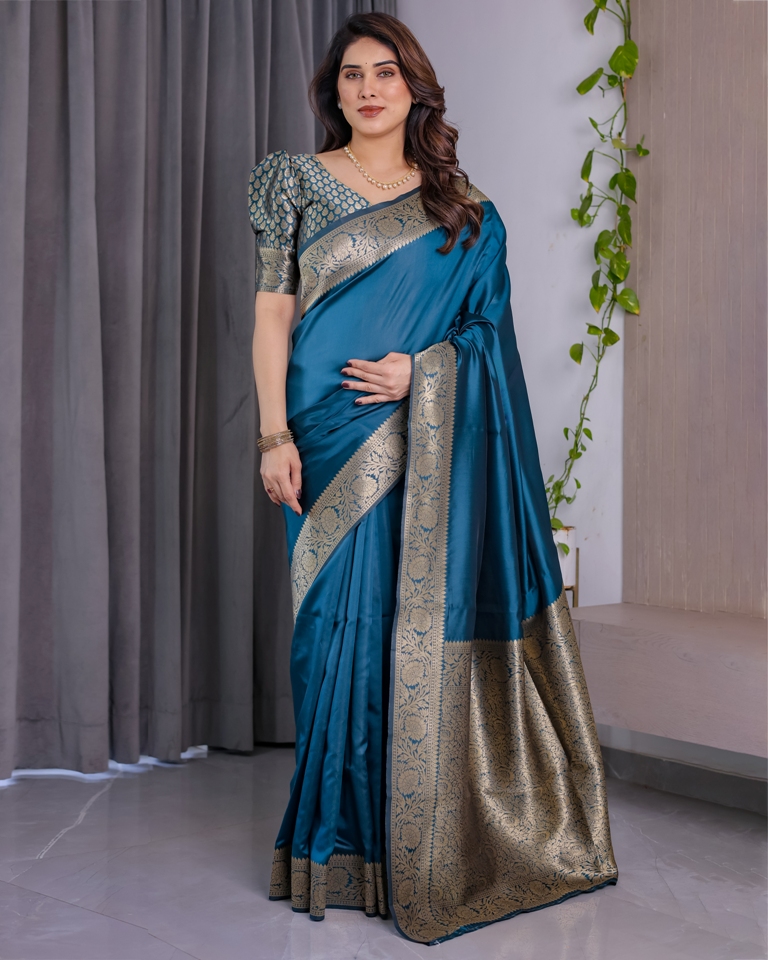
Soft silk gives more body and warmth than lightweight cotton, making it appropriate for cold early mornings or a formal family pooja. Purple Banarasi Soft Silk Saree With Golden Zari Border offers a richer evening or winter direction, but the wearer should test the drape at home because a stiffer silk needs carefully pressed pleats and a firmly anchored pallu.
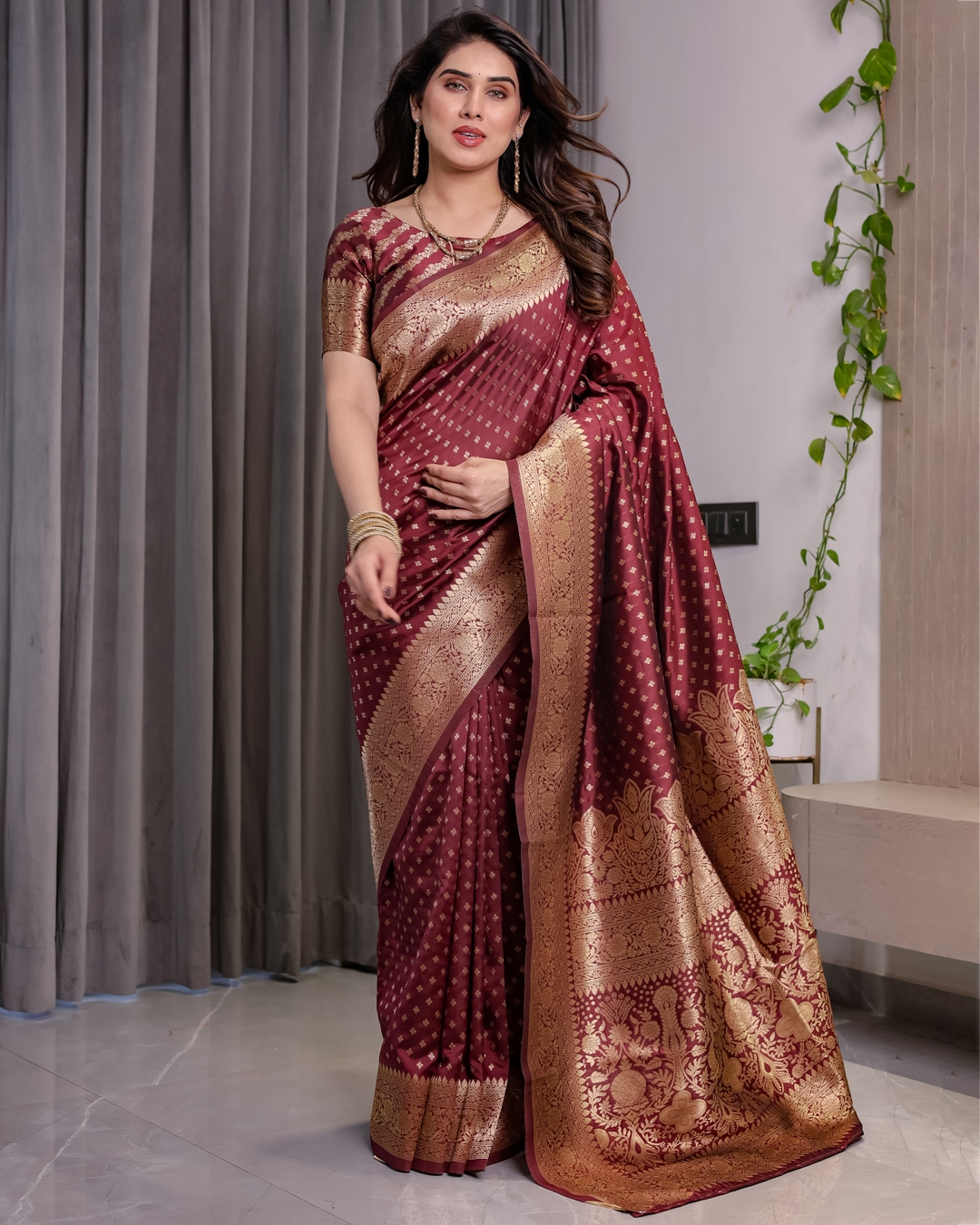
Banarasi silk isn't automatically the best answer for every temple trip. A long walk, crowded queue or warm lower-altitude town can make a heavy silk saree uncomfortable. Silk pooja dressing works best when the route is short, the weather is cool and the wearer is comfortable managing the fabric.
Best Sarees for Uttarakhand Temple Visits: How should Pahadi styling look?
Pahadi-inspired saree styling works best with a neat front pleat, a secure shoulder drape, a warm layer and understated classic accessories. The aim is to echo the landscape through colour and texture rather than imitate a regional costume without understanding its context.
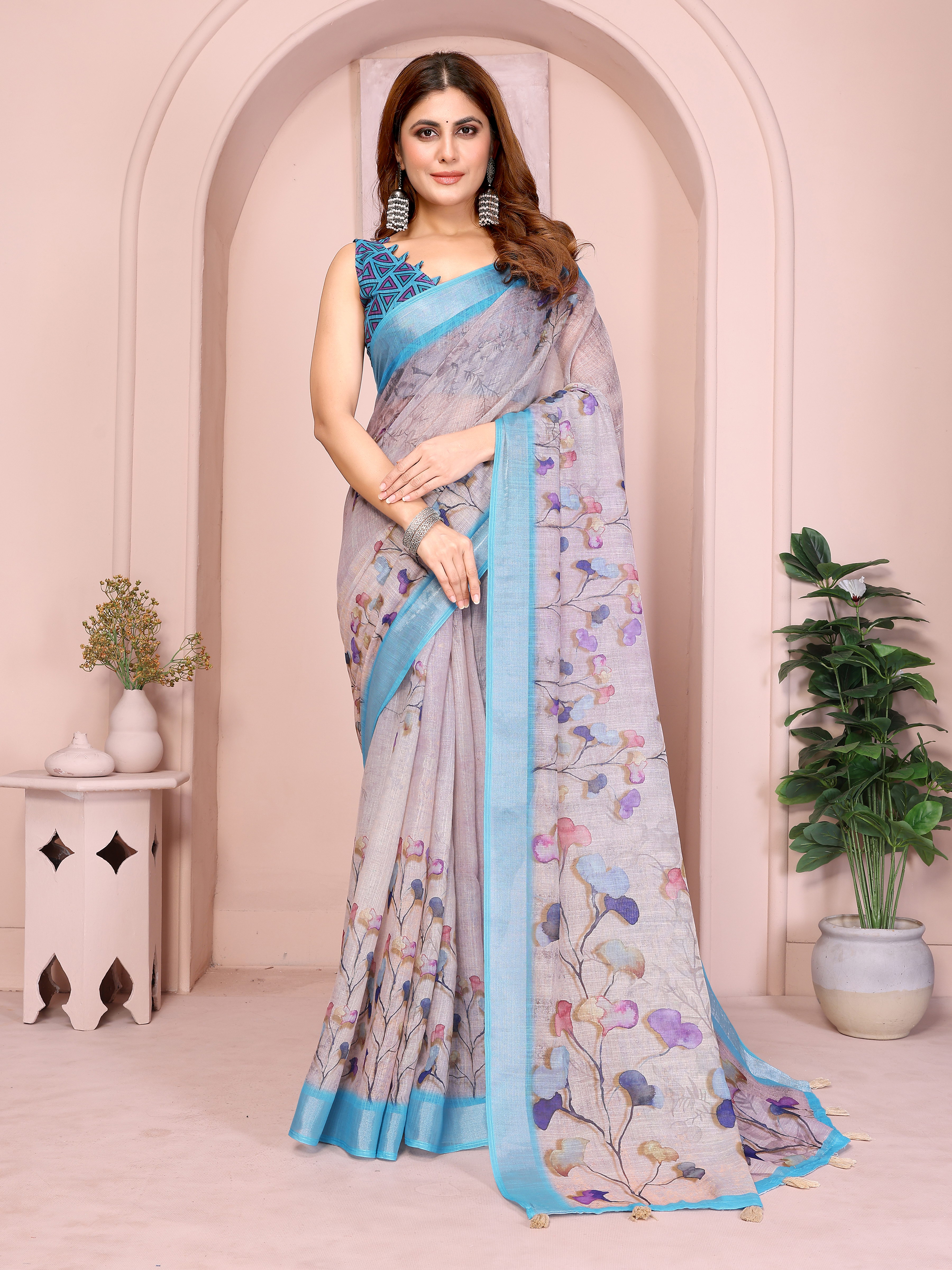
Choose earthy or softened shades such as cream, muted pink, mint green, rust, maroon, deep purple or blue. Floral prints and handloom textures connect naturally with the hills, while a zari border keeps the look appropriate for a pooja function. Peach Linen Cotton Floral Print Saree with Blouse for Women can be styled in this direction with a simple bun, small earrings and a shawl in cream, beige or a related warm tone.
For a more heritage silhouette, wear a blouse with elbow-length or three-quarter sleeves, a high or moderate neckline and enough ease across the shoulders. A backless blouse, very low neckline or loose tie may become impractical when a shawl is repeatedly added and removed. A blouse with hooks or a concealed zip is usually easier to manage than a complicated tie-up design during travel.
Small gold-toned jhumkas, a thin chain, glass bangles and a bindi are sufficient for most temple visits. If the route includes high-altitude travel, avoid very long necklaces and oversized earrings that can snag on woollen layers. A time-honoured nose pin or a small red bindi may be a meaningful personal choice, but no single accessory is required to make an outfit respectful.
Best Sarees for Uttarakhand Temple Visits: How can you secure the drape?
A secure temple drape uses a firm waist tuck, compact pleats, low-placed pins and a pallu that doesn't trail near the feet. Comfort begins before leaving the hotel: wear the complete outfit for 20 minutes and walk up and down stairs to identify loose pleats or a slipping blouse.
- Set the footwear first. Wear the exact low-heeled, closed-toe or supportive sandals planned for the trip before measuring the saree length. Footwear changes the fall of the front pleats.
- Make five to seven narrow pleats. Narrow pleats are easier to control on stairs than very broad folds, while overly thin pleats can loosen quickly.
- Use two discreet safety pins. Secure the pleats near the waist and anchor the pallu at the shoulder. Place pins horizontally through the blouse and saree edge so the fabric doesn't pull downward.
- Keep the pallu at a practical length. The pallu should reach around the knee or slightly below, not brush the ground or hang close to a diya flame.
- Carry a spare pin and small clip. A tiny emergency sewing kit, two safety pins and a stain-removal wipe occupy very little space and can rescue a loose drape.
When entering a shrine, follow the specific instructions of the temple rather than assuming every temple has identical rules. Some shrines require footwear removal, some have restrictions around photography, and some have separate queues. A saree that remains above the ground and doesn't expose the midriff when the pallu shifts is the most dependable choice.
Best Sarees for Uttarakhand Temple Visits: What should you layer in cold weather?
A thin thermal layer, a full-sleeved blouse or fitted cardigan and a shawl provide practical warmth without creating a bulky waistline. The additional layer should be put on before final pleating whenever possible, because a thick sweater worn afterwards can loosen the saree tuck.

For a morning visit, select a blouse with sleeves and carry a wool or pashmina-style shawl in a neutral shade. A shawl can cover the shoulders during prayer, protect the pallu from wind and add warmth while waiting in line. A lightweight quilted jacket is useful for travel but may look less integrated with the saree; a plain long cardigan or structured wrap usually creates a cleaner silhouette.
Temperature can vary sharply between towns and elevations, so check the forecast for the specific temple route rather than relying on a general Uttarakhand weather estimate. Pack socks even if sandals are worn during the warmer part of the day. Avoid long trailing hems and open footwear on wet stone, snow-prone paths or steep routes.
Best Sarees for Uttarakhand Temple Visits: Which colours suit pooja?
Soft pastels, cream, pink, maroon, saffron, green, blue and restrained jewel tones all work for a temple pooja when the styling remains balanced. Colour should support the setting and personal comfort, not follow a rigid rule that treats one shade as universally correct.
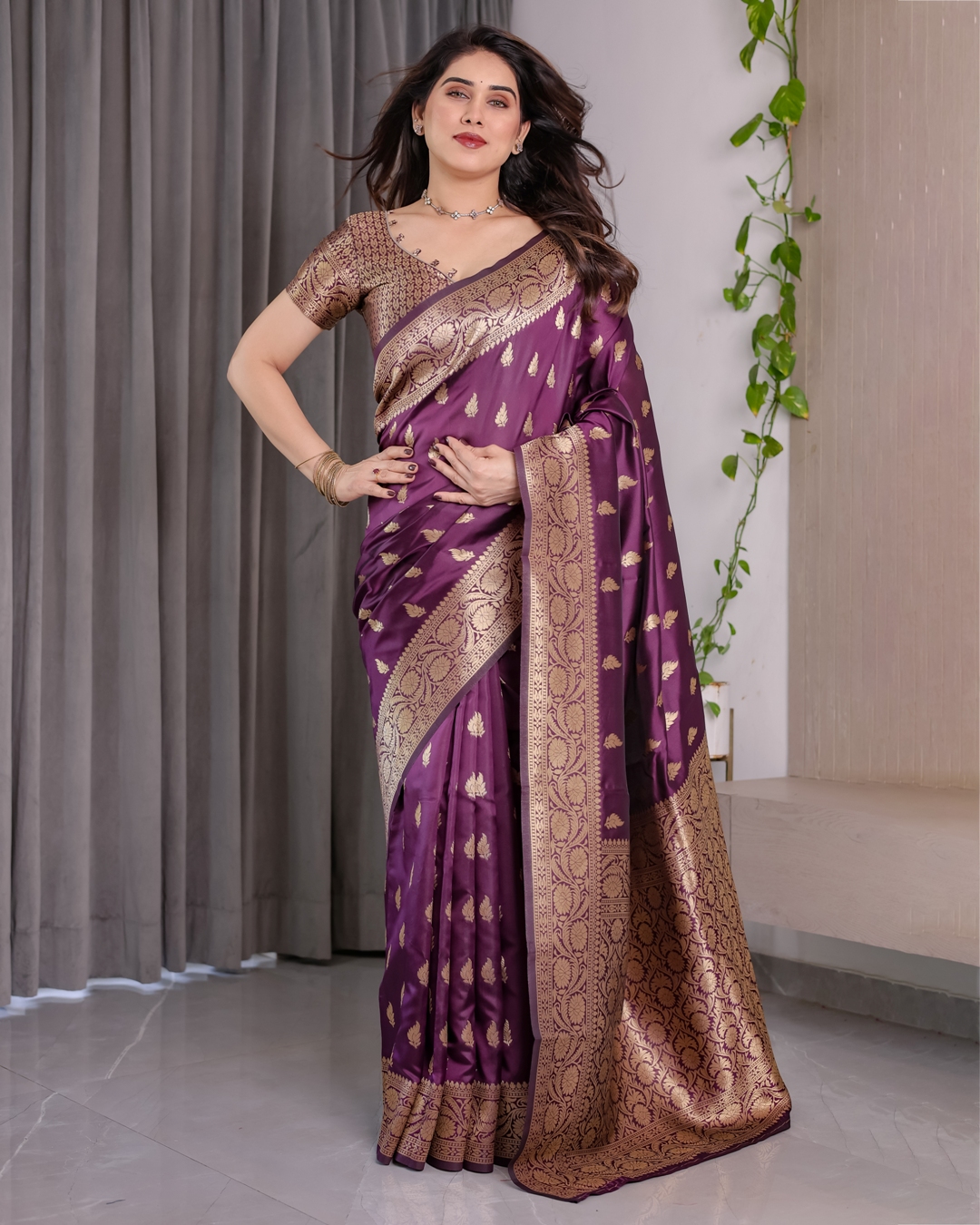
Cream and pink create a gentle morning look, while mint green and blue feel fresh in bright mountain light. Purple with golden zari suits a formal or evening setting. Floral prints are appropriate for daytime when the scale is moderate; extremely large prints can compete with ornate temple architecture and heavy jewellery.
Red Banarasi Silk Sarees for Weddings Under 1100 is a collection direction associated with festive dressing, but a bright red silk saree may feel warmer and more formal than needed for a small daytime shrine. Pink Georgette Sarees can offer a lighter festive colour story, although georgette should be pinned carefully for walking and wind.
Party Wear Sarees may suit an evening family pooja, while Silk Sarees Under 3000 With Discount can be useful for shoppers comparing formal fabrics at a lower budget. Collection names don't replace fabric inspection: check the weave, blouse piece, border weight, lining and care instructions before making a travel purchase.
Best Sarees for Uttarakhand Temple Visits: How should you pack and care for one?
Pack a temple saree by folding the pallu inward, placing tissue paper between zari-heavy folds and carrying the garment in a breathable fabric bag. Plastic covers can trap moisture, especially when a saree moves between heated rooms, cold roads and humid bathrooms.
Keep blouse, petticoat, pins, shawl and footwear in the same packing section so the complete outfit can be checked before departure. A cotton petticoat with a firm drawstring or a well-fitted elastic waist helps prevent slipping. Avoid an excessively tight petticoat because it restricts climbing and makes the saree harder to tuck securely.
After wearing linen cotton or handloom cotton, air the saree indoors away from direct sunlight before folding it again. Follow the care label for Banarasi silk, Chanderi or zari fabrics; dry cleaning may be safer than machine washing when metallic thread or a delicate tissue weave is involved. Do not rub a temple floor stain aggressively, because friction can spread colour or damage the border.
Gray Color Sarees Under 1000 may be useful for a restrained travel wardrobe, but pale and dark colours both deserve a quick colourfastness test before a first wash. Dab a hidden edge with a damp white cloth for a few seconds. Transfer of dye indicates that separate washing and extra care are necessary.
Best Sarees for Uttarakhand Temple Visits: A final outfit checklist
The best final outfit is one that allows comfortable walking, respectful prayer and easy adjustment in changing weather. Before leaving, check that the saree stays above the ground, the blouse supports arm movement, the pallu is pinned and the shawl doesn't catch on jewellery.
- Fabric: Choose linen cotton, handloom cotton, Chanderi or soft silk according to temperature and route length.
- Drape: Test the complete pleats and pallu on stairs before the temple day.
- Layering: Carry a shawl, warm inner layer and socks for cool mornings or high elevations.
- Footwear: Select supportive footwear that remains manageable after shoes are removed at the shrine.
- Accessories: Keep jewellery light enough to work with woollens and a moving pallu.
- Care: Carry spare pins, a small cloth bag and a stain-removal wipe.
A thoughtful saree makes a Pooja Function feel more comfortable because attention stays on prayer, family and the surroundings rather than on constant wardrobe repairs. Elegant Pahadi styling comes from proportion, texture and preparedness: a breathable saree, a secure drape, a warm shawl and colours that sit naturally within Uttarakhand's mountain light.
Common Questions About Sarees for Uttarakhand Temple Visits
Which type of saree is best for a puja at a Uttarakhand temple?
A breathable linen cotton or handloom cotton saree is usually the most practical choice for a daytime puja because it supports walking and is easier to secure. Soft silk or Banarasi silk can work in cold weather or for a formal prayer, provided the route is short and the heavier drape is comfortable.
Are cotton sarees suitable for an Uttarakhand temple visit?
Cotton sarees are suitable for Uttarakhand temple visits, particularly in warmer weather and at lower elevations. Linen cotton and handloom cotton offer ventilation, moderate structure and easier packing than many heavily embellished sarees.
How can I keep my saree secure while climbing temple steps?
Keep five to seven compact pleats, use a firm waist tuck and pin the pallu at the shoulder. Test the complete outfit with the planned footwear on stairs before travelling, and carry two spare safety pins.
What should I wear with a saree in Uttarakhand’s cold weather?
Wear a fitted thermal layer, a full-sleeved blouse or light cardigan, and carry a wool or pashmina-style shawl. Put bulky layers on before final pleating so the waist tuck does not loosen later.
Can I wear a Banarasi silk saree for temple pooja?
A Banarasi silk saree is appropriate for a formal or winter pooja when the wearer is comfortable with its weight and structure. Banarasi silk may be less practical for a long uphill route, crowded queue or warm daytime visit.
Where can I shop for a pooja saree for a temple trip?
Choose a reliable saree retailer or collection that clearly states the fabric, blouse-piece details, measurements and care instructions. Compare linen cotton, handloom cotton and soft silk options, then select according to the temple route, weather and amount of walking rather than colour alone.