Choosing the best sarees for traditional functions involves more than selecting a bright colour or a heavy border. The right saree should suit the formality of the event, remain comfortable for several hours, coordinate with the blouse and jewellery, and photograph well under indoor or outdoor lighting. Banarasi soft silk with zari is a dependable choice because the fabric offers visible richness without requiring excessive styling.
A family puja, classic wedding, temple visit, engagement, festival lunch and reception each call for a slightly different balance of weight, shine and colour. Understanding that balance helps you buy a saree that will be worn repeatedly rather than left in the wardrobe after one celebration.
How do you choose the best sarees for heritage functions?
The best sarees for time-honoured functions are selected by matching fabric weight, zari density, colour depth and drape comfort to the event. A morning ceremony generally suits a lighter, softer saree, while a wedding or evening reception can support a richer weave and stronger contrast.
Start by identifying the function's duration and setting. A two-hour puja at home doesn't require the same weight as a classic wedding that may involve standing, walking and sitting on the floor. Soft silk is often practical because the fabric has a festive sheen while remaining easier to pleat than very stiff brocade.
Next, examine the proportion of ornamentation. A saree with an all-over jacquard pattern creates a dressed-up effect across the entire body. A saree with a restrained zari weave places greater emphasis on the border and pallu. Both styles are heritage, but the second option can be more versatile for family ceremonies and festive lunches.
Finally, consider the blouse before buying. A saree becomes easier to style when the blouse colour already appears in the border or body. Cream, pink, red, mustard yellow, green and maroon are especially useful because each colour can be paired with metallic jewellery, pearls or temple-style gold accessories.
Which fabrics make the best sarees for time-honoured functions?
Banarasi soft silk works especially well for time-honoured weddings, festivals and formal family functions because it combines a smooth fall with the visual richness of zari. Banarasi silk is recognised for patterned weaving and metallic ornamentation, although the exact amount of zari and the hand-feel can vary between sarees.

For a heritage wedding, choose a saree with a confident border and a pallu that remains visible after pleating. Red, maroon, royal blue and deep green create a ceremonial appearance. Red Banarasi Soft Silk Zari Weave Sareee and Maroon Banarasi Soft Silk Zari Weave Saree illustrate how saturated colours can provide a strong foundation for gold jewellery and a contrasting blouse.
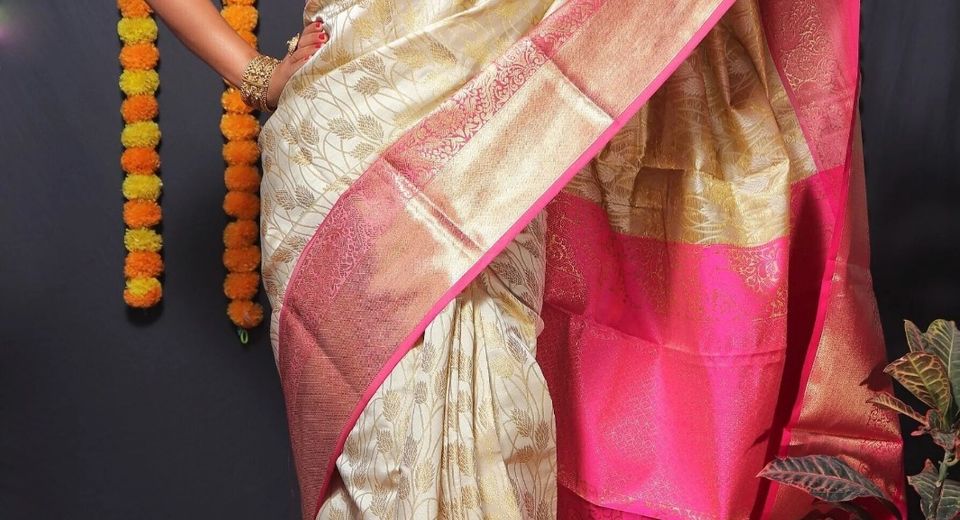
For a puja or daytime family ceremony, cream, ivory, pink and mustard can look festive without feeling overly dramatic. Cream Banarasi Soft Silk Zari Work Saree gives a neutral base for gold accessories, while Cream Pink Banarasi Soft Silk Zari Weave Saree introduces colour through a softer contrast.
Chanderi is another time-honoured Indian textile known for a light, airy hand-feel and delicate appearance. Kanjeevaram is associated with a more substantial silk presence and pronounced zari borders. Banarasi silk, Chanderi and Kanjeevaram should not be treated as interchangeable because each fabric has a different fall, weight and visual character.
When shopping online, read the fabric description carefully and look for information about weave, lining, transparency, measurements and care. A product described as soft silk may feel lighter than a heavily structured brocade, which can be an advantage when a function lasts several hours.
Which colours make the best sarees for time-honoured functions?
Red, maroon, green, mustard yellow, pink, cream and royal blue are reliable colours for heritage functions because each shade can be styled with classic gold or contemporary contrasting accessories.
Red and maroon for weddings
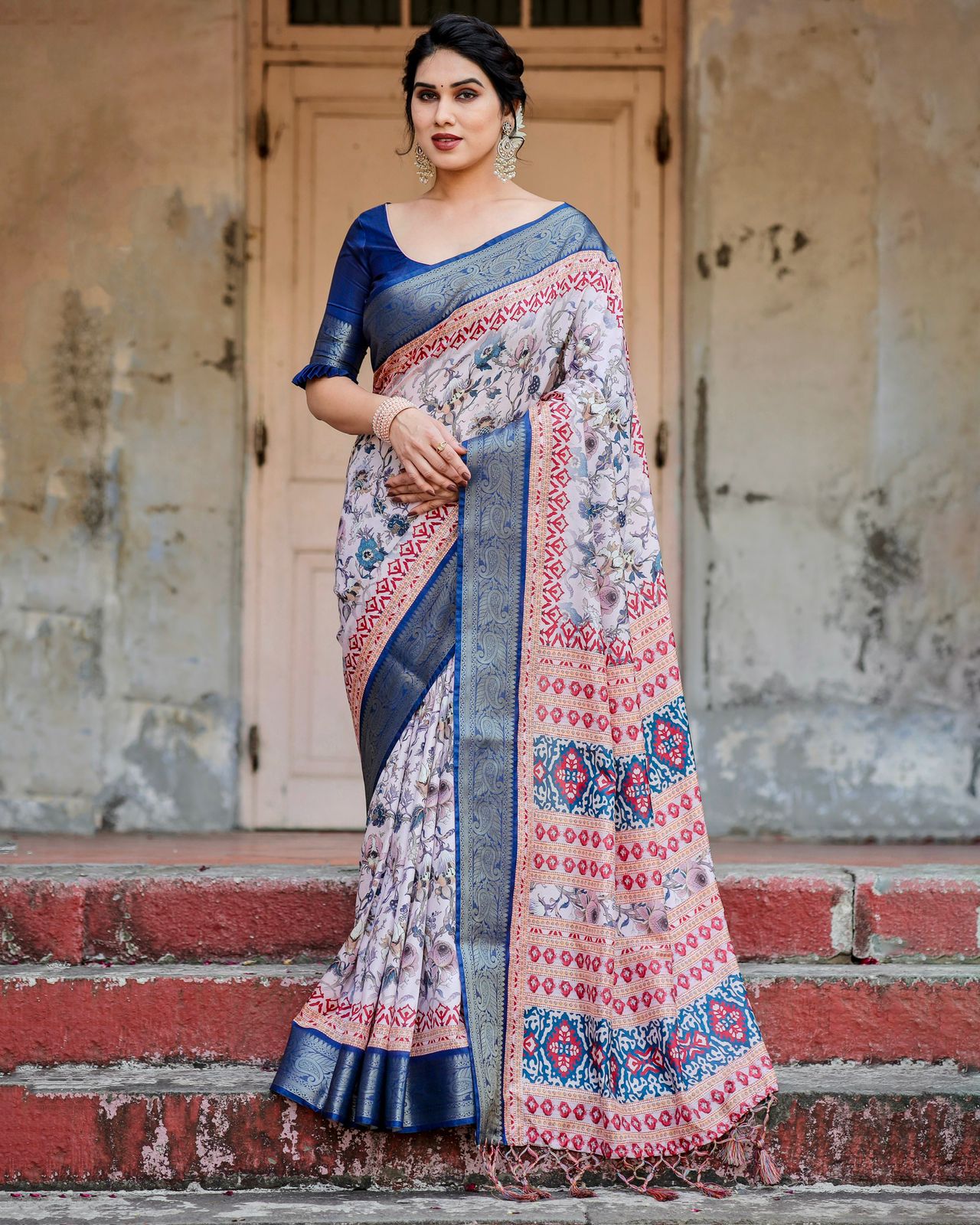
Red is a ceremonial colour that works particularly well for a classic wedding, bridal-family gathering or evening celebration. Maroon provides similar depth with a more subdued finish, making it suitable for mature styling, winter events and formal dinners. Gold zari and antique-gold jewellery complement both colours without needing a second bright accent.
Green and mustard yellow for festive ceremonies
Green works beautifully for festivals, temple visits and daytime wedding rituals because green balances warmth and freshness. Mustard yellow is an excellent choice for a Haldi ceremony or a daytime festive function, especially when paired with a green, pink or maroon blouse. Mustard Yellow Banarasi Soft Silk Zari Weave Saree can be styled with a deep green blouse for contrast rather than matched with an identical yellow blouse.
Cream, pink and royal blue for flexible occasion wear
Cream and pink are useful when you want a time-honoured appearance that can be repeated across different events. Cream supports ruby, emerald, pearl and gold accessories, while pink can be made delicate with floral jewellery or more formal with antique zari ornaments. Royal blue creates evening contrast and pairs effectively with a gold blouse, a pink blouse or a neutral cream blouse.
Cream Pink Banarasi Soft Silk Zari Weave Saree and Pink Banarasi Soft Silk Jacquard Saree with Zari show two different approaches to pink styling: one uses colour contrast between the base and weave, while the other relies more on an all-over patterned surface.
How should you style the best sarees for heritage functions?
The best sarees for classic functions look polished when the blouse, jewellery, pleats and hairstyle repeat one or two visual elements instead of competing with every detail. A zari saree doesn't require equally heavy jewellery, an elaborate blouse and a highly decorated hairstyle at the same time.
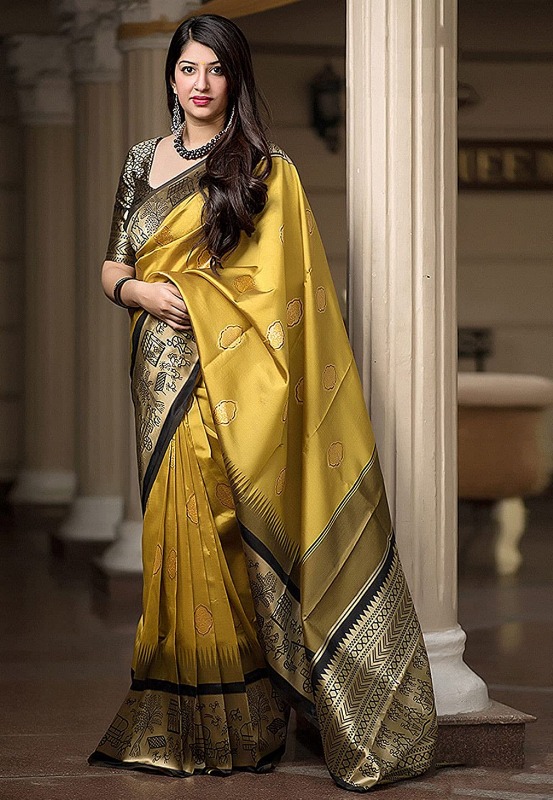
For a formal wedding, use a structured blouse with a higher neckline or elbow-length sleeves, a neat pleated pallu and gold jhumkas. For a puja, a simpler blouse, a low bun and a small bindi can keep the outfit graceful and comfortable. A temple-style necklace works best when the saree border remains visible rather than hidden under multiple layers.
A blouse in the border colour creates a coordinated effect. A blouse in a contrasting colour creates more definition around the upper body. For example, a green blouse with a mustard saree brings out warm-cool contrast, while a maroon blouse with a cream saree adds depth without making the outfit look busy.
Some shoppers search for time-honoured sarees without a blouse. A saree can't be worn securely or appropriately without a separate supportive upper garment, but you can use an existing plain blouse, a ready-made blouse in a matching colour or a well-fitted blouse from a previous outfit. A cream or gold blouse is particularly reusable with cream, pink, mustard and maroon sarees.
How can you build a wardrobe around the best sarees for classic functions?
A practical classic saree wardrobe needs one neutral saree, two deep-colour sarees, one bright festive saree and one flexible design with moderate zari. Such a five-saree rotation covers pujas, family celebrations, time-honoured weddings and festive meals without repeating the same visual formula.
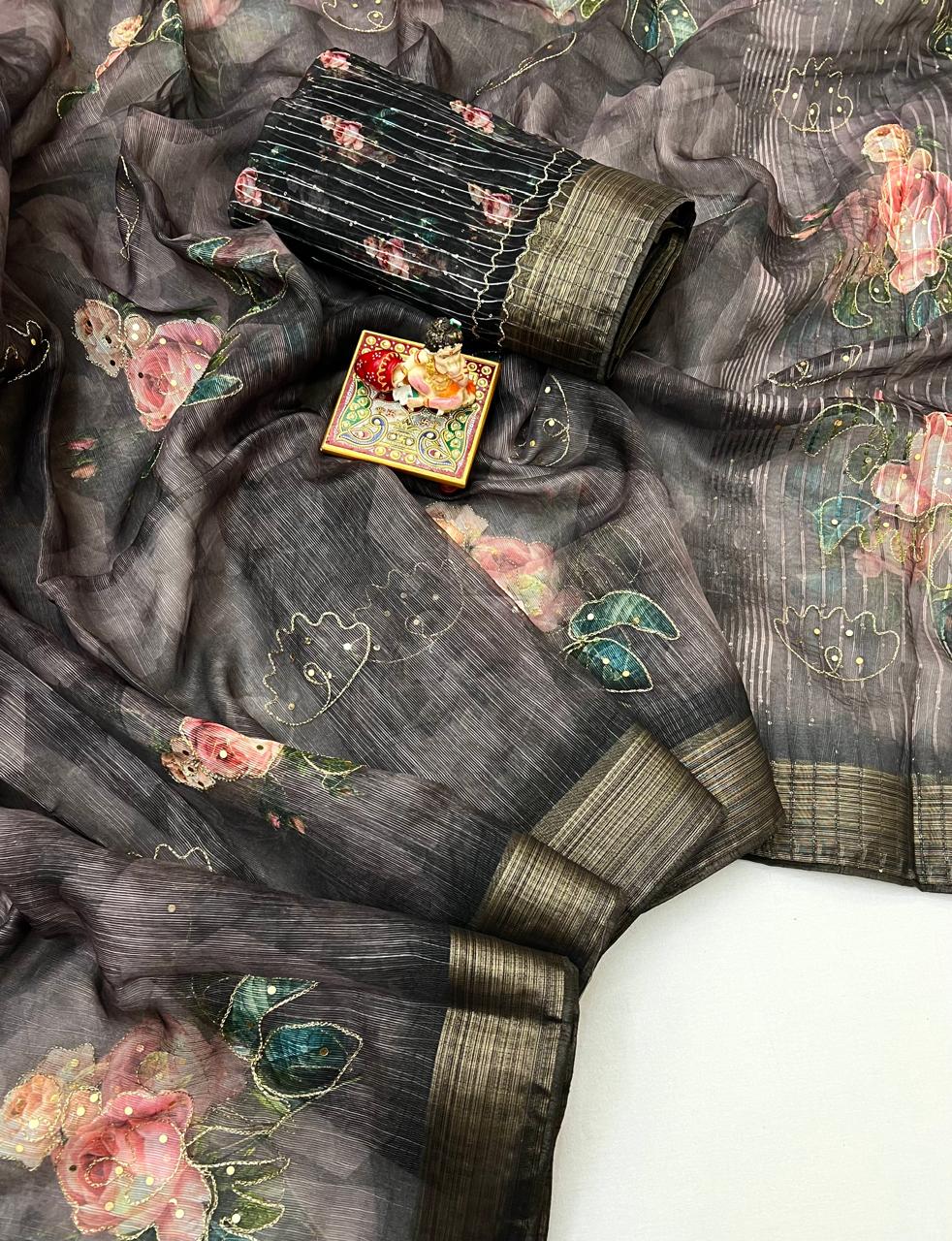
A neutral base such as Cream Banarasi Soft Silk Zari Work Saree can be used with different blouse colours and jewellery styles. A deep shade such as Green Banarasi Soft Silk Zari Weave Saree brings a formal, jewel-toned option. Royal Banarasi Soft Silk Zari Weave Saree gives evening presence, while Pink Banarasi Soft Silk Jacquard Saree with Zari brings a softer festive alternative.
For shoppers comparing collections, Party Wear Sarees can help when the function includes an evening gathering or reception. White Silk Sarees in Cream Ivory and Off White is useful for readers who want a calm, adaptable palette rather than another bright colour. Maroon Silk Sarees with Up to 74% Off can be worth browsing when you want a deeper ceremonial shade, but price should never replace checking fabric details and measurements.
Heritage wear doesn't have to mean purchasing a saree for one date only. A medium-weight Banarasi soft silk saree can move from a wedding to Diwali, a family anniversary, a temple celebration or a formal cultural programme when the blouse and jewellery change.
What should you check before buying the best sarees for time-honoured functions online?
Before buying the best sarees for traditional functions online, check the fabric name, saree length, blouse-piece inclusion, colour photographs, care instructions, delivery timeframe and return terms. These details prevent most avoidable disappointments.
- Confirm the fabric: Check whether the description says Banarasi soft silk, silk blend, jacquard or another construction. Fabric names communicate general character but don't automatically indicate handloom production or a specific regional certification.
- Check measurements: A standard saree is often around 5.5 metres, with an additional blouse piece when included, but measurements vary. Confirm the listed length before planning elaborate pleats or a tall-person drape.
- Inspect the zari description: Zari may be woven into the body, concentrated on the border or used mainly across the pallu. The placement affects both appearance and perceived weight.
- Study the colour photographs: Compare indoor and outdoor images where available. Cream, pink, mustard and maroon can appear warmer or darker depending on lighting and screen settings.
- Check the blouse piece: Confirm whether the blouse fabric is attached, separate, contrast-coloured or absent. Allow extra time for stitching if a ready-to-wear blouse isn't included.
- Plan delivery: Order at least 10 to 14 days before a major event when tailoring, alterations and a trial drape are required. A trial identifies whether the saree length, pallu placement and blouse fit work together.
Readers comparing prices may also encounter brings such as Red and Yellow Sarees from Rs 799 with Up to 75 Percent Off or Gray Color Sarees Under 1000. A low price can be useful, but the final decision should still depend on fabric information, finishing, measurements, colour accuracy and suitability for the function.
How do you care for the best sarees for traditional functions?
The best sarees for traditional functions last longer when they're aired after wearing, folded with care and stored away from moisture and direct sunlight. Zari and silk both benefit from gentle handling rather than frequent washing.
After a ceremony, hang the saree in a shaded, ventilated area for a few hours before folding it. Do not spray perfume directly on Banarasi silk, and avoid storing a damp saree in a plastic cover. Wrap the folded saree in clean muslin or cotton fabric and refold it every few months to reduce permanent crease lines.
Dry cleaning is generally safer than home washing for zari-heavy silk sarees, but always follow the garment's specific care label. If ironing is necessary, use low heat with a pressing cloth and place the saree zari-side down only when the care instructions permit it.
Before the next traditional function, inspect the blouse hooks, fall, edging and pallu for loose threads. Small repairs completed early are less disruptive than trying to alter a saree immediately before a wedding or festival.
Common Questions About Sarees for Traditional Functions
What are the best sarees for traditional functions?
Banarasi soft silk sarees with zari are versatile choices for weddings, pujas, festivals and family ceremonies because they offer a festive sheen with a manageable drape. Choose the colour and zari density according to the time, formality and length of the function.
What are some trending traditional sarees?
Banarasi silk with zari, Kanjeevaram silk, Chanderi and other regional Indian weaves remain popular for traditional dressing. Current styling often combines a classic saree with a simpler blouse, a contrasting colour and fewer but more distinctive jewellery pieces.
Where can I buy traditional sarees online in India?
You can compare traditional sarees on established Indian ethnic-wear websites and official collection pages that clearly state fabric, measurements, blouse-piece details, care instructions and delivery terms. Product photographs alone are not enough; read the complete specification before ordering.
Where can I buy authentic South Indian sarees online?
Look for sellers that identify the weave, silk type, zari details, origin and certification where applicable instead of using only broad labels such as South Indian saree. Kanjeevaram, Kasavu, Chettinad and Mangalgiri have different materials and construction, so the product description should name the specific textile.
Can I wear a traditional saree without a blouse?
A saree requires a separate supportive upper garment for secure and appropriate wear. If the saree does not include a blouse piece, use a well-fitted plain blouse or have a matching blouse stitched in cream, gold, green, pink or another colour drawn from the saree.
How early should I order a saree for a traditional wedding?
Order at least 10 to 14 days before the wedding when possible, especially if the blouse needs stitching or alterations. Extra time allows you to check the colour, arrange a trial drape and resolve a measurement or delivery issue before the event.