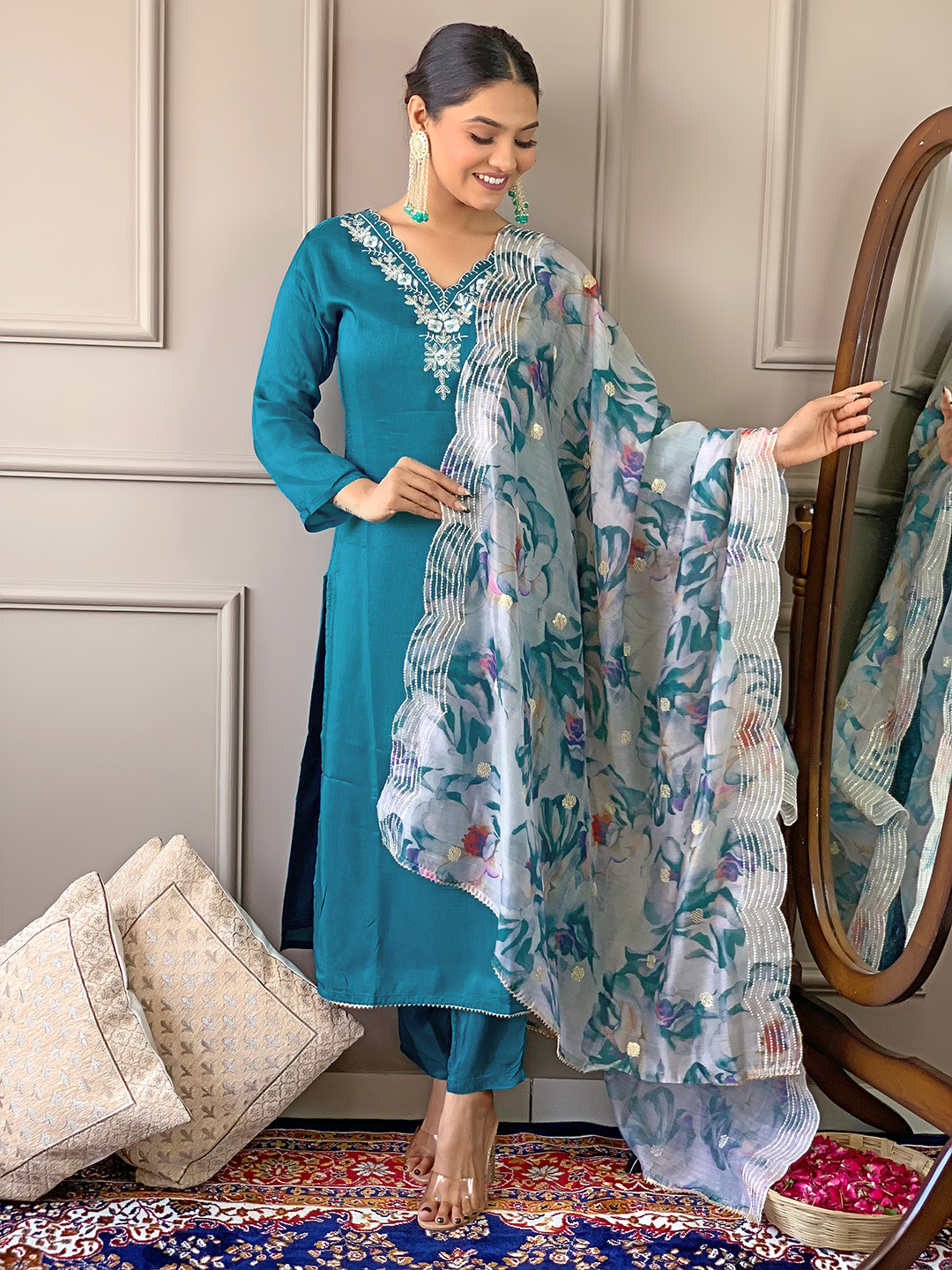
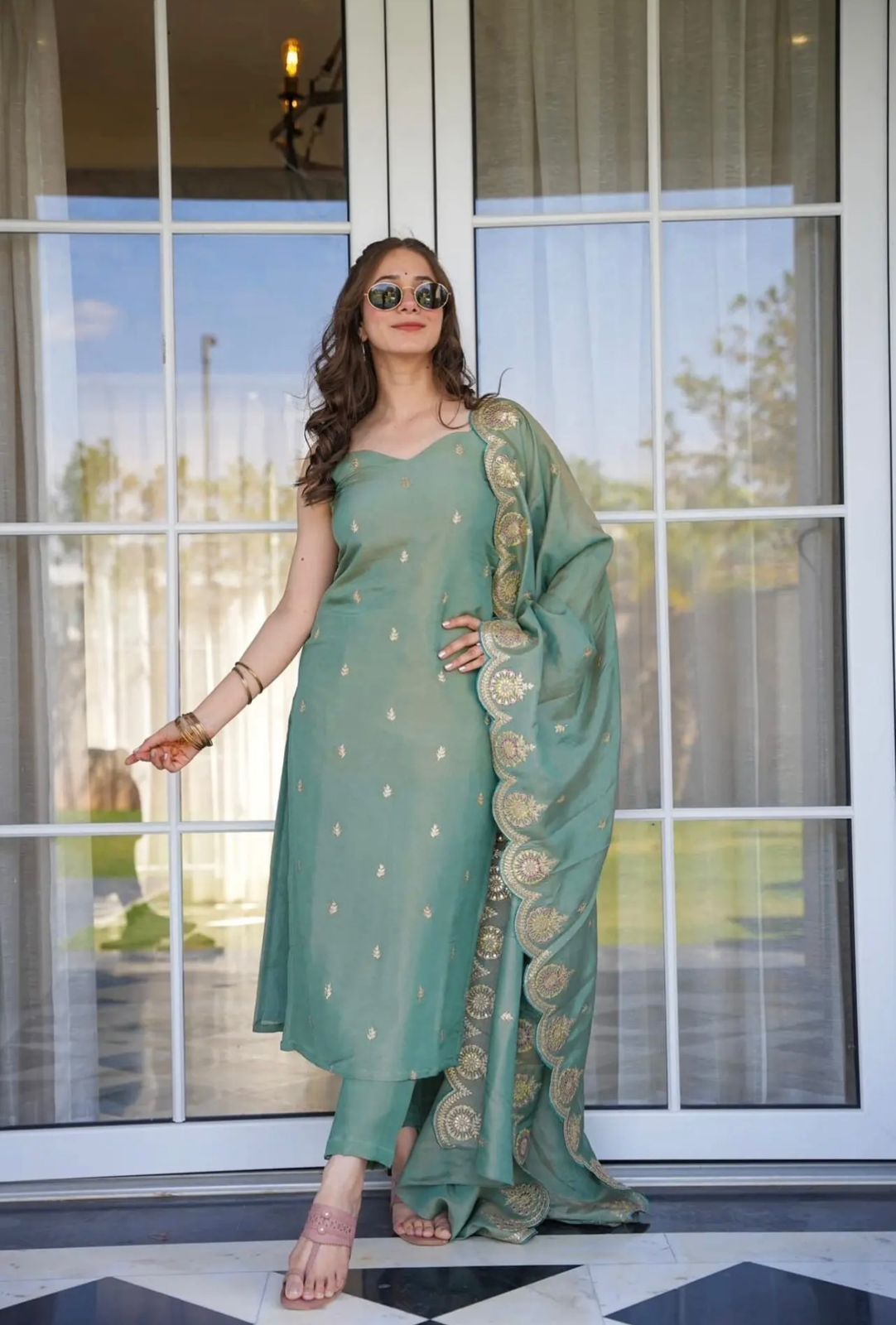
The best sarees for office wear are comfortable enough for commuting, structured enough for meetings and restrained enough for a professional dress code. Fabric, drape, colour, blouse construction and maintenance matter more than decorative detail. Linen blends, linen cotton and lightweight handloom sarees often provide the most dependable balance for a regular workday, while carefully chosen silk can suit formal presentations and office celebrations.
An useful office saree should remain presentable after six to eight hours of sitting, walking and moving between rooms. The right choice also depends on air-conditioning, local weather, commute length and whether the workplace is conservative or creative. The guide below explains how to build a practical workwear rotation instead of buying sarees that look attractive only in photographs.
What Makes the Best Sarees for Office Wear?
The best sarees for office wear combine breathability, manageable weight, a stable drape and modest visual detail. A saree that needs constant adjustment or becomes uncomfortable in humid weather isn't an useful professional garment, regardless of its appearance.
For everyday work, look for fabrics that don't cling excessively and borders that don't catch on chair arms or laptop bags. Linen blend, linen cotton and many handloom weaves offer texture without requiring heavy embellishment. A small printed pallu or defined border can add polish while keeping the overall outfit quiet enough for regular office use.
Weight is also important. A very light saree may shift during movement, while a heavily woven saree can become tiring during a long commute. Medium-light fabrics are generally easier to pleat, pin and repeat through the week. Before buying, check whether the saree includes a blouse piece, whether the fabric is transparent in daylight and whether the fall and pallu require additional finishing.
How should an office saree fit into a working day?
An office saree should allow comfortable arm movement, secure pleats and a pallu that stays in place without repeated re-draping. A well-finished blouse with a firm shoulder seam and enough ease across the upper back makes more difference to comfort than a fashionable neckline.
For a long commute, use two small safety pins at the shoulder rather than many visible pins along the pallu. Pre-pleating a saree at home can save time on busy mornings, and a cotton or matte-finish underskirt can reduce slipping. These small adjustments make a saree more office ready to wear without changing its traditional character.
Which Fabrics Work Best for Professional Office Dressing?
Linen blend, linen cotton, handloom cotton and light silk are the most versatile fabric categories for professional office dressing because they offer a balance of comfort, structure and visual restraint.
Linen and linen blends
Linen and linen blends are strong choices for warm offices and daily commuting because their textured surface looks intentional even when the saree isn't perfectly crisp. Buy Emerald Green Linen Blend Digital Print Saree with Blouse demonstrates how a controlled print can give colour to a work wardrobe without relying on sequins or large embellishment. Maroon Floral Linen Saree with Elegant Printed Design offers a deeper palette for days when a richer colour is appropriate.
Linen can crease, but moderate creasing is part of the fabric's natural appearance rather than an automatic sign of poor care. Steam linen from the reverse side and hang it after wearing so body heat and moisture can dissipate before folding. A linen blend may be easier to manage than a very crisp pure linen saree, especially for frequent office use.
Handloom sarees
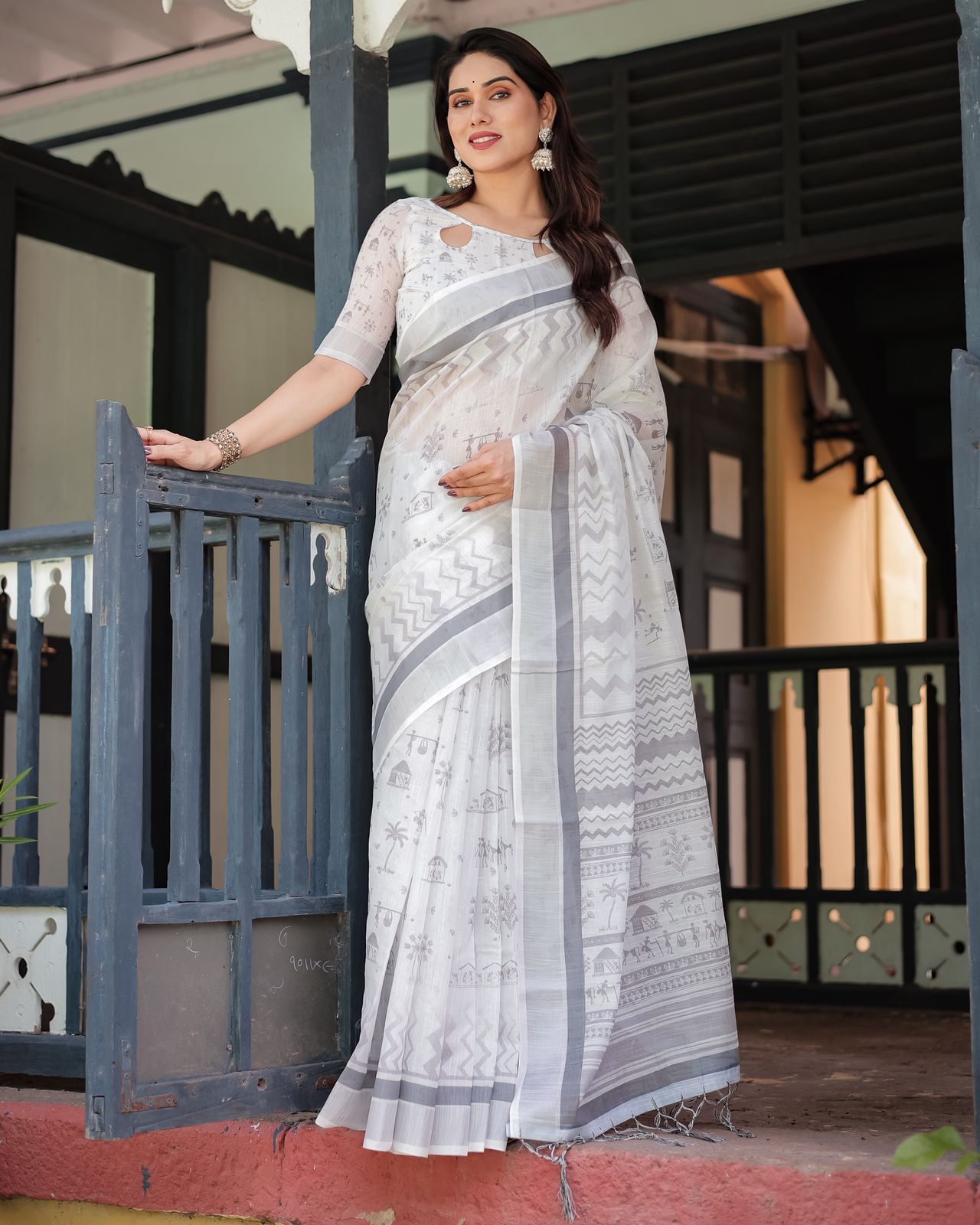
Handloom sarees are suitable for professional dressing when the weave, border and colours remain relatively restrained. Ivory Cream Floral Handloom Saree with Heritage Pallu and Peach Beige Floral Handloom Saree with Ethnic Border offer examples of softer, neutral-led styling that can work with plain blouses and minimal jewellery.
Handloom office wear is especially useful when a wardrobe needs texture without visible shine. A handloom saree may have small variations in weave or print, and those variations are part of its character. Fold handloom sarees along alternating lines every few months to reduce permanent creases at the same fold.
Silk and silk blends
Silk office wear is best reserved for formal presentations, leadership meetings, festive workdays or workplaces with a heritage dress code rather than every ordinary weekday. Banarasi silk and Kanjeevaram are visually prominent because of their zari and heavier structure, so a restrained border, matte blouse and minimal jewellery can make them more suitable for formal office settings.
For a regular workday, avoid very dense zari, elaborate brocade and wide contrast borders if the workplace expects understated clothing. A silk saree can look professional when the colour is solid or gently patterned and the blouse has a clean neckline. The White Silk Sarees in Cream Ivory and Off White collection is an useful colour direction for formal dressing, while Maroon Silk Sarees with Up to 74% Off suggests a deeper alternative for ceremonial office events.
Chiffon and other fluid fabrics
Chiffon office wear can work when the fabric is opaque enough, the pallu is secured and the blouse provides adequate coverage. Chiffon drapes close to the body and can look elegant, but its lightness may cause slipping or show-through under bright office lighting.
Choose a matte chiffon rather than a highly glossy finish for a conservative workplace, and test the saree while walking before wearing it to an important meeting. A well-fitted underskirt, a neatly finished blouse and two discreet pins can improve stability. Georgette follows similar styling principles, although the exact weight and transparency vary by weave.
Which Colours and Prints Look Professional?
Muted neutrals, earthy shades, controlled jewel tones and small-scale prints usually look most professional because they create visual clarity without dominating a room.
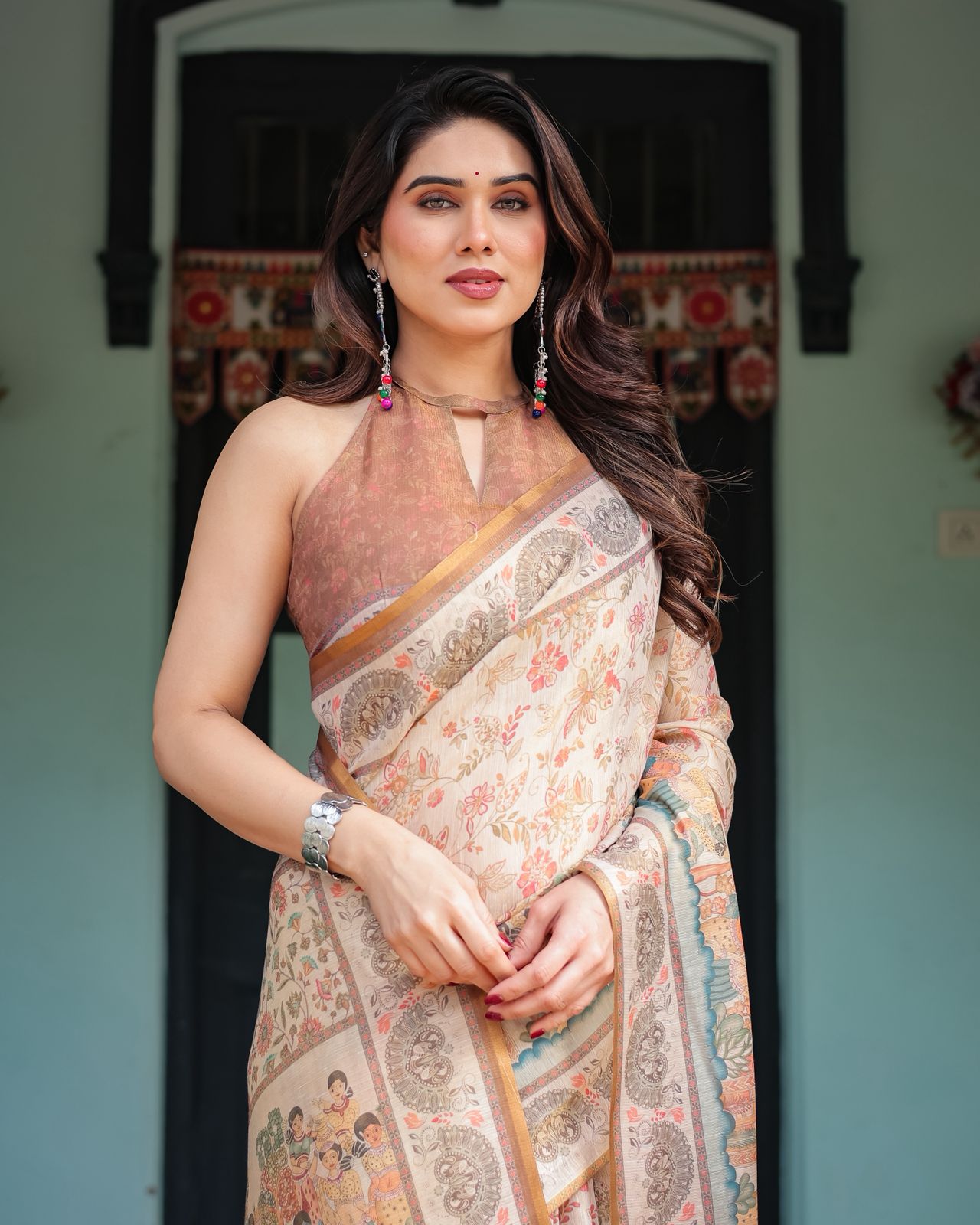
Ivory, cream, beige, taupe, charcoal, navy, dusty rose, muted peach, olive and maroon are practical colours for a work wardrobe. Emerald green can also work when the blouse, jewellery and makeup remain simple. Beige Earth Folk Tale Saree - Varnavi shows how an earthy base can support a distinctive motif without requiring a loud styling approach.
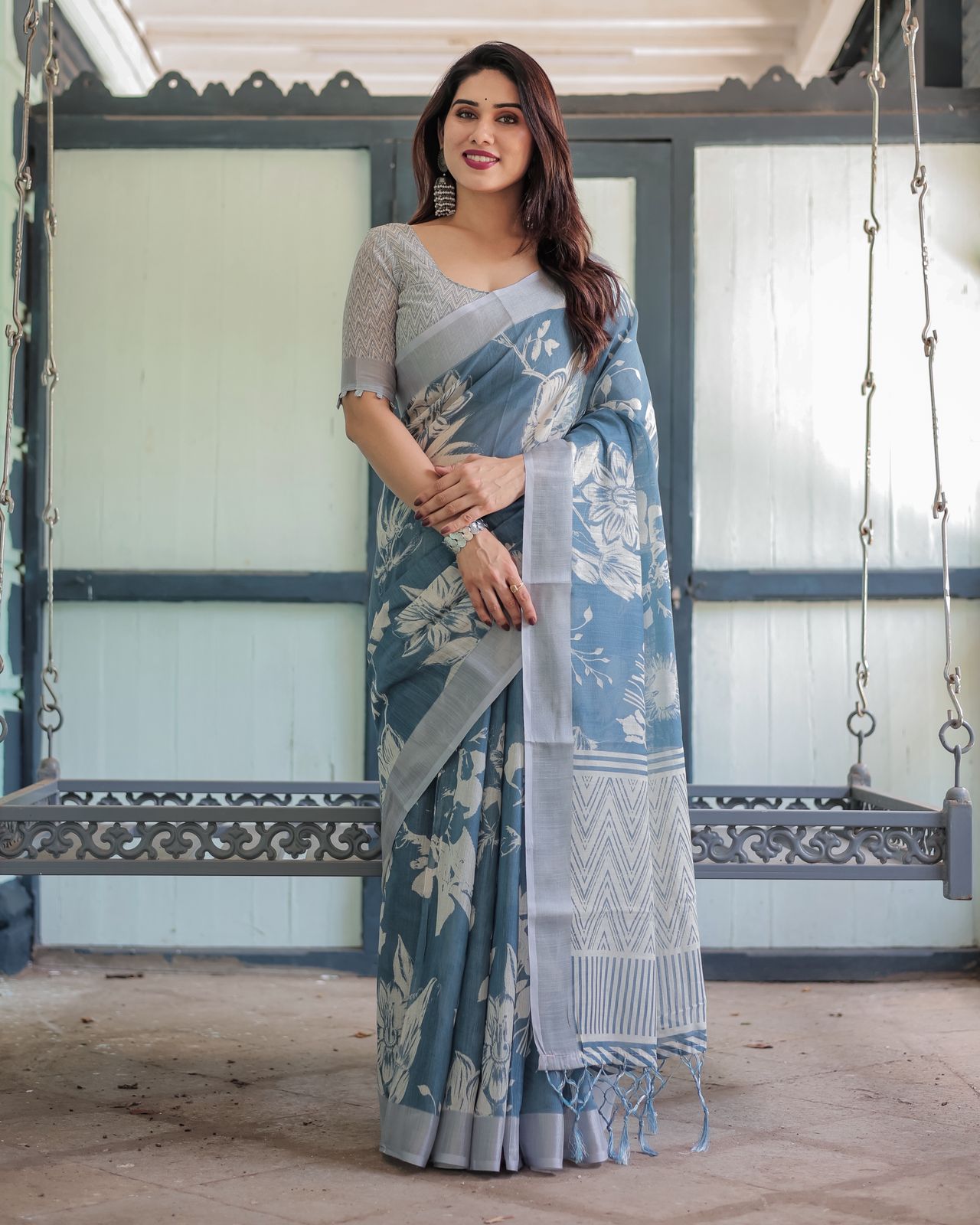
Print scale affects formality. Small florals, narrow stripes, subtle checks and spaced geometric motifs are easier to repeat at work than oversized tropical prints or high-contrast abstract designs. Dusty Rose Floral Handloom Saree with Heritage Pallu and Sea Green Floral Linen Cotton Saree with Border illustrate how gentle colour and a defined pallu can create interest while retaining a measured silhouette.
Dark colours are not automatically more formal, and pale colours are not automatically casual. A clean drape, pressed blouse and proportionate border often matter more than the exact shade. If a saree has a busy print, pair it with a solid blouse in one of the quieter colours already present in the saree.
How Should You Style a Saree for the Office?
The most reliable office saree styling uses a well-fitted blouse, a secure shoulder drape, low-profile accessories and practical footwear.
Blouse choices
A blouse with a high round neck, modest V-neck or simple boat neck usually creates a polished professional line. Elbow-length or short sleeves are both suitable when the fit allows comfortable arm movement. Avoid sleeves that pull at the biceps, because constant adjustment is distracting during desk work and presentations.
Match the blouse to the saree's texture rather than automatically choosing an identical fabric. A plain cotton or matte silk blouse can calm a printed saree, while a small print can soften a solid handloom saree. For Beige Earth Folk Tale Saree - Varnavi, a plain beige, brown or muted olive blouse would keep the outfit coordinated without competing with the motif.
Drape and accessories
The Nivi drape is usually the most practical office drape because its front pleats create a clean vertical line and its pallu can be pinned securely over the shoulder. Keep the pallu broad enough to cover the upper torso comfortably but not so long that it trails near office equipment or catches on door handles.
Small studs, a small watch, one ring and a structured work bag are sufficient for most offices. Silver, pearl, oxidised metal or minor gold-toned pieces can work depending on the saree. Avoid stacking bangles that strike a keyboard or wearing long earrings that require steady adjustment. Low block heels, loafers or cushioned sandals are generally more practical than narrow high heels for a full working day.
For a slightly more contemporary look, a solid blouse with a neat jacket can work in creative or semi-formal workplaces. A jacket should be lightweight, allow the arms to move and stop at a length that doesn't distort the saree pleats. Party Wear Sarees can provide styling inspiration for festive textures, but heavily embellished pieces from that category are better reserved for office celebrations rather than ordinary desk days.
How Can You Build an Useful Office Saree Rotation?
A practical office saree rotation needs at least five distinct fabric or colour options so that comfort, laundry time and visual variety remain manageable.
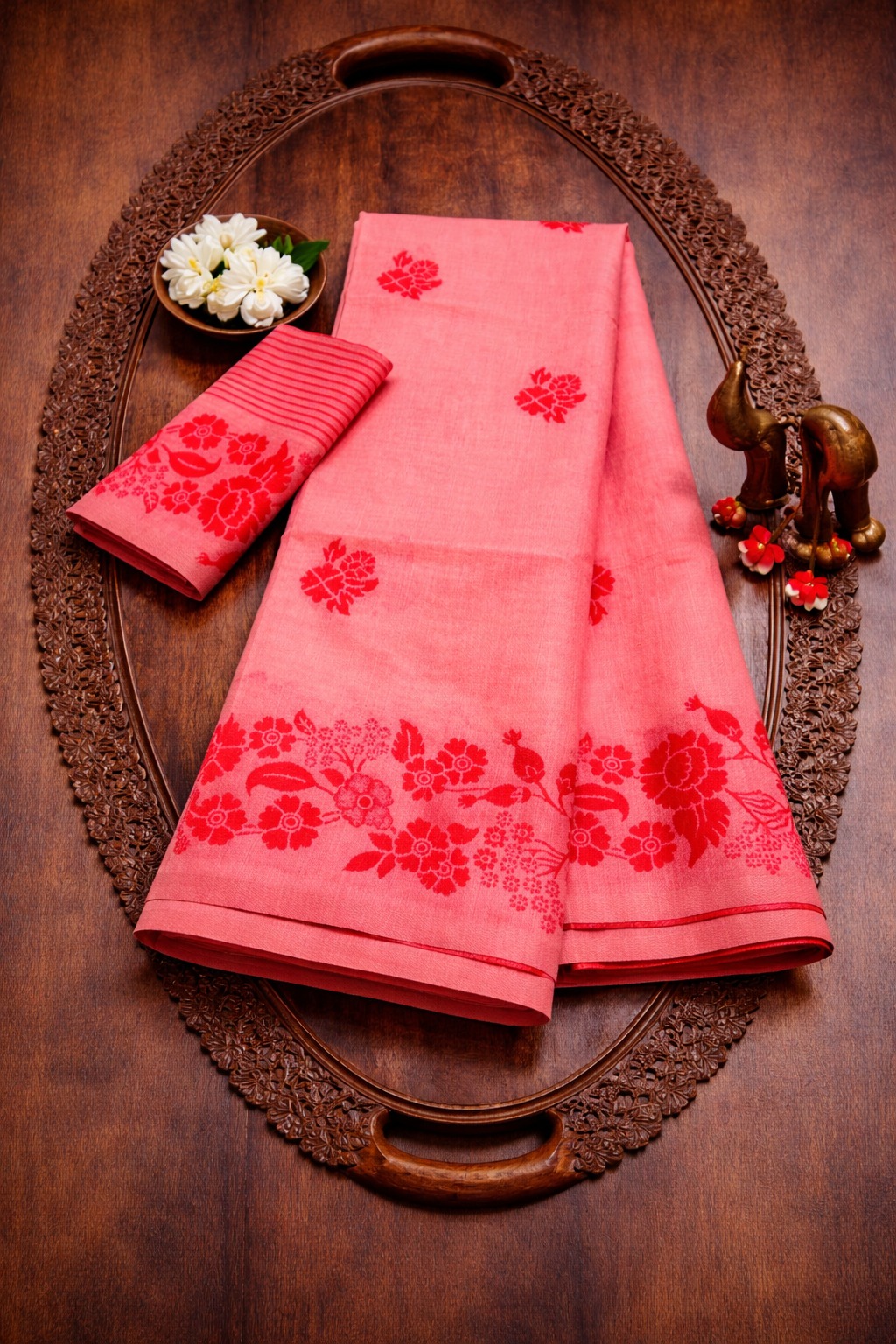
- Two everyday breathable sarees: Choose linen blend, linen cotton or light handloom options in colours such as sea green, beige, ivory or dusty rose.
- One dependable dark saree: Maroon, charcoal, navy or deep green works well for presentations and days when a sharper appearance is useful.
- One neutral saree: Cream, off-white, beige or soft peach can be paired with several blouses and accessories.
- One formal saree: Select a restrained silk or polished handloom saree for leadership meetings, ceremonies and formal work events.
- One easy-care backup: Keep a saree with a stable drape and uncomplicated print for days involving travel, field visits or extended movement.
Caramel Brown Floral Handloom Saree with Printed Pallu can serve as a flexible earthy option when paired with a solid blouse. A rotation doesn't require every saree to look different from the others; repeated colours can make blouse coordination easier and reduce unnecessary shopping.
Collections such as Gray Color Sarees Under 1000 and Red and Yellow Sarees from Rs 799 with Up to 75 Percent Off can be useful for comparing colour families and price points, but price should not replace checking fabric, transparency, finishing and blouse measurements. A low-cost saree that requires repeated tailoring may be less economical than a better-finished saree worn regularly.
What Should You Check Before Buying an Office Saree?
Before buying an office saree, check the fabric composition, measurements, transparency, blouse-piece dimensions, border width and care requirements.
Read the product description for the saree length and blouse-piece length, especially if you're tall or prefer a longer pallu. Check photographs in natural-looking light when possible, because artificial lighting can make colours appear brighter or darker. Examine whether the border is woven, printed or embellished; a printed border is often lighter, while a zari border may need more careful storage.
Consider your commute before choosing a delicate or slippery fabric. Public transport, two-wheeler travel and frequent walking favour linen blends, cotton handlooms and stable weaves. A saree intended for air-conditioned boardrooms can tolerate a different fabric from one worn outdoors in humid weather.
Professional IAS officers and other public-facing officials often choose sarees that communicate formality without distracting ornamentation. A medium-weight handloom saree, a calm colour palette, a high-coverage blouse and minimal jewellery can create that effect. The same principles suit interviews, teaching, client meetings and formal administrative workplaces, although individual office dress codes always take priority.
How Do You Care for Sarees Worn to Work?
Office sarees last longer when they're aired after use, washed according to fibre requirements and stored without excessive pressure on the fold lines.
Hang a worn saree in shade for several hours before folding it, particularly after a humid commute. Do not place a damp saree directly into a cupboard. Linen and handloom fabrics may tolerate careful washing, but printed, silk and embellished sarees may require gentler treatment; follow the garment's specific care label rather than applying one rule to every fibre.
Store silk away from direct sunlight and refold it every few months. Use breathable cotton covers instead of sealed plastic for long-term storage. Keep perfume, deodorant and hair products away from the saree surface because alcohol and oils can mark dyes or weaken delicate finishes.
Rotate sarees rather than wearing the same two pieces repeatedly. Rotation reduces laundering frequency, gives fabric time to recover its shape and prevents permanent stress at the same pleat and shoulder points. Good care is particularly valuable for workwear because repeated use exposes sarees to chair friction, bag straps, perspiration and frequent folding.
The best sarees for office wear are not defined by one universal fabric or colour. The strongest choices match the workplace, climate, commute and amount of movement in your day. Start with breathable linen, linen cotton or handloom options, add one formal silk or polished saree, and make every purchase pass the practical test: can you sit, walk, work and attend a meeting comfortably for eight hours?
Common Questions About Choosing Sarees for the Office
Which saree is best for office wear?
Linen blend, linen cotton, light handloom and moderately structured cotton sarees are usually the best choices for daily office wear. Choose a stable drape, restrained print, comfortable blouse and border that will not catch on bags or chairs.
Where can I buy good quality office sarees?
Good quality office sarees are available from established saree retailers, handloom stores and online collections that provide fabric details, measurements, blouse information and care instructions. Compare transparency, weave, finishing and return terms rather than judging quality from price alone.
Which online store in India is best for buying sarees?
The best online saree store is one that clearly lists fabric, dimensions, blouse-piece details, colour information and care instructions, with dependable customer support. Product photographs should show the saree clearly enough to assess print scale, border width and overall drape.
Where can I buy a saree suitable for an IAS officer?
A medium-weight handloom, linen blend or restrained silk saree is suitable for an IAS officer when the colour, blouse and accessories remain formal and practical. Choose solid colours, subtle prints or modest borders for official meetings, field visits and public-facing work.
Is chiffon suitable for office wear?
Chiffon is suitable for office wear when the saree is sufficiently opaque, the drape is secured and the blouse provides appropriate coverage. Matte chiffon with a stable underskirt and discreet shoulder pins is more practical than a slippery or highly transparent version.
Can silk sarees be worn to work?
Silk sarees can be worn to work, especially for formal meetings, festive office days and traditional workplaces. Choose moderate shine, limited zari, a simple blouse and minimal jewellery for a professional result rather than selecting a heavily embellished wedding-style silk saree.