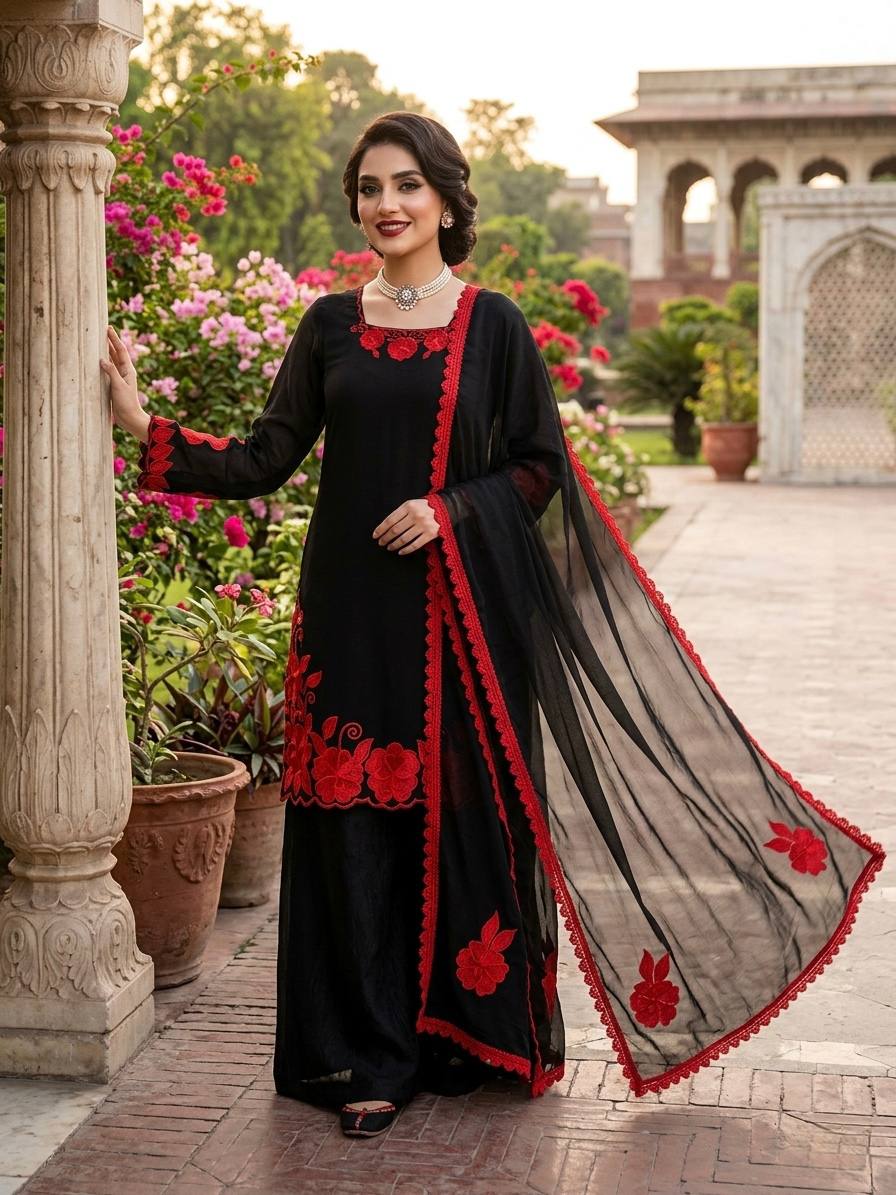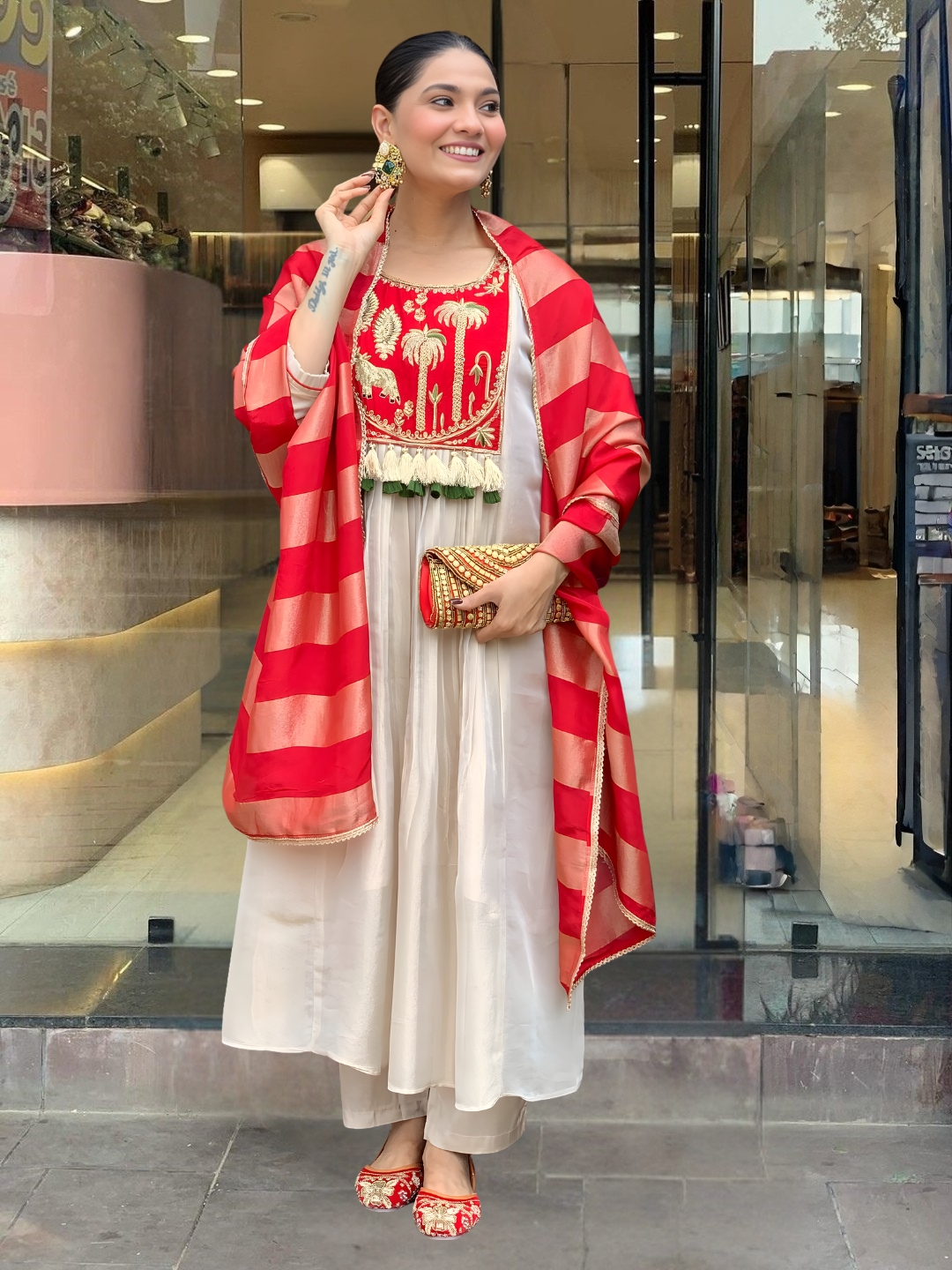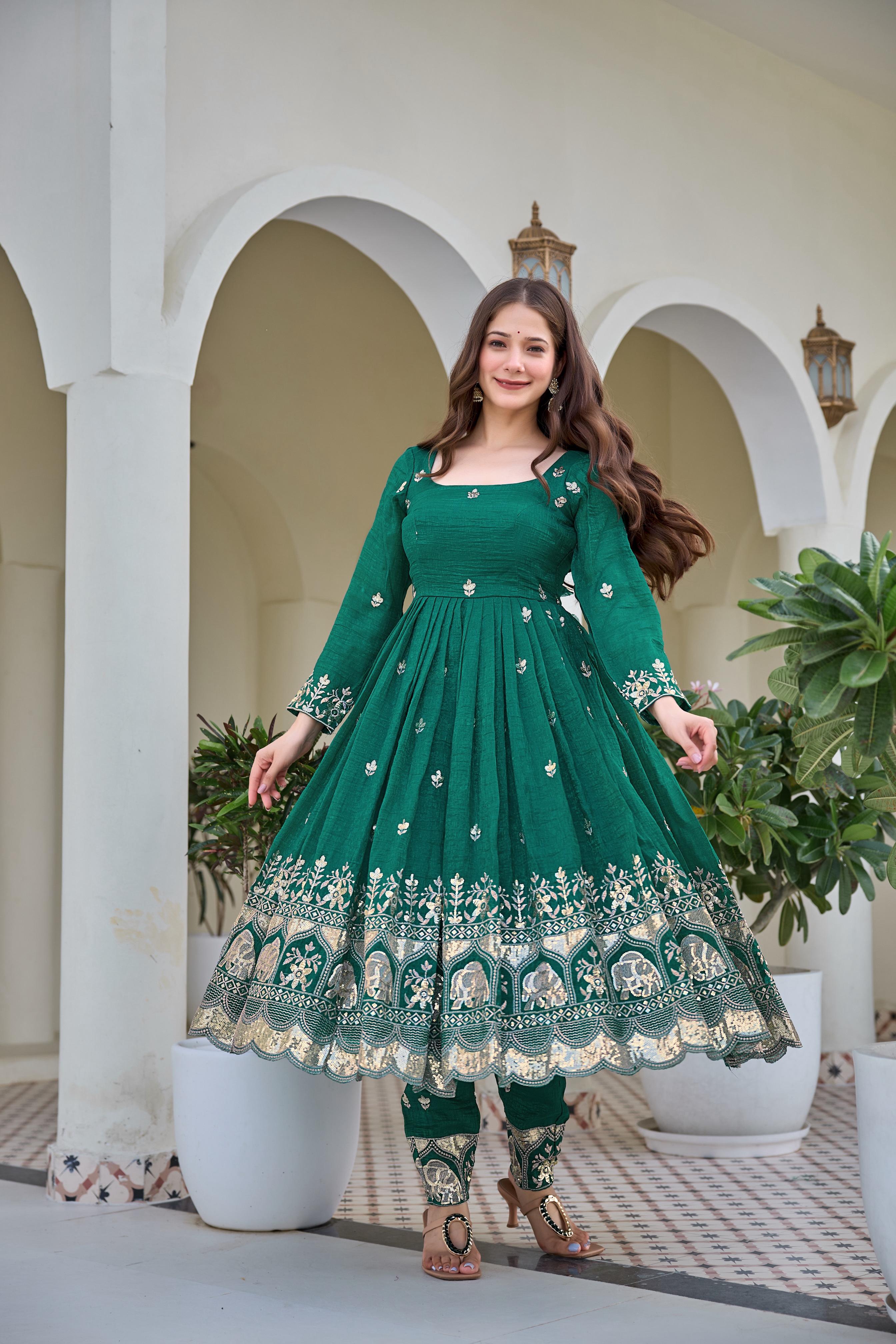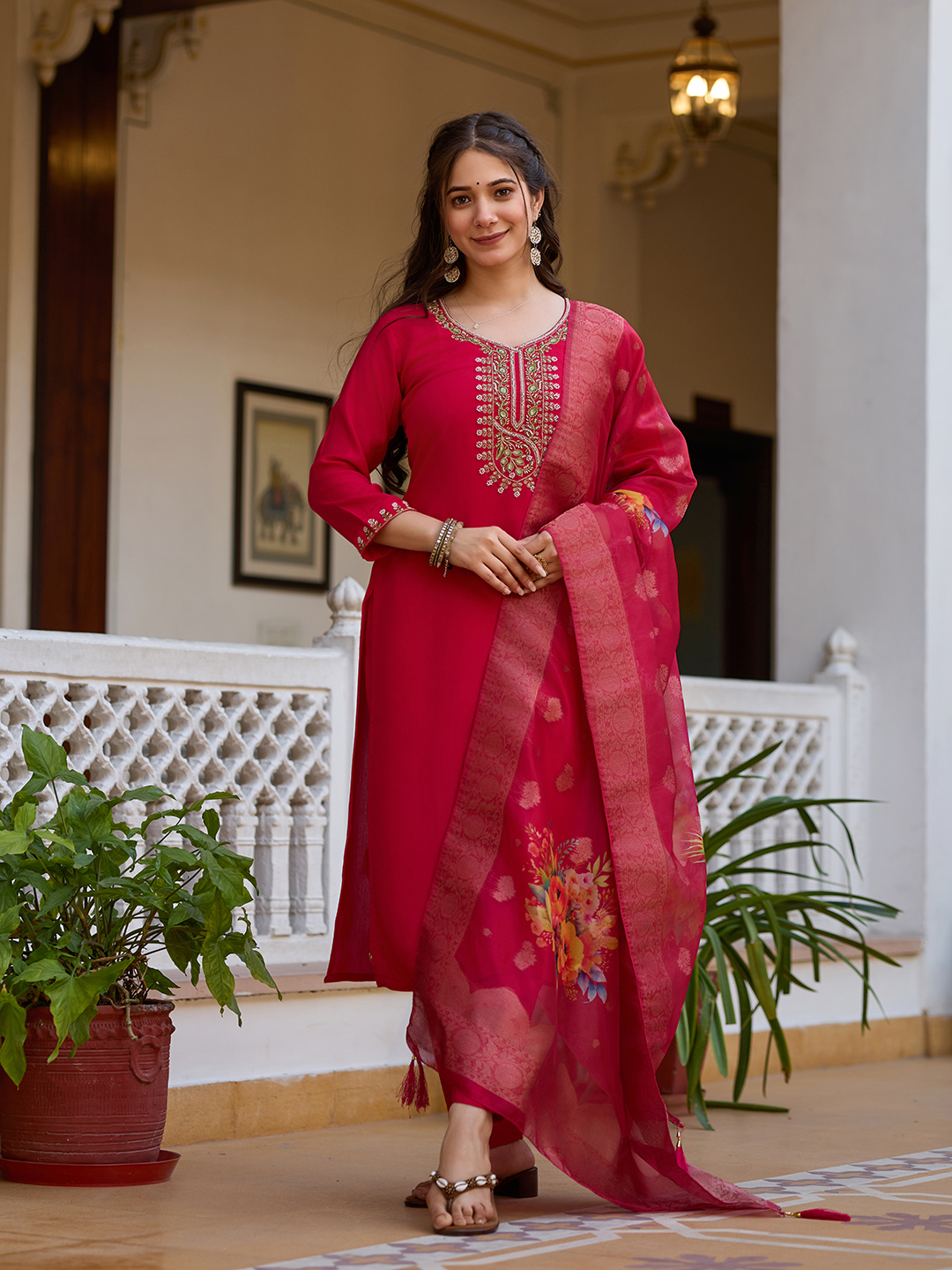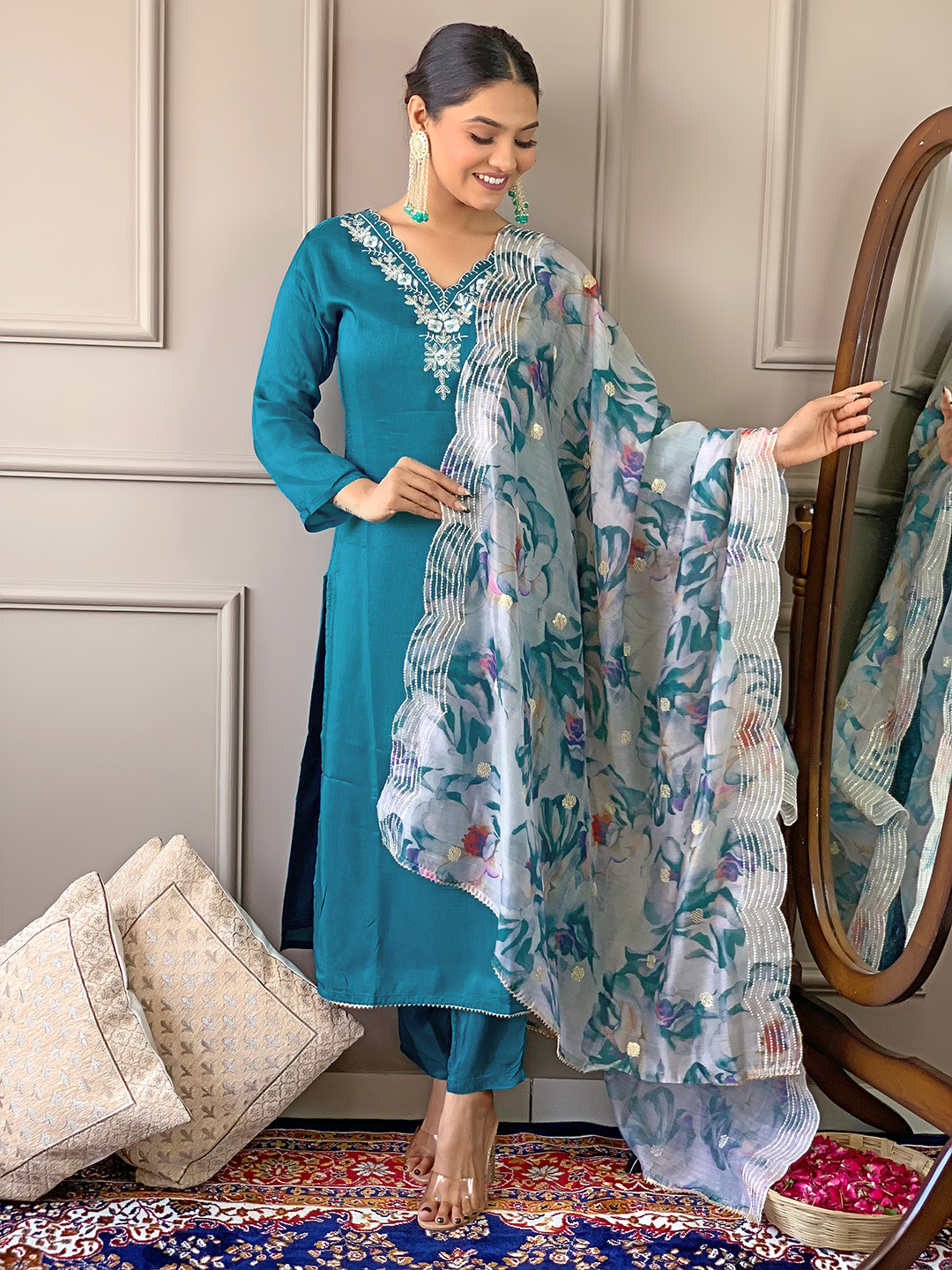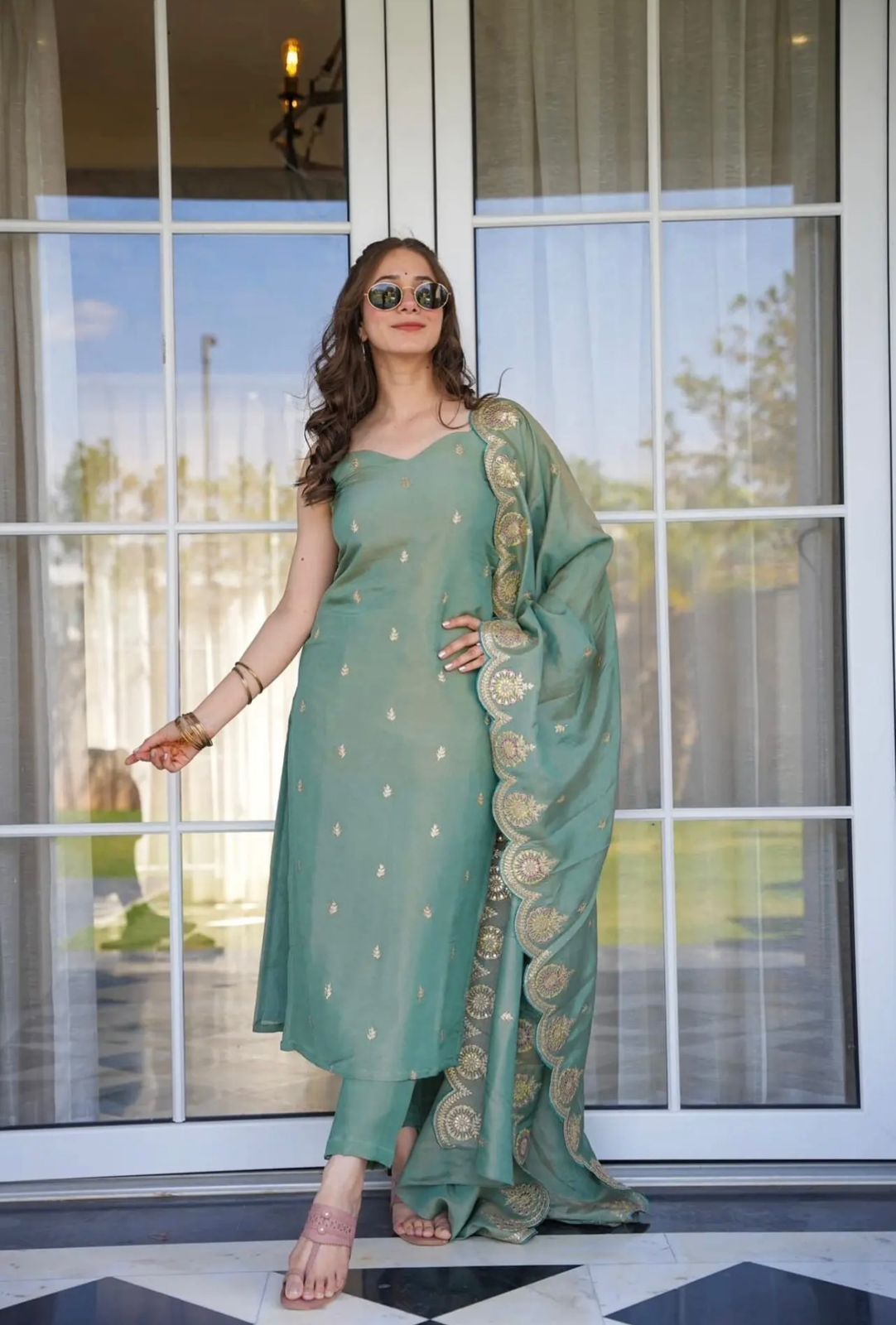
The Best sarees for Navratri are not simply the brightest sarees in a wardrobe. They need to match the day's colour tradition, allow enough movement for Garba or Dandiya, and remain comfortable through several hours of standing, dancing and travel. Fabric weight, blouse construction, pallu security and footwear matter as much as the shade.
A practical Navratri wardrobe can include breathable cotton, linen-cotton, tissue handloom and silk sarees. The right choice depends on the venue, weather, dance plans and how formal the celebration is. This guide explains those decisions with specific styling examples, so a festive saree looks considered without becoming difficult to wear.
What makes a saree suitable for Navratri?
A saree is suitable for Navratri when the fabric permits movement, the drape stays secure and the embellishment suits the setting. A lightweight saree with a firmly pinned pallu is usually more useful for Garba than a very heavy saree with elaborate surface work.
Garba involves repeated turns, arm movements and close movement around a circle, while Dandiya adds quick hand and shoulder movements. A saree with a manageable fall, a comfortable petticoat and pleats that don't spread excessively will feel more stable. A saree weighing roughly 500 to 800 grams is often easier for active dancing than a heavily embellished wedding saree, although personal comfort and fabric construction matter more than a fixed number.
For a daytime puja, family gathering or office celebration, cotton and linen-cotton offer airflow and a crisp appearance. Tissue cotton adds a light festive sheen without the density of metallic brocade. Silk can be beautiful for a formal evening, but a silk Navratri look works best when the saree isn't excessively stiff and the border doesn't catch underfoot.
Which fabrics work best for a Garba night?
Cotton, linen-cotton and lightweight tissue handloom sarees are the most practical fabrics for an active Garba night. These fabrics generally feel less cumbersome than dense silk or heavily layered net, while prints, zari details and a lustrous weave still provide a festive finish.
A cotton saree also absorbs perspiration more comfortably in warm venues. Linen-cotton has a slightly structured fall that can help pleats hold their shape, although it may crease during travel. Tissue handloom cotton gives a softer glow and can look more celebratory under indoor lights without requiring sequins across the entire saree.
Banarasi silk, Kanjeevaram and heavy satin are better reserved for seated celebrations, formal Navratri dinners or short appearances unless the wearer is accustomed to dancing in structured sarees. Chanderi can be an elegant middle ground for a ceremonial gathering, but a very delicate or slippery Chanderi drape needs careful pinning before a crowded dance floor.
Best sarees for Navratri by fabric, colour and finish
The Best sarees for Navratri combine a season-appropriate colour with a fabric that suits the wearer's schedule. The following options show how different textures can serve different kinds of celebrations.
For a daytime puja or family gathering
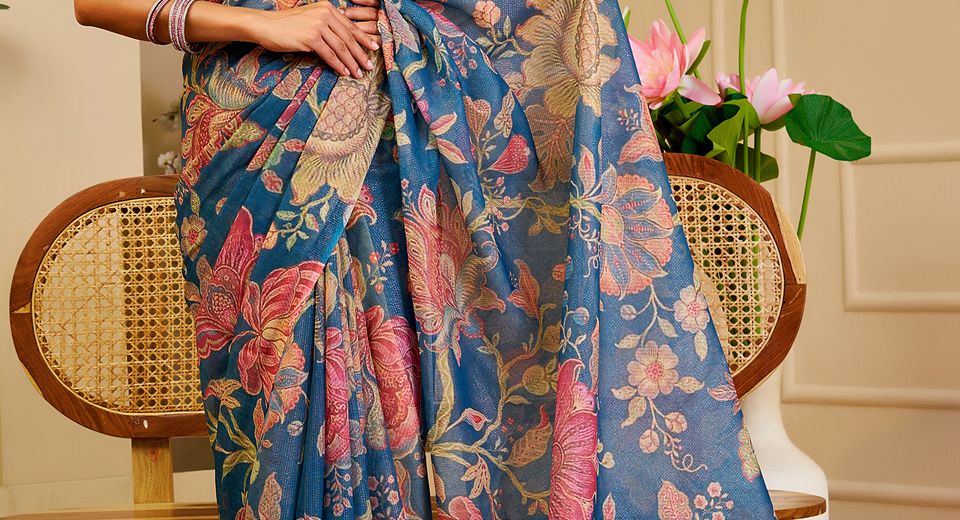
The Blue Tissue Handloom Cotton Saree with Floral Digital Print brings colour and pattern without the weight of a heavily embellished saree. A floral digital print feels lively for daytime, while the tissue handloom surface adds enough texture for a festive puja. Pair it with a short-sleeved blue, white or green blouse and low block heels for easy movement.
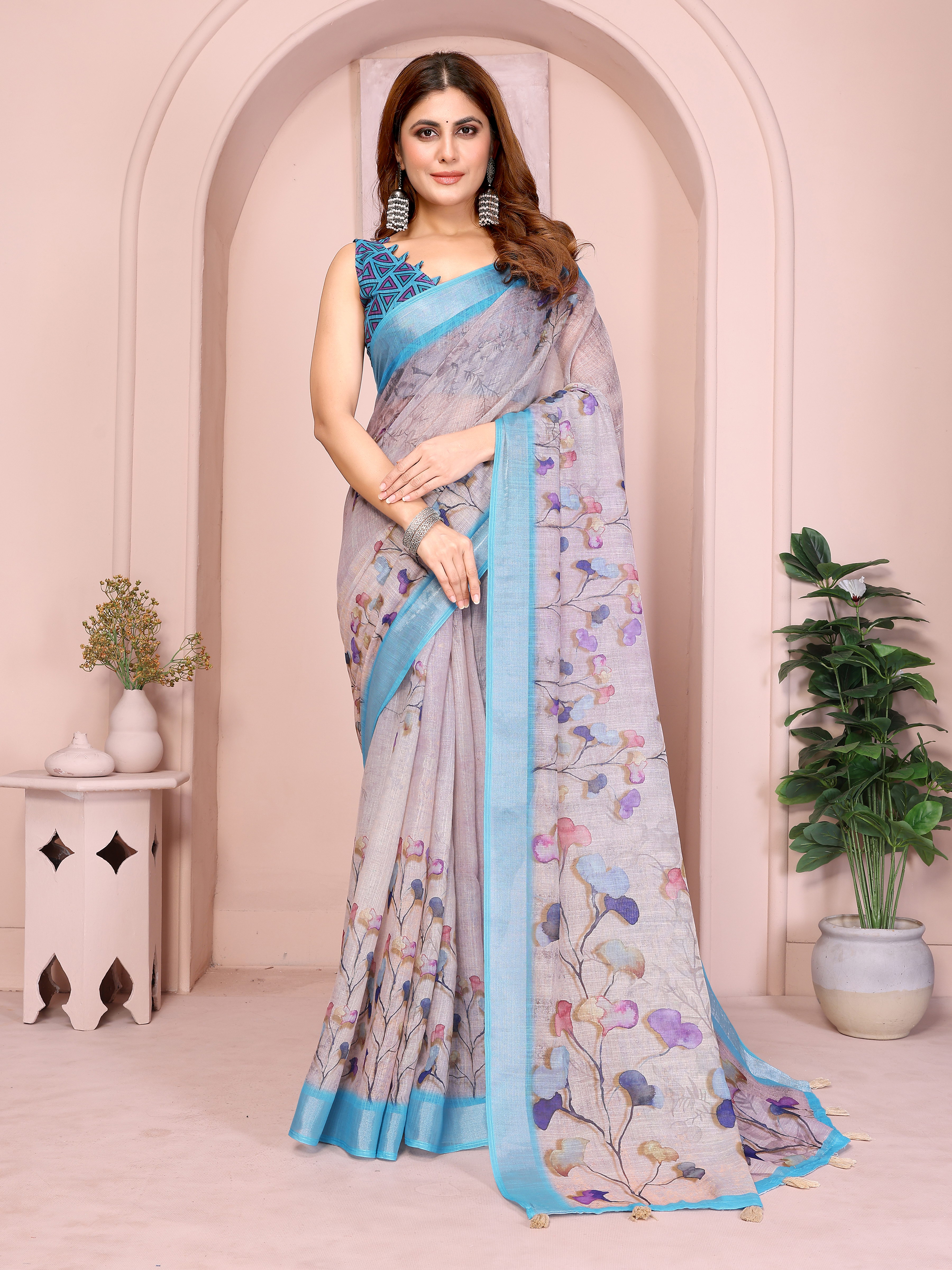
The Pastel Linen Cotton Floral Print Saree with Designer Blouse suits a softer Navratri look. Pastel shades can be especially useful for morning events, where bright artificial embellishment may feel excessive. The included designer blouse can anchor the print, but check the sleeve and neckline before dancing because a comfortable armhole is more important than a dramatic cut.
For an evening celebration
The Cream Blue Floral Tissue Cotton Handloom Saree with Zari Shimmer offers a balance between a lighter base and evening-friendly shine. Zari shimmer catches warm lights, while a floral pattern prevents the look from appearing too formal. A blue blouse with a secure back fastening and a small pair of earrings keeps the outfit polished without adding movement around the arms.
The Purple Peach Tissue Handloom Cotton Saree with Zari Work is more vivid and works well when the celebration calls for stronger colour. Purple and peach create contrast without relying entirely on metallic decoration. Keep the jewellery lightweight and let the zari work remain the focal point.
For a versatile outfit across events
The Peach Linen Cotton Floral Print Saree with Blouse for Women can move from a daytime celebration to an evening meal with a change of accessories. Add oxidised silver jewellery for a folk-inspired Garba look, or choose pearl studs and a neat bun for a more restrained family event.
The Cream Green Tissue Handloom Cotton Saree with Zari Details is useful when a wearer wants festive definition without a dense all-over design. Green is strongly associated with many Navratri colour traditions, but the cream base keeps the outfit balanced. The Cream Green Tissue Handloom Cotton Saree with Floral Print brings a softer alternative when pattern is preferred over metallic accents.
How should you choose Navratri colours for nine days?
Choose Navratri colours by checking the local or family calendar first, because the nine-day colour sequence varies by region and changes with the weekday on which Navratri begins. Online colour charts can differ from the schedule followed by a particular temple, Garba group or community.

Many Gujarati celebrations publish a colour for each day, often using bright shades such as yellow, green, grey, orange, white, red, royal blue, pink and purple. The order isn't universal, so a reliable local schedule is more useful than memorising a permanent list. Wearing the suggested colour is a cultural styling choice, not a requirement for participating in Navratri.
A small wardrobe plan makes nine days easier. Keep two or three sarees in flexible bases such as cream, blue or peach, then change the blouse, jewellery and drape rather than buying nine completely new outfits. A red or yellow saree can be selected from Red and Yellow Sarees from Rs 799 with Up to 75 Percent Off when the day's colour calls for energy and visibility. A green saree can be styled with antique gold earrings, while a purple saree can be softened with a peach or ivory blouse.
White, ivory and cream can look especially refined for a puja or quieter evening. White Silk Sarees in Cream Ivory and Off White provide an useful reference for this palette, although a silk saree should be tested for weight and ease of movement before it's chosen for active Garba. Maroon can suit a formal event, and Maroon Silk Sarees with Up to 74% Off illustrates how a deeper shade can create a more evening-oriented Navratri outfit.
How do you style a saree for Garba and Dandiya?
Style a Garba saree with secure waist pleats, a pinned pallu, a comfortable blouse and footwear that won't slip on a crowded floor. The goal is to keep the saree's shape while leaving the hands, shoulders and ankles free to move.

- Choose the petticoat carefully. A well-fitting cotton or satin petticoat should sit firmly at the waist without restricting breathing. A drawstring that loosens during dancing can make the entire drape unstable.
- Make five to seven even pleats. Narrow, consistent pleats usually stay neater during movement than a large bundle. Tuck them securely and check that the bottom edge clears the floor by approximately one to two centimetres.
- Pin the pallu at two points. Use one discreet pin near the shoulder and another near the blouse side or waist. Safety pins should close fully and should never be placed where they can scratch the wearer or another dancer.
- Pick a blouse that permits arm movement. Elbow-length sleeves, supportive straps and a secure neckline are practical choices. Very tight armholes can become uncomfortable when the arms are raised repeatedly.
- Wear stable footwear. Low block heels, cushioned wedges or embellished flats are safer than narrow stilettos on uneven outdoor ground. Break in new footwear before Navratri rather than wearing it for the first time at Garba.
A traditional Gujarati-inspired drape can make a saree feel more connected to Garba culture because the pallu is brought across the front and displayed over the shoulder. A standard Nivi drape is equally appropriate when its pleats and pallu are secured well. The best Navratri look is the one that respects personal comfort while allowing the saree, blouse and accessories to move together.
How can you build a Navratri saree wardrobe on a budget?
Build a budget Navratri wardrobe by prioritising reusable base colours, washable fabrics and blouses that work with more than one saree. A three-saree rotation can cover many events when styling changes are planned carefully.
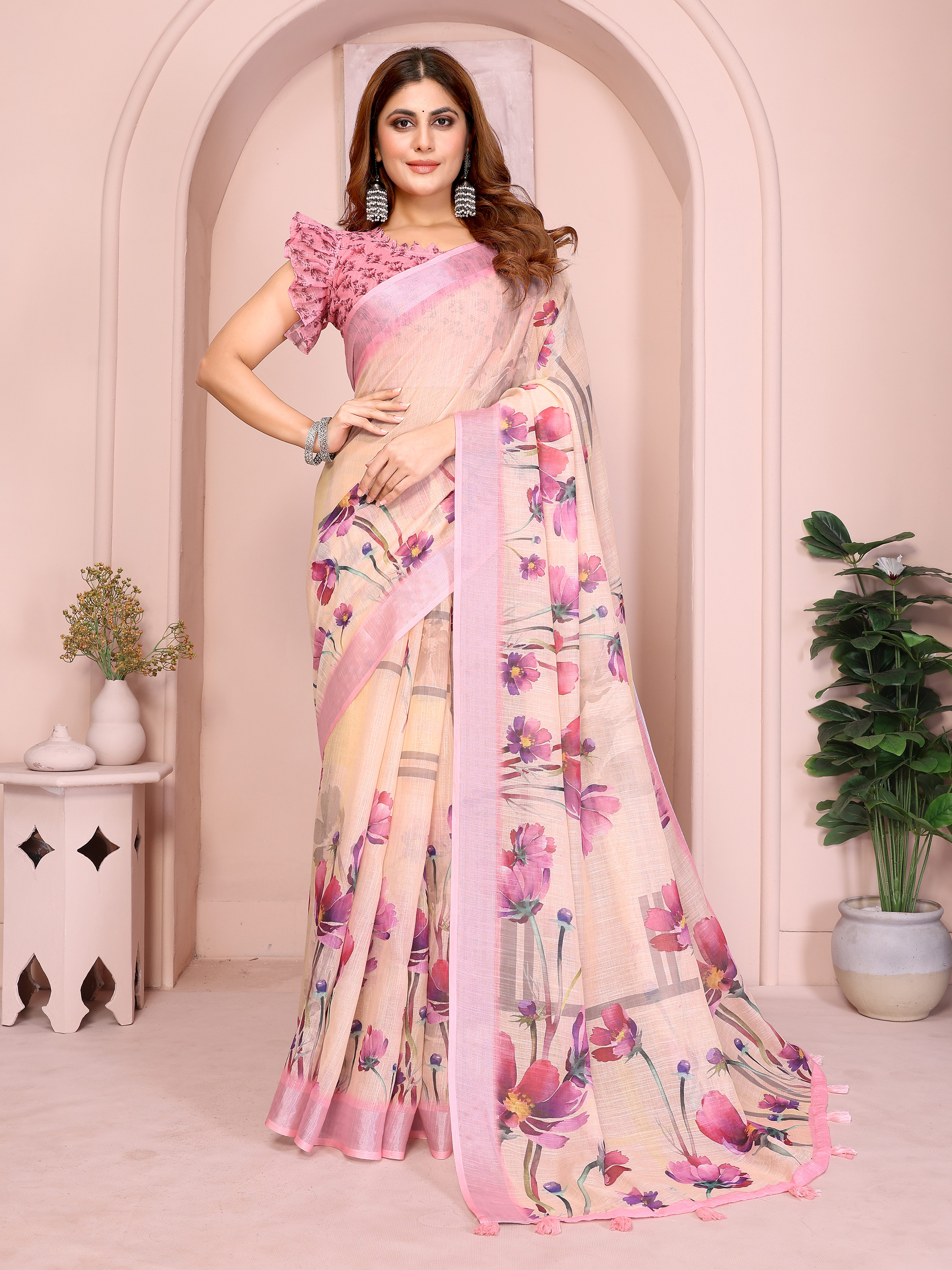
Start with one breathable printed saree, one tissue or zari-accented saree for evening wear and one deeper or brighter colour for a dramatic day. The Pastel Linen Cotton Floral Print Saree with Designer Blouse can serve as a lighter daytime base, while the Cream Blue Floral Tissue Cotton Handloom Saree with Zari Shimmer can cover a more dressed-up gathering. A purple, red or green option can then supply stronger colour for the remaining days.
When comparing prices, inspect what is included. A saree sold with a blouse piece may require tailoring, while a saree with a finished blouse may save alteration costs but offer less flexibility in fit. Collections such as Party Wear Sarees can help locate more embellished silhouettes, while Gray Color Sarees Under 1000 may be useful for a neutral purchase that can be restyled beyond Navratri. The discount percentage should never replace checking fabric composition, measurements and return conditions.
Accessories can create variation without making the saree feel repetitive. Change a plain blouse, add a contrasting waist belt, switch from colourful bangles to oxidised silver, or use a different hairstyle. Keep the jewellery proportionate to the saree: zari work already reflects light, so a large necklace and large earrings together may become uncomfortable during dancing.
What should you check before buying a Navratri saree?
Check the fabric, length, blouse details, border weight, transparency and care instructions before buying a Navratri saree. These details determine whether the outfit will work for a two-hour puja or a full evening of Garba.
- Fabric composition: Confirm whether the saree is cotton, linen-cotton, tissue cotton, silk or a blend. Fabric names such as tissue describe the weave or finish and don't automatically mean pure silk.
- Length and width: A saree around 5.3 to 5.5 metres is common, but the required length depends on the wearer's height, draping style and whether a petticoat is used. Taller wearers or those choosing a Gujarati-inspired drape may prefer more usable length.
- Blouse information: Check whether a blouse is included, whether the piece is unstitched and whether the measurements allow comfortable arm movement. A handsome blouse design isn't useful if the armhole or bust fit is restrictive.
- Embellishment placement: Zari details at the border can add polish without weighing down the body. Dense zari or heavy embroidery across the pallu may require additional support pins.
- Sheerness and lining: Tissue and lightweight linen-cotton may need a well-matched petticoat. Test the colour and opacity under bright indoor light when possible.
- Care requirements: Handloom cotton may tolerate gentle washing, while zari, silk and delicate tissue finishes often need dry cleaning or careful hand care. Follow the product-specific label rather than assuming every cotton saree can be machine washed.
How should Navratri sarees be stored after the festival?
Store a Navratri saree only after it's completely dry, clean and free from perspiration or food marks. Fold zari and embellished sections inward, place soft cotton or acid-free tissue between sharp folds, and keep the saree in a breathable fabric cover rather than sealed plastic for long-term storage.
Air a stored saree every few months and refold it along different lines to reduce permanent creasing. Keep silk, tissue and cotton sarees away from direct sunlight, damp walls and strong fragrance products. If a stain appears, avoid rubbing zari or printed areas; a professional cleaner familiar with silk and metallic work is safer.
A thoughtful saree choice makes Navratri easier rather than more demanding. Match the fabric to the amount of movement, confirm the local colour schedule, secure the drape before leaving home and choose accessories that can last through the evening. Those practical decisions create a festive Navratri outfit that looks distinctive while remaining genuinely wearable.
Common Questions About Choosing and Styling Navratri Sarees
Which saree is best for Garba during Navratri?
Cotton, linen-cotton and lightweight tissue handloom sarees are usually best for Garba because they allow movement and feel less cumbersome than heavy embellished fabrics. Choose a firm waist drape, secure the pallu with two pins and wear stable footwear.
What are the Navratri colours for all nine days?
The nine-day colour sequence is not identical across India and can change according to the weekday on which Navratri begins. Check the calendar used by your local temple, Garba group or family before planning each saree.
Is silk a good choice for a Navratri saree?
Silk is a good choice for puja, formal dinners and seated celebrations when a richer finish is appropriate. Lightweight silk is easier for movement than stiff or heavily embellished silk, so test the drape before choosing it for active Garba.
Are cotton sarees suitable for a Navratri look?
Cotton sarees are suitable for Navratri, particularly for daytime events and active dancing in warm weather. Printed cotton, tissue cotton and cotton with restrained zari details can look festive without the weight of dense embroidery.
How can I keep a saree secure while dancing Garba?
Use a well-fitting petticoat, make even waist pleats and pin the pallu at the shoulder and waist side. The saree hem should clear the floor slightly, and the blouse should allow unrestricted arm movement.
How many sarees are needed for nine days of Navratri?
You do not need nine sarees because three versatile sarees can create several outfits through different blouses, jewellery, hairstyles and drapes. Choose a breathable printed saree, a festive tissue or zari-accented saree and one strong colour for variety.