Best Sarees for Haryana Teej: Traditional Colours, Fabrics & Styling should combine cultural meaning with practical comfort. Green, red, pink and yellow are traditional choices, while linen cotton, handloom cotton and lightweight tissue fabrics help a saree remain manageable during puja, fasting, family visits and festive gatherings. The right border, blouse fit and drape can make a greater difference than heavy embellishment.
Hariyali Teej celebrates monsoon greenery, devotion, marital happiness and seasonal renewal. Women commonly mark the festival with bright clothing, mehendi, bangles, jewellery and family rituals. A saree can express that festive spirit beautifully without becoming too warm, slippery or difficult to arrange.
Best Sarees for Haryana Teej: Traditional Colours That Carry Meaning
Green is the most recognisable colour for Haryana Teej, while red, pink, yellow and orange are also appropriate for a joyful festival celebration. Green reflects monsoon foliage and new growth, whereas red represents auspiciousness, love and celebration.
Leaf green and parrot green create a strongly traditional Hariyali Teej appearance. Sea green and teal offer a quieter, contemporary interpretation while keeping the connection with the season. Red works especially well for a ceremonial puja when paired with gold zari or a contrasting border. Pink gives a softer appearance, and yellow or mustard echoes marigold flowers and turmeric used in many Indian celebrations.
A saree's colour arrangement also affects its formality. A solid green saree looks composed with a red, pink or gold blouse. A floral green saree already has visual detail, so a plain blouse and restrained jewellery usually create better balance. A cream or pastel base with green, pink or yellow motifs suits a daytime gathering because the lighter ground reflects natural light.
The blouse doesn't need to match the saree exactly. A deep green saree with a rose-pink blouse creates a traditional contrast, while a teal saree with an antique-gold blouse looks refined for an evening event. Maroon, rust and wine provide red-family accents for anyone who prefers a deeper shade to bright scarlet.
Best Sarees for Haryana Teej: Fabrics for Heat, Movement and Rituals
Linen cotton, handloom cotton, tissue cotton and lightweight silk textures are practical fabric choices for Haryana Teej. Fabric selection should depend on the weather, the length of the event and whether the wearer will sit on the floor, travel between homes or participate in outdoor rituals.

Why cotton works for a daytime Teej celebration
Linen cotton and handloom cotton are comfortable for daytime wear because they allow airflow and generally hold front pleats well. Cotton is useful for puja at home, visiting relatives and sitting for extended periods, when a heavy or slippery saree may become inconvenient.
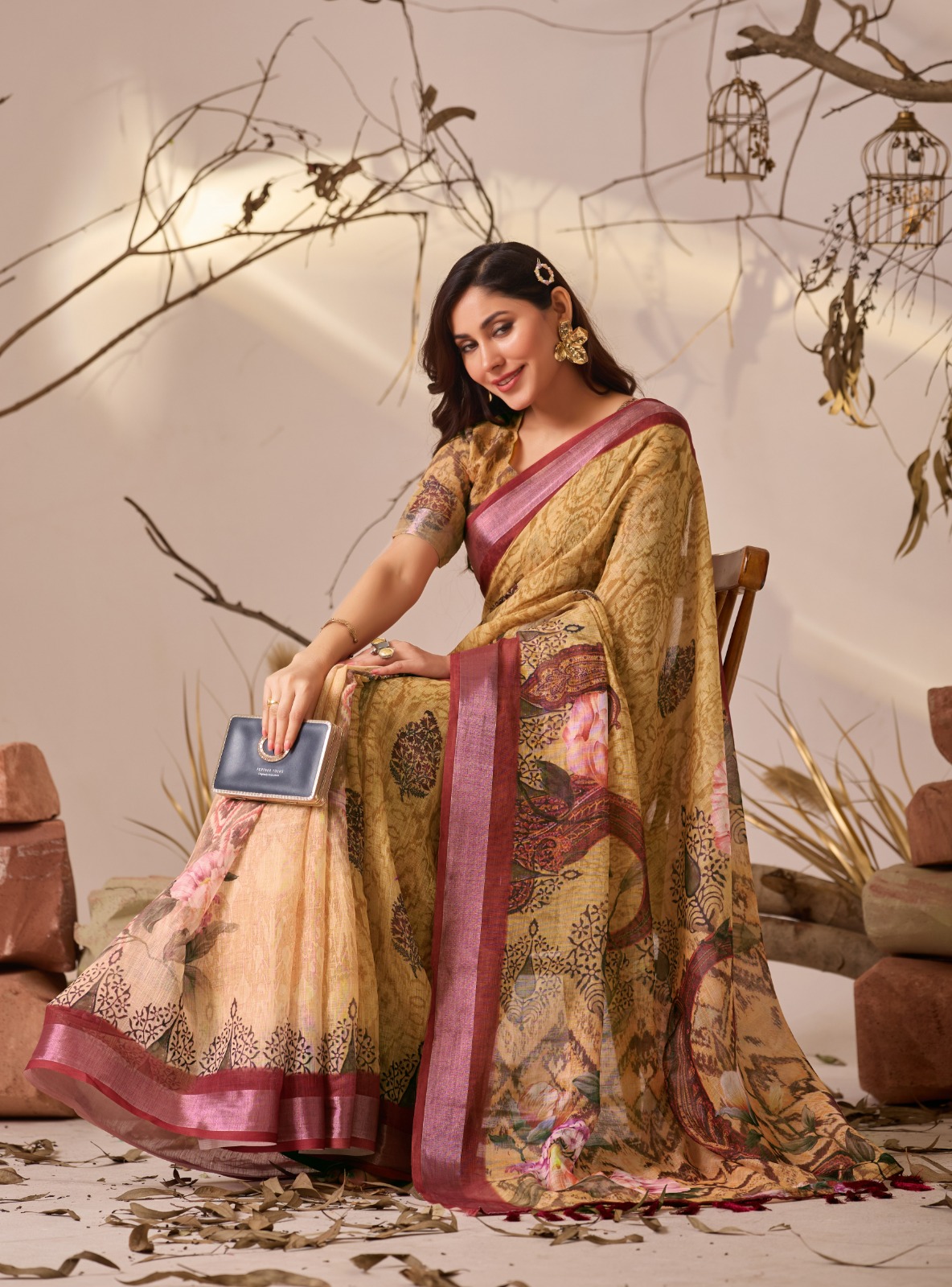
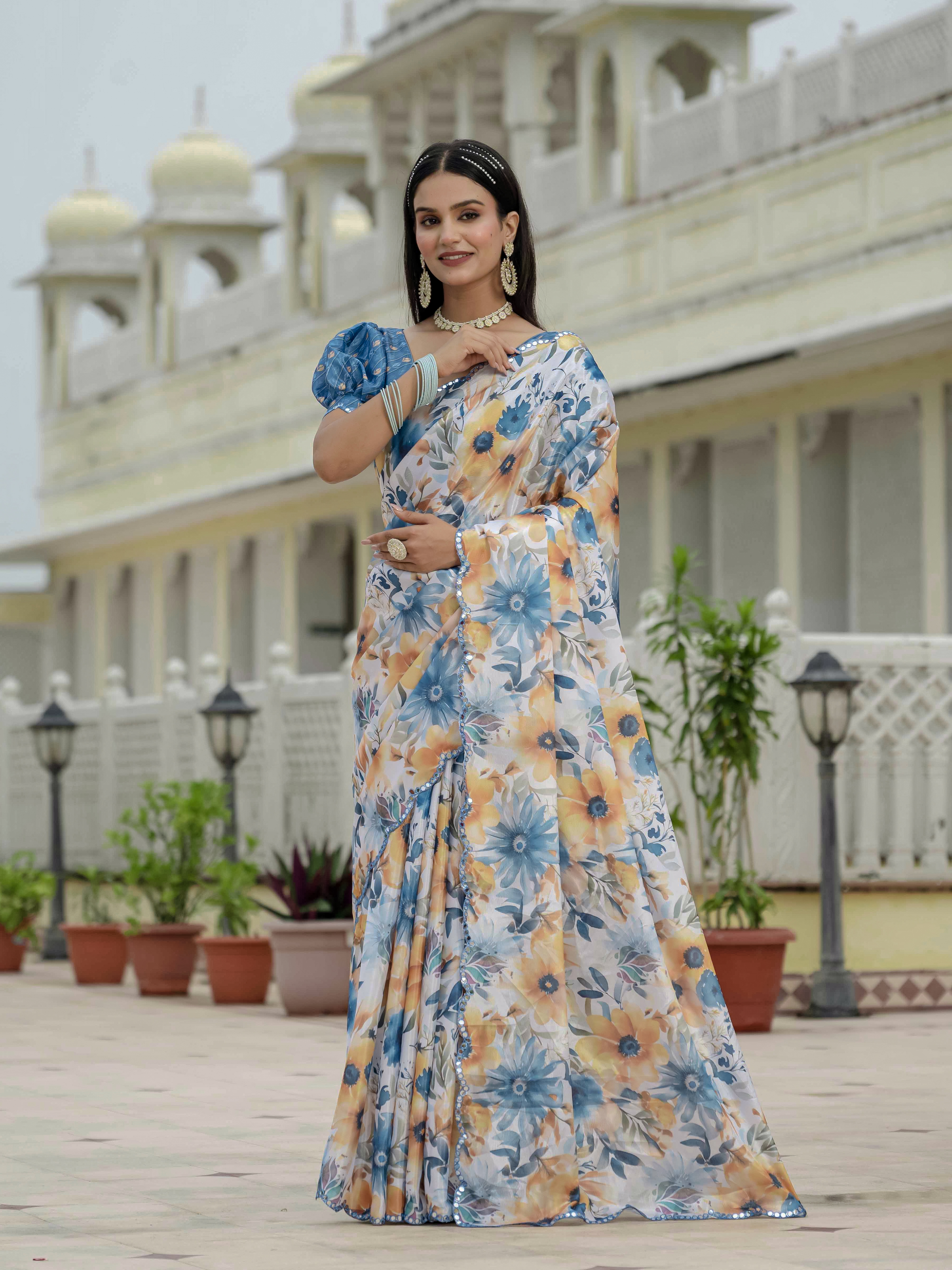
Teal Floral Linen Cotton Saree with Elegant Contrast Border shows how a breathable base can still appear festive. Floral motifs connect naturally with the monsoon setting, while a contrast border gives the drape definition for photographs and family gatherings. Teal Floral Printed Linen Cotton Saree With Matching Blouse is convenient when coordinated styling matters and separate blouse selection would add time.
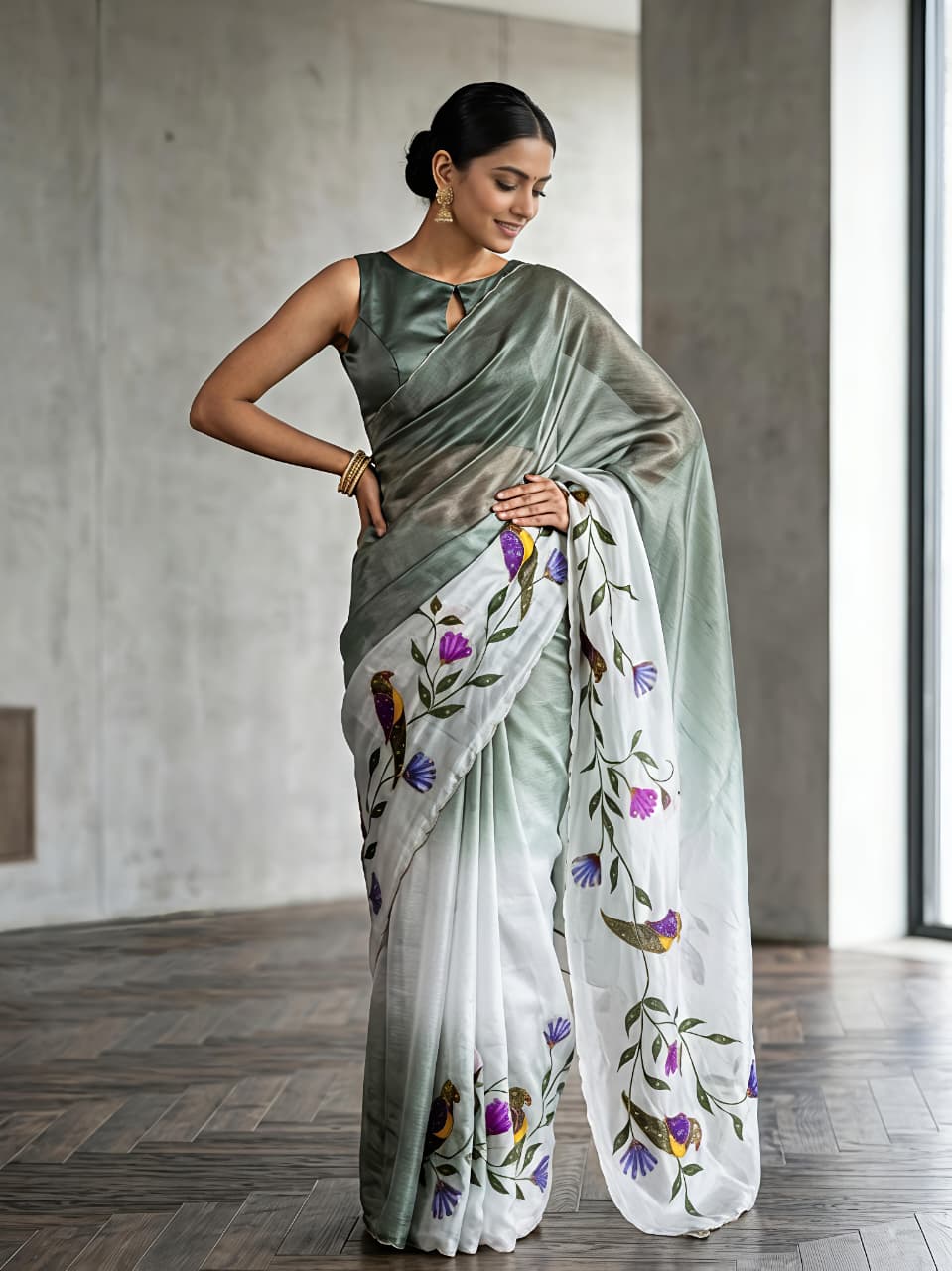
Handloom cotton with a tissue finish has a slightly dressier surface than plain cotton. Pastel Floral Tissue Handloom Cotton Saree with Zari Weaves combines floral detail and zari texture without relying on dense ornamentation. Sea Green Tissue Handloom Cotton Saree With Floral Patterns offers another way to use a soft green palette while keeping the seasonal association visible.
When tissue and silk textures are suitable
Tissue fabric suits an evening Teej gathering, formal family photographs or a larger community event because its surface catches light. A wearer should check whether a tissue saree feels crisp or scratchy before choosing it for several hours of use.
Silk and silk-look sarees work well for formal puja settings when the weather is moderate and a structured drape is preferred. A heavy Banarasi silk saree can look more wedding-oriented than necessary for a simple daytime Teej visit, so a lighter silk texture or restrained zari border often provides better proportion.
Cream Pink Tissue Handloom Cotton Saree with Zari gives a softer alternative to a deep red wedding-style saree. Cream and pink work well for an afternoon or indoor celebration, while zari adds enough shine for a silk festival celebration without making the outfit feel excessively formal.
Fabric weight should guide the rest of the outfit. A saree with zari, tissue sheen or a firm border benefits from a well-fitted blouse and secure pleats. A light linen cotton saree can support larger earrings, stacked bangles or a more expressive blouse because the base outfit remains visually relaxed.
Best Sarees for Haryana Teej: Draping and Blouse Styling That Lasts
A secure Nivi drape, a comfortable blouse and a properly pinned pallu make a saree practical for Haryana Teej. The outfit should allow the wearer to walk, sit, raise both arms and participate in rituals without repeatedly adjusting the fabric.
How to keep the pleats and pallu secure
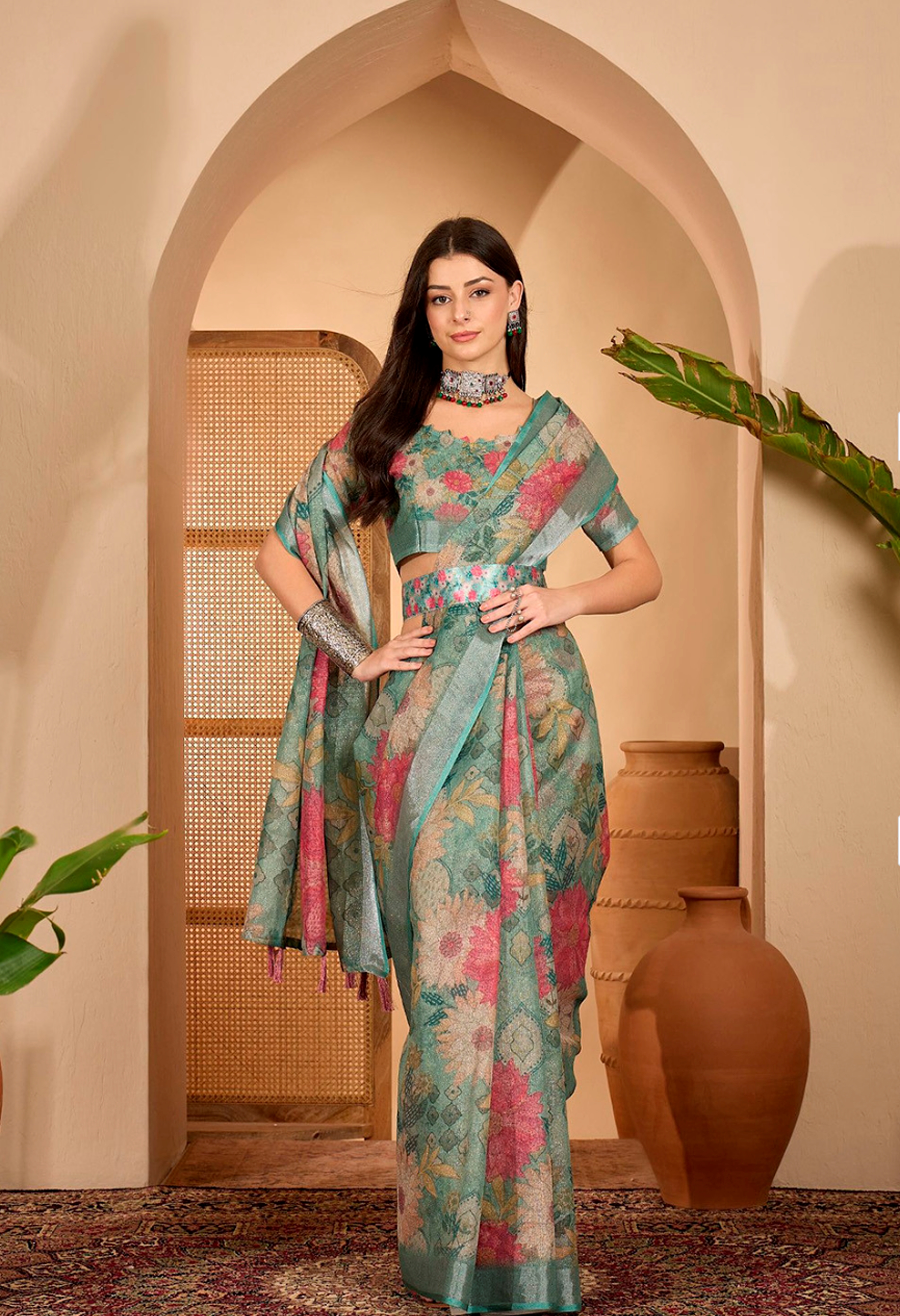
A regular Nivi drape is a dependable choice for most Teej celebrations because the front pleats remain controlled and the pallu can be pinned over the shoulder. Five to seven front pleats usually create a balanced fall, although saree width and the wearer's height may require a different number.
Pin the pleats from the inside near the waist if the fabric shifts easily. Use a discreet shoulder pin when a tissue or georgette pallu feels slippery. A pallu that ends around the hip or upper thigh is easier to manage than an excessively long pallu during movement. A visible border on the pallu can provide a traditional North Indian finish without adding extra accessories.
How to choose a Teej blouse
A well-fitted blouse improves comfort more than an elaborate neckline does. The blouse should allow the wearer to breathe easily, lift both arms and sit without pressure across the ribs or shoulders.
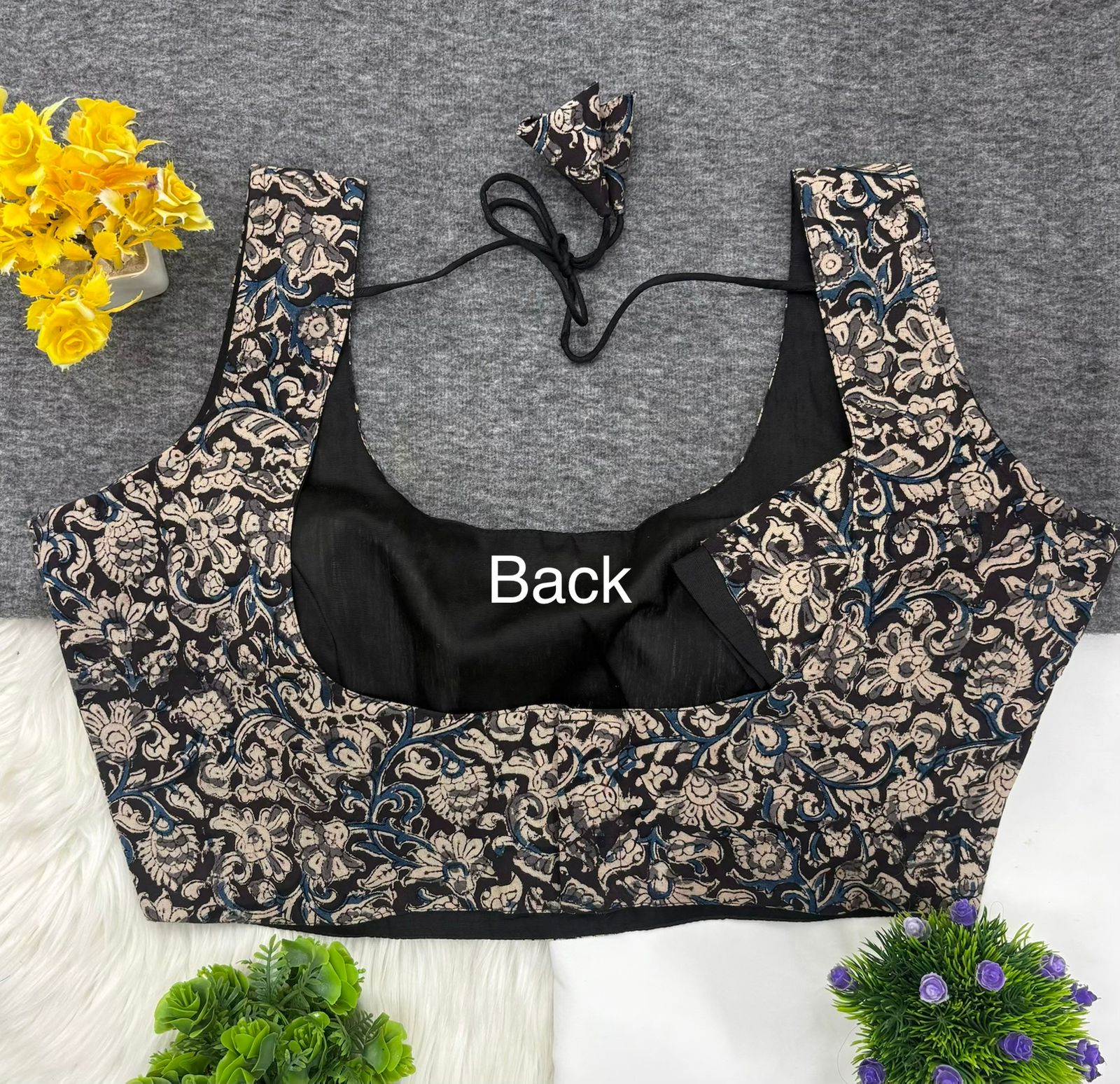
A floral saree generally works best with a solid blouse in green, red, pink or antique gold. A high-neck or elbow-sleeve blouse gives a traditional impression, while a short-sleeve round-neck blouse feels lighter for daytime use. A matching blouse creates a quiet coordinated look, whereas a contrast blouse makes the outfit more celebratory.
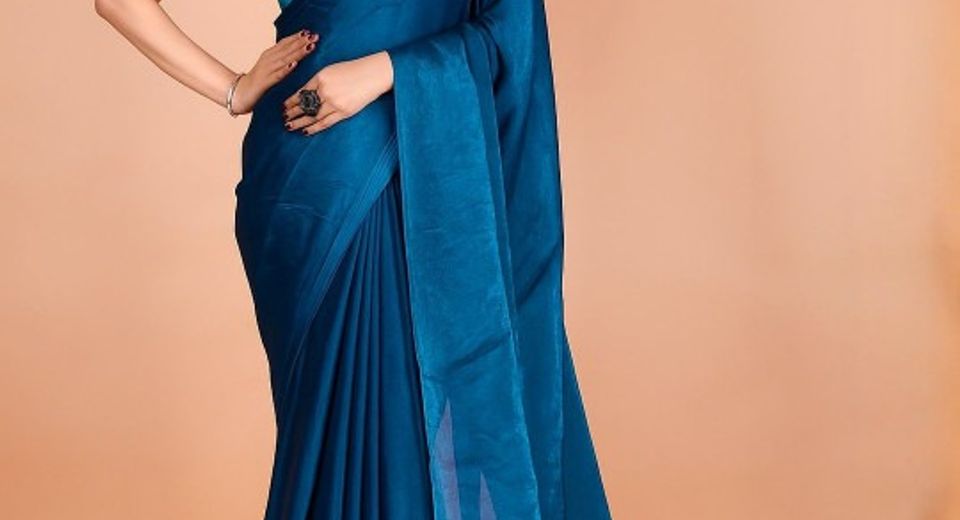
Teal Fandy Solid Saree With Blouse for Women by VARNAVI demonstrates the convenience of a coordinated saree-and-blouse format. A solid saree also gives jewellery, bangles and mehendi more room to stand out, especially when the wearer chooses green glass bangles or a red bindi.
Best Sarees for Haryana Teej: Jewellery, Hair and Footwear Pairings
Green or red glass bangles, jhumkas, a small necklace, a bindi and flowers in the hair can complete a traditional Haryana Teej saree. Jewellery should complement the border and fabric rather than compete with a floral print or zari weave.

Gold-toned jewellery pairs naturally with zari, cream, red and warm pink. Silver-toned pieces work with cooler teal, sea green and pastel combinations. A wearer can choose one main focal point, such as chandbali earrings or a necklace, and keep the remaining accessories smaller.
Mehendi, a braid, a low bun or a gajra reinforces the festival mood without adding weight to the saree. A low bun is particularly practical when the pallu is pinned over the shoulder because the hairstyle keeps the back neckline and pallu arrangement tidy. Fresh flowers are appropriate for a traditional appearance, while fabric flowers are more reliable in humid weather.
Comfortable footwear with a low block heel is safer than a narrow high heel when the celebration includes temple visits, outdoor movement or uneven surfaces. A neutral sandal works with cream and pastel sarees, while gold or tan footwear complements red, green and yellow palettes.
Best Sarees for Haryana Teej: Traditional and Contemporary Outfit Directions
Choose a traditional Teej outfit for a formal puja or family gathering, and choose a lighter contemporary interpretation for travel, daytime visits or a relaxed celebration. Both approaches remain festive when the outfit retains considered colour, texture or jewellery references.
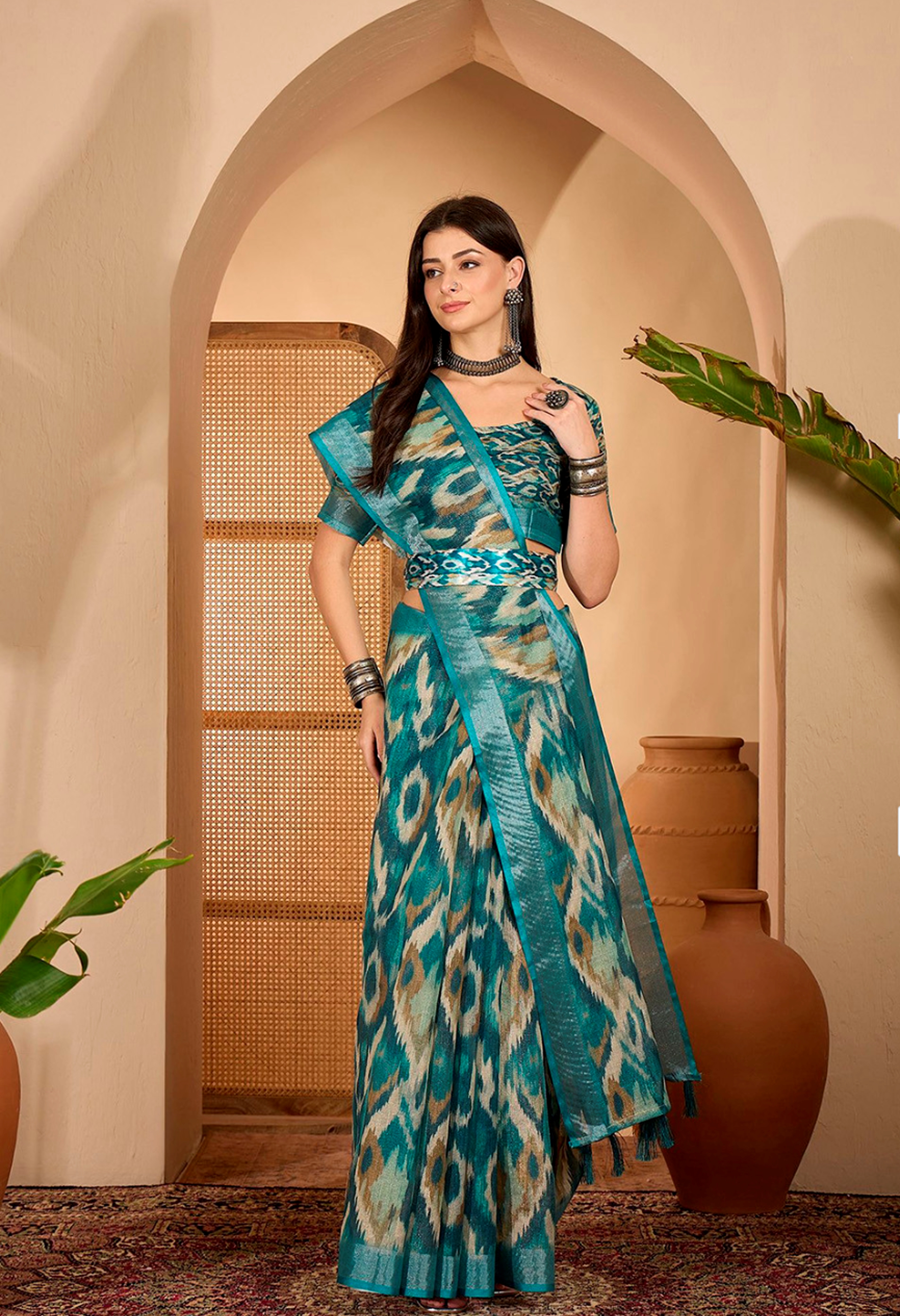
A traditional combination might include a green or red saree, a gold border, a contrast blouse, glass bangles, a bindi and a neatly pinned pallu. A contemporary combination might use teal, sea green or pastel pink with floral prints, a lighter border and a smaller jewellery set. The difference comes from proportion rather than abandoning traditional references.
Party Wear Sarees can inspire polished evening styling, but every embellished saree isn't automatically practical for Haryana Teej. Dense sequins may catch on bangles, feel warm in humid weather and make sitting uncomfortable. A defined border, floral motif or restrained zari detail often communicates celebration more effectively.
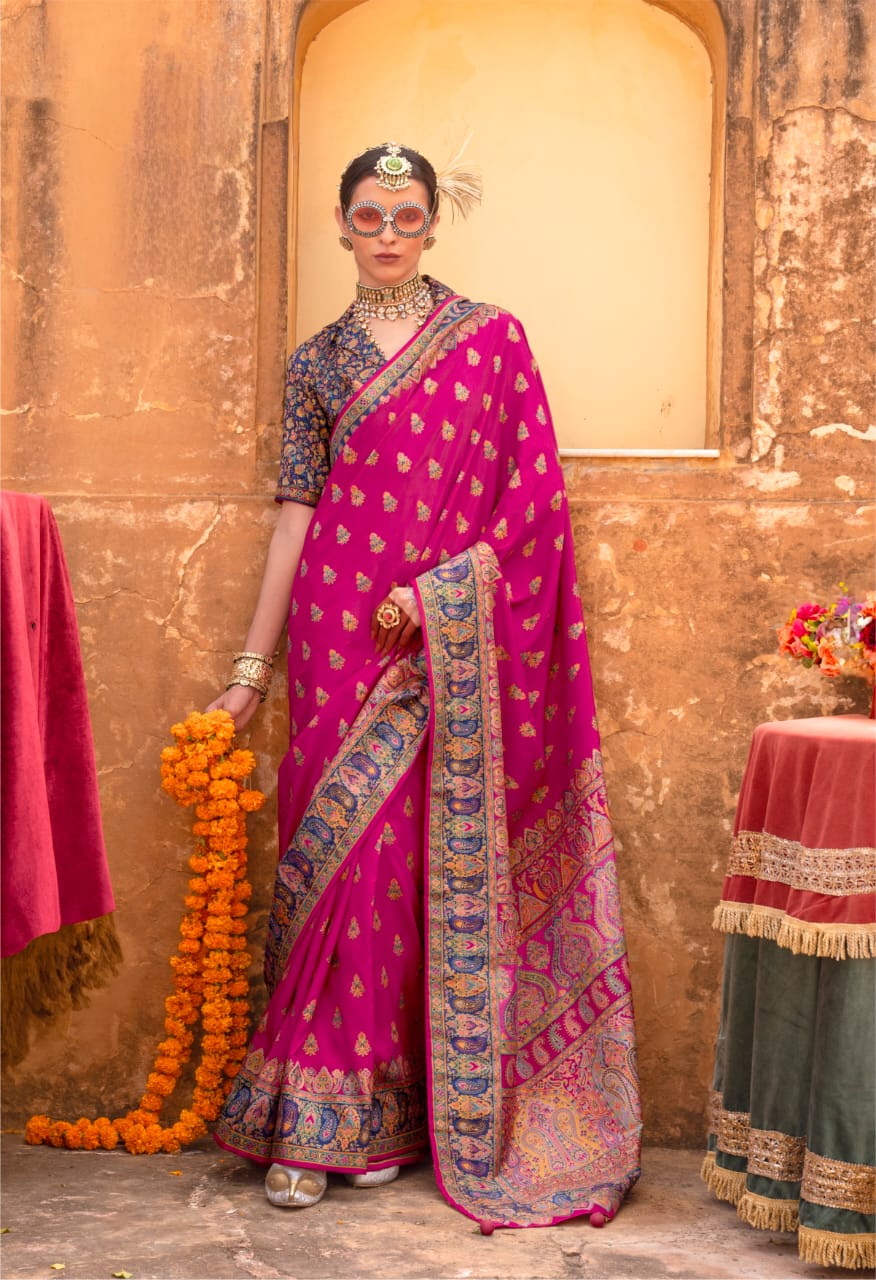
Pink Georgette Sarees suit a wearer who wants a fluid evening drape, provided the fabric is pinned carefully because georgette can loosen pleats. Red Banarasi Silk Sarees for Weddings Under 1100 provide an useful reference for traditional red-and-gold styling, although a lighter Banarasi-inspired weave may be more comfortable for a long Teej programme than a dense wedding-weight saree.
Silk Sarees Under 3000 With Discount can be relevant when a shopper wants a more formal texture within a defined budget. Gray Color Sarees Under 1000 may offer a modern neutral direction, but gray should be paired with pink, green, red or gold accessories to maintain the lively character expected from a Teej festival celebration.
Best Sarees for Haryana Teej: Buying, Care and Final Outfit Checks
Check the fabric, saree length, blouse-piece details, border construction, transparency, care instructions and delivery date before buying a Teej saree online. These details determine whether an attractive design will work during a real festival celebration.

For a cotton festival celebration, inspect whether the saree is described as handloom cotton, linen cotton or tissue handloom cotton. Cotton may arrive with natural texture and can become softer after careful use. Check the product measurements rather than assuming that every saree has the same length, especially if the wearer is tall or prefers a broad pallu.
Read whether the blouse is attached, included as an unstitched piece or supplied as a matching garment. A ready blouse saves alteration time, but the wearer should still check bust, shoulder and sleeve measurements. An unstitched blouse gives more flexibility for sleeve length and neckline, which can be useful when styling for a formal puja.
Before the event, drape the saree once with the intended blouse, jewellery and footwear. Mark the pleat position, check the pallu length and test whether the safety pins hold without pulling the fabric. This rehearsal also reveals whether the blouse restricts movement or whether the petticoat colour shows through a pale saree.
Store cotton sarees clean and completely dry, away from direct sunlight for long periods. Fold zari sarees with soft muslin or another breathable layer, and avoid spraying perfume directly on zari, tissue or delicate printed surfaces. Follow the care label because washing, ironing and dry-cleaning requirements vary by fibre and finish.
The strongest Haryana Teej outfit is one that looks festive at the first glance and remains comfortable after several hours. A green, red, pink or yellow saree gives the cultural colour story; cotton, linen cotton or lightweight tissue brings practicality; and a secure drape, suitable blouse and measured accessories complete the look.
Common Questions About Choosing a Haryana Teej Saree
Which saree colour is considered best for Haryana Teej?
Green is the most traditional choice for Haryana Teej because it represents monsoon greenery, growth and renewal. Red, pink, yellow, orange, teal and sea green are also suitable when styled with festive jewellery or a defined border.
Which fabric is most comfortable for a daytime Teej celebration?
Linen cotton and handloom cotton are usually the most comfortable choices for a daytime Teej celebration because they provide airflow and are easier to manage while sitting or moving. Tissue cotton adds festive sheen while remaining lighter than many heavy silk sarees.
Can I wear a red saree for Hariyali Teej?
Yes, a red saree is appropriate for Hariyali Teej because red is associated with auspiciousness, love and celebration. Pairing red with gold zari, green bangles or a pink contrast blouse creates a distinctly festive appearance.
How can I stop my Teej saree from slipping?
Use a well-fitted petticoat, make firm front pleats and secure the pleats from the inside near the waist. A discreet shoulder pin is helpful for tissue, georgette and other slippery pallu fabrics.
What jewellery goes well with a Haryana Teej saree?
Green or red glass bangles, jhumkas, a bindi and a small necklace pair well with a Haryana Teej saree. Gold jewellery suits zari and warm colours, while silver jewellery works particularly well with teal, sea green and pastel shades.
Is a Banarasi silk saree suitable for Haryana Teej?
A lightweight Banarasi silk saree can suit a formal Teej puja or evening gathering. A very heavy Banarasi silk saree may feel warm or overly wedding-oriented for a long daytime celebration, so fabric weight and weather should guide the choice.