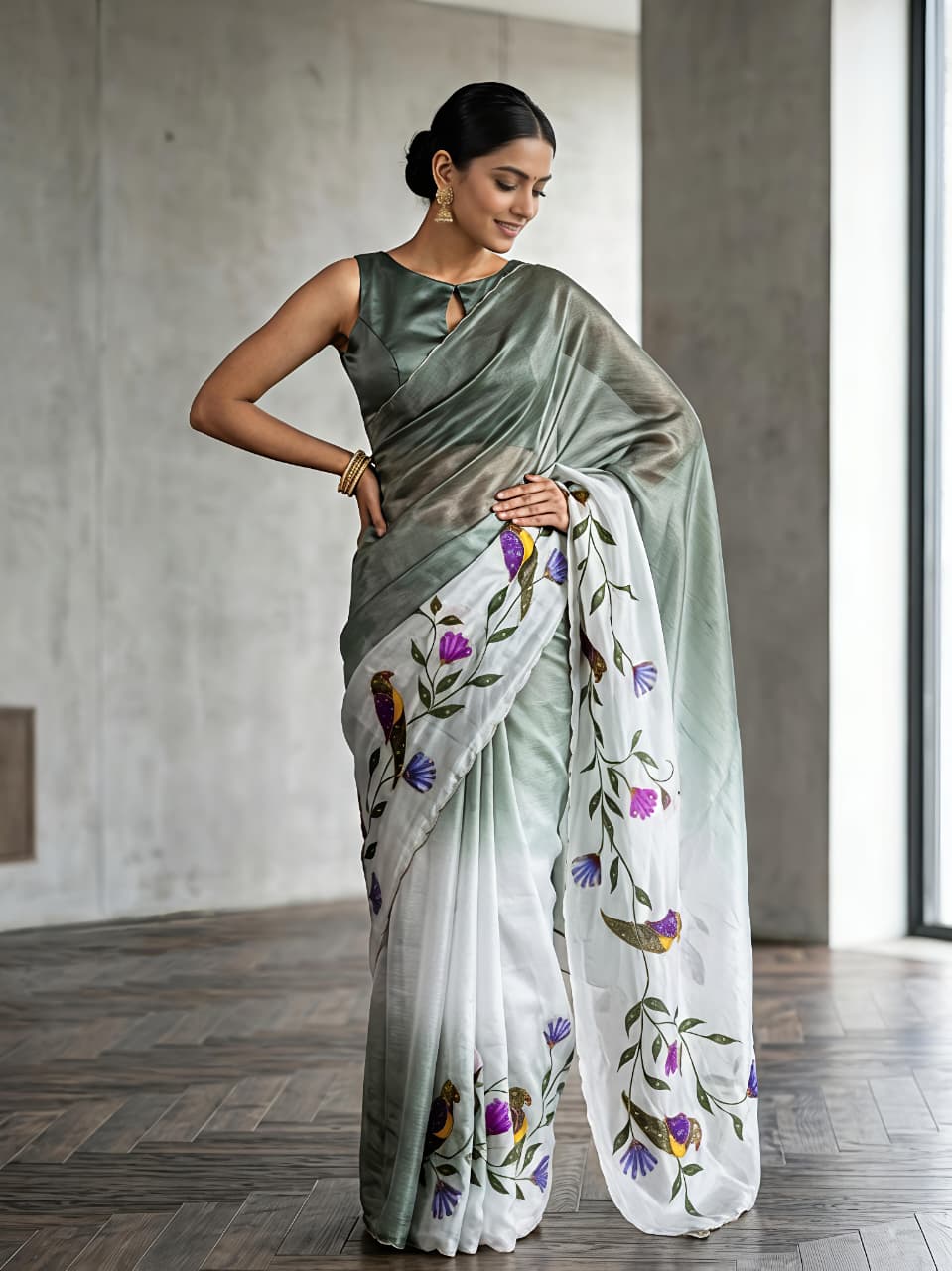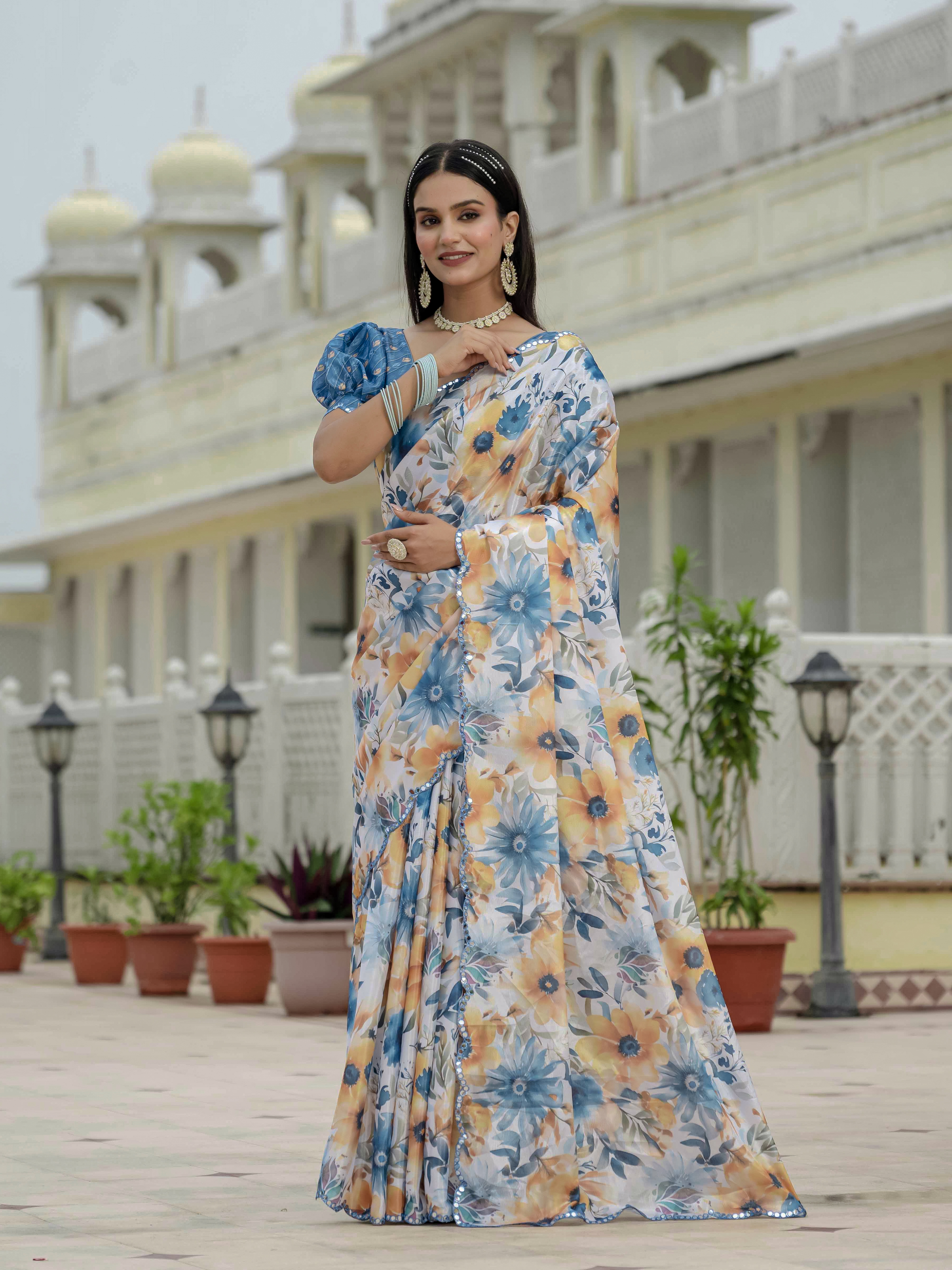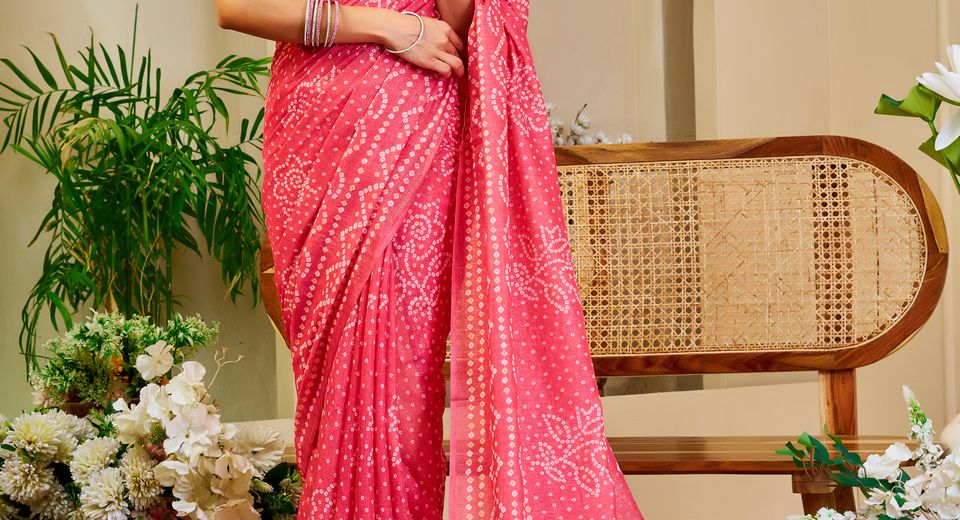
Best Sarees for Gujarati Festivals: Bandhani, Patola & Traditional Styles should balance cultural character with the practical demands of Garba: repeated movement, warm venues, long hours and frequent standing. Bandhani brings dotted patterns and auspicious colour, while Patola contributes geometric precision and a rich woven tradition. The right choice also depends on fabric weight, blouse support, border width, pleat stability and the kind of festival gathering you're attending.
A saree for Navratri doesn't need to be heavy to look festive. A breathable handloom cotton with a vivid pallu can work better than a dense silk when you expect to dance for several hours. The most successful Gujarati festival outfits combine one recognisable regional element with a comfortable construction that remains secure from the first aarti to the final Garba round.
What makes a saree suitable for a Gujarati festival?
A suitable Gujarati festival saree is lightweight enough for movement, colourful enough for evening celebrations and structured enough to hold its pleats. Gujarati festivals commonly involve Garba, Dandiya Raas, temple visits, family meals and photographs, so a practical saree must cope with both activity and ceremony.
Look first at the fabric surface and fall. Cotton, linen cotton and lightweight tissue cotton allow more airflow than heavily embroidered velvet or multilayered brocade. Tissue can appear luminous under decorative lights, but a very crisp tissue may need careful pinning because the pleats can spring open. A soft cotton blend generally gives a more forgiving drape.
Next, inspect the pallu and border. A printed or woven pallu creates visual interest without adding the weight of all-over embellishment. A medium border helps the lower edge retain shape, while an extremely wide zari border may feel restrictive during dancing. A saree with a finished blouse piece also makes fitting easier when time before the festival is limited.
- For active Garba: choose cotton, linen cotton or lightweight tissue with a manageable border.
- For a puja or family ceremony: select a more polished weave, zari detail or traditional motif.
- For a late evening event: consider a luminous tissue or silk blend that catches ambient light.
- For humid weather: prioritise breathability and avoid excessive layered lining.
Why are Bandhani sarees associated with Gujarati celebrations?
Bandhani sarees are associated with Gujarati celebrations because the tie-dye technique creates auspicious dotted patterns in vibrant colours that have long been part of western Indian festive dress. Artisans tie small sections of fabric before dyeing, producing resist-dyed circles, clusters and more elaborate motifs when the threads are opened.

Traditional Bandhani may use red, yellow, green, blue and fuchsia, although contemporary versions also appear in pastels and deeper jewel tones. Red can signal celebration and bridal warmth, while yellow and green connect naturally with Haldi ceremony dressing and spring or monsoon festivities. The dots don't merely decorate the cloth; their scale and arrangement create the recognisable visual rhythm associated with Bandhani.
Bandhani also works well for Garba because the pattern remains visible when the pallu moves. A small-dot design creates a delicate effect in close photographs, whereas larger clusters and a contrast border read more clearly across a dance circle. A saree such as Pink Tissue Handloom Cotton Saree with Bandhani Print Work demonstrates how a familiar Bandhani vocabulary can be paired with a lighter, contemporary handloom base.
When buying a Bandhani saree, check whether the dots are printed or genuinely resist-dyed. Printed Bandhani can still be attractive and easier to maintain, but authentic tie-dye usually shows slight variation in dot shape and spacing. Ask about colour fastness before washing, especially when a bright red, magenta or deep blue ground is paired with a pale border.
How does Patola differ from Bandhani?
Patola differs from Bandhani because Patola is primarily an ikat weaving tradition, while Bandhani is a resist-dyeing technique performed by tying sections of cloth before dyeing. Double ikat Patola aligns dyed warp and weft threads to create highly precise motifs, making the process labour-intensive and technically demanding.

Traditional Patola motifs include parrots, elephants, flowers, dancing figures and geometric forms. The double-ikat structure gives the pattern a remarkable clarity on both sides of the fabric. Rajkot-style single ikat versions can offer a lighter or more accessible interpretation, while printed Patola-inspired sarees reproduce the visual language without using the same weaving process.
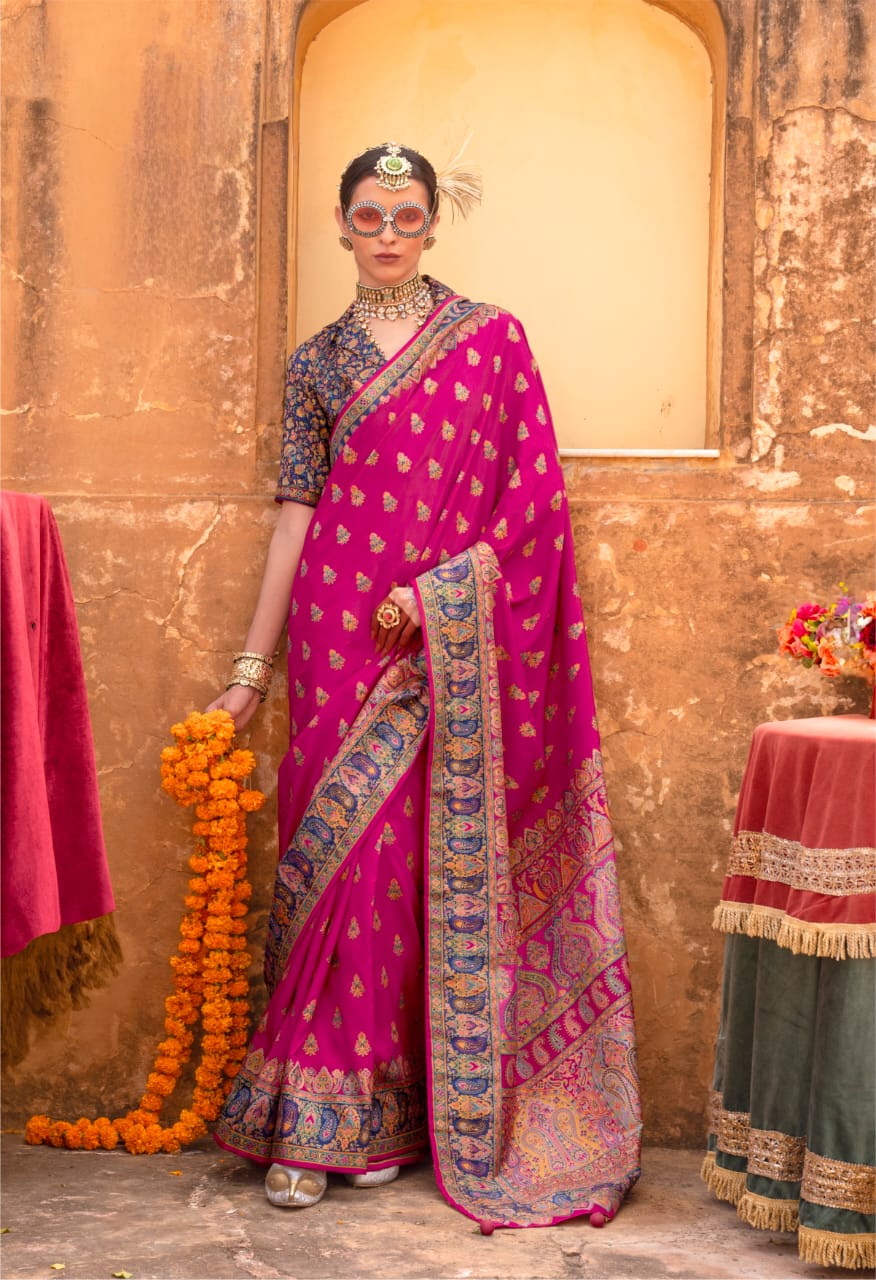
Patola-inspired dressing suits a formal Navratri night, a wedding-related gathering or a cultural programme where the saree itself is meant to be noticed. The strong geometry pairs well with a plain blouse, a narrow gold necklace and restrained earrings. Too many competing prints can obscure the precision of the design.
Silk Sarees Under 3000 With Discount may provide a practical route to a silk-like festive effect when a traditional double-ikat Patola is outside the budget. A buyer should read the fabric composition and product description carefully, because a printed polyester saree, a silk blend and a handwoven silk saree will differ substantially in breathability, fall, durability and care requirements.
Which fabrics work best for Garba nights?
Linen cotton, handloom cotton and light tissue cotton are among the most comfortable fabrics for Garba nights because they combine airflow with enough body for stable pleats. The best fabric depends on the venue, season, expected movement and how much structure the wearer wants.
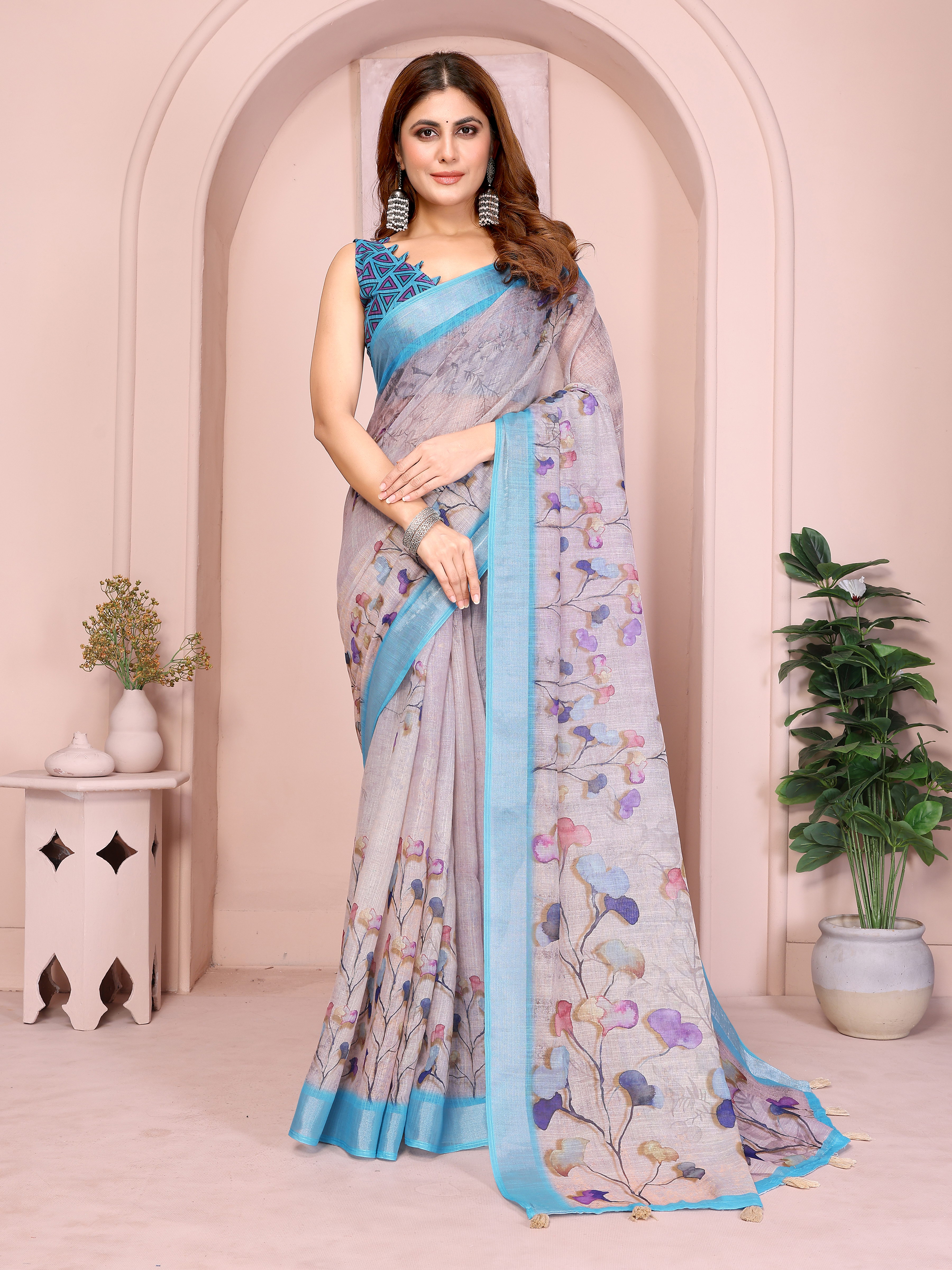
Handloom cotton for movement
Handloom cotton is a strong choice for active dancing because it absorbs moisture and usually feels less clingy than synthetic fabric. Sea Green Tissue Handloom Cotton Saree With Floral Patterns offers an useful example of a breathable base with enough surface interest for a festive setting. Floral patterns are not specifically Bandhani or Patola, but a regional colour story and traditional drape can still make the outfit appropriate.
Tissue Handloom Cotton Saree with Zari Weave & Floral Print adds a small amount of shimmer without requiring a fully metallic saree. Zari should sit comfortably against the skin, so wear a well-fitted petticoat and test the blouse neckline before the event. Handloom cotton can crease, but a few natural creases are less troublesome than a slippery saree that constantly shifts.
Linen cotton for a softer fall
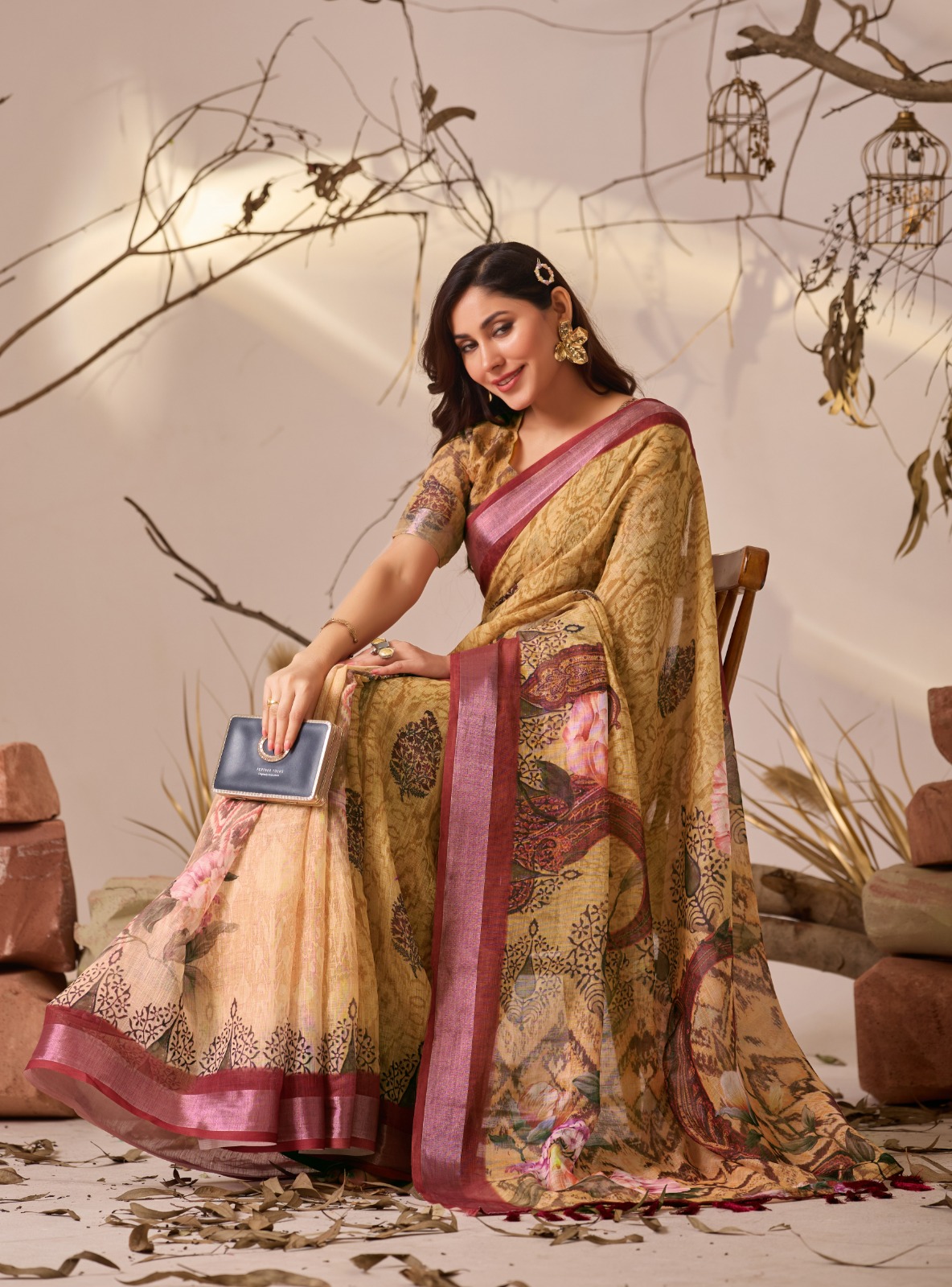
Linen cotton suits daytime pujas and warm outdoor gatherings because the blend is generally airy while remaining more fluid than coarse cotton. Pastel Linen Cotton Floral Print Saree with Designer Blouse gives a softer interpretation of festival dressing, especially when paired with a bright bindi, oxidised silver jewellery or a contrasting blouse.
Peach Linen Cotton Floral Print Saree with Blouse for Women works particularly well for a daytime family celebration where a very dark colour may feel visually heavy. Linen cotton can develop a relaxed texture, so steam the saree from the reverse side and avoid pressing directly over printed areas.
Tissue cotton for festive light
Tissue cotton creates a subtle sheen and photographs well under string lights, making it useful for evening Garba. Peach Green Tissue Cotton Saree With Print Blouse Piece gives the eye two fresh tones without the weight of a heavily embellished silk. Teal Green Tissue Handloom Cotton Saree With Printed Pallu brings another way to create movement through the pallu rather than through dense embroidery.
Blue Tissue Cotton Saree With Floral Print | Varnavi shows how a cool colour and floral surface can feel festive without relying on sequins. Secure a tissue saree with a discreet waist pin, two pallu pins and a properly fitted petticoat; excess pins placed through the visible border can damage the weave.
How should you choose colour for Gujarati festival dressing?
Choose a Gujarati festival saree colour by considering the time of day, lighting, skin contrast, jewellery and whether the event has a particular ritual colour code. Saturated red, fuchsia, cobalt, emerald, saffron and peacock blue stand out during night-time Garba, while peach, mint, rose and soft yellow are effective for daytime ceremonies.

Colour placement matters as much as the base shade. A bright pallu can frame the upper body in photographs, and a contrasting border gives definition to the lower pleats. A two-tone saree can look especially dynamic when the pallu is thrown over the shoulder and moves during Dandiya Raas.
Pink Georgette Sarees can inspire a lighter, fluid colour direction for a party-oriented Navratri event, although georgette requires careful pleating because its slippery surface can loosen. Red Banarasi Silk Sarees for Weddings Under 1100 offer a more traditional red-and-gold reference for formal family functions, but a Banarasi silk saree may feel warmer and heavier than cotton during prolonged dancing.
Jewellery should reinforce rather than compete with the saree. Mirror-work earrings, oxidised silver, enamel bangles and a waist belt suit a more folk-inspired outfit. Gold zari, pearl drops and a structured clutch create a quieter formal look. If the saree already has a vivid Patola-style geometric print, keep the blouse and jewellery comparatively clean.
What blouse and drape details make a saree Garba-ready?
A Garba-ready blouse has a secure fit, comfortable armholes and enough coverage to allow repeated movement without constant adjustment. A blouse that's too loose at the bust or too tight at the arms can make dancing uncomfortable and may pull the saree out of position.

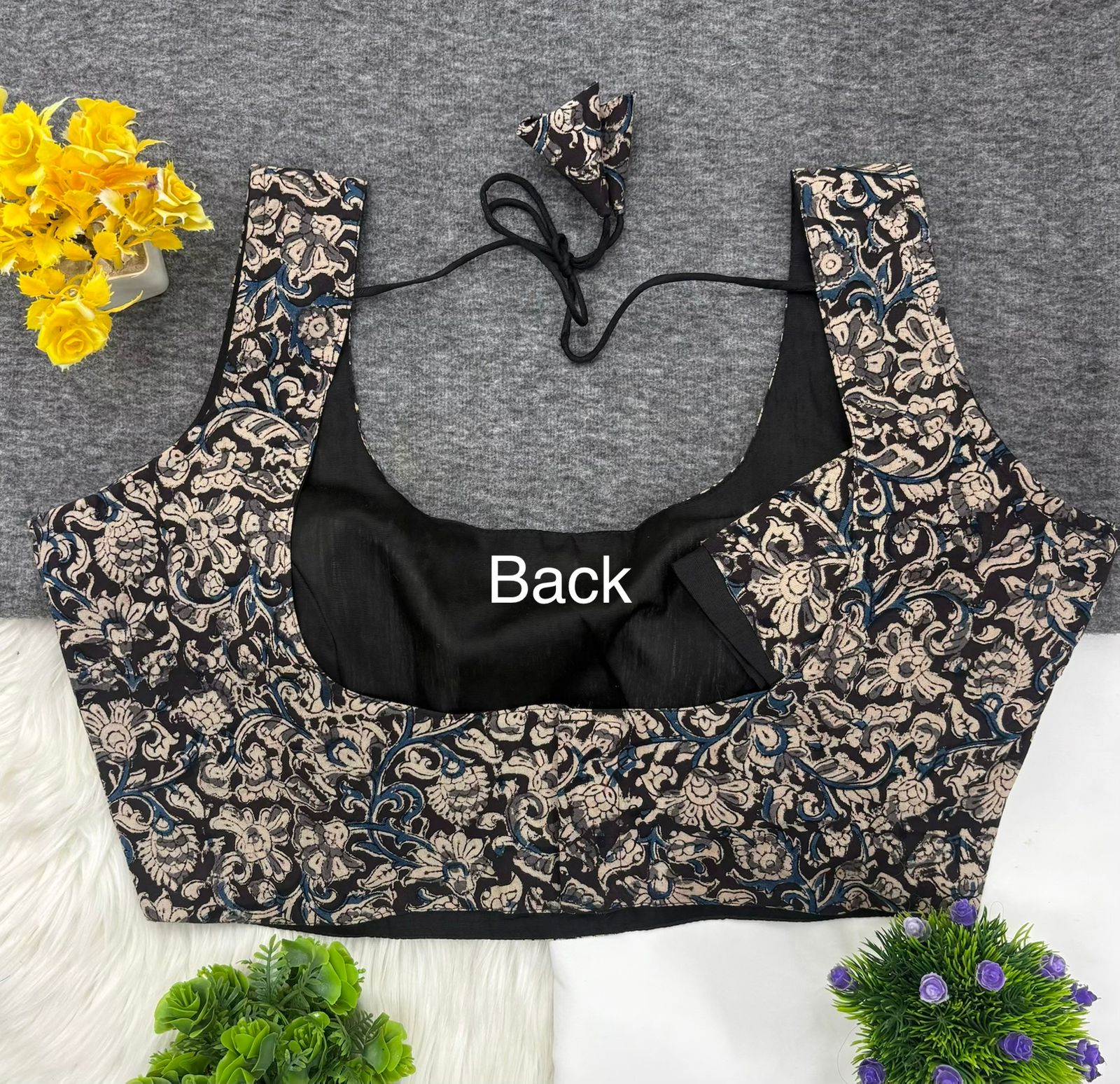
Short sleeves, elbow-length sleeves and high-neck blouses all work, but the sleeve seam should not dig into the underarm when the arms are raised. A plain blouse in one colour from the saree border is the safest choice for a heavily patterned Bandhani or Patola-inspired saree. A mirror-work or embroidered blouse can work with a plain saree, provided the embellishment doesn't catch on Dandiya sticks or jewellery.
The Gujarati seedha pallu drape places the pallu over the right shoulder and brings it across the front of the body, unlike the more common Nivi drape that leaves the pallu falling from the left shoulder towards the back. The seedha pallu makes the decorative end visible and connects strongly with Gujarati festive styling. Pin the top edge near the shoulder and anchor one inner fold near the waist to keep the pallu secure.
- Wear a petticoat with a firm but comfortable drawstring at the natural waist.
- Make five to seven even front pleats, depending on the saree width and your height.
- Place the pleats slightly to the left of the navel so walking remains easy.
- Secure the pleats at the waist, then arrange the Gujarati seedha pallu across the front.
- Use safety pins from the reverse side and test a few dance steps before leaving home.
How can you build a traditional Gujarati look without overdoing it?
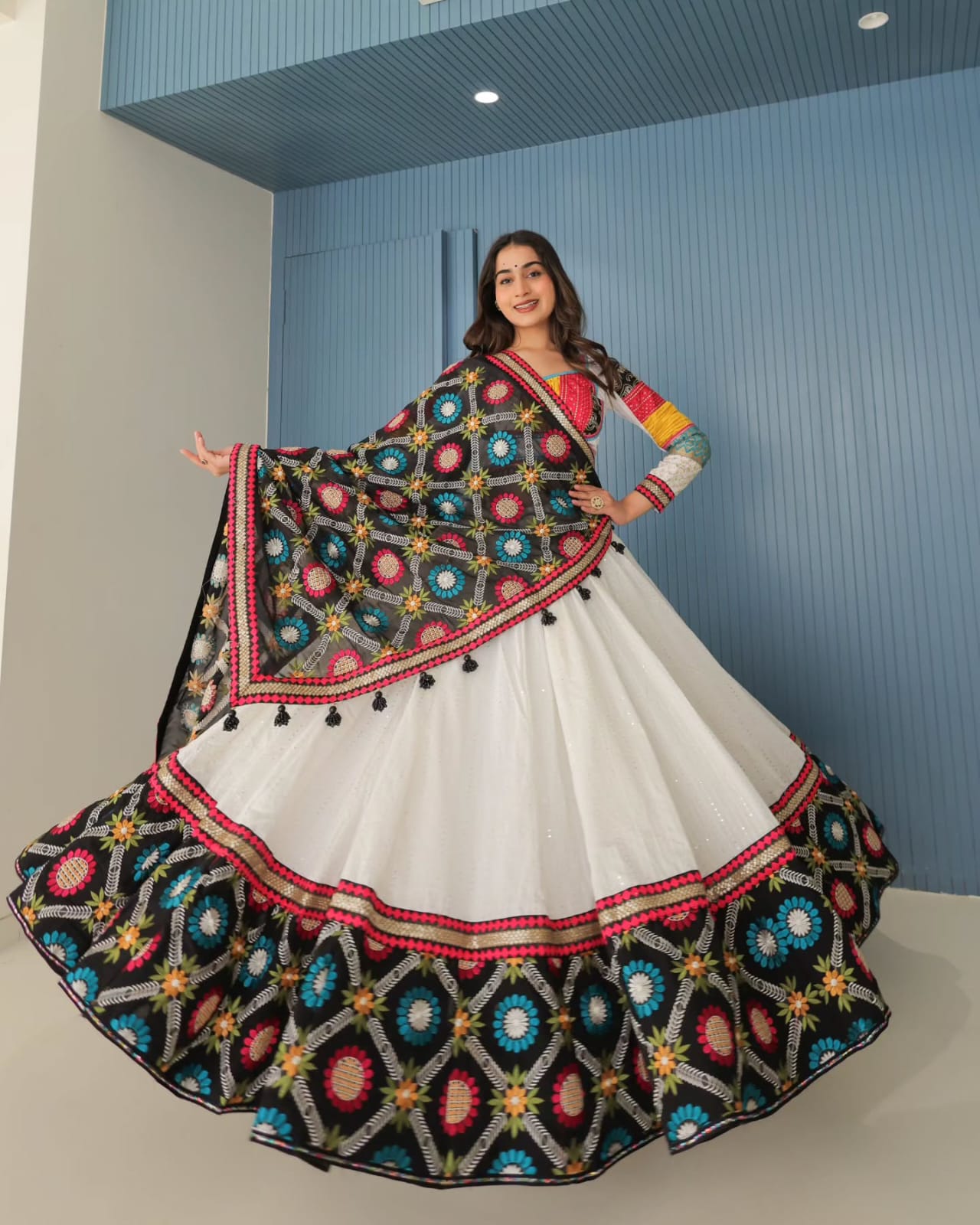
A traditional Gujarati look feels balanced when the saree carries one strong regional cue and the accessories repeat its colours or craft language. Bandhani dots, Patola geometry, a Gujarati seedha pallu, mirror-work jewellery or a colourful blouse can each provide that cue; using all of them at full intensity may make the outfit look crowded.

For an understated look, pair a handloom cotton saree with silver jhumkas, glass bangles and a small bindi. For a richer evening outfit, add a zari belt, a low bun with gajra and a structured blouse. A dupatta-style odhani is unnecessary with a saree, but a short embroidered jacket can work for a cooler outdoor venue if the garment doesn't obstruct the pallu.
Party Wear Sarees can be useful for a modern Navratri gathering, particularly when the dress code is more glamorous than ceremonial. Gray Color Sarees Under 1000 can also work as a neutral base for bright jewellery and a contrasting blouse, although the accessories should provide enough colour for a festive setting.
Do a complete trial at least one day before the event. Walk upstairs, sit on a chair, raise both arms, practise two or three Garba turns and check whether the pallu, blouse hooks and waist pleats remain secure. A ten-minute trial reveals practical problems that a mirror-only fitting often misses.
How should Gujarati festival sarees be cared for after wear?
Care for a Gujarati festival saree according to its fibre, dye method and embellishment rather than treating every saree like ordinary cotton. Air the saree in shade after wearing, remove surface dust with a soft brush and store the garment only after perspiration has fully dried.

Handwash plain cotton and linen cotton only when the care label permits it, using cool water and a mild detergent. Wash bright Bandhani separately during the first few washes because loose dye can transfer to pale sections. Do not twist tissue cotton, zari or silk; press water out gently between clean towels and dry the saree flat or on a broad hanger in shade.
Fold zari borders with acid-free tissue paper or a clean cotton cloth between layers. Refold stored sarees every few months to prevent permanent stress along the same fold line. Keep sarees away from direct sunlight, damp cupboards and unprotected wooden surfaces that may snag delicate threads.
With the right fabric, a secure drape and a thoughtful colour plan, a Gujarati festival saree can move comfortably from the family puja to an energetic Garba circle. Bandhani gives the outfit recognisable dotted rhythm, Patola gives woven geometry, and breathable up-to-date handlooms make both traditions practical for contemporary celebrations.
Questions About Choosing Sarees for Gujarati Festivals
Which saree is best for Garba night?
A lightweight cotton, linen cotton or tissue cotton saree is usually best for Garba night because it supports movement and remains more breathable than heavy silk. Choose a stable border, secure pleats and a pallu that can be pinned across the shoulder.
Is Bandhani or Patola better for Navratri?
Bandhani is usually the more comfortable choice for active Navratri dancing, while Patola is especially suitable for a formal evening or cultural function. The choice also depends on construction: a printed Patola-style saree may be lighter than a genuine silk Patola, and a handloom cotton Bandhani may be easier to wear than a heavy silk version.
What is the difference between Bandhani and Patola sarees?
Bandhani is created by tying sections of fabric before dyeing, which produces dotted resist patterns. Patola is an ikat weaving tradition in which dyed warp and weft threads align to form precise motifs.
Can I wear a cotton saree for Gujarati festivals?
Cotton is an excellent choice for Gujarati festivals, especially when the event includes Garba or takes place in warm weather. Handloom cotton, tissue cotton and linen cotton can look festive when combined with a bright pallu, zari detail, statement jewellery or a well-fitted blouse.
How do I keep a saree secure while dancing Garba?
Keep a saree secure during Garba by using a firm petticoat, even front pleats, one waist pin and two discreet pallu pins. Practise several dance movements before leaving home to check that the blouse, pleats and pallu do not shift.
What colours are traditionally suitable for Gujarati festival sarees?
Red, yellow, green, fuchsia, saffron, cobalt and peacock blue are traditionally effective Gujarati festival colours, while peach and pastel shades suit daytime functions. Choose the final shade according to lighting, jewellery, skin contrast and the formality of the gathering.