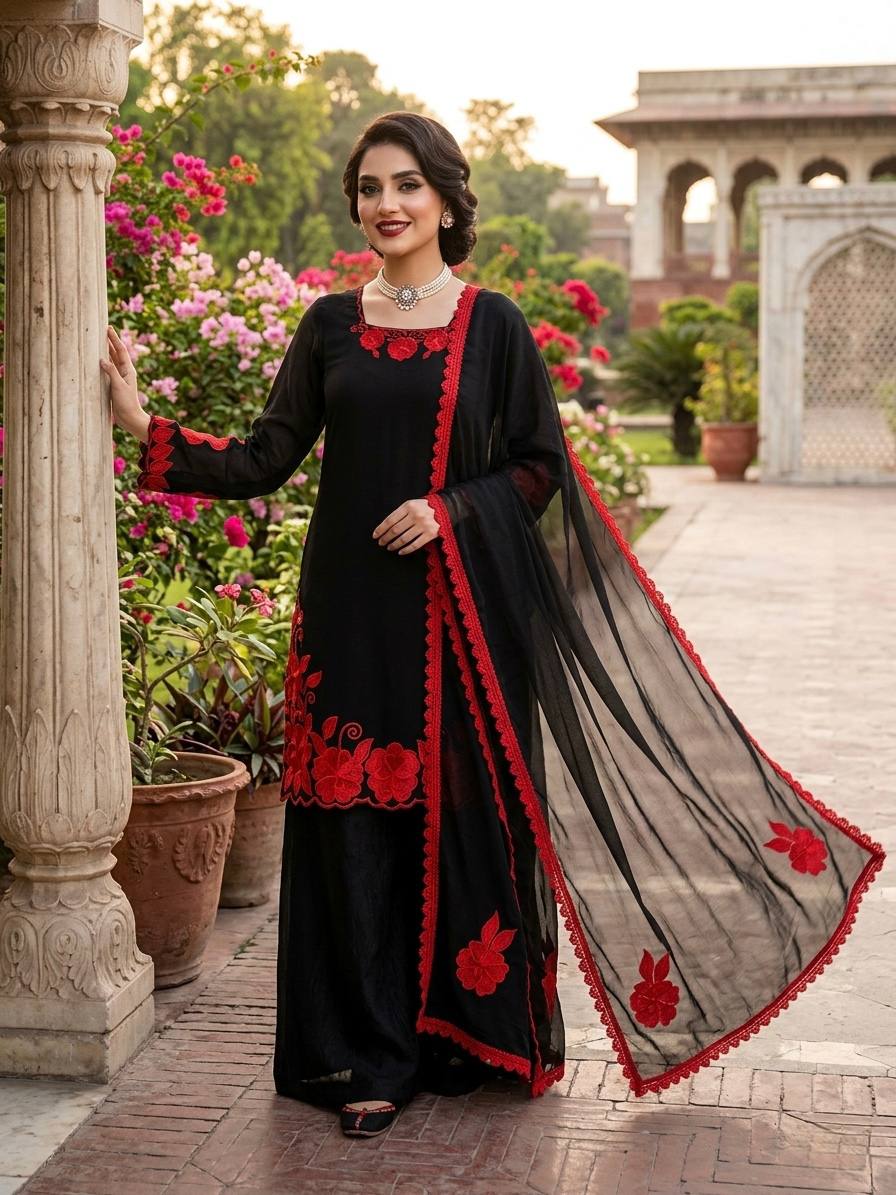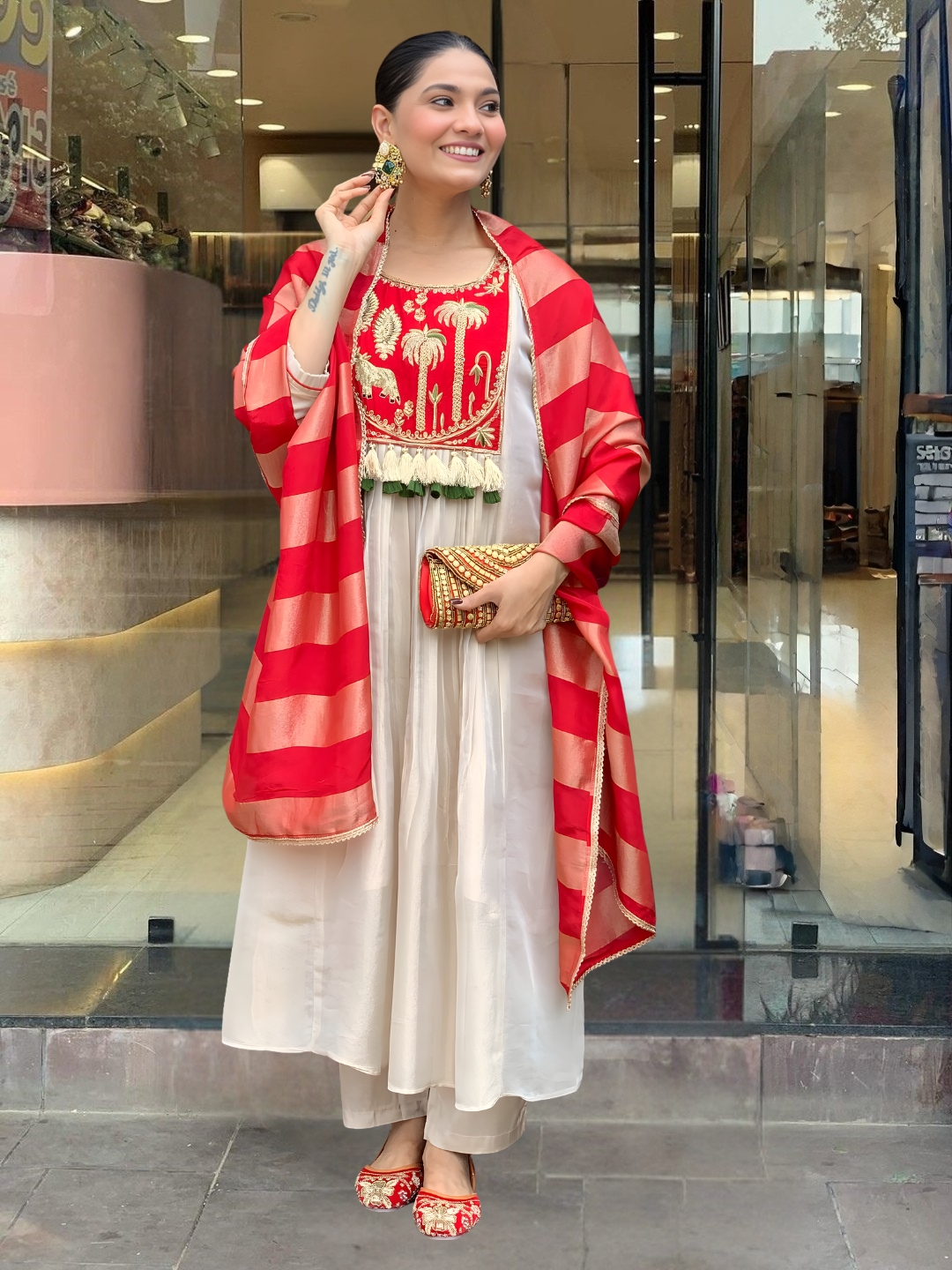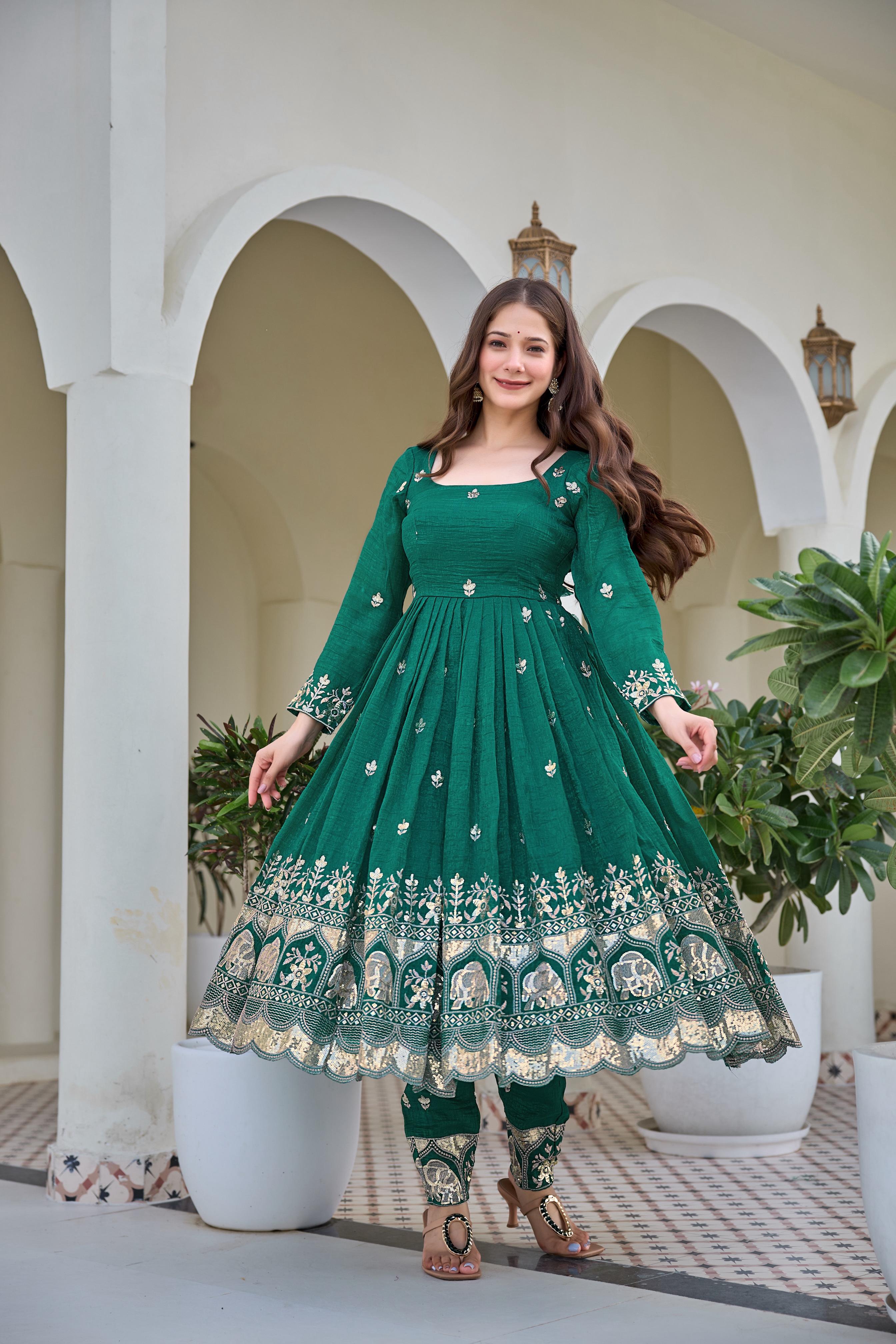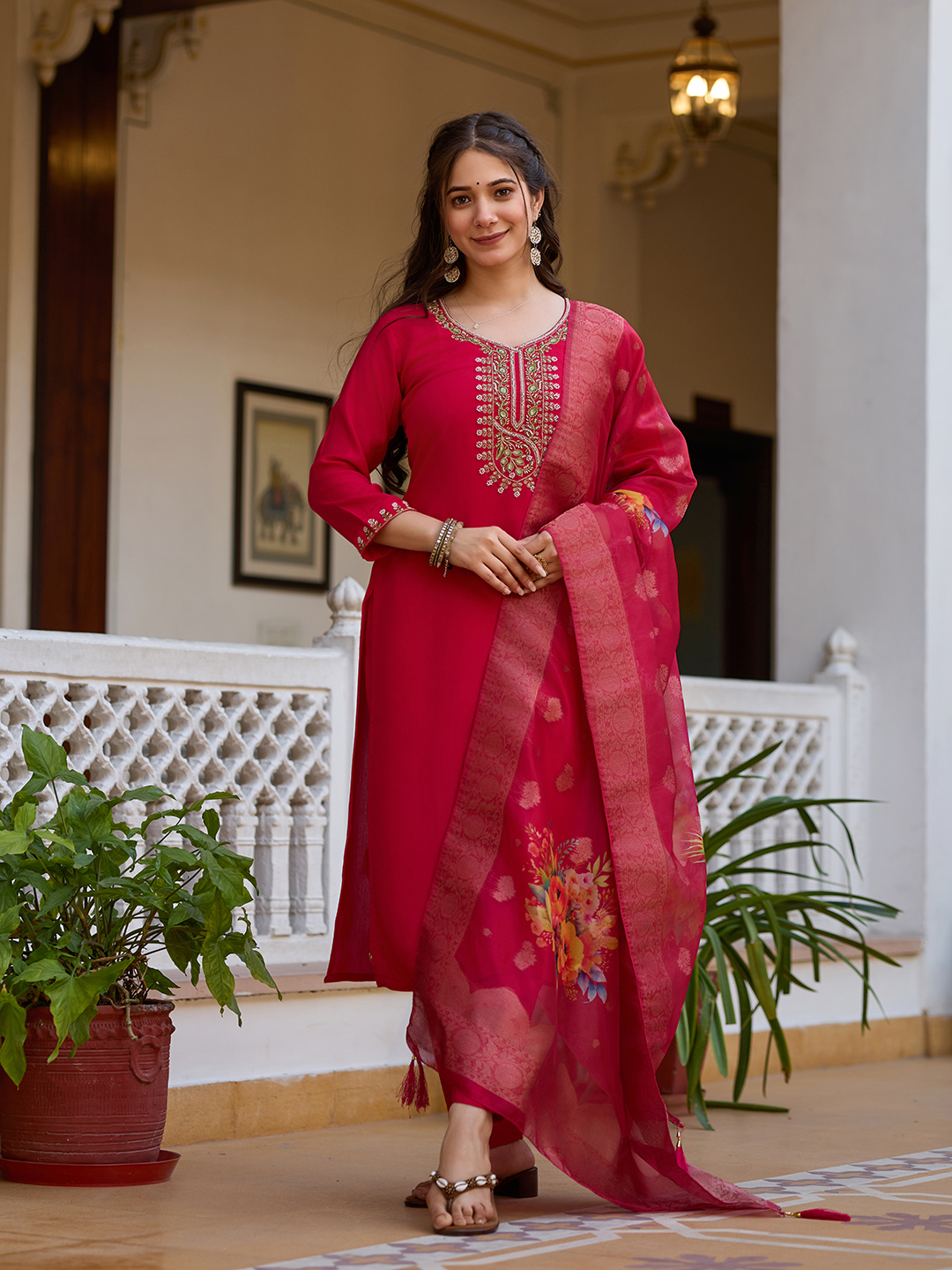
The best sarees for festivals are not chosen by shine alone. An useful choice depends on the festival, the number of hours you'll wear the saree, the climate, the amount of movement required, and the visual weight of the border and pallu. Banarasi silk, Bandhani silk, Patola-border Pashmina silk and heritage silk each create a different kind of festive presence.
A saree for Diwali may benefit from zari and jewel tones, while a saree for a daytime Haldi ceremony may work better in yellow, pink or a lighter silk with a manageable drape. The sections below explain how to compare fabrics, colours, borders and blouse details before buying or styling a festive saree.
How to Choose the Best Sarees for Festivals
The best sarees for festivals match the textile and styling details to the event, weather and amount of movement required. A family puja, a garba night, an Eid gathering and a wedding reception all place different demands on clothing.
Start by identifying four practical factors: the time of day, the likely temperature, whether you'll sit on the floor or walk frequently, and whether the celebration includes photographs or dancing. A heavy zari weave can look especially appropriate for an evening Diwali puja, but a lighter silk may feel more comfortable during a long daytime function.
- For Diwali and evening pujas: Choose Banarasi silk, rich zari, deep pink, purple, royal blue, maroon or red, and a blouse with a defined neckline.
- For Navratri and garba: Choose a saree that allows secure pleats and easy movement. Bandhani details, Patola borders and bright yellow, red or pink shades suit the energetic setting.
- For Eid gatherings: Consider a polished silk saree in royal blue, purple, ivory or maroon with restrained jewellery and a neatly finished pallu.
- For a Haldi ceremony: Yellow, pink and red create a celebratory palette. A saree with a lighter fall and a secure waist tuck is easier to manage around turmeric, flowers and outdoor seating.
- For family lunches and daytime visits: Select a medium-weight silk, a smaller border and breathable blouse construction rather than maximum surface shine.
Buying decisions also improve when the saree is assessed as a complete outfit. A visually elaborate saree may need a plain blouse and fewer accessories, while a simple silk saree can carry a patterned blouse, a layered necklace or a statement pair of earrings.
Which Saree Fabrics Work Best for Festive Dressing?
Banarasi silk is a strong choice for formal festivals because zari and woven patterning give the saree depth without relying on heavy surface embellishment. Pashmina silk offers a softer fall and a warm, fluid appearance, while Bandhani silk brings a recognisable tie-dye character. Heritage silk sarees provide a traditional base for floral or border-led styling.
Banarasi silk for formal celebrations
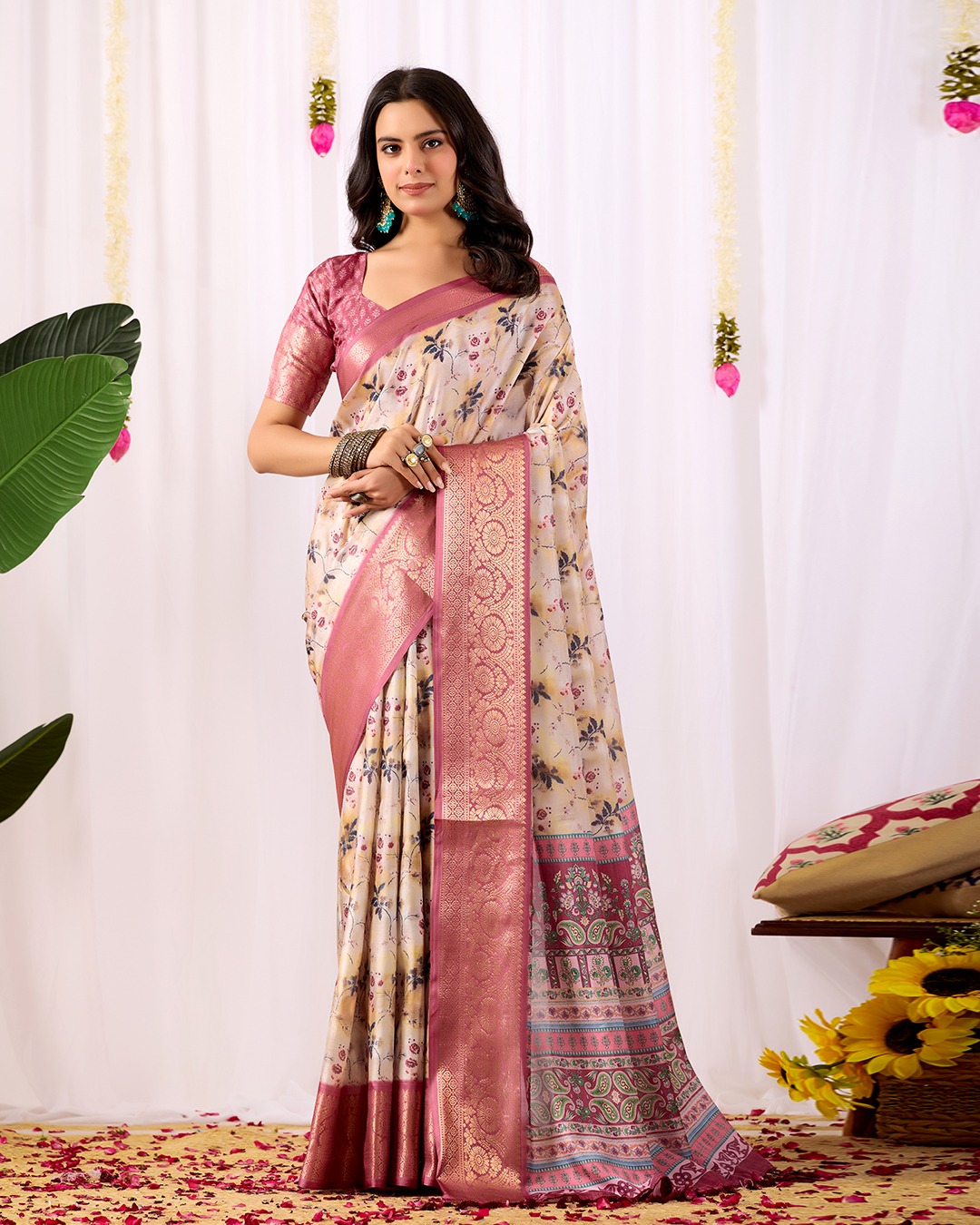
Banarasi silk works particularly well for Diwali, Dussehra, formal pujas and evening family gatherings. Zari can reflect warm indoor light, and a jacquard or zari weave gives the pallu a structured appearance in photographs. Pink Banarasi Soft Silk Jacquard Saree with Zari combines a soft pink palette with a woven festive surface, making it suitable for a daytime puja or a lighter evening look.
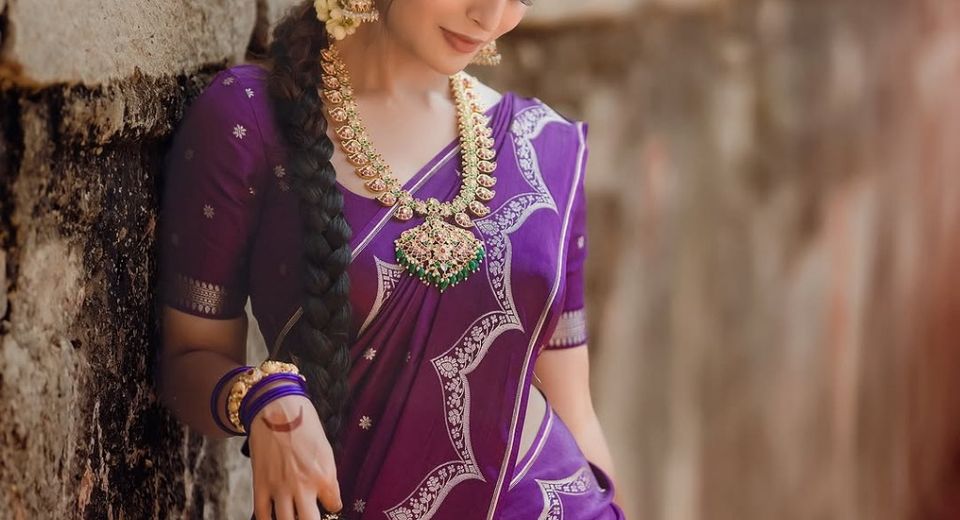
Purple Banarasi Soft Silk Zari Work Saree creates a more dramatic impression through colour contrast and zari work. Purple pairs effectively with antique gold jewellery, kundan-inspired accessories or a blouse in a deeper plum shade. Royal Banarasi Soft Silk Zari Weave Saree suits people who prefer a classic jewel-toned appearance with a strong pallu-led finish.
Bandhani and Patola details for colour-led dressing
Bandhani silk is useful when colour and regional character matter more than a dense metallic surface. Pink Bandhani Silk Saree with Zari Elephant Border uses an identifiable Bandhani look with an elephant border, so accessories can echo the saree's time-honoured vocabulary through jhumkas, bangles or a small bindi.
Patola borders create a strong graphic frame around a saree. Red Patola Border Pashmina Silk Saree With Printed Pallu balances a red border with a printed pallu, giving the outfit two areas of interest. Designer Yellow Patola Border Pashmina Silk Saree For Women gives a bright festive direction that can suit a Haldi ceremony, daytime puja or spring celebration.
Heritage silk for a softer heritage look
Heritage silk suits wearers who want a classic appearance without making zari the only focal point. Blue Floral Heritage Silk Saree Online - Varnavi uses a floral direction and a blue base, so silver-toned jewellery, pearls or a contrasting pink blouse can change the mood without changing the saree.
How Should Festival Saree Colours Be Selected?
Festival saree colours should be selected according to light, ceremony symbolism, personal contrast and the colour of the blouse and jewellery. A colour that looks powerful in evening lighting may appear too intense in direct afternoon sun.
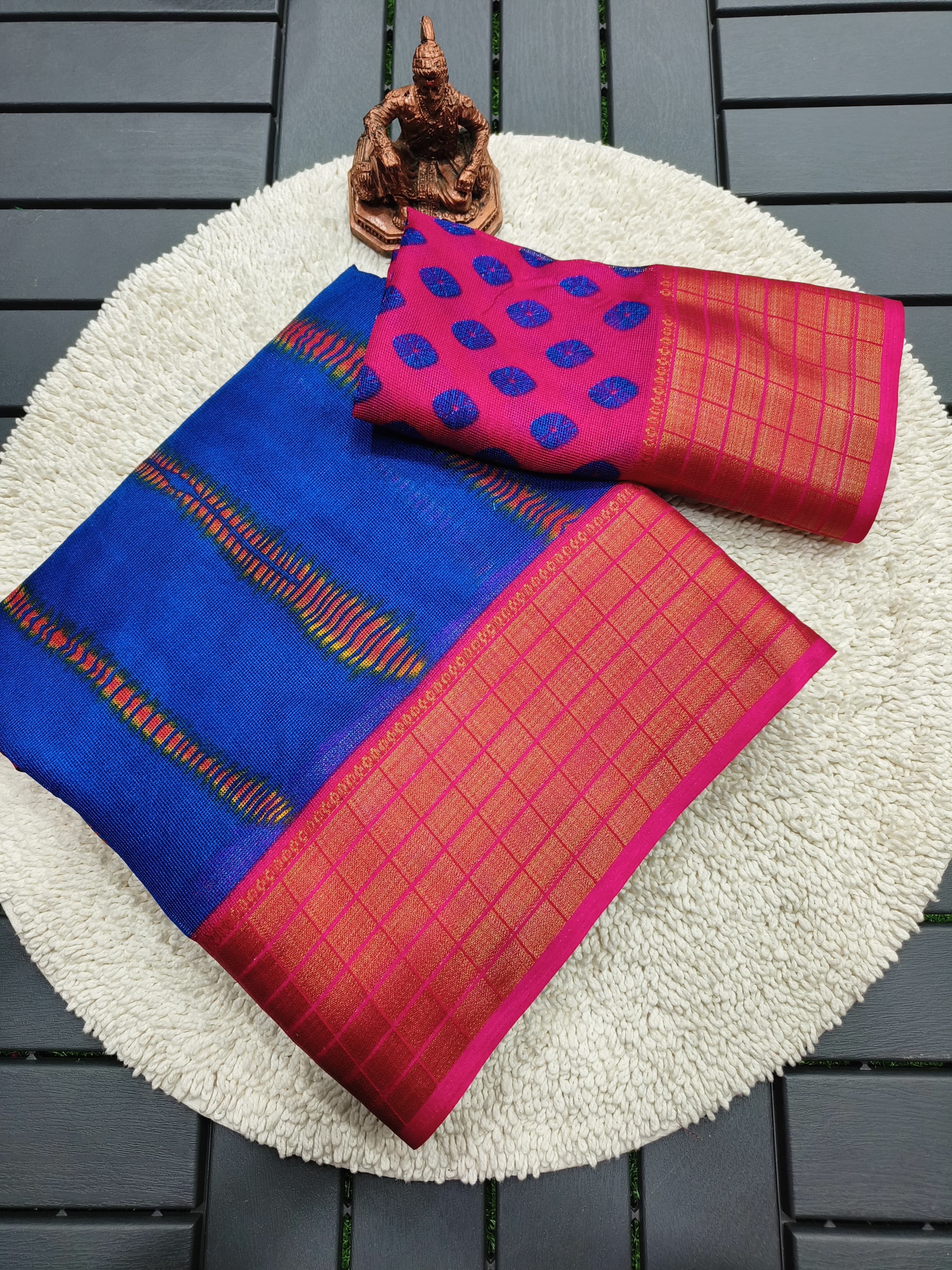
Red remains a reliable choice for major celebrations because the colour reads clearly in photographs and works with gold, antique gold and kundan-style jewellery. Purple and royal blue create a more composed jewel-tone palette. Pink looks festive without always feeling formal, which makes pink useful for daytime ceremonies and family gatherings.
Yellow has particular relevance for a Haldi ceremony and other daytime rituals. Yellow also pairs well with green, red, pink and gold accents. An all-yellow outfit can look intentionally bright, while a yellow saree with a red Patola border creates stronger contrast around the hem and pallu.
Ivory, cream and off-white silk sarees create a quieter festive look. White Silk Sarees in Cream Ivory and Off White can be styled with a coloured blouse, temple jewellery or a bold border accent. Such shades are especially useful for daytime gatherings, intimate pujas and celebrations where understated elegance is preferred.
Maroon is a practical choice for evening wear because the deep base colour supports gold accessories and hides minor handling marks better than very pale silk. Maroon Silk Sarees with Up to 74% Off brings a colour direction worth considering when a wearer wants festive depth without choosing bright red.
What Border and Pallu Details Matter Most?
The border determines how strongly a saree frames the body, while the pallu usually controls the most visible part of the drape. A broad zari border adds formality and visual weight; a narrow border gives more room to a printed or floral body; a patterned pallu becomes a natural focal point for photographs.
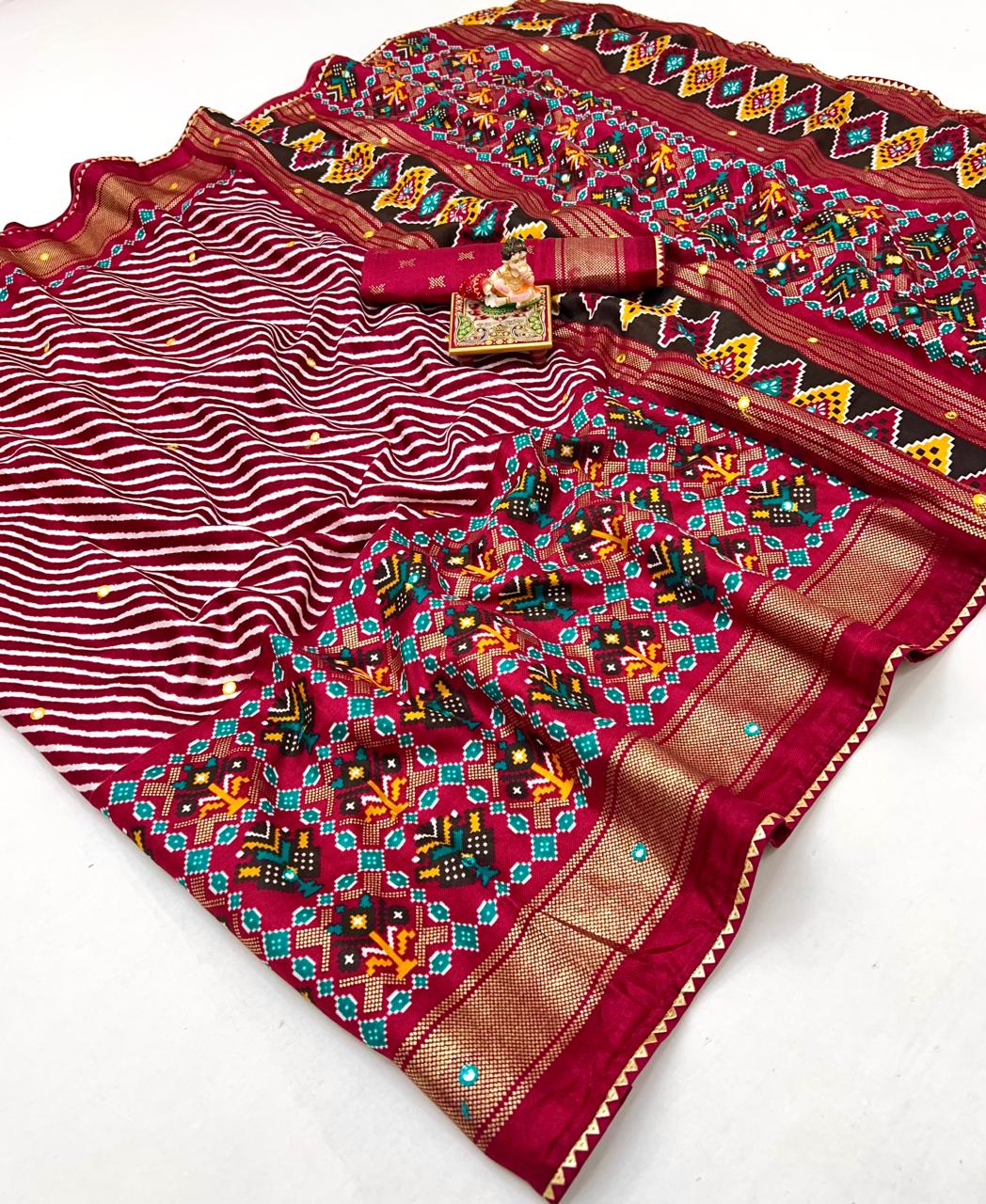
Elephant, floral and Patola-inspired motifs communicate a classic vocabulary without requiring heavy jewellery. A border with a repeated motif is also easier to style when the blouse is plain. A heavily decorated blouse paired with a wide zari border can make the upper half of the outfit look crowded.
Check how the pallu will be worn before finalising the saree. An open pallu displays more design and works well for photographs, but a pleated or pinned pallu is safer for walking, serving food and participating in rituals. A printed pallu can be shown clearly with a shoulder drape, while a zari pallu may look better in broad, orderly pleats.
Border width should also relate to height and styling preference. A very broad border creates a deliberate, grand effect, while a medium border often brings greater flexibility for repeated festive wear. The right choice isn't the largest border; the right choice is the border that remains visible without overpowering the blouse and jewellery.
How Can a Festival Saree Stay Comfortable for Hours?
A festival saree stays comfortable when the inner layer, waist placement, pleat width, blouse fit and pinning are prepared before dressing. Comfort depends as much on construction and draping as on the saree fabric.
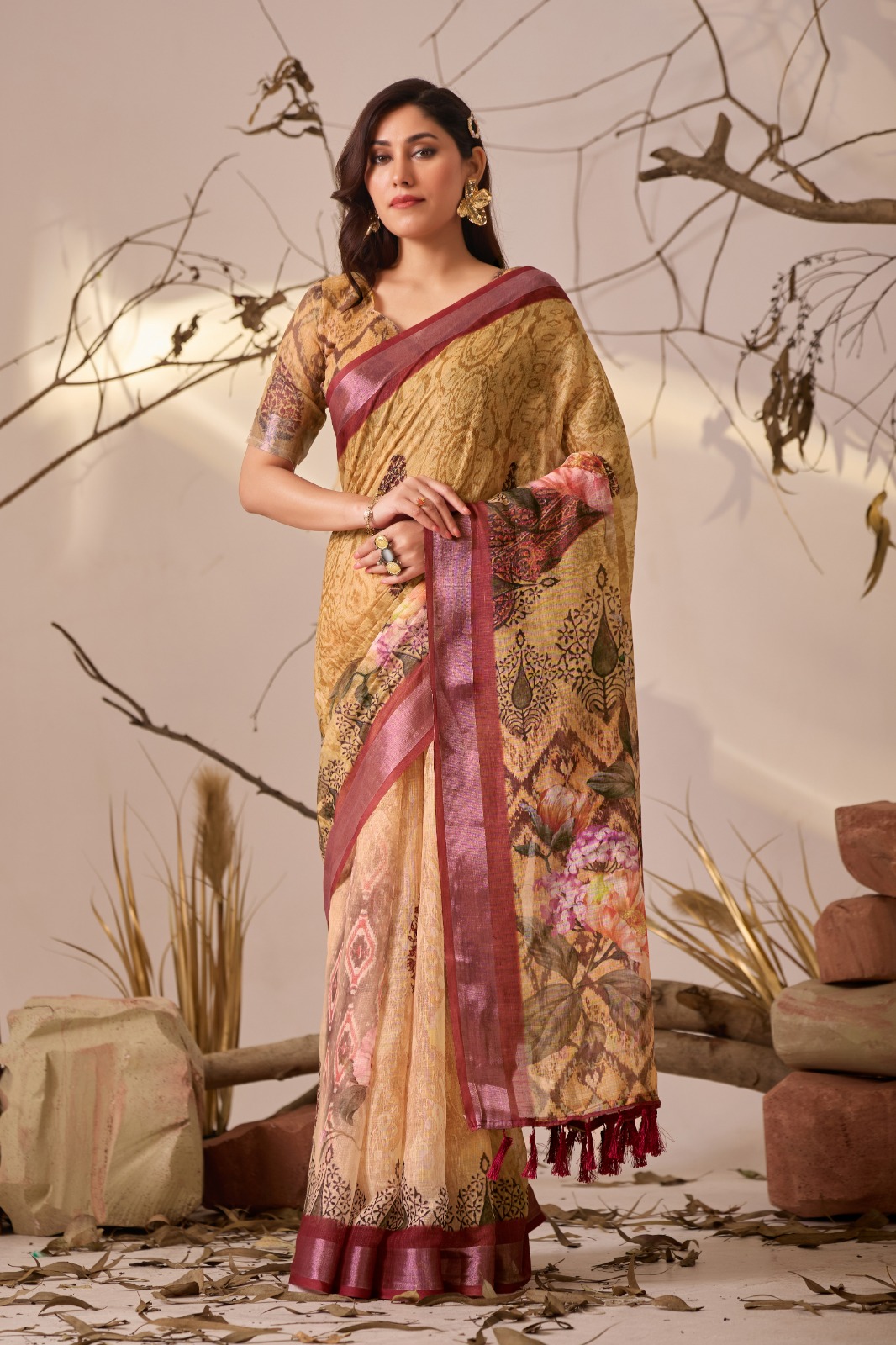
- Choose the right petticoat or underskirt: A fitted waist with a firm drawstring or secure closure prevents the saree from slipping. A flared underskirt can add unwanted volume beneath a soft silk saree.
- Wear the blouse before final draping: Check that the armhole, shoulder and bust fit allow normal breathing and arm movement. Tight sleeves become uncomfortable during prayer, meals and dancing.
- Set the waist height deliberately: The saree should cover the waistline without dragging on the floor. A controlled lower edge prevents stepped-on pleats and protects the border.
- Make even front pleats: Five to seven pleats usually create a balanced front, although the number depends on fabric width and personal preference. Equal pleats help the saree fall straight.
- Pin only where necessary: Use discreet pins at the shoulder and waist rather than pinning every fold. Too many pins can distort zari, jacquard or delicate printed areas.
- Test movement: Walk, sit, climb one step and raise both arms before leaving home. These simple tests reveal a loose tuck, an overly long hem or a restrictive blouse.
For long celebrations, carry two safety pins, a small clear elastic or fabric tape, and a few spare blouse hooks. These items are more useful than repeatedly adjusting the pallu throughout the event.
How Should Festival Sarees Be Styled Without Looking Overdone?
A balanced festival outfit usually combines one dominant feature with two supporting details. A zari saree can lead the look, while the blouse and jewellery remain controlled; a plain silk saree can instead be supported by a statement blouse and more visible earrings.
Gold jewellery complements zari, warm reds, purple and maroon. Silver, pearls and cool-toned stones suit royal blue, ivory and some floral silk designs. A mixed-metal look can work when the saree already contains both warm and cool visual notes, but repeating one metal across earrings, bangles and necklace usually appears more intentional.
Blouse colour can either continue the saree or create contrast. A matching blouse produces a longer visual line, while a contrasting blouse gives the outfit a more contemporary edge. For Pink Banarasi Soft Silk Jacquard Saree with Zari, a deeper pink, wine or antique gold blouse can create contrast without competing with the jacquard.
For Elegant Royal Blue Silk Saree for Festive & Wedding Wear, a blouse in royal blue, silver, ivory or a restrained contrasting pink can shift the outfit from formal to celebratory. Keep the blouse neckline practical if the event involves sitting on the floor, greeting guests or moving between indoor and outdoor spaces.
Party Wear Sarees can provide inspiration for evening styling, but festive dressing doesn't require excessive sequins or layered accessories. A neat pleat, a well-fitted blouse, a carefully placed bindi and one strong jewellery element often produce a more polished result than several competing embellishments.
How Should Silk Sarees Be Stored and Cared For After a Festival?
Silk sarees should be aired briefly after wearing, folded with the pallu inside, wrapped in breathable cotton or muslin, and stored away from direct sunlight and moisture. Proper storage reduces colour fading, snagging and permanent fold stress.
don't store a silk saree in a sealed plastic bag for long periods. Plastic can trap humidity, while direct contact with rough wood, unfinished shelves or metal hangers can catch zari and delicate fibres. Refold a stored silk saree every few months so the same crease doesn't remain under pressure.
Remove jewellery before taking off the saree to reduce the risk of snags. If food, oil or turmeric reaches the fabric, avoid rubbing the mark or applying household stain remover. Blot gently with a clean, dry cloth and consult a professional dry cleaner familiar with silk and zari.
Banarasi silk and zari should not be exposed repeatedly to harsh detergent or prolonged soaking. Follow the garment care label, and use professional cleaning for significant stains or valuable woven pieces. Ironing should be done at a low temperature from the reverse side with a pressing cloth, never directly over zari.
How Do You Build an Useful Festival Saree Wardrobe?
An useful festival saree wardrobe contains different colour depths, fabric weights and levels of ornamentation rather than several sarees that perform the same role. One Banarasi silk, one bright colour-led saree, one softer heritage design and one versatile evening saree can cover many family celebrations.
A purple or royal blue Banarasi can serve formal evening events. A yellow or pink Patola-border Pashmina silk can work for daytime rituals and Haldi celebrations. A blue floral heritage silk can offer a calmer option for lunches and intimate gatherings. A red or maroon saree can anchor larger family functions.
Party Wear Sarees, Red and Yellow Sarees from Rs 799 with Up to 75 Percent Off and Gray Color Sarees Under 1000 can also be browsed according to budget and colour direction, but price should not replace checks for fabric feel, border finish, blouse quality and care requirements.
The most dependable festive purchase is a saree that can be restyled at least three ways: with a matching blouse for a traditional appearance, with a contrasting blouse for a contemporary appearance, and with a different jewellery set for a quieter family gathering. Such flexibility makes the saree useful beyond a single festival calendar.
Common Questions About Choosing Festival Sarees
Which saree is best for a Diwali celebration?
Banarasi silk with zari is one of the strongest choices for Diwali because the woven metallic detail looks festive in evening light. Purple, royal blue, red, pink and maroon pair well with gold or antique-gold jewellery.
Which saree is suitable for a Haldi ceremony?
A yellow, pink or red saree with a manageable fall is suitable for a Haldi ceremony. Patola-border Pashmina silk and lighter silk options can provide colour while allowing secure pleats and easier movement.
Are Banarasi sarees comfortable for long festivals?
Banarasi sarees can be comfortable for long festivals when the petticoat fits securely, the pleats are balanced and the blouse allows arm movement. Soft silk versions may feel easier to manage than very heavy constructions.
What jewellery goes well with a royal blue silk saree?
Gold, silver, pearls and restrained kundan-style jewellery can complement a royal blue silk saree. Choose one dominant jewellery element so the blue colour and saree border remain visible.
How should a silk saree be stored after wearing it?
Air the silk saree briefly, fold it with the pallu inside, wrap it in breathable cotton or muslin, and store it away from sunlight and moisture. Avoid sealed plastic bags and direct ironing over zari.
How many pleats should a festival saree have?
Five to seven front pleats usually create a balanced festival drape, although the ideal number depends on saree width, fabric thickness and personal preference. Even pleats and a secure waist tuck matter more than an exact number.