The Best Sarees for Chhath Puja: Traditional Bihar Styles for Women want to balance devotion, movement and visible tradition. Chhath Puja involves preparing offerings, walking to a water body, standing during arghya and returning before sunrise or after sunset. A saree that looks festive but slips at the ghat, catches on a basket or becomes uncomfortable after several hours isn't a practical choice. Fabric weight, border placement, blouse fit and drape security matter as much as colour.
Heritage Bihar dressing often favours clear, auspicious colours and a graceful, covered silhouette. Red, maroon, green, yellow and gold accents can feel appropriate without requiring heavy embellishment. Banarasi silk, soft silk and linen cotton each suit a different kind of Chhath schedule. The right selection depends on whether the wearer is observing the fast, carrying a soop or daura, travelling to a ghat, or attending a family pooja at home.
Best Sarees for Chhath Puja: Heritage Bihar Styles for Women and Their Practical Features
The best Chhath Puja saree should be comfortable for several hours, secure while walking and respectful of the ritual setting. The most useful features are a manageable drape, a blouse that allows arm movement, a border that doesn't drag and a fabric that suits the weather.
Chhath Puja takes place in the cooler months, but the experience varies greatly. A crowded riverbank may involve standing, climbing steps and moving around wet ground. A home-based pooja may involve cooking prasad, sitting on the floor and helping with preparations. A medium-weight saree with a firm pallu is usually easier to manage than a slippery, heavily embellished design.
- Secure pleats: Cotton or soft silk generally holds pleats more reliably than very smooth synthetic fabric.
- Useful border width: A 2-to-4-inch border gives a classic finish without adding excessive weight near the feet.
- Comfortable blouse construction: Three-quarter sleeves, a well-fitted shoulder and a breathable lining support long periods of standing.
- Controlled embellishment: Zari and jacquard details add ceremony, while restrained decoration reduces snagging around bamboo baskets and accessories.
- Appropriate coverage: A pallu pinned over the shoulder or brought across the front creates a composed look for the ghat.
Best Sarees for Chhath Puja: Classic Bihar Styles for Women in Auspicious Colours
The Best Sarees for Chhath Puja usually use red, maroon, green, yellow, gold or deep jewel tones because these colours look ceremonial and photograph clearly at dawn or dusk. Colour symbolism differs between families, so personal and regional customs should guide the final choice.
Red and maroon for a strong festive presence
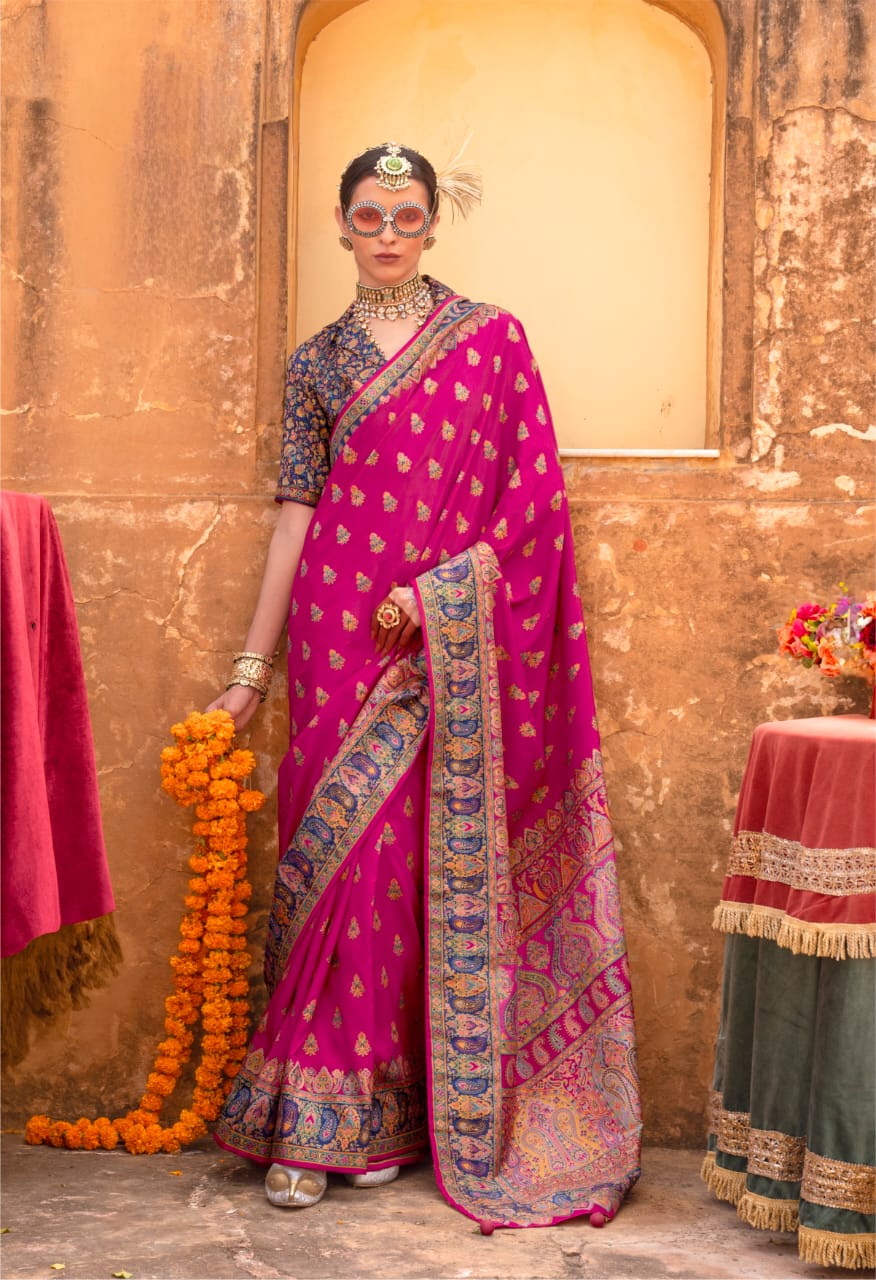
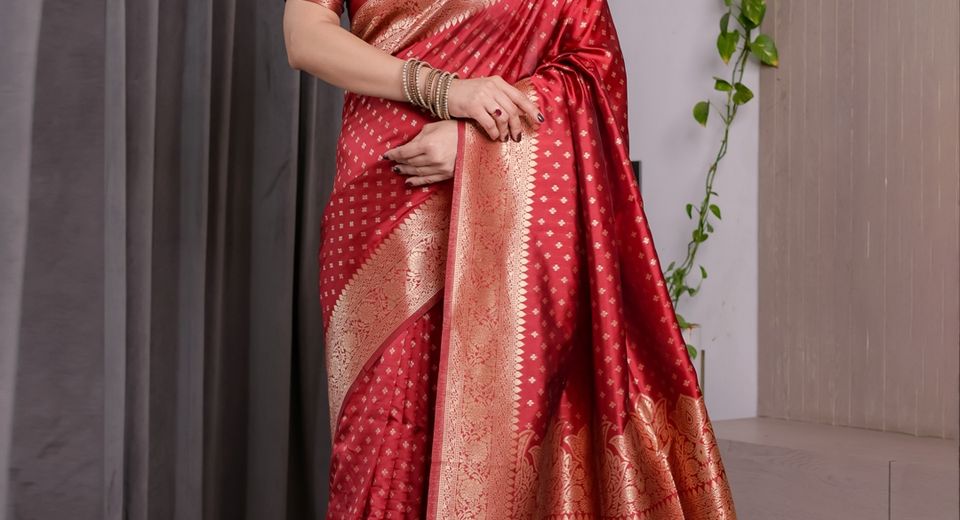
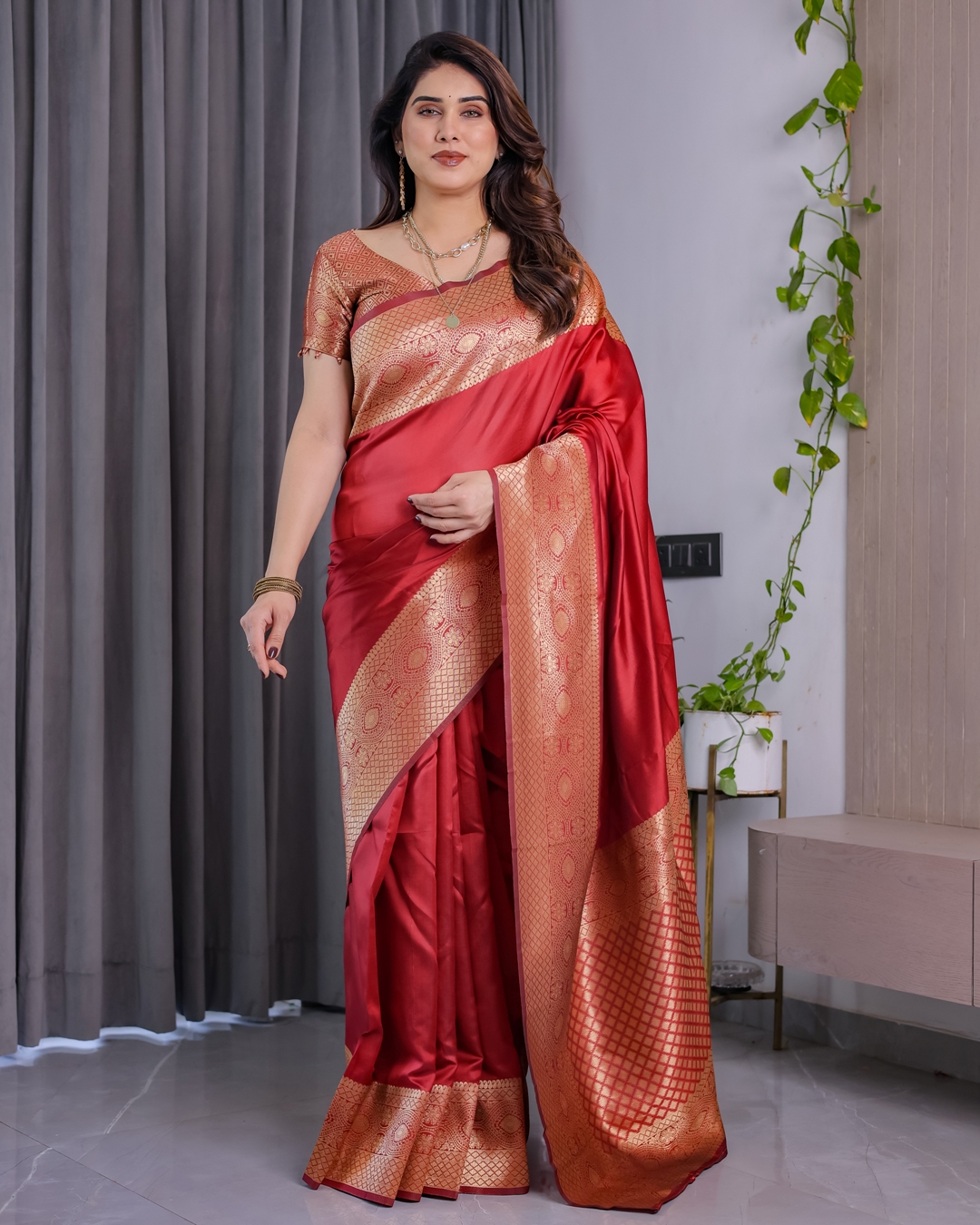
Red and maroon sarees create a classic festive appearance and pair naturally with gold zari, green bangles and time-honoured jewellery. Red can be especially effective for women who want a visibly auspicious look without adding a large amount of embroidery. Red Banarasi Soft Silk Zari Weave Sareee offers a woven festive surface, while Maroon Banarasi Soft Silk Saree with Golden Zari Border gives a deeper, more understated version of the same colour family.
A red saree also works well for family photographs and evening preparations, but a bright red blouse isn't essential. A maroon, antique-gold or muted green blouse can create contrast while keeping the outfit rooted in heritage. If the saree already has a prominent zari border, plain blouse fabric often produces a more balanced result.
Green and blue for a composed appearance
Green sarees bring a fresh, auspicious note to a Chhath Puja wardrobe and work particularly well with gold jewellery. Green Banarasi Soft Silk Saree with Golden Jacquard Border combines a rich base with a defined edge, making the pallu easier to identify when pleating.
Teal blue is an useful alternative for women who prefer a cooler colour while retaining a festive finish. Teal Blue Banarasi Soft Silk Saree With Golden Zari Border can be styled with a gold, mustard or rust blouse. A teal saree also photographs well against early-morning light, where very dark colours can lose visible border detail.
Lavender and mint for a lighter home-pooja wardrobe
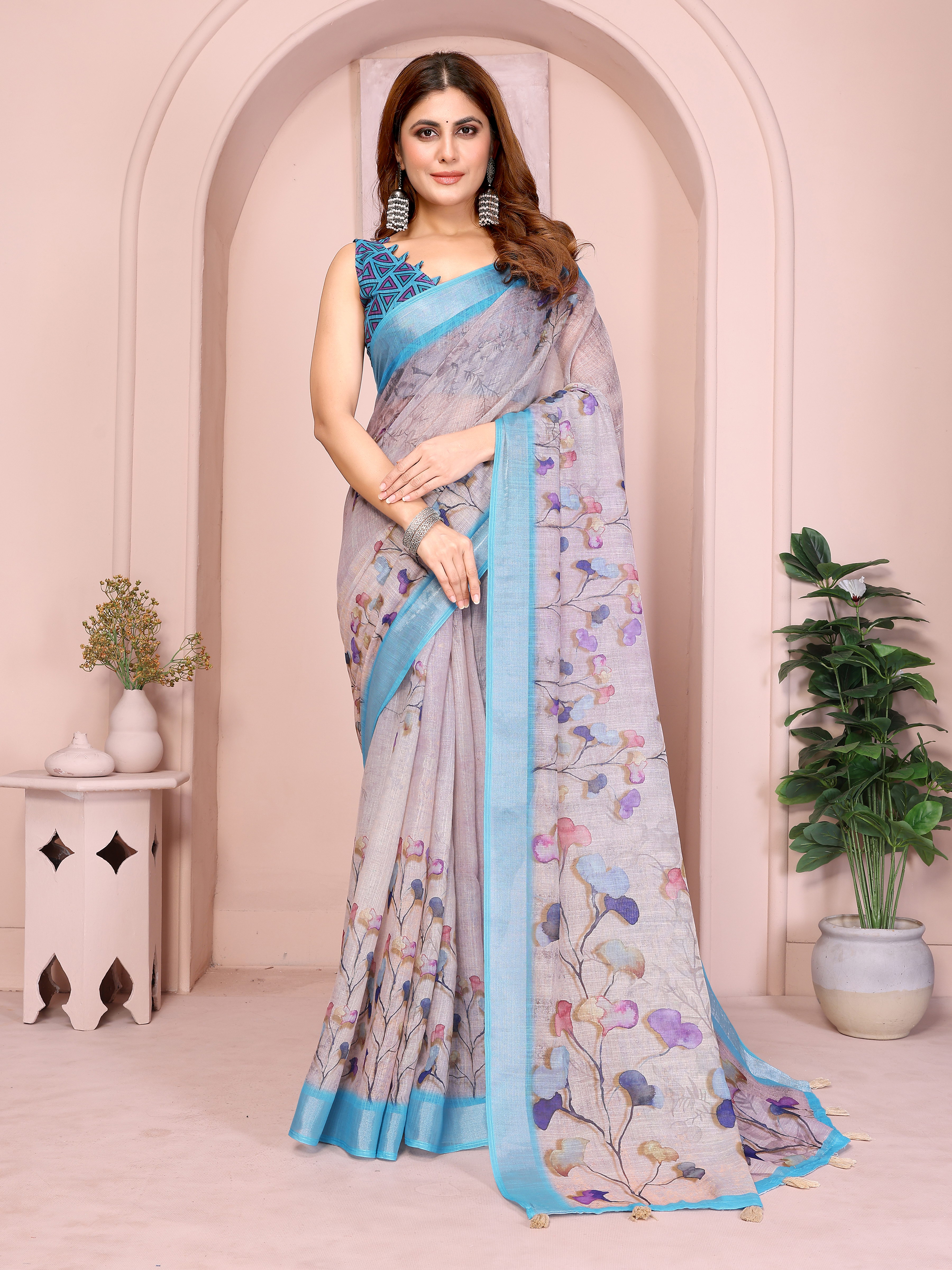
Lavender and mint shades suit a smaller pooja at home or a family gathering where a lighter, less conventional palette feels comfortable. Lavender Floral Linen Cotton Saree with Elegant Blue Border and Mint Green Floral Linen Cotton Saree with Pink Border Style offer softer alternatives to red and maroon.
Linen cotton is also useful when the wearer expects cooking, sitting or moving repeatedly during preparations. Floral details should remain secondary to the drape: pinning the pallu and keeping the lower pleats narrow will preserve a tidy silhouette without making the saree feel formal or restrictive.
Best Sarees for Chhath Puja: Classic Bihar Styles for Women by Fabric
Banarasi soft silk works well for a dressier ghat visit, while linen cotton is often more practical for home preparations and extended movement. Fabric choice should follow the duration, weather, walking conditions and amount of physical work involved.
Banarasi soft silk
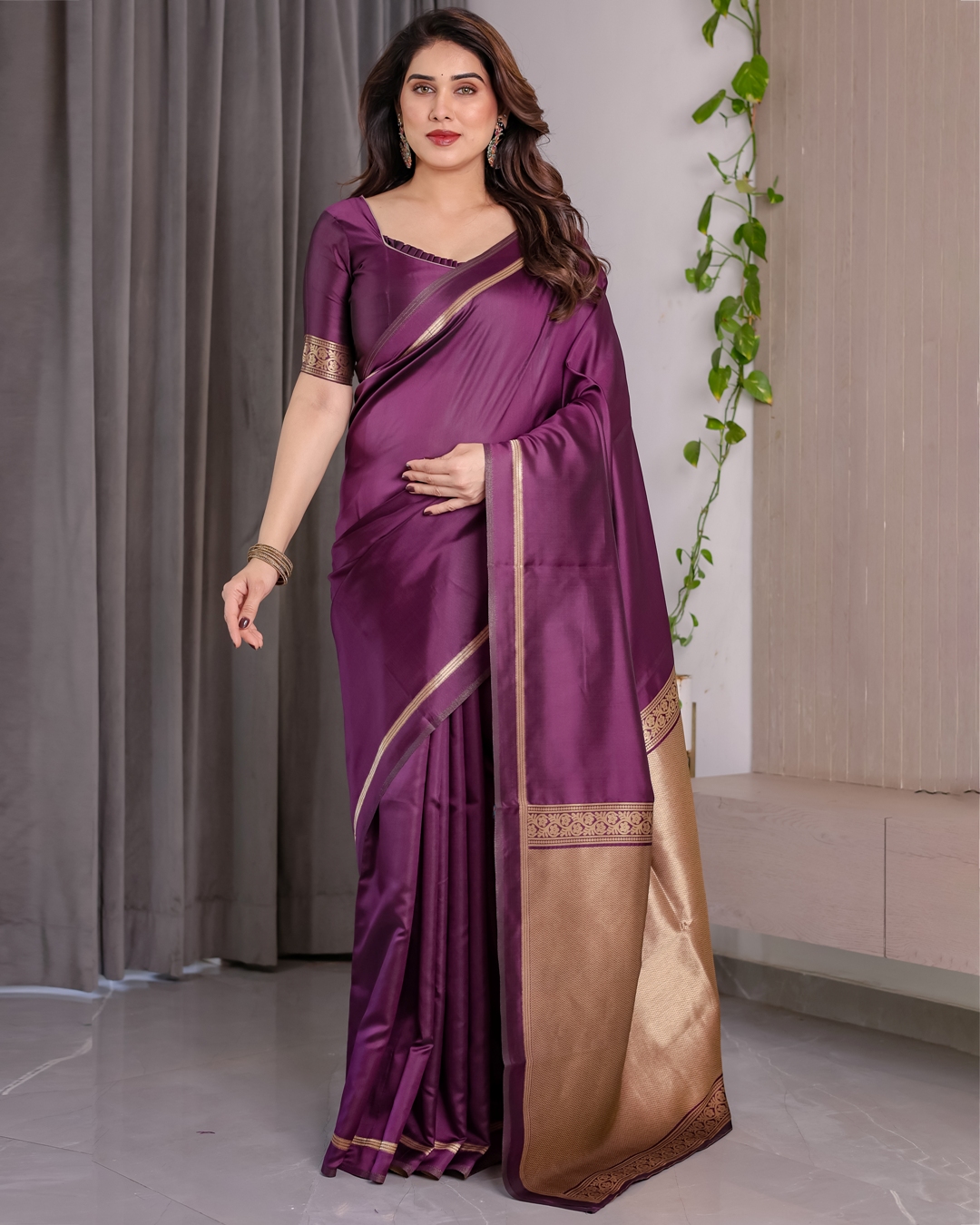
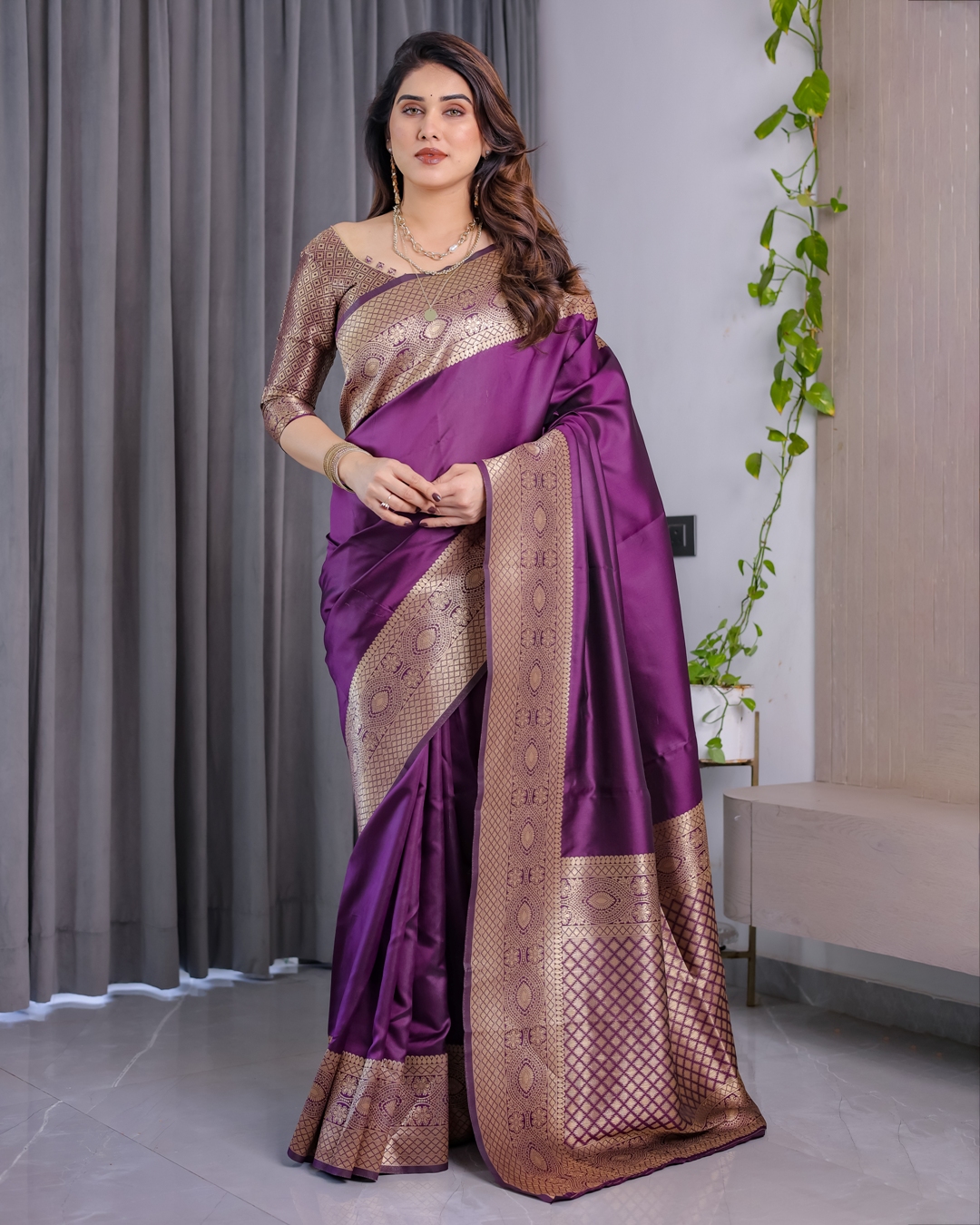
Banarasi soft silk gives a classic festive appearance through woven zari, borders and jacquard surfaces. Soft silk is generally easier to arrange than very stiff silk because the fabric falls closer to the body. Purple Banarasi Soft Silk Saree with Elegant Zari & Jacquard provides a jewel-toned option when the wearer wants a festive colour beyond the usual red and green palette.
Banarasi silk needs preparation before Chhath Puja. Test the complete drape at home, including footwear, blouse and petticoat. Check whether the pallu stays on the shoulder while raising both arms. Use two or three small safety pins discreetly at the shoulder and waist, because a beautiful zari saree is less useful if the pallu has to be repeatedly rearranged beside the water.
Linen cotton
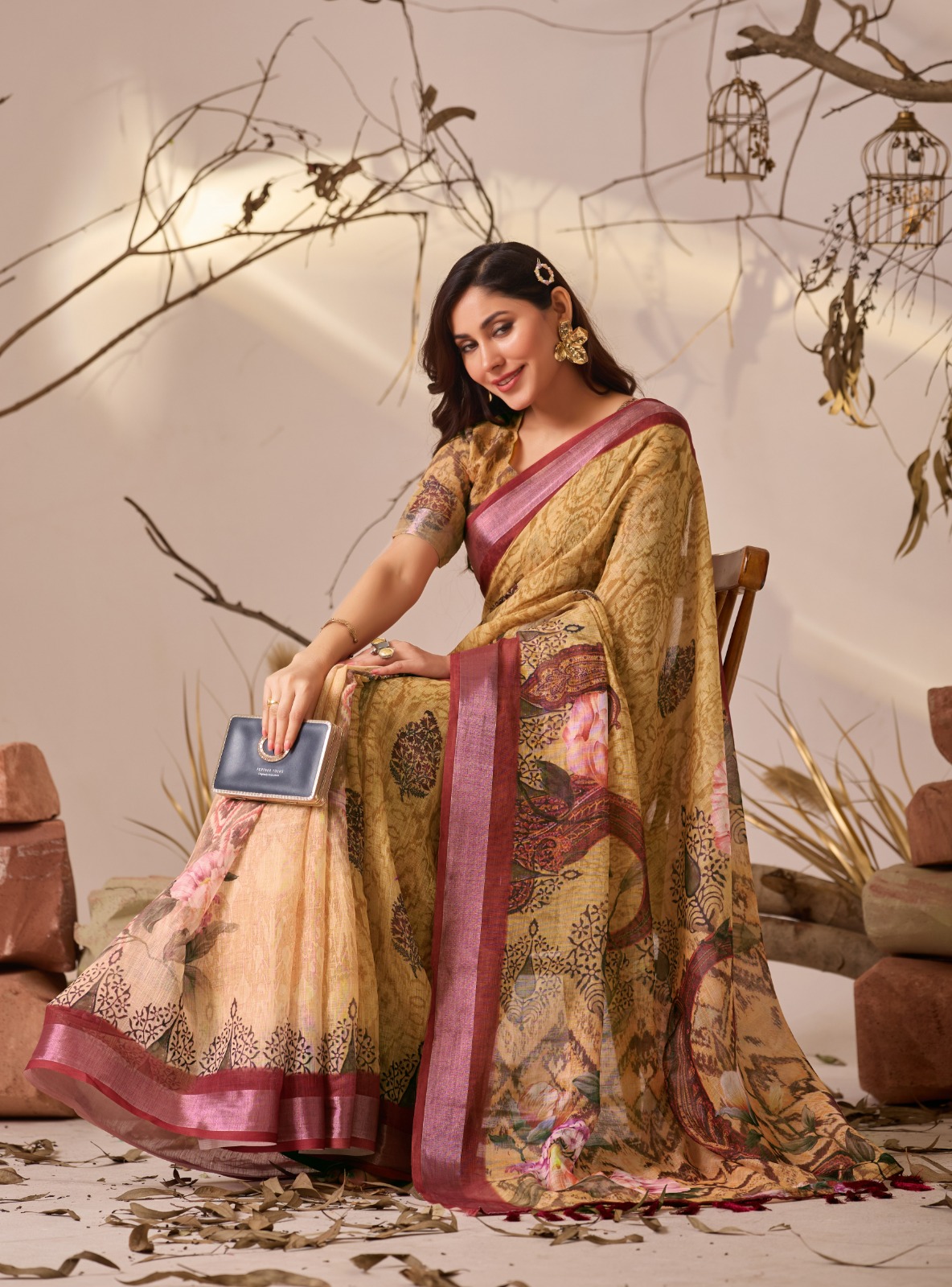
Linen cotton is a sensible choice for women who prioritise breathability, reduced weight and easy movement. Linen cotton may show creases more quickly than silk, but those creases are usually preferable to a heavy saree becoming tiring during preparation or travel.
A linen cotton saree suits pooja at home, morning errands and family gatherings where the wearer may be sitting on the floor. Press the saree before draping, but avoid creating an overly stiff finish. A lightly starched petticoat or well-tucked waist can provide enough structure for clean pleats.
Best Sarees for Chhath Puja: Time-honoured Bihar Styles for Women at the Ghat
Women should use a firmly tucked waist, compact pleats and a pinned pallu for a ghat visit. The aim is to prevent loose fabric from touching wet steps while preserving a heritage drape.
- Choose the petticoat first: A cotton or supportive drawstring petticoat should sit securely at the natural waist rather than below the hips.
- Wear suitable footwear: Select the footwear planned for the ghat before fixing the saree length. Changing from flats to heels can make the lower edge unsafe.
- Keep the front pleats moderate: Five to seven pleats are usually easier to control than a very wide fan of fabric. Tuck the pleats firmly and align the hem above the floor.
- Set the pallu for movement: A medium-length pallu leaves enough fabric for modest coverage without trailing near water or offerings.
- Pin discreetly: Place one pin at the shoulder and another near the waist if the fabric allows. Insert pins from the reverse side so zari isn't pulled.
- Test ritual movements: Raise both hands, bend slightly, walk up steps and sit briefly before leaving home. Correct any strain or loosening in advance.
Women carrying a soop or daura should keep one hand free and avoid long tassels, oversized brooches or dangling jewellery that can catch on the basket. A fitted blouse sleeve and a secure pallu make repeated lifting and lowering easier. A low bun or braid is often more practical than loose hair in a crowded outdoor setting.
Best Sarees for Chhath Puja: Heritage Bihar Styles for Women with the Right Blouse
A Chhath Puja blouse should provide secure coverage, comfortable arm movement and enough support for a long day. Three-quarter sleeves or elbow-length sleeves pair well with Banarasi silk and offer a more heritage appearance than a very narrow strap.

Match the blouse to one colour already present in the saree rather than introducing several new shades. A gold blouse can reinforce zari, while a green blouse can bring depth to a red or maroon saree. With Red Banarasi Soft Silk Saree with Jacquard Zari Border, a plain red, antique-gold or deep green blouse would keep the jacquard border visually important.
Heritage jewellery can include small jhumkas, a bangle stack, a mangalsutra where customary and a compact bindi. Avoid heavy necklaces if the pallu is being pinned across the front. Comfortable earrings and a secure hair accessory are more valuable than multiple pieces that require adjustment during the ritual.
Best Sarees for Chhath Puja: Time-honoured Bihar Styles for Women and Pooja Shopping
Pooja shopping becomes easier when the saree is chosen according to the place, duration and physical demands of the celebration rather than colour alone. A ghat visit calls for a secure, moderate-weight drape, while a pooja at home allows more flexibility with delicate borders and lighter fabrics.
Collections such as Silk Sarees Under 3000 With Discount can help compare accessible silk options by price, while Party Wear Sarees may provide inspiration for colour and border combinations without requiring a heavily embellished Chhath outfit. Pink Georgette Sarees can be considered for a family gathering, but georgette should be tested carefully because a slippery drape may need extra pins near the waist.
Red Banarasi Silk Sarees for Weddings Under 1100 may offer colour ideas for shoppers looking for a bright ceremonial palette, although wedding-focused designs should be checked for weight and embellishment before a ghat visit. Gray Color Sarees Under 1000 can suit a quiet home gathering when paired with a red, green or gold blouse, but a family's customary colour preferences should take priority.
When shopping online, check the listed fabric, saree length, border description and blouse-piece details. A standard saree length is often around 5.5 metres, while a longer 6.3-metre drape may be more comfortable for a taller wearer or a more covered pallu. Confirm measurements before ordering, especially when the saree will be worn with a classic petticoat rather than a ready-made underskirt.
Best Sarees for Chhath Puja: Classic Bihar Styles for Women and Care After the Festival
Banarasi silk and zari sarees should be aired, folded with the zari turned inward and stored away from direct sunlight after Chhath Puja. Proper storage reduces tarnishing, snagging and permanent crease marks.

don't leave a silk or linen cotton saree damp after a ghat visit. Spread the saree in shade until surface moisture has evaporated, then fold it loosely along different lines from the previous storage fold. Avoid plastic bags for long-term storage because trapped humidity can affect zari and encourage odour.
- Banarasi soft silk: Prefer professional dry cleaning when the care label recommends it, and never scrub zari borders.
- Linen cotton: Wash only according to the care label, use mild detergent and dry in shade to reduce fading.
- Zari details: Keep perfume, hairspray and oil away from the border because chemical residue can dull metallic threads.
- Stains: Blot food or prasad marks with a clean, dry cloth and avoid rubbing the fabric at home.
- Storage: Wrap folded silk in clean cotton or muslin and refold it every few months.
These steps preserve a saree for later religious gatherings, family celebrations and regional festivals such as Kolkata Durga Puja. The same red Banarasi or green silk that works for Chhath can be restyled with a different blouse and jewellery set for another time-honoured event.
Best Sarees for Chhath Puja: Classic Bihar Styles for Women-Common Questions
Which type of saree is best for Chhath Puja?
Banarasi soft silk is a strong choice for a festive ghat visit, while linen cotton is practical for home preparations and long periods of movement. Choose a secure, medium-weight saree with a manageable pallu rather than selecting only by shine or embellishment.
Are red sarees suitable for Chhath Puja?
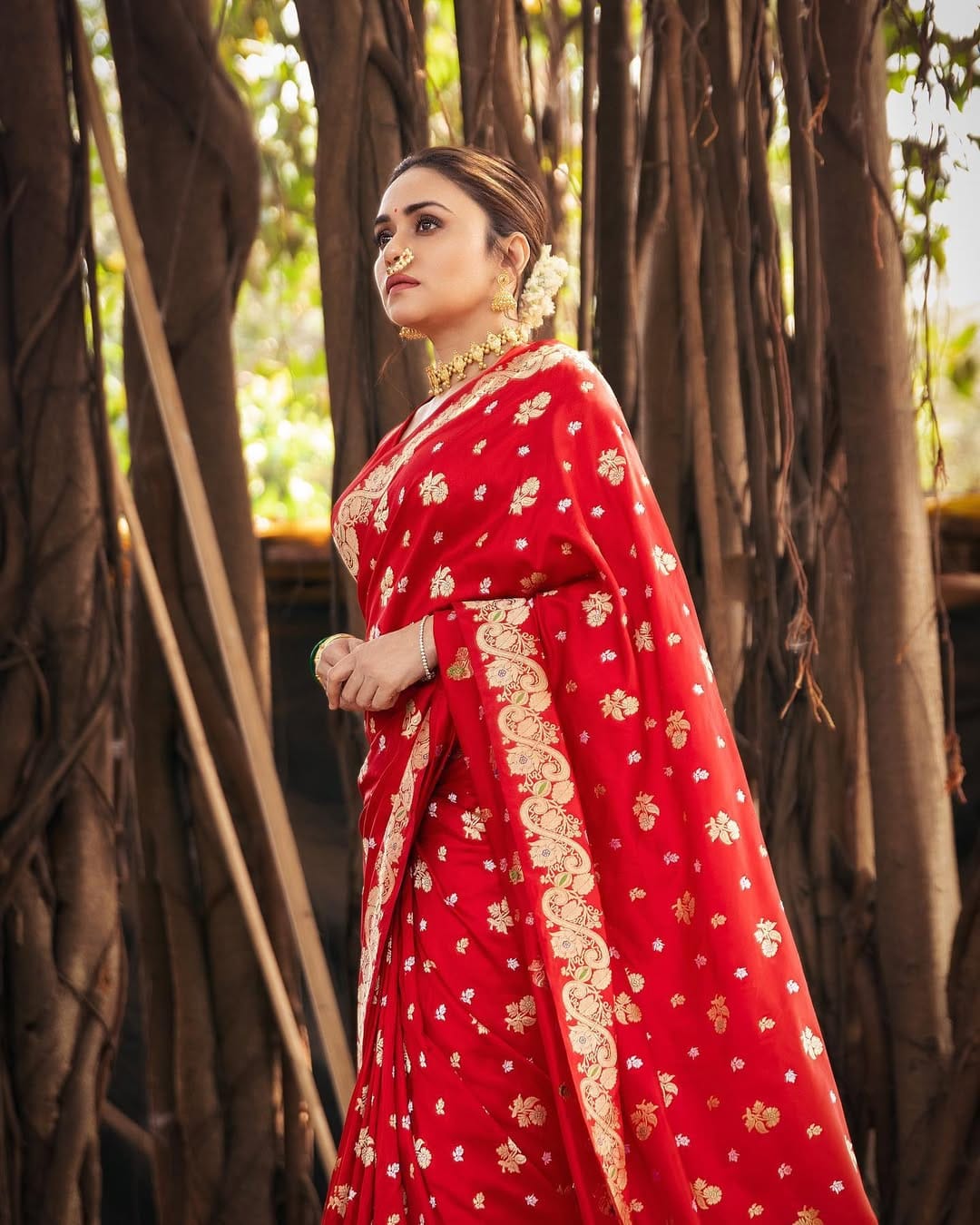
Red sarees are widely suitable for Chhath Puja when they align with the wearer's family and regional customs. Red Banarasi silk with gold zari creates a traditional festive appearance, while a plain blouse can keep the outfit comfortable and balanced.
What should I wear for Chhath Puja at home?
A breathable linen cotton or soft silk saree works well for Chhath Puja at home. Choose a drape that allows sitting, cooking and moving between rooms, and secure the pallu so it doesn't fall near lamps or food preparations.
How can I keep my saree secure at the ghat?
Keep the waist firmly tucked, make five to seven compact pleats and pin the pallu at the shoulder. Test walking, bending and raising both arms before leaving home, and choose footwear that will remain stable on wet or uneven steps.
Where can I buy an authentic pooja saree online in India?
Look for a reliable saree retailer that clearly states fabric, length, border details, blouse-piece information and care instructions. Comparing Banarasi silk and linen cotton options by these specifications is more useful than relying only on labels such as festive or traditional.
Can I wear a Banarasi saree for another pooja function?
Yes, Banarasi silk can be restyled for Saraswati Puja, Durga Puja, a family pooja or a festive gathering. Change the blouse, jewellery and drape while keeping the original saree protected through careful airing, folding and storage.
Common Questions About Choosing a Saree for Chhath Puja
Which type of saree is best for Chhath Puja?
Banarasi soft silk is a strong choice for a festive ghat visit, while linen cotton is practical for home preparations and long periods of movement. Choose a secure, medium-weight saree with a manageable pallu rather than selecting only by shine or embellishment.
Are red sarees suitable for Chhath Puja?
Red sarees are widely suitable for Chhath Puja when they align with the wearer's family and regional customs. Red Banarasi silk with gold zari creates a traditional festive appearance, while a plain blouse can keep the outfit comfortable and balanced.
What should I wear for Chhath Puja at home?
A breathable linen cotton or soft silk saree works well for Chhath Puja at home. Choose a drape that allows sitting, cooking and moving between rooms, and secure the pallu so it does not fall near lamps or food preparations.
How can I keep my saree secure at the ghat?
Keep the waist firmly tucked, make five to seven compact pleats and pin the pallu at the shoulder. Test walking, bending and raising both arms before leaving home, and choose footwear that will remain stable on wet or uneven steps.
Where can I buy an authentic pooja saree online in India?
Look for a reliable saree retailer that clearly states fabric, length, border details, blouse-piece information and care instructions. Comparing Banarasi silk and linen cotton options by these specifications is more useful than relying only on labels such as festive or traditional.
Can I wear a Banarasi saree for another pooja function?
Yes, Banarasi silk can be restyled for Saraswati Puja, Durga Puja, a family pooja or a festive gathering. Change the blouse, jewellery and drape while keeping the original saree protected through careful airing, folding and storage.