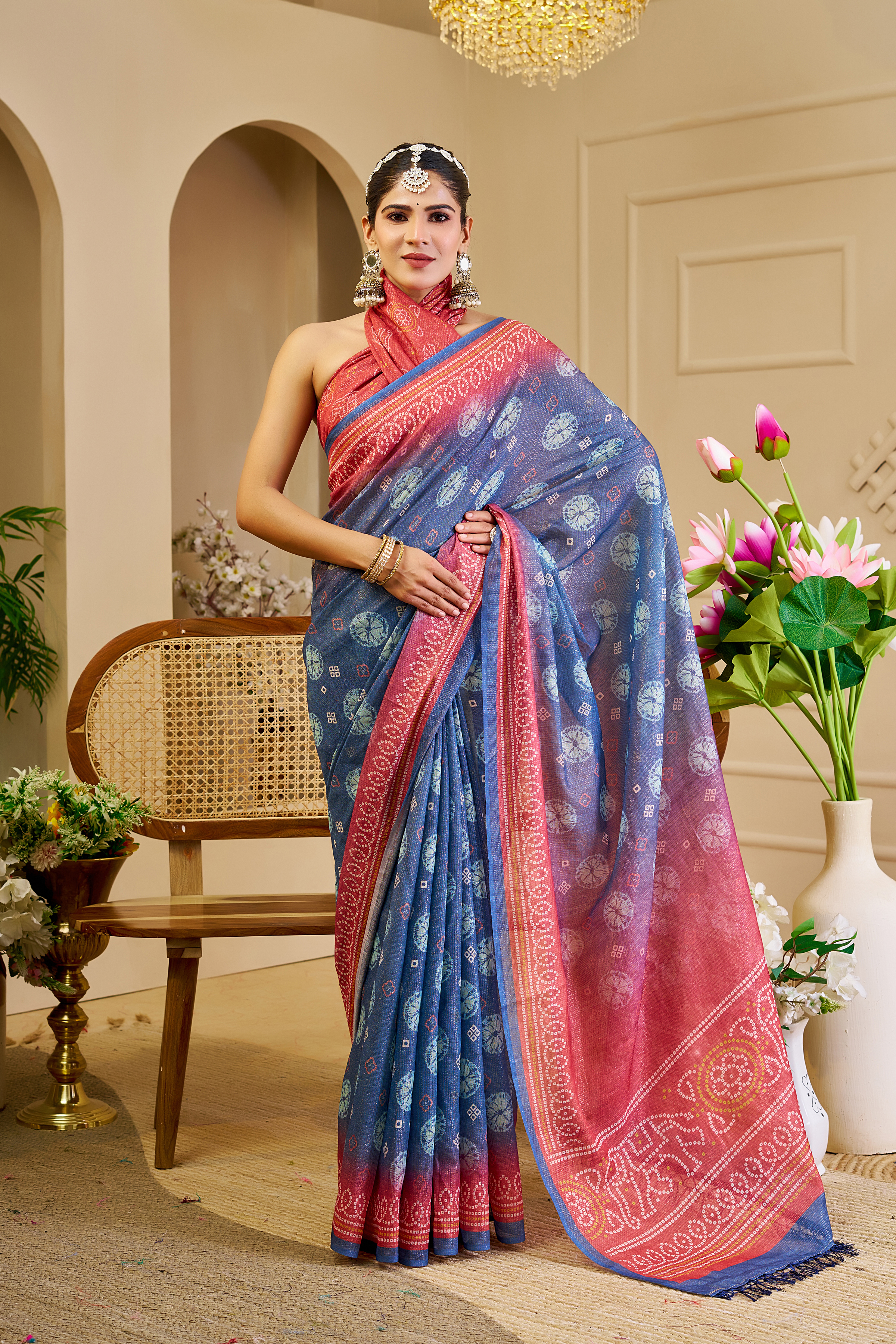
Key takeaways
- Cotton and cotton-blend sarees are practical for frequent wear because they tolerate regular airing and gentle washing better than delicate silk.
- Silk sarees should be dry-cleaned when visibly soiled and stored folded in breathable cotton rather than plastic.
- Linen cotton sarees should be washed gently in cool water and dried in shade to reduce colour fading and fibre weakening.
- Zari sarees need low-friction storage because rubbing, moisture and direct sunlight can dull metallic threads.
- Refolding a stored saree every two to three months helps prevent permanent crease lines along the same fold.
- A saree should be completely dry before storage because trapped moisture encourages mildew and unpleasant odours.
You return from a family function, remove the saree in a hurry, and leave it over a chair while the blouse goes into the laundry basket. Two days later, the pallu still carries perfume, the border has picked up a faint food stain, and a sharp fold has formed across the middle. Choosing the best saree fabric matters, but daily handling, washing and storage decide whether a saree still looks new after its tenth or fiftieth wear.
Fabric care isn't one-size-fits-all. Cotton can usually handle more frequent cleaning than silk, linen responds badly to harsh wringing, and zari needs protection from friction and moisture. The useful approach is to match the care routine to fibre, dye, surface work and frequency of use rather than treating every saree as an ordinary garment.
What makes the best saree fabric for long-term wear?
The best saree fabric for long-term wear is the fabric whose care requirements match your lifestyle, washing facilities and wearing frequency. A durable choice isn't automatically the one with the strongest fibre; a saree that needs careful dry-cleaning may be a poor daily-wear choice for someone who wants easy maintenance.
Cotton is generally the most practical option for regular wear because the fibre is breathable, absorbent and relatively straightforward to wash. Handloom cotton can develop a softer fall with use, although repeated hot washing may shrink or weaken the fabric. Cotton blends can be easier to manage, but the synthetic or silk component still needs checking on the care label.
Silk offers a smooth surface and rich drape, but silk fibres can lose strength when wet and may react poorly to sweat, perfume, prolonged sunlight or aggressive detergents. Banarasi silk and Kanjeevaram deserve especially careful handling because woven zari and dense borders can catch against rough surfaces. Silk is better suited to planned festive or occasion wear when proper cleaning and storage are possible.
Linen and linen cotton are valued for their airy texture and natural slub. Linen can crease more visibly than cotton, but light creasing is part of its character rather than proof of poor quality. Chanderi is lightweight and elegant, yet its fine structure and delicate surface call for low-friction washing and careful ironing.
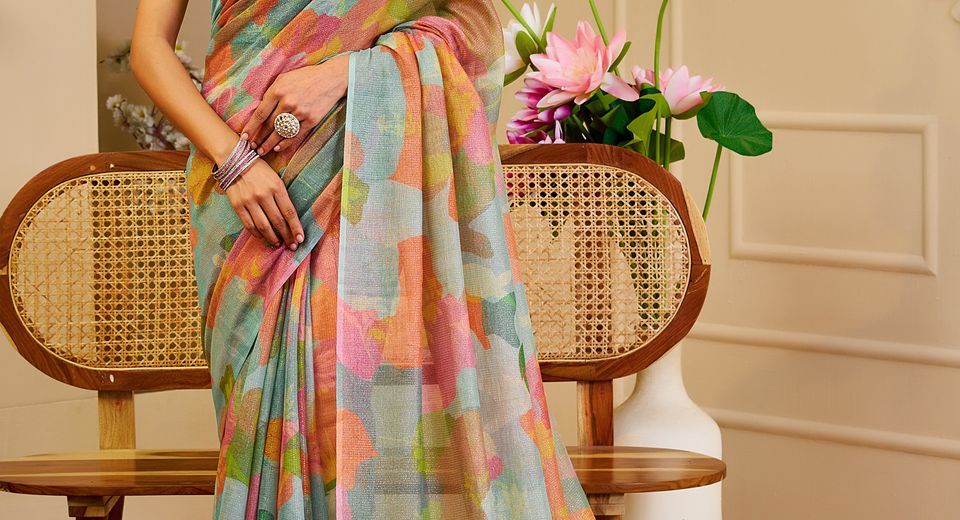
Blends sit between these categories. The Pastel Linen Cotton Floral Print Saree with Designer Blouse, for example, is best treated as a breathable blend rather than as a rugged pure-cotton everyday saree. A cool-water wash, mild detergent and shade drying will help protect both the printed surface and the fabric's hand.
How should cotton sarees be washed?
Cotton sarees should be washed in cool or lukewarm water with a mild detergent, minimal rubbing and no prolonged soaking. A gentle routine removes perspiration and everyday dust while reducing colour bleeding, shrinkage and abrasion.
Before the first wash
Check the care label and test colourfastness on an inside seam or hidden border. Press a white cotton cloth dampened with water against the test area for a few seconds; visible dye transfer means the saree needs extra caution, shorter contact with water and possibly professional cleaning.
Remove brooches, safety pins and detachable tassels before washing. Fasteners can pull threads or create rust marks. Separate a strongly coloured saree from pale garments, and never assume a multicolour print will behave like a plain white cotton saree.
Washing and drying
Fill a clean bucket with cool water and a small amount of mild liquid detergent. Submerge the saree briefly, gently move it through the water, and concentrate only on visibly soiled areas with light fingertip pressure. Do not scrub borders, printed motifs or zari panels with a brush.
Rinse until the water runs clear, then support the full length of the saree while lifting it. Twisting a wet saree can distort the weave and stretch the border. Press water out between clean towels or allow excess water to drain before hanging the saree in shade.
Drying in harsh midday sun can fade reactive dyes and make fibres brittle over time. Use a wide, smooth line or a clean drying rack, distribute the weight evenly, and remove the saree when it's dry rather than leaving it outside for hours. The Premium Beige Cotton Handloom Saree with Maroon Ethnic Border and Heritage Printed Pallu illustrates why separate attention to a solid body, contrasting border and printed pallu is useful during washing.
How do you care for silk, zari and embellished sarees?
Silk, zari and embellished sarees should be cleaned with the least possible friction and stored away from moisture, direct light and plastic. Professional dry-cleaning is the safer choice for visible stains, heavy embroidery, metallic work or valuable silk.
don't apply detergent directly to a silk saree. Do not rub an oil, makeup or food stain with water because rubbing can spread the mark and change the surface sheen. Blot fresh moisture with a clean, dry cloth, record what caused the stain if possible, and take the saree to a cleaner experienced with silk and zari.
Perfume and deodorant should be applied before draping, not sprayed over the saree. Alcohol, oils and repeated dampness can affect dyes, silk fibres and metallic threads. Allow body lotion and hair products to dry before wearing a saree with a close-fitting pallu or blouse.
Zari is a metallic thread or metallic-looking thread woven, wrapped or embroidered into a textile. Zari can lose brightness through rubbing, humidity, acidic substances and contact with rough jewellery. Fold the saree with a soft cotton or muslin layer around sections with dense zari, and avoid stacking heavy garments directly on top of it.
After wearing, air a silk saree indoors for several hours before folding. Airing doesn't replace cleaning, but it helps release light body odour and surface moisture. Never store a damp silk saree in a closed cupboard. The Red Woven Zari Silk Blend Saree With Brocade Blouse and the Navy Blue Floral Silk Saree with Peach Zari Border both call for this low-moisture, low-friction approach.
For a saree with a brocade blouse, store the blouse separately if its hooks, embellishments or sharp seams press into the saree. Wrap heavy jewellery in its own pouch rather than placing it inside a folded saree. These small separations prevent pressure marks and snags.
How should linen, prints and handloom textures be maintained?
Linen, printed and handloom sarees last longer when washed infrequently but promptly after heavy perspiration, dried in shade and ironed from the reverse side. Gentle handling protects both the fibre and the visual definition of a print or woven texture.
don't soak linen cotton for hours in the belief that soaking is gentler. Long soaking can encourage colour migration and leave the fabric unevenly wet. A short wash followed by a thorough cool-water rinse is safer for floral prints and contrast borders.
Iron linen while it's slightly damp, using a moderate temperature and a pressing cloth over printed areas. Iron the reverse side when possible. High heat directly on a printed surface can flatten texture, alter colour or create a shiny patch. Cotton handloom sarees can generally tolerate more ironing than silk, but the temperature should still match the label.
The Pastel Floral Tissue Handloom Cotton Saree with Zari Weaves combines a cotton handloom base with zari, so it should not be treated like a plain cotton saree. Wash only if the label permits, keep detergent away from metallic sections, and place a thin cloth between the iron and zari. The Soft Cotton Taupe Brown Floral Saree With Border is more suited to a gentle cotton routine, but its floral surface still benefits from reverse-side ironing.
Printed sarees should be folded with the printed face inward only when the print is fully dry and colourfast. If a print is raised, metallic or textured, use soft tissue or muslin between folds to reduce rubbing. Avoid newspaper because ink and acidic paper can transfer colour or damage pale fabrics.
What is the safest way to fold and store a saree?
The safest saree-storage method is to fold a completely dry saree loosely along different lines each time and keep it in breathable cotton or muslin. Proper storage prevents mildew, permanent crease damage, colour fading and unnecessary pressure on zari or embroidery.
- Air the saree first. Keep the worn saree in a shaded, well-ventilated room until perspiration and surface moisture have evaporated.
- Remove every sharp object. Take out pins, brooches and jewellery before folding because metal can rust, snag or leave pressure marks.
- Reverse vulnerable surfaces. Place zari, sequins or raised embroidery inward with soft fabric between heavily worked sections.
- Change the fold direction. Refold stored sarees every two to three months so the same crease doesn't become permanent.
- Choose breathable packaging. Use a cotton saree bag or clean muslin. Avoid airtight plastic for long-term storage, especially in humid weather.
- Keep the shelf dry and dark. Store sarees away from bathroom steam, leaking walls, direct sunlight and strong-smelling products such as incense or mothballs.
Stack lighter cotton sarees above heavier silk or embellished pieces. Do not compress a full stack under a heavy box. The Traditional Beige Multicolor Printed Saree is easier to store than a dense silk saree, but it still needs protection from dye transfer and damp shelves.
Inspect stored sarees twice a year. Look for mildew spots, insect damage, odour, colour change and weakened folds. Early professional cleaning is more effective than trying to remove an old stain after months in storage.
How can you choose a durable saree without sacrificing style?
You can choose a durable saree by matching fabric, construction and care effort to the number of wears you expect in a year. Start with the occasion, then consider climate, washing access, stain risk and storage space before choosing colour or embellishment.
For frequent office or daytime wear, cotton and cotton blends offer breathability and manageable care. For a festive wardrobe, silk blends or silk with controlled zari can provide occasion impact without requiring the handling of the most delicate pure-silk pieces. A saree with a printed pallu may be easier to maintain than one with extensive surface embroidery, provided the print is colourfast.
Price isn't a reliable substitute for fabric knowledge. A lower-priced cotton saree may deliver more usable wears than a costly delicate piece if your routine involves regular washing and limited storage. Seasonal edits such as Sarees from Rs 1000 to Rs 1500 can be useful for building a practical rotation, while Sarees Under 20% Off may make it easier to add a second everyday option and reduce over-wearing one favourite.
Read the product description for fibre composition, lining, border details and care instructions. "Silk blend" isn't the same as pure silk, and "handloom cotton" doesn't mean the saree can be scrubbed or dried in intense sun. Accurate fibre information helps you make a realistic decision about the best saree fabric for your wardrobe rather than buying only by colour or price.
How do you rescue common saree-care mistakes?
Common saree-care mistakes should be corrected by stopping the damage first, drying the fabric safely and using professional help when the fibre or dye is uncertain. More rubbing, heat or detergent rarely improves a stain or crease.
- A wet saree was left in a bag: Remove it immediately, spread it in shade with good airflow, and check for odour or mildew before storage.
- A crease has become sharp: Test a low-temperature iron on an inside area, use a pressing cloth, and avoid forcing the fold flat on silk or zari.
- A colour has bled: Stop rinsing experiments, keep the saree separate, and consult a textile cleaner; home bleaching can permanently damage the base colour.
- Perfume was sprayed on the pallu: Air the saree and avoid adding water or heat until the surface is assessed.
- Threads are pulled: Do not cut the loose thread. Turn the saree inside out and ask a tailor or textile professional to secure it from the reverse.
The most protective habit is restraint. A saree doesn't need washing after every brief indoor wear, but a saree worn in heat, around food or during a Haldi ceremony should be aired promptly and assessed before storage. Fast action is especially important for turmeric, oil and brightly coloured food stains because those marks become harder to remove as they age.
Frequently Asked Questions
Which is the best saree fabric for daily wear?
Cotton is usually the best saree fabric for frequent daily wear because it is breathable, comfortable and simpler to wash than delicate silk. Cotton blends can also work well, but the care label should be followed because blend fibres and printed surfaces vary.
How often should sarees be refolded in storage?
Stored sarees should be refolded every two to three months, with the fold direction changed each time. Refolding reduces the chance of permanent crease lines, especially along zari borders and heavier woven sections.
Can silk sarees be washed at home?
Some silk sarees may have label-approved gentle-care instructions, but visible stains, zari, brocade and valuable silk are safer with professional dry-cleaning. Never scrub silk, soak it for long periods or wring it by hand.
How should a saree with zari be stored?
A saree with zari should be completely dry, folded with soft cotton or muslin around vulnerable sections and kept away from friction, humidity and direct sunlight. Plastic should not be used for long-term storage because trapped moisture can dull metallic threads and encourage mildew.
How do you stop a cotton saree from fading?
Wash a cotton saree in cool water with mild detergent, avoid long soaking and dry it in shade rather than harsh direct sunlight. Testing colourfastness before the first wash is particularly important for dark or multicolour prints.
Is linen cotton difficult to maintain?
Linen cotton is manageable when washed briefly in cool water, dried in shade and ironed on the reverse side at moderate heat. Avoid harsh wringing and prolonged soaking because both can increase creasing, colour migration and fibre stress.