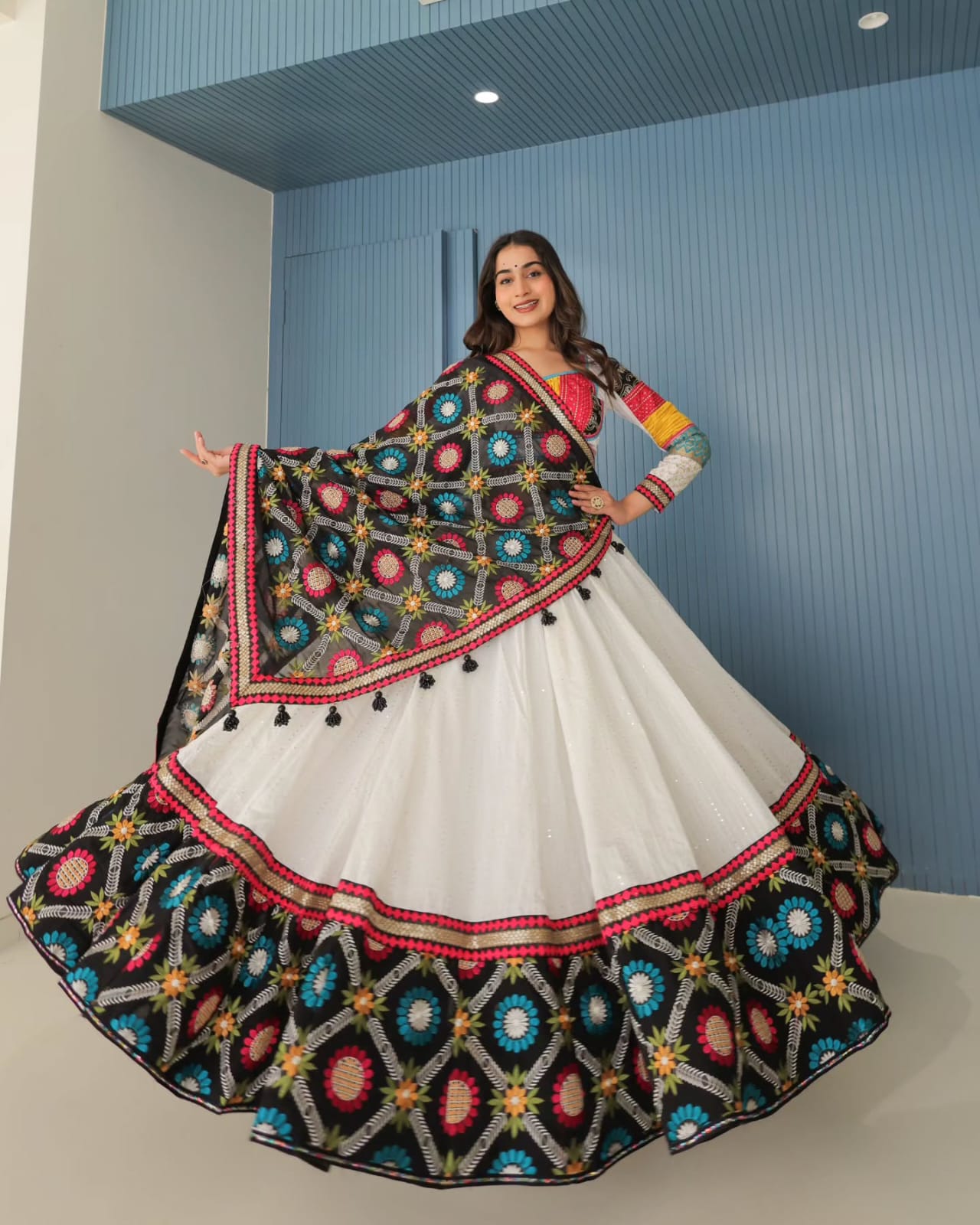
A carefully chosen blouse can alter the mood of a festive saree more dramatically than a new necklace or handbag. The Best Saree and Blouse Colour Combinations for Festivals depend on the saree's primary shade, border, zari, fabric texture, jewellery and lighting. A deep green blouse can make a red silk saree look traditional and regal, while a champagne blouse can make the same saree appear softer and more modern. The most reliable method is to identify the saree's dominant colour, border colour and undertone before selecting the blouse.
Colour decisions also need to account for the event itself. A bright combination that looks beautiful at an outdoor Haldi ceremony may feel too vivid at an evening reception, while a heavily embellished gold blouse may be uncomfortable for a long daytime puja. The following guide explains how to create contrast without losing harmony.
How to choose the Best Saree and Blouse Colour Combinations for Festivals
The most balanced festive outfits usually contain one dominant colour, one supporting colour and one controlled accent. The saree normally supplies the dominant colour, the blouse repeats a border shade or introduces contrast, and jewellery, footwear or a clutch provides the accent.
Begin by examining the saree in natural daylight. Warm indoor bulbs can make maroon appear brown, ivory appear yellow and magenta appear red. Check the pallu and border separately because zari, resham motifs and woven patterns may contain colours that are not obvious across the main body.
A matching blouse creates a continuous vertical line and works especially well with Banarasi silk, Kanjeevaram and heavily woven wedding sarees. A contrasting blouse draws attention to the shoulders and sleeves, so it works particularly well when the saree body is plain or lightly patterned. A tonal blouse sits between the two choices: a wine blouse with a burgundy saree or a leaf-green blouse with an emerald saree adds depth without creating a sharp division.
Should a festive blouse match the saree or contrast with it?
A blouse should match the saree when the saree has elaborate weaving, and it should contrast with the saree when the saree body is simple. Repeating a colour from the border is the safest way to create contrast without producing visual clutter.
A coral saree with a pink blouse looks coordinated because both colours share a warm red undertone. A teal saree with a rust blouse creates a stronger complementary contrast. A navy saree with a silver-grey blouse feels cooler and more formal than the same navy saree paired with mustard.
Reliable colour families for festive sarees
Red, green, pink, yellow, blue, purple, gold and ivory are the most adaptable festive colour families. Each colour family creates a different mood, and the blouse can either reinforce that mood or soften it.
- Red and maroon: Red sarees pair well with rani pink, antique gold, bottle green and deep maroon blouses. Maroon sarees suit blush pink, peach, copper and beige when a softer finish is preferred. Gold zari supports warm blouse colours, while silver zari suits berry, charcoal and dusty rose.
- Green: Emerald and bottle-green sarees work with magenta, rust, antique gold and deep purple blouses. Sage and pistachio sarees look refined with ivory, muted pink or champagne. A bright parrot-green saree needs a calmer blouse when the border is already ornate.
- Pink: Fuchsia and rani pink sarees pair well with red, purple, gold and peacock-blue blouses. Dusty pink and rose sarees suit wine, mauve, grey and soft silver. A pink saree with an orange blouse can look striking in daylight but more intense under warm indoor lights.
- Yellow and orange: Mustard sarees look polished with deep green, wine, navy or chocolate-brown blouses. Marigold and turmeric yellow pair naturally with green, red and magenta, making them suitable for a Haldi ceremony. Orange sarees can be balanced with pink, purple, ivory or burnt orange.
- Blue: Royal blue and navy sarees pair with emerald, magenta, silver, copper and ivory. Powder blue and sky blue work with white, lavender, peach and pale gold. A blue saree with a high-shine silver blouse is more evening-oriented than the same saree with matte pink.
- Purple and plum: Purple sarees suit mustard, emerald, rose pink and antique gold. Plum and aubergine sarees can be softened with champagne, dusty pink or beige, while a black blouse creates a dramatic evening look.
How fabric and zari change a blouse colour
The saree fabric should influence the blouse colour because surface texture changes how intense a shade appears. Glossy silk reflects more light, while cotton, linen and matte Chanderi absorb light and make colours look quieter.
Silk sarees and woven borders
Silk sarees usually look most composed with rich, saturated blouse colours or metallic neutrals. Kanjeevaram sarees can carry magenta, parrot green, mustard or deep purple blouses because their zari borders provide a strong visual structure. Banarasi silk often works with blouse colours taken directly from the woven motifs, such as antique gold, rust, teal or rani pink.
The Rani Pink Banarasi Silk Saree illustrates why border colour matters: a deep green blouse can bring out small green details in the weave, while an antique-gold blouse creates a more continuous festive effect. A blouse doesn't need to copy every colour in a saree; repeating one secondary colour is usually enough.
Gold zari works naturally with champagne, copper, caramel and antique gold. Silver zari supports silver-grey, lavender, icy blue and charcoal. A blouse covered in sequins doesn't always need to match the zari. A plain blouse in the same colour family can provide better balance when the saree already has a reflective border.
Chanderi, organza and cotton sarees
Chanderi sarees benefit from lighter blouse colours, measured contrast and fabrics with moderate structure. Ivory Chanderi with a coral, bottle-green or powder-blue blouse creates definition without overpowering the weave's transparency and sheen. Organza sarees can support sharper combinations such as lime with pink, lavender with silver or black with bright red.
Cotton sarees look appealing with earthy, high-contrast combinations. Indigo cotton with mustard, handloom red with black, off-white cotton with rust and teal cotton with maroon are practical festive choices. A blouse made from cotton, raw silk or another matte fabric keeps the outfit visually consistent instead of placing a highly glossy blouse against a textured saree.
The Ivory Chanderi Festive Saree works particularly well with coral or bottle green because the pale base leaves room for the blouse to supply colour. A soft gold blouse is a better choice when the saree must move between a daytime puja and an evening family dinner.
Best Saree and Blouse Colour Combinations for Festivals by celebration
Different festivals call for different levels of colour intensity, shine and practicality. A morning puja, a family lunch and an evening reception don't need the same palette.
- Diwali: Jewel tones and metallic accents suit Diwali's evening lighting. Try emerald with antique gold, navy with magenta, wine with copper or purple with mustard. Keep either the blouse or the jewellery strongly reflective rather than making both heavily embellished.
- Navratri: Bright combinations work well for Navratri gatherings. Fuchsia with orange, yellow with green, cobalt with pink and red with purple create energy without requiring heavy embroidery. Comfortable cotton-silk or lightweight silk makes movement easier during dancing and long celebrations.
- Durga Puja: White or ivory with red remains a recognisable choice, but ivory with vermilion, cream with maroon and off-white with deep green offer similar festive clarity. Red lipstick, a red bindi or red glass bangles can repeat the accent without adding another blouse colour.
- Haldi ceremony: Yellow, turmeric and marigold sarees pair best with green, pink, orange or red blouses. Washable or easy-care fabrics are sensible when turmeric paste, flowers and outdoor seating are part of the celebration.
- Raksha Bandhan and family pujas: Coral, peach, rose, teal and soft green create a festive but approachable look. A lightly embroidered blouse is usually more versatile than a heavily padded or sequinned design for daytime family events.
- Wedding receptions: Deep jewel tones, wine, black, midnight blue and metallic gold suit evening receptions. A contrast blouse with a defined neckline and sleeve can make a simple saree appear more formal.
The Festive Silk Saree Collection offers a useful reference for evening dressing because saturated colours and zari naturally perform well under low, warm light. For daytime functions, the Handloom Edit is better suited to combinations built around rust, indigo, ivory, mustard and muted green.
How undertones prevent mismatched colours
Warm undertones contain yellow, orange or red, while cool undertones contain blue, violet or blue-based green. Pairing colours with compatible undertones is the easiest way to prevent a blouse from appearing accidentally disconnected from the saree.
Warm red, rust, mustard and coral usually sit comfortably together. Cool raspberry, wine, cobalt and lavender create a more polished combination when the saree and blouse share a blue or violet base. Neutral shades such as ivory, black, charcoal and taupe can bridge different undertones, although ivory may look yellow beside a cool silver saree.
Personal colouring can also guide the decision. Warm golden or olive complexions often respond well to rust, marigold, tomato red, emerald and warm beige. Cool pink or neutral complexions may suit berry, cobalt, plum, teal and blue-based red. These suggestions are starting points rather than strict rules because fabric finish and lighting can change the result.
What should be done when the saree has several colours?
Choose the blouse from the least dominant colour in the saree when the saree has several colours. Selecting a secondary shade from the pallu or border creates coordination without making the outfit look overly matched.
For instance, a saree with a navy body, pink flowers and a gold border can take a pink blouse, a plain gold blouse or a deep navy blouse. A blouse in bright green would introduce an unrelated dominant colour unless green already appears in the embroidery. The same principle works with multicoloured handloom sarees and printed cotton sarees.
How jewellery and accessories affect blouse colour
Jewellery should repeat one major colour or metal from the saree and blouse rather than compete with both. Gold jewellery reinforces red, yellow, green, orange and maroon palettes, while silver or diamond-like jewellery supports blue, lavender, charcoal, cool pink and silver-grey combinations.
When a blouse has zardozi, mirror work or dense thread embroidery, choose a saree with fewer competing colours. A plain blouse can support a multicoloured saree, while a heavily embroidered blouse is better with a single-colour saree. Green bangles with a pink and green combination may be enough; adding gold, blue and red bangles could reduce clarity.
Footwear and bags don't need to match the blouse exactly. Metallic gold sandals can connect a maroon saree and green blouse, while tan footwear can soften a vivid pink and orange outfit. Use one small accessory, such as a clutch border or hair ornament, to repeat an accent instead of introducing a fourth dominant shade.
The Temple Gold Edit is useful when the saree already contains gold zari and the styling goal is continuity. Gold earrings, a restrained waist belt and a copper or antique-gold blouse can create a coherent look, but a highly reflective necklace should be avoided if the blouse already has dense zari work.
Practical fitting and shopping checks before a festival
A colour combination succeeds only when the blouse fits comfortably and photographs well. Try the saree and blouse together in daylight, warm indoor light and a phone camera before finalising the outfit.
- Compare the blouse with the border: Place the blouse fabric beside the saree border rather than judging it against the saree body alone.
- Check the lining: A bright lining can alter the visible colour of a sheer organza or chiffon blouse. White, beige and skin-toned linings produce different results under flash.
- Test the sleeve area: The blouse colour sits close to the face, so check whether the shade works with the jewellery, makeup and neckline.
- Photograph the complete outfit: Take one full-length photograph and one shoulder-up photograph. A combination can look balanced in person but overly divided in a close image.
- Allow movement: A festive blouse should permit comfortable arm movement, especially for pujas, dancing and greeting guests. Tight armholes can cause creasing that distracts from an otherwise good colour pairing.
- Plan for care: Turmeric, incense smoke, food and perspiration affect festival clothing. Check whether silk, zari, sequins or dyed fabrics require dry cleaning before wearing the outfit.
A blouse with a 1 to 2 centimetre margin at key seams can be easier to alter than a completely fitted garment. Ask for the finished sleeve length, neckline depth and closure position before tailoring, because construction details affect how much blouse colour is visible.
A simple formula for confident festive colour pairing
Use the 60-30-10 rule when a combination feels difficult to judge. Let the saree occupy approximately 60 percent of the visual colour, the blouse 30 percent and jewellery or accessories 10 percent.
A maroon saree, antique-gold blouse and gold earrings follow the rule because maroon dominates, gold supports it and the jewellery adds a smaller reflective accent. A yellow saree, green blouse, pink bangles and a red lip also work when pink and red remain accents rather than equal competing blocks.
When the saree and blouse already have strong contrast, keep the accessories restrained. When the saree and blouse are tonal, use jewellery, a patterned pallu or a defined blouse neckline to add structure. The best festive styling doesn't require many colours; it requires a clear hierarchy between the colours already present.
Common Questions About Choosing Festive Saree and Blouse Colours
Which blouse colour looks best with a red saree for a festival?
Bottle green, antique gold, rani pink, deep maroon and copper all work well with a red saree. Choose bottle green for traditional contrast, antique gold for a coordinated zari look and rani pink for a brighter festive effect.
What blouse colour goes with a green saree?
Magenta, rust, antique gold, deep purple and ivory pair well with green sarees. Emerald green supports richer contrasts, while sage and pistachio look better with softer colours such as ivory, blush pink and champagne.
Can a blouse be a different colour from the saree?
A blouse can be a different colour from the saree when the contrast repeats a shade from the border, pallu or embroidery. This approach creates visual connection while allowing the blouse to stand out.
Which saree and blouse colours are suitable for a Haldi ceremony?
Yellow, turmeric or marigold sarees with green, pink, orange or red blouses are suitable for a Haldi ceremony. Choose easy-care fabrics and avoid delicate finishes that may be permanently marked by turmeric paste.
How should a blouse be chosen for a saree with gold zari?
Gold zari pairs naturally with antique gold, champagne, copper, rust, maroon and warm green blouses. A plain blouse can be preferable when the saree already has dense zari because it prevents excessive shine.
Should jewellery match the saree or the blouse?
Jewellery should repeat the metal or one accent colour from the complete outfit rather than matching only the saree or blouse. Gold jewellery suits warm festive palettes, while silver jewellery complements blue, lavender, cool pink and silver-grey combinations.