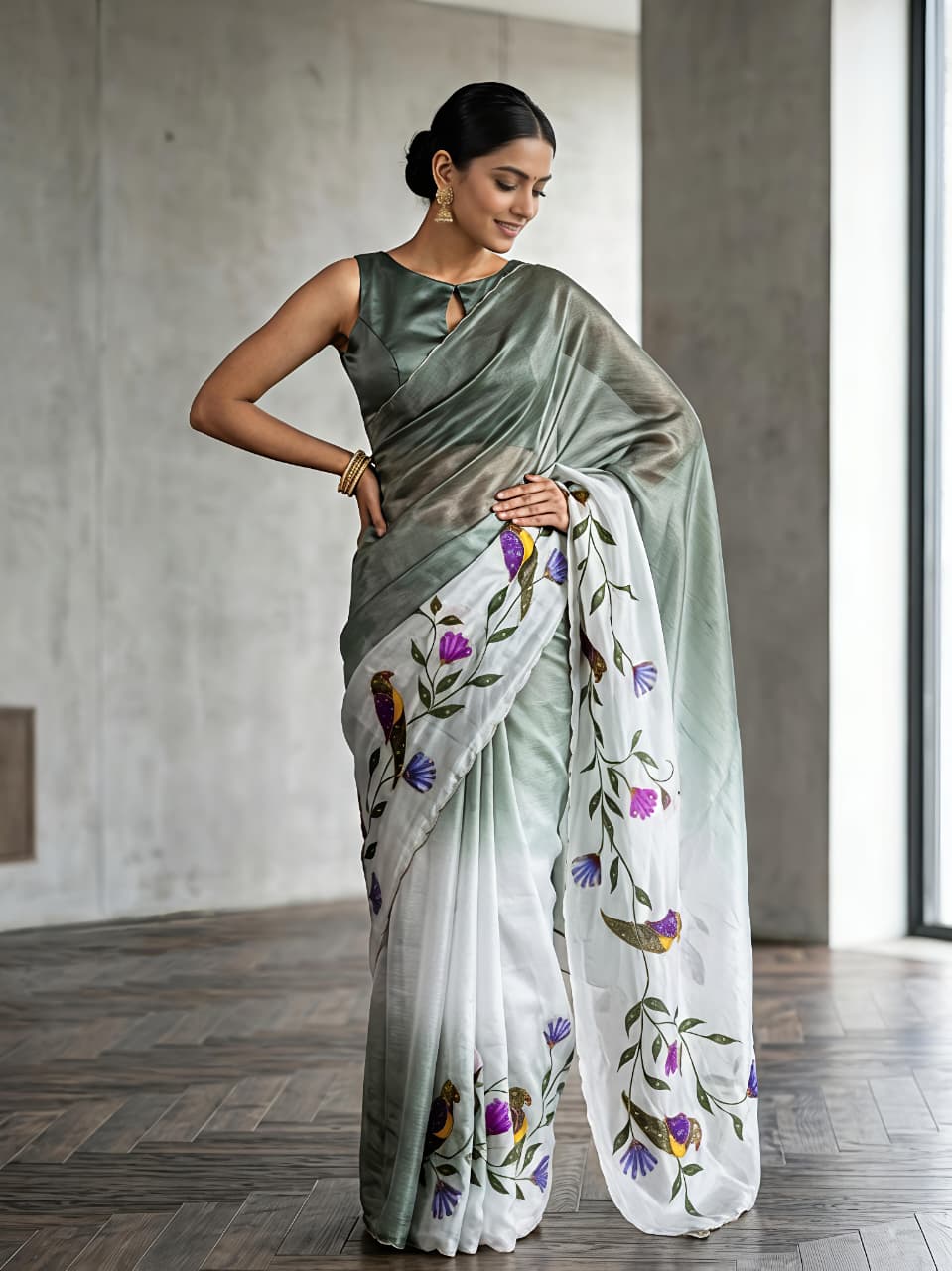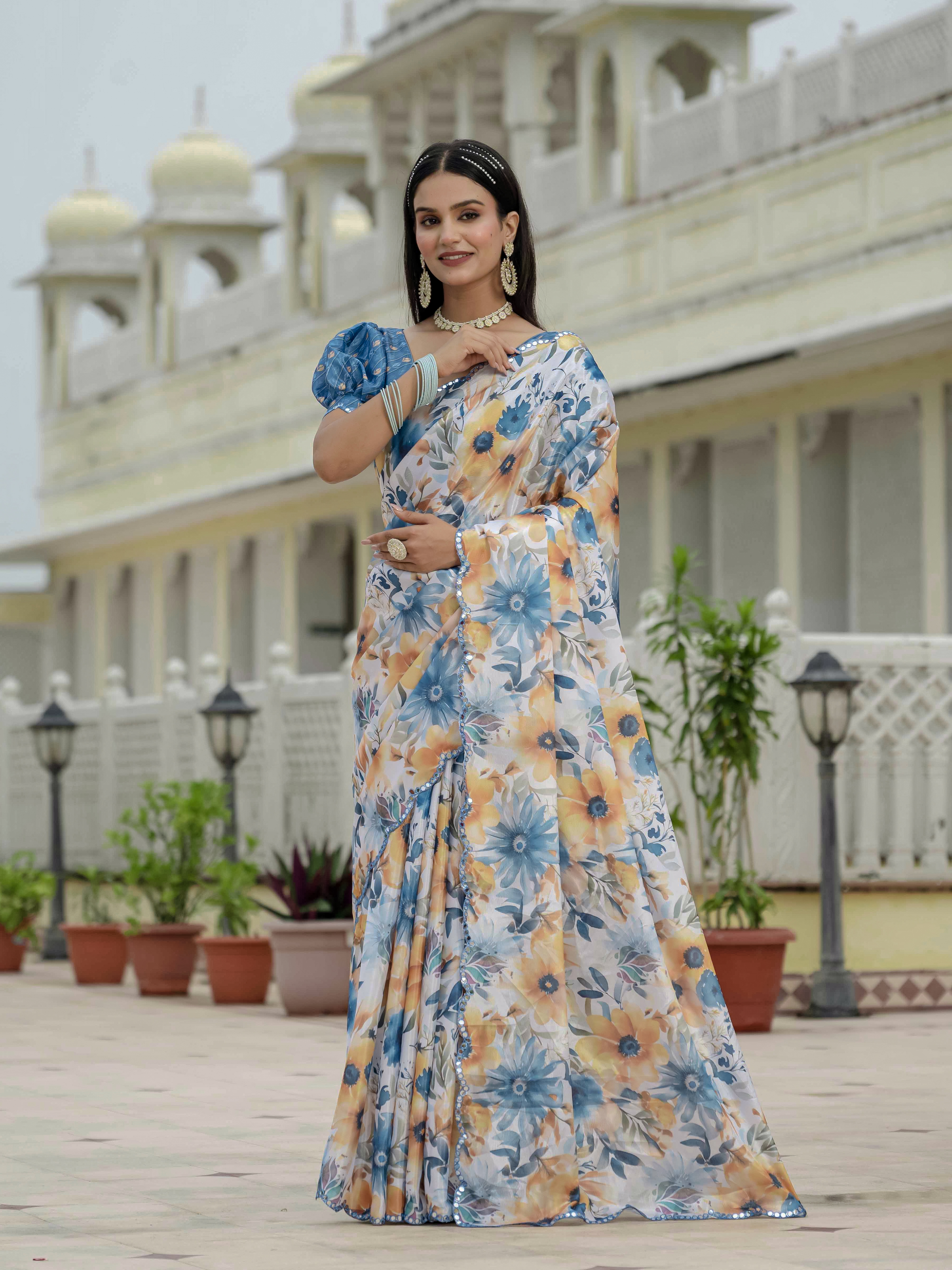
Choosing the Best Salwar Suits for Northeast Indian Festivals requires more than matching a bright colour to a festive calendar. Bihu, Hornbill, Wangala, Losar and other celebrations take place across different climates, communities and cultural settings, so the right outfit should offer movement, breathable comfort and a respectful approach to regional dressing. A well-chosen salwar suit can work for prayers, family gatherings, cultural programmes and evening events without feeling overdone.
The most reliable choice usually has three parts: a comfortable kurta, a lower garment that permits easy movement, and a dupatta that stays secure. Fabric weight, sleeve length, embroidery density and footwear matter as much as colour. This guide explains how to make those decisions and how to adapt a readymade suit to different Northeast Indian festival settings.
What makes the best salwar suits for Northeast Indian festivals?
The best salwar suits for Northeast Indian festivals balance comfort, cultural sensitivity and festive detail. A breathable kurta with a manageable hem, a non-restrictive salwar or trouser and a dupatta that can be pinned securely will usually perform better than a heavily embellished outfit that looks impressive only when standing still.
Festival clothing in Northeast India needs to respond to varied conditions. Assam's Bihu celebrations may involve outdoor visits and dancing, while Nagaland's Hornbill Festival can include long hours of walking between performances and stalls. Meghalaya, Mizoram, Manipur, Tripura, Arunachal Pradesh and Sikkim also have distinct weather patterns and cultural dress traditions. A salwar suit should complement the occasion without being presented as a substitute for a community's traditional attire.
- For daytime events: Choose cotton, rayon, Chanderi or a light silk blend with limited surface work.
- For evening functions: Silk, art silk, velvet accents or zari details can add richness without requiring a heavily layered outfit.
- For active programmes: Select a straight kurta, cigarette pant or relaxed palazzo and a shorter, secured dupatta.
- For formal gatherings: An Anarkali, embroidered suit or silk kurta set works well when the flare and embellishment remain easy to manage.
Which fabrics work best in Northeast Indian festival weather?
Cotton, rayon, Chanderi and light silk blends are practical fabric choices for many Northeast Indian festival settings because they allow airflow and are easier to wear for several hours. The correct fabric still depends on the season, venue and amount of movement expected.
Cotton salwar suits are useful for daytime celebrations, community visits and warm weather. Cotton absorbs moisture and generally feels less clingy during outdoor activities, although thick cotton can take longer to dry in humid conditions. Look for lined kurtas when the fabric is pale or loosely woven.
Rayon offers a soft drape and often feels cooler than a stiff synthetic fabric. A readymade rayon suit can be a practical option when you want a fluid silhouette without the maintenance demands of pure silk. Rayon should be washed according to its care label because excessive wringing can distort the shape.
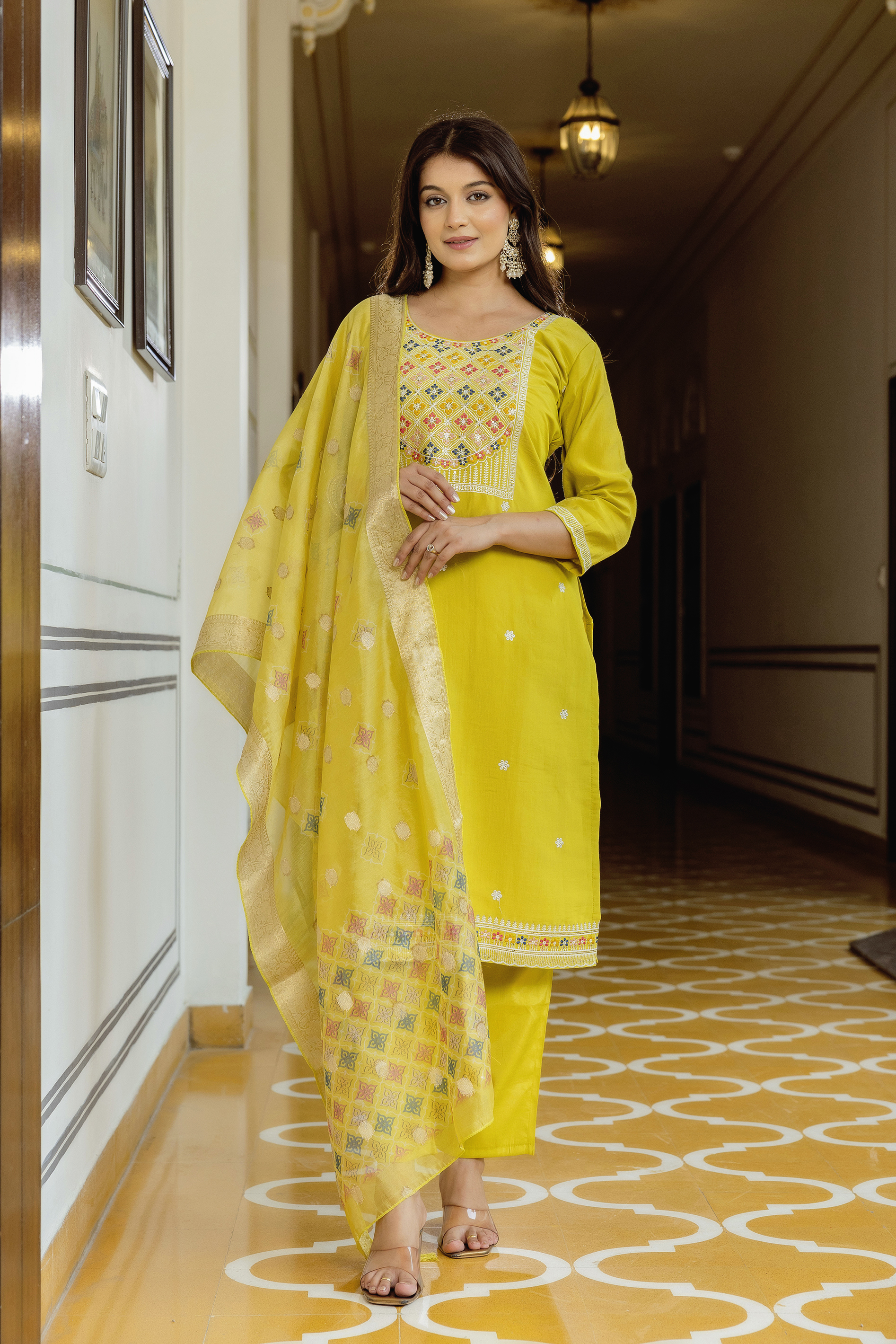
Chanderi gives a festive finish while remaining relatively light. A Chanderi kurta with restrained embroidery is suitable for a puja, lunch or semi-formal family event. The Yellow Chanderi Radiance Embroidered Suit demonstrates how a luminous yellow base and delicate surface detail can create celebration-ready impact without a dense, heavy construction.
Banarasi silk and silk blends suit evening events when a richer appearance is appropriate. Silk can feel warm in crowded indoor spaces, so a lined or heavily layered version may be uncomfortable during a long programme. Zari is most useful as a border, motif or dupatta accent rather than covering the entire garment.
How should you choose a silhouette for Bihu, Hornbill and other festivals?
A straight suit is the safest all-purpose silhouette, while an Anarkali or palazzo suit is better when you want more movement and a visibly dressy shape. The ideal silhouette depends on whether the day involves walking, dancing, sitting on the floor or attending a formal evening gathering.
For Bihu celebrations
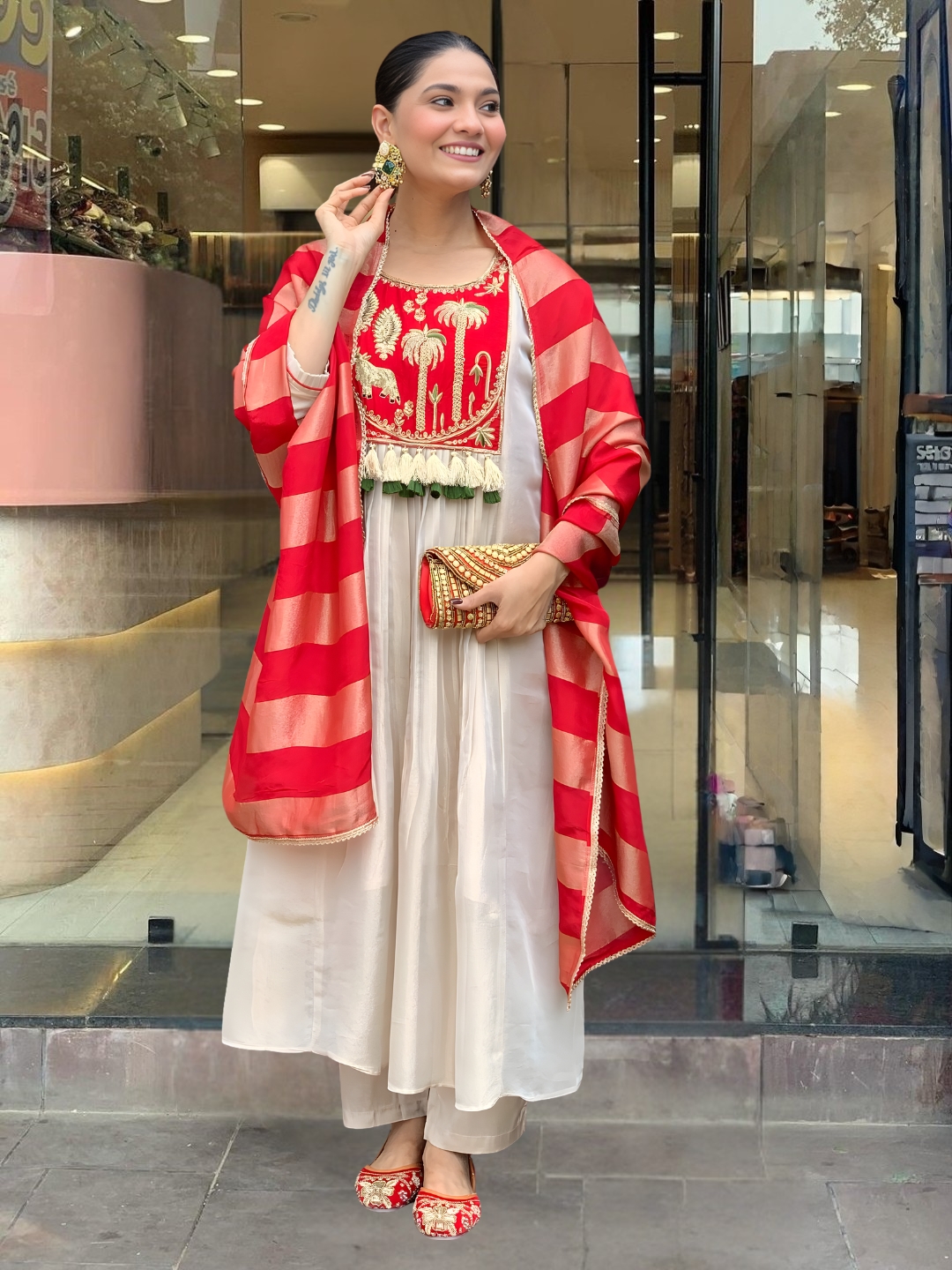
A straight kurta with trousers or a lightly flared lower garment brings comfort for Bihu gatherings and cultural programmes. Red, ivory, yellow, green and woven-looking accents can create a festive mood, but colour should not be treated as a replacement for Assamese traditional dress. A secure dupatta is preferable if the event includes movement or dancing.
For Hornbill Festival visits
A comfortable readymade suit with trousers and low, stable footwear is suitable for a full day at the Hornbill Festival. Choose a moderate hem, breathable lining and a dupatta that can be worn across the body or pinned at both shoulders. Avoid excessive trailing fabric when walking between venues, sitting in audience areas or browsing outdoor stalls.
For Wangala, Losar and community gatherings
A modest, well-finished suit with a clean neckline and manageable flare works for family visits and community celebrations associated with Wangala or Losar. Rich jewel tones, woven-inspired borders and small embroidered motifs can provide festive character while leaving room for traditional accessories or shawls where appropriate.
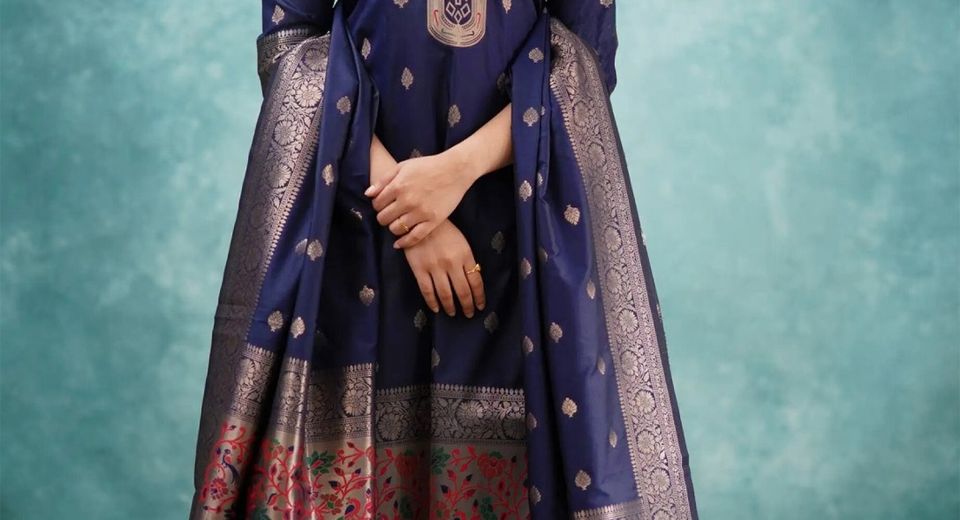
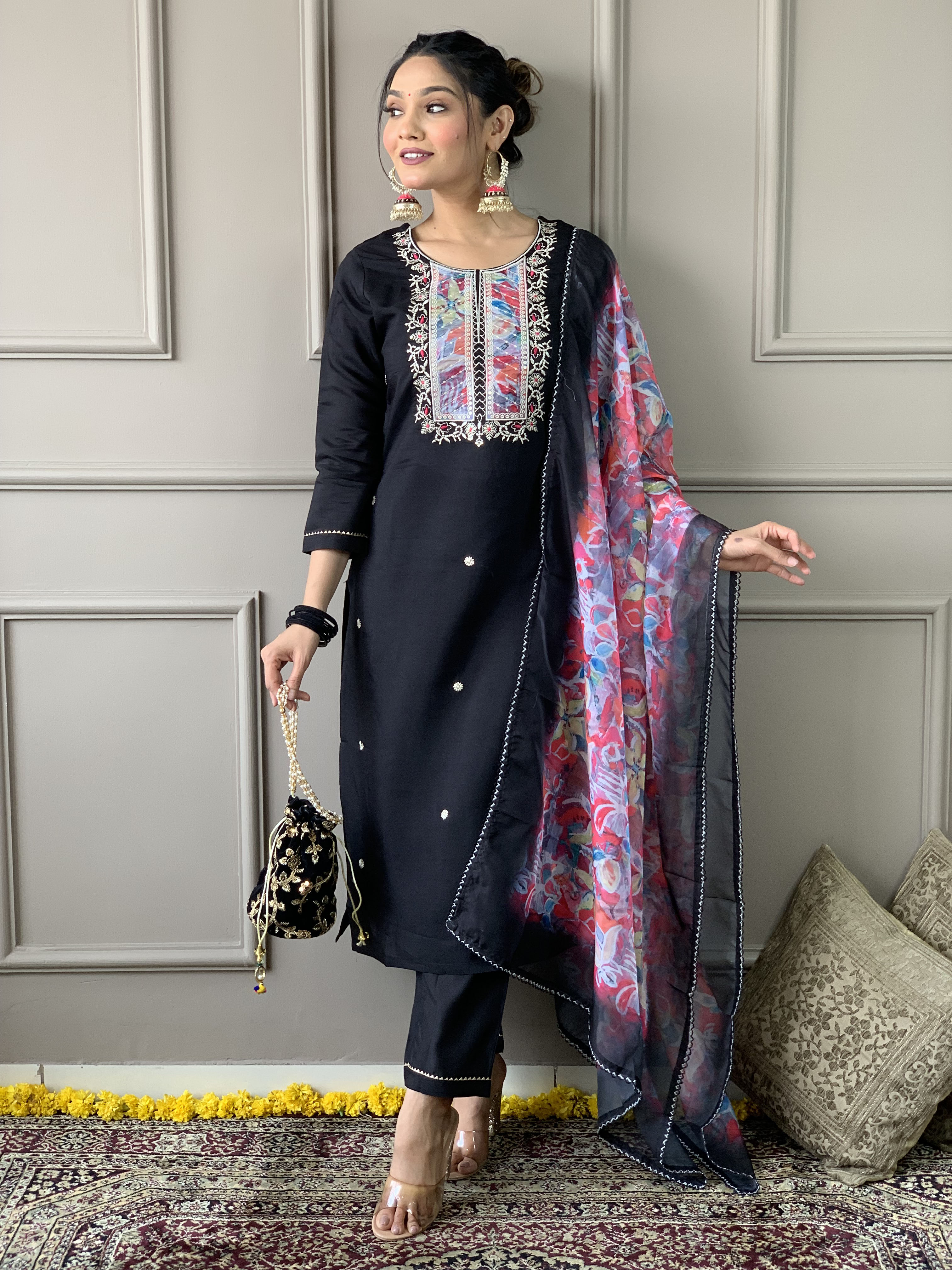
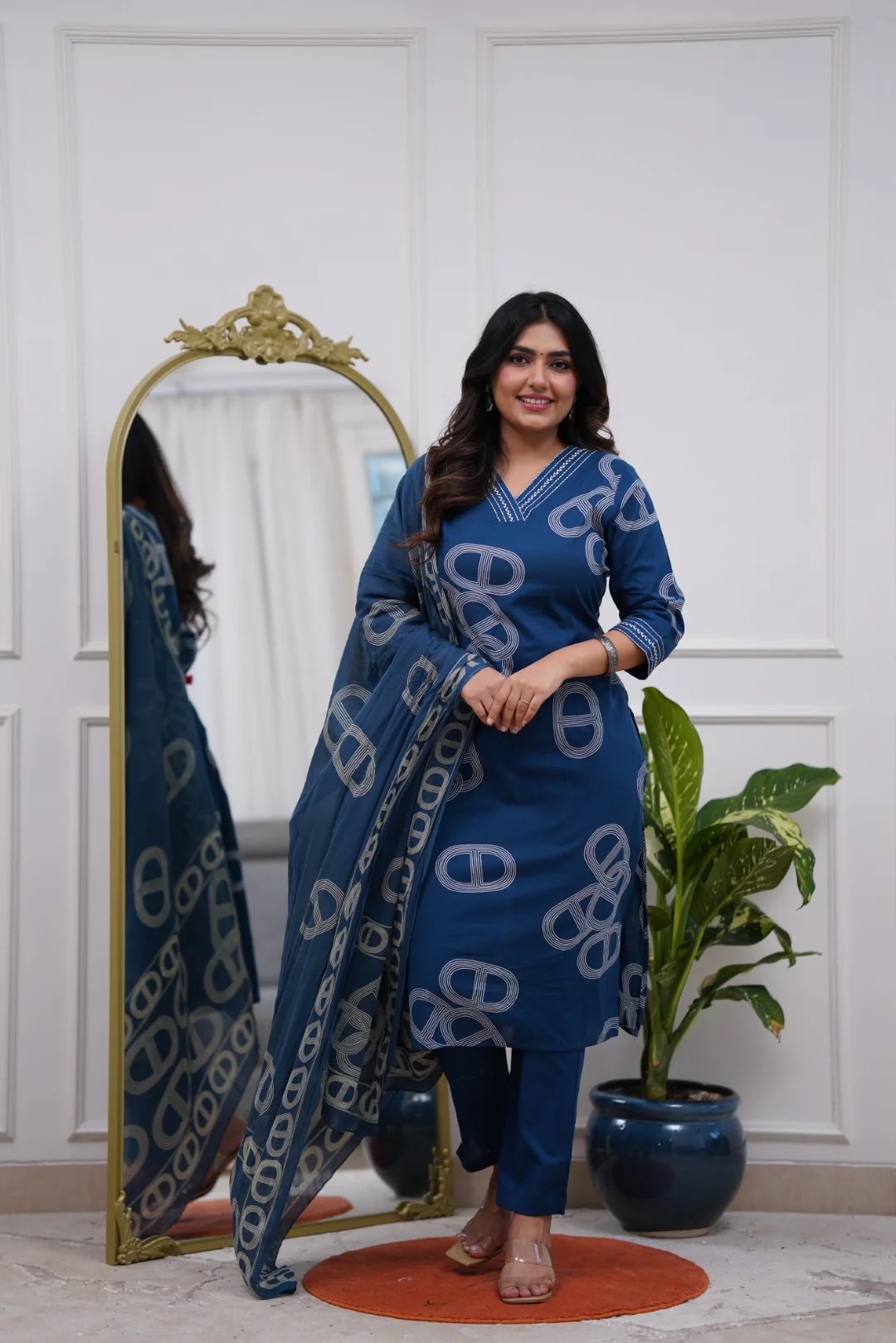
The Royal Navy Silk Kurti Pant Set with Zari Dupatta is an example of an evening-friendly combination: a deep navy base creates a composed appearance, while the zari dupatta supplies the visible festive accent. The Navy Blue Traditional Kurta Pant Dupatta Ensemble gives a similar three-piece structure for people who prefer coordinated separates and a straighter profile.
Which colours and embellishments look festive without becoming impractical?
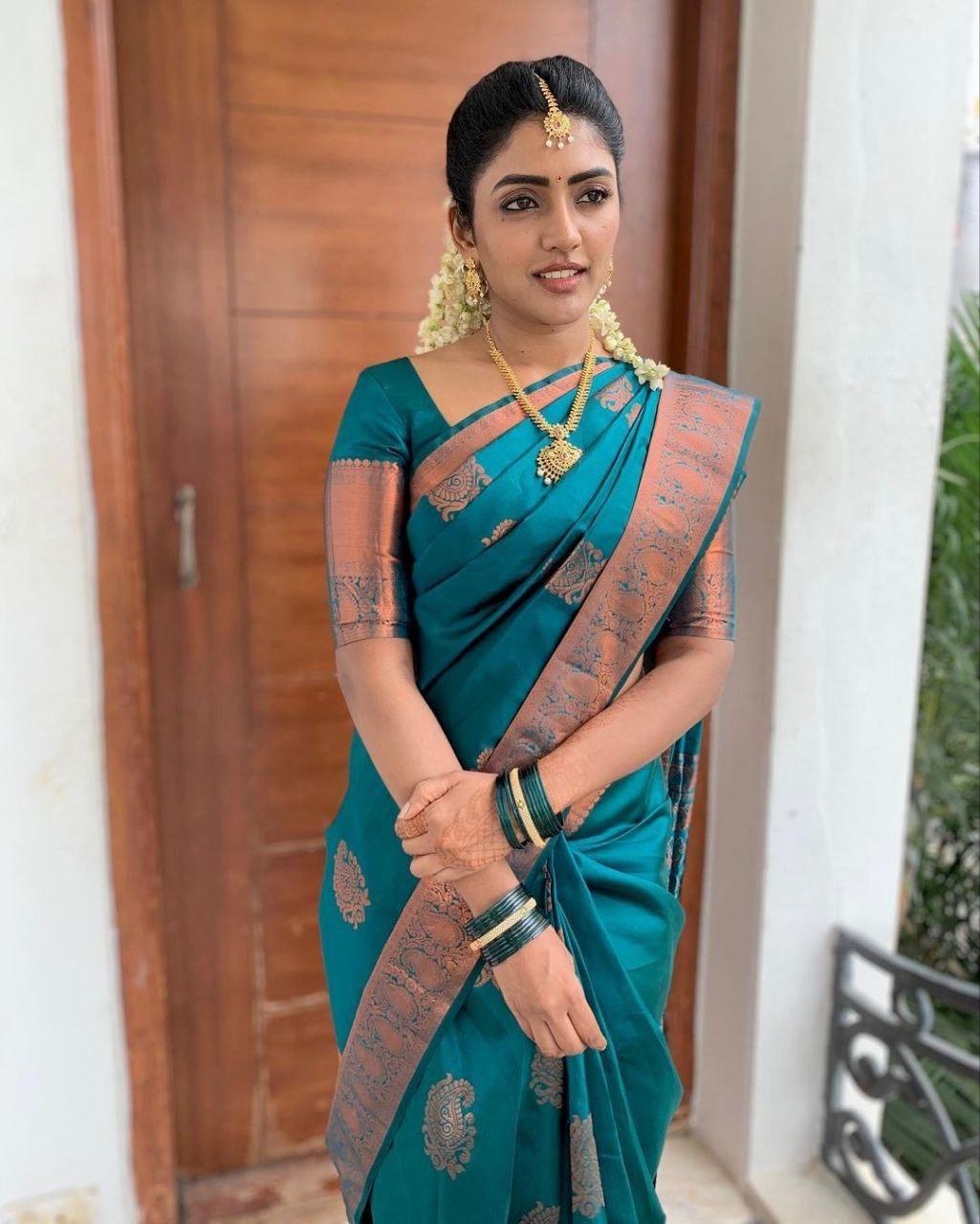
Jewel tones, warm yellows, greens, pinks, ivory and navy create a festive appearance, while small-scale embroidery and controlled zari borders keep the outfit wearable for several hours. Colour should support the venue and time of day instead of competing with cultural performances or traditional textiles.
Yellow works especially well for daytime celebrations because it photographs brightly and pairs easily with green, pink, ivory or gold. The Yellow Chanderi Radiance Embroidered Suit can be styled with simple earrings and neutral sandals when the embroidery already supplies enough visual interest.
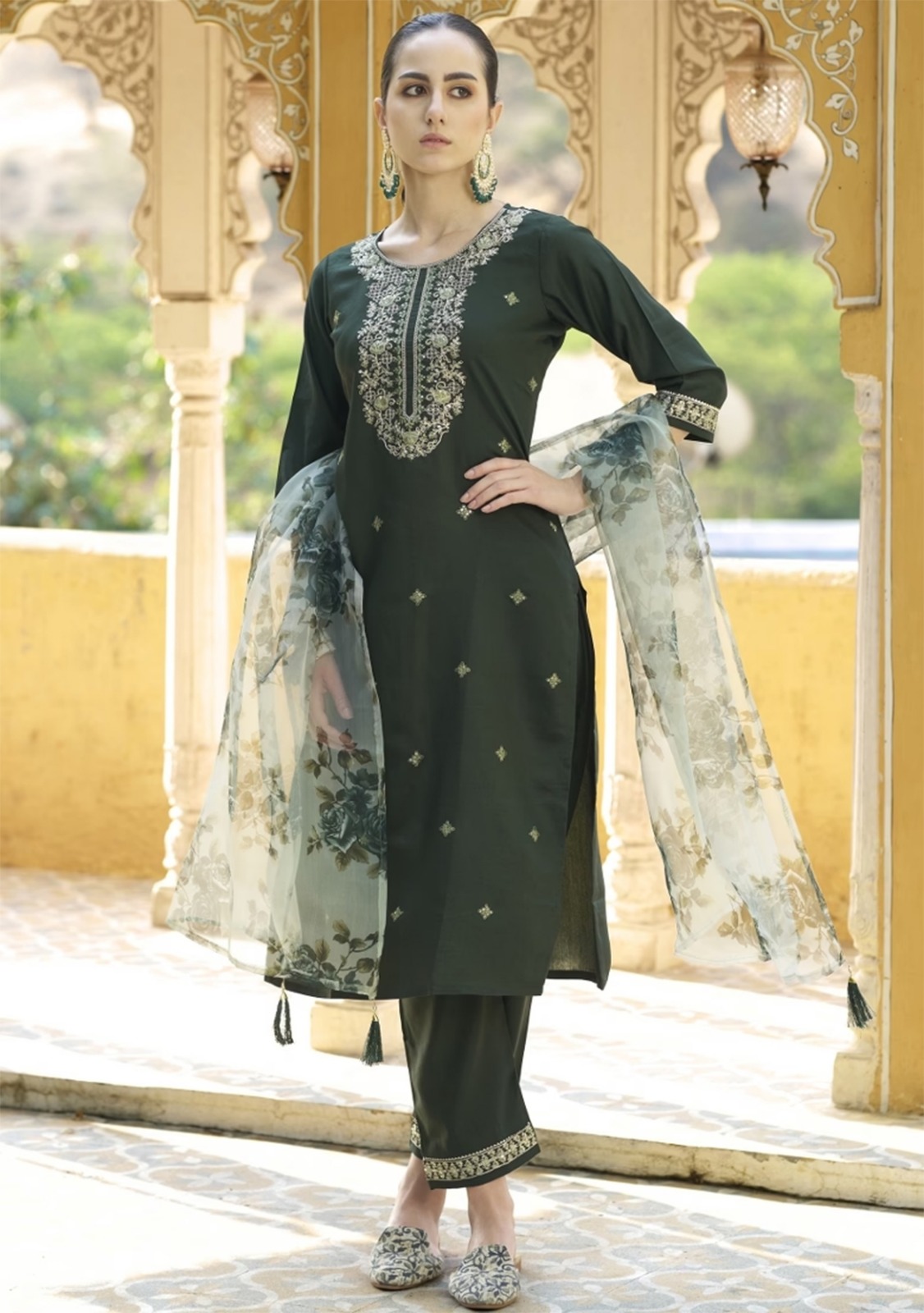
Green is versatile for daytime and evening wear. The Green Embroidered Anarkali Suit Set for Women creates a more formal outline through its flare, so it's best for a dinner, reception or seated programme rather than a long walking itinerary. Keep the jewellery lighter if the bodice and hem already carry embroidery.
Pink and cream produce a softer look for family lunches, pujas and daytime celebrations. The Cream Pink Printed Rayon Readymade Salwar Suit uses a gentler palette and a fluid fabric, making it suitable for a less formal event where comfort matters more than ornate decoration.
Navy, camel and pista shades are useful when you prefer understated festive clothing. The Elegant Camel Shade Salwar Suit Set can be lifted with antique-gold earrings and a contrasting dupatta, while the Pista Royale Salwar Suit can be paired with pearl, gold or muted green accessories. A single strong accessory is usually more polished than adding several competing colours.
How can a readymade salwar suit be made festival-ready?
A readymade salwar suit becomes festival-ready when the fit, dupatta placement, footwear and finishing details are adjusted before the event. Small practical changes can improve comfort more effectively than adding extra embellishment.
- Check the shoulder and armhole: Raise both arms, sit down and walk for a few minutes before removing the tags. Tight armholes become particularly uncomfortable during greetings, dancing or photography.
- Measure the trouser length: The hem should not drag under sandals or fold heavily at the ankle. A tailor can usually correct length more easily than a poorly positioned waistband.
- Secure the dupatta: Use small, matching safety pins at the shoulder and waist, or carry the dupatta across the body when movement is expected. A readymade salwar suit dupatta should frame the outfit without requiring constant adjustment.
- Test transparency: Check the kurta in natural light, especially for white, cream, pista and pale pink fabrics. Add a suitable inner layer if the lining is insufficient.
- Choose footwear before final styling: Wear the actual sandals or juttis while checking the trouser break and kurta length. A two- to three-centimetre heel can alter the fall of a palazzo or Anarkali noticeably.
- Steam rather than aggressively iron delicate fabric: Chanderi, rayon and zari details can lose their finish under excessive heat. Place a thin cotton cloth between the iron and the garment when pressing is necessary.
The Embroidered Salwar Suit Set for Women is an useful format when the kurta, bottom and dupatta already share a coordinated design language. Coordinated sets reduce styling decisions, but checking the sleeve fit and dupatta length remains essential because ready-to-wear sizing can vary between cuts.
How do regional festive collections help with styling inspiration?
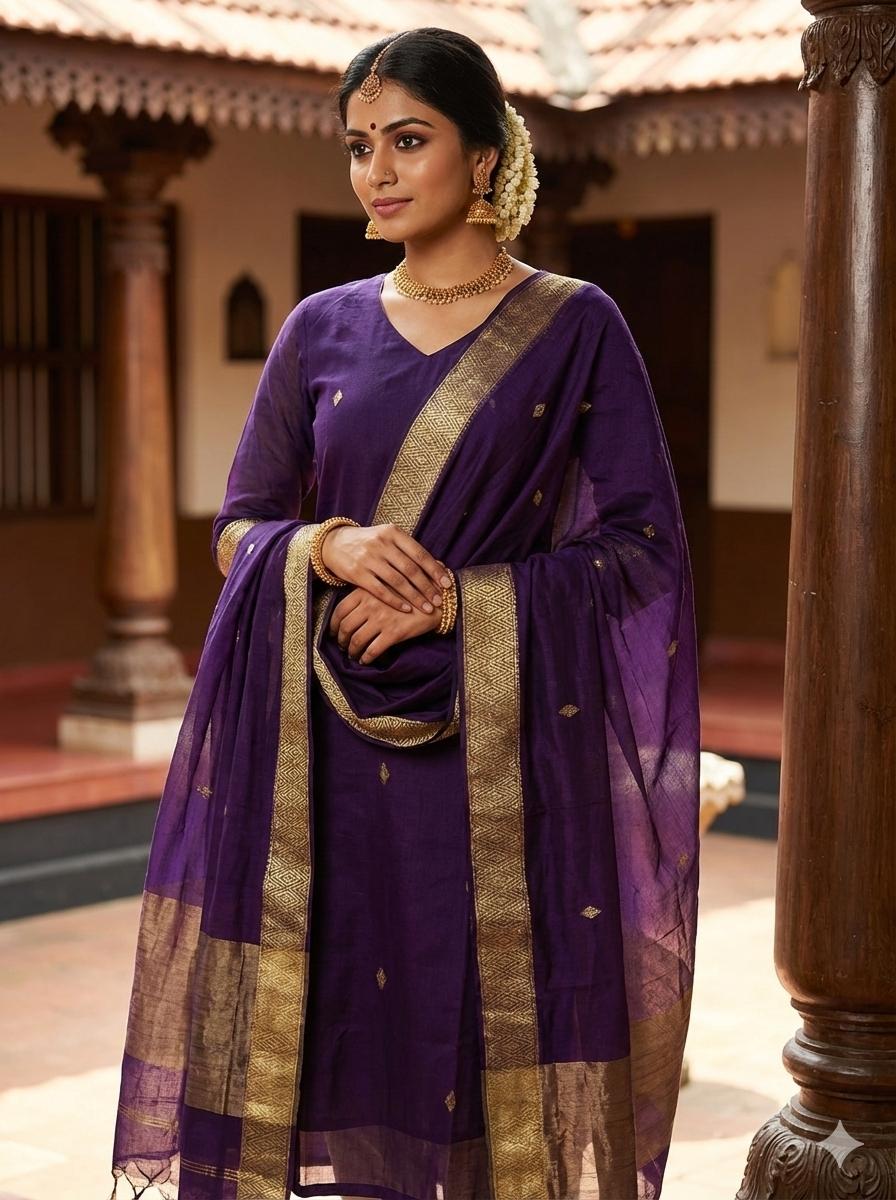
Regional festive collections can suggest colour stories, borders and embroidery directions, but they should be used as styling references rather than claims of authentic traditional dress. A salwar suit influenced by a regional aesthetic should not be presented as equivalent to the community's own ceremonial clothing.
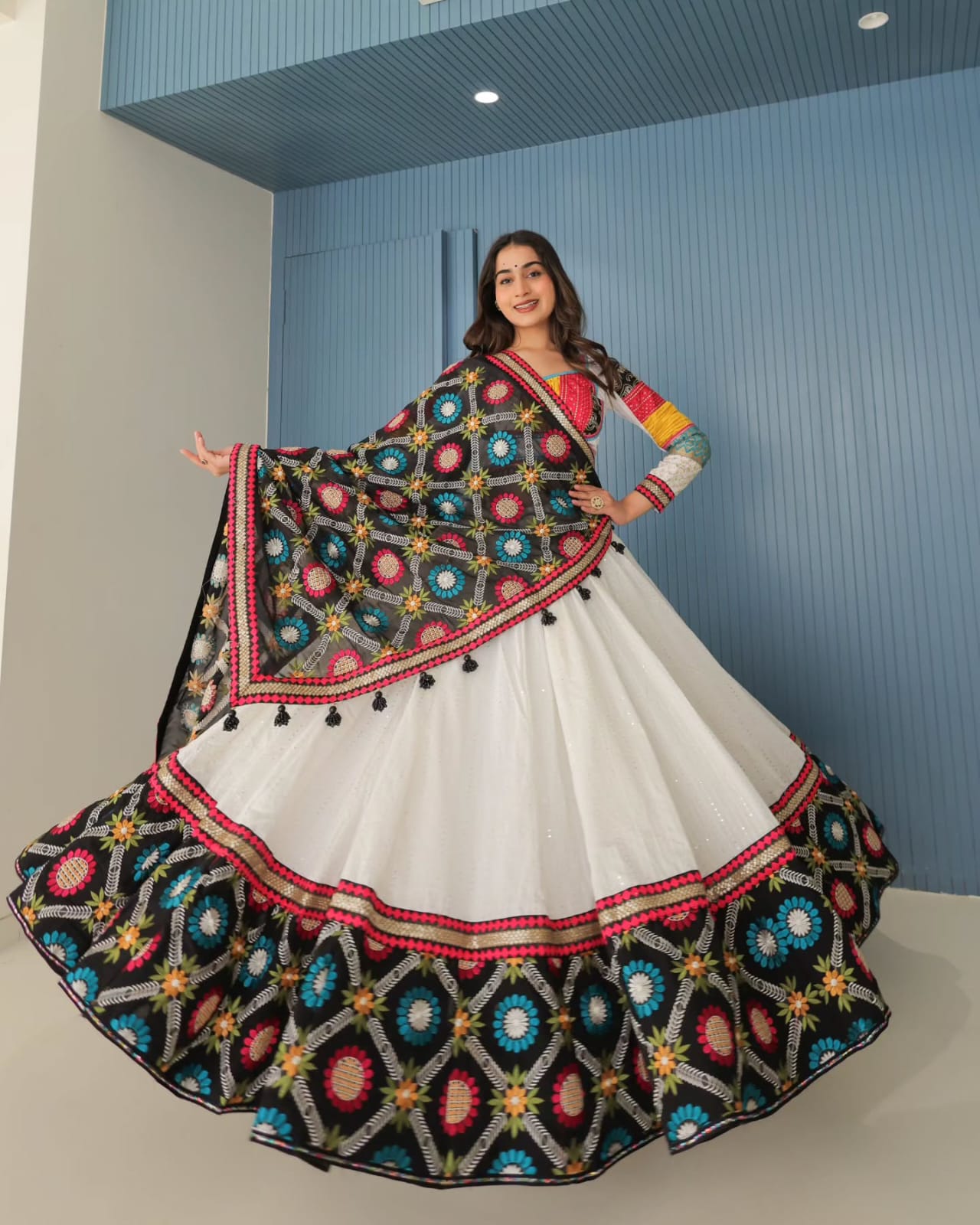
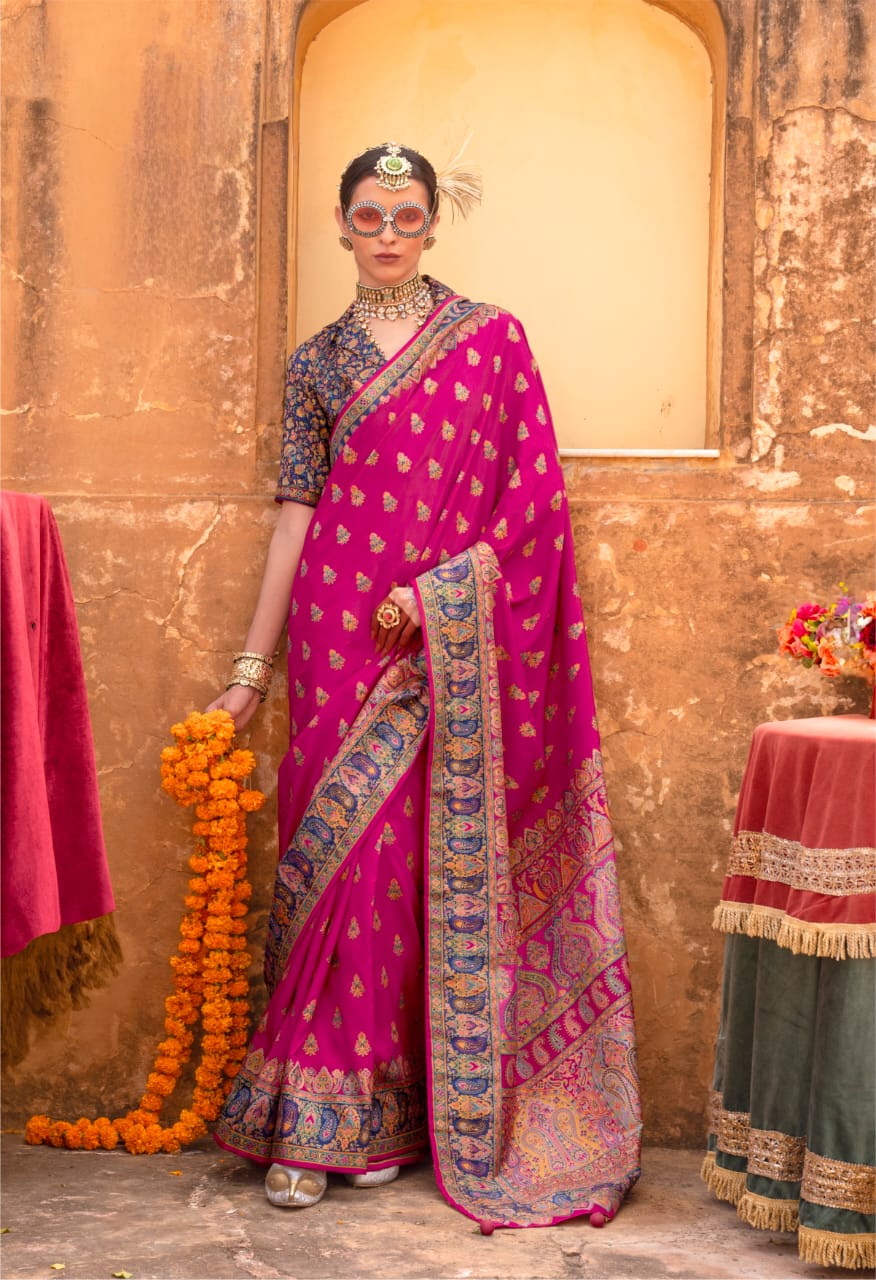
Gujarati Festive Salwar Suits can inspire mirror-work accents, lively colour combinations and rhythmic borders for a celebratory look. Marwari Style Festive Salwar Suits can suggest saturated tones, ornate dupattas and jewellery-led styling. These references are useful when planning an outfit for a wedding-related event or festive dinner in the Northeast, provided the clothing remains appropriate to the host family and setting.
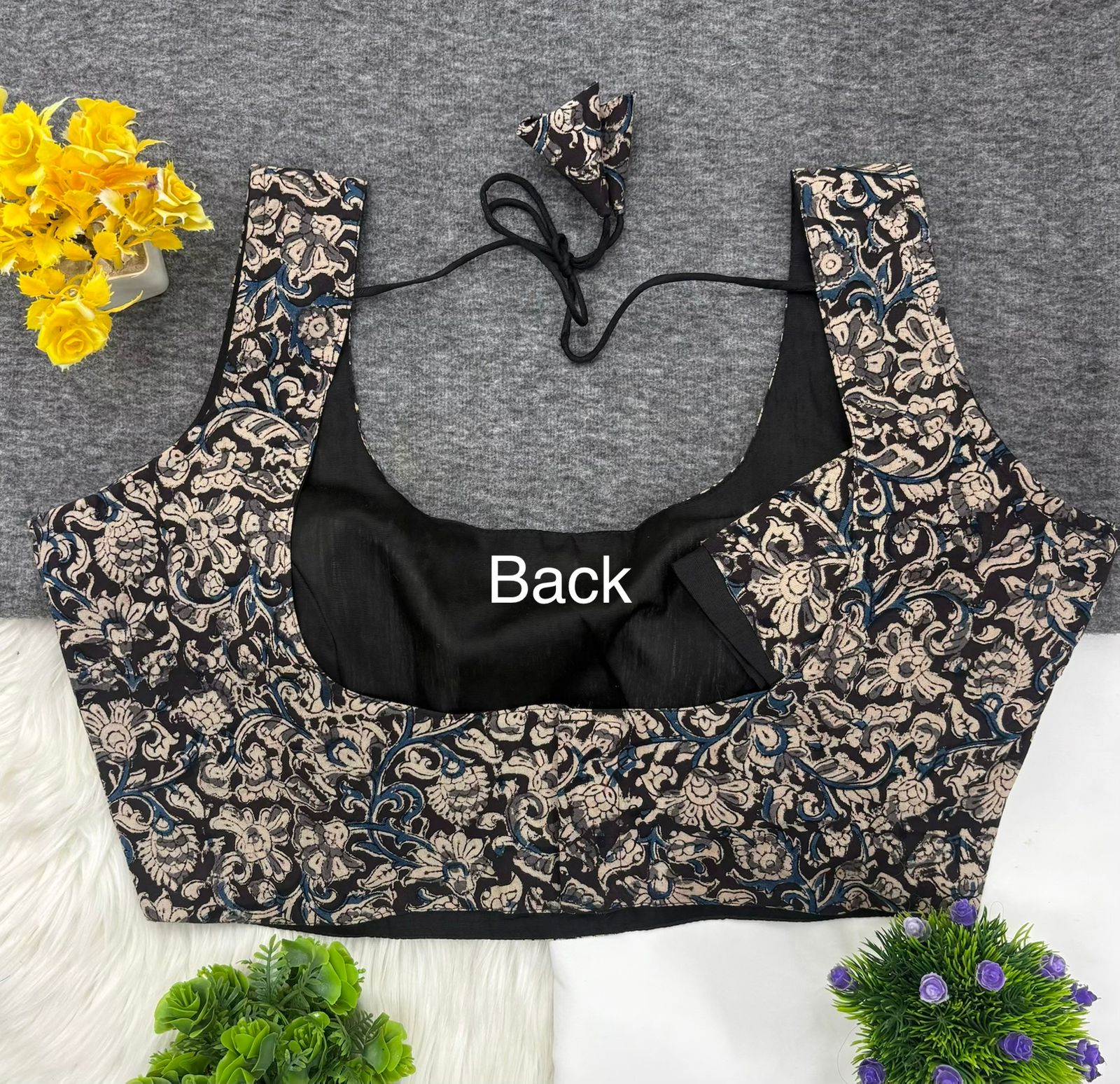
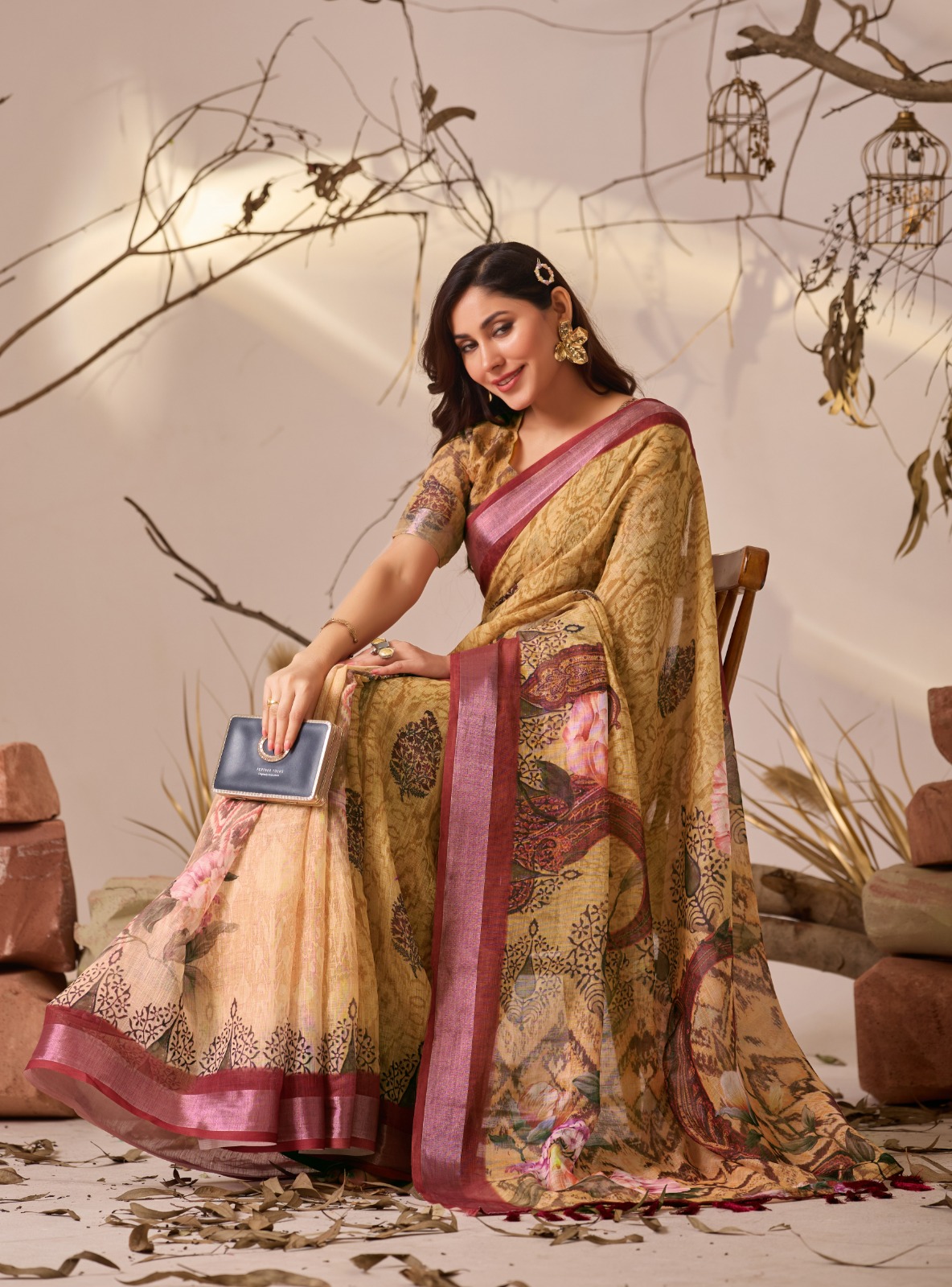
Maharashtra Paithani Inspired Salwar Suits can guide the use of peacock motifs, rich borders and silk-like colour contrasts without requiring a full sari. Punjab Phulkari Embroidered Salwar Suits can inspire floral embroidery and bright dupatta combinations. Kalamkari Print Salwar Suits (Copy) offer a more print-led direction for daytime gatherings, particularly when you want visual interest without heavy zari.
Traditional Northeast Indian textiles and accessories should be worn with knowledge and respect. If you're attending a community-specific celebration as a guest, asking the host about appropriate dress is more considerate than copying a ceremonial motif without understanding its context. A simple salwar suit in a respectful colour palette can be the better choice.
What accessories and care steps complete a festive salwar suit?
Comfortable footwear, restrained jewellery and careful dupatta placement complete a festive salwar suit more effectively than excessive accessories. Choose accessories according to the garment's neckline, embroidery and the length of the event.
For a printed or lightly embroidered suit, add medium-sized earrings, a slim bracelet and a small shoulder bag. For a zari dupatta or ornate Anarkali, use one focal accessory such as jhumkas or a necklace rather than wearing both heavily. A compact crossbody or structured potli keeps essentials secure during outdoor programmes.
Juttis, low block heels and cushioned sandals are practical choices for uneven ground and long periods of standing. New footwear should be tested indoors before the festival because blisters can make even a well-fitted outfit difficult to enjoy. Hair should also be secured if the event is outdoors or likely to involve wind.
Store embroidered suits folded with the dupatta separated from the kurta to reduce pressure on raised work. Keep silk, zari and Chanderi away from direct sunlight and strong moisture. Rayon and cotton garments should be fully dry before storage, while stains should be treated promptly according to the care label instead of being scrubbed aggressively.
How can you choose among festive, party-wear and formal salwar suits?
Choose festive salwar suits for cultural or family celebrations, party-wear suits for evening social events, and formal salwar suits for polished programmes where restrained decoration is more appropriate. The same suit can move between categories through accessories, footwear and dupatta styling.
A cotton or rayon straight suit is a sensible choice for daytime family visits and outdoor celebrations. An embroidered Anarkali, silk kurta set or zari-accented ensemble is more suitable for evening parties and wedding functions. For a formal office-linked event, select a clean neckline, moderate embroidery and a structured trouser rather than a very wide flare or sequinned surface.
When buying online, compare the garment measurements with a well-fitting kurta you already own. Check bust, waist, hip, sleeve and kurta-length measurements separately instead of relying only on small, medium or large labels. Also confirm whether the stated size includes ease; a bust measurement that exactly matches your body may feel restrictive once the lining and embroidery are added.
The most successful festival outfit is one that lets you greet relatives, sit comfortably, walk between venues and participate in photographs without repeated adjustments. With the right fabric, a secure dupatta and a silhouette matched to the programme, salwar suits can provide an elegant and practical option for Northeast Indian festive dressing.
Questions About Choosing Salwar Suits for Northeast Indian Festivals
Which fabric is best for a salwar suit at a Northeast Indian festival?
Cotton, rayon, Chanderi and light silk blends are generally practical choices because they offer comfort and movement. Select cotton or rayon for warm daytime events, and choose silk or zari accents for cooler evenings or formal indoor functions.
What should women wear to a Bihu celebration if they prefer a salwar suit?
A breathable straight suit or lightly flared salwar suit with a securely pinned dupatta works well for a Bihu celebration. Red, yellow, green and ivory can create a festive appearance, but a salwar suit should be worn respectfully rather than presented as a replacement for Assamese traditional attire.
Are readymade salwar suits suitable for the Hornbill Festival?
Readymade salwar suits are suitable for the Hornbill Festival when they have comfortable trousers, breathable fabric and a manageable dupatta. Avoid long trailing hems and unstable footwear because festival visits can involve considerable walking and outdoor time.
How can a festive salwar suit be made more formal for an evening event?
Add a zari or silk dupatta, refined earrings, a structured bag and low heels to make a simple suit more formal. Keep the jewellery controlled when the kurta already has dense embroidery or an ornate neckline.
Are cotton salwar suits suitable for festive wear?
Cotton salwar suits are suitable for festive wear, particularly for daytime gatherings, warm weather and events involving movement. Choose a well-finished print, embroidery or woven border so the outfit looks celebratory rather than purely casual.
How do I stop a salwar suit dupatta from slipping during a festival?
Pin the dupatta at one shoulder and lightly secure it at the waist or opposite side when movement is expected. A cross-body drape is more stable than a loose open drape, especially during walking, dancing or outdoor programmes.