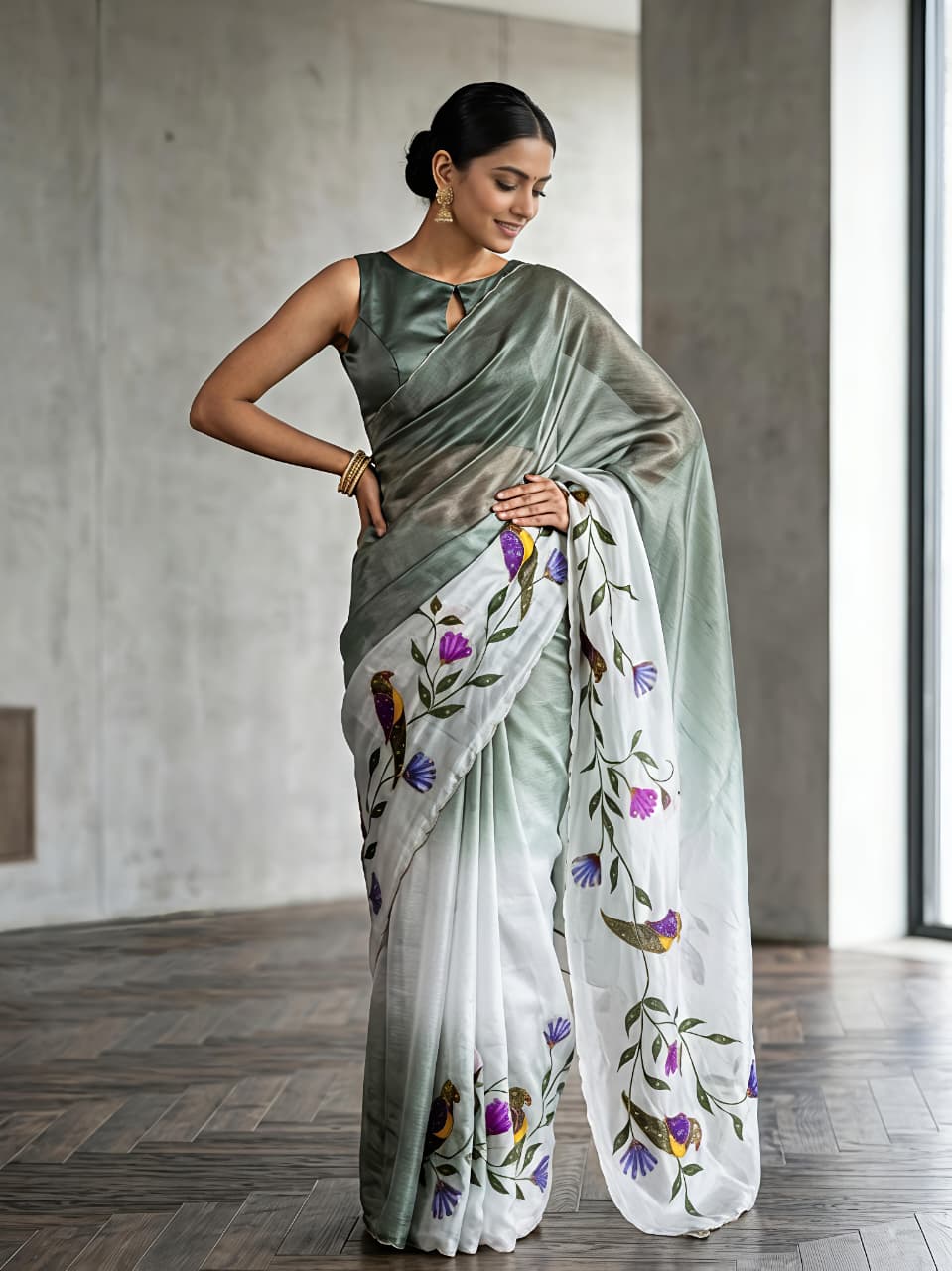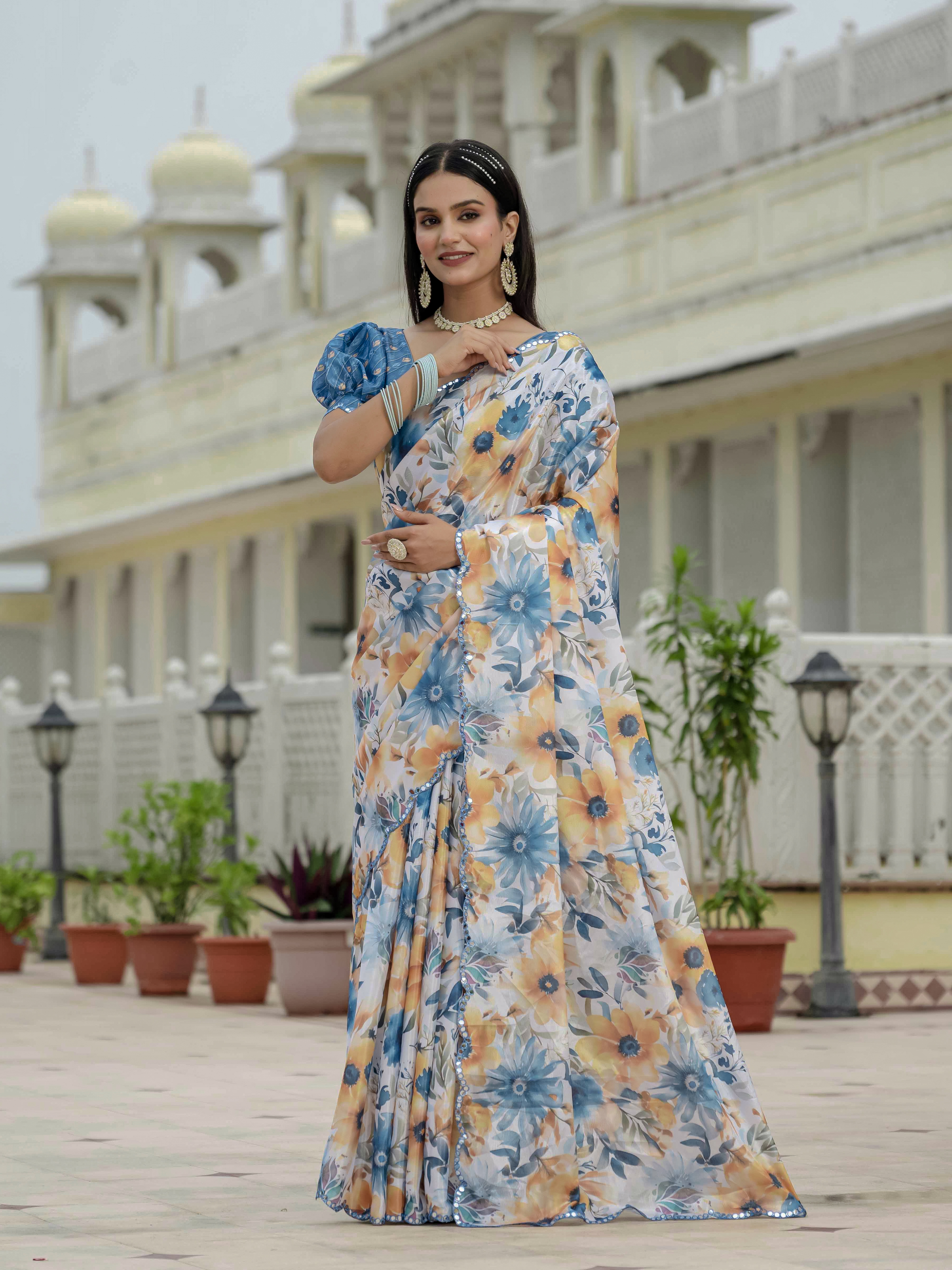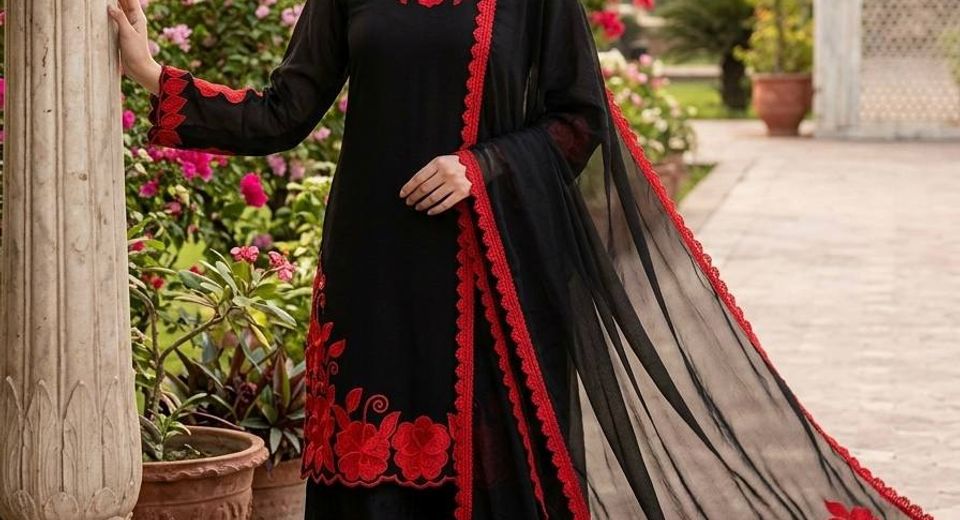
Choosing the Best Salwar Suits for Madhya Pradesh Festivals requires more than picking a bright colour. A suitable outfit must handle long family gatherings, temple visits, outdoor celebrations, changing weather and the practical need to move comfortably. Fabric weight, sleeve length, hemline, dupatta security and regional craft references all affect whether a salwar suit feels appropriate after several hours of wear.
Madhya Pradesh has hot summers, humid monsoons and cooler winter evenings, so the same silhouette won't work equally well in every month. Diwali gatherings may favour richer silk and zari, while a daytime Navratri event can be more comfortable in cotton, Chanderi or a lightweight printed weave. The guide below explains how to make those choices with specific examples rather than relying on colour alone.
How to choose a festival salwar suit for Madhya Pradesh
The most reliable choice is a breathable, well-fitted salwar suit with one strong festive detail and a dupatta that stays secure. That combination creates a polished appearance without making the outfit heavy or difficult to manage.
Start by identifying the setting. A home puja usually allows softer fabrics and moderate embellishment, whereas a large evening celebration can support silk, velvet accents, metallic thread or a more dramatic dupatta. A temple visit calls for a comfortable, reasonably covered neckline and sleeves that don't interfere with lighting lamps or making offerings.
Next, consider the time of day. Daytime events in cities such as Bhopal, Indore, Gwalior and Jabalpur can feel warm even during festival months. Cotton, cotton-silk, Chanderi and light georgette are useful choices because they allow air circulation. Winter evenings in central Madhya Pradesh can be noticeably cooler, making a silk-blend suit, a lined kurta or a shawl-friendly design more practical.
Movement also matters. A straight kurta with narrow cigarette pants creates a clean line and works well for seated gatherings. A palazzo suit offers more airflow and a softer fall. A traditional kameez with a salwar gives extra ease around the hips and knees, which is useful during household rituals or when sitting on the floor.
Best Salwar Suits for Madhya Pradesh Festivals by celebration
The Best Salwar Suits for Madhya Pradesh Festivals depend on the celebration's colour mood, duration and level of formality. Diwali, Navratri, Teej, Raksha Bandhan and local cultural events each allow a slightly different interpretation of festive dressing.
Diwali and Lakshmi Puja
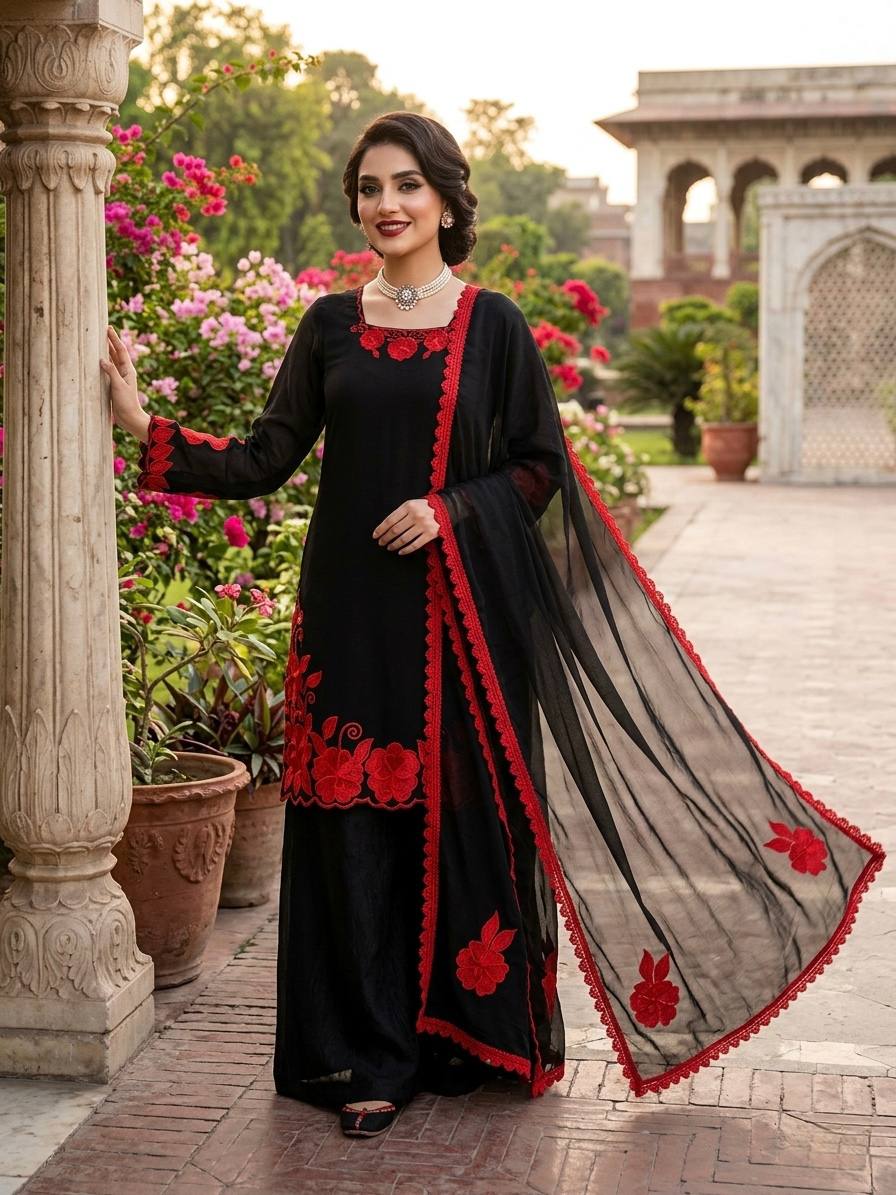
Rich fabrics and controlled shimmer work particularly well for Diwali and Lakshmi Puja. Deep red, wine, emerald, royal blue, black, ivory and antique gold create a festive palette without requiring heavy head-to-toe embellishment.
A three-piece suit is useful for Diwali because the dupatta can add zari or embroidery while the kurta and trousers remain comfortable. The Black Red Fendy Silk 3 Piece Readymade Salwar Suit Set demonstrates how a dark base can be lifted by a warm red contrast. Fendy silk has a smooth, occasion-ready appearance, although a lining and careful pressing are important if the suit will be worn for several hours.
For a family puja, pair a darker suit with antique gold jhumkas, a small bindi and a low bun. Avoid oversized jewellery if the dupatta already contains dense embroidery. One visible focal point usually looks more refined than several competing metallic details.
Navratri and Dussehra
Navratri and Dussehra dressing benefits from lively colour, breathable fabric and enough room for walking or dancing. Yellow, fuchsia, green, orange, cobalt and red can be used through the kurta, dupatta or accessories.
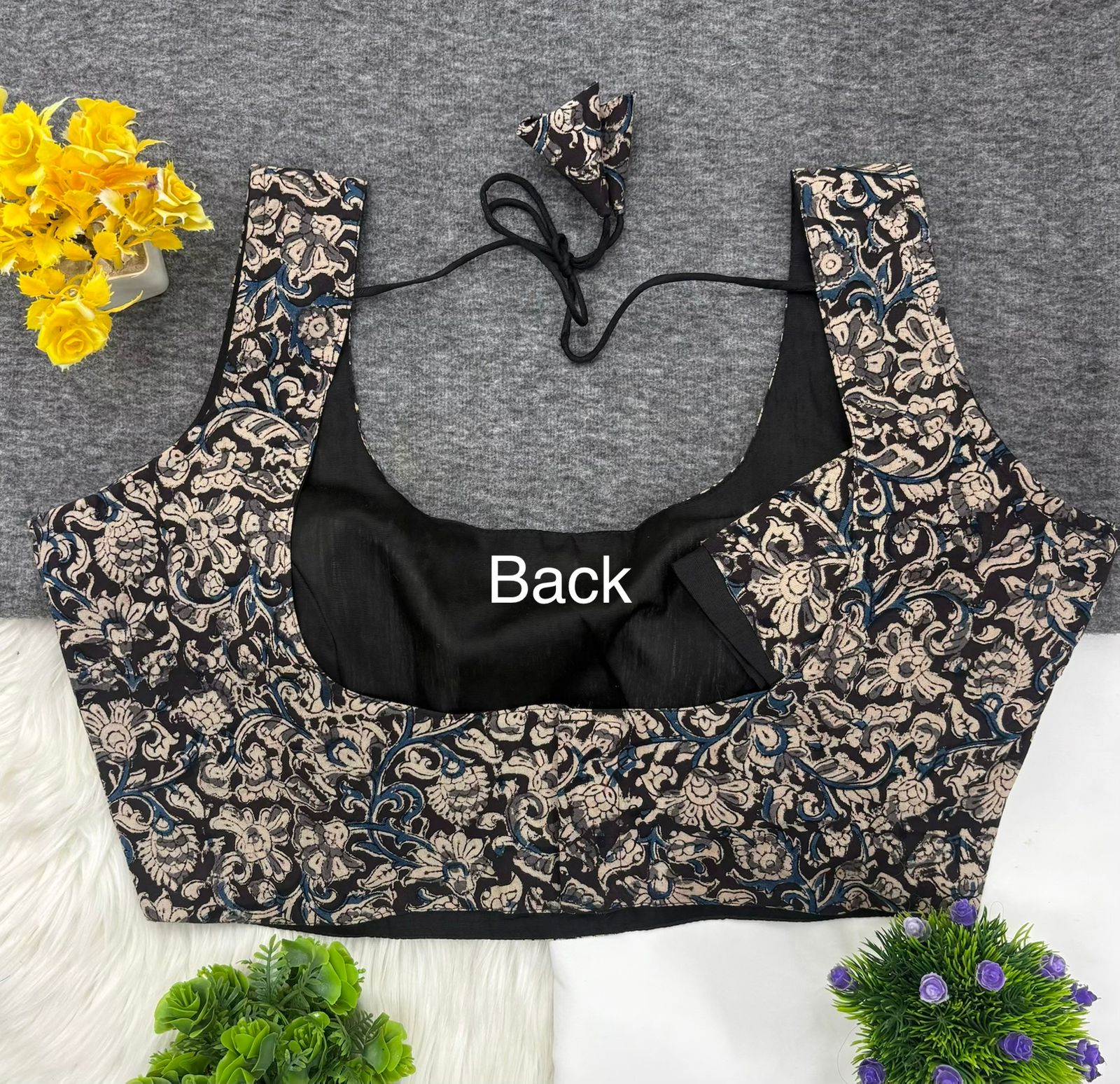
A printed salwar suit can feel festive without the weight of sequins. Kalamkari Print Salwar Suits (Copy) offer a useful direction for choosing floral or narrative motifs with an artisanal appearance. Keep jewellery relatively light for outdoor celebrations, and select a dupatta with a narrow border or small hidden safety pins so that it remains in place during movement.
Teej, Raksha Bandhan and daytime family gatherings
Daytime festivals call for lighter construction and colours that look fresh in natural light. Lavender, peach, pista, powder blue, ivory, coral and soft pink are easy to wear for Raksha Bandhan, Teej and family lunches.
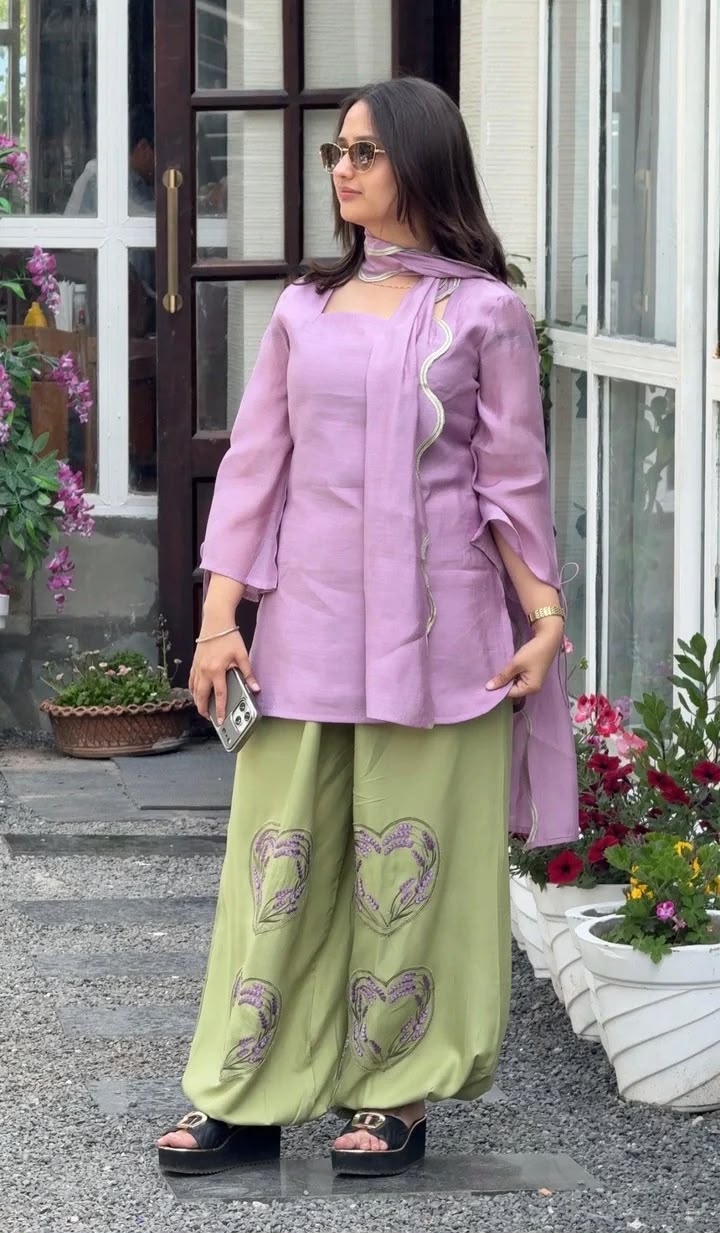
The Lavender Chanderi Kurta with Olive Embroidered Palazzo Suit shows how a restrained colour pairing can still look celebratory. Chanderi is especially suitable for warm daytime events because its light structure and subtle sheen offer dressiness without the density of heavier silk. Olive embroidery adds visual depth while keeping the palette less predictable than a standard pastel-and-gold combination.
Wear a palazzo suit with flat embroidered juttis or low block heels if the event involves visiting several homes. A very long palazzo hem can collect dust or catch on steps, so the trouser length should sit just above the floor when worn with the intended footwear.
Bhagoria and regional cultural programmes
Bhagoria celebrations and cultural programmes reward colour, print and ease of movement rather than formal bridal-level embellishment. Handcrafted-looking motifs, red, yellow, green and indigo can acknowledge a festive folk environment without turning the outfit into a costume.
Choose a suit with secure fastenings, breathable fabric and a dupatta that's not excessively long. A crossbody potli or compact shoulder bag is more practical than a clutch when the event involves walking through a busy outdoor venue.
Which fabrics work best in Madhya Pradesh's festival weather?
Chanderi, cotton, cotton-silk, lightweight silk and georgette are among the most adaptable fabrics for Madhya Pradesh festival wear. The right fabric depends on temperature, event duration, lining and the amount of surface decoration.
Chanderi for warm daytime celebrations
Chanderi provides a light, slightly crisp drape with a delicate sheen, making it suitable for daytime pujas and family gatherings. Chanderi can be woven from silk, cotton or a blend, so checking the garment composition is important before purchase.
Chanderi suits look best when the design allows the fabric's texture to remain visible. Dense all-over embroidery can flatten the airy quality of the weave. Store a Chanderi kurta folded in soft cotton rather than hanging it for months, because prolonged hanging may stress the shoulder seams.
Silk and silk blends for evening festivals
Silk and silk blends are effective for evening festivals because they hold colour well and naturally reflect lamplight. Banarasi silk, silk satin and Fendy silk can create a formal appearance, but lining and ventilation become more important in crowded indoor spaces.
A silk suit should not be chosen solely because it appears luxurious. Check whether the trousers allow comfortable sitting, whether the kurta has enough ease at the armhole and whether the dupatta is manageable. Zari and metallic embroidery can add weight, so a heavily worked dupatta may need a lighter kurta to keep the complete outfit balanced.
Cotton and georgette for extended wear
Cotton works well for daytime events and humid weather because it absorbs moisture and feels stable against the skin. Georgette is lighter and flows more freely, although transparent or slippery varieties may need a lining, a camisole and discreet dupatta pins.
For a practical wardrobe, keep one unlined or lightly lined cotton suit for hot afternoons and one silk-blend or lined suit for winter evening celebrations. This small fabric-based rotation is more useful than buying several heavily embellished outfits that are uncomfortable in local weather.
How should colour and embroidery be selected?
Colour should reflect the time, setting and personal comfort level, while embroidery should be concentrated where it frames the face or improves the silhouette. A festive suit doesn't need metallic work on every panel to look appropriate.
For Diwali, wine, maroon, black, emerald, navy and gold offer evening depth. For Navratri, brighter combinations such as orange with pink, yellow with green or blue with red create energy. For Teej and Raksha Bandhan, lavender, rose, mint, peach and ivory work well in daylight.
Embroidery placement changes how a suit appears on the body. Vertical motifs on the kurta can create visual length, while border work at the hem draws attention downward. Neckline embroidery frames the face, but dense work near the shoulders can make the upper body appear broader. If a kurta already has a decorated yoke, choose a simpler dupatta border.
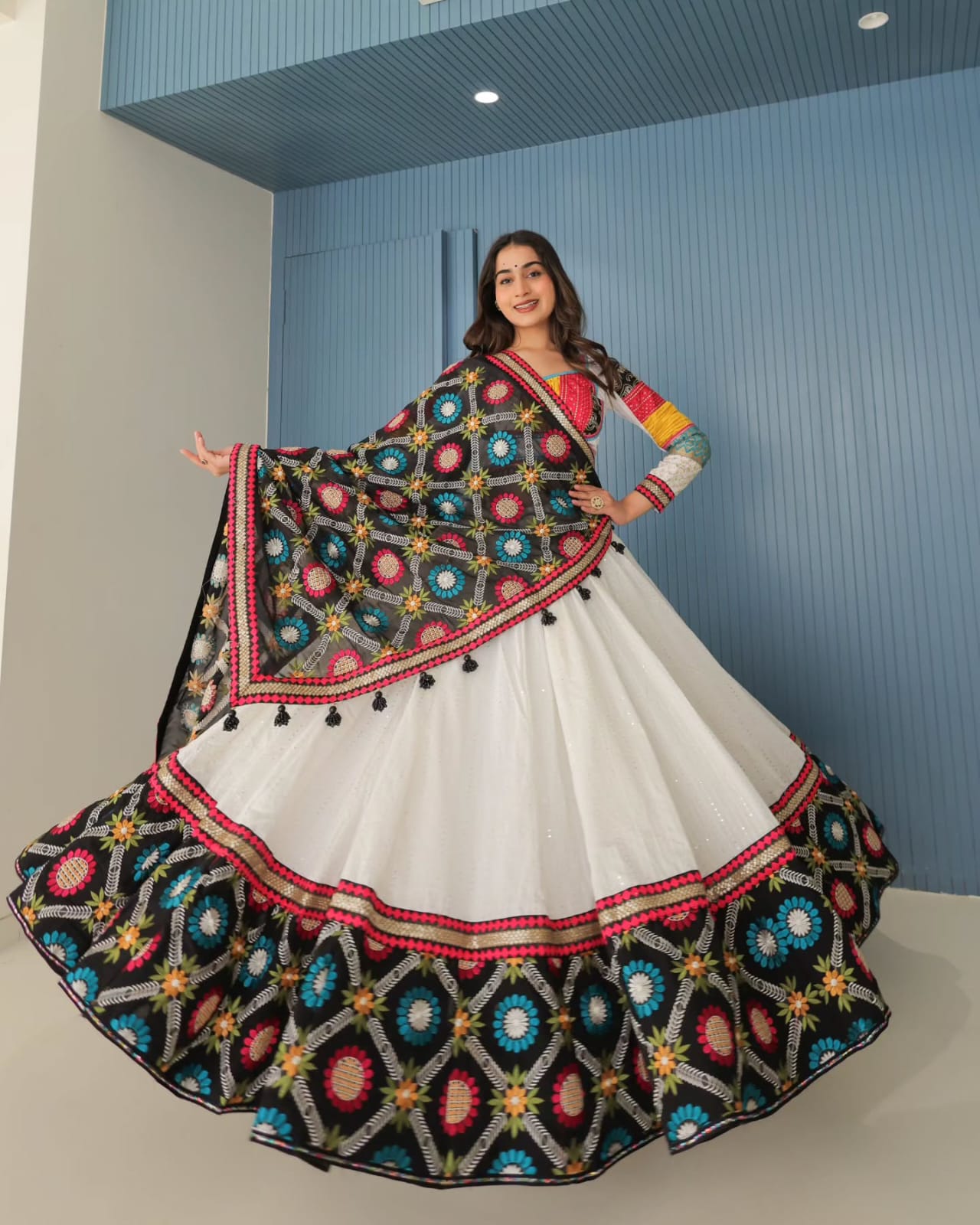
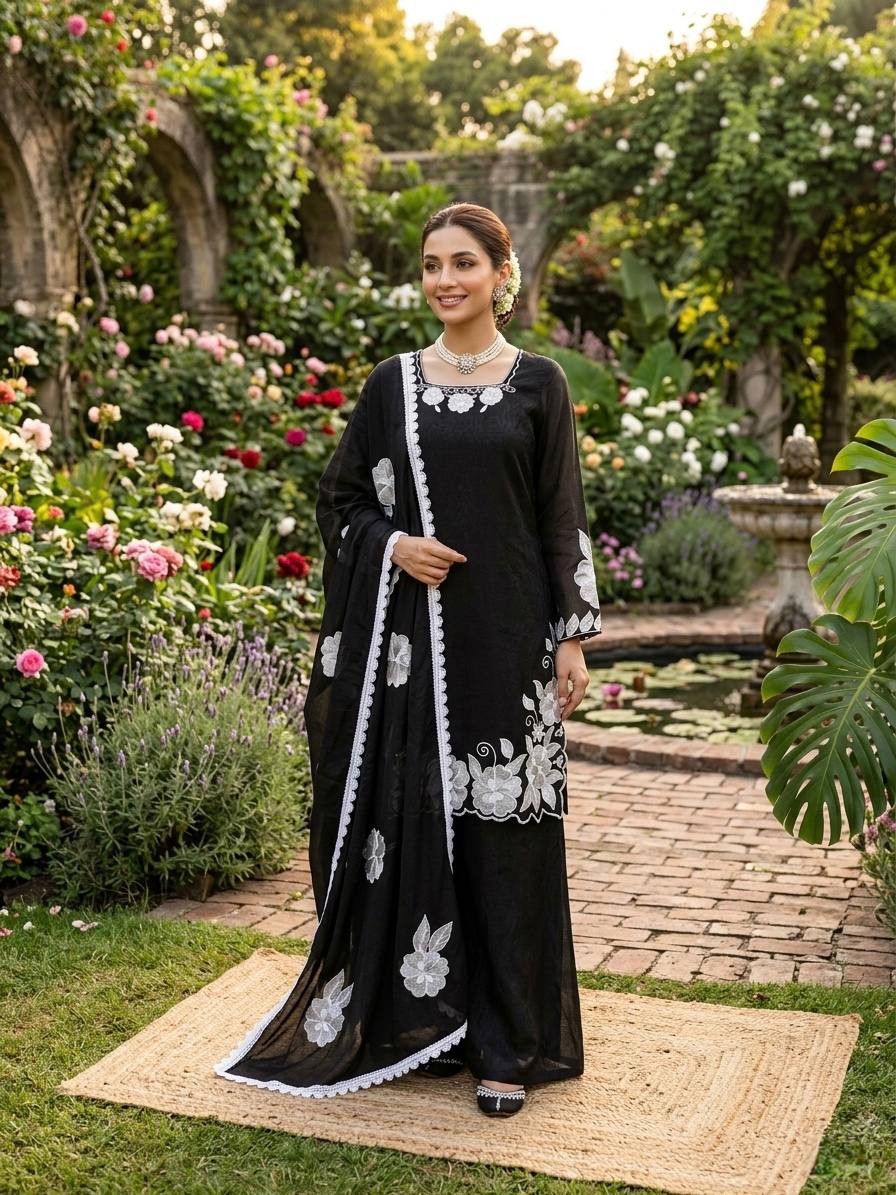
The Black White Floral Embroidered Readymade Salwar Suit illustrates the usefulness of a monochrome base. Black and white floral embroidery can be restyled for several festivals by changing the dupatta, earrings and footwear. A crimson dupatta creates a warmer Diwali direction, while a bright yellow or pink accessory can make the same base more suitable for Navratri.
Regional craft references that suit festive salwar suits
Regional textile references add meaning to festival dressing when they're used thoughtfully rather than mixed without a visual plan. One dominant craft influence, supported by plain accessories, usually creates a clearer outfit.
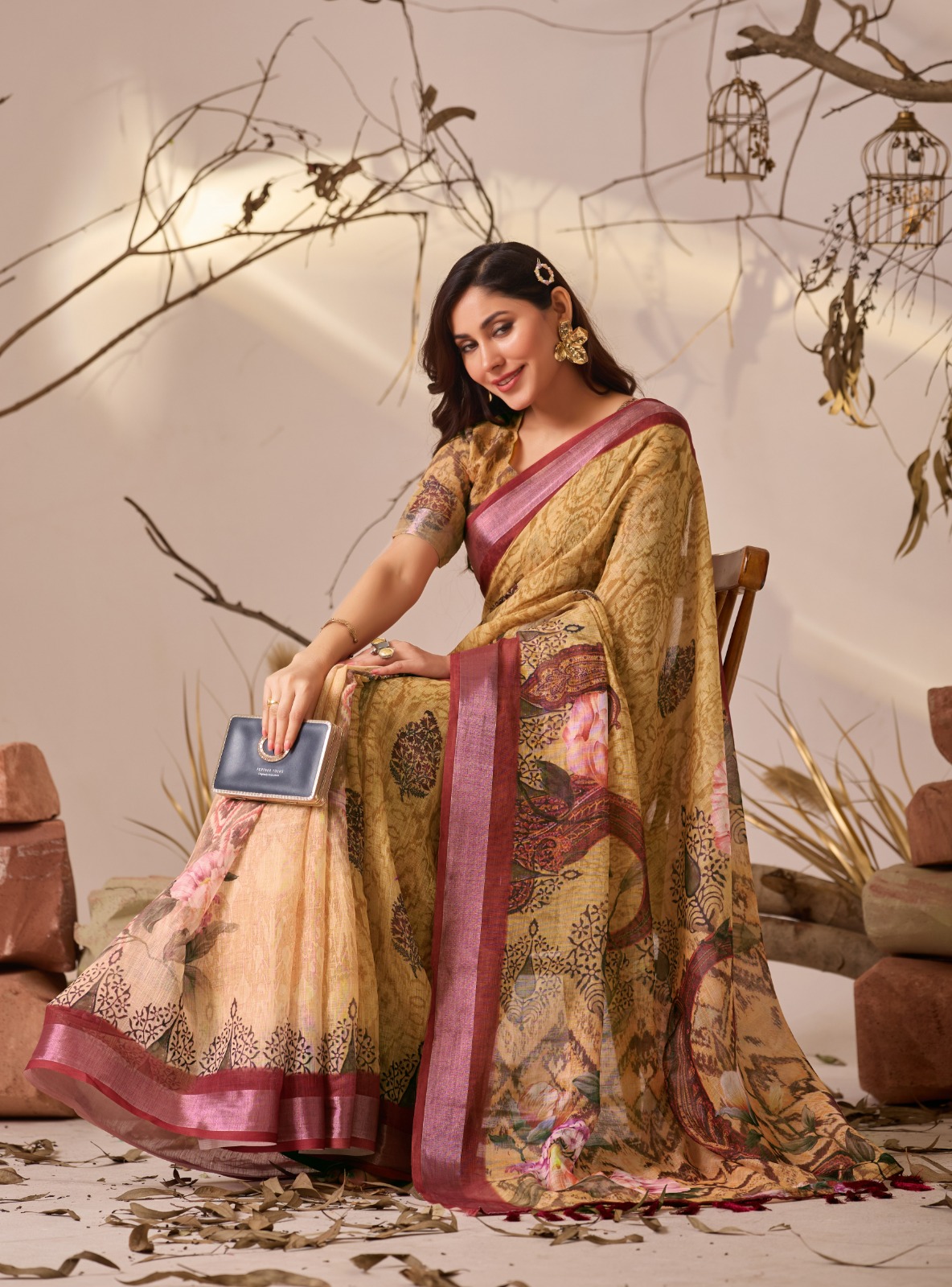
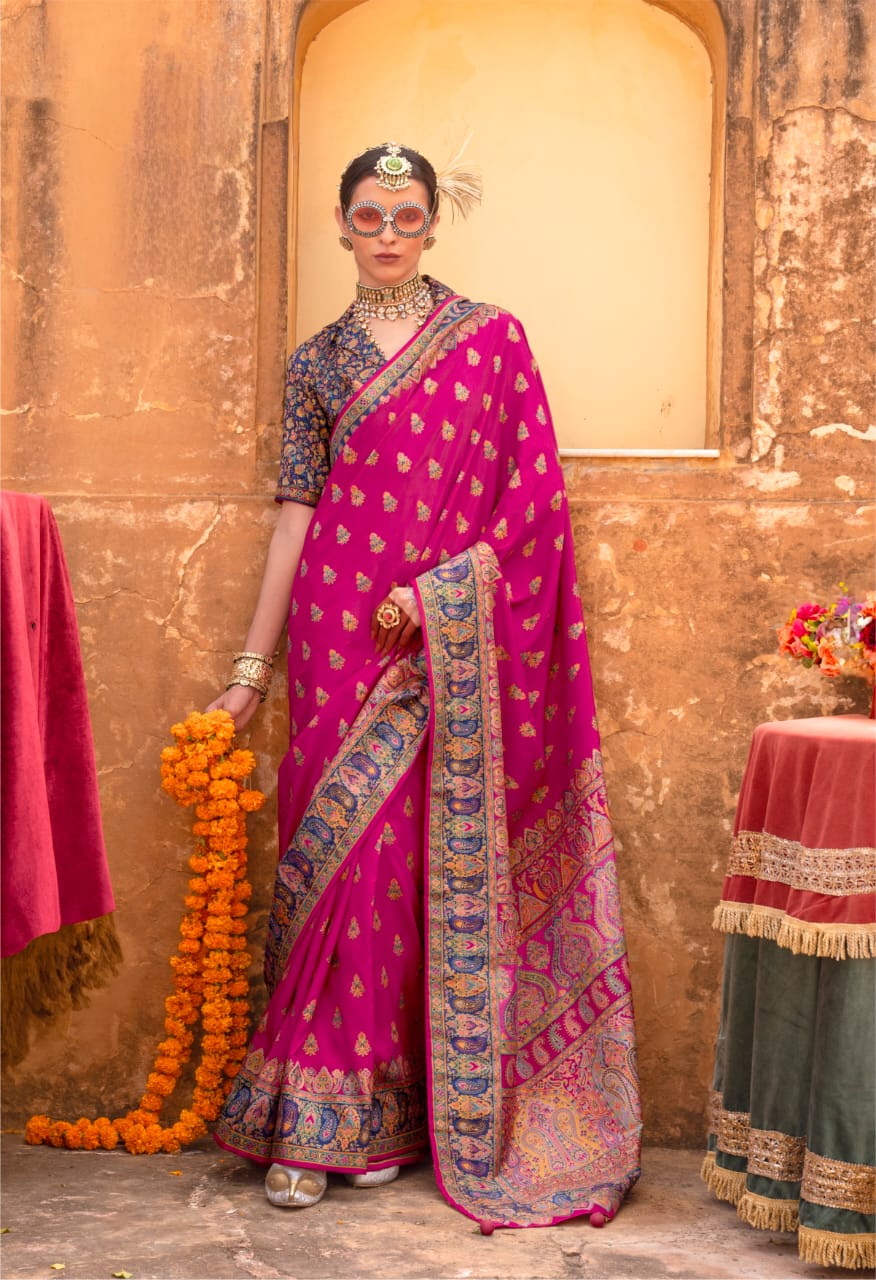
Maharashtra Paithani Inspired Salwar Suits can introduce jewel tones, peacock references and ornamental borders without requiring a sari drape. Such details work particularly well for Diwali or a formal family celebration. Pair a Paithani-inspired suit with simple gold-toned earrings so the border remains the main feature.
Punjab Phulkari Embroidered Salwar Suits bring bright threadwork and floral energy to a festive wardrobe. Phulkari-inspired embroidery can suit Navratri, Raksha Bandhan and daytime gatherings, especially when paired with comfortable juttis and a less elaborate hairstyle.
Karnataka Silk Salwar Suits offer a useful reference for structured silk, contrast borders and a polished evening finish. A Karnataka silk influence can work for a winter reception or formal Diwali dinner when the outfit is balanced with lighter jewellery.
Kashmir Embroidered Salwar Suits are valuable for understanding delicate floral placement and restrained threadwork. Kashmir-inspired embroidery can make a pastel or neutral suit feel special without relying on sequins, which is useful for daytime celebrations and cooler-season events.
These craft directions can also be compared with Kalamkari Print Salwar Suits (Copy), where narrative floral or botanical motifs provide interest through print instead of surface embellishment. Avoid combining a highly detailed Kalamkari-style print with a dense Phulkari-style dupatta; the motifs may compete and make the outfit look visually crowded.
How to make a salwar suit comfortable for a full festival day
Comfort improves when the suit is tested for sitting, walking, reaching and carrying the dupatta before the festival begins. A mirror check alone can't reveal whether a sleeve pulls or a trouser waistband digs in after a meal.
Allow approximately 2.5 to 5 centimetres of ease at the bust and hip, depending on the fabric and silhouette. Stretch-free silk and brocade need more room than knitted or elasticated fabrics. Readymade suits should be checked at the shoulder, armhole, waist and trouser rise because alterations in those areas can change the garment's balance.
Choose cotton or moisture-managing inner layers in warm weather. Seamless camisoles reduce visible lines under georgette, while a full slip can improve opacity under pale Chanderi. For an outdoor event, flat footwear with a cushioned sole is safer than a narrow high heel on uneven ground.
Secure a slippery dupatta at one shoulder and near the waist with small matching pins. A brooch can add polish, but a heavy brooch may pull delicate Chanderi or georgette. Keep a few spare pins, a stain-removal wipe and a small pouch for jewellery in the event bag.
Care and storage after the festival
Festival salwar suits last longer when stains are treated promptly and cleaning follows the fabric label. Silk, zari, embellished georgette and many Chanderi garments should be dry-cleaned rather than placed in a household washing machine.
Air the outfit in shade after wearing it, especially if it has absorbed perfume, cooking smoke or perspiration. Do not leave silk or zari in direct sunlight, because prolonged exposure can weaken fibres and fade darker dyes.
Fold embellished dupattas with acid-free tissue or soft cotton between heavy embroidered areas. Store suits in a breathable garment bag, not sealed plastic, and refold them every few months to reduce permanent crease lines. Keep neem leaves or cedar blocks nearby for insect protection, but don't place strongly scented material directly against delicate fabric.
With the right fabric, proportion and care routine, the Best Salwar Suits for Madhya Pradesh Festivals can serve several celebrations instead of becoming single-use occasion wear. The most useful festive wardrobe includes one breathable daytime suit, one polished evening option and versatile accessories that change the mood of both.
Questions About Choosing Salwar Suits for Madhya Pradesh Festivals
Which fabric is most comfortable for a Madhya Pradesh festival in warm weather?
Cotton, cotton-silk, lightweight Chanderi and breathable georgette are generally the most comfortable choices for warm daytime festivals. Choose a lining carefully because a heavy polyester lining can make even a light outer fabric feel hot.
What colour salwar suit should I wear for Diwali in Madhya Pradesh?
Wine, maroon, emerald, navy, black, red and antique gold are strong Diwali choices. A dark base with one warm contrast, such as red or gold, looks festive without requiring dense embellishment across the entire suit.
Are Chanderi salwar suits suitable for daytime festivals?
Chanderi salwar suits are well suited to daytime festivals because the fabric is light and has a subtle sheen. Check whether the garment is silk Chanderi, cotton Chanderi or a blend, and use a suitable lining for opacity.
How can I keep a salwar suit dupatta secure during Navratri?
Pin the dupatta at one shoulder and near the waist, using lightweight pins that will not damage delicate fabric. A narrow border and moderate length are easier to manage than a very heavy or oversized dupatta during walking and dancing.
Can one salwar suit work for more than one Madhya Pradesh festival?
One well-constructed salwar suit can work for multiple festivals when accessories change the styling. A black-and-white embroidered suit can take a red dupatta for Diwali, a yellow accessory for Navratri or pastel jewellery for a daytime family gathering.
How should embroidered salwar suits be stored after a festival?
Air the suit in the shade, follow the care label and dry-clean silk or heavily embellished garments when required. Fold embroidered sections with soft cotton or tissue, store the outfit in a breathable bag and avoid direct sunlight or sealed plastic.